Setting up a soda can packaging machine production line in North America demands strategic planning, strict regulatory compliance, and the right equipment partners. Whether you’re launching a new beverage brand or expanding an existing co-packing facility, understanding every phase of the process — from site preparation to full-scale automation — is critical to achieving consistent output, product quality, and long-term profitability.
1. Understanding the North American Beverage Packaging Landscape
North America remains one of the largest markets for canned beverages. Consumer demand for ready-to-drink sodas, sparkling waters, energy drinks, and functional beverages continues to climb. A well-designed soda can packaging line must handle high-speed filling, precise carbonation levels, and reliable sealing — all while meeting FDA food packaging regulations. Before purchasing equipment, conduct a thorough audit of your target output volume, facility layout, utility requirements (compressed air, CO₂, electricity), and labor availability.
2. Key Components of a Soda Can Packaging Line
A complete soda can packaging production line integrates multiple stations that must work in perfect synchronization. Below are the core machinery modules you will need to evaluate:
- Depalletizer: Automatically feeds empty cans onto the conveyor at high speed.
- Rinser / Washer: Cleans and sanitizes cans prior to filling, critical for food safety compliance under FDA food contact substance guidelines.
- Filler & Seamer: The heart of the line. Rotary or inline fillers paired with seamers ensure accurate fill volumes and hermetic seals.
- Carbonation System: Maintains consistent CO₂ levels for the perfect mouthfeel and shelf stability.
- Labeling & Coding Machine: Applies shrink sleeves or pressure-sensitive labels and prints batch codes, date marks, and barcodes for traceability.
- Packaging & Palletizing: Automates tray forming, shrink wrapping, and robotic palletizing to prepare finished goods for distribution.
3. Regulatory and Safety Standards in the United States and Canada
Any soda can production line operating in North America must comply with multiple regulatory frameworks. Familiarity with these standards before installation will prevent costly delays and fines.
| Standard / Agency | Scope & Application |
|---|---|
| FDA 21 CFR | Regulates food contact materials, Good Manufacturing Practices (GMP), and sanitary design for all beverage packaging equipment operating in the U.S. |
| CFIA (Canadian Food Inspection Agency) | Canadian equivalent overseeing food safety, packaging integrity, and labeling for soda products sold in Canada. |
| OSHA (Occupational Safety and Health) | Mandates machine guarding, lockout/tagout procedures, and noise level compliance for production line operators. |
| PMMI Standards | Widely referenced by North American packaging professionals for machinery safety, interoperability, and performance benchmarking. See PMMI resources. |
| ISO 11607 Series | Although focused on medical devices, relevant sections on packaging validation and sealing integrity apply indirectly to beverage can seaming process controls. |
4. Selecting the Right Packaging Machinery Partner
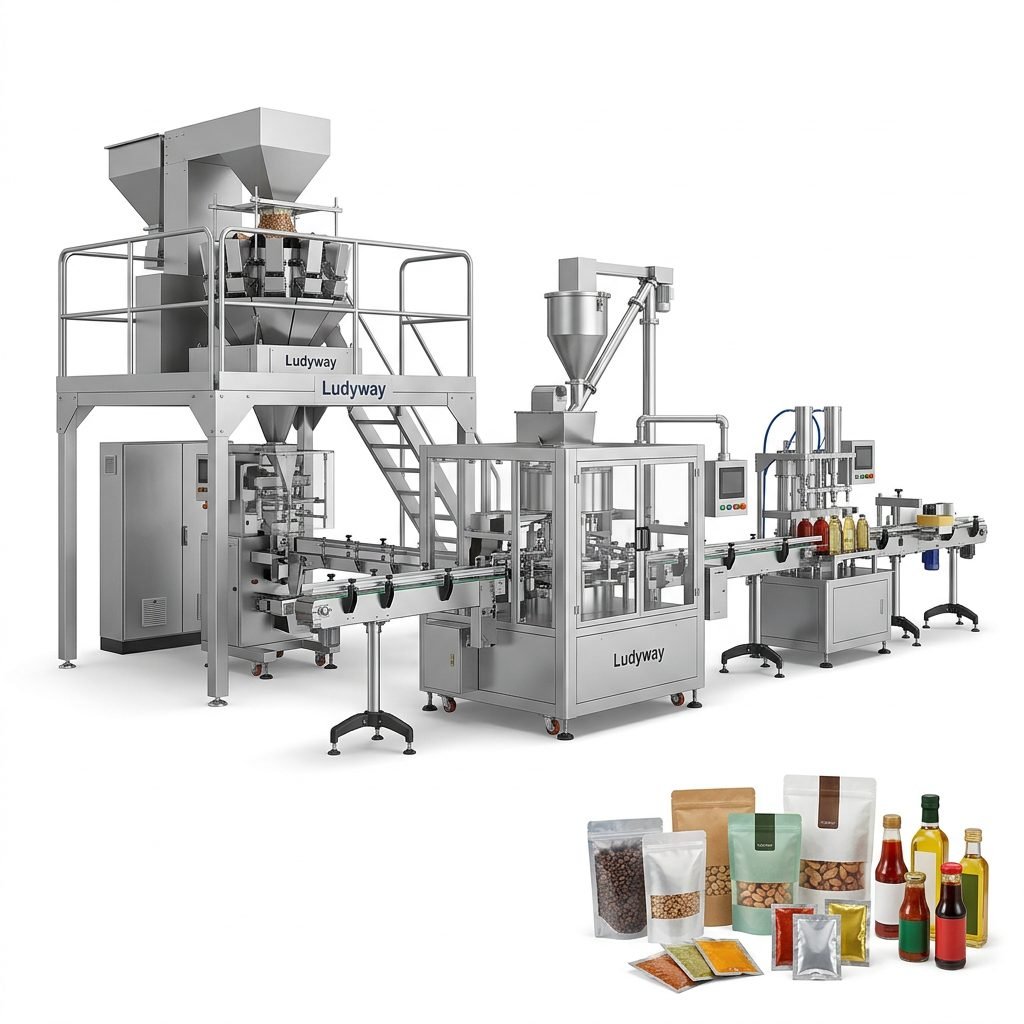
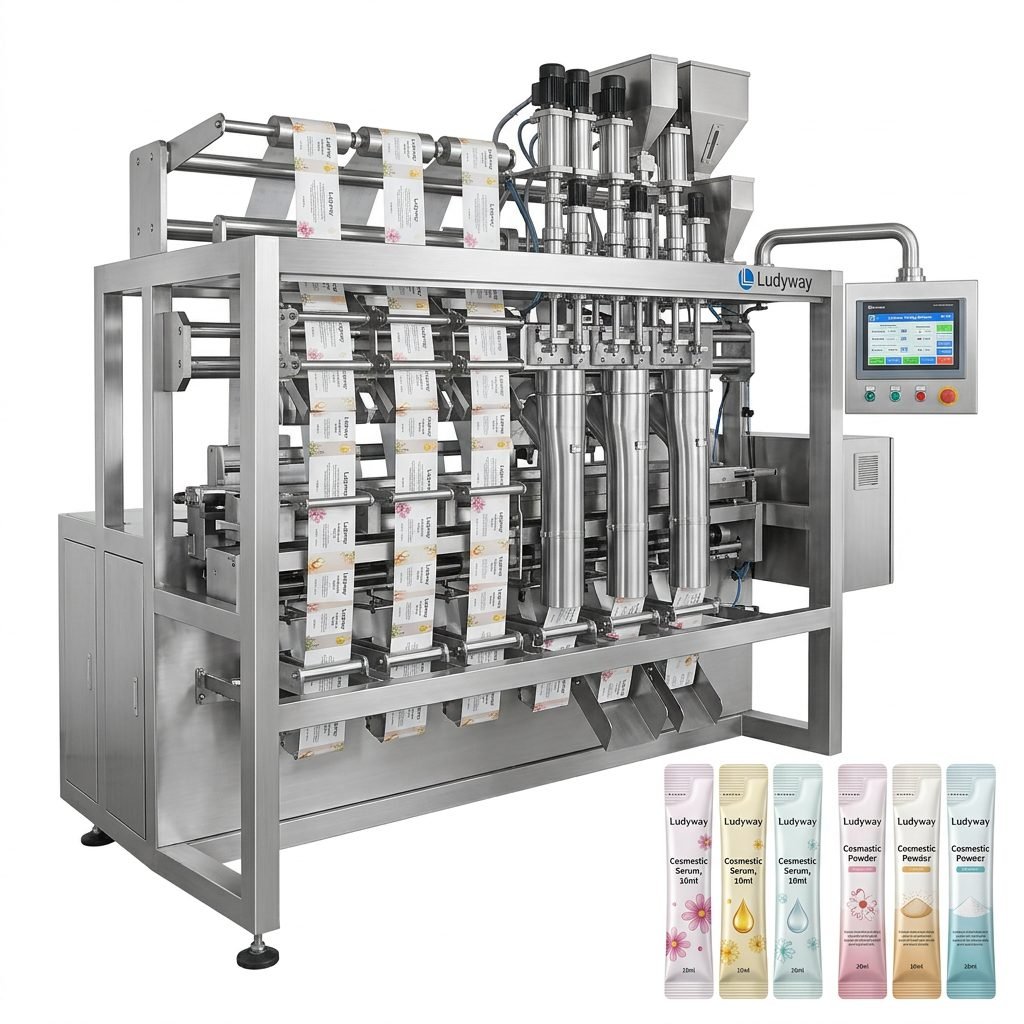
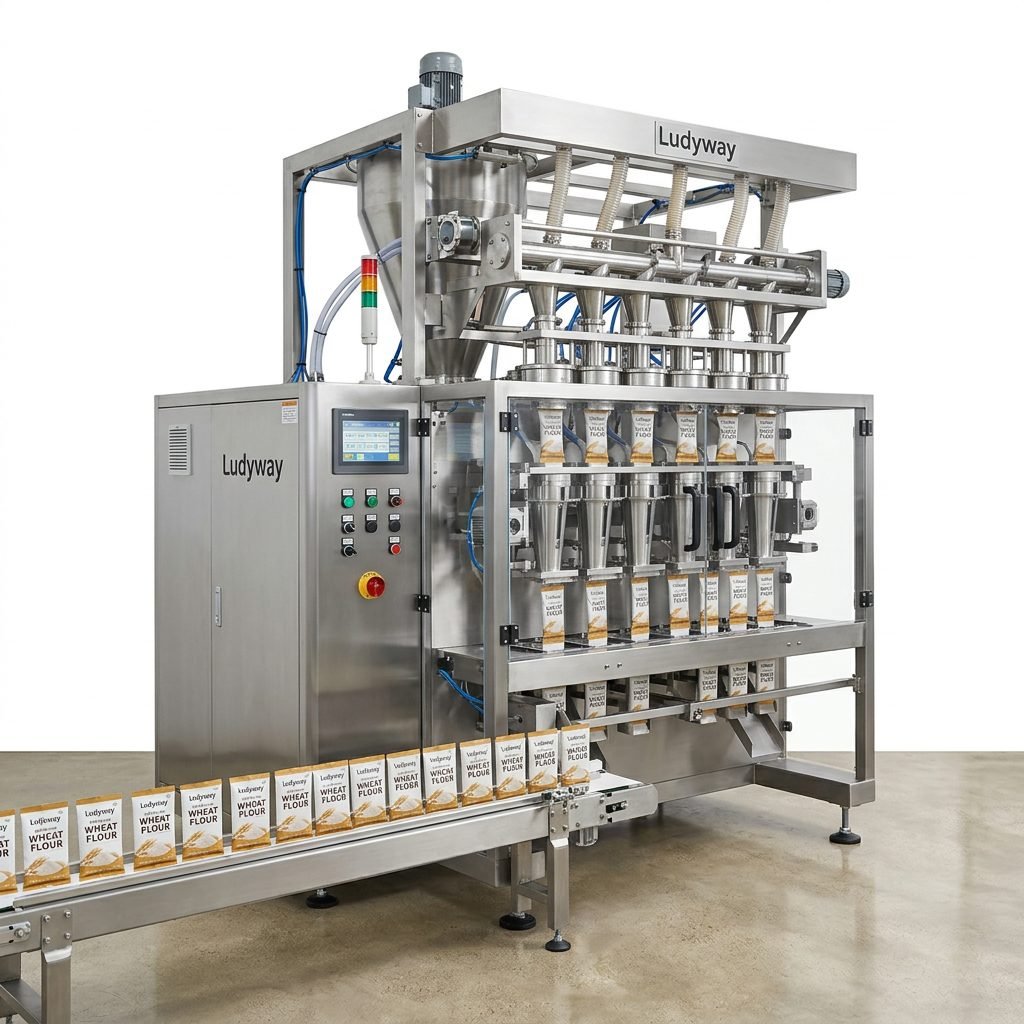
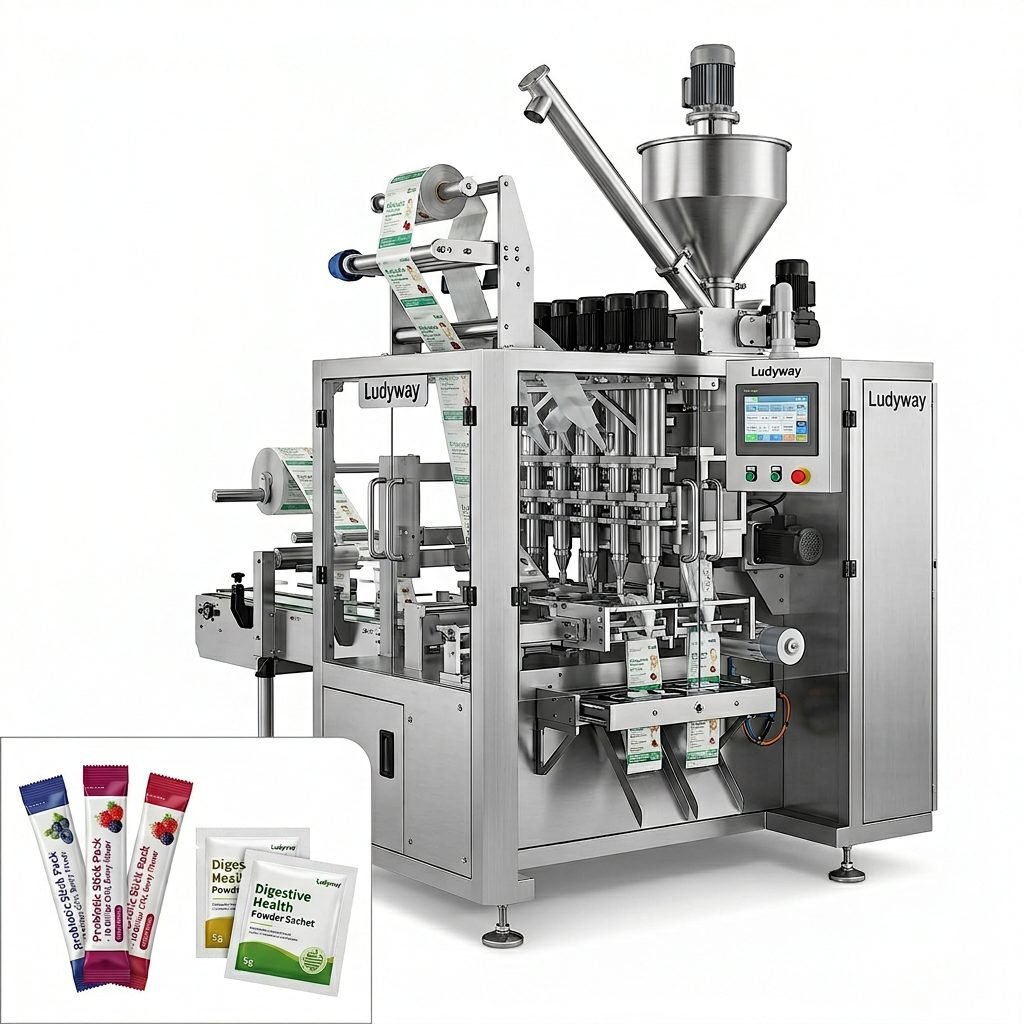
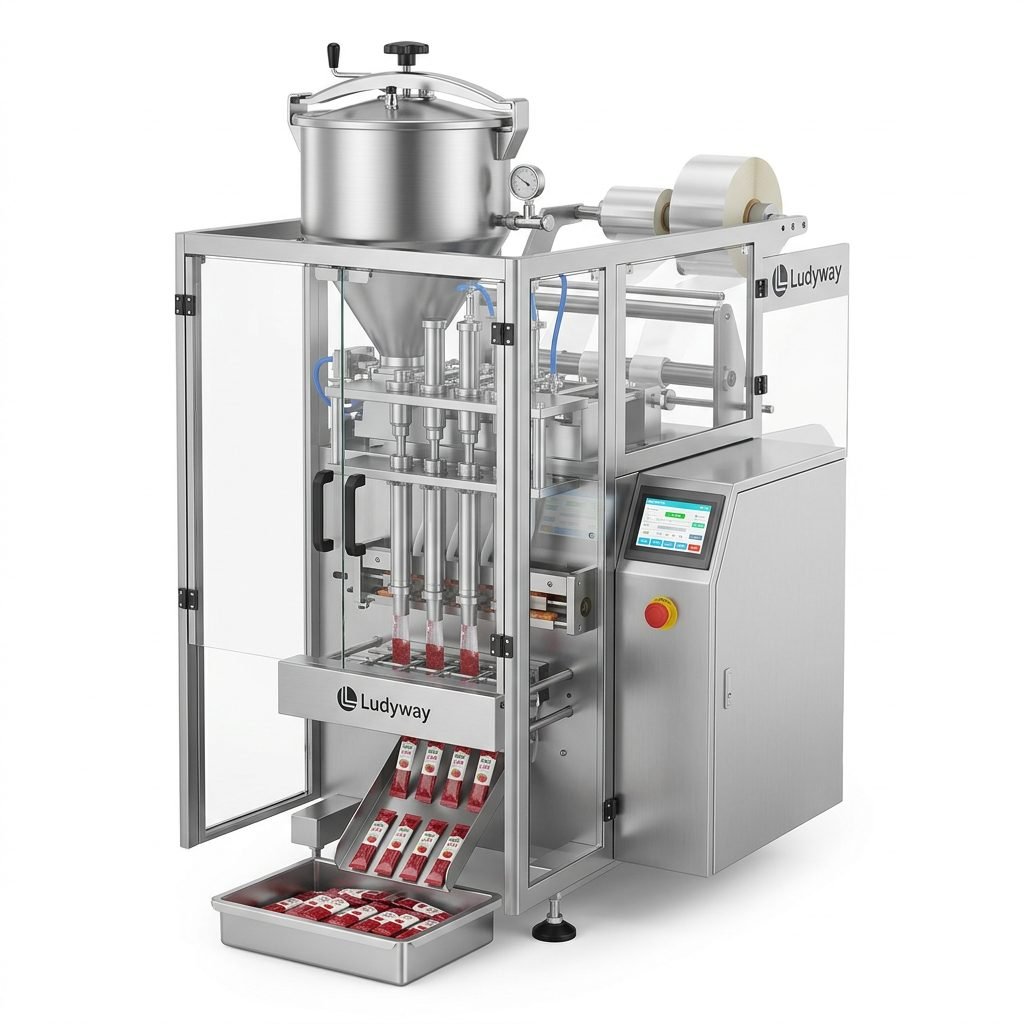
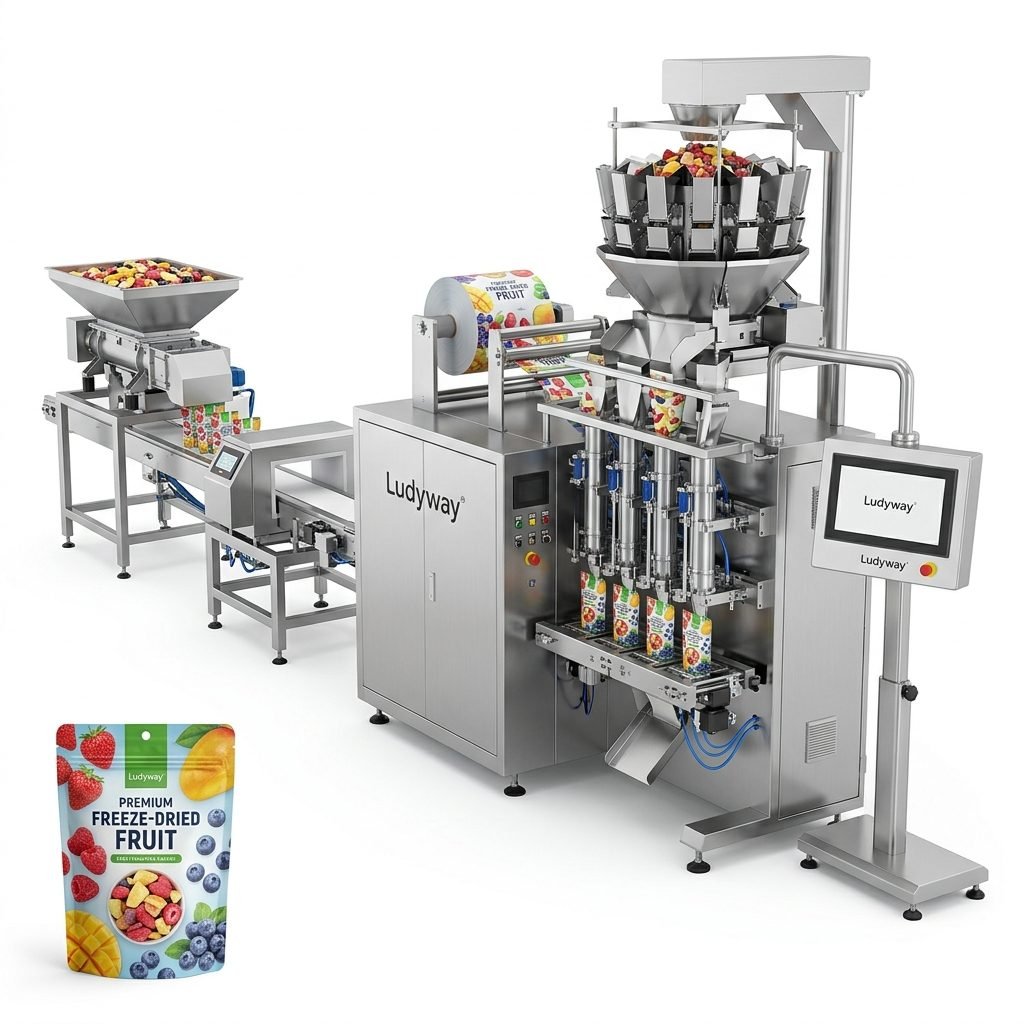
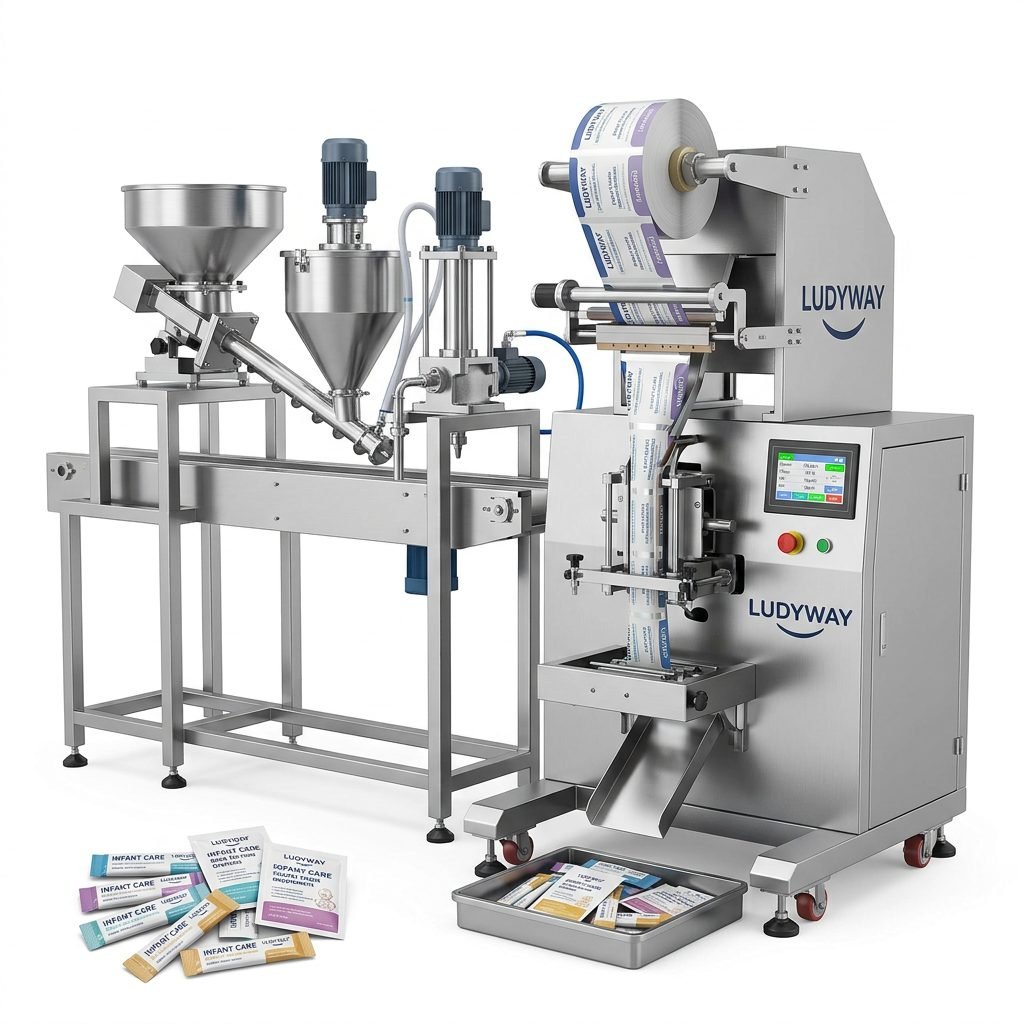
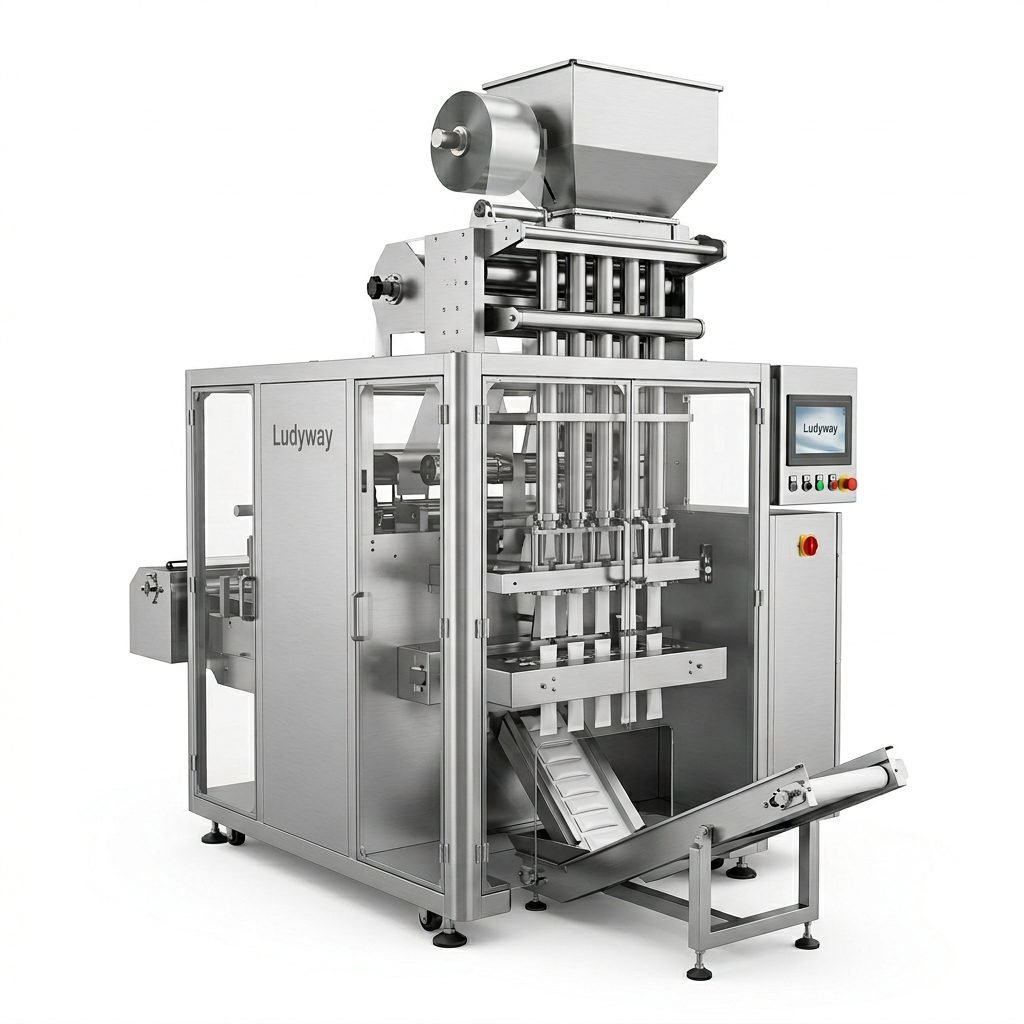
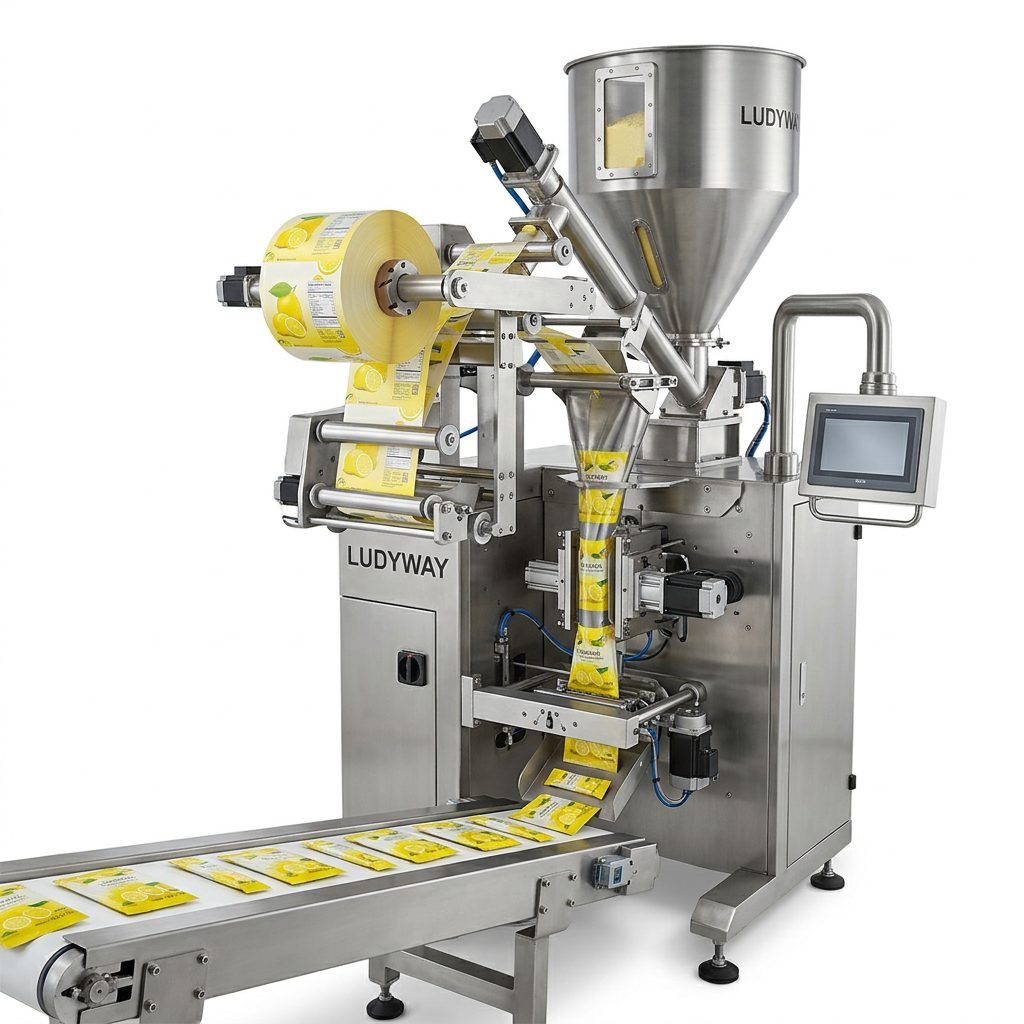
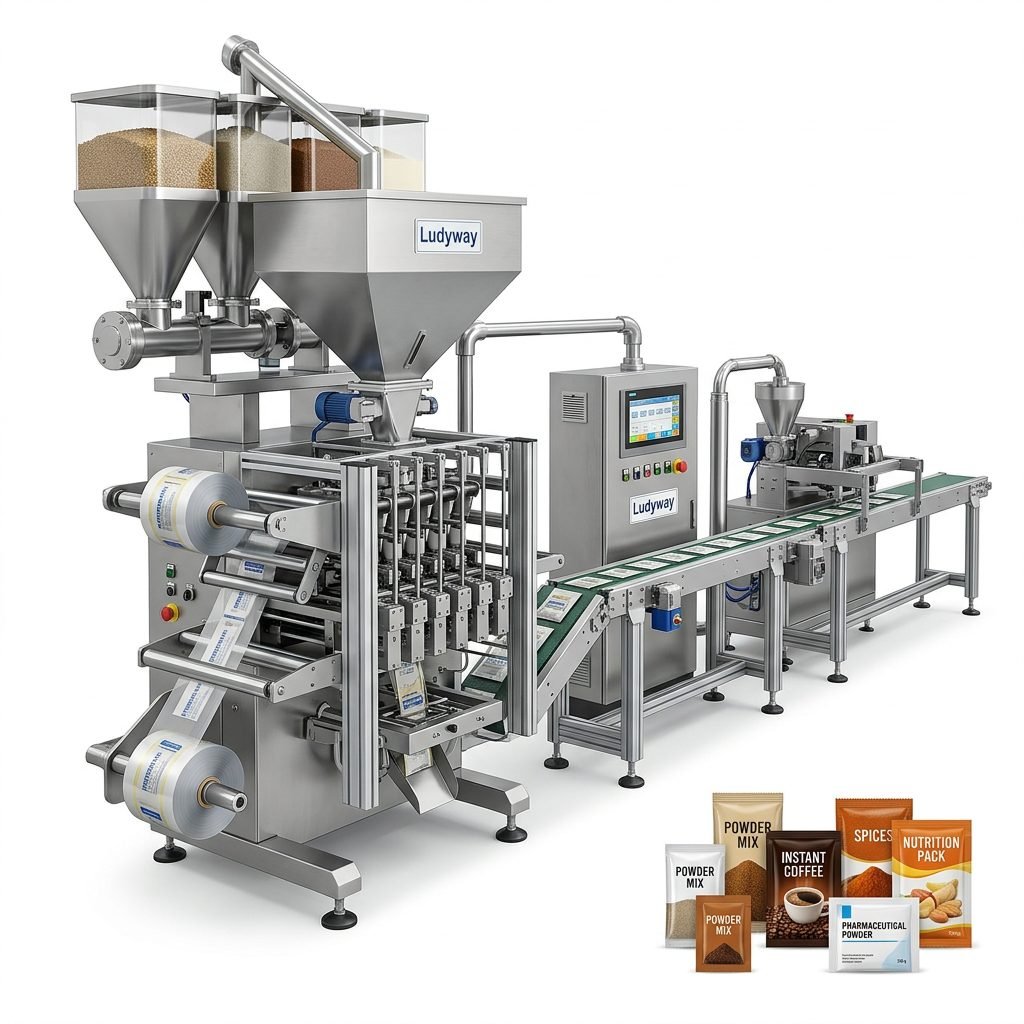
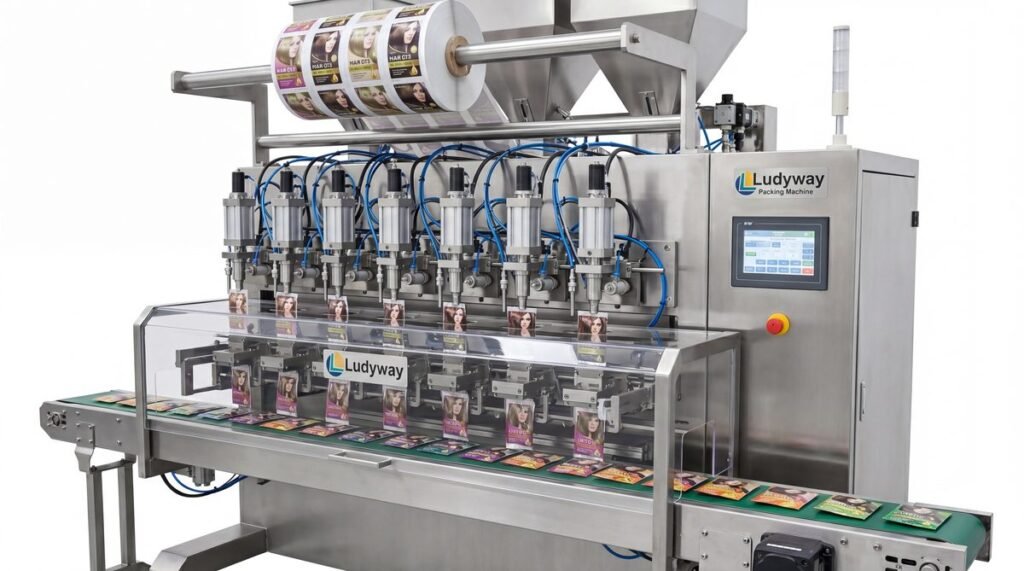
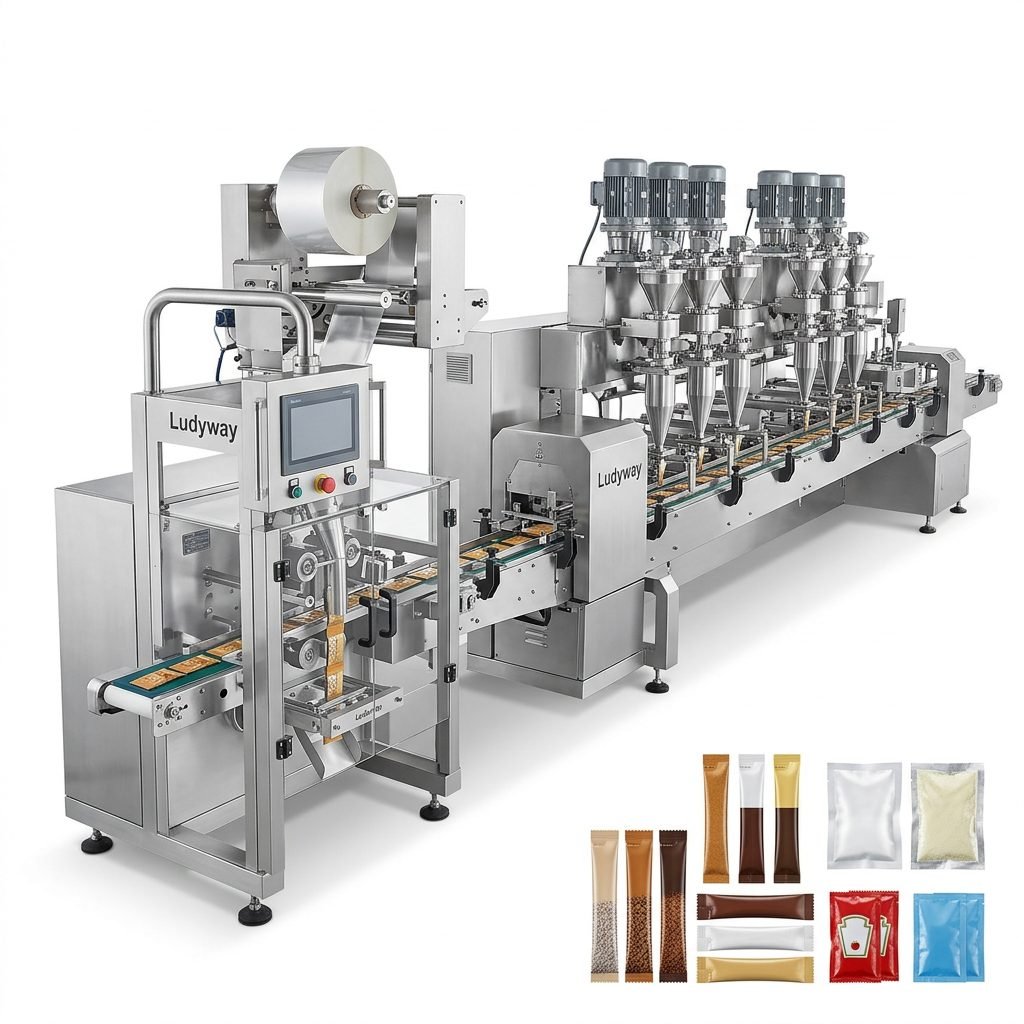
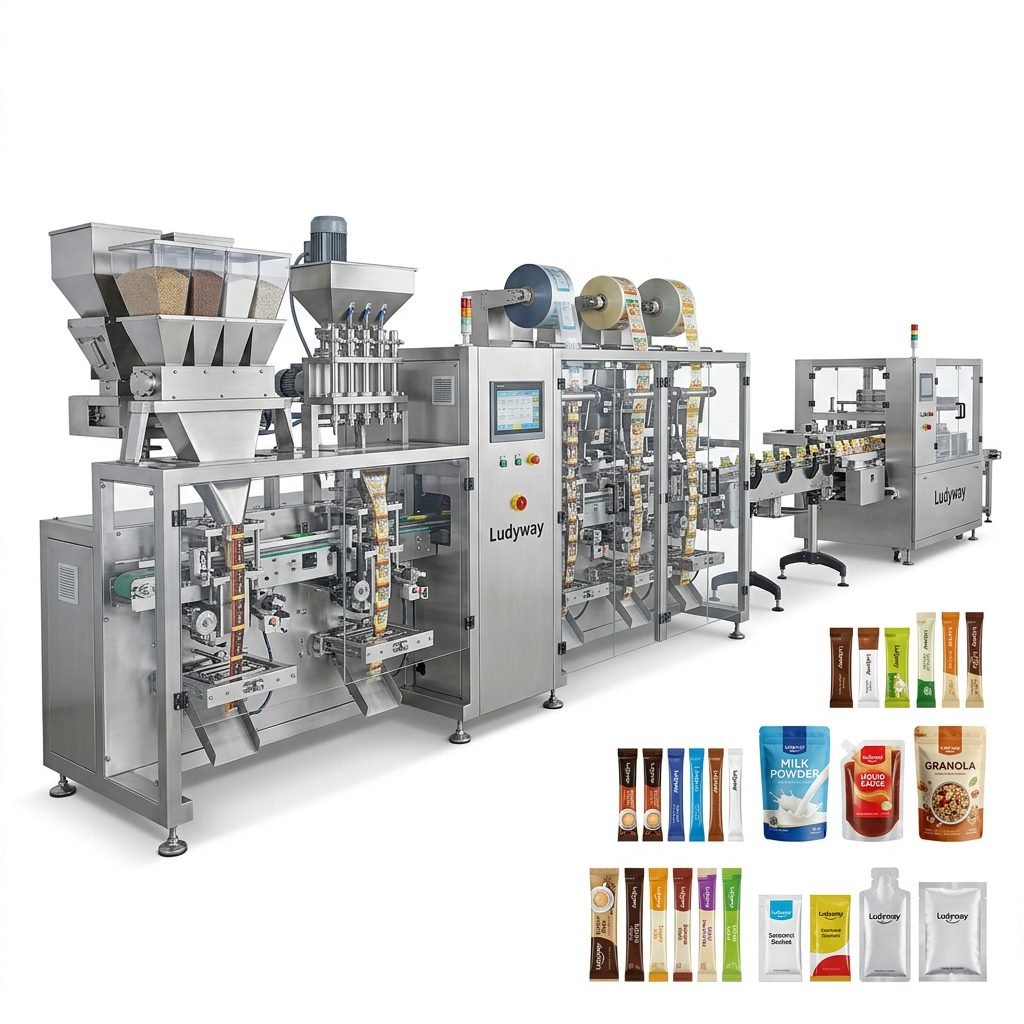
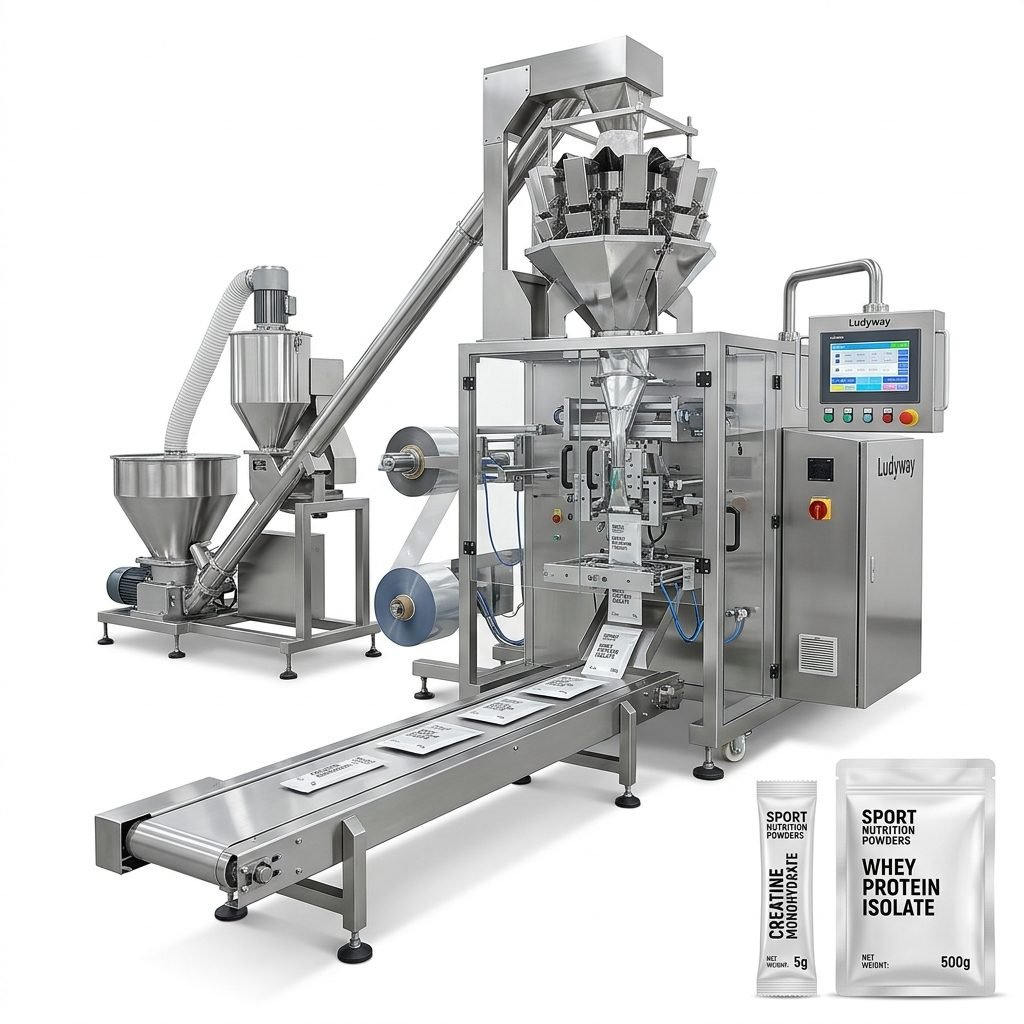
Choosing a packaging machine manufacturer with proven experience is one of the most important decisions you will make. Look for suppliers who offer turnkey solutions that cover the entire line from depalletizing to palletizing. Ludyway, one of the largest packaging machine manufacturers in China, provides advanced packaging equipment and complete production solutions for food, pharmaceutical, and health industries globally. With over 30 years of industry expertise and a modern 20,000㎡ manufacturing facility, the company delivers reliable, high-performance packaging systems to customers in more than 100 countries. Whether you need high-speed multi-lane stick pack machines or fully automated soda can packaging lines, selecting an experienced partner ensures smoother installation, training, and after-sales support in North America.

5. Typical Layout and Workflow Design
A well-planned floor layout minimizes material handling, reduces changeover time, and improves overall equipment effectiveness (OEE). Below is a typical sequence for a soda can packaging line mapped from receiving to shipping:
- Raw Material Intake: Empty cans, lids, labels, trays, and shrink film enter the facility through dedicated receiving docks.
- Depalletizing & Rinsing: Cans are automatically depalletized and rinsed with treated water or ionized air.
- Filling & Seaming: Pre-carbonated soda is filled and the can lid is double-seamed under controlled atmosphere to preserve carbonation.
- Inspection & Coding: Fill level, seam integrity, and date coding are verified by inline checkweighers and vision systems.
- Secondary Packaging: Cans are grouped into trays or Hi-Cone rings, then overwrapped or shrink-bundled.
- Palletizing & Stretch Wrapping: Finished pallets are automatically stacked and wrapped for warehouse storage or direct shipment.
6. Utility and Infrastructure Requirements
Installing a soda can filling line places specific demands on your facility’s infrastructure. Plan for the following utilities before equipment arrival:
- Compressed Air: High-quality, dry, oil-free compressed air for pneumatic controls and valve actuators.
- CO₂ Supply: Bulk carbon dioxide storage with vaporizers and pressure regulation for consistent carbonation.
- Power Supply: Dedicated electrical panels with voltage matching North American standards (typically 480V, 3-phase, 60Hz).
- Water Treatment: Reverse osmosis or deionized water systems for product mixing and can rinsing.
- Drainage and Sanitation: Sloped floors, trench drains, and washdown-capable equipment for CIP (Clean-in-Place) protocols.
7. Automation and Industry 4.0 Integration
Modern soda can packaging lines increasingly incorporate smart factory technologies. Integrating IIoT sensors, SCADA systems, and automated reporting allows operations managers to monitor OEE, track downtime causes, and predict maintenance needs. When evaluating machines, ask about compatibility with standard communication protocols like Ethernet/IP or Profinet, which are widely adopted in North American manufacturing environments. According to PMMI business intelligence, packaging operations that implement data-driven continuous improvement programs typically see double-digit gains in line efficiency within the first year.
8. Quality Control and Testing Protocols
Maintaining product quality on a high-speed canning line requires rigorous in-process checks. Implement the following testing stations along your production flow:
| Test Parameter | Method & Frequency |
|---|---|
| Seam Thickness & Tightness | Double-seam inspection using a seam micrometer every 30 minutes or after any filler jam. |
| Fill Volume Accuracy | Inline checkweigher with automatic reject for under/overweight cans, verified hourly against a calibrated scale. |
| Carbonation Level (Volumes CO₂) | Sampled and tested using a Zahm & Nagel carbonation meter or equivalent piercer device every batch. |
| Label Integrity & Code Legibility | Vision inspection system with OCR verification on every can; manual audit every 2 hours. |
| Microbial Sampling | Swab tests on filler nozzles and seamer chucks per facility HACCP plan schedule. |
9. Installation, Commissioning, and Operator Training
Proper installation sets the foundation for years of reliable production. Work with your equipment supplier to develop a detailed installation timeline that includes mechanical assembly, electrical integration, dry runs, and wet testing with actual product. Operator training should cover:
- Machine startup, shutdown, and emergency stop procedures.
- Adjusting fill volumes and seaming parameters for different can sizes.
- Cleaning and sanitization cycles (CIP/SIP).
- Troubleshooting common alarms and minor mechanical issues.
- Documenting maintenance activities in computerized maintenance management systems (CMMS).
10. Preventive Maintenance and Spare Parts Strategy
A proactive maintenance program minimizes unplanned downtime. Stock critical spare parts locally in North America to avoid extended lead times. High-wear items on soda can lines include seaming rolls and chucks, filler valve seals, conveyor belt sections, pneumatic cylinders, and sensor lenses. Many packaging machinery standards recommend maintaining a recommended spares list provided by the original equipment manufacturer. Establish a preventive maintenance schedule based on machine hours, not calendar days, to align with your actual production volume.
11. Sustainability and Environmental Considerations
North American consumers and retailers increasingly prioritize sustainable packaging. Your soda can production line should incorporate features that reduce environmental impact:
- Lightweight cans: Use thinner-gauge aluminum to reduce material usage without compromising integrity.
- Water recycling: Capture and treat rinse water for reuse in non-product-contact applications.
- Energy-efficient motors: Select IE3 or IE4 premium efficiency motors on conveyors and auxiliary equipment.
- Recyclable secondary packaging: Switch to 100% recyclable corrugated trays and eliminate non-recyclable multi-pack rings.
Resources from the Flexible Packaging Association and the U.S. EPA Sustainable Materials Management program provide valuable guidance on packaging sustainability metrics and reporting.
12. Evaluating Total Cost of Ownership (TCO)
When comparing soda can packaging machine proposals, look beyond the initial purchase price. A comprehensive total cost of ownership analysis should account for the following factors over a 7-10 year equipment lifespan:
| Cost Category | Typical Percentage of TCO |
|---|---|
| Equipment Purchase | 35-45% |
| Installation & Commissioning | 8-12% |
| Spare Parts & Maintenance | 20-25% |
| Energy & Utilities | 10-15% |
| Operator Labor & Training | 10-15% |
13. Key Industry Resources and References
Staying informed about industry trends and standards will help you optimize your packaging operation over time. Below are essential resources for North American beverage packagers:
- PMMI – The Association for Packaging and Processing Technologies
- PACK EXPO International – Leading packaging trade show in North America
- Flexible Packaging Association – Industry data and regulatory updates
- FDA Food Ingredients & Packaging
- ISO Packaging Standards
- European Commission – Packaging and Packaging Waste

14. Final Checklist Before Going Live
Before starting full production on your new soda can packaging line, verify each item on this readiness checklist:
- All equipment has passed factory acceptance testing (FAT) and site acceptance testing (SAT).
- Utility connections (power, water, CO₂, compressed air) are certified and operating within specifications.
- Operators and maintenance technicians have completed hands-on training with documentation.
- Quality control instruments are calibrated and standard operating procedures (SOPs) are posted.
- Critical spare parts are stocked and reorder lead times are confirmed with suppliers.
- HACCP plan is updated and validated for the new line configuration.
- Waste management and recycling procedures are in place for aluminum, plastic, and corrugated materials.
A well-executed soda can packaging line setup positions your business for growth in the competitive North American beverage market. By selecting robust machinery, adhering to safety and regulatory requirements, and investing in operator training, you can achieve high throughput, consistent product quality, and long-term operational efficiency. For assistance with turnkey packaging solutions tailored to your facility’s needs, consult experienced equipment manufacturers and industry organizations referenced throughout this guide.