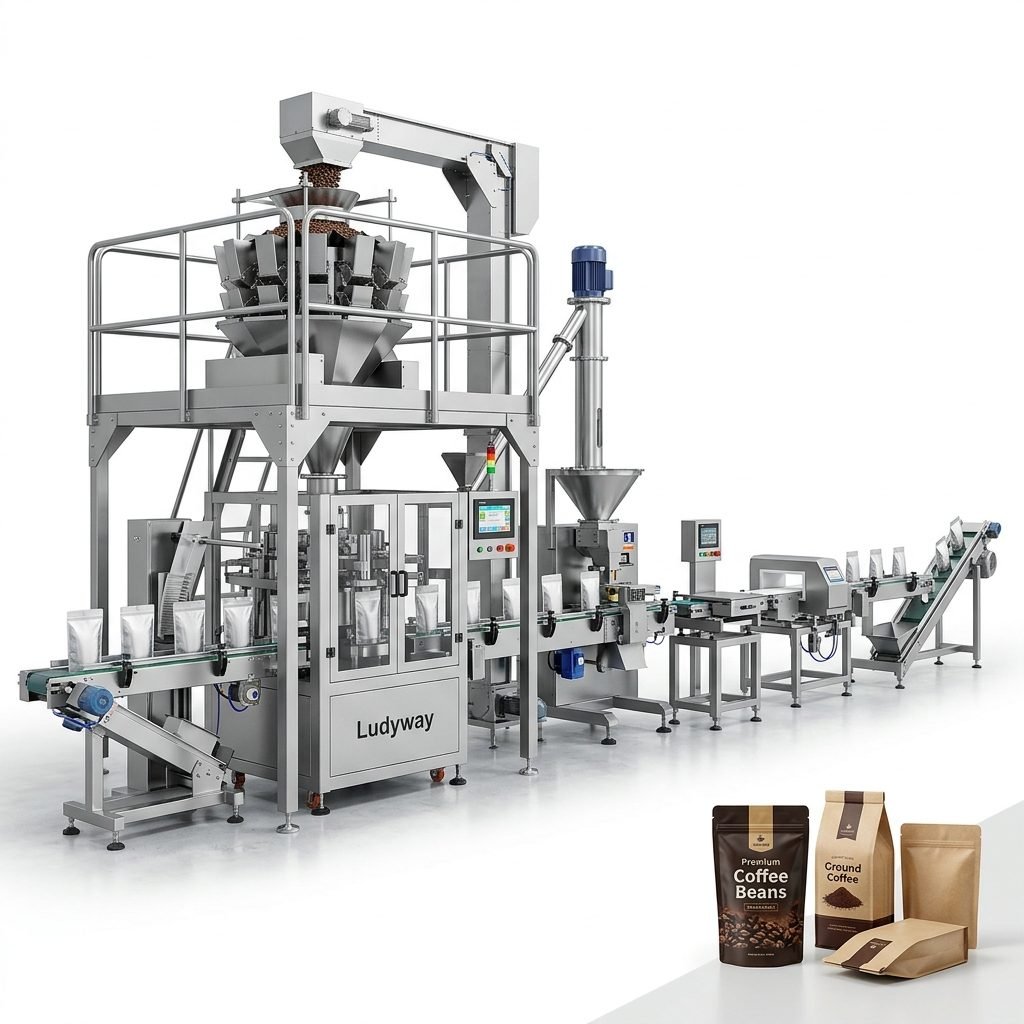
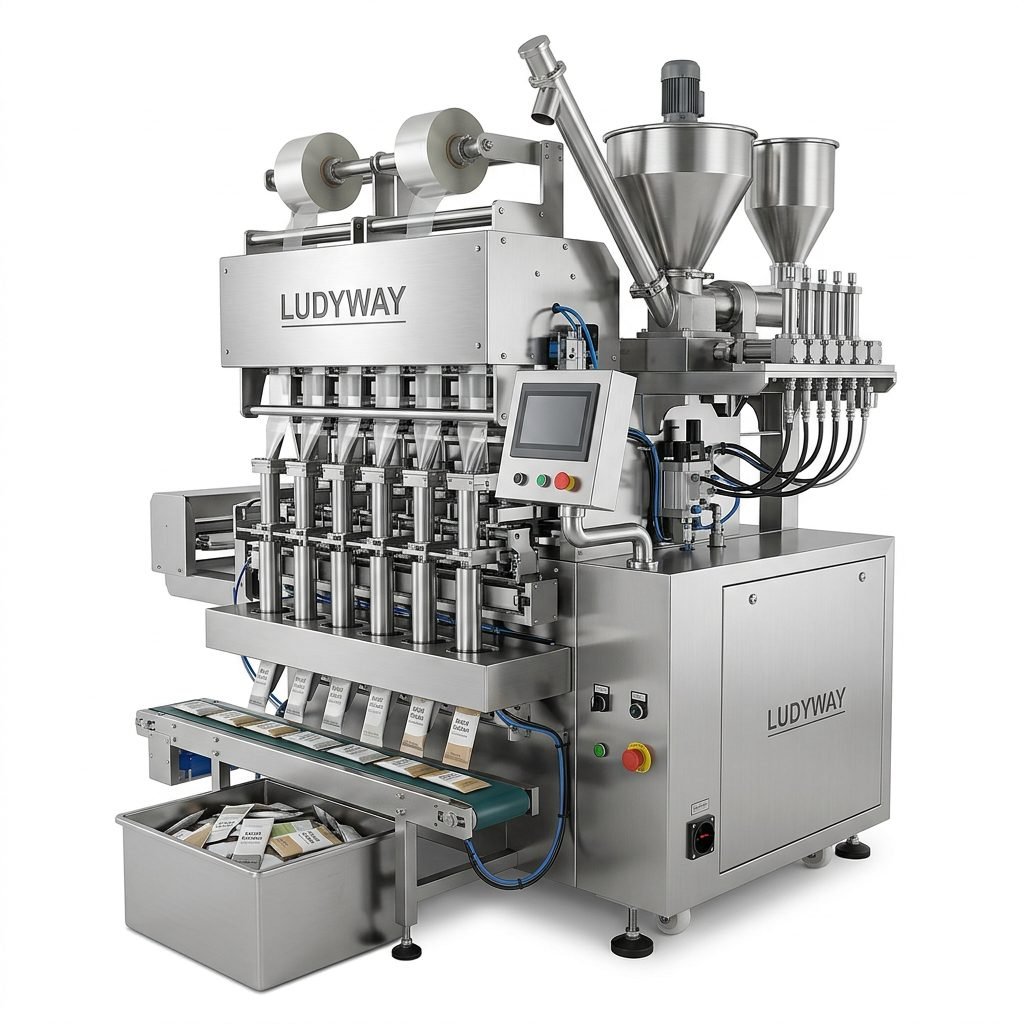
Setting up a condiment packaging machine production line in Europe requires careful planning, regulatory awareness, and the right equipment configuration. Whether you are packaging ketchup, mustard, mayonnaise, soy sauce, vinegar, or specialty sauces, the European market demands high efficiency, strict hygiene standards, and full compliance with EU regulations. This guide walks you through every essential step — from initial feasibility assessment to full-scale production deployment.
Understanding the European Condiment Packaging Market
Europe represents one of the world’s most sophisticated markets for packaged condiments. According to industry data from the Flexible Packaging Association, the demand for single-serve sachets, stick packs, and portion-controlled pouches continues to grow steadily across the region. This growth is driven by changing consumer lifestyles, increased demand for convenience foods, and the expansion of food service channels.
Key condiment categories with strong packaging demand in Europe include:
- Tomato-based sauces (ketchup, BBQ sauce, pizza sauce)
- Emulsified condiments (mayonnaise, salad dressings, aioli)
- Fermented liquid condiments (soy sauce, vinegar, Worcestershire sauce)
- Hot sauces and chili-based products
- Mustard varieties (Dijon, whole grain, yellow mustard)
- Specialty and ethnic sauces (curry sauce, teriyaki, pesto)
Step 1: Define Your Product Specifications and Packaging Format
Before selecting any machinery, you must clearly define what you are packaging. The physical characteristics of your condiment — viscosity, particulate content, acidity level, and temperature sensitivity — directly determine the type of filling system, material handling, and sealing technology required.
Common Packaging Formats for Condiments in Europe
| Packaging Format | Best Suited For | Volume Range | Typical Market Application |
|---|---|---|---|
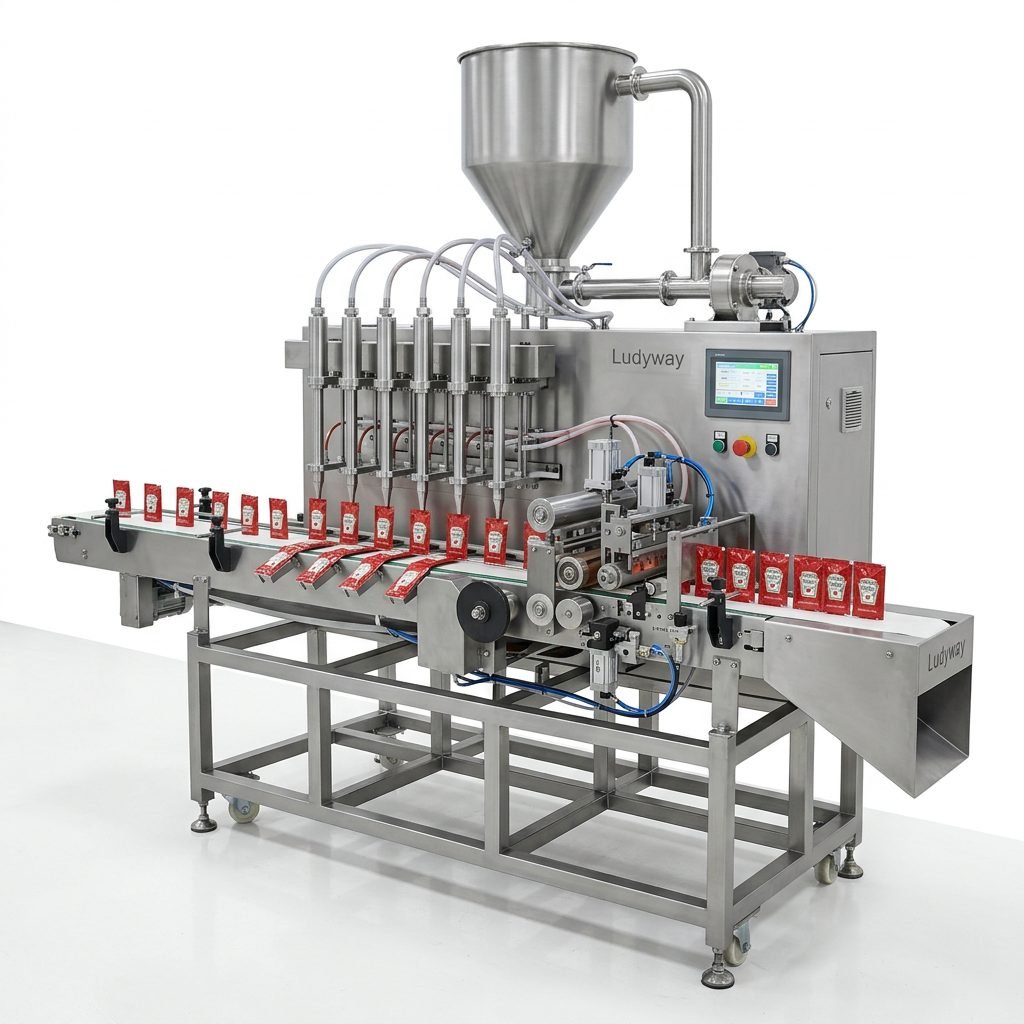
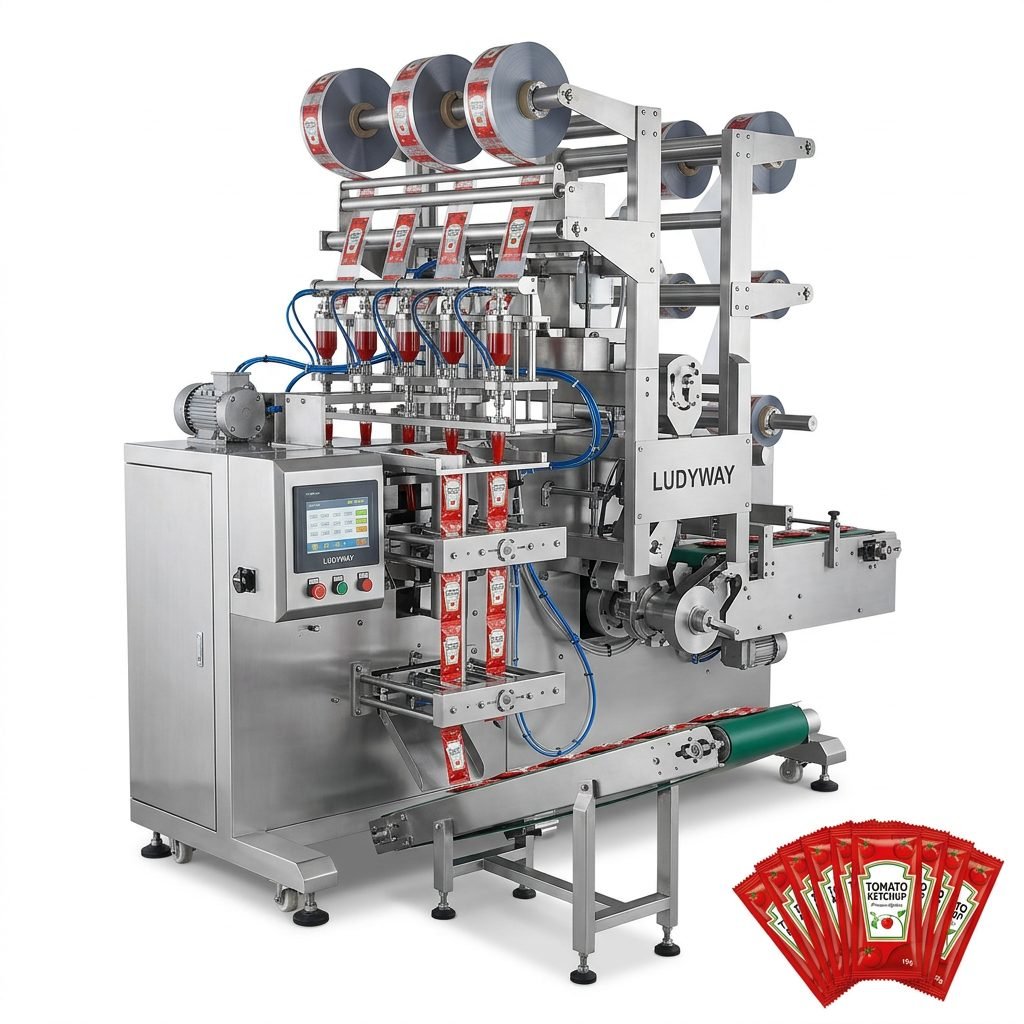
| Sachet / Pillow Pouch | Ketchup, mayonnaise, soy sauce | 3ml – 30ml | Food service, takeaways, travel packs |
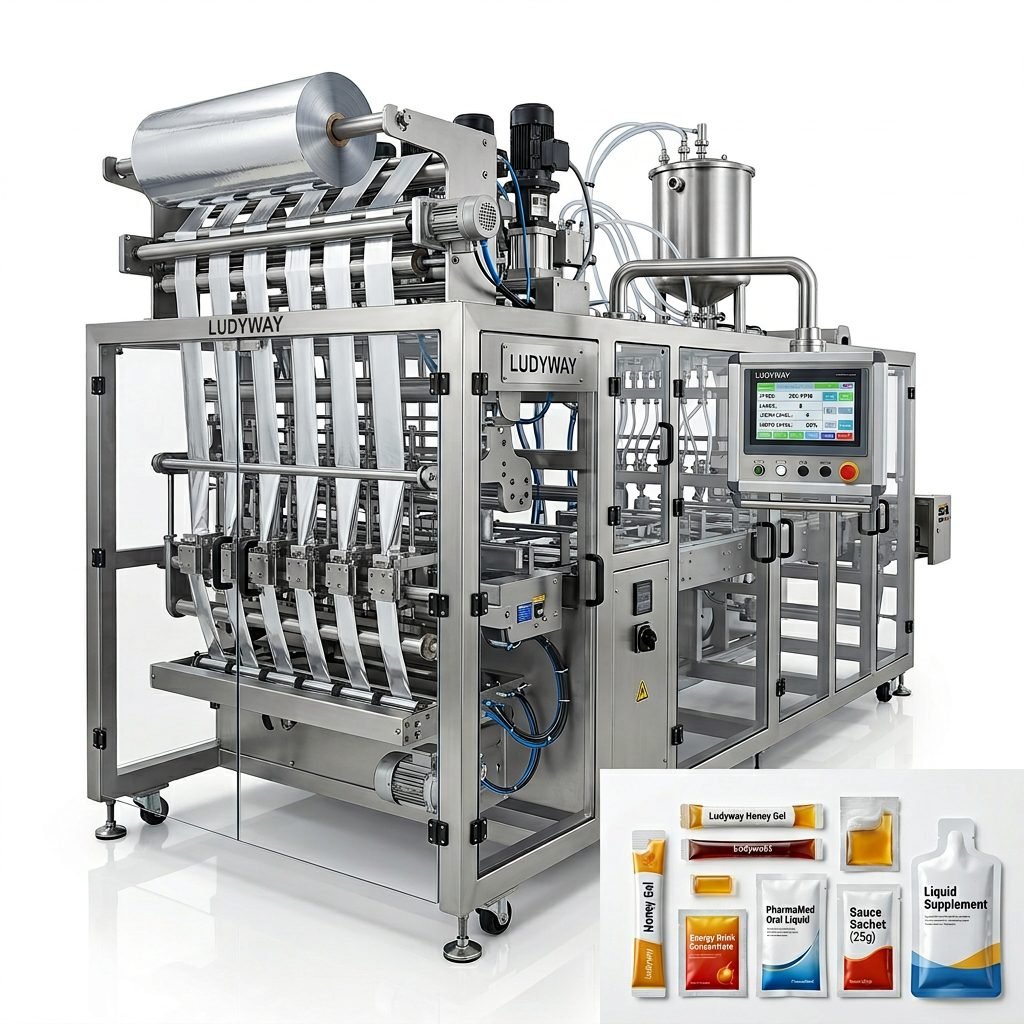
| Stick Pack | Honey, concentrated sauces, pastes | 5ml – 20ml | Retail, on-the-go, premium single-serve |
| Multi-Lane Sachet | All liquid condiments | 5ml – 50ml | High-volume industrial production |
| Stand-Up Pouch | Thicker sauces, pastes, dressings | 50ml – 500ml | Retail shelves, premium branding |
| Bottle Filling Line | All condiment types | 100ml – 1L+ | Retail, food service bulk |
Step 2: Ensure EU Regulatory Compliance and CE Certification
All packaging machinery installed in the European Union must comply with CE marking requirements under the Machinery Directive 2006/42/EC. This is non-negotiable. Additionally, condiment packaging lines must meet stringent food safety and hygiene standards as outlined in European Commission packaging regulations and relevant ISO packaging standards.
Key Regulatory Areas to Address
- EC 1935/2004: Materials and articles intended to come into contact with food — all machine components touching the condiment must use food-grade stainless steel (typically AISI 304 or 316L) and approved polymers
- EU 10/2011: Specific rules for plastic materials in food contact — critical for film selection and sealing components
- EN 1672-2: Hygiene requirements for food processing machinery — covers cleanability, drainage, and surface finish standards
- ATEX Directive (where applicable): For condiments containing alcohol or volatile compounds that may create explosive atmospheres
- FDA food packaging compliance (if also exporting to the US market)
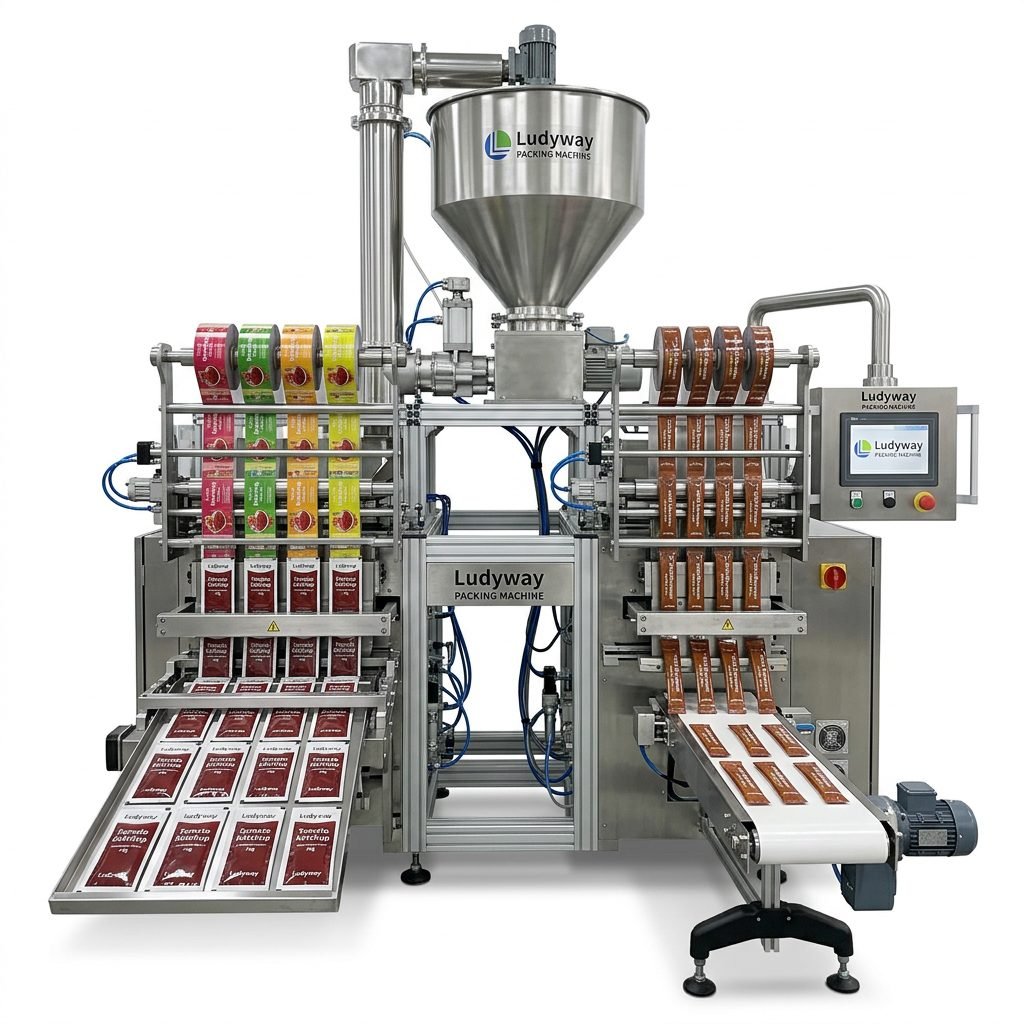
Step 3: Select the Right Condiment Packaging Equipment
Your equipment selection should be based on production volume targets, packaging format, condiment viscosity, and automation requirements. A well-designed condiment packaging line typically integrates multiple subsystems that must work in perfect synchronization.
Core Equipment Components
| Equipment Module | Function | Key Consideration for Condiments |
|---|---|---|
| Liquid Filling System | Precise volumetric dosing of liquid condiments | Piston fillers for thick sauces; gravity or peristaltic pumps for thin liquids; anti-drip nozzles essential |
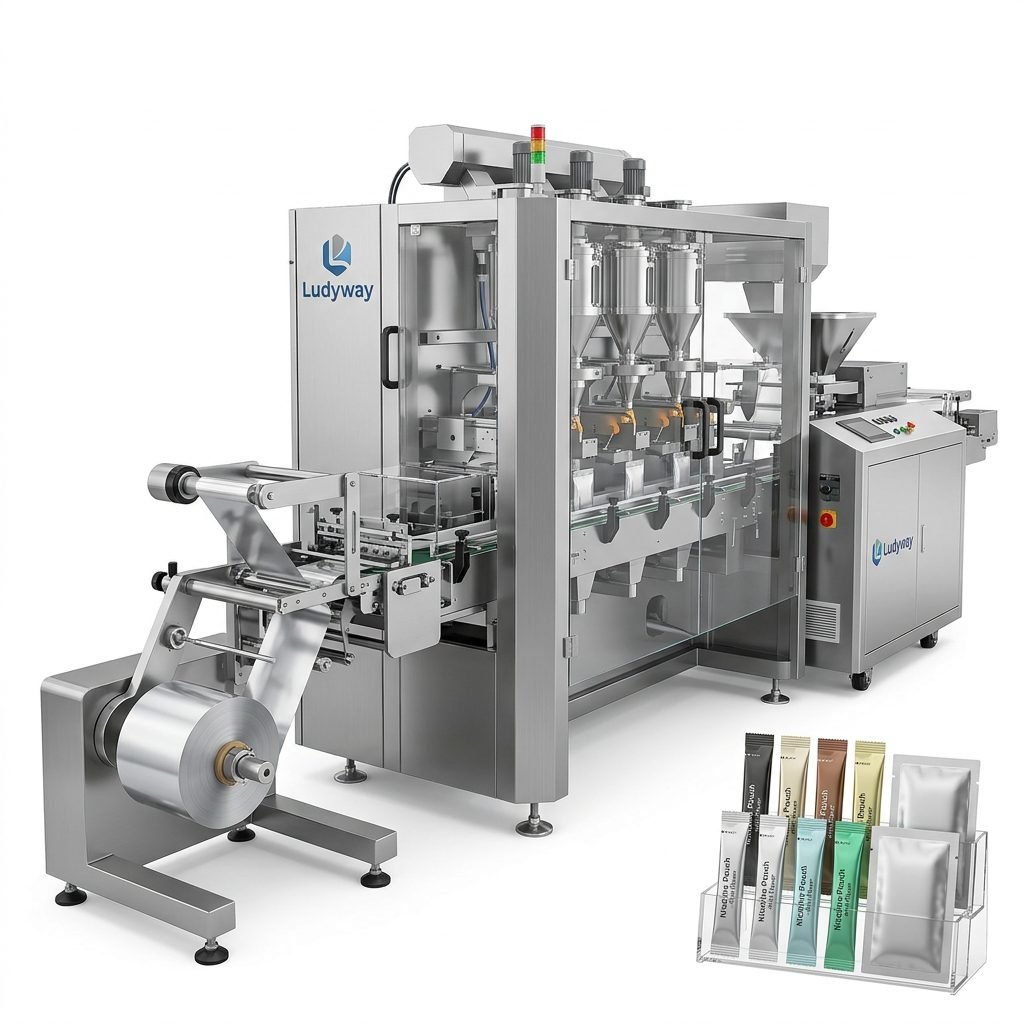
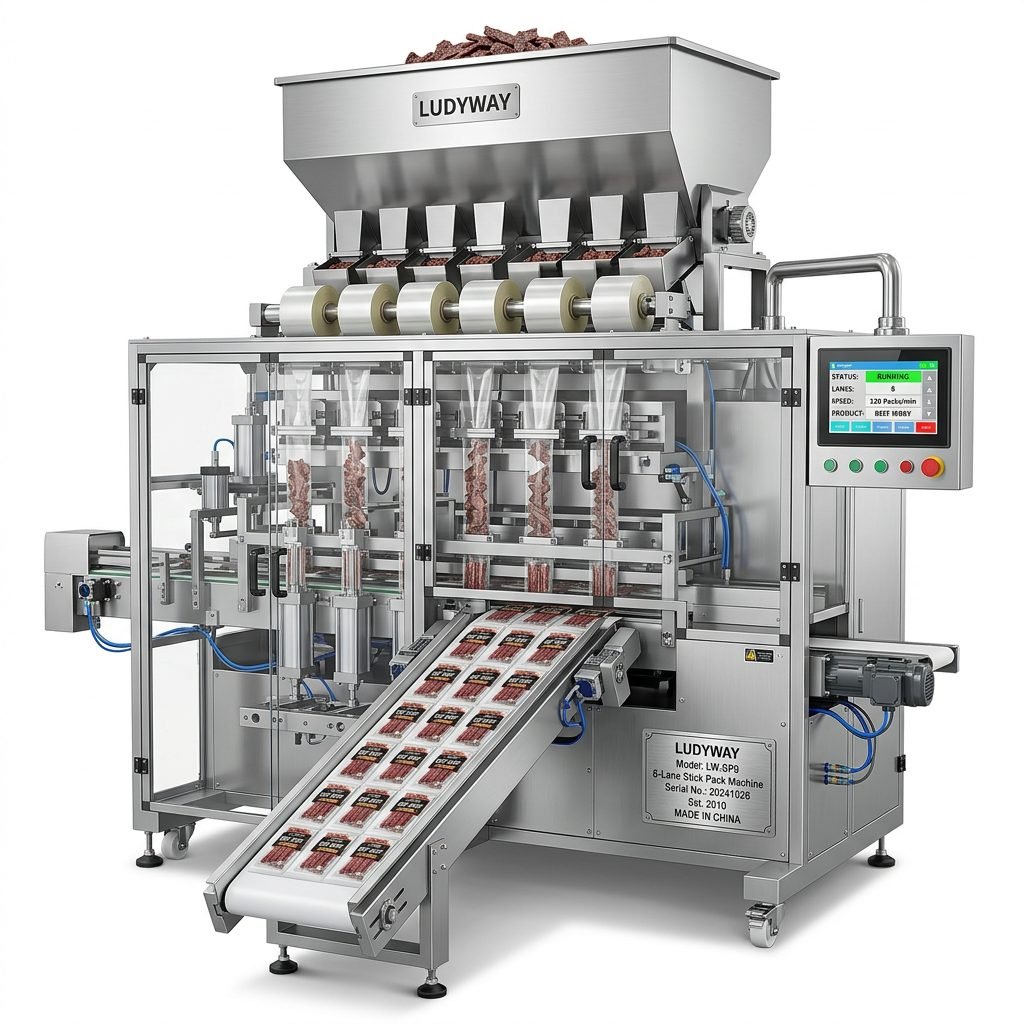
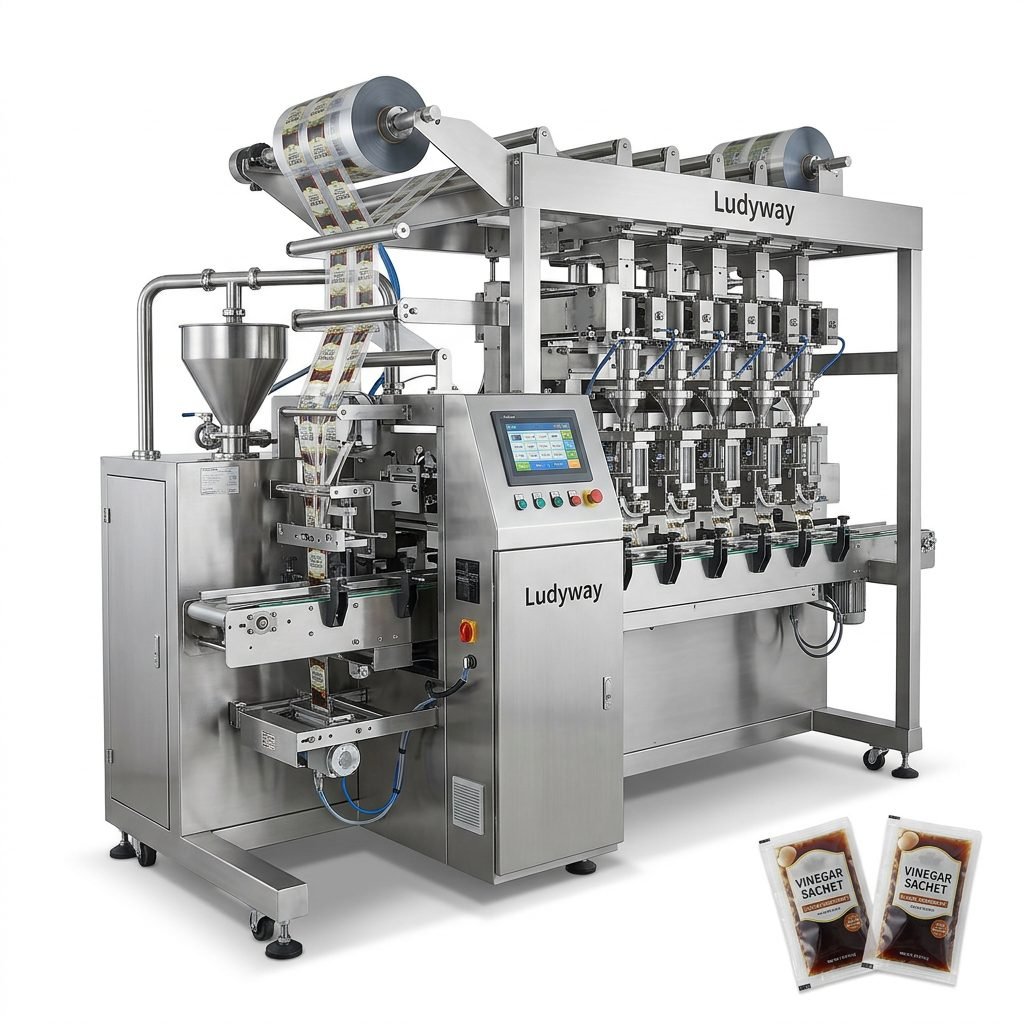
| Multi-Lane Sachet Machine | High-speed vertical form-fill-seal for single-serve packs | 4–12 lane configurations; must handle liquid sealing without leakage; nitrogen flushing optional for shelf life |
| Film Unwinding & Tension Control | Consistent film feed for packaging material | Compatible with multi-layer barrier films (PET/AL/PE); automatic splicing for continuous operation |
| Sealing & Date Coding | Hermetic seal integrity and traceability printing | Hot-bar sealing for sachets; thermal transfer or inkjet for batch codes; seal integrity testing critical |
| Conveying & Collection | Transport finished packs downstream | Food-grade belt materials; easy-clean design; compatible with checkweighers and metal detectors |
| Cartoning / Case Packing | Secondary packaging into boxes or display units | Automated cartoning reduces labor; flexible format changeover for different pack counts |
Step 4: Optimize Production Line Layout and Material Flow
A well-planned factory floor layout significantly impacts operational efficiency. The layout must account for raw material intake, production flow, quality control checkpoints, and finished goods staging — all while maintaining hygienic zoning as required by European food safety standards.
Layout Planning Checklist
- Raw material receiving zone: Bulk condiment storage (tanks, IBCs, or drums) positioned near the filling area with easy access for tanker trucks or pallet deliveries
- Preparation area: Batching, mixing, homogenization, and pasteurization equipment if condiment preparation happens on-site
- Primary packaging zone: The multi-lane packaging machine at the core, with clear access for film reel changes and maintenance
- Quality control station: In-line checkweighers, PMMI-recommended inspection systems, metal detectors, and seal integrity testers positioned immediately after filling
- Secondary packaging area: Cartoning, case packing, palletizing — ideally in a straight line or U-shaped configuration to minimize material handling
- Finished goods warehouse: Climate-controlled storage for packaged condiments awaiting distribution
- Utility connections: Compressed air, clean steam (for CIP systems), electrical supply, and drainage must be pre-planned at each equipment location
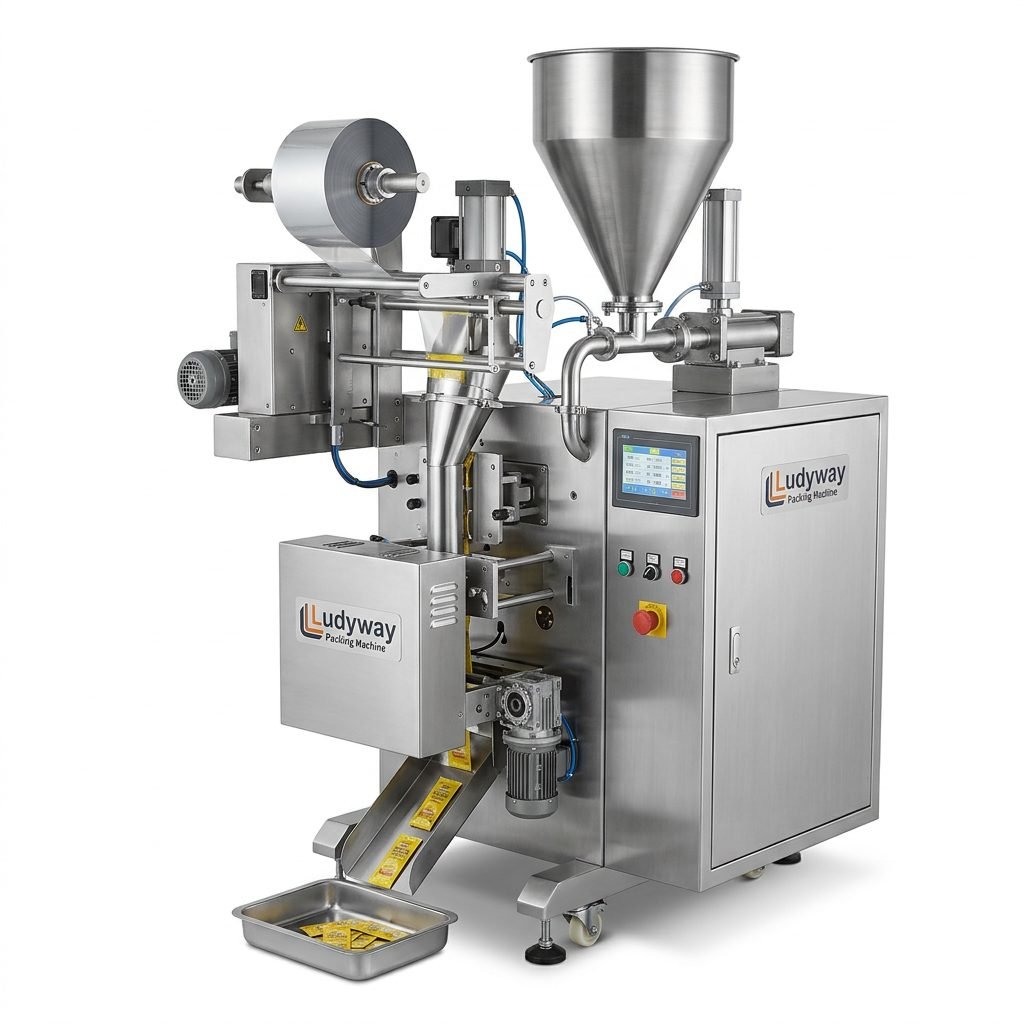
Step 5: Implement Quality Control and Traceability Systems
European retailers and food service operators demand rigorous quality assurance from condiment suppliers. Your production line must incorporate multiple inspection and verification points to guarantee product integrity, accurate fill weights, and complete traceability from raw material to finished pack.
Essential Quality Control Technologies
| QC Technology | Purpose | Compliance Benefit |
|---|---|---|
| In-Line Checkweigher | Verify fill weight accuracy at high speed | Meets EU Weights & Measures requirements; reduces product giveaway |
| Metal Detector / X-Ray | Detect foreign body contamination | HACCP compliance; retailer code of practice requirements |
| Vision Inspection System | Verify label placement, date code, seal integrity | Reduces customer complaints; ensures brand consistency |
| Seal Integrity Tester | Check hermetic seal quality on sachets | Prevents leakage; extends shelf life; critical for liquid condiments |
| Batch Coding & Serialization | Unique identification for every production lot | Full traceability as required by EU Regulation 178/2002 |
Step 6: Plan for Automation and Industry 4.0 Integration
Modern European condiment production facilities increasingly adopt smart factory principles to maximize efficiency. Your packaging line should be designed with connectivity and data integration in mind from the start. Industry intelligence reports consistently show that automated packaging lines outperform manual operations by 3–5 times in overall equipment effectiveness (OEE).
Automation Features to Consider
- Servo-driven filling and sealing: Precise control over fill volumes and sealing parameters with recipe management for different condiment types
- PLC with HMI touchscreen: Centralized control with multi-language interface for European operator teams
- Remote monitoring and diagnostics: Enables troubleshooting and performance tracking from anywhere — reduces downtime
- OEE data collection: Automatic tracking of availability, performance, and quality metrics
- Integration with ERP/MES systems: Seamless data flow between production and business management software
- Predictive maintenance alerts: Sensor-based monitoring of critical wear components to prevent unplanned stops
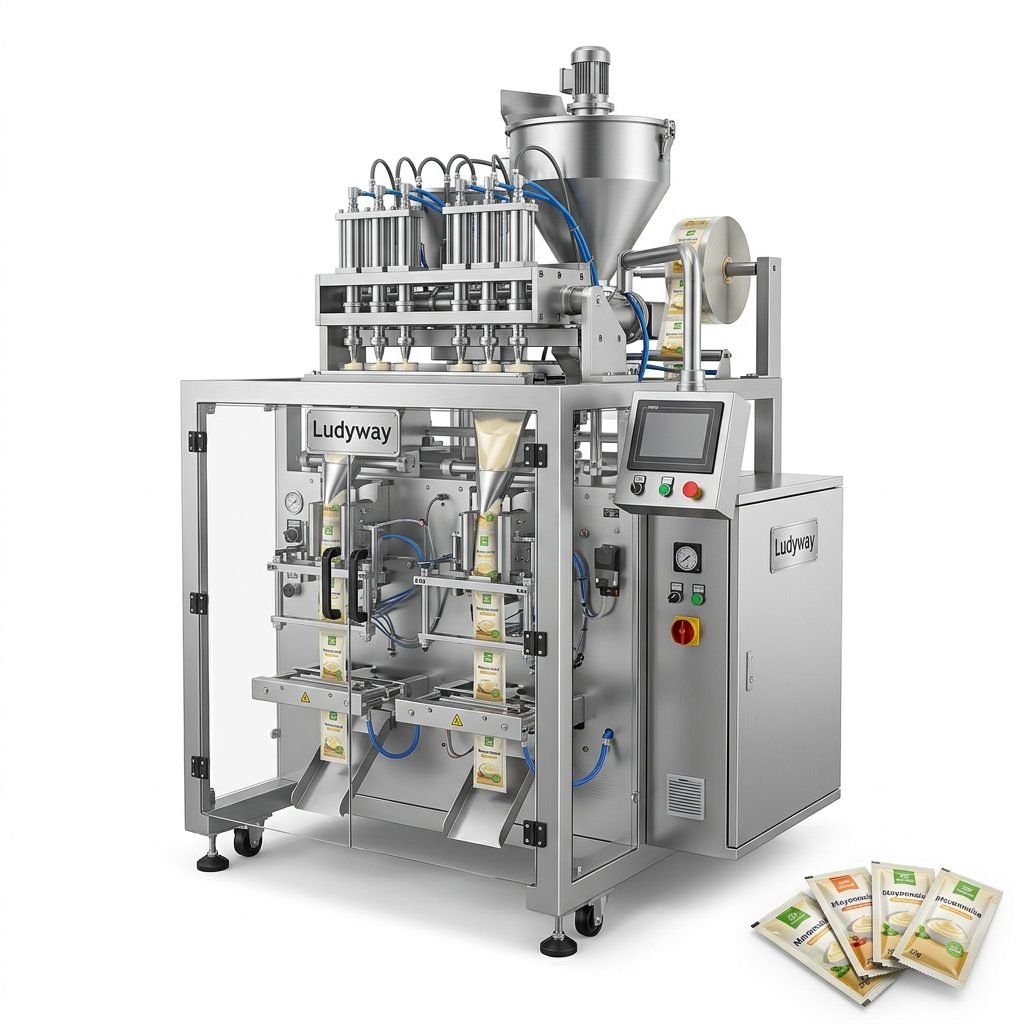
Step 7: Budgeting, ROI Analysis, and Supplier Selection
Investing in a condiment packaging production line in Europe involves careful financial planning. The total investment must account for equipment purchase, shipping and customs clearance, installation, training, and ongoing operational costs. Selecting the right equipment partner is critical — look for manufacturers with proven experience in liquid food packaging systems and a track record of European installations.
Cost Components to Budget For
- Primary packaging machinery: Multi-lane sachet or stick pack machine with liquid filling stations — typically the largest single investment
- Auxiliary equipment: Conveyors, checkweighers, metal detectors, coders, cartoning machines
- Installation and commissioning: On-site assembly, electrical and utility connections, production trial runs
- Operator training: Comprehensive training for machine operators and maintenance personnel
- Spare parts inventory: Critical wear parts and consumables for the first 12–24 months of operation
- Facility modifications: Floor preparation, utility upgrades, hygienic drainage installation
- Regulatory certification: CE marking documentation, third-party hygiene audits if required
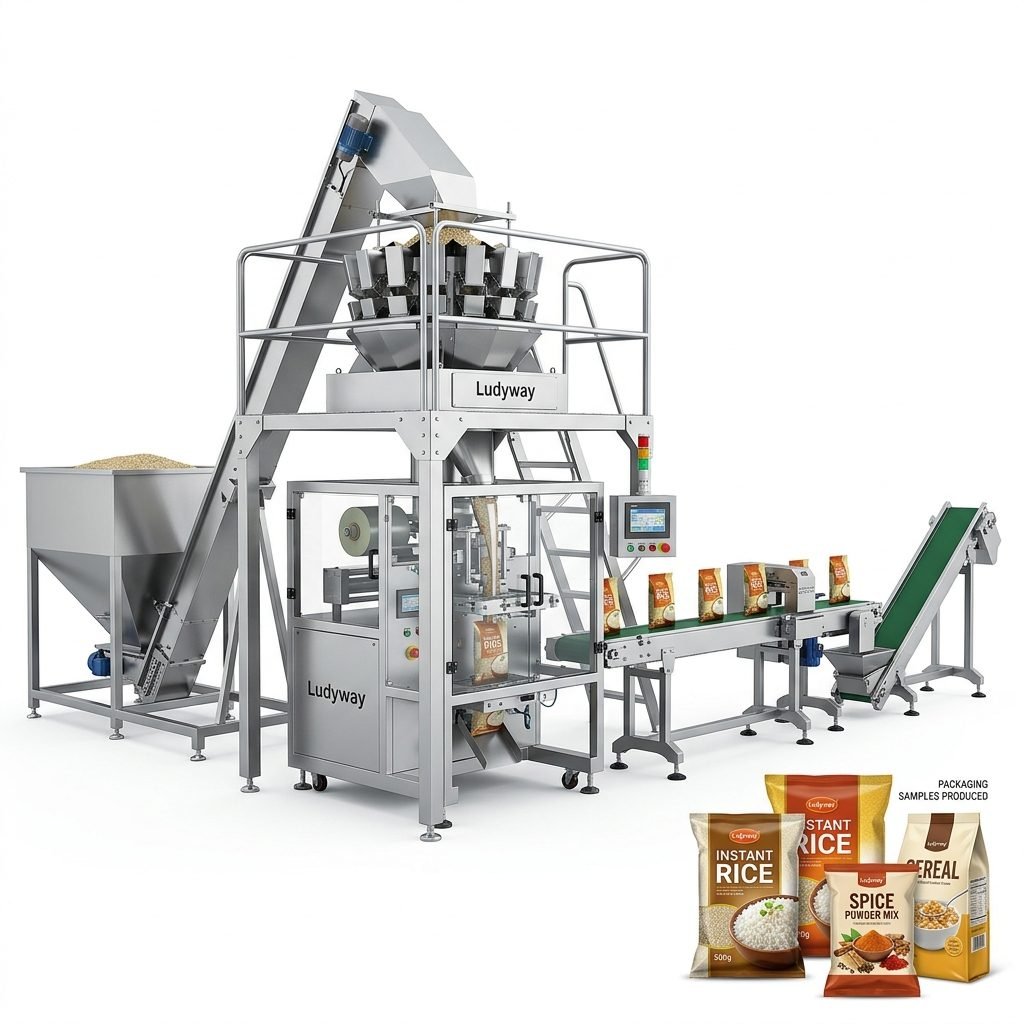
When evaluating suppliers, consider manufacturers that offer turnkey packaging solutions with comprehensive after-sales support. For instance, Ludyway is one of the largest packaging machine manufacturers with over 30 years of industry expertise, providing advanced equipment for granule, powder, liquid, and pouch packaging applications across more than 100 countries. A supplier with a strong international presence and dedicated engineering team can significantly reduce project risk and ensure smooth production ramp-up.
Step 8: Installation, Commissioning, and Training
Once equipment arrives at your European facility, the installation and commissioning phase begins. This critical stage determines how quickly your production line reaches full operational capacity. A structured approach ensures minimal disruption and rapid time-to-market.
Key Milestones for Successful Commissioning
- Pre-delivery factory acceptance test (FAT): Verify equipment performance at the manufacturer’s facility before shipment — catch issues early
- Site preparation verification: Confirm all utilities, foundations, and connections are ready before equipment arrival
- Mechanical installation: Position, level, and secure all equipment modules according to the approved layout plan
- Electrical and utility hookup: Connect power, compressed air, water, and data networks — must comply with local electrical codes
- Dry run testing: Operate the line without product to verify mechanical functionality, timing, and sensor calibration
- Wet run and product trials: Run actual condiment through the system to validate fill accuracy, seal quality, and production speed
- Site acceptance test (SAT): Formal sign-off confirming the line meets all agreed performance specifications
- Operator and maintenance training: Hands-on training sessions for production staff covering daily operation, changeover procedures, cleaning protocols, and basic troubleshooting
Maintaining Long-Term Production Efficiency
After your condiment packaging line is operational, ongoing maintenance and continuous improvement become the focus. A preventive maintenance program tailored to your specific equipment and production schedule helps avoid unplanned downtime and extends machinery lifespan. Regular review of industry benchmark data can help you measure your line’s performance against European market standards.
Ongoing Optimization Strategies
- Scheduled preventive maintenance: Follow manufacturer-recommended service intervals for filling pumps, sealing bars, film feed mechanisms, and pneumatic components
- Spare parts management: Maintain an inventory of critical spares to minimize downtime in case of component failure
- Operator skill development: Regular refresher training and cross-training to build a versatile production team
- Performance monitoring: Track OEE metrics daily; investigate and address any decline in availability, performance, or quality
- Continuous improvement reviews: Quarterly assessments to identify bottlenecks, reduce waste, and optimize changeover times
- Technology upgrades: Stay informed about new packaging technologies and retrofit options that can enhance line capability
Common Pitfalls to Avoid When Setting Up in Europe
Many companies encounter avoidable challenges when establishing condiment packaging operations in Europe. Being aware of these common pitfalls can save significant time and expense.
| Pitfall | Impact | How to Avoid |
|---|---|---|
| Underestimating CE certification timeline | Delays in equipment deployment; potential regulatory penalties | Verify CE documentation before purchase; allow 4–8 weeks for certification |
| Inadequate utility infrastructure | Production bottlenecks; equipment cannot run at rated speed | Conduct detailed utility audit before equipment ordering; upgrade facilities as needed |
| Choosing the wrong packaging film | Poor seal integrity; leakage; reduced shelf life | Test film compatibility with your specific condiment formulation before final selection |
| Insufficient operator training | High scrap rates; frequent minor stops; operator frustration | Invest in comprehensive training; document standard operating procedures in local language |
| Ignoring local packaging waste regulations | Non-compliance fines; retailer delisting | Understand EPR (Extended Producer Responsibility) obligations in each target EU country |
Conclusion: Building a Future-Ready Condiment Packaging Line
Setting up a condiment packaging machine production line in Europe is a significant undertaking that rewards thorough preparation and strategic decision-making. From understanding EU regulatory requirements and selecting the right multi-lane packaging technology to implementing robust quality control systems and planning for automation, each step contributes to long-term operational success.
The European condiment market continues to evolve, with growing demand for convenient single-serve formats, clean-label products, and sustainable packaging solutions. By investing in a well-designed, compliant, and efficient production line today, you position your business to capture these opportunities and build a strong competitive advantage in one of the world’s most discerning food markets.
For further guidance on packaging industry resources and standards, consult the comprehensive technical libraries maintained by leading industry associations. Staying connected with the broader packaging community through international packaging exhibitions also provides valuable insights into emerging trends and technologies that can enhance your production capabilities over time.