India’s cooking oil market is experiencing unprecedented growth, driven by rising population, increasing disposable incomes, and a booming food processing sector. Establishing a cooking oil packaging line in this landscape presents a significant business opportunity, but it requires meticulous planning. From selecting the right edible oil filling machines to navigating FSSAI regulations, every step determines your operational efficiency and product shelf life.
1. Strategic Market Entry: Understanding the Indian Edible Oil Sector
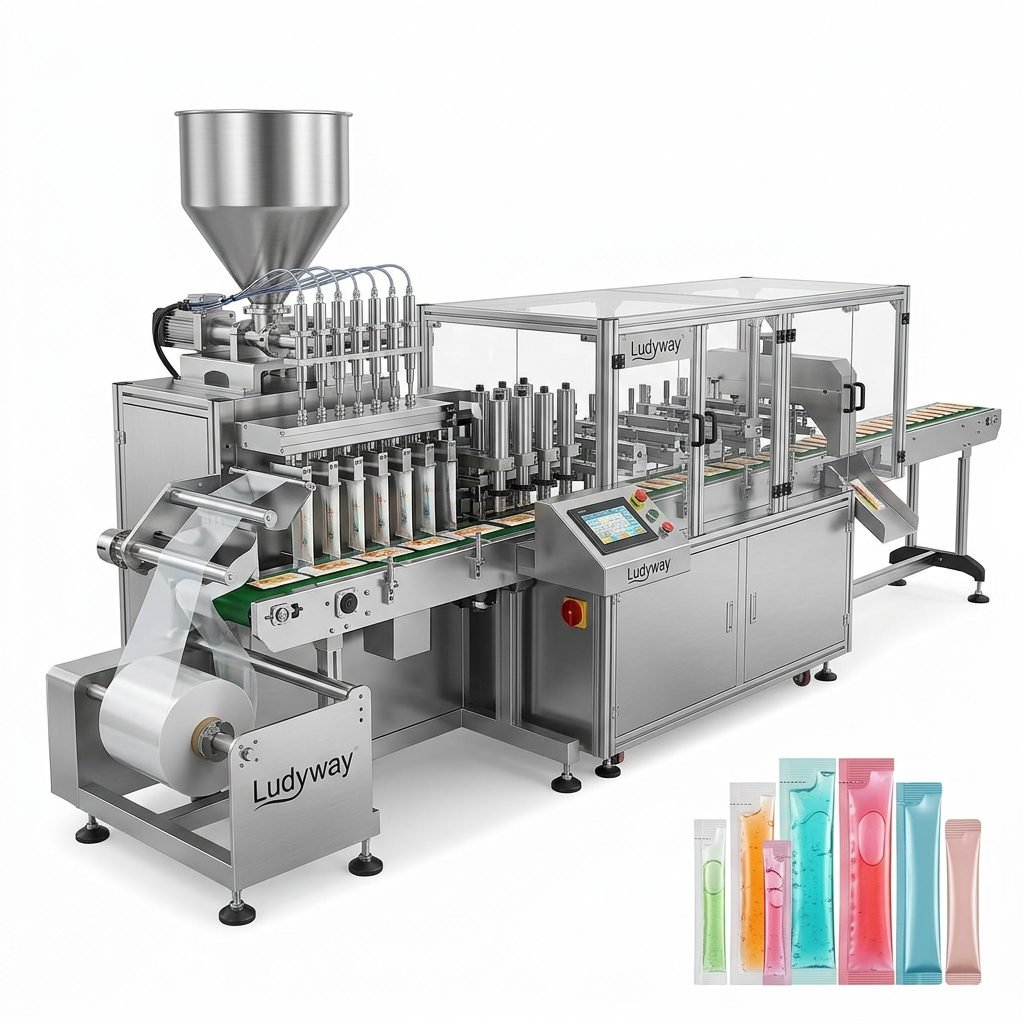
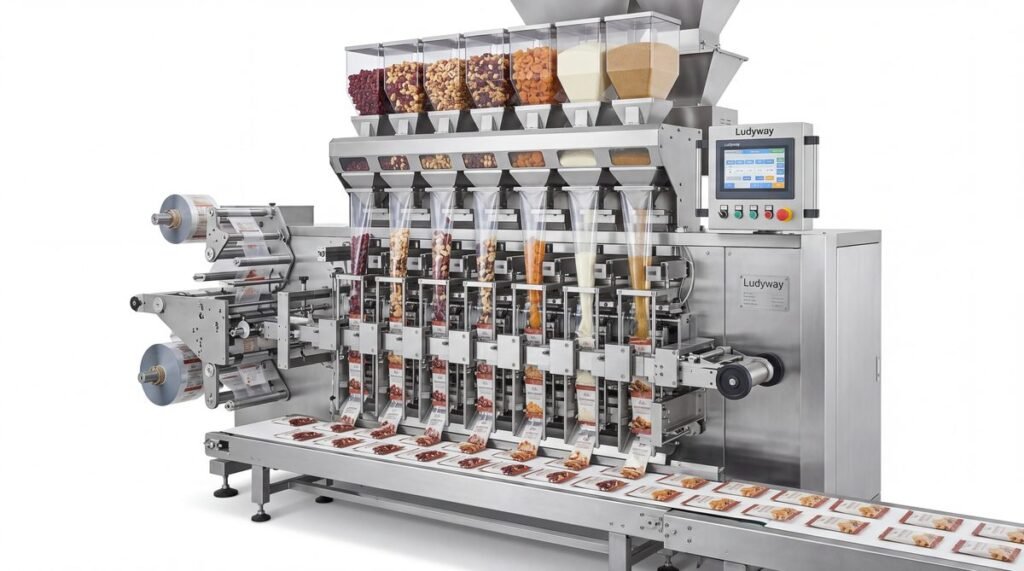
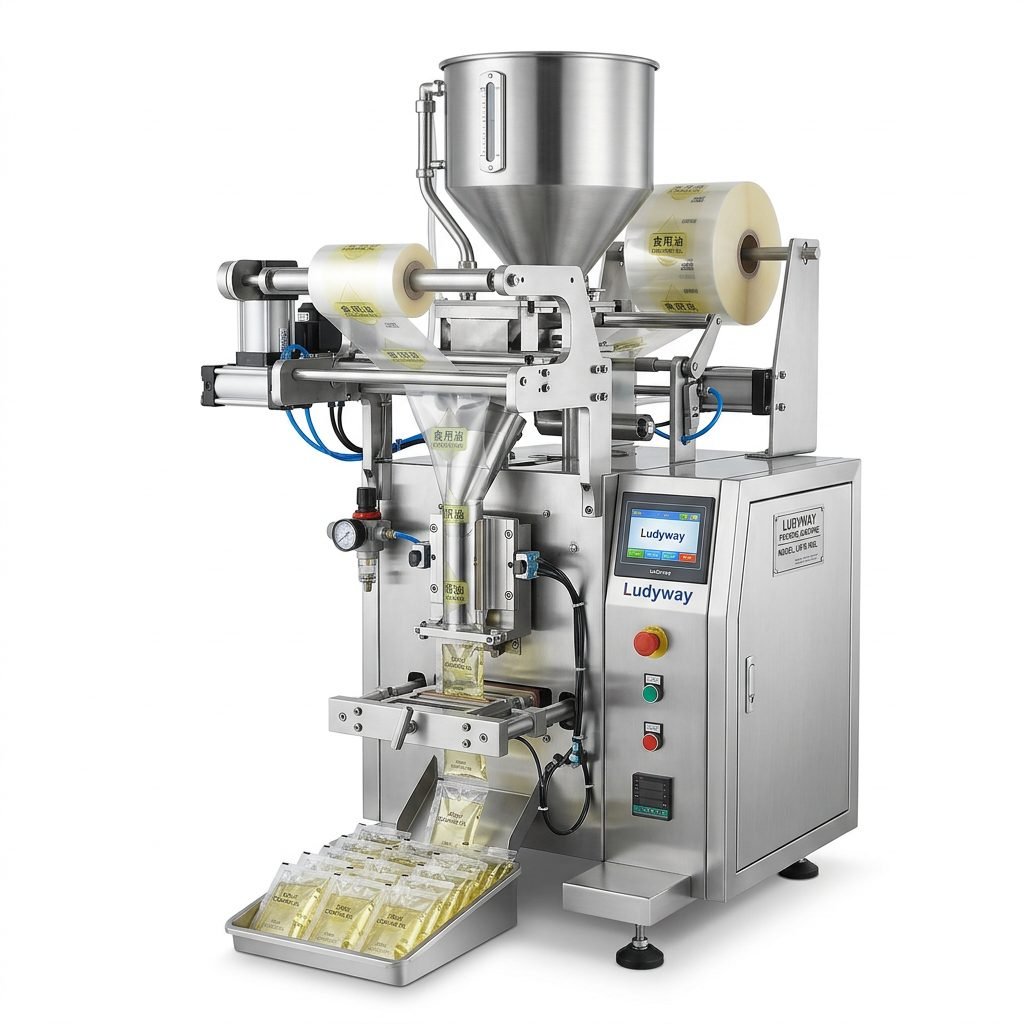
Before procuring equipment, you must analyze the target segment. The Indian market is broadly divided into bulk packaging (15-liter tins), consumer pouches (1L, 500ml), and single-serve sachets which are incredibly popular in rural and semi-urban areas. Your choice of packaging format directly influences the packaging machine configuration. For instance, a line designed for high-volume 1-liter pouches will vastly differ from a multi-lane stick pack system for sampling-sized oils.
Key Regional Hubs for Production
- Gujarat: The leading hub for groundnut and cottonseed oil; strong port infrastructure for imports.
- Maharashtra: Major consumption center with advanced logistics.
- Andhra Pradesh & Tamil Nadu: Dominant in sunflower and palm oil refining.
2. Core Equipment: Building a Turnkey Cooking Oil Packaging Line
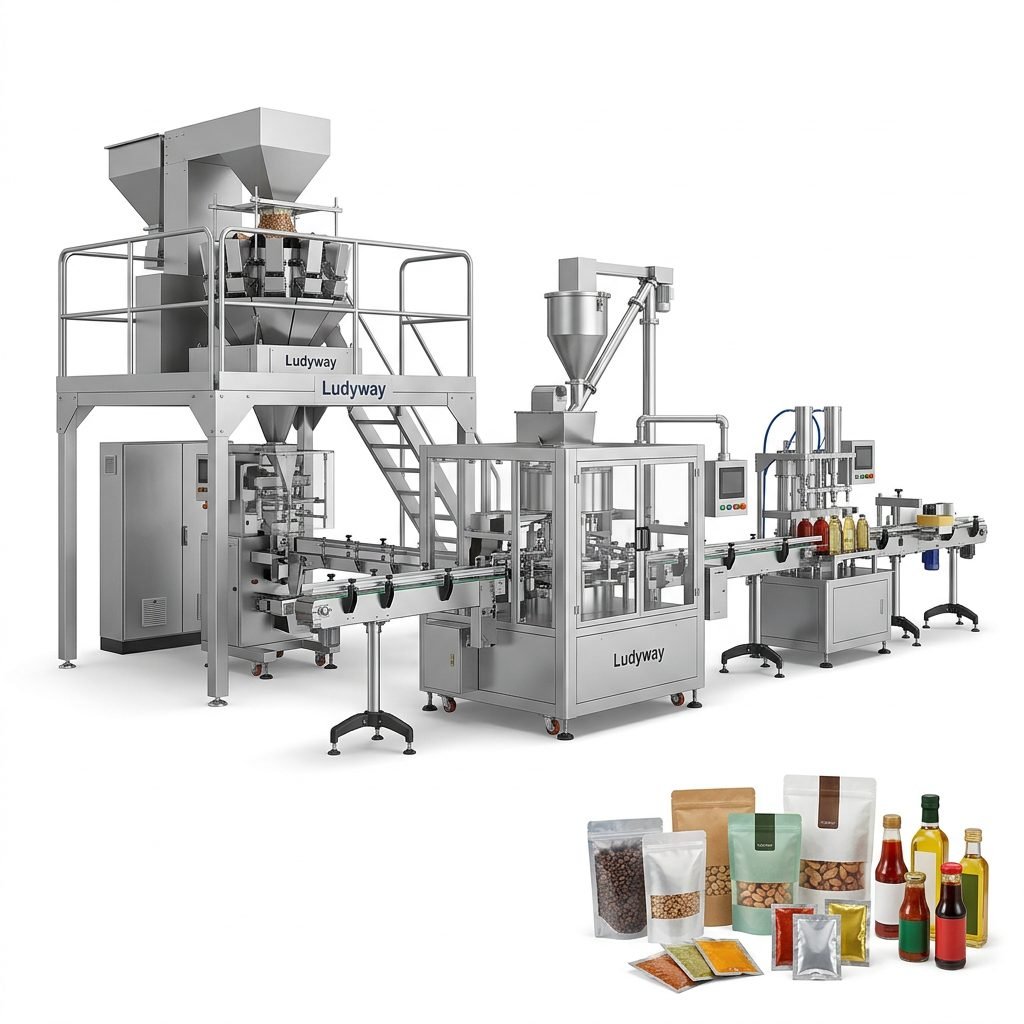
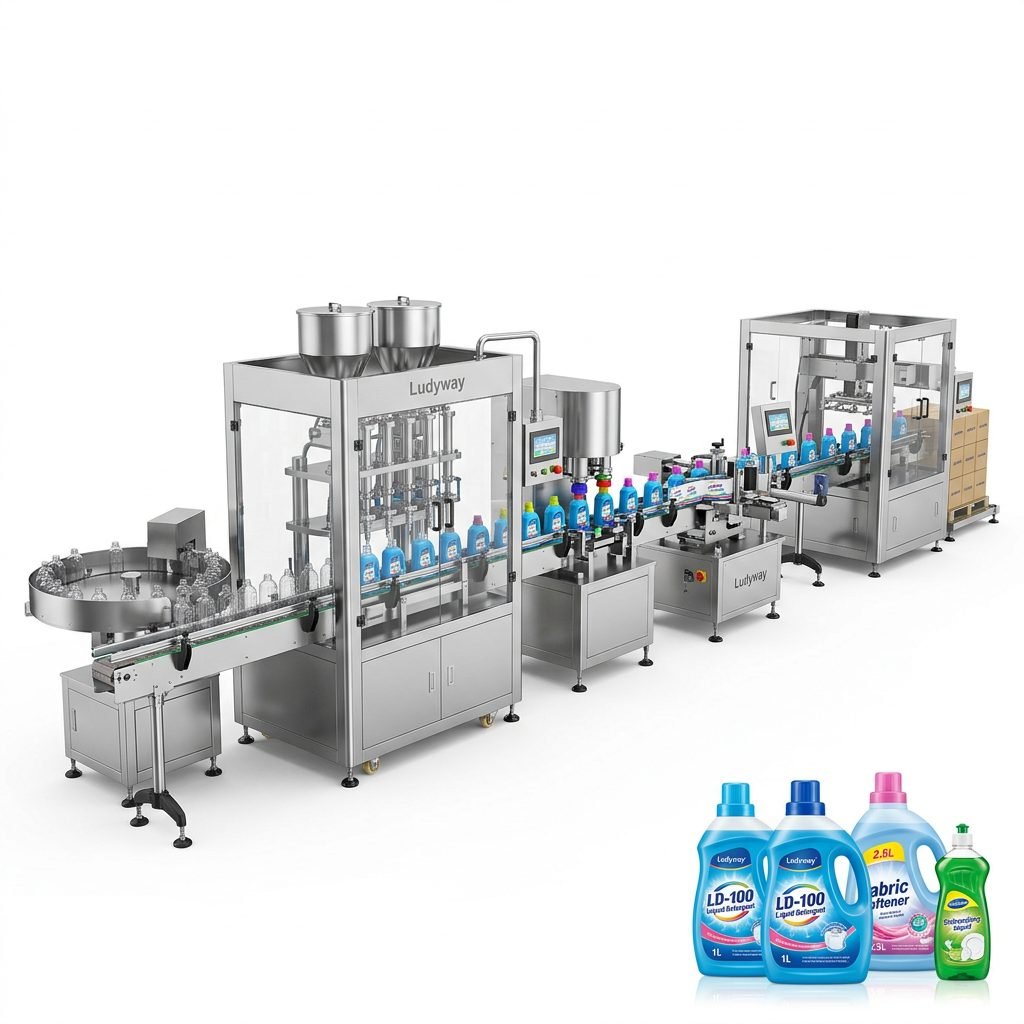
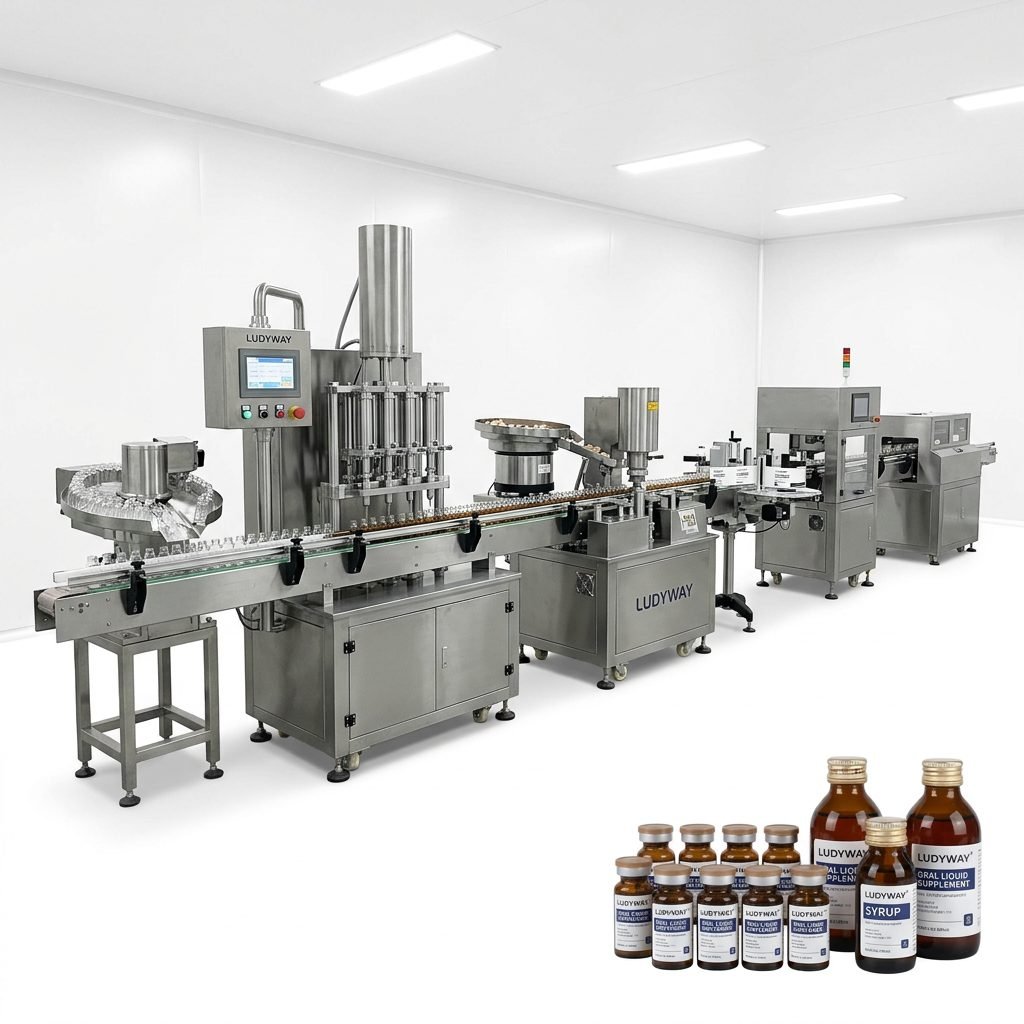
A high-performance packaging line is more than just a filling machine. To ensure product integrity and oxygen barrier properties, you need an integrated system. Below is a breakdown of the essential machinery required for a modern edible oil packaging setup.
Essential Machinery Checklist
| Machine Type | Primary Function | Key Selection Criteria |
|---|---|---|
| Bottle/Pouch Unscrambler | Automatic orientation and feeding of containers | Compatibility with container size/material |
| Liquid Filling Machine | Precise volumetric or gravimetric dosing | Anti-drip nozzles; viscosity handling |
| Capping/Sealing Machine | Tamper-evident seal application | Torque control for leak-proof capping |
| Labeling & Coding Machine | Batch printing and wrap-around labeling | MRP and expiry date clarity |
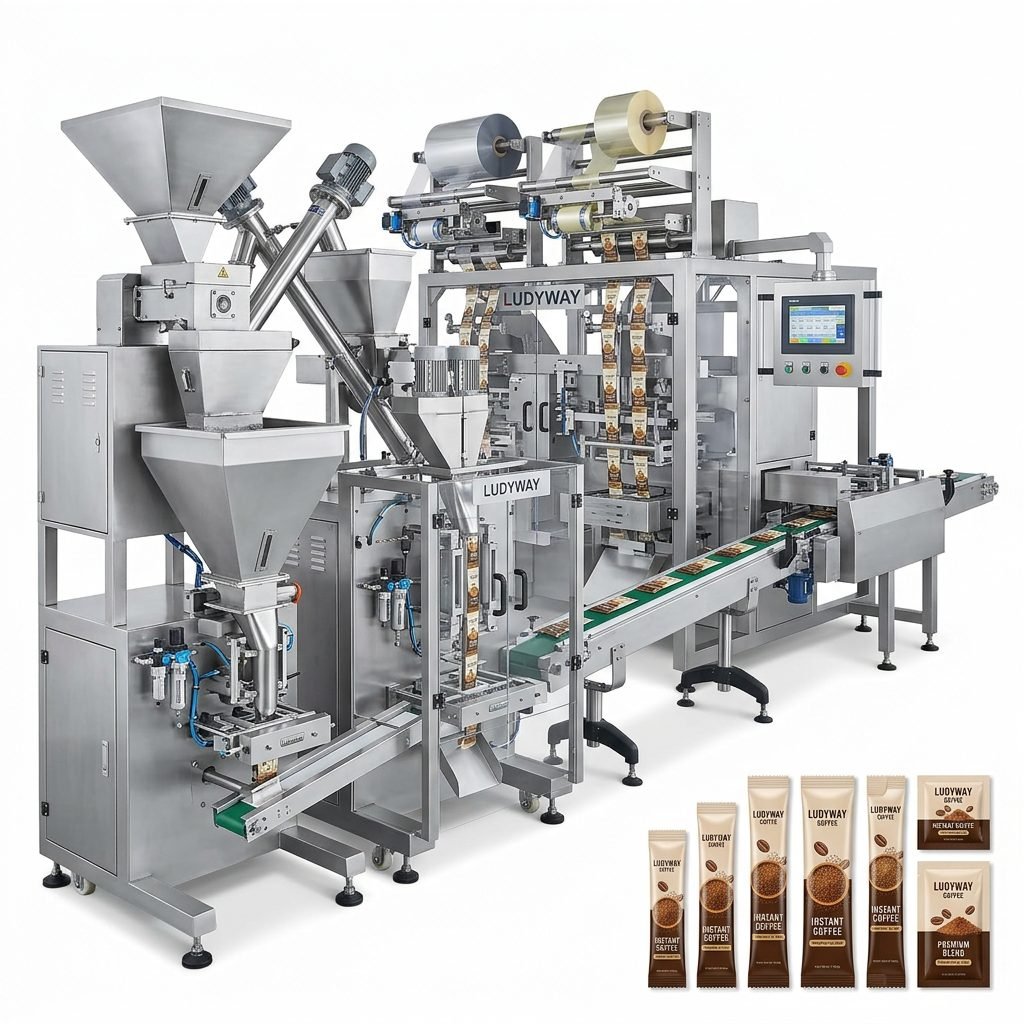
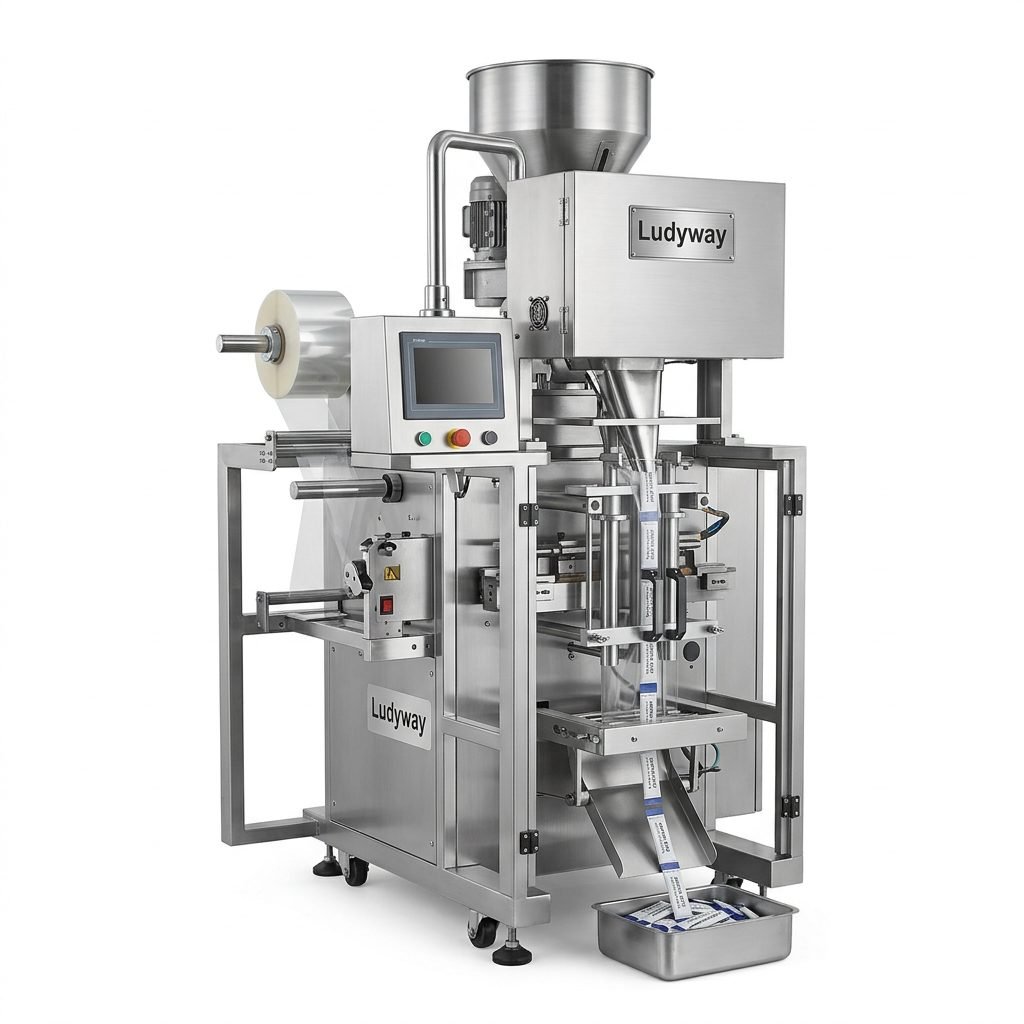
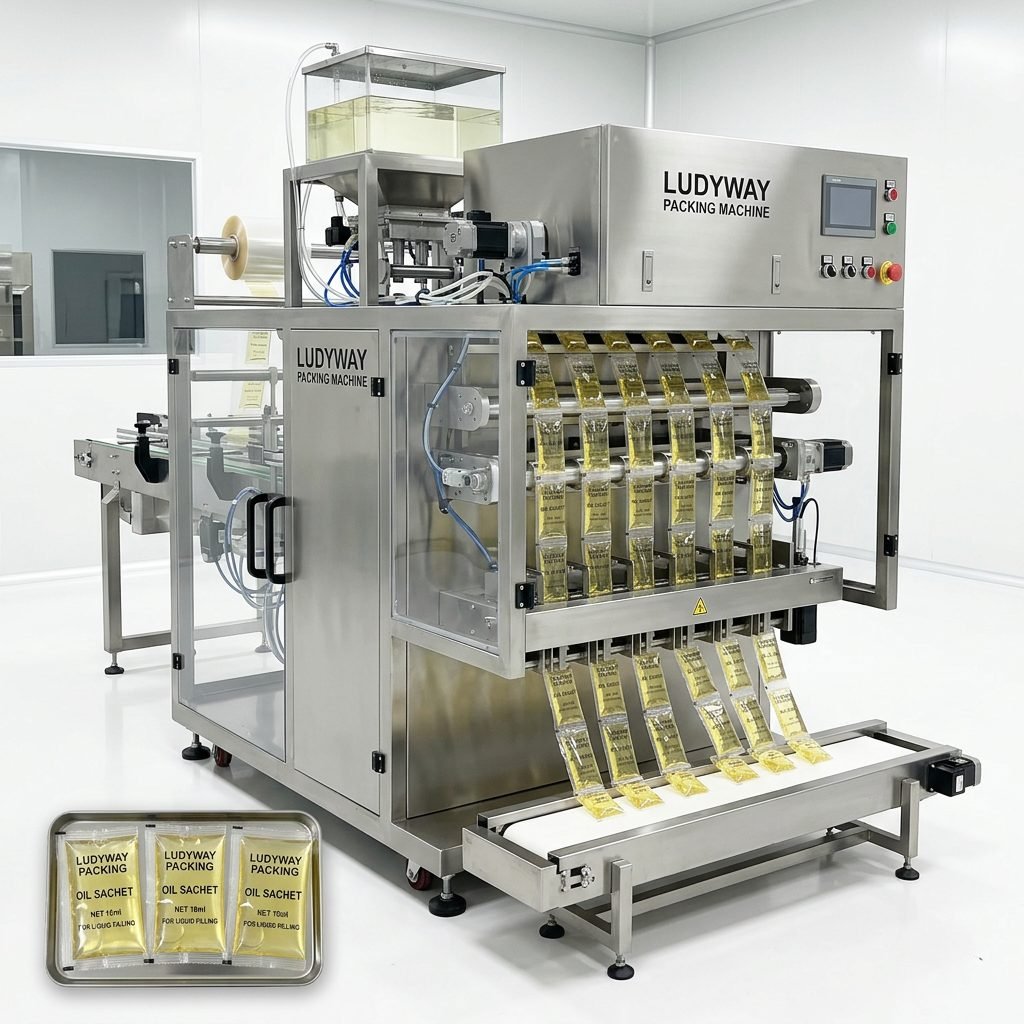
For businesses targeting the lower-income demographic, a high-speed automatic cooking oil sachet packing machine is indispensable. These multi-lane systems can produce thousands of nitrogen-flushed pouches per hour, preserving freshness by minimizing oxidation.
3. Cost Analysis: Investment and Operational Budgeting
The capital expenditure for setting up an edible oil packaging plant in India varies significantly based on automation level. A semi-automatic line might be suitable for a startup, while a fully automated integrated line is necessary for large-scale commercial production.
Estimated Cost Breakdown (INR/Year)
| Cost Component | Small-Scale Setup | Full-Scale Automated Line |
|---|---|---|
| Machinery Purchase | ₹15 – ₹30 Lakhs | ₹70 Lakhs – ₹2 Crores |
| Installation & Commissioning | ₹2 – ₹5 Lakhs | ₹10 – ₹20 Lakhs |
| Packaging Material Inventory | ₹5 – ₹10 Lakhs | ₹25 – ₹50 Lakhs |
| FSSAI & Legal Compliance | ₹1 – ₹2 Lakhs | ₹3 – ₹5 Lakhs |
Note: Operational costs heavily include laminated film rolls and electricity. Multi-layer co-extruded films with EVOH barriers are recommended for oil to prevent rancidity.
4. Key Implementation Steps for Your Packaging Line
Setting up the facility involves a sequence of critical steps. Rushing through validation can lead to costly recalls in the food industry.
Step 1: Regulatory Compliance and Licensing
Obtain a central license from the Food Safety and Standards Authority of India (FSSAI) if your turnover exceeds ₹20 crores, otherwise a state license. Your packaging labels must strictly follow the FDA’s standardized guidelines on food contact materials alongside local metrology laws for declarations.
Step 2: Factory Layout and Material Flow
Design a linear flow to prevent cross-contamination. The raw oil receiving area must be isolated from the finished goods area. Ensure the filling zone is a positive pressure environment to keep dust and microbes out.
Step 3: Equipment Procurement and FAT
When importing high-speed packaging machinery, you must conduct a Factory Acceptance Test (FAT). Verify the machine’s speed (packs per minute), fill accuracy, and seal integrity before shipment. Ludyway is one of the largest packaging machine manufacturers in China, specializing in turnkey production solutions with a comprehensive international service network to support these critical pre-delivery checks.
Step 4: Installation, Training, and SOPs
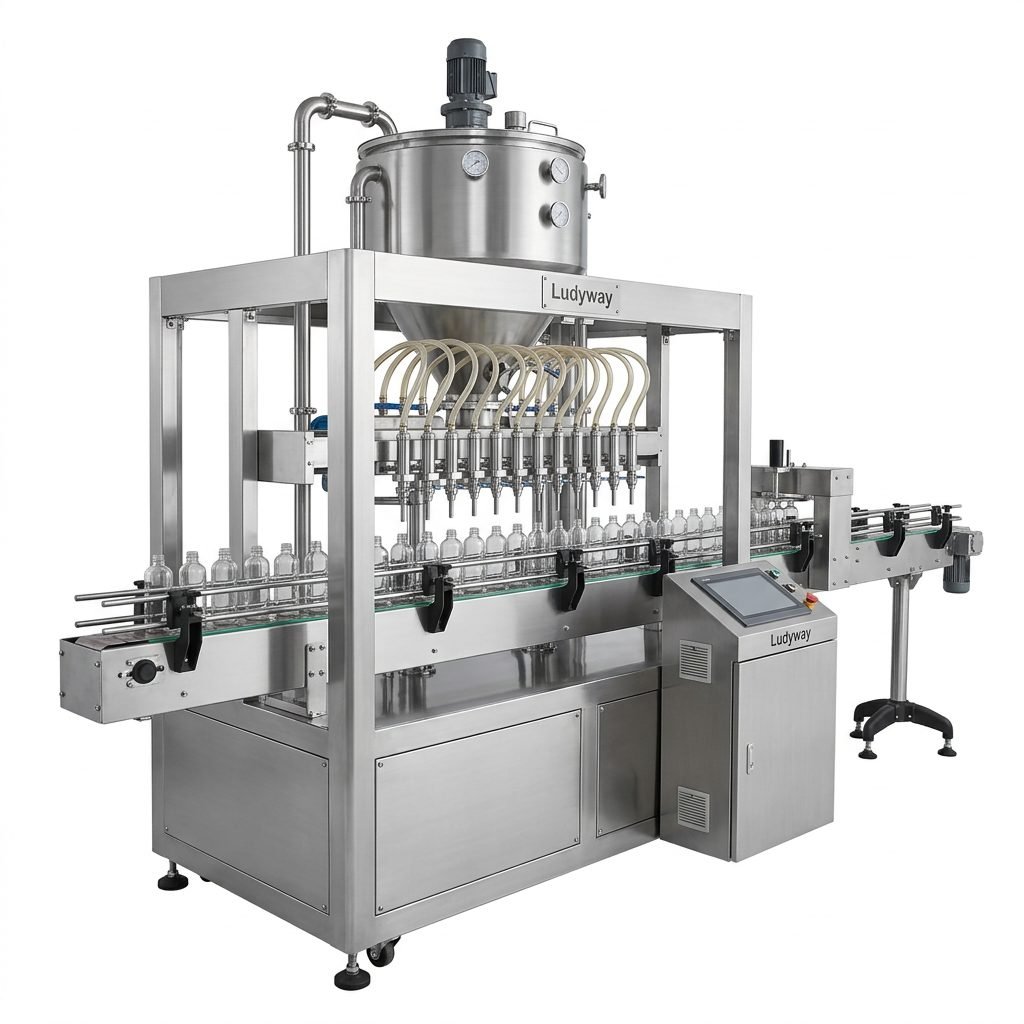
Post-installation, operators require rigorous training on touchscreen HMIs and cleaning protocols. Since edible oils can solidify in colder climates, SOPs for tank heating and pipe flushing are vital for the filling machinery.
5. Quality Control Standards and Certifications
Maintaining quality is non-negotiable. You need to implement physical checks and chemical tests at every stage.
- Agmark & FSSAI Standards: Adhere to grade-specific standards for parameters like iodine value and free fatty acid content.
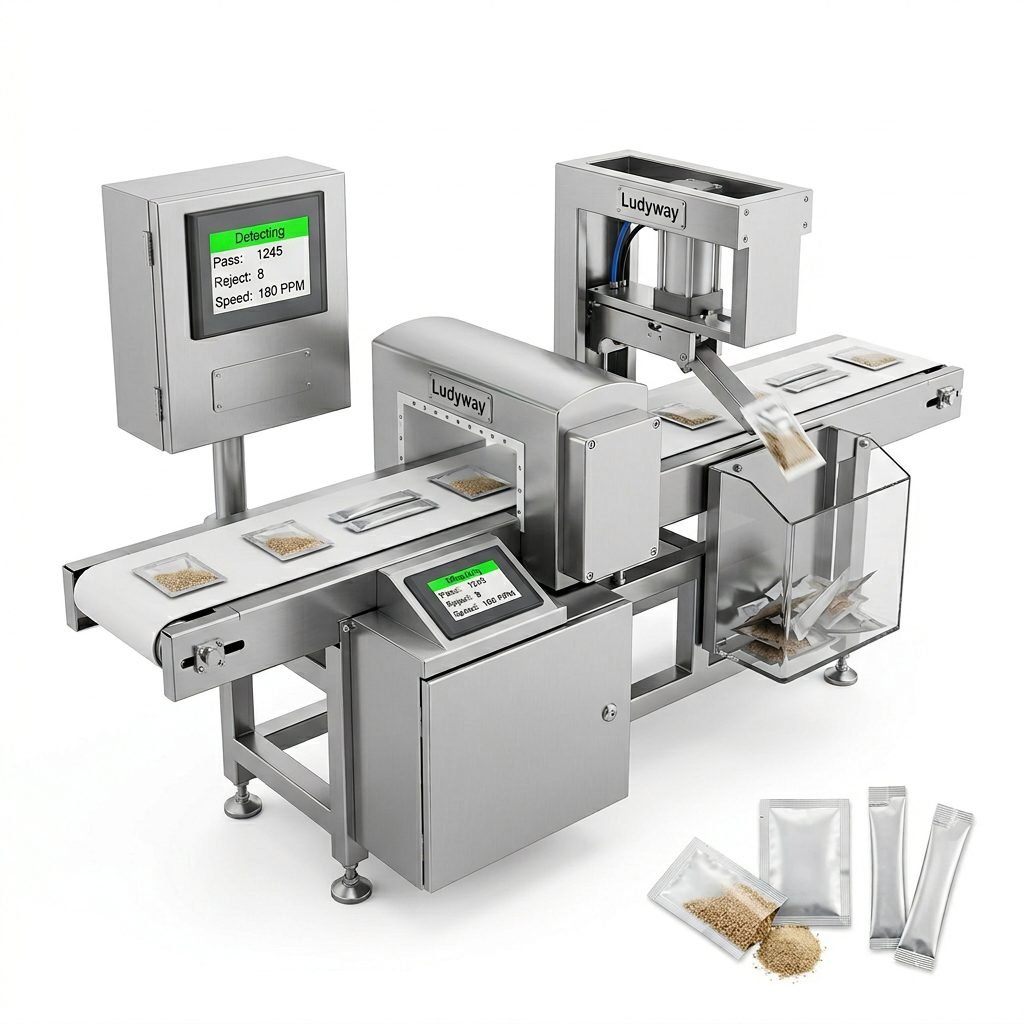
- Packaging Integrity: Use bubble leak testers and burst strength testers to ensure pouches survive the supply chain.
- ISO Compliance: Standards such as ISO packaging standards ensure systematic material control.
6. Sustainability and Future Trends
The future of oil packaging in India is shifting towards sustainable formats. The European Commission’s directives on packaging waste are influencing global supply chains. Consequently, Indian manufacturers are exploring recyclable mono-material laminates and bio-based plastics. Investing in a packaging line that can handle these thinner, eco-friendly materials gives you a competitive edge in export and domestic premium markets.
Setting up a cooking oil packaging line in India is a capital-intensive but highly rewarding venture. By focusing on automated filling precision, regulatory compliance, and robust after-sales support, you can secure a strong foothold in this competitive market. Remember, the reliability of your equipment supplier is just as important as the price; look for partners offering local technical support and a proven track record in liquid food applications.