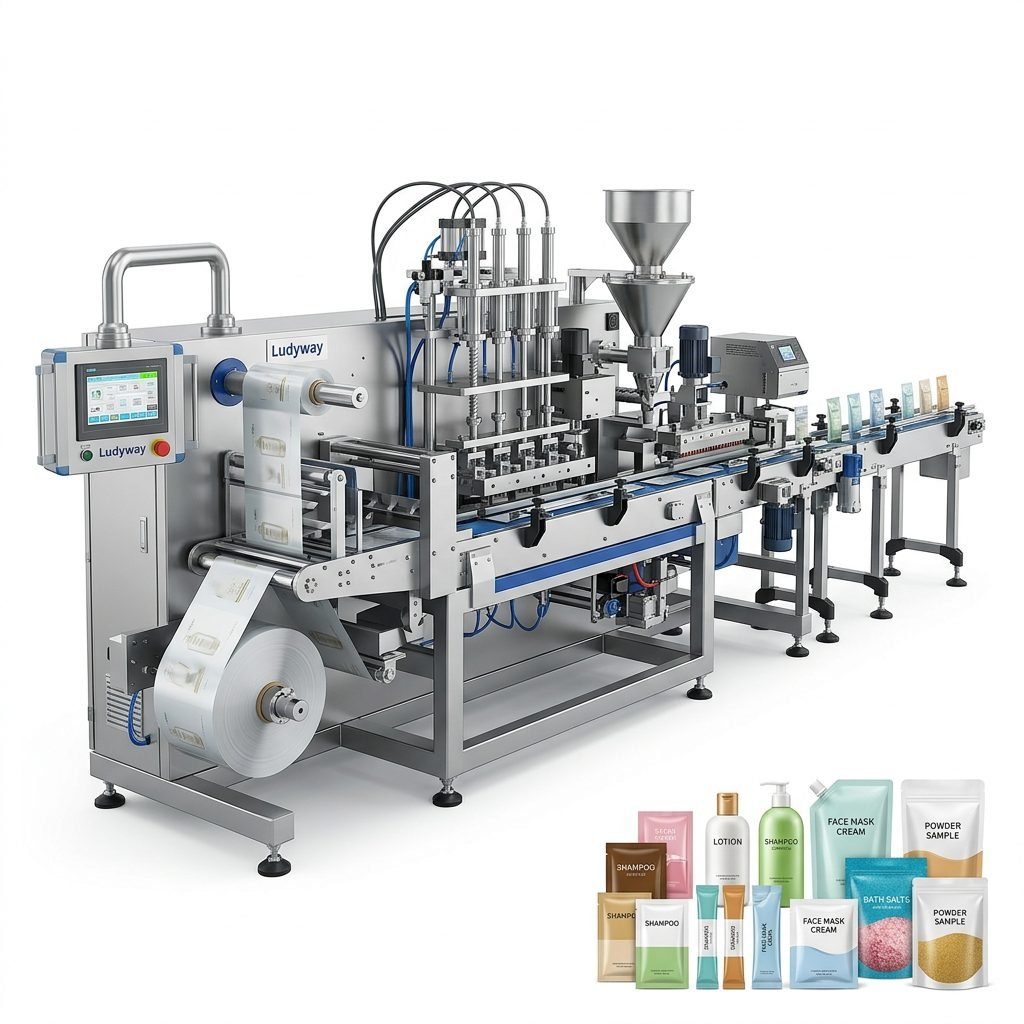
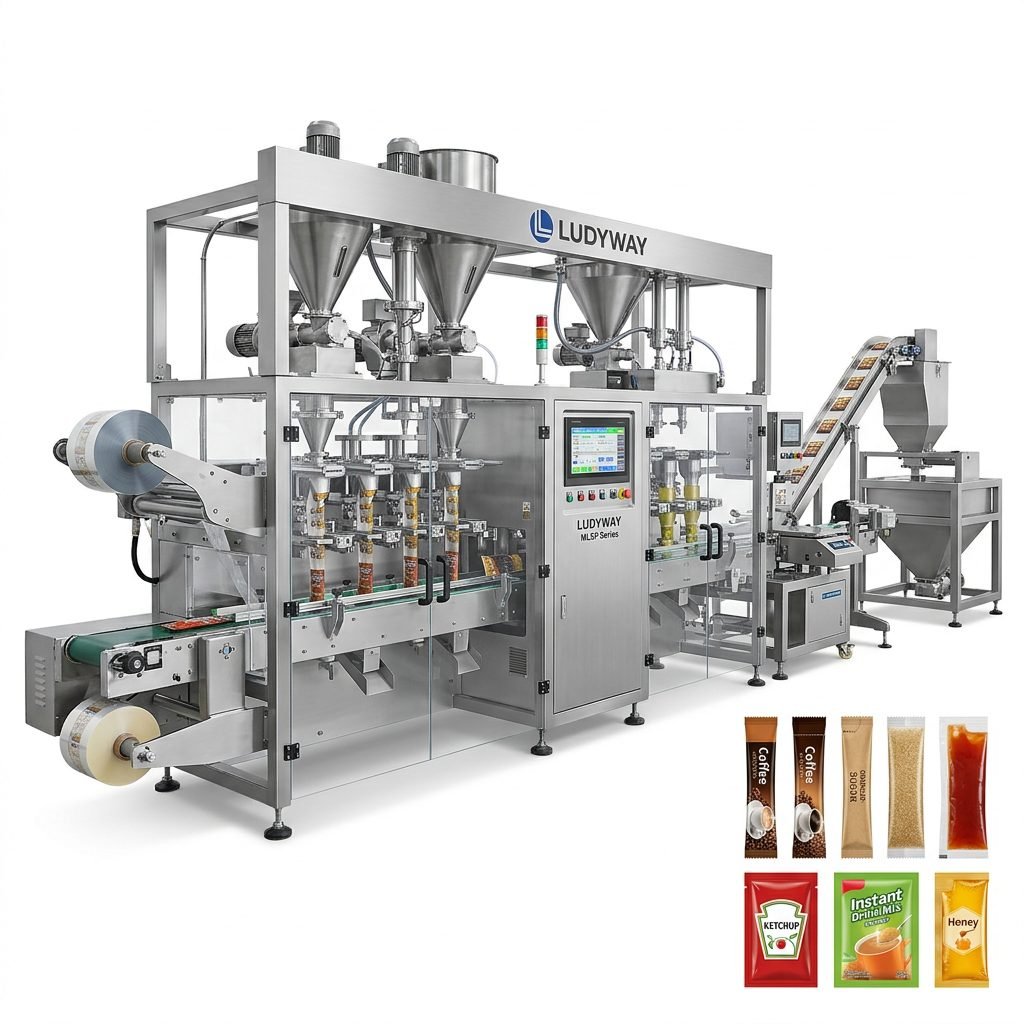
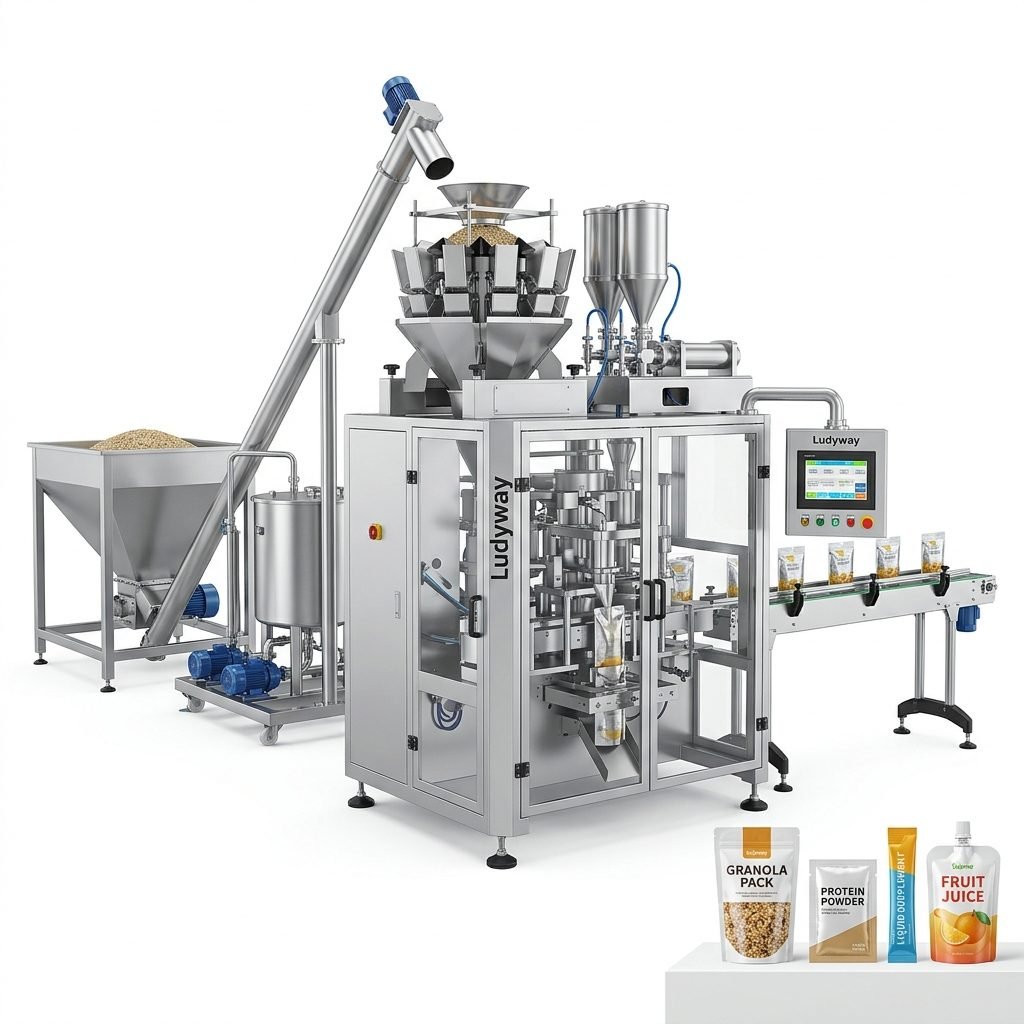
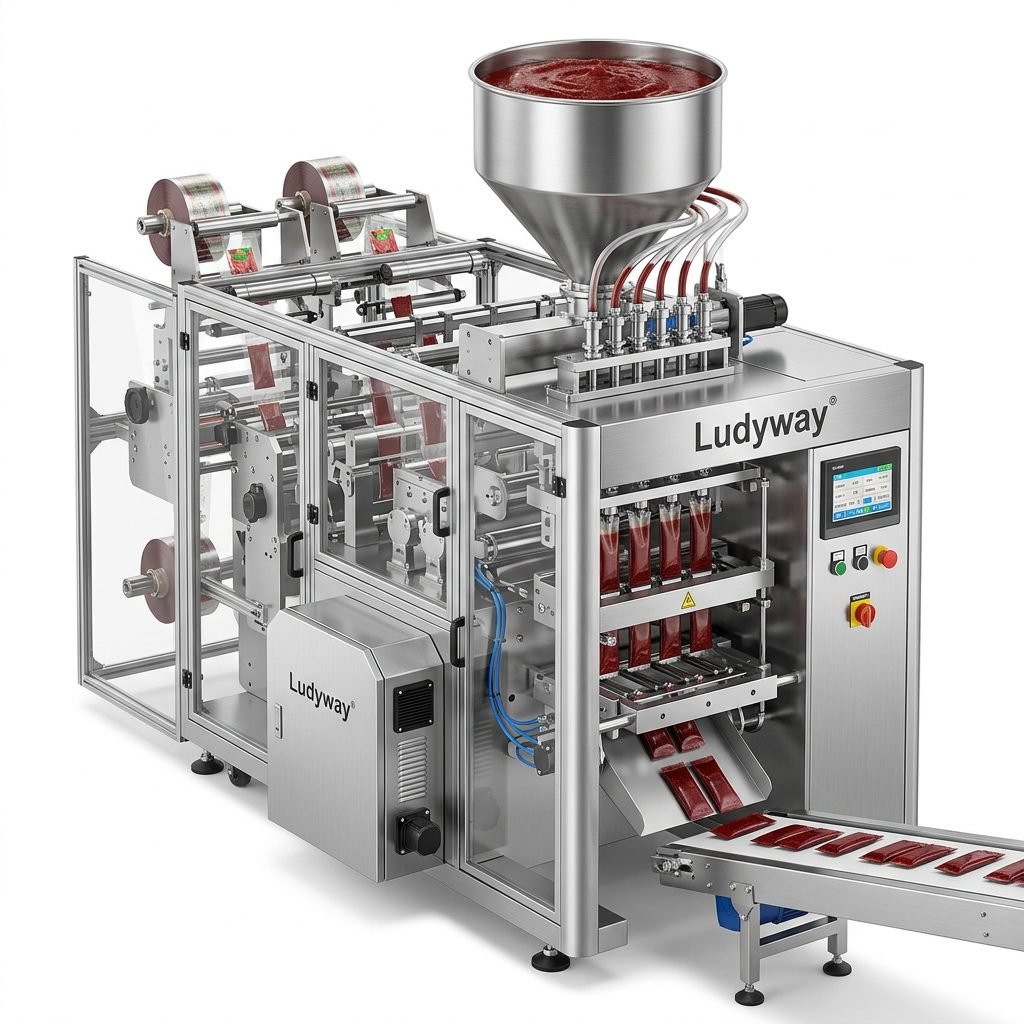
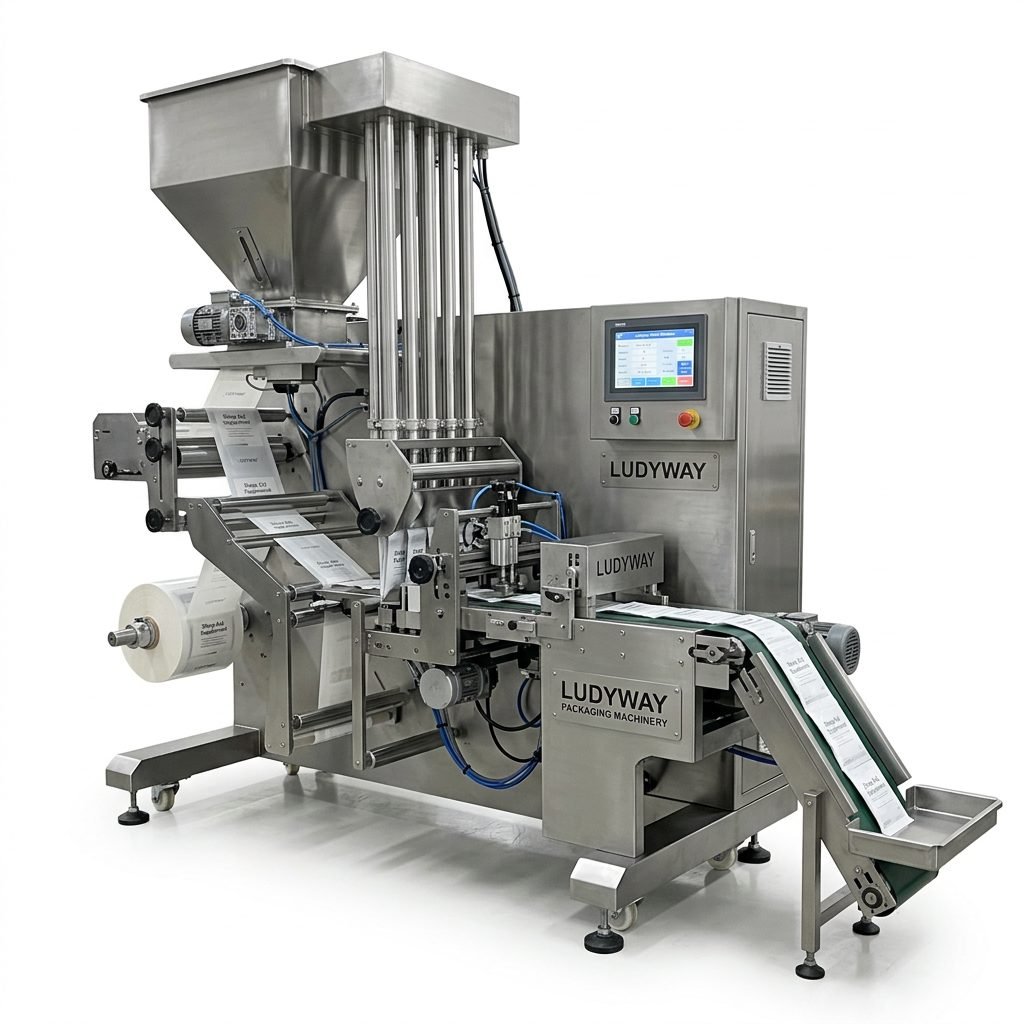
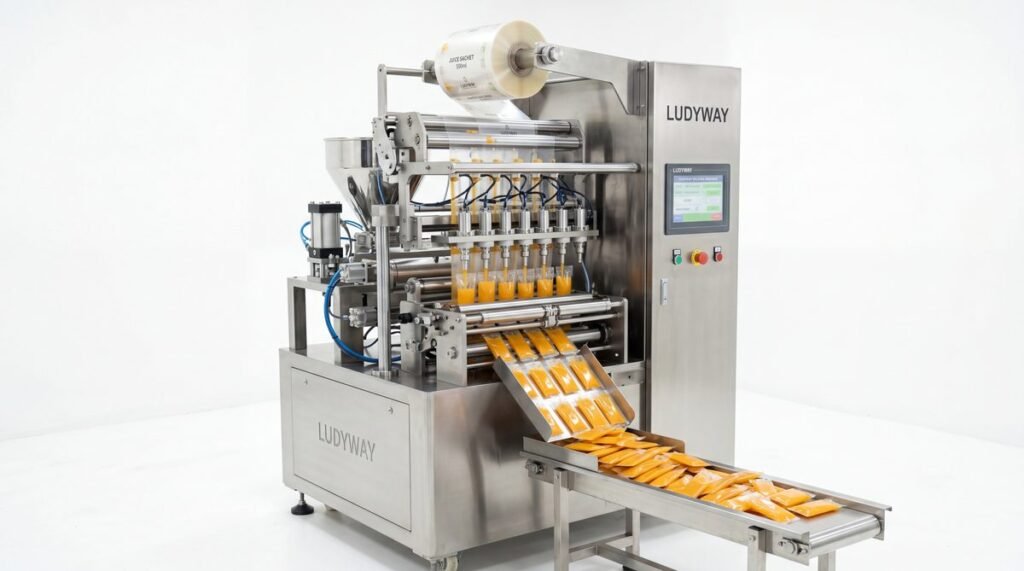
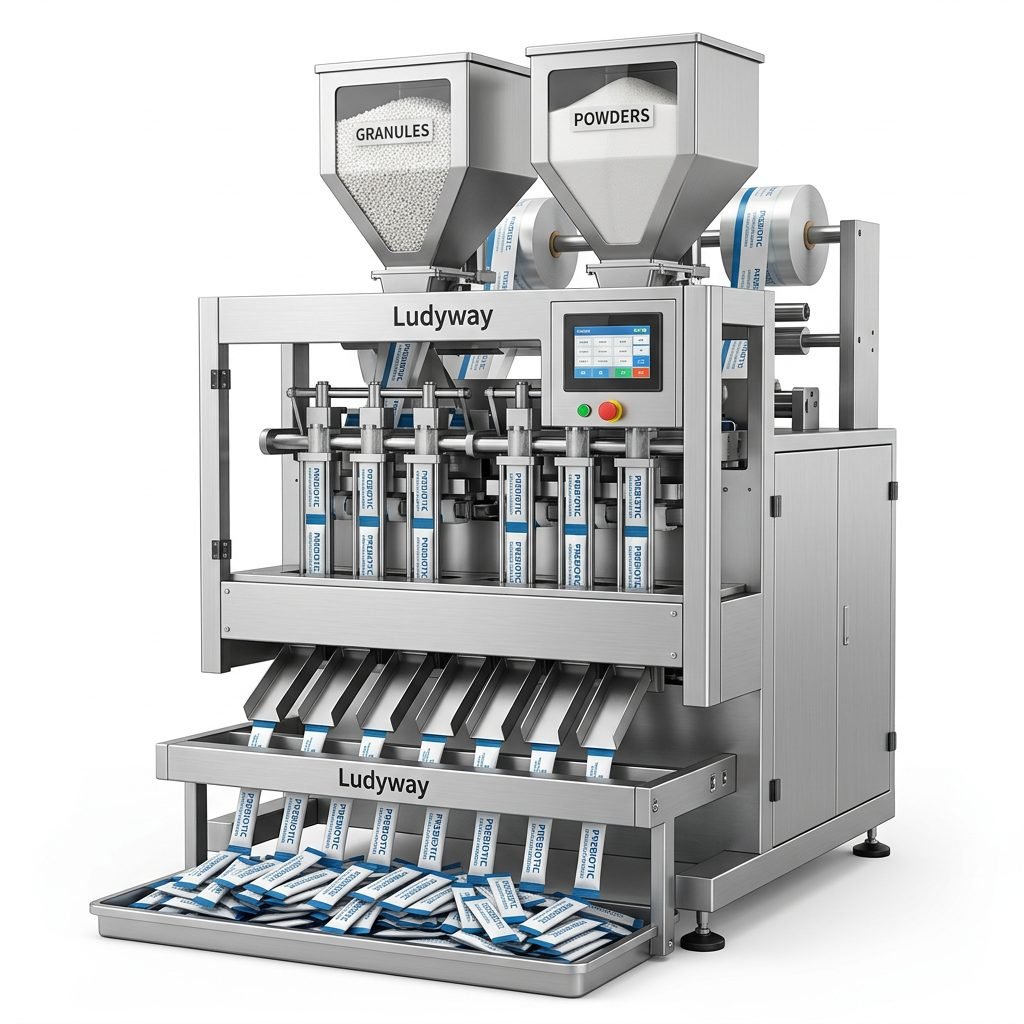
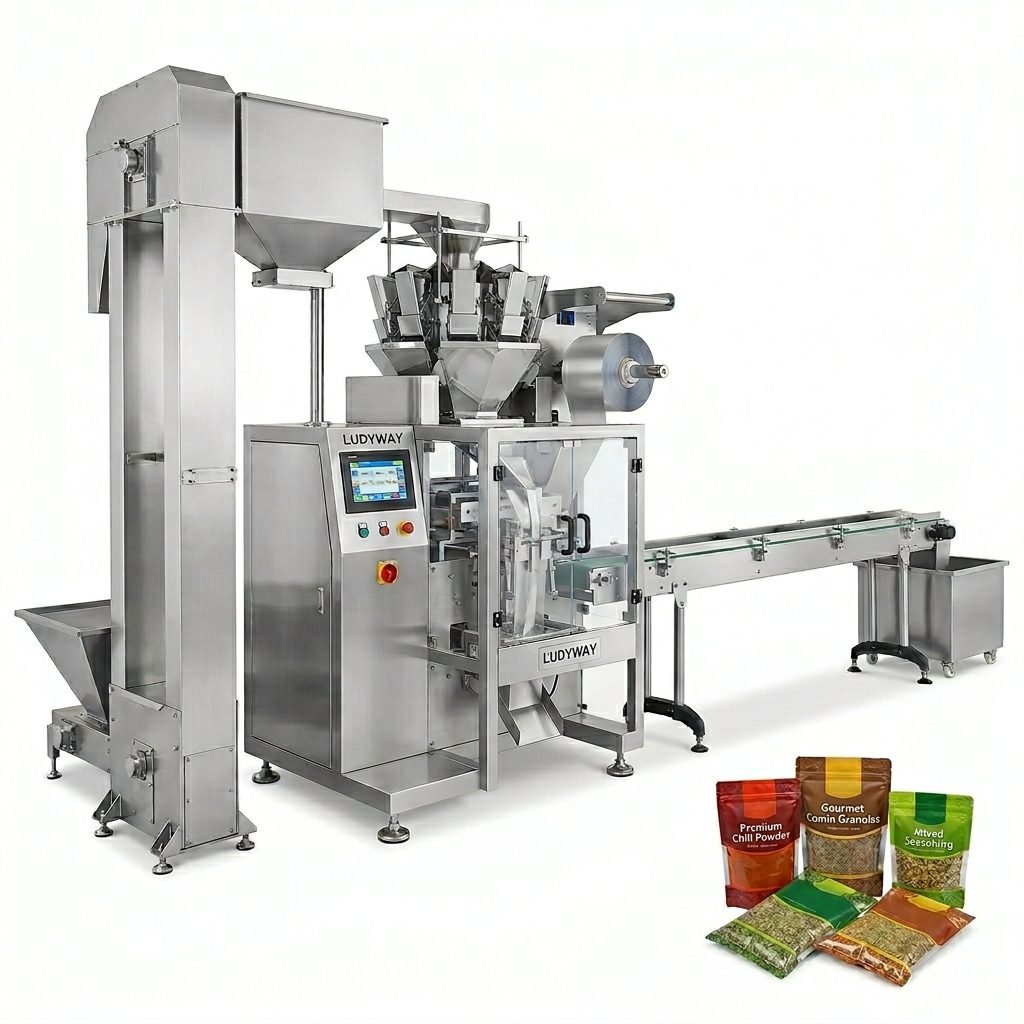
In the fast-paced world of manufacturing and distribution, efficient and reliable packaging is a critical link in the supply chain. Packaging equipment automates the processes of filling, sealing, and labeling, ensuring product safety, consistency, and speed. This guide provides a comprehensive overview of the primary types of packaging machinery, exploring their functions, applications, and the benefits they bring to modern production lines.
Core Functions of Packaging Equipment
Packaging machinery is typically categorized by its primary function within the packaging line. The three fundamental processes are filling, sealing, and labeling, each requiring specialized equipment to handle different product types and packaging materials.
Filling Machines: Precision Product Dispensing
Filling equipment is designed to accurately measure and dispense a product into its container, whether it’s a bottle, pouch, sachet, or stick pack. Accuracy is paramount to avoid giveaway and ensure compliance with regulatory standards.
Volumetric Fillers: These machines dispense product by volume using cups, pistons, or augers. They are ideal for granules, powders, and semi-liquids like spices, milk powder, or cosmetics.
Gravimetric Fillers: Also known as weigh fillers, they dispense product by weight, offering extremely high accuracy for valuable products such as pharmaceuticals, coffee, or nutritional supplements.
Liquid Fillers: Utilizing pumps, gravity, or pressure, these fillers handle everything from water and juices to oils and viscous lotions. Technologies include overflow fillers for consistent fill levels and piston fillers for precise volumetric control.
Sealing Machines: Ensuring Product Integrity
Once filled, the package must be securely closed to protect the contents from contamination, moisture, and tampering. Sealing technology varies widely based on the packaging material.
Heat Sealers: The most common method for flexible packaging like pouches and sachets. They apply heat and pressure to melt and fuse the inner plastic layers of the packaging film. Vertical form-fill-seal (VFFS) machines are a prime example, forming the bag from a roll of film, filling it, and heat-sealing it in one continuous process.
Induction Sealers: Used primarily for bottles with a foil liner under a plastic cap. An electromagnetic field heats the foil, bonding it to the container lip to create a hermetic, tamper-evident seal.
Carton Sealers: Automatically close and seal corrugated boxes using pressure-sensitive tape or hot melt glue. They are essential for e-commerce and shipping operations.
Labeling Machines: Applying Identity and Information
Labeling equipment applies product labels, barcodes, and regulatory information with precision and speed. Proper labeling is crucial for branding, tracking, and consumer information.
Pressure-Sensitive Labelers (PSL): Apply pre-printed self-adhesive labels from a roll or sheet. They are highly versatile and can handle front/back, wrap-around, and multi-panel labeling on various container shapes.
Wrap-Around Labelers: Often used for bottles and cans, these machines apply a full-body paper or film label that wraps around the container, providing maximum graphic space.
Sleeve Labelers: Apply heat-shrinkable plastic sleeves. When passed through a heat tunnel, the sleeve shrinks tightly to the container’s contours, creating a sleek, 360-degree label.
Integrated Packaging Systems and Lines
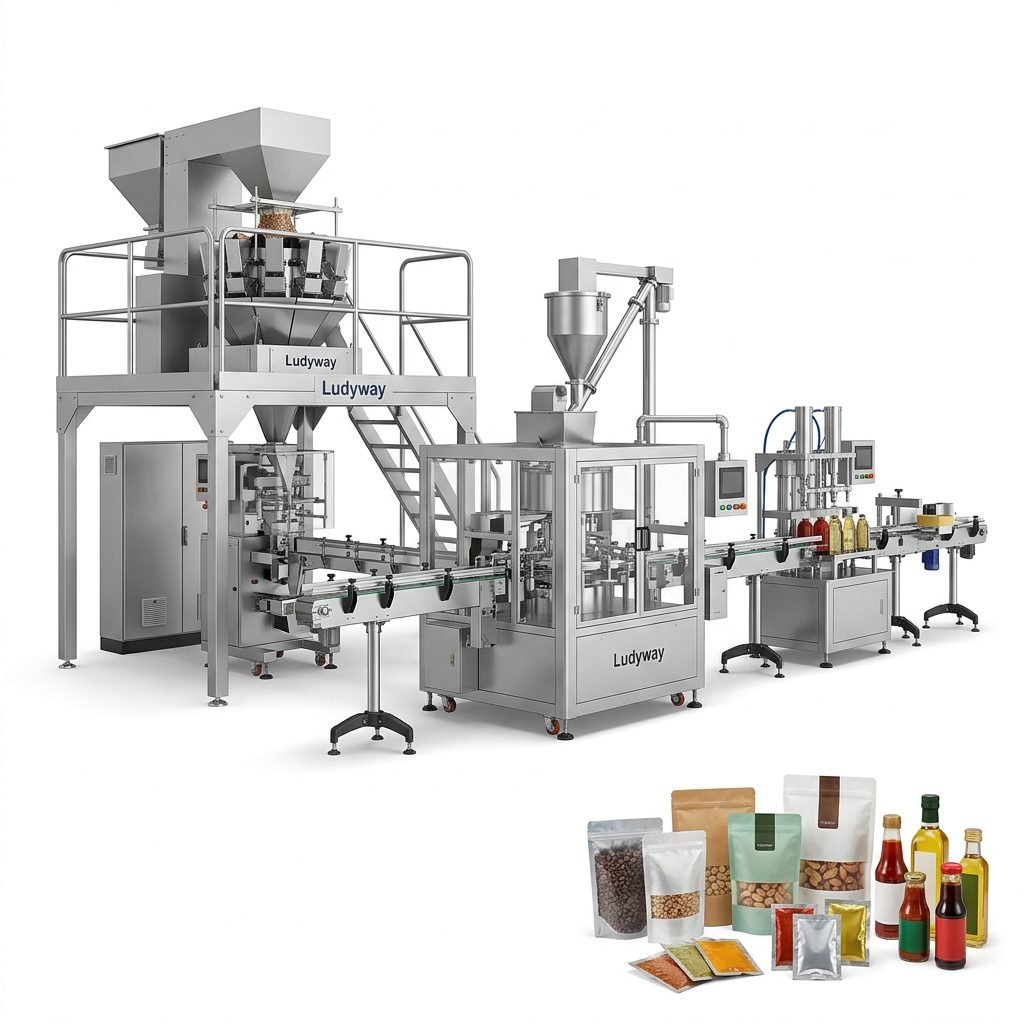
While individual machines excel at specific tasks, the highest efficiency is achieved through integrated packaging systems. These are combinations of machines synchronized to perform multiple operations in sequence.
A typical turnkey packaging line might start with an unscrambler to orient containers, followed by a filler, capper, labeler, and finally a case packer and palletizer. For flexible packaging, a VFFS machine integrates forming, filling, and sealing, and can be coupled with a downstream cartoner.
Leading providers like Ludyway Machinery specialize in designing and delivering these complete, automated solutions tailored to specific production needs, particularly for the food, pharmaceutical, and health industries.
Choosing the Right Packaging Equipment
Selecting the appropriate machinery depends on several key factors. Understanding these will guide you toward an investment that boosts productivity and ROI.
Product Characteristics
The physical properties of your product—whether it’s a free-flowing powder, sticky paste, fragile granule, or volatile liquid—dictate the filling technology. Aseptic products require sterile environments, while abrasive materials need wear-resistant machine parts.
Packaging Material and Format
The choice between rigid containers (bottles, cans) and flexible packaging (pouches, sachets) determines the core machine type. The speed, accuracy, and sealing method must be compatible with the material, be it plastic, glass, metal, or laminate film.
Production Speed and Volume
Required output (units per minute) directly impacts machine selection. High-speed operations need robust, continuous-motion equipment, while lower-volume or multi-product facilities may benefit from intermittent-motion or semi-automatic machines.
Automation and Integration Level
Consider future growth. Investing in modular and intelligent packaging machines that can integrate with upstream and downstream equipment provides scalability. Features like touchscreen PLC controls, data reporting, and quick changeovers are vital for modern, agile production.
With over 30 years of industry experience, experts at Ludyway assist clients in navigating these choices, ensuring the selected equipment aligns perfectly with their operational goals.
Benefits of Automated Packaging Equipment
✅ Increased Efficiency & Output: Automation dramatically speeds up the packaging process, allowing for higher production volumes and faster time-to-market.
✅ Enhanced Consistency & Accuracy: Machines eliminate human error in filling weights, seal integrity, and label placement, ensuring every unit meets quality standards.
✅ Reduced Labor Costs & Waste: Automating repetitive tasks optimizes labor allocation and minimizes product giveaway and material waste, improving overall cost-effectiveness.
✅ Improved Safety & Hygiene: Automated systems reduce direct human contact with the product, which is essential in food and pharmaceutical packaging for maintaining hygiene and worker safety.
✅ Scalability & Flexibility: Modern machines are designed for quick changeovers between products or package sizes, allowing manufacturers to respond swiftly to market demands.
Frequently Asked Questions (FAQs)
1. What is the difference between a volumetric filler and a gravimetric filler?
Volumetric fillers measure product by volume (using cups, pistons, etc.) and are generally faster and more cost-effective for non-value-sensitive products. Gravimetric (weigh) fillers measure by weight, offering superior accuracy critical for expensive ingredients or where regulatory net content rules are strict. The choice depends on your product’s value and required precision.
2. Can one machine handle both powders and liquids?
Some filling machines are versatile, but they often require significant part changes and cleaning between product types. It’s more common and efficient to use equipment specifically engineered for a product’s characteristics (e.g., an auger filler for powders, a piston filler for viscous liquids). For lines running multiple product types, modular designs with quick-change parts are recommended.
3. How do I maintain my packaging equipment for optimal lifespan?
Regular preventive maintenance is key. This includes daily cleaning to prevent product buildup, lubrication of moving parts as per the manufacturer’s schedule, inspection and replacement of wear parts like seals and gaskets, and keeping sensors and electrical components clean. Always follow the specific maintenance manual provided by your supplier, such as the guidelines offered with Ludyway’s packaging systems.
4. What should I consider when upgrading to a fully automated line?
Start with a clear analysis of your current bottlenecks and future volume projections. Evaluate floor space, utility requirements (power, air, water), and the skill level of your operators. Partner with a reliable supplier who can provide a complete turnkey solution, including installation, training, and after-sales support, to ensure a smooth transition and maximum uptime.
5. Are there packaging solutions for small-batch or craft production?
Absolutely. The market offers a range of semi-automatic and tabletop machines perfect for small businesses, startups, or craft producers. These machines provide the benefits of automation—improved accuracy and professionalism—at a lower output speed and capital investment, allowing smaller brands to package their products efficiently.