Oceania’s cosmetics and personal care industry is experiencing rapid growth, fueled by increasing consumer demand for premium creams, lotions, and serums. Whether you are manufacturing anti-aging face cream, body butter, or medicated ointments, establishing a reliable and high-speed cream packaging machine production line is critical to maintaining product quality, extending shelf life, and meeting regional compliance standards. This guide covers every aspect, from equipment selection and layout planning to regulatory navigation in Australia and New Zealand.
Understanding Cream Packaging Requirements in Oceania
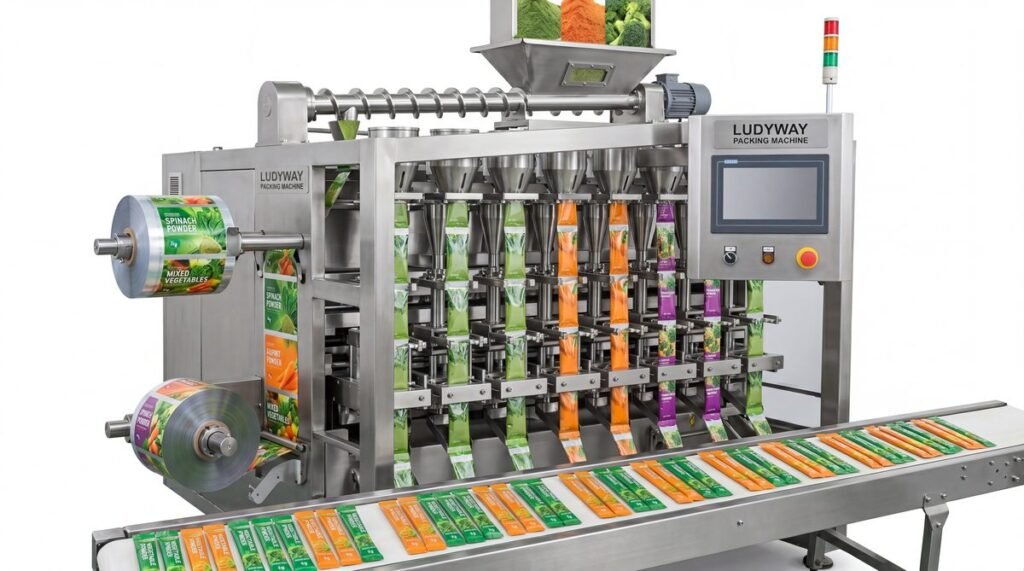
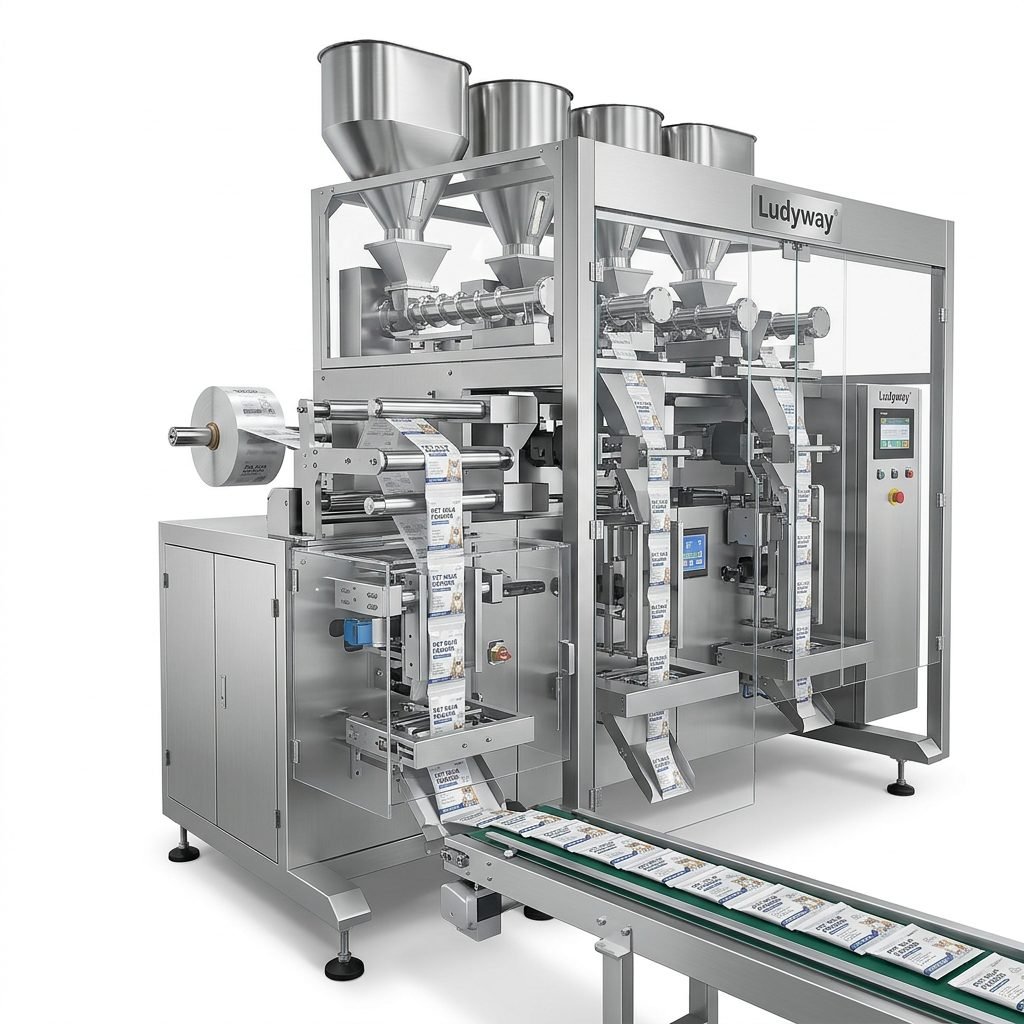
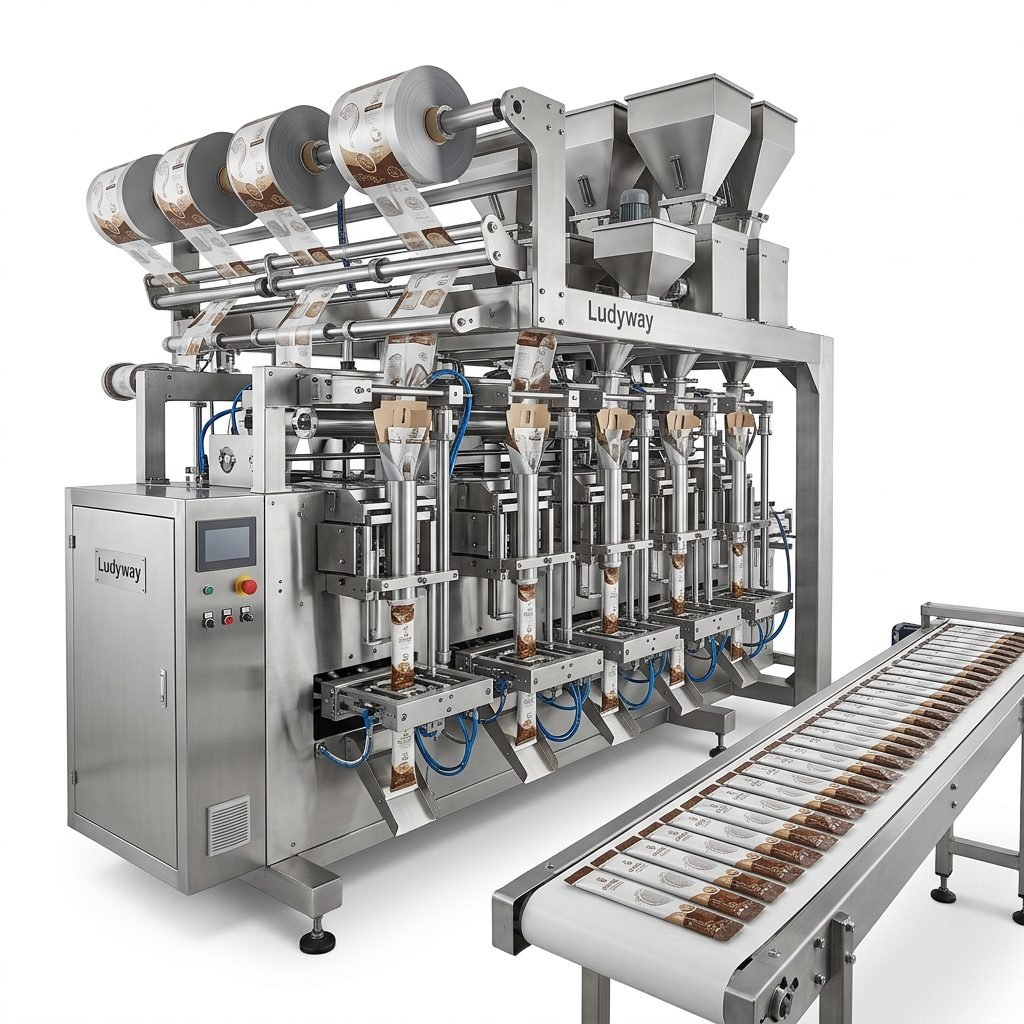
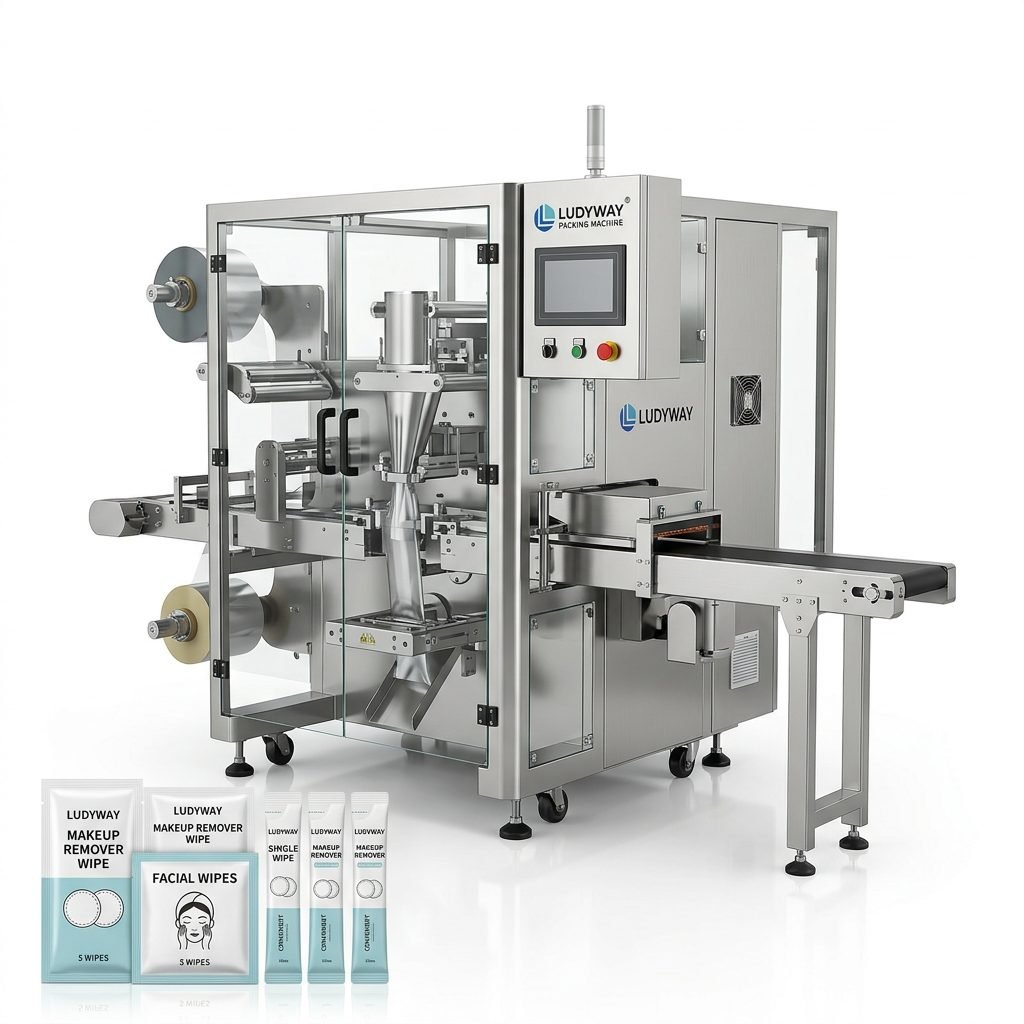
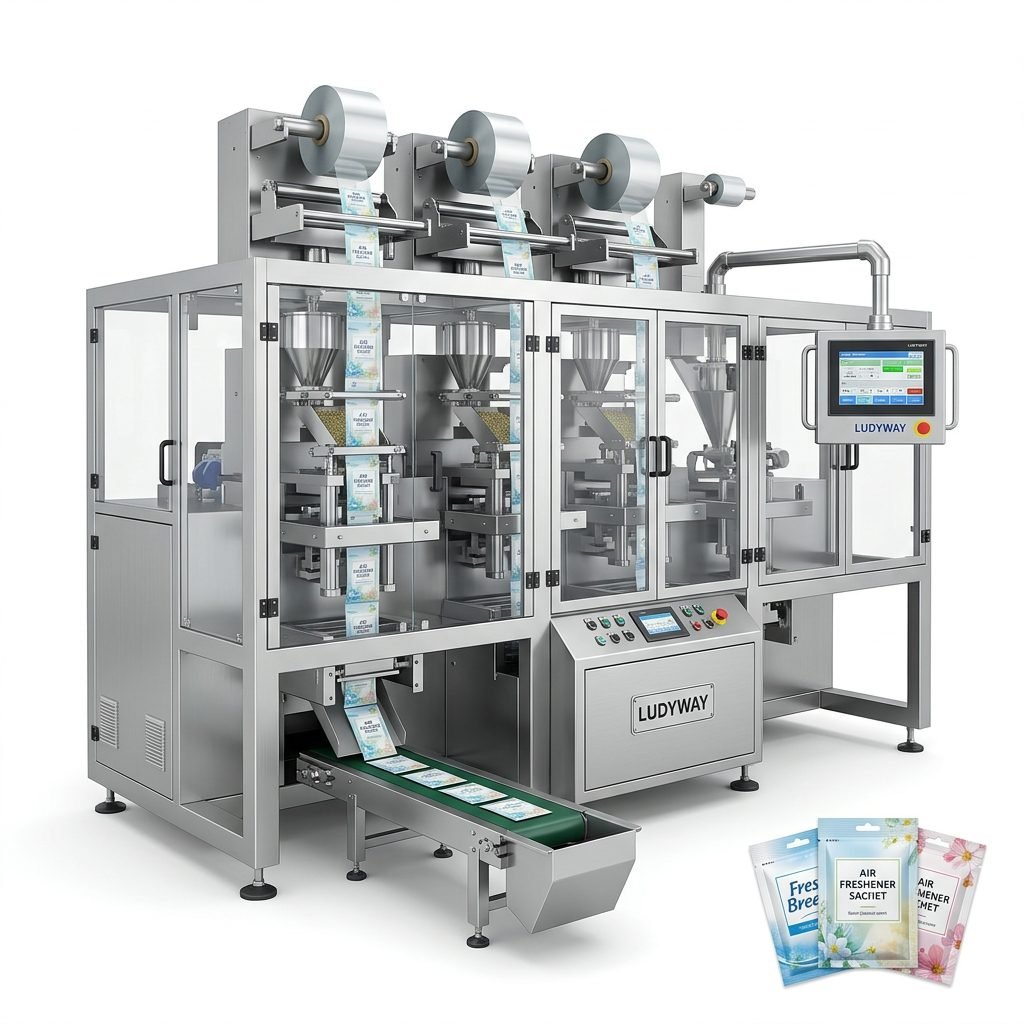
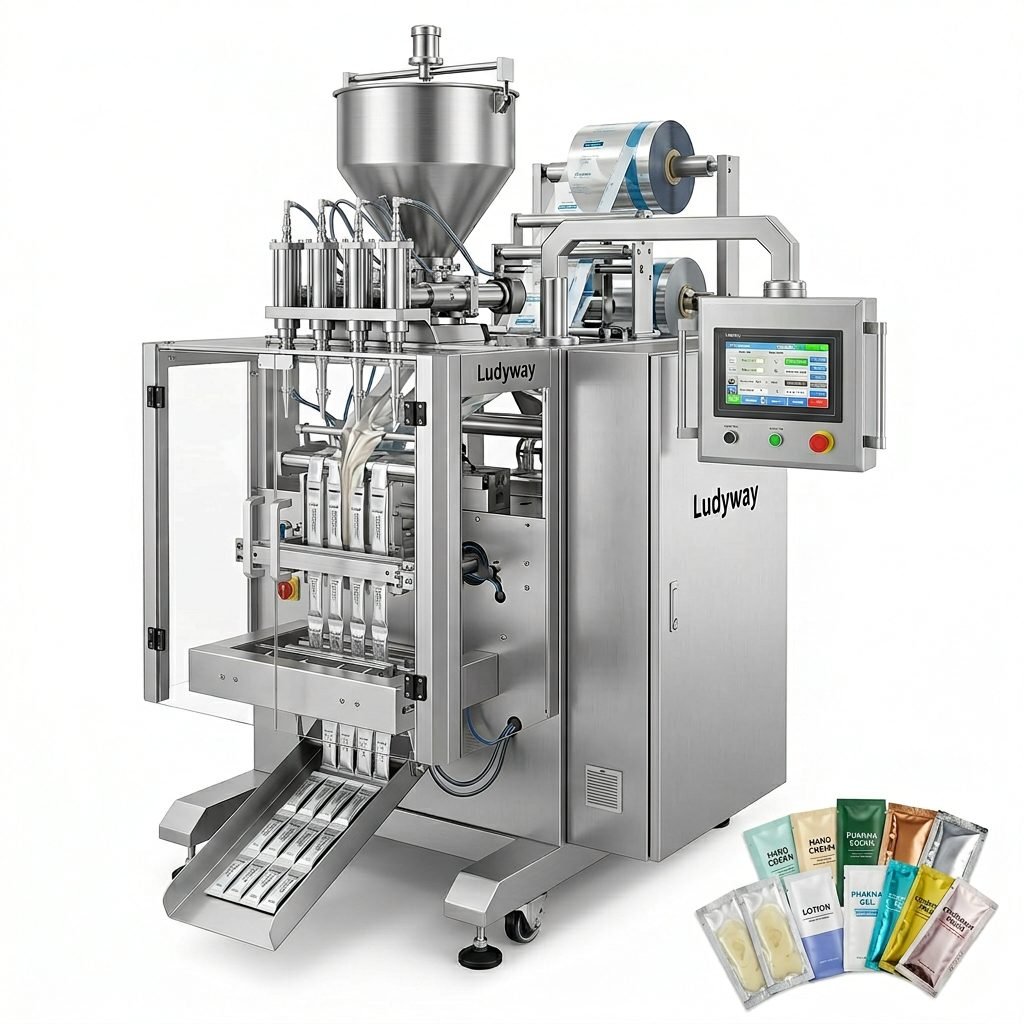
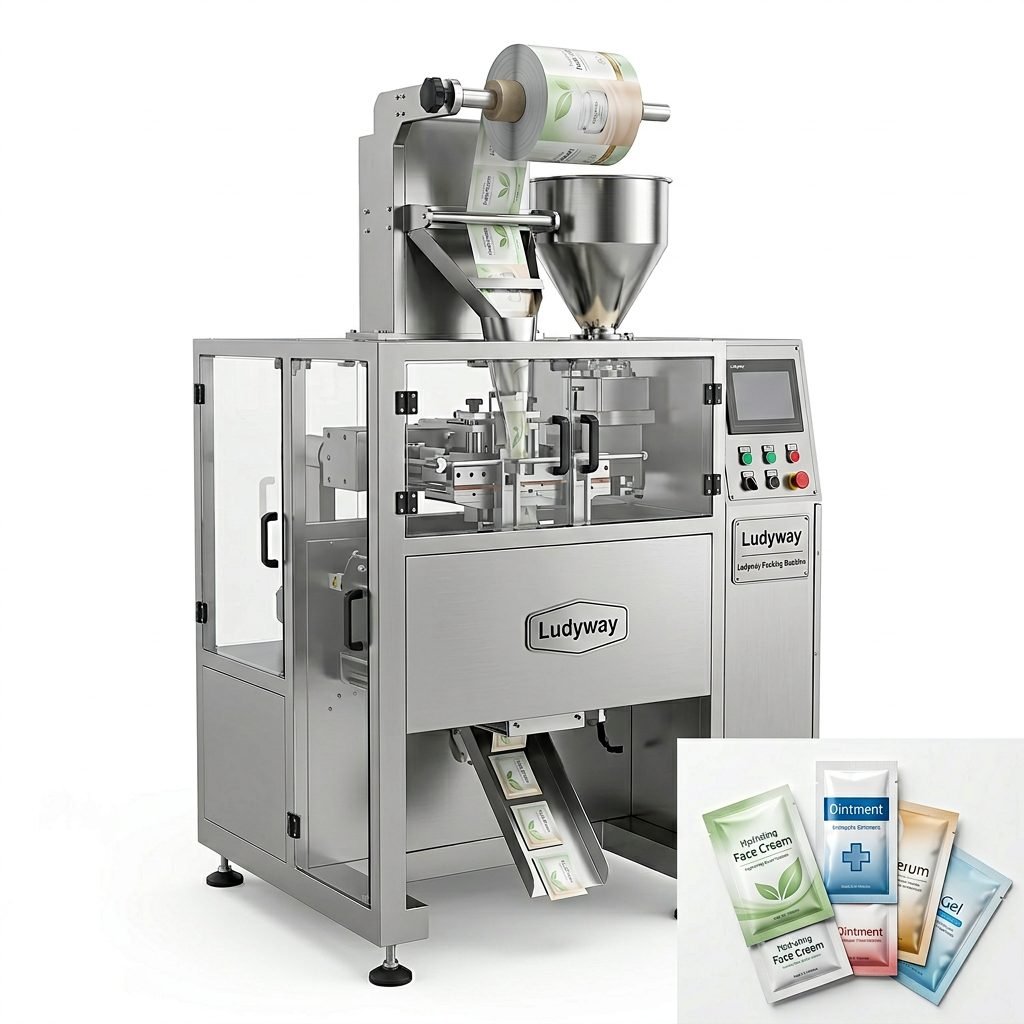
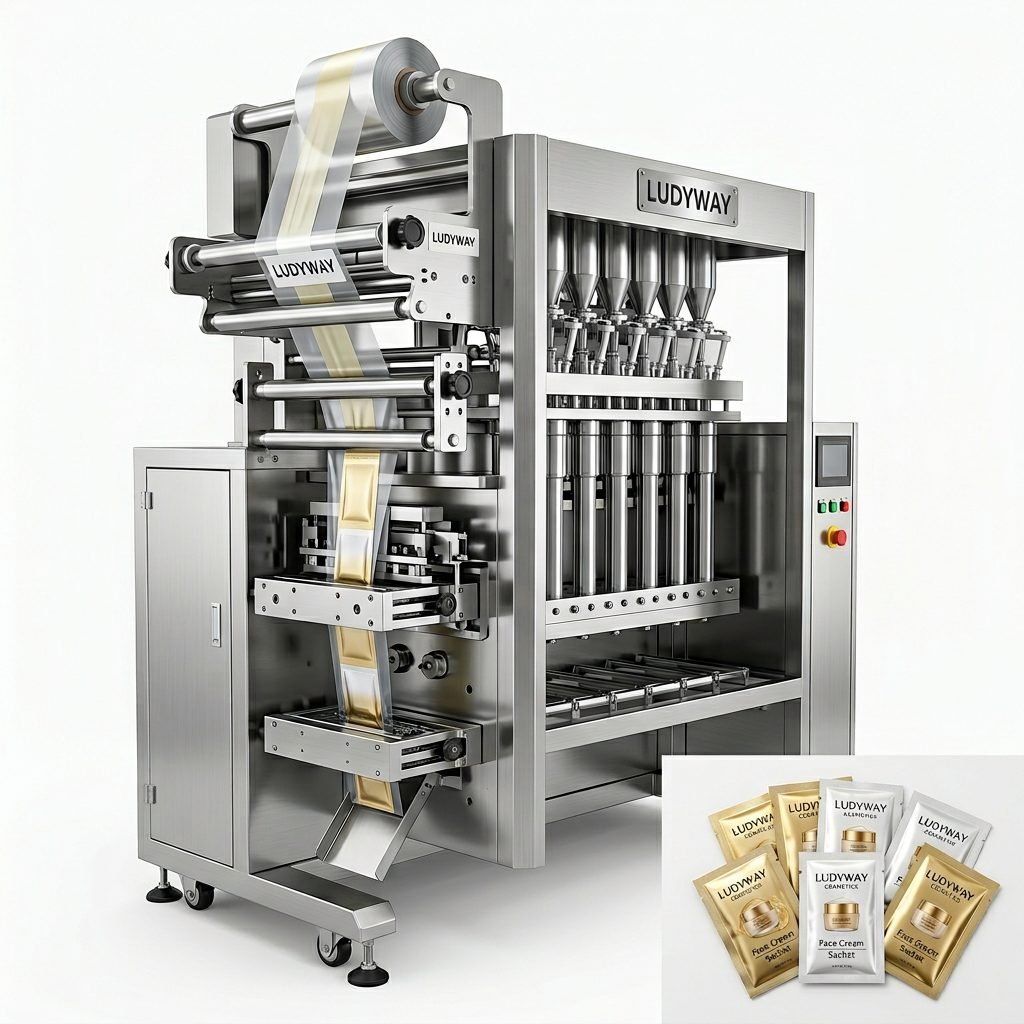
Unlike low-viscosity liquids, creams often require specialized piston fillers or pump filling systems to handle varying densities accurately. In the Oceania market, where strict hygiene standards apply (particularly under FSANZ and international packaging regulations), it is essential to select machinery manufactured with 316L stainless steel and food-grade contact parts. The packaging format also matters significantly here, with multi-lane sachets and stick packs gaining popularity for single-use travel sachets and sample creams distributed across the Australian and Pacific Islander markets.
Choosing the Right Machine for Viscous Products
Not all packaging lines are built equal. You must evaluate the viscosity of your cream, the required output speed, and the packaging material. The table below highlights the key machinery types suitable for a high-efficiency cream line.
| Machine Type | Best Application | Output Range (Packs/Min) |
|---|---|---|
| Multi-Lane Sachet Machine | Single-use cream samples, travel kits | 400 – 800 |
| Stick Pack Machine | Slim-format moisturizers, serums | 300 – 600 |
| Tube Filling & Sealing | Hand cream, medical ointments | 60 – 120 |
| Jar Filling & Capping | High-end cosmetic creams, masks | 40 – 80 |
Key Features to Look for in Cream Filling Equipment
- Anti-Drip Nozzles: Prevents nozzle clogging and ensures clean cuts for thick creams.
- Heated Hopper Option: Maintains optimal product temperature for highly viscous formulations.
- Nitrogen Flushing: Extends shelf life by removing oxygen from the sachet or stick pack, a critical requirement for ISO certified organic skincare products.
- Servo-Driven Motors: Guarantees high-precision filling accuracy (±0.5%).
Production Line Layout and Turnkey Integration
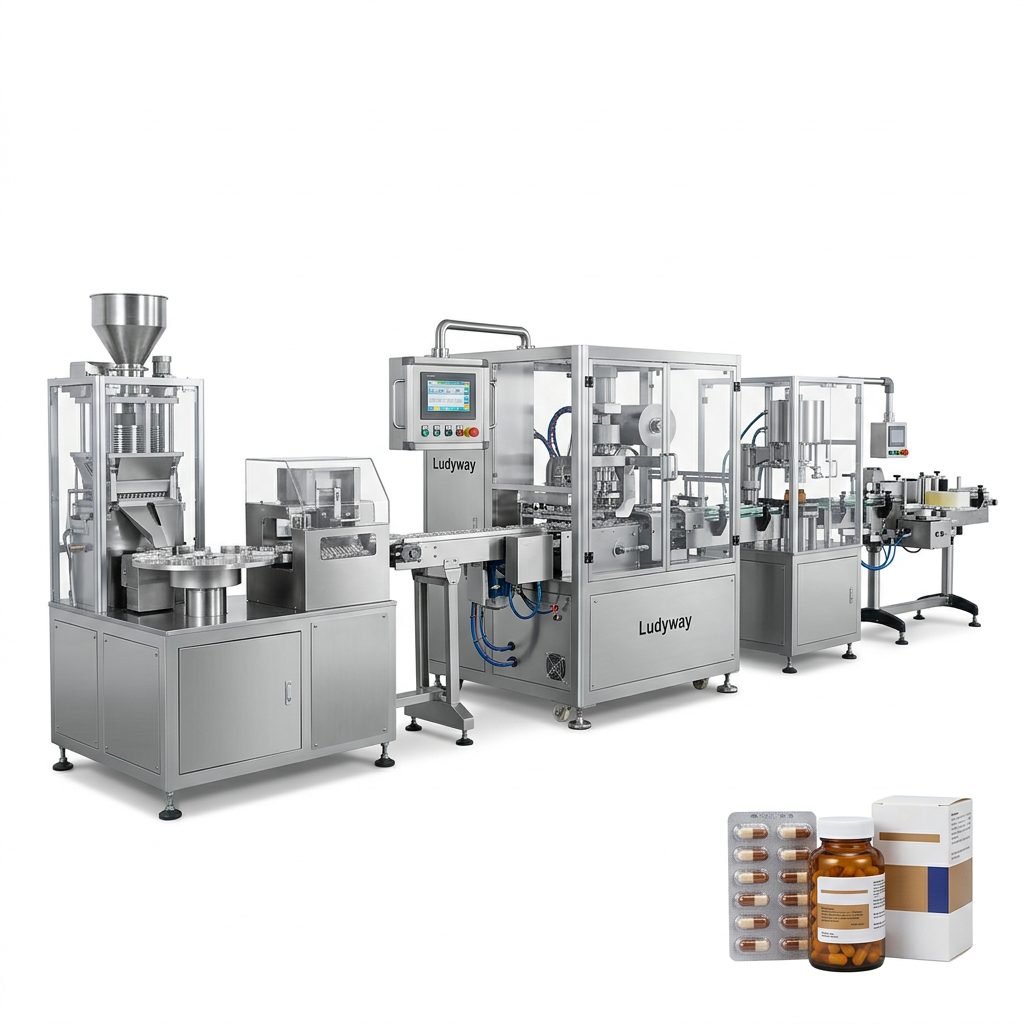
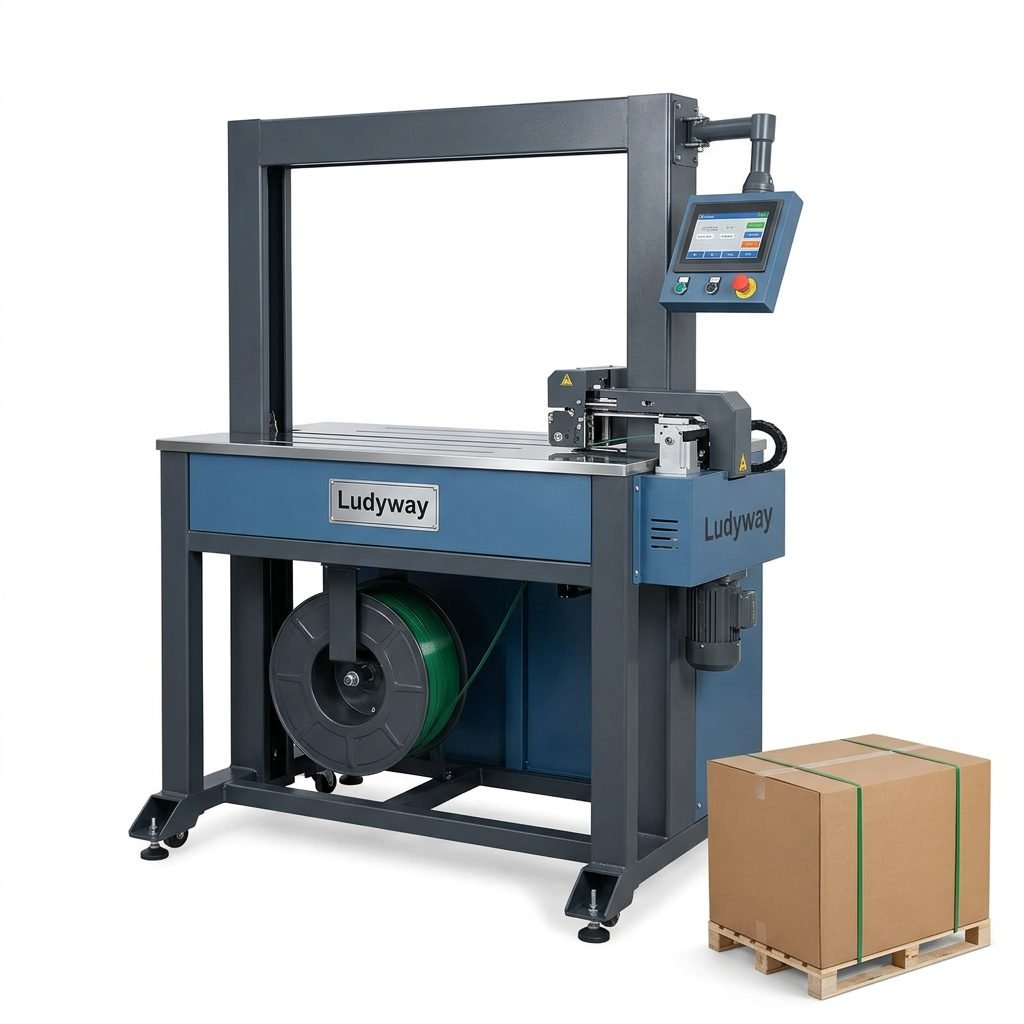
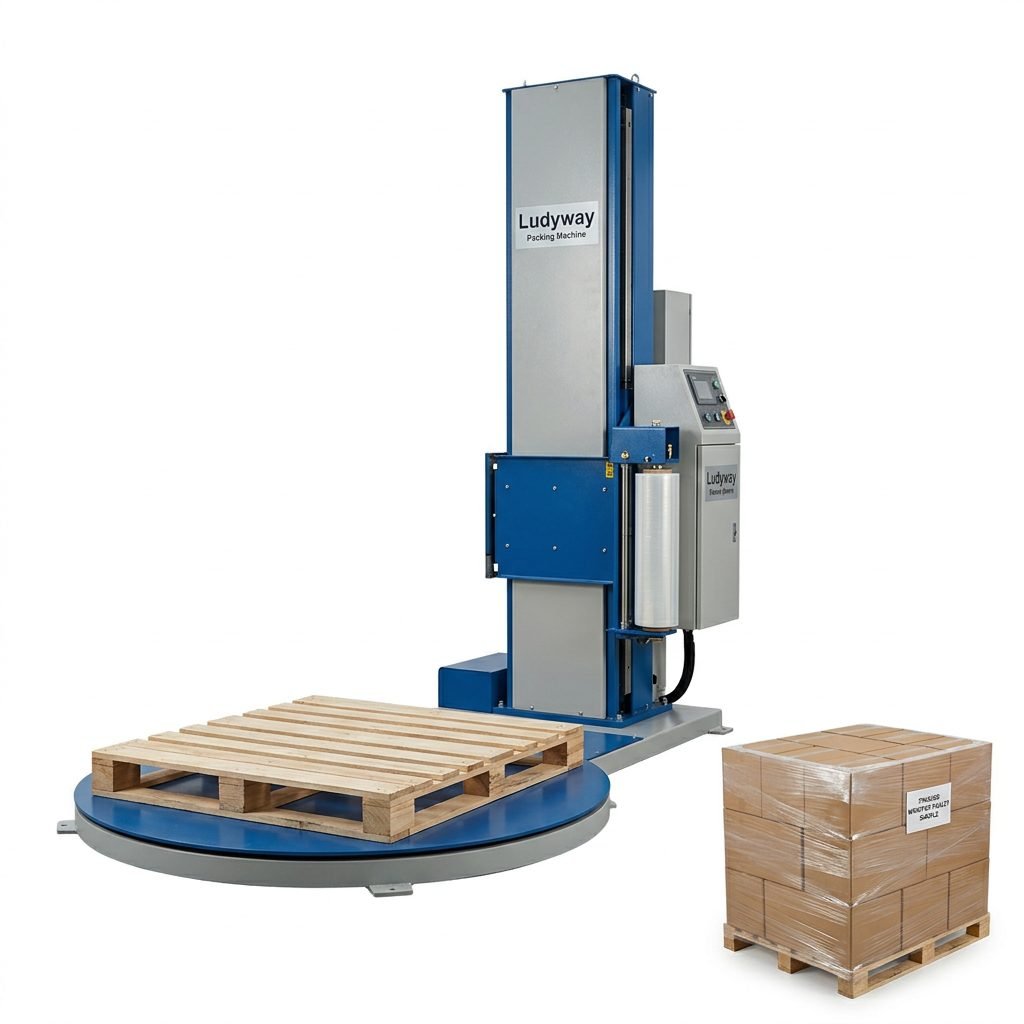
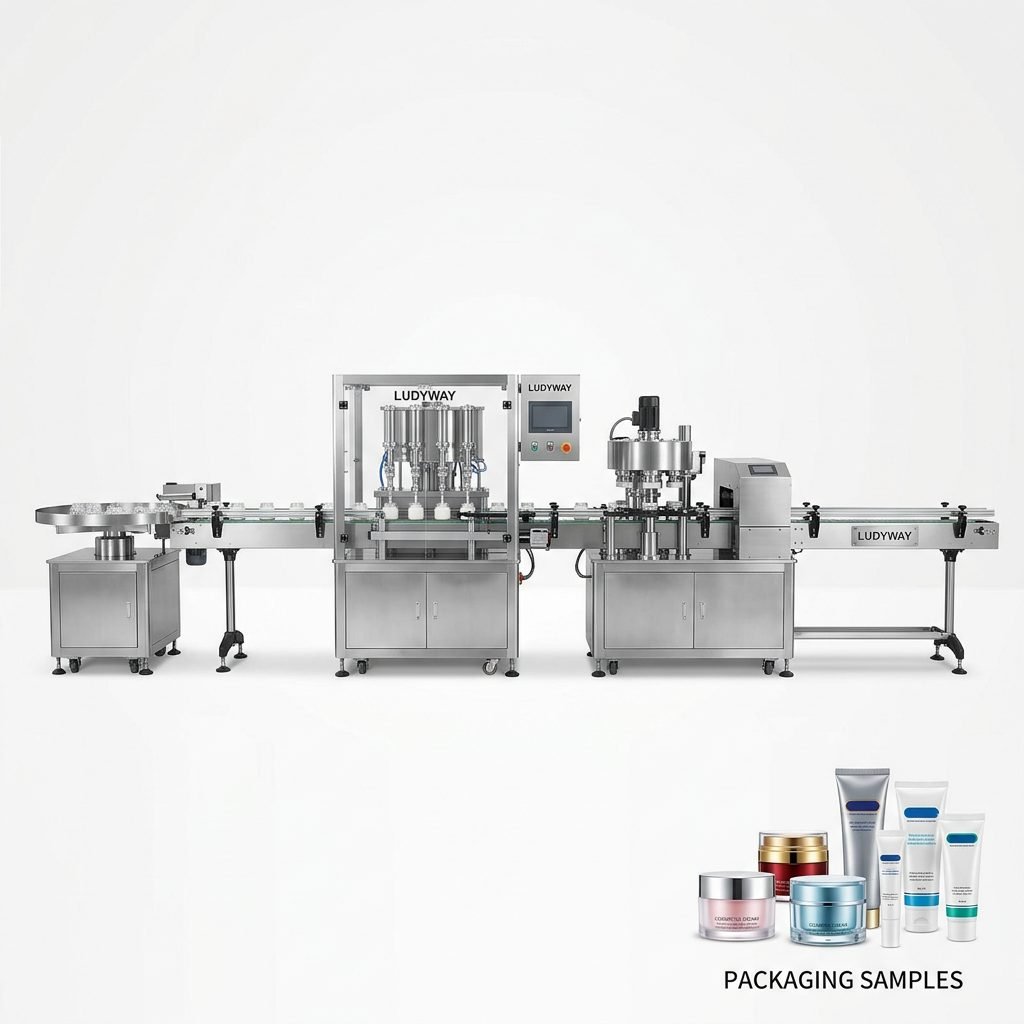
For businesses in Oceania looking to scale quickly, integrating a turnkey packaging line significantly reduces downtime. The ideal setup for a cream line typically comprises a bottle unscrambler, a piston filler, a capping machine, a labeling unit, and an automatic cartoning machine. For reliable and high-performance cream packaging equipment, manufacturers like Ludyway, one of the leading global packaging machine providers, offer extensive experience in custom turnkey production line solutions tailored to specific viscous product requirements.
Navigating Oceania’s Regulatory Landscape
Compliance is non-negotiable. Australia and New Zealand enforce rigorous standards regarding cosmetic and therapeutic creams. Before setting up your line, ensure your packaging materials and processes align with the regional packaging waste directives and sustainable packaging guidelines, which are increasingly influencing Oceanian consumer purchasing decisions.
Sustainability in Sachet and Tube Packaging
With the push toward the 2025 National Packaging Targets in Australia, brands are shifting toward mono-material laminates and PCR (Post-Consumer Recycled) plastics. Verify that your cream packaging machine can handle recyclable film structures, as these often have different heat-sealing profiles than traditional multi-layer plastics.
Essential Ancillary Equipment
To maximize overall equipment effectiveness (OEE), you must pair your filling machine with reliable upstream and downstream systems. Consider the following setup:
| Process Stage | Recommended Equipment | Function |
|---|---|---|
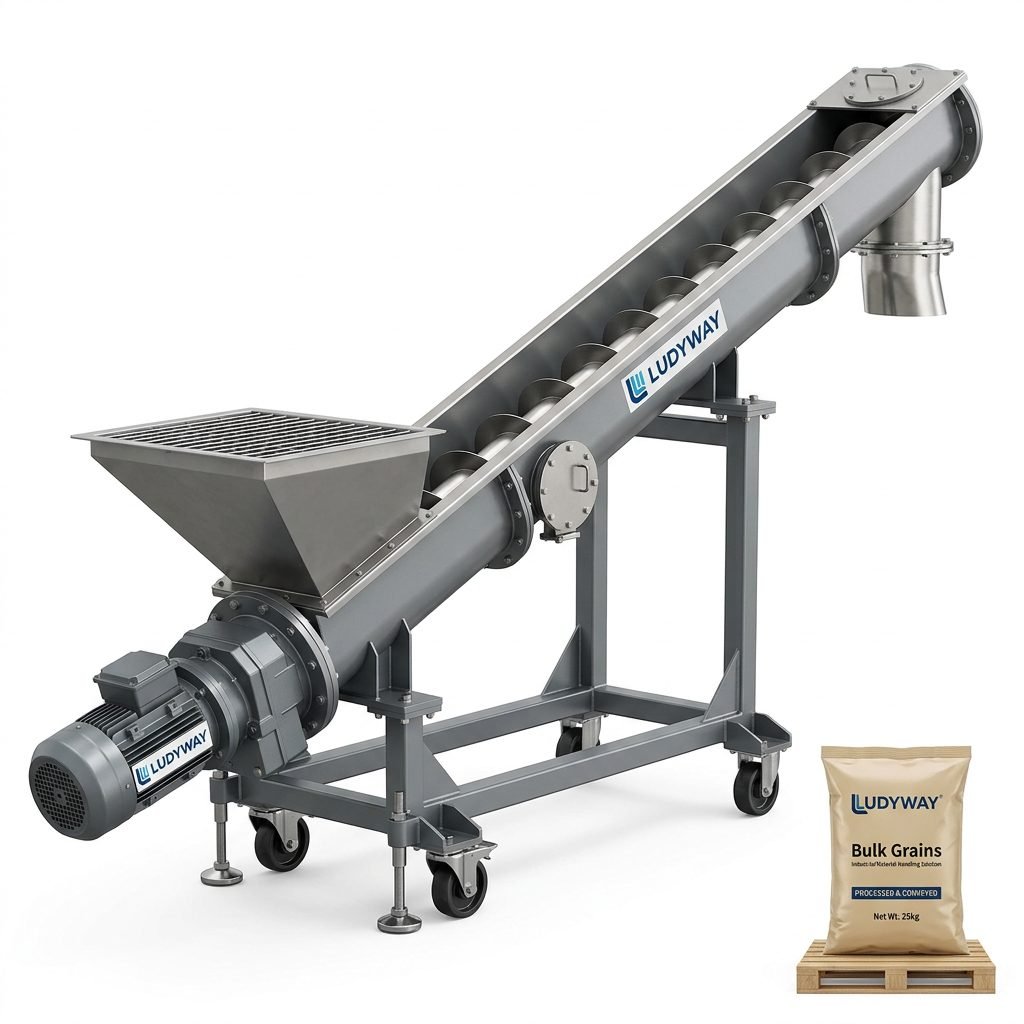
| Feeding | Z-Type Bucket Elevator | Dust-free granule/powder feeding for mixed cream pre-mixes |
| Inspection | Dynamic Checkweigher | Rejects under/overfilled cream sachets |
| End-of-Line | Robotic Palletizing System | Automates case stacking for distribution centers in Sydney or Auckland |
Installation and Operator Training
Installing a cream packaging line involves strict environmental controls, especially temperature and humidity, to prevent product separation during filling. Operators must be trained on Clean-In-Place (CIP) protocols to reduce bacterial load. Poor cleaning processes can lead to batch contamination, which is heavily penalized under Good Manufacturing Practice (GMP) standards.
Quick Maintenance Checklist
- Daily: Inspect seal integrity and residue buildup on filling heads.
- Weekly: Calibrate servo motors and check piston o-rings for swelling.
- Monthly: Verify heat seal jaw parallelism to prevent edge leaks in sachets.
Future-Proofing Your Cream Packaging Line
Investing in modular equipment allows you to adapt to market trends like customizable skincare and on-demand manufacturing. A high-speed multi-lane system designed for granules, powders, and liquids can be retooled to handle different cream formulas with minimal downtime, ensuring your Oceania-based facility remains competitive as the clean beauty movement accelerates.
Climate Considerations for the Pacific Region
Cream products are notoriously sensitive to heat and humidity. When designing your line for the tropical climates of Oceania, ensure your packaging machine includes air-conditioned control cabinets and that your sealing dies are designed to cope with the specific curl and moisture content of films stored in humid environments.
By meticulously planning your cream packaging machine production line with the specific regulatory and environmental factors of Oceania in mind, you ensure product integrity, operational efficiency, and a strong competitive edge in the booming regional beauty market. For further industry insights, refer to the latest State of the Industry reports.