Setting up a feed packaging machine production line in Oceania requires careful planning, compliance with regional standards, and the right equipment selection. The Oceania region, led by Australia and New Zealand, has a robust agricultural and livestock sector that demands high-quality feed packaging solutions. This guide walks you through the entire process — from understanding market dynamics to installation and long-term optimization.
Understanding the Oceania Feed Packaging Market
The Oceania feed industry is dominated by livestock nutrition, dairy farming, poultry production, and aquaculture. Australia alone produces over 12 million metric tons of animal feed annually, while New Zealand’s dairy industry drives substantial demand for specialized feed supplements. Papua New Guinea and Pacific Island nations are also emerging markets for packaged feed products.
Key feed categories requiring advanced packaging solutions include:
- Premix feeds — vitamin and mineral blends for livestock
- Pellet feeds — compressed feed for cattle, sheep, and poultry
- Aquaculture feeds — floating and sinking pellets for fish and shrimp farming
- Pet food — dry kibble and semi-moist formulations for companion animals
- Feed additives — enzymes, probiotics, and amino acid supplements
Key Components of a Feed Packaging Production Line
A complete feed packaging line consists of several integrated systems working together to ensure accuracy, speed, and product integrity. Understanding each component helps in making informed procurement decisions.
| Component | Function | Key Considerations for Oceania |
|---|---|---|
| Weighing & Dosing System | Precise measurement of granules, powders, and pellets | Multi-head weighers for high accuracy; compliance with PMMI packaging standards |
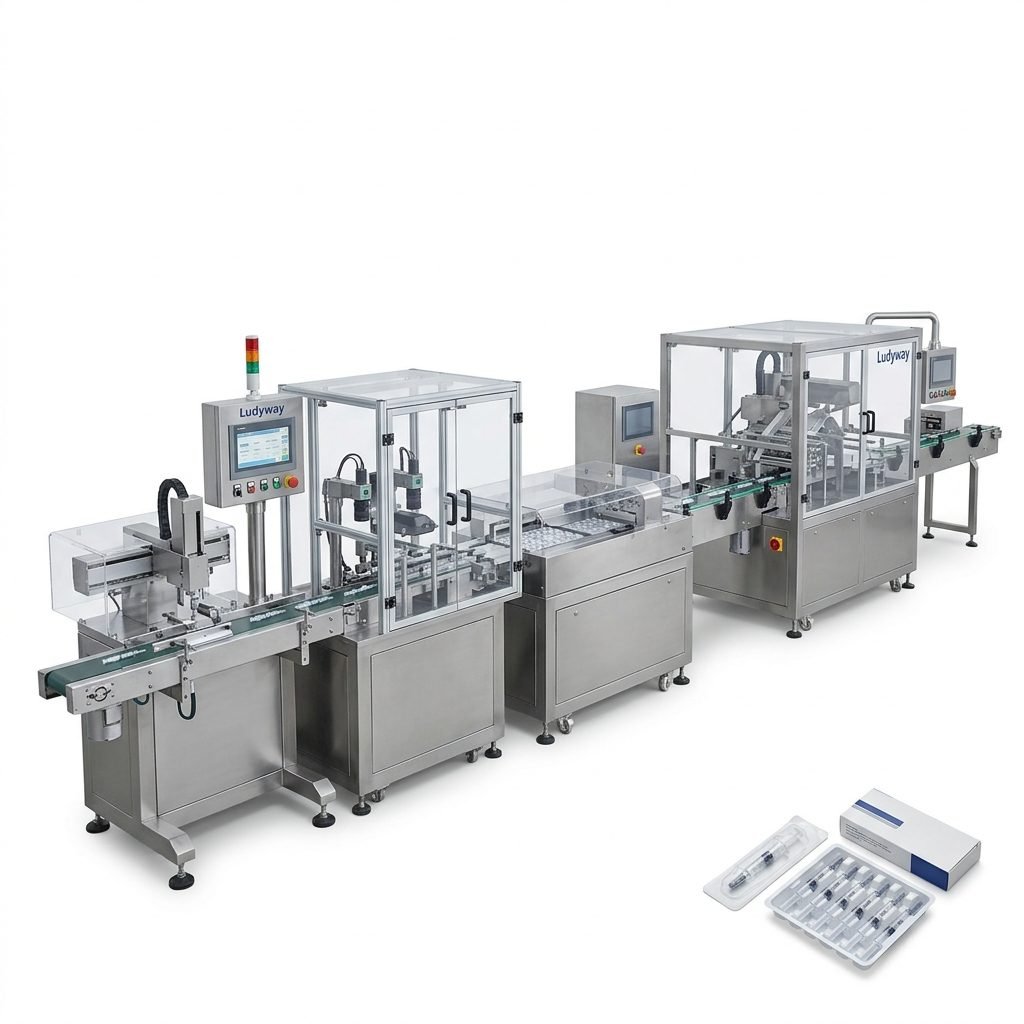
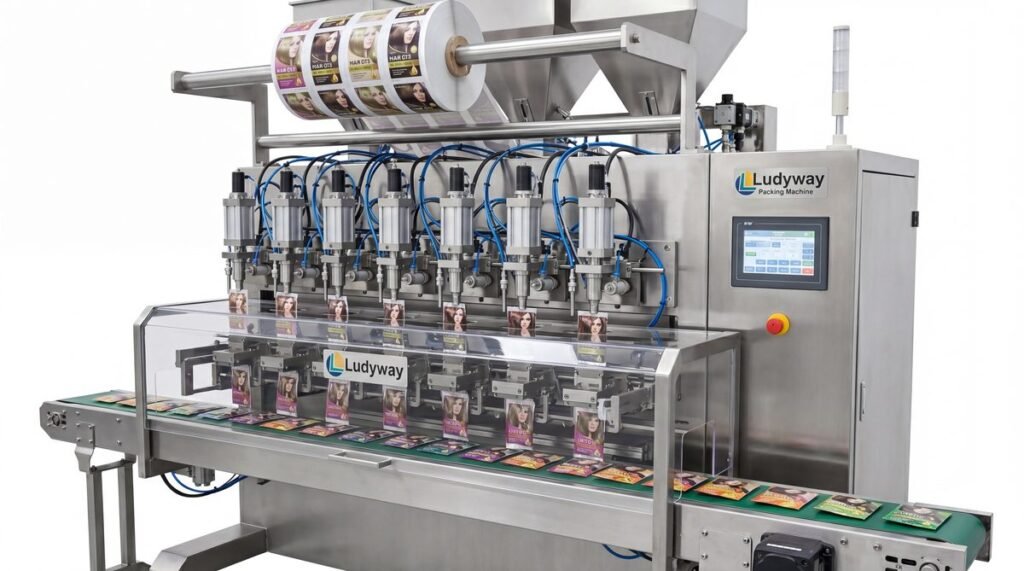
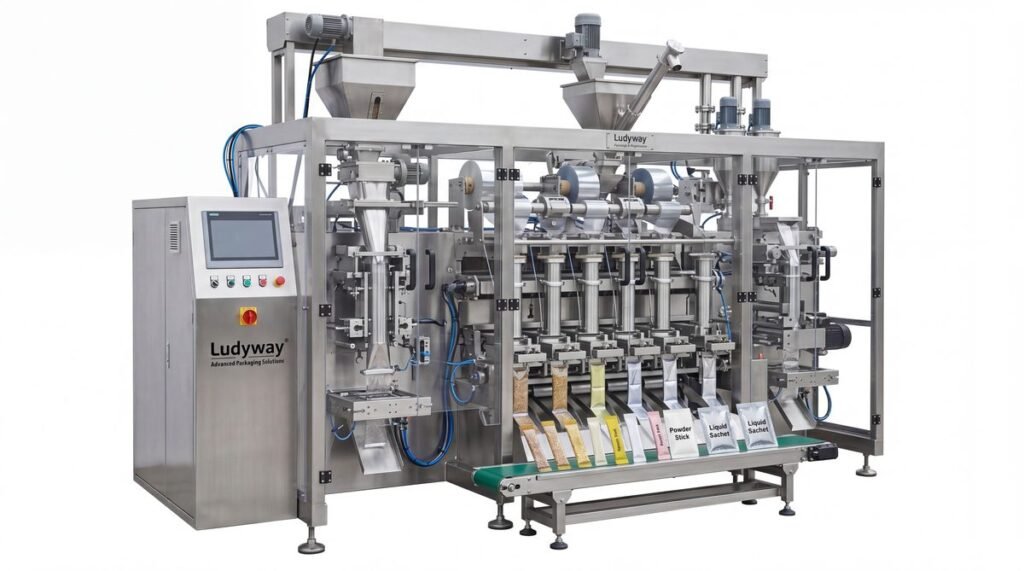
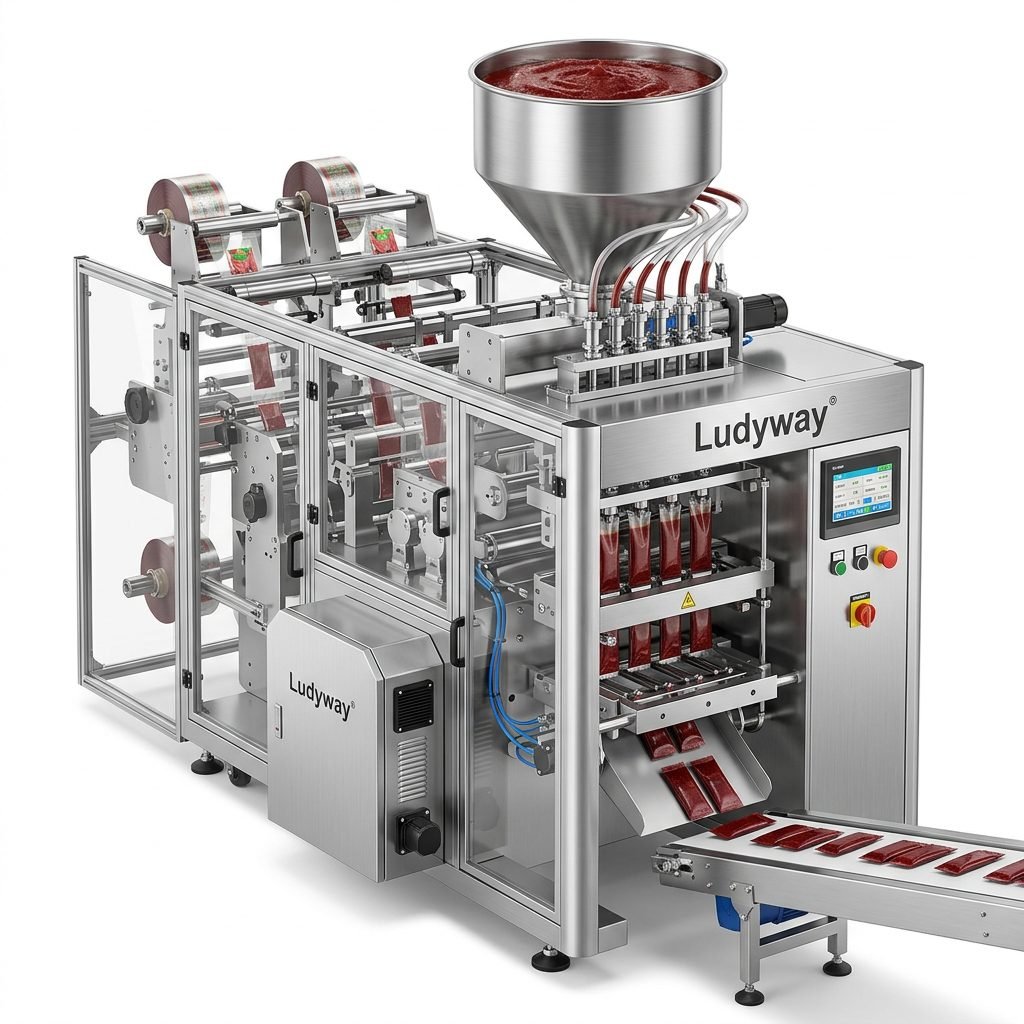
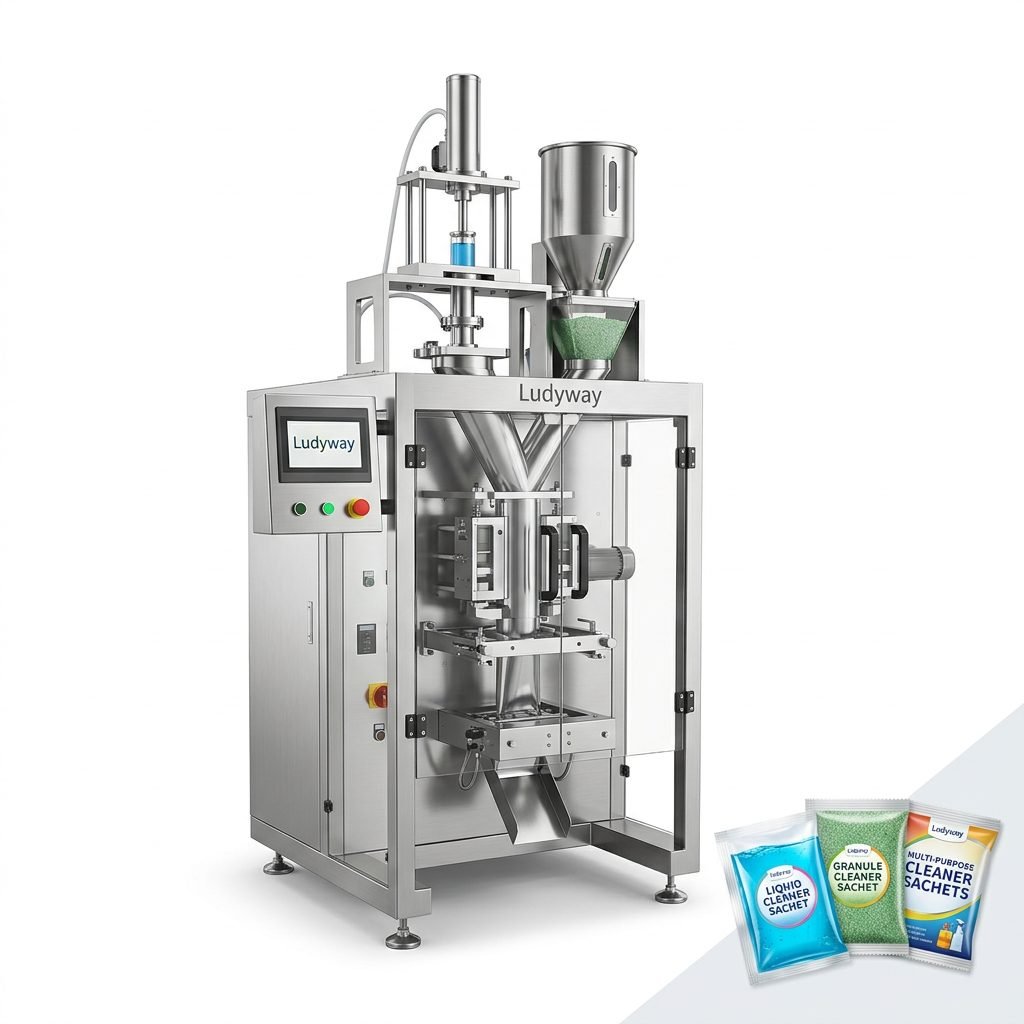
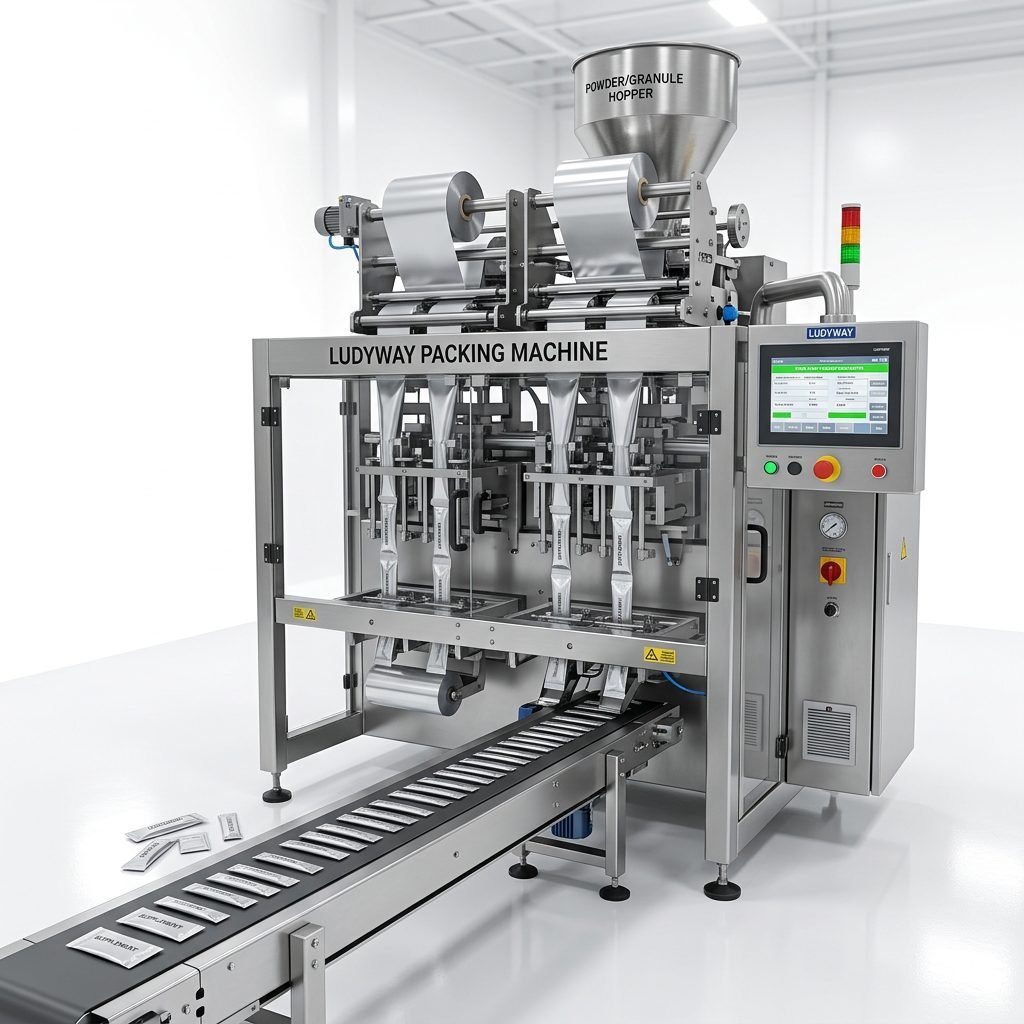
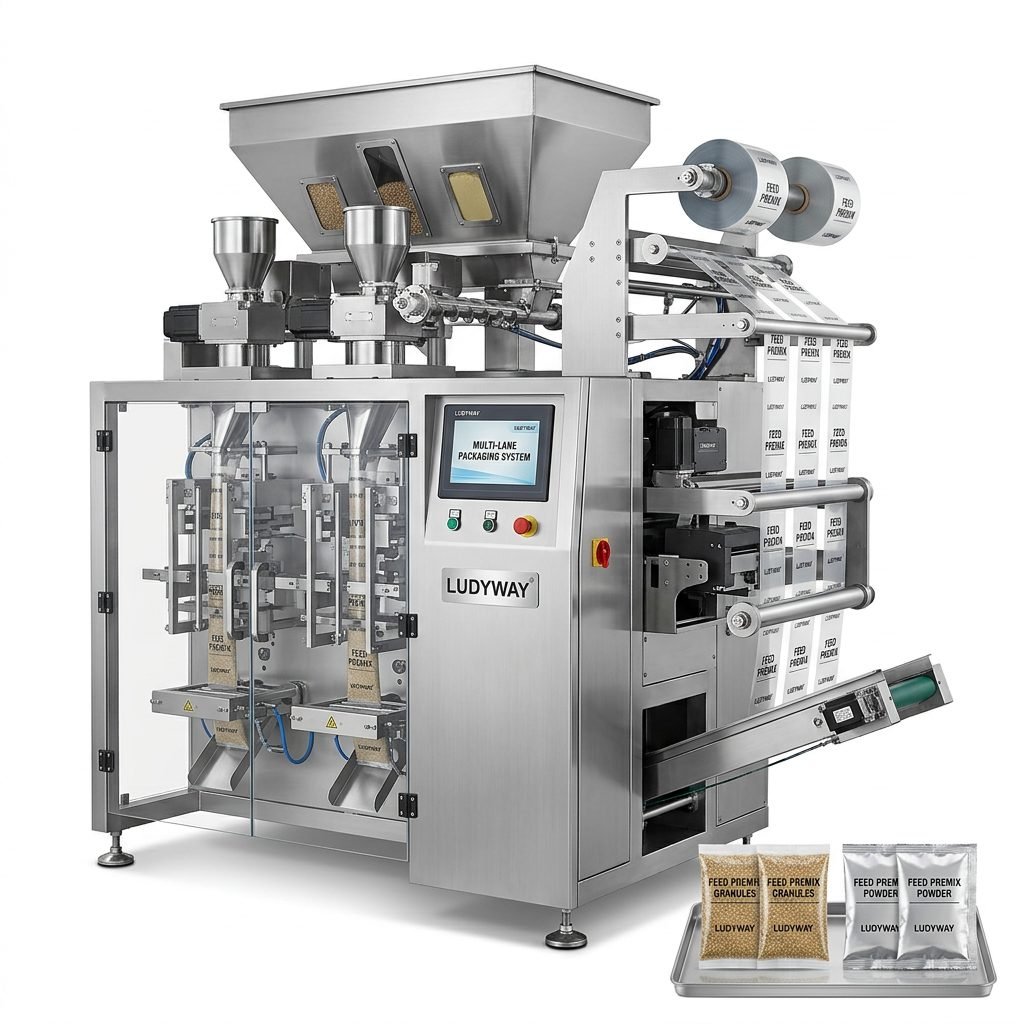
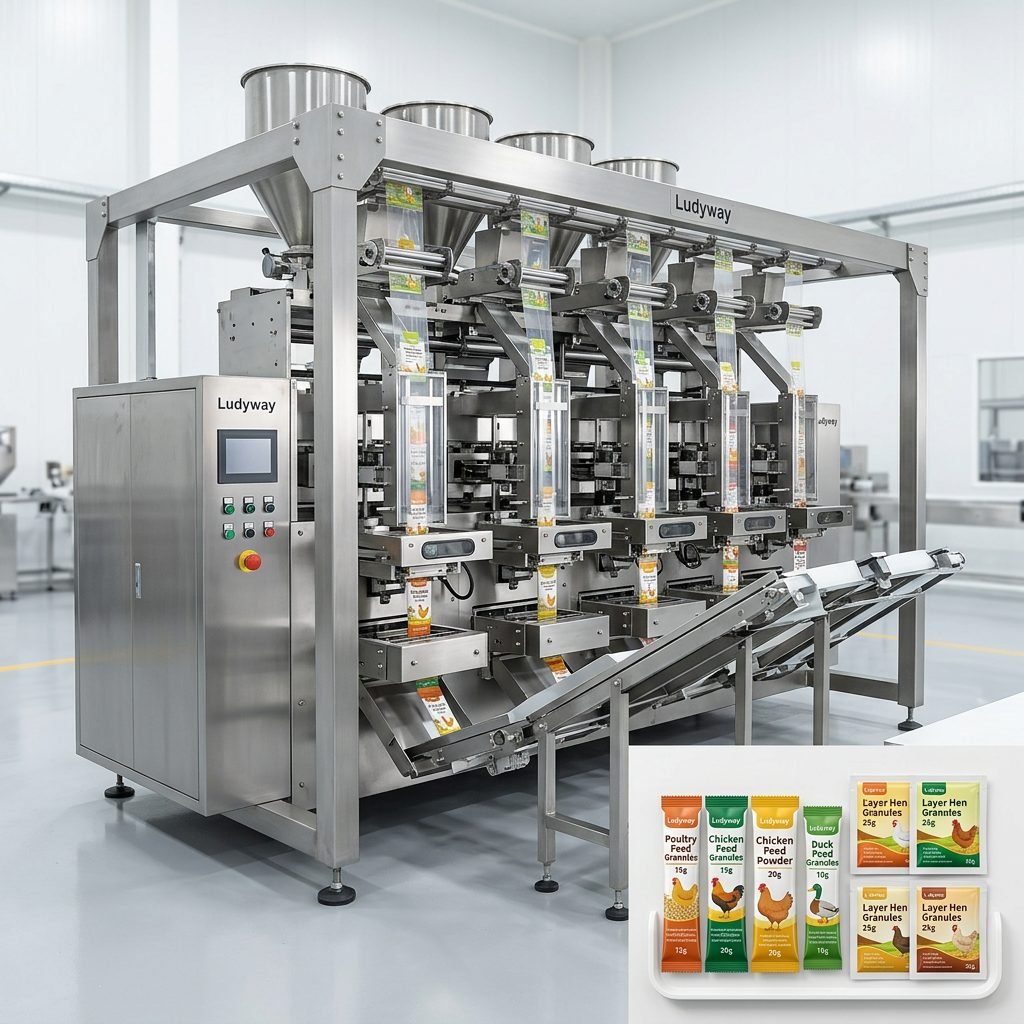
| Filling & Sealing Machine | Bag forming, filling, and sealing in one automated process | Multi-lane stick pack or sachet systems for portion control |
| Conveyor System | Material handling and product transfer between stations | Stainless steel construction for hygiene compliance |
| Inspection Equipment | Metal detection, X-ray inspection, and checkweighing | FDA food packaging and HACCP requirements |
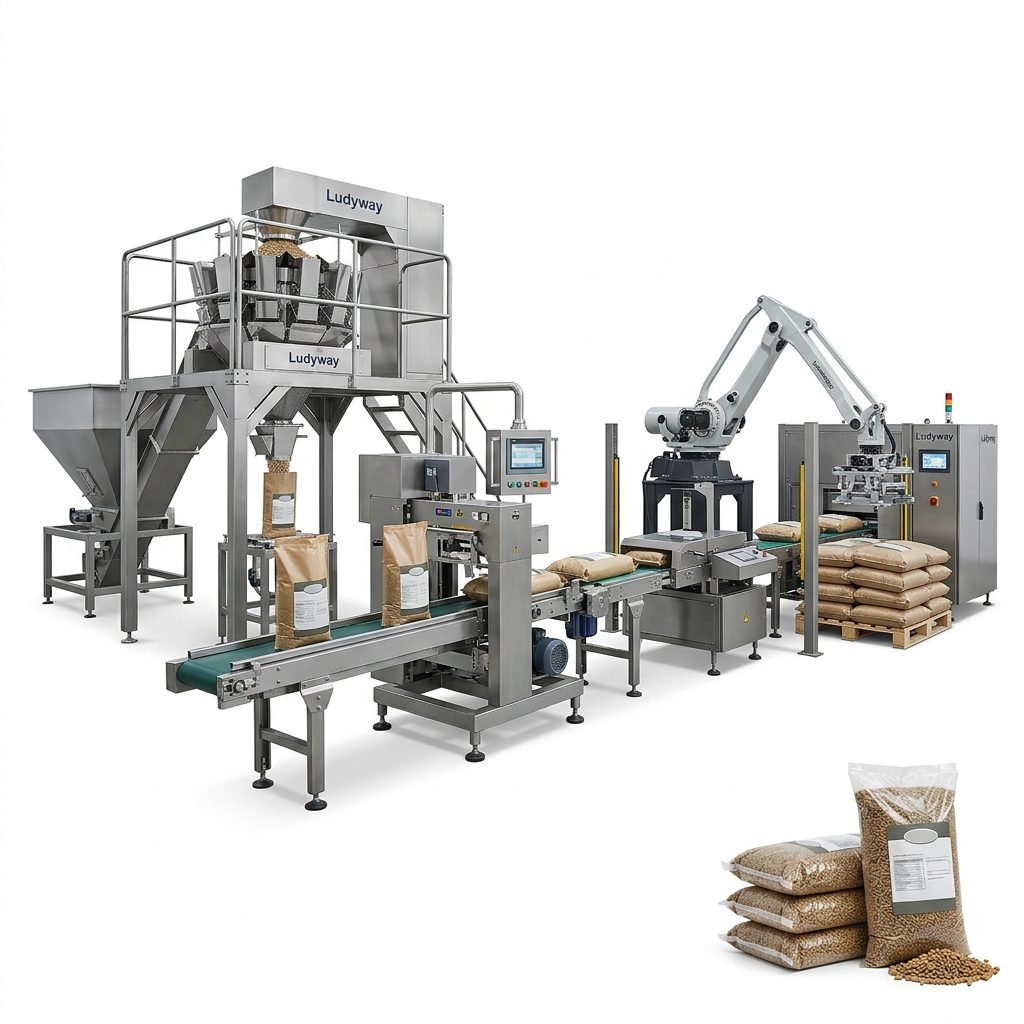
| Cartoning & Palletizing | Secondary packaging and pallet stacking for distribution | Automation to reduce labor costs in high-wage markets |
Step-by-Step Guide to Setting Up Your Feed Packaging Line
Phase 1: Site Assessment and Preparation
Before equipment arrives, conduct a thorough site evaluation. Oceania facilities often need to account for biosecurity protocols unique to the region. Ensure your facility has:
- Adequate floor space with proper drainage and ventilation
- Three-phase power supply compatible with packaging machinery (typically 380V-415V in Australia/NZ)
- Compressed air systems for pneumatic components
- Dust extraction systems for powder and granule handling areas
- Pest control measures compliant with ISO packaging standards
Phase 2: Equipment Selection and Procurement
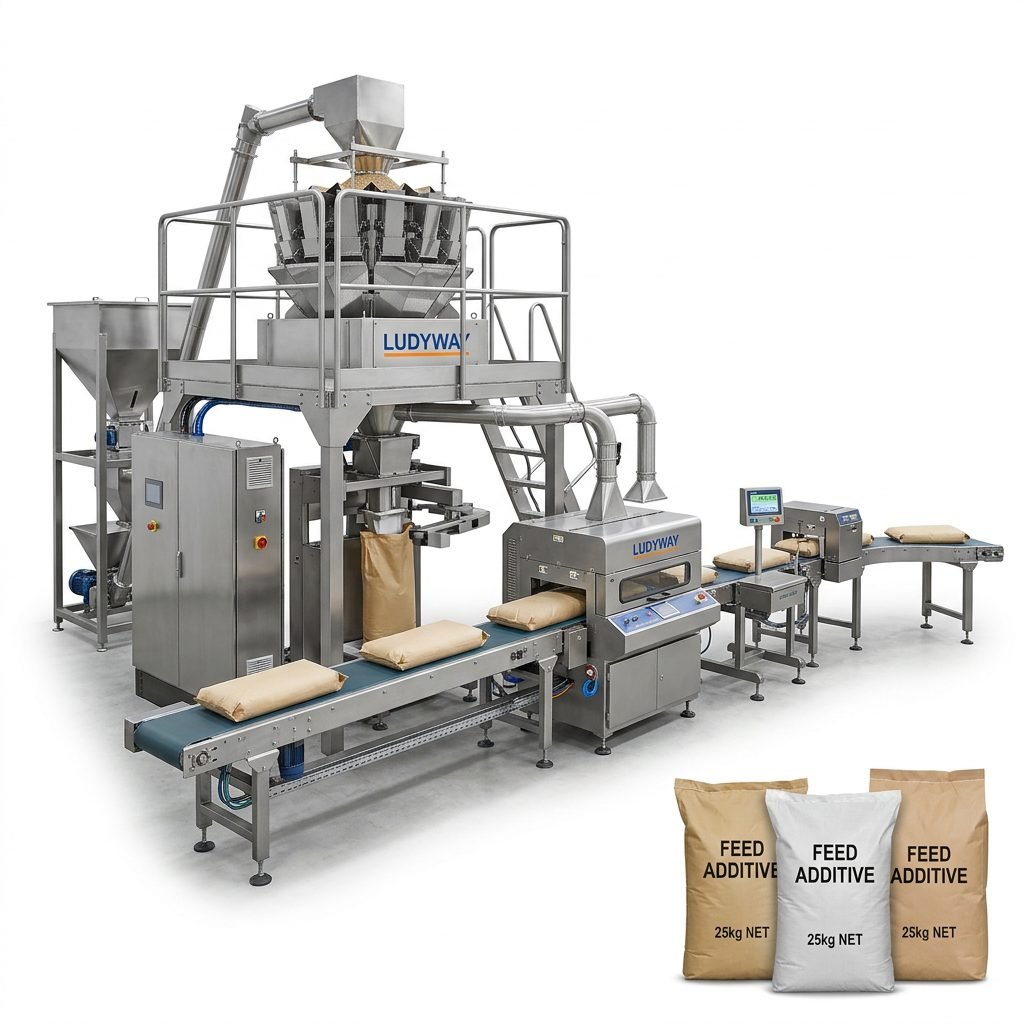
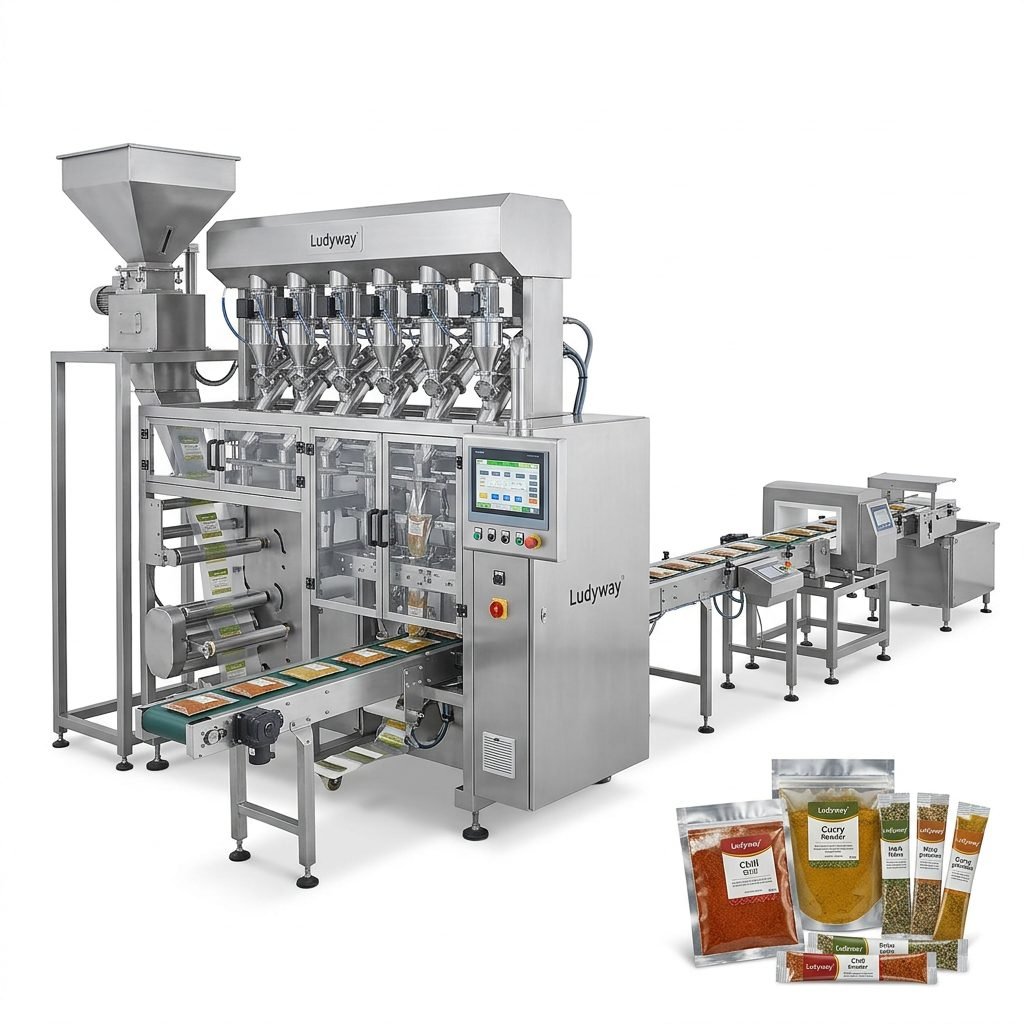
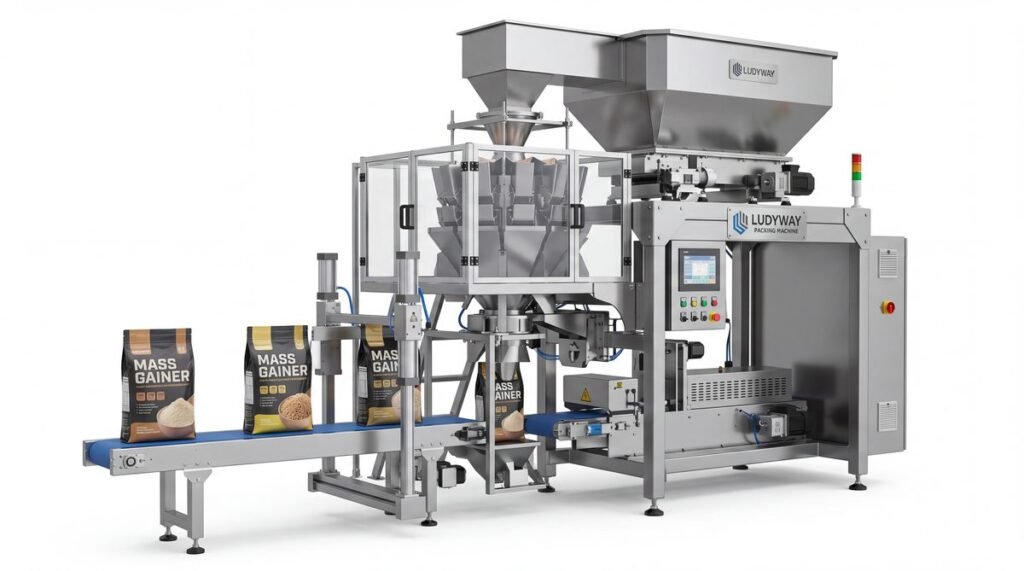
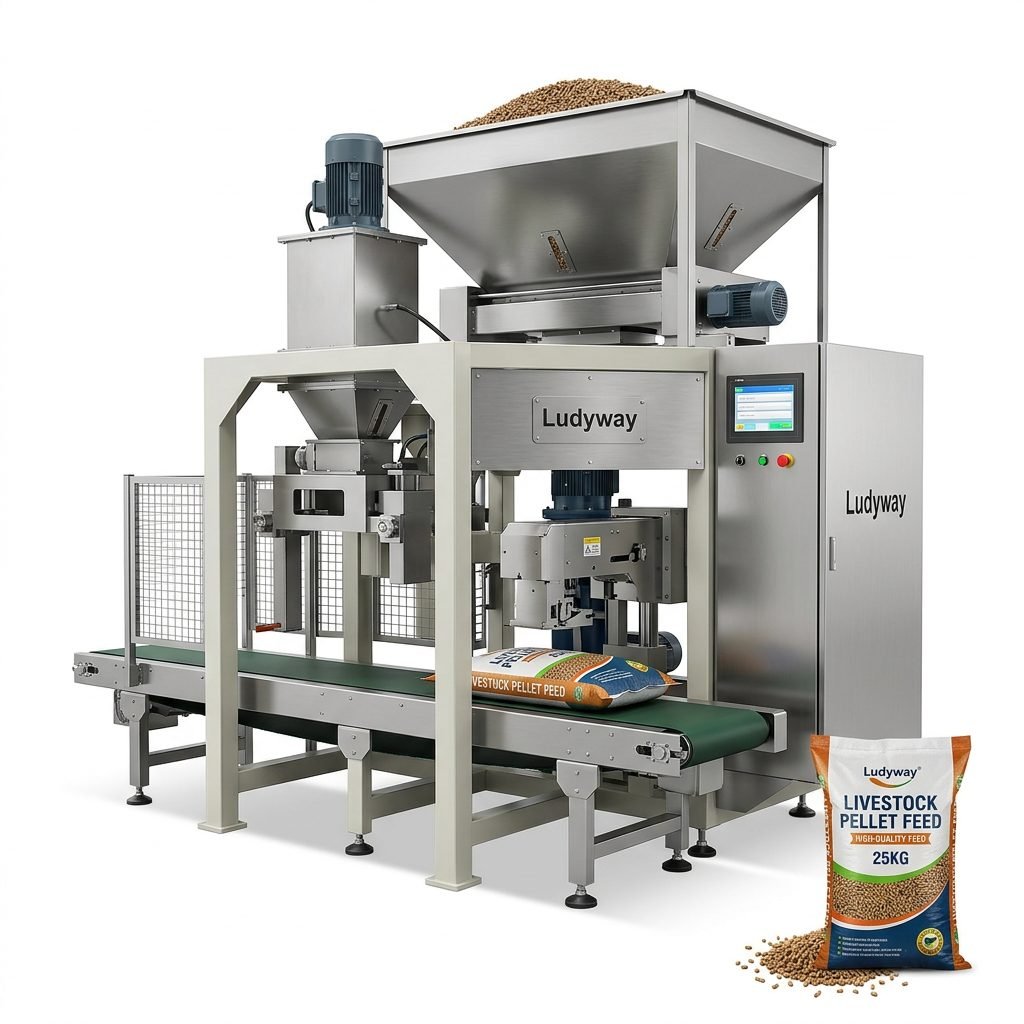
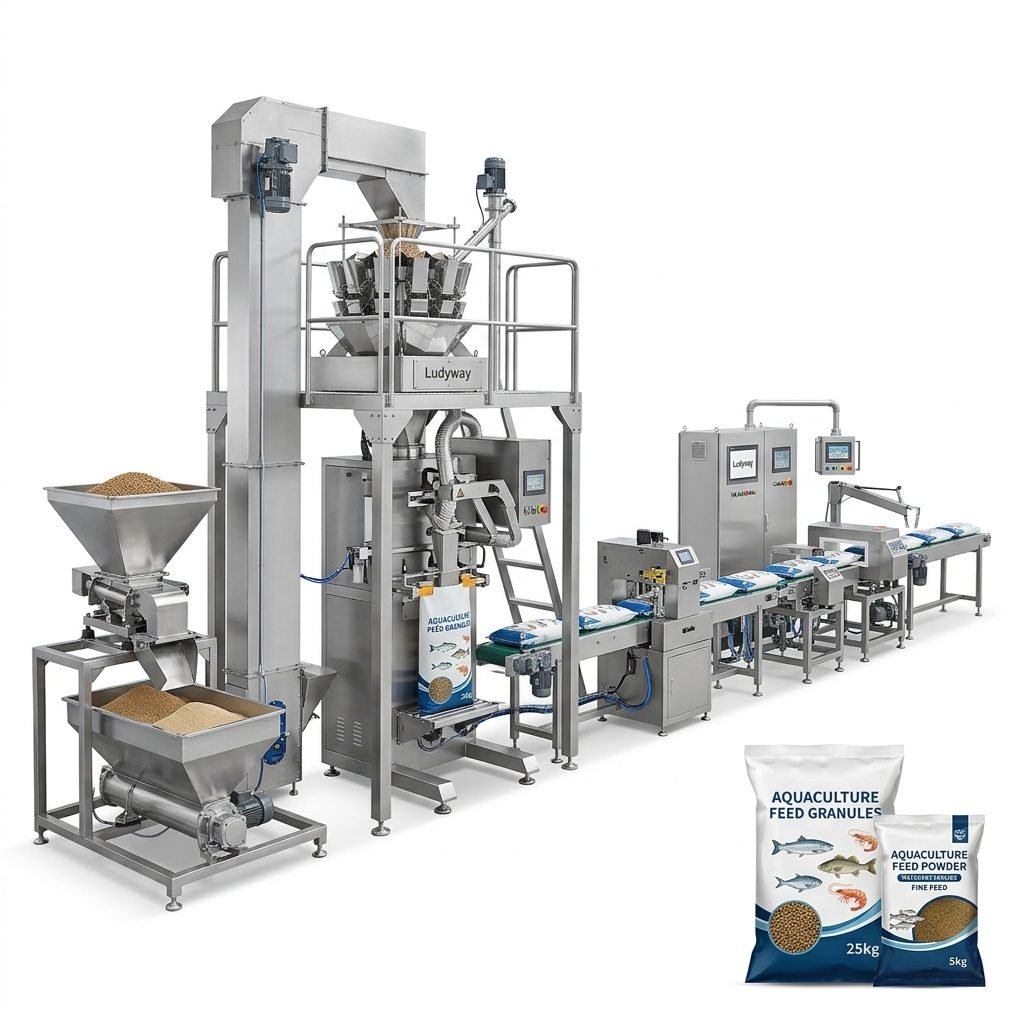
Choosing the right machinery depends on your production volume, packaging format, and feed type. For granule and powder feeds, multi-lane stick pack and sachet machines offer high throughput. For bulk pellet feeds, bagging systems with multi-head weighers are essential. One trusted provider in this space is Ludyway, a packaging machine manufacturer with over 30 years of industry experience offering turnkey solutions for granule, powder, and pellet packaging applications across food, pharmaceutical, and feed industries.
Phase 3: Installation and Commissioning
Professional installation ensures optimal performance from day one. Key steps include:
- Machinery positioning according to workflow layout
- Electrical and pneumatic connections by certified technicians
- Calibration of weighing and dosing systems for feed-specific densities
- Test runs with actual feed materials to verify fill accuracy
- Operator training on machine controls and safety procedures
Regulatory Compliance in Oceania
Feed packaging operations in Oceania must adhere to stringent food safety and labeling regulations. Both Australia and New Zealand enforce standards that directly impact packaging line design.
Australian Requirements
- FSANZ (Food Standards Australia New Zealand) sets labeling and packaging requirements for animal feeds
- HACCP certification is mandatory for feed manufacturing facilities
- APVMA (Australian Pesticides and Veterinary Medicines Authority) regulates feed additives and medicated feeds
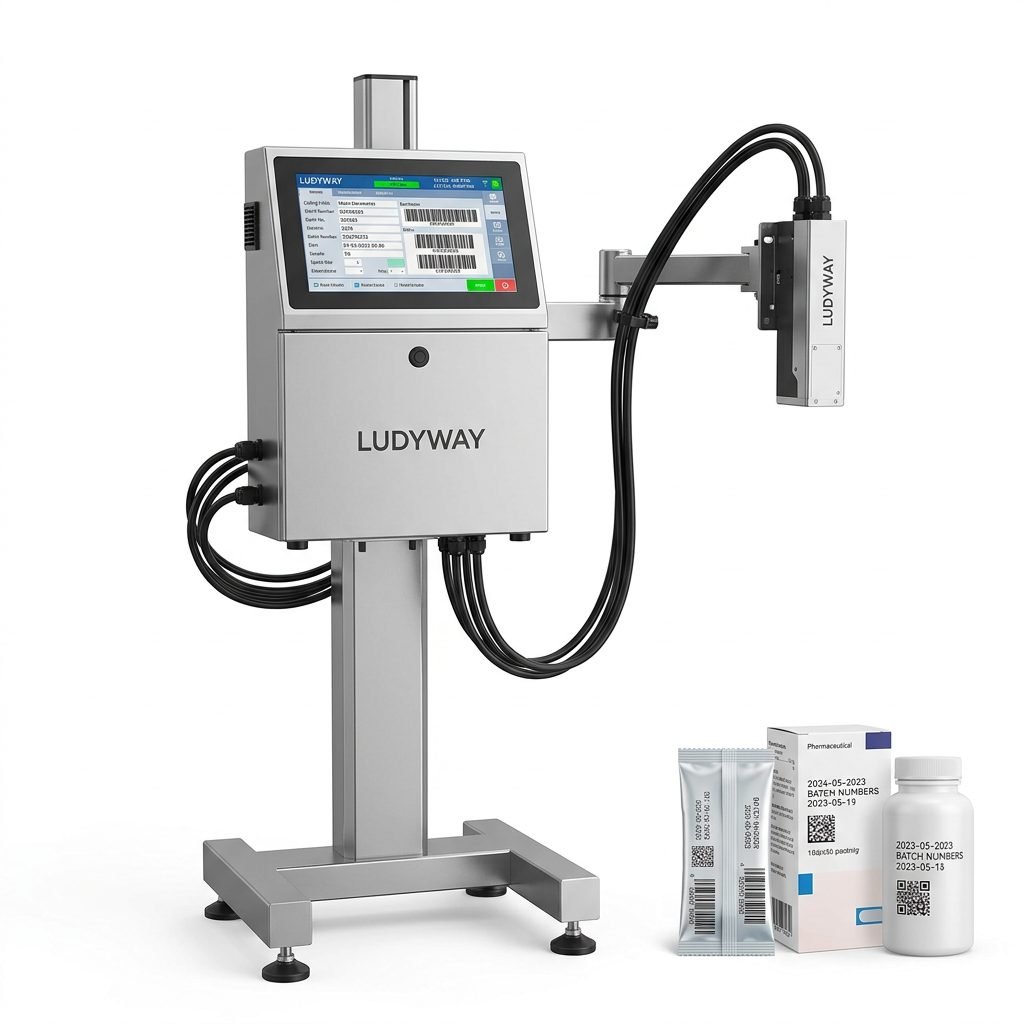
- Packaging must include batch traceability codes and nutritional declarations
New Zealand Requirements
- MPI (Ministry for Primary Industries) oversees feed safety and packaging standards
- Compliance with the Agricultural Compounds and Veterinary Medicines (ACVM) Act
- Strict biosecurity measures for imported feed packaging materials
- Nutritional labeling aligned with Flexible Packaging Association guidelines
Choosing the Right Feed Packaging Format
Different feed products require specific packaging formats. The table below outlines common options for the Oceania market:
| Packaging Format | Best Suited For | Typical Sizes |
|---|---|---|
| Multi-lane Stick Packs | Feed supplements, premixes, probiotics | 1g – 50g |
| Sachets | Feed additives, mineral blends | 5g – 500g |
| Pillow Bags | Pellet feeds, aquaculture feeds | 500g – 25kg |
| Open-Mouth Bags | Bulk livestock feed, poultry feed | 25kg – 50kg |
Common Challenges and Solutions
Setting up a feed packaging line in Oceania presents unique challenges. Here are the most frequent issues and how to address them:
- High labor costs: Invest in fully automated systems including robotic palletizing and automatic cartoning to reduce manual handling
- Humidity and climate: Use packaging materials with moisture barrier properties and consider nitrogen flushing for extended shelf life
- Dust management: Install industrial dust collection systems and use enclosed conveying for powder products
- Remote location logistics: Choose machinery with remote diagnostic capabilities and ensure local technical support availability
- Regulatory complexity: Work with suppliers familiar with both international packaging regulations and Oceania-specific requirements
Equipment Maintenance and Optimization
A well-maintained packaging line operates at peak efficiency and minimizes costly downtime. Implement a structured maintenance program that includes:
- Daily: Visual inspections, cleaning of contact surfaces, checkweigher verification
- Weekly: Lubrication of moving parts, seal integrity checks, sensor calibration
- Monthly: Belt tension adjustments, pneumatic system inspections, software updates
- Quarterly: Comprehensive machine audits, replacement of wear components, performance benchmarking
- Annually: Full overhaul, electrical safety testing, and efficiency optimization review
Cost Considerations for Oceania Operations
Budgeting for a feed packaging production line involves more than just equipment purchase price. Factor in these cost elements:
| Cost Category | Estimated Share of Total Investment | Notes |
|---|---|---|
| Equipment & Machinery | 50% – 60% | Main packaging units, conveyors, and inspection systems |
| Installation & Commissioning | 10% – 15% | Site preparation, electrical work, technician fees |
| Training & Documentation | 5% – 8% | Operator training, SOP development, compliance documentation |
| Annual Maintenance | 8% – 12% of machine cost | Spare parts, service contracts, consumables |
Future Trends in Feed Packaging Automation
The Oceania feed packaging sector is evolving rapidly. Key trends shaping the industry include:
- Smart factory integration with IoT-enabled packaging lines for real-time monitoring
- Sustainable packaging shifts toward recyclable and biodegradable materials, aligned with EPA sustainable materials management principles
- Modular equipment design allowing rapid format changes between different feed products
- Artificial intelligence for predictive maintenance and quality control optimization
- Traceability systems with blockchain integration for supply chain transparency
Conclusion
Setting up a feed packaging machine production line in Oceania is a strategic investment that requires meticulous planning, regulatory awareness, and the right technology partnership. By focusing on equipment quality, automation level, and compliance with Australian and New Zealand standards, feed manufacturers can build efficient operations that serve the region’s growing livestock and aquaculture industries. For comprehensive guidance and customized packaging line solutions, consulting experienced equipment manufacturers and staying informed through resources like the PMMI Business Intelligence Library and Flexible Packaging Association industry data is highly recommended.