Southeast Asia has emerged as one of the most dynamic regions for food manufacturing and packaging investment. With a population exceeding 680 million and a rapidly expanding middle class, the demand for packaged food products is growing at an unprecedented rate. Setting up a food packaging machine production line in this region requires careful planning, an understanding of local regulations, and the right equipment partnerships.

Understanding the Southeast Asian Food Packaging Market
Countries such as Vietnam, Thailand, Indonesia, Malaysia, and the Philippines are witnessing significant growth in food processing and packaging activities. Several factors drive this expansion:
- Rising consumer preference for convenient, ready-to-eat packaged foods
- Increasing foreign direct investment in food manufacturing infrastructure
- Government incentives promoting domestic food processing industries
- Growing export demand for packaged food products from the region
- Expansion of modern retail and e-commerce distribution channels
According to industry data from the PMMI Business Intelligence reports, Southeast Asia’s packaging machinery market continues to outpace global averages, making it a strategic location for production line investment.
Key Considerations Before Setting Up Your Production Line
Before purchasing equipment or leasing a facility, several critical factors must be evaluated to ensure a successful setup.
1. Facility Location and Infrastructure Requirements
Industrial parks in Thailand’s Eastern Economic Corridor, Vietnam’s Binh Duong province, and Malaysia’s Penang offer developed infrastructure, reliable utilities, and logistics advantages. Your facility should provide adequate floor space for equipment layout, material storage, and finished goods warehousing. Consider ceiling height, floor load capacity, power supply stability, and compressed air availability when selecting a site.
2. Product Type and Packaging Format Selection
The type of food product you intend to package determines the machinery configuration. Common formats in Southeast Asia include:
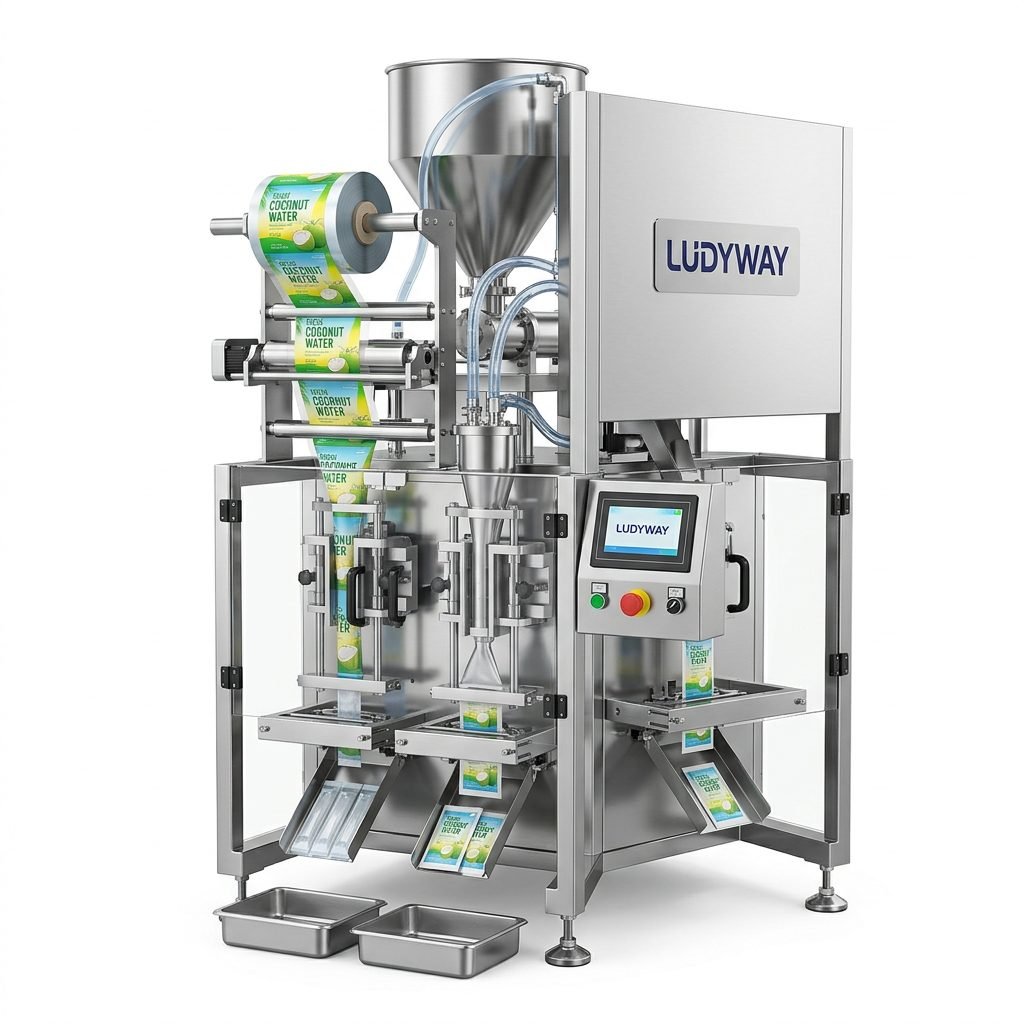
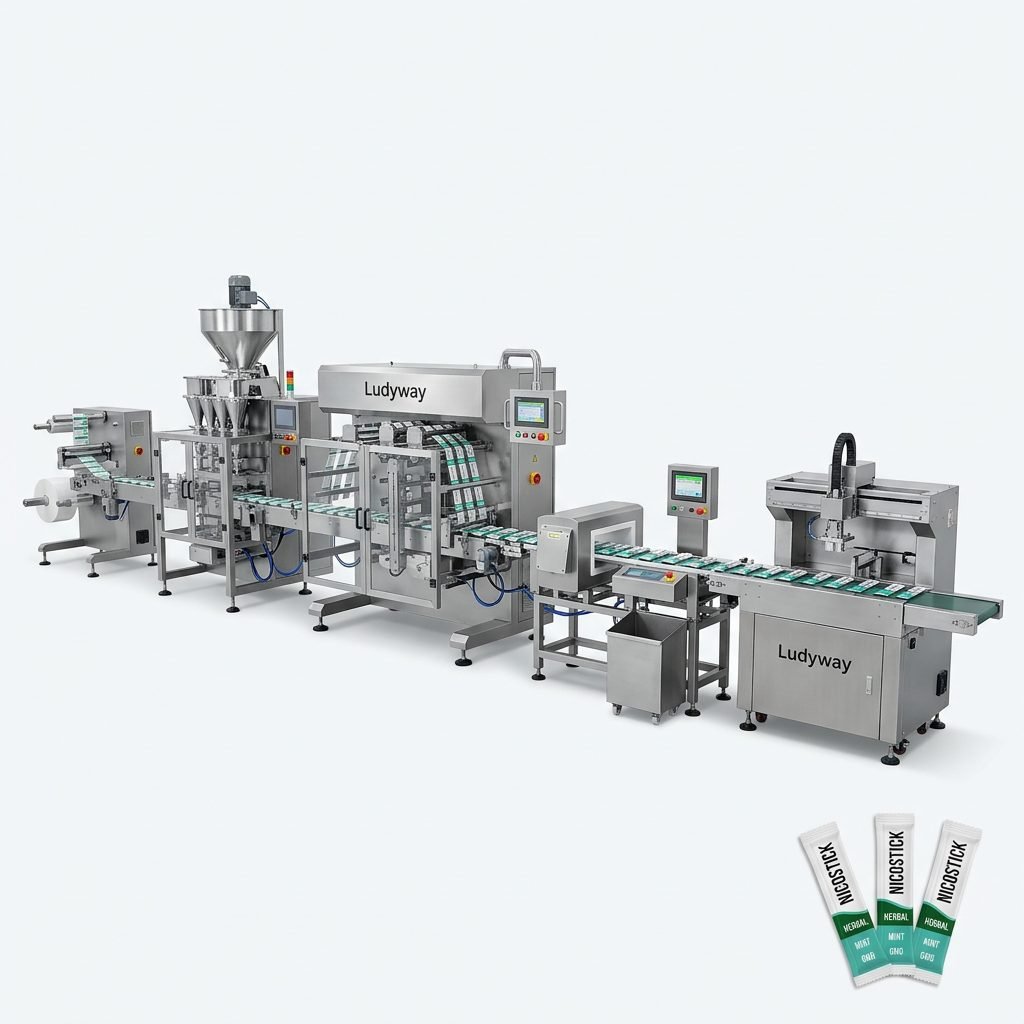
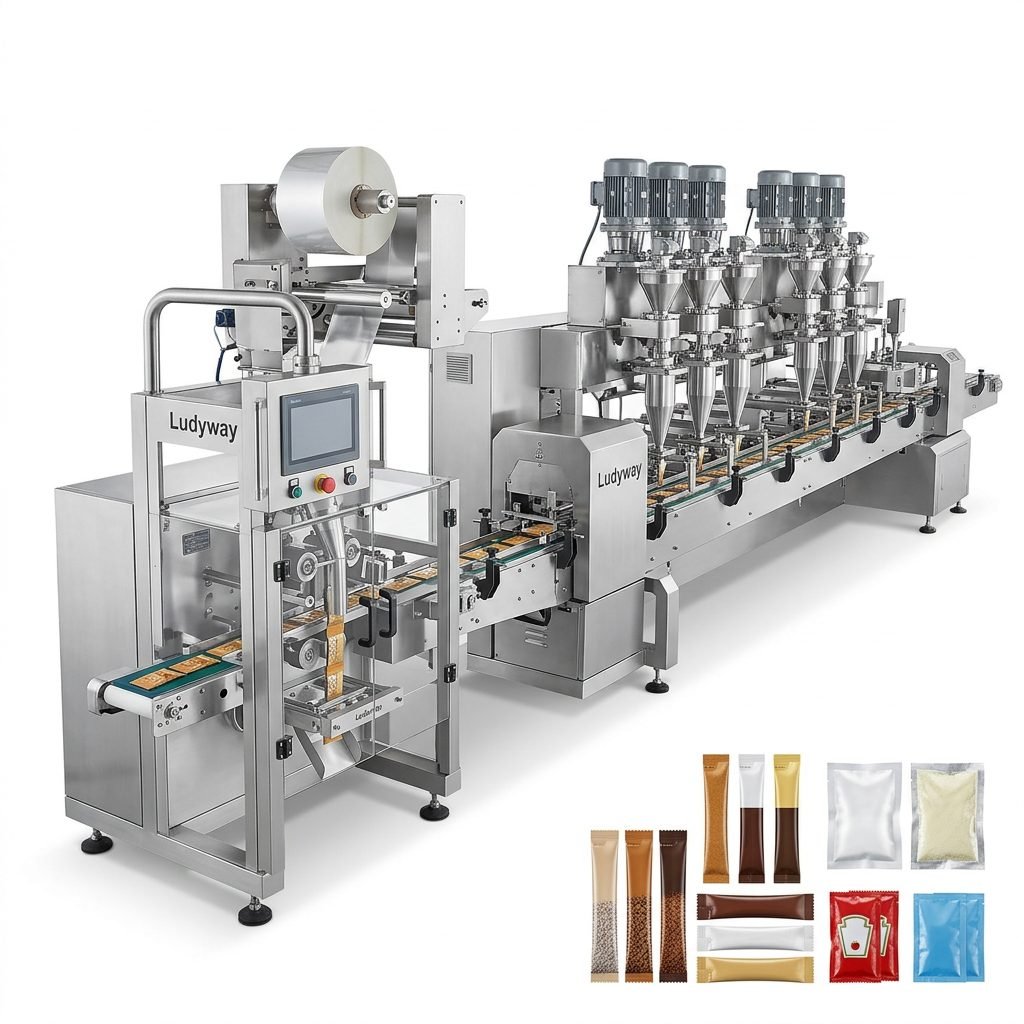
- Stick packs and sachets — dominant in the region for coffee, seasoning, and beverage powders
- Pillow pouches and gusseted bags for snacks and dry foods
- Pre-made pouch filling for premium and retort products
- Multi-lane packaging systems for high-volume production

3. Regulatory and Compliance Framework
Each Southeast Asian country has its own food safety and packaging regulations. Familiarize yourself with local requirements including labeling laws, food contact material standards, and halal certification where applicable. The FDA Food Packaging and Food Contact Substances guidelines provide a useful reference for international standards, while local authorities such as Thailand’s FDA, Vietnam’s VFA, and Indonesia’s BPOM govern domestic compliance.
Selecting the Right Packaging Equipment
Choosing the appropriate machinery is the most critical decision in setting up your production line. Below is a comparative overview of equipment types commonly deployed in Southeast Asian food packaging facilities.
| Equipment Type | Best Suited For | Key Advantages |
|---|---|---|
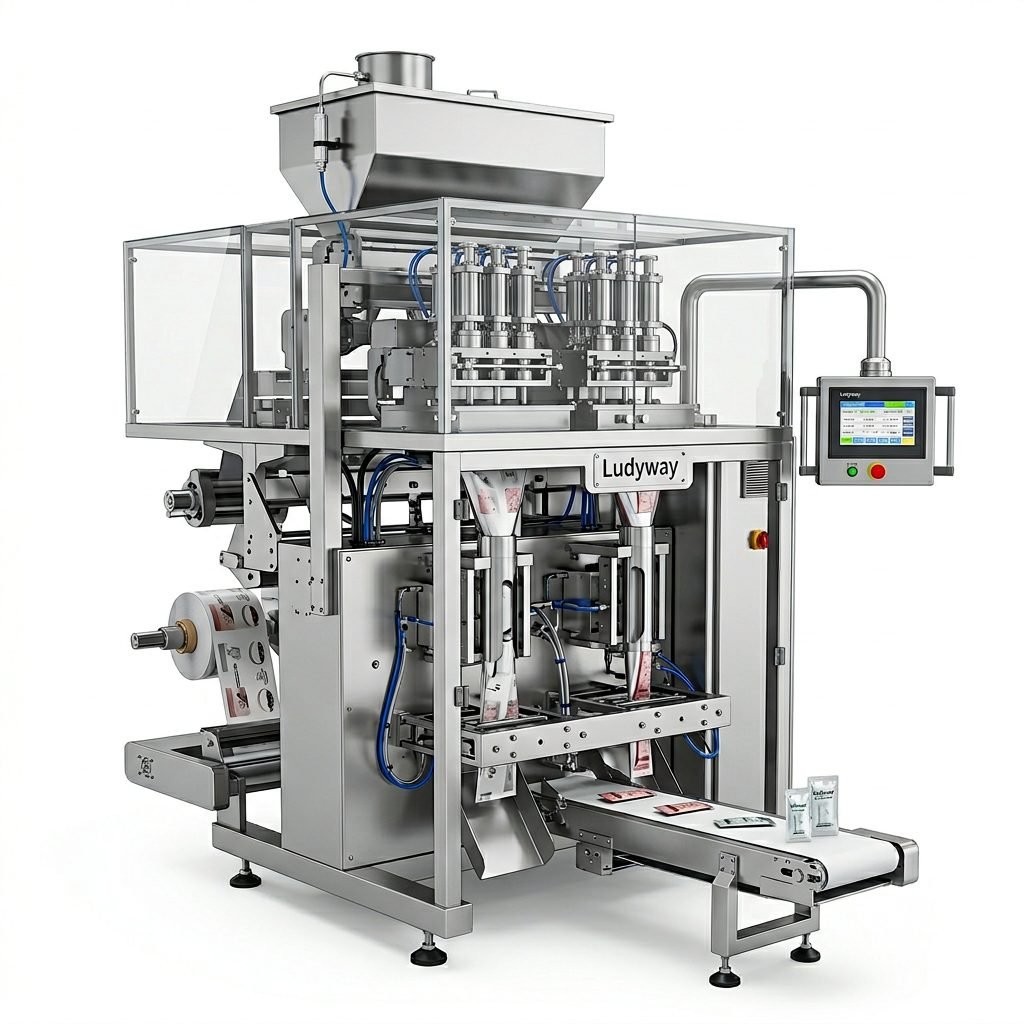
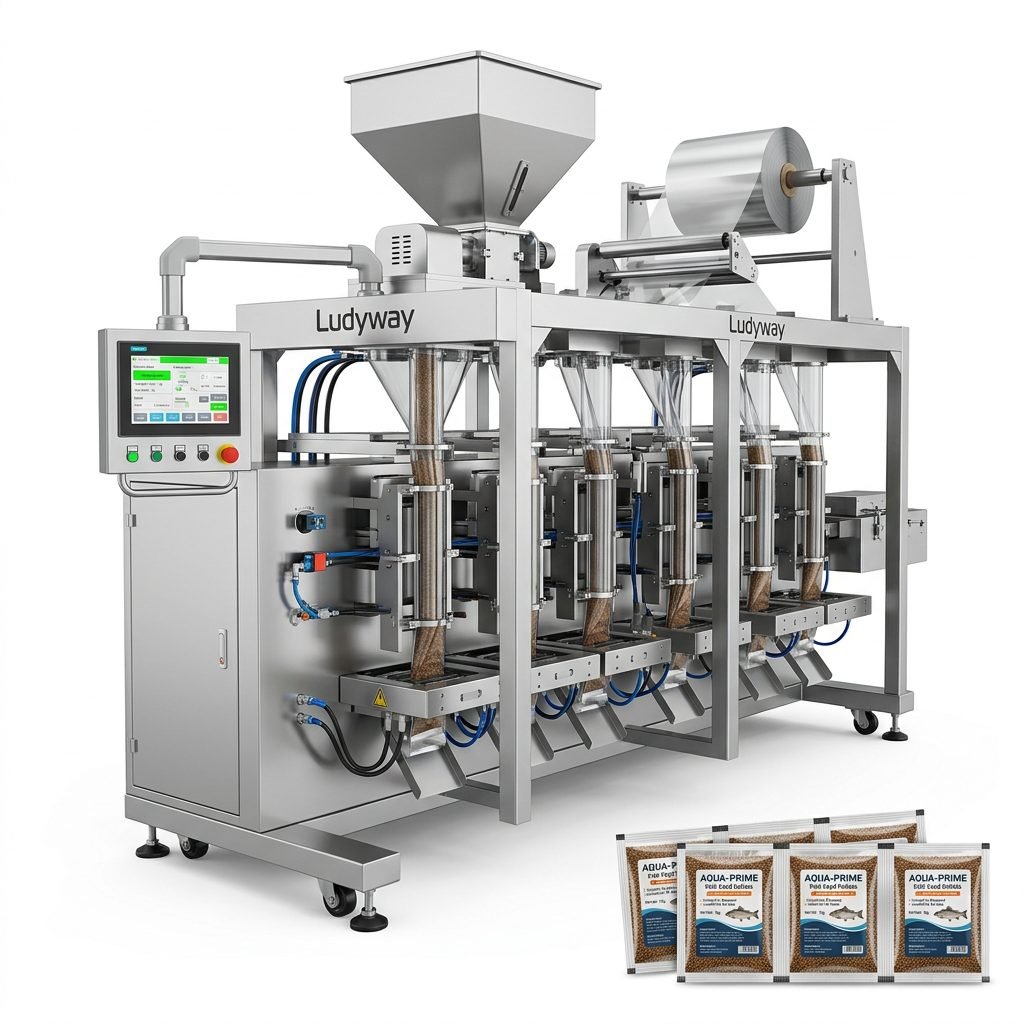
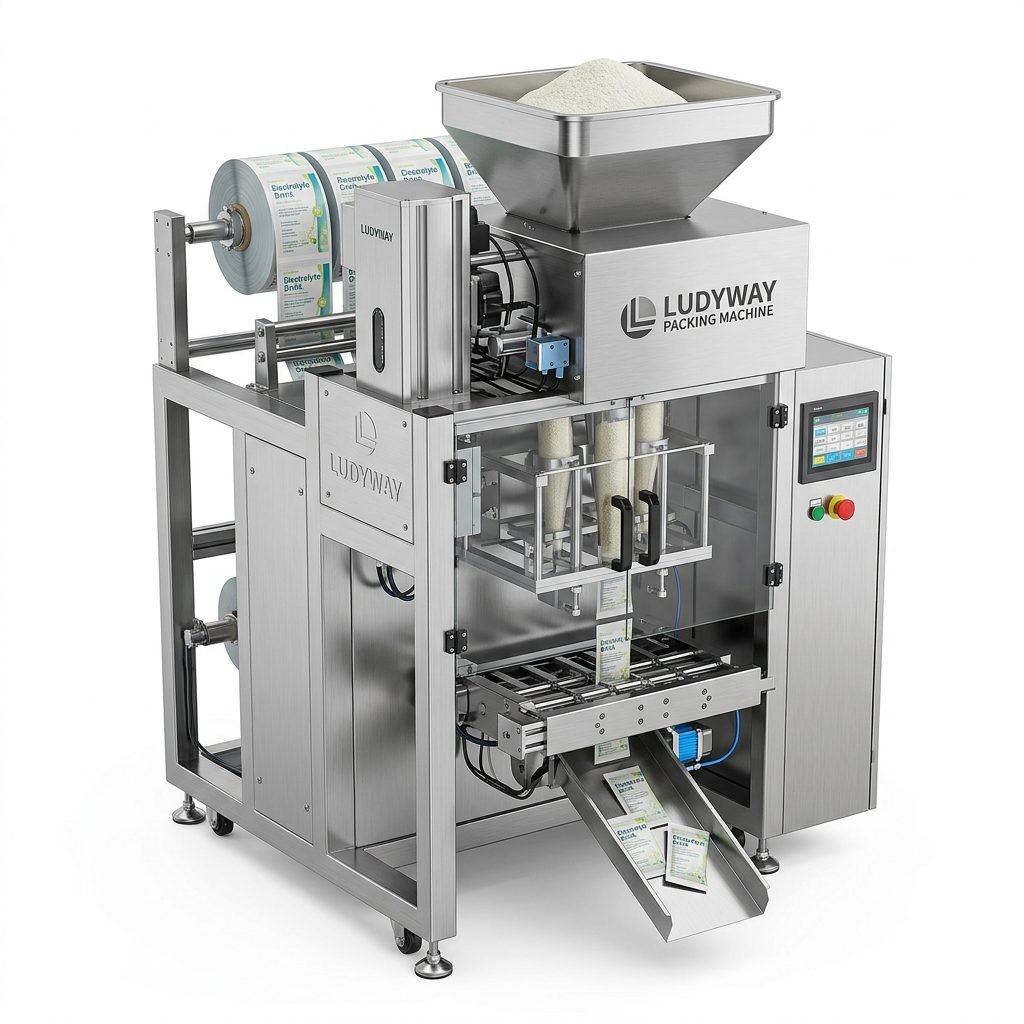
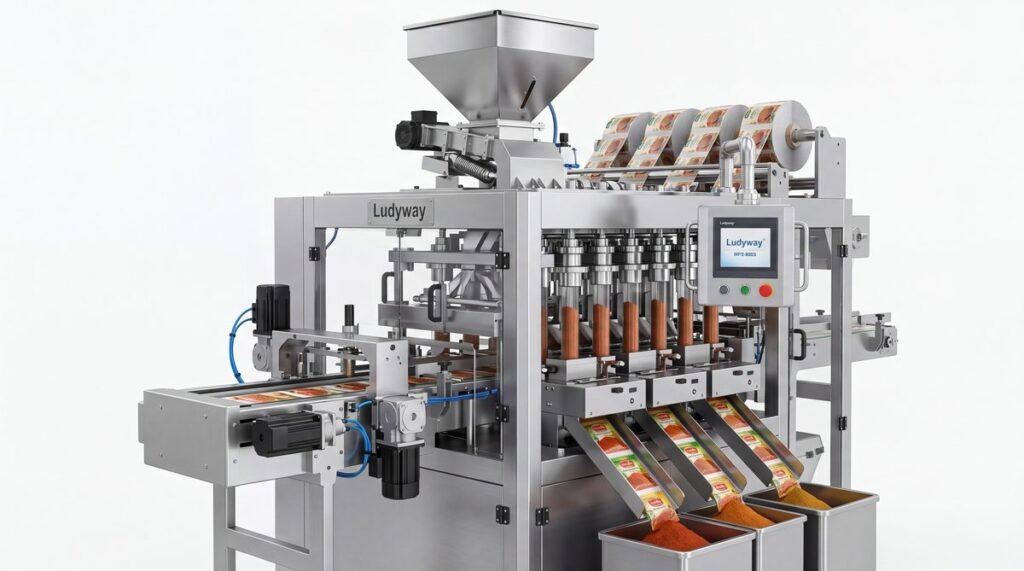
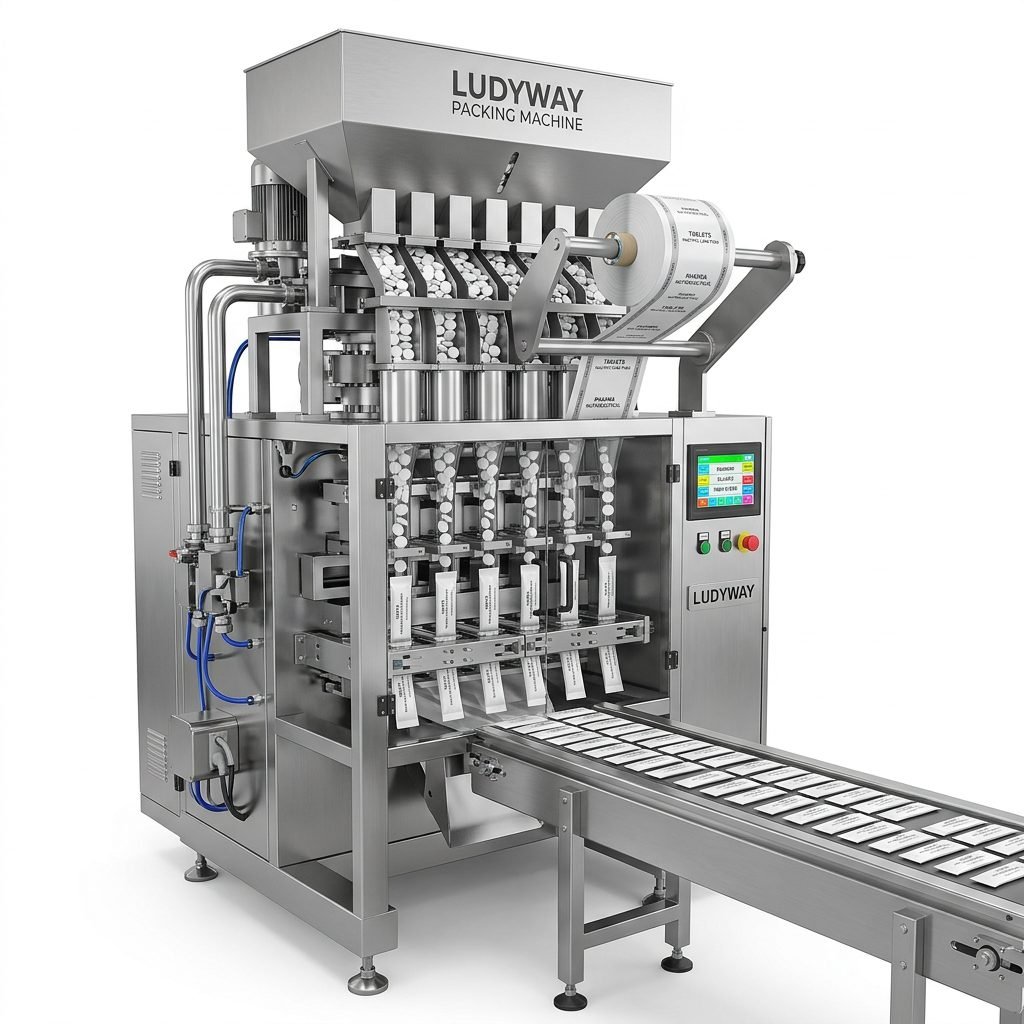
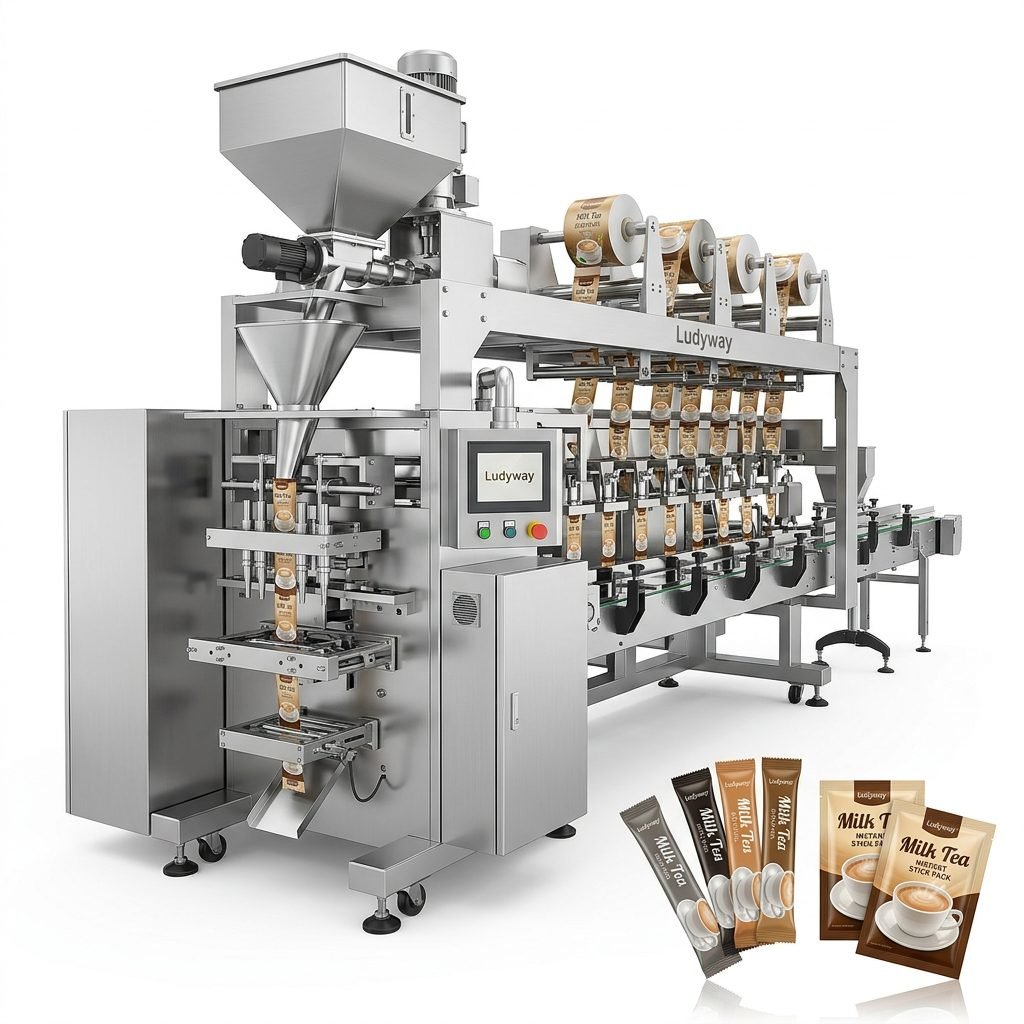
| Multi-Lane Stick Pack Machines | Coffee, sugar, creamer, seasoning powders | High output, low material cost, compact footprint |
| Vertical Form Fill Seal (VFFS) | Snacks, grains, frozen foods, confectionery | Versatile bag formats, robust and reliable |
| Pre-Made Pouch Fill & Seal | Premium products, retort pouches, liquids | Superior seal integrity, high-quality presentation |
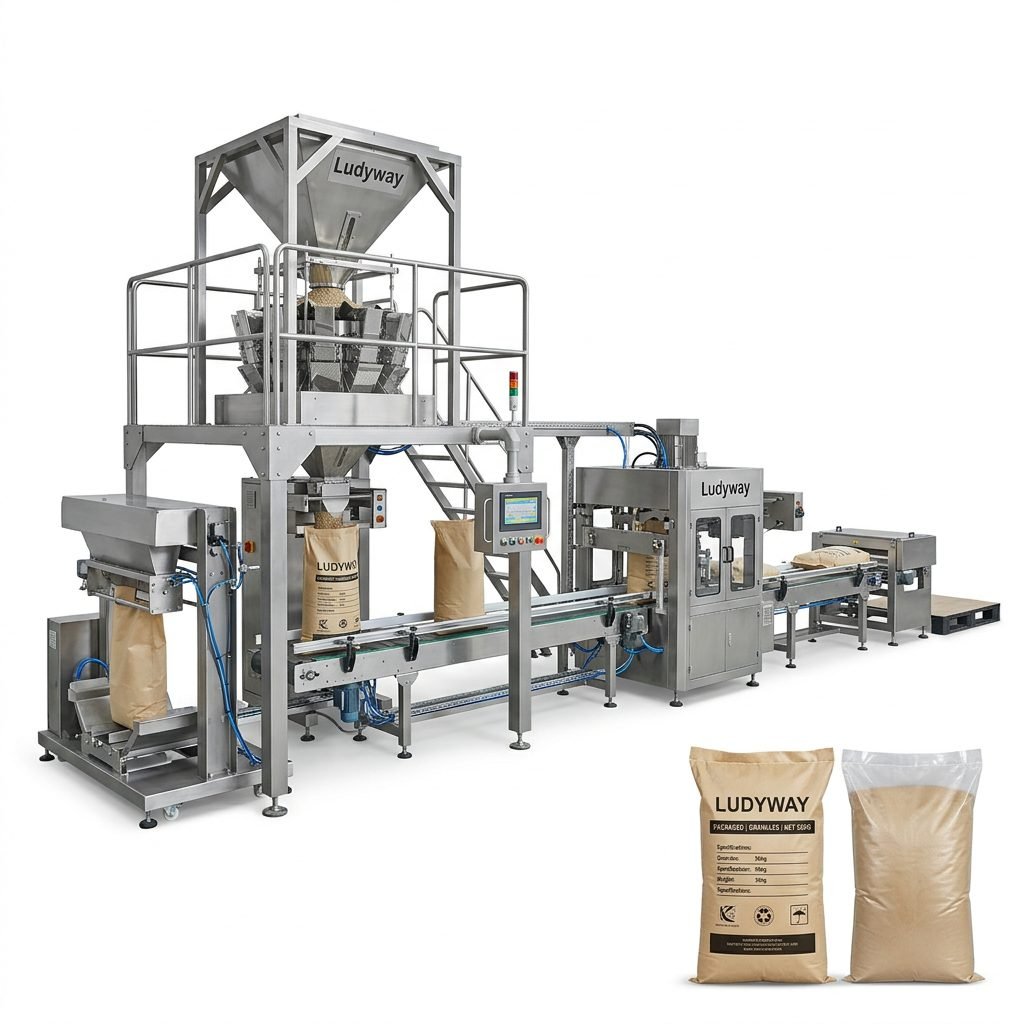
| Multi-Head Weighing Systems | Granules, snacks, dried foods, nuts | Exceptional accuracy, reduced product giveaway |
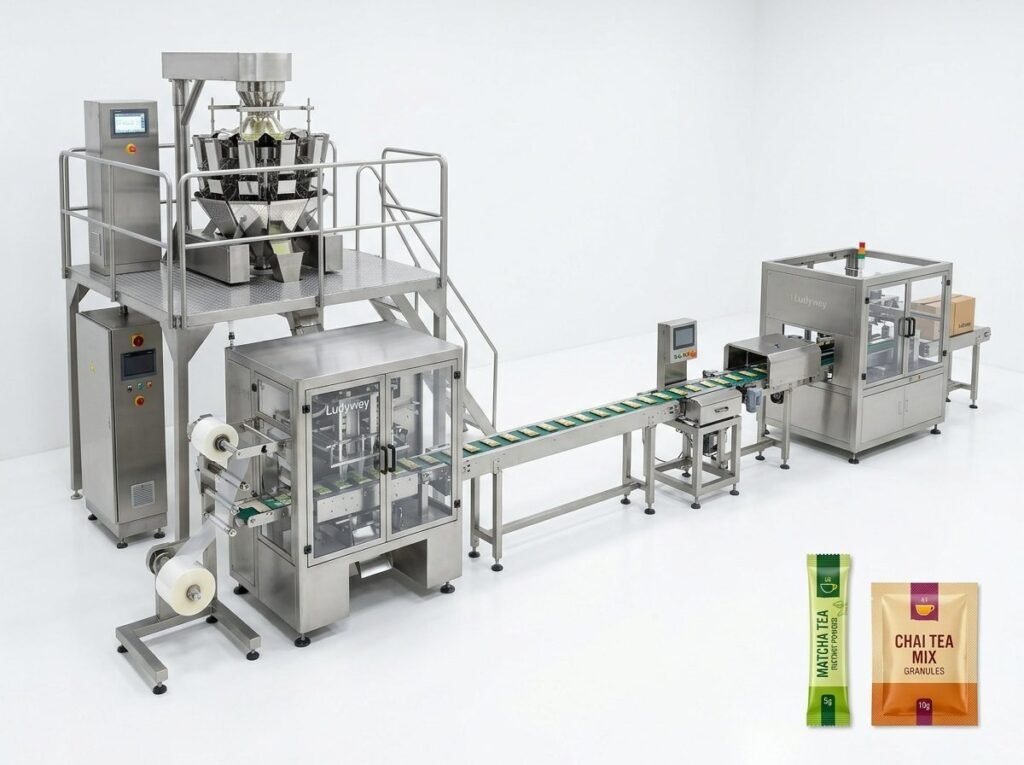
| Complete Turnkey Lines | Full-scale production operations | Integrated feeding, filling, sealing, cartoning, and palletizing |

Installation, Commissioning, and Line Integration
Once equipment is selected, proper installation and commissioning ensure smooth operations from day one. Key steps include:
- Pre-installation site preparation — ensure utilities, ventilation, and safety systems are in place before machinery arrives
- Equipment positioning and leveling — precise alignment minimizes vibration and extends machine life
- Electrical and pneumatic connections — follow manufacturer specifications and local electrical codes
- Dry run testing — verify all mechanical functions without product to identify potential issues
- Product trial runs — test with actual products to fine-tune parameters for optimal performance
- Operator training — comprehensive hands-on training for machine operators and maintenance staff
Engaging a supplier that offers on-site installation support and commissioning services can significantly reduce startup time and prevent costly mistakes. For companies seeking end-to-end solutions, working with an experienced packaging machinery provider such as Ludyway ensures access to integrated turnkey systems backed by decades of engineering expertise.

Workforce Development and Operational Excellence
A well-trained workforce is essential for maintaining productivity and minimizing downtime. In Southeast Asia, where technical skills for advanced packaging machinery may vary by location, investing in structured training programs yields significant returns. Focus areas should include:
- Standard operating procedures for each machine in the line
- Preventive maintenance schedules and documentation
- Quick-changeover techniques to maximize production flexibility
- Quality control checkpoints and defect identification
- Safety protocols including emergency stop procedures and lockout/tagout practices
Industry resources such as the Flexible Packaging Association Knowledge Hub provide valuable guidance on best practices and workforce development strategies applicable to Southeast Asian operations.
Maintenance Strategy and After-Sales Support
Equipment uptime directly impacts profitability. Establishing a robust maintenance framework from the outset protects your investment. Consider the following when evaluating machinery suppliers:
- Availability of local service technicians or regional support centers in Southeast Asia
- Spare parts inventory and delivery lead times to your facility location
- Remote diagnostic capabilities and technical support responsiveness
- Warranty terms and extended service agreement options
- Access to software updates and machine performance optimization services

Navigating Logistics and Supply Chain in Southeast Asia
The region’s diverse geography presents both opportunities and challenges for supply chain management. Key logistics considerations include:
- Port infrastructure — major hubs like Singapore, Port Klang (Malaysia), Laem Chabang (Thailand), and Tanjung Priok (Indonesia) offer excellent connectivity
- Cross-border trucking within ASEAN benefits from harmonized customs procedures under the ASEAN Free Trade Area
- Warehousing and distribution networks are well-developed in major industrial zones
- Packaging material suppliers are increasingly establishing regional production to serve local demand
Future-Proofing Your Packaging Line Investment
Technology in the packaging industry evolves rapidly. To protect your investment and maintain competitiveness, consider equipment that offers:
- Modular design — allowing future upgrades without complete replacement
- IoT connectivity — enabling real-time production monitoring and data-driven optimization
- Flexibility to handle multiple product types and packaging formats
- Energy-efficient operation to reduce long-term operating costs
- Compatibility with sustainable packaging materials as market preferences shift
Standards organizations such as ISO Packaging Standards and industry associations like PMMI – The Association for Packaging and Processing Technologies offer frameworks that guide equipment selection and operational excellence.
Conclusion: Building a Successful Packaging Operation in Southeast Asia
Setting up a food packaging machine production line in Southeast Asia represents a strategic opportunity to serve one of the world’s fastest-growing consumer markets. Success depends on thorough planning, selecting appropriate technology, understanding local regulatory requirements, and partnering with reliable equipment suppliers who can provide ongoing support.
By focusing on quality equipment, comprehensive training, and proactive maintenance, manufacturers can build efficient, scalable packaging operations that deliver consistent results in this dynamic region. Whether you are producing stick packs, sachets, pouches, or fully automated multi-lane packaging lines, the right preparation ensures your investment generates strong returns for years to come.
For more detailed guidance on packaging machinery selection and industry trends, refer to resources from the Flexible Packaging Association and the latest 2026 Packaging State of the Industry Report from PMMI.