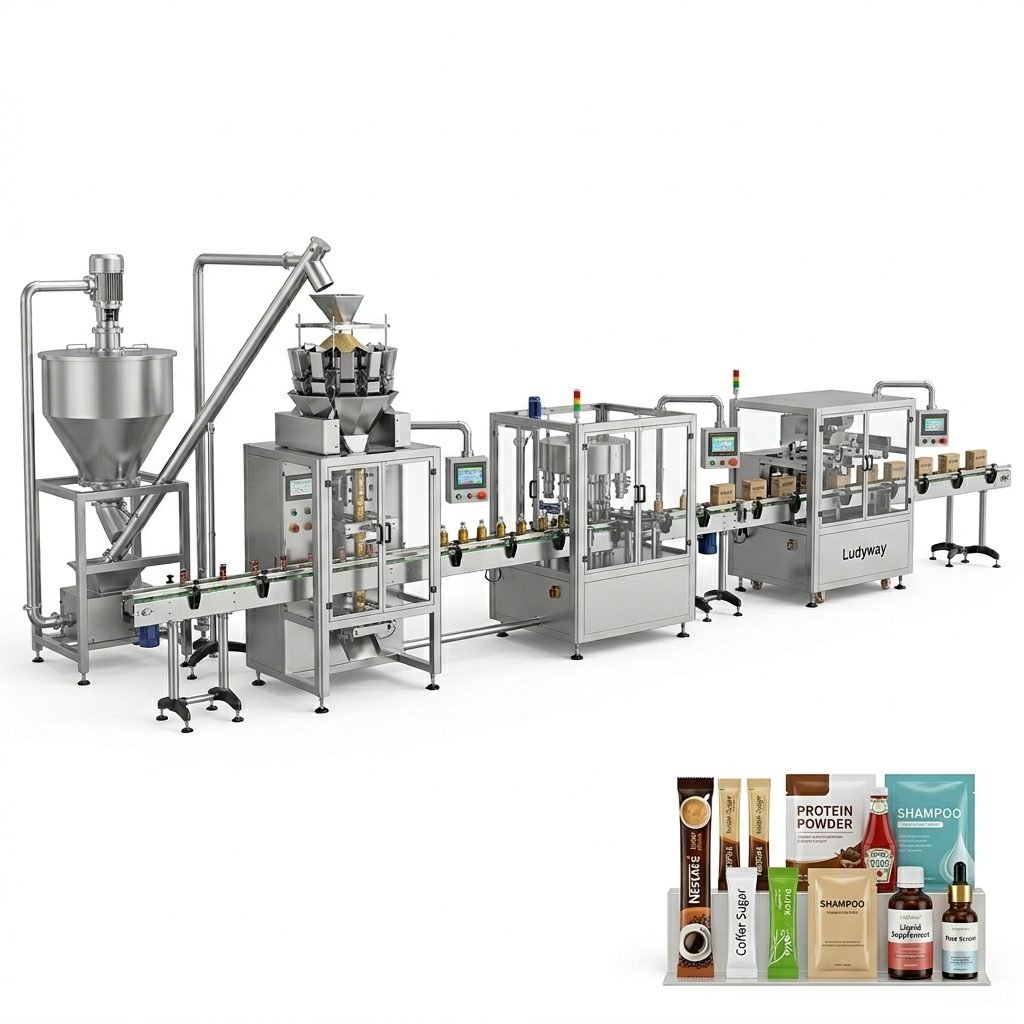
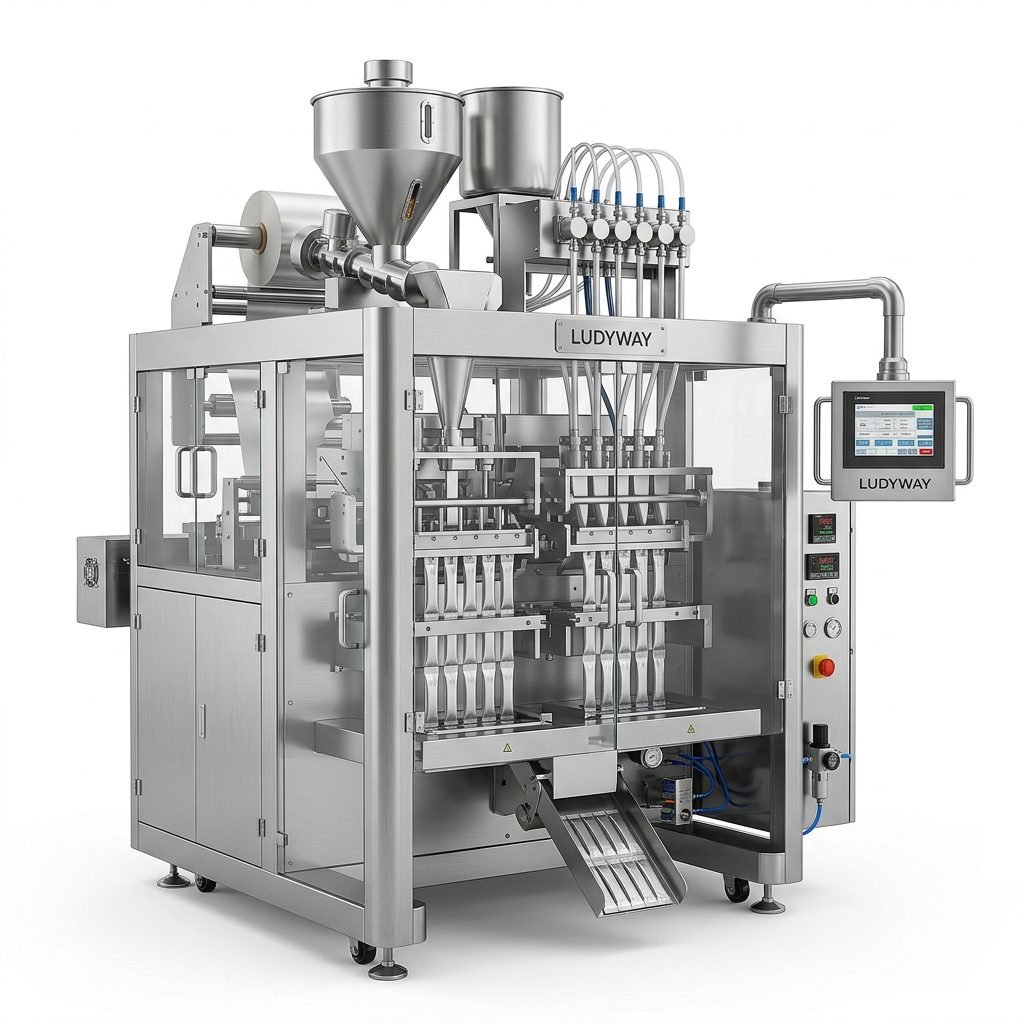
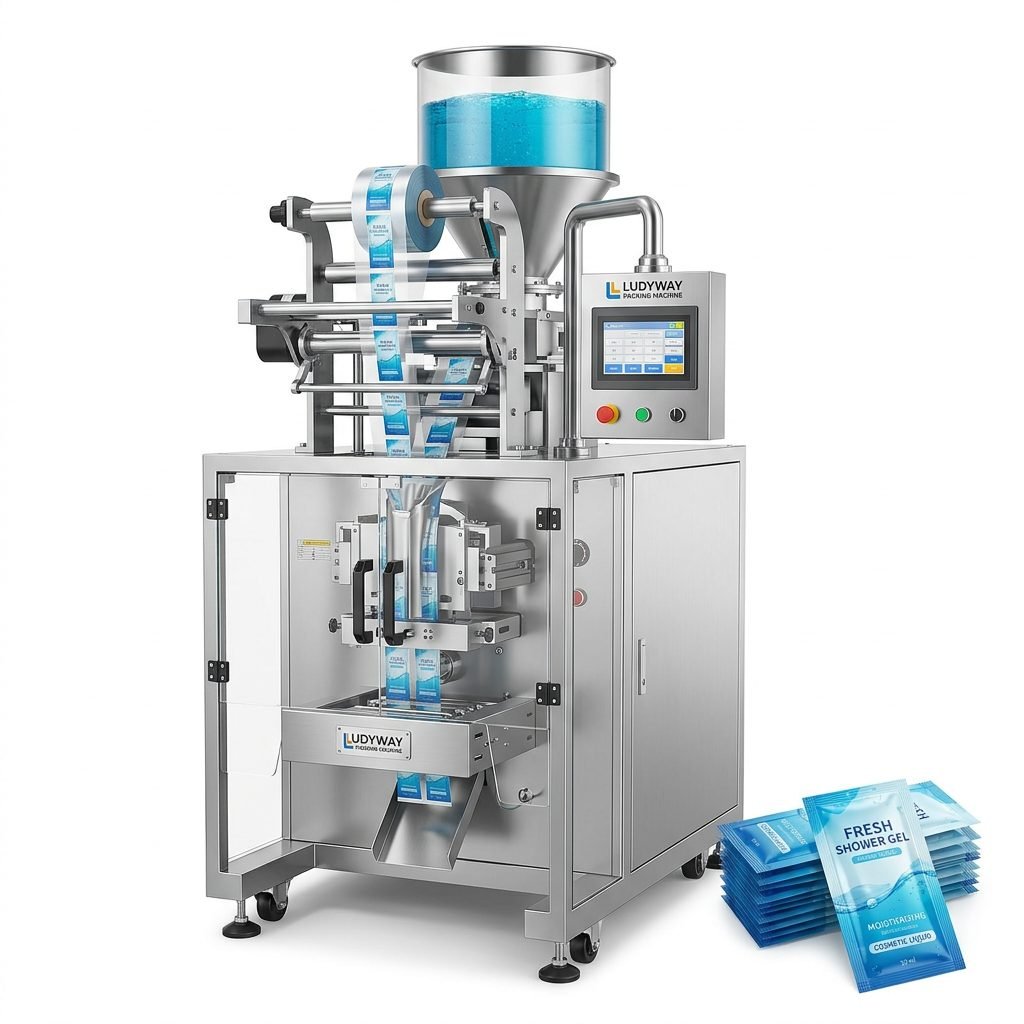
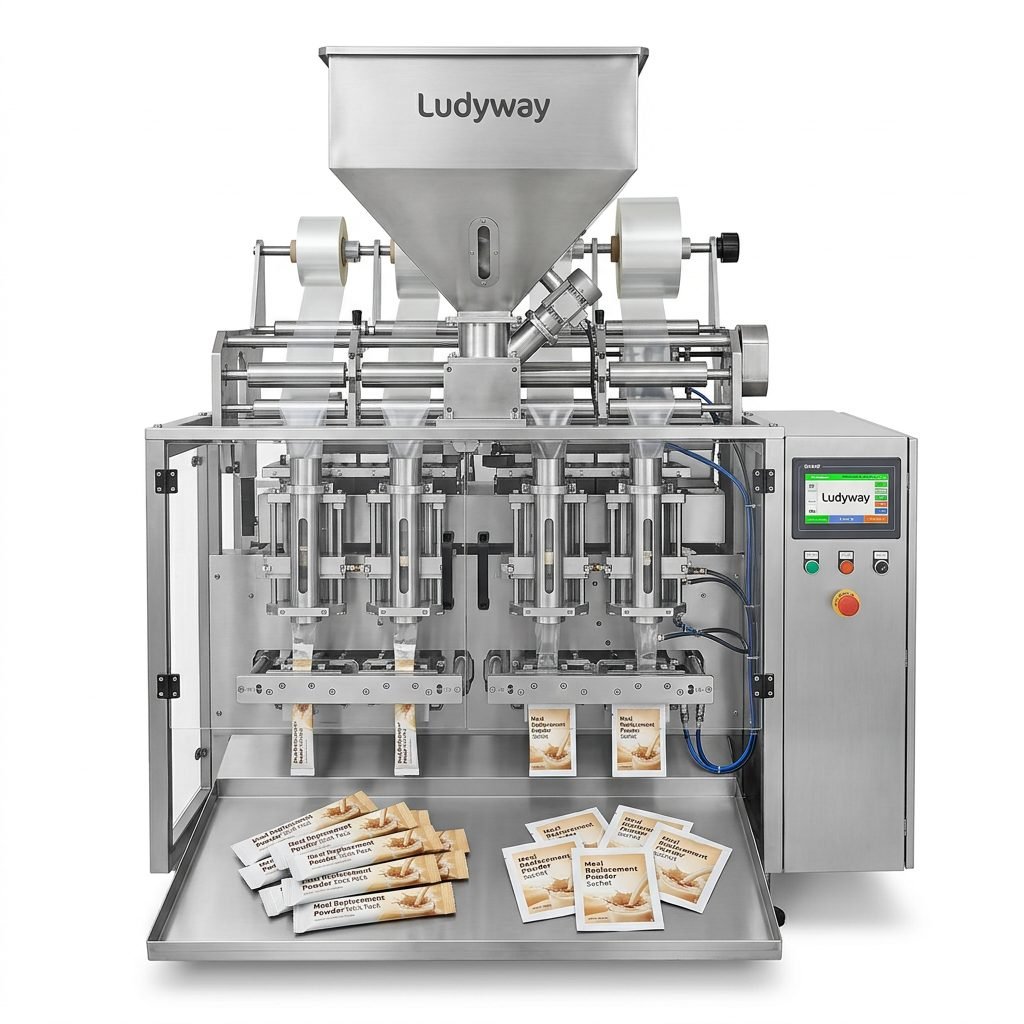
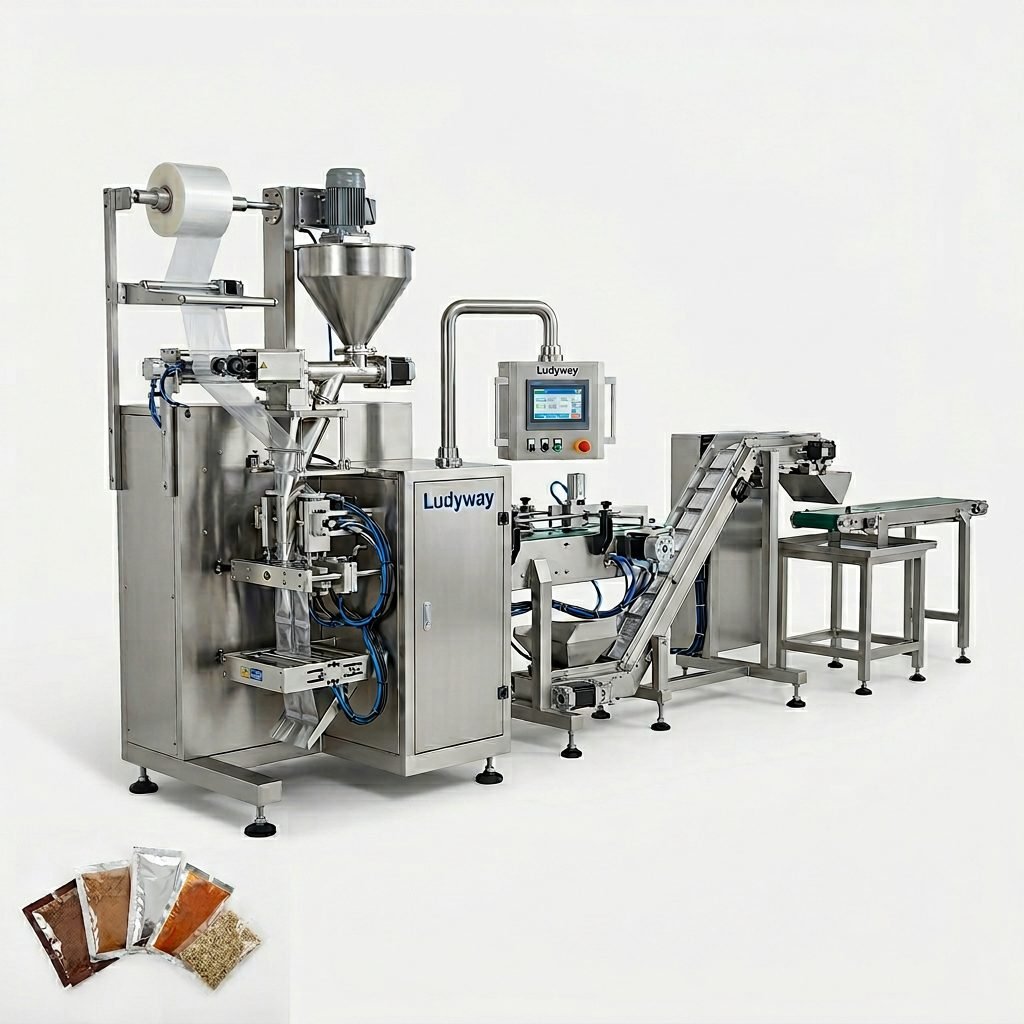
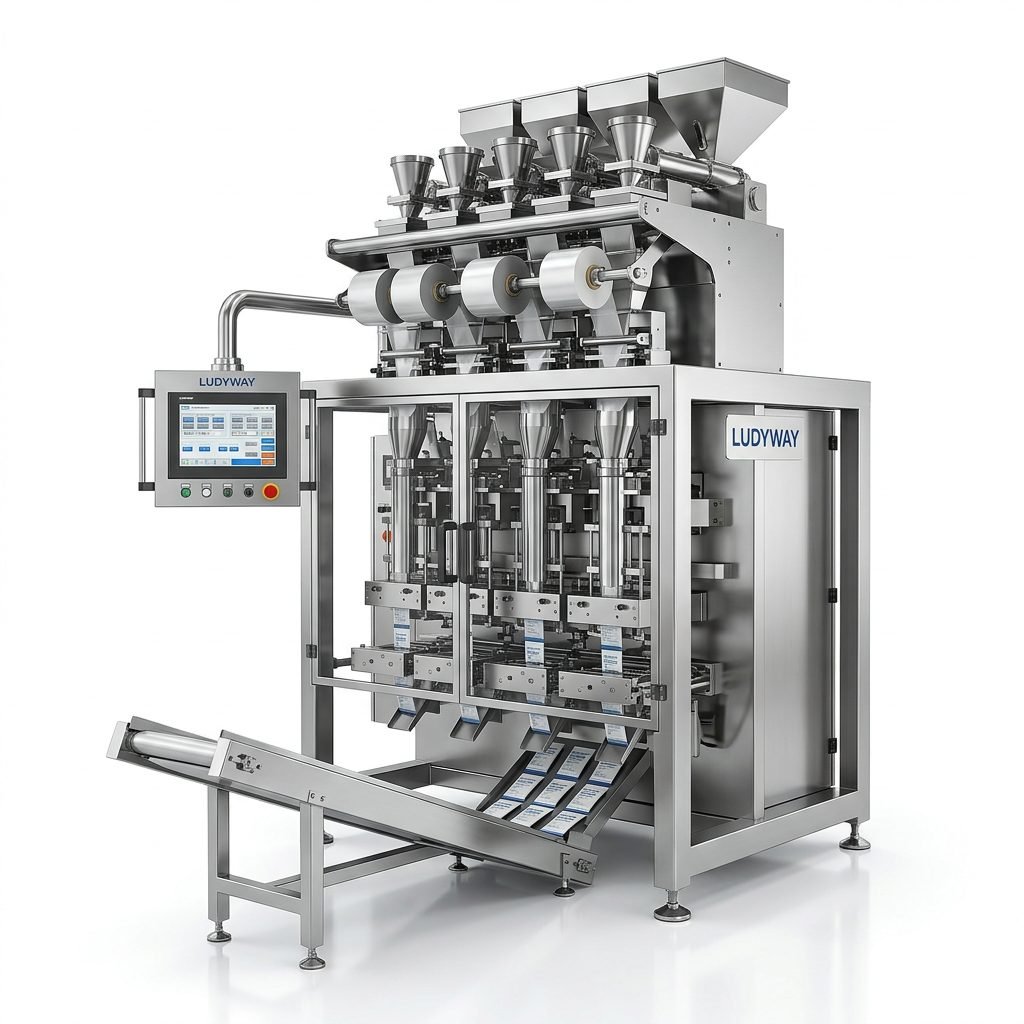
Packaging and sealing machines are essential in modern production because they help businesses package products faster, more consistently, and with better protection. Whether you produce food, pharmaceuticals, cosmetics, chemicals, or pet products, the right machine can improve output, reduce waste, and strengthen product quality.
In simple terms, a packaging and sealing machine is designed to fill, form, close, and seal a package so the product stays secure during storage, transport, and sale. These machines range from compact semi-automatic units to fully integrated high-speed packaging lines.
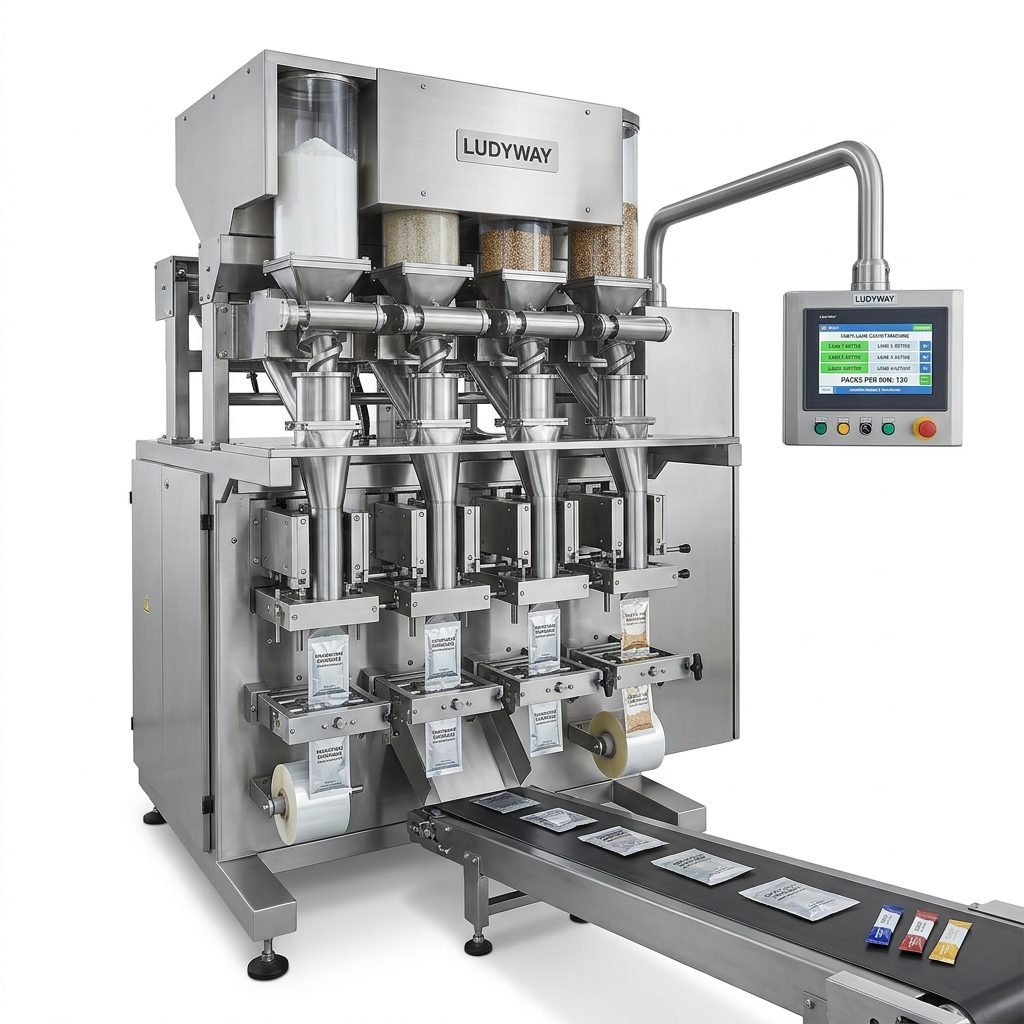
What Is a Packaging and Sealing Machine?
A packaging and sealing machine is industrial equipment used to prepare products for market by placing them into bags, sachets, pouches, bottles, cartons, or other containers and then sealing them securely. Depending on the production requirement, the machine may perform one or several functions, such as:
- Product feeding
- Weighing or dosing
- Filling
- Bag or pouch forming
- Heat sealing or vacuum sealing
- Coding and labeling
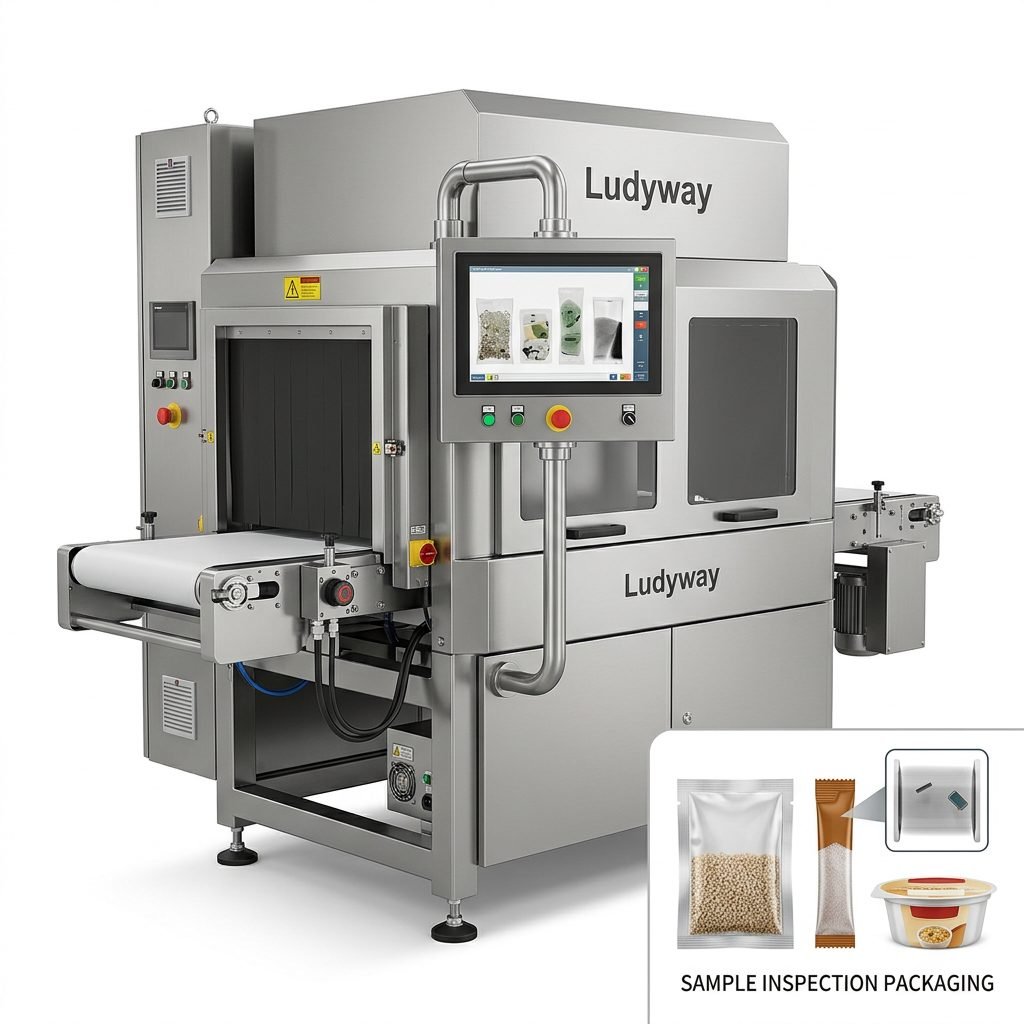
- Inspection and checkweighing
- Cartoning and case packing
These systems are widely used because they help manufacturers maintain hygiene, sealing integrity, shelf appeal, and efficient throughput.
Main Types of Packaging and Sealing Machines
1. Vertical Form Fill Seal Machines
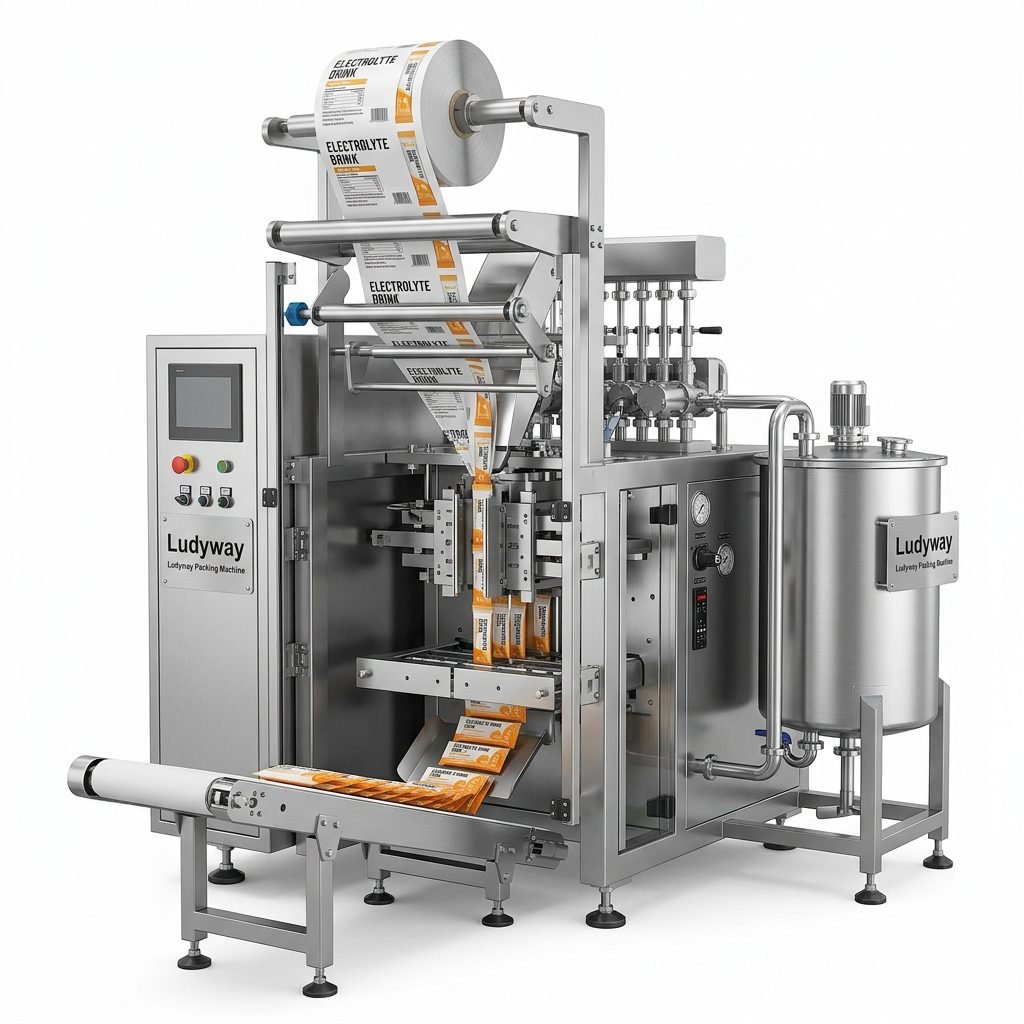
Vertical form fill seal machines, often called VFFS machines, create a package from roll film, fill it with product, and seal it vertically and horizontally. They are common for granules, powders, and some liquids.
Best for: coffee, sugar, spices, protein powder, snacks, grains, and supplements.
2. Sachet and Stick Pack Machines
These machines are designed for small-dose packaging. They are ideal when precise portion control and high-speed output are required. Multi-lane models can produce many sachets or stick packs at once.
Best for: drink powders, pharmaceutical granules, condiments, gels, creams, and health supplements.
3. Premade Pouch Filling and Sealing Machines
These systems take preformed pouches, open them, fill them with product, and seal them. They are suitable for brands that want premium packaging appearance and flexible pouch styles.
Best for: stand-up pouches, zipper bags, spouted pouches, and specialty retail packaging.
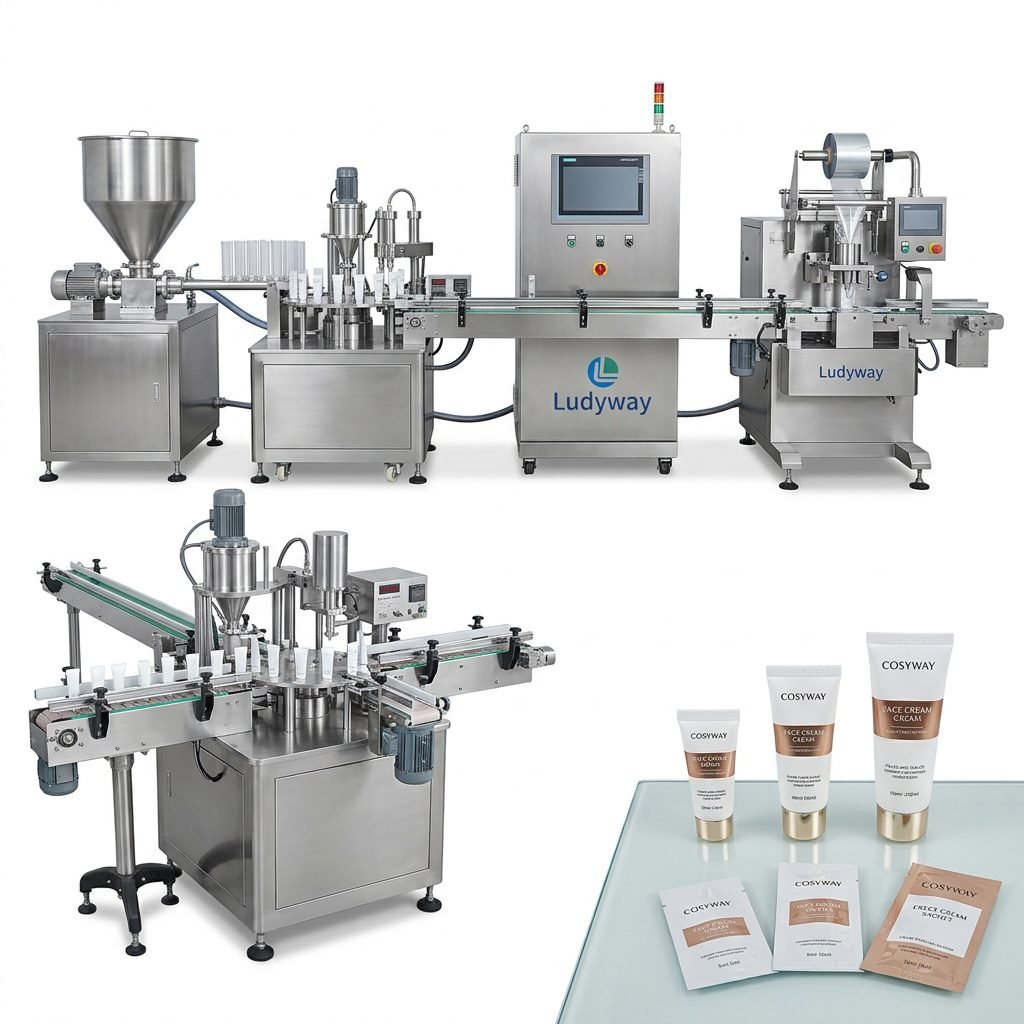
4. Liquid and Paste Filling Sealing Machines
These machines handle free-flowing or viscous products and are equipped with piston fillers, pump systems, or servo-controlled dosing units.
Best for: sauces, oils, shampoo, lotion, serum, syrup, and detergent.
5. Vacuum Packaging and Sealing Machines
Vacuum packaging removes air before sealing, which helps extend shelf life and improve preservation.
Best for: meat, seafood, freeze-dried food, medical products, and moisture-sensitive goods.
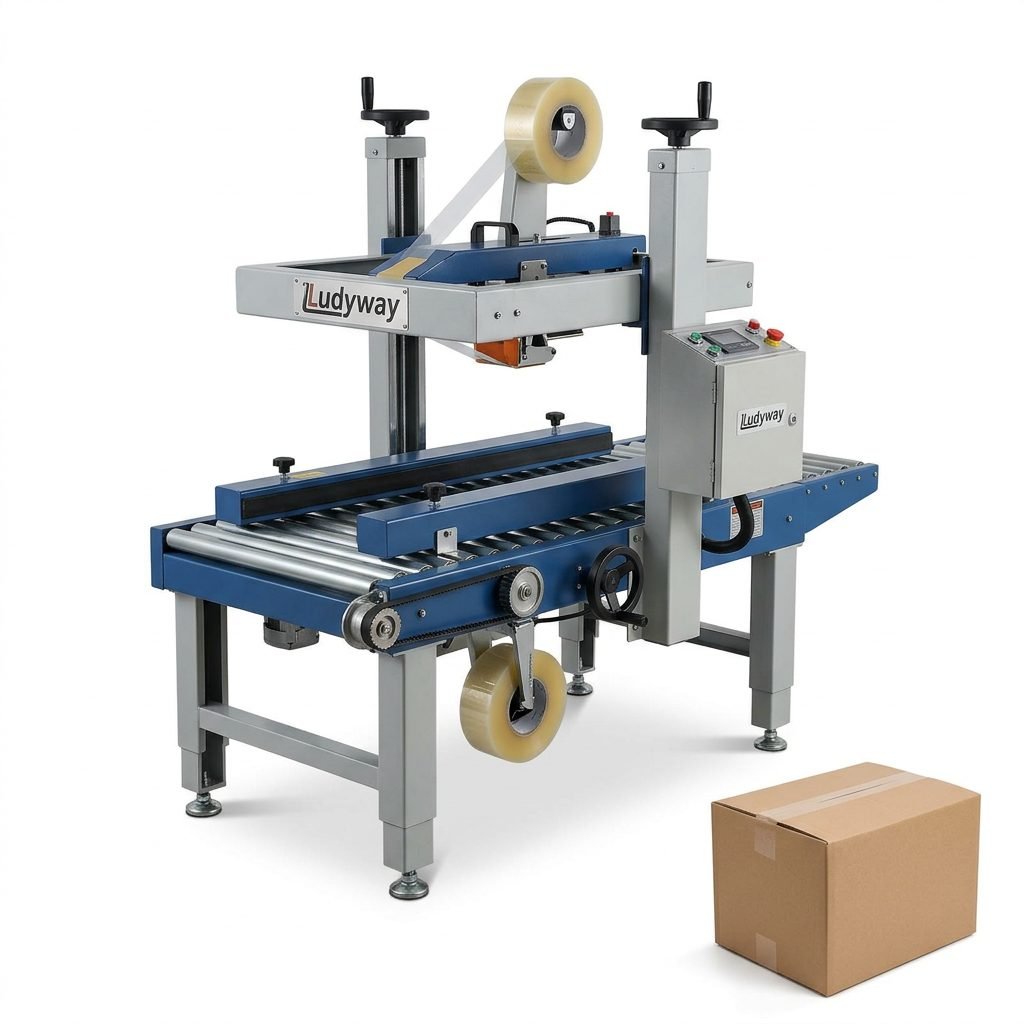
6. Carton and Case Sealing Machines
These machines seal cartons or shipping cases after primary packaging is completed. They are often used at the end of a production line.
Best for: e-commerce, warehouse packaging, secondary packaging, and industrial logistics.
Common Sealing Methods
Different products and packaging materials require different sealing technologies. Choosing the right one directly affects product safety and shelf life.
| Sealing Method | How It Works | Typical Applications |
|---|---|---|
| Heat Sealing | Uses heat and pressure to bond packaging film layers | Sachets, pouches, stick packs, bags |
| Vacuum Sealing | Removes air before sealing | Food, medical, dried goods |
| Ultrasonic Sealing | Uses high-frequency vibration to create seals | Special materials, medical products |
| Induction Sealing | Electromagnetic process seals foil liners | Bottles, pharmaceuticals, chemicals |
| Impulse Sealing | Short electric pulse heats the sealing element | PE bags, light-duty packaging |
Industries That Use Packaging and Sealing Machines
Food Industry
Food manufacturers rely heavily on packaging and sealing machines to ensure product freshness, hygiene, and attractive shelf presentation. Common products include seasoning powders, sauces, coffee, tea, grains, nuts, snack foods, frozen foods, and instant beverages.
Pharmaceutical Industry
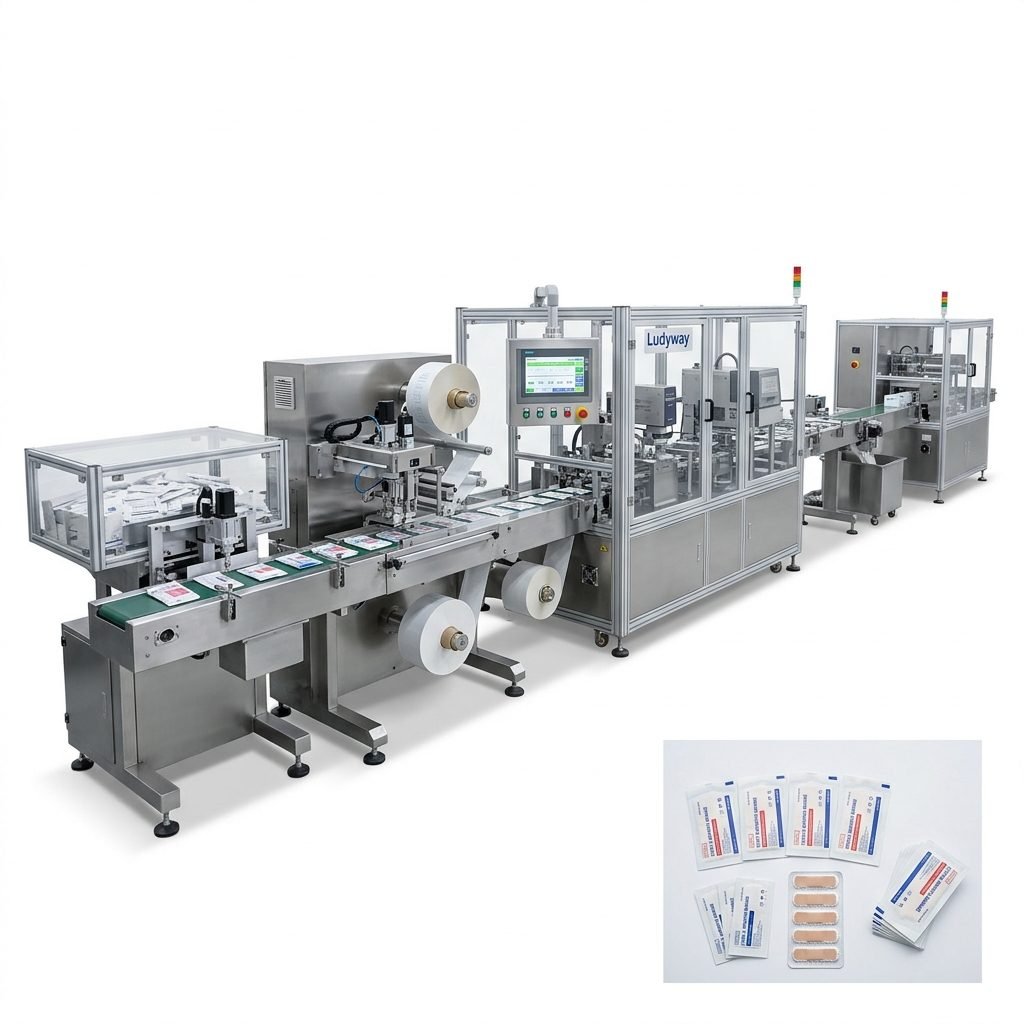
Pharmaceutical packaging requires high precision, reliable sealing, traceability, and strict hygiene standards. Typical products include oral powders, granules, medical sachets, sterile items, tablets, and liquid medicine.
Cosmetics and Personal Care
Creams, lotions, serums, shampoos, face masks, and sample sachets often require visually attractive packaging along with accurate filling and leak-proof sealing.
Chemical Industry
Chemical products may come in powder, liquid, paste, or granule form. Packaging machines used in this field must support corrosion resistance, accurate dosing, and secure sealing.
Animal Feed and Pet Products
Packaging solutions for pet food, feed additives, supplements, and pellets often need durable bags, stable weighing systems, and efficient secondary packaging.
How to Choose the Right Packaging and Sealing Machine
Selecting the right equipment depends on your product, packaging format, output target, and operational goals. A machine that works well for powder sachets may not suit viscous liquids or bulk bagging lines.
- Product type: powder, granule, liquid, paste, tablet, or irregular solid
- Packaging format: sachet, stick pack, pouch, bottle, carton, or bag
- Output speed: low, medium, or high-speed production demand
- Seal quality: barrier performance, leak prevention, tamper resistance
- Automation level: semi-automatic or fully automatic line integration
- Material compatibility: film structure, pouch style, bottle or carton dimensions
- Cleaning requirements: especially important for food and pharmaceutical applications
- Future expansion: whether the system can grow with your business
Key Benefits of Packaging and Sealing Machines
| Benefit | Why It Matters |
|---|---|
| Higher Efficiency | Reduces manual labor and increases production speed |
| Better Consistency | Ensures uniform fill weight, package appearance, and seal quality |
| Improved Hygiene | Minimizes product contamination risk |
| Reduced Waste | Accurate dosing and controlled sealing lower material loss |
| Stronger Product Protection | Helps preserve freshness, reduce leakage, and protect during shipping |
| Scalable Automation | Supports growth from standalone machines to complete turnkey lines |
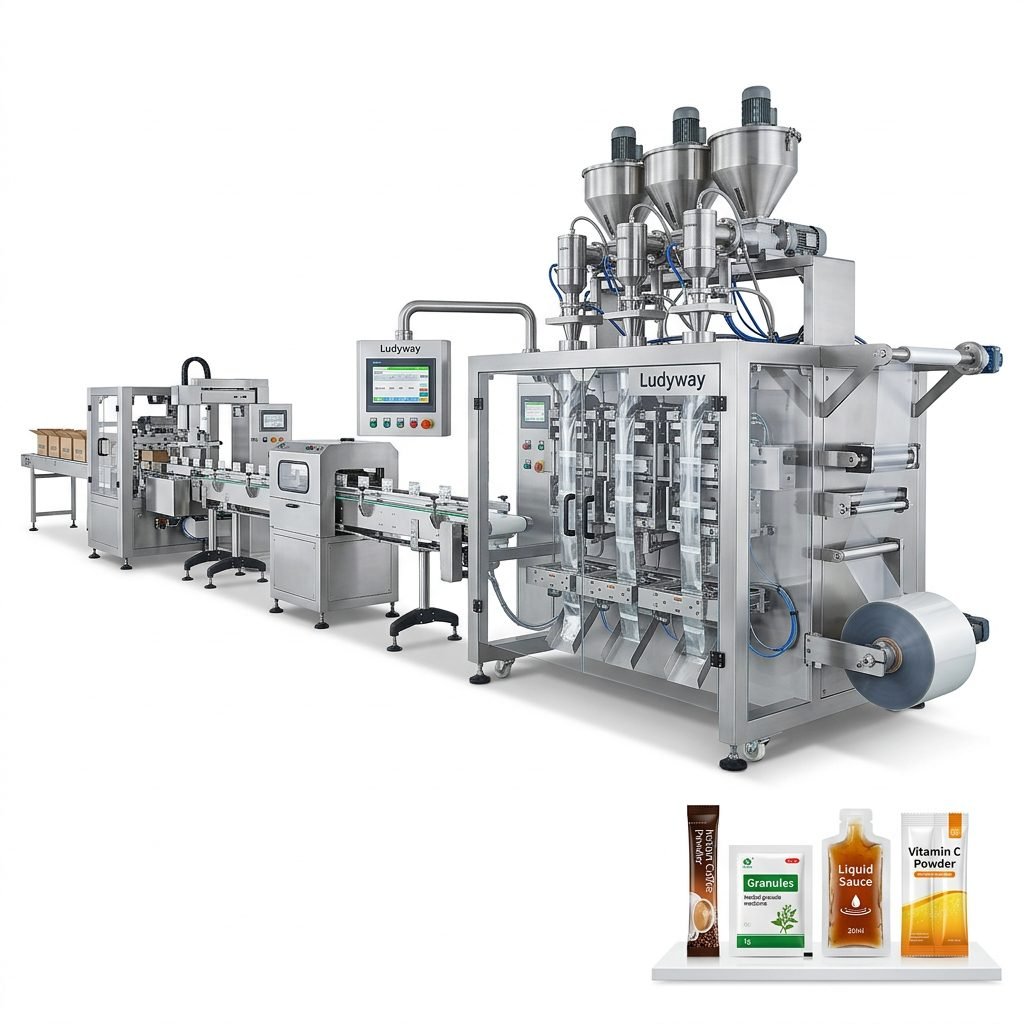
Standalone Machine or Complete Packaging Line?
Some manufacturers only need a single filling and sealing unit, while others need a full line with feeding, dosing, packaging, inspection, coding, cartoning, case packing, and palletizing.
A standalone machine is often suitable for:
- Small and medium production volumes
- Single product formats
- Lower upfront investment
A complete packaging line is often better for:
- Large-scale production
- High automation goals
- Reduced labor dependency
- Improved production flow and traceability
Important Features to Look For
- Servo-driven control for more precise filling and sealing
- Touchscreen HMI for easy operation and parameter adjustment
- Fast changeover for multiple package sizes
- Stable temperature control for reliable heat sealing
- Dust-proof or corrosion-resistant design when needed
- Integration with metal detectors, checkweighers, and coding systems
- Remote support or after-sales technical service
Maintenance Tips for Long-Term Performance
Even a high-quality machine needs proper maintenance to stay efficient and reliable. Preventive care can reduce downtime and extend service life.
- Clean product-contact parts regularly
- Inspect sealing jaws and heating elements
- Check sensors, belts, and moving components
- Calibrate filling systems for dosing accuracy
- Monitor film tracking and package alignment
- Follow the manufacturer’s lubrication schedule
- Keep spare parts available for critical wear components
Why Businesses Invest in Advanced Packaging Solutions
As markets become more competitive, packaging is no longer just a final production step. It is part of product quality, brand presentation, compliance, and cost control. A modern packaging and sealing machine helps businesses deliver products with more speed and less risk.
For companies planning automation upgrades, working with an experienced manufacturer is important. Ludyway packaging machine manufacturer offers a broad range of machines and turnkey packaging line solutions for food, pharmaceutical, cosmetic, chemical, and related industries, backed by more than 30 years of manufacturing experience.
Frequently Asked Questions
What products can a packaging and sealing machine handle?
It can handle powders, granules, liquids, pastes, gels, tablets, capsules, and many other product forms, depending on the machine design.
Is a packaging and sealing machine suitable for small businesses?
Yes. Small businesses can start with semi-automatic or compact automatic machines and scale up later as production grows.
How do I know which sealing method is best?
The best sealing method depends on your packaging material, product sensitivity, shelf-life goals, and production speed requirements.
Can one machine package different products?
Some machines can handle multiple products and package sizes with change parts or parameter adjustments, but compatibility should be confirmed before purchase.
What is the biggest advantage of a fully automatic line?
The biggest advantage is higher efficiency with consistent packaging quality, while also reducing labor costs and manual handling.
Final Thoughts
A packaging and sealing machine is a critical investment for manufacturers that want to improve speed, consistency, product protection, and operational efficiency. From sachets and pouches to cartons and bulk bags, the right system can support both current production and future expansion.
If you compare machine types carefully and match them to your product characteristics, packaging style, and output goals, you will be in a much better position to choose a solution that delivers long-term value.