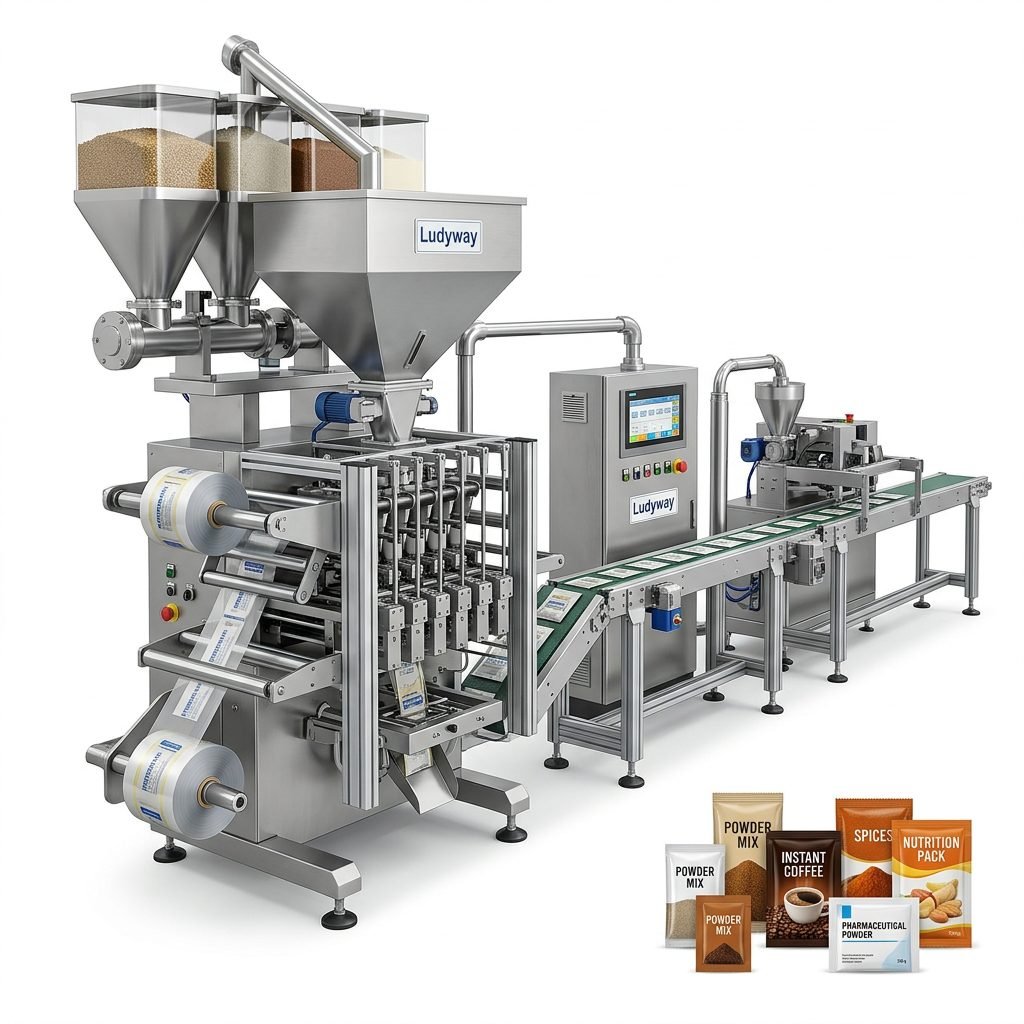
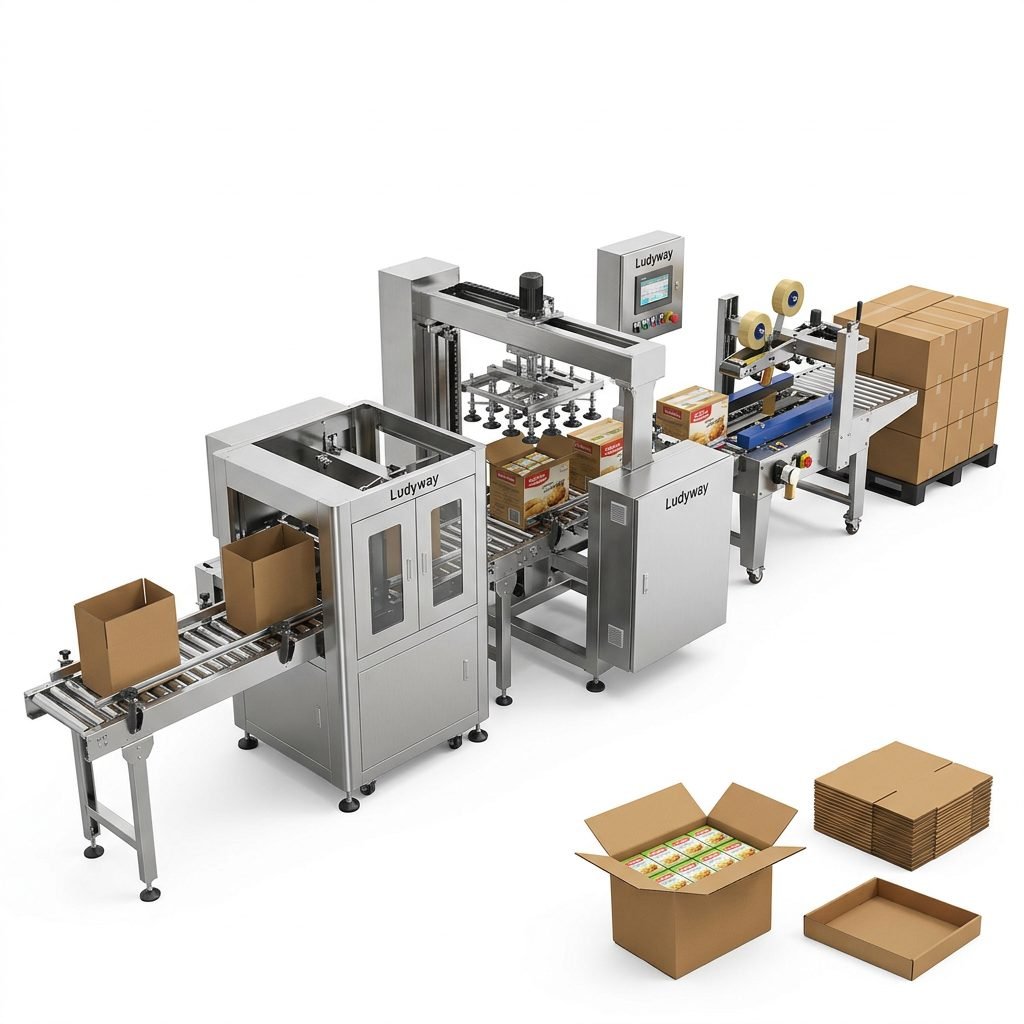
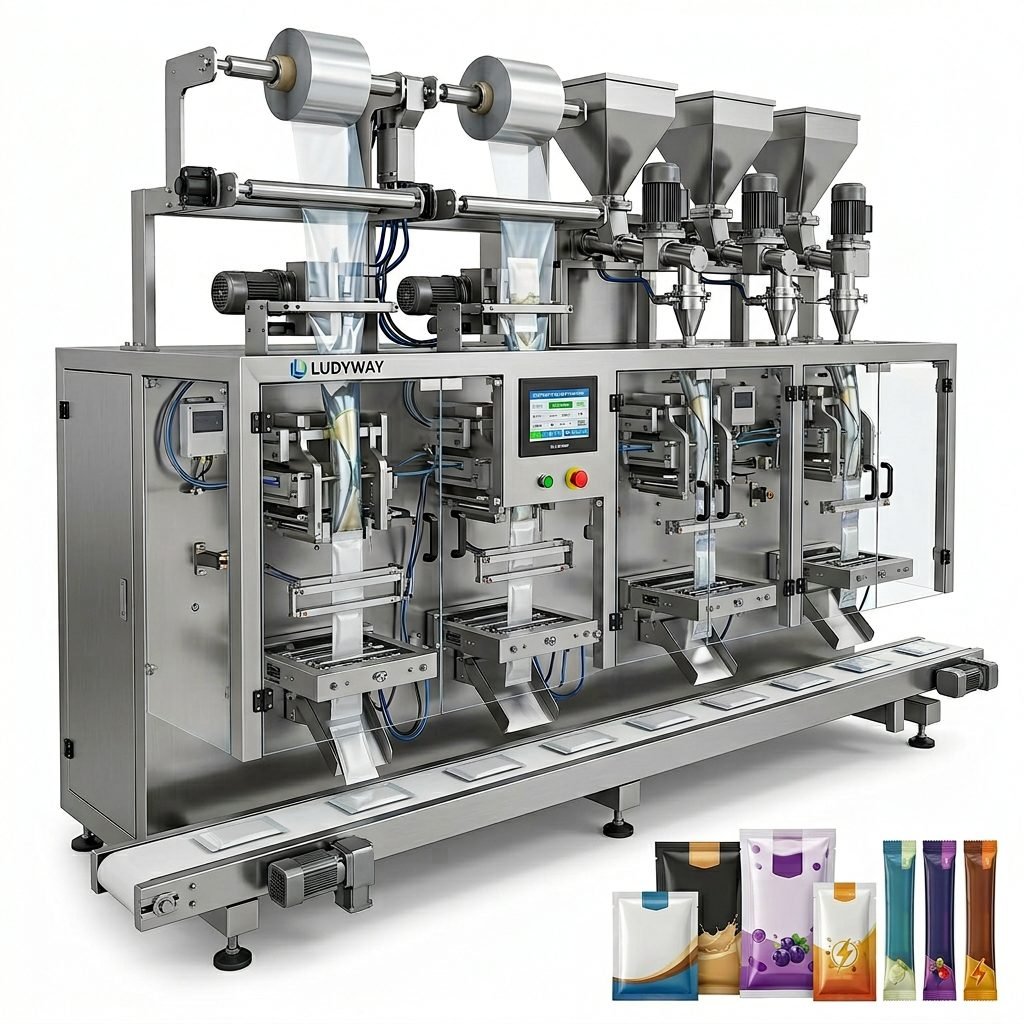
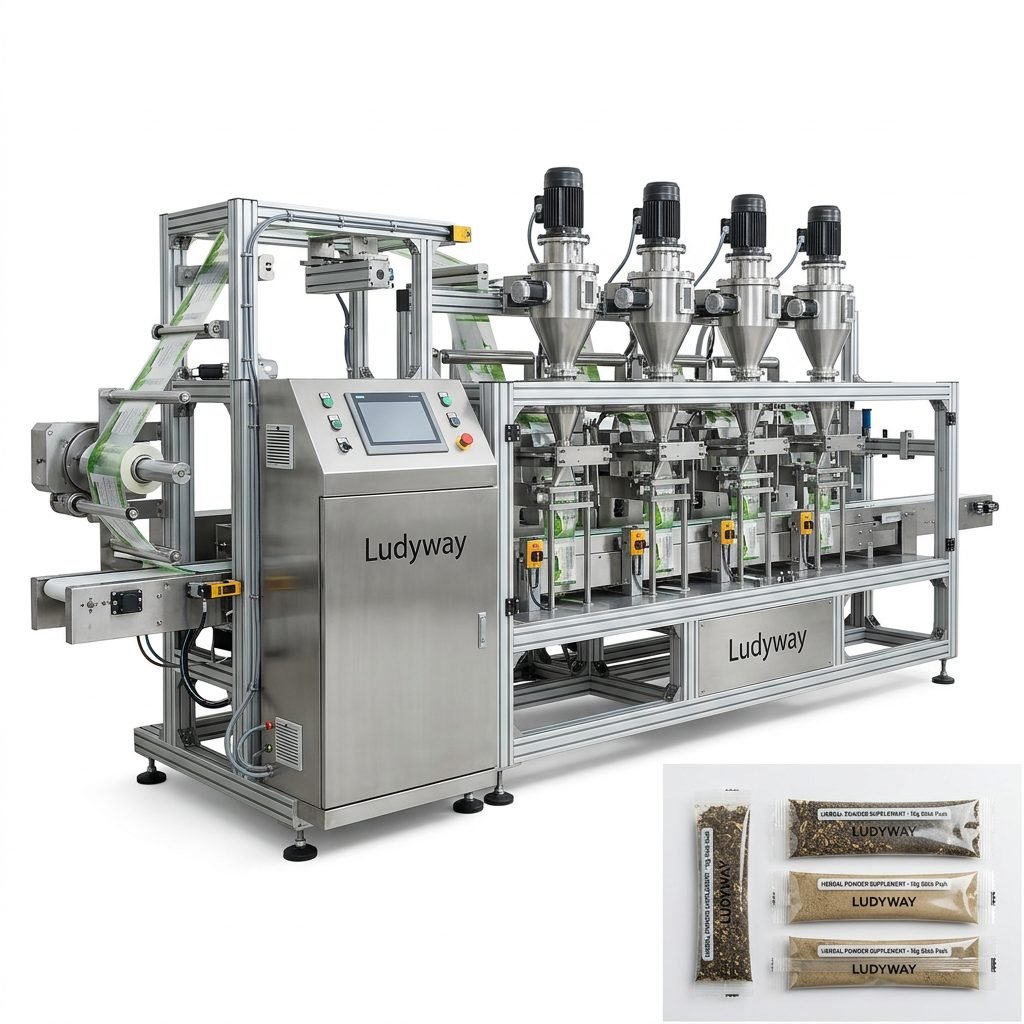
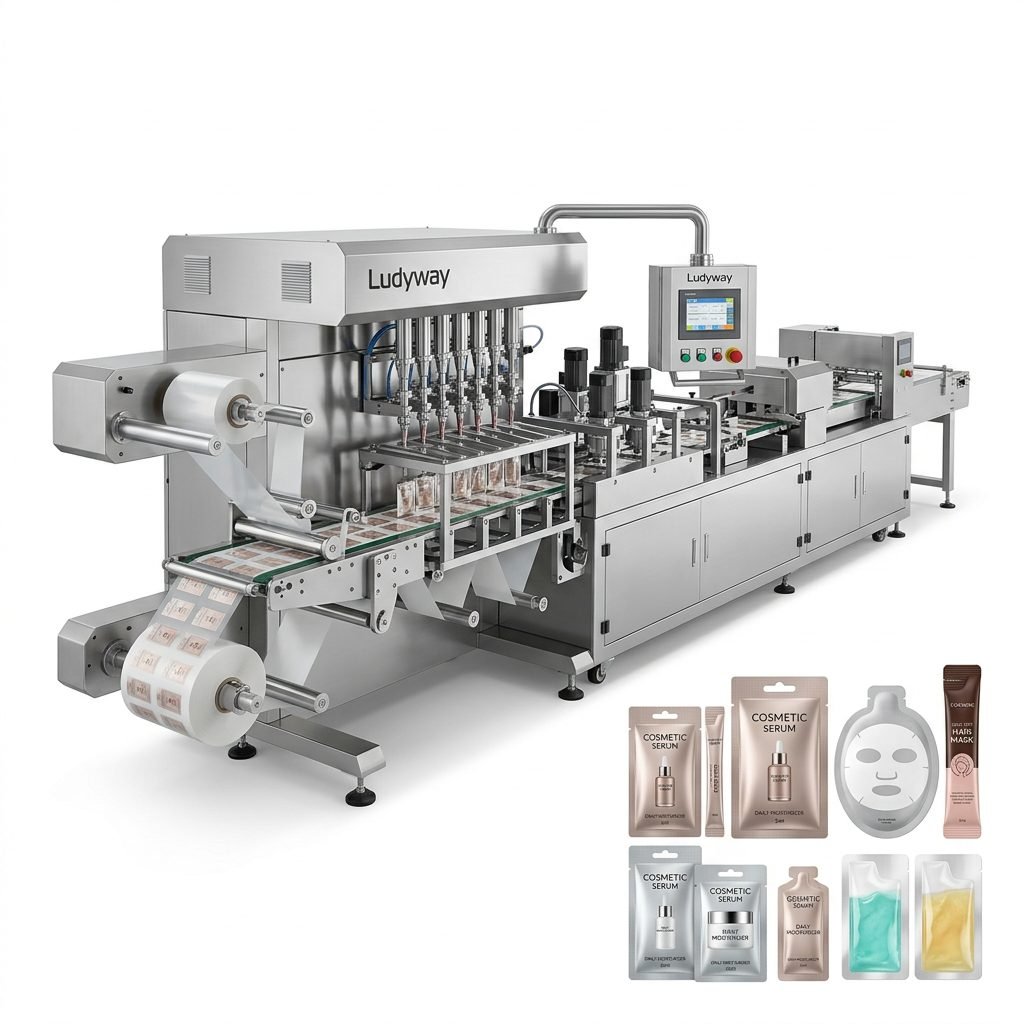
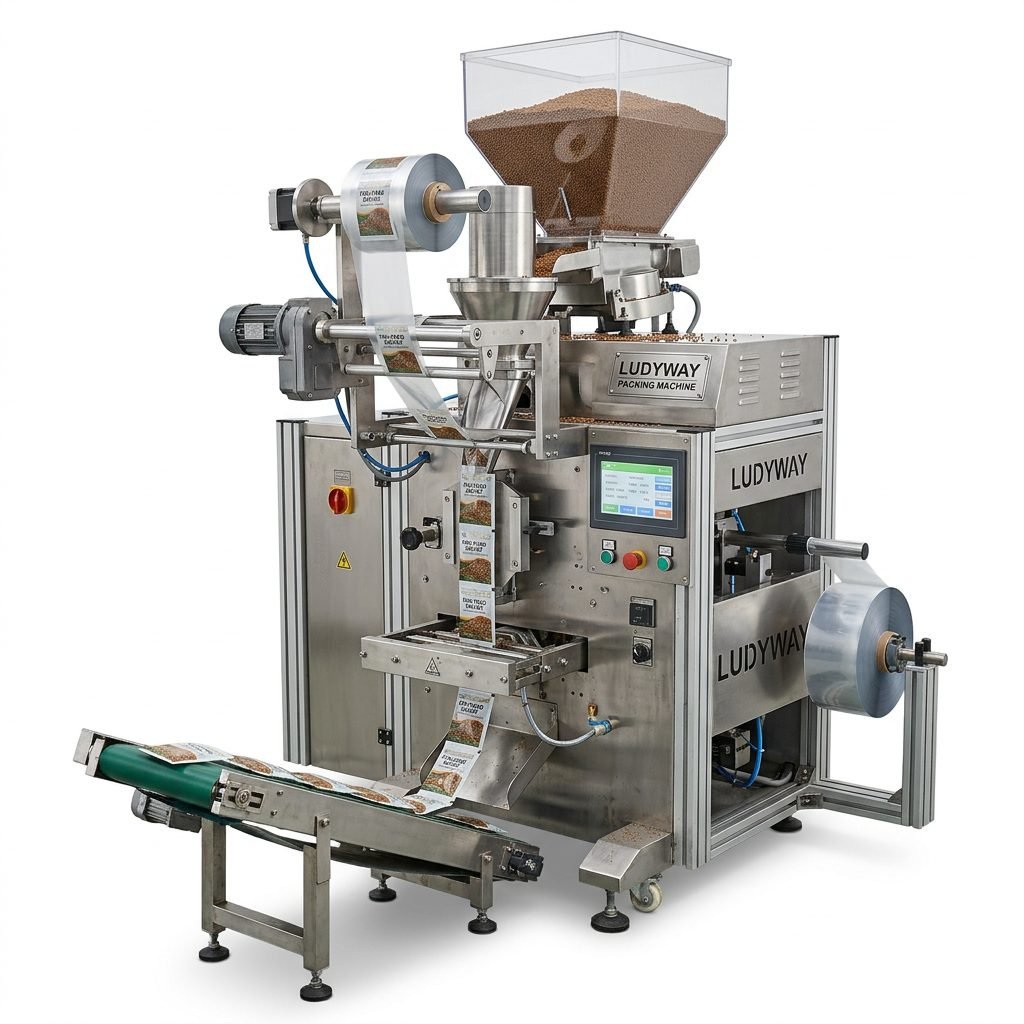
Investing in a dry fish packing machine is a significant decision for any seafood processing business. The right equipment can streamline your production line, reduce labor costs, extend product shelf life, and ensure consistent package quality. However, with so many machine types, configurations, and manufacturers available on the market, making the wrong choice can lead to costly downtime, product waste, and compromised packaging integrity. This comprehensive guide walks you through the essential factors to evaluate before purchasing a dry fish packaging system.
Understanding the Unique Challenges of Dry Fish Packaging
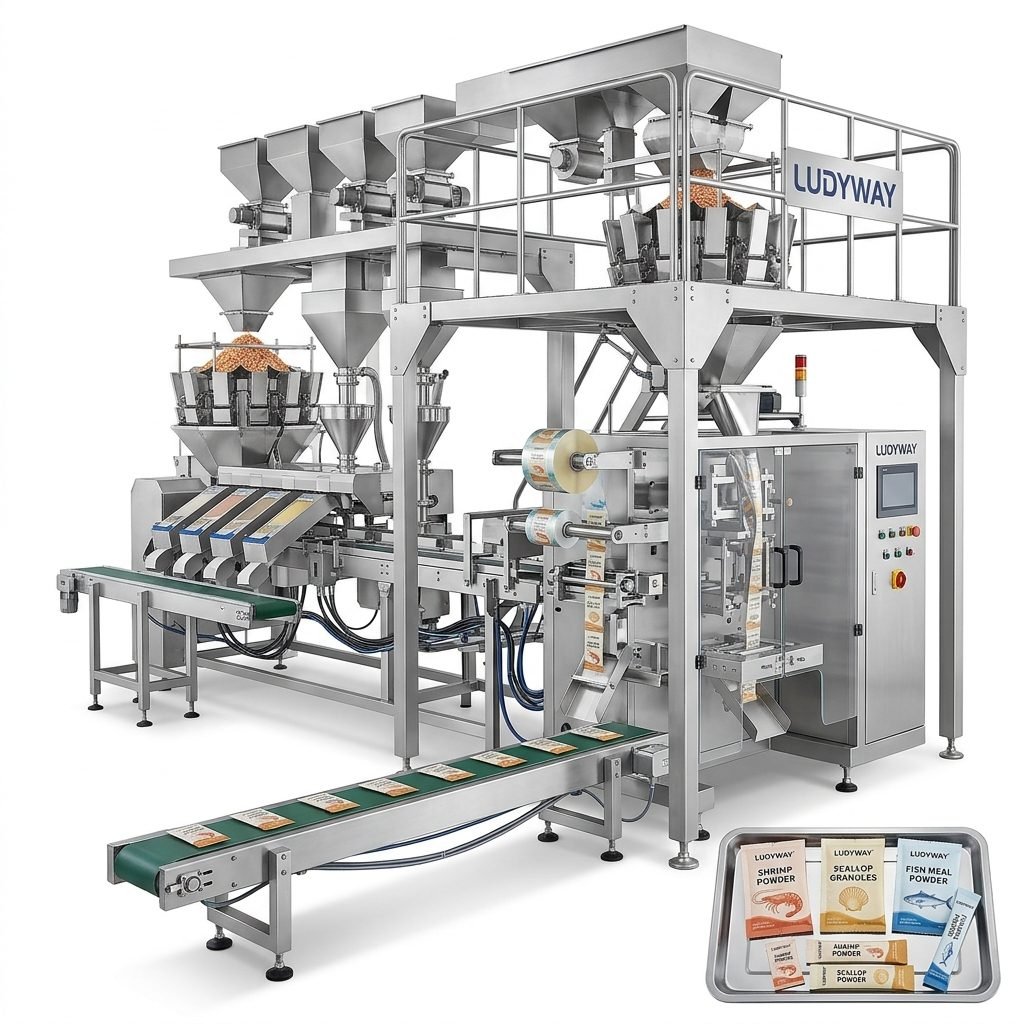
Dry fish and dried seafood products present distinct packaging challenges that differ significantly from fresh or frozen seafood items. Unlike standard dry goods, dried fish often has irregular shapes, varying moisture content, and abrasive textures that can affect machine performance. The product may range from whole dried anchovies and shredded squid to powdered fish protein and granules. Each form requires specific handling mechanisms, feeding systems, and sealing technologies to prevent product breakage, moisture ingress, and contamination.
Additionally, many dried seafood products are destined for export markets, meaning packaging must comply with international food safety standards and often require modified atmosphere packaging or nitrogen flushing to extend shelf life. Understanding these product-specific requirements is the first step toward selecting a machine that delivers consistent results batch after batch.
Key Machine Configurations for Dried Seafood Products
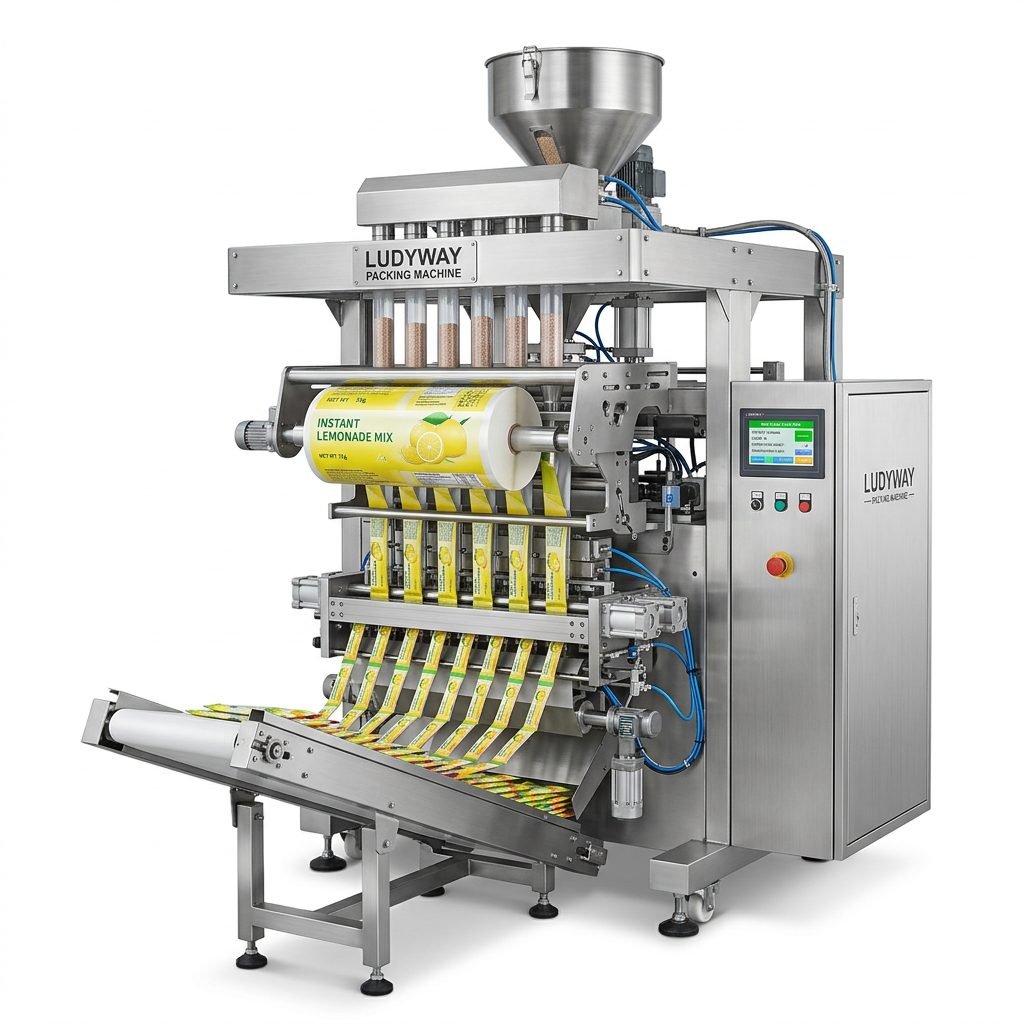
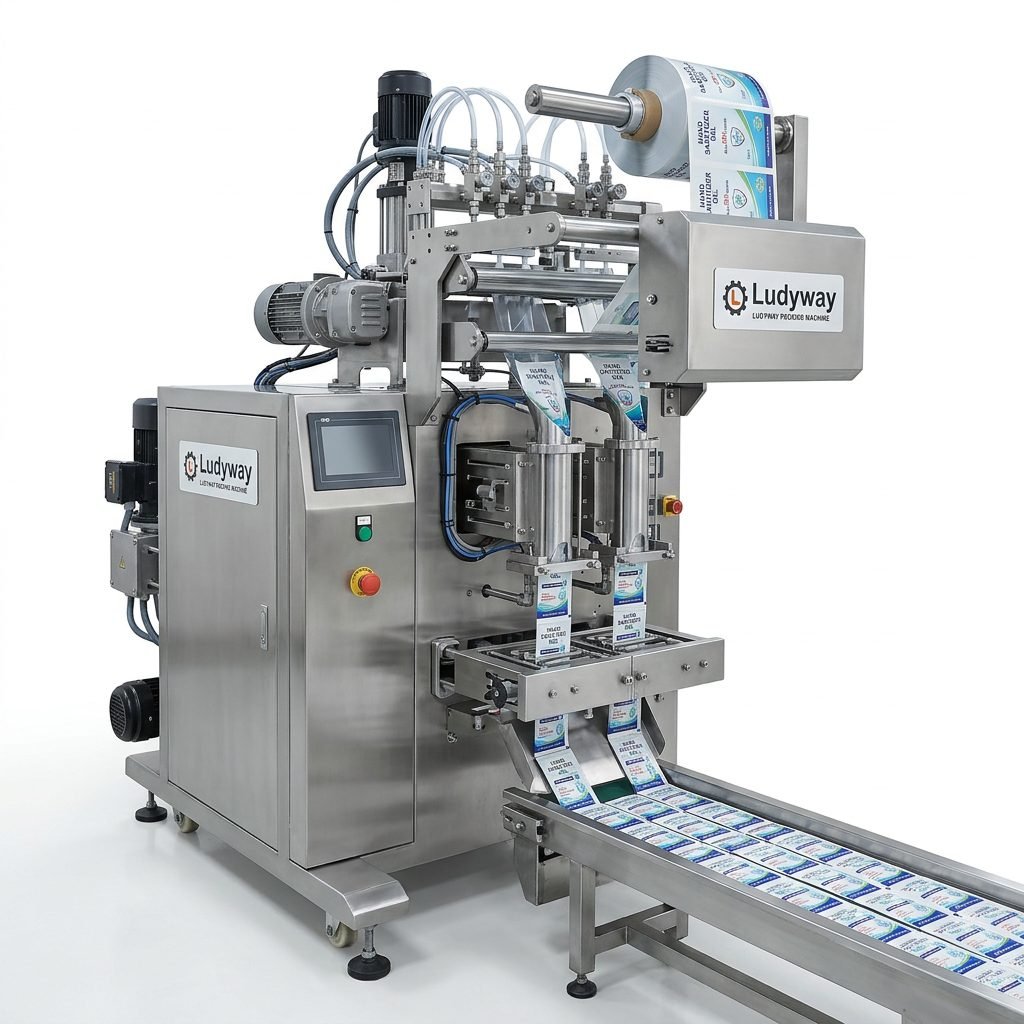
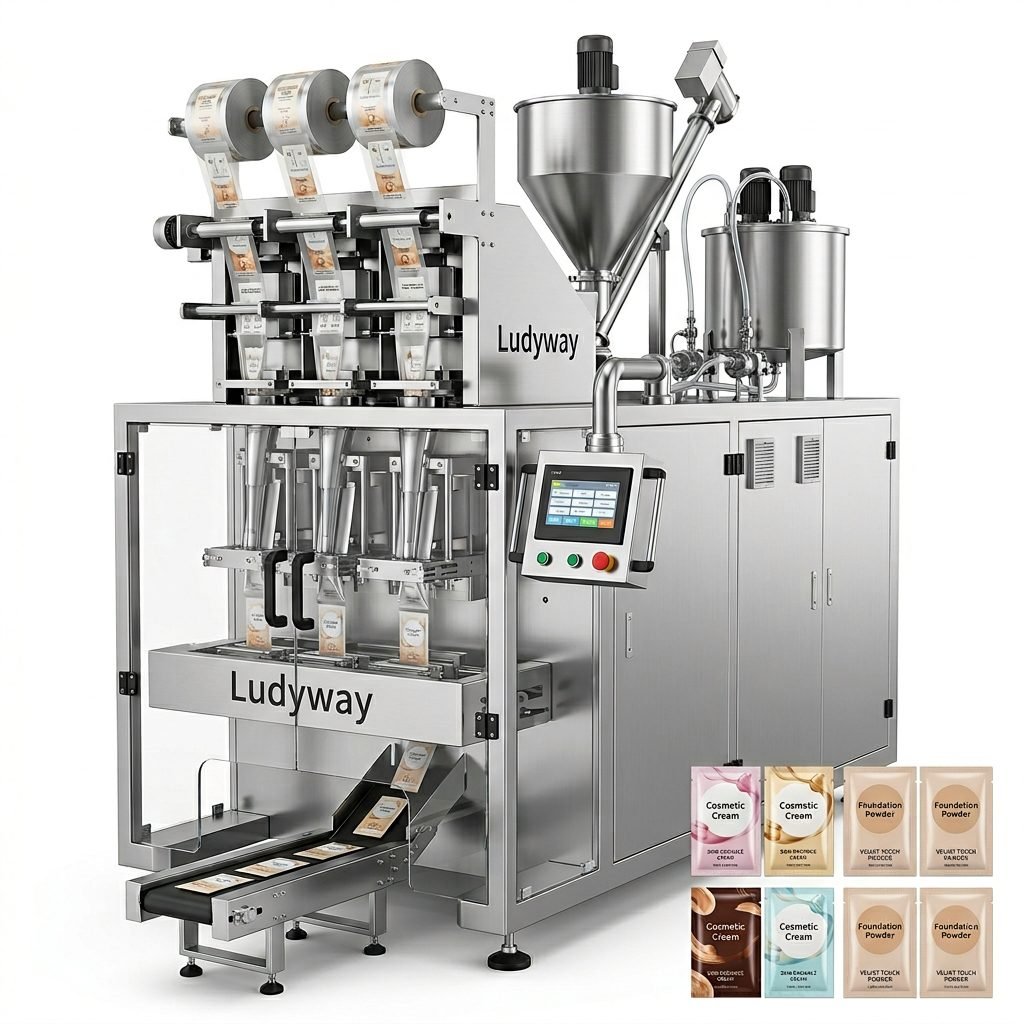
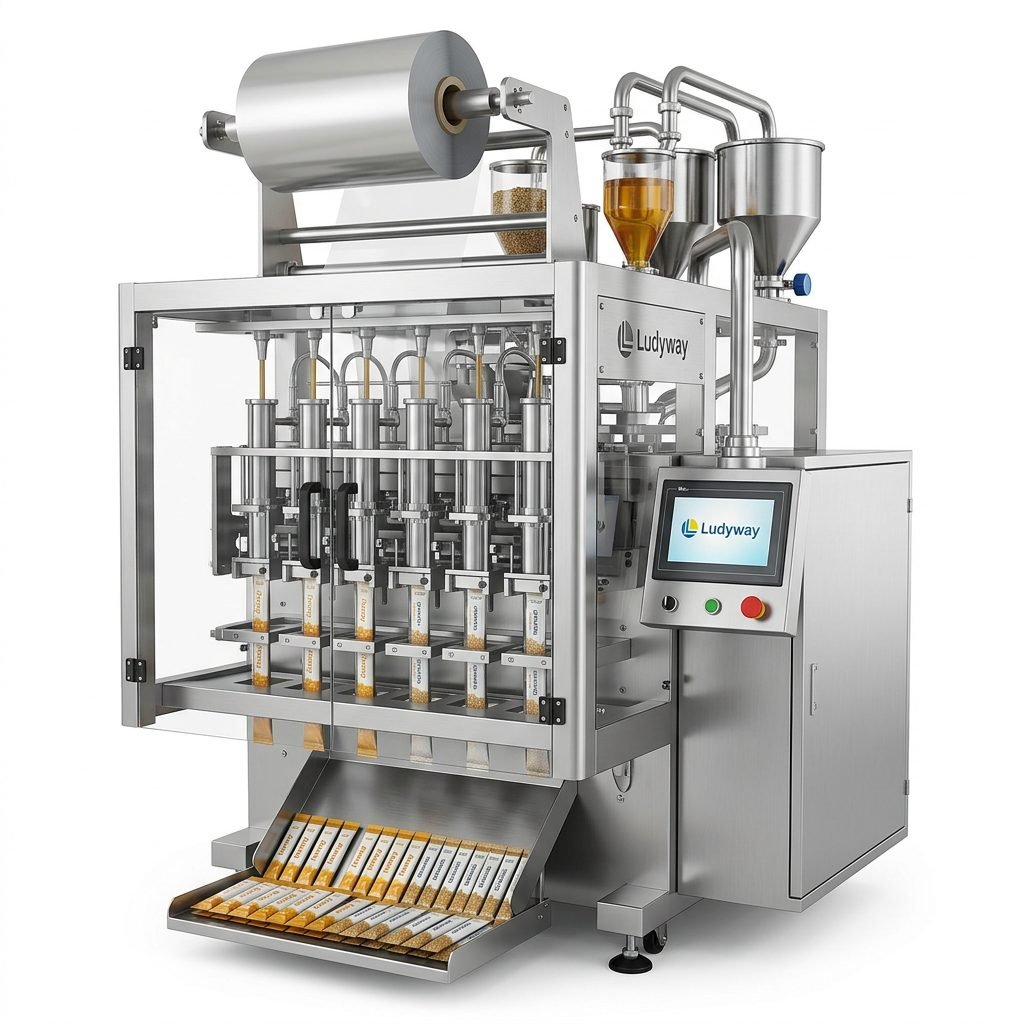
Modern dry fish packing machines come in several configurations, each suited to different production scales and packaging formats. The most common types include vertical form-fill-seal machines for pillow bags and sachets, multi-lane stick pack systems for single-serve portions, and pre-made pouch filling machines for flat pouches and stand-up formats. For bulk packaging of larger dried fish pieces, automatic weighing and bagging lines designed for irregular-shaped products may be more appropriate.
The flexible packaging format you choose directly impacts the machine configuration required. Sachet and stick pack formats are popular for portion-controlled dried fish snacks, while larger gusseted pouches work well for family-sized packs. Each format demands specific film handling, forming, and sealing capabilities from your equipment.
Essential Factors to Evaluate Before Purchase
Production Capacity and Speed Requirements
One of the first parameters to define is your required output volume. A small-scale processor packaging a few hundred kilos per day will have vastly different needs compared to a high-volume exporter running multiple shifts. Speed ratings are typically measured in packages per minute, but real-world throughput depends on product characteristics, bag size, and changeover frequency. Be realistic about your current needs while leaving room for future growth — upgrading a packaging line prematurely due to undersized equipment can be more expensive than investing in slightly higher capacity upfront.
Weighing and Filling Accuracy
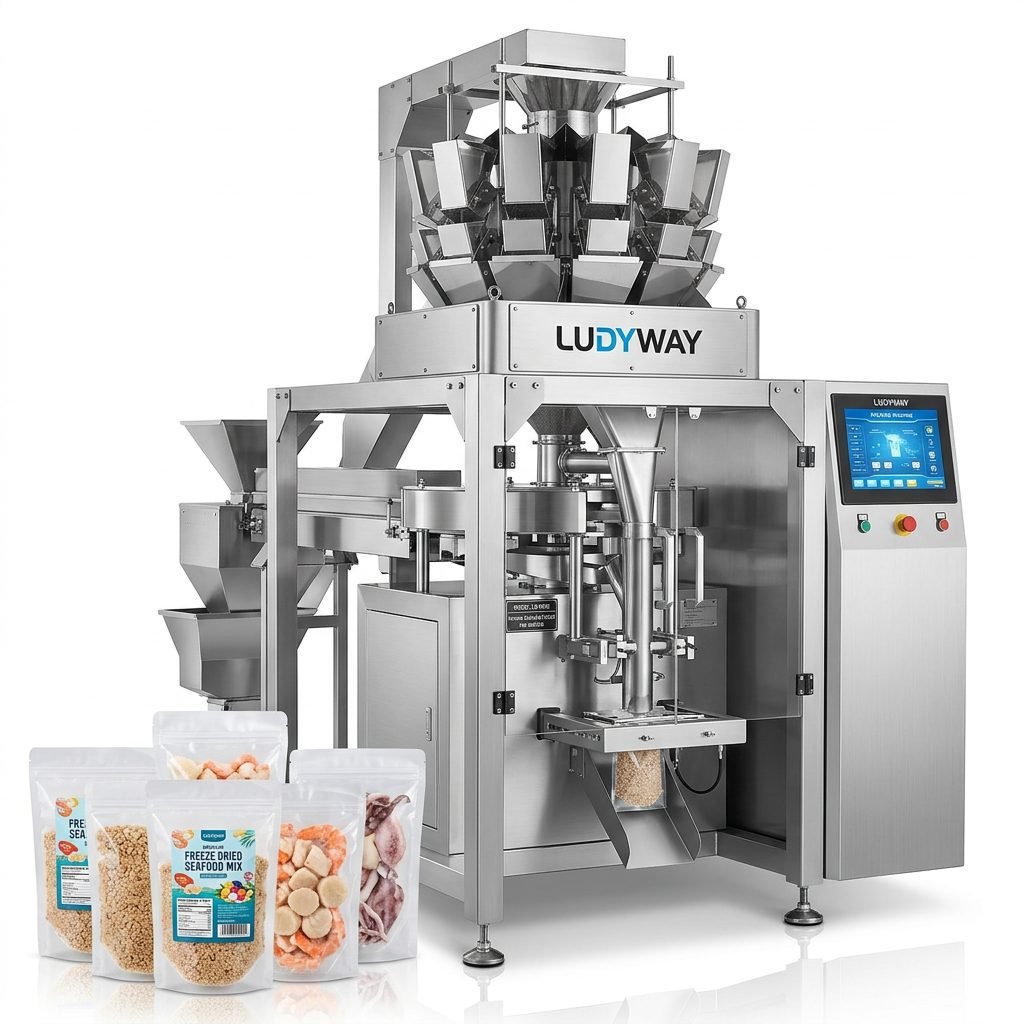
Product giveaway — overfilling packages to ensure minimum weight compliance — directly eats into profit margins. For dried fish products where raw material costs can be significant, precision in dosing and weighing is critical. Multi-head weighers offer superior accuracy for granular and small-piece dried seafood, while auger fillers work well for powdered fish products. For whole or large-piece dried fish, linear weighers or manual-assisted feeding systems may be more practical. The key is matching the filler type to your specific product characteristics.
Packaging Material Compatibility
Not all machines handle all film types equally well. Dried seafood often requires high-barrier laminated films to prevent moisture and oxygen transfer, which can have different sealing characteristics than standard polyethylene films. Verify that the machine’s sealing system — whether heat sealing, ultrasonic sealing, or impulse sealing — is compatible with your chosen packaging material. The ability to run recyclable or biodegradable films is also becoming increasingly important for brands targeting environmentally conscious markets.
Hygiene and Cleanability Standards
Seafood processing environments demand rigorous hygiene protocols. Look for machines constructed from stainless steel and food-grade materials with smooth, crevice-free surfaces that prevent product buildup and facilitate thorough cleaning. IP65 or higher-rated electrical enclosures protect against wash-down procedures. Quick-release components and tool-free disassembly features can significantly reduce cleaning downtime between production runs of different products.
Automation Level and Integration Capabilities
Modern packaging lines can range from standalone machines requiring significant manual intervention to fully automated systems that integrate feeding, dosing, filling, sealing, coding, inspection, and cartoning. Consider how the new dry fish packing machine will interface with your existing upstream and downstream equipment. A machine that cannot easily integrate with your current conveyors, checkweighers, or coding systems may create bottlenecks rather than solving them. Look for equipment with standardized communication protocols and flexible layout options.
Comparing Common Machine Types for Dry Fish Applications
| Machine Type | Best For | Typical Output | Key Consideration |
|---|---|---|---|
| Vertical Form-Fill-Seal (VFFS) | Granules, small pieces, powders | 30-80 packs/min | Film versatility and seal integrity |
| Multi-Lane Stick Pack | Single-serve portions, powders | 200-600 packs/min | High initial investment, fast ROI |
| Pre-Made Pouch Filling | Irregular pieces, premium products | 20-50 packs/min | Pouch cost, zipper/reclosable options |
| Automatic Weighing & Bagging | Bulk dried fish, large bags | 5-15 bags/min | Weight accuracy at high volumes |
| Vacuum Packaging Machine | Extended shelf life, export products | 10-30 packs/min | Film type and chamber configuration |
Evaluating Total Cost of Ownership
The purchase price of a dry fish packing machine is only one component of its total cost. Savvy buyers evaluate the complete cost picture, which includes:
- Initial equipment cost including freight, import duties, and installation
- Packaging material costs and the machine’s material waste rate
- Energy consumption and utility costs during operation
- Spare parts availability and typical replacement intervals
- Labor requirements for operation and changeovers
- Maintenance and service costs over the expected machine lifespan
- Downtime risk and the cost of interrupted production
A machine with a lower upfront cost but higher ongoing expenses often proves more expensive over a five-to-ten-year operating period. Request detailed lifecycle cost estimates from potential suppliers and verify claims with existing customers when possible.
The Importance of Packaging Standards and Compliance
For dried fish products destined for international markets, compliance with packaging industry standards and food contact regulations is non-negotiable. Different regions enforce different requirements — the FDA regulates food contact substances in the United States, while the European Union has its own framework under the Packaging and Packaging Waste Regulation. Your packaging equipment should be capable of running certified food-grade materials and maintaining the integrity required by these frameworks. Verify that the machine manufacturer can provide relevant compliance documentation and certification for your target markets.
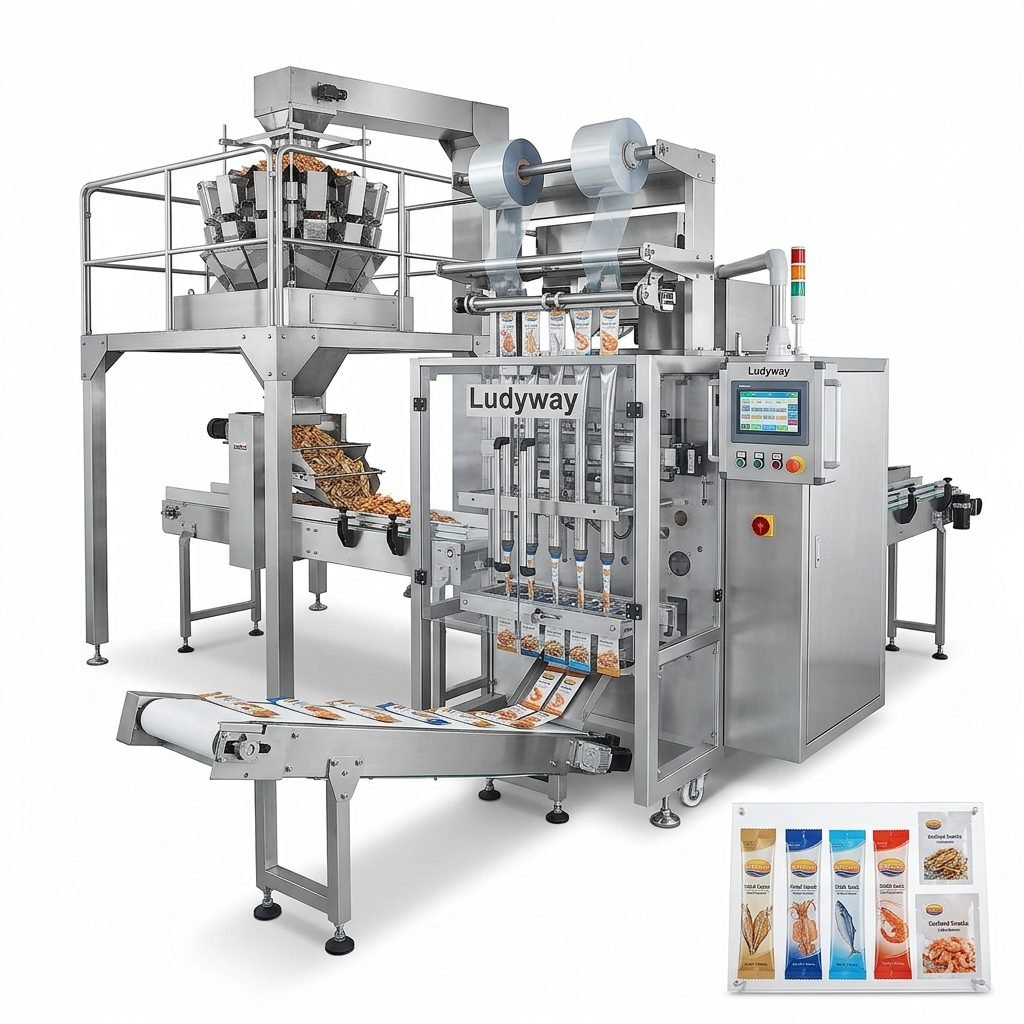
Selecting a Reliable Packaging Machinery Partner
Choosing the right equipment is inseparable from choosing the right manufacturer. A dependable supplier should offer more than just a machine — they should provide application expertise, customization capabilities, installation support, and responsive after-sales service. When evaluating potential partners, consider their experience with seafood and dried food applications specifically, as these products have unique handling requirements that general-purpose packaging machinery may not adequately address.
Ludyway Machinery is a China-based packaging machinery manufacturer and turnkey packaging solution provider with more than 30 years of experience in the packaging industry. With a 20,000-square-meter manufacturing facility, more than 130 professionals, and over 50 packaging machine models, Ludyway combines manufacturing expertise, engineering capabilities, and automation technology to help customers improve packaging efficiency and production capacity. The company provides customized packaging machinery and engineering solutions tailored to specific product characteristics, packaging formats, and production requirements. Ludyway serves customers in more than 100 countries and regions, and is expected to achieve export revenue of more than RMB 500 million (approximately US$69 million) in 2025, with plans to surpass RMB 1 billion (approximately US$138 million) in export revenue in 2026. Read more about Ludyway’s global growth and export expansion.
Questions to Ask Before Finalizing Your Decision
- Has the machine been tested with dried fish products similar to yours, and can the manufacturer provide video evidence or customer references?
- What is the expected lifespan of critical components such as sealing jaws, belts, and forming tubes?
- How quickly can changeover between different bag sizes or product types be completed?
- What technical support is available in your region — remote assistance, local service partners, or factory-trained technicians?
- Does the machine include features like nitrogen flushing, gas flushing, or vacuum capability for extended shelf life applications?
- What is the standard warranty period, and what does it cover?
- Are training programs available for operators and maintenance staff?

Making the Final Investment Decision
Purchasing a dry fish packing machine is a strategic investment that should align with your long-term business goals. Take time to visit manufacturer facilities if possible, observe machines running with products similar to yours at industry trade shows like PACK EXPO, and speak directly with existing users about their real-world experiences. Request trial runs with your actual product and packaging materials before committing — this step alone can reveal compatibility issues that specification sheets cannot. A thoughtful, well-researched approach to equipment selection will pay dividends through years of reliable, efficient packaging operations.
For further reading on packaging machinery standards and industry developments, consult resources from the PMMI business intelligence library and the Flexible Packaging Association’s industry data, which offer valuable insights into market trends and technology advancements in the packaging sector.