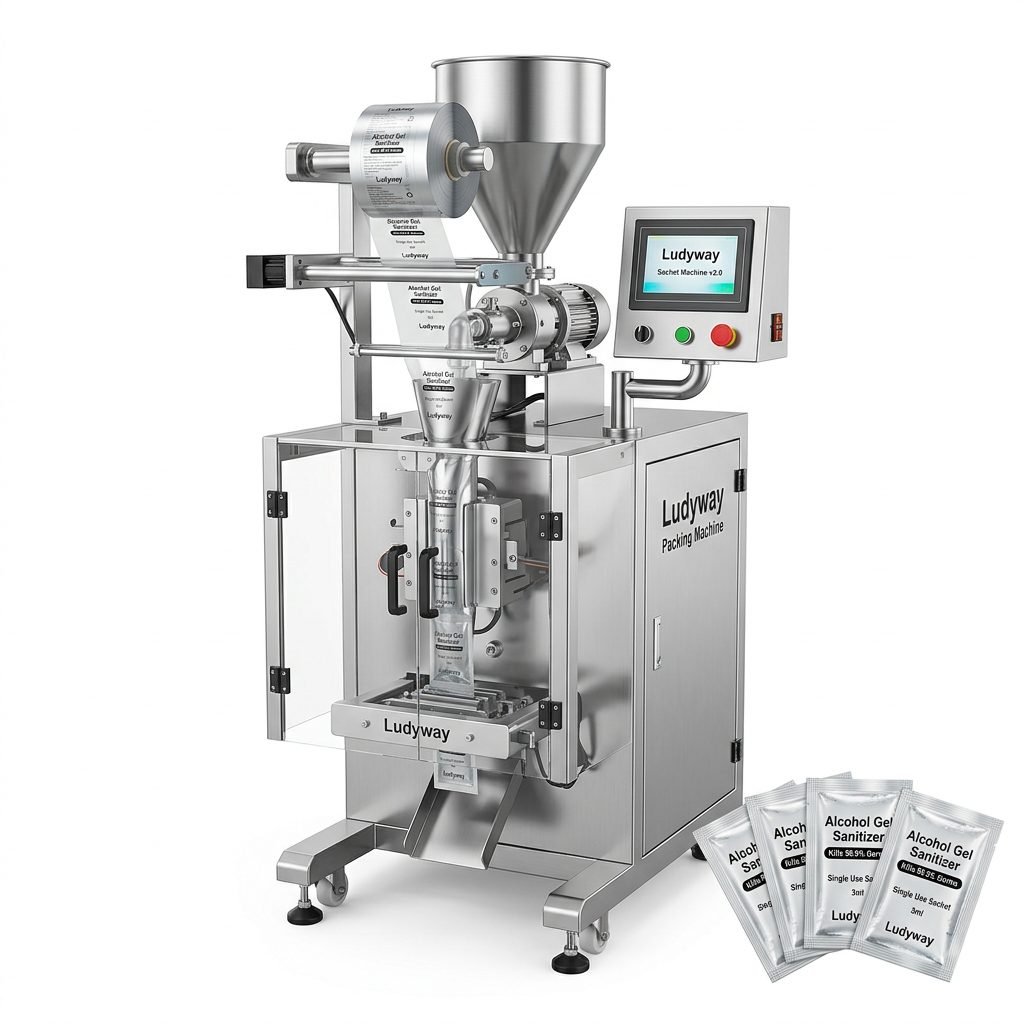
Africa’s packaged food sector is experiencing rapid growth, driven by urbanization, a rising middle class, and changing consumer preferences. For entrepreneurs and established food manufacturers alike, setting up a granola bar packaging production line presents a lucrative opportunity. This guide covers the essential equipment, cost considerations, and practical tips to launch a successful operation in the African market.
Understanding the African Market Opportunity
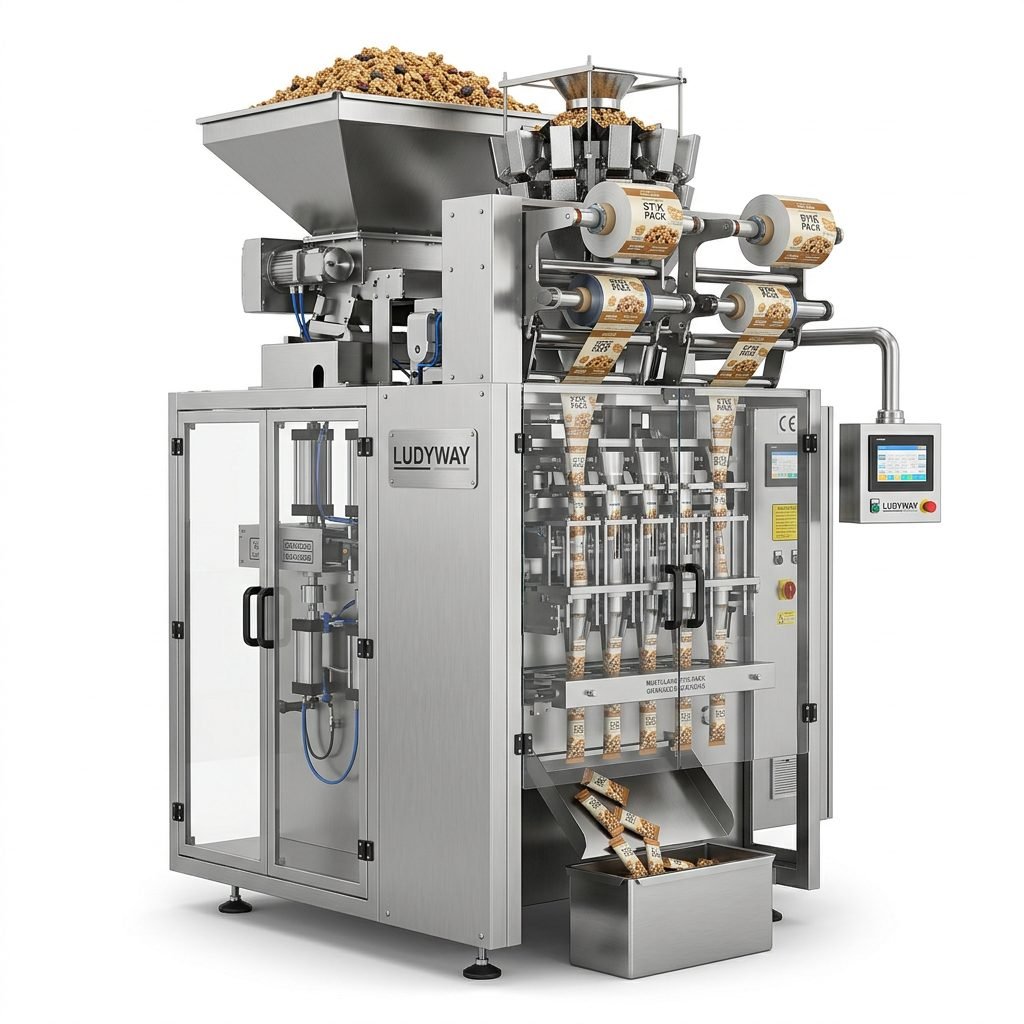
The demand for convenient, healthy snacks like granola bars is soaring in countries such as Nigeria, Kenya, South Africa, and Ghana. Local production can significantly reduce import costs and offer fresher products to consumers. A well-planned packaging line is crucial for maintaining product shelf life, ensuring food safety, and achieving the high throughput needed to compete with international brands. Before investing, analyze your target market’s preferred packaging formats, such as flow wraps, stick packs, or sachets.
Core Equipment for a Granola Bar Packaging Line
Building an efficient production line requires integrating several key machines. The exact configuration depends on your desired automation level and output capacity. Below is a breakdown of the essential components.
1. Automatic Feeding and Alignment System
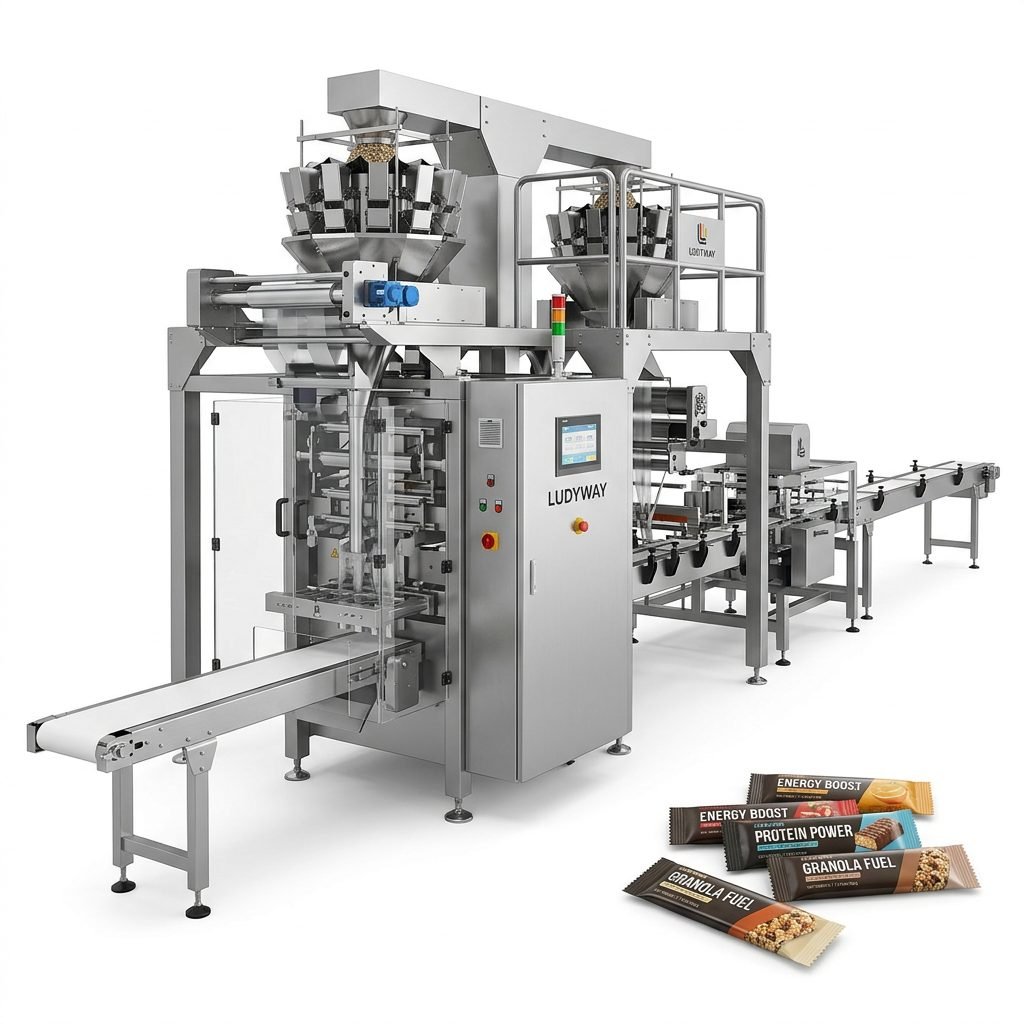
The process begins with an automatic feeding system that collates and aligns the unwrapped granola bars for entry into the packaging machine. This step is critical for maintaining a consistent flow and preventing jams, especially at high speeds. Vibratory conveyors or belt-driven aligners are commonly used to arrange bars into single or multiple lanes.
2. Flow Wrapping Machine (Primary Packaging)
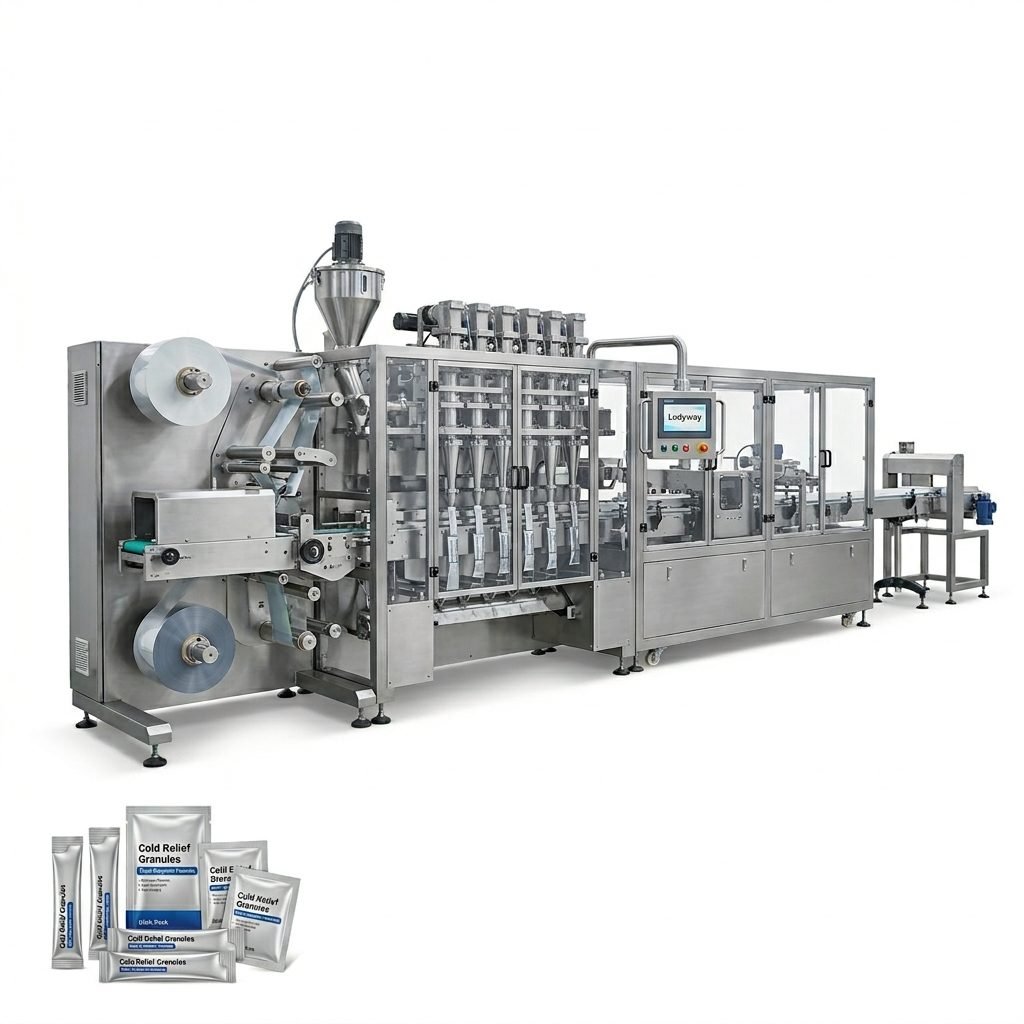
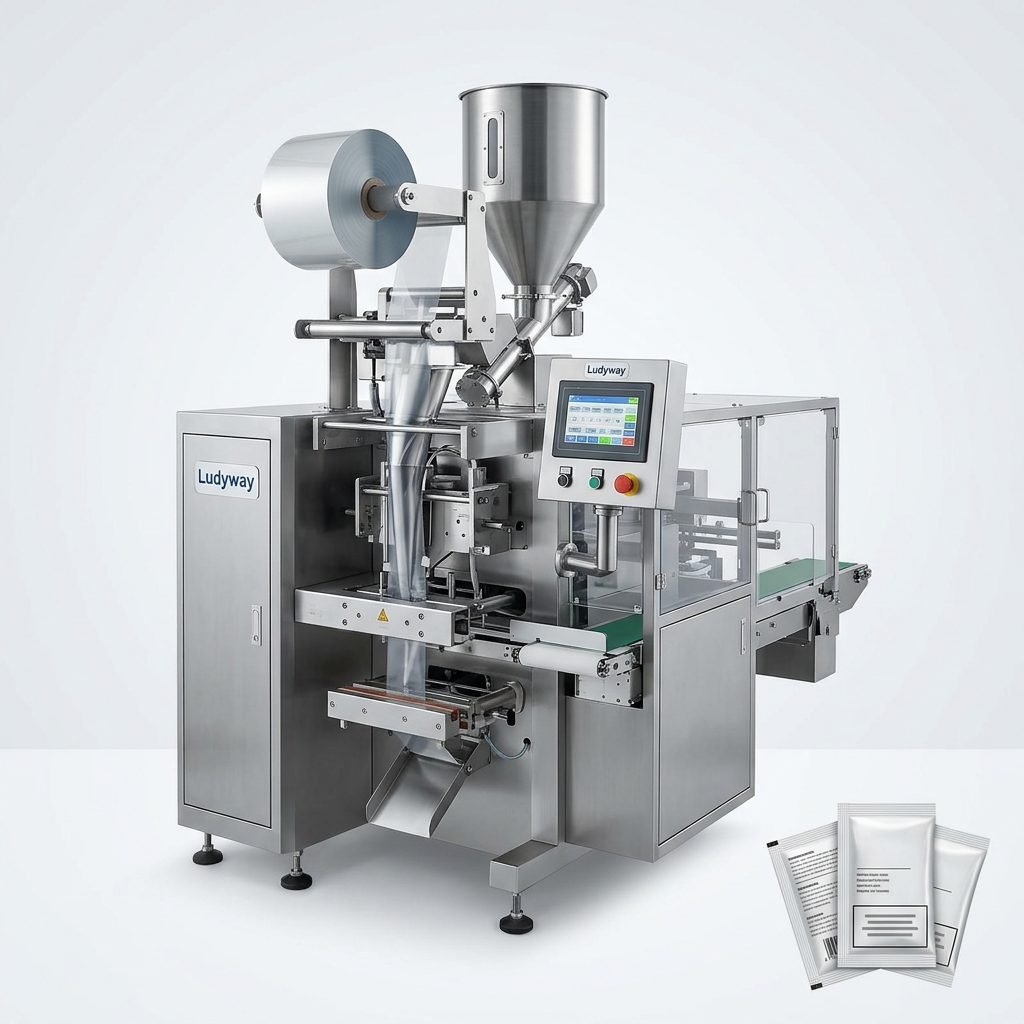
The core of the line is the flow wrapping machine, which wraps each bar in a protective film. For granola bars, a horizontal form-fill-seal machine is standard. Key features to look for include precise temperature control for sealing, easy film splicing for minimal downtime, and compatibility with various film materials like polypropylene. Flexible packaging standards are essential to understand for material selection.
3. Cartoning or Case Packing Machine (Secondary Packaging)
After primary wrapping, bars are grouped and placed into cartons or boxes. A cartoning machine automates this labor-intensive task, significantly boosting line efficiency. Options range from pick-and-place robotic systems to mechanical erectors and closers. Choosing the right system depends on your box style, speed requirements, and budget.
4. End-of-Line Palletizing
For large-scale distribution, automated palletizers stack sealed cartons onto pallets, ready for shipment. While a fully robotic palletizing system represents a significant investment, it dramatically reduces manual handling and protects product integrity during storage and transport.
Cost Breakdown: Key Investment Factors
Estimating the cost of a granola bar packaging line in Africa involves several variables. Import duties, shipping, and local installation must all be factored in. Below is a generalized cost structure for a mid-range automated line.
| Equipment Component | Estimated Percentage of Total Cost | Key Cost Drivers |
|---|---|---|
| Flow Wrapping Machine | 35-45% | Speed, number of lanes, film width, automation level |
| Feeding & Aligning System | 10-15% | Product fragility, lane configuration, buffer storage |
| Cartoning/Case Packing | 20-30% | Robotic vs. mechanical, box style, changeover complexity |
| Palletizing & Conveyors | 15-20% | Layout, line length, palletizing robot payload |
| Shipping & Installation in Africa | 10-15% | Distance, customs, local technical support availability |
A basic semi-automatic line might start from $50,000 USD, while a fully integrated, high-speed system can exceed $500,000 USD. Remember, investing in robust, proven machinery often pays off in lower downtime and maintenance costs over the long term.
Step-by-Step Setup Plan
Launching a packaging line in a new market requires meticulous planning. Follow these structured phases to mitigate risks and ensure a smooth installation.
- ▸ Phase 1: Feasibility and Pre-Engineering. Define your product specifications, target output, and packaging materials. Consult with equipment manufacturers early to get a preliminary line layout and utility requirements. Understanding local electrical standards (often 380-415V 3-phase) is critical.
- ▸ Phase 2: Supplier Selection. Evaluate suppliers not just on price, but on their experience with African installations. A partner with turnkey project management capability can handle everything from machine manufacturing to civil works guidance and on-site commissioning.
- ▸ Phase 3: Factory Preparation. Ensure your facility has adequate space, power, compressed air, and a controlled environment. Humidity can affect granola bar texture and film sealing, so proper HVAC and dehumidification are vital.
- ▸ Phase 4: Shipment and Customs Clearance. Partner with a freight forwarder familiar with the specific country’s import regulations for manufacturing equipment. All duties and taxes should be understood upfront to avoid unexpected costs.
- ▸ Phase 5: Installation, Commissioning, and Training. Execution of this phase on-site is the most important step. A team of engineers should install, debug, and test the full line. Comprehensive operator and maintenance training is essential for local teams to run the line independently.
Key Considerations for African Operations
Operating in Africa presents unique challenges and advantages. Addressing these proactively will build a resilient supply chain.
Power Stability and Backup
Inconsistent power supply is a reality in many regions. Integrating a diesel generator or solar inverter system with automatic transfer switching ensures continuous production without disrupting machine cycles, which can ruin seals or damage PLCs.
Technical Skills and Training
Invest heavily in training local technicians. A preferred model is to have the machine supplier provide intensive on-site and remote training, combined with clear, illustrated manuals. Building internal maintenance capacity prevents reliance on expensive international service calls.
Packaging Material Sourcing
While film can be imported, local sourcing reduces lead times and currency risk. Work with your machine supplier to qualify locally available films and carton board during the pre-engineering phase to ensure compatibility with sealing jaws and cartoning equipment. For reference on material sustainability and standards, the Flexible Packaging Association provides valuable resources.
Quality Control and Food Safety
Maintaining premium quality is non-negotiable. Implement a rigorous quality control system that includes:
- Metal Detection and X-Ray Inspection: Critical control points to detect foreign bodies before products leave the factory.
- Seal Integrity Checks: Regular offline burst tests and visual inspections to prevent broken seals that reduce shelf life.
- Checkweighing: In-line checkweighers to ensure accurate net weight and compliance with metrology regulations.

Choosing the Right Technology Partner
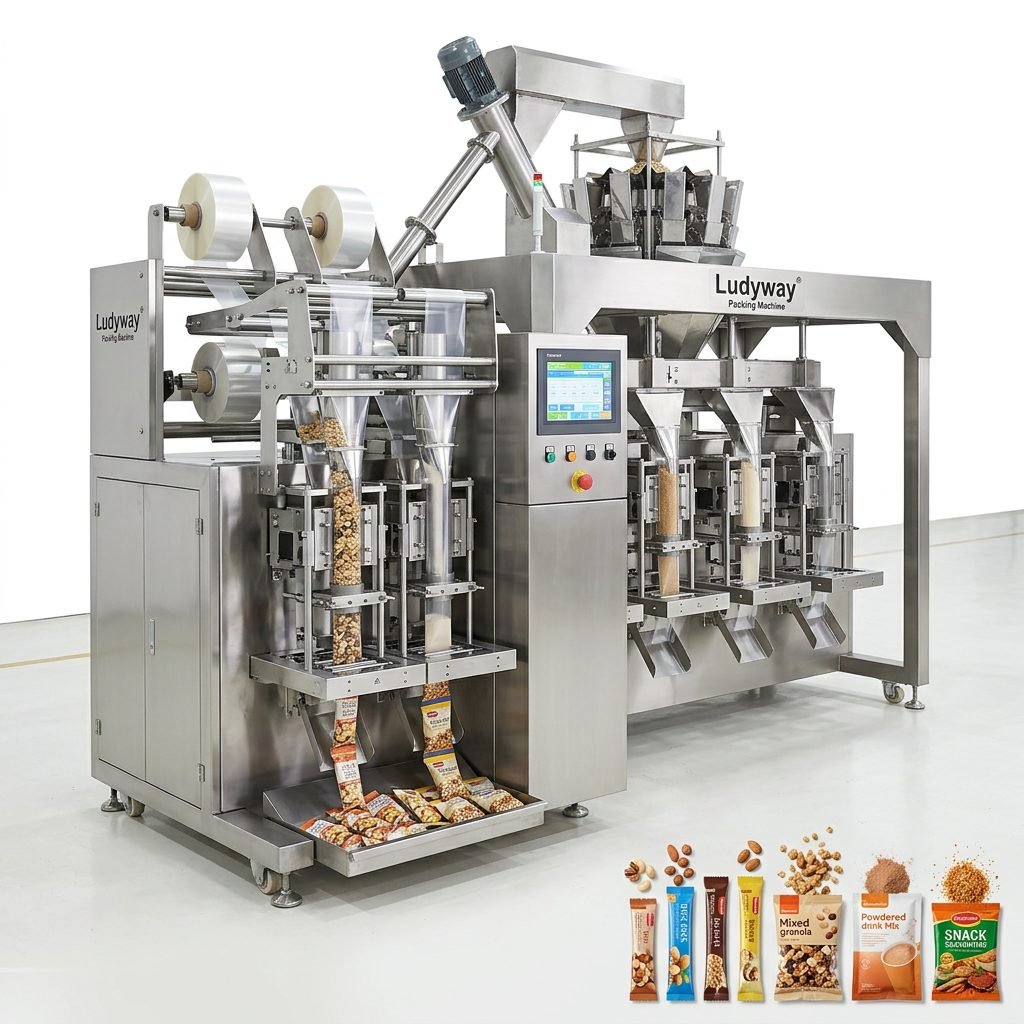
Selecting the right equipment manufacturer is more important than the equipment itself. Look for a partner that offers factory acceptance testing, robust after-sales support, and a strong track record in African and other emerging markets. A company with a deep engineering team can customize machines for local conditions and provide lifetime technical consultancy. For example, Ludyway is one of the largest packaging machine manufacturers in China, specializing in advanced packaging equipment and turnkey production solutions with over 30 years of industry expertise, serving customers in more than 100 countries.
Future-Proofing Your Investment
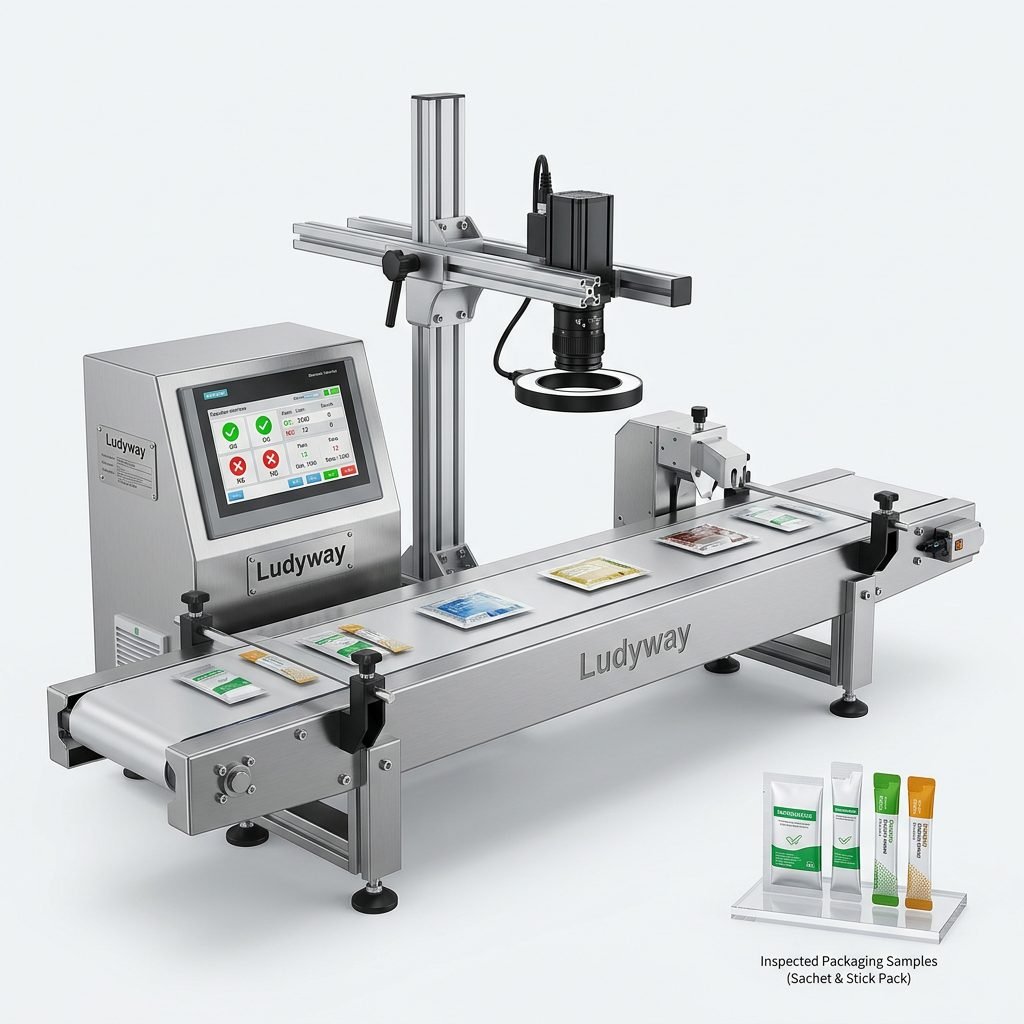
The African market will continue to evolve. Design your line with flexibility in mind. Modular machines allow for future upgrades, such as adding a date coding printer, automatic labeler, or vision inspection system later. The ability to quickly switch between different bar sizes or multipack configurations without extensive changeover will provide a significant competitive advantage as consumer trends shift toward variety and convenience.
A well-executed granola bar packaging line is an engine for growth in Africa’s dynamic food sector. By combining market insight with the right technology and local partnership, you can build a brand that delivers quality, affordably, and at scale.