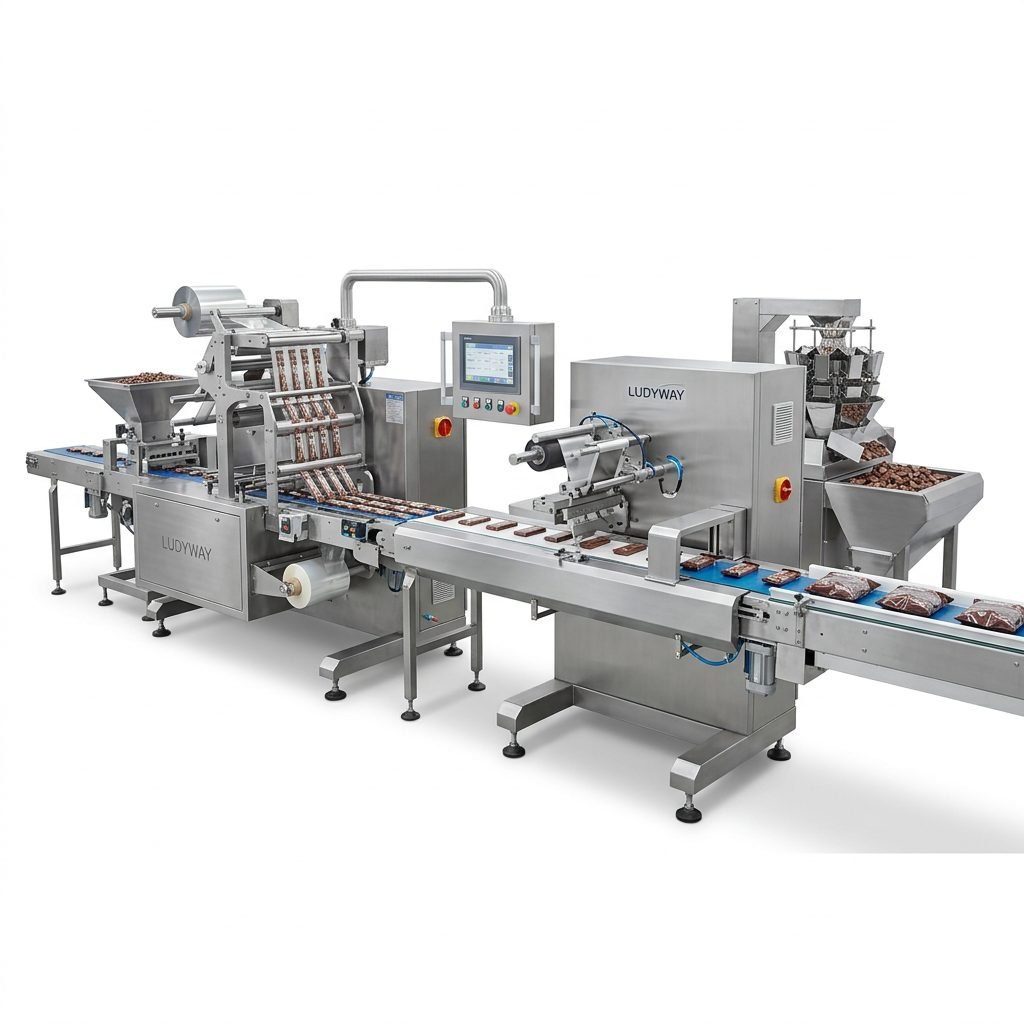
The South American meat processing industry is experiencing unprecedented growth, driven by rising domestic consumption and expanding export opportunities. Establishing a ground meat packaging machine production line in this region requires careful planning, understanding of local regulations, and selecting the right equipment to handle the unique characteristics of ground meat products. This comprehensive guide walks you through every critical step of the setup process.
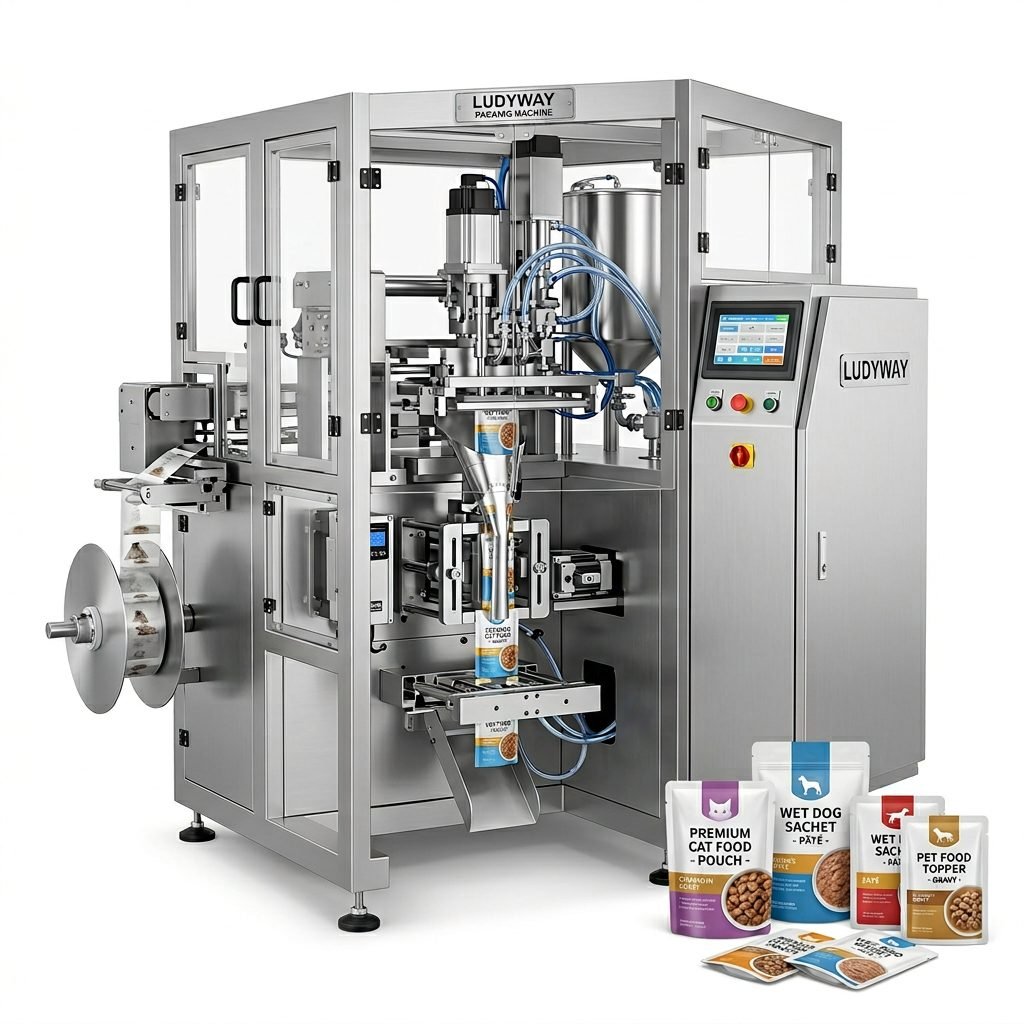
Understanding the South American Ground Meat Market
South America’s meat processing sector is dominated by countries like Brazil, Argentina, Uruguay, and Colombia, which together account for a significant portion of global beef and poultry exports. The ground meat segment specifically has seen double-digit growth rates in recent years, fueled by convenience food trends and quick-service restaurant expansion. Before setting up your production line, conducting thorough market research is essential to understand consumer preferences, packaging formats, and portion sizes popular in your target markets.
Key Market Drivers in South America
- Increasing demand for frozen ground beef patties in Brazil’s food service sector
- Growth of retail-ready vacuum-packed ground meat in Argentine supermarkets
- Rising exports of individually quick frozen (IQF) meat products to Asian markets
- Expansion of e-commerce grocery delivery requiring modified atmosphere packaging (MAP)
- Government initiatives supporting food safety modernization across the continent
Essential Equipment for a Ground Meat Packaging Line
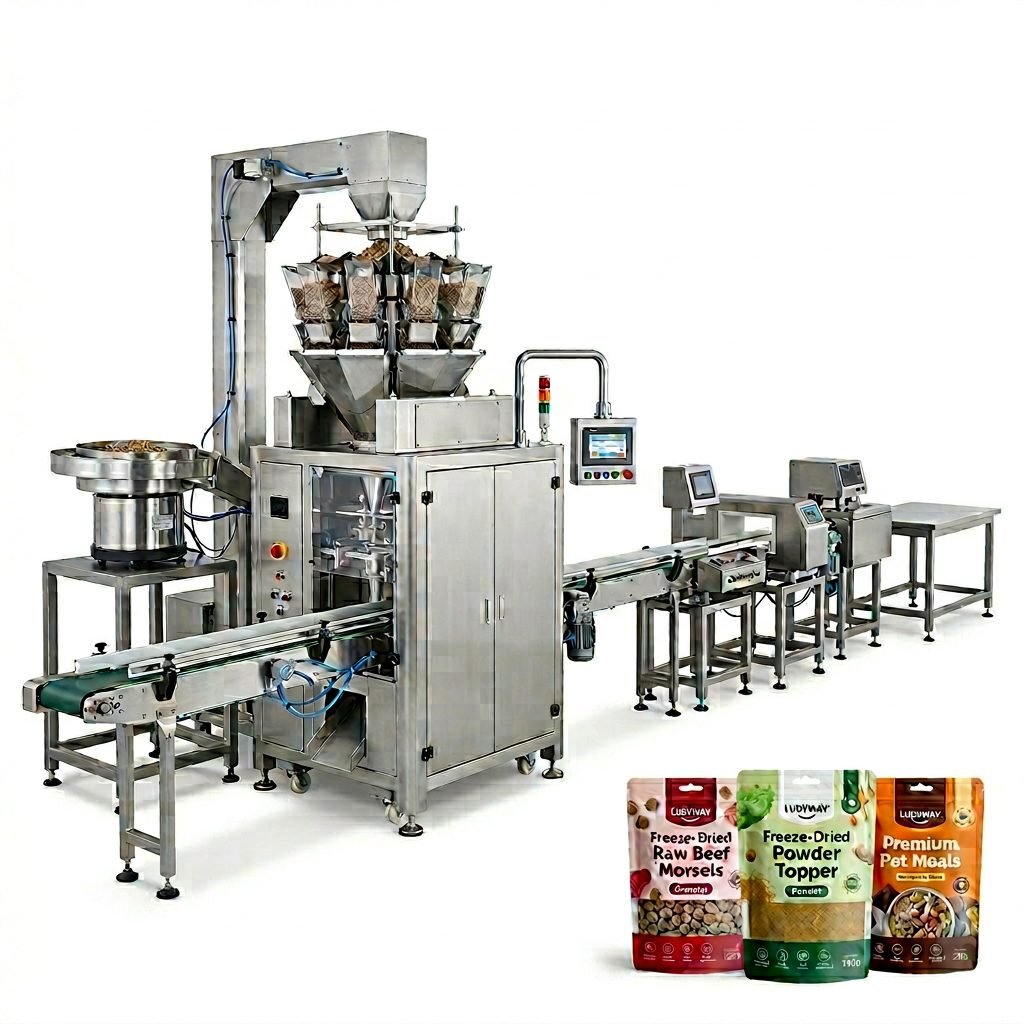
A complete ground meat packaging production line consists of several interconnected machines that must work in harmony to maintain product quality and operational efficiency. The exact configuration depends on your production volume, packaging format, and automation requirements.
Core Machinery Components
| Equipment Type | Primary Function | Key Considerations |
|---|---|---|
| Industrial Meat Grinder | Size reduction and texture control | Capacity range, plate sizes, temperature control |
| Mixing and Blending System | Uniform fat distribution and additive incorporation | Vacuum mixing capability, hygienic design |
| Forming Machine | Patty, ball, or log shape creation | Changeover flexibility, production speed |
| Automatic Weighing System | Precise portion control | Multi-head weigher accuracy, integration capability |
| Vacuum Packaging Machine | Freshness preservation and shelf-life extension | Chamber type, thermoforming, or tray sealing |
| Flow Wrapping Machine | Horizontal pillow-pack wrapping | Film compatibility, gas flushing option |
| Checkweigher and Metal Detector | Quality assurance and safety compliance | Sensitivity levels, rejection mechanisms |
| End-of-Line Palletizing | Automated stacking and wrapping | Robotic vs. conventional, footprint optimization |
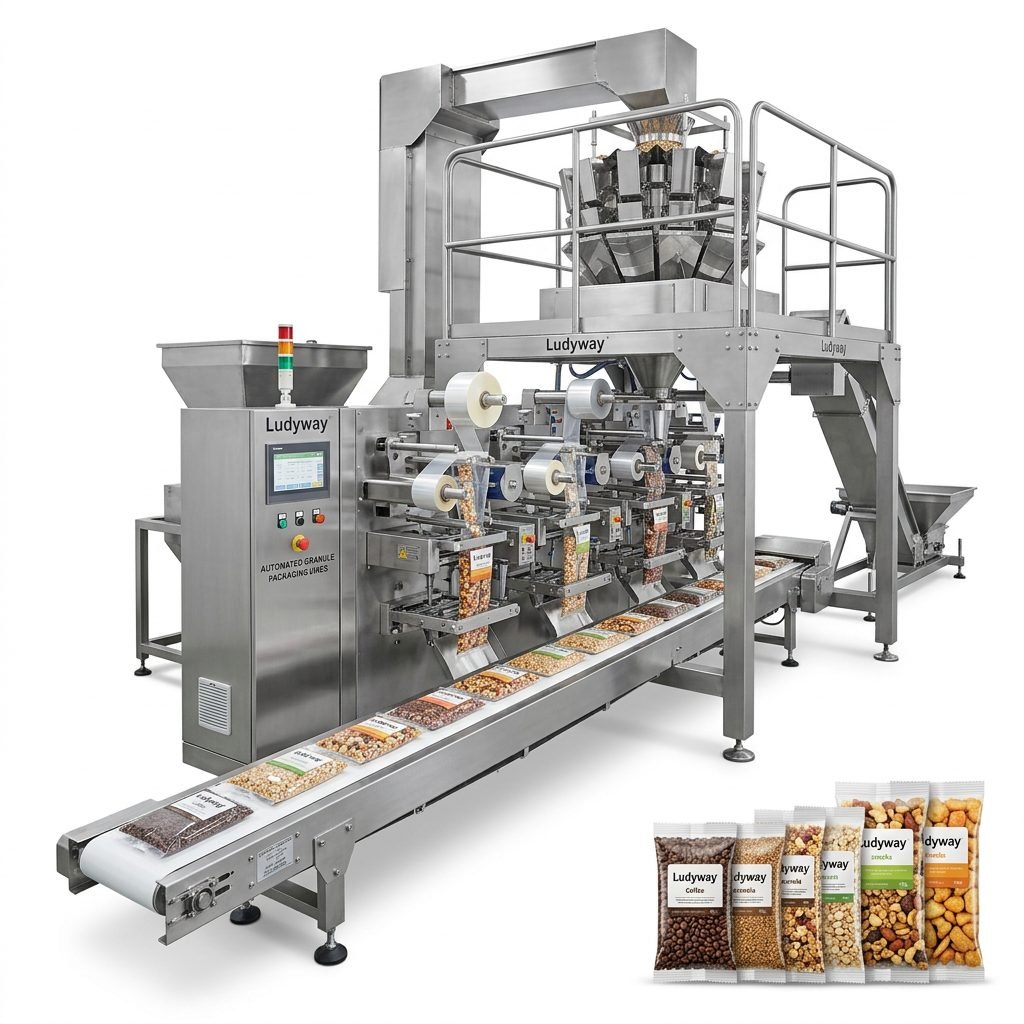
Regulatory Compliance and Food Safety Standards
South American countries have developed increasingly stringent food safety regulations that align with international standards. Understanding and complying with these requirements is non-negotiable for successful production line setup.
Country-Specific Regulatory Bodies
- Brazil: ANVISA and MAPA enforce strict hygiene and traceability requirements for meat processing facilities. All packaging materials must comply with FDA food contact substance regulations for export-oriented operations.
- Argentina: SENASA oversees meat product safety with detailed specifications on packaging materials, labeling, and cold chain integrity during processing.
- Uruguay: INAC regulates both domestic and export meat products, with packaging line validation becoming increasingly mandatory.
- Colombia: INVIMA requires comprehensive documentation of packaging processes and material certifications.
Critical Certifications for Your Production Line
Your ground meat packaging equipment should facilitate compliance with HACCP principles, ISO 22000 food safety management systems, and relevant ISO packaging standards. The packaging machinery itself should be constructed with stainless steel food-contact surfaces, feature accessible design for thorough cleaning, and include automated monitoring systems for critical control points such as temperature, seal integrity, and metal contamination detection.
Production Line Layout and Facility Planning
Efficient facility design is crucial for ground meat packaging operations. The layout must support a logical product flow while maintaining strict separation between raw and processed areas to prevent cross-contamination.
Zoning Principles for Meat Packaging Facilities
| Zone | Hygiene Level | Activities |
|---|---|---|
| Raw Material Receiving | Basic hygiene | Incoming inspection, chilled storage |
| Processing Zone | High hygiene | Grinding, mixing, forming |
| Packaging Zone | High hygiene | Weighing, wrapping, sealing |
| Secondary Packaging | Medium hygiene | Cartoning, case packing, palletizing |
| Finished Goods Storage | Controlled environment | Chilled or frozen warehousing |

Selecting the Right Packaging Format for Ground Meat
The choice of packaging format significantly impacts equipment selection, shelf life, and market acceptance. South American consumers have diverse preferences depending on the country and retail channel.
Popular Ground Meat Packaging Formats
- Vacuum Skin Packaging (VSP): Excellent for premium retail products, extends shelf life up to 21 days, and provides superior product visibility
- Modified Atmosphere Packaging (MAP): Ideal for case-ready ground meat, maintains bright red color through oxygen-rich gas mixtures
- Chub Packaging: Traditional format for bulk ground meat, economical film usage, popular in wholesale channels
- Tray with Overwrap: Widely used in South American supermarkets, allows for branding and labeling flexibility
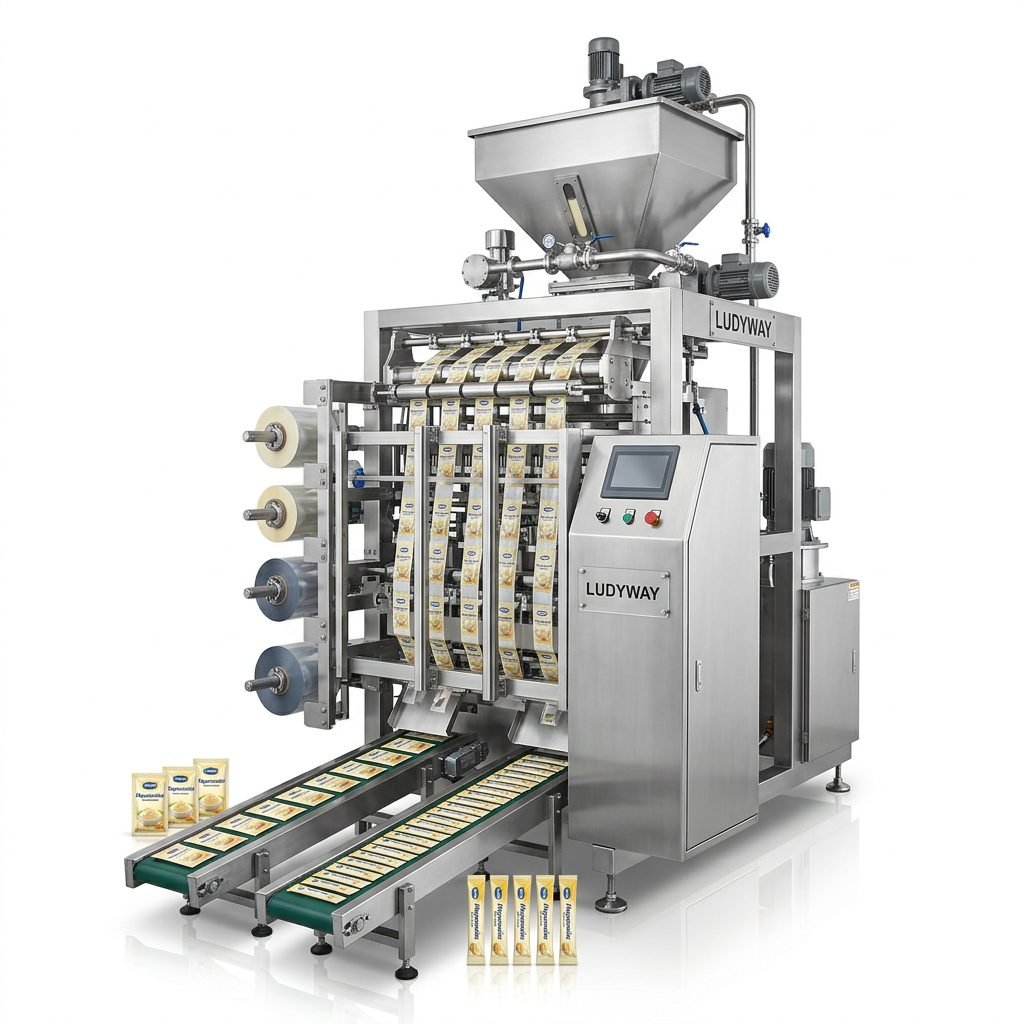
- Stick Pack and Sachet: Growing trend for single-serve frozen ground meat portions in convenience stores
Automation Levels and Technology Integration
Determining the appropriate automation level for your ground meat packaging line depends on labor costs, production volume, and product variety. South America offers competitive labor rates in many regions, but automation delivers consistency, hygiene advantages, and throughput that manual operations cannot match.
Automation Options Comparison
| Automation Level | Investment | Output Capacity | Best Suited For |
|---|---|---|---|
| Semi-Automatic | Lower initial cost | 20-40 packs/min | Small to medium processors, product variety |
| Fully Automatic | Medium investment | 40-80 packs/min | Mid-sized operations, consistent products |
| High-Speed Automated | Higher capital outlay | 80-150+ packs/min | Large-scale production, export-oriented |
| Turnkey Integrated System | Comprehensive investment | Custom configured | Complete solutions with full traceability |
Installation, Commissioning, and Operator Training
Successful deployment of a ground meat packaging production line requires meticulous installation planning and comprehensive operator training. South America’s diverse climate zones, from tropical Brazil to temperate Argentina, demand equipment that performs reliably across varying ambient conditions.
Installation Timeline and Milestones
- Pre-installation: Facility preparation including utility connections, flooring, and drainage — typically 4-6 weeks
- Equipment Delivery: Coordinated logistics with customs clearance support — plan for 2-4 weeks considering South American import procedures
- Mechanical Installation: Positioning, leveling, and connection of all line components — approximately 2-3 weeks
- Electrical and Pneumatic Integration: Wiring, programming, and utility hookups — typically 1-2 weeks
- Commissioning and Testing: Dry runs, product trials, and fine-tuning — allow 2-4 weeks depending on complexity
- Operator Training: Comprehensive hands-on training programs covering operation, cleaning, and basic troubleshooting
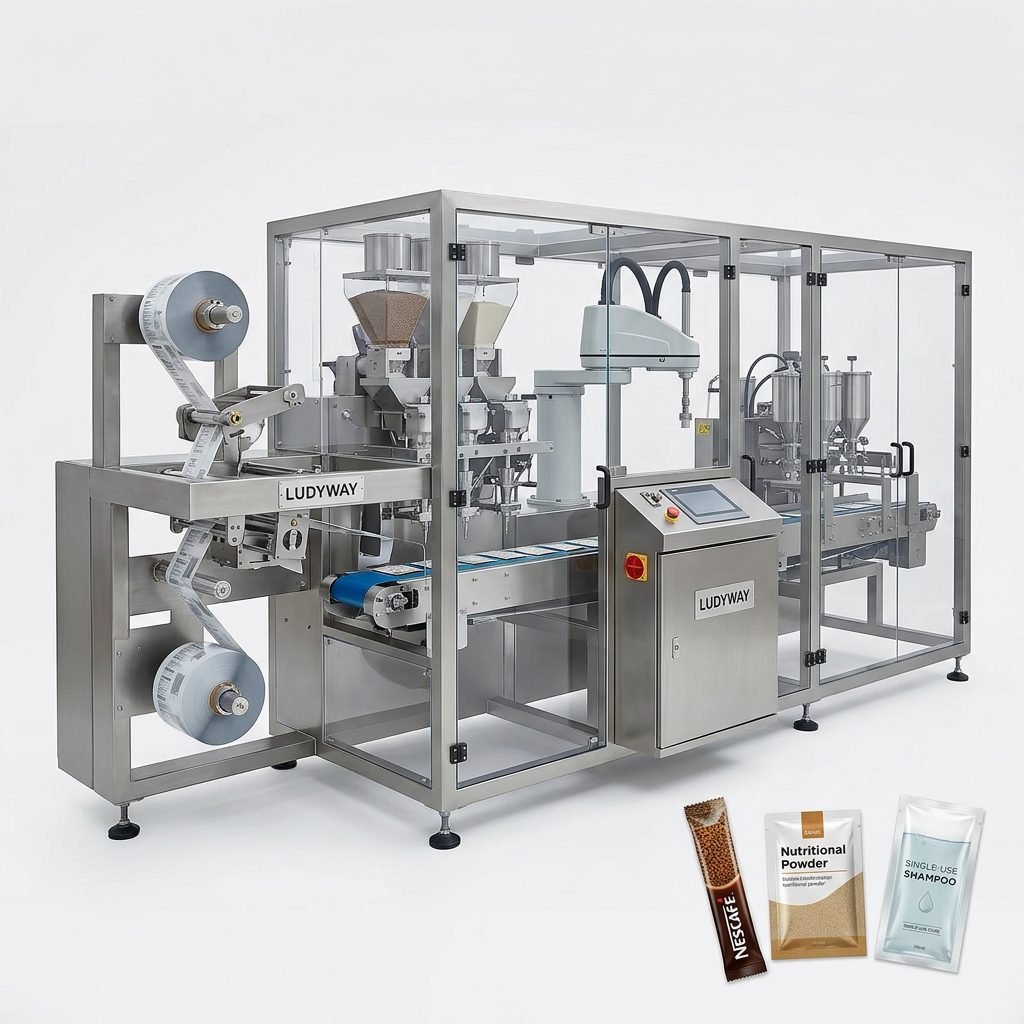
Maintenance Strategies for Long-Term Reliability
Preventive maintenance is critical for meat packaging equipment operating in high-moisture, low-temperature environments typical of ground meat processing. A structured maintenance program minimizes unplanned downtime and ensures consistent packaging quality.
Essential Maintenance Practices
- Daily Cleaning Protocols: Complete wash-down procedures following production, with particular attention to meat contact surfaces and sealing areas
- Weekly Inspections: Examination of belts, chains, seals, gaskets, and pneumatic components for wear or damage
- Monthly Preventive Service: Lubrication, calibration checks, and sensor verification performed by trained technicians
- Quarterly Deep Maintenance: Comprehensive system audit, replacement of wear parts, and software updates
- Annual Overhaul: Complete disassembly, inspection, and refurbishment of critical components
Supply Chain and Spare Parts Management in South America
Establishing a reliable spare parts inventory is essential for maintaining production continuity. Leading packaging machinery manufacturers provide localized support through regional distributors or direct service networks. When selecting equipment for your South American operation, prioritize suppliers with established presence or partnerships in key markets like Brazil, Argentina, and Chile to ensure timely access to critical components and technical expertise.
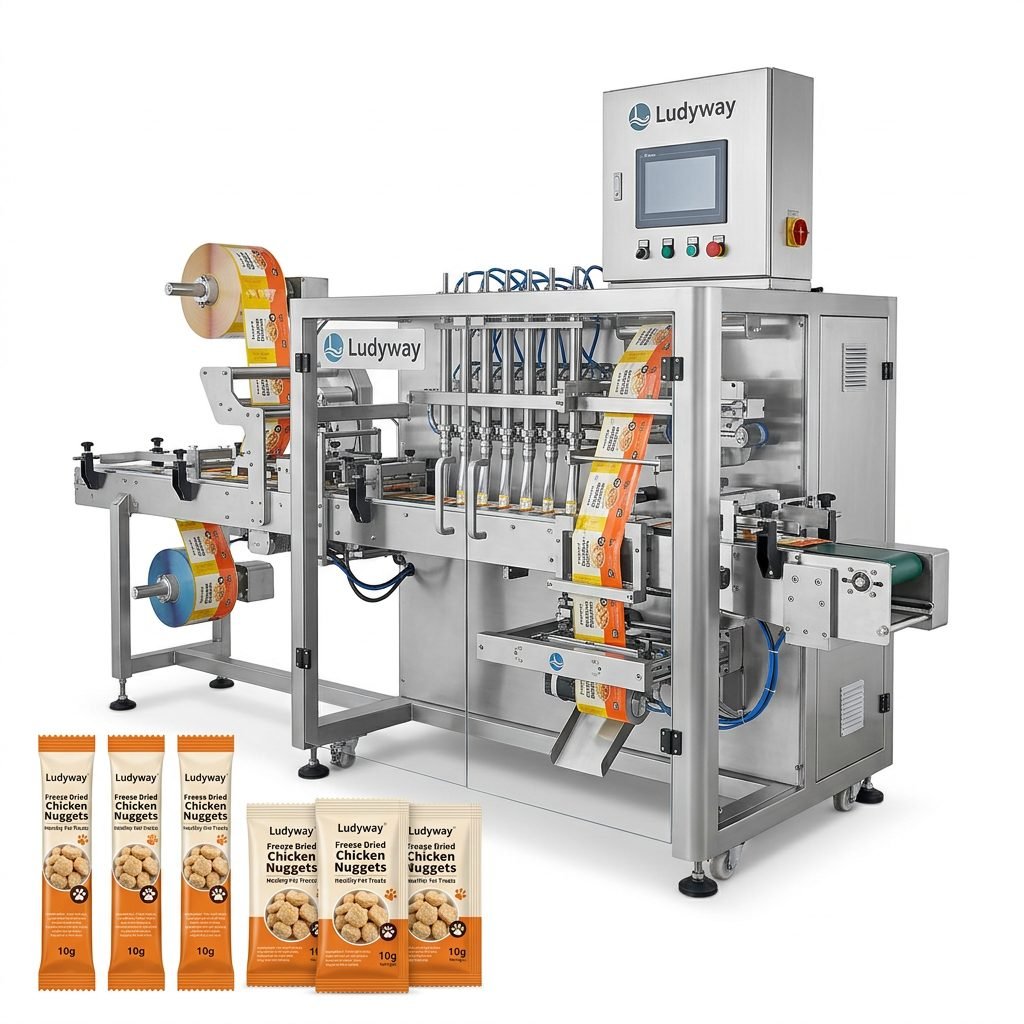
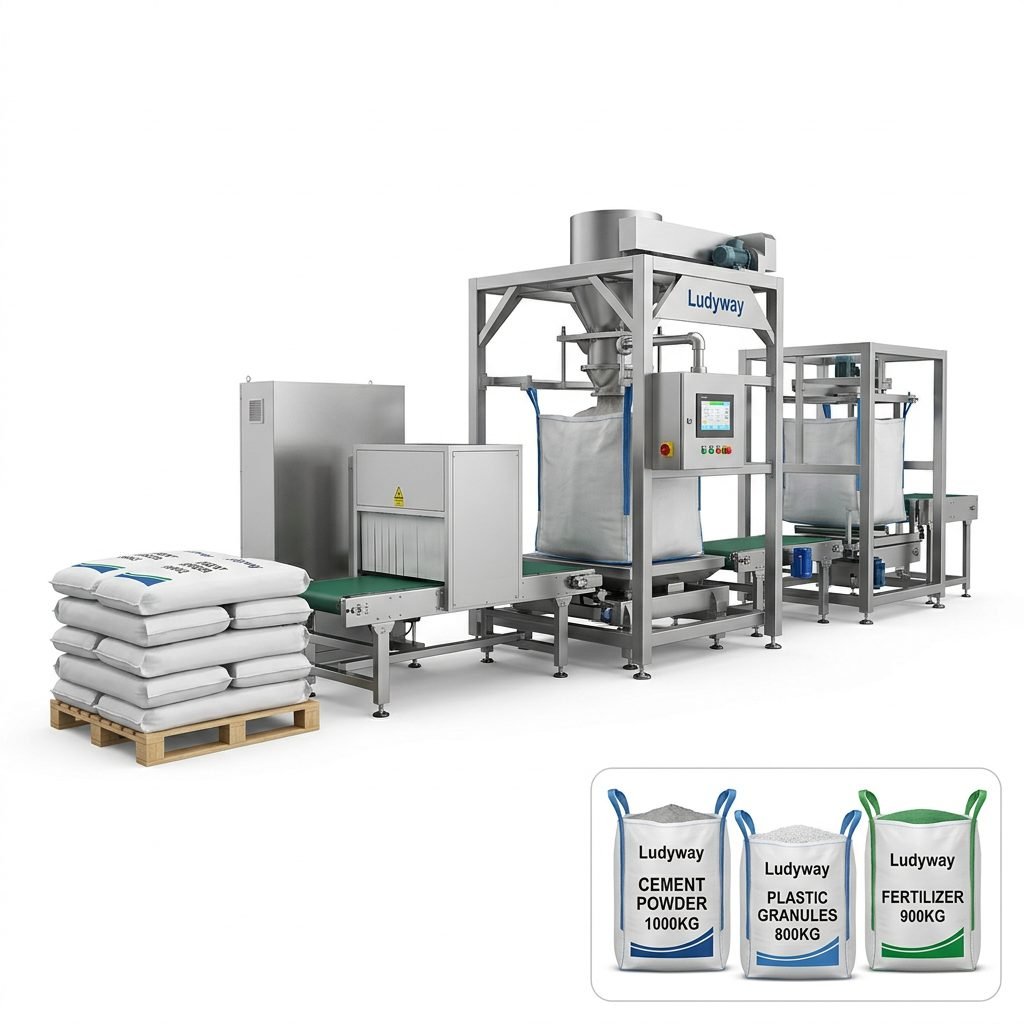
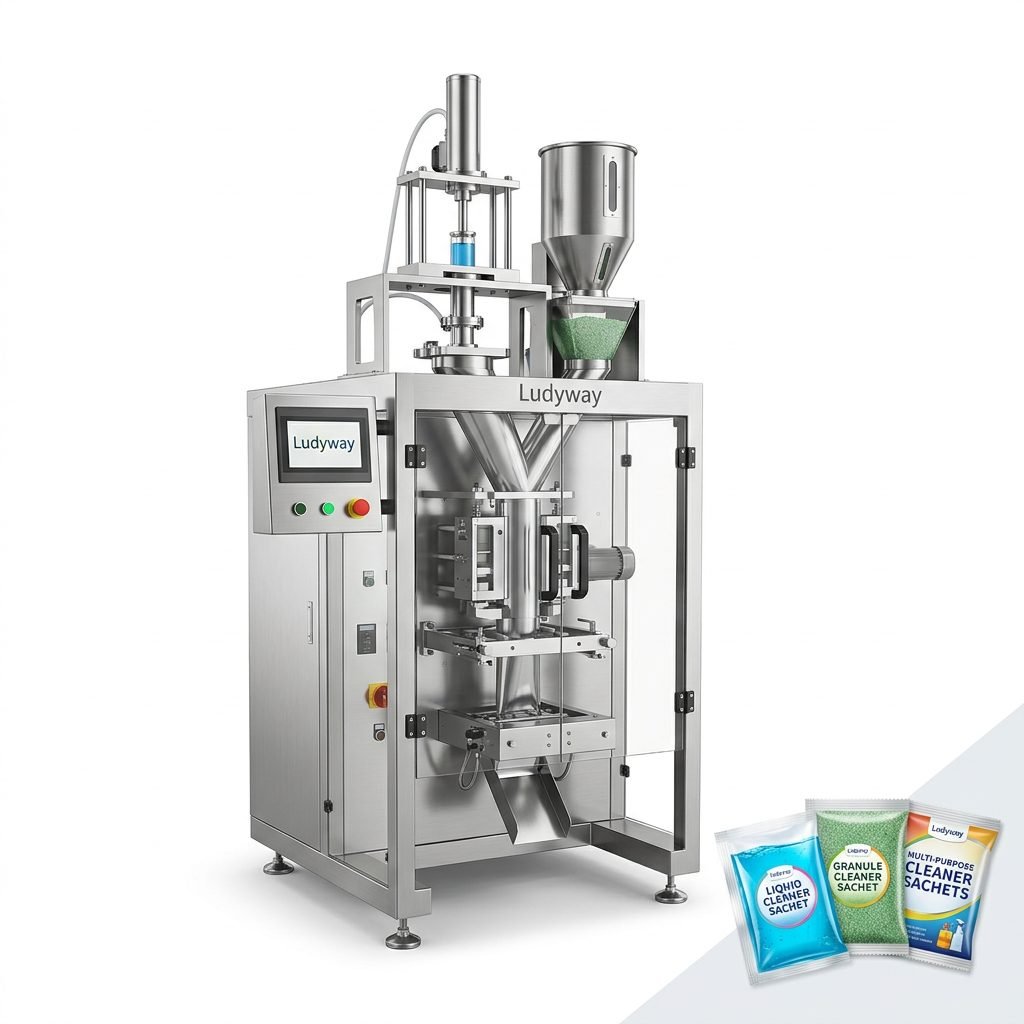
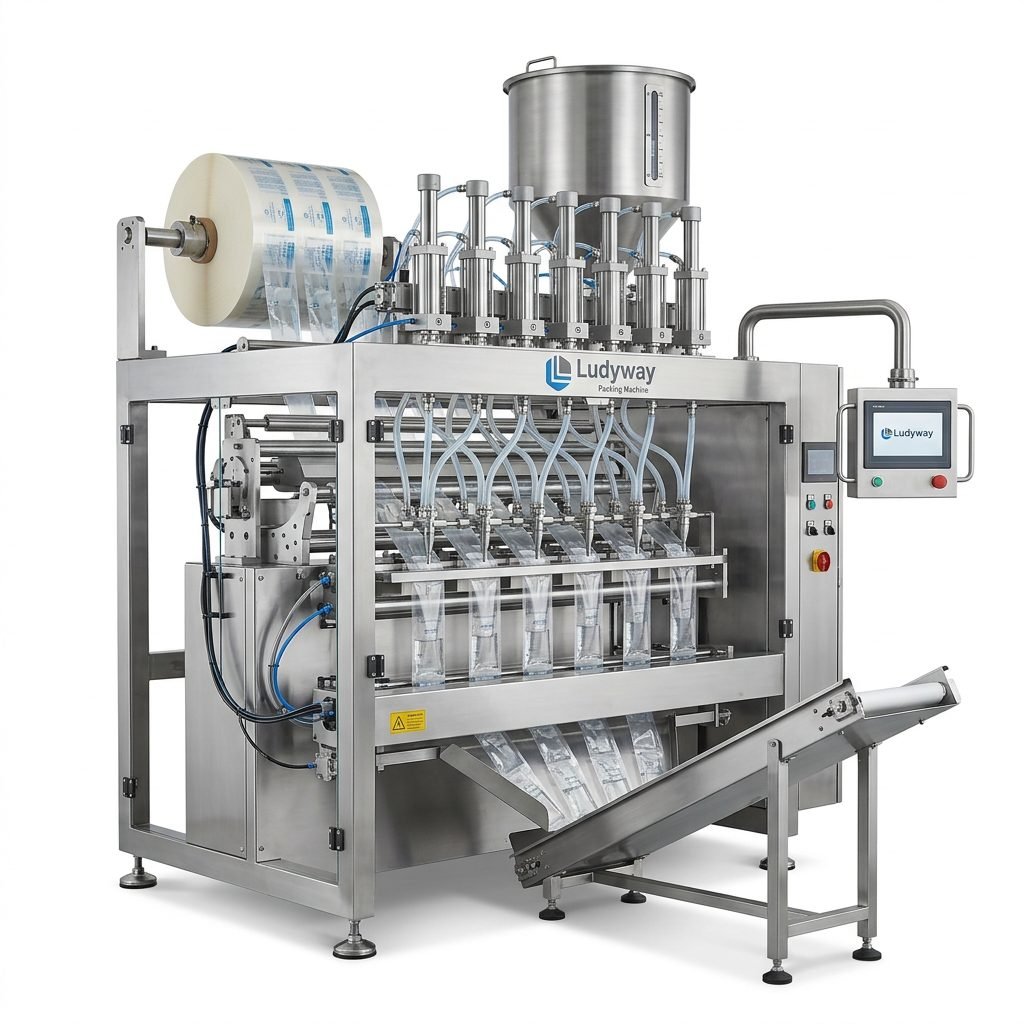
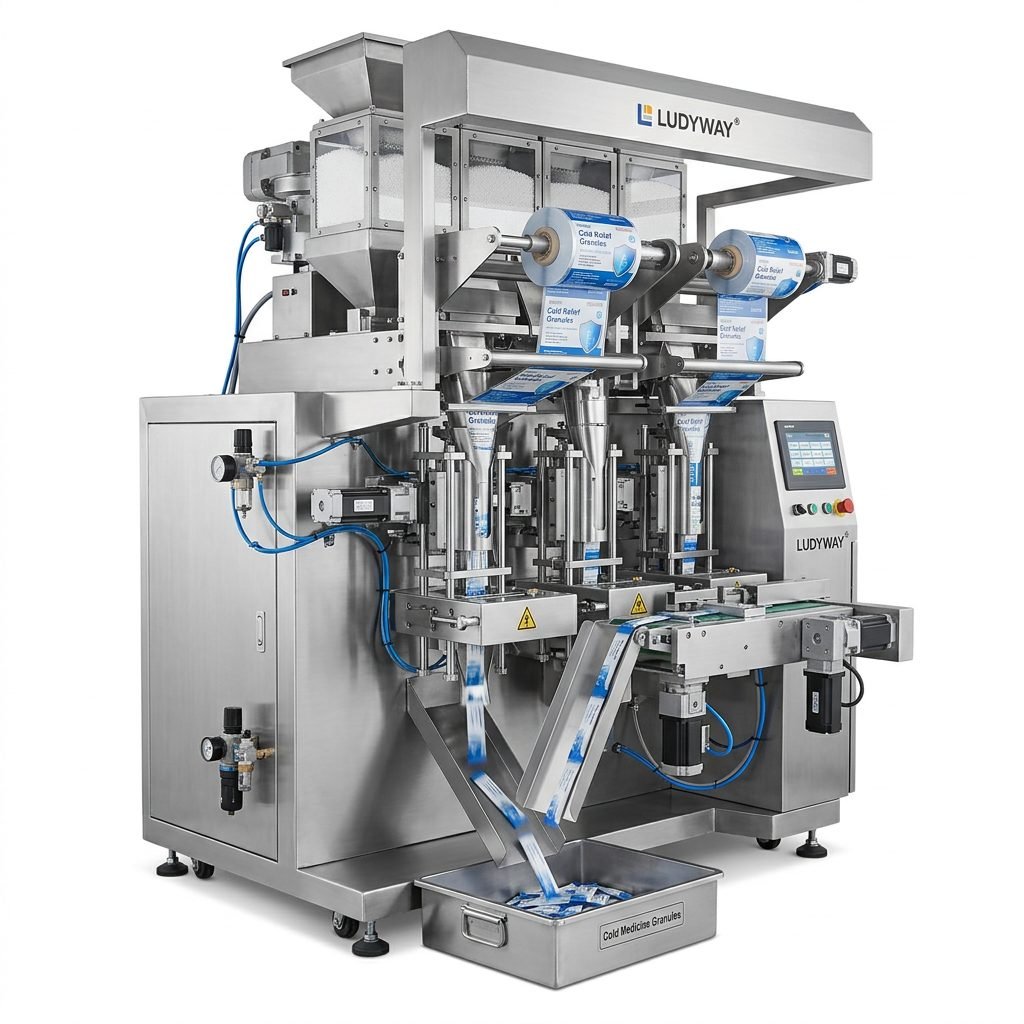
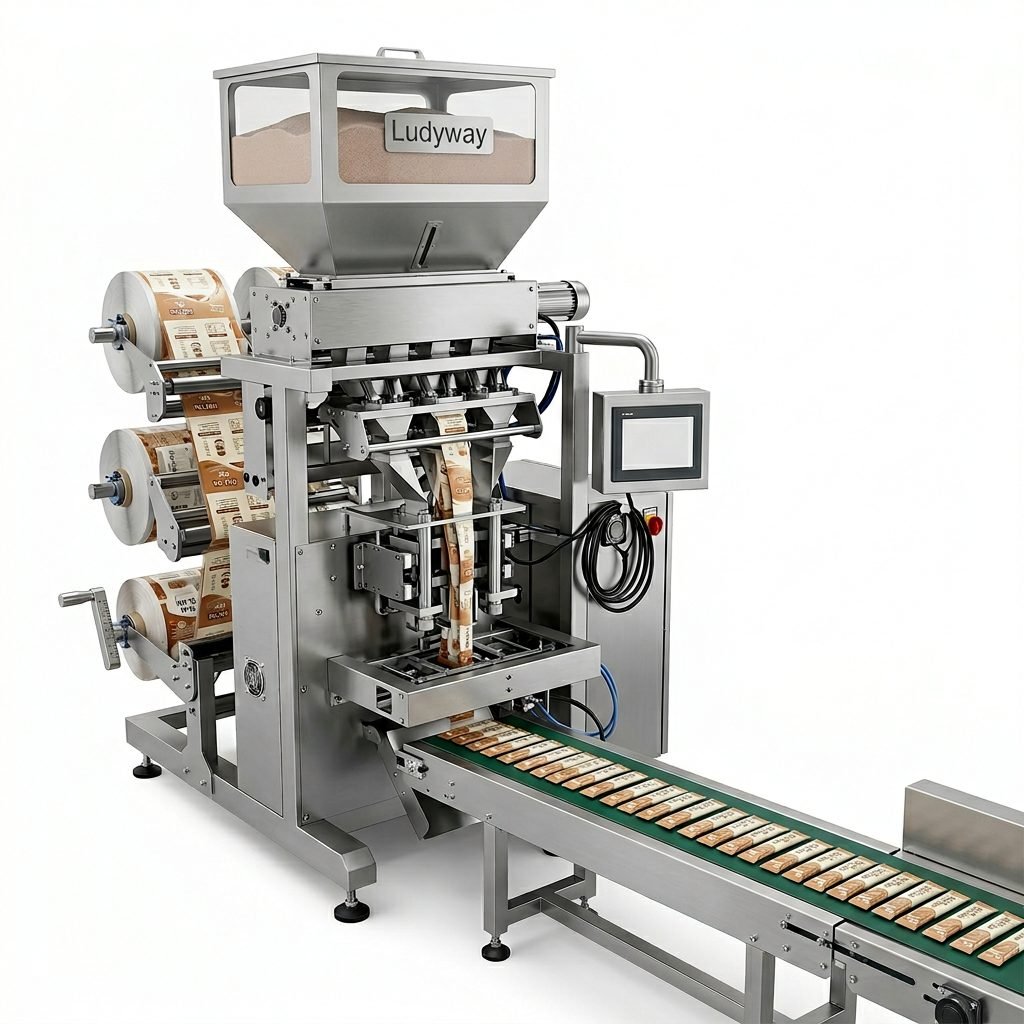
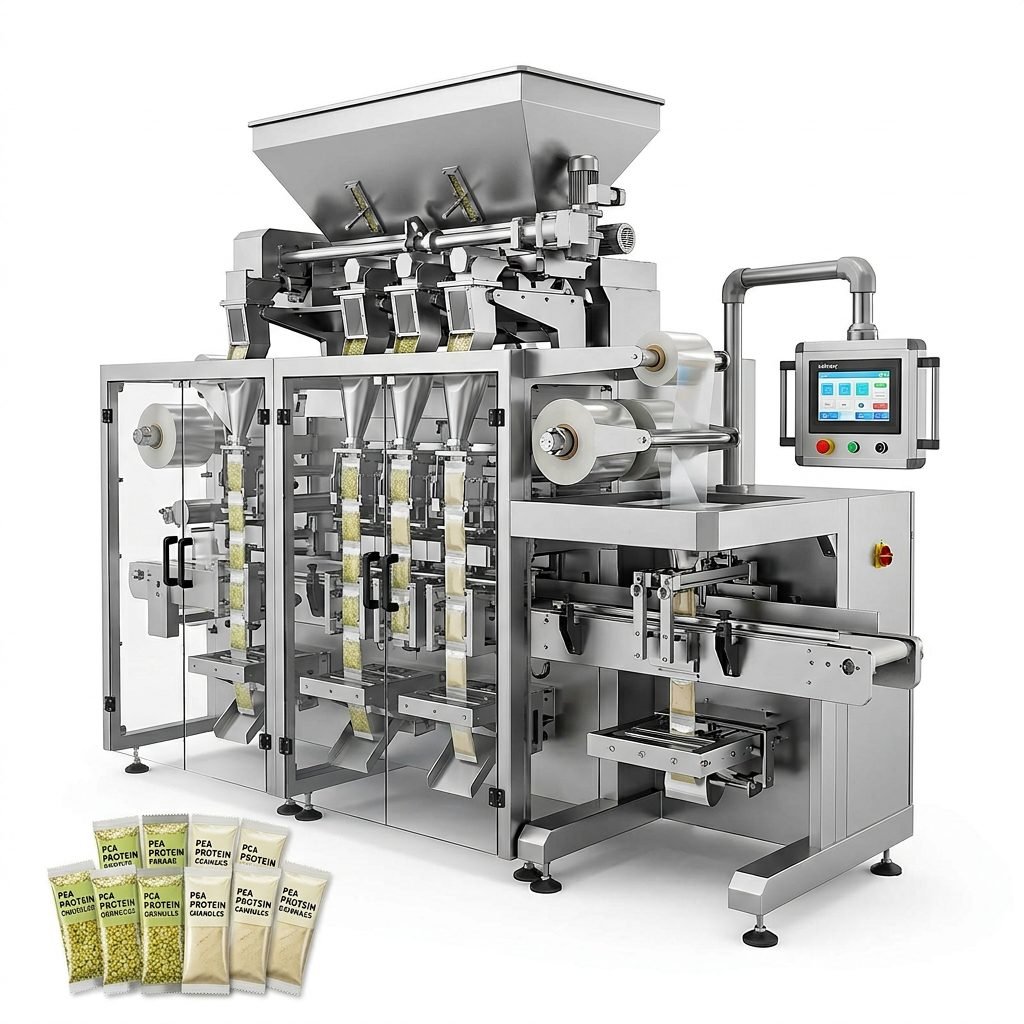
Companies like Ludyway, one of the largest packaging machine manufacturers with over 30 years of industry expertise and a modern 20,000㎡ manufacturing facility, offer comprehensive turnkey packaging solutions including multi-lane and fully automated packaging systems. With experience serving customers in over 100 countries and a portfolio of more than 50 intelligent packaging machine models, such suppliers provide valuable technical support for complex installations in South American markets.
Energy Efficiency and Sustainability Considerations
South American markets are increasingly prioritizing sustainable packaging solutions. Modern ground meat packaging lines incorporate energy-efficient motors, optimized compressed air systems, and film-saving technologies that reduce both operational costs and environmental impact.
Sustainability Initiatives to Consider
- Selection of recyclable or reduced-gauge packaging films compliant with emerging European packaging waste regulations that influence South American export standards
- Implementation of energy monitoring systems to track and optimize electricity consumption across the production line
- Adoption of water-saving cleaning systems such as dry cleaning or controlled foam applications
- Integration with waste reduction programs to minimize product giveaway through precise portion control
Financial Planning and ROI Analysis
Investing in a ground meat packaging production line represents a significant capital commitment. Understanding the return on investment timeline helps secure financing and set realistic expectations. Key financial metrics to evaluate include labor savings from automation, reduction in packaging material waste, increased throughput capacity, and enhanced product shelf life leading to reduced returns.
For guidance on industry trends and market data that inform investment decisions, resources from organizations like the PMMI Business Intelligence Library provide valuable packaging industry analysis. Additionally, the Flexible Packaging Association’s industry resources offer insights into packaging material innovations relevant to meat processing applications.
Future-Proofing Your Production Line Investment
The South American meat packaging industry continues evolving rapidly with technological advancements in automation, traceability, and smart manufacturing. When setting up your production line, consider modular equipment designs that allow for future expansion, machines compatible with Industry 4.0 standards for data collection and analysis, and flexible changeover capabilities to accommodate changing market demands or new product introductions.
Successful ground meat packaging operations in South America combine robust equipment, thorough regulatory compliance, skilled personnel, and strategic location selection. By following the comprehensive approach outlined in this guide, processors can establish efficient, reliable production lines capable of meeting both current demand and future growth opportunities in this dynamic market.
For additional technical specifications and packaging machinery standards, refer to ISO packaging and distribution standards, and for the latest industry reports, the PMMI State of the Industry report offers comprehensive market data. Understanding FDA packaging and food contact substances regulations is also beneficial for export-oriented operations targeting North American markets from South American facilities.