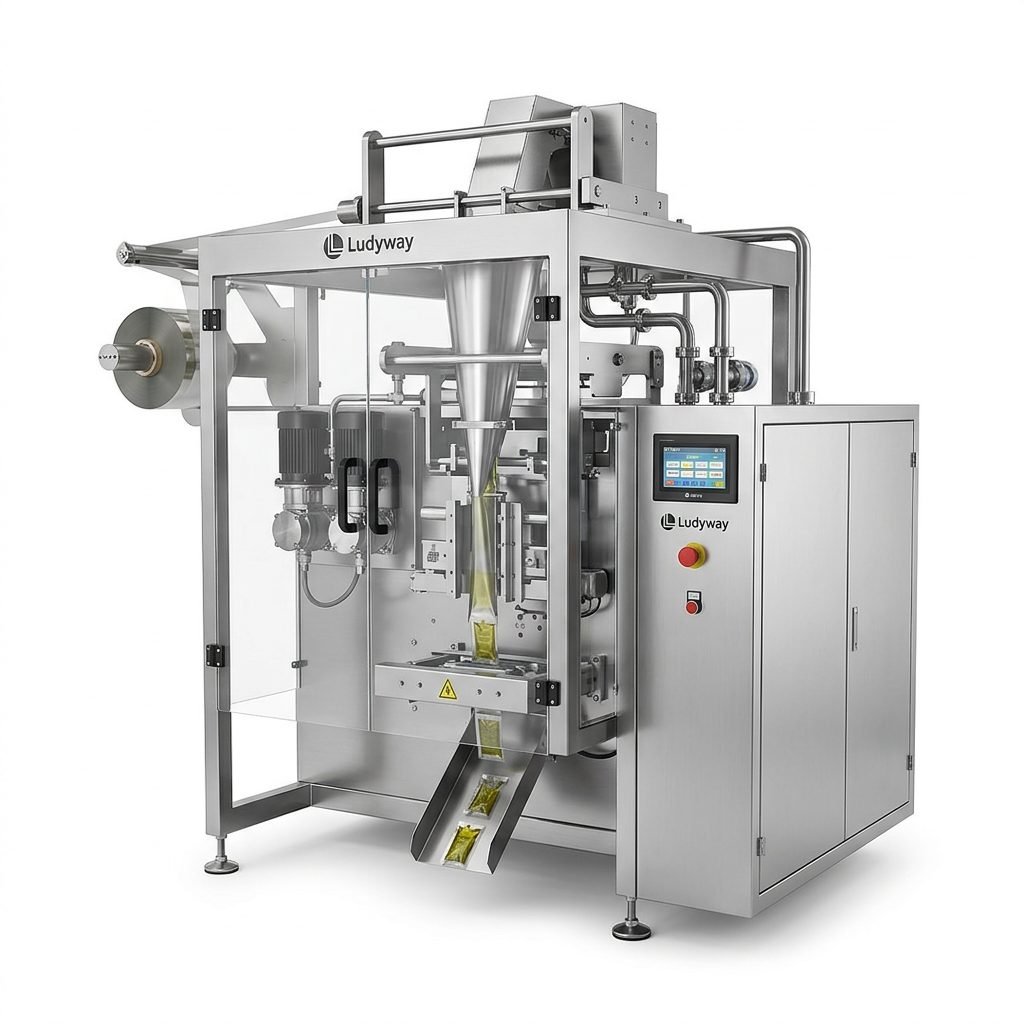
The European frozen dessert market is experiencing unprecedented growth, with ice pop consumption rising by over 18% annually across Germany, France, and the Benelux region. For manufacturers seeking to capitalize on this demand, selecting the right ice pop packaging machine is no longer just an operational decision—it is a strategic imperative. European businesses face unique challenges: strict EU packaging regulations, rising labor costs, and the need for flexible production that can adapt to seasonal demand fluctuations.
The European Ice Pop Manufacturing Landscape
Europe’s food manufacturing sector is defined by its uncompromising quality standards and regulatory complexity. When producing ice pops—a product that involves liquid filling, precise temperature control, and hygienic sealing—manufacturers need equipment that can deliver consistent results batch after batch. A purpose-built ice pop packaging machine must handle various liquid viscosities, accommodate different packaging formats, and maintain sterile production conditions throughout the process.
Key challenges European producers face include:
- Regulatory compliance with EU food contact material standards and food safety protocols
- Managing seasonal production spikes during summer months without over-investing in capacity
- Labor shortages driving the need for fully automated packaging systems
- Sustainability requirements under the EU Packaging and Packaging Waste Directive
- Demand for multi-format flexibility—from single-serve sticks to multi-pack sachets
Why Ludyway Stands Out for European Operations
With over 30 years of industry experience and a modern 20,000㎡ manufacturing facility, Ludyway has emerged as one of the largest packaging machine manufacturers in China, serving customers in over 100 countries. The company’s ice pop packaging solutions are engineered to meet the exacting standards European businesses demand, combining high-speed output with precision engineering that ensures every seal is perfect and every fill is accurate.
High-Speed Multi-Lane Technology
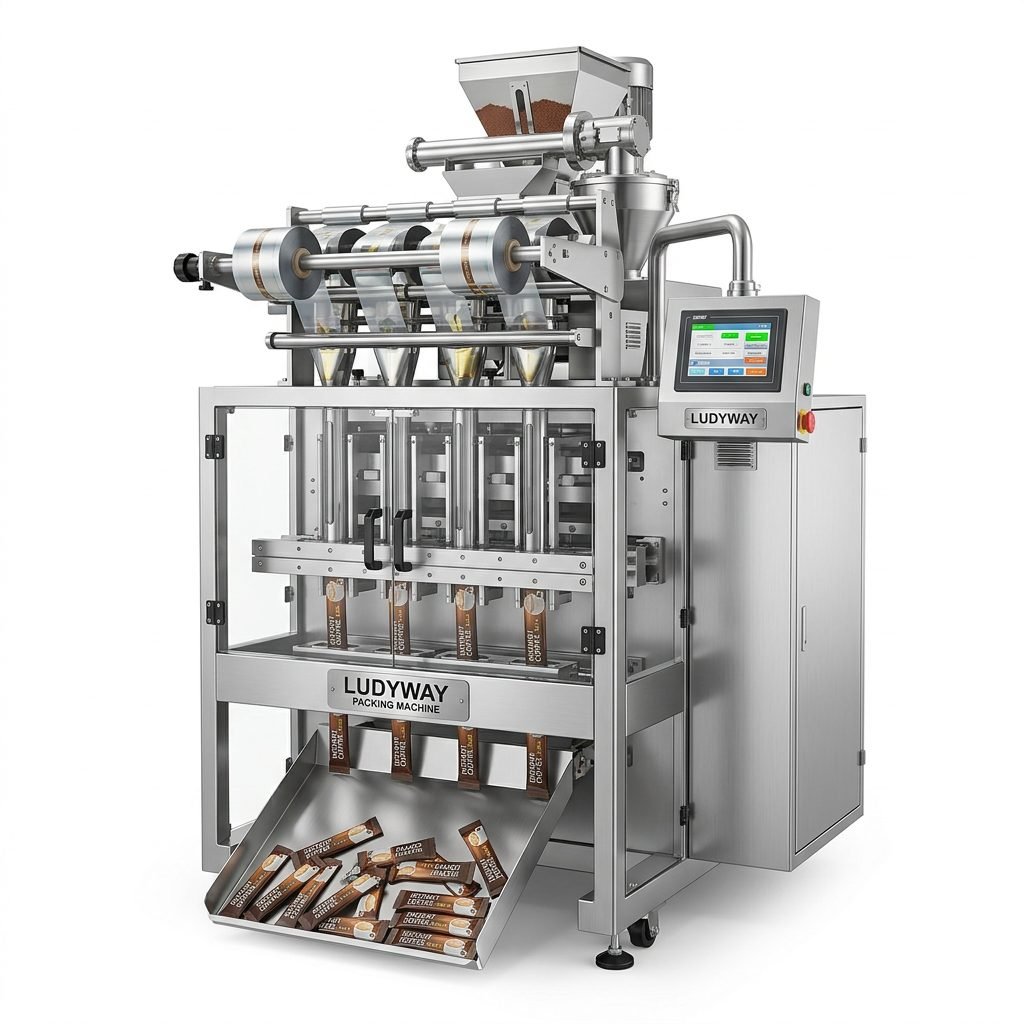
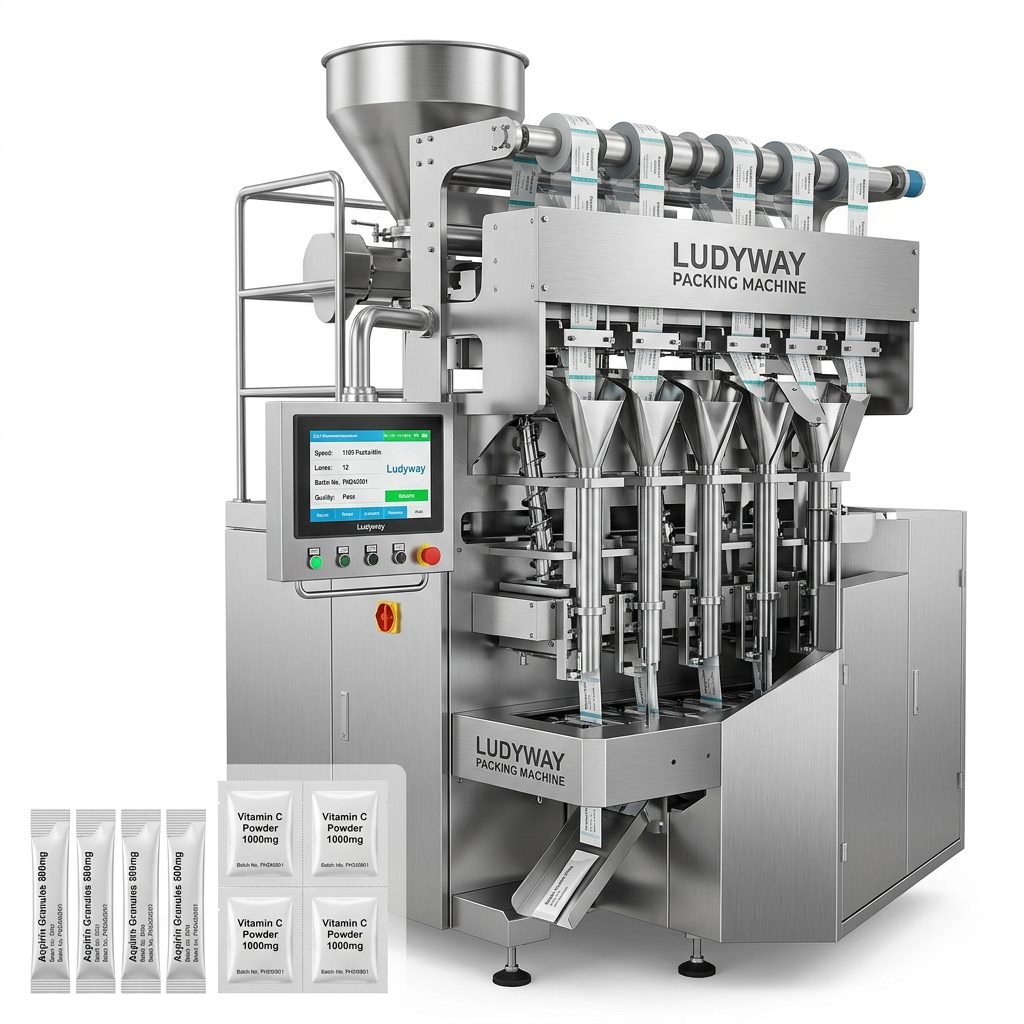
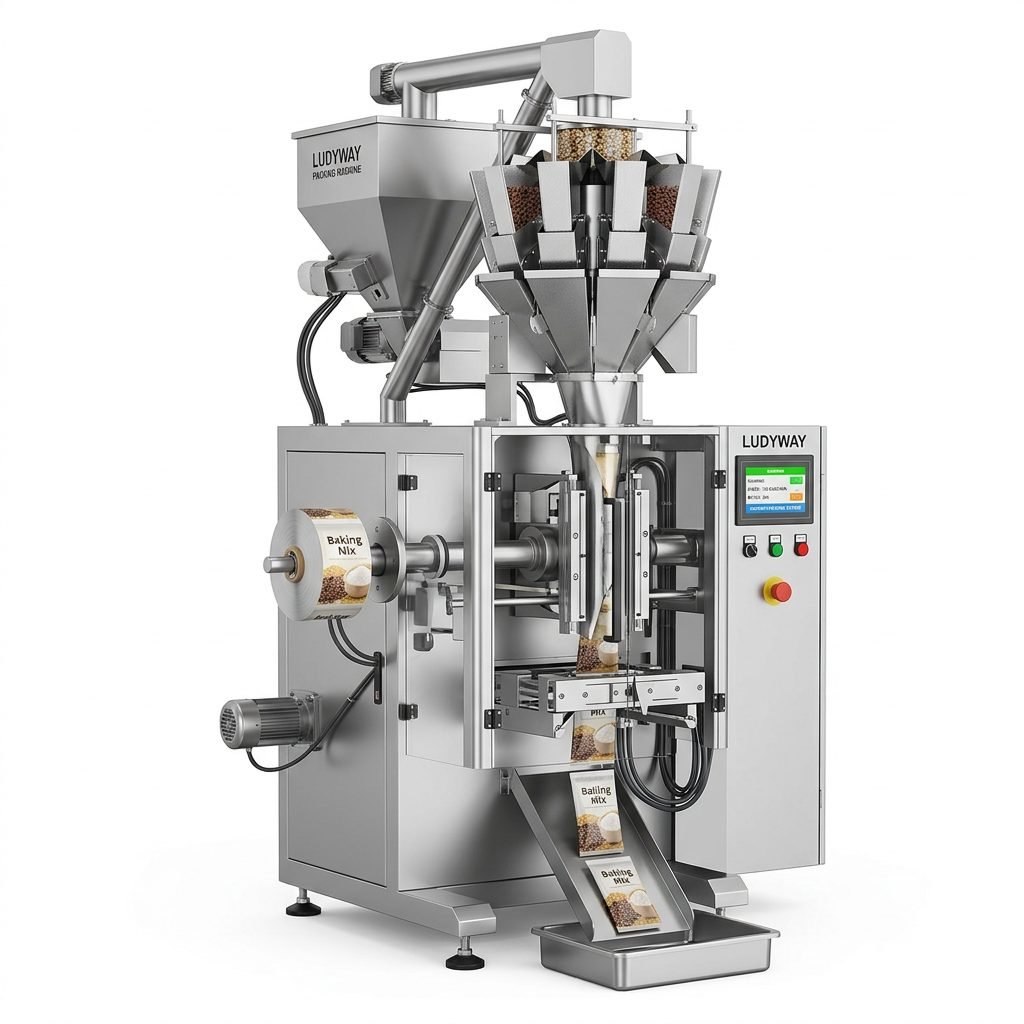
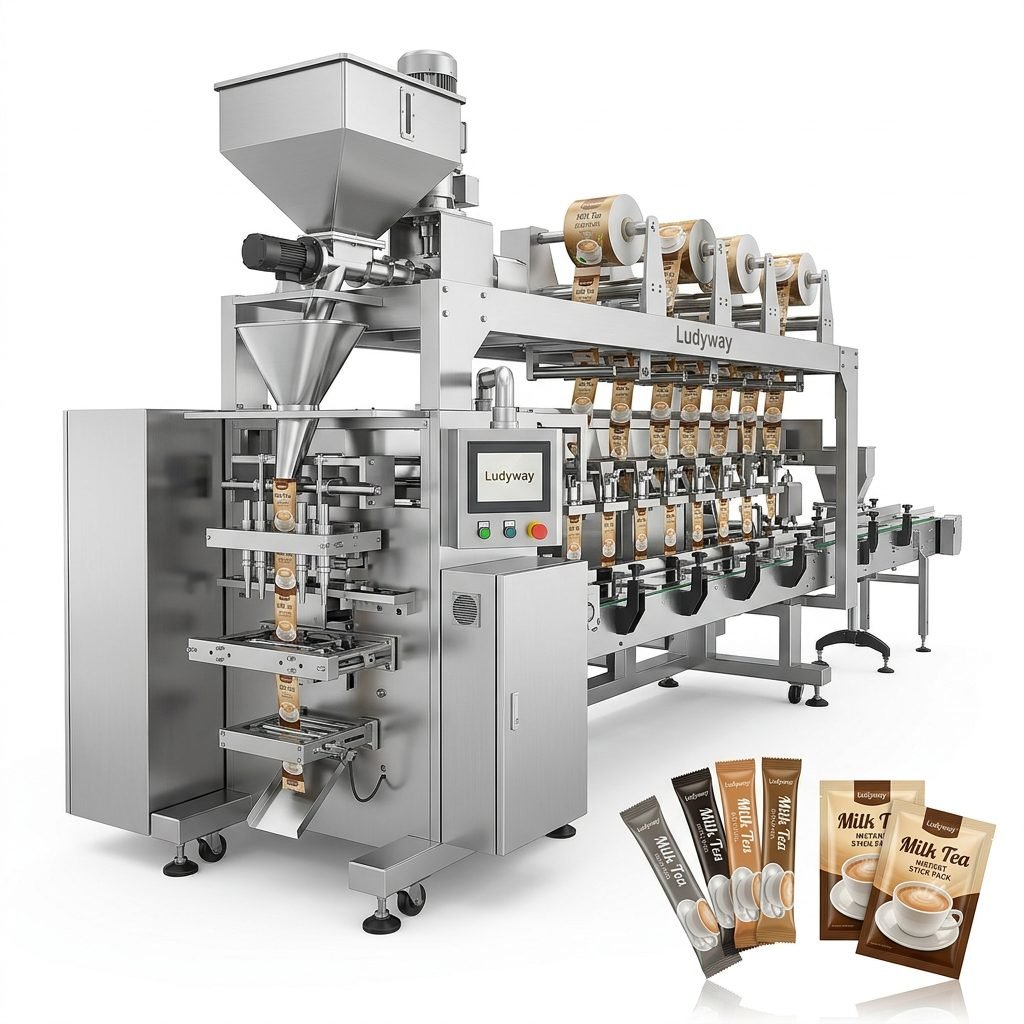
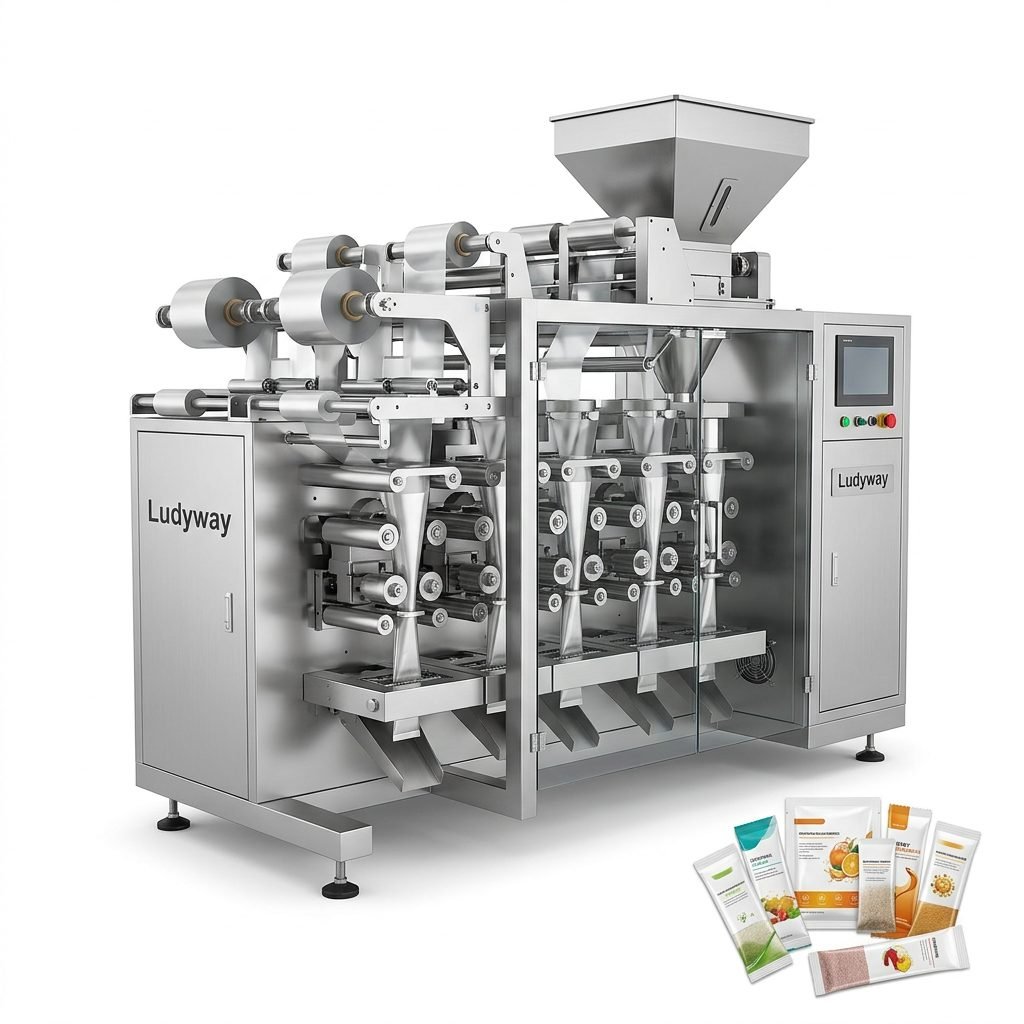
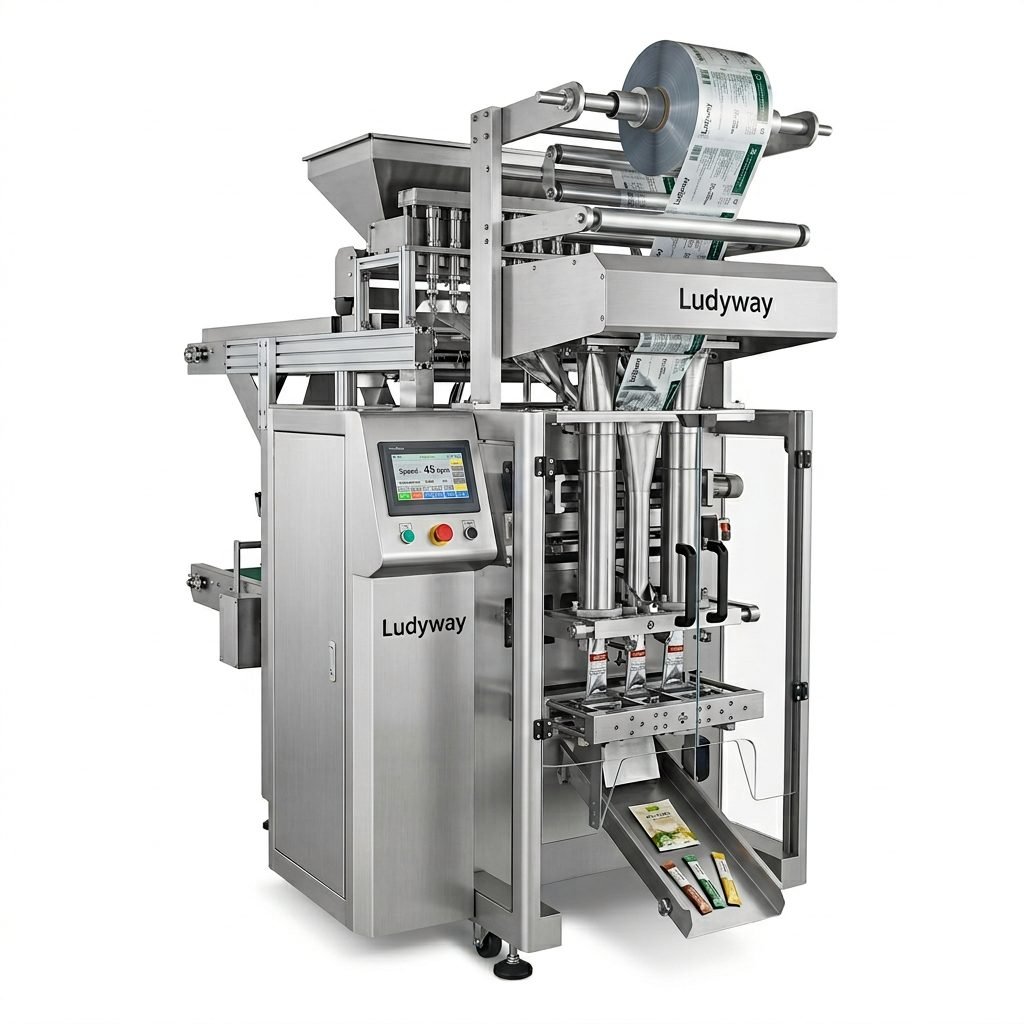
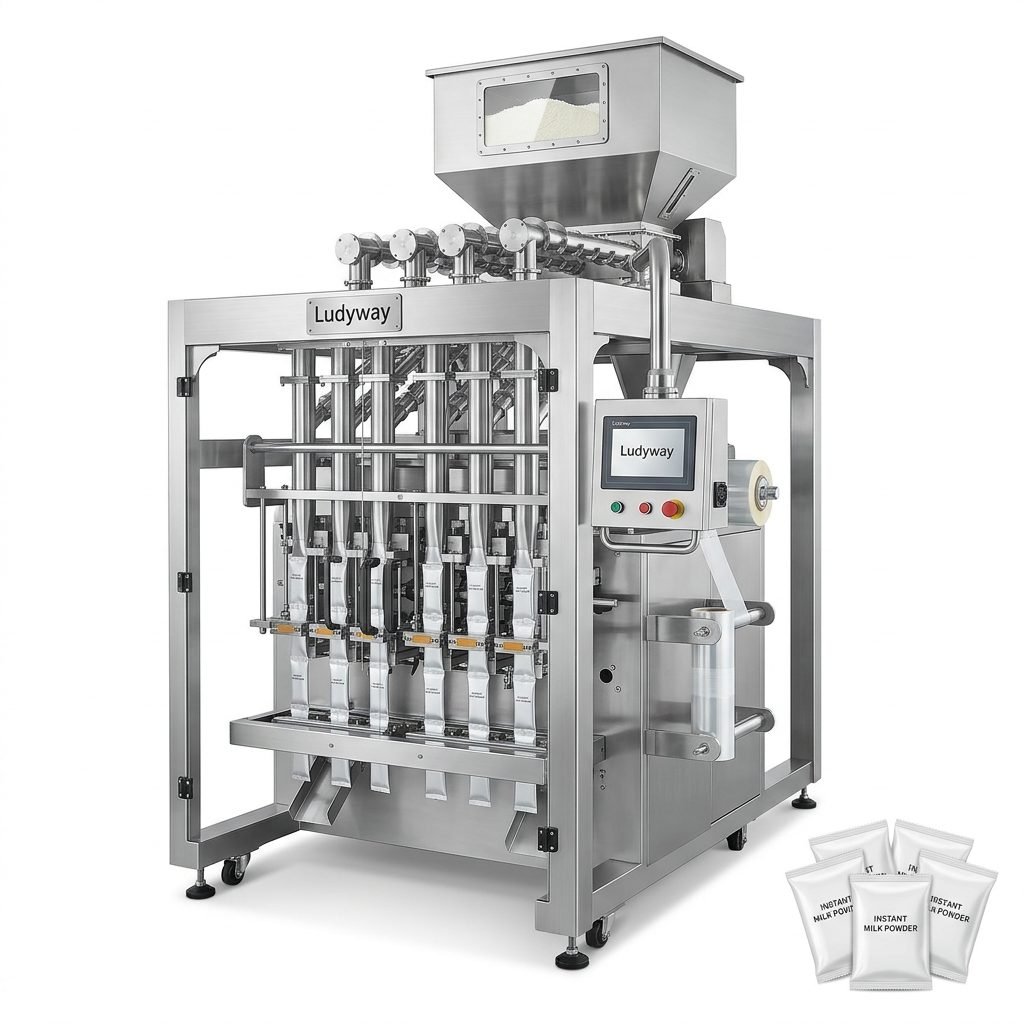
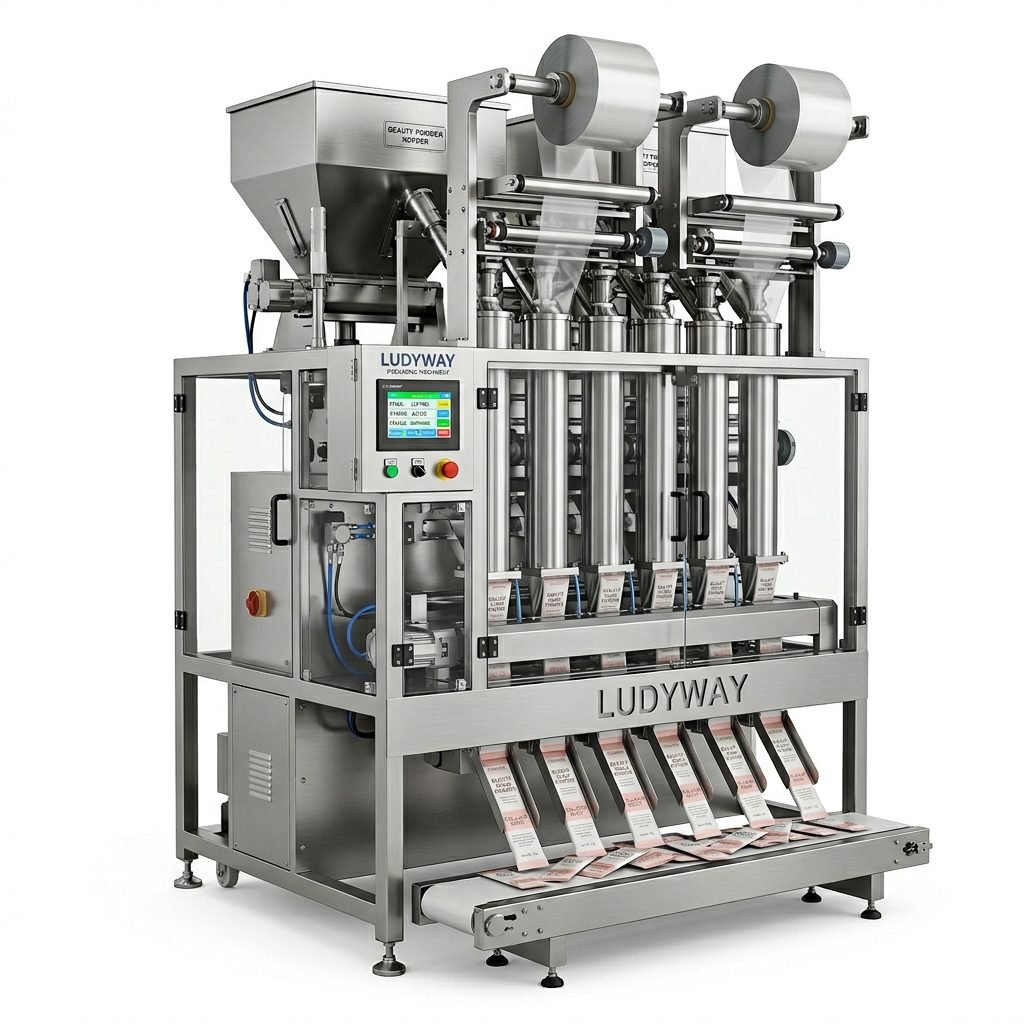
Modern ice pop production requires throughput rates that can keep pace with downstream freezing and distribution systems. Multi-lane stick pack machines can run 4 to 12 lanes simultaneously, achieving output rates that single-lane systems cannot match. This technology is particularly valuable for European manufacturers serving large retail chains where volume commitments are substantial.
Precision Liquid Filling Systems
Ice pop liquids vary significantly in viscosity—from thin fruit juices to thicker dairy-based mixtures. The servo-driven filling systems integrated into these machines offer exceptional accuracy within ±0.5% of target fill weight, minimizing product giveaway while ensuring every ice pop meets labeled weight requirements. This precision translates directly to improved profit margins for European producers operating in competitive markets.
| Feature | Benefit for European Manufacturers |
|---|---|
| Servo-Driven Filling | Accurate portion control, reduced waste |
| Multi-Lane Configuration | High throughput for large retail orders |
| Stainless Steel Construction | Full EU food safety compliance |
| Quick-Change Tooling | Rapid product changeovers for seasonal lines |
EU Compliance and Food Safety
European food manufacturers operate under some of the world’s most stringent regulatory frameworks. Packaging machinery must comply with ISO packaging standards and EU machinery directives. Equipment designed with full stainless steel construction and hygienic design principles ensures compliance with EC 1935/2004 on food contact materials. The ability to maintain clean-in-place (CIP) protocols and provide complete traceability documentation is essential for European audit requirements.

Total Cost of Ownership Analysis
When evaluating an ice pop packaging machine, European businesses must look beyond the initial purchase price. The total cost of ownership encompasses energy consumption, maintenance requirements, spare parts availability, and operational uptime. Machines engineered with modular component design allow for easier servicing and reduced downtime—critical factors when production schedules are tight during peak summer demand.
Consider the following operational factors:
- Energy efficiency ratings that align with EU energy directives
- Remote diagnostics capabilities reducing the need for on-site technician visits
- Availability of CE-certified components throughout the machine
- Comprehensive warranty and after-sales support infrastructure
- Training programs that ensure operator proficiency from day one
Flexibility for Diverse Product Portfolios
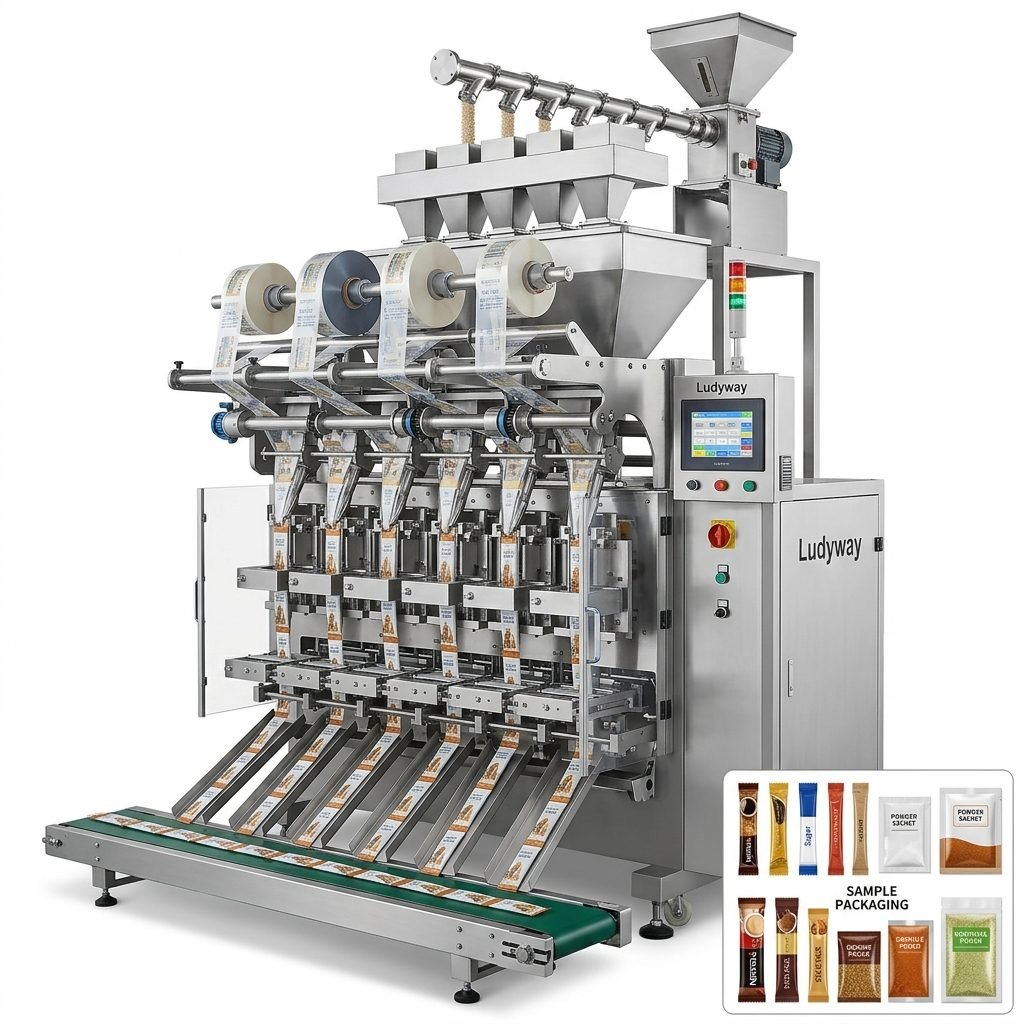
European ice pop producers often manage extensive product ranges—from traditional water-based pops to premium dairy and fruit-based varieties. A versatile packaging machine must handle different packaging formats including stick packs, sachets, and flow-wrapped products without extensive reconfiguration. This flexibility enables manufacturers to respond quickly to retailer demands and emerging consumer trends.
Integration with Existing Production Lines
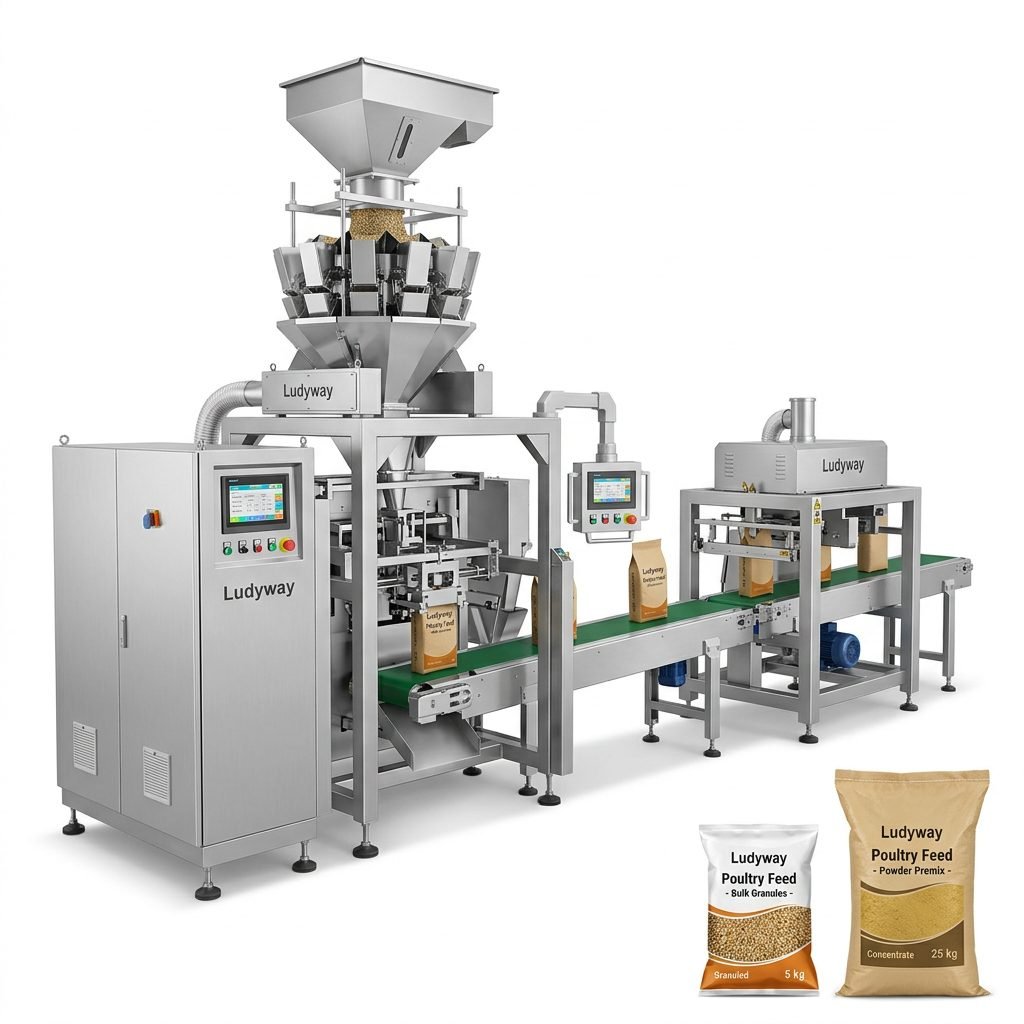
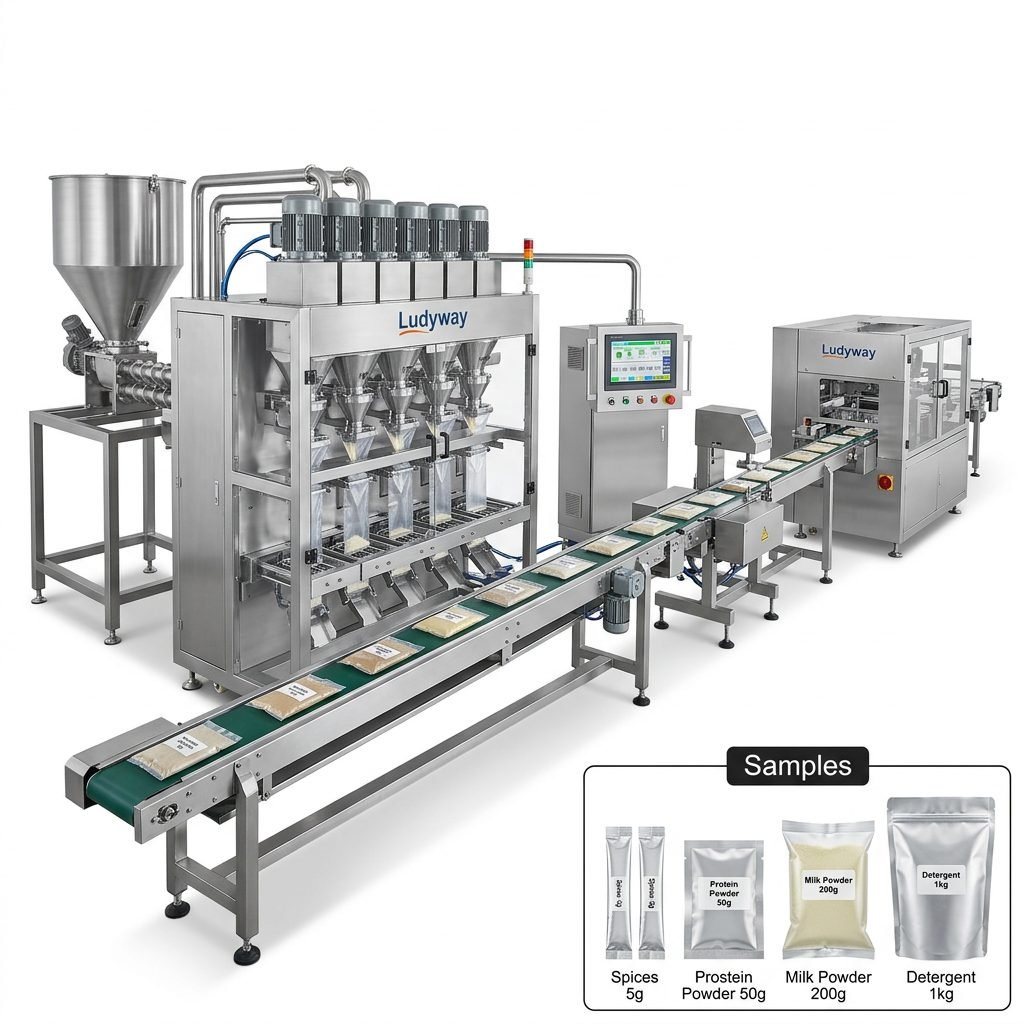
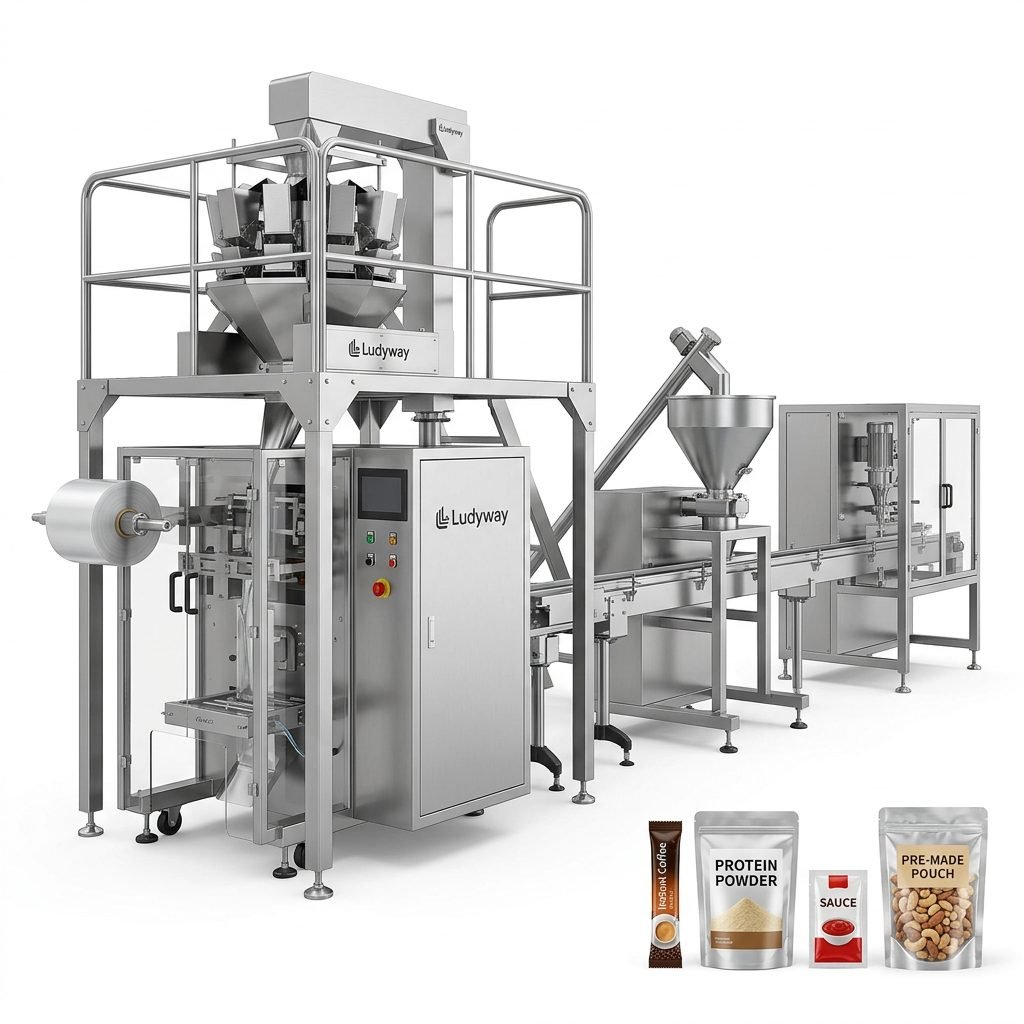
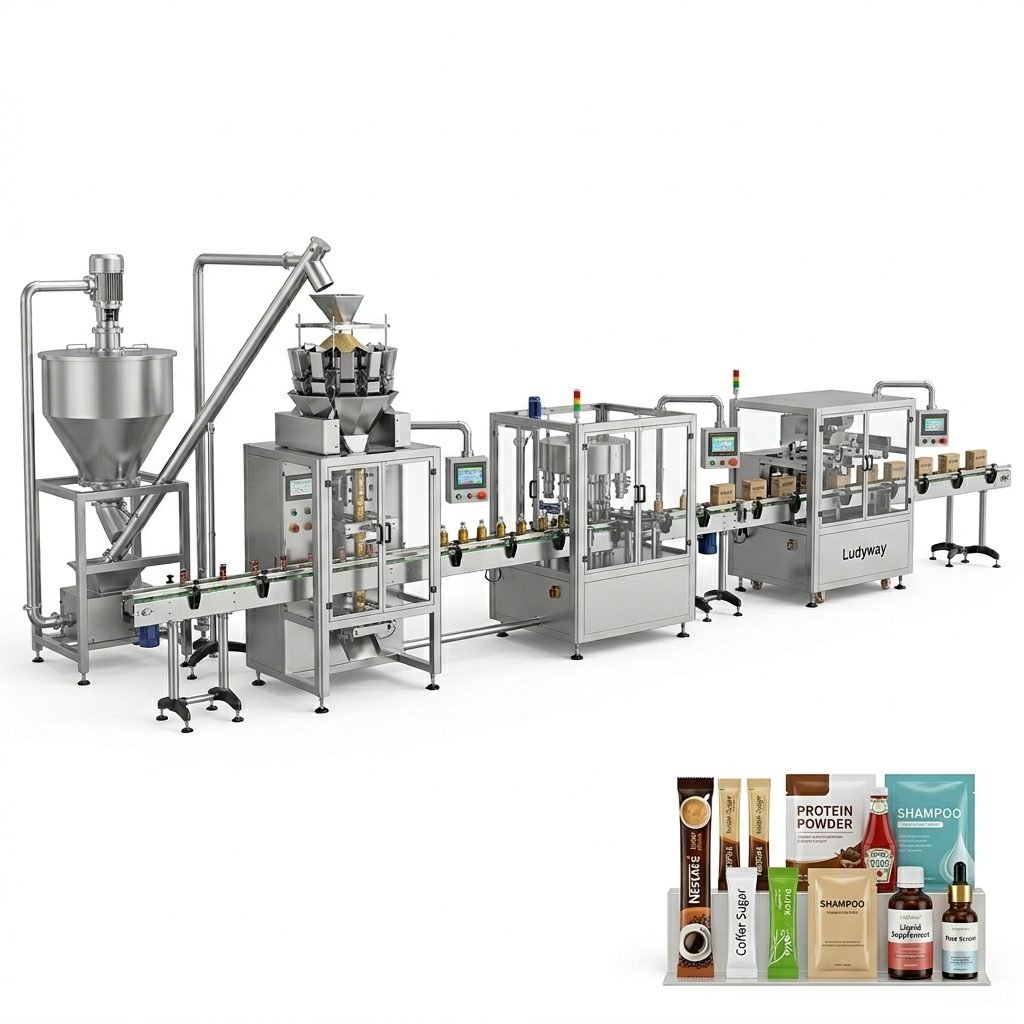
For established European manufacturers, a new packaging machine must seamlessly integrate with existing upstream and downstream equipment. From mixing and pasteurization systems to freezing tunnels and cartoning machines, the ice pop packaging line serves as the critical link in the production chain. Open-architecture control systems and standardized communication protocols ensure smooth data exchange and coordinated operation across the entire line.
| Integration Requirement | Solution Provided |
|---|---|
| Upstream Liquid Feed | Compatible with all standard mixing and holding tanks |
| Downstream Freezing | Synchronized output pacing with tunnel freezers |
| Cartoning & Palletizing | Standard interfaces for automated end-of-line systems |
| MES/ERP Integration | OPC-UA and Ethernet/IP protocol support |
Return on Investment for European Buyers
Investing in a high-performance ice pop packaging machine delivers measurable returns across multiple dimensions. Reduced product waste from precise filling, lower labor costs through automation, and increased throughput during peak seasons combine to create a compelling financial case. Additionally, the ability to offer consistent packaging quality strengthens retail relationships and supports premium pricing strategies in competitive European markets.
According to PMMI industry data, automated packaging systems can reduce operational costs by up to 35% compared to semi-automated alternatives, while simultaneously improving output consistency. For European ice pop manufacturers, this translates to a typical payback period of 18 to 30 months depending on production volume and product mix complexity.
Making the Right Choice
Selecting the optimal packaging solution requires careful evaluation of production requirements, regulatory obligations, and long-term growth plans. European businesses should prioritize machines that offer proven reliability, comprehensive documentation, and responsive technical support. The growing global adoption of advanced packaging machinery underscores the importance of partnering with manufacturers who have demonstrated sustained investment in innovation and customer support infrastructure.
For European ice pop producers looking to strengthen their competitive position, the decision comes down to three essential criteria: speed without sacrificing accuracy, compliance without compromise, and flexibility without complexity. A packaging machine that delivers on all three fronts is not merely equipment—it is a strategic asset that powers business growth in one of Europe’s most dynamic food categories.