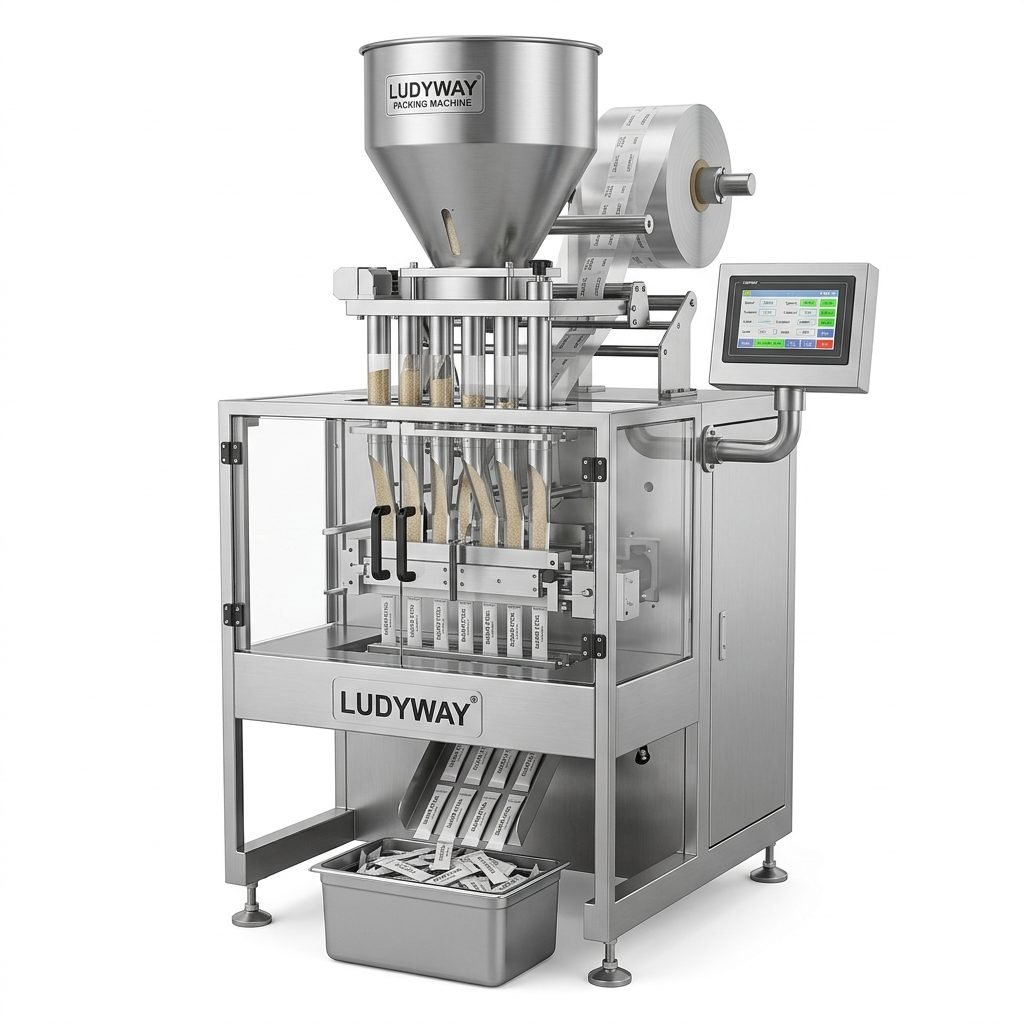
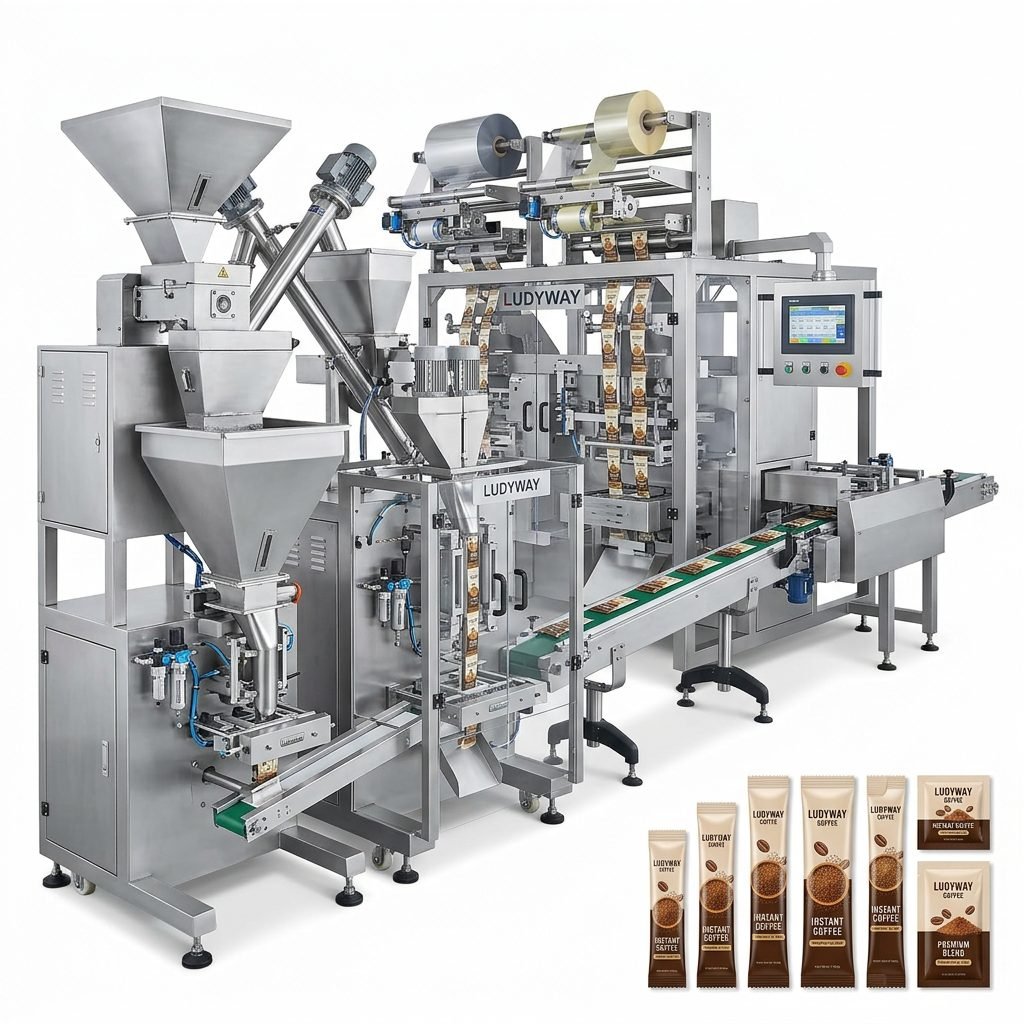
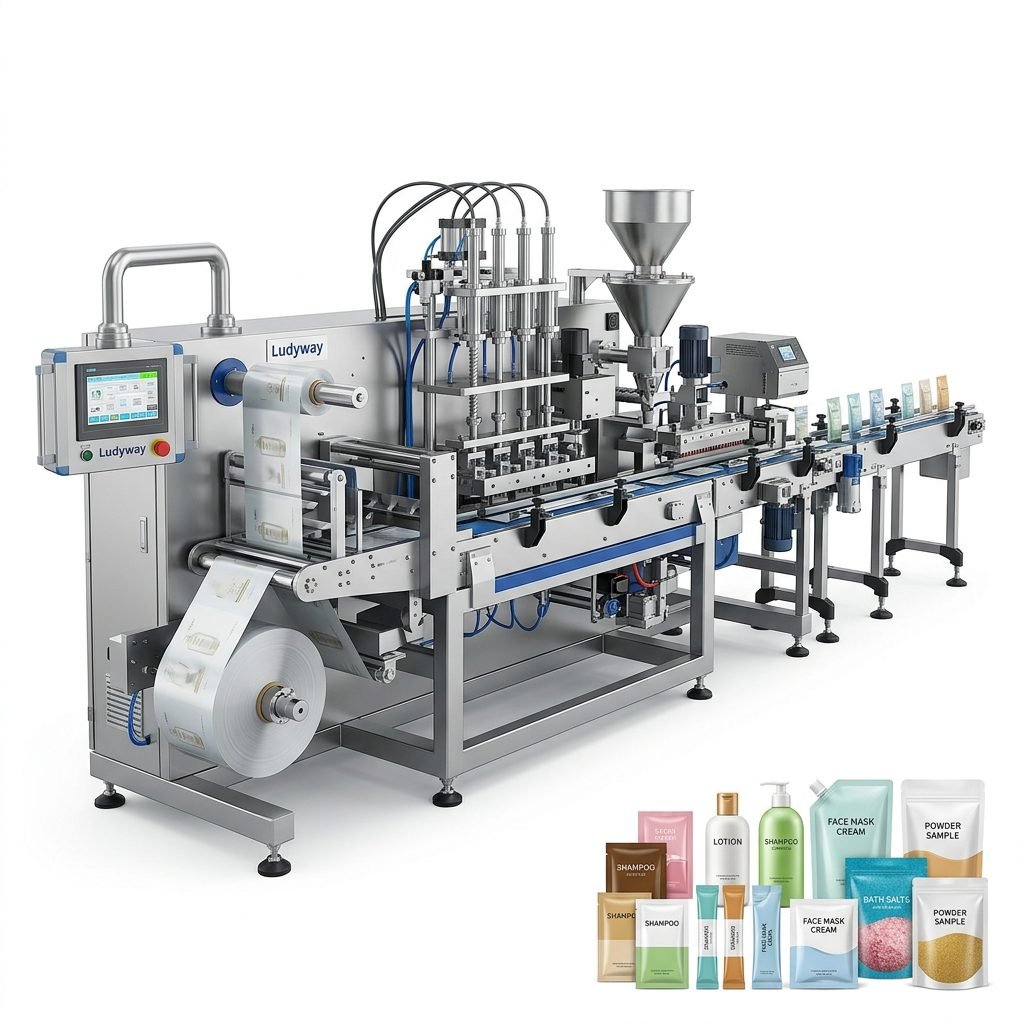
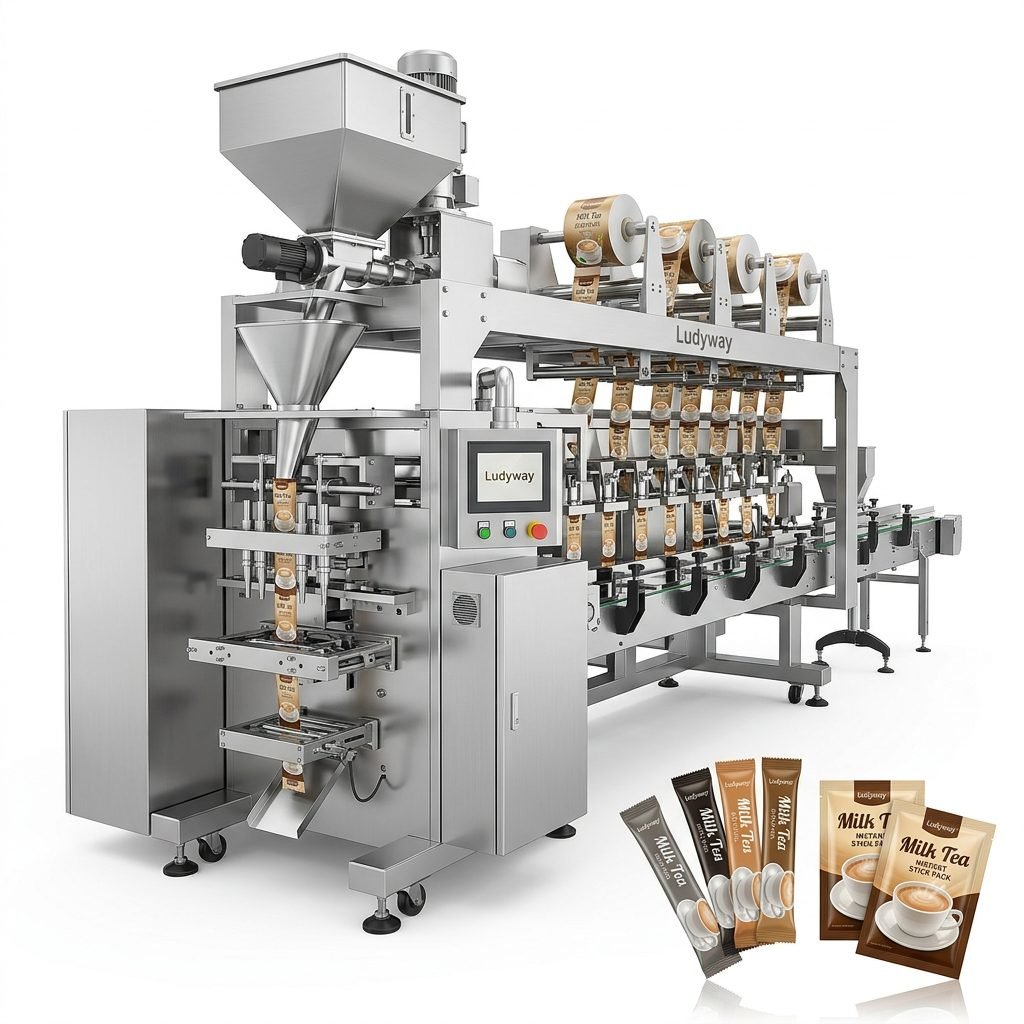
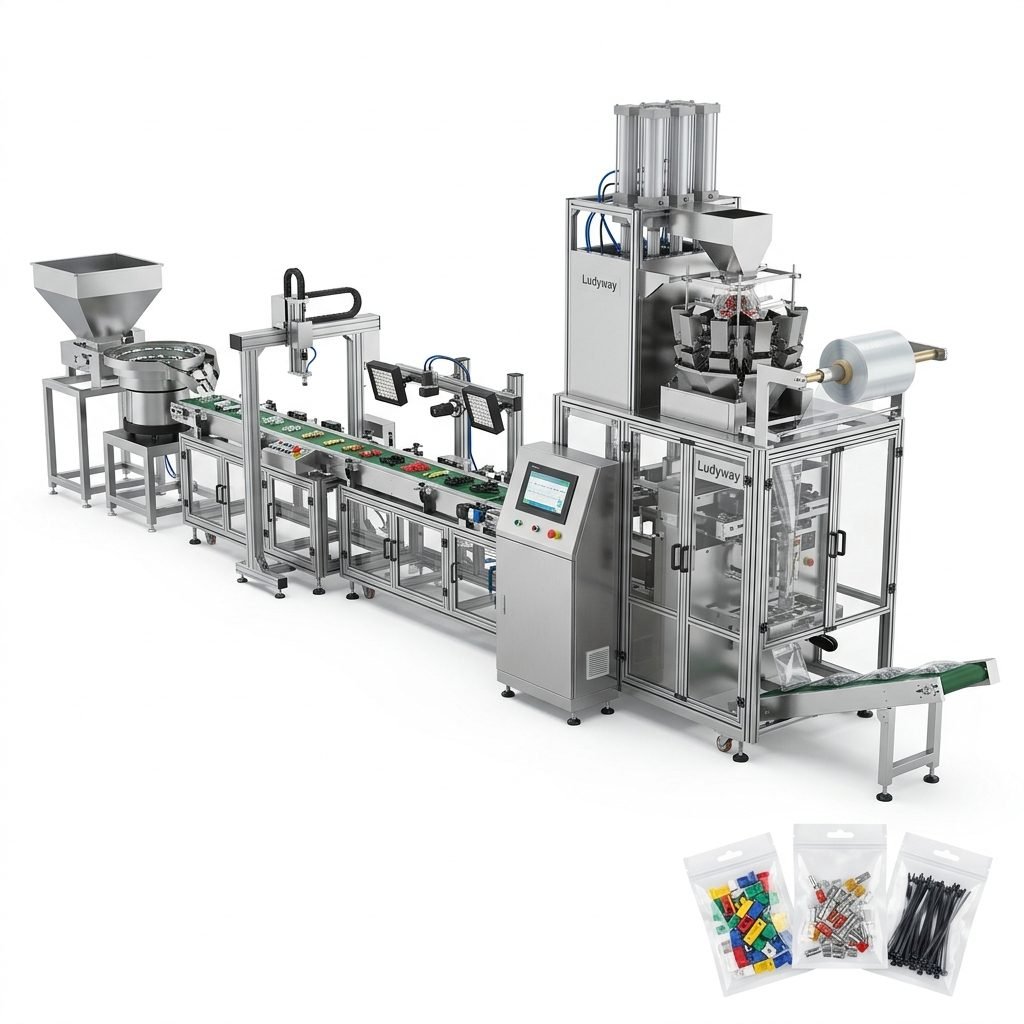
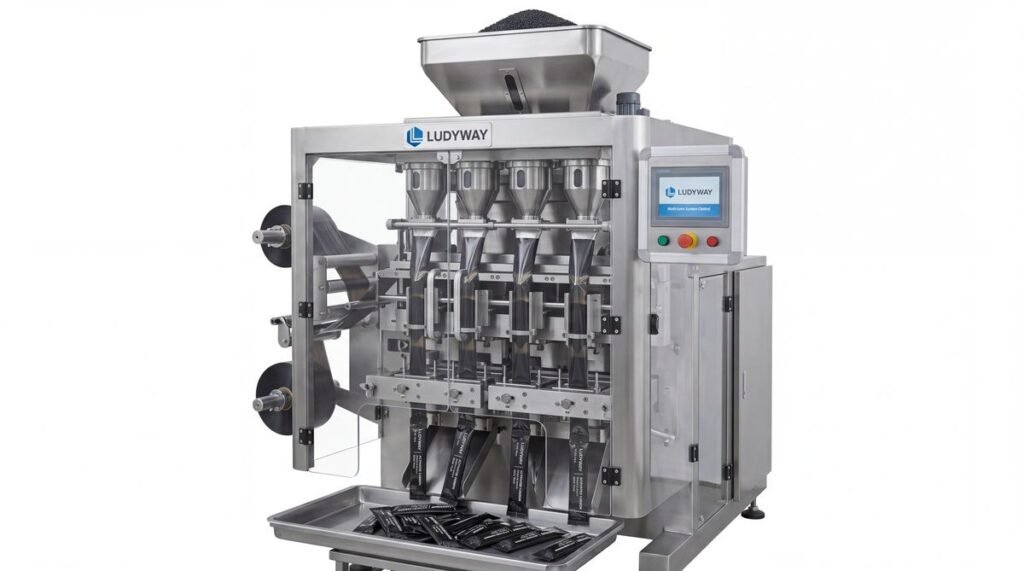
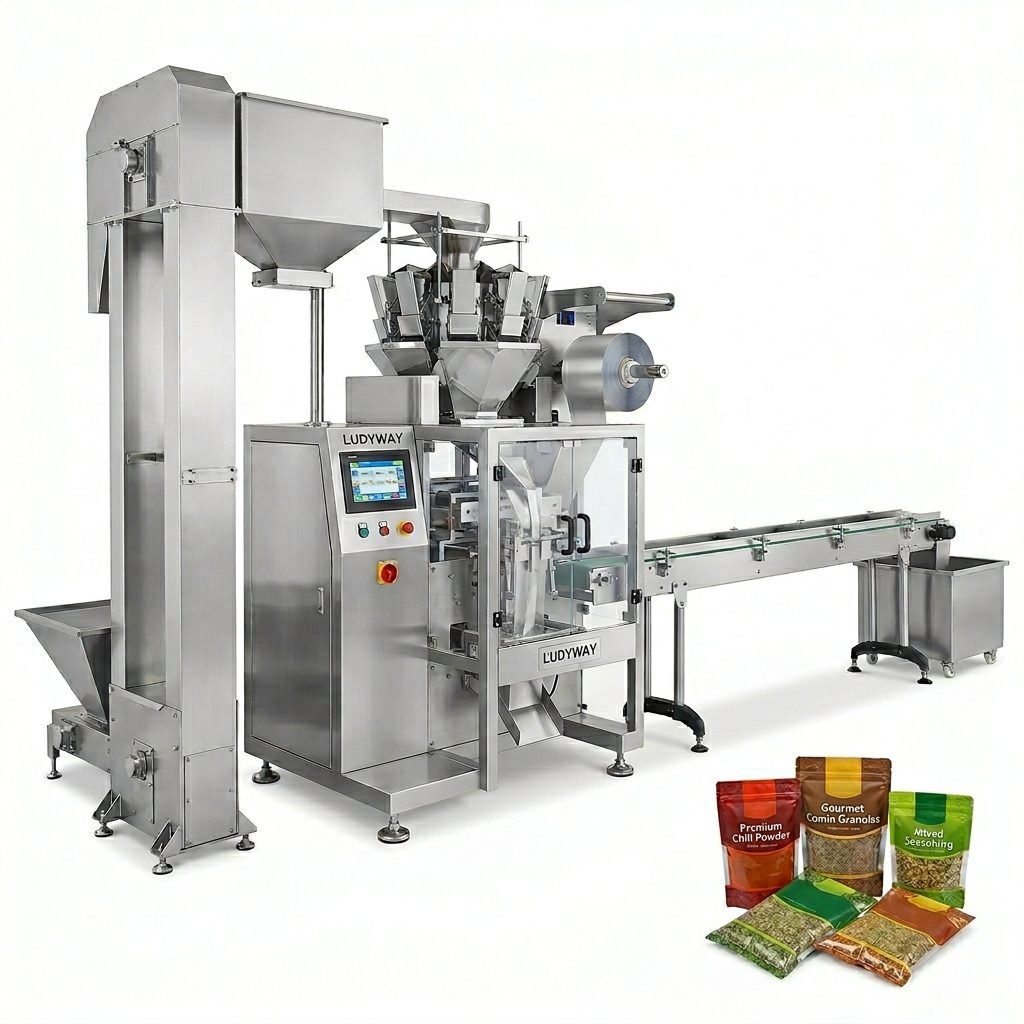
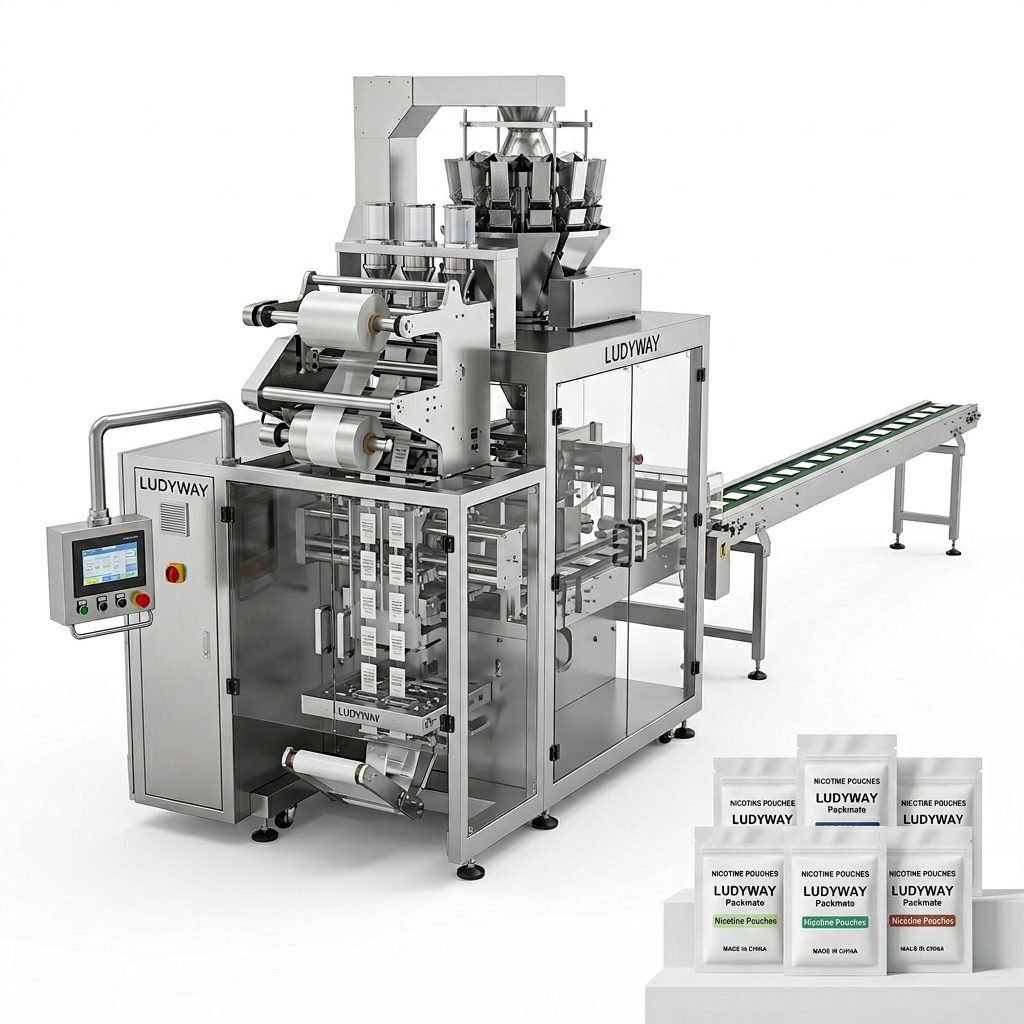
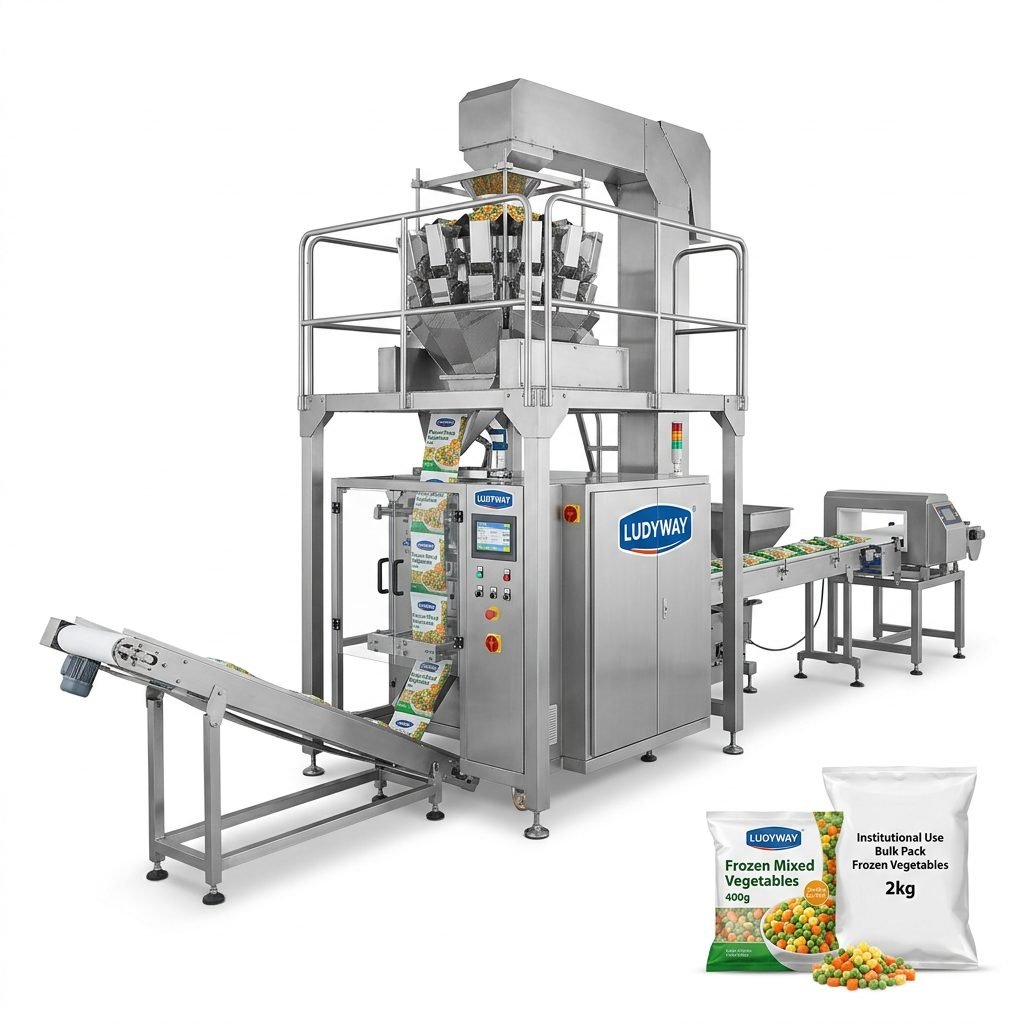
Setting up a ketchup packaging machine production line in Germany requires careful planning, strict adherence to European regulations, and a deep understanding of automated filling technology. Germany’s food processing sector is one of the most advanced in the world, and investing in the right equipment can significantly boost your operational efficiency and product consistency. Whether you are producing single-serve sachets, multi-lane stick packs, or larger pouch formats, understanding the complete setup process is essential for long-term success.
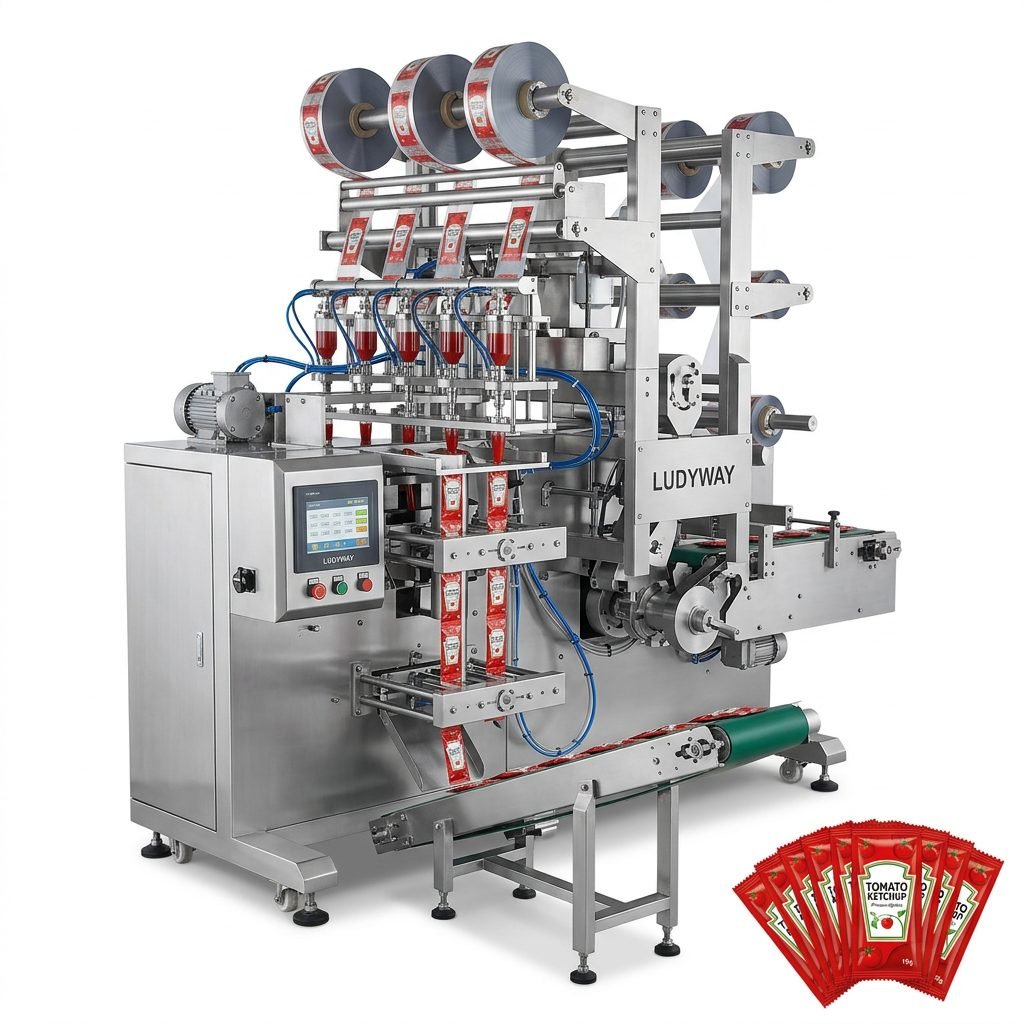
Understanding the German Ketchup Packaging Market
Germany represents one of Europe’s largest markets for processed and packaged foods. The demand for convenient single-serve ketchup packaging continues to grow across food service, retail, and export channels. Before installing a production line, you must evaluate your target output volume, packaging format requirements, and end-user preferences. Common formats include:
- Stick packs – Ideal for portion-controlled servings in fast-food and catering
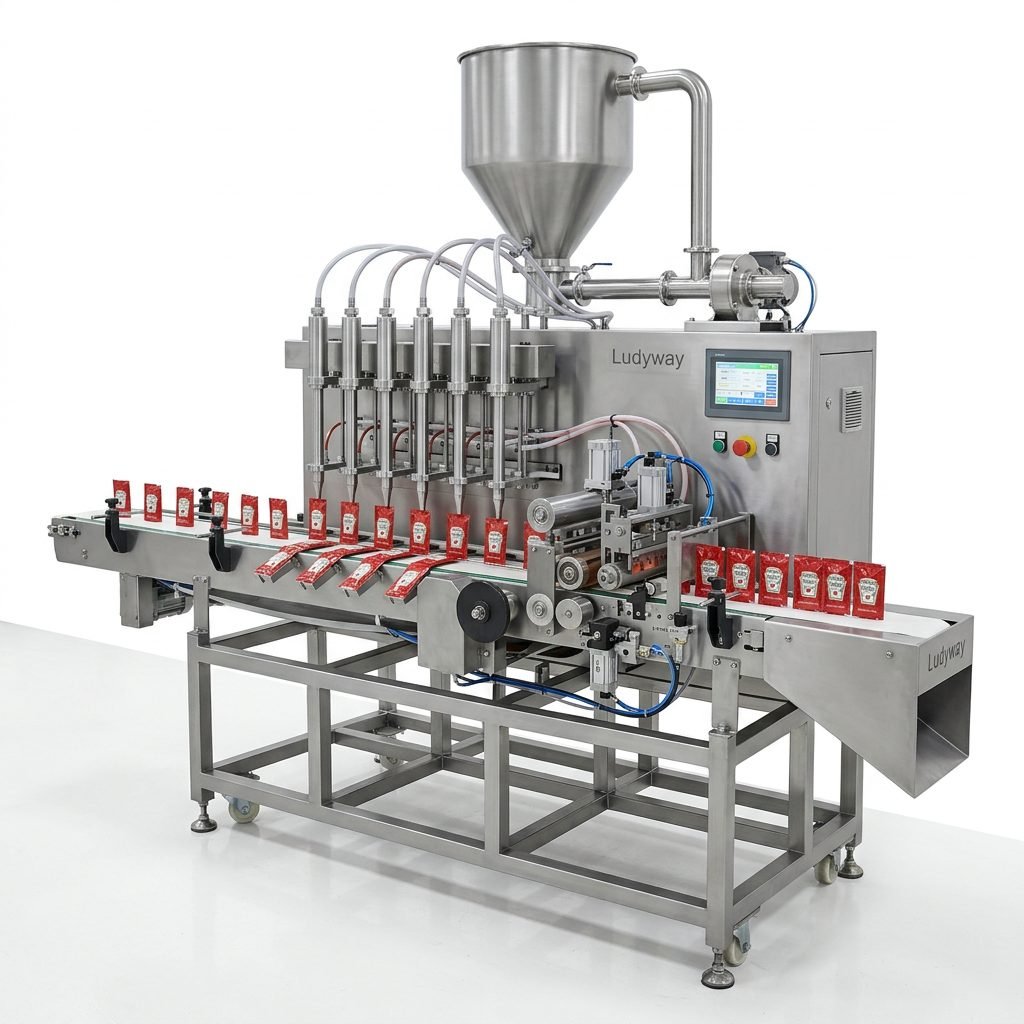
- Flat sachets – Widely used in retail and takeaway packaging
- Multi-lane pouches – High-volume production for bulk distribution
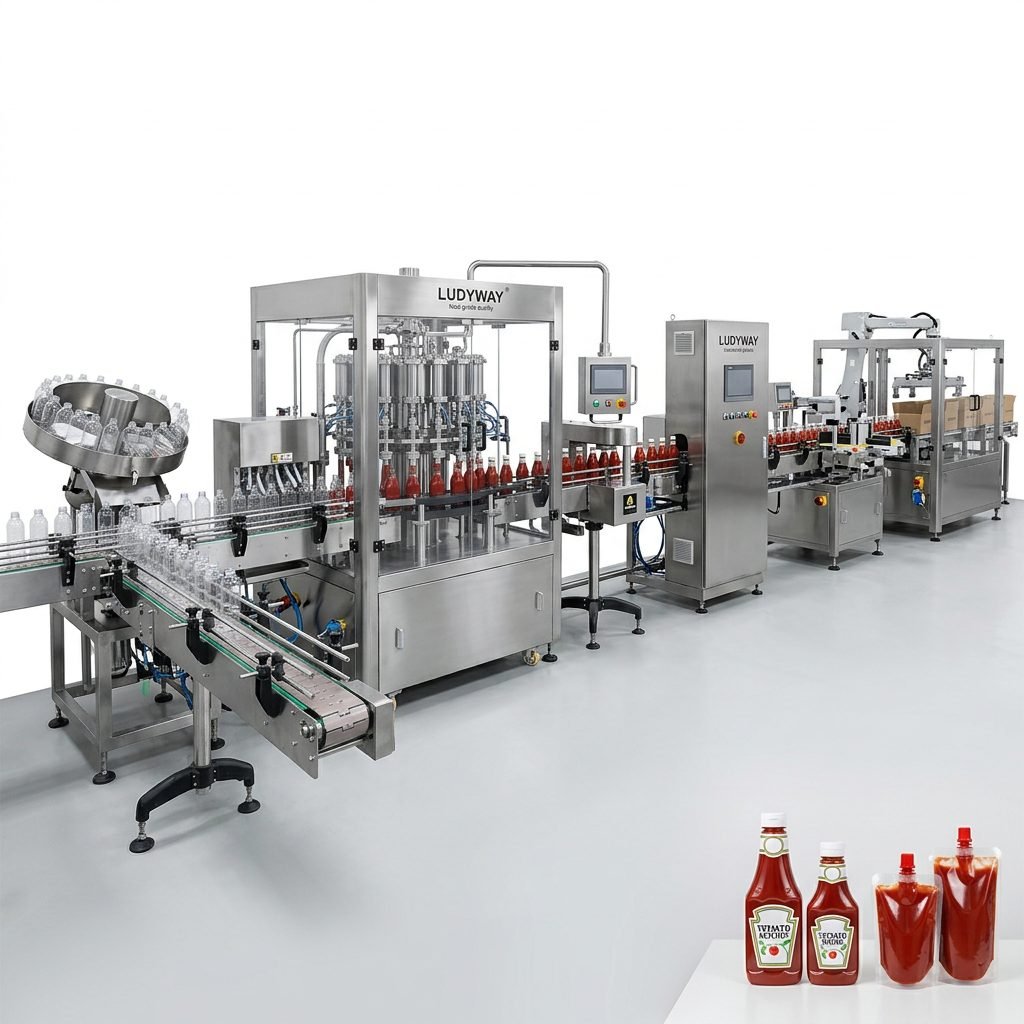
- Bottle filling lines – For retail-sized ketchup bottles and dispensers
Key Regulatory Requirements in Germany
Compliance with EU packaging and packaging waste regulations is mandatory. Additionally, all food contact materials must meet FDA food contact substance standards when exporting to international markets. German authorities enforce rigorous hygiene and safety standards under the Lebensmittel- und Futtermittelgesetzbuch (LFGB). Your packaging machinery must be constructed with food-grade stainless steel and designed for easy cleaning and sanitation.
Furthermore, ISO packaging standards provide internationally recognized guidelines for machinery safety, performance, and quality assurance. Ensuring your equipment meets these benchmarks will streamline the certification process.
Selecting the Right Ketchup Packaging Machine
Choosing the correct ketchup packaging machine depends on several critical factors. Below is a comparison of the most common machine types used in German production facilities:
| Machine Type | Best For | Output Capacity | Key Feature |
|---|---|---|---|
| Multi-Lane Stick Pack Machine | High-volume sachet production | Up to 600 packs/min | Simultaneous multi-lane filling |
| Rotary Liquid Filling System | Bottle and jar filling | Up to 200 bottles/min | Precision volumetric dosing |
| Premade Pouch Filling Machine | Flexible pouch formats | Up to 120 pouches/min | Quick format changeover |
| Vertical Form Fill Seal (VFFS) | All-in-one bagging | Up to 150 bags/min | Integrated film handling |
Production Line Layout and Facility Planning
A well-designed ketchup packaging line layout maximizes throughput while minimizing downtime. German production facilities typically follow a linear or U-shaped configuration to optimize material flow. Consider the following essential components when planning your floor layout:
- Raw material receiving area – Bulk ketchup storage and transfer systems
- Filling and sealing station – Core packaging machinery positioned centrally
- Inspection and quality control zone – Metal detectors, checkweighers, and vision systems
- Secondary packaging area – Cartoning, case packing, and palletizing
- Finished goods warehouse – Climate-controlled storage for packaged products
Space and Utility Requirements
Your facility must accommodate the full production line footprint. A typical multi-lane ketchup packaging system requires approximately 150–300 square meters of dedicated floor space, depending on automation level. Ensure adequate electrical supply (typically 380V/400V three-phase in Germany), compressed air lines, and proper ventilation. Water and drainage connections are critical for CIP (Clean-in-Place) systems used in ketchup processing.
Installation, Commissioning, and Operator Training
Proper installation is the foundation of reliable long-term operation. Work with experienced technicians who understand both the mechanical and electrical integration of liquid filling and sealing systems. The commissioning process should include:
- Mechanical assembly and alignment verification
- Electrical wiring and control system configuration
- Dry run testing without product
- Wet run testing with ketchup at various viscosities
- Performance validation at target speeds
- Operator training on daily operation and troubleshooting
Quality Control and Inspection Systems
German quality standards demand rigorous in-line inspection capabilities. Integrate the following systems into your ketchup packaging line to ensure consistent product quality:
- Checkweighers – Verify fill weight accuracy in real time
- Metal detectors – Essential for food safety compliance
- Vision inspection systems – Detect seal defects and labeling errors
- X-ray inspection – Advanced contaminant detection for premium products
- Date coding and batch printing – Ensure traceability per EU requirements
According to PMMI business intelligence reports, automated inspection technologies are among the fastest-growing investments in the packaging sector, driven by stricter regulations and consumer safety expectations.
Maintenance Strategies for Long-Term Reliability
Implementing a structured maintenance program is critical for maximizing the lifespan of your ketchup packaging machinery. German manufacturers typically adopt preventive and predictive maintenance approaches. Key practices include:
- Scheduled cleaning of filling nozzles and product contact surfaces
- Regular inspection of sealing jaws and temperature calibration
- Lubrication of mechanical drive components
- Software updates and control system backups
- Spare parts inventory management for critical components
Cost Considerations and ROI Analysis
Investing in a ketchup packaging production line in Germany involves significant capital expenditure, but the return on investment can be substantial when properly planned. Below is a breakdown of typical cost factors:
| Cost Category | Estimated Range (EUR) | Notes |
|---|---|---|
| Multi-lane packaging machine | €80,000 – €350,000 | Depends on lanes and automation level |
| Auxiliary equipment | €30,000 – €120,000 | Conveyors, inspection, coding |
| Installation and commissioning | €15,000 – €50,000 | Including technician travel and labor |
| Facility modifications | €20,000 – €80,000 | Electrical, plumbing, and structural work |
Choosing a Reliable Equipment Supplier
Selecting the right equipment partner is as important as choosing the machine itself. Look for manufacturers with proven experience in liquid and viscous product packaging, international certifications, and responsive after-sales support. Factors to evaluate include warranty terms, availability of spare parts in Europe, remote troubleshooting capabilities, and local service representation in Germany.
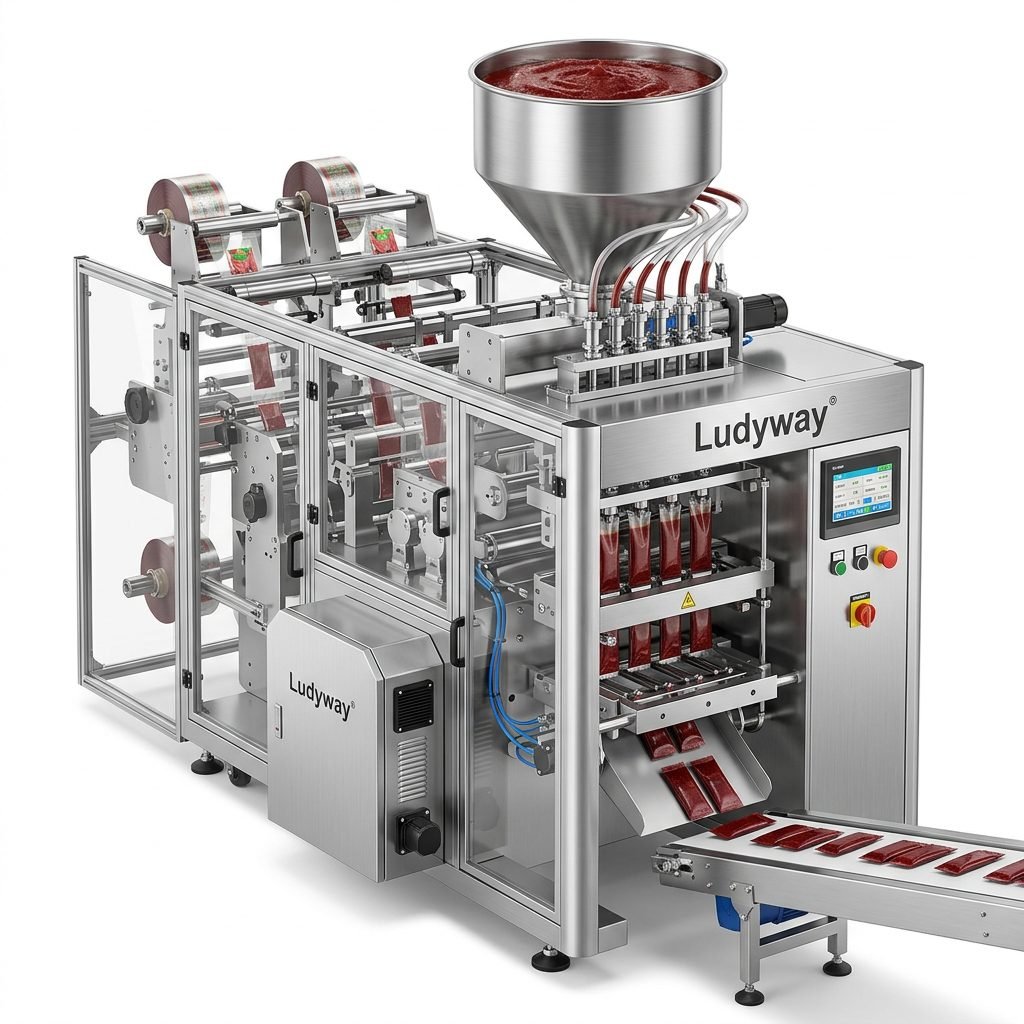
Many German food producers source equipment from specialized global manufacturers. For instance, Ludyway—one of the largest packaging machine manufacturers in China with over 30 years of industry experience—offers more than 50 intelligent packaging machine models for granule, powder, liquid, and pouch applications, serving customers in over 100 countries. Their multi-lane stick pack and sachet systems are engineered for high-speed ketchup packaging environments.
Future-Proofing Your Ketchup Packaging Line
As the food packaging industry evolves, your production line should be adaptable to emerging trends. Key developments shaping the future of ketchup packaging in Germany include:
- Sustainable packaging materials – Transitioning to recyclable and biodegradable films
- Industry 4.0 integration – IoT sensors and real-time production monitoring
- Flexible format switching – Quick changeover between sachet sizes and styles
- Energy-efficient operations – Reduced power consumption and carbon footprint
- Automation and robotics – End-of-line palletizing and automated material handling
Staying informed about state of the industry packaging reports helps you anticipate market shifts and make proactive equipment investments.
Final Steps Before Production Launch
Before starting full-scale production, complete the following checklist to ensure your ketchup packaging line is ready for commercial operation:
- Obtain all necessary permits from local German authorities (Gewerbeaufsichtsamt)
- Complete CE certification and declaration of conformity for all machinery
- Conduct HACCP analysis for the entire packaging process
- Validate cleaning and sanitation protocols with documented results
- Train all operators on safety procedures and emergency shutdown protocols
- Perform a full production trial run with quality assurance sign-off
- Establish supplier agreements for packaging materials and spare parts
By following this comprehensive guide, you can establish a high-performance ketchup packaging production line in Germany that meets all regulatory requirements, delivers consistent product quality, and positions your business for sustainable growth in the competitive European food market.