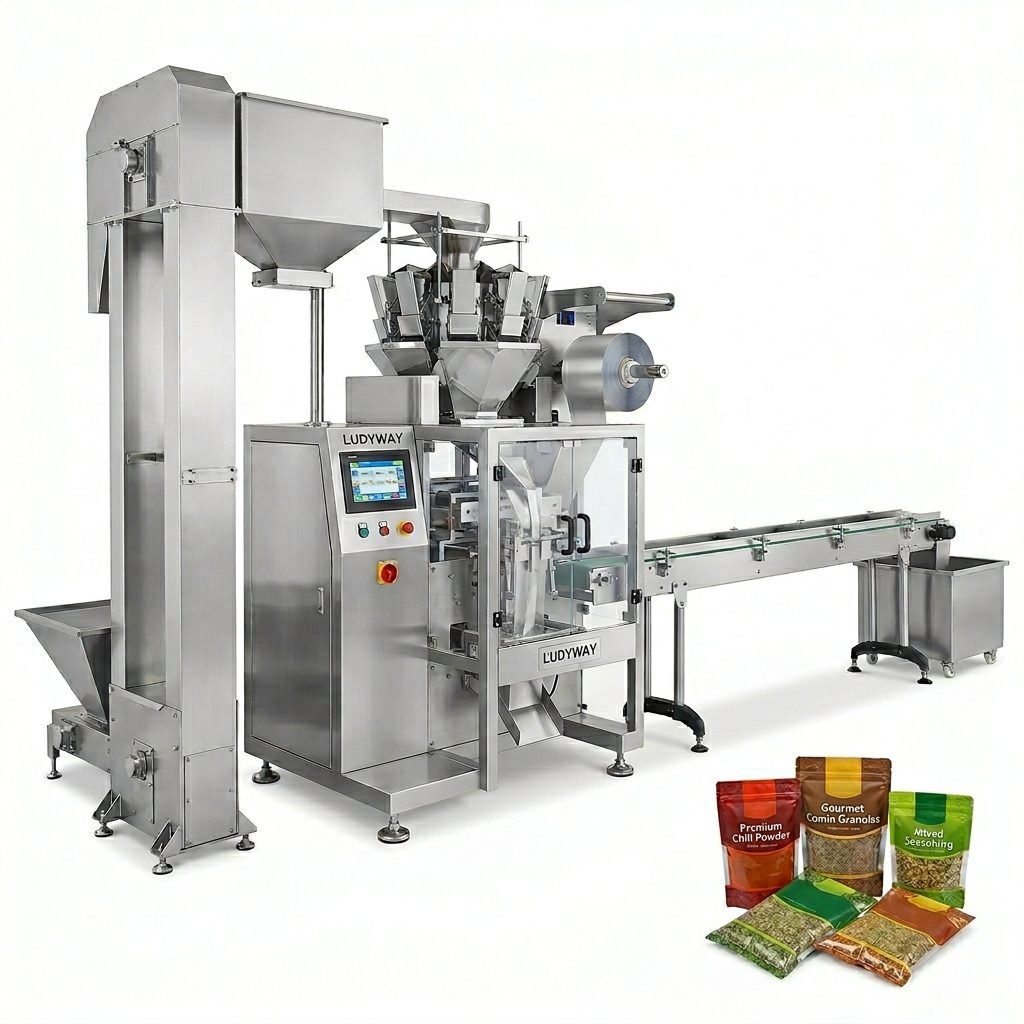
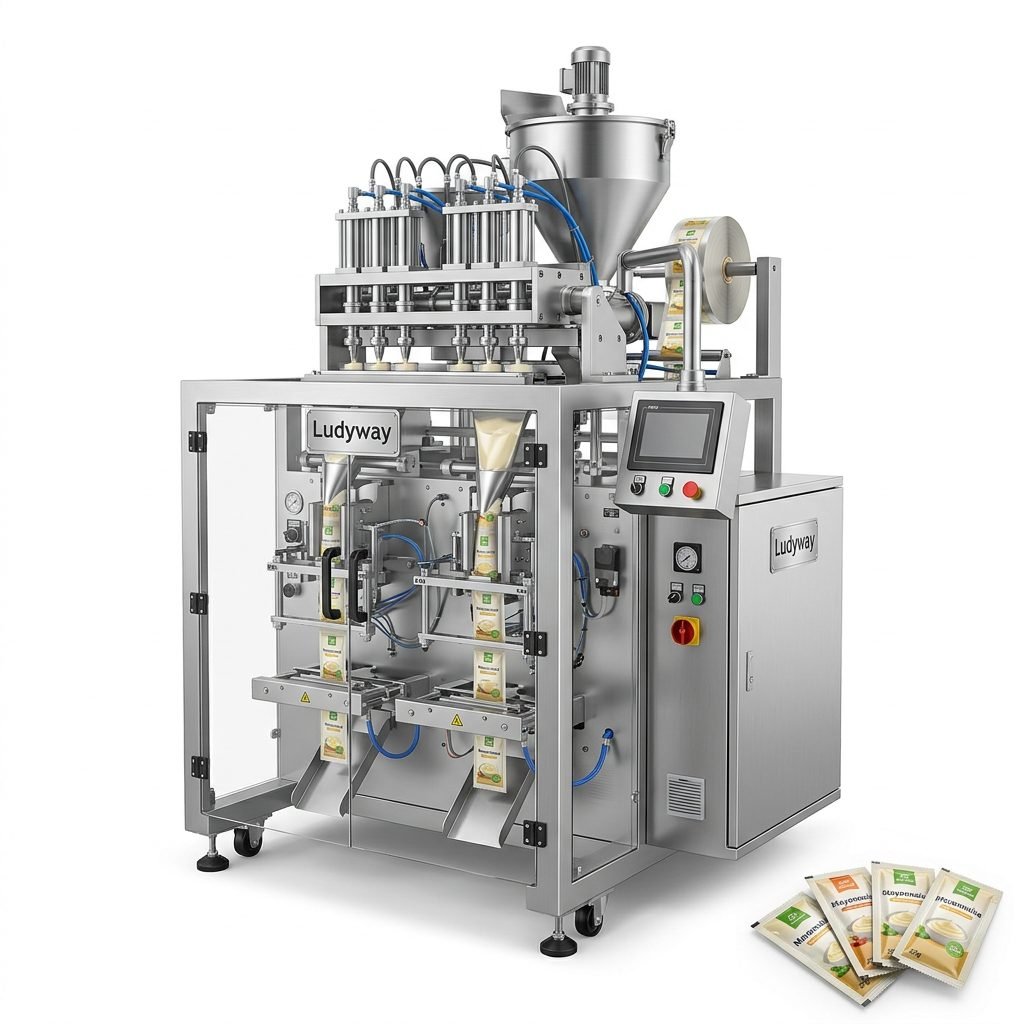
The meal kit industry in Oceania has experienced remarkable growth, driven by consumer demand for convenient, portion-controlled, and fresh ingredient-based meal solutions. Setting up a meal kit packaging machine production line in this region requires careful planning, an understanding of local regulations, and investment in the right equipment to ensure efficiency, food safety, and scalability. This guide walks you through the essential steps, machinery requirements, and operational considerations for establishing a successful packaging operation in Australia, New Zealand, and the broader Oceania market.

Understanding the Oceania Meal Kit Market Landscape
The Oceania region, particularly Australia and New Zealand, presents a unique opportunity for meal kit producers. Consumers in these markets prioritize fresh ingredients, sustainable packaging, and clear nutritional labeling. The demand spans across multiple categories including ready-to-cook meal kits, portioned snack packs, dietary supplement sachets, and specialty food products. According to PMMI packaging industry research, the flexible packaging segment continues to expand, with stick packs and sachets becoming increasingly popular formats for meal kit applications.
Before investing in equipment, it is critical to understand the target product range your line will handle. Will you be packaging dry ingredients like grains and spice blends, liquid components such as sauces and dressings, or a combination of both? The answer directly influences the type of machinery required and the overall line configuration.
Key Machinery Components for a Meal Kit Packaging Line
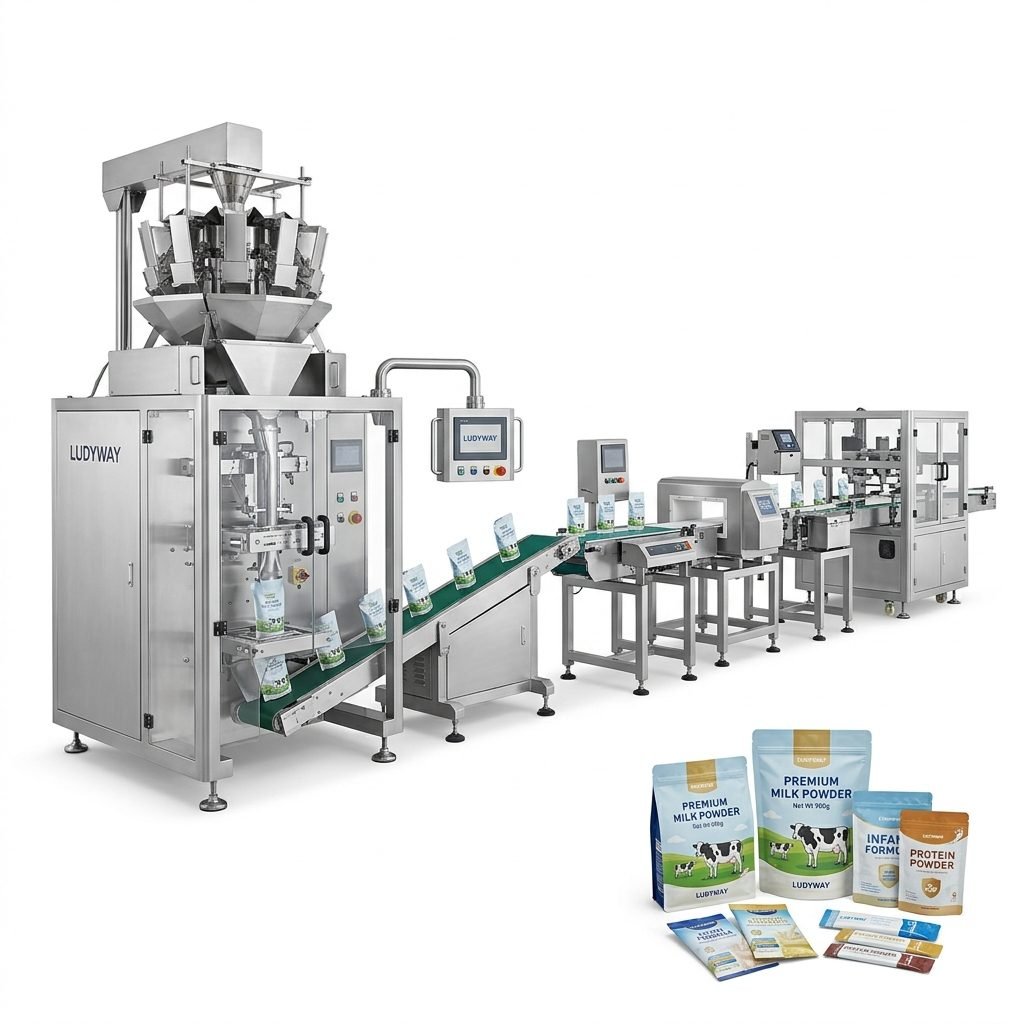
A fully integrated meal kit packaging production line consists of several interconnected systems working in harmony. Each component plays a vital role in ensuring product quality, throughput efficiency, and packaging integrity. Below are the primary machinery categories to consider for Oceania-based operations.
Multi-Lane Stick Pack and Sachet Machines
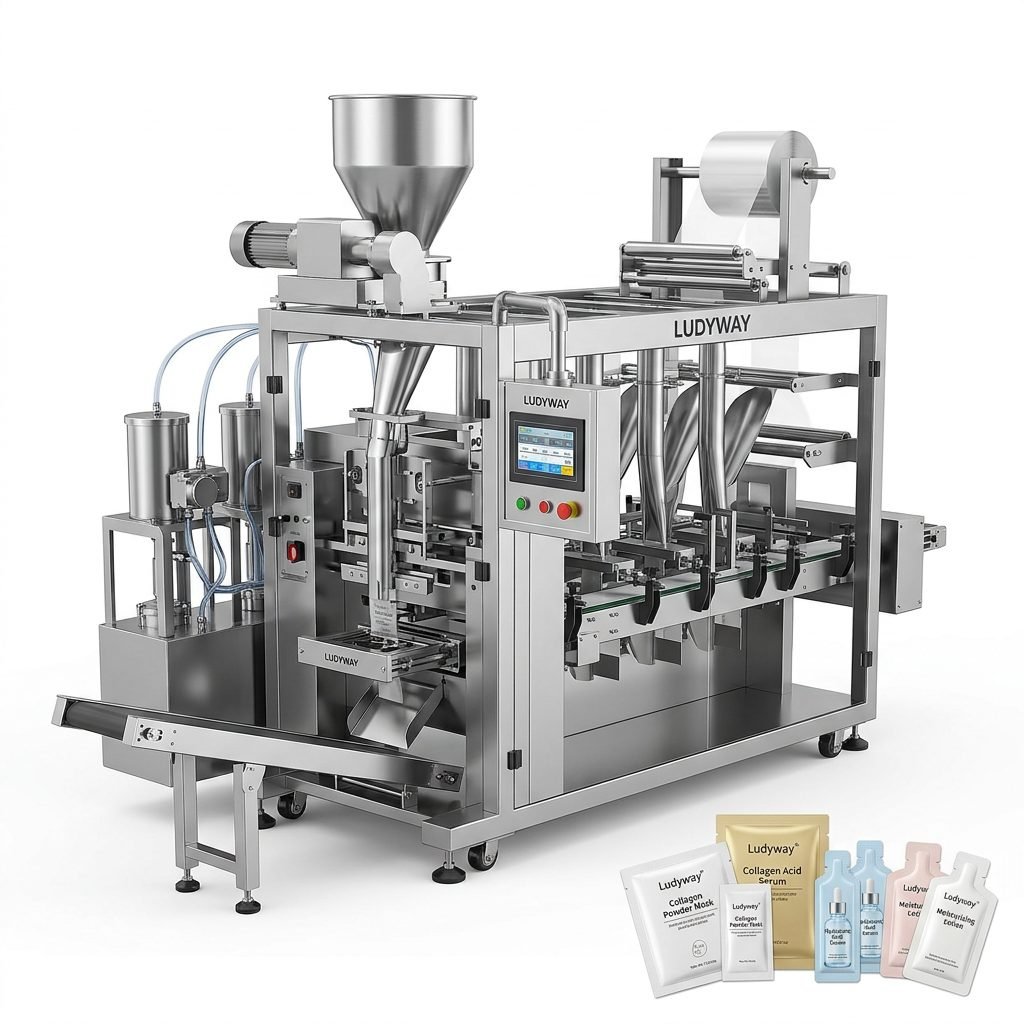
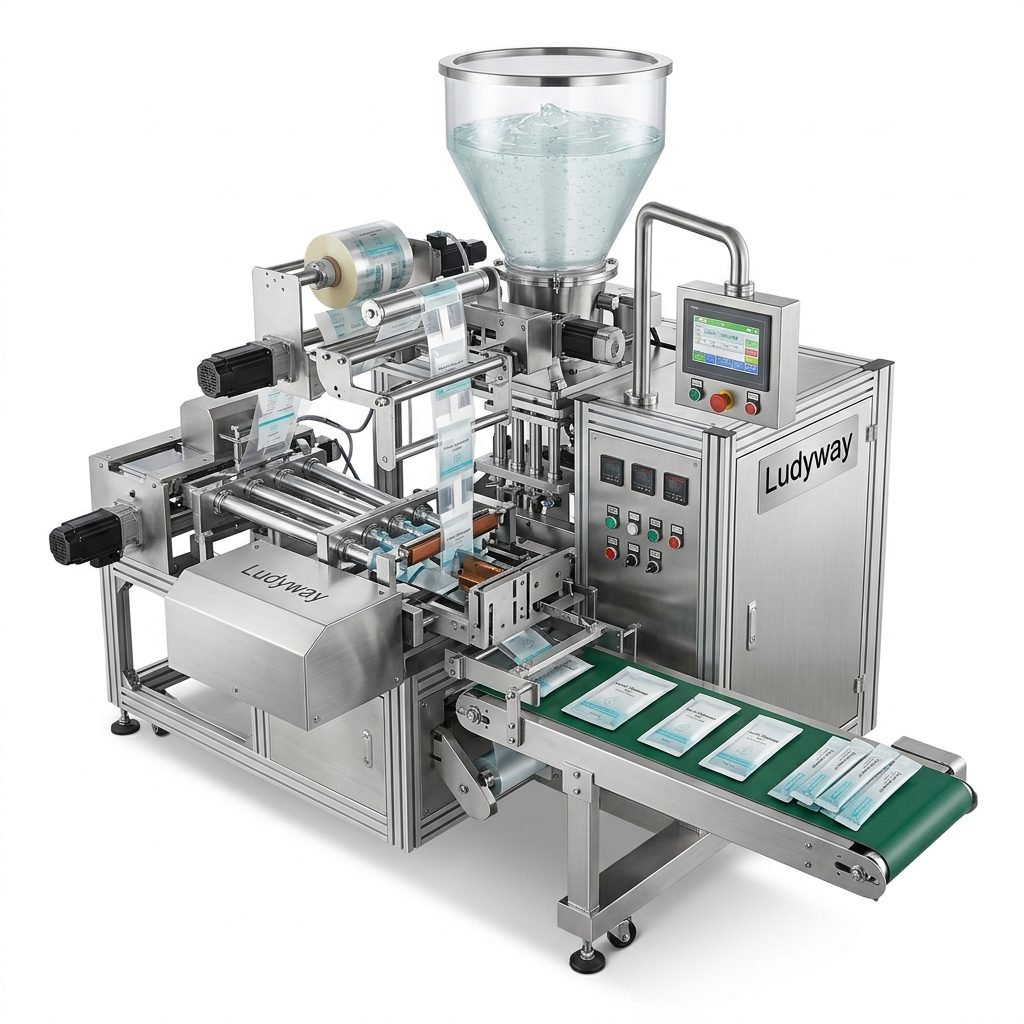
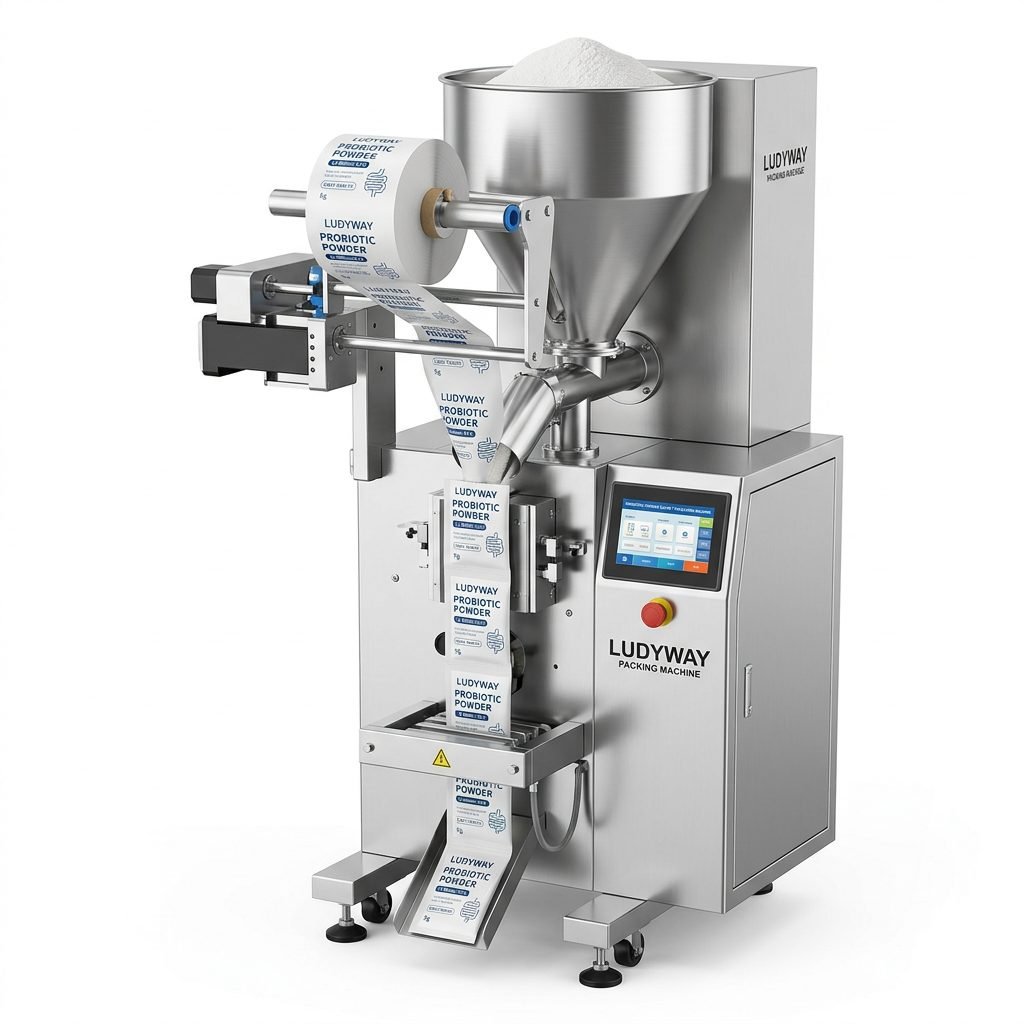
For portion-controlled meal kits, multi-lane stick pack machines are the backbone of high-speed production. These systems can simultaneously fill and seal multiple lanes, dramatically increasing output while maintaining precise portion accuracy. They are ideal for packaging dry seasonings, powdered drink mixes, protein supplements, and single-serve condiments. The ability to run 4 to 16 lanes concurrently makes them indispensable for meeting the growing order volumes typical of meal kit subscription services in Oceania.
Automated Weighing and Filling Systems
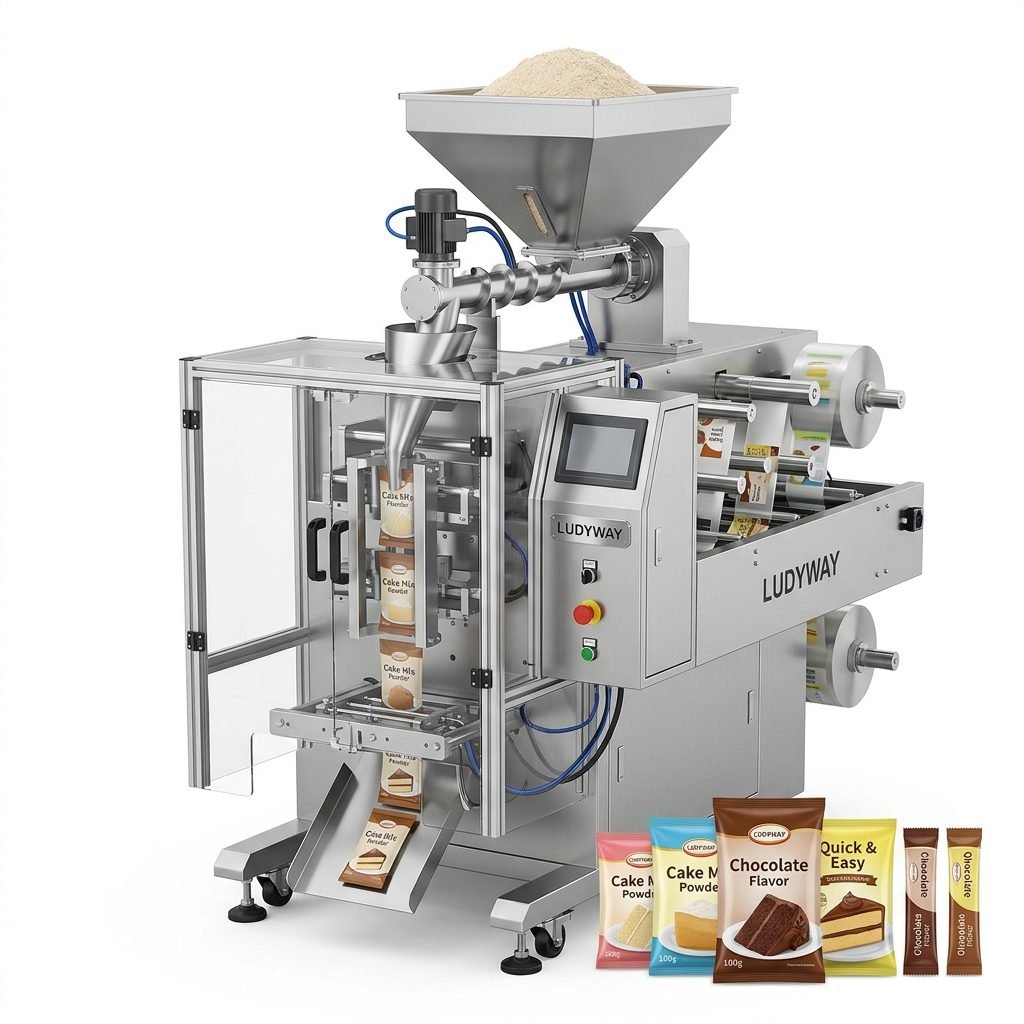
Accurate portioning is critical in meal kit production, where each component must match the recipe specifications exactly. Multi-head weighers and auger fillers provide precision dosing for granular and powdered ingredients respectively. For liquid components such as oils, vinegars, and sauces, piston fillers or peristaltic pump systems ensure clean, accurate fills without waste. Integrating ISO packaging standards into your weighing and filling processes helps maintain consistency and regulatory compliance across all production batches.

Cartoning and End-of-Line Packaging
Once individual components are packaged, they must be collated and placed into retail-ready cartons. Automatic cartoning machines handle this process efficiently, reducing manual labor and ensuring consistent presentation. End-of-line solutions including case packers, palletizers, and stretch wrappers complete the production cycle, preparing finished goods for distribution across Oceania’s logistics networks.
Regulatory Compliance and Food Safety in Oceania
Navigating the regulatory environment is a critical step in setting up your production line. Australia and New Zealand operate under the Food Standards Australia New Zealand (FSANZ) framework, which sets strict requirements for food contact materials, labeling, and hygiene practices. Compliance with these standards is non-negotiable for any meal kit packaging operation.
The following table summarizes key regulatory and standards considerations for Oceania-based packaging operations:
| Regulatory Area | Applicable Standard | Key Requirement |
|---|---|---|
| Food Contact Materials | FSANZ Standard 1.4.3 | Materials must not contaminate food |
| Labeling Requirements | FSANZ Standard 1.2.1 | Accurate ingredient and allergen declarations |
| Equipment Hygiene | ISO 11607 | Cleanable surfaces and validated processes |
| Packaging Waste | Australian Packaging Covenant | Sustainable packaging design and recycling targets |
| Electrical Safety | AS/NZS 3820 | Essential safety for electrical equipment |
| Machinery Safety | AS 4024 Series | Guarding and risk assessment requirements |
Additionally, meal kit producers should familiarize themselves with FDA food packaging guidelines if they plan to export products beyond Oceania, as understanding international standards broadens market access opportunities.
Step-by-Step Guide to Setting Up Your Production Line
Establishing a meal kit packaging production line is a structured process that requires methodical planning. Follow these steps to ensure a smooth implementation from concept to full-scale production.
- Conduct a Feasibility Study — Analyze your target product range, projected volumes, and budget constraints specific to the Oceania market.
- Define Line Specifications — Determine the required throughput, packaging formats (stick pack, sachet, pouch), and automation level needed.
- Select Facility Location — Choose a site with adequate utilities, ceiling height, and floor load capacity. Consider proximity to logistics hubs in Sydney, Melbourne, Auckland, or Brisbane.
- Design the Floor Layout — Optimize material flow from raw ingredient intake through to finished goods dispatch, minimizing cross-contamination risks.
- Procure Machinery — Source equipment that meets Oceania electrical and safety standards. Confirm lead times and installation support availability.
- Install and Commission — Work with experienced technicians to install, calibrate, and validate all machinery before production begins.
- Train Operational Staff — Develop comprehensive training programs covering equipment operation, cleaning protocols, and safety procedures.
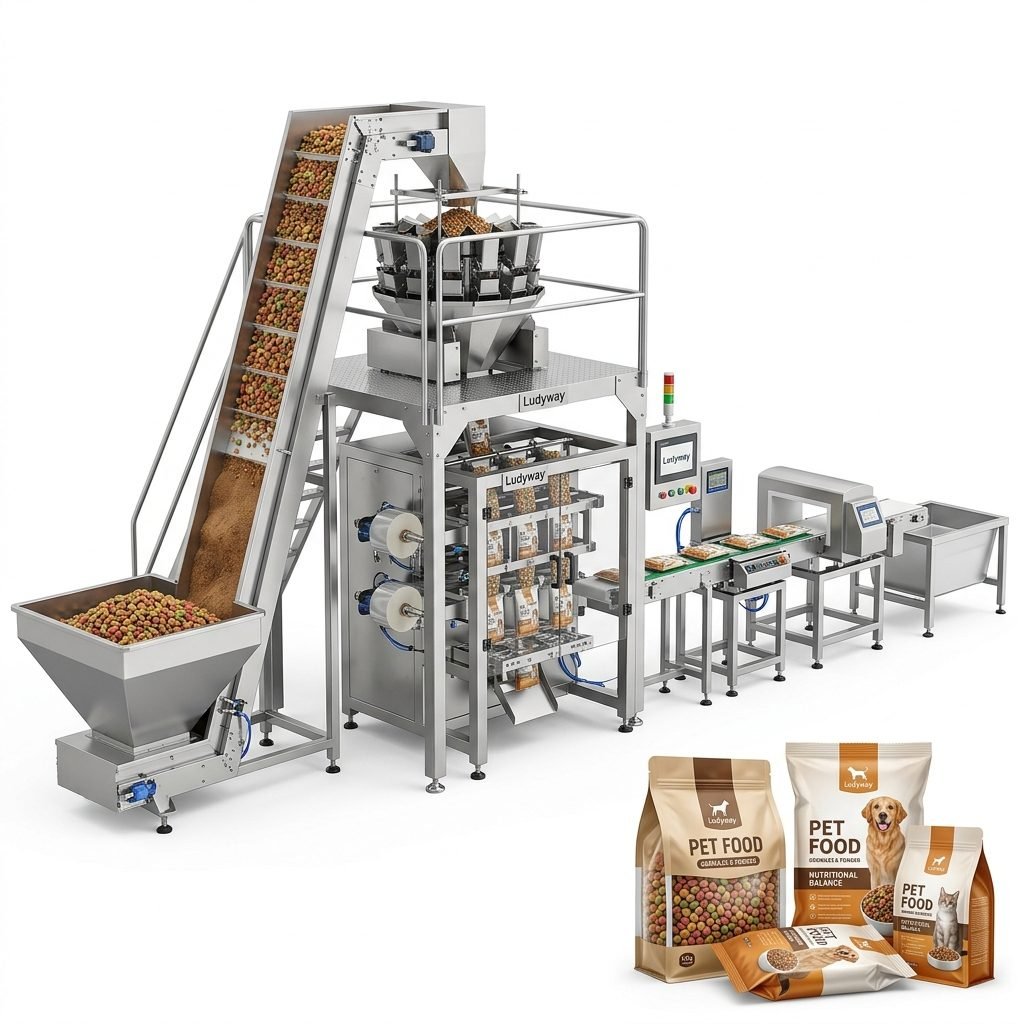
- Implement Quality Control Systems — Integrate checkweighers, metal detectors, and vision inspection systems to maintain product quality.
- Conduct Trial Runs — Validate the entire line with actual products, adjusting parameters for optimal performance.
- Scale to Full Production — Gradually ramp up output while monitoring key performance indicators and making continuous improvements.

Critical Success Factors for Oceania Operations
Running a successful meal kit packaging operation in Oceania involves more than just installing equipment. Consider these essential factors that can make or break your production line investment.
- Sustainability Practices — Oceania consumers are highly environmentally conscious. Choose packaging materials that are recyclable, compostable, or made from recycled content. The Flexible Packaging Association offers valuable insights into sustainable material innovations.
- Cold Chain Management — If your meal kits include fresh or chilled components, invest in temperature-controlled storage and processing areas that meet Australian and New Zealand cold chain standards.
- Supply Chain Resilience — Given Oceania’s geographic isolation, build strong relationships with local and regional suppliers to minimize disruption risks.
- Workforce Development — Skilled packaging line operators are in high demand. Partner with local technical institutes to develop talent pipelines.
- Traceability Systems — Implement batch tracking from raw material receipt through to finished product dispatch, a requirement increasingly demanded by Oceania retailers.
- Preventive Maintenance Programs — Establish scheduled maintenance routines to maximize equipment uptime and extend machinery lifespan in the demanding Oceania production environment.
Choosing the Right Packaging Machinery Partner
Selecting a reliable equipment supplier is one of the most consequential decisions in your production line setup. Look for a partner with proven experience in turnkey packaging solutions, a global service network, and a deep understanding of food-grade packaging requirements. The ideal supplier should offer comprehensive support including line design consultation, installation supervision, operator training, and ongoing technical assistance.
When evaluating potential partners, consider their track record in delivering complete automated packaging lines rather than just individual machines. An integrated approach ensures all components work seamlessly together, reducing commissioning time and operational headaches. For meal kit producers in Oceania, working with a manufacturer that has successfully deployed systems in comparable markets is a significant advantage.
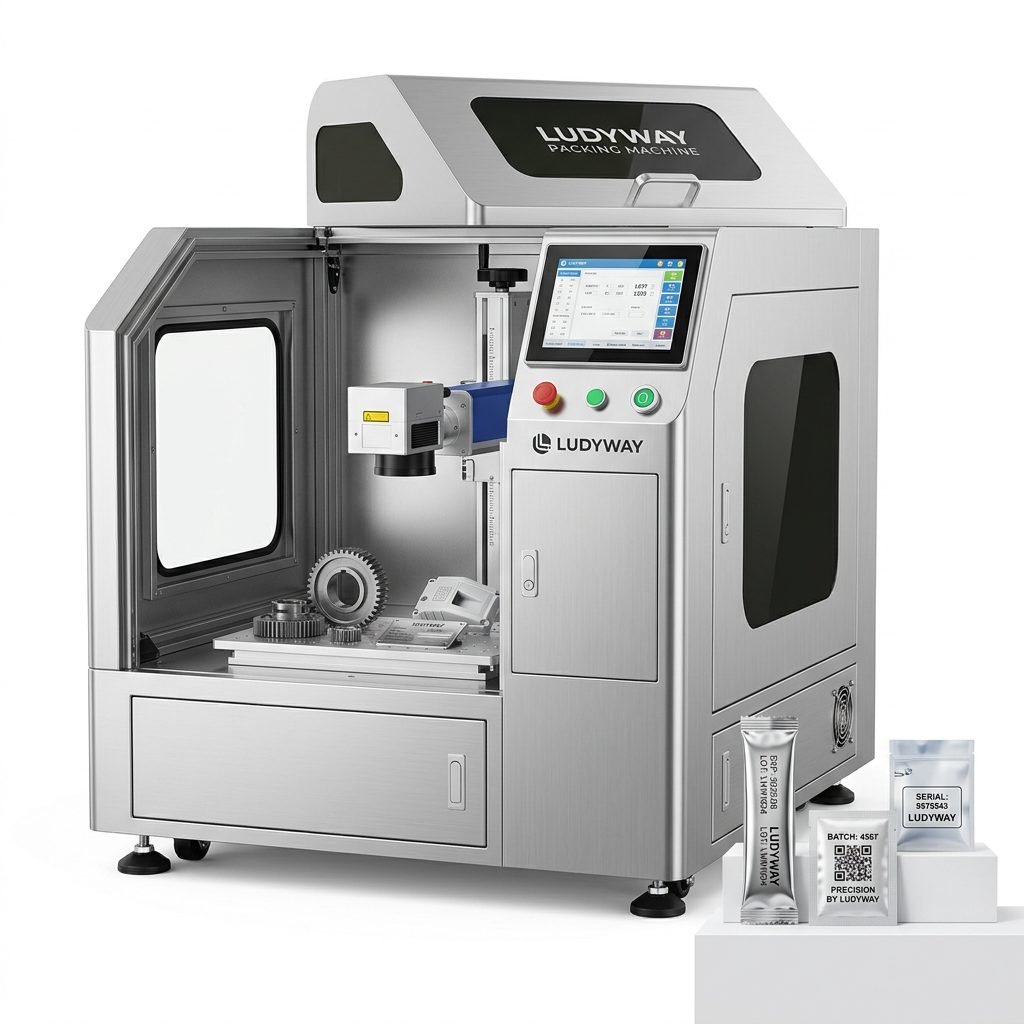
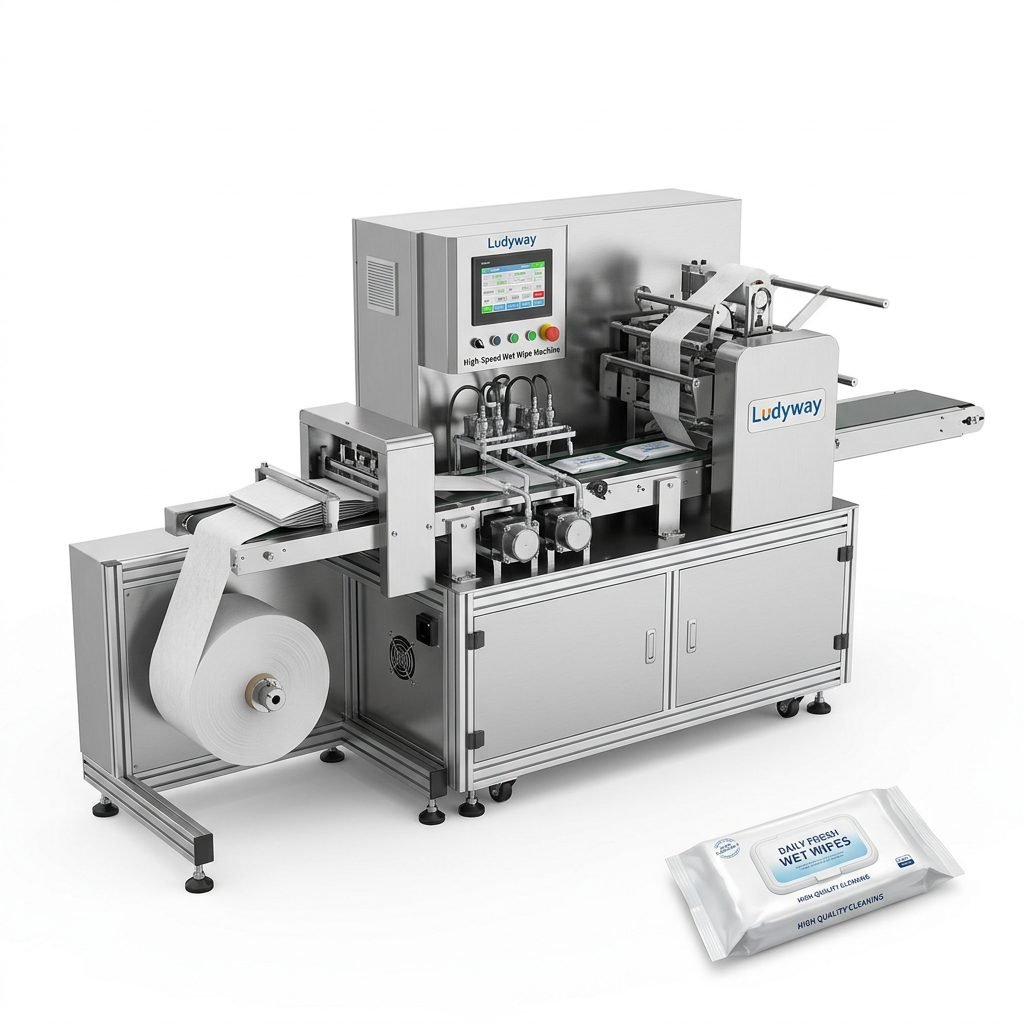
Ludyway, one of the largest packaging machine manufacturers in China, specializes in advanced turnkey packaging solutions with over 30 years of industry experience and a comprehensive portfolio spanning more than 50 intelligent packaging machine models. Their expertise in multi-lane stick pack, sachet, and fully automated packaging systems makes them a capable partner for meal kit operations of any scale across the Oceania region.
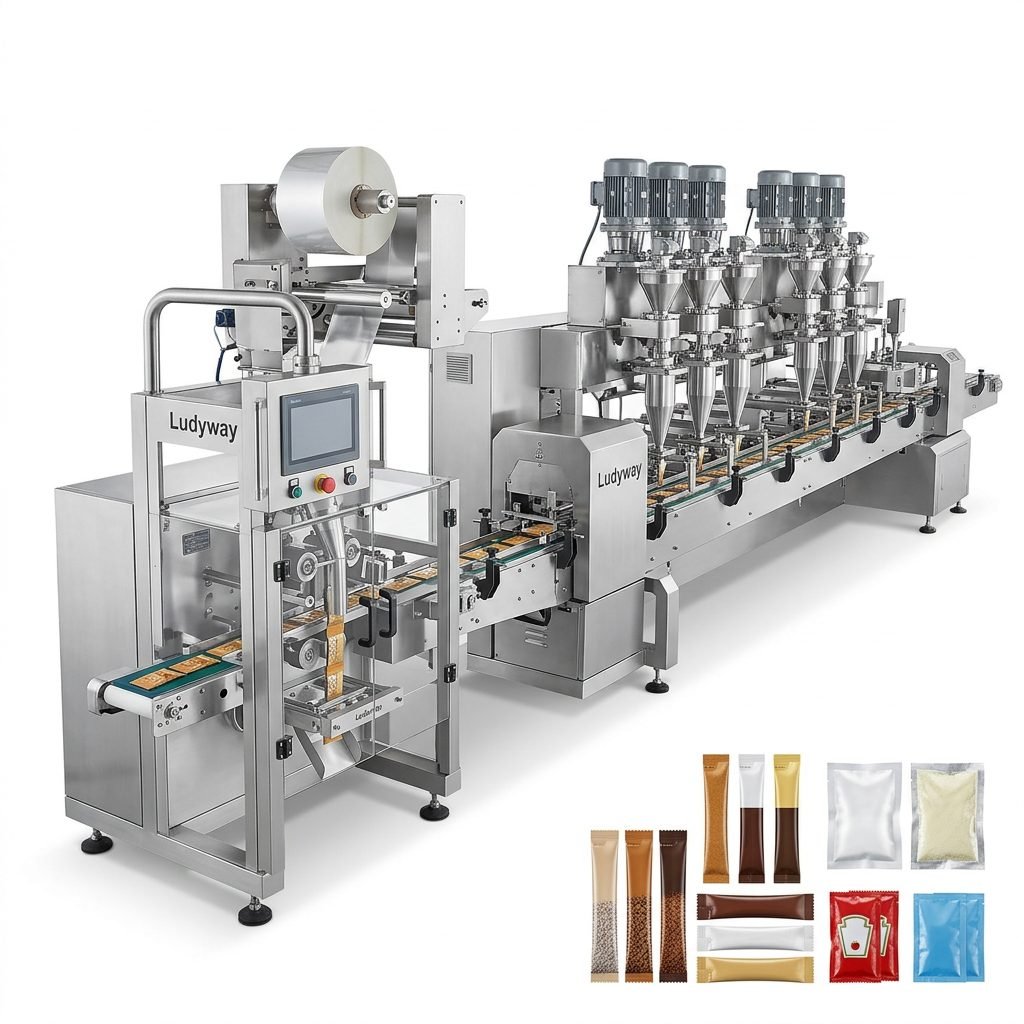
Evaluating Equipment Specifications
When comparing machinery options, focus on specifications that directly impact your operational efficiency. Key metrics include production speed (pouches per minute), changeover time between product variants, energy consumption, and compatibility with your chosen packaging materials. Request detailed technical documentation and, where possible, arrange to see similar lines in operation before making your final decision.
Future-Proofing Your Investment
The Oceania meal kit market continues to evolve rapidly, with trends pointing toward greater product variety, smaller portion sizes, and enhanced sustainability. When designing your production line, build in flexibility to accommodate future product launches without requiring a complete equipment overhaul. Modular machinery designs, scalable automation architectures, and software-driven controls all contribute to a line that can adapt as your business grows.

Investing in smart packaging technologies such as IoT-enabled machine monitoring, predictive maintenance alerts, and real-time production dashboards can provide a competitive edge. These technologies not only improve operational efficiency but also support compliance with Oceania’s increasingly stringent food safety and traceability requirements. By taking a strategic, long-term approach to your meal kit packaging line investment, you position your business to capture growth opportunities across Australia, New Zealand, and the wider Oceania market for years to come.
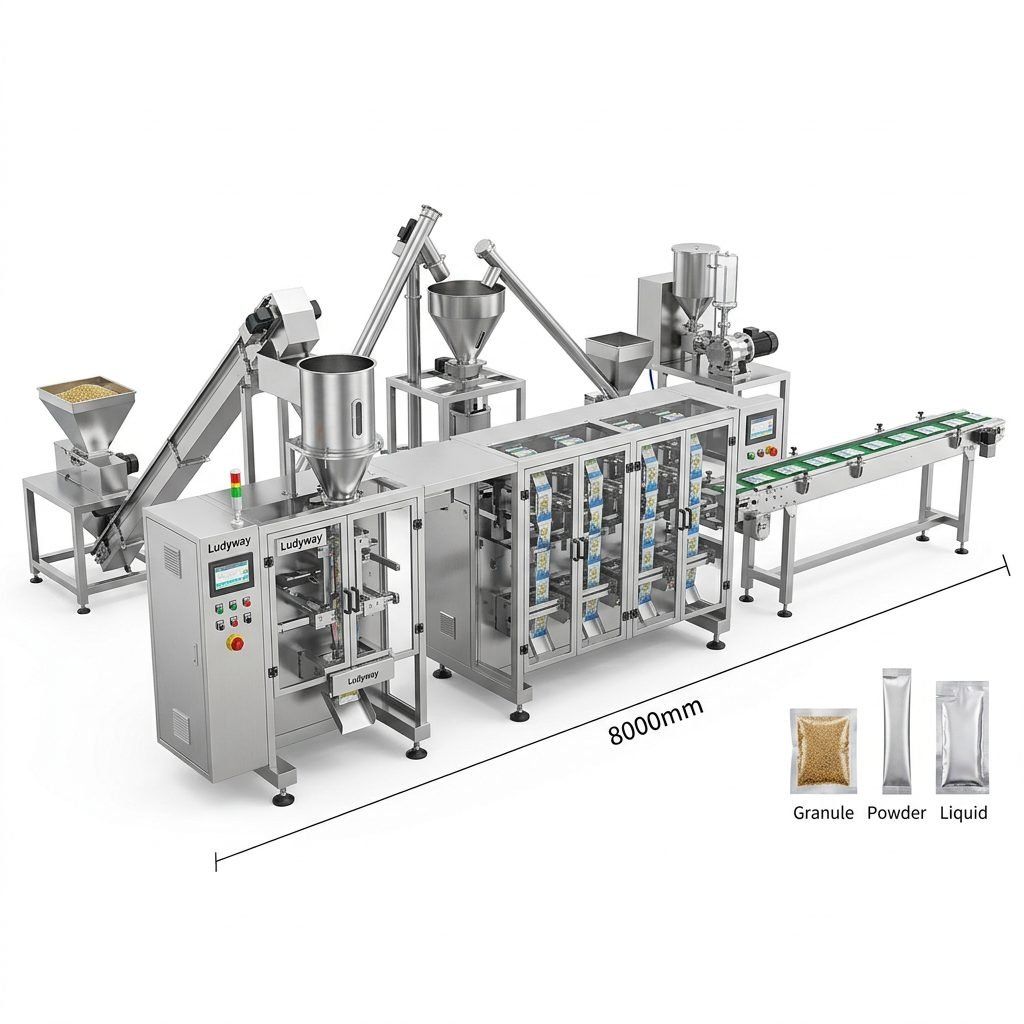
Final Considerations Before Commissioning
Before your production line goes live, ensure all safety guarding, emergency stop systems, and electrical installations comply with Australian and New Zealand workplace safety regulations. Schedule a pre-production audit covering hygiene zones, allergen management protocols, and cleaning validation procedures. A well-prepared commissioning phase reduces startup risks and accelerates your path to consistent, high-quality meal kit production in the Oceania market.