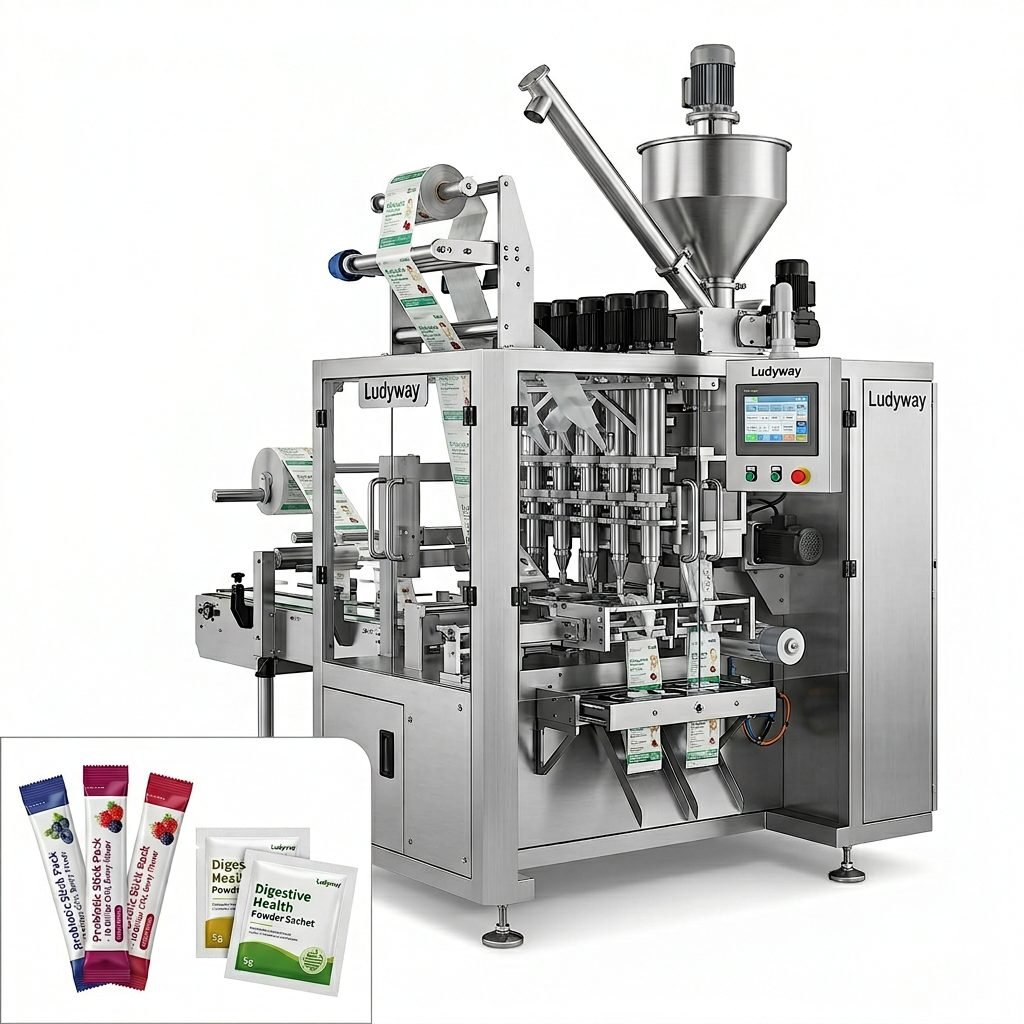
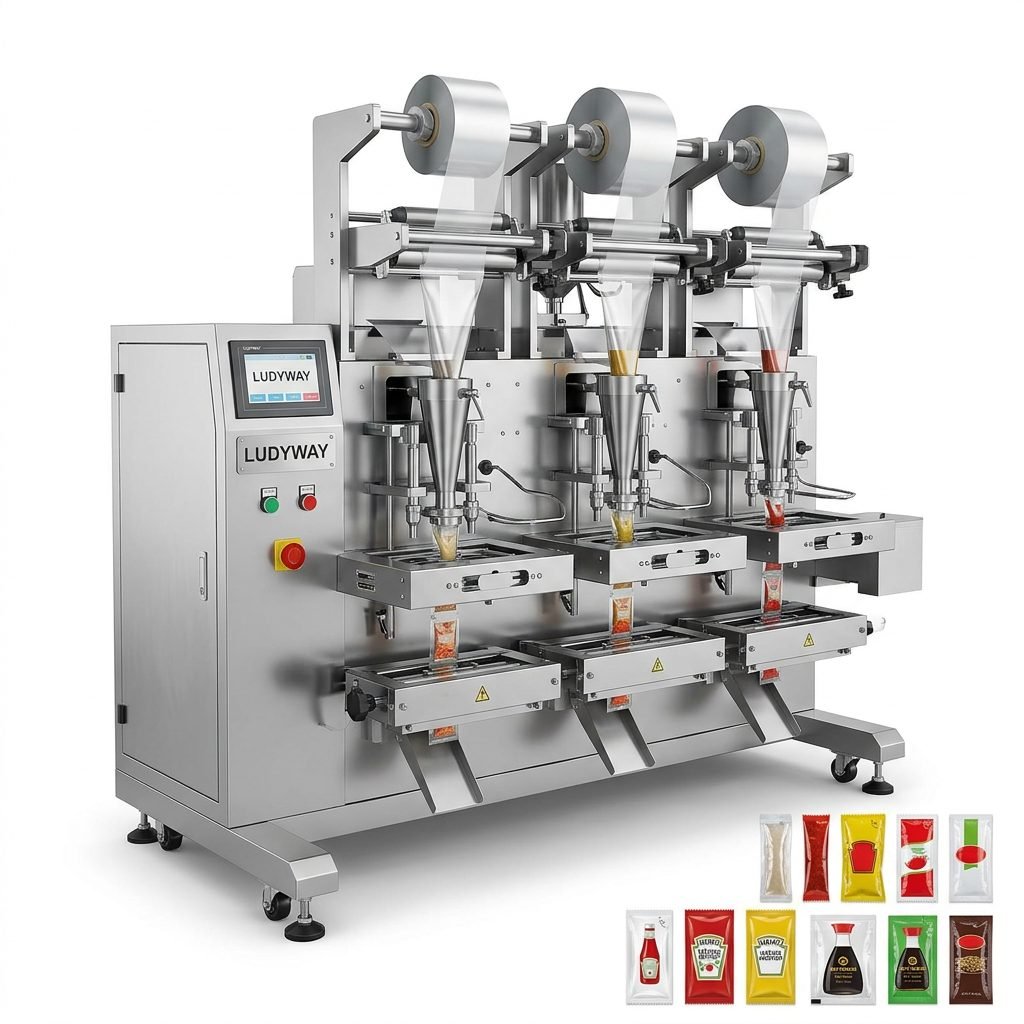
In pharmaceutical and healthcare manufacturing, blister packaging remains one of the most trusted formats for tablets, capsules, lozenges, and unit-dose products. A reliable blister packing machine manufacturer helps companies achieve consistent sealing quality, better product protection, faster output, and regulatory-friendly packaging workflows. Whether you produce OTC medicines, prescription drugs, nutraceuticals, or diagnostic products, the right equipment partner can directly influence efficiency, compliance, and long-term operating cost.
Modern blister packaging is no longer just about sealing products into formed cavities. It now includes precision feeding, vision inspection, coding, rejection, cartoning integration, and data-driven process control. For buyers planning new projects or replacing aging equipment, selecting a manufacturer with strong engineering depth is essential.
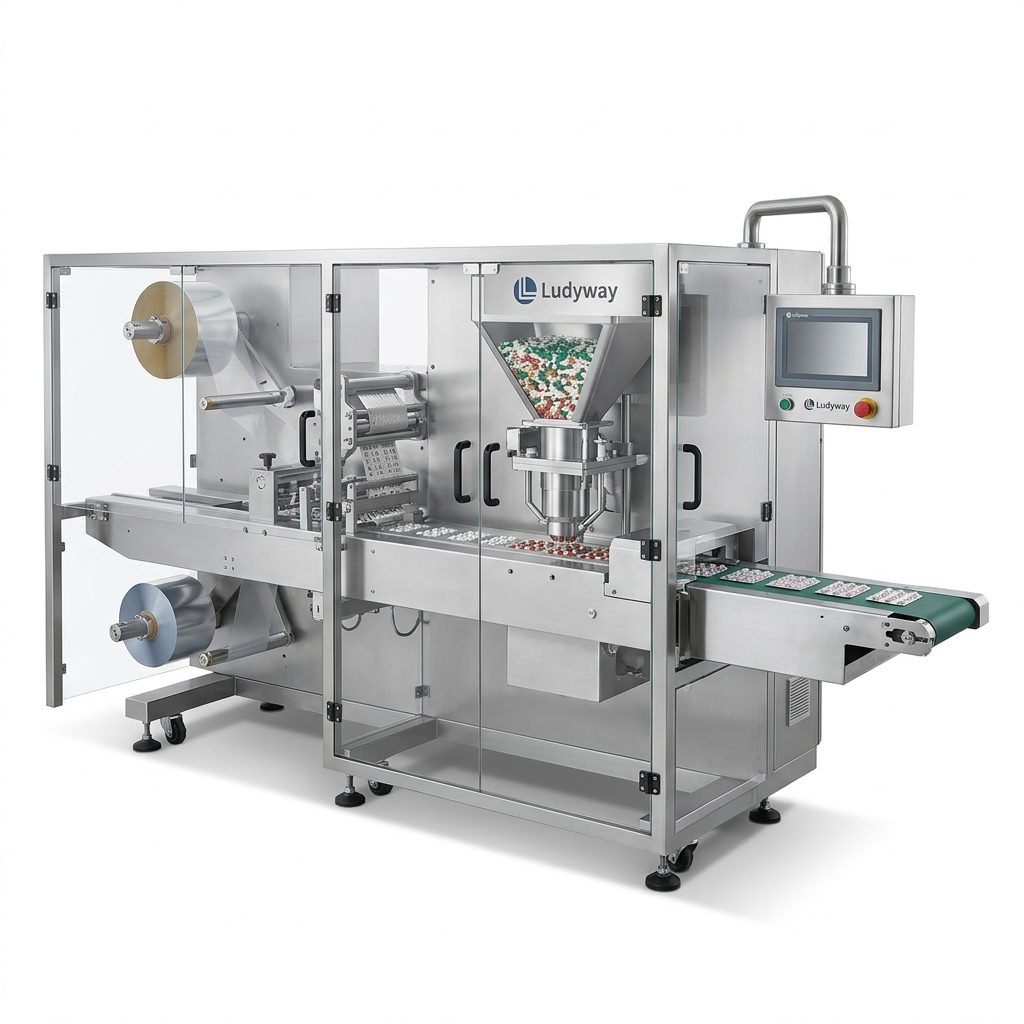
What a Blister Packing Machine Manufacturer Should Deliver
A professional manufacturer should provide more than just a machine frame and basic operation. The best suppliers focus on packaging stability, application fit, and line integration. This matters especially in pharmaceutical production, where downtime, sealing defects, or feeding errors can quickly affect batch quality and delivery schedules.
- Stable forming, sealing, and punching performance
- Compatibility with PVC, PVDC, Alu-PVC, and Alu-Alu materials
- Accurate product feeding for tablets, capsules, and softgels
- Simple cleaning and maintenance access
- Batch coding and traceability support
- Integration with cartoners, checkweighers, and inspection systems
- Technical support, spare parts supply, and customization capability
Buyers often compare machine speed first, but real production value comes from the balance of speed, sealing integrity, ease of changeover, and after-sales support.
Why Reliable Blister Packaging Matters
Blister packs are widely used because they offer strong barrier protection, individual dosing convenience, and a clean presentation for retail and hospital channels. For pharmaceutical brands, they also help reduce contamination risk and improve patient compliance.
- Product protection: shields sensitive tablets and capsules from moisture, oxygen, and physical damage.
- Dose accuracy: supports unit-dose packaging for safer dispensing.
- Shelf appeal: creates a clean, professional retail package.
- Traceability: works well with batch numbers, expiry coding, and anti-counterfeit features.
- Automation potential: integrates with cartoning and final case packing.
Key Features to Evaluate Before Buying
Choosing a blister machine requires looking beyond the brochure. Manufacturers should be able to explain how their equipment performs under your actual production conditions, including your product shape, packaging material, output target, and validation needs.
| Evaluation Area | Why It Matters | What to Ask the Manufacturer |
|---|---|---|
| Packaging Material Compatibility | Ensures proper barrier performance and pack appearance | Can the machine handle PVC, PVDC, Alu-PVC, and Alu-Alu? |
| Product Feeding | Affects fill accuracy and output consistency | How is feeding optimized for tablets, capsules, or irregular shapes? |
| Sealing Quality | Directly impacts product safety and shelf life | What sealing controls and inspection methods are included? |
| Changeover Efficiency | Reduces downtime for multiple SKUs | How long does mold and format changeover take? |
| Compliance Support | Important for regulated industries | Are IQ/OQ documents, validation support, and material certificates available? |
| Line Integration | Improves end-to-end packaging efficiency | Can the machine connect with cartoners, conveyors, and case packers? |
Applications Across Pharmaceutical and Healthcare Industries
A capable blister packing machine manufacturer should understand different product categories and their packaging requirements. Not every blister format is the same, and product-specific engineering helps reduce damage, misfeeds, and seal defects.
Common blister-packed products include:
- Tablets and coated tablets
- Hard capsules and softgels
- Effervescent tablets
- Lozenges and chewables
- Nutraceutical supplements
- Medical devices and diagnostic items
- Veterinary pharmaceutical products
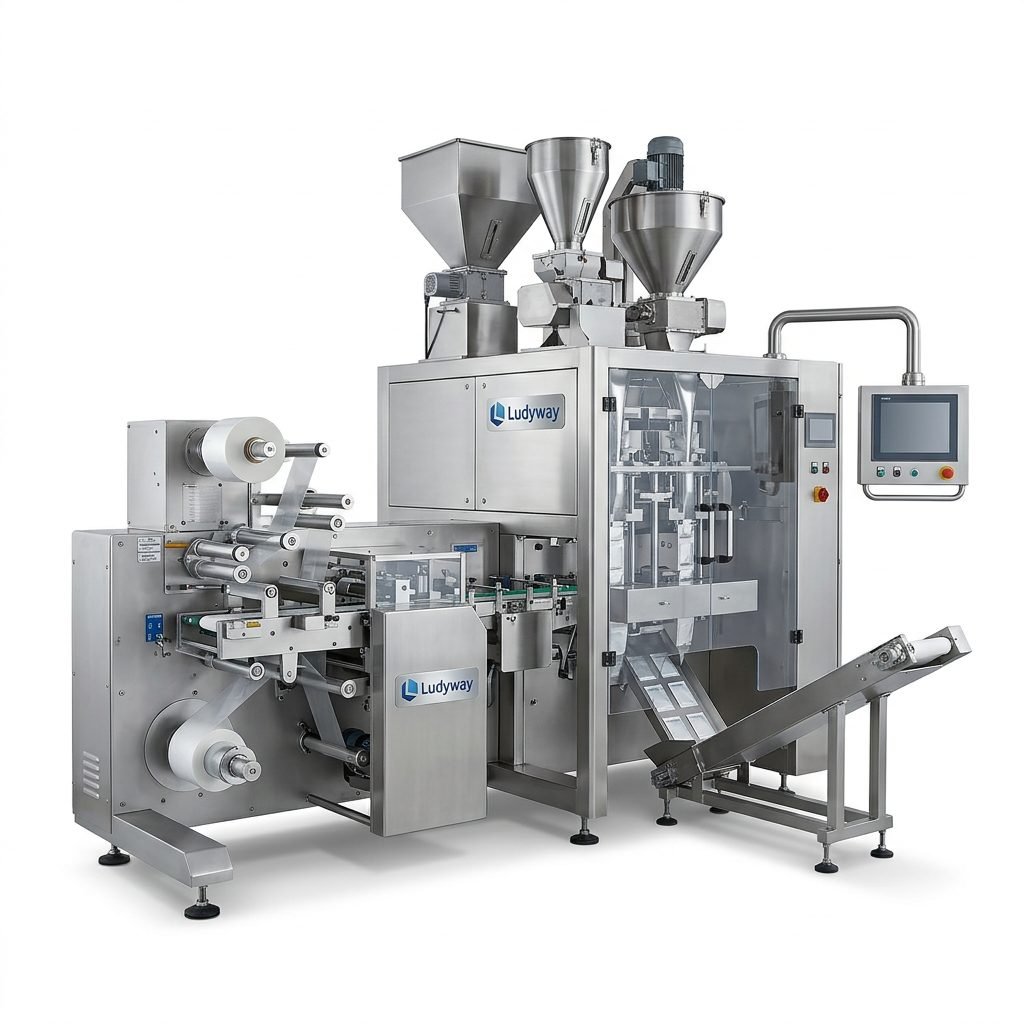
Benefits of Working With an Experienced Manufacturer
Experience often shows up in the details: smoother machine motion, better heat control, clearer HMI interfaces, stronger spare parts management, and faster issue diagnosis. An established manufacturer can also recommend the most practical machine configuration instead of overselling unnecessary options.
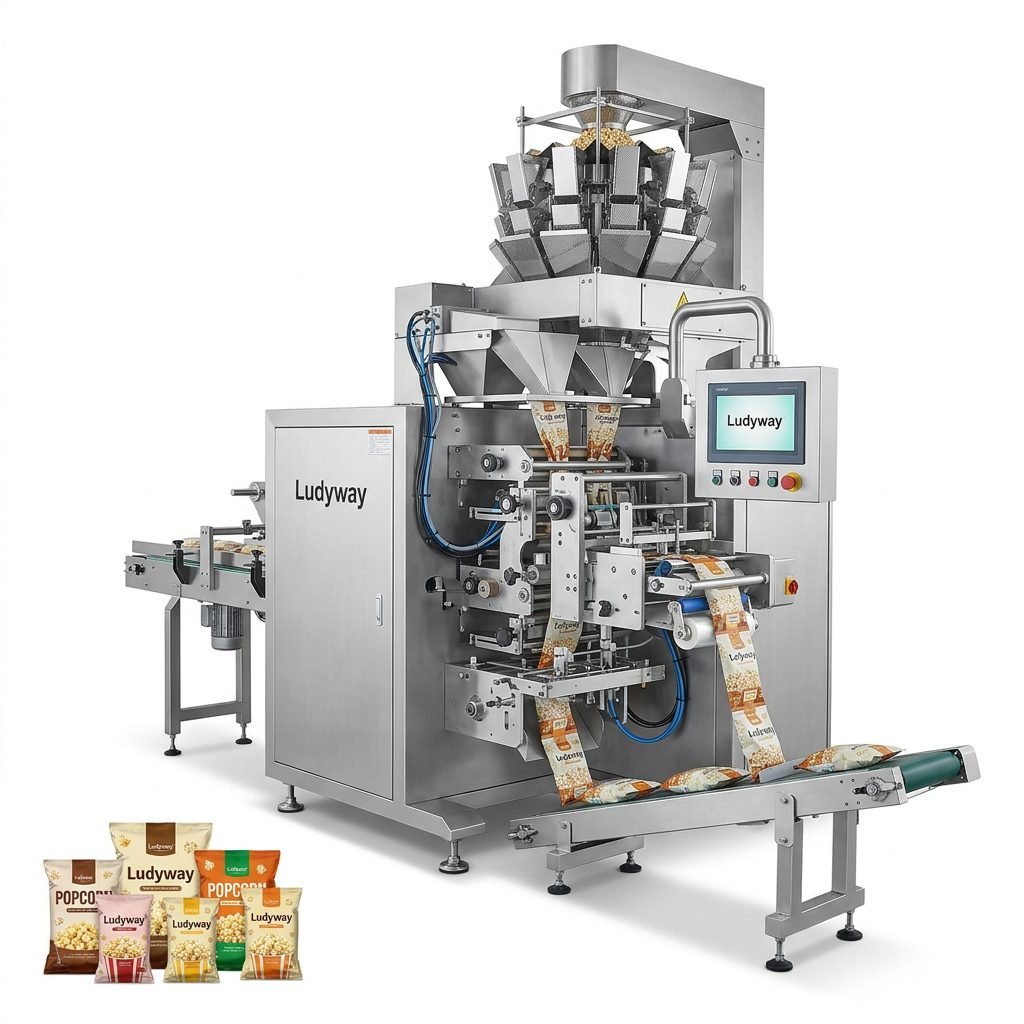
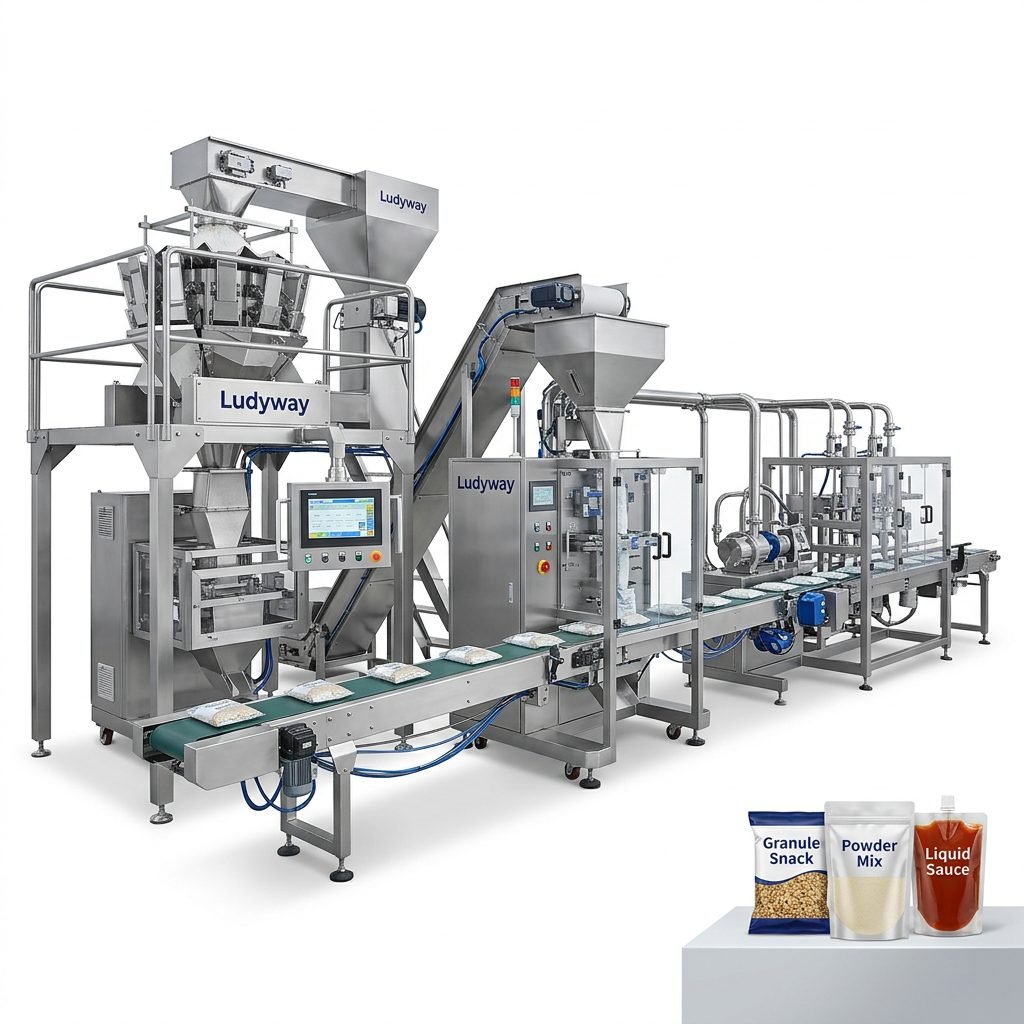
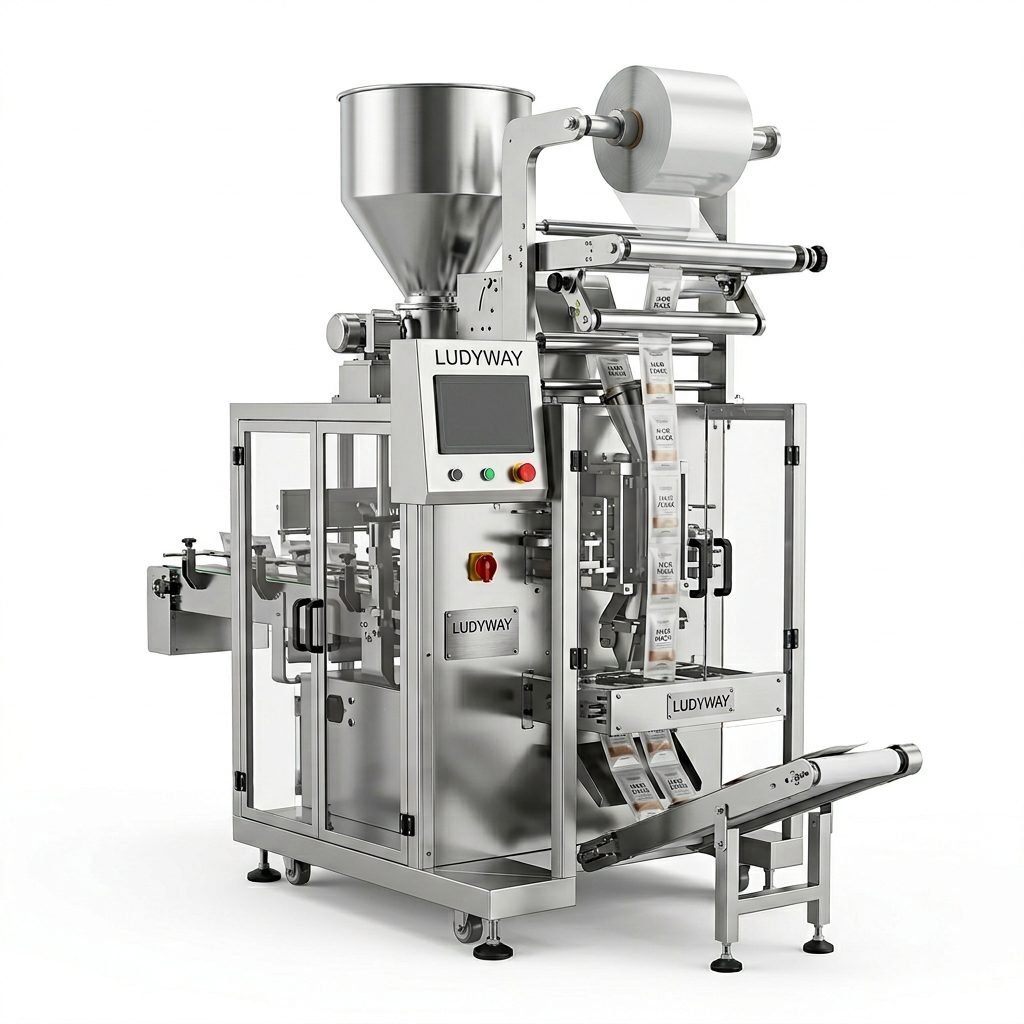
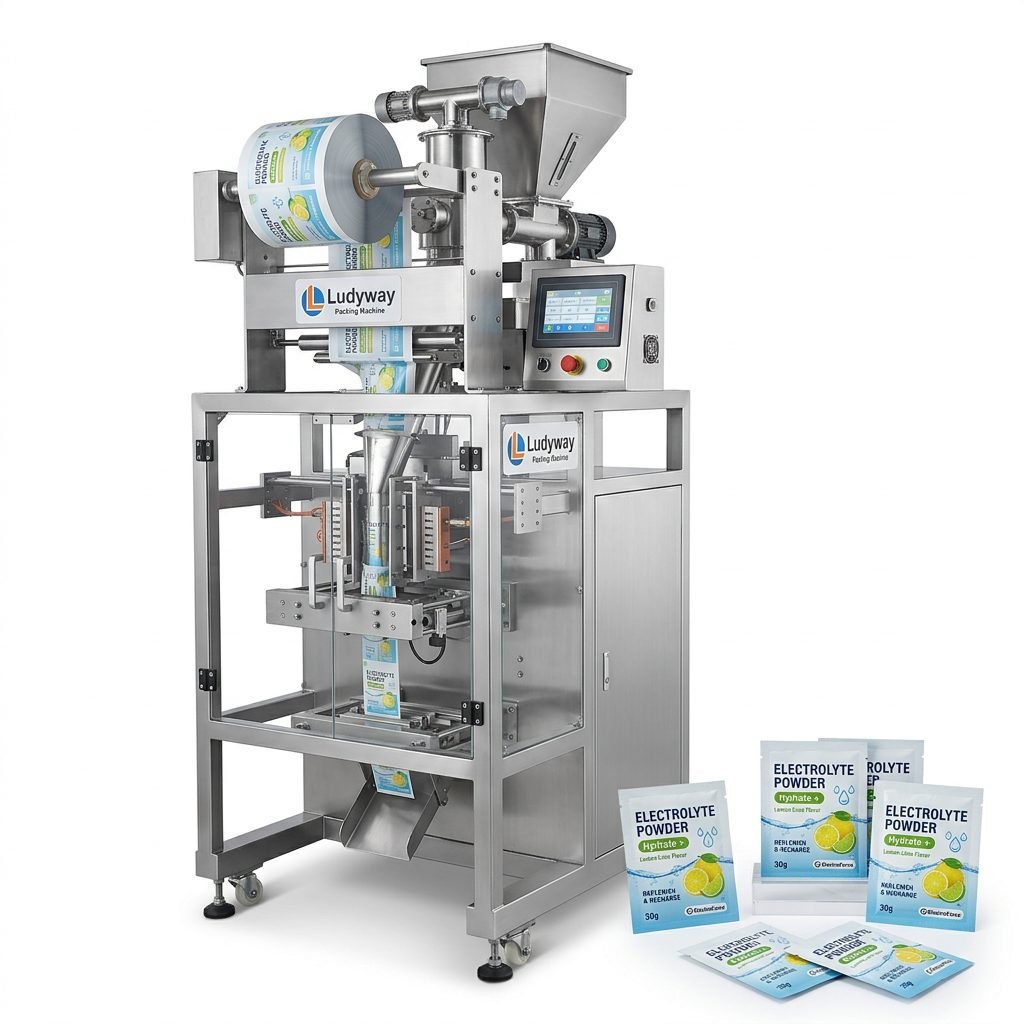
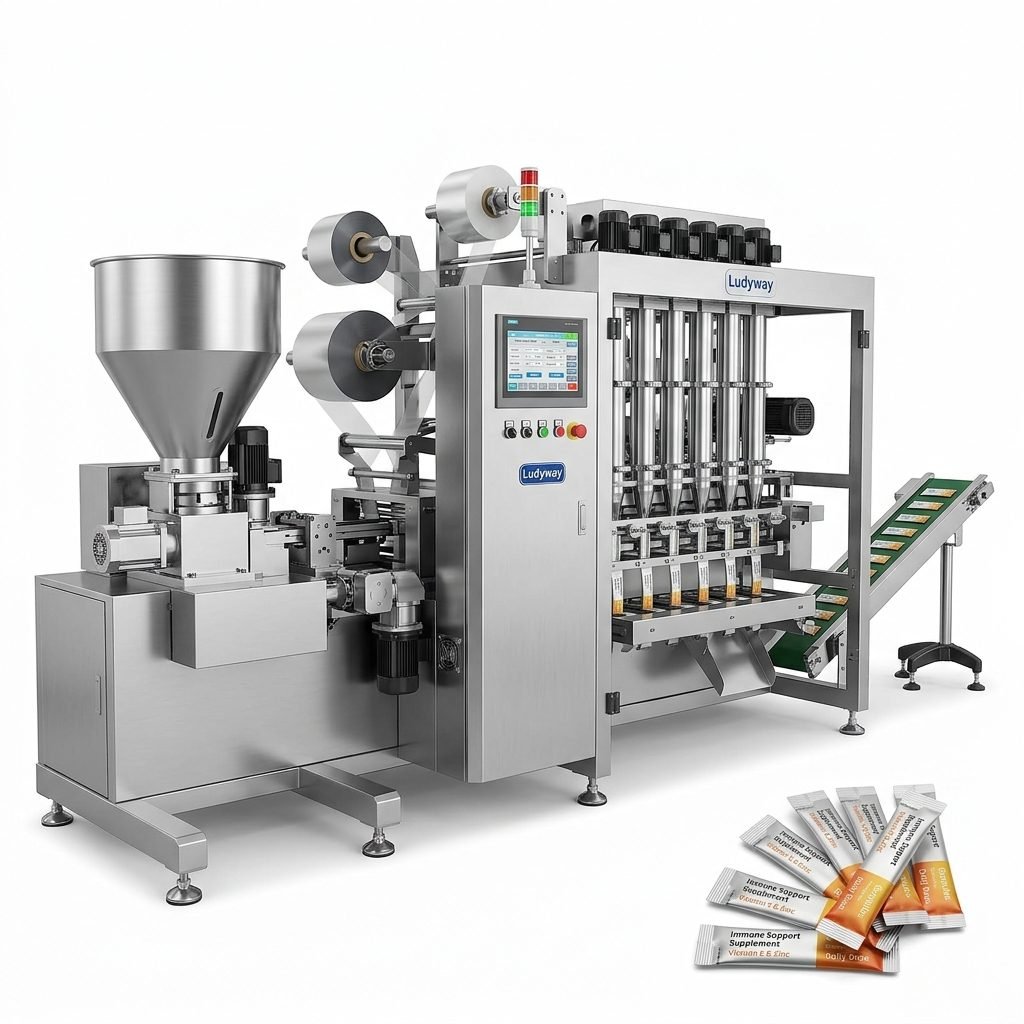
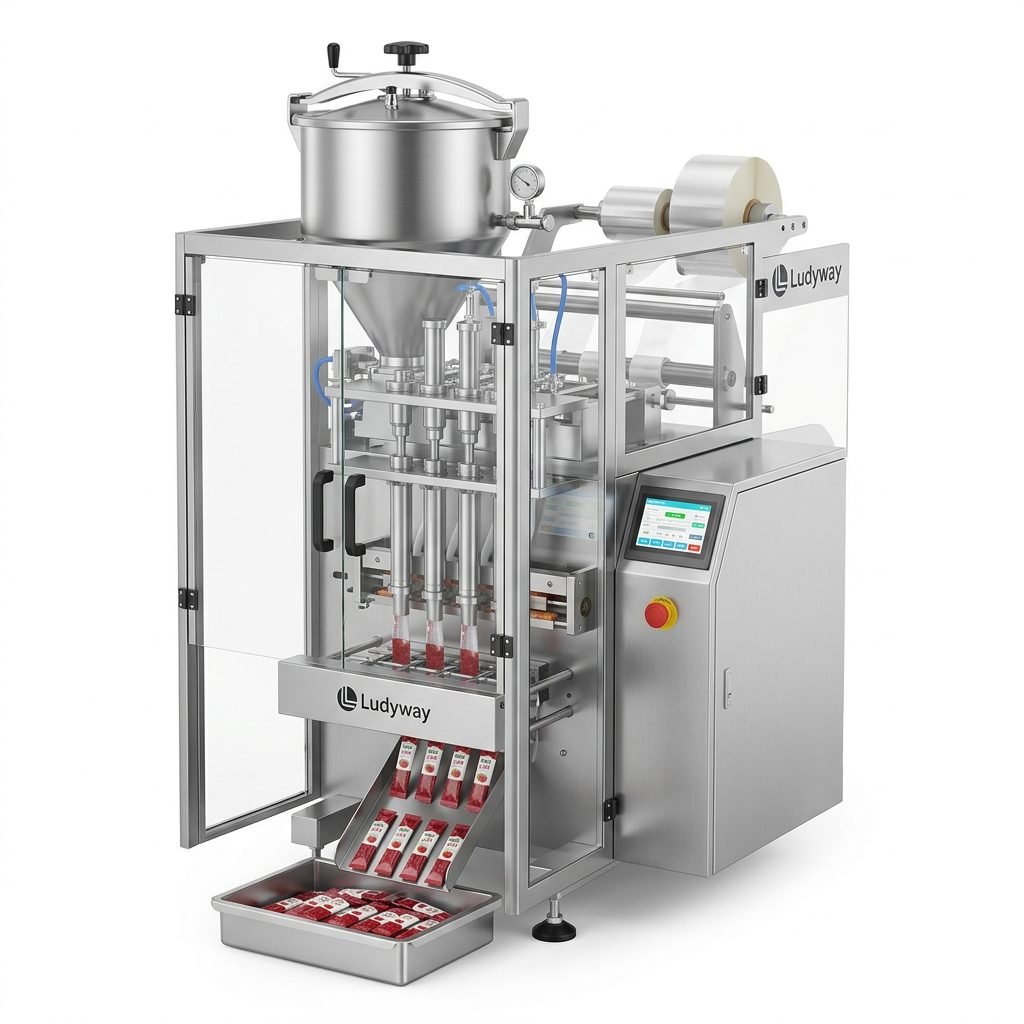
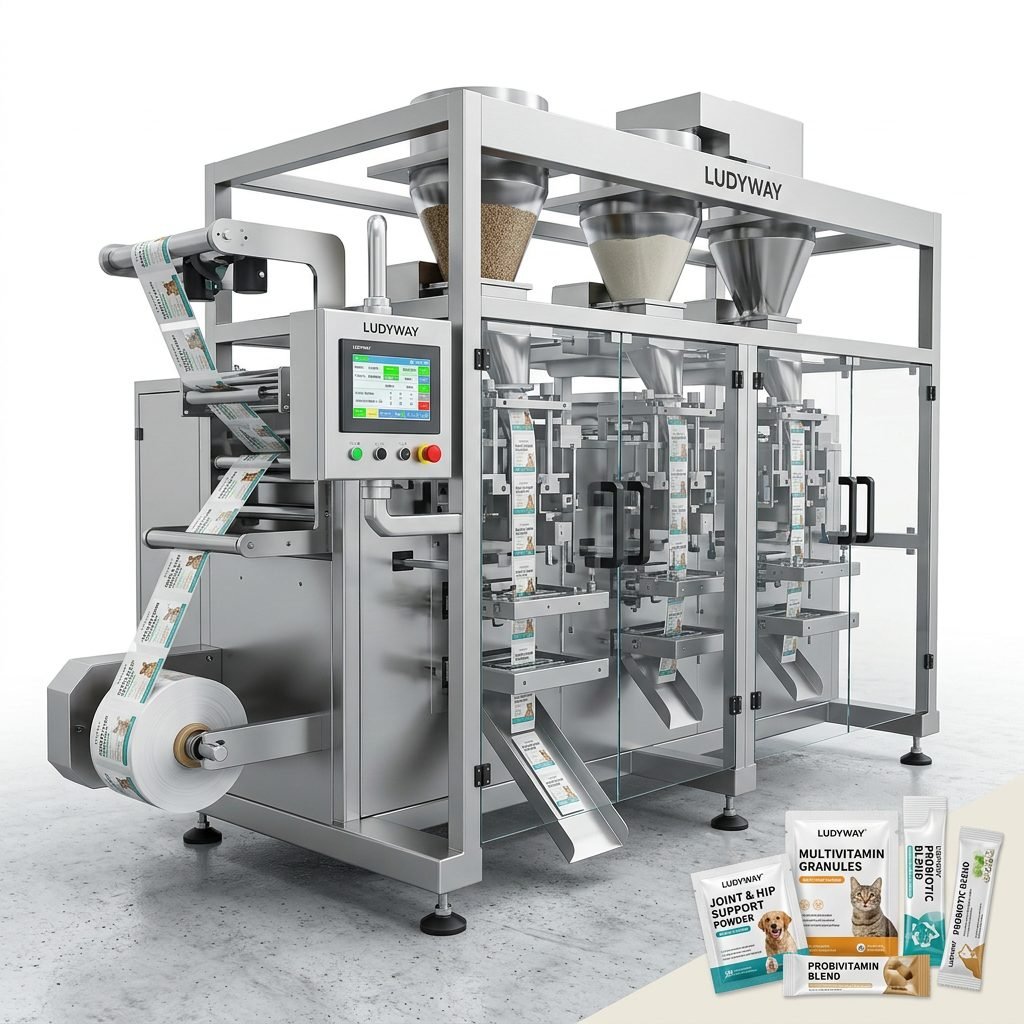
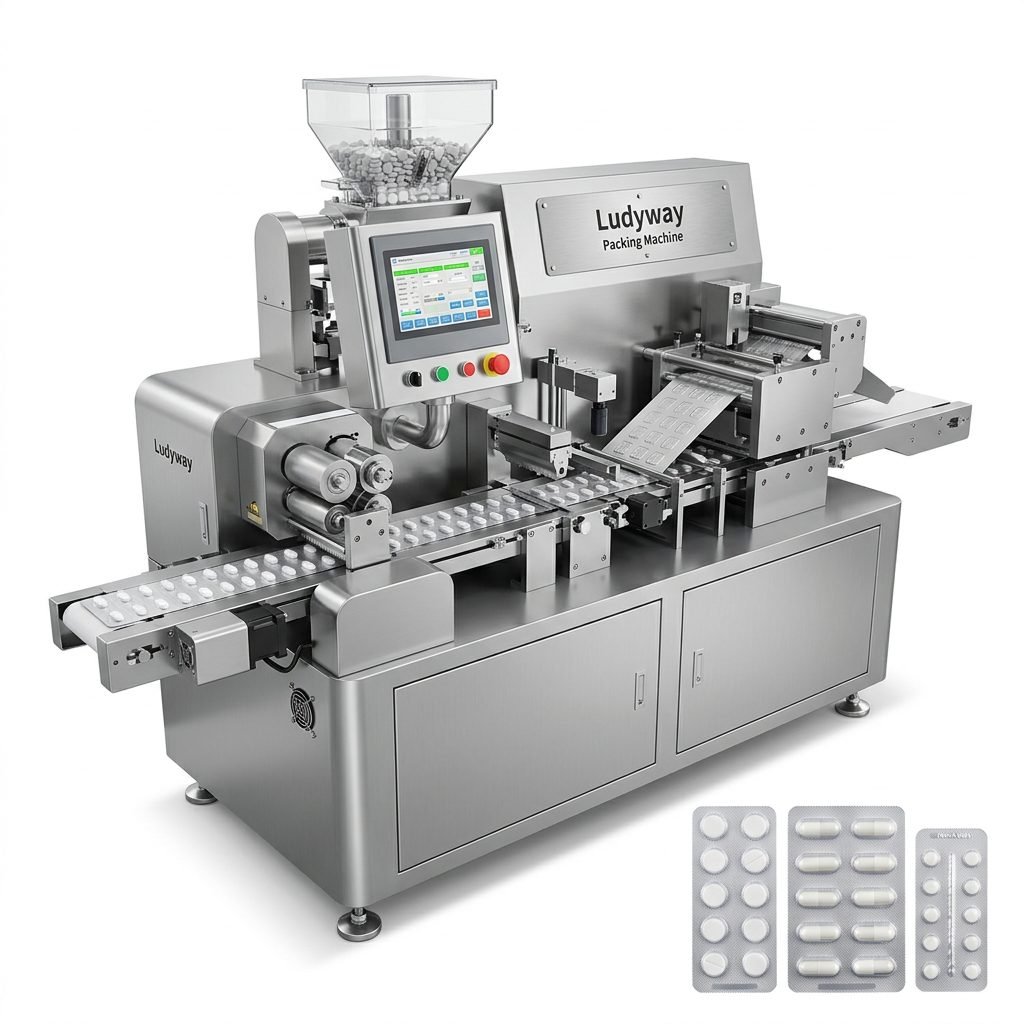
For many global buyers, working with an export-oriented supplier also means easier communication, application-based customization, and more structured project management. One example is blister packing machine manufacturer Ludyway, a China-based packaging machinery company with more than 30 years of industry experience, a factory of over 20,000 square meters, and broad capabilities in standalone machines as well as turnkey packaging lines for food, pharmaceutical, and health-related sectors.
A strong manufacturer typically provides:
- Application analysis before quotation
- Custom mold and format design
- Factory testing before shipment
- Installation and commissioning guidance
- Operator training
- Spare parts and maintenance support
- Future upgrade options for scaling production
Standalone Machine or Complete Packaging Line?
Some manufacturers only need a single blister machine, while others need a complete packaging line from feeding to final case packing. The right choice depends on production volume, labor costs, factory space, and automation goals.
| Option | Best For | Main Advantage |
|---|---|---|
| Standalone Blister Machine | Small to medium production or line replacement | Lower upfront investment and easier installation |
| Blister + Cartoner Integration | Growing pharmaceutical brands | Improved automation and less manual handling |
| Turnkey Packaging Line | Large-scale or export-oriented production | Maximum efficiency, consistency, and centralized control |
Signs of a Reliable Blister Packing Machine Manufacturer
Before making a final decision, buyers should assess both technical and commercial reliability. A machine that looks good in photos is not enough. You need evidence that the supplier can support production over time.
Look for these signs:
- Proven export experience in multiple markets
- Clear machine specifications and transparent quotations
- Real case videos or reference projects
- Testing with customer samples
- Structured quality inspection before delivery
- Reasonable lead time and spare parts planning
- Responsive technical service after installation
It is also useful to ask about machine life cycle, wear parts replacement frequency, and availability of remote troubleshooting. These factors strongly affect total cost of ownership.
Questions Buyers Should Ask Before Ordering
A good supplier welcomes detailed technical questions. This is often where strong manufacturers stand out from trading-only companies.
- What product types and dimensions has this model successfully packed?
- What blister materials and lidding foils are supported?
- What is the actual stable running speed, not only the maximum theoretical speed?
- How is defective blister rejection handled?
- Can the system be integrated with cartoning and coding equipment?
- What validation or documentation support is available for regulated production?
- How quickly can spare parts and service support be provided?
How the Right Equipment Improves Packaging Efficiency
Efficient packaging is not simply about running faster. It means producing more acceptable packs with fewer stoppages, fewer operator interventions, and less material waste. A reliable blister packing solution can improve:
- Output consistency across long production runs
- Seal appearance and pack integrity
- Material utilization
- Labor efficiency
- Batch changeover speed
- Final cartoning and secondary packaging flow
For pharmaceutical companies facing rising compliance pressure and labor costs, these gains can create meaningful competitive advantage. Over time, a dependable machine often delivers far more value than a lower-cost machine with unstable performance.
Final Considerations for Choosing the Best Manufacturing Partner
The best blister packing machine manufacturer is one that understands your product, your packaging material, your target output, and your regulatory expectations. The right partner should help you build a solution that is not only productive today, but also scalable for future growth.
If your project involves tablets, capsules, or healthcare products, prioritize manufacturers with real pharmaceutical packaging experience, customization capability, and dependable long-term support. A well-designed blister packaging system can strengthen product safety, improve line efficiency, and support consistent delivery in demanding markets.