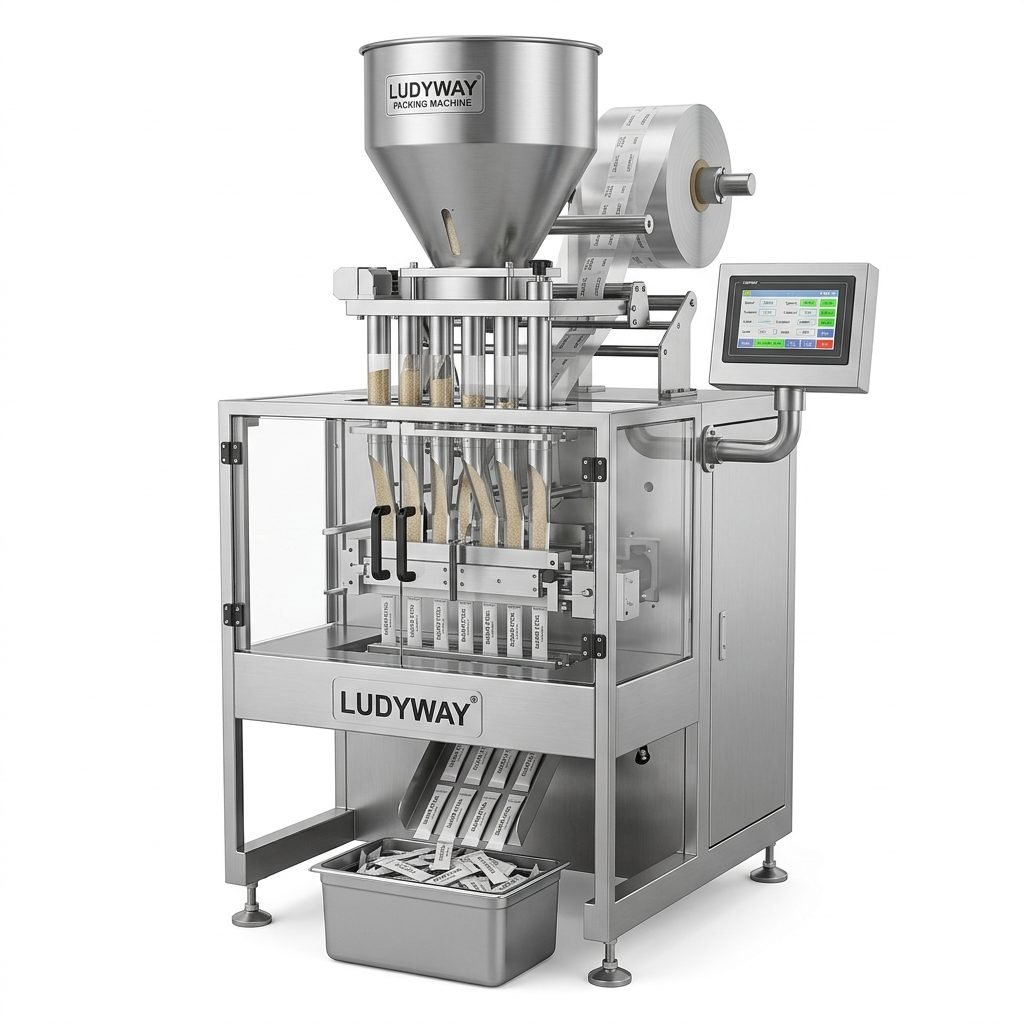
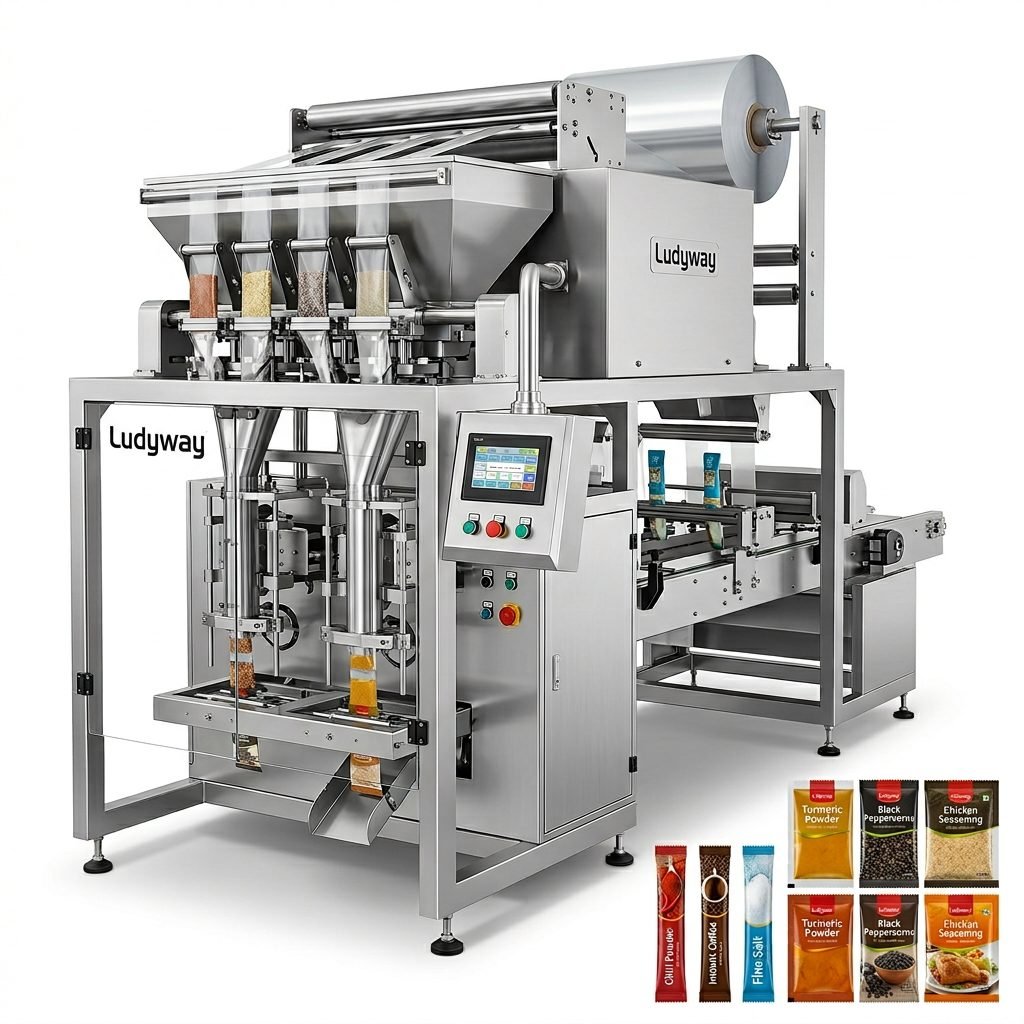
Establishing a popcorn packaging machine production line in North America requires careful planning, adherence to regulatory standards, and the selection of high-performance equipment. Whether you are launching a new brand or scaling an existing operation, this step-by-step guide will walk you through the process of building a compliant, efficient, and automated packaging system tailored for the North American market.
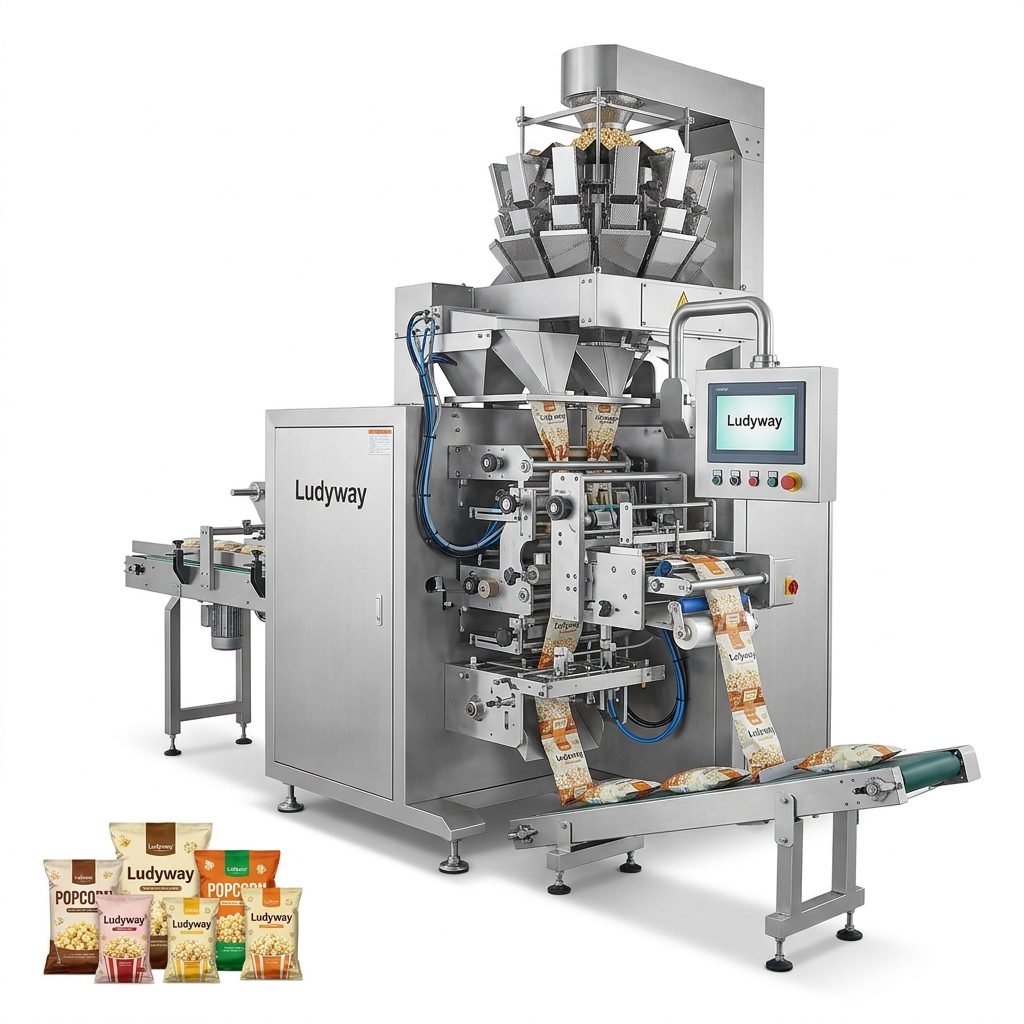
Step 1: Understand North American Packaging Requirements
Before investing in machinery, it is critical to understand the regulatory landscape. In the United States and Canada, food packaging must comply with FDA regulations for food contact substances, as well as CFIA standards in Canada. The FDA Food Packaging and Food Contact Substances guidelines are essential reading. Additionally, packaging machinery should meet PMMI standards for safety and performance. Understanding these requirements early helps avoid costly redesigns and ensures a smooth market entry.
Step 2: Define Your Production Goals and Capacity
Clearly define your target output volume, packaging format, and product characteristics. Will you be packing microwave popcorn bags, pre-seasoned popcorn pouches, or multi-lane stick packs? Consider factors such as:
- Desired bags per minute (BPM) or packs per hour
- Package sizes and material compatibility
- Changeover frequency between flavors
- Integration with existing upstream and downstream equipment
Mapping out these parameters will dictate the machinery specifications and line configuration you need.
Step 3: Select the Right Popcorn Packaging Machine
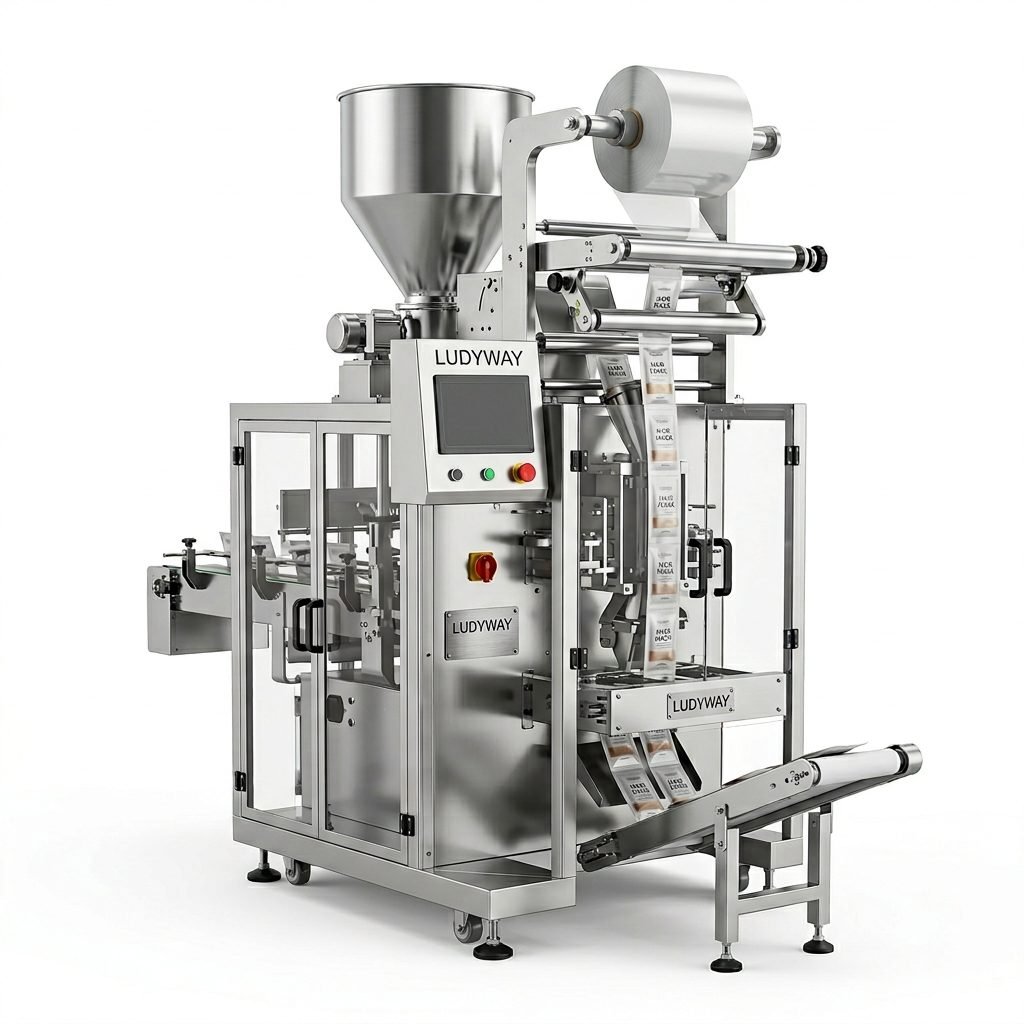
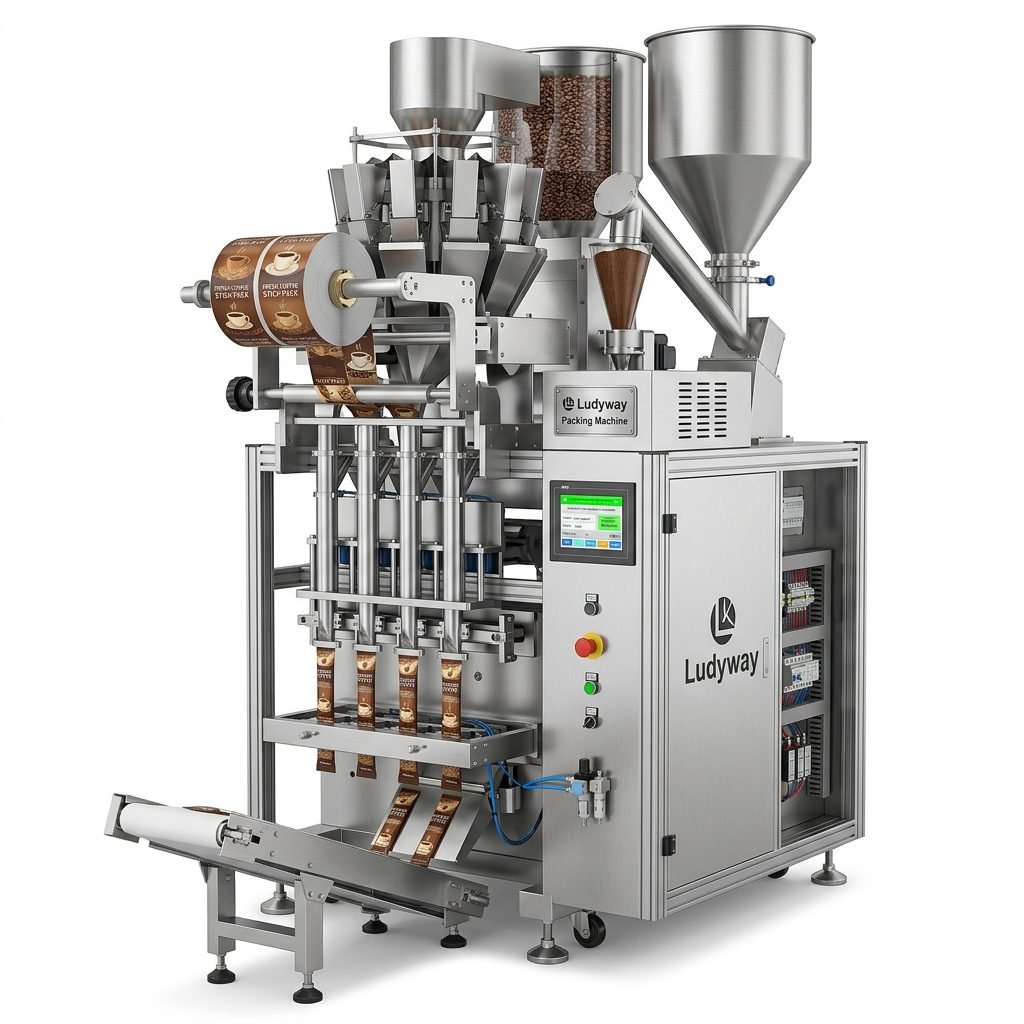
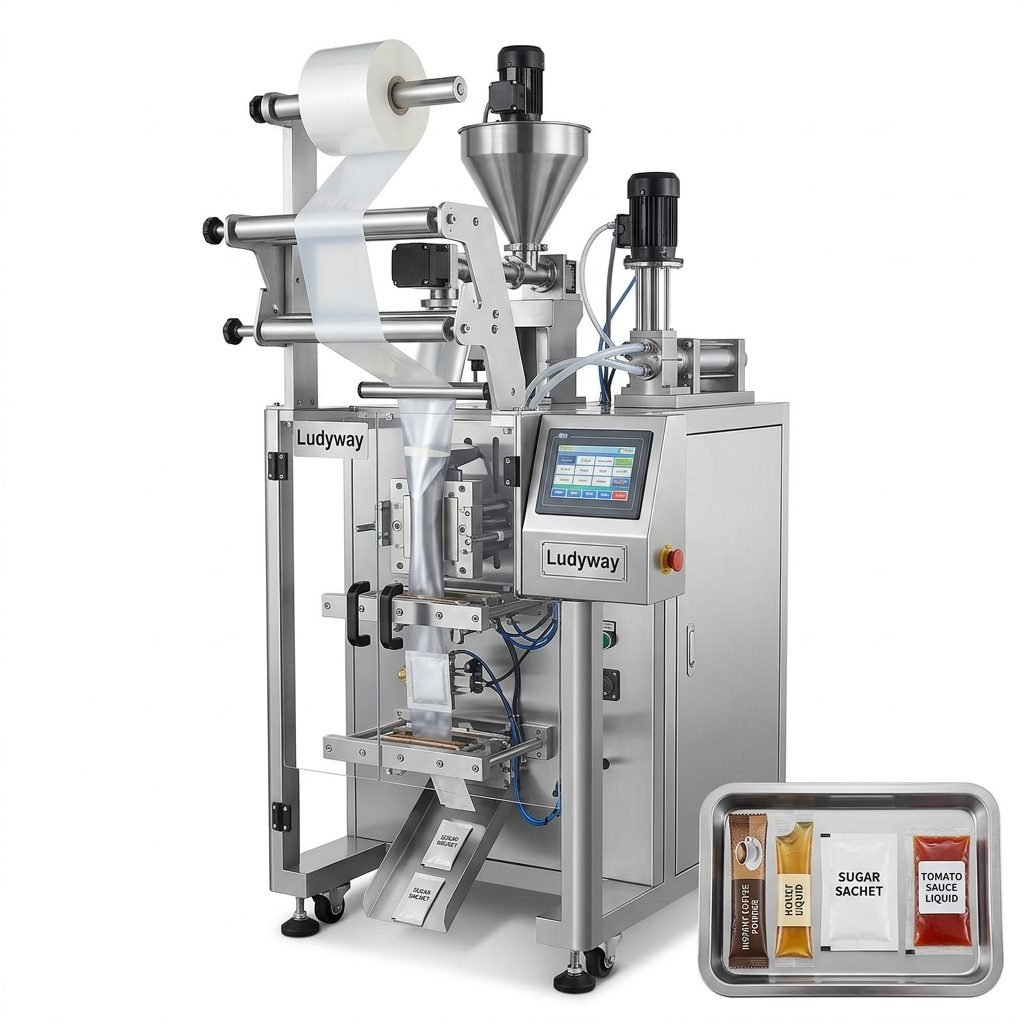
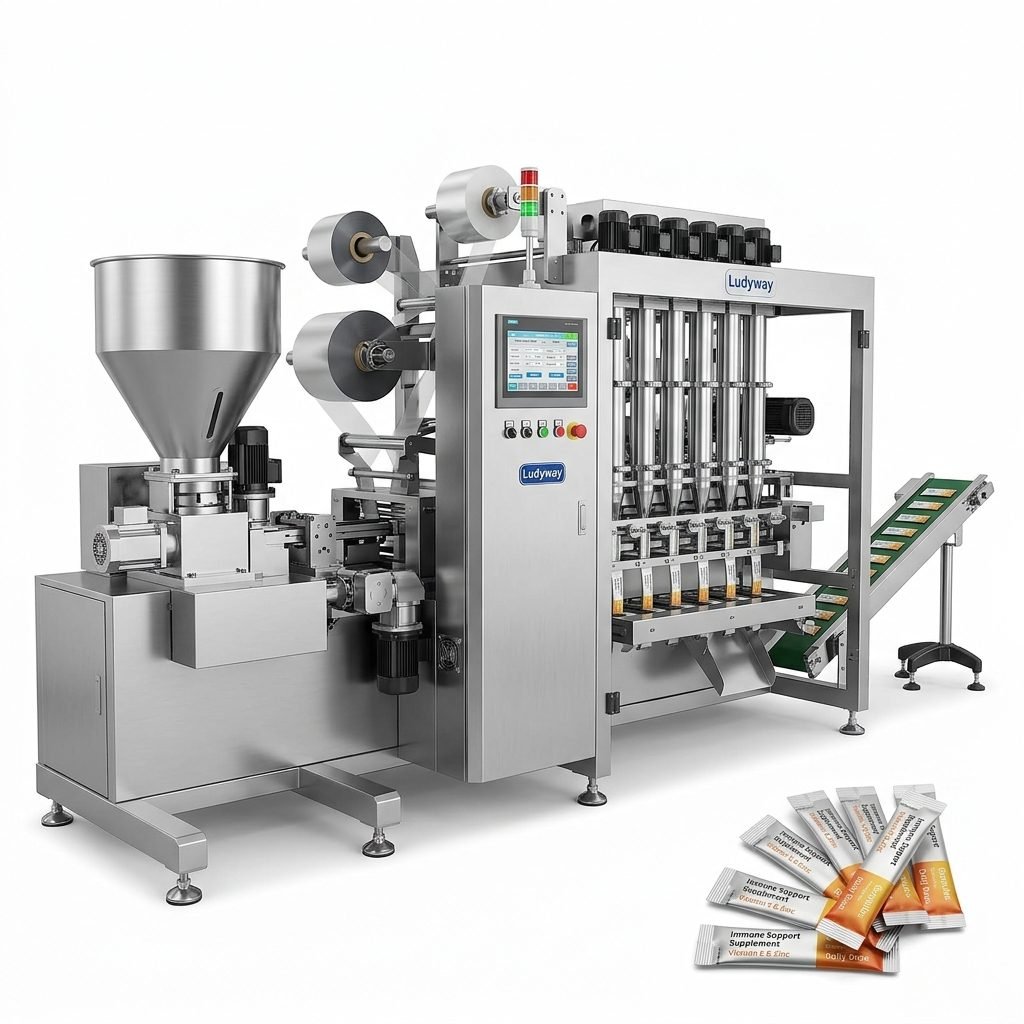
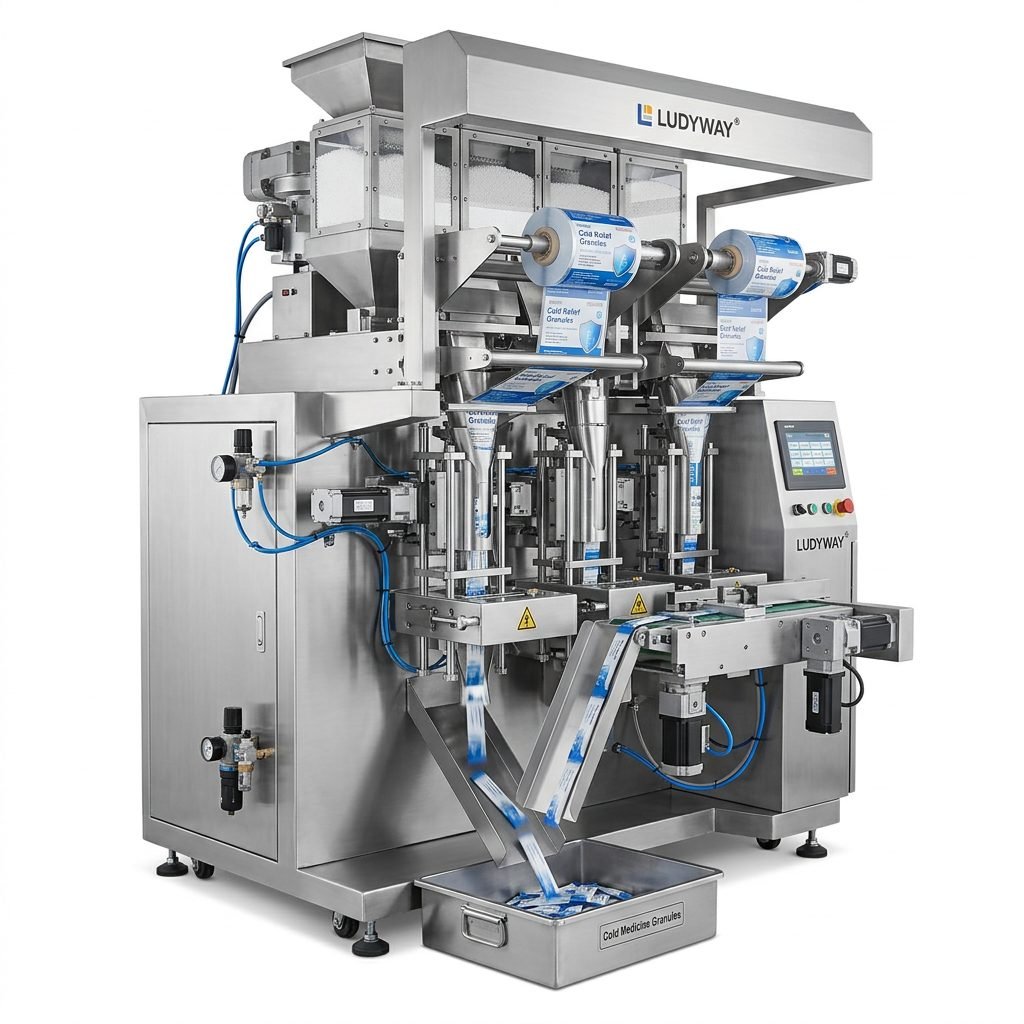
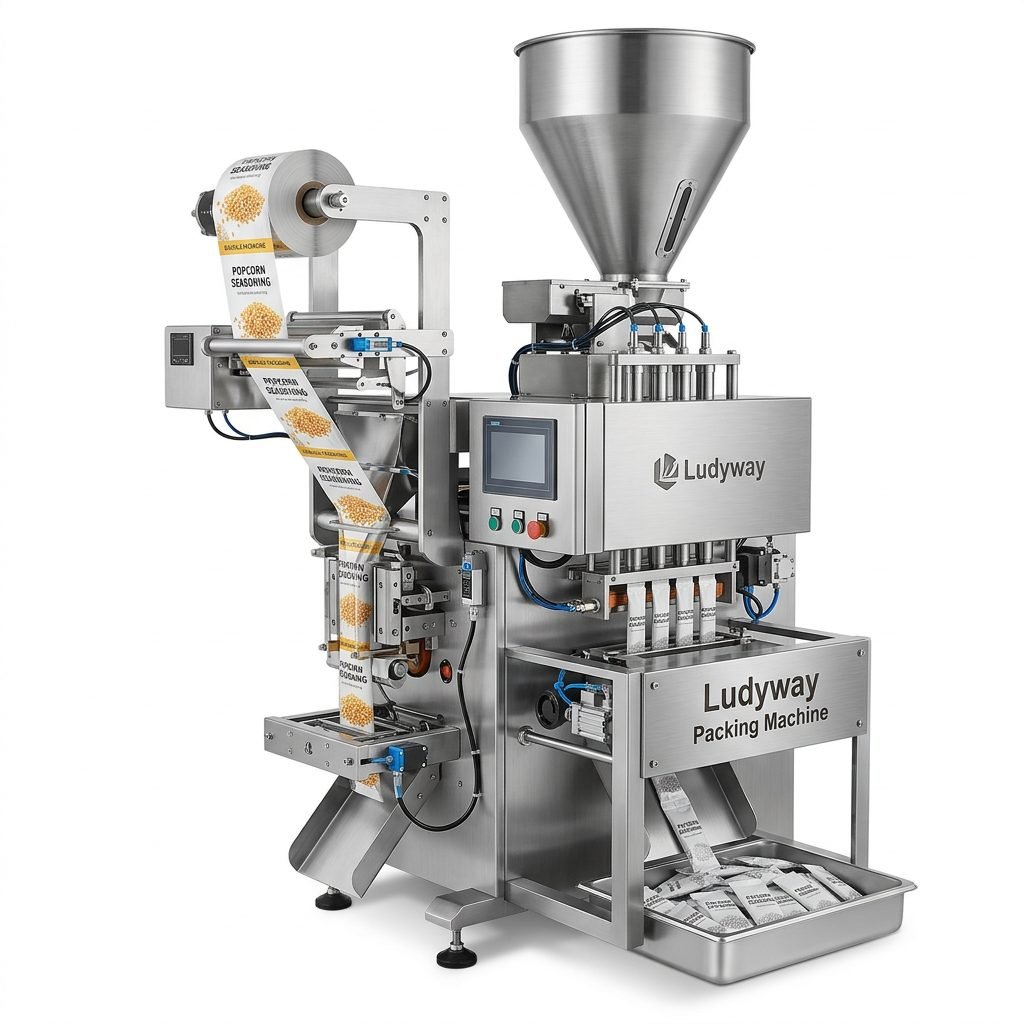
Choosing the correct machine is the cornerstone of your production line. For popcorn, a multi-lane stick pack or sachet packaging machine is often the preferred solution due to its speed and portion-control accuracy. Key features to evaluate include:
| Feature | Importance |
|---|---|
| Multi-Lane Capability | Enables high-speed production with 4 to 20 lanes running simultaneously, dramatically increasing output. |
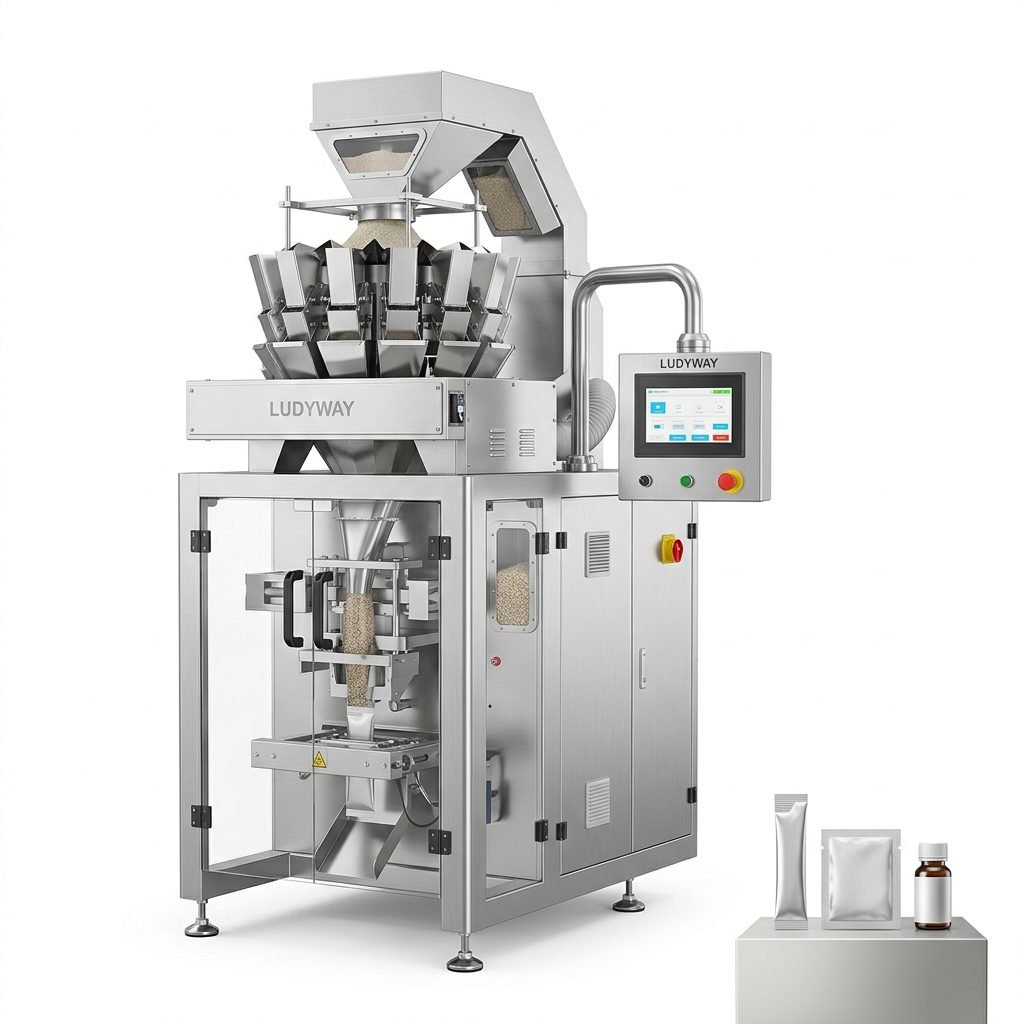
| Weighing and Filling Accuracy | Precision volumetric or multi-head weighers ensure consistent weight and reduce product giveaway. |
| Film Compatibility | Compatible with standard North American film materials such as polypropylene, laminate, and eco-friendly films. |
| Automation Level | Servo-driven motors, touchscreen controls, and fully automated film splicing minimize downtime. |
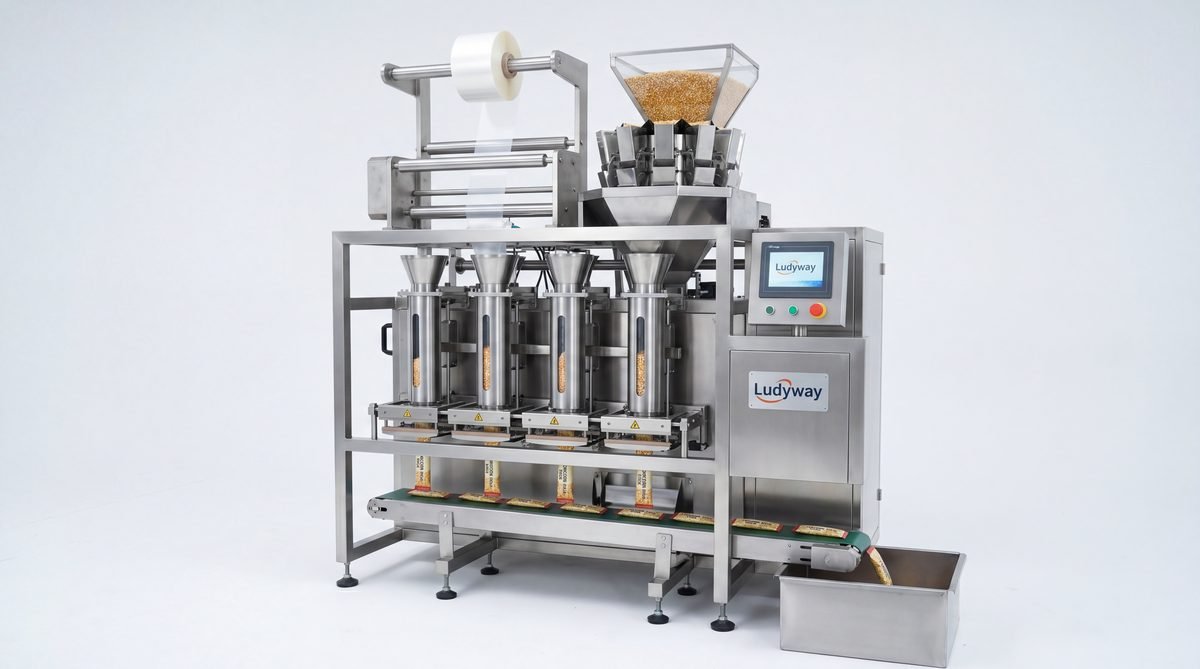
Step 4: Design the Complete Production Line Layout
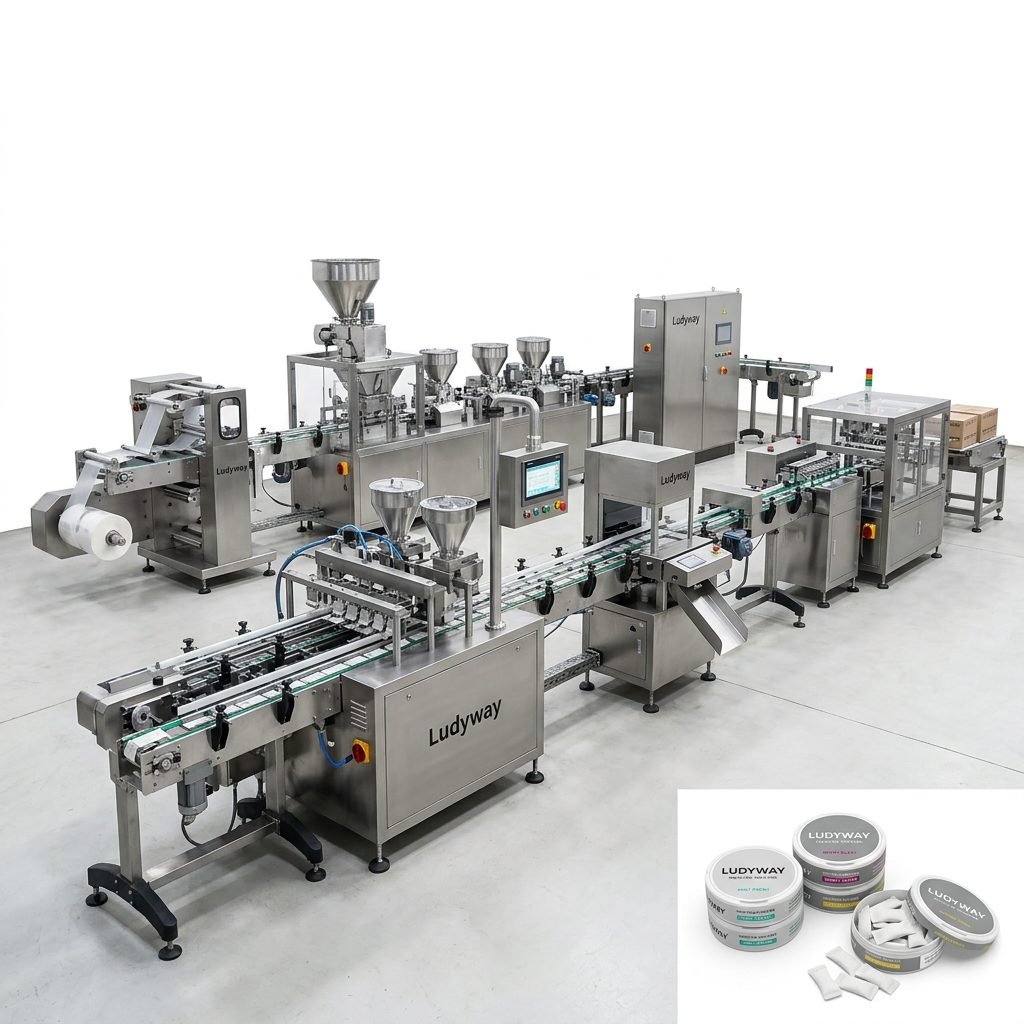
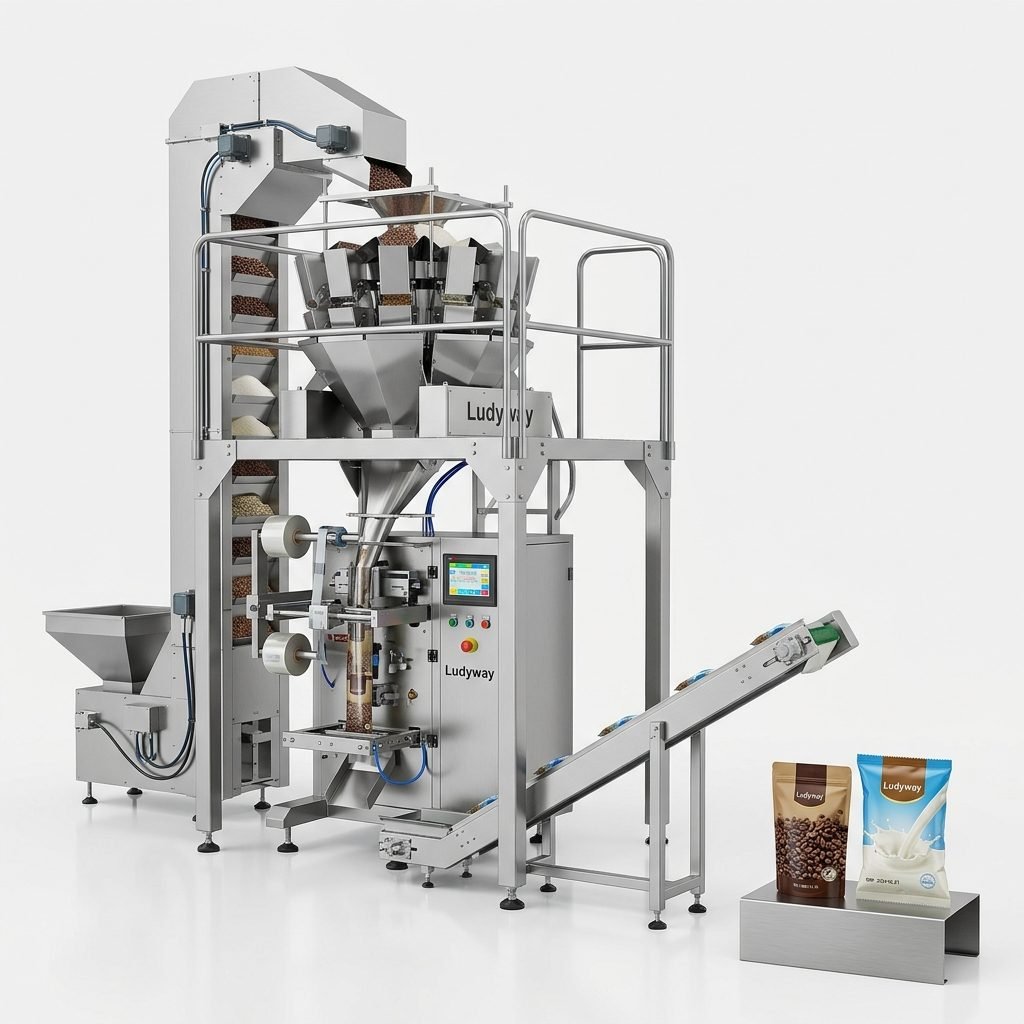
A popcorn packaging line is not just about the filling machine. An integrated system typically includes a Z-type bucket elevator or inclined conveyor for product feeding, a multi-head weigher, the primary packaging machine, and ancillary units like checkweighers, metal detectors, and automatic cartoning machines. The layout must comply with FDA packaging and food contact substances guidelines regarding hygienic design and accessibility for cleaning.
Step 5: Ensure Compliance with North American Certifications
Electrical standards are paramount. Machinery destined for North America must adhere to UL, CSA, or ETL certification requirements. This includes panel components, wiring, and overall machine safety. Additionally, the packaging process should align with ISO 11607 and relevant Flexible Packaging Association standards for material quality. Proactive compliance avoids delays during local inspections and facilitates integration with North American maintenance protocols.
Step 6: Partner with an Experienced Equipment Supplier
Collaborating with a manufacturer that understands both international engineering and North American requirements is a strategic advantage. A supplier like Ludyway, one of the largest packaging machine manufacturers in China, brings over 30 years of experience and a modern 20,000㎡ manufacturing facility. Their portfolio includes more than 50 intelligent packaging machine models, serving customers in over 100 countries. With export revenue projections exceeding RMB 500 million (approximately US$69 million) in 2025 and a target to surpass RMB 1 billion (approximately US$138 million) in 2026, their turnkey packaging solutions are tailored for North American granule and powder applications.
Contact Details:
- E-Mail: info@ludyway.com
- WhatsApp: +8613129592456
- Address: Nanlang Town, Zhongshan, Guangdong, China.
Step 7: Install, Test, and Train
Upon arrival at your North American facility, the machinery should be installed by certified technicians familiar with local regulations. Conduct a rigorous Factory Acceptance Test (FAT) followed by a Site Acceptance Test (SAT). Training your operations and maintenance teams is equally vital; comprehensive programs covering HMI operation, changeover procedures, and preventive maintenance will reduce unplanned downtime.
Step 8: Ongoing Optimization and Service
After commissioning, establish a cycle of continuous improvement. Monitor Overall Equipment Effectiveness (OEE), track waste rates, and schedule regular audits of sealing integrity and gas-flushing efficiency for popcorn freshness. Strategic partnerships with suppliers who offer fast-response North American support ensure minimal disruption. Staying updated with PMMI State of the Industry Reports and Flexible Packaging Association resources will keep your line ahead of market trends.
Key Considerations for Popcorn Packaging Success
- Gas Flushing: For shelf-stable popcorn, nitrogen flushing capabilities are critical to preserve freshness and prevent crushing.
- Aroma Sealing: Seasoned popcorn requires high-integrity seals to lock in aroma and prevent cross-contamination.
- Dust Extraction: Incorporate an industrial dust collection system to handle seasoning particulates and maintain cleanroom-like conditions.
- Scalability: Choose a modular platform that allows adding extra lanes or cartoning modules as your brand grows.
Setting up a popcorn packaging machine production line in North America is a complex but manageable process. By following this guide, prioritizing regulatory compliance, selecting robust technology, and collaborating with a trusted global manufacturer, you can achieve a high-speed, export-ready popcorn packaging operation.