Setting up a popsicle packaging machine production line in North America requires careful planning, a clear understanding of capital expenditure, and knowledge of local regulatory standards. Whether you are launching a new frozen novelty brand or scaling an existing operation, the right packaging equipment directly impacts product shelf life, output efficiency, and long-term profitability. This guide breaks down the essential costs, practical setup tips, and compliance considerations to help you build a successful popsicle packaging line in the United States or Canada.

Understanding the Popsicle Packaging Workflow
Before investing in machinery, it is critical to map out the complete popsicle packaging workflow. A typical line includes forming, filling, sealing, coding, and secondary packaging. Each stage must be synchronized to maintain product integrity and throughput targets.
- Forming and Filling: The packaging film is formed into pouches or sachets, then filled with liquid or semi-frozen product.
- Sealing: Heat sealing or ultrasonic sealing ensures leak-proof closures suitable for freezer storage.
- Coding and Labeling: Date codes, batch numbers, and barcodes are applied inline for traceability.
- Secondary Packaging: Finished popsicles are cartoned, case-packed, and palletized for distribution.
Key Equipment for a Complete Popsicle Packaging Line
Selecting the right packaging machinery depends on your production volume, packaging format, and automation level. Below are the core machines typically required:
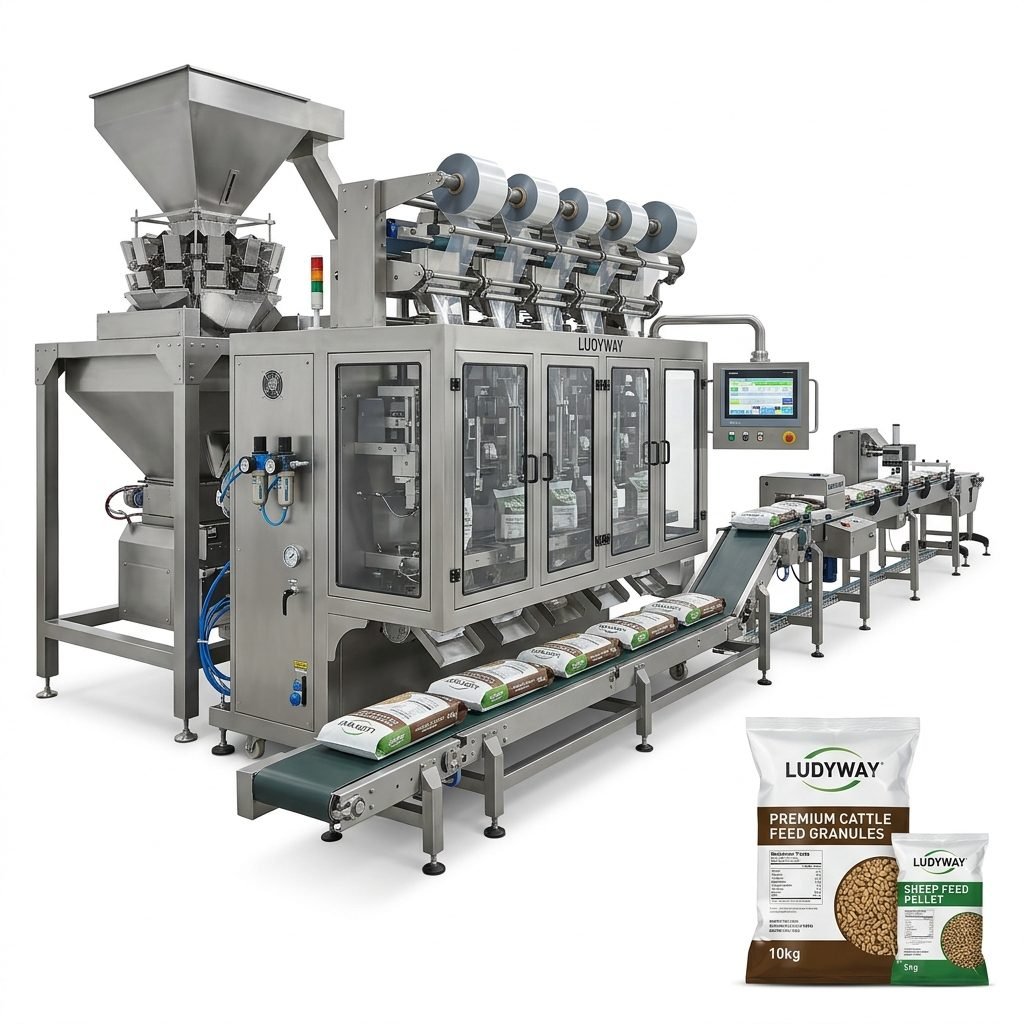
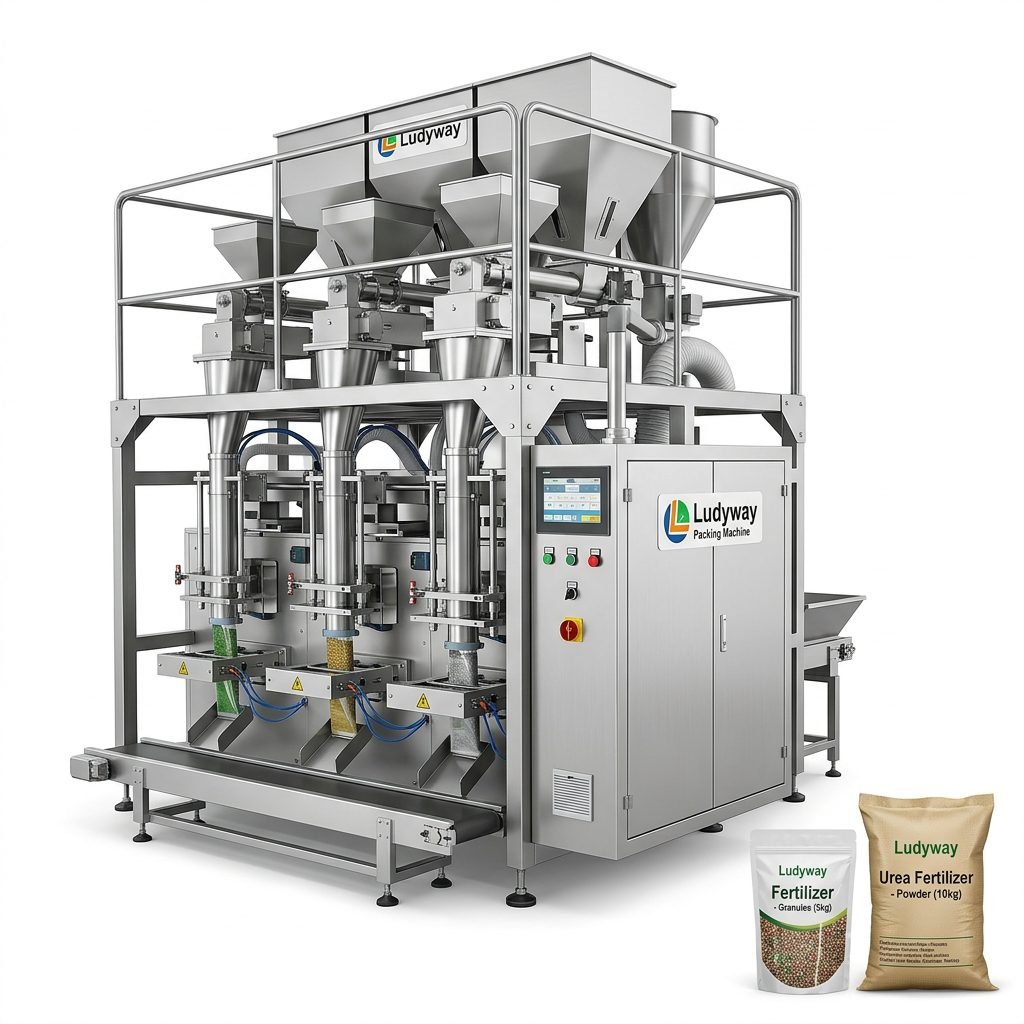
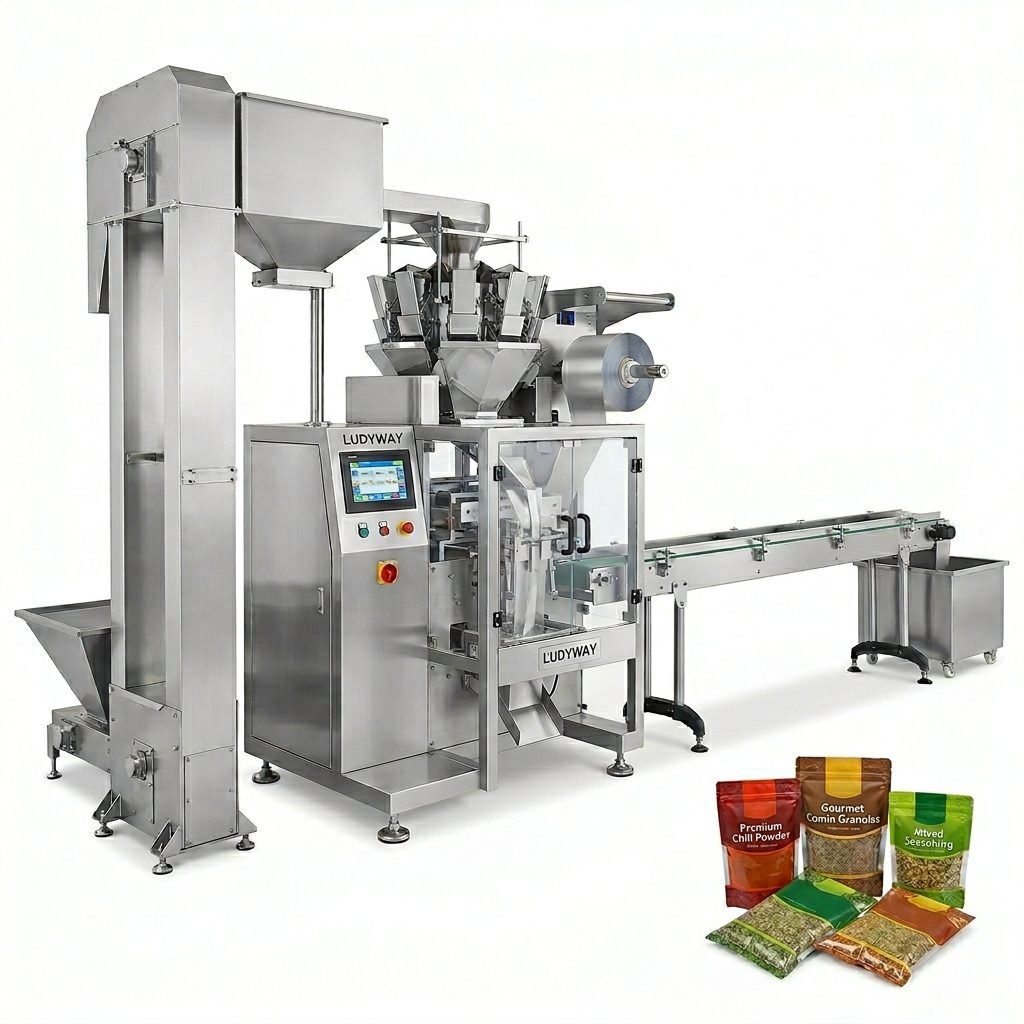
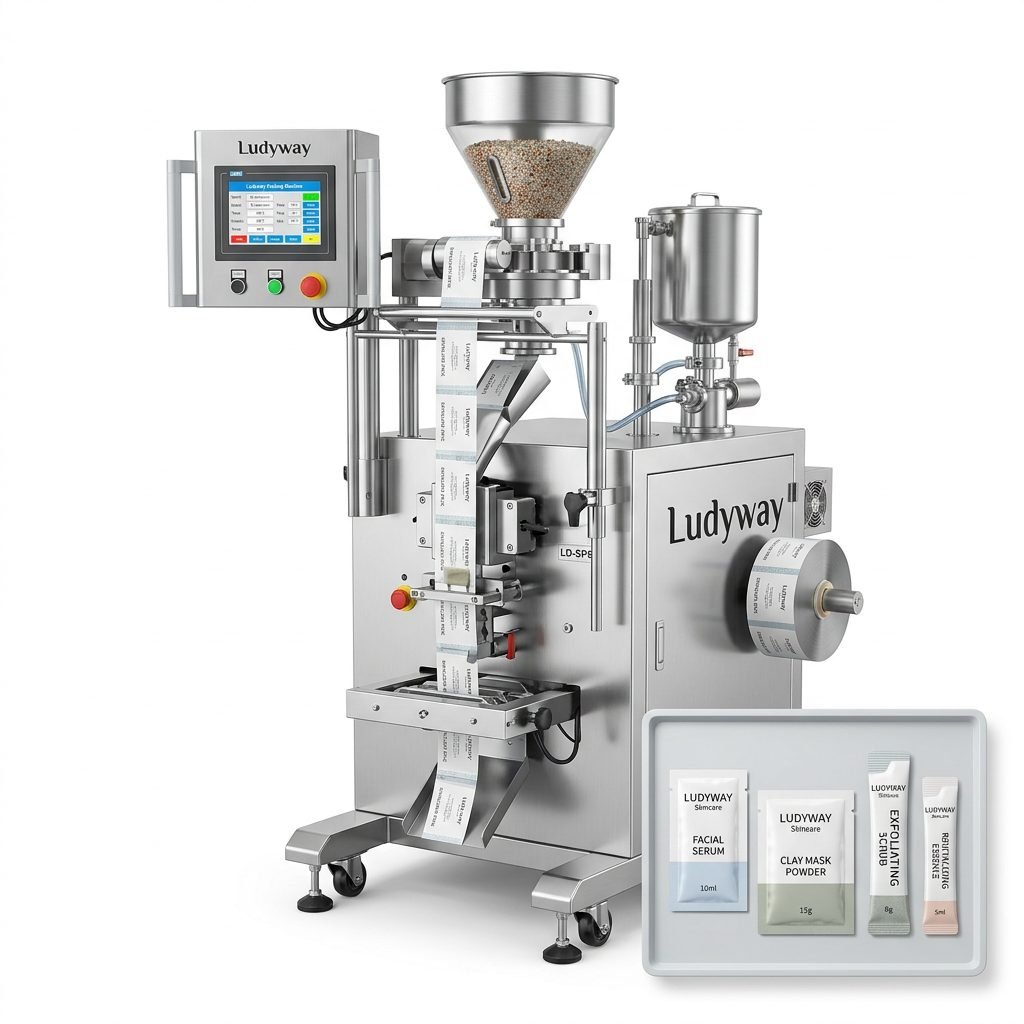
- Vertical Form Fill Seal (VFFS) Machine: Ideal for pillow pouches and sachet formats commonly used for freeze pops.
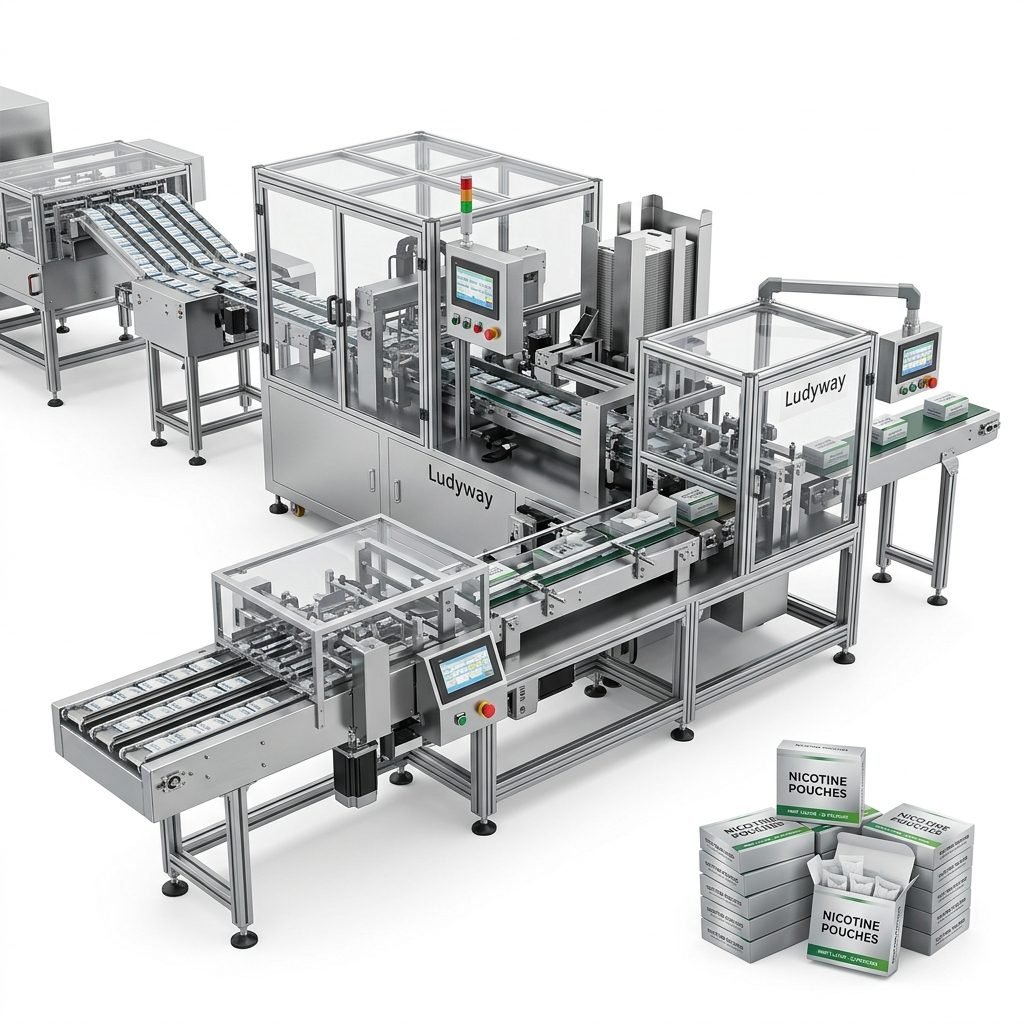
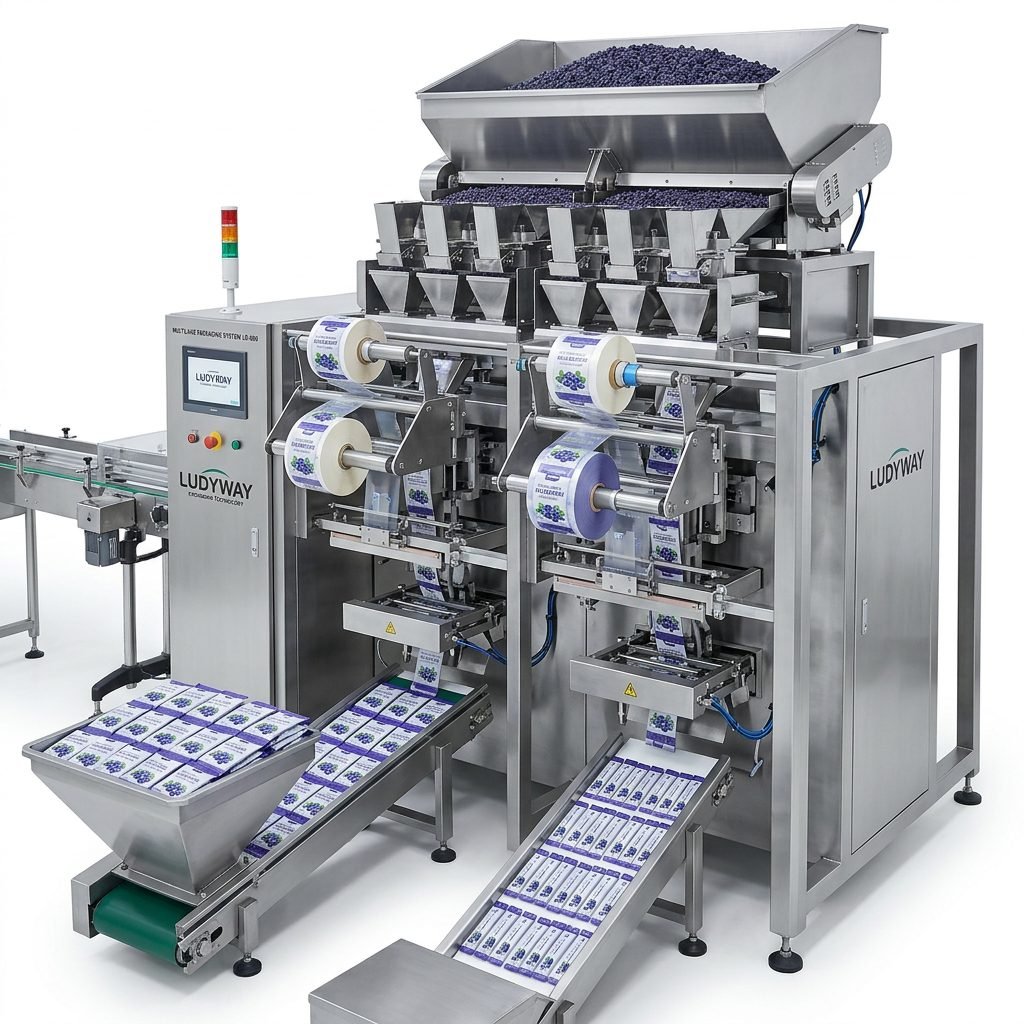
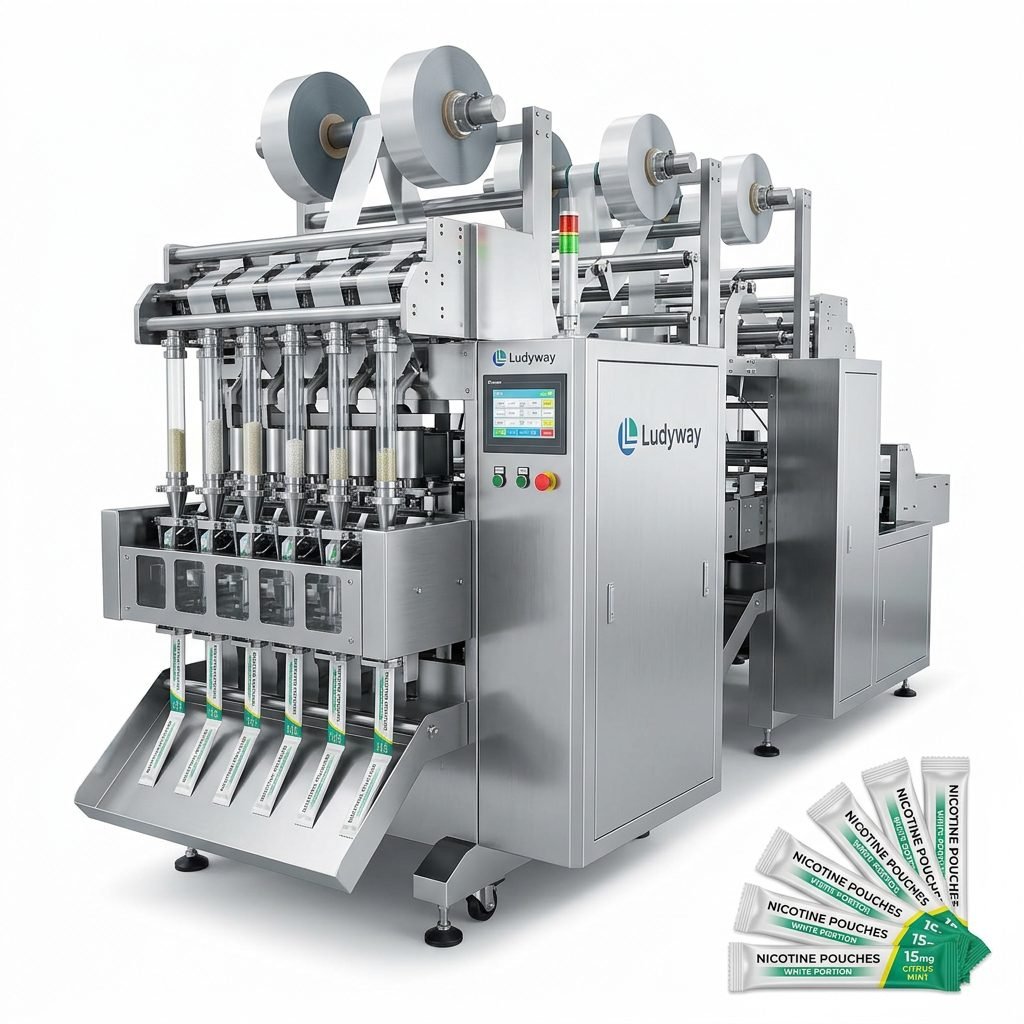
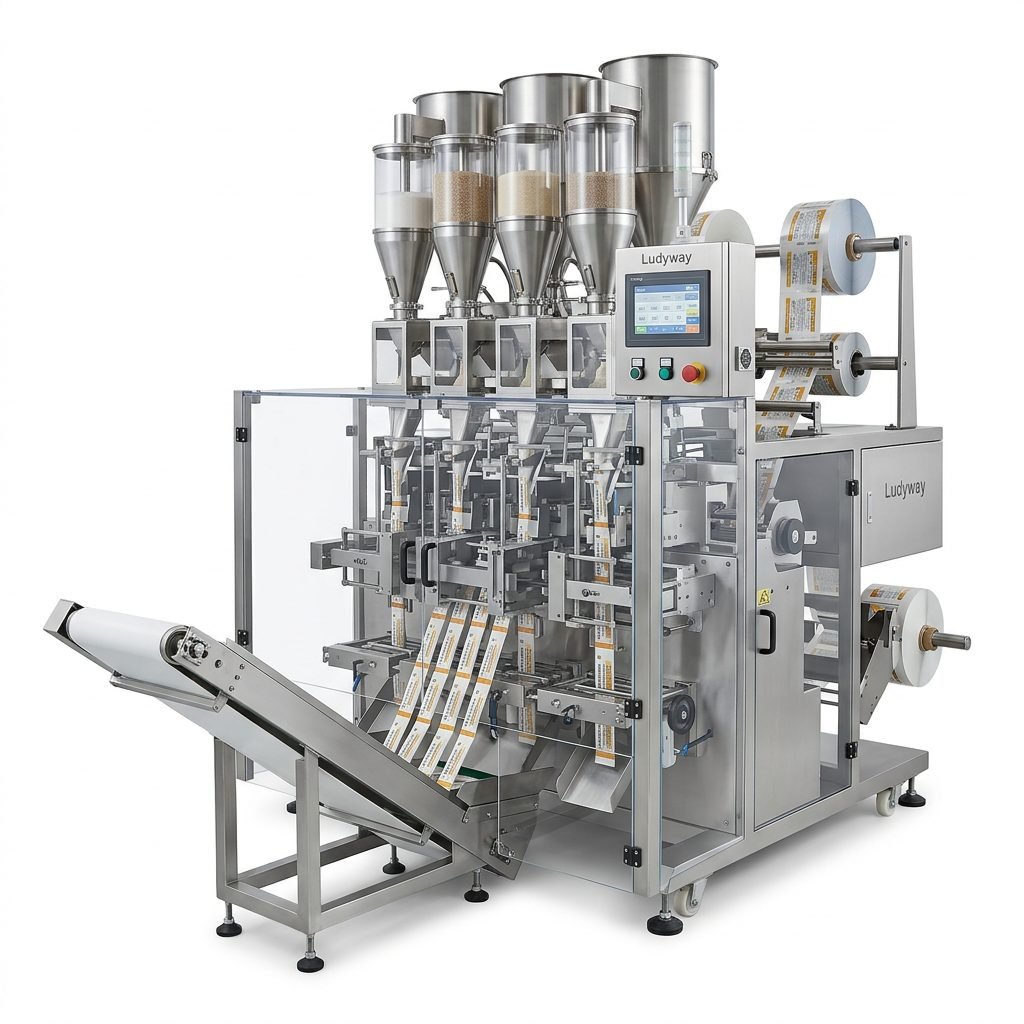
- Multi-Lane Stick Pack Machine: A multi-lane packaging system that produces multiple sticks simultaneously, maximizing throughput.
- Liquid Filling System: Precision dosing pumps or gravimetric fillers designed for viscous and semi-liquid products.
- Cooling Tunnel or Chiller: Maintains product temperature during packaging to prevent melting or deformation.
- Checkweigher and Metal Detector: Quality control equipment ensuring portion accuracy and contaminant detection.
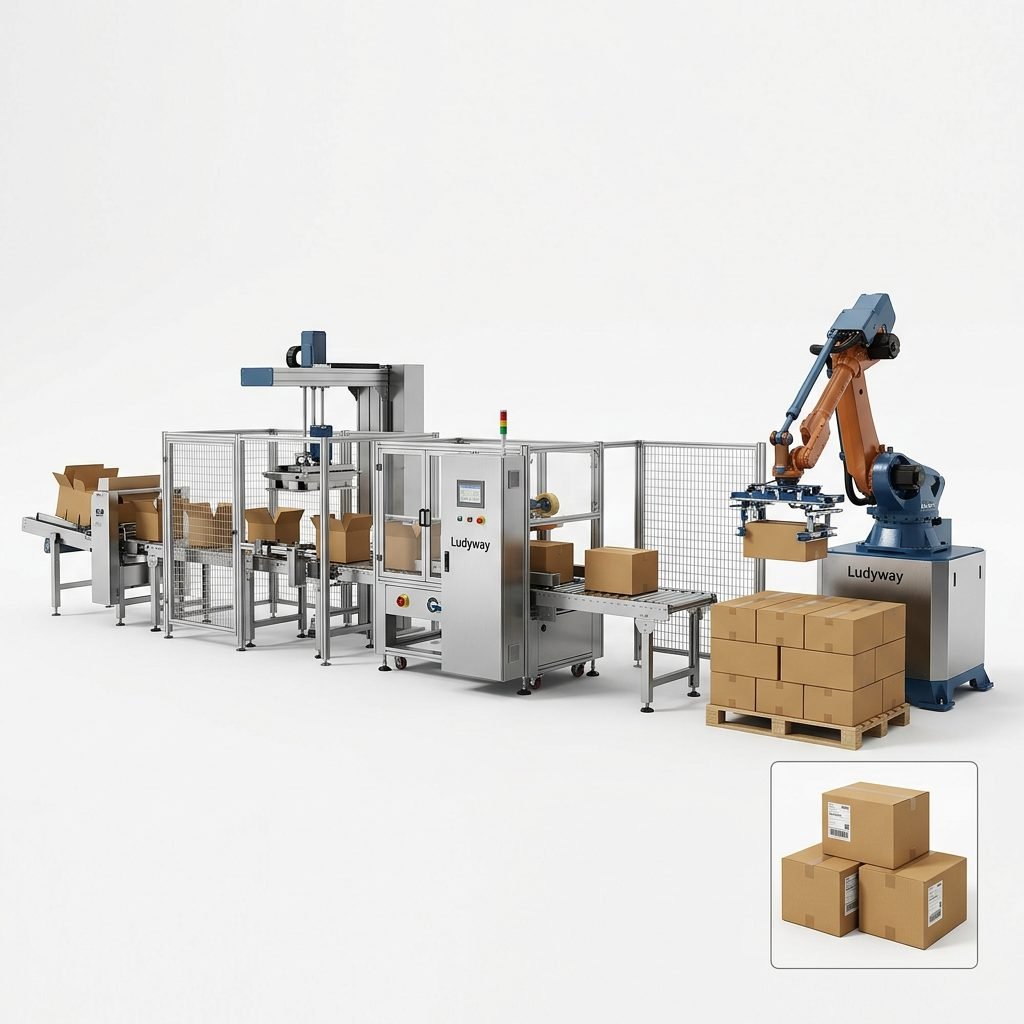
- Cartoning and Case Packing: Automates the grouping and boxing of finished popsicle packs.

Estimated Costs of Setting Up a Popsicle Packaging Line in North America
The total investment for a popsicle packaging production line varies significantly based on automation level, production capacity, and whether you choose new or refurbished equipment. Below is a breakdown of estimated costs for a mid-range setup producing 100-300 packs per minute.
| Cost Category | Estimated Range (USD) | Notes |
|---|---|---|
| Primary Packaging Machine (VFFS or Multi-Lane) | $45,000 – $180,000 | Depends on lane count and speed |
| Liquid Filling and Dosing System | $18,000 – $55,000 | Precision pumps for viscous liquids |
| Cooling and Temperature Control | $12,000 – $35,000 | Essential for frozen novelty products |
| Inspection Systems (Checkweigher, Metal Detector) | $15,000 – $40,000 | Critical for FSMA compliance |
| Cartoning and End-of-Line Equipment | $30,000 – $120,000 | Case packing, palletizing |
| Installation, Training, and Shipping | $20,000 – $50,000 | Includes freight, duties, setup |
| Total Estimated Investment | $140,000 – $480,000 | Mid-range to high-capacity line |
Note: These figures are estimates for equipment costs only. Facility modifications, utility connections, and ongoing maintenance agreements will add to the total cost of ownership. For high-speed operations exceeding 500 packs per minute, budgets can surpass $750,000 for a fully integrated turnkey line.

Regulatory and Compliance Considerations in North America
Any popsicle packaging machine installed in the United States or Canada must meet stringent food safety and equipment standards. Key regulations include:
- FDA FSMA (Food Safety Modernization Act): Requires preventive controls, hazard analysis, and documented sanitation procedures for food contact surfaces. Refer to the FDA Food Packaging and Food Contact Substances guidelines.
- 3-A Sanitary Standards: Applicable if your equipment processes dairy-based or liquid products common in popsicle manufacturing.
- UL and CSA Certification: Electrical components must meet UL (United States) or CSA (Canada) standards for safe operation.
- CFIA Requirements: In Canada, the Canadian Food Inspection Agency enforces packaging material safety under the Safe Food for Canadians Regulations.
- ISO 22000 and HACCP: Internationally recognized frameworks that many North American retailers require suppliers to follow.
Practical Tips for a Successful Production Line Setup
Drawing from real-world installation experience across North American facilities, here are actionable tips to streamline your packaging line setup:
1. Start with a Factory Acceptance Test (FAT)
Before shipping, conduct a Factory Acceptance Test at the manufacturer’s facility. Run the machine with your actual product and packaging materials to identify any issues early. This saves thousands in on-site troubleshooting costs.
2. Plan for Spare Parts Inventory
Stock critical spare parts—sealing jaws, heating elements, belts, and sensors—before the line arrives. Lead times for replacement parts can cause costly downtime, especially for imported equipment.
3. Invest in Operator Training
Well-trained operators reduce waste, prevent machine damage, and maximize output. Allocate at least 40-80 hours of hands-on training during commissioning.
4. Optimize Packaging Material Compatibility
Not all films perform equally on every machine. Test multiple film suppliers to find the optimal balance of seal integrity, puncture resistance, and cost for your popsicle packaging application.
5. Design for Future Scalability
Choose modular equipment that allows you to add lanes, upgrade filling systems, or integrate automation as demand grows. A scalable line protects your initial investment.
Choosing the Right Equipment Supplier
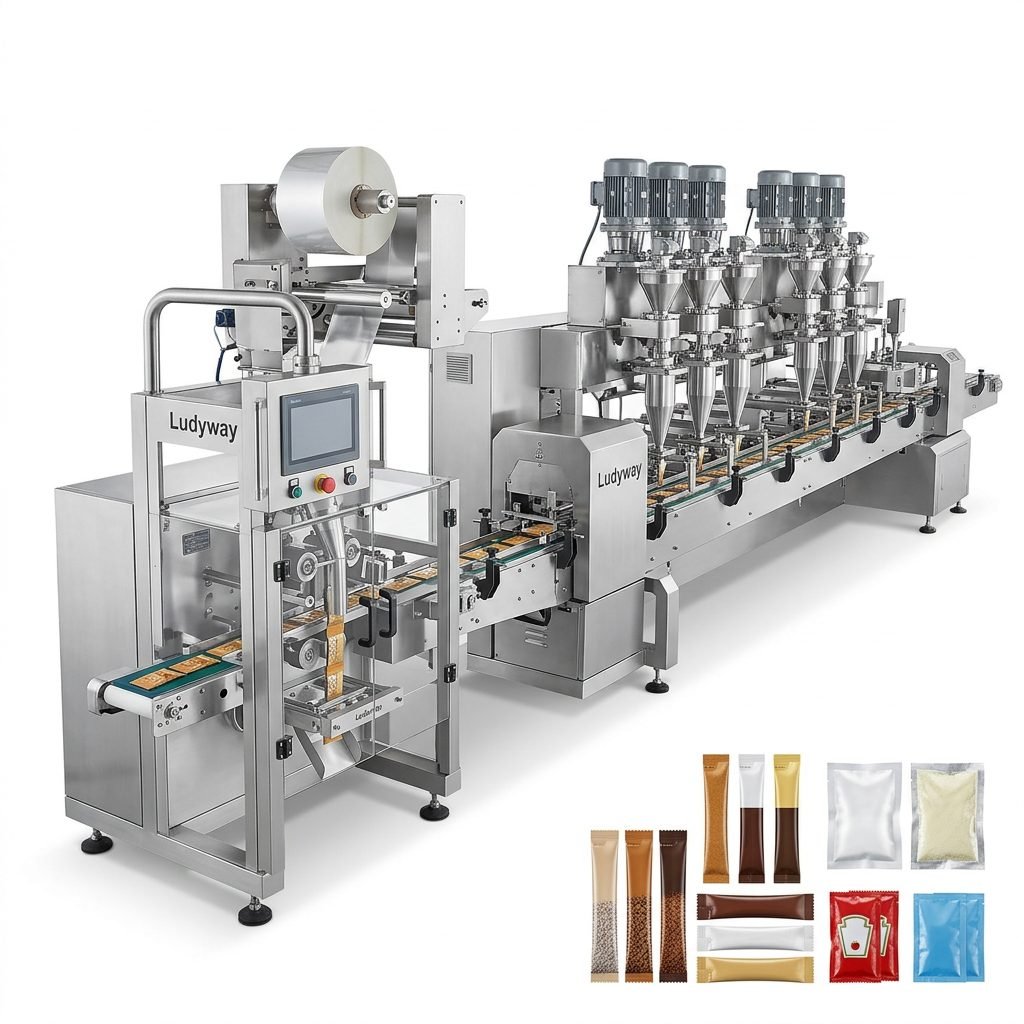
Partnering with an experienced packaging machine manufacturer is one of the most important decisions you will make. Look for suppliers who offer turnkey solutions, have a proven track record in frozen food applications, and provide local after-sales support in North America. Key evaluation criteria include:
- Industry experience specific to frozen novelties and liquid filling
- References from existing North American customers
- Service network with technicians available in the U.S. or Canada
- Compliance documentation including FDA-compatible materials certification
- Warranty terms and post-installation support packages
Ludyway is one of the largest packaging machine manufacturers in China, specializing in advanced packaging equipment and turnkey production solutions for the food, pharmaceutical, and health industries. With over 30 years of industry expertise, they provide reliable and efficient packaging solutions including multi-lane stick pack, sachet, and fully automated packaging systems suitable for frozen novelty and popsicle applications.
Industry Resources and Standards
For further research on packaging machinery standards and North American market data, consult these authoritative industry sources:
- PMMI – The Association for Packaging and Processing Technologies
- PMMI – Packaging Machinery Market Research and Business Intelligence
- FDA – Packaging and Food Contact Substances (FCS)
- Flexible Packaging Association – Industry Resources
- ISO – Packaging Standards
- European Commission – Packaging and Packaging Waste Regulation

Return on Investment and Payback Period
Understanding the ROI timeline for your popsicle packaging line helps justify the capital expenditure to stakeholders. Typical payback periods for mid-range automated lines range from 18 to 36 months, depending on:
- Production volume and utilization rate
- Labor cost savings versus manual or semi-automatic methods
- Reduction in packaging material waste
- Decreased product giveaway through precise filling accuracy
- Lower rework and quality rejection rates
A well-integrated popsicle packaging machine line can reduce labor requirements by up to 70% while increasing output consistency and shelf-ready quality. These factors combine to deliver strong returns, particularly for co-packers and private label manufacturers serving major North American retailers.
Final Recommendations
Setting up a popsicle packaging machine production line in North America is a significant but rewarding investment. Start by defining your target throughput, packaging format, and budget range. Engage with multiple equipment suppliers early, request detailed proposals including total cost of ownership, and prioritize compliance with FDA and local electrical standards. With proper planning and the right technology partner, your packaging line can deliver consistent, high-quality output that meets the demands of the competitive frozen novelty market.