The ready meal market in South America is experiencing unprecedented growth. With rapid urbanization in cities like São Paulo, Buenos Aires, and Bogotá, consumer demand for convenient, high-quality packaged meals is surging. Setting up a ready meal packaging machine production line in this region requires careful planning, understanding of local regulations, and selection of the right equipment to ensure long-term success.
Why South America Is a Strategic Market for Ready Meal Packaging
South America’s food processing industry has grown by over 35% in the past five years, driven by changing lifestyles, increased female workforce participation, and a growing middle class. Countries like Brazil, Argentina, Chile, and Colombia are leading this transformation. The demand for ready-to-eat meals, frozen foods, and shelf-stable packaged products continues to rise, making it an opportune time to invest in automated packaging production lines.

Key Considerations Before Setting Up Your Production Line
Before purchasing equipment, you need to evaluate several critical factors that will influence your production line configuration and overall investment. South American markets have unique characteristics that differ from North American or European operations.
Understanding Local Food Safety Regulations
Each South American country has its own regulatory framework. Brazil’s ANVISA, Argentina’s SENASA, and Chile’s ISP enforce strict packaging standards. Your production line must comply with food packaging and food contact substances regulations. Ensure your equipment can handle materials that meet these regional requirements, including proper sealing integrity and contamination prevention measures.
Choosing the Right Location for Your Facility
When setting up a ready meal packaging operation in South America, consider proximity to raw material suppliers, distribution networks, and labor availability. Industrial hubs like São Paulo’s ABC region, Buenos Aires Province, and Santiago’s metropolitan area offer excellent infrastructure. Additionally, evaluate utility costs, as packaging machinery requires stable electricity and compressed air supply.
Types of Ready Meal Packaging Machines You Need
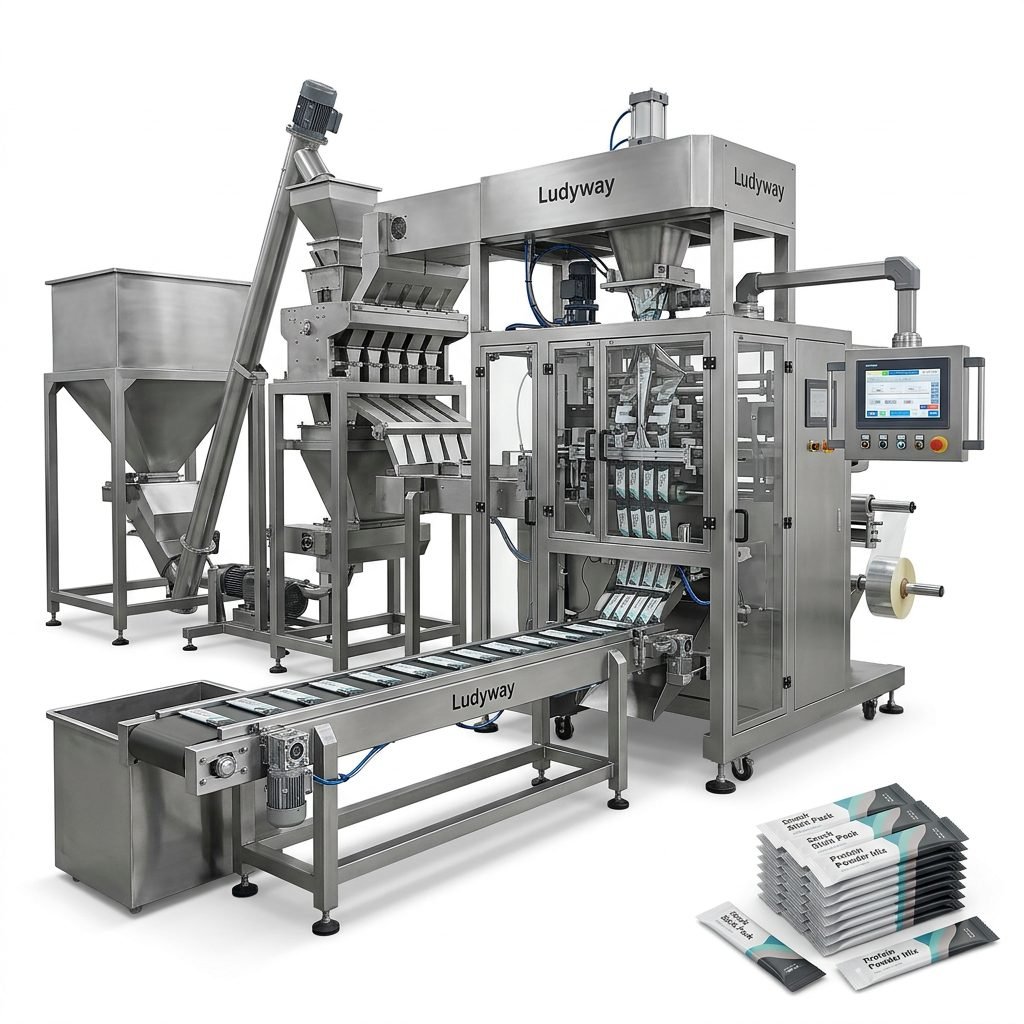
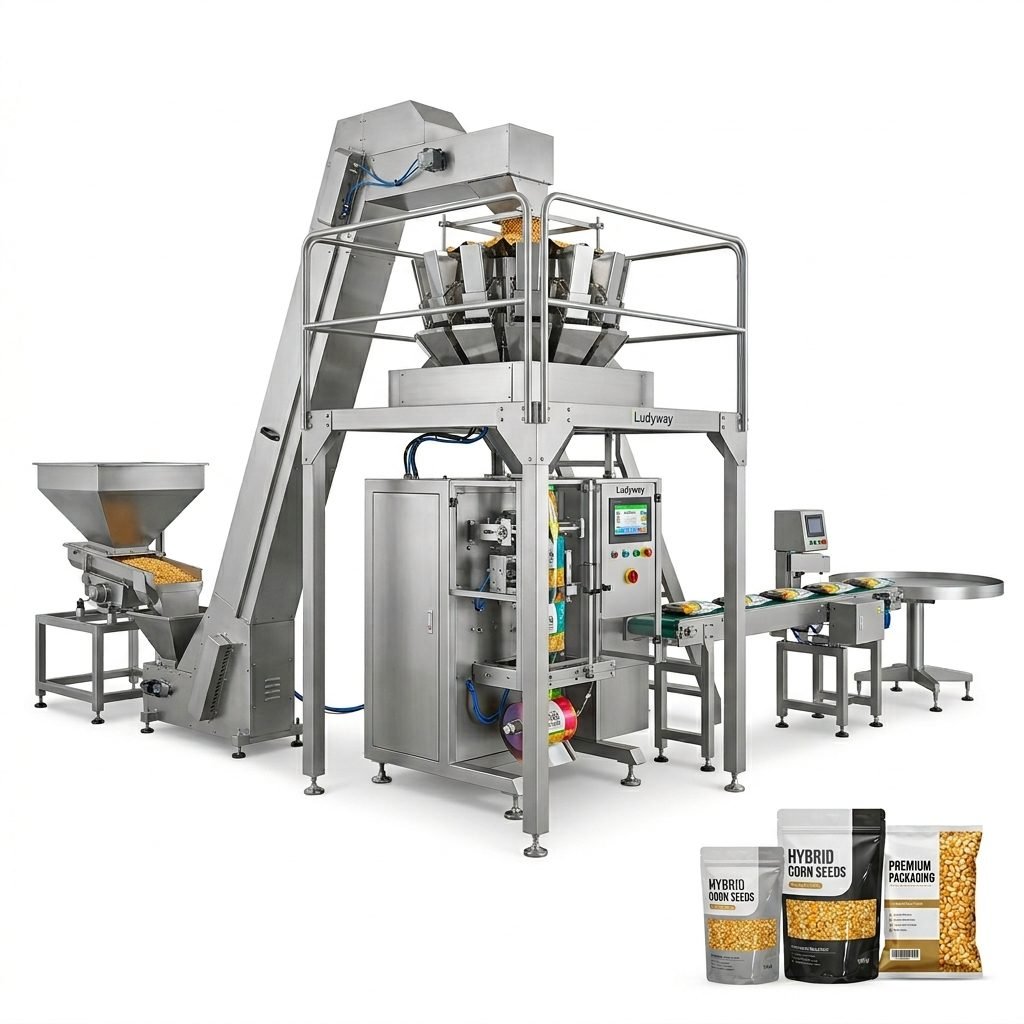
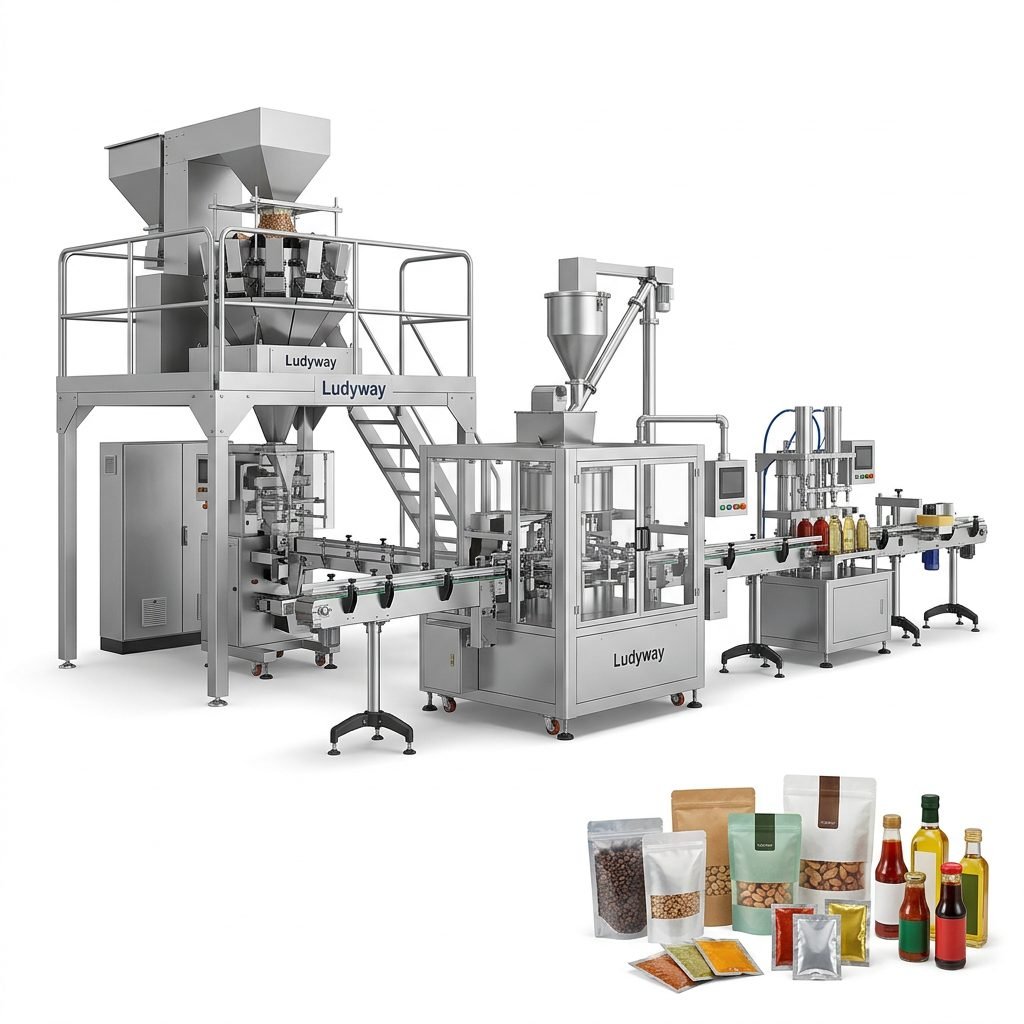
A complete ready meal packaging production line typically includes multiple integrated machines. Understanding each component helps you make informed purchasing decisions and ensures smooth production flow.
| Machine Type | Primary Function | Recommended Features |
|---|---|---|
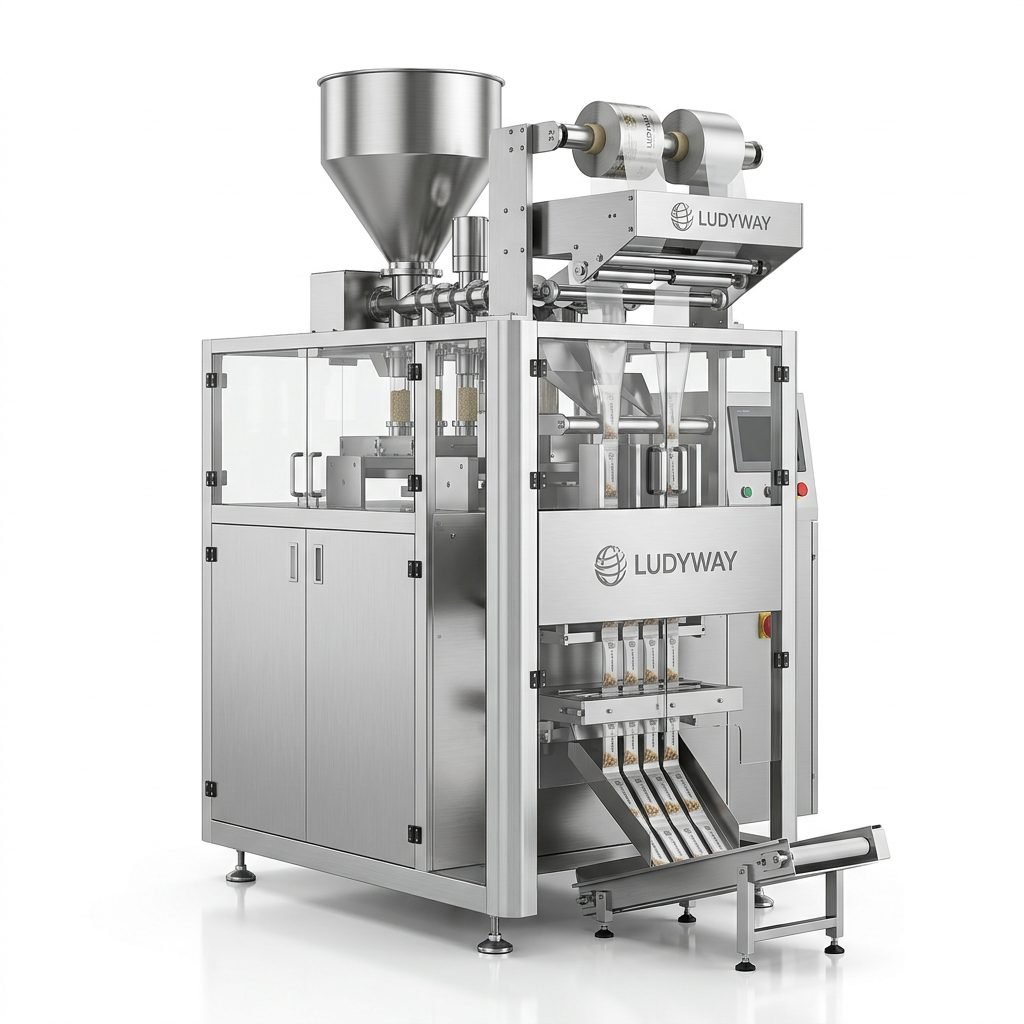
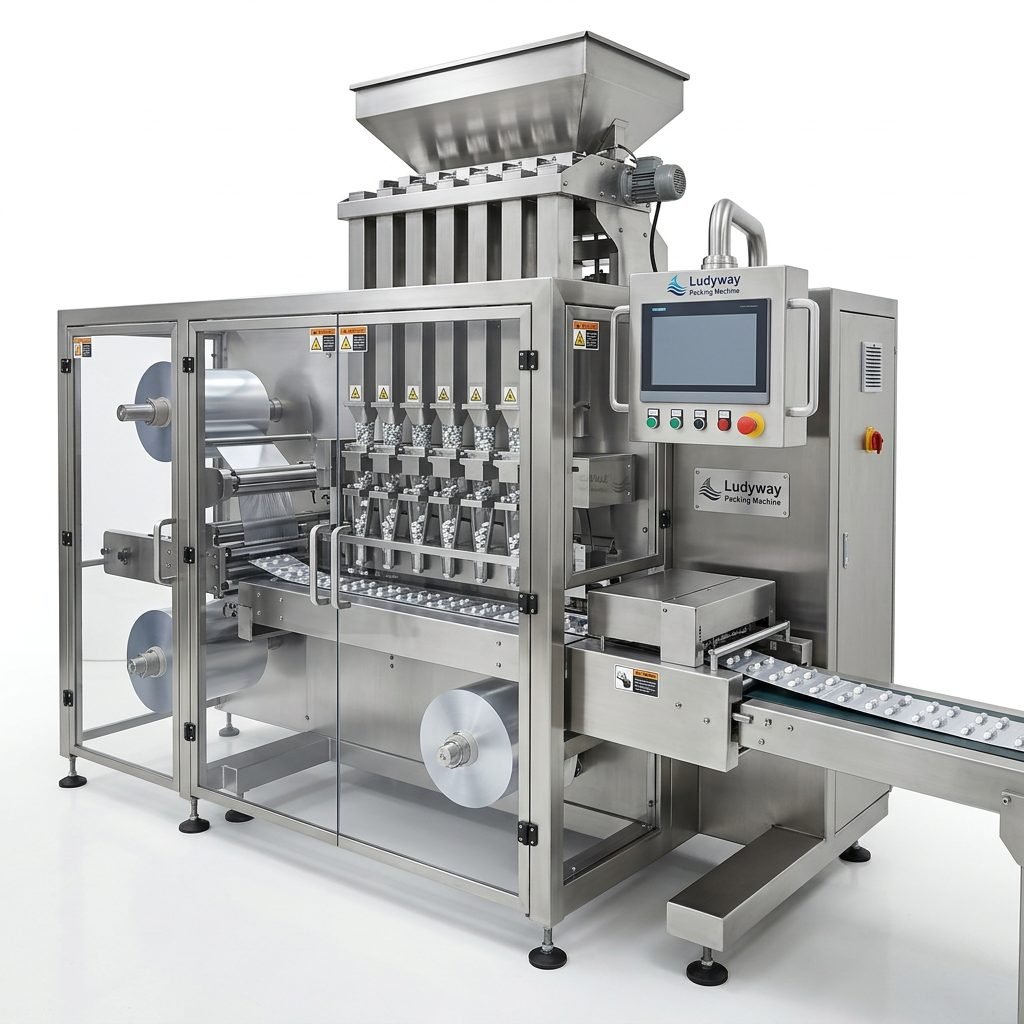
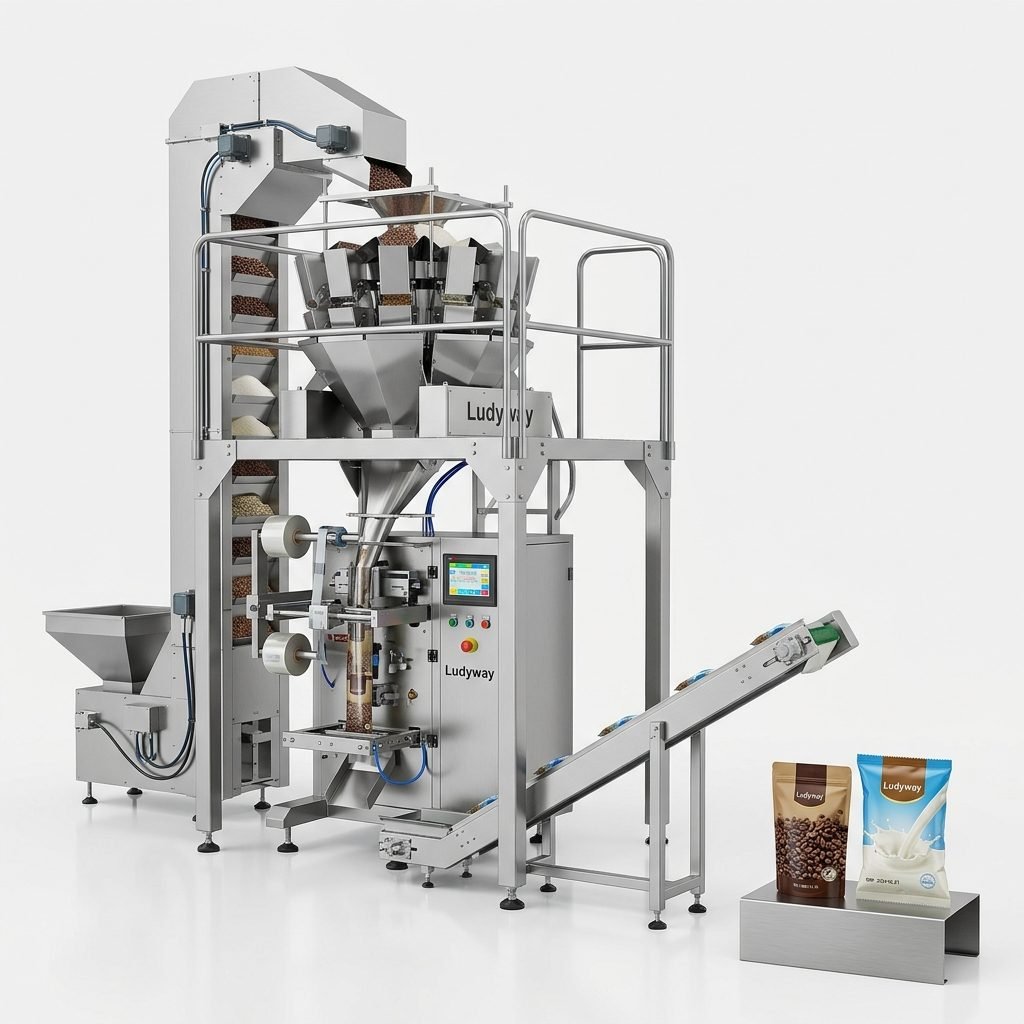
| Filling Machine | Accurate portioning of meals into trays or pouches | Multi-head weigher, volumetric filling, servo-driven |
| Tray Sealing Machine | Hermetic sealing with modified atmosphere packaging (MAP) | Gas flushing, vacuum capability, quick changeover |
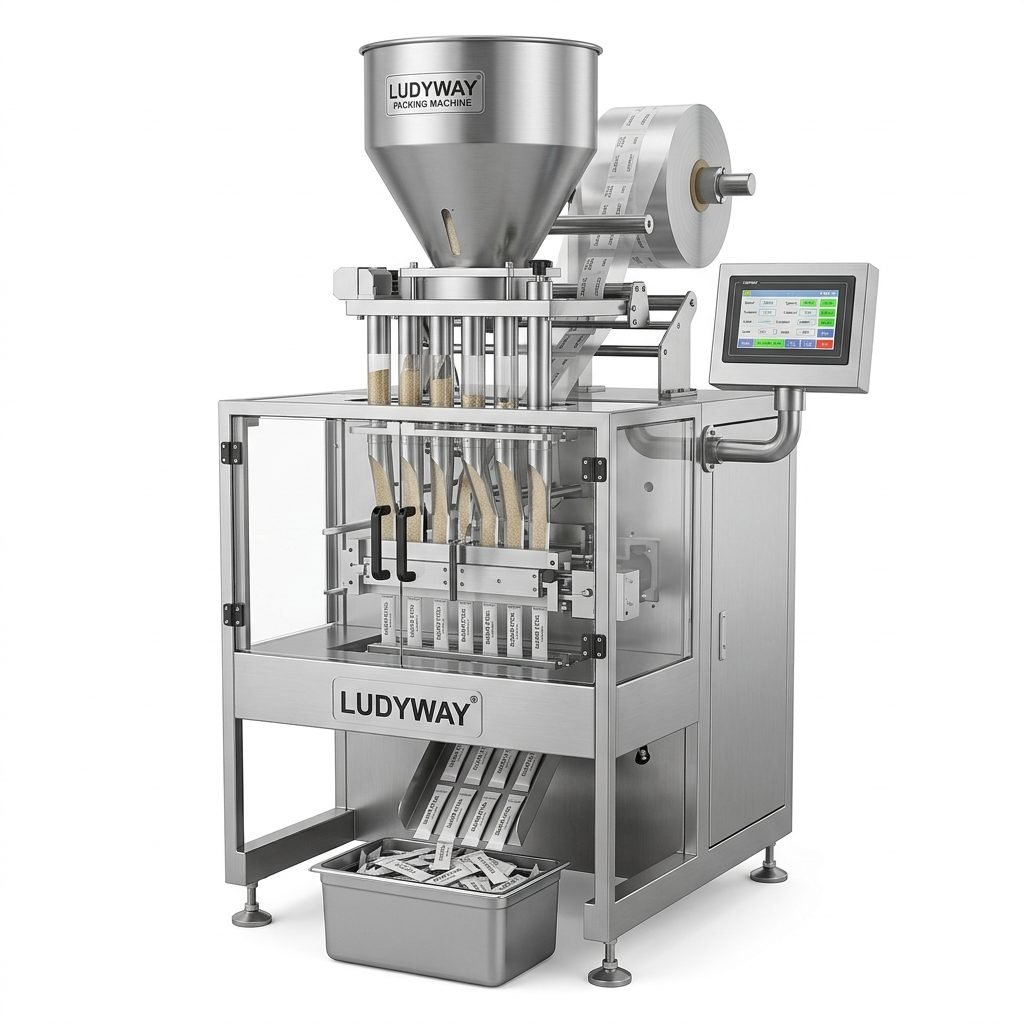
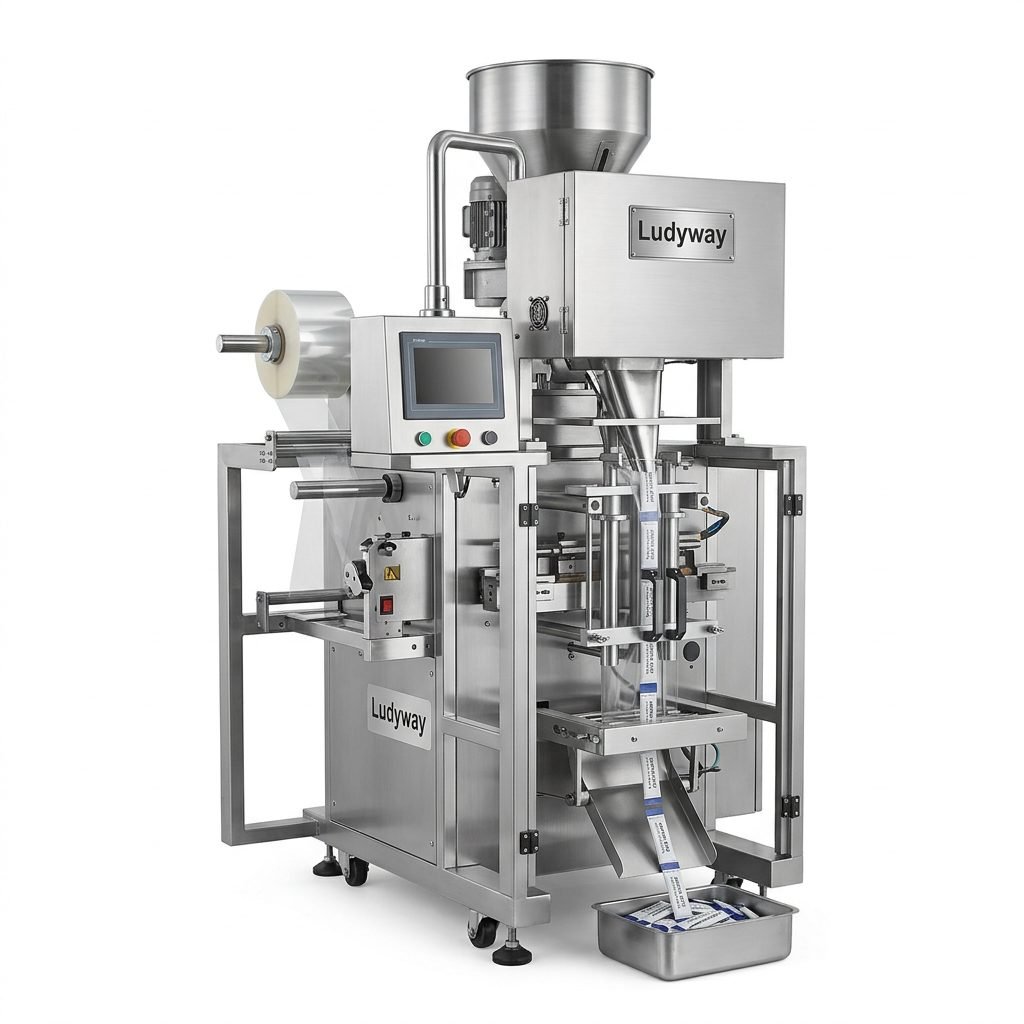
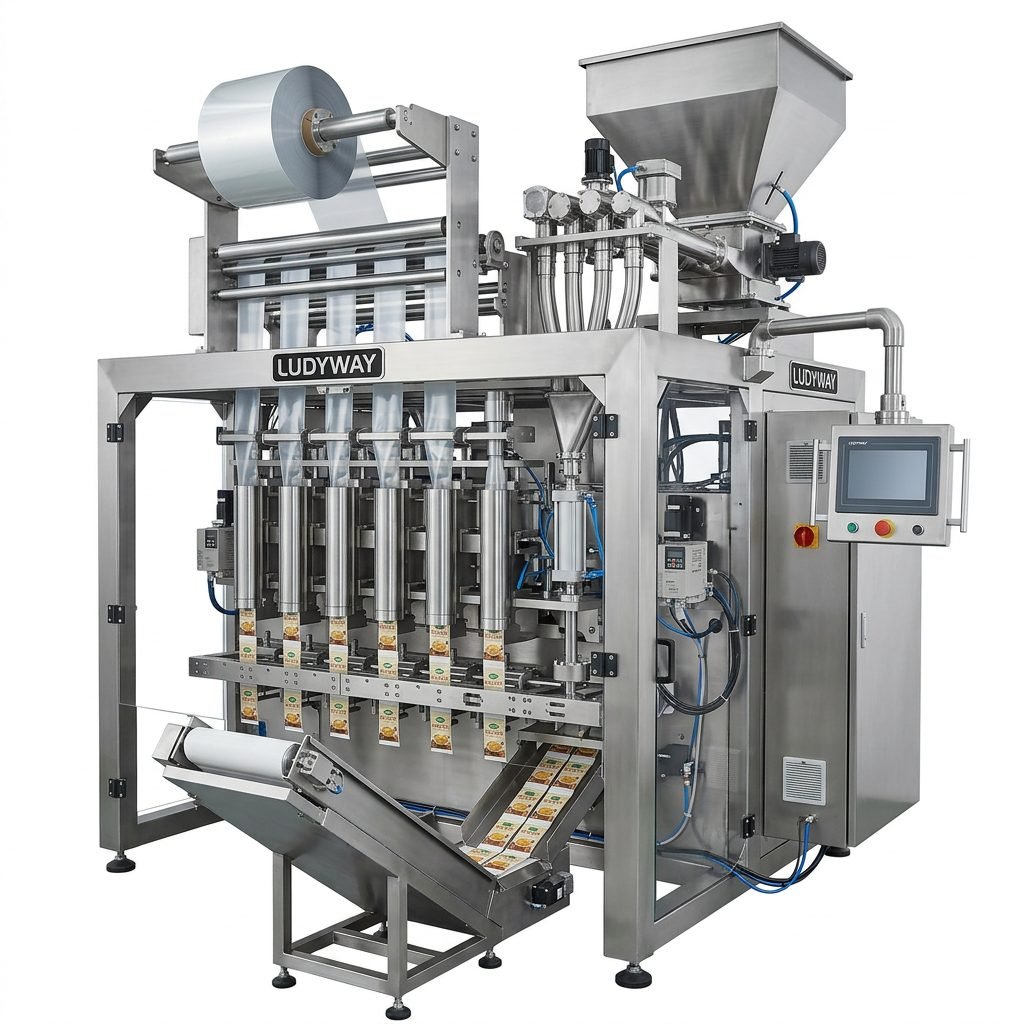
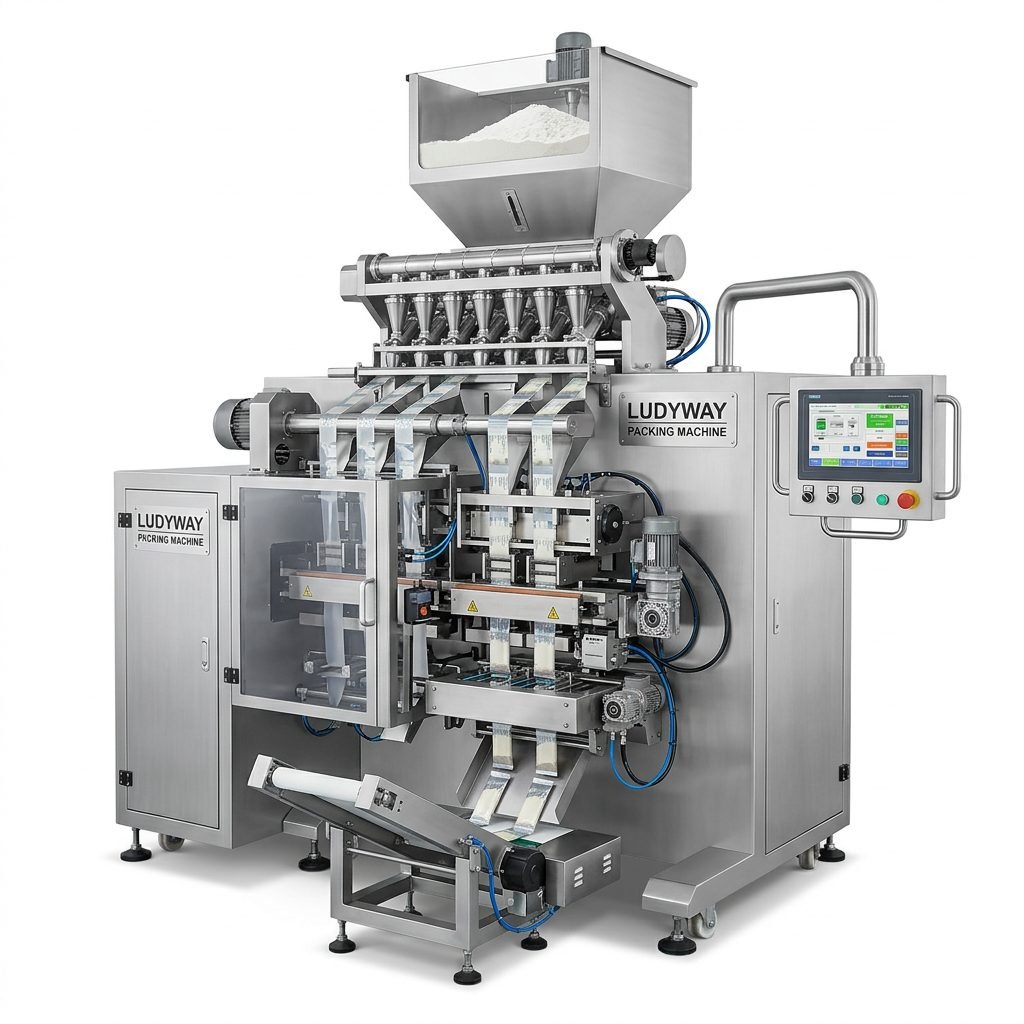
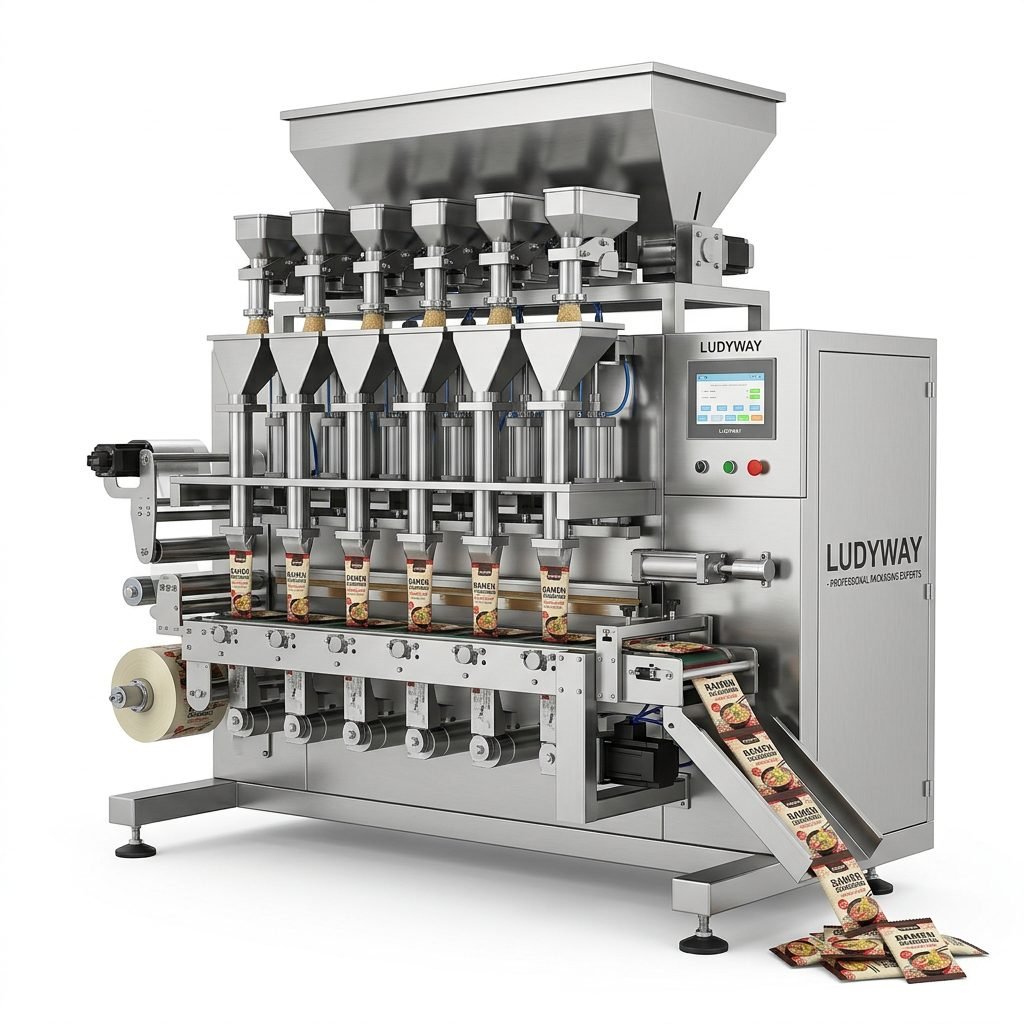
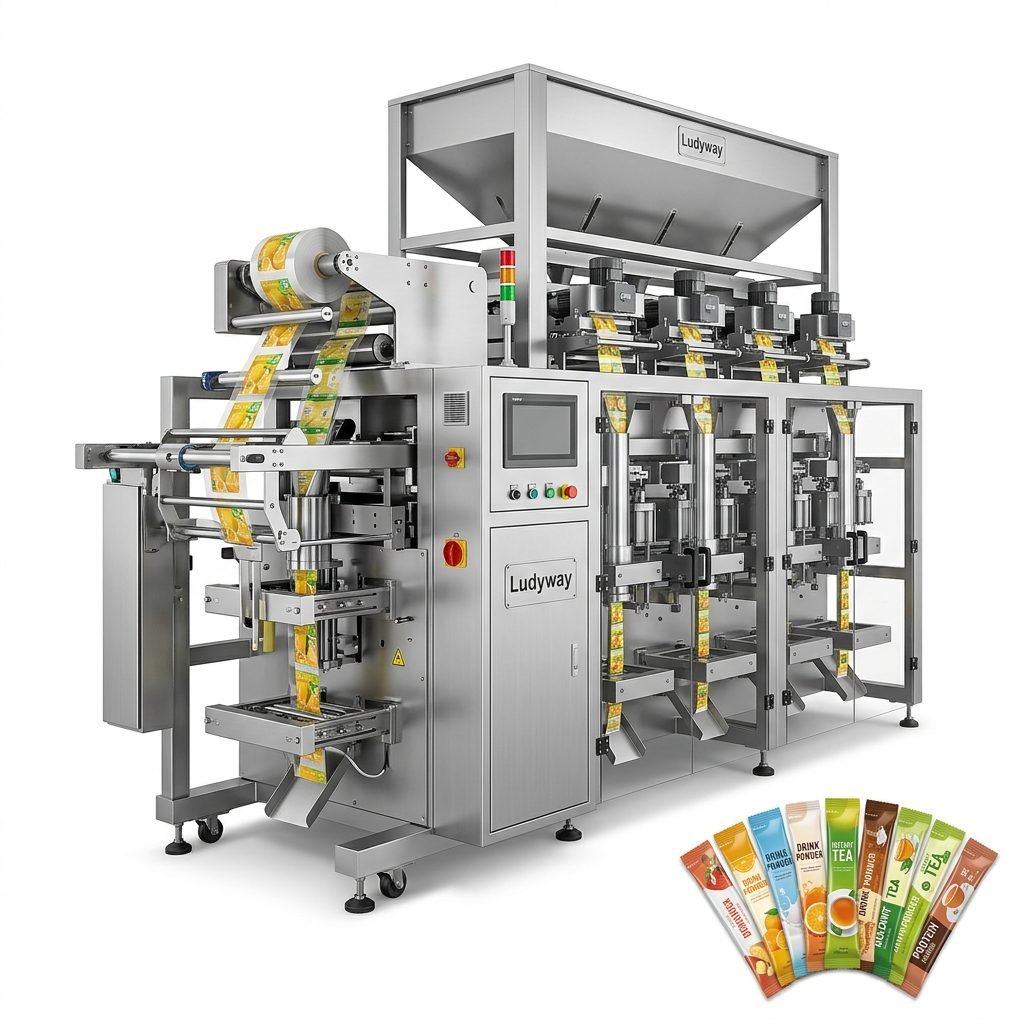
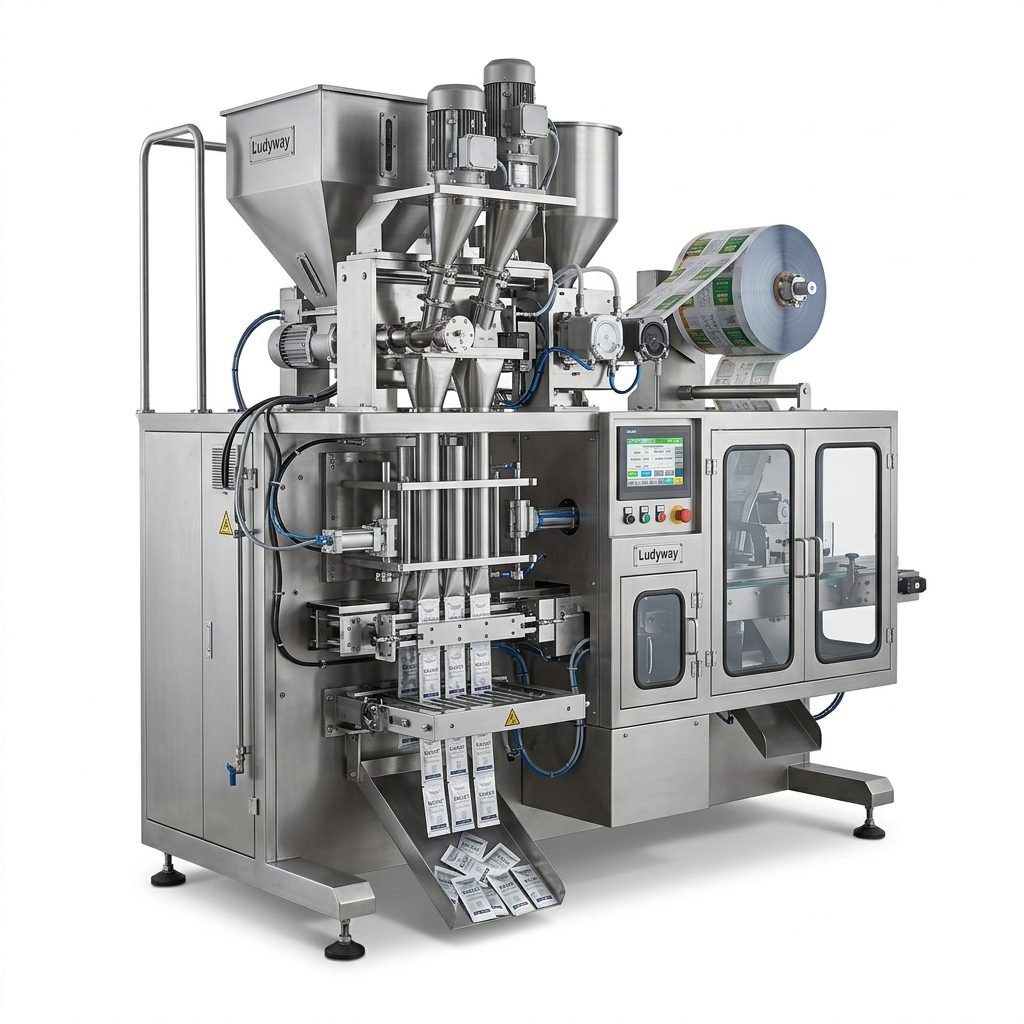
| Sachet & Stick Pack Machine | Single-serve condiment or sauce packaging | Multi-lane configuration, precision dosing |
| Labeling & Coding Machine | Application of labels, date codes, and batch information | Thermal transfer printing, high-speed application |
| Cartoning Machine | Secondary packaging into cartons for retail distribution | Automatic carton erection, product insertion, sealing |
| Checkweigher & Metal Detector | Quality control and compliance verification | High precision, reject system integration |
Step-by-Step Guide to Setting Up Your Production Line
Step 1: Define Your Production Capacity Requirements
Determine your target output in meals per hour. For small to medium operations, a production capacity of 30-60 packs per minute may suffice. Larger operations targeting supermarket chains may require 80-120 packs per minute or higher. This decision directly impacts which packaging machine models you should select.
Step 2: Select the Appropriate Packaging Format
South American consumers prefer various packaging formats. Tray-sealed meals dominate the frozen food segment, while stand-up pouches and sachet packaging are popular for sauces, soups, and single-serve portions. Your equipment must be compatible with the packaging materials commonly available in South America, including PET, PP, and aluminum laminate films.
Step 3: Ensure Compliance with Regional Standards
Consult packaging machinery standards and industry resources to understand global best practices. For South America specifically, ensure your equipment meets Mercosur technical regulations where applicable. This includes electrical safety standards, hygiene design requirements, and ISO packaging standards certification.
Step 4: Plan Your Facility Layout
A well-designed facility layout maximizes operational efficiency. Consider the following zones:
- Raw material receiving area: Separate entrance for ingredients and packaging materials
- Preparation zone: Food preparation and cooking areas with proper ventilation
- Packaging hall: Temperature-controlled environment for your production line
- Finished goods storage: Cold storage or ambient storage based on product type
- Quality control laboratory: On-site testing facilities for batch verification
Step 5: Install and Commission Your Equipment
Professional installation is crucial for optimal machine performance. Work with suppliers who offer on-site installation support in South America. The commissioning process should include:
- Mechanical assembly and alignment of all modules
- Electrical integration and control system programming
- Dry runs and material testing with your actual products
- Operator training on safety procedures and daily operation
- Documentation handover including manuals in Spanish or Portuguese
Technology Integration for Smart Production
Modern ready meal packaging lines incorporate Industry 4.0 technologies that improve traceability and efficiency. Consider integrating IoT sensors for real-time monitoring, automated data collection for batch records, and remote diagnostics capabilities. These features are particularly valuable for operations in South America where specialized technical support may not always be immediately available locally.
Maintenance and After-Sales Support in South America
One of the most important considerations when setting up a packaging production line in South America is ensuring reliable after-sales support. Ludyway provides comprehensive technical support and spare parts supply to customers across South America, helping food manufacturers maintain continuous production with minimal downtime. Key maintenance practices include:
- Regular preventive maintenance schedules aligned with production calendars
- Stock of critical spare parts locally to reduce lead times
- Remote technical support for troubleshooting
- Annual equipment audits to identify wear and performance issues
Cost Considerations and ROI Analysis
Investing in a ready meal packaging production line in South America requires careful financial planning. Factors that influence the total investment include:
| Cost Category | Estimated Percentage | Key Variables |
|---|---|---|
| Packaging Machinery | 45-55% | Automation level, production speed, number of lanes |
| Facility Setup | 15-20% | Location, building modifications, utilities |
| Installation & Training | 5-8% | Supplier location, complexity of the line |
| Initial Raw Materials | 8-12% | Packaging film, trays, labels inventory |
| Regulatory Compliance | 3-5% | Certifications, testing, local registrations |
| Working Capital | 10-15% | Operational expenses for first 3-6 months |
Common Challenges and How to Overcome Them
Setting up operations in South America presents unique challenges. Being prepared for these situations will help you launch your production line more smoothly.
Supply Chain Complexity
Some packaging materials may not be locally available. Establish relationships with multiple suppliers across different countries. For example, Brazil and Argentina have strong packaging film manufacturing industries, while specialized components may need to be imported. Your flexible packaging industry resources knowledge will help you navigate these challenges.
Skilled Labor Availability
Finding operators with experience in automated packaging machinery can be challenging in some regions. Invest in comprehensive training programs and consider hiring technicians with mechanical or electrical backgrounds who can be trained on your specific equipment. Partner with packaging industry training resources to develop your team’s capabilities.
Climate Considerations
South America’s diverse climate zones, from tropical to temperate, affect packaging material storage and machine performance. Ensure your facility has proper climate control, especially for humidity-sensitive products. In tropical regions like Colombia and northern Brazil, dehumidification systems are essential for maintaining packaging seal integrity.
Future-Proofing Your Production Line
As the South American ready meal market continues to evolve, your production line should be adaptable. Consider modular equipment designs that allow for future expansion, quick format changeovers for different meal types, and compatibility with sustainable packaging materials. According to the 2025 State of the Industry report, flexible packaging solutions are the fastest-growing segment in the Americas.

Working with Reliable Equipment Partners
Selecting the right equipment manufacturer is arguably the most critical decision you will make. Look for partners who have experience with international installations, understand South American business practices, and can provide references from similar projects in the region. Turnkey solution providers who can deliver complete production lines, rather than individual machines from multiple suppliers, often reduce project complexity and ensure better integration.
Understanding packaging machinery market research and industry trends will help you make informed decisions. Additionally, staying informed about packaging and packaging waste regulations ensures your operation remains compliant with evolving environmental standards across South American markets.
Final Checklist Before Launching Your Production Line
- All machinery installed and commissioned by qualified technicians
- Staff trained on operation, cleaning, and basic maintenance procedures
- Local regulatory approvals and certifications obtained
- Packaging materials validated for seal integrity and shelf life requirements
- Quality control protocols established and testing equipment calibrated
- Spare parts inventory stocked for critical components
- Emergency procedures documented and communicated to all personnel
- Production schedules aligned with customer demand forecasts
Setting up a ready meal packaging machine production line in South America represents a significant but rewarding investment. With proper planning, the right equipment partner, and attention to local market conditions, your operation can capture the growing demand for convenient, high-quality packaged meals across this dynamic region. The combination of advanced packaging technology, strategic location selection, and ongoing operational excellence will position your business for long-term success in the rapidly expanding South American food market.