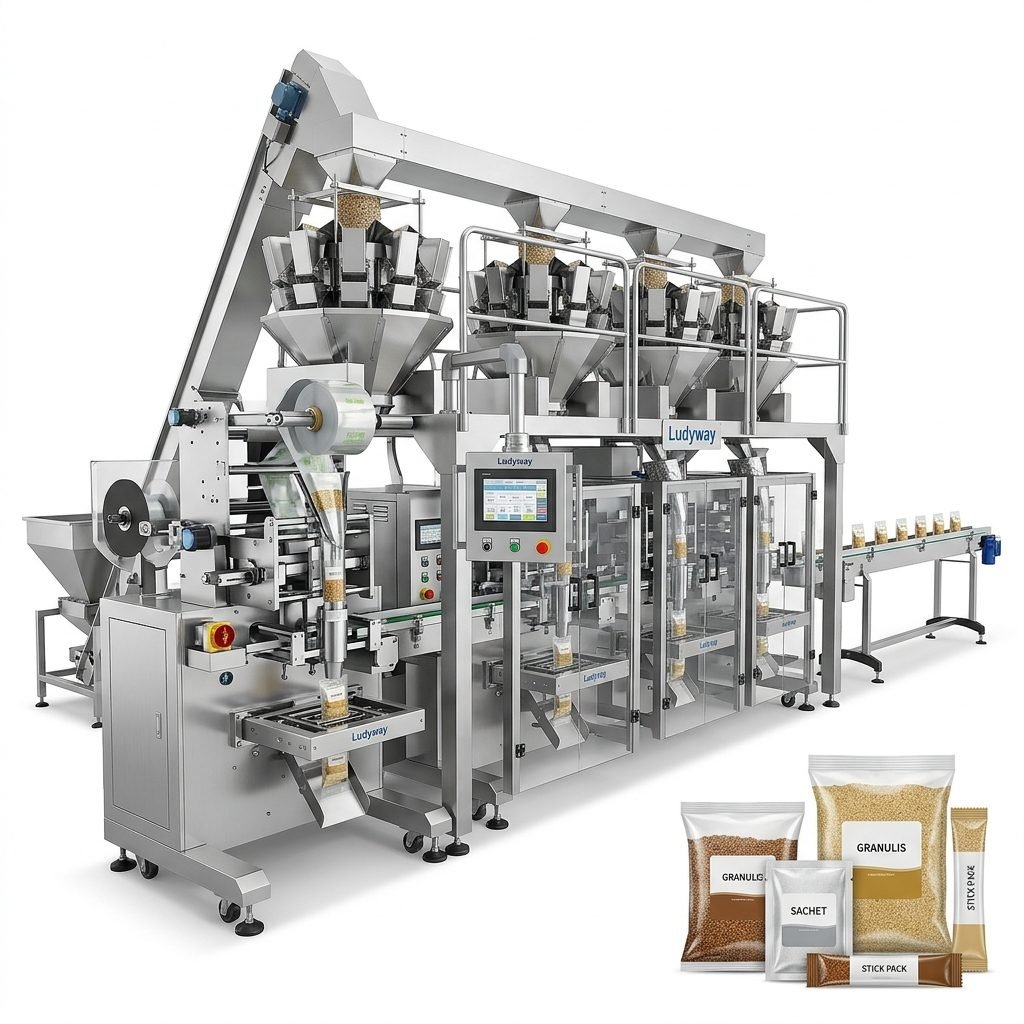
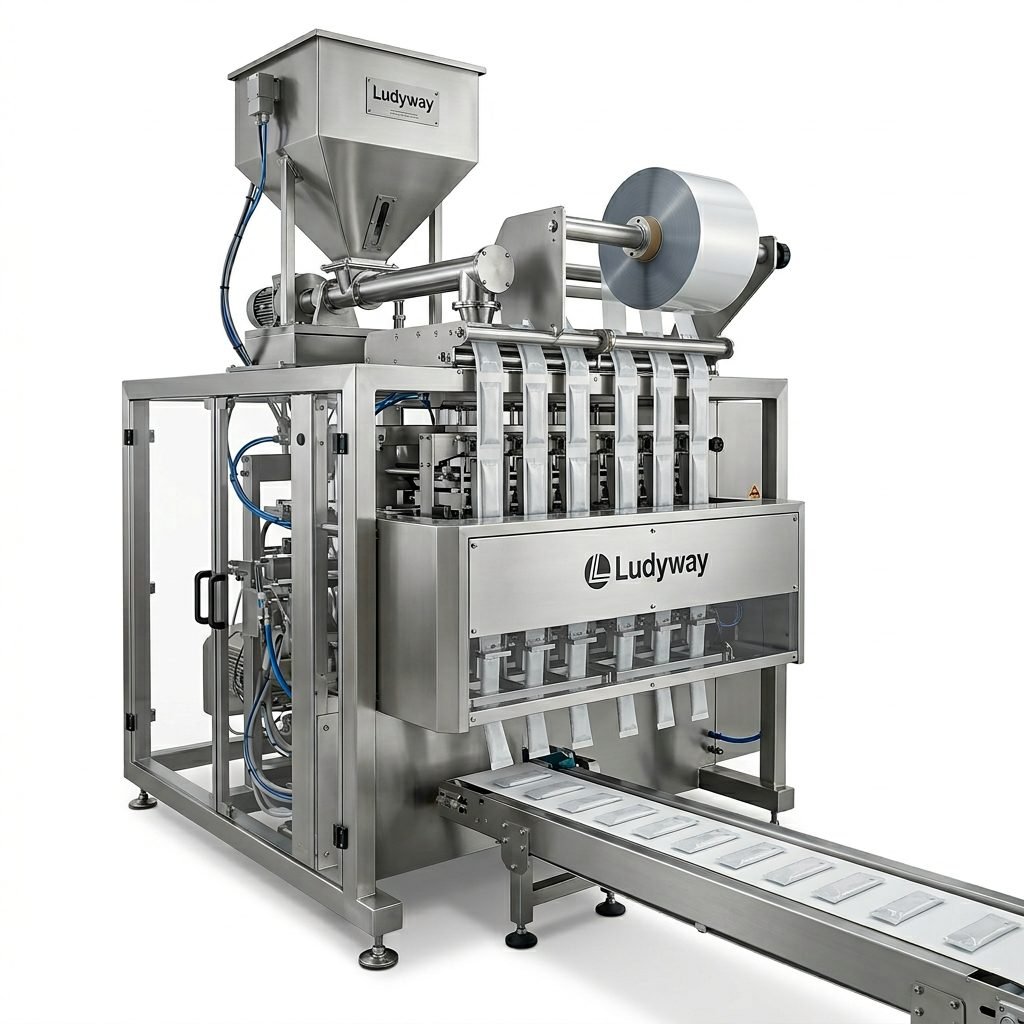
The demand for packaged food products is experiencing unprecedented growth across Southeast Asia. With a rising middle class, rapid urbanization, and shifting consumer preferences toward convenience, establishing a local production line for condiments like salsa has become a strategic priority for manufacturers. A well-designed salsa packaging machine production line can significantly reduce operational costs, improve product shelf life, and ensure consistent quality that meets both local and international standards. This guide covers every essential step, from initial planning and equipment selection to regulatory compliance and after-sales support.
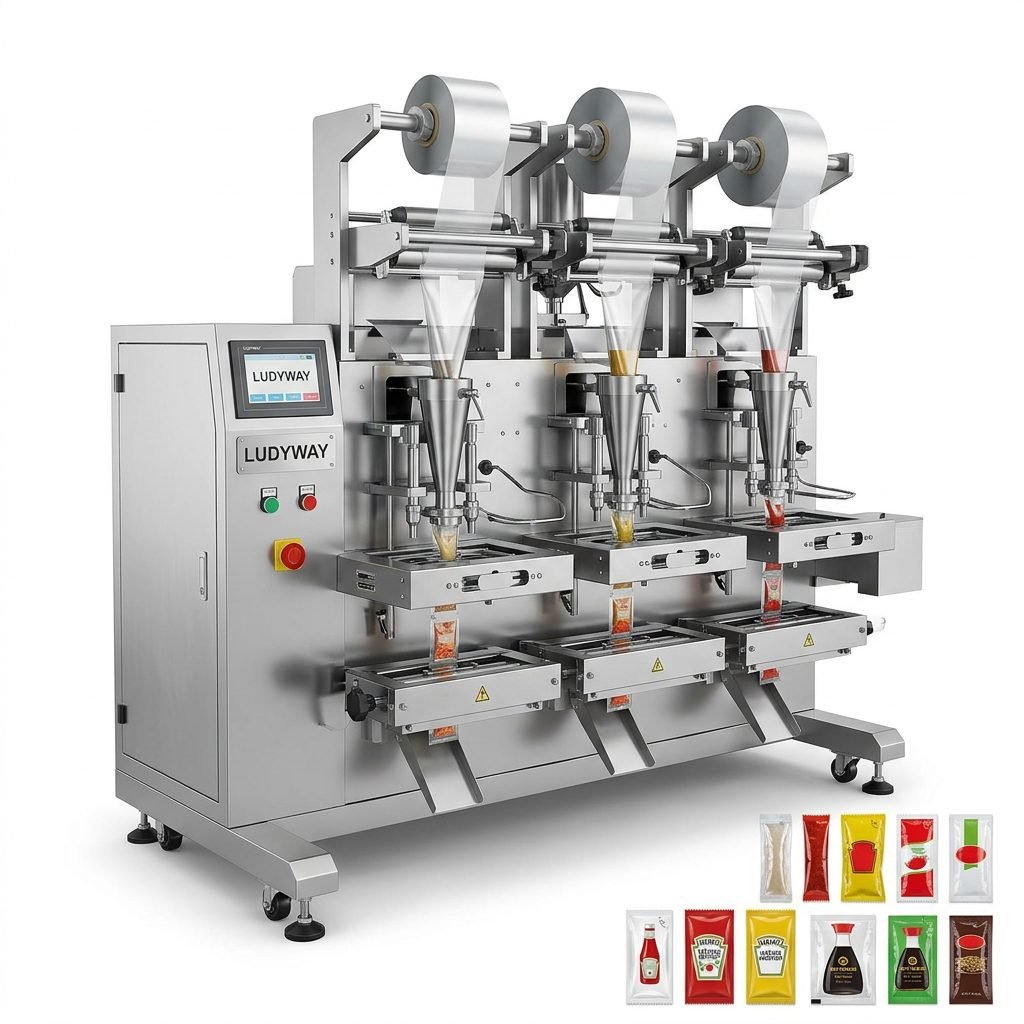
Understanding the Southeast Asian Salsa Market Opportunity
The ASEAN region is projected to witness a compound annual growth rate of over 7% in the packaged sauces and condiments sector through 2030. Countries such as Indonesia, Thailand, Vietnam, and the Philippines represent key markets where Western-style dips and salsas are gaining mainstream popularity alongside traditional chili sauces. Setting up a salsa packaging machine production line locally allows manufacturers to circumvent high import duties, reduce logistics costs, and respond faster to retail demand fluctuations. The market shift toward single-serve sachets and stick packs further influences the type of packaging machinery required for a modern production facility.
Key Market Drivers in ASEAN Countries
- Rapid expansion of modern retail chains and convenience stores
- Growing demand for portion-controlled salsa sachets in foodservice
- Increasing popularity of Mexican and Tex-Mex cuisines
- Government incentives for local food processing investments
- Rising export opportunities to neighboring Asian markets
Site Selection and Facility Planning
Choosing the right location for your salsa packaging production line in Southeast Asia requires careful evaluation of multiple factors. Industrial zones in Thailand’s Eastern Economic Corridor, Vietnam’s Binh Duong province, and Indonesia’s Java region offer attractive tax incentives and developed infrastructure. Your facility must accommodate raw material storage, salsa preparation areas, the packaging machinery floor, and finished goods warehousing. Proper zoning for food-grade production is non-negotiable, and the facility layout should follow a logical flow from ingredient intake through to the liquid filling and sealing line to prevent cross-contamination.

Core Machinery for a Salsa Packaging Line
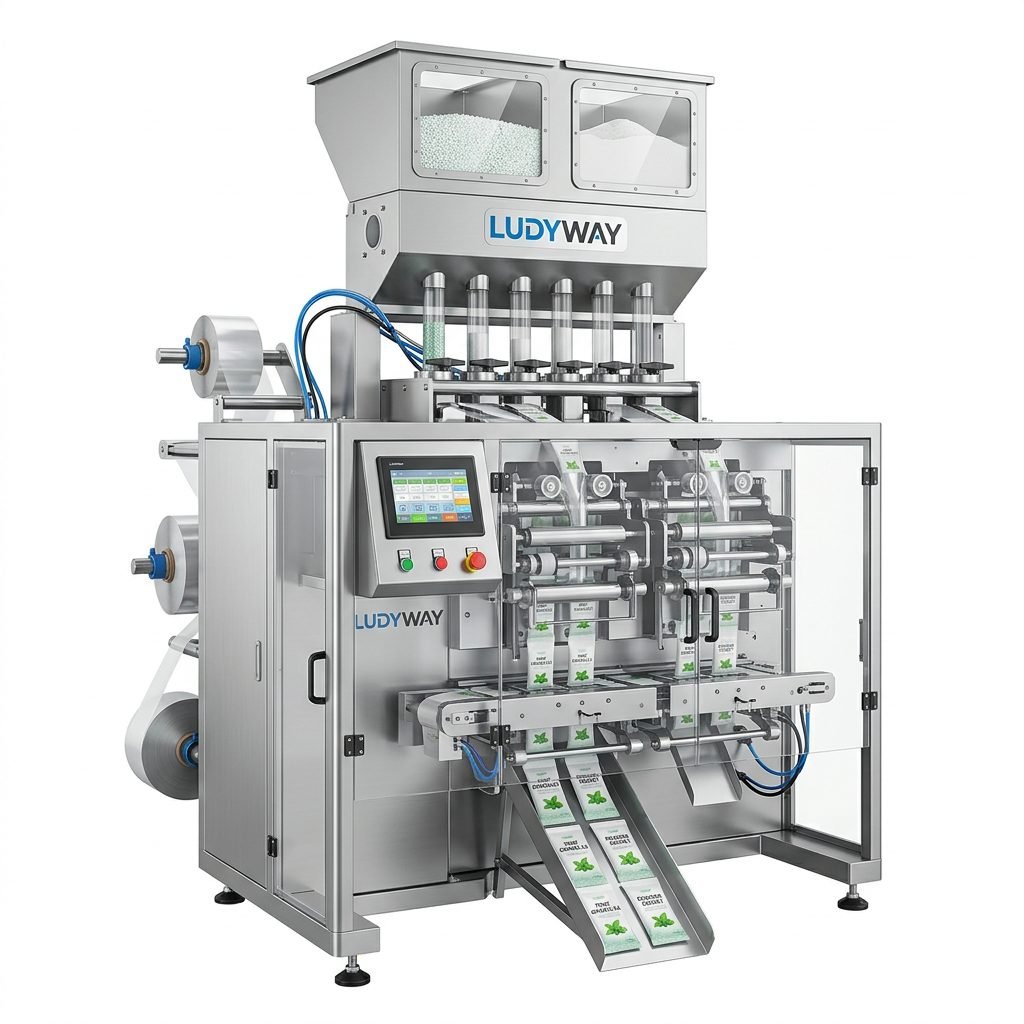
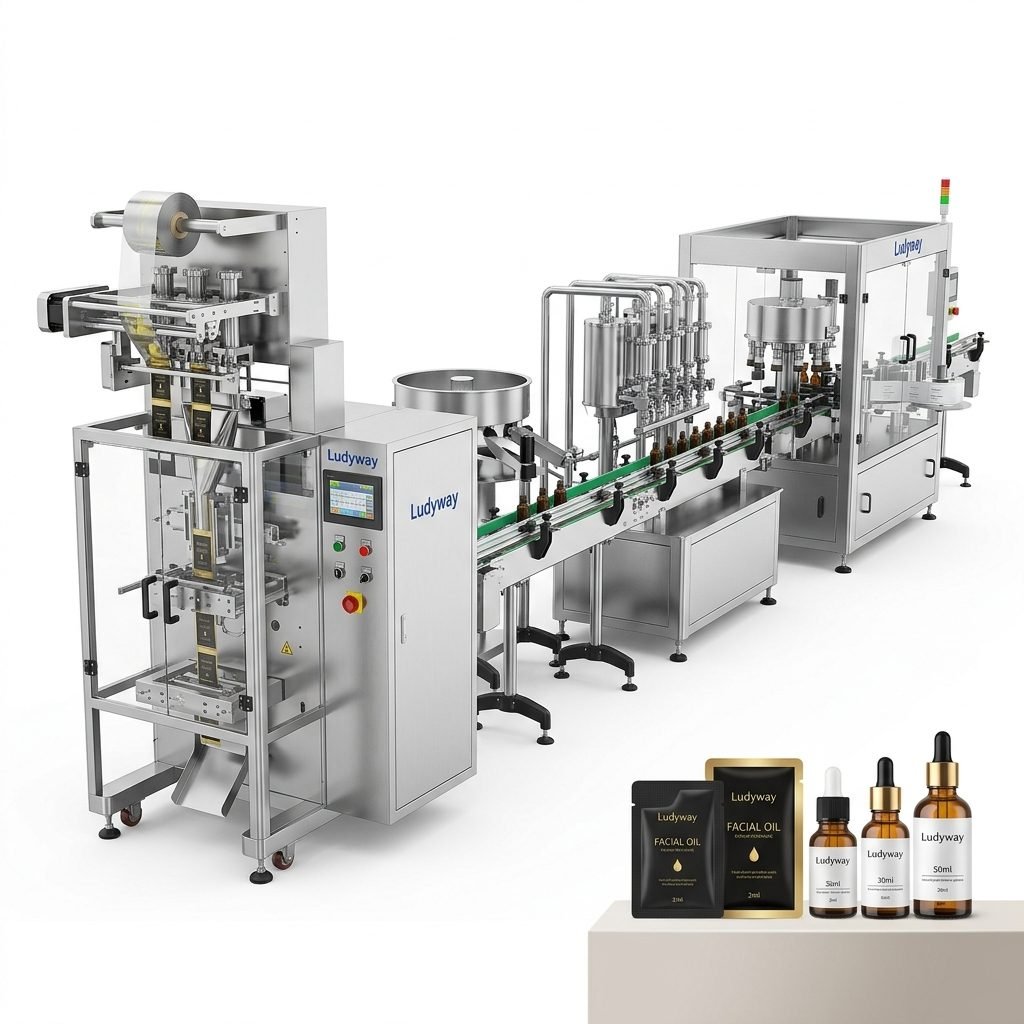
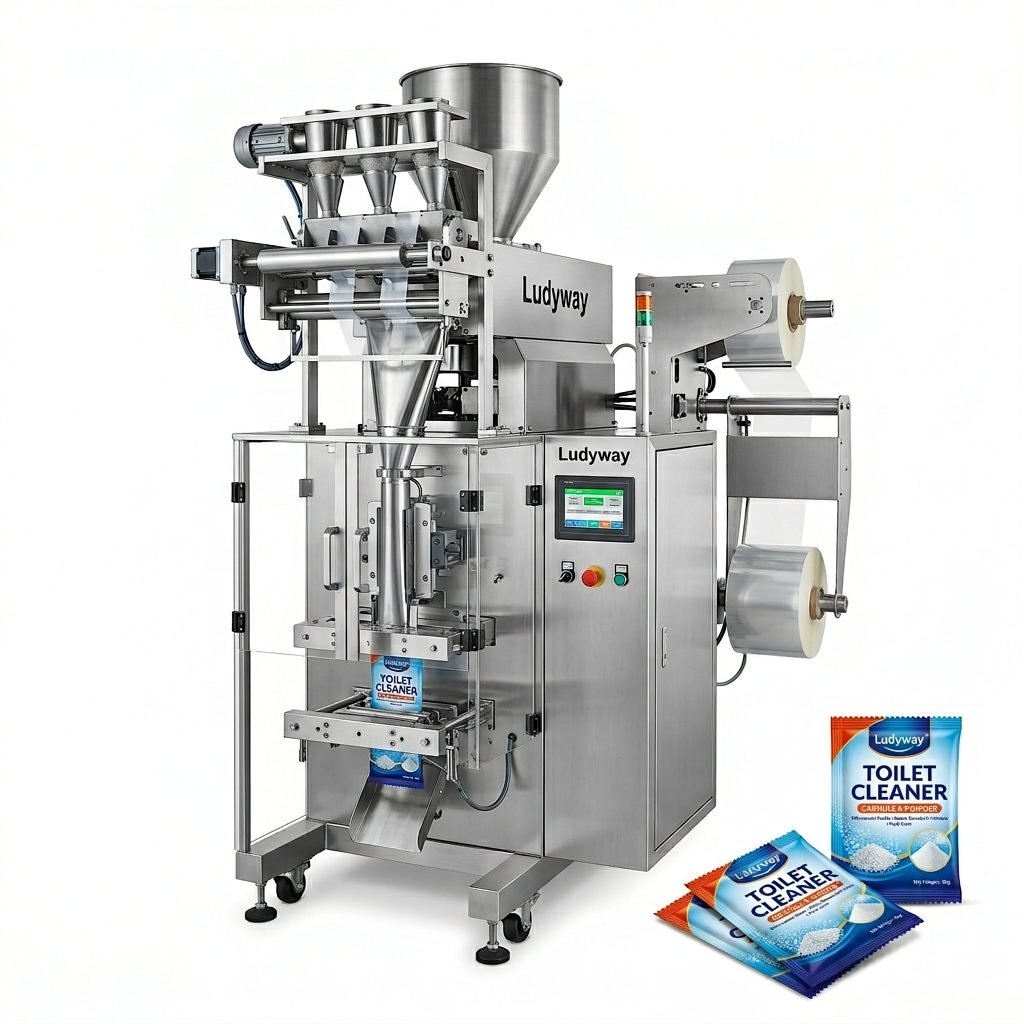
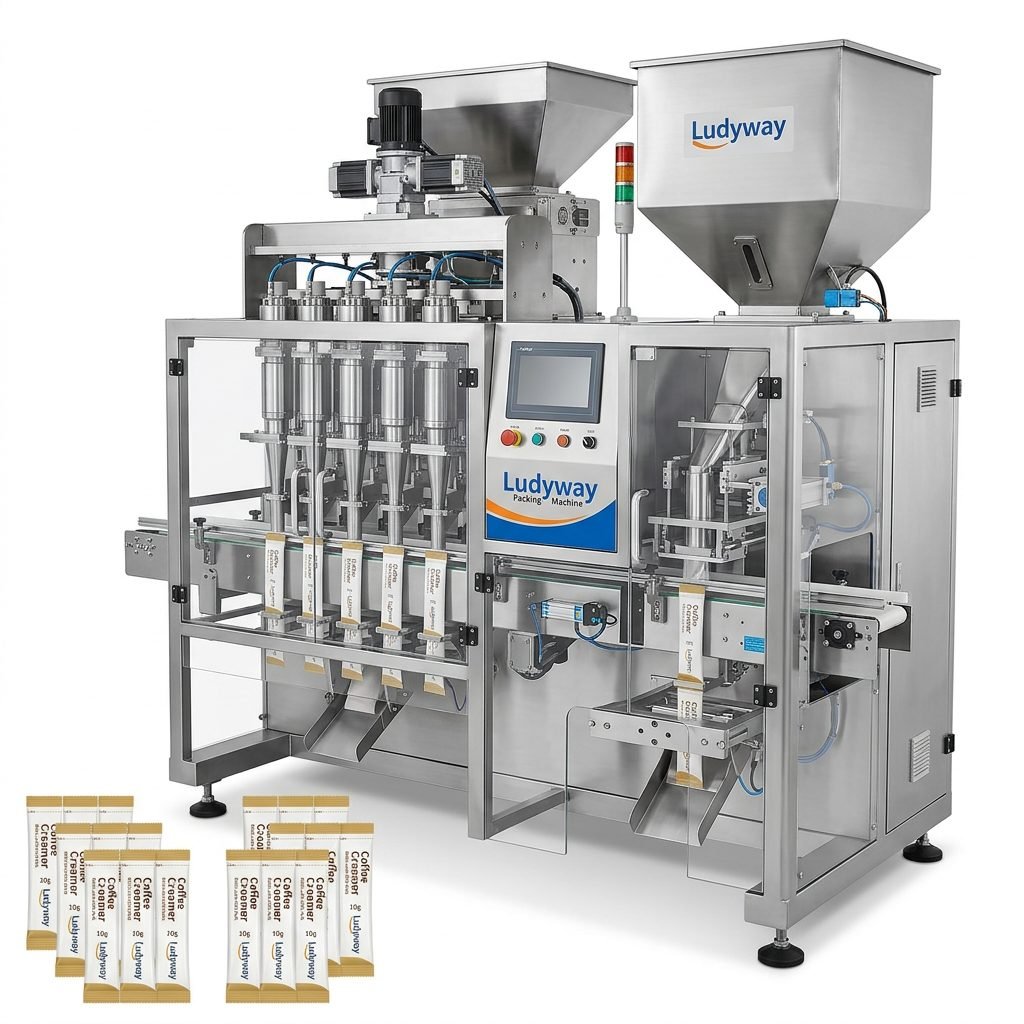
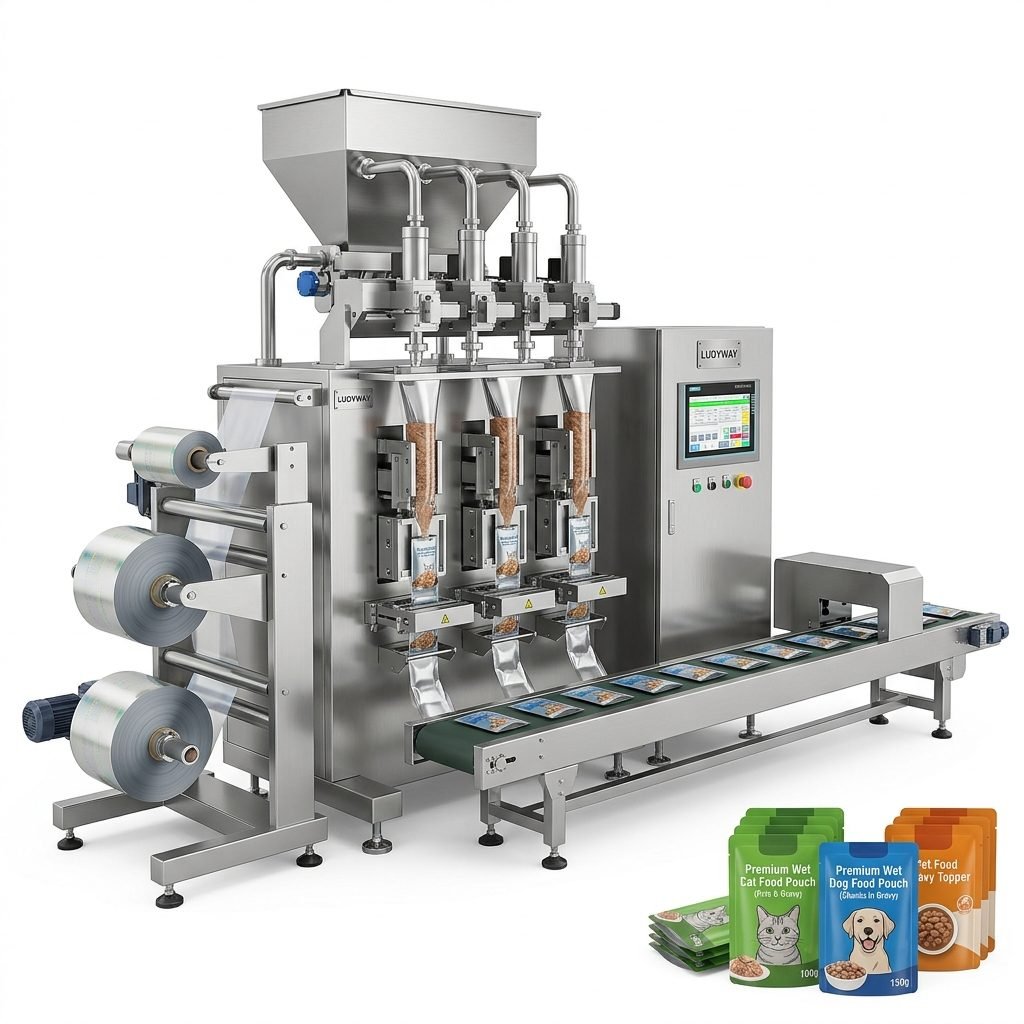
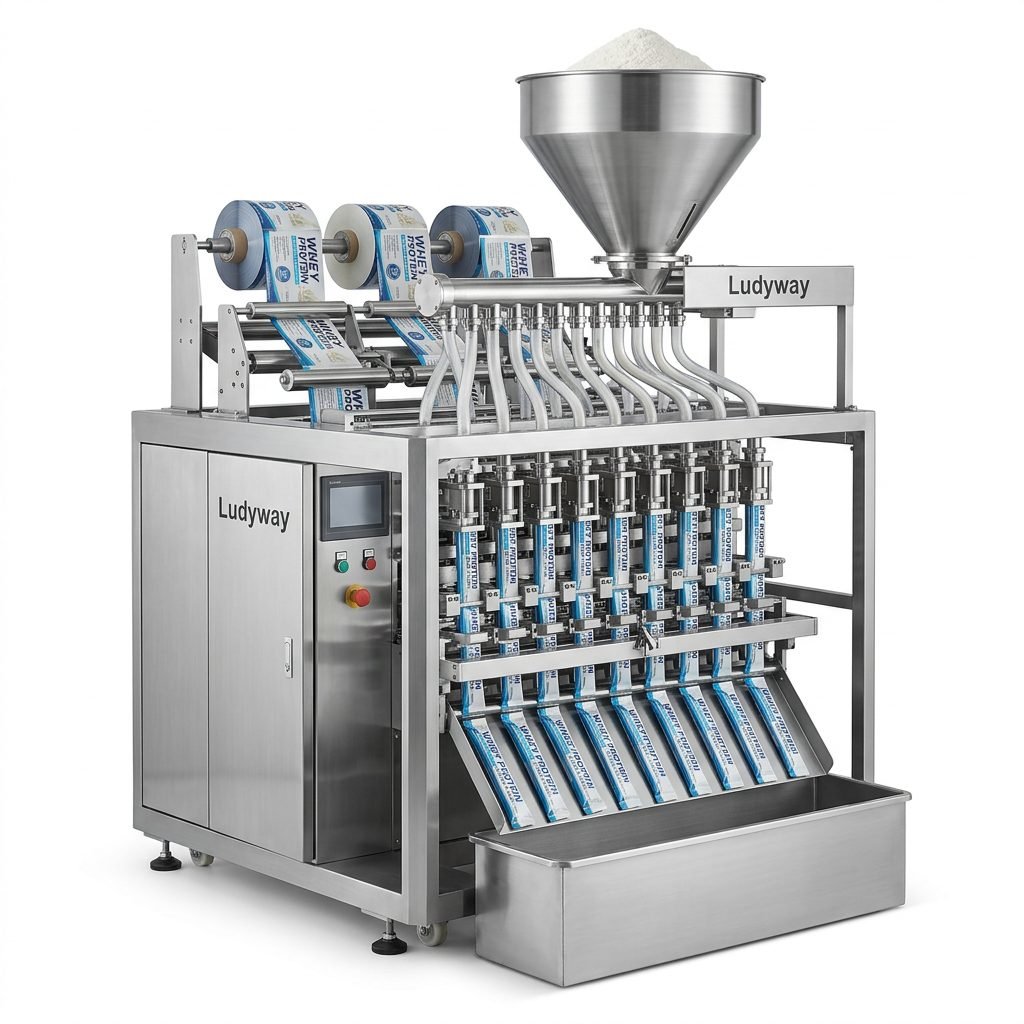
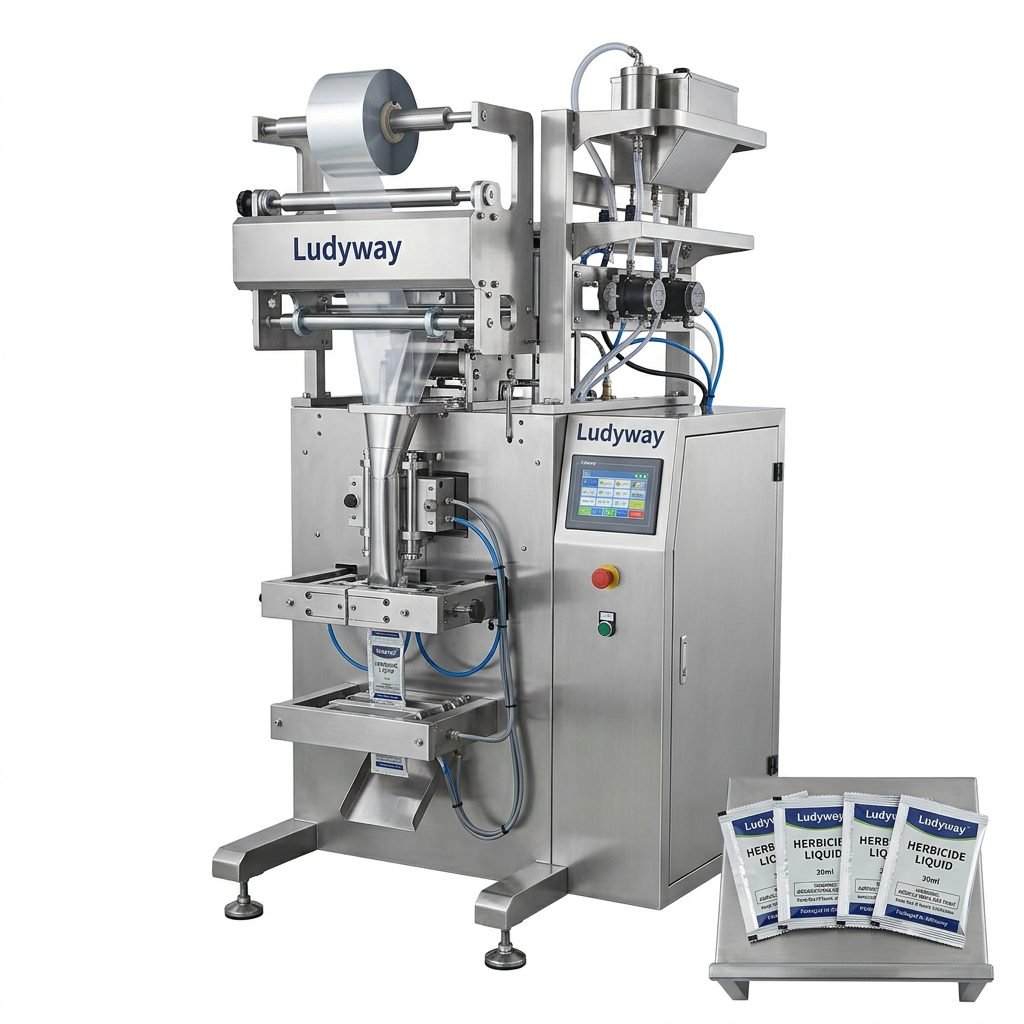
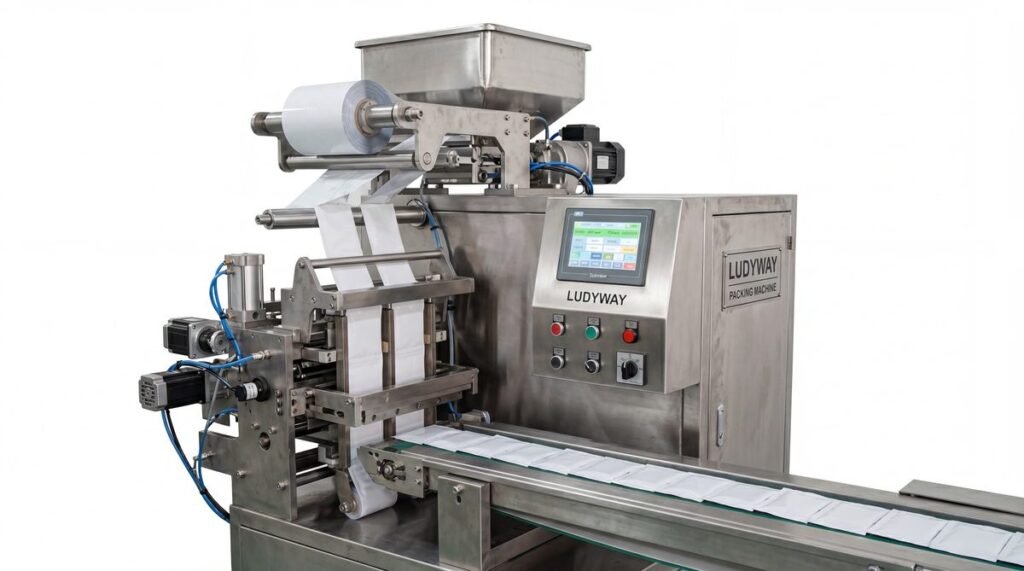
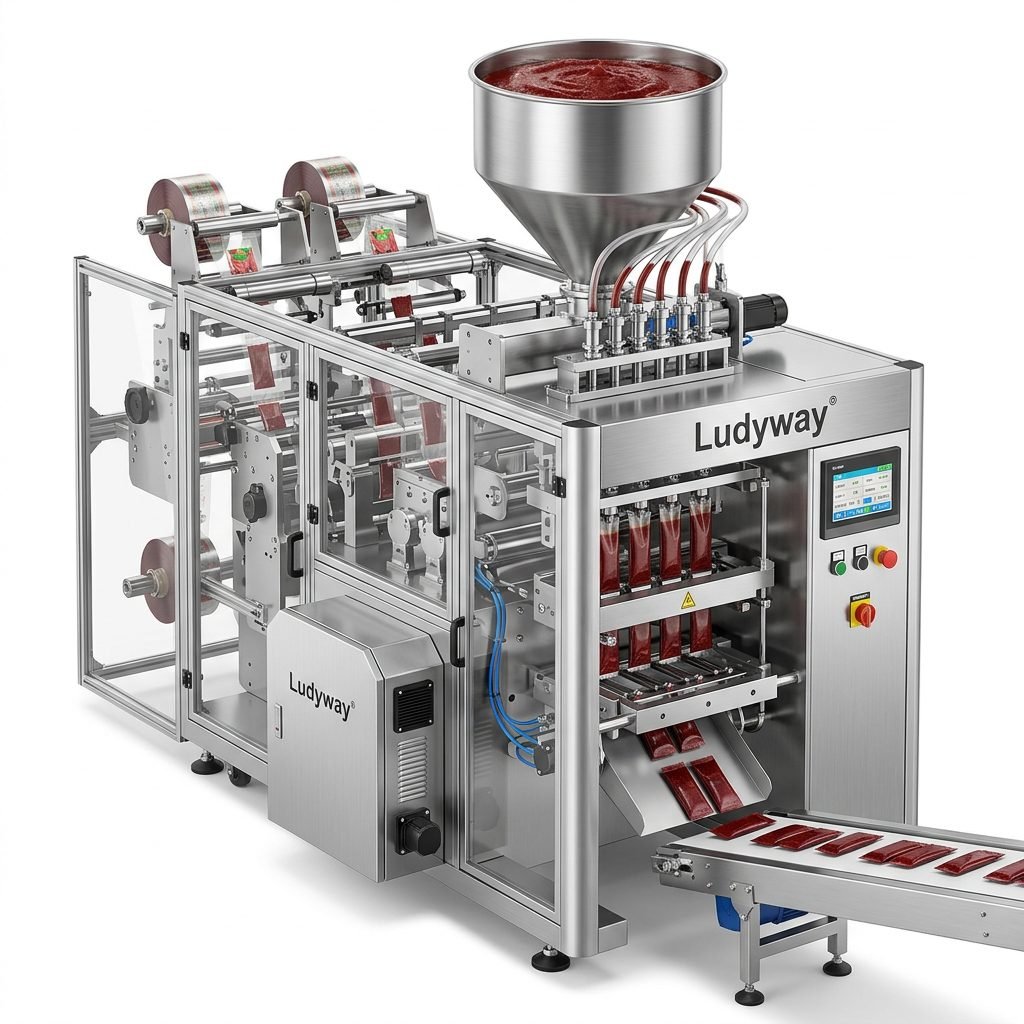
A complete salsa packaging machine production line comprises several interconnected systems. The primary equipment includes a multi-lane sachet packaging machine or stick pack machine depending on your target format. Below is a breakdown of essential machinery components and their functions:
| Machine Type | Primary Function | Key Specification |
|---|---|---|
| Liquid Filling Machine | Precision dosing of salsa into sachets | Volumetric piston or servo-driven pump |
| Multi-Lane Sachet Former | Film unwinding, forming, and sealing | 4-12 lanes, speeds up to 400 packs/min |
| Stick Pack Machine | Narrow elongated sachet production | Continuous motion, servo-driven |
| Cartoning Machine | Secondary packaging into cartons | Automatic carton erecting and loading |
| Checkweigher System | Weight verification and quality control | High-speed dynamic weighing |
Choosing Between Sachet and Stick Pack Formats
Southeast Asian consumers show strong preference for affordable single-serve sachets, making the multi-lane sachet packaging format particularly relevant. However, premium salsa brands targeting urban supermarkets may benefit from stick pack formats that offer better shelf presence. When configuring your salsa packaging machine production line, consider investing in flexible equipment that can handle both formats with quick changeover capabilities. Servo-driven multi-lane systems provide the versatility needed to switch between sachet sizes and film materials without extensive downtime.
Film Material Considerations for Salsa Packaging
- PET/AL/PE laminate for extended shelf life and barrier protection
- PET/PE for cost-effective short shelf-life products
- Metallized films for enhanced visual appeal on retail shelves
- Eco-friendly biodegradable laminates for sustainability-focused markets
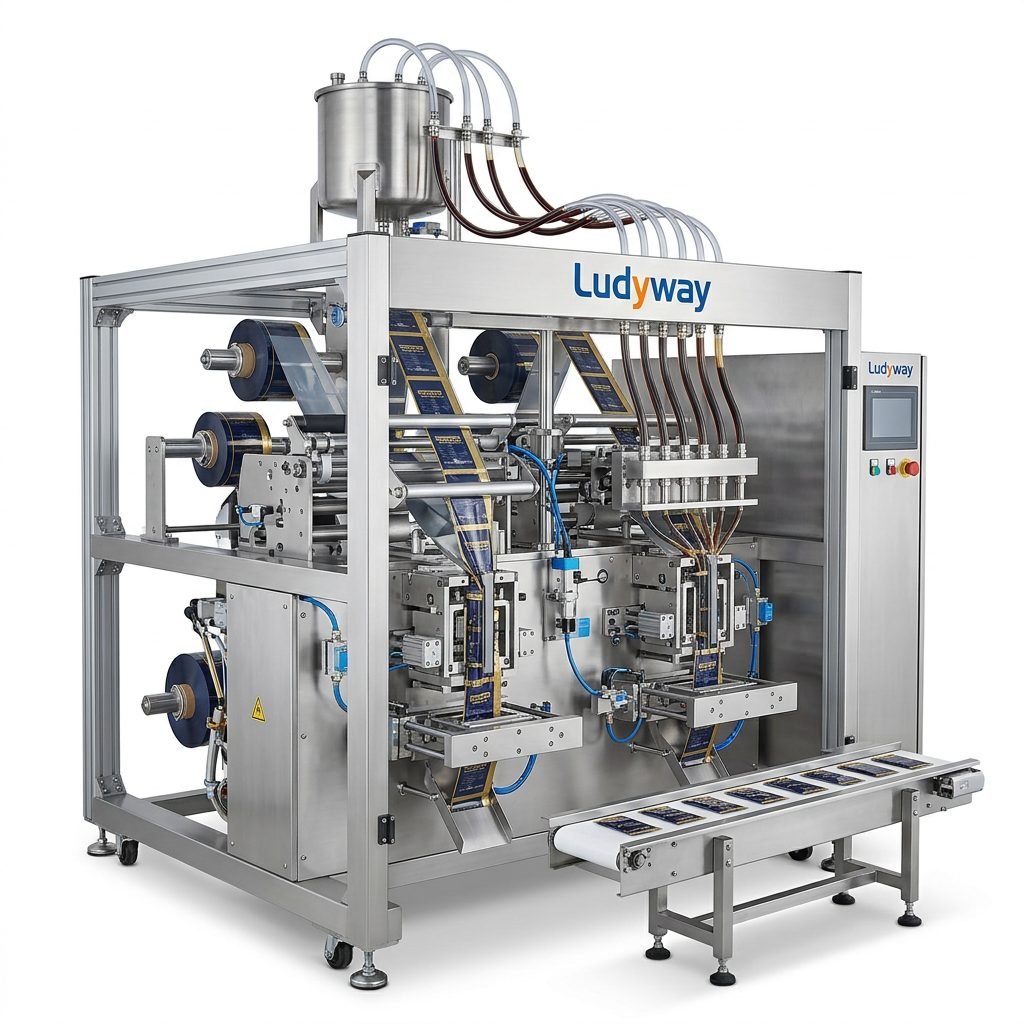
Production Capacity and Speed Requirements
Determining the right throughput for your salsa packaging machine depends on your target market size and distribution channels. Small to medium enterprises entering the ASEAN market typically start with a production capacity of 80 to 150 sachets per minute per lane. Larger manufacturers serving nationwide retail chains may require high-speed systems delivering 300 to 400 packs per minute across multiple lanes. An industry report on packaging machinery trends indicates that modular, scalable lines are increasingly preferred as they allow manufacturers to expand capacity incrementally based on market demand.
Food Safety and Regulatory Compliance
Operating a food packaging line in Southeast Asia requires adherence to both local and international standards. Most ASEAN countries align their food safety regulations with Codex Alimentarius guidelines, while exporters to Western markets must also comply with FDA food packaging requirements or EU regulations. When setting up your salsa packaging machine production line, ensure all product-contact surfaces use 316L stainless steel, and the equipment design supports CIP (Clean-in-Place) protocols. Proper documentation of cleaning procedures, temperature logs, and batch records is essential for audit compliance.
Essential Quality Control Checkpoints
- Incoming raw material inspection and viscosity testing
- Inline metal detection after filling and sealing
- Seal integrity testing using vacuum or dye penetration methods
- Weight verification with high-speed dynamic checkweighers
- Accelerated shelf-life testing under tropical climate conditions
- Microbiological testing of finished product samples
Utilities and Infrastructure Requirements
Southeast Asian manufacturing facilities must account for the region’s tropical climate when planning a salsa packaging machine production line. High ambient temperatures and humidity levels necessitate robust HVAC systems in production areas to maintain product stability and prevent film material degradation. Key utility considerations include:
| Utility | Requirement | Local Considerations |
|---|---|---|
| Compressed Air | Oil-free, food-grade, 6-8 bar | Moisture traps essential for humid climate |
| Electrical Supply | 380V/50Hz 3-phase (varies by country) | Voltage stabilizers recommended |
| Water Supply | Potable water for CIP systems | Water treatment plant often needed |
| Waste Management | Liquid and solid waste handling | Compliance with local environmental laws |
Workforce Training and Skill Development
Operating a modern salsa packaging machine production line requires trained personnel who understand both mechanical operations and food safety protocols. In Southeast Asia, finding experienced packaging machine operators can be challenging, making comprehensive training programs essential. Key training areas should cover machine setup and changeover procedures, troubleshooting common faults, preventive maintenance schedules, and hygiene practices. Many equipment suppliers offer on-site training during installation and commissioning phases, which is invaluable for building local technical competency.
Selecting a Reliable Packaging Machinery Partner
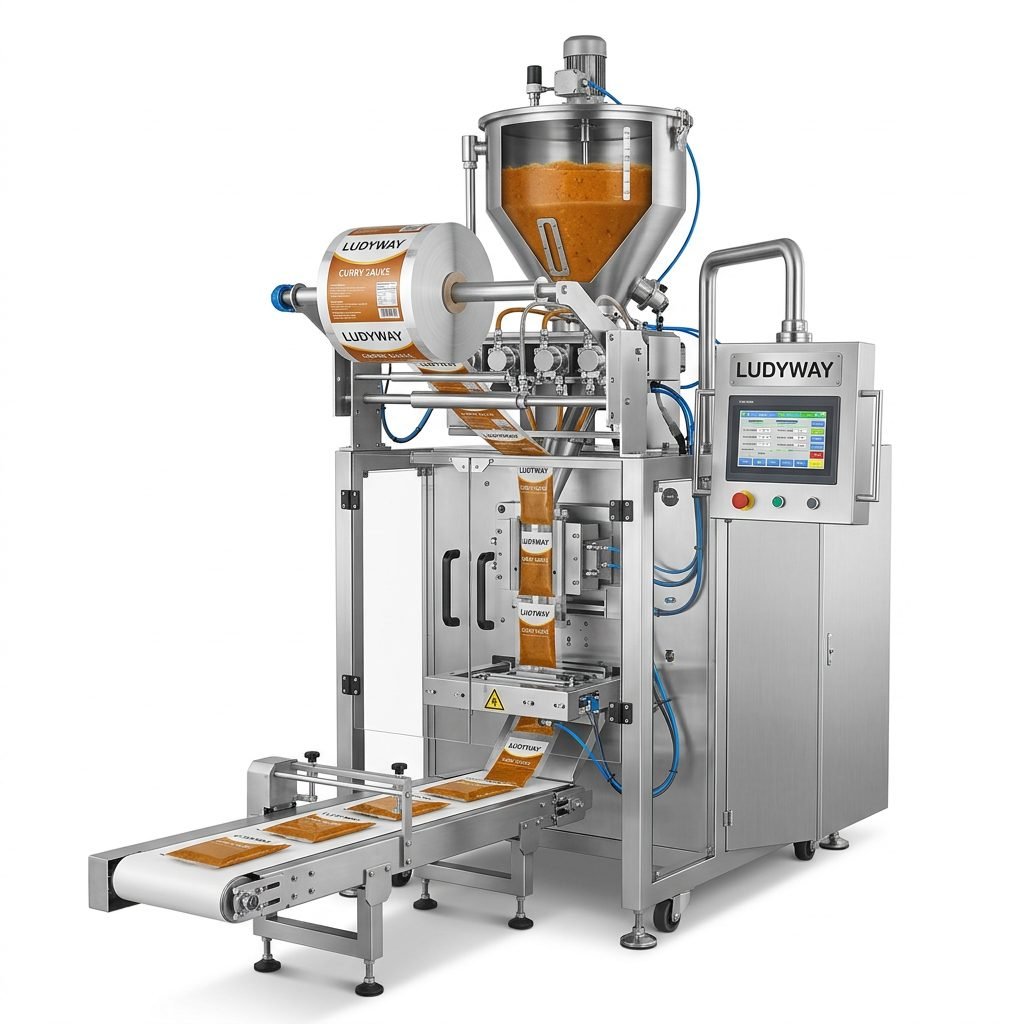
Choosing the right equipment supplier is critical to the long-term success of your salsa packaging operation in Southeast Asia. Look for manufacturers with proven experience in liquid and sauce packaging applications, a strong presence in the ASEAN region, and responsive after-sales support. Factors such as spare parts availability, technical service response times, and warranty terms should be thoroughly evaluated. One notable manufacturer in this space is Ludyway, a leading Chinese packaging machinery company with over 30 years of industry expertise and a modern 20,000㎡ manufacturing facility that serves customers in more than 100 countries, providing turnkey packaging solutions for granule, powder, and liquid applications including salsa and sauce products.
Maintenance and Spare Parts Strategy
Downtime costs in a salsa packaging machine production line can be substantial, particularly for manufacturers supplying retail chains with strict delivery schedules. Establishing a preventive maintenance program and maintaining an inventory of critical spare parts is essential. Components such as sealing jaws, filling nozzles, temperature controllers, and servo motors should be stocked based on manufacturer recommendations. Additionally, having a technical support agreement with your equipment supplier ensures priority access to remote diagnostics and on-site service when needed.
Recommended Spare Parts Inventory
- Sealing jaw assemblies and heating elements
- Filling pump seals and valves
- Film registration sensors and photo-eyes
- Drive belts and timing belts
- Pneumatic cylinders and solenoid valves
- PLC backup modules and HMI screens
Cost Analysis and ROI Projections
Investment in a complete salsa packaging machine production line varies significantly based on automation level, production capacity, and equipment origin. An entry-level semi-automatic line might require $50,000 to $150,000, while a fully automated multi-lane system with secondary packaging can range from $200,000 to $500,000+. The return on investment is typically achieved within 18 to 36 months for manufacturers serving the growing ASEAN consumer market. Key factors influencing ROI include production efficiency gains, labor cost savings, reduced product giveaway through precision filling, and the ability to command premium pricing through superior packaging quality.
Future-Proofing Your Packaging Line
The Southeast Asian packaged food market continues to evolve, with trends toward sustainable packaging, smart factory integration, and personalized portion sizes. When designing your salsa packaging machine production line, incorporate flexibility for future upgrades. Consider equipment with IoT connectivity for real-time production monitoring, compatibility with recyclable and biodegradable film materials, and modular architecture that allows for the addition of new packaging formats. Investing in a future-ready line today positions your operation to capitalize on emerging opportunities in the dynamic ASEAN market. For further insights, the Flexible Packaging Association provides valuable industry data and sustainability resources relevant to manufacturers entering this region.
Key Takeaways for Successful Line Setup
Setting up a salsa packaging machine production line in Southeast Asia requires a holistic approach that balances equipment selection, facility planning, regulatory compliance, and workforce development. The growing demand for packaged sauces across ASEAN countries presents a compelling opportunity for manufacturers who invest in high-quality, flexible packaging systems. By partnering with experienced equipment suppliers, implementing robust quality control measures, and planning for future scalability, businesses can establish a competitive production operation that serves both domestic and export markets effectively. The combination of strategic location, appropriate technology, and skilled operations management is the foundation for long-term success in this vibrant and expanding regional market.