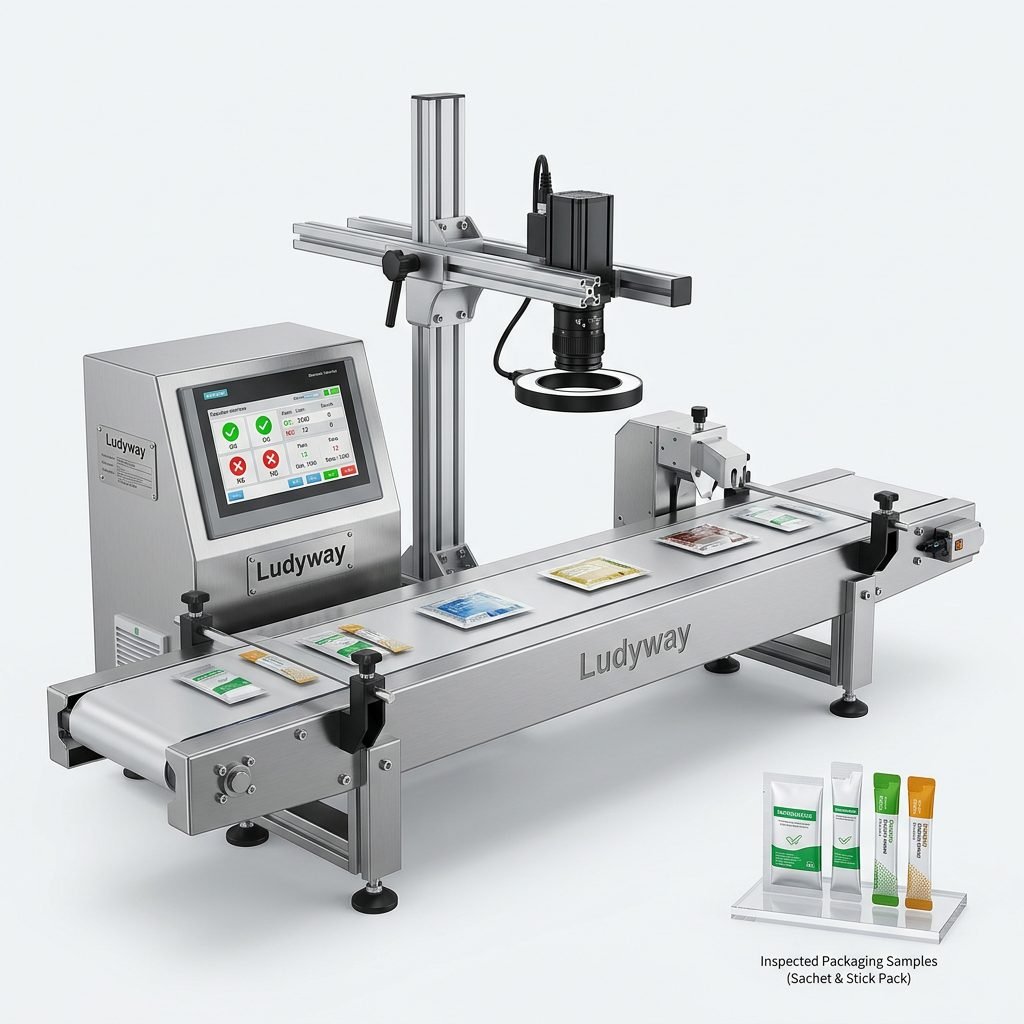
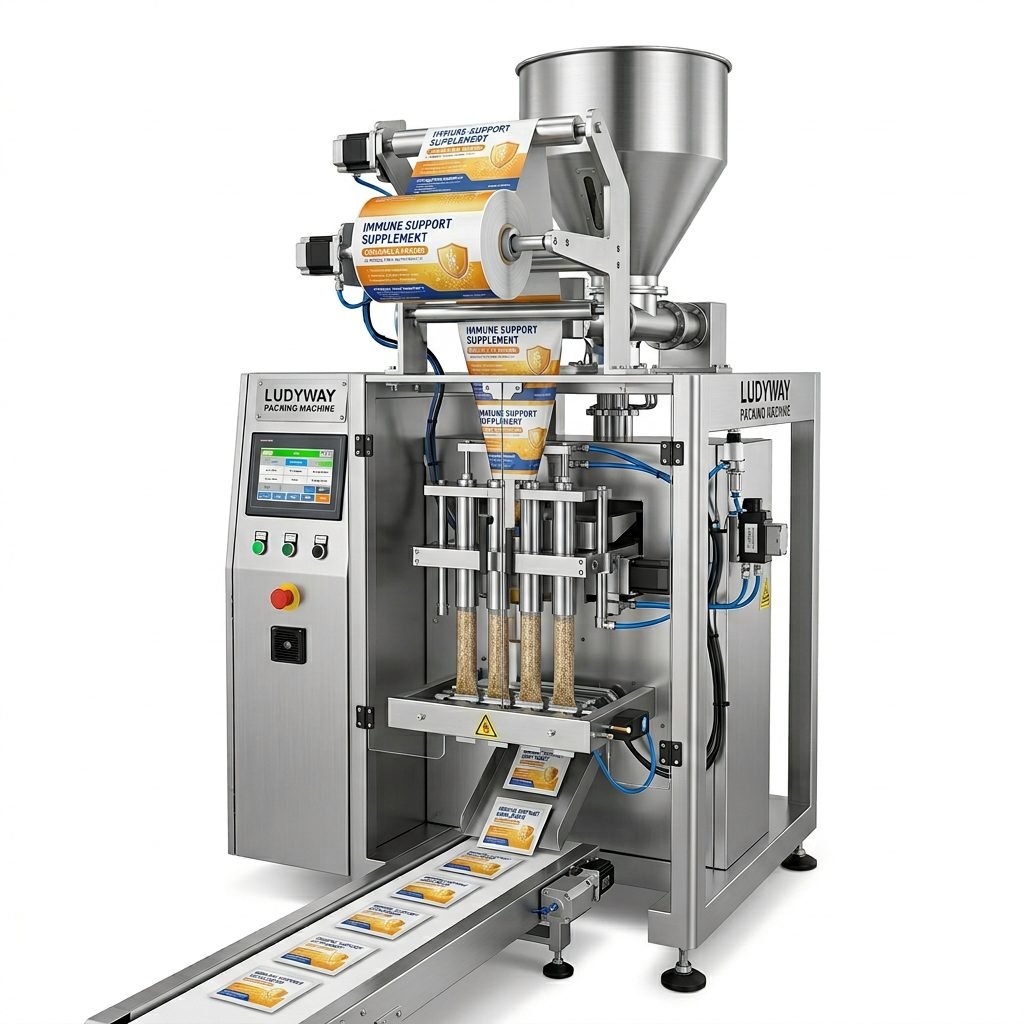
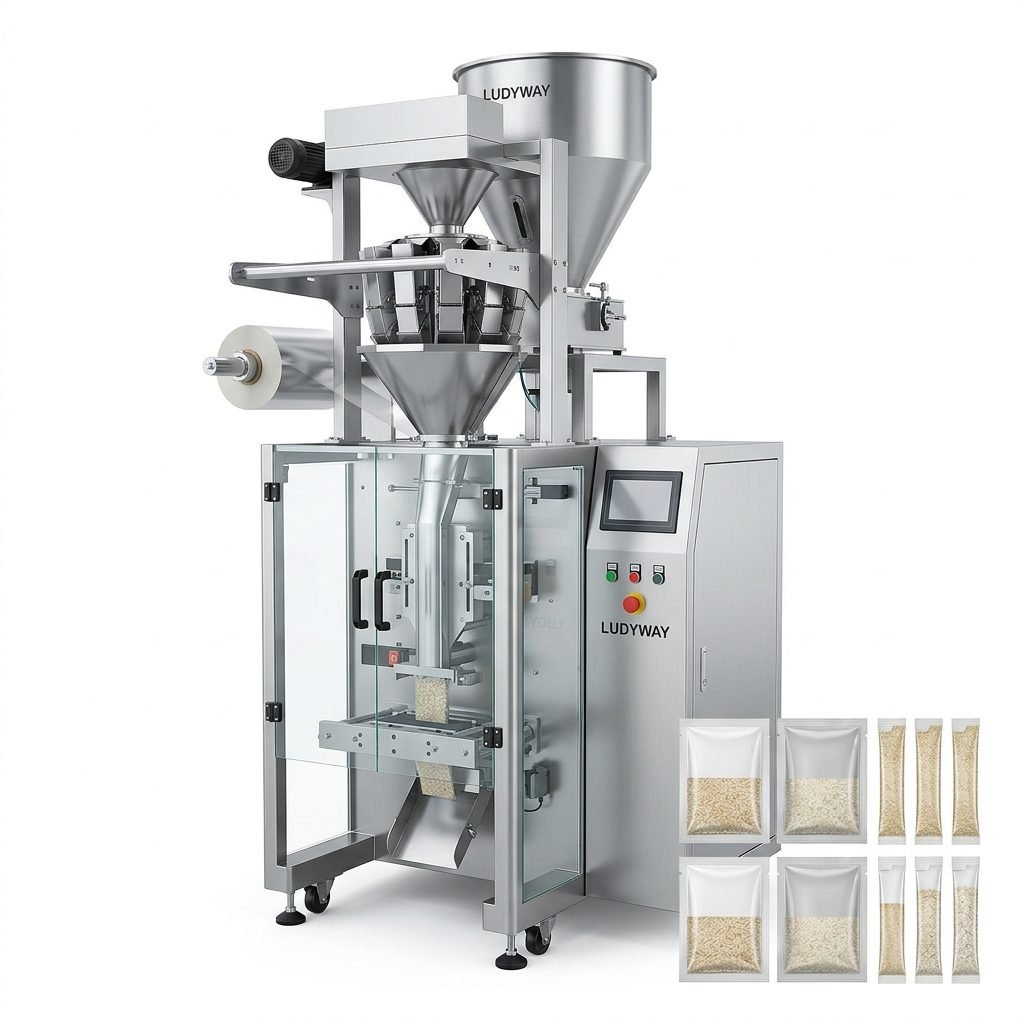
Setting up a seasoning packaging machine production line in the United States is a strategic move that can dramatically boost your manufacturing capacity, improve product consistency, and reduce long-term operational costs. Whether you are producing spice blends, dry rubs, seasoning powders, or liquid marinades in stick packs and sachets, the right automated system transforms raw ingredients into shelf-ready products with precision and speed.
From initial planning and regulatory compliance to equipment selection and workforce training, every phase of the project demands careful attention. This guide walks you through the complete process of building a high-performance seasoning packaging line designed specifically for the U.S. market, covering critical decisions around multi-lane stick pack machines, powder filling systems, and integrated turnkey solutions.
Understanding the U.S. Seasoning Packaging Market Opportunity
The American seasoning and spice market continues to expand, driven by consumer demand for ethnic flavors, clean-label products, and convenient single-serve formats. This growth creates significant opportunities for manufacturers who invest in efficient seasoning packaging machinery. A well-designed production line enables you to respond quickly to market trends while maintaining the quality standards that U.S. retailers and consumers expect.
Key market drivers include the rising popularity of meal kits, food service portion control packs, and retail-ready stick packs. To capture these segments, your packaging line must handle multiple pouch formats, accommodate rapid changeovers, and deliver consistent fill accuracy across high-speed production runs.
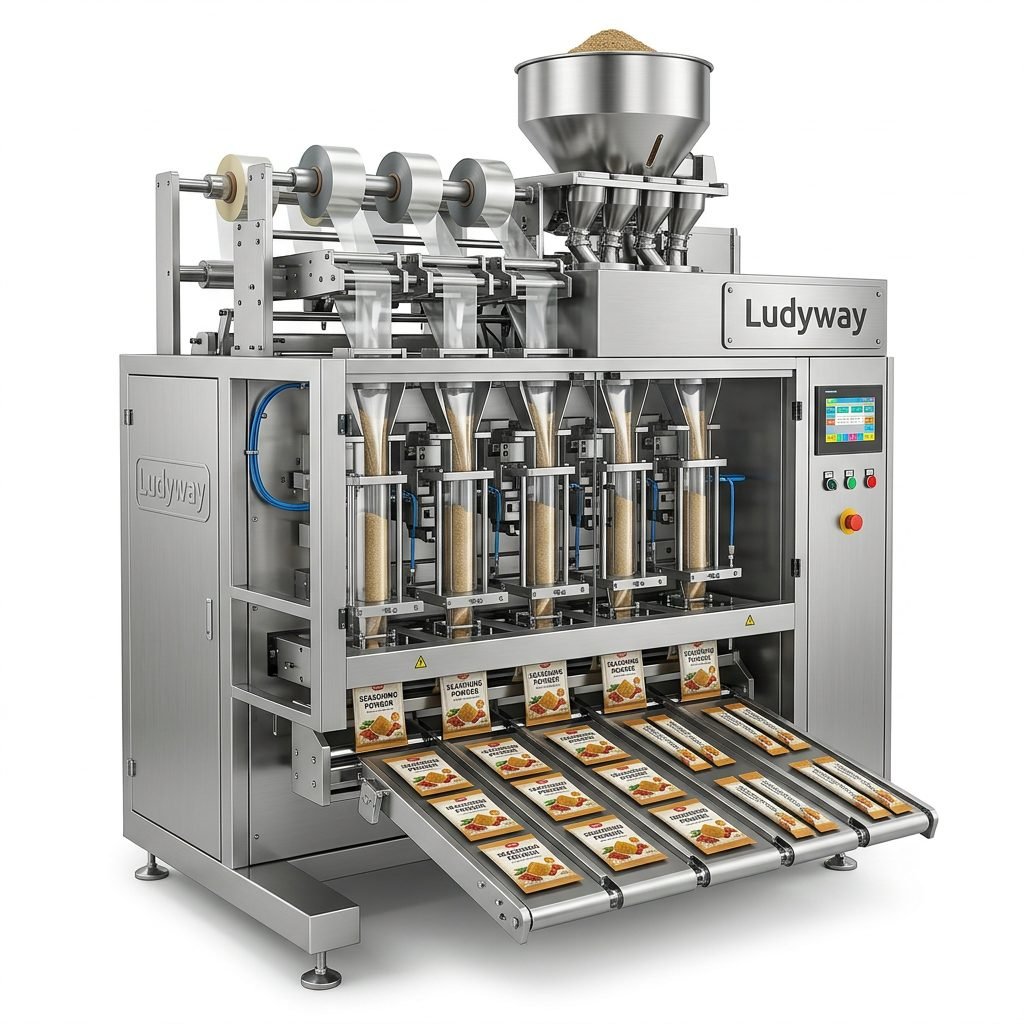
Why Automate Your Seasoning Packaging Process?
Manual or semi-automatic packaging methods simply cannot compete with the speed, hygiene, and accuracy of a fully automated system. A modern multi-lane stick pack production line can produce hundreds of perfectly sealed sachets per minute while minimizing product waste and labor requirements. Automation also ensures compliance with strict food safety regulations enforced by the FDA and USDA.
- Consistent fill weights across thousands of sachets per shift
- Hermetic sealing to protect product freshness and extend shelf life
- Reduced labor dependency and lower per-unit packaging costs
- Flexible format switching between stick packs, sachets, and pouches
- Traceability integration with lot coding and date printing systems
Essential Pre-Planning: Facility, Utilities, and Compliance
Before any packaging machine arrives at your facility, you must assess your production environment and regulatory obligations. U.S. food manufacturing facilities must meet FDA Current Good Manufacturing Practice (CGMP) requirements and may fall under USDA jurisdiction depending on the product type. Your facility layout should support efficient material flow, from raw ingredient staging to finished case packing and palletizing.
Floor Space and Layout Considerations
A typical seasoning packaging line requires dedicated zones for ingredient feeding, primary packaging, secondary cartoning, and end-of-line palletizing. You need adequate clearance around each machine for operator access, maintenance, and sanitation procedures. Overhead conveyor systems and mezzanine platforms can maximize vertical space in compact facilities.
| Production Zone | Space Requirement | Key Considerations |
|---|---|---|
| Ingredient Feeding Area | 150-300 sq ft | Dust control, material flow, operator access |
| Primary Packaging Zone | 200-500 sq ft | Machine footprint, film roll storage, rejection bins |
| Cartoning and Case Packing | 200-400 sq ft | Conveyor integration, box forming, quality checks |
| Finished Goods Staging | 300-600 sq ft | Pallet accumulation, stretch wrapping, forklift access |
Electrical, Compressed Air, and Environmental Requirements
Most high-speed packaging machines designed for the U.S. market operate on 220V or 480V three-phase power at 60Hz. You must confirm your facility’s electrical capacity and install appropriate transformers or service upgrades if necessary. Clean, dry compressed air is essential for pneumatic actuators and sealing jaws; install air dryers and filtration units to protect sensitive machine components.
Seasoning powders are often hygroscopic and sensitive to humidity. Climate-controlled production areas with maintained temperature (68-74°F) and relative humidity (below 55%) prevent product clumping and ensure consistent filling performance. Dust collection systems protect both product quality and operator health.
Selecting the Right Seasoning Packaging Equipment
The core of your production line is the primary packaging machine. For seasoning products, the choice typically falls between multi-lane stick pack machines for high-speed sachet production and vertical form fill seal (VFFS) systems for larger pouch formats. Your selection depends on target output, package size range, and product characteristics such as flowability and dust generation.
Multi-Lane Stick Pack Machines: High-Volume Production
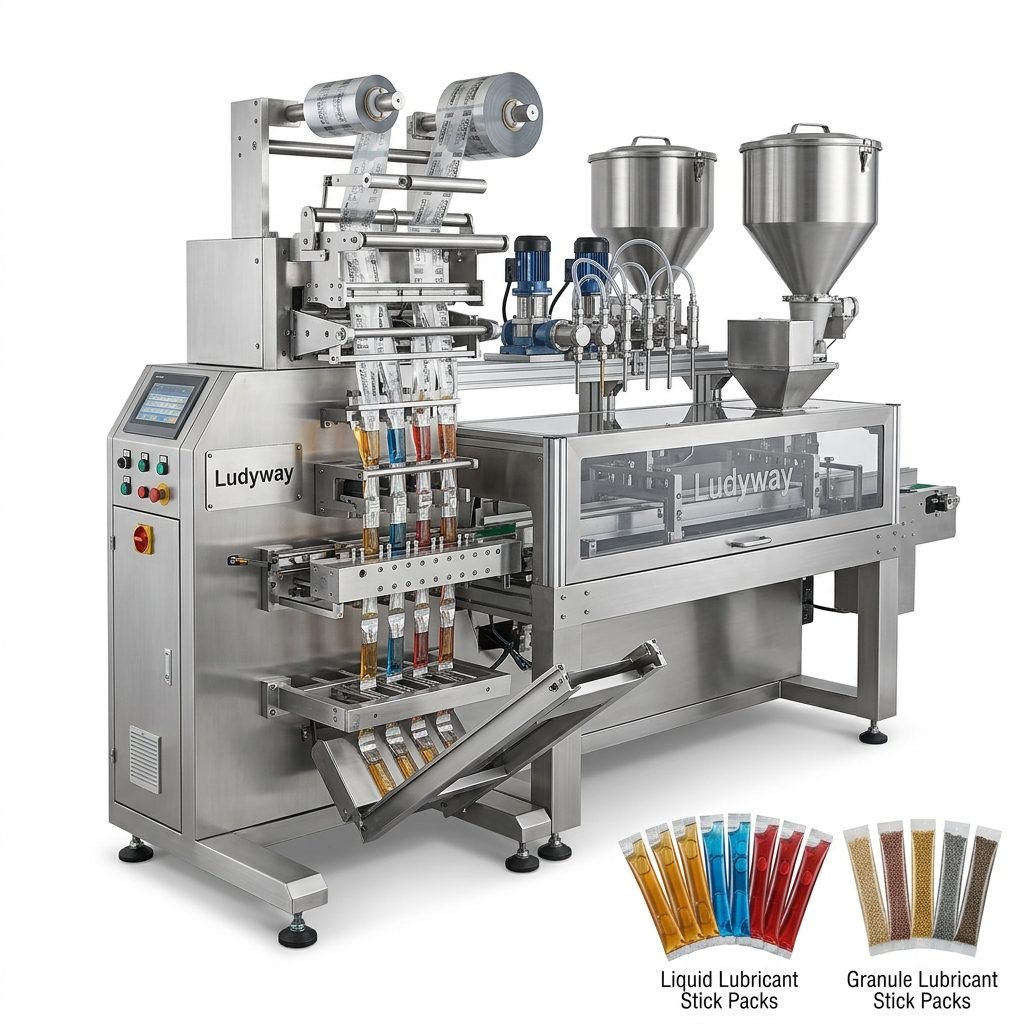
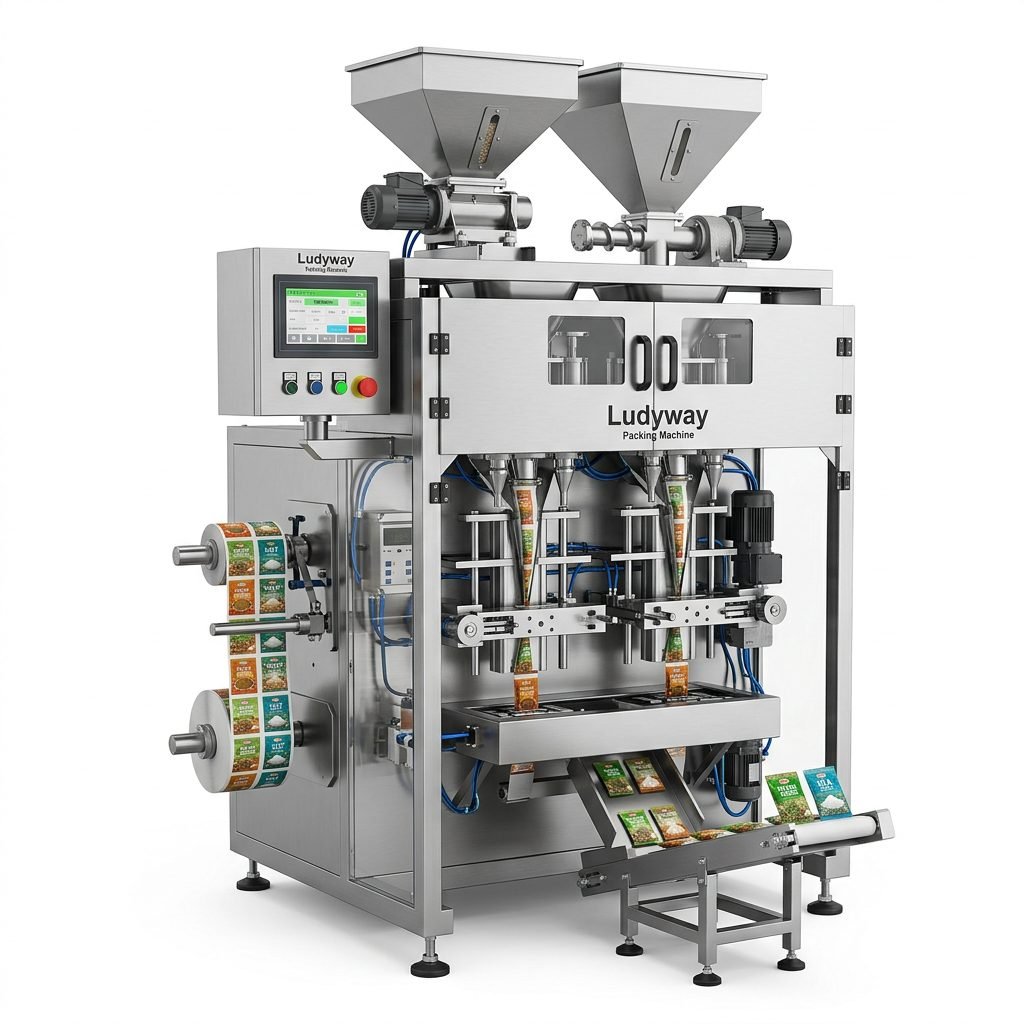
Multi-lane stick pack systems represent the gold standard for seasoning manufacturers serving food service companies and retail chains. These machines simultaneously form, fill, and seal 4 to 16 lanes of sachets, delivering exceptional throughput in steps. Servo-driven film feeding and precision auger or volumetric fillers ensure accurate dosing for both free-flowing and non-free-flowing powders.
- Production speeds of 400-1,200 sachets per minute depending on lane count
- Fill accuracy typically ±1-2% for consistent portion control
- Quick-change tooling for different sachet widths and lengths
- Integrated nitrogen flushing for oxygen-sensitive seasoning blends
Auger Fillers and Weighing Systems
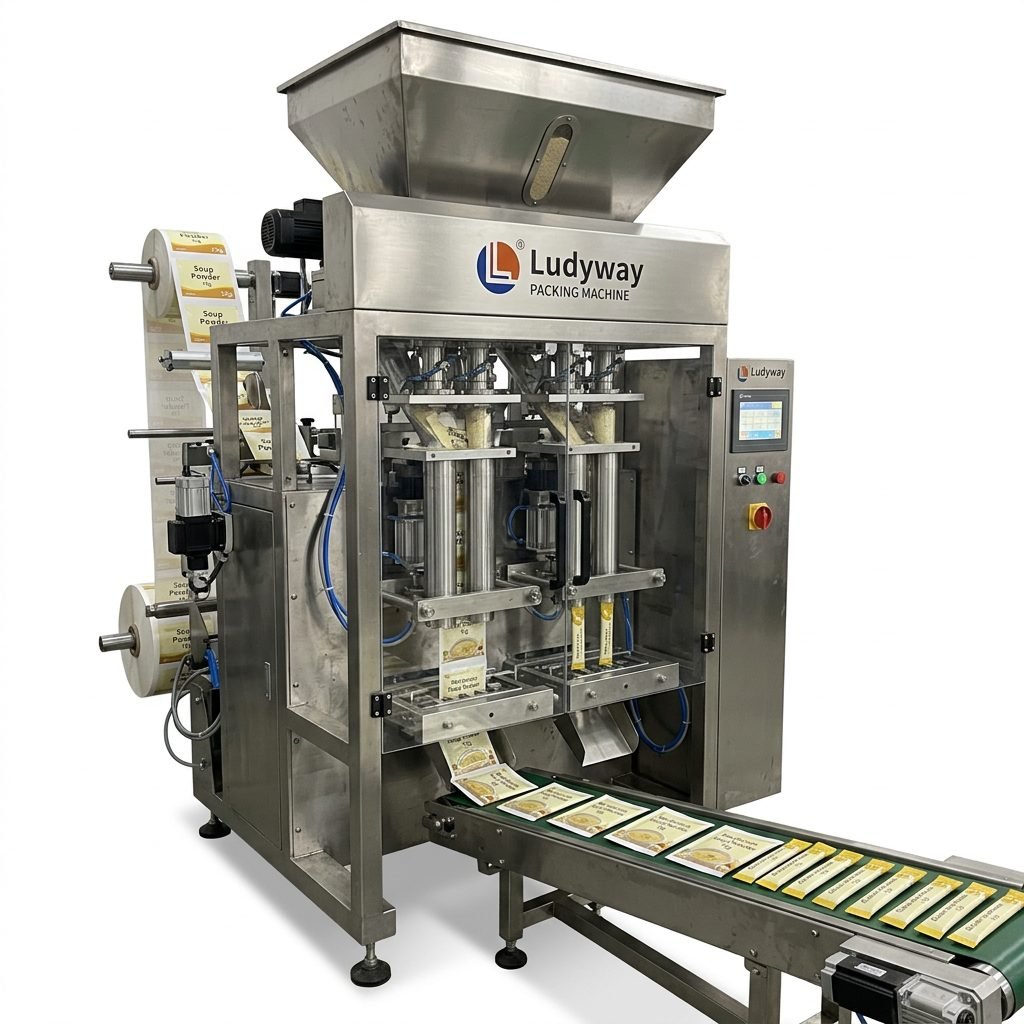
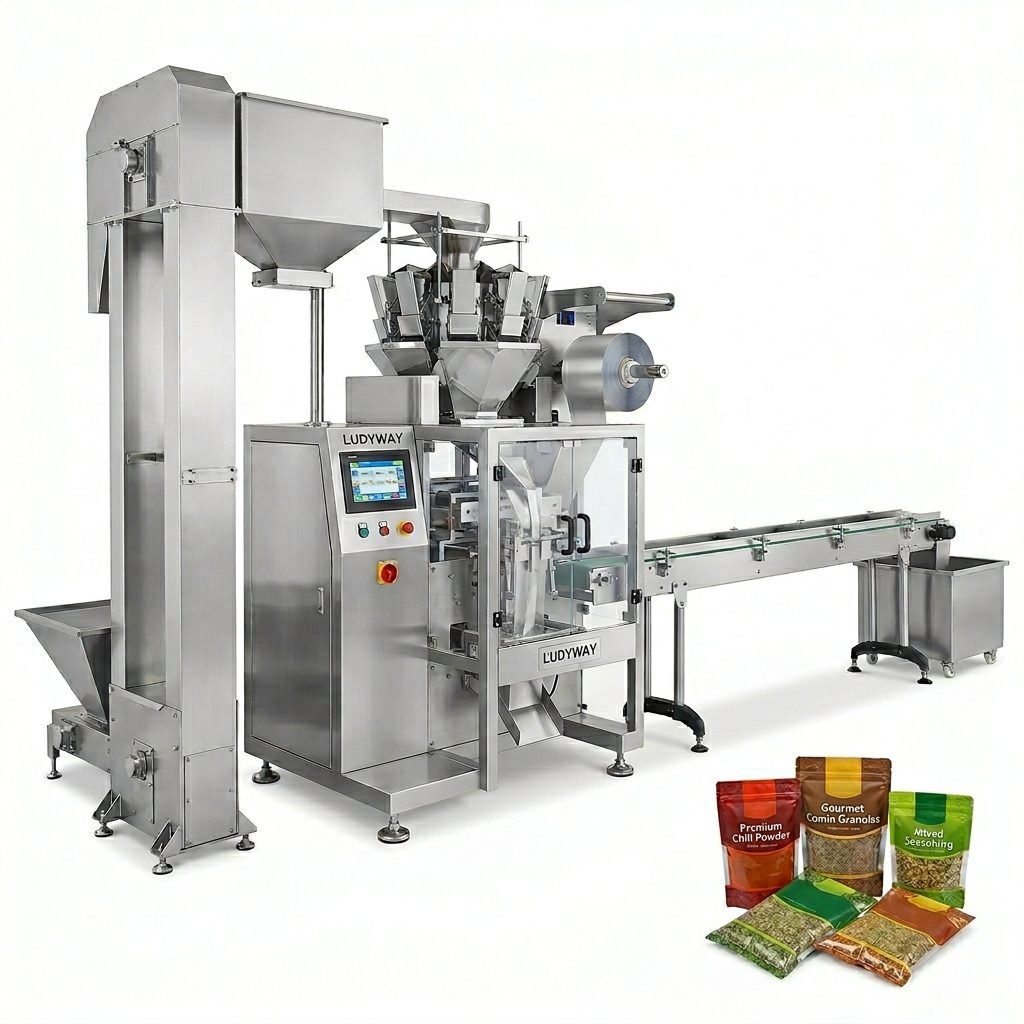
The filling system is arguably the most critical component of your seasoning packaging line. Servo-driven auger fillers excel at handling fine powders and granular blends with exceptional accuracy. For products with irregular particle sizes or valuable ingredients like saffron or truffle powder, multi-head combination weighers offer superior weight control and minimize product give-away.
When selecting your filling technology, consider the bulk density and flow characteristics of your seasoning blends. Products like garlic powder, onion powder, and fine salt flows differently than coarse pepper flakes or herb mixes. Your equipment partner should conduct product trials to validate filling performance before final machine specification.
Complementary Equipment for a Complete Turnkey Line
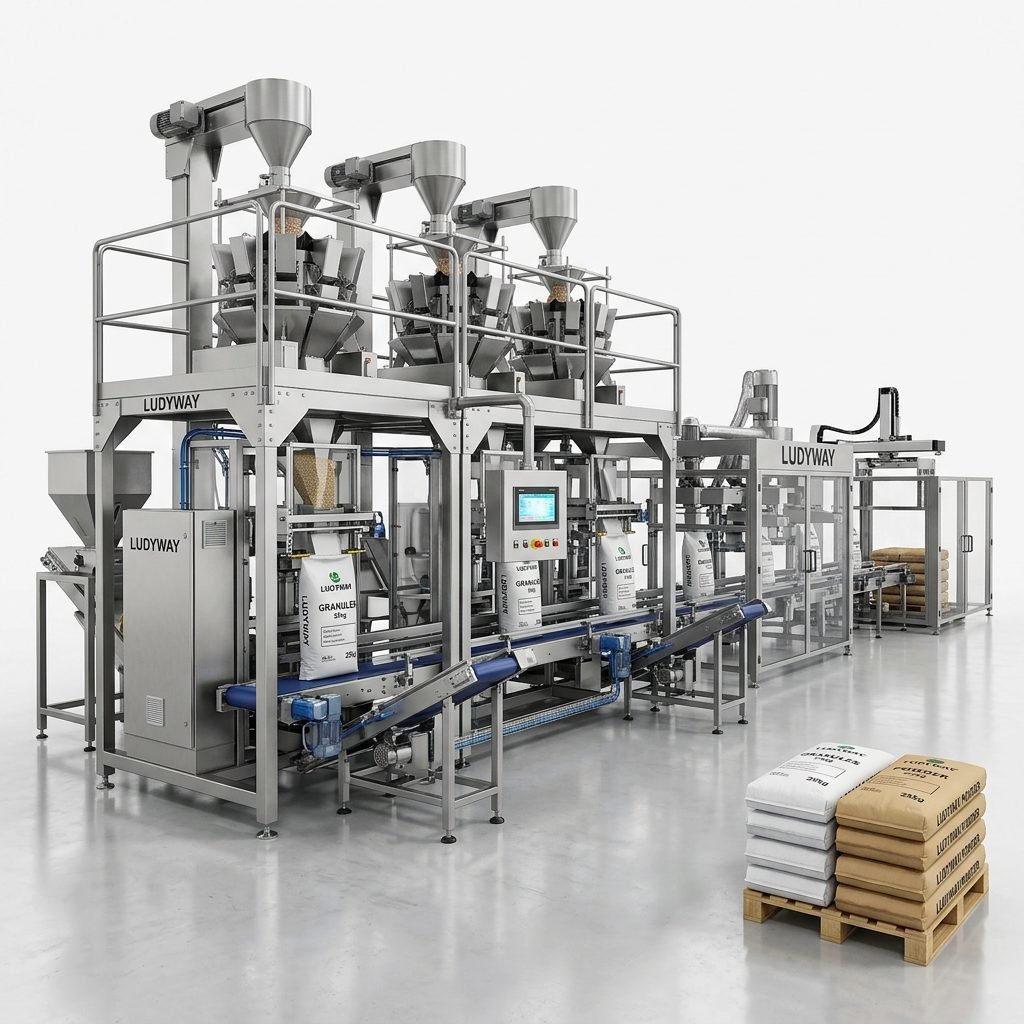
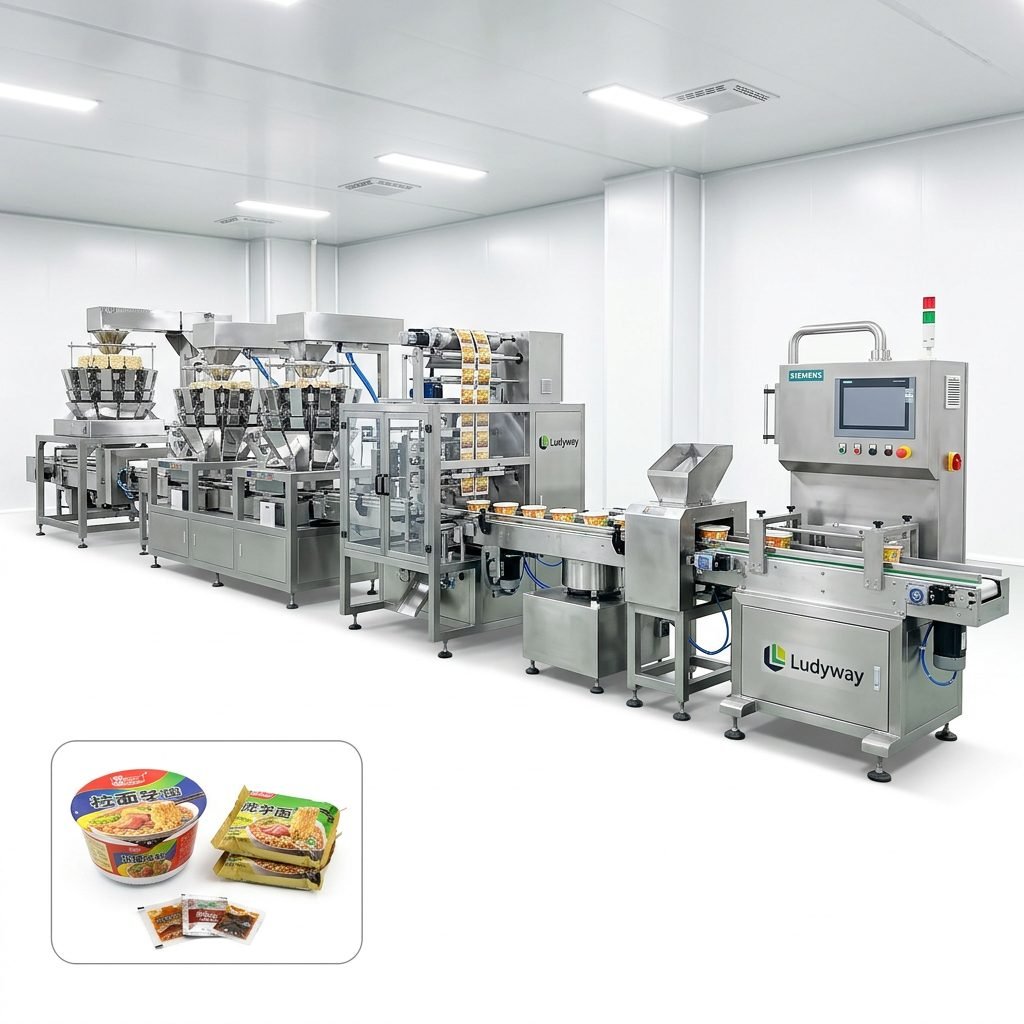
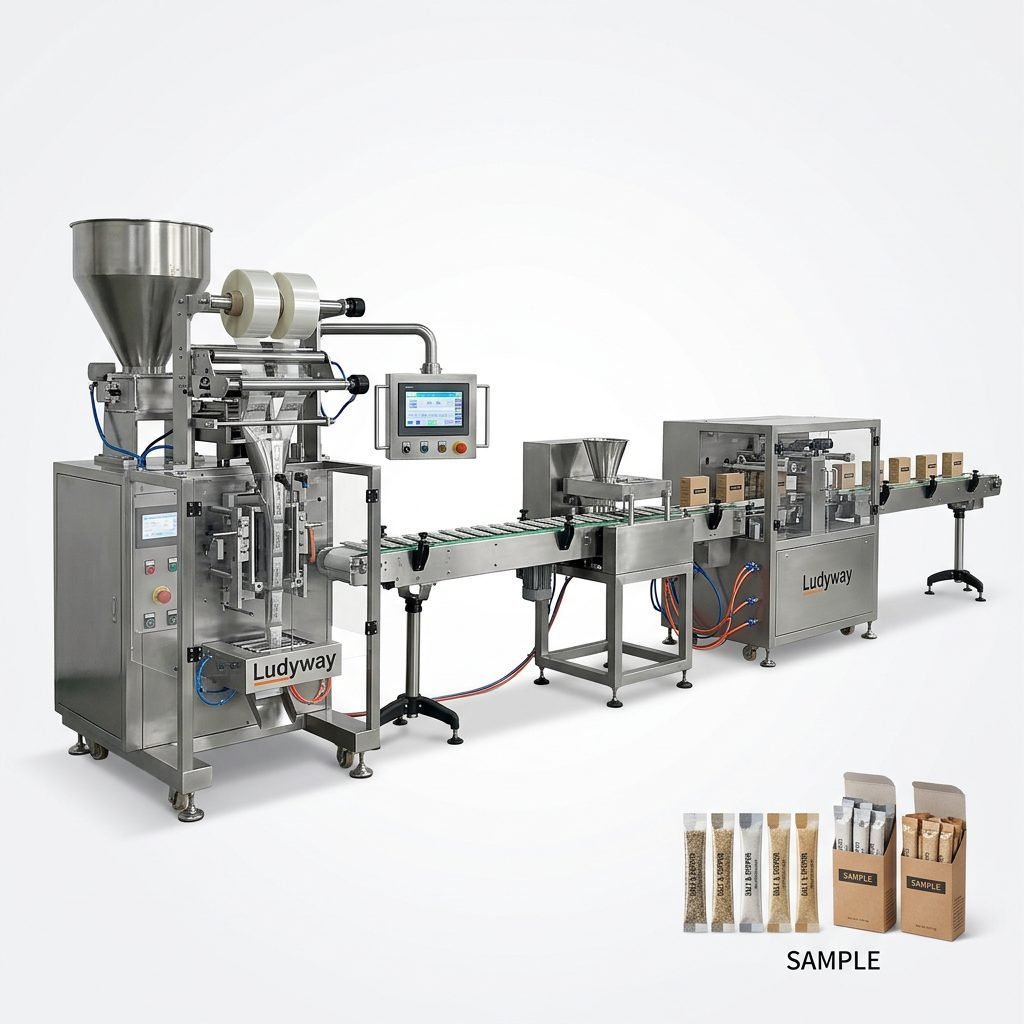
A truly efficient production line extends far beyond the primary packaging machine. Ancillary equipment for material handling, inspection, secondary packaging, and end-of-line automation creates a seamless flow from bulk ingredients to palletized finished goods. Investing in a turnkey packaging line from a single experienced supplier simplifies project management and ensures system integration.
Material Handling and Feeding Systems
Bulk seasoning blends must be delivered to the packaging machine consistently and without segregation. Inclined conveyors, bucket elevators, and vacuum feeding systems transport product from bulk storage or mixing vessels to the filler hopper. Level sensors and automated refill controls maintain optimal product levels, preventing machine starvation or overfilling.
Inspection and Quality Control Equipment
U.S. retailers and food service customers demand zero-defect packaging. Checkweighers verify every sachet meets target weight specifications, automatically rejecting underweight or overweight products. Metal detectors and X-ray inspection systems identify foreign contaminants, protecting your brand reputation and ensuring compliance with Hazard Analysis Critical Control Point (HACCP) programs.
Secondary Packaging and End-of-Line Automation
Once sachets exit the primary machine, they proceed to cartoning, case packing, and palletizing stations. Automatic cartoners group sachets into retail-ready boxes, while case packers load filled boxes into shipping cases. Robotic palletizers stack cases onto pallets with consistent precision, preparing loads for stretch wrapping and warehouse storage.
| Equipment Type | Function | Typical Configuration |
|---|---|---|
| Vacuum Feeder | Transfers bulk powder to filler hopper | Stainless steel, food-grade hoses, dust-tight seals |
| Checkweigher | Verifies individual sachet weight | High-speed dynamic weighing, reject station |
| Metal Detector | Detects ferrous and non-ferrous contaminants | Conveyor-mounted, automatic rejection |
| Cartoner | Loads sachets into retail cartons | Hot-melt glue closing, date coding integration |
| Case Packer | Wraps cartons into shipping cases | Pick-and-place robotic or mechanical loading |
| Palletizer | Stacks cases onto pallets | Articulated robot or layer-forming palletizer |
Navigating U.S. Regulatory Compliance for Food Packaging
Your seasoning packaging line must comply with multiple layers of federal and state regulations. The FDA Food Safety Modernization Act (FSMA) emphasizes preventive controls and requires documented food safety plans. Your equipment must be constructed from food-grade materials, designed for effective cleaning and sanitation, and capable of operating within validated process parameters.
Material Compliance and Documentation
All product contact surfaces must be manufactured from 304 or 316L stainless steel with appropriate surface finishes. Sealing materials and gaskets require FDA-compliant food-grade certifications. Maintain comprehensive documentation including material certificates, equipment qualification protocols, and preventive maintenance records to satisfy auditor requirements.
Labeling and Coding Requirements
U.S. food labeling regulations mandate specific information on every consumer package, including net weight, ingredient declaration, nutrition facts panel, and allergen statements. Thermal transfer printers and laser coders apply lot codes, best-by dates, and barcodes directly onto sachets during production. Your coding system must integrate with the packaging machine’s motion control to ensure accurate placement on every unit.
Installation, Commissioning, and Operator Training
Proper installation sets the foundation for years of reliable production. Work with your equipment supplier to develop a detailed site preparation checklist covering utility connections, floor anchoring requirements, and material staging areas. Factory acceptance testing (FAT) before shipment and site acceptance testing (SAT) after installation confirm that all specifications are met.
Comprehensive operator training is essential. Your team should understand machine operation, routine maintenance procedures, changeover protocols, and basic troubleshooting. Many manufacturers, including Ludyway, provide on-site training and detailed documentation to accelerate the learning curve and minimize production disruptions during the ramp-up phase.
Preventive Maintenance and Spare Parts Strategy
Develop a preventive maintenance schedule based on the manufacturer’s recommendations and your production intensity. Stock critical spare parts such as sealing jaws, cutting blades, belts, sensors, and pneumatic components to minimize downtime. Establish a relationship with a U.S.-based service provider for rapid technical support when unexpected issues arise.
Calculating Return on Investment and Production Economics
The financial case for a new seasoning packaging line rests on several key metrics. Calculate your total cost of ownership (TCO) including equipment purchase, installation, training, maintenance, and consumables such as packaging film and spare parts. Compare the per-unit packaging cost of the new automated line against your current method, factoring in labor savings, reduced waste, and increased throughput.
Typical payback periods for well-designed seasoning packaging lines range from 18 to 36 months, depending on production volume and product value. Higher-value products like organic seasoning blends or specialty spice mixes with strong retail margins accelerate the return. Additionally, the ability to fulfill large food service contracts that were previously out of reach can transform your business growth trajectory.
Packaging Film and Consumable Optimization
Packaging film represents a significant ongoing cost. Multi-layer laminated films with barrier properties protect seasoning products from moisture and oxygen, but material selection impacts both cost and machine performance. Work with film suppliers to qualify materials that balance protection, seal integrity, and running efficiency on your specific machine configuration.
Common Challenges and How to Overcome Them
Even well-planned seasoning packaging lines encounter challenges during startup and ongoing operation. Understanding these common issues helps you prepare mitigation strategies and respond effectively when problems arise.
- Powder bridging in hoppers: Install mechanical agitators or vibratory assist devices to maintain consistent product flow into the filler
- Seal integrity issues: Verify sealing temperature, pressure, and dwell time parameters through regular testing and adjust for film variations
- Fill weight drift: Implement real-time feedback control from checkweighers to automatically adjust filler setpoints
- Dust contamination: Use enclosed product pathways and dust extraction at critical transfer points
- Changeover efficiency: Document standard operating procedures and use quick-release tooling for rapid format changes
Building Your Seasoning Packaging Line: A Practical Roadmap
Transforming your seasoning production operation begins with a clear, actionable plan. Follow this structured approach to move from concept to full-scale production:
Phase 1: Assessment and Specification
Define your target products, package formats, production volumes, and budget parameters. Conduct product characterization studies to understand filling behavior. Visit reference installations to observe similar equipment in real production environments. Develop a detailed user requirement specification (URS) that documents all technical and performance expectations.
Phase 2: Supplier Selection and Validation
Evaluate packaging machine manufacturers based on their experience with seasoning products, U.S. installations, after-sales support capabilities, and technological innovation. Request product trials using your actual seasoning blends. Compare proposals not only on purchase price but on total lifecycle value including energy efficiency, changeover speed, and expected service life.
Phase 3: Implementation and Optimization
Coordinate equipment delivery with facility modifications. Execute a methodical installation and commissioning plan with documented checkpoints. Run initial production at conservative speeds while operators gain proficiency, then systematically increase throughput toward design capacity. Establish key performance indicators (KPIs) such as overall equipment effectiveness (OEE) and track improvement over the first six months of operation.
For expert guidance on building a complete seasoning packaging production line in the USA, explore comprehensive resources from PMMI Business Intelligence and industry standards from FDA Food Packaging.