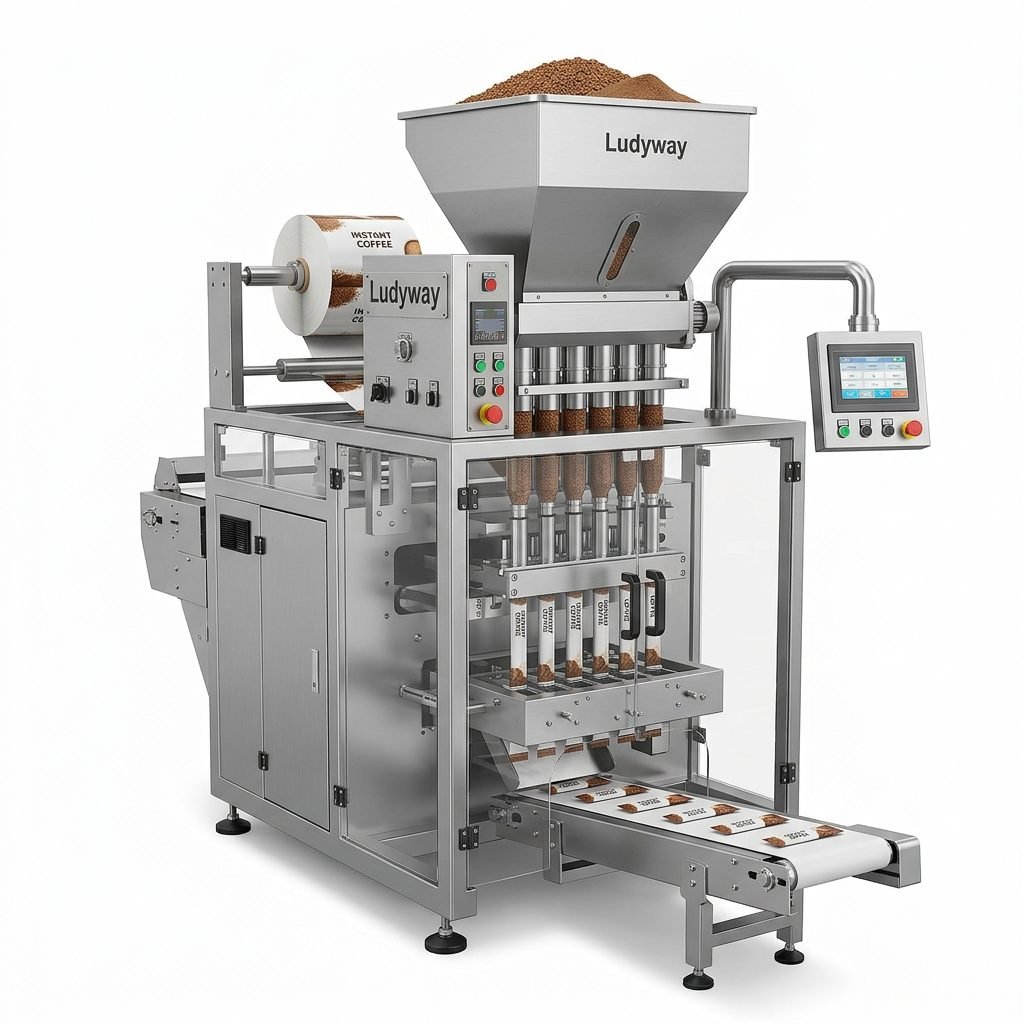
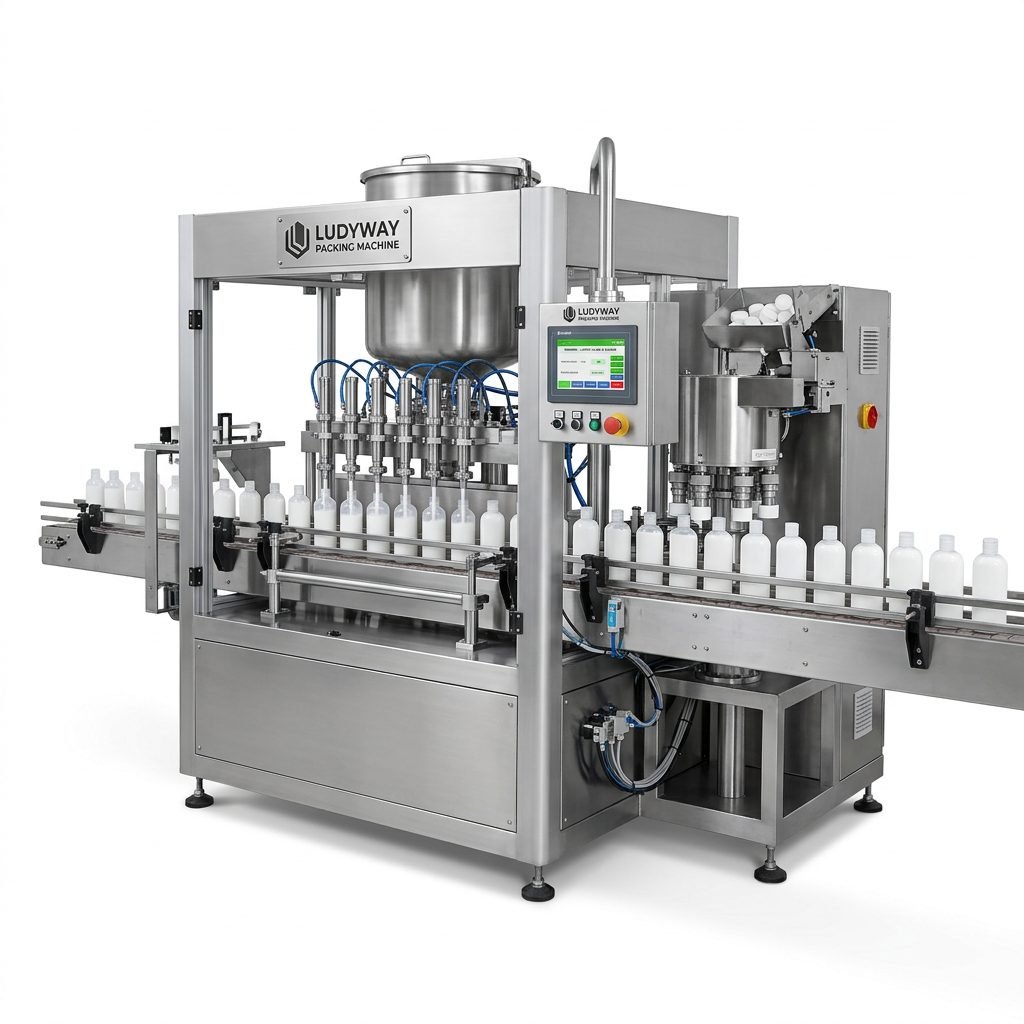
India’s food processing sector is experiencing unprecedented growth, driven by rising disposable incomes, urbanization, and changing consumer preferences. Sauces, chutneys, ketchup, mayonnaise, and ready-to-eat condiments are no longer luxury items but everyday essentials in Indian households. For entrepreneurs and manufacturers looking to enter or scale in this market, setting up a small sauce packaging machine production line is a strategic move that can yield significant returns. This comprehensive guide walks you through every step of the process — from market understanding to equipment selection, layout planning, regulatory compliance, and operational optimization.
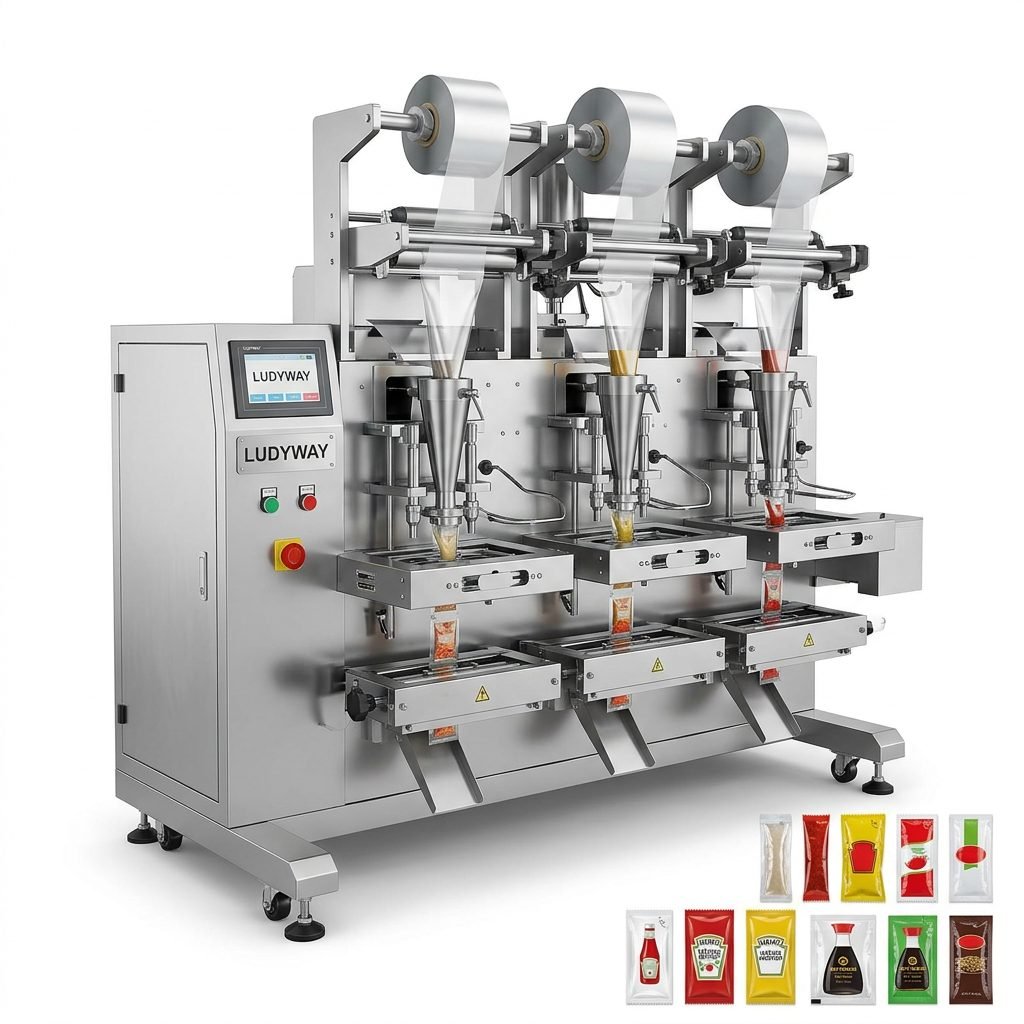
Understanding the Indian Sauce Packaging Market
The Indian sauce and condiment market is projected to grow at a CAGR of over 8% in the coming years. Several factors make this an opportune time to invest in a sauce packaging line:
- QSR and Cloud Kitchen Expansion: Quick-service restaurants and cloud kitchens demand consistent, portion-controlled sauce sachets for delivery orders. This segment alone drives massive demand for small-format packaging.
- Retail Penetration in Tier-2 and Tier-3 Cities: As organized retail expands beyond metropolitan areas, branded sauce sachets and pouches are reaching smaller towns, creating new markets for packaged condiments.
- Export Potential: Indian-made sauces, particularly ethnic varieties like tamarind chutney, mint sauce, and pickles, have growing international demand. A well-set-up packaging line ensures your products meet FDA food packaging standards for export markets.
- Shift Toward Single-Serve Formats: Indian consumers increasingly prefer single-serve sachets for affordability, portion control, and convenience — exactly what a small sauce packaging machine specializes in producing.
Types of Small Sauce Packaging Machines
Before setting up your production line, it is essential to understand the different machine types available. Each serves a specific packaging format and production scale. The table below summarizes the most common options for sauce packaging in India:
| Machine Type | Packaging Format | Typical Output | Best Suited For |
|---|---|---|---|
| Single-Lane Sachet Machine | 3-side seal / 4-side seal sachets | 40–80 packs/min | Startups, small batches |
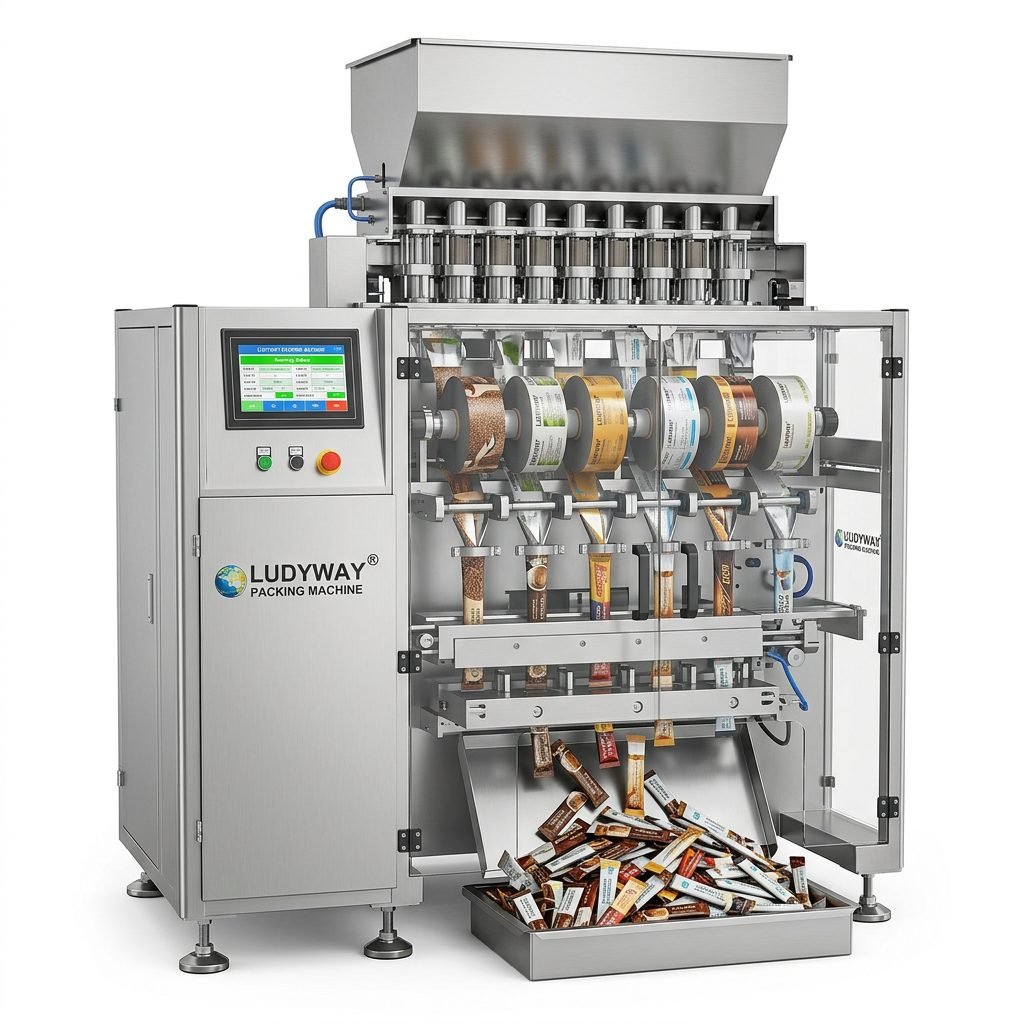
| Multi-Lane Sachet Machine | Multiple sachets simultaneously | 200–600 packs/min | Mid to large-scale production |
| Stick Pack Machine | Narrow stick-shaped pouches | 150–400 packs/min | Single-serve liquid sauces |
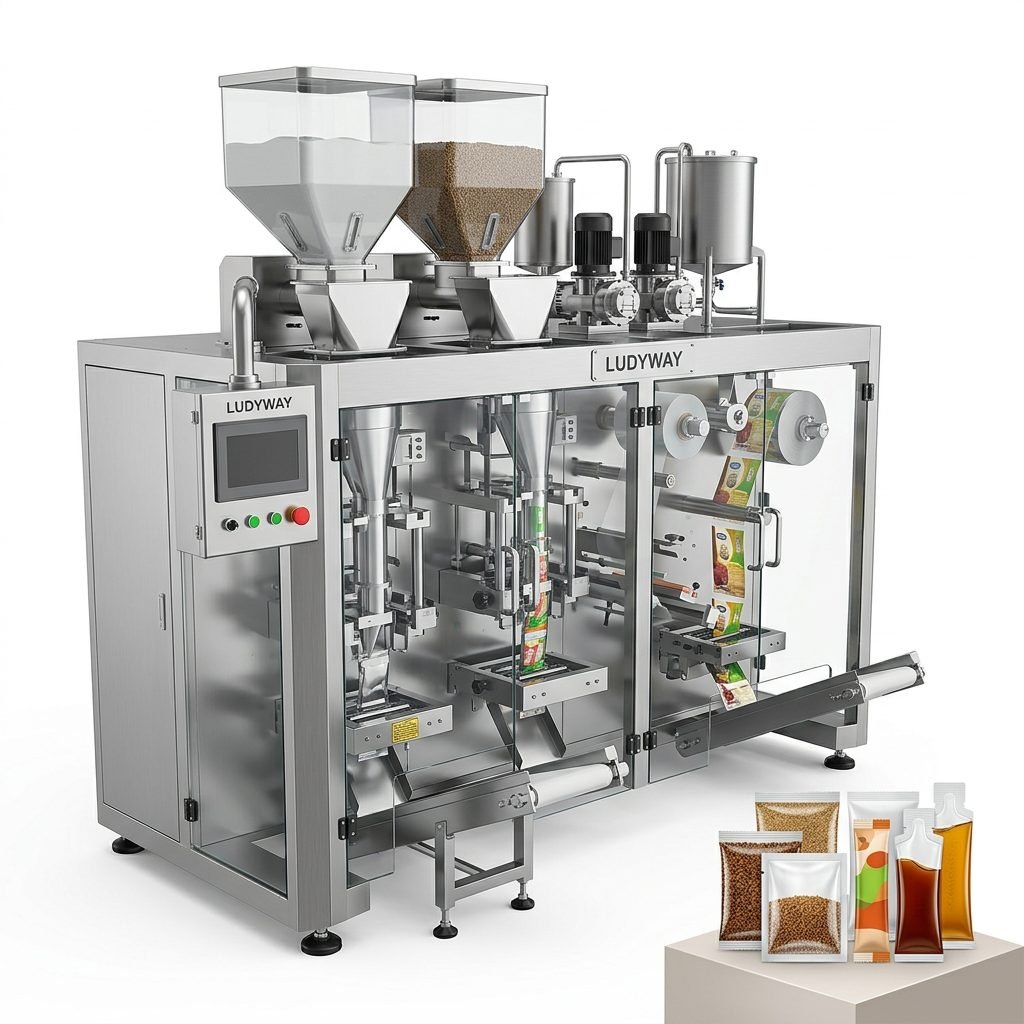
| Premade Pouch Filling Machine | Stand-up pouches, spout pouches | 30–60 packs/min | Premium retail packaging |
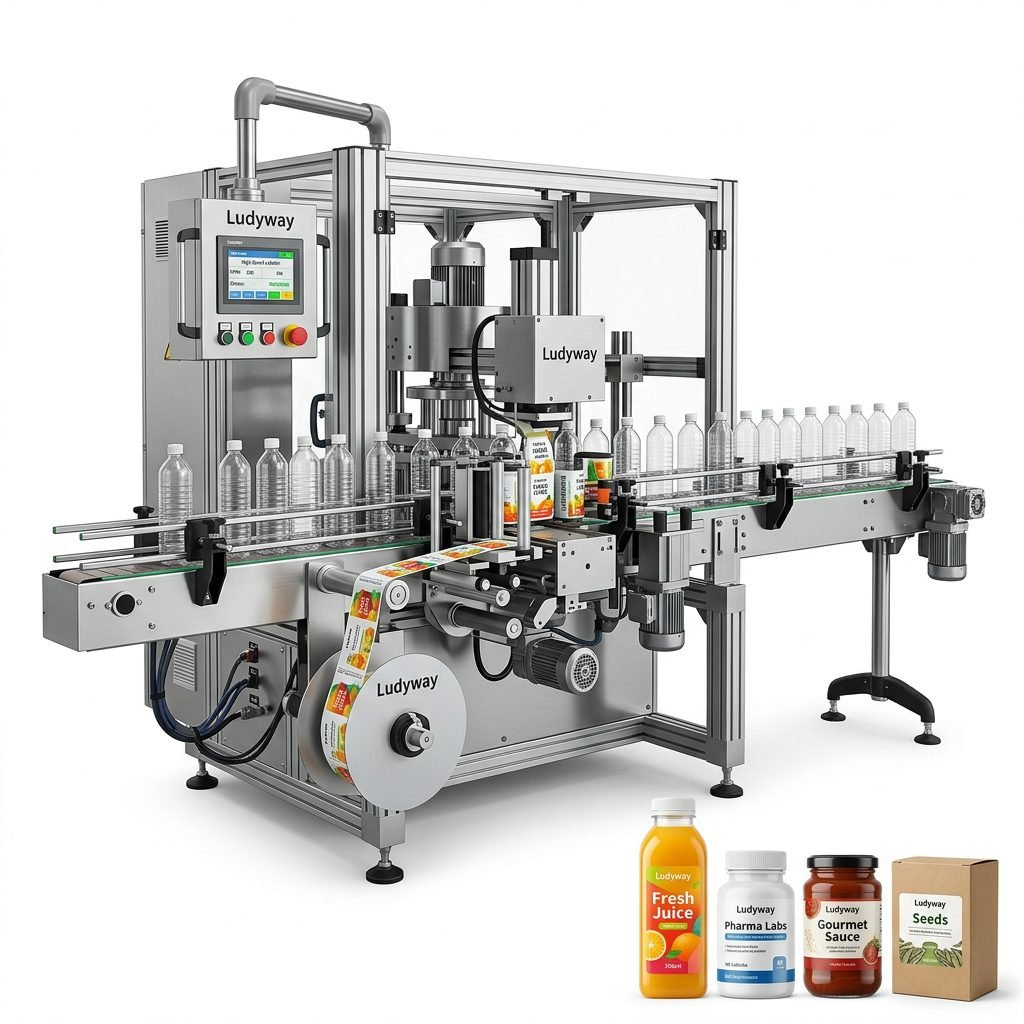
| Bottle Filling & Capping Line | Glass/plastic bottles | 20–100 bottles/min | Tabletop sauces, larger volumes |
Step-by-Step Guide to Setting Up Your Sauce Packaging Line
Step 1: Define Your Product and Packaging Specifications
Begin by clearly defining what you will package. Sauce viscosity — whether thin like soy sauce or thick like mayonnaise — directly impacts the type of filling system required. Thin, free-flowing sauces work well with gravity-based fillers, while thick, chunky sauces require positive displacement piston fillers. Also determine your target sachet or pouch size, material (laminated film, aluminum foil, or multi-layer barrier film), and desired shelf life. These decisions will guide every subsequent equipment choice.
Step 2: Calculate Required Production Capacity
Estimate your daily or monthly production targets. If you aim to produce 50,000 sachets per day with an 8-hour shift, you need a machine capable of at least 105 sachets per minute (accounting for 20% downtime). This calculation is critical — industry benchmarking data from PMMI consistently shows that undersized equipment is a top cause of production bottlenecks in food packaging operations.
Step 3: Select Core Equipment
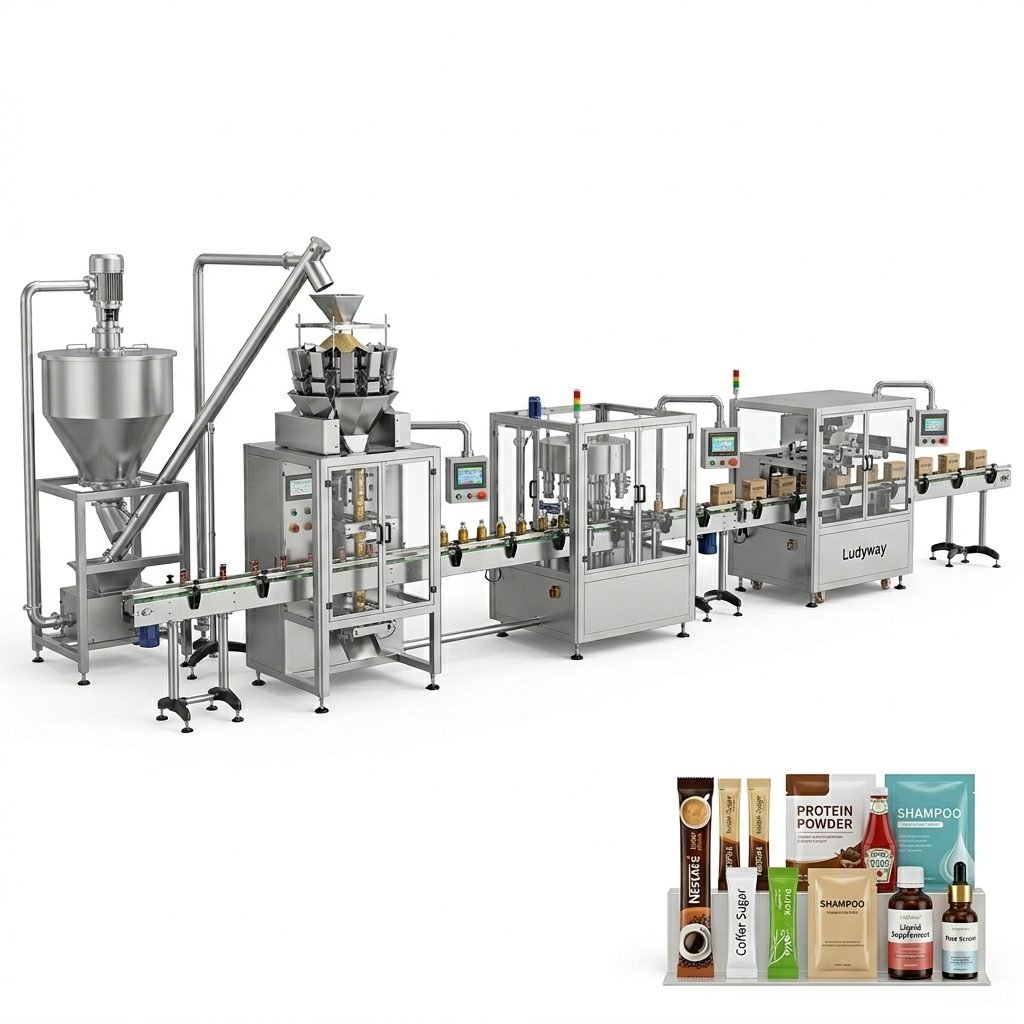
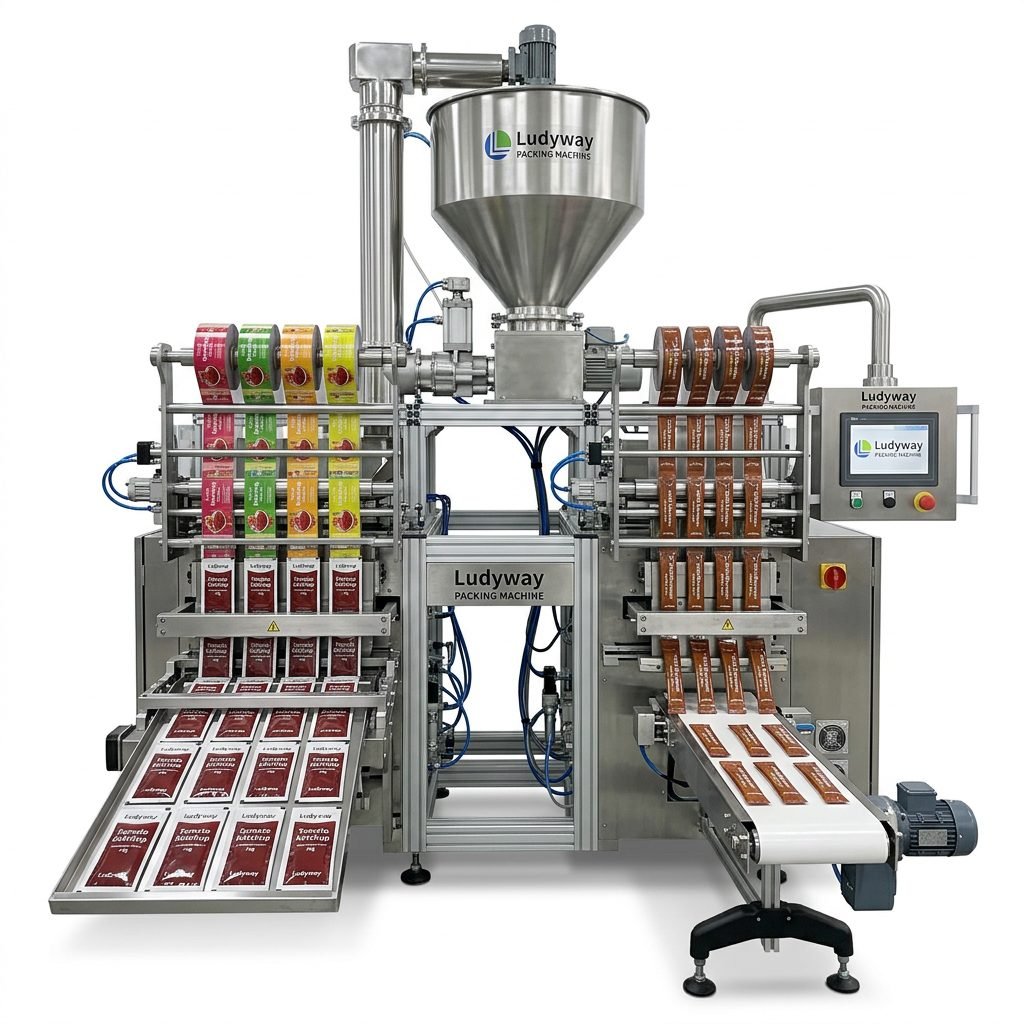
A complete small sauce packaging line typically consists of the following equipment modules. Use this checklist when sourcing machinery:
- Liquid Filling Machine: The heart of your line. Choose between piston fillers (ideal for thick sauces and pastes), gravity fillers (for thin, free-flowing liquids), or peristaltic pump fillers (for precise, hygienic applications).
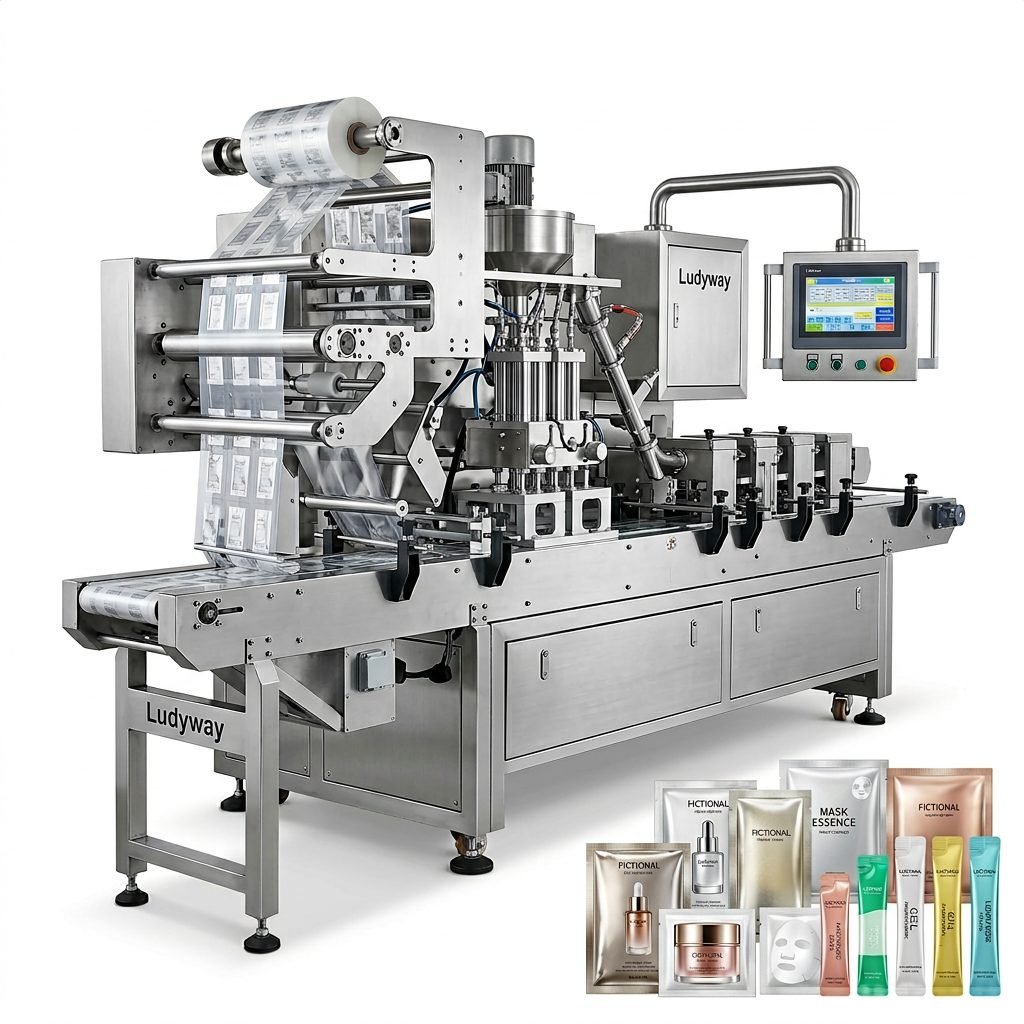
- Vertical Form Fill Seal (VFFS) Machine or Sachet Packing Machine: This forms the pouch from roll film, fills it with sauce, and seals it. Multi-lane versions dramatically increase throughput.
- Conveyor System: Transports filled pouches through subsequent stations. Ensure the conveyor material is food-grade and easy to clean.
- Date Coding or Printing Machine: For batch numbers, manufacturing dates, and expiry dates — mandatory for regulatory compliance in India under FSSAI guidelines.
- Checkweigher: Rejects underfilled or overfilled pouches, ensuring consistency and reducing product giveaway losses.
- Cartoning or Case Packing Machine (Optional): For secondary packaging, especially if you supply retail chains.
Step 4: Design the Production Floor Layout
An efficient layout minimizes material movement, reduces contamination risks, and improves worker productivity. Consider the following zoning principles based on food safety standards aligned with ISO packaging standards:
- Raw Material Receiving Zone: Separate from the production area. Store packaging film and bulk sauce in designated, temperature-controlled areas.
- Production Zone: A clean, enclosed area where the filling and sealing take place. Maintain positive air pressure to keep contaminants out.
- Finished Goods Zone: For storing packed products before dispatch. Keep this area dry and away from direct sunlight.
- Utility Zone: Air compressors, vacuum pumps, and other support equipment should be placed away from the production line to minimize noise and contamination.
Step 5: Ensure Regulatory Compliance and Certifications
In India, food packaging operations must comply with FSSAI (Food Safety and Standards Authority of India) regulations. Additionally, if you plan to export, familiarize yourself with international standards. Key certifications and registrations include:
- FSSAI License: Mandatory for all food businesses in India. Apply for a state or central license depending on your turnover.
- GMP (Good Manufacturing Practices): Implement GMP protocols for hygiene, equipment maintenance, and personnel training.
- HACCP (Hazard Analysis and Critical Control Points): Identify critical control points in your packaging process — especially sealing temperature and fill accuracy — to prevent food safety hazards.
- BIS Standards: For certain product categories, BIS certification may be required. Check the specific standards for your sauce type.
Key Technical Considerations for Sauce Packaging
Sauce packaging presents unique challenges compared to dry product packaging. Addressing these upfront will save you costly downtime and product waste:
| Challenge | Impact on Packaging | Recommended Solution |
|---|---|---|
| Product Foaming | Inconsistent fill levels, seal contamination | Use bottom-up filling nozzles; add de-foaming agents if permitted |
| Temperature Sensitivity | Viscosity changes affect fill accuracy | Install jacketed hoppers with temperature control for hot-fill sauces |
| Seal Integrity | Leaking pouches, reduced shelf life | Use multi-layer barrier films; regularly calibrate sealing jaws |
| Product Residue on Seal Area | Weak seals, contamination | Install drip-free nozzles and seal area cleaners |
| Pouch Bursting During Transport | Product loss, customer complaints | Optimize headspace in pouch; use reinforced film for larger formats |
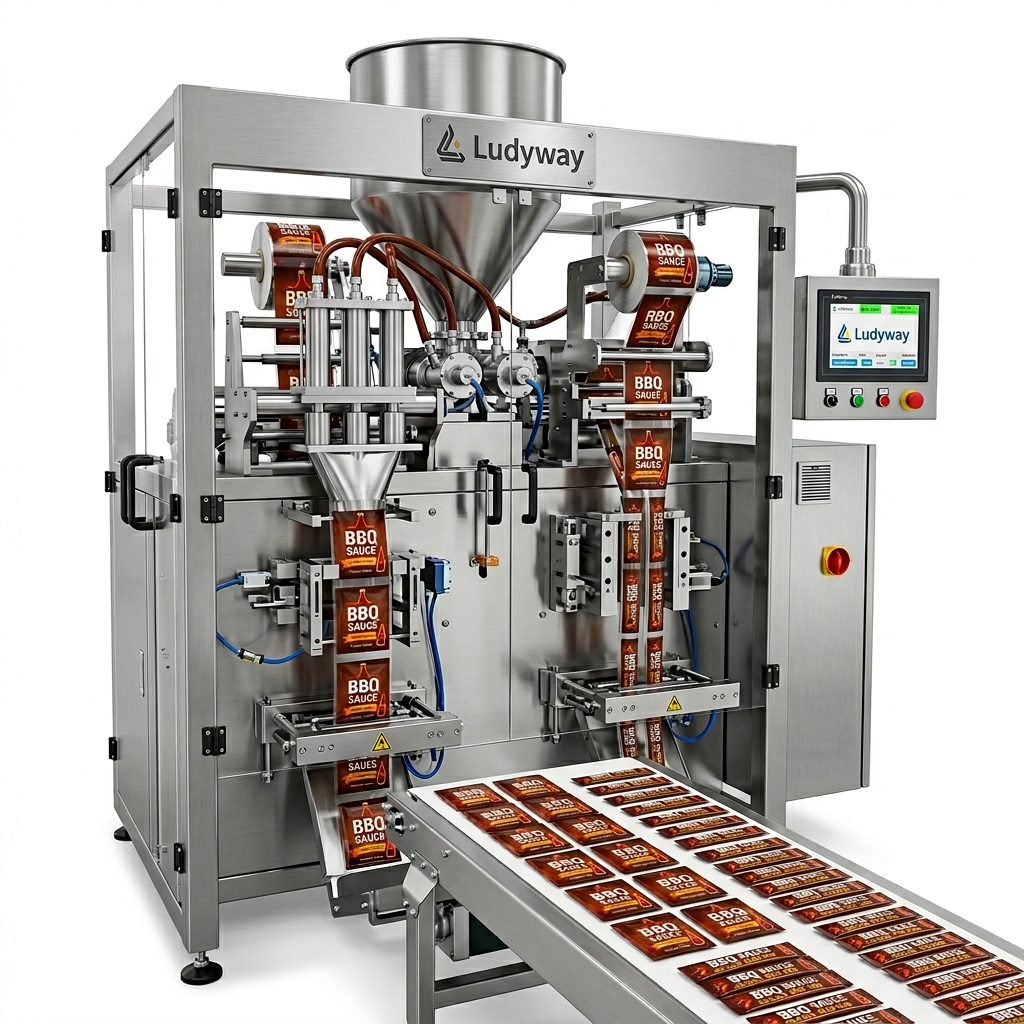
Cost Breakdown for a Small Sauce Packaging Line in India
Setting up a sauce packaging line involves both capital and operational expenditures. The table below provides estimated ranges for a small to medium-scale operation in the Indian market. Actual costs vary based on automation level, machine origin, and customization requirements. Refer to PMMI’s State of the Industry reports for broader packaging machinery investment trends.
| Cost Component | Estimated Range (INR) | Notes |
|---|---|---|
| Sachet/Stick Pack Machine (Single-Lane) | ₹3,00,000 – ₹8,00,000 | Basic model suitable for startups |
| Multi-Lane Sachet Machine (4–12 lanes) | ₹12,00,000 – ₹35,00,000 | Higher output; faster ROI for medium-scale units |
| Liquid Filling System (Piston/Gravity) | ₹1,50,000 – ₹5,00,000 | Depends on number of heads and automation level |
| Conveyor & Auxiliary Equipment | ₹1,00,000 – ₹3,00,000 | Includes date coder, checkweigher integration |
| Installation & Training | ₹50,000 – ₹1,50,000 | Often included by reputable suppliers |
| Total Estimated CAPEX | ₹6,00,000 – ₹50,00,000+ | Varies significantly based on configuration |
Sourcing Quality Packaging Machines: What to Look For
When evaluating machine suppliers for your sauce packaging line, prioritize these factors over the lowest price alone:
- Food-Grade Construction: All contact parts must be SUS304 or SUS316 stainless steel to prevent corrosion from acidic sauces and enable proper sanitation.
- After-Sales Support in India: Local service availability is crucial. Confirm whether the supplier has technicians, spare parts inventory, or service partners within India to minimize downtime.
- Flexible Packaging Material Compatibility: Your machine should handle various film types — PET/PE, AL/PE, and biodegradable laminates — to give you supply chain flexibility. This aligns with sustainable packaging trends tracked by the Flexible Packaging Association.
- SCADA or IoT Integration: Modern machines with remote monitoring capabilities allow you to track OEE (Overall Equipment Effectiveness), predict maintenance needs, and reduce unplanned downtime.
- Warranty and Spare Parts: A minimum 12-month warranty with clearly defined spare parts availability is standard for quality equipment.
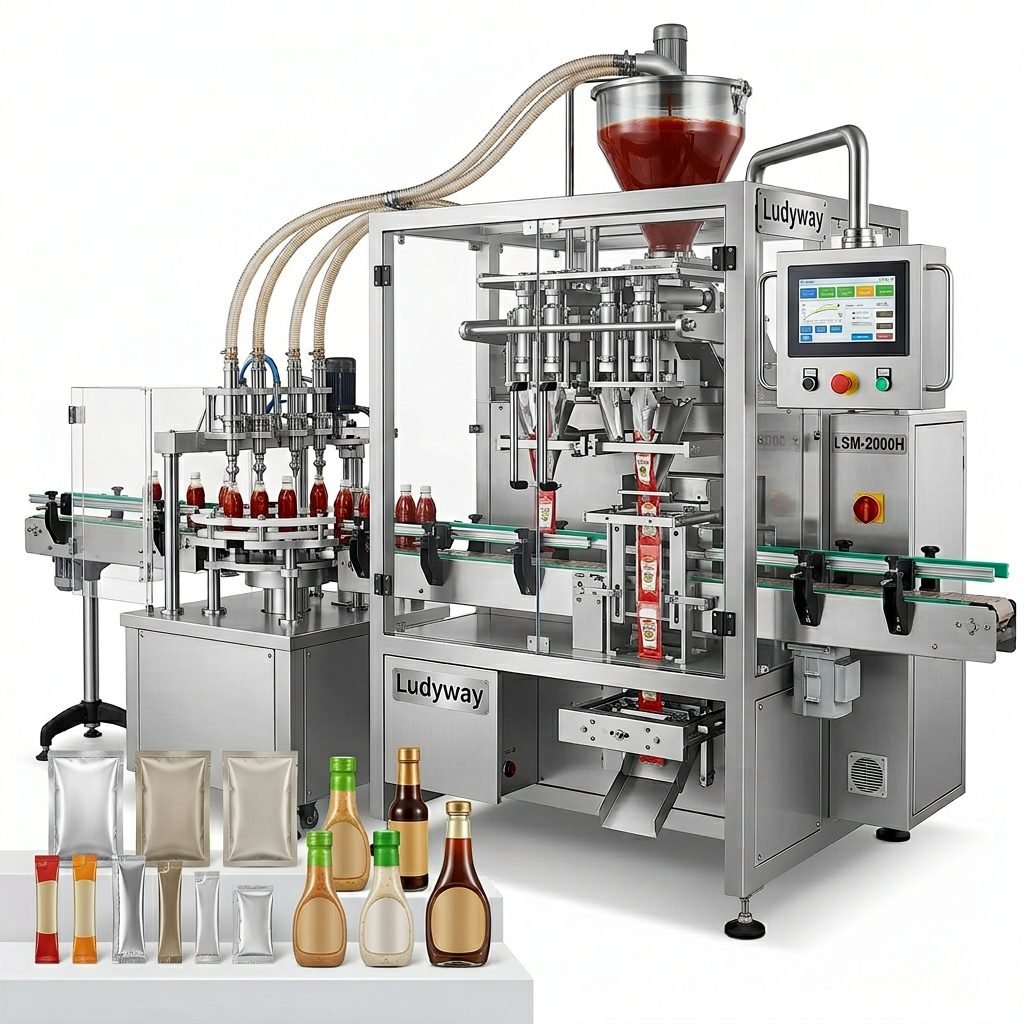
Common Mistakes to Avoid When Setting Up a Sauce Packaging Line
Learning from others’ missteps can save you significant time and money. Here are the most frequent mistakes made by first-time sauce packaging line operators in India:
- Underestimating Sauce Viscosity: Assuming all pumps and fillers work the same for different sauce types leads to fill inaccuracies. Always test the machine with your actual product before purchase.
- Ignoring Humidity and Temperature Control: High humidity in coastal regions of India can cause film wrinkling and poor sealing. Install dehumidifiers in your production area if located in Mumbai, Chennai, or Kolkata.
- Skipping Operator Training: Even the best machine underperforms with untrained operators. Budget for comprehensive training during installation.
- Overlooking Secondary Packaging: Sachets need proper cartoning for retail distribution. Include a cartoning station in your layout from day one rather than retrofitting it later.
- Neglecting Preventive Maintenance Schedules: Establish a maintenance calendar immediately. Seal jaw replacements, pump seal checks, and conveyor belt tensioning should be scheduled, not reactive.
Leveraging Turnkey Solutions for Faster Setup
For many entrepreneurs in India, sourcing individual machines from multiple vendors and integrating them can be time-consuming and technically challenging. Turnkey packaging line providers — such as Ludyway, one of the largest packaging machine manufacturers in China with over 30 years of industry experience — offer integrated solutions that include all equipment, installation, and training. A turnkey approach ensures all components are designed to work together seamlessly, reducing integration headaches and accelerating your time to market. When evaluating turnkey providers, confirm their experience with sauce and liquid packaging specifically, and request references from Indian customers if available.
Maintenance and Operational Best Practices
Once your line is operational, consistent maintenance and operational discipline will maximize equipment lifespan and product quality:
- Daily CIP (Clean-in-Place) Procedures: Sauce residues can harden and harbor bacteria. Implement daily cleaning protocols for all product contact surfaces using food-grade cleaning agents.
- Weekly Seal Integrity Testing: Randomly sample and test pouch seals using a vacuum leak tester or dye penetration test to catch sealing issues early.
- Monthly Calibration: Recalibrate fill volumes, temperature controllers, and checkweighers monthly to maintain accuracy and comply with legal metrology requirements in India.
- Quarterly Preventive Maintenance: Replace wear parts like sealing elements, O-rings, and gaskets on a scheduled basis rather than waiting for failures.
- Annual Professional Service: Engage a qualified technician for thorough annual maintenance, including PLC firmware updates and pneumatic system inspections.
Future-Proofing Your Sauce Packaging Line
The Indian food packaging landscape is evolving rapidly. Building flexibility into your line now will pay dividends as your business grows. Consider these forward-looking strategies:
- Modular Machine Design: Choose machines that allow you to add lanes or upgrade components later without replacing the entire system.
- Film Material Flexibility: As India moves toward plastic waste reduction, ensure your machine can run recyclable mono-material films alongside traditional multi-layer laminates.
- Data Connectivity: Machines with OPC-UA or MQTT protocol compatibility can integrate into future smart factory systems and ERP platforms.
- Format Changeover Ease: If you plan to launch multiple SKUs or packaging formats, prioritize machines with quick-change tooling and recipe storage for fast changeovers.
Setting up a small sauce packaging machine production line in India is a strategic investment that demands careful planning, the right equipment choices, and a commitment to quality and compliance. By following this guide, you can navigate the complexities of equipment selection, regulatory requirements, and operational setup with confidence. Whether you are launching a new sauce brand or expanding an existing food business, a well-designed packaging line will be the engine of your growth in India’s dynamic food market.