Establishing a food vacuum packaging machine production line in Asia presents a significant opportunity for food manufacturers, exporters, and co-packers aiming to extend product shelf life, enhance food safety, and access premium markets. From selecting the right vacuum packaging equipment to navigating regional regulatory frameworks, a systematic approach is essential for a successful setup and long-term operational efficiency.

Understanding the Asian Food Packaging Landscape
The Asian food processing sector is experiencing rapid growth, driven by urbanization, rising disposable incomes, and changing consumer habits. The demand for vacuum packaging solutions is particularly strong in segments such as frozen seafood, meat, ready-to-eat meals, snacks, and agricultural products. Countries like China, Vietnam, Thailand, India, and Indonesia are investing heavily in modern automatic packaging lines to meet both domestic and international standards.
Before procuring machinery, it is crucial to understand the specific requirements of your target market. Vacuum packaging not only prevents oxidation and microbial growth but also reduces packaging volume, optimizing storage and transportation costs across Asia’s diverse logistics networks.
Step 1: Defining Production Goals and Capacity
Begin by clearly outlining your production objectives. Key parameters to define include:
- Target product type: Is it solid food (meat, fish, cheese), granular products (coffee, nuts), or powder-based items (spices, milk powder)?
- Output speed: Calculate the required packaging speed (packs per minute) to meet market demand.
- Packaging format: Determine whether you need pre-made pouch vacuum sealing, thermoforming (rollstock), or chamber vacuum packing.
- Bag dimensions and material: Specify the film type (e.g., PA/PE, high-barrier laminates) and pouch sizes.
This initial planning phase is critical for selecting between a standard food vacuum packaging machine or a fully customized, integrated production line.
Step 2: Site Selection and Factory Layout Planning
Choosing the right location within Asia involves evaluating labor availability, utility costs, logistics infrastructure, and proximity to raw material suppliers. For export-oriented vacuum food packaging lines, being near a major seaport can significantly reduce shipping costs and lead times.
Once the site is secured, meticulous factory layout planning is required to ensure efficient material flow. Consider the following zones:
| Factory Zone | Key Considerations |
|---|---|
| Raw Material Intake | Temperature-controlled storage, FIFO inventory management. |
| Processing Area | Hygienic design, easy-to-clean surfaces, proper drainage. |
| Packaging Hall | Controlled environment for multi-lane packaging systems, sufficient space for conveyor integration. |
| Finished Goods Warehouse | Pallet racking, cold storage if needed, shipping docks. |
Step 3: Selecting the Right Food Vacuum Packaging Equipment
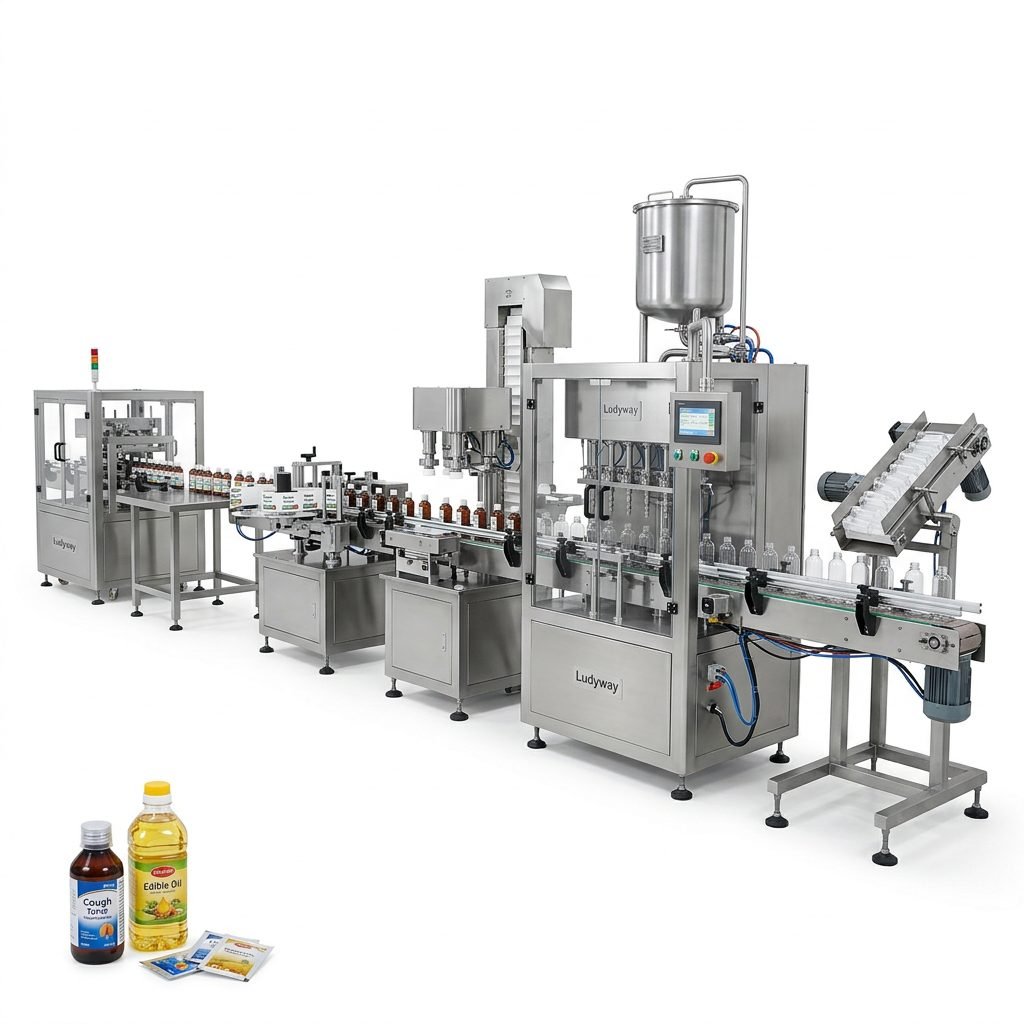
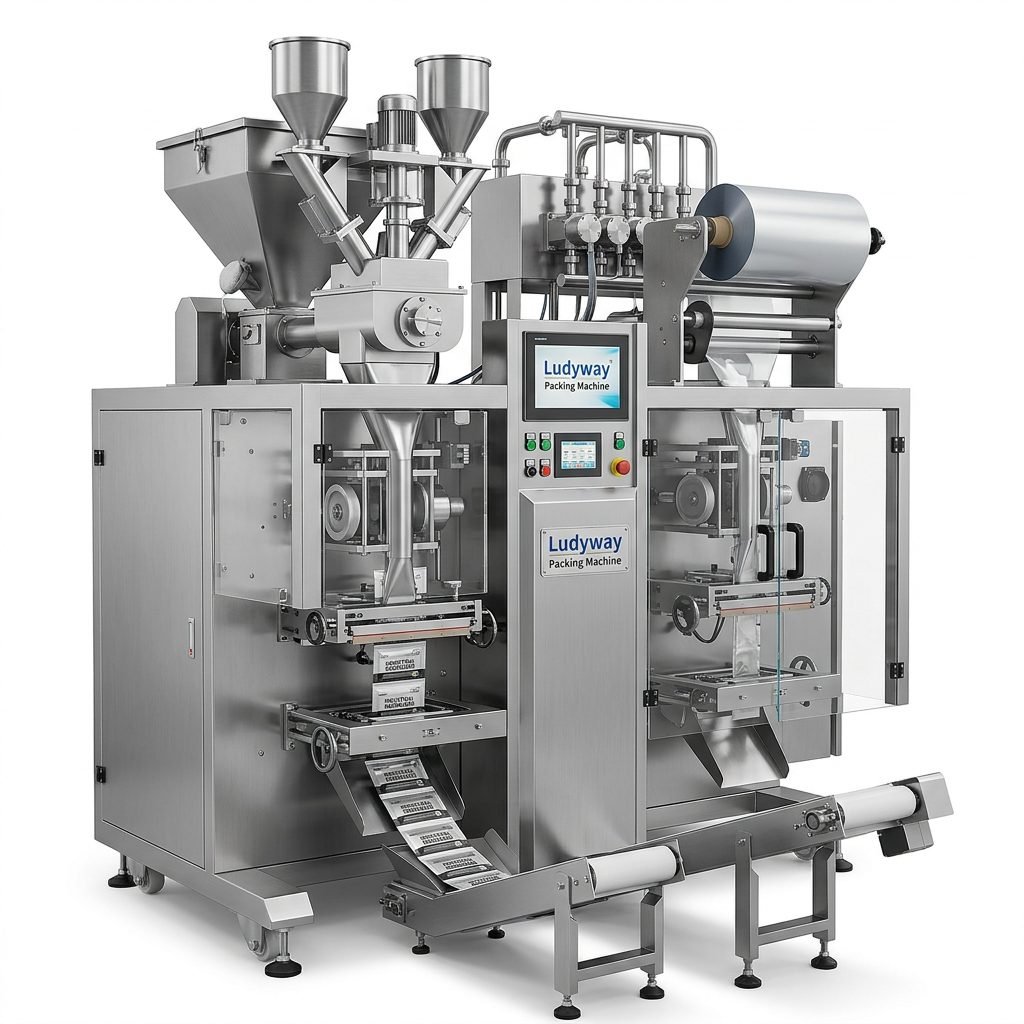
The core of your operation is the machinery. Key equipment categories within a turnkey production line typically include:
- Vacuum Chamber Machines: Ideal for solid, bulk products and lower volume operations.
- Thermoforming Vacuum Packaging Lines: Highly automated systems that form, fill, and seal packages from rollstock film; suitable for high-volume meat, seafood, and medical device packaging.
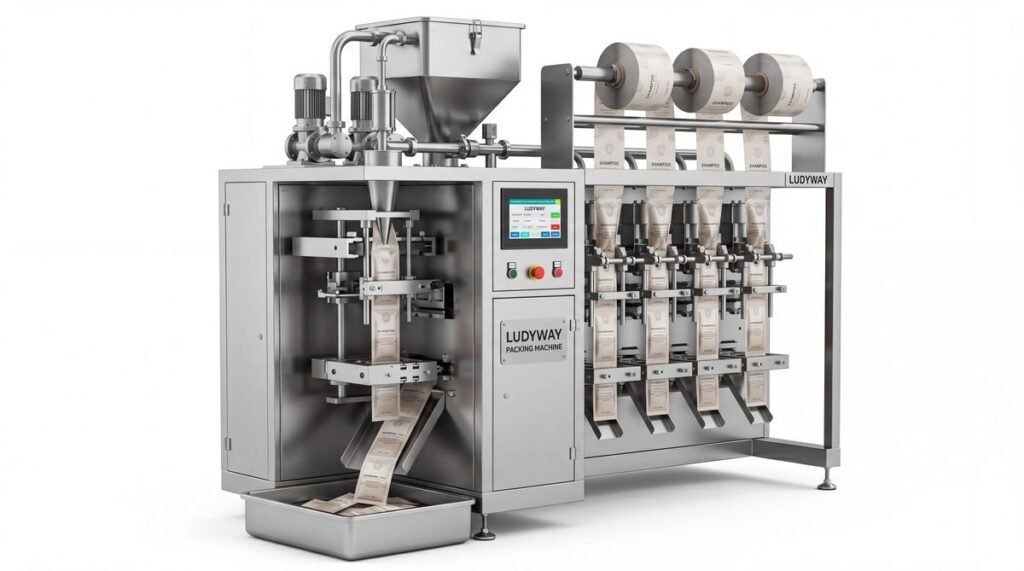
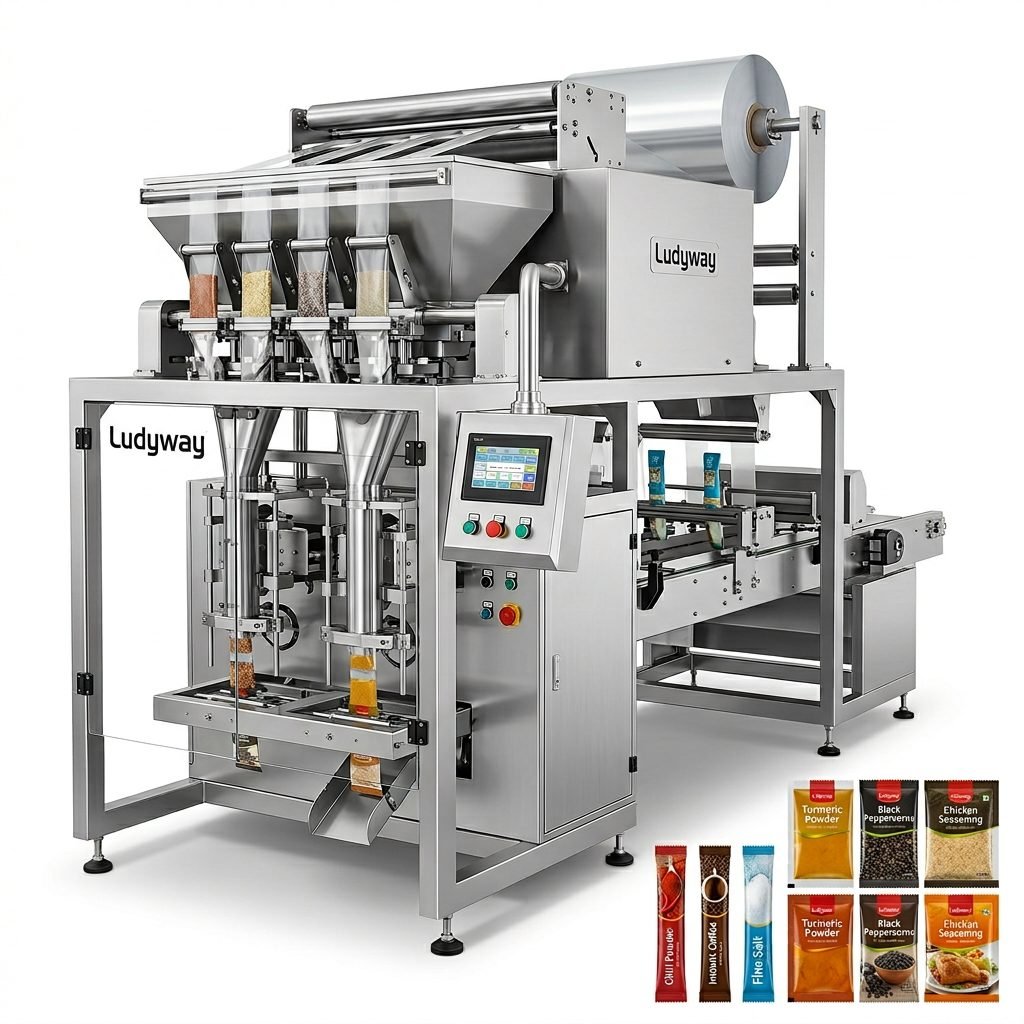
- Pre-Made Pouch Rotary Vacuum Sealers: Excellent for granular, powder, and liquid products in stand-up or flat pouches.
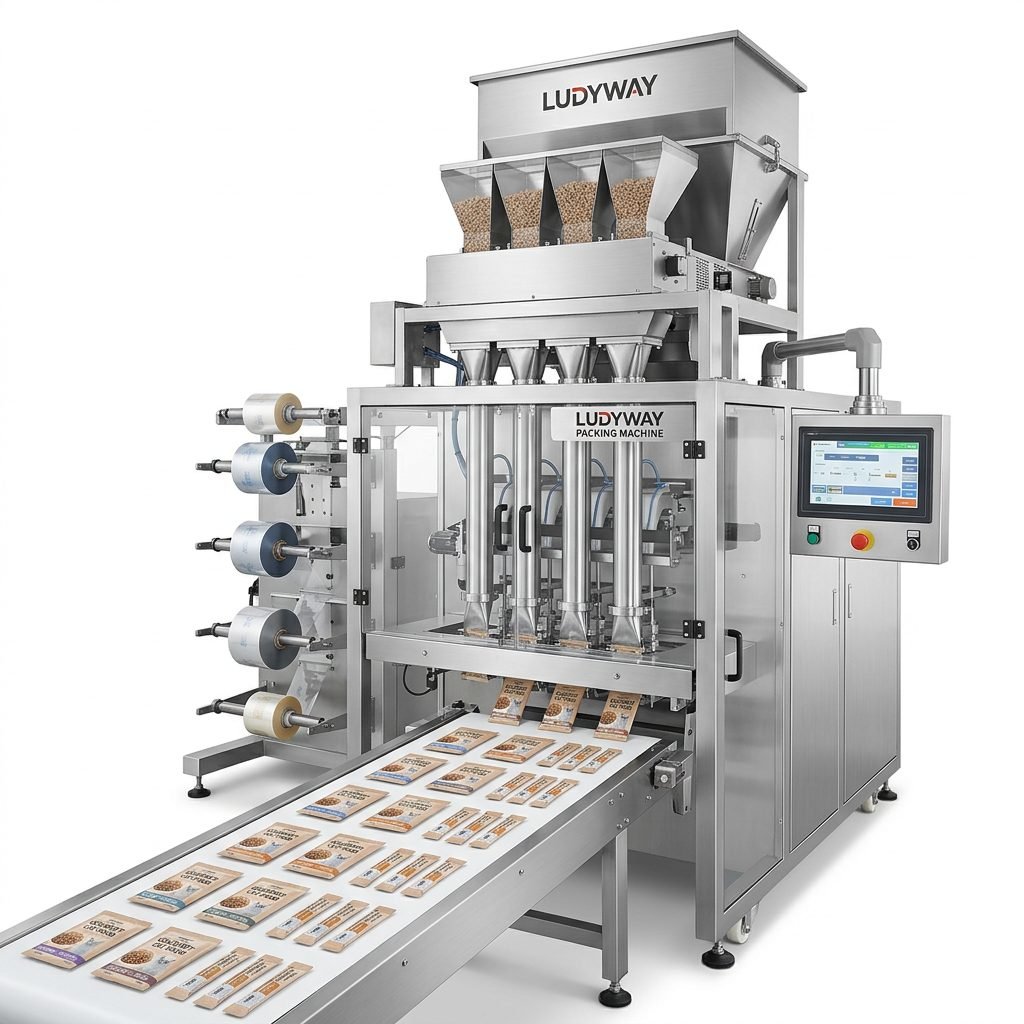
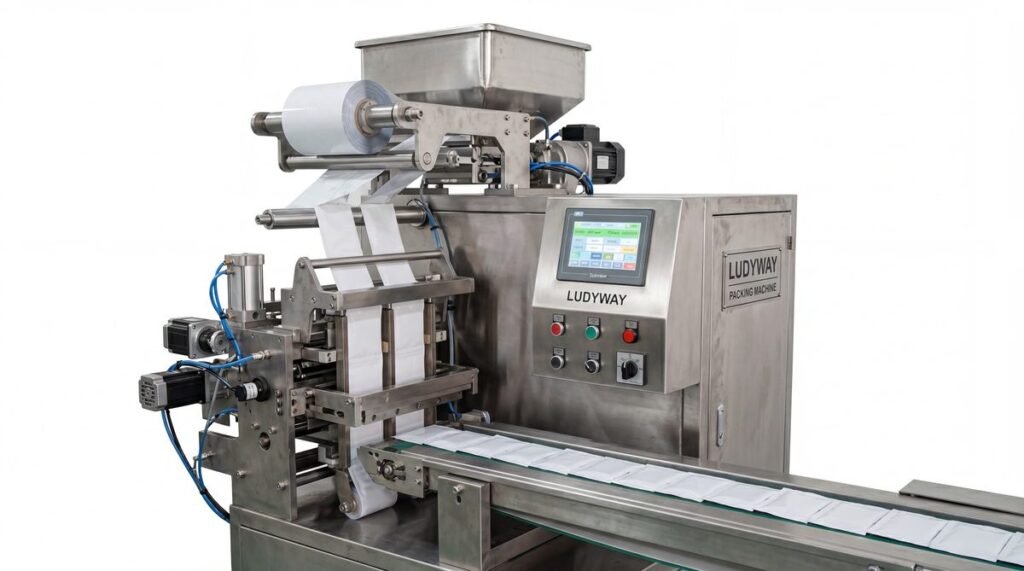
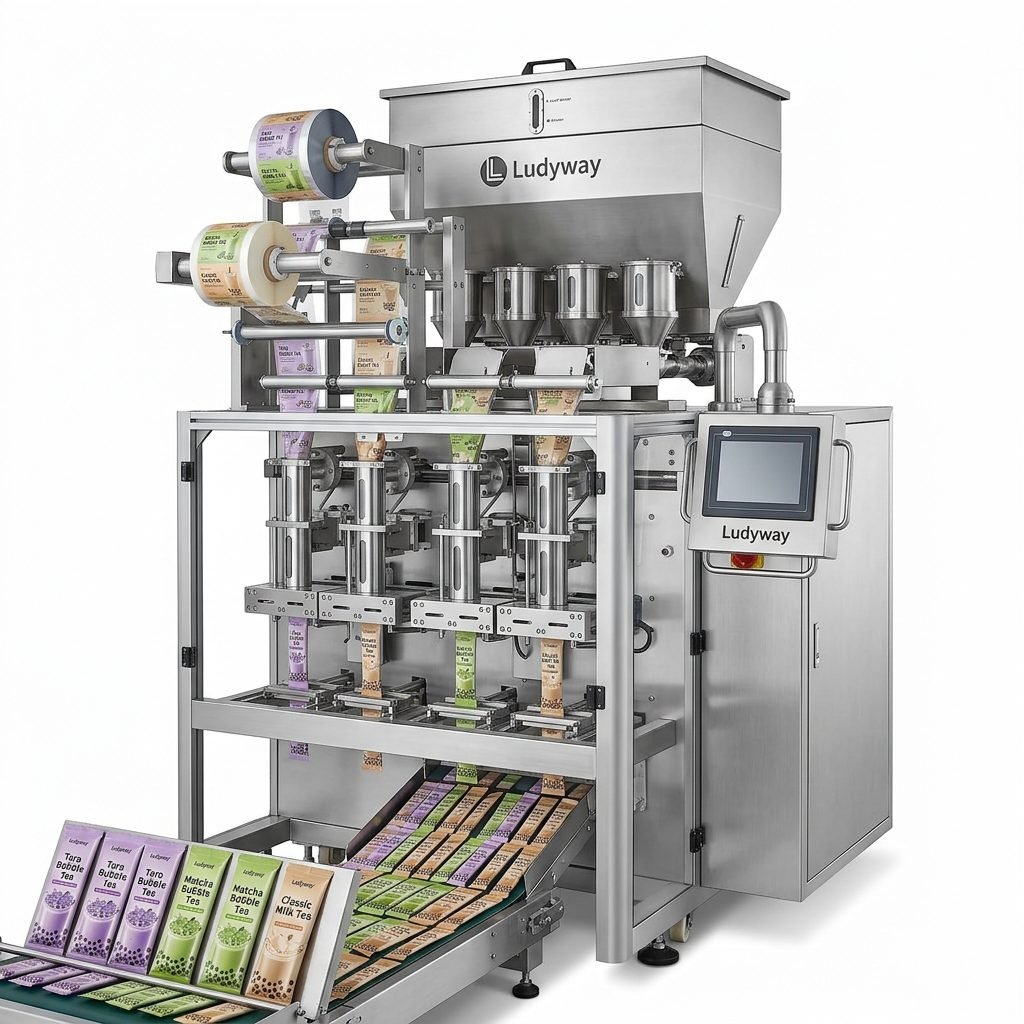
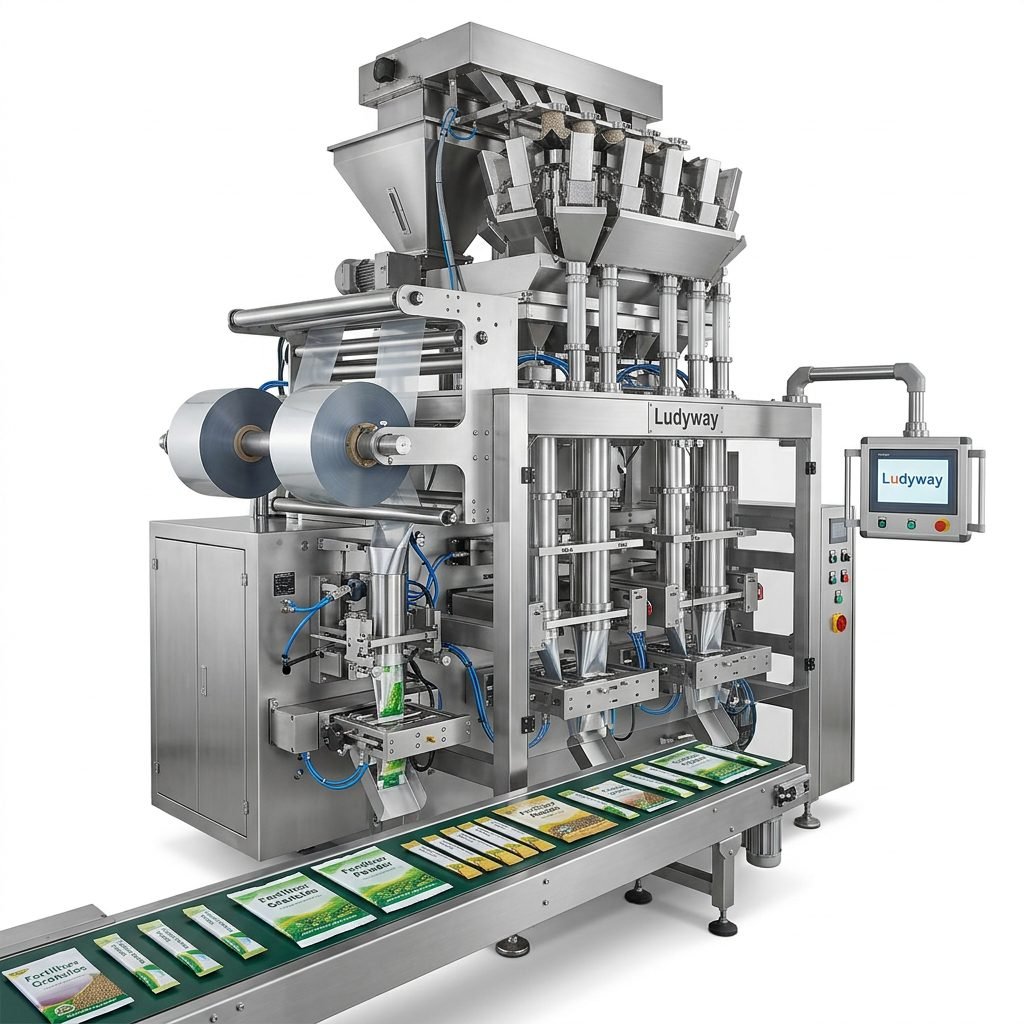
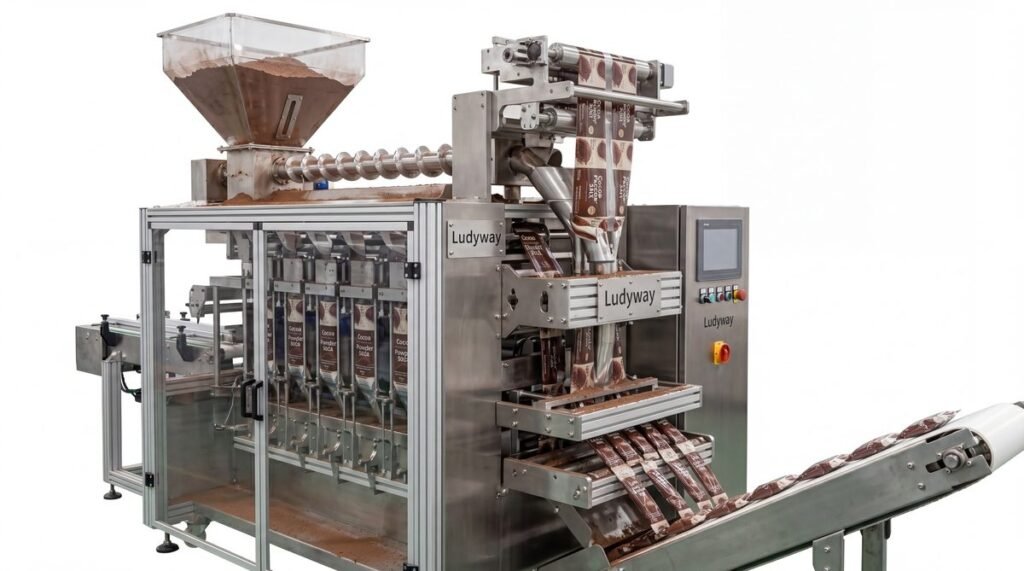
- Multi-Lane Stick Pack and Sachet Machines: For portion-controlled vacuum packaging of powders like instant coffee and nutritional supplements.
When evaluating suppliers, prioritize those with a strong track record in food packaging machinery manufacturing, comprehensive after-sales service, and the ability to provide integrated line solutions including weighing, filling, sealing, and checkweighing.

Step 4: Integrating Auxiliary and End-of-Line Systems
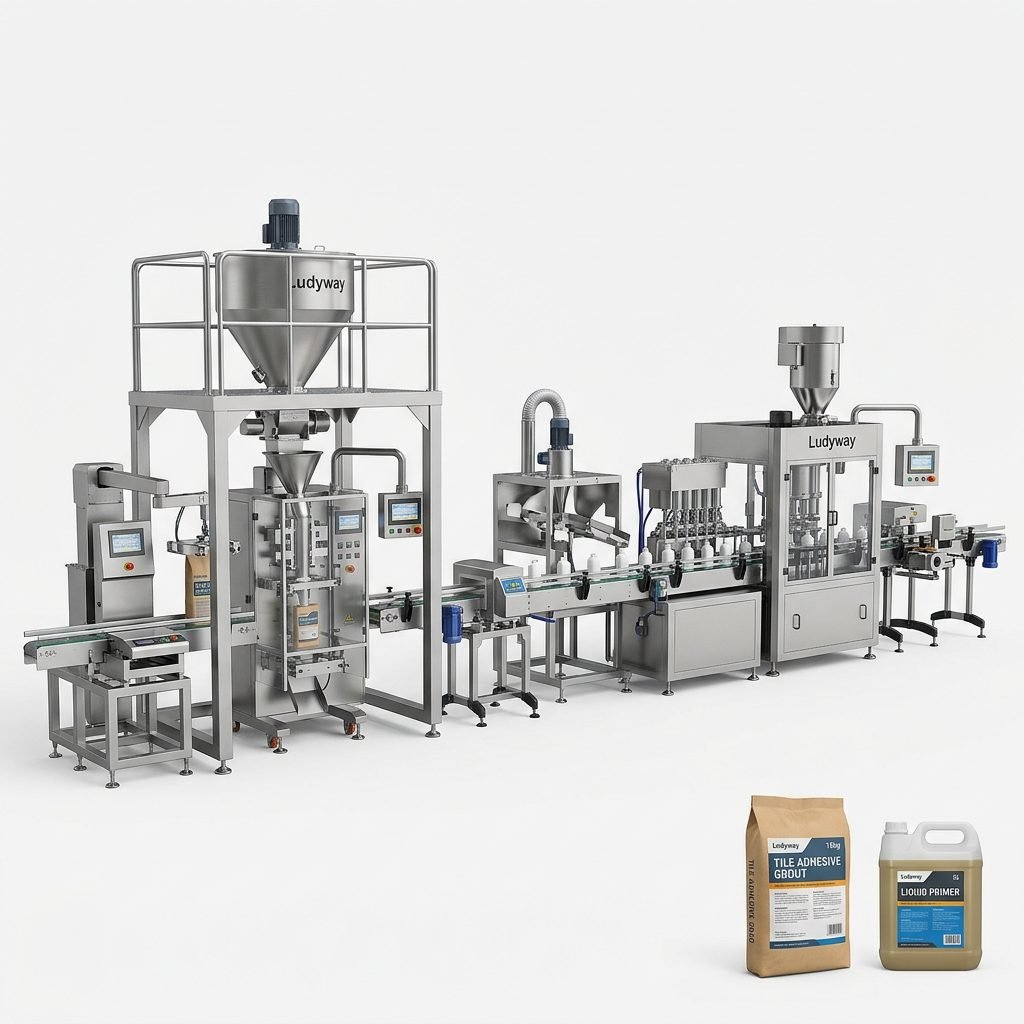
A complete production line goes beyond the primary packaging machine. Efficient operation requires seamless integration of upstream and downstream equipment.
Upstream Integration
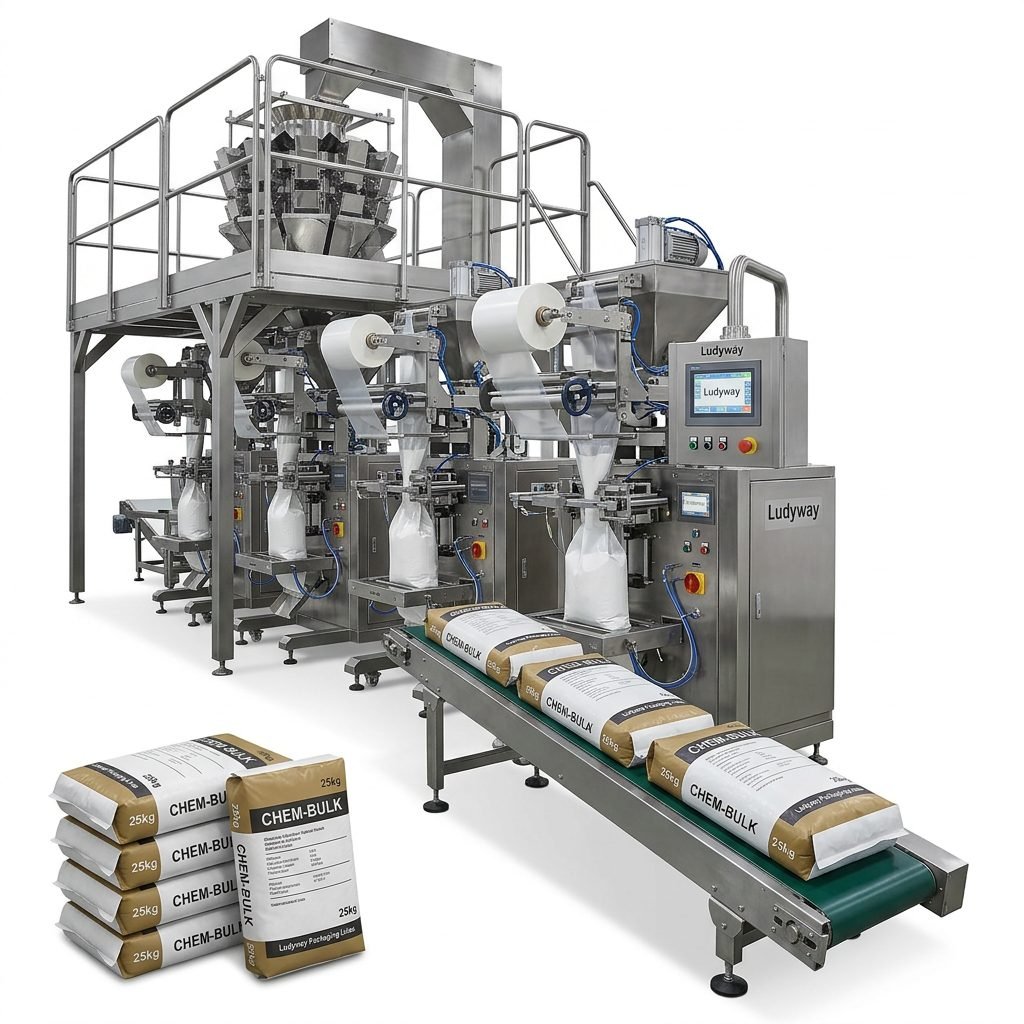
This includes automatic feeding systems, multi-head weighers for precise portioning, and vacuum conveyors that transport delicate food products without damage. For liquid products, aseptic filling stations are critical for food safety.
Downstream Integration
End-of-line automation is where significant labor savings occur. Key components include:
- Checkweighers and metal detection systems for quality control.
- Automatic cartoners and case packers.
- Robotic palletizing systems for stable, efficient stacking.
- Stretch wrapping solutions for transportation safety.
Step 5: Navigating Regulatory and Safety Standards in Asia
Food packaging in Asia must comply with both local and international standards. If you are exporting to the EU or North America, your line must meet FDA food contact substance regulations and EU packaging directives. GFSI-benchmarked certifications like BRCGS or FSSC 22000 are often mandatory for retail channels.
Your equipment should be constructed from food-grade stainless steel and designed for CIP (Clean-in-Place) procedures. Ensure that the machinery supplier can provide documentation packages (DQ, IQ, OQ, PQ) for validation. Regular auditing and maintenance protocols must be established to maintain certification.
Step 6: Installation, Commissioning, and Training
Installing a complex automated food packaging production line is a critical phase. It is highly recommended to use the original equipment manufacturer’s engineers for supervision. The process generally involves:
- Pre-installation checks: Verifying utilities, compressed air, and floor leveling.
- Mechanical assembly: Positioning, leveling, and securing all line components.
- Electrical and pneumatic hookup: Ensuring all systems communicate correctly via PLC.
- Dry run testing: Running the line without product to check timing and sensor logic.
- Wet/production testing: Running actual products to fine-tune vacuum levels, sealing temperature, and gas flushing.
- Operator and maintenance training: Comprehensive on-site training is essential for minimizing future downtime.
Step 7: Sourcing Reliable Spare Parts and After-Sales Support
Downtime can be extremely costly in a high-output food vacuum packing operation. A proactive strategy for spare parts is necessary. Stock critical consumables such as sealing bars, heating elements, Teflon tape, and vacuum pump oil. Establish a direct relationship with the machine manufacturer to ensure fast access to technical support and original components.
For companies looking for a dependable partner with extensive experience in Asian and global markets, Ludyway stands out. As one of the largest packaging machine manufacturers in China, Ludyway provides robust and efficient packaging solutions backed by a modern 20,000㎡ manufacturing facility and over 30 years of industry expertise, serving customers in more than 100 countries.
Cost Analysis and ROI Optimization
Investing in a high-speed vacuum packaging line involves significant capital, but the return on investment can be rapid. The table below outlines typical cost factors and optimization strategies.
| Cost Factor | Optimization Strategy |
|---|---|
| Machinery Capital | Source direct from Asian manufacturers for competitive pricing without compromising quality. |
| Packaging Film | Optimize film gauge and format to reduce scrap; consider rollstock over pre-made pouches where possible. |
| Energy Consumption | Use energy-efficient vacuum pumps and servo-driven motors. |
| Labor | High automation levels drastically reduce manual handling and rework. |
Unlocking Growth with a Turnkey Vacuum Packaging Solution
Setting up a complete food packaging production line in Asia is a multi-faceted project that demands careful planning and execution. By selecting the right technology, integrating efficient auxiliary systems, and adhering to stringent safety standards, businesses can achieve exceptional product quality and market competitiveness.
Partnering with an experienced manufacturer who can deliver a turnkey vacuum packaging system—from initial consultation and factory planning to installation and ongoing support—simplifies the process and provides a reliable pathway to achieving operational excellence. Explore the latest technologies and customized configurations that can support your production ambitions in the dynamic Asian market.