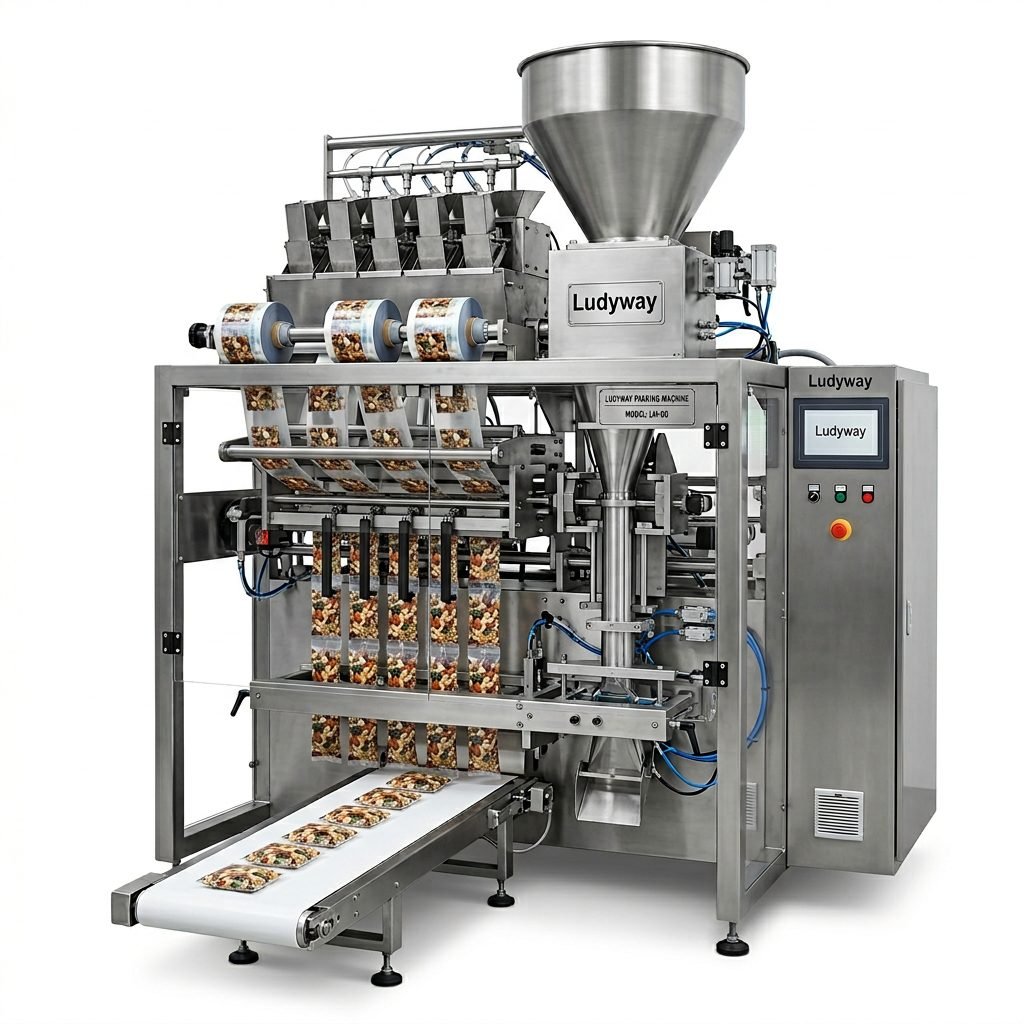
The food processing sector in South America is experiencing rapid expansion, particularly in Brazil, Argentina, Chile, and Colombia. For producers of coffee, dried fruits, nuts, and frozen goods, investing in a small vacuum packaging machine production line can dramatically extend shelf life, preserve aroma, and open doors to premium export markets. This guide outlines the essential steps to build an efficient, compliant setup.

Understanding Regional Market Demands and Product Specifics
Before ordering equipment, analyze your product range. South American agricultural goods vary significantly in density and fragility. Whole coffee beans require gentle handling to avoid crushing, while powdered products like dehydrated fruit pulp need aggressive vacuum cycles to remove trapped air. A common oversight is investing in a machine incompatible with the specific atmospheric pressure and humidity levels of high-altitude production facilities in the Andes. A robust line must maintain seal integrity across these varying conditions.
Critical Machine Specifications for Local Conditions
When comparing vacuum packaging machine models, prioritize stainless steel construction to withstand the high acidity of many regional fruits. The sealing bar must handle thicker laminates if you are targeting the frozen export market. Look for systems offering a double-seal function; this is vital for high-value products like specialty chocolates or organic quinoa where oxidation is a primary concern. Additionally, electrical compatibility with local 220V/60Hz standards in countries like Peru is non-negotiable to avoid costly transformer installations.

Designing the Production Floor Layout
A common mistake for new operations is linear floor planning. In a South American context, where labor costs are balanced with space availability, a U-shaped or cellular layout maximizes worker efficiency. Your line should be segmented into three distinct zones: preparation and weighing, vacuum sealing, and post-seal inspection plus labeling. This separation prevents cross-contamination and ensures that raw materials never intersect with finished goods. Plan for stainless steel workstations and easy drainage for washdowns, which are mandatory for export certification.
Space Allocation Guidelines
- Dry Storage: Minimum 15m² for packaging film and boxes, maintained at 40% relative humidity.
- Machine Operation Area: Allocate at least 3 meters of clearance around the automatic packaging system for ventilation and maintenance access.
- Finished Goods Hold: A climate-controlled area to prevent condensation on sealed bags before boxing.
- Mezzanine Option: If floor space is limited in urban centers like São Paulo, utilize vertical space for conveyor swan-neck infeeds.
Selecting Ancillary Equipment and Automation Levels
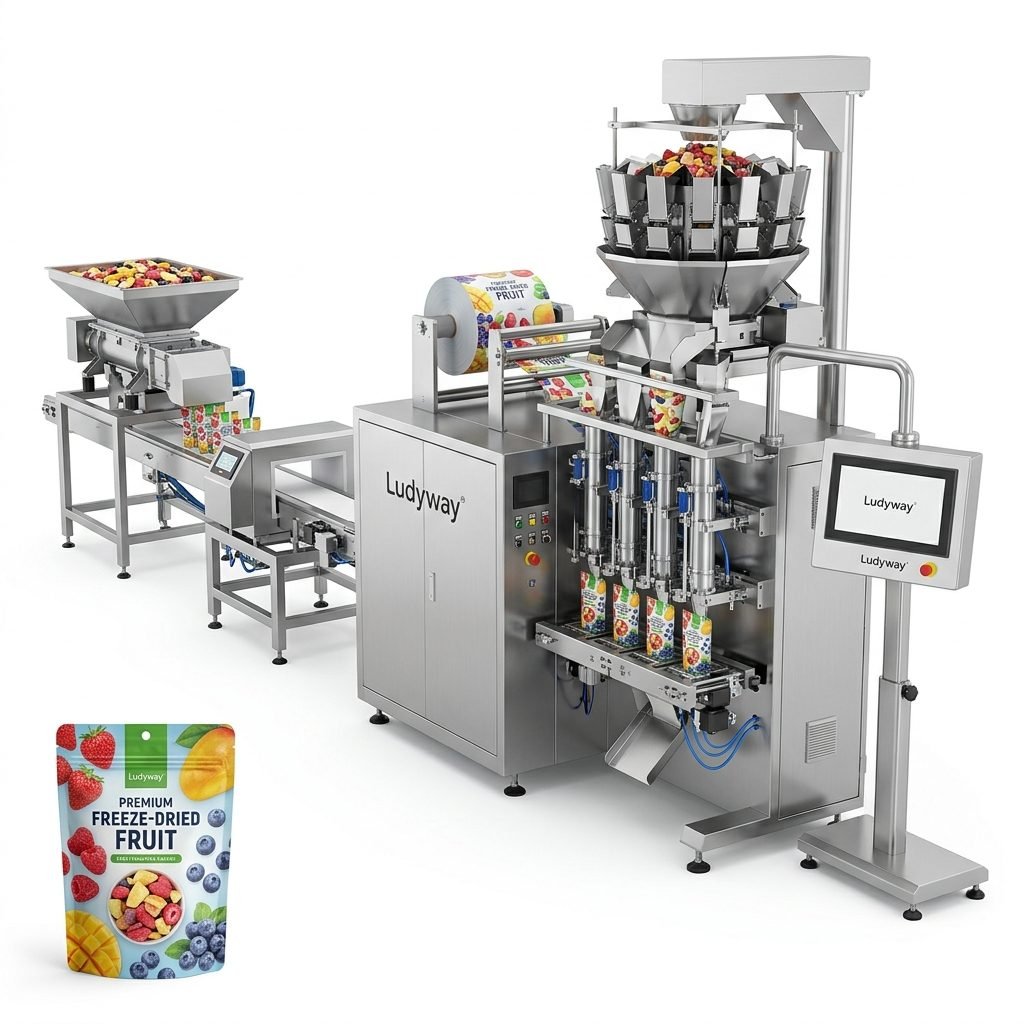
The specifications of your ancillary equipment directly impact the success of the vacuum process. For granular products such as instant coffee, integrating a high-precision multi-head weigher minimizes giveaway and improves sealing speed. For liquid or paste items like prepared fruit pulps, a liquid filler with anti-drip nozzles connects the filling station to the vacuum chamber. The level of automation should be balanced: semi-automatic lines are ideal for small cooperatives in Bolivia, while fully automated rotary vacuum lines suit high-volume processors in Chile targeting the US FDA market.
| Automation Level | Ideal Application in South America | Typical Capacity (Bags/Min) |
|---|---|---|
| Semi-Automatic | Artisan coffee cooperatives, small dried fruit farms | 5 – 15 |
| Automatic Belt Driven | Medium frozen food exporters, cheese producers | 20 – 40 |
| Cryovac Rotary System | Large red meat packers in Argentina/Uruguay | 60+ |

Navigating South American Import and Regulatory Compliance
Setting up import machinery involves specific regional trade blocks. Mercosur countries often benefit from reduced duties on capital equipment, but you must verify the Harmonized System (HS) codes. Partner with a supplier who provides localized technical documentation in Spanish or Portuguese. Critically, ensure the equipment meets the labeling standards of your destination market. If exporting to Europe or North America, the vacuum machine must achieve a residual oxygen level of less than 0.5% and comply with BRC or SQF standards, which influence machine validation protocols.
Checklist for Equipment Importation
- INMETRO Certification: Required for electrical safety compliance in Brazil.
- SENASA Approval: Necessary for all food-contact machinery entering Argentina.
- Certificate of Origin: Essential for utilizing preferential tariff agreements within the Andean Community.
- Spare Parts Inventory: Stock critical wear components like sealing bars and vacuum pump oil to avoid downtime.
Optimizing Workflow and Packaging Material Selection
The choice of packaging film is as crucial as the machine itself. In tropical zones, a high-barrier EVOH film is necessary to block oxygen transmission. For products with sharp edges, such as freeze-dried banana chips, a thicker puncture-resistant nylon laminate prevents micro-leaks. The machine should feature a progressive gas flushing option (Modified Atmosphere Packaging) if you handle fresh pasta or leafy greens. Training staff on correct bag positioning is key; even the most advanced modular packaging line will fail if the operator does not flatten the bag neck smoothly before the seal cycle.
Maintenance Protocols in Humid Climates
Coastal regions in South America introduce salt air and high humidity that degrade machine components. A strict daily cleaning regime for the vacuum lid gasket and seal bar Teflon tape is mandatory. Weekly checks should include draining moisture from the compressed air filter, as pneumatic systems in a packaging and processing environment are prone to water buildup. Establish a relationship with a local technician or ensure remote diagnostic capabilities are present, as importing a specialist for urgent repairs can halt production for weeks.
Maintenance Frequency Table
| Component | Action | Frequency |
|---|---|---|
| Oil Rotary Vane Pump | Check oil color and level; change if milky | Monthly |
| Sealing Silicone Bar | Clean with non-abrasive solvent | Daily / End of Shift |
| Vacuum Chamber Lid | Inspect acrylic or glass for cracks | Weekly |
| Hoses and Connections | Spray soapy solution to detect vacuum leaks | Quarterly |
Scaling Up with Integrated Line Solutions
Modern small production lines should be designed with expansion in mind. A modular concept allows you to start with a single-chamber vacuum sealer and later integrate a powder and granule packaging machine or automatic cartoning equipment. As your brand gains traction in supermarkets from Bogotá to Buenos Aires, the ability to swiftly add printing and shrink-wrapping modules without replacing the core infrastructure ensures a strong return on investment. Many successful South American businesses began with a compact floor-standing model before evolving into fully automated plants.
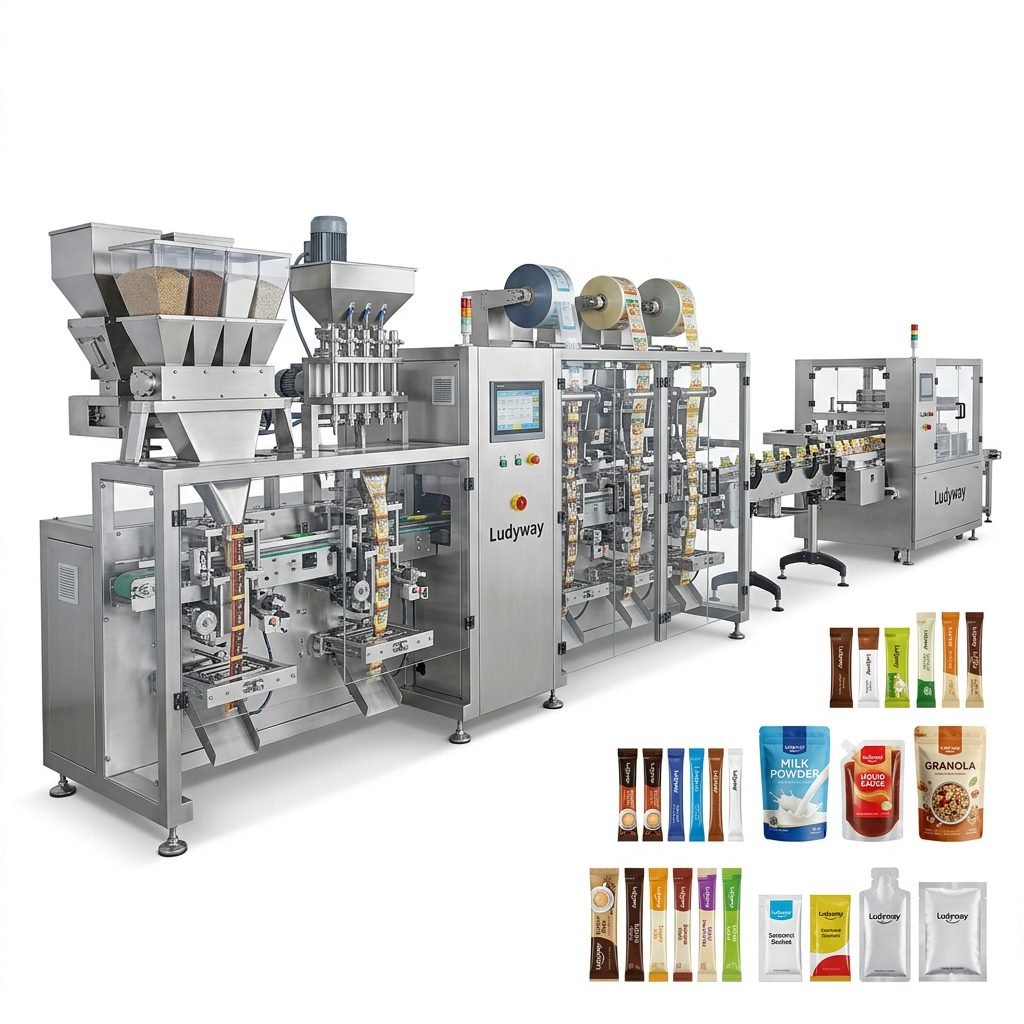
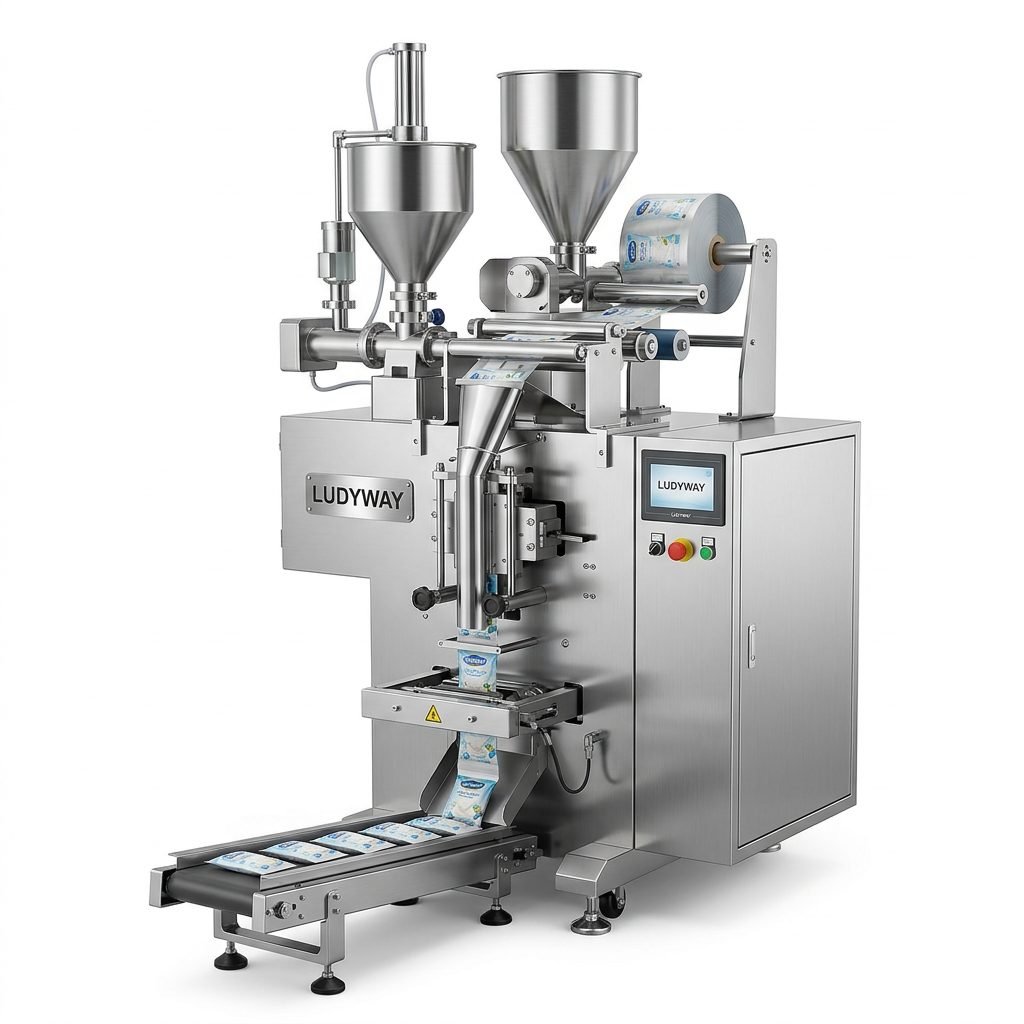
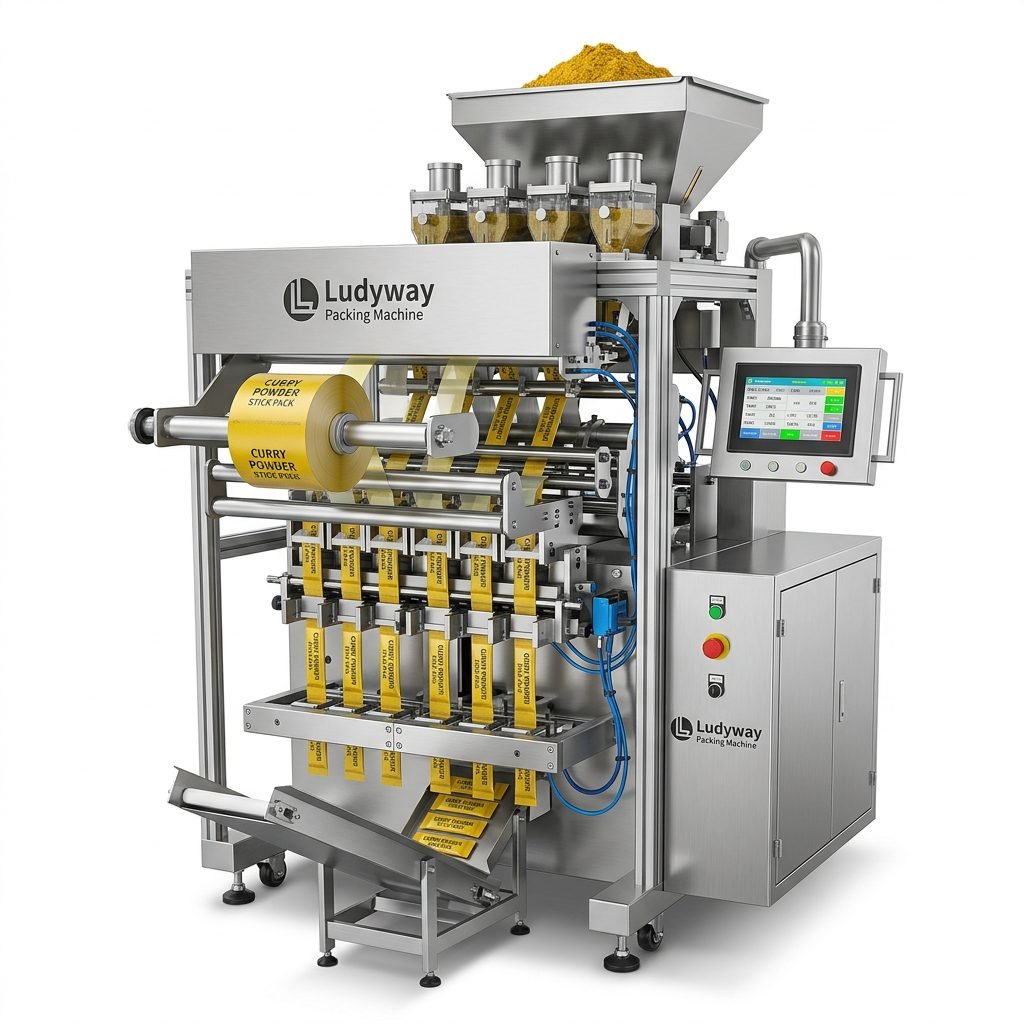
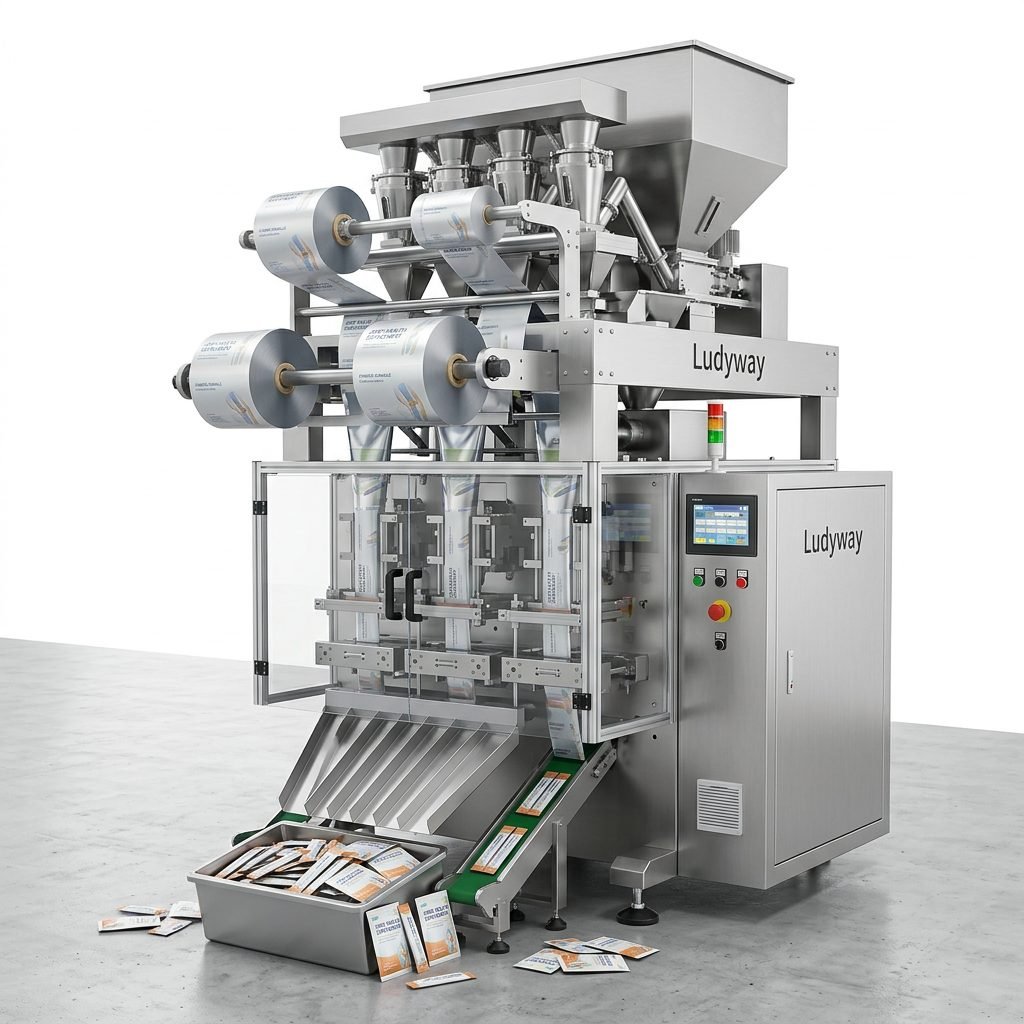
For companies ready to deploy a reliable and efficient setup, Ludyway specializes in advanced packaging equipment and turnkey production solutions, with a 20,000㎡ manufacturing facility supporting clients in over 100 countries. Selecting a partner with engineering expertise and accessible technical support ensures your South American production line stays productive and competitive.
References and Industry Resources