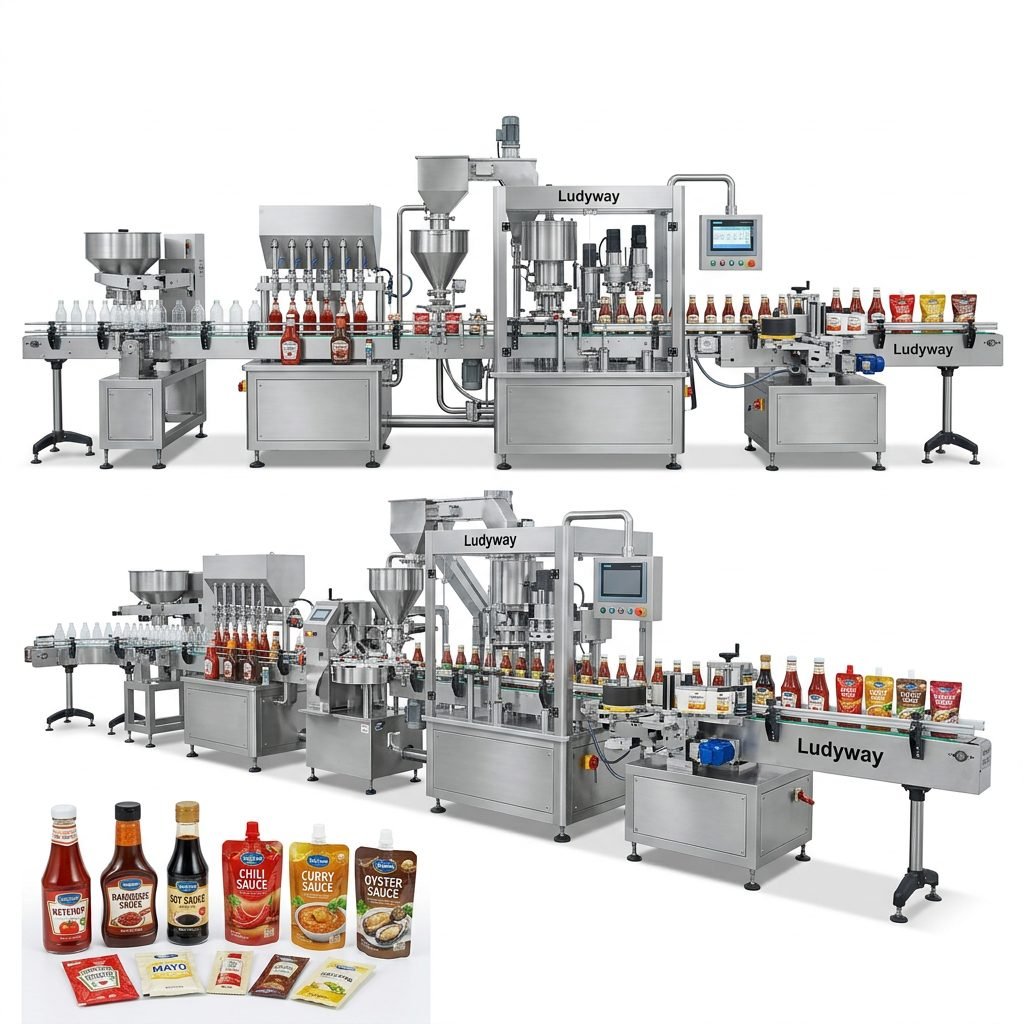
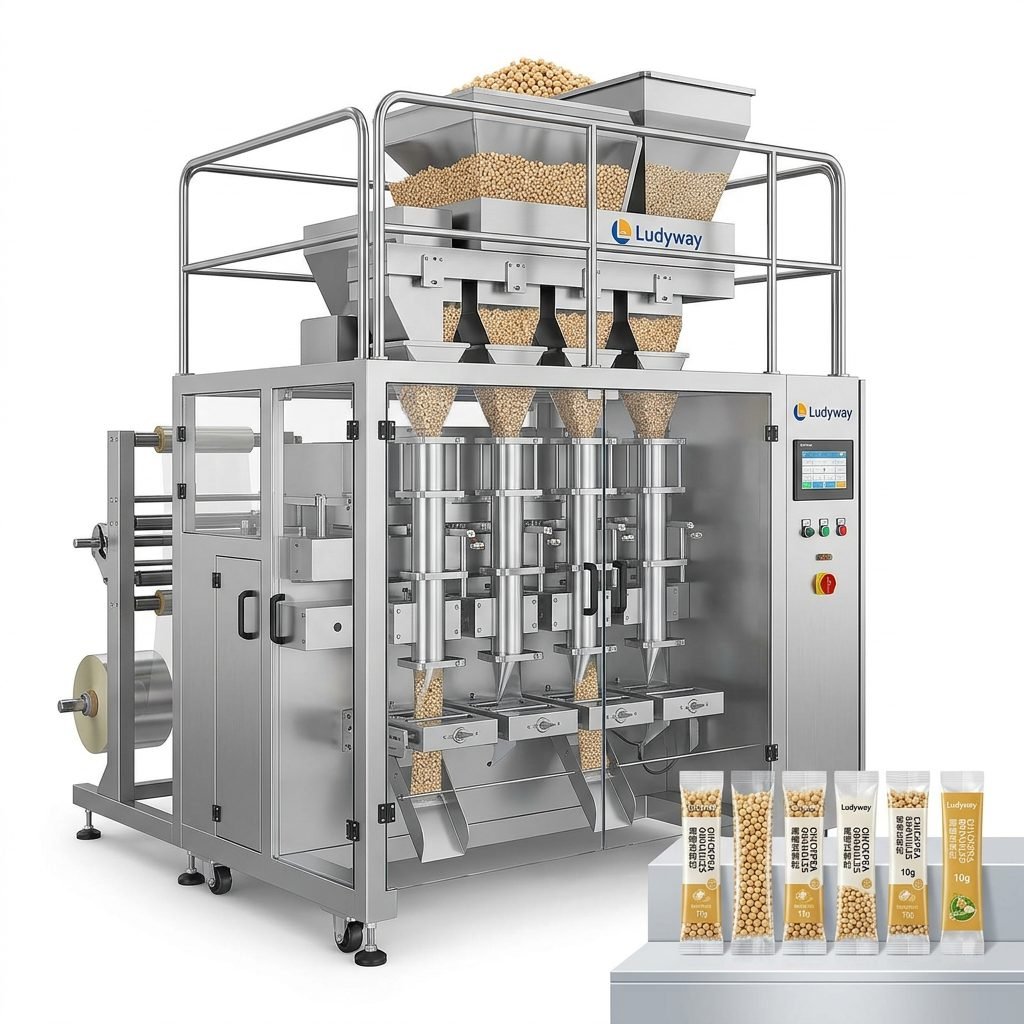
Establishing a spice packaging machine production line in Germany requires careful planning, adherence to strict European regulations, and selection of the right equipment. Germany is one of the largest spice markets in Europe, with consumers demanding high-quality, precisely packaged products. Whether you are packaging ground turmeric, curry powder, paprika, or mixed seasonings, a well-designed packaging machine production line ensures efficiency, accuracy, and compliance with food safety standards.

Understanding the German Spice Packaging Market
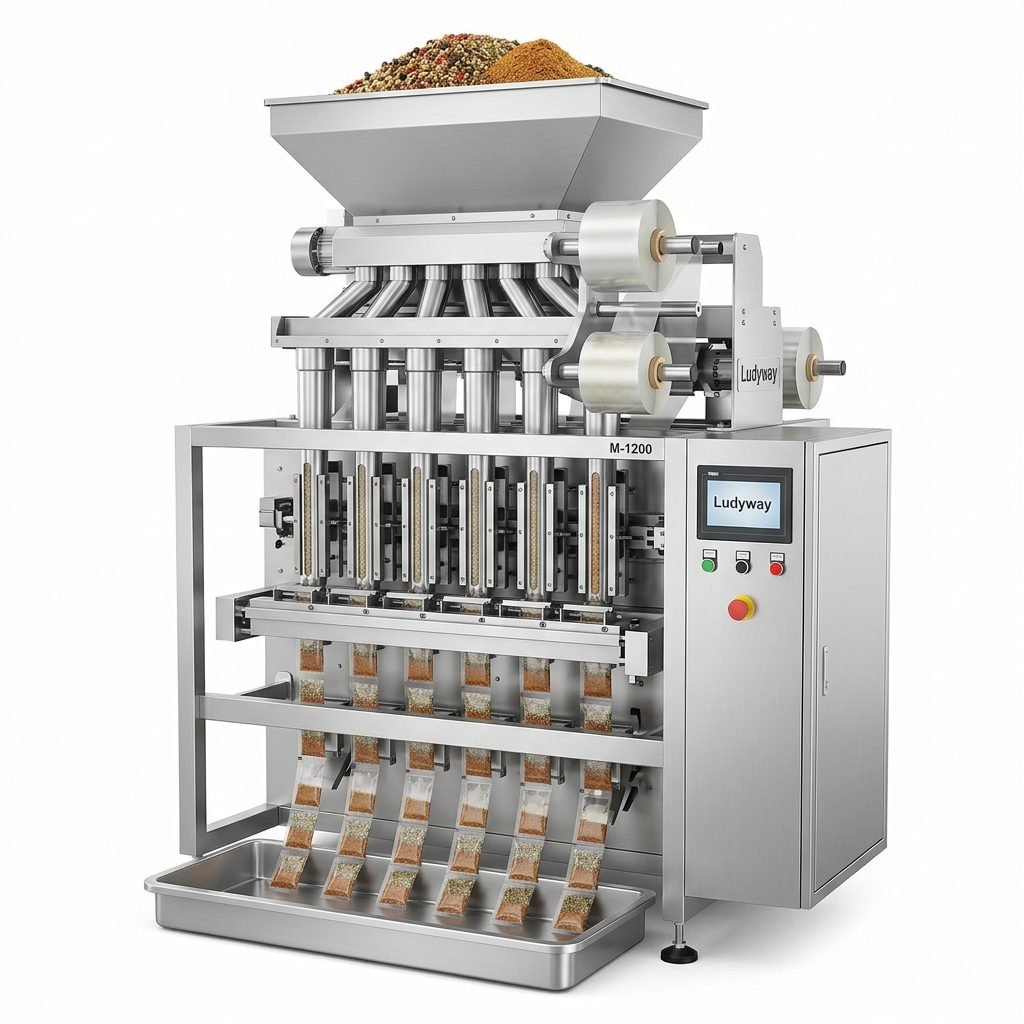
Germany’s spice and seasoning industry is valued at billions of euros annually. The demand for convenient, single-serve packaging formats such as stick packs, sachets, and small pouches has grown significantly. German consumers prioritize sustainability, product freshness, and precise portion control. This makes multi-lane packaging technology especially attractive, as it reduces material waste while maximizing output.
Key Market Drivers
- Growing demand for organic and premium spice blends
- Sustainability regulations pushing for reduced packaging waste
- Rising popularity of single-serve and travel-friendly formats
- Increasing automation in German food manufacturing facilities
- Strict EU food contact material regulations (EC 1935/2004)
Regulatory Compliance for Spice Packaging in Germany
Before setting up your spice packaging production line, you must ensure full compliance with German and EU regulations. Germany enforces some of the world’s most rigorous food packaging standards.
Essential Certifications and Standards
- EU Regulation EC 1935/2004 – Materials and articles intended to come into contact with food
- EU Regulation EC 2023/2006 – Good Manufacturing Practice (GMP) for food contact materials
- IFS Food Standard – International Featured Standards, widely recognized by German retailers
- BRCGS Packaging – Global standard for packaging and packaging materials
- DIN standards – German Institute for Standardization requirements for machinery safety
- CE marking – Mandatory for all machinery sold and operated within the EU
Additionally, German authorities require that all packaging equipment in contact with spices meets hygiene design principles according to EHEDG guidelines.
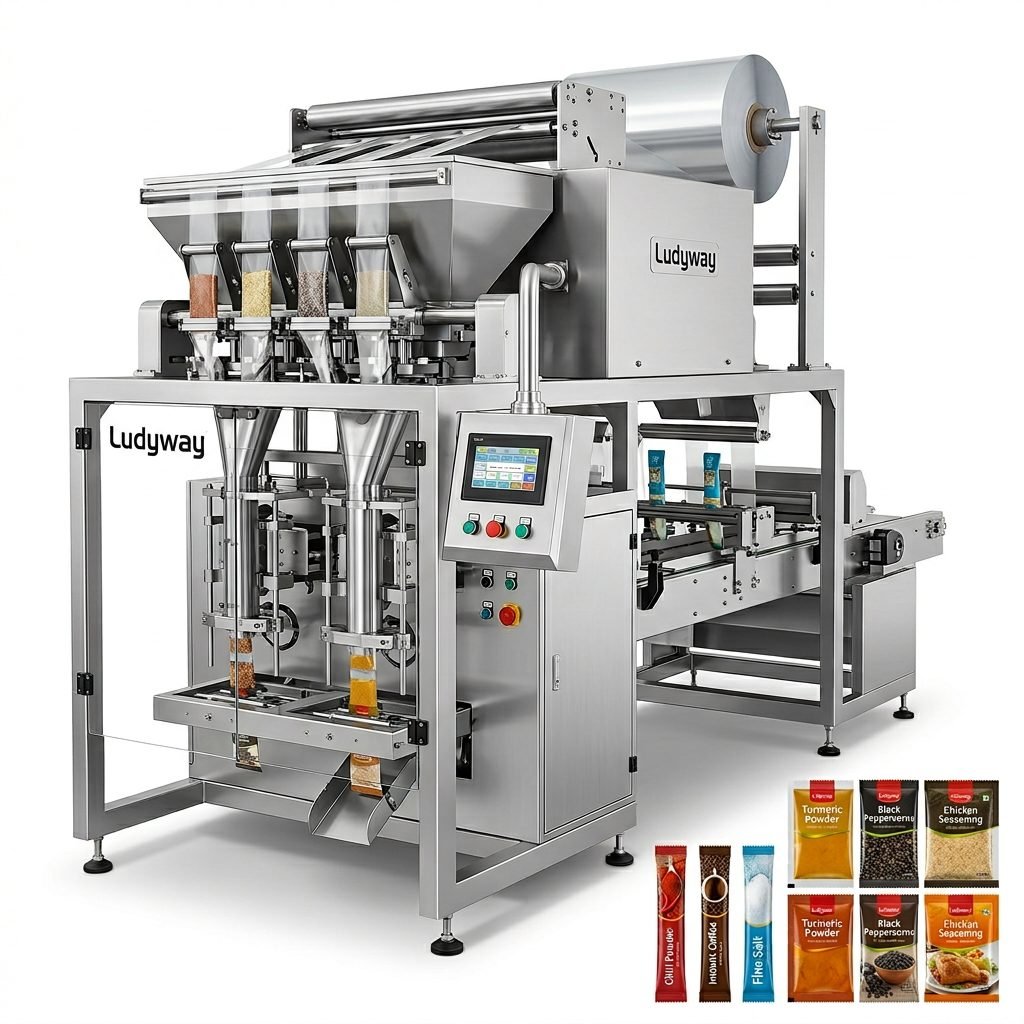
Choosing the Right Spice Packaging Equipment
Selecting the appropriate packaging machinery is the cornerstone of a successful production line. Spices present unique challenges due to their dust-generating properties, varying particle sizes, and hygroscopic nature.
Machine Types for Spice Packaging
| Machine Type | Best For | Speed Range | Key Advantage |
|---|---|---|---|
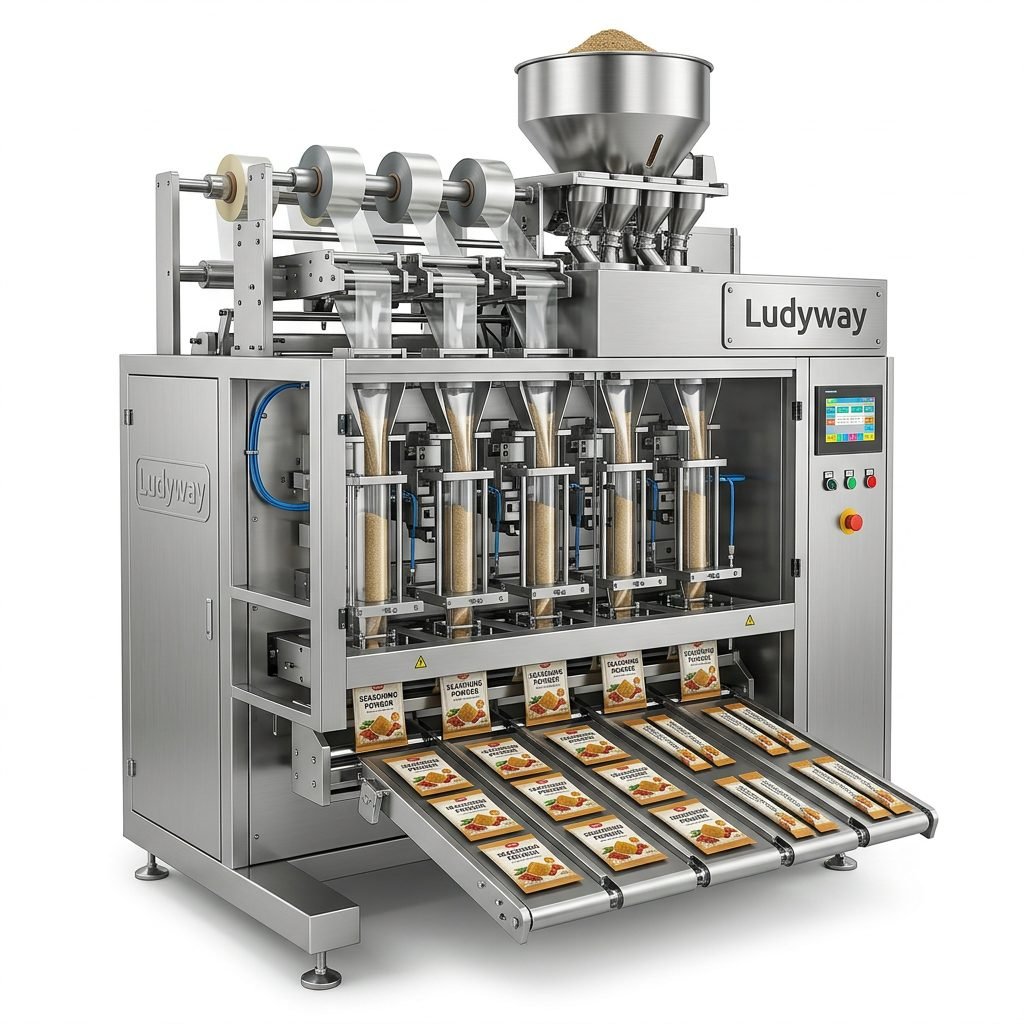
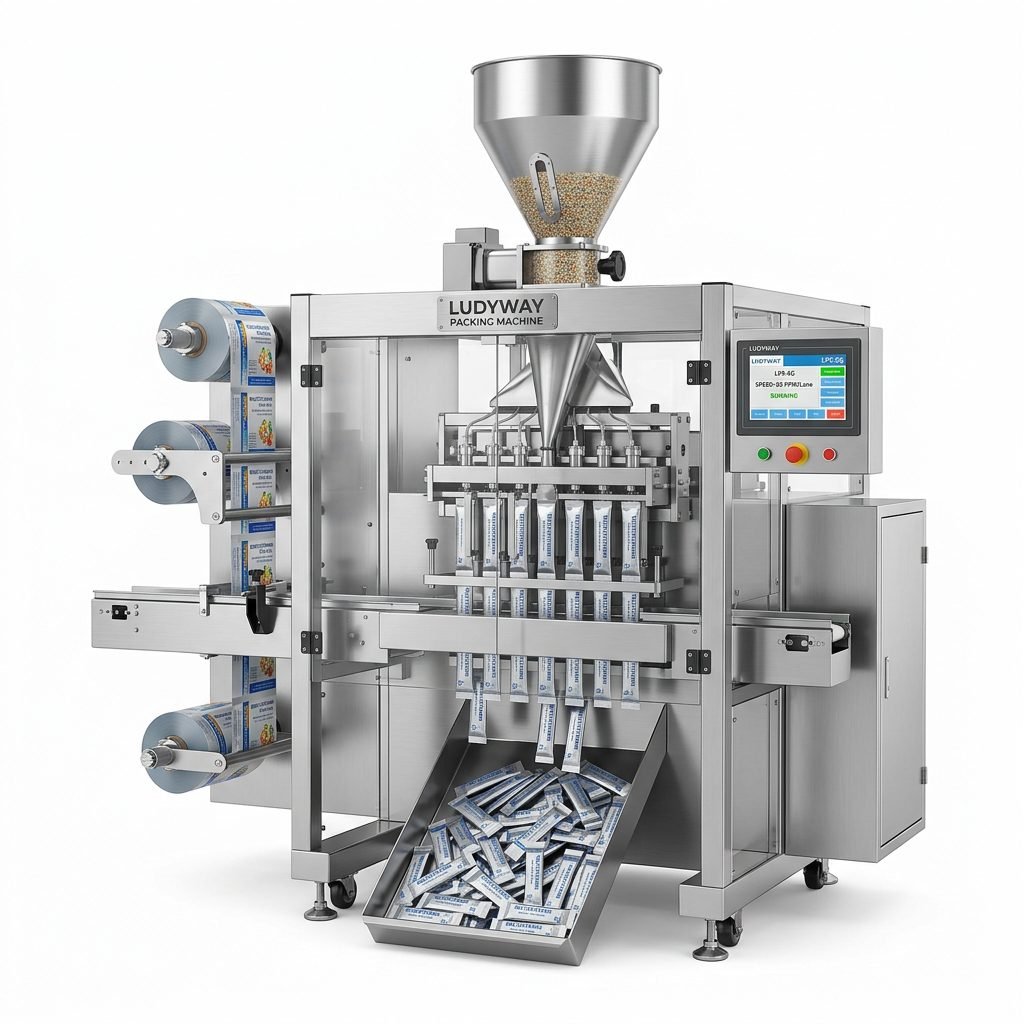
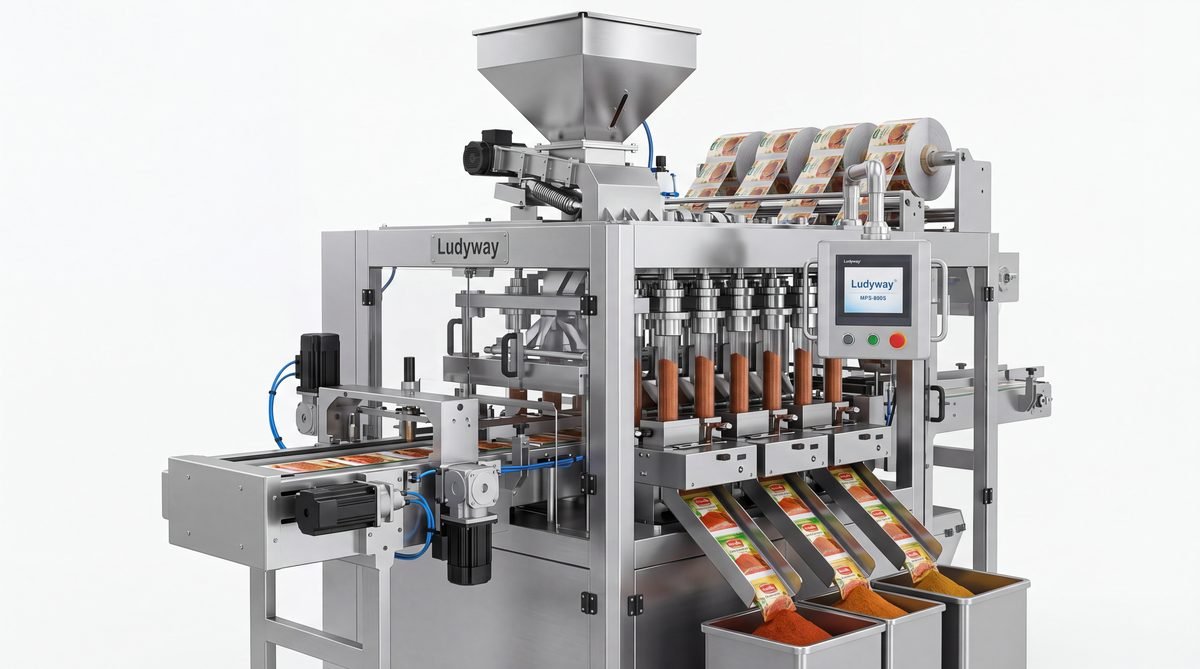
| Multi-Lane Stick Pack Machine | Single-serve spice sticks | 200-600 packs/min | High output, minimal material usage |
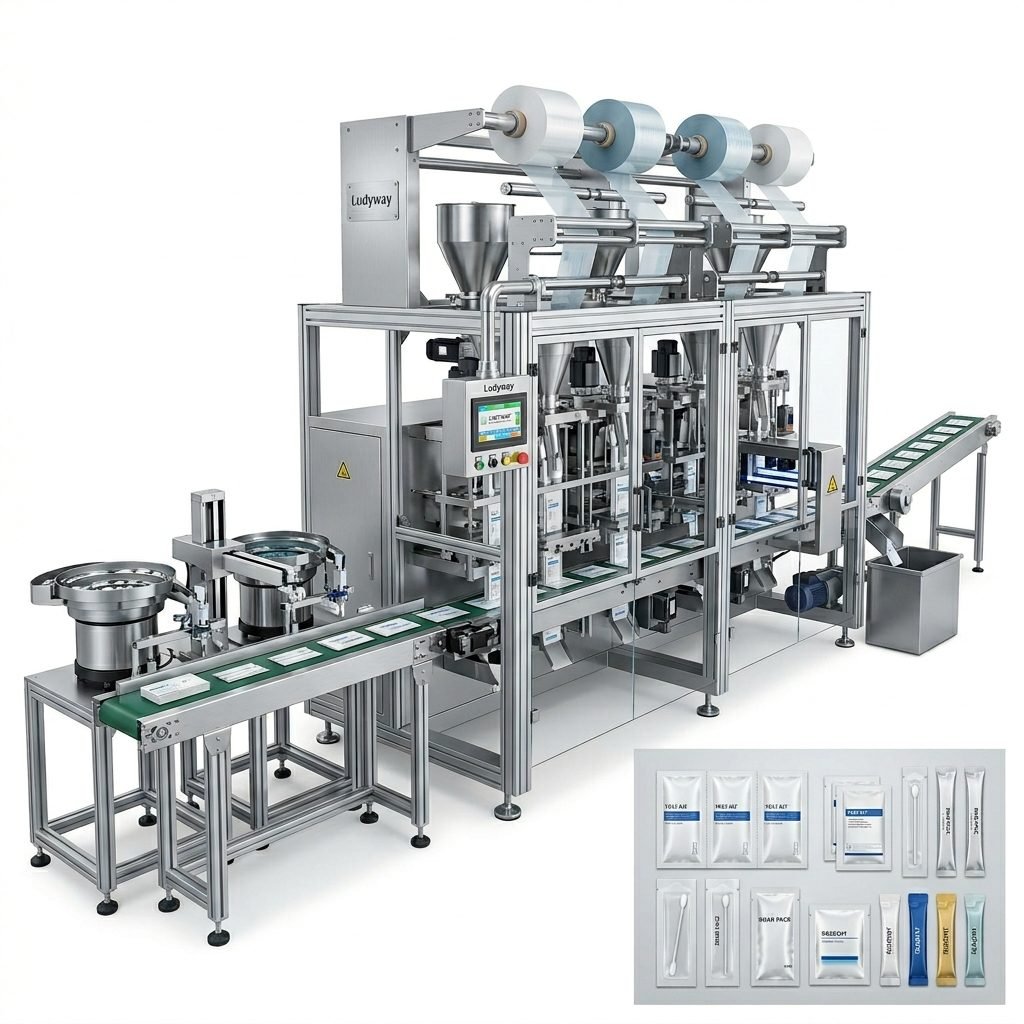
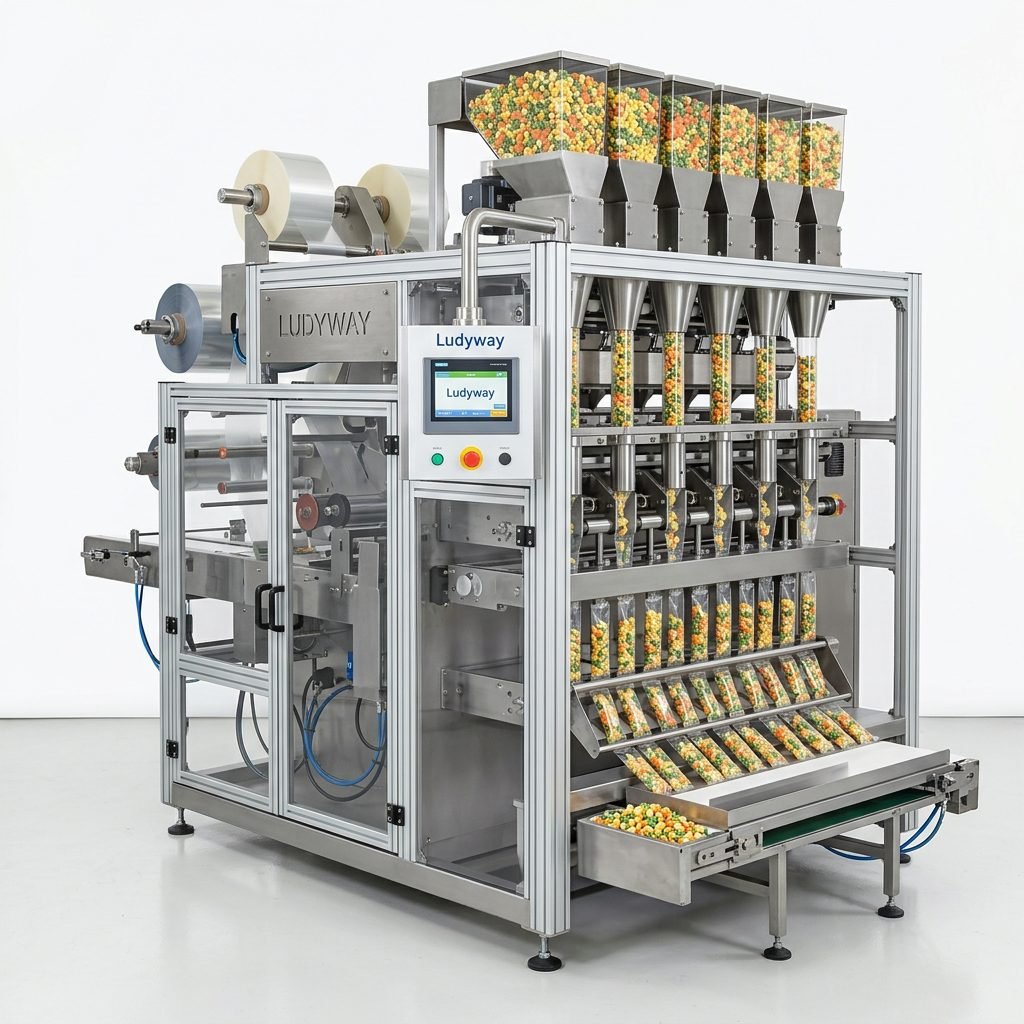
| Multi-Lane Sachet Machine | Flat sachets for seasonings | 150-400 packs/min | Versatile format, excellent seal integrity |
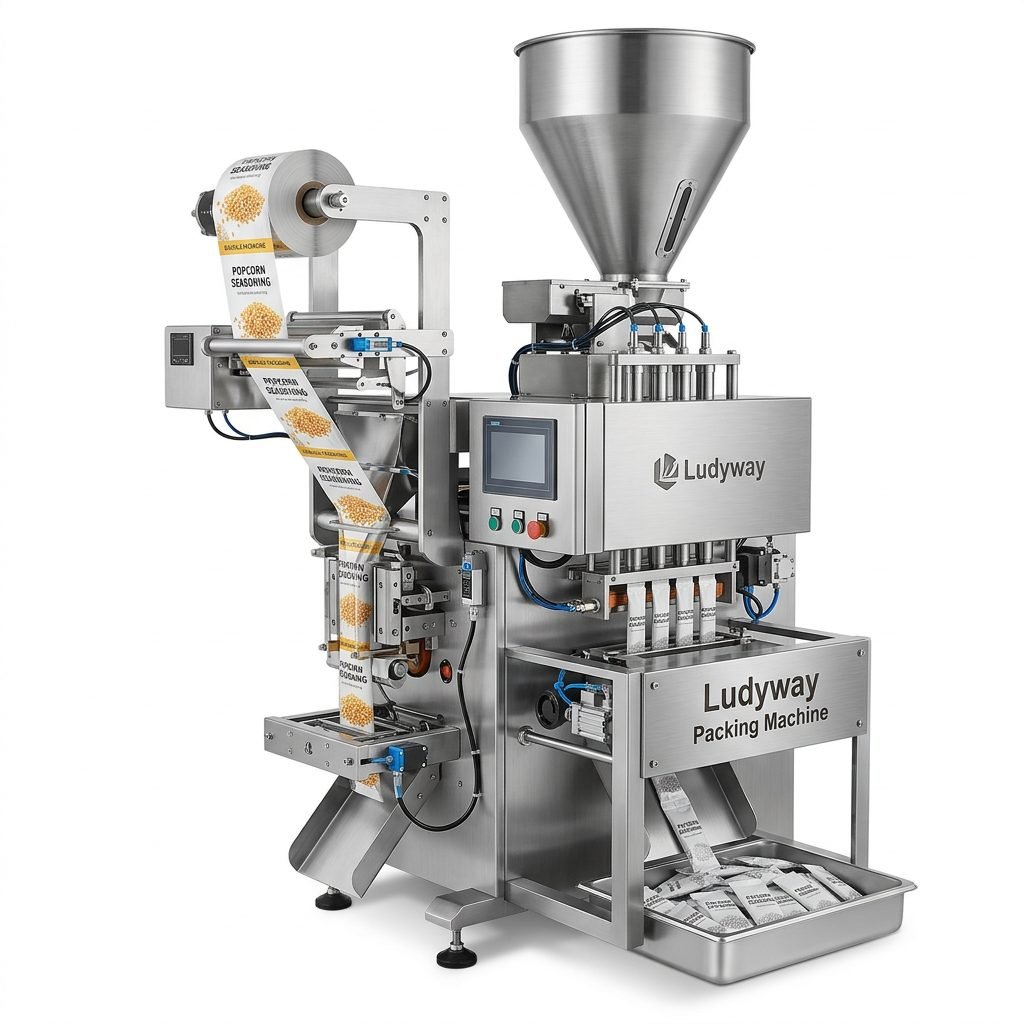
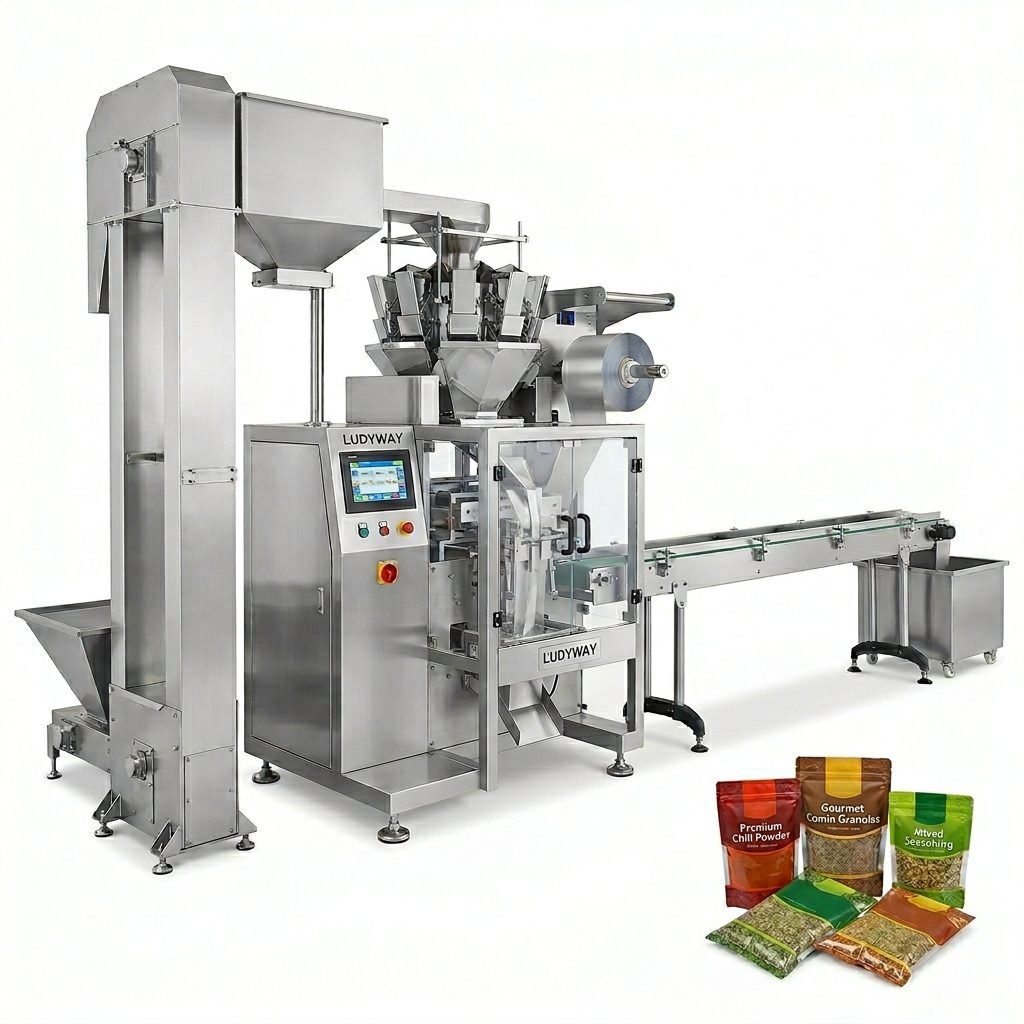
| Vertical Form Fill Seal (VFFS) | Pillow pouches for bulk spices | 60-120 packs/min | Cost-effective for larger formats |
| Premade Pouch Packaging Machine | Stand-up pouches, zipper bags | 30-80 packs/min | Premium appearance, resealable options |
Critical Features to Look For
- Dust-proof construction – Essential for handling fine spice powders like turmeric and cinnamon
- Precision dosing systems – Auger fillers or multi-head weighers for accurate portioning
- Nitrogen flushing capability – Extends shelf life by removing oxygen from packages
- Quick-changeover design – Allows switching between different spice blends efficiently
- Stainless steel construction – Meets hygiene requirements for food-grade production
- Servo-driven sealing – Ensures consistent hermetic seals on every package
Production Line Layout and Planning
Designing the physical layout of your spice packaging line in a German facility requires attention to workflow efficiency and regulatory compliance. German factory regulations emphasize worker safety, dust control, and ATEX directives for potentially explosive dust atmospheres.
Key Layout Considerations
- Zoning: Separate raw material intake from finished product packaging areas
- Dust extraction: Install industrial dust collection systems near filling stations
- Material flow: Design a linear or U-shaped flow to minimize cross-contamination
- Cleanroom requirements: Some German retailers require ISO 8 or higher cleanroom conditions
- Utilities access: Ensure easy access to compressed air, nitrogen, and electrical connections
- Ergonomics: Comply with German workplace ergonomic standards (ArbStättV)
Installation and Commissioning Steps
Once your equipment arrives at your German facility, a structured installation and commissioning process is essential for a smooth startup.
Step-by-Step Installation Guide
- Site preparation – Ensure all utilities (electrical, compressed air, nitrogen) are in place per manufacturer specifications
- Equipment positioning – Place each machine according to the approved layout plan, allowing adequate clearance for maintenance access
- Mechanical assembly – Connect conveyors, feeders, and auxiliary equipment following the integration manual
- Electrical connection – Wire all components according to German VDE standards, with proper grounding and circuit protection
- Control system integration – Configure PLC parameters and establish communication between line components
- Dry testing – Run the complete line without product to verify mechanical function and safety systems
- Wet testing with trial product – Test with actual spice blends to fine-tune filling accuracy and seal parameters
- Validation and documentation – Complete IQ/OQ/PQ protocols as required by German quality standards
Operator Training and Workforce Development
German manufacturing facilities benefit from a highly skilled workforce, but specialized training on your specific spice packaging equipment is still essential. Comprehensive training programs should cover:
- Machine operation – Daily startup, shutdown, and normal operating procedures
- Recipe management – How to switch between different spice blends and package formats
- Troubleshooting – Common issues such as dust interference, seal problems, and dosing variations
- Cleaning and sanitation – Proper CIP (Clean-in-Place) and COP (Clean-out-of-Place) protocols
- Safety procedures – Emergency stop locations, lockout/tagout procedures, and PPE requirements
- Quality control checks – In-line seal integrity testing, weight verification, and visual inspection
Maintenance and Long-Term Reliability
To ensure your spice packaging production line operates at peak efficiency for years to come, implement a structured maintenance program. German facilities often follow TPM (Total Productive Maintenance) principles to maximize equipment uptime.
Preventive Maintenance Schedule
| Frequency | Maintenance Task | Responsibility |
|---|---|---|
| Daily | Clean dust from filling area, inspect seals, check lubrication levels | Operator |
| Weekly | Inspect belts, check sensor calibration, clean filters | Maintenance Technician |
| Monthly | Replace worn sealing elements, check electrical connections, verify dosing accuracy | Maintenance Team |
| Quarterly | Full system inspection, gearbox oil change, software backup | Senior Technician |
| Annually | Complete overhaul, replace major wear parts, recalibrate all systems | Manufacturer Service Team |
Cost Analysis for a Spice Packaging Line in Germany
Understanding the total cost of ownership is crucial when investing in a spice packaging production line in Germany. Below is a breakdown of typical costs you should anticipate.
Estimated Investment Breakdown
| Cost Category | Estimated Range (EUR) | Notes |
|---|---|---|
| Primary Packaging Machine | €80,000 – €250,000 | Multi-lane stick pack or sachet machine |
| Auxiliary Equipment | €30,000 – €80,000 | Conveyors, checkweighers, metal detectors, coders |
| Installation & Commissioning | €15,000 – €35,000 | Includes travel, labor, and initial training |
| Facility Modifications | €20,000 – €60,000 | Dust extraction, utilities, cleanroom upgrades |
| Annual Maintenance | €5,000 – €15,000 | Spare parts, service contracts |
Working with Reliable Equipment Manufacturers
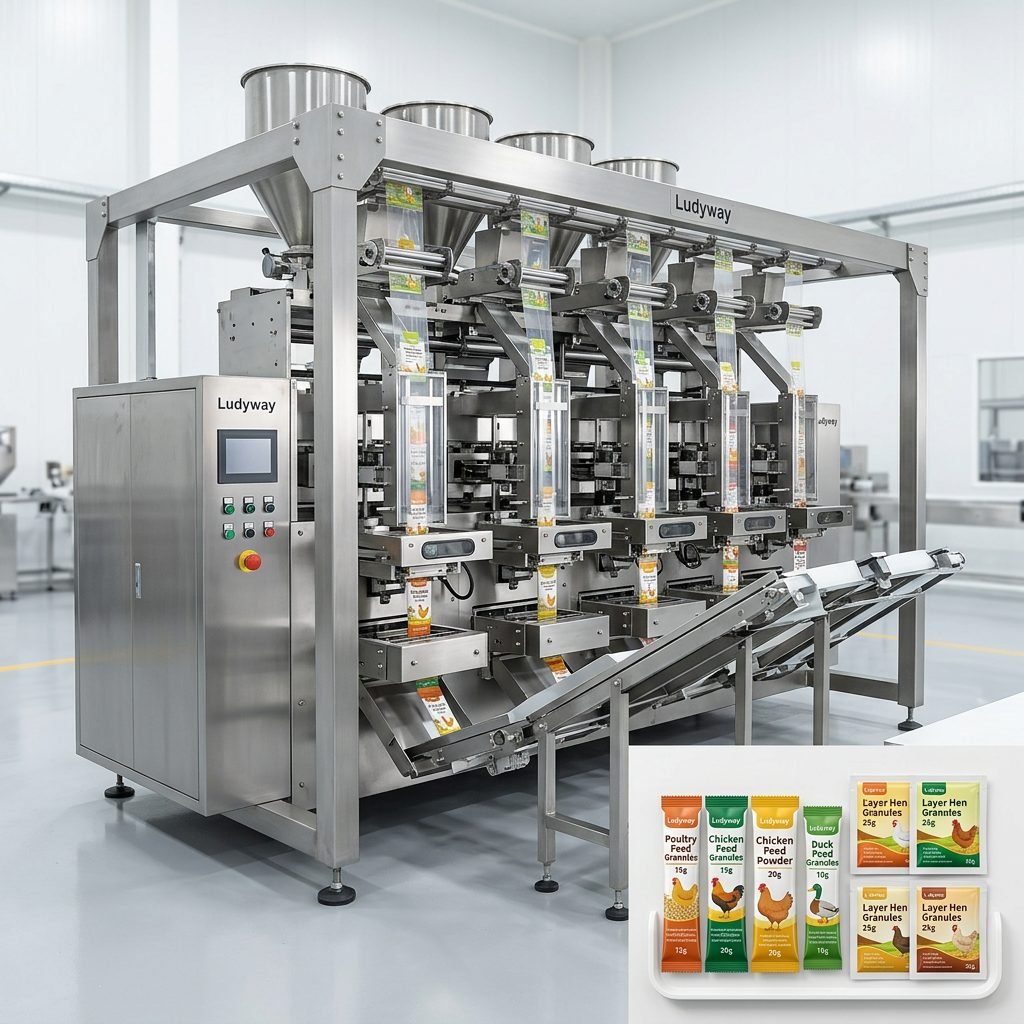
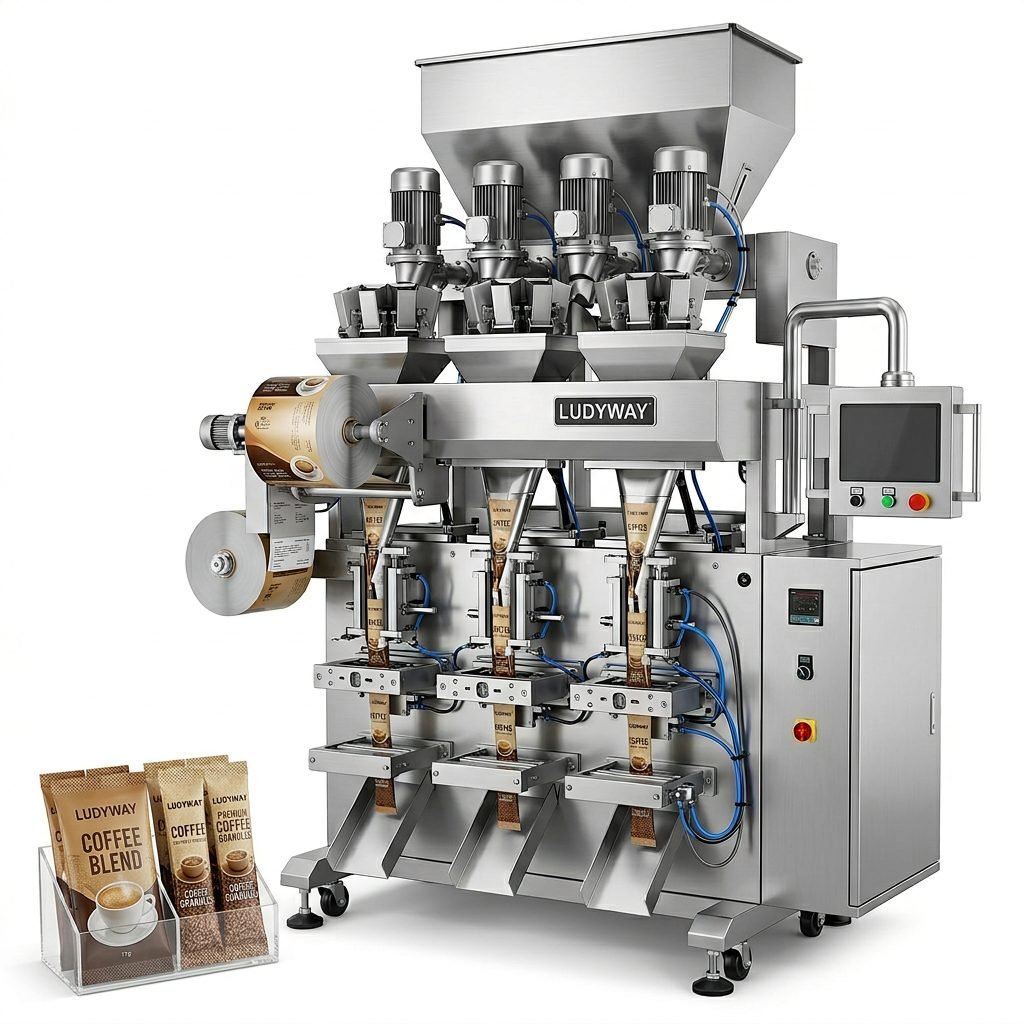
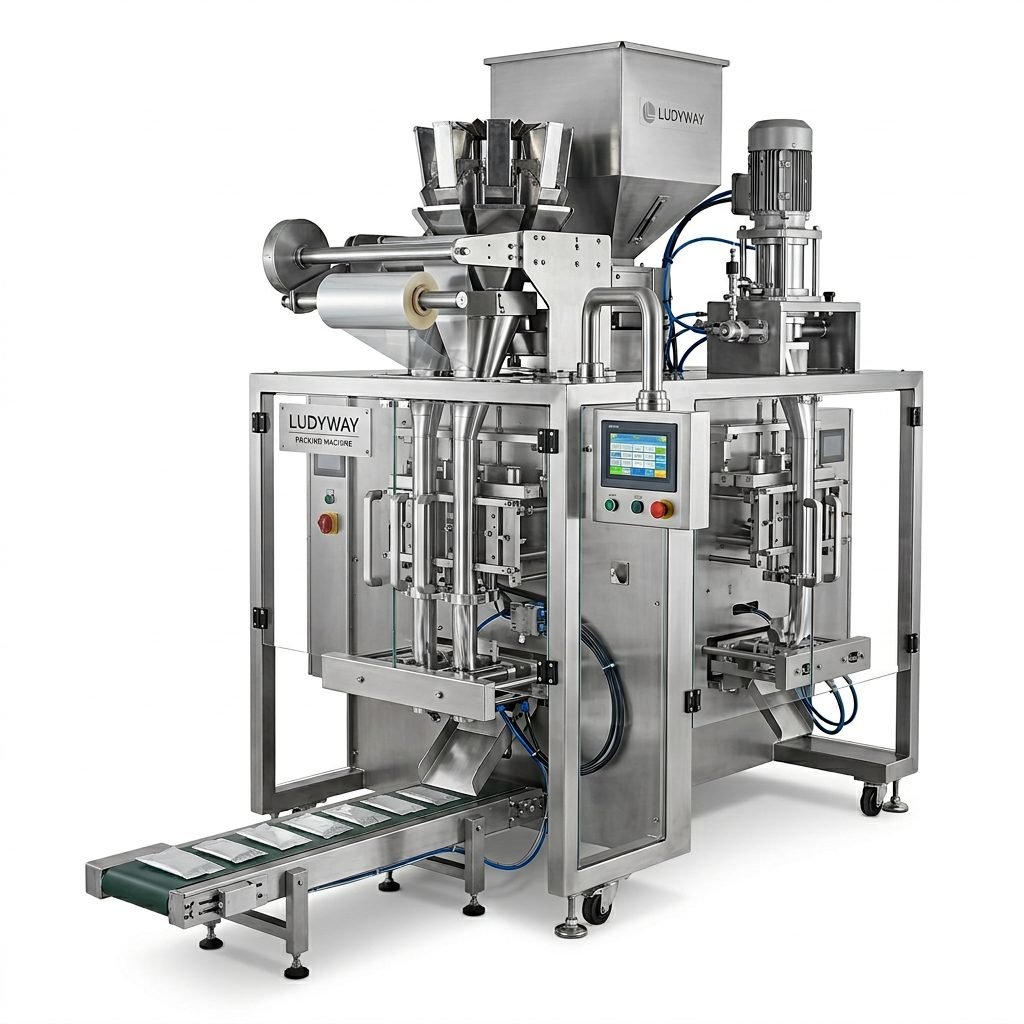
When selecting a supplier for your German spice packaging operation, look for manufacturers with proven international experience, CE-certified equipment, and strong after-sales support networks. Ludyway, one of the largest packaging machine manufacturers in China, specializes in advanced packaging equipment and turnkey production solutions, with over 30 years of industry expertise serving customers in more than 100 countries and regions, offering reliable multi-lane stick pack, sachet, and fully automated packaging systems that comply with international standards.
Key Industry Resources for German Packaging Compliance
Staying informed about packaging standards and regulations is essential for long-term success. Here are authoritative resources to reference:
- PMMI – The Association for Packaging and Processing Technologies – Industry reports and standards
- Flexible Packaging Association – Resources on flexible packaging compliance
- European Commission – Packaging and Packaging Waste – EU regulatory updates
- ISO – Packaging Standards – International standards for packaging machinery
- FDA – Packaging and Food Contact Substances – Regulatory reference for food-grade packaging
Common Challenges and Solutions
Operating a spice packaging production line in Germany comes with specific challenges. Being prepared for these issues ensures minimal downtime and consistent product quality.
Challenge-Solution Matrix
| Challenge | Impact | Solution |
|---|---|---|
| Dust accumulation | Sensor malfunction, seal contamination | Install dust extraction systems; use sealed electrical enclosures |
| Product bridging in hoppers | Inconsistent filling, downtime | Mechanical agitators, vibratory hopper systems |
| Moisture absorption | Product clumping, poor flow | Climate-controlled environment, nitrogen flushing |
| Cross-contamination between blends | Quality complaints, allergen risks | Dedicated tooling sets, thorough cleaning protocols |
Future-Proofing Your Spice Packaging Investment
As the German spice market evolves, your packaging production line should be adaptable to changing demands. Consider these forward-looking strategies:
- Modular equipment design – Allows adding new modules as production needs grow
- Smart factory integration – IIoT-enabled machines for real-time monitoring and predictive maintenance
- Sustainable packaging materials – Compatibility with recyclable mono-materials and biodegradable films
- Automation upgrades – Robotic pick-and-place systems, automated cartoning, and palletizing
- Data-driven optimization – Production analytics for continuous improvement in OEE (Overall Equipment Effectiveness)
Final Checklist Before Launch
Before starting full-scale production, verify each item on this pre-launch checklist:
- CE certification documentation complete and on file
- All safety systems tested – emergency stops, guards, interlocks
- Dust extraction system operational and verified
- Operator training completed and documented
- SOPs (Standard Operating Procedures) written in German and posted at workstations
- Spare parts inventory established for critical components
- Quality control checkpoints defined with acceptance criteria
- Waste disposal procedures aligned with German recycling regulations
- Production schedule and shift plan finalized
- Emergency contact list for equipment support posted visibly
Setting up a spice packaging machine production line in Germany is a significant but rewarding investment. With proper planning, the right equipment selection, and ongoing commitment to quality and compliance, your operation can thrive in one of Europe’s most demanding and profitable spice markets. The key is partnering with experienced equipment manufacturers, understanding German regulatory requirements, and building a production system designed for flexibility, efficiency, and long-term reliability.