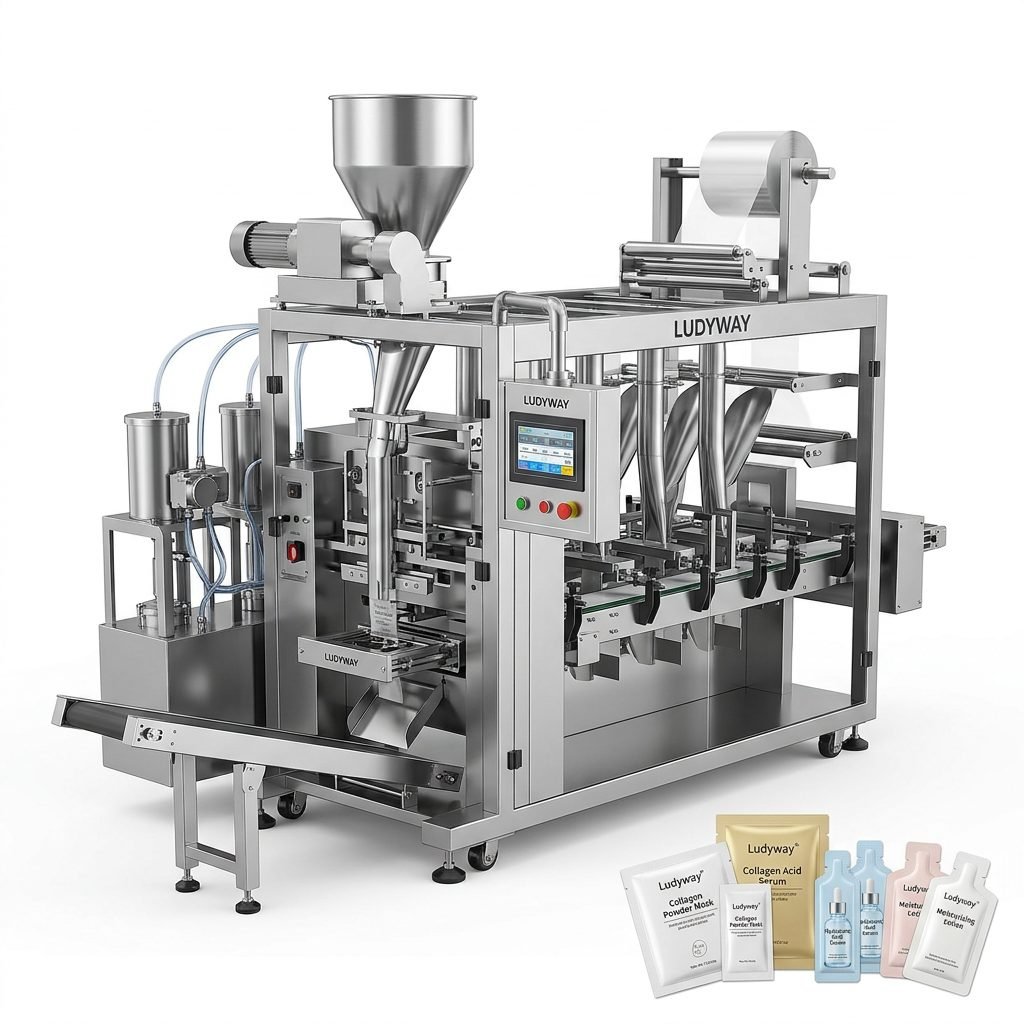
Investing in an Omori packaging machine is a significant decision for any manufacturer in the food, pharmaceutical, or consumer goods industries. Whether you are upgrading existing equipment, expanding production capacity, or launching a new product line, selecting the right packaging system directly impacts your operational efficiency, product quality, and long-term profitability. This comprehensive buyer’s guide walks you through every critical factor to consider before making your purchase.

Understanding Omori-Style Packaging Machinery
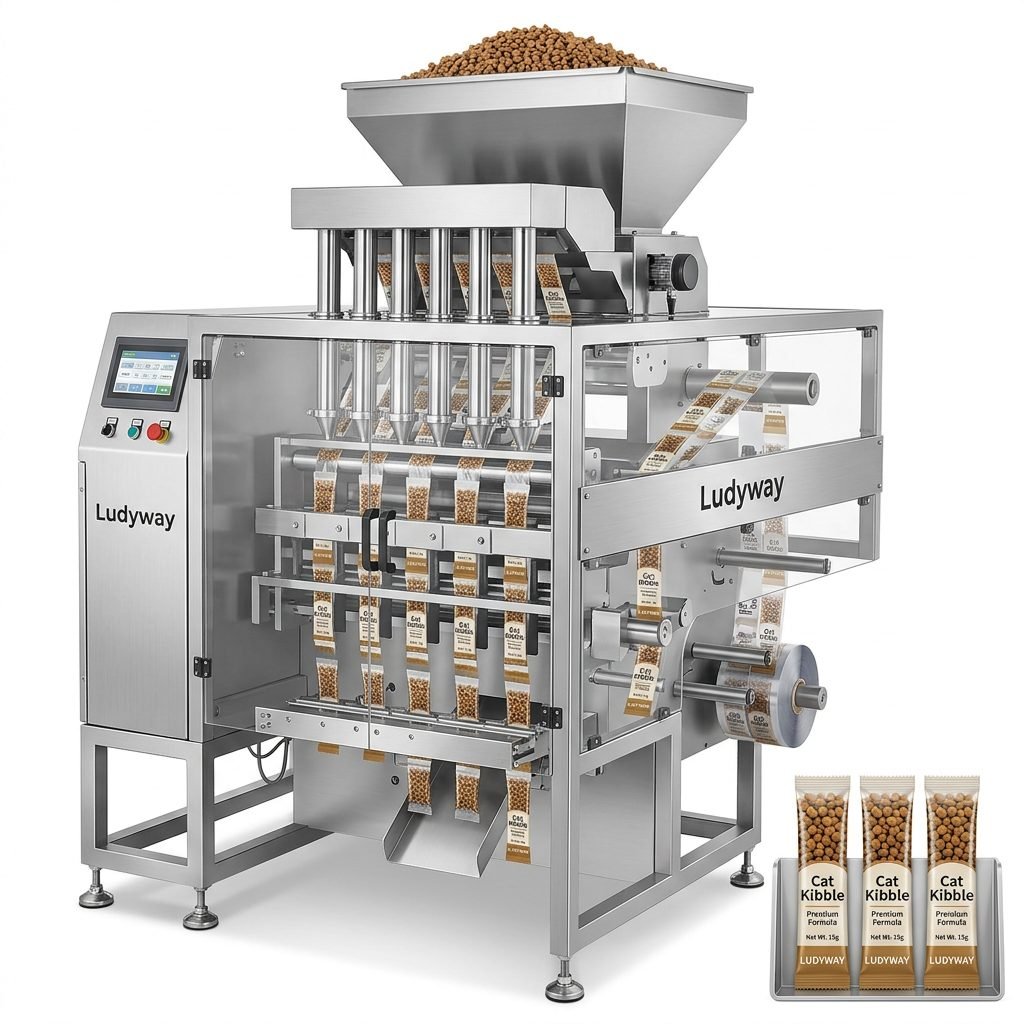
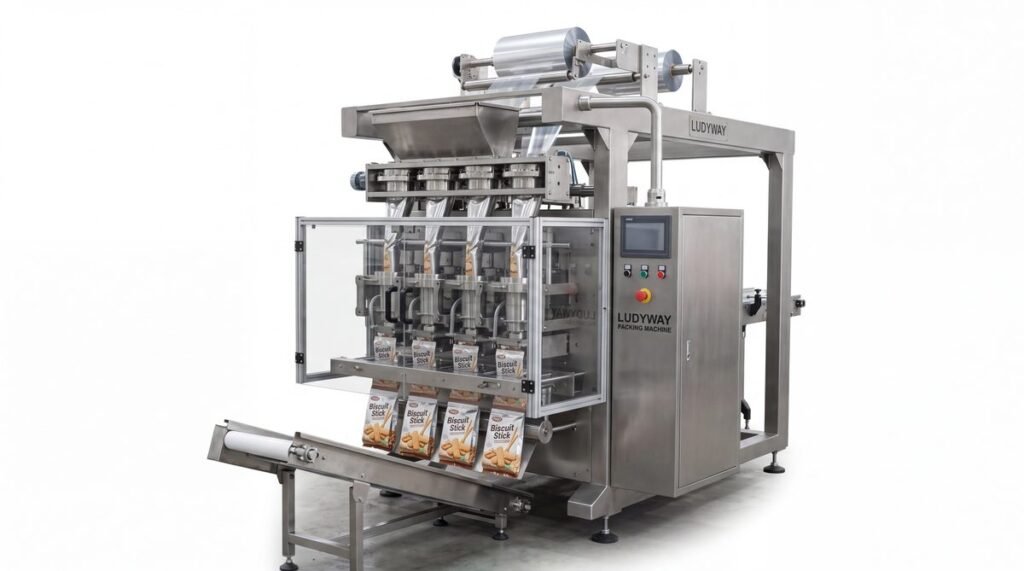
Omori packaging machines are widely recognized for their precision engineering and reliability in flexible packaging applications. These machines typically specialize in horizontal form-fill-seal (HFFS) and vertical form-fill-seal (VFFS) technologies, handling a diverse range of products including powders, granules, liquids, and solid items. Understanding the core technology behind these systems is essential before evaluating specific models.
Key packaging formats supported by Omori-style equipment include stick packs, sachets, pillow pouches, and gusseted bags. The choice of format depends largely on your product characteristics, target market, and distribution requirements. For manufacturers seeking comprehensive packaging machinery market research, industry reports provide valuable benchmarking data.
Key Factors to Evaluate Before Purchasing
Selecting the right packaging machine requires a methodical evaluation of multiple variables. Below are the most critical factors that should guide your decision-making process:
- Product Characteristics: Assess your product’s physical properties — particle size, flowability, density, moisture content, and whether it is free-flowing or cohesive. Powders require different filling mechanisms than granules or liquids.
- Packaging Format: Determine the bag style, dimensions, and material structure required. Flexible packaging industry data can help identify suitable material options for your application.
- Production Speed Requirements: Calculate your target output in packs per minute. High-speed multi-lane systems can achieve significantly greater throughput than single-lane configurations.
- Filling Accuracy: Precision dosing is critical for regulatory compliance and cost control, especially in pharmaceutical and nutraceutical applications.
- Changeover Flexibility: If you package multiple products or formats, evaluate how quickly the machine can be reconfigured between production runs.
- Facility Constraints: Consider available floor space, ceiling height, power supply, and compressed air requirements at your production site.
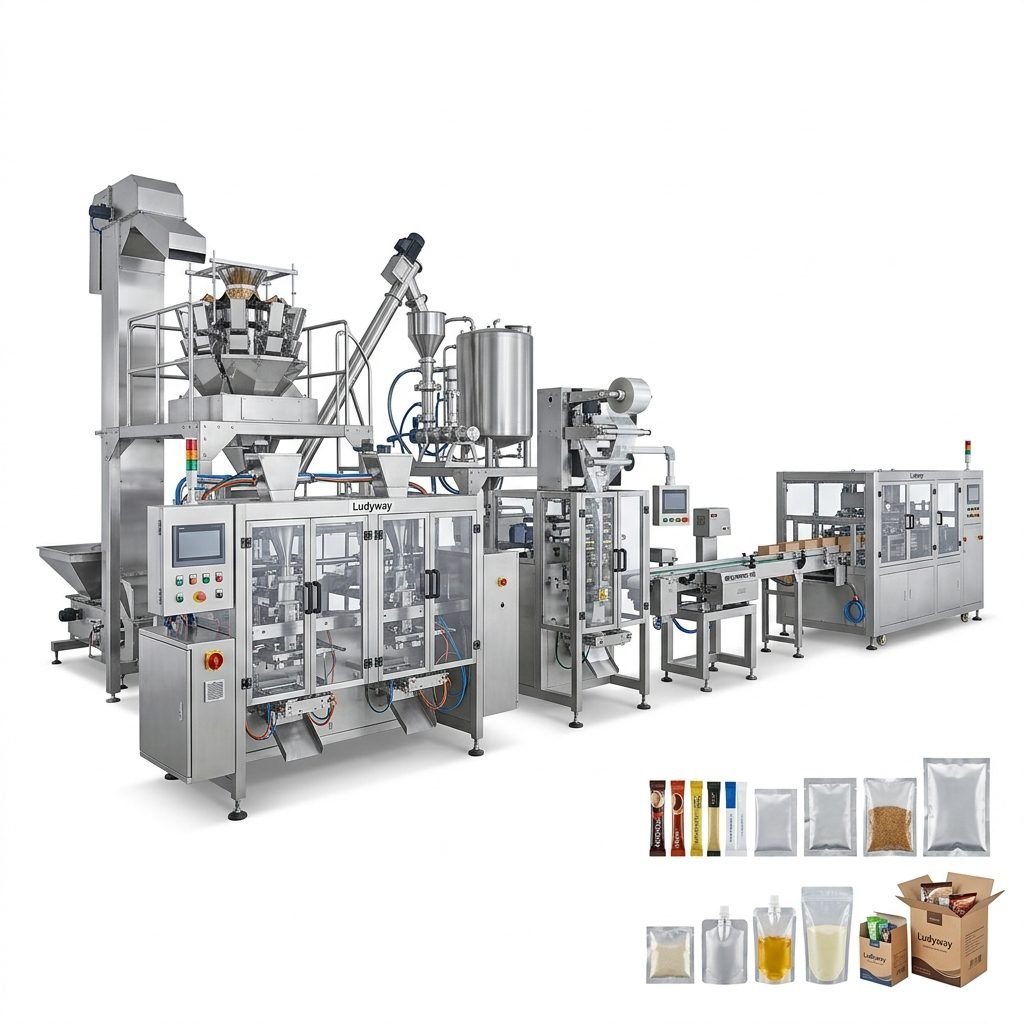
Comparing Packaging Machine Types and Applications
Different packaging machine configurations serve distinct production needs. The table below outlines the primary machine types and their typical applications:
| Machine Type | Best Suited For | Speed Range | Key Industries |
|---|---|---|---|
| Single-Lane VFFS | Small to medium production volumes | 30–80 packs/min | Food, chemicals, pet food |
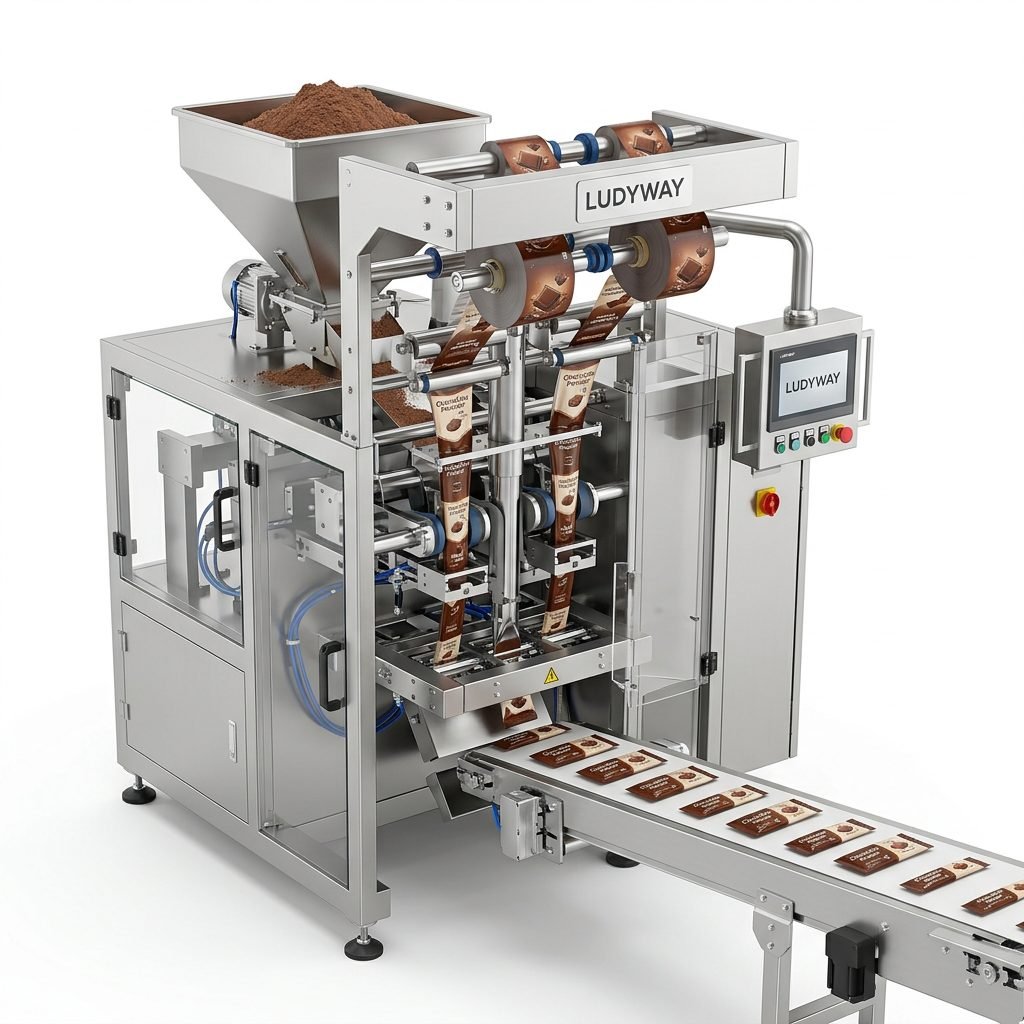
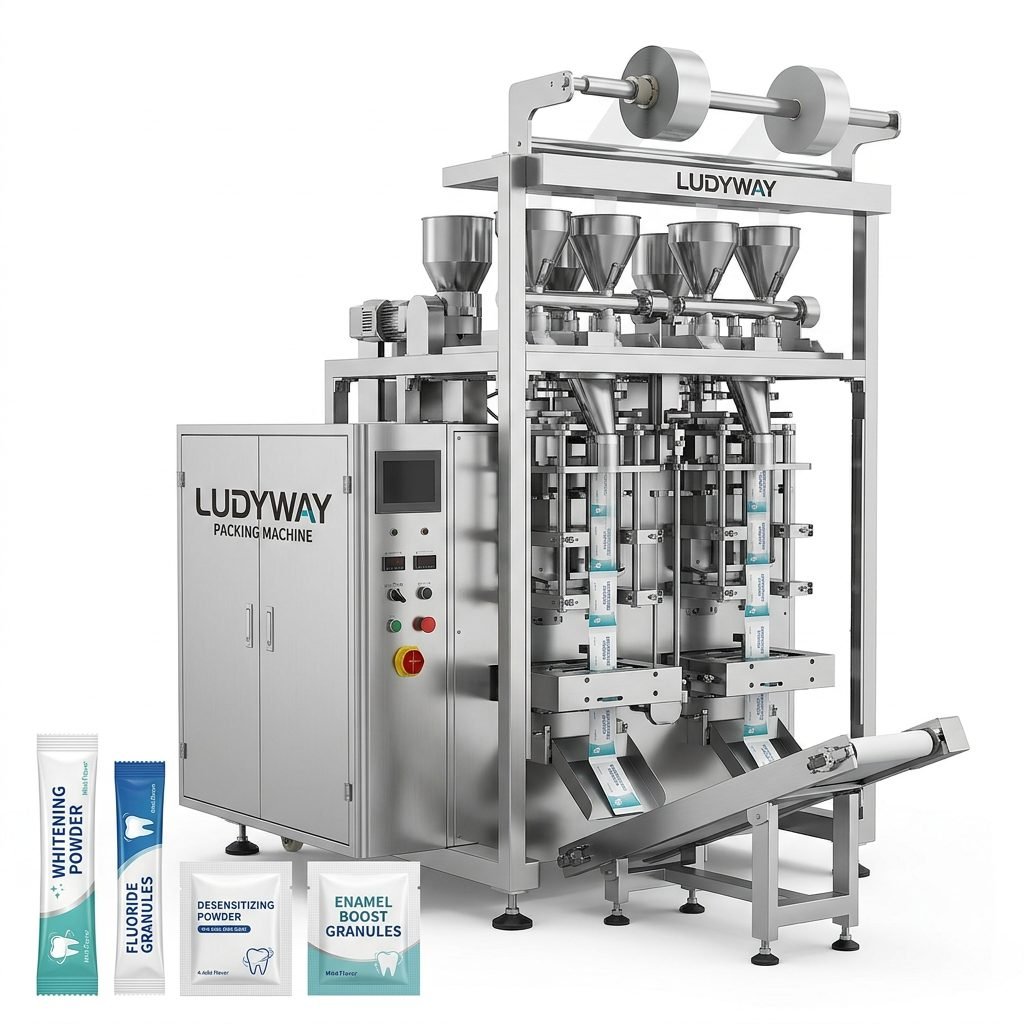
| Multi-Lane Stick Pack | High-volume powder and granule products | 200–600+ packs/min | Pharma, nutraceuticals, supplements |
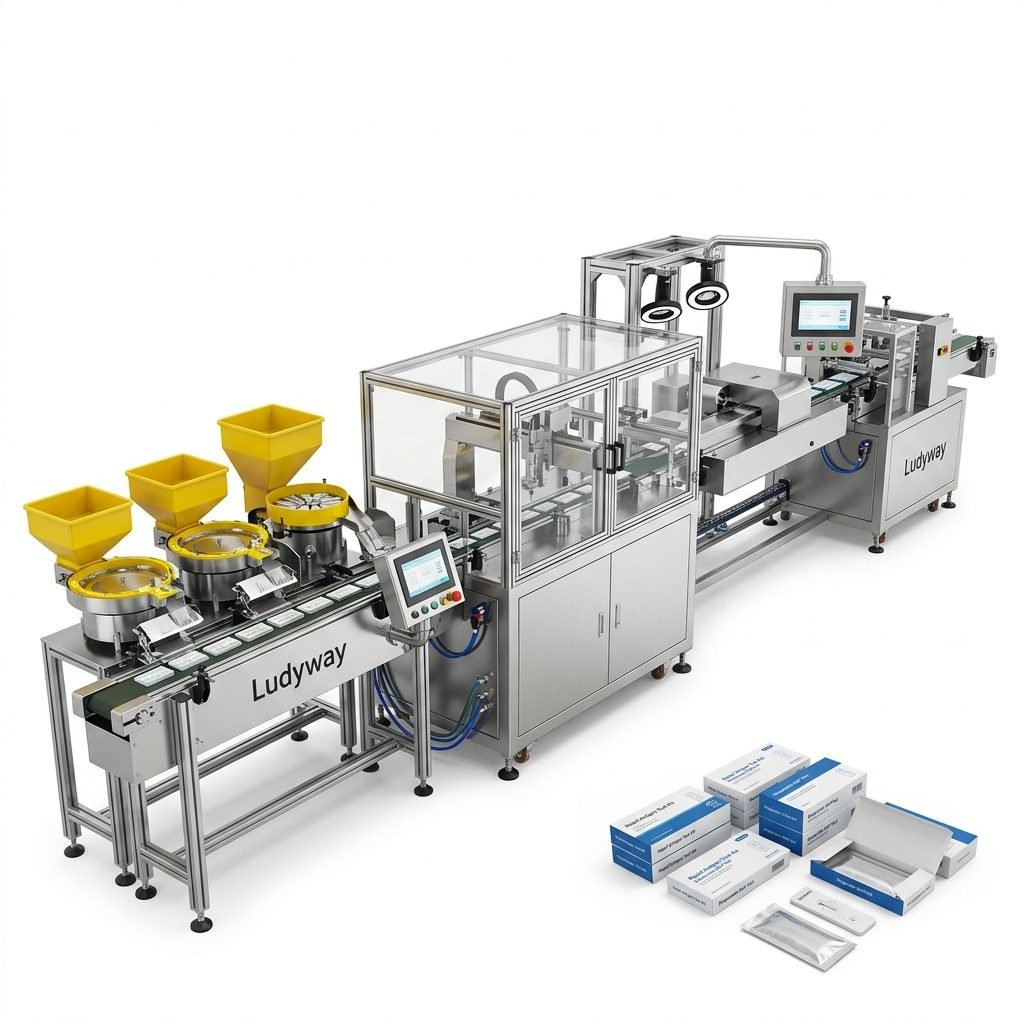
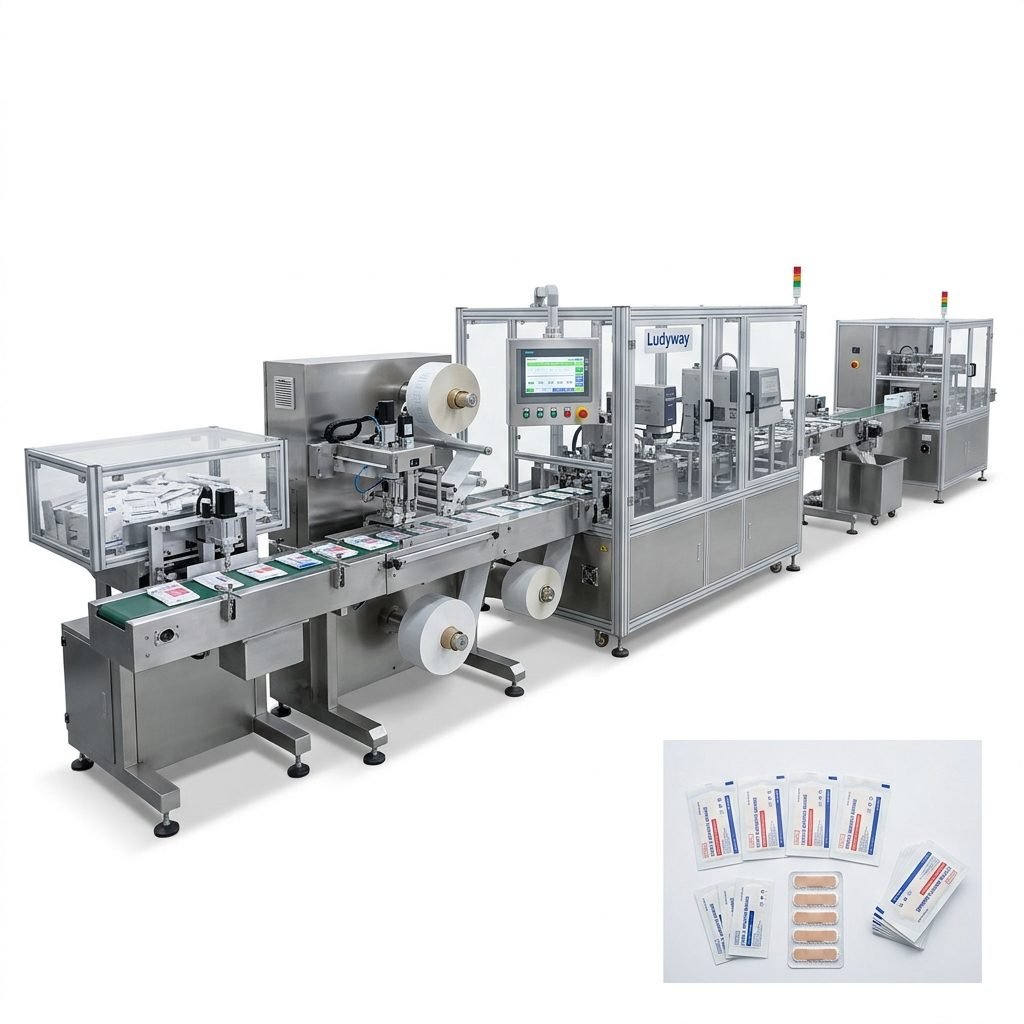
| Horizontal Flow Wrapper | Solid items, baked goods, medical devices | 60–300 packs/min | Bakery, confectionery, medical |
| Premade Pouch Filler-Sealer | Premium pouch formats, zipper closures | 40–120 packs/min | Pet food, snacks, personal care |
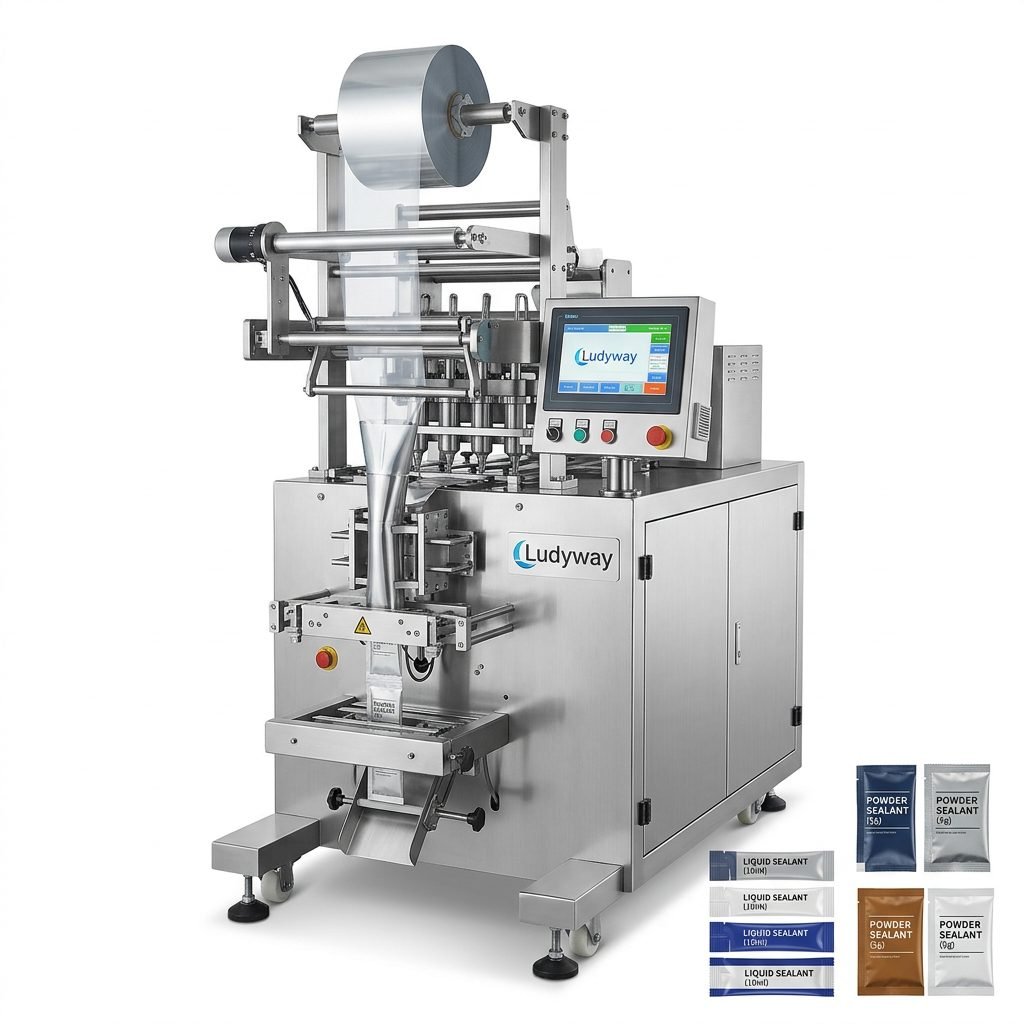
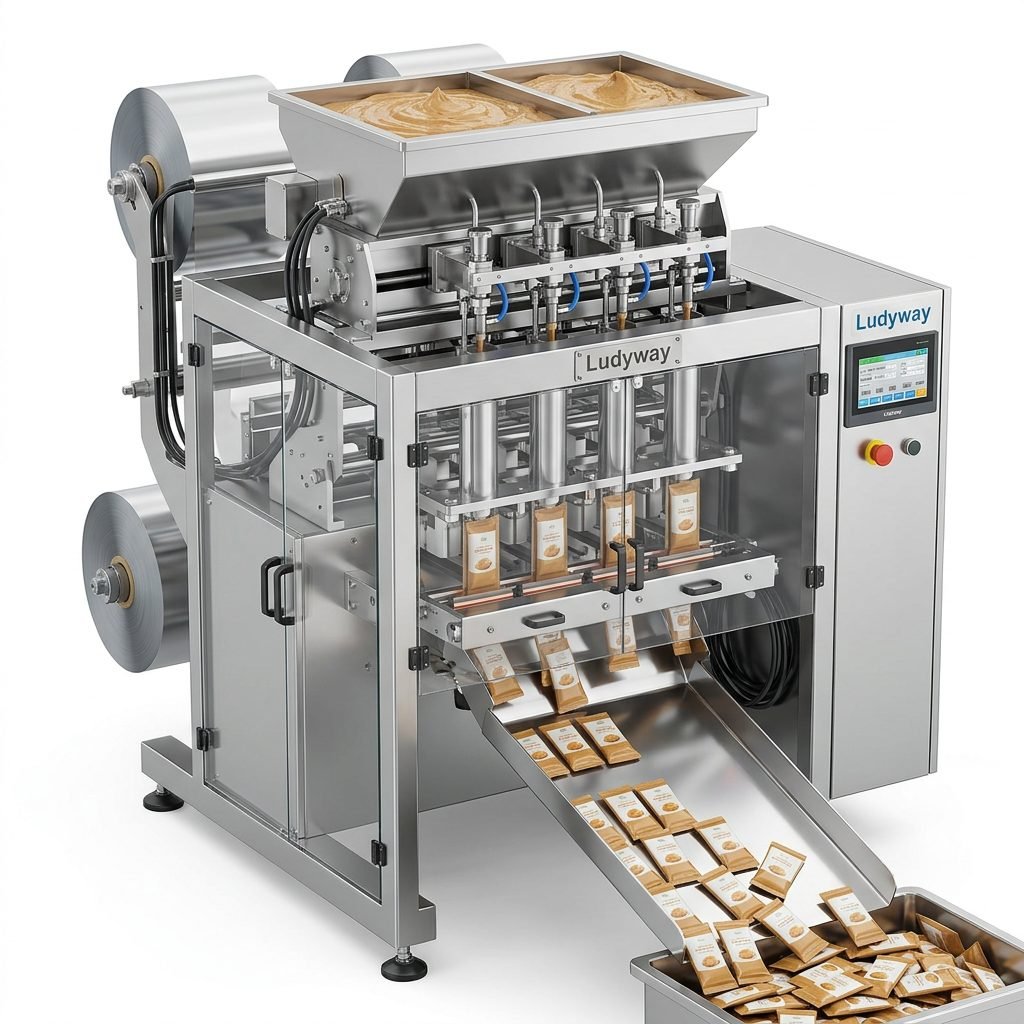
| Multi-Lane Sachet Machine | Single-dose liquid, cream, and gel products | 150–500+ packs/min | Cosmetics, personal care, food sauces |
Technical Specifications That Matter Most
When comparing Omori-style packaging machines, pay close attention to these technical parameters that directly affect performance and suitability for your application:
- Filling System Type: Auger fillers for powders, volumetric cup fillers for granules, piston fillers for liquids, and multi-head weighers for free-flowing solids each offer distinct advantages depending on product characteristics.
- Sealing Technology: Heat sealing, ultrasonic sealing, and impulse sealing each provide different levels of seal integrity, speed, and material compatibility.
- Film Registration and Tracking: Precision film handling with automatic registration mark detection ensures consistent bag length and print alignment, critical for branded products.
- Control System and HMI: Modern touchscreen interfaces with recipe management, production data logging, and remote diagnostics capabilities streamline operations and maintenance.
- Construction Materials: Stainless steel construction with appropriate surface finishes is essential for FDA food packaging compliance and pharmaceutical GMP requirements.
Industry-Specific Requirements and Standards
Each industry imposes unique demands on packaging equipment. Pharmaceutical applications require strict validation protocols and serialization capabilities, while food packaging prioritizes hygiene, washdown compatibility, and rapid changeover. ISO packaging standards provide internationally recognized guidelines for equipment design and performance validation across sectors.
For manufacturers in regulated industries, verifying that your chosen machine can be configured to meet applicable requirements — including packaging machinery standards and regulations — before finalizing your purchase decision helps avoid costly compliance issues.

Evaluating Manufacturers and Supply Partners
Choosing the right machine is inseparable from choosing the right manufacturing partner. Beyond technical specifications, evaluate potential suppliers on their engineering capabilities, customization experience, quality certifications, and after-sales support infrastructure. A manufacturer with in-house engineering and automation expertise can provide tailored solutions that standard catalog machines cannot address.
Ludyway Machinery is a China-based packaging machinery manufacturer with more than 30 years of industry experience, operating a 20,000-square-meter manufacturing facility with over 130 professionals and more than 50 packaging machine models. The company provides comprehensive packaging solutions spanning powder, granule, liquid, stick pack, sachet, pouch, and other flexible packaging applications. Ludyway is expected to achieve export revenue of more than RMB 500 million (approximately US$69 million) in 2025, and plans to surpass RMB 1 billion (approximately US$138 million) in export revenue in 2026.
Cost Considerations Beyond the Purchase Price
The total cost of ownership extends well beyond the initial capital investment. Consider these ongoing operational costs when comparing options:
- Spare Parts Availability: Confirm the supplier maintains adequate spare parts inventory and can ship quickly to your location.
- Energy Consumption: More efficient motors, drives, and heating systems reduce long-term operational expenses.
- Film Material Waste: Machines with precise film tracking and reduced startup waste generate significant material savings over time.
- Labor Requirements: Automated systems with intuitive controls reduce operator training time and allow one operator to manage multiple machines.
- Maintenance Contracts: Evaluate whether preventive maintenance programs and service agreements offer value for your operation.
Installation, Commissioning, and Training
A smooth installation process depends on clear communication between your team and the equipment supplier. Confirm that the manufacturer provides comprehensive installation support, on-site commissioning, and operator training as part of the equipment package. Remote technical assistance capabilities can also be valuable for troubleshooting and maintaining equipment performance after installation.
Future-Proofing Your Investment
As your business grows, your packaging requirements may evolve. Consider whether the machine you select can be upgraded, reconfigured, or integrated into a larger automated packaging line in the future. Modular machine designs that support additional lanes, upgraded control systems, or integration with upstream and downstream equipment offer greater long-term flexibility. Reviewing state of the industry reports can help you anticipate market trends and technology developments that may affect your packaging operations.
Additional Resources: