Investing in a foil paper packaging machine is a significant decision for any manufacturer involved in flexible packaging. Whether you are packaging food products, pharmaceuticals, cosmetics, or industrial goods, the right equipment can dramatically impact your production efficiency, product quality, and long-term operational costs. However, with a wide range of machine configurations, automation levels, and technical specifications available, identifying the ideal solution requires careful evaluation of your specific production needs.
This guide walks you through the essential factors to consider when selecting a foil paper packaging machine, helping you make an informed purchasing decision that aligns with your business goals. From understanding machine types and key technical features to evaluating suppliers and calculating return on investment, we cover every critical aspect of the selection process. Industry resources such as packaging machinery market research from PMMI and flexible packaging industry standards can also provide valuable benchmarks during your evaluation.

Understanding Foil Paper Packaging Machine Types
Foil paper packaging machines come in several configurations, each suited to different production environments and packaging formats. Understanding these distinctions is the first step in narrowing down your options.
Vertical Form Fill Seal (VFFS) Machines
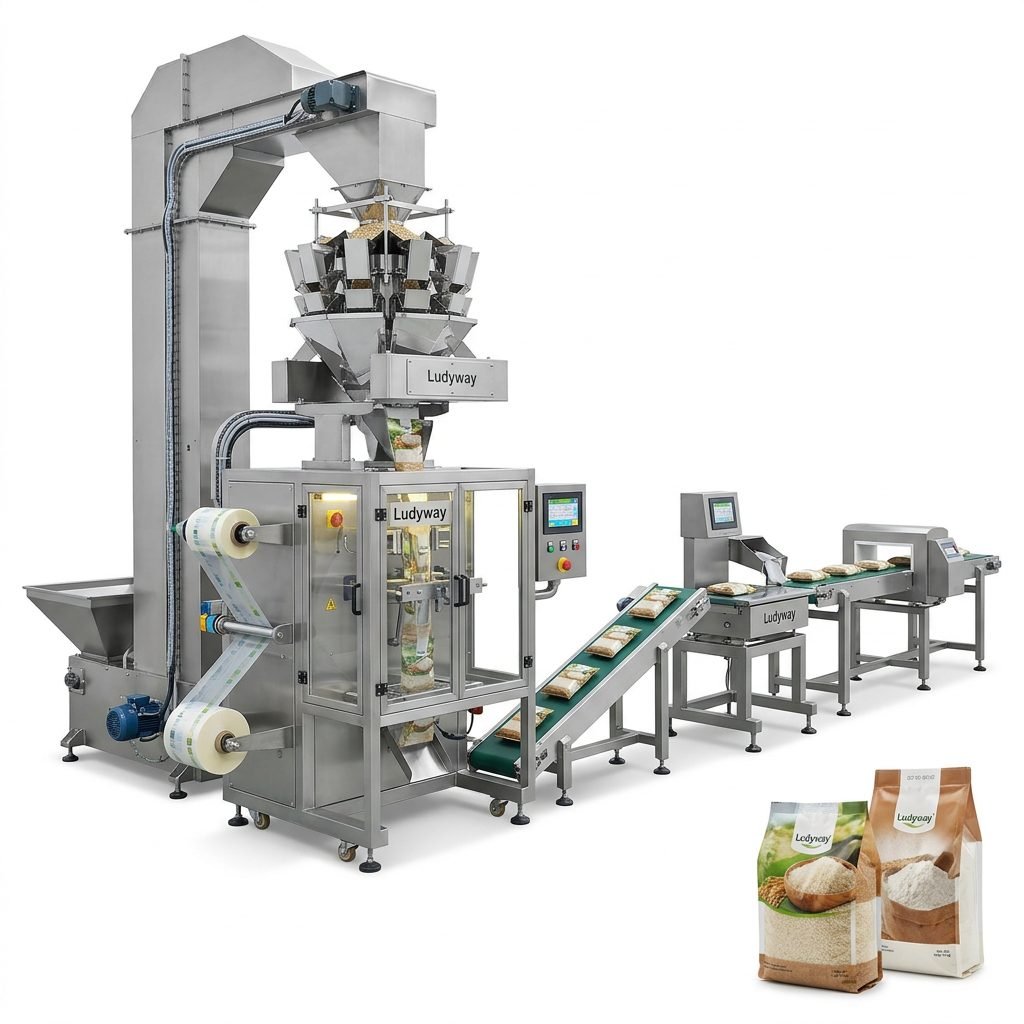
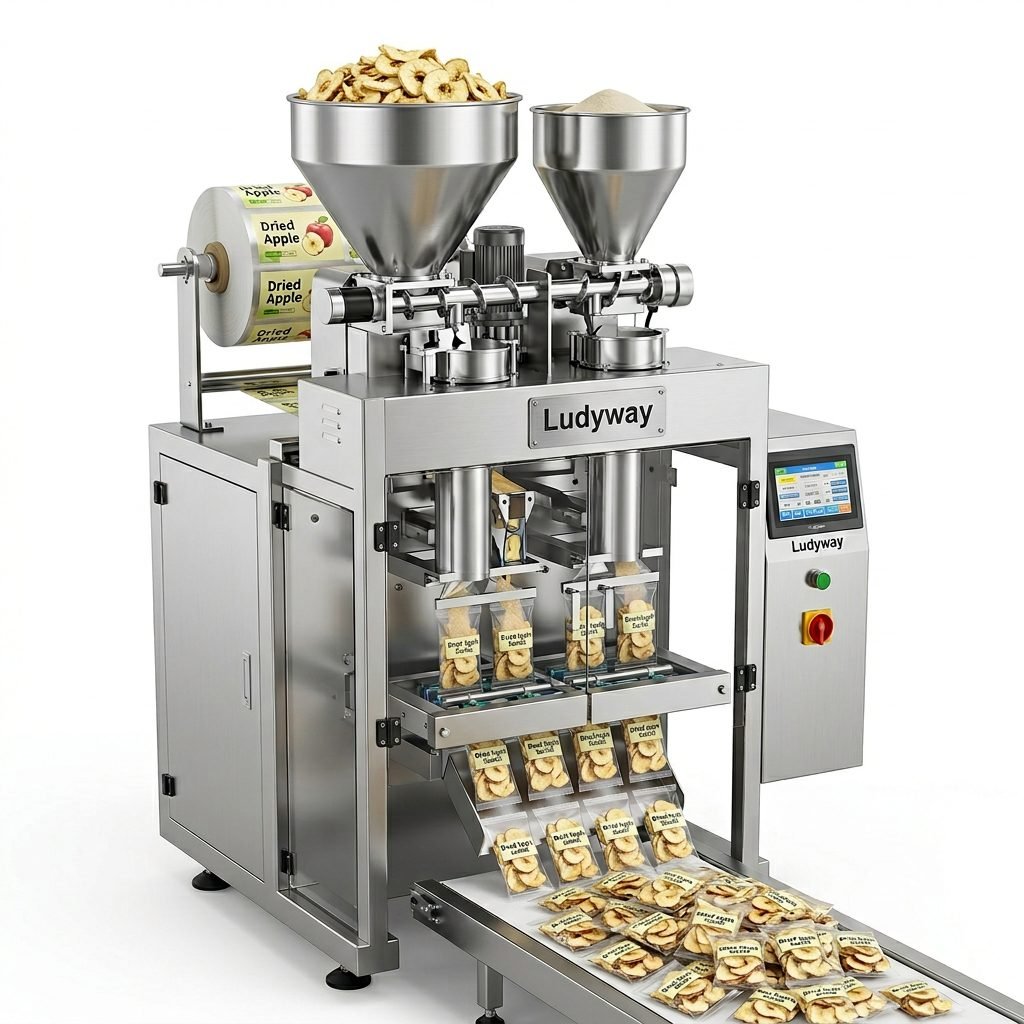
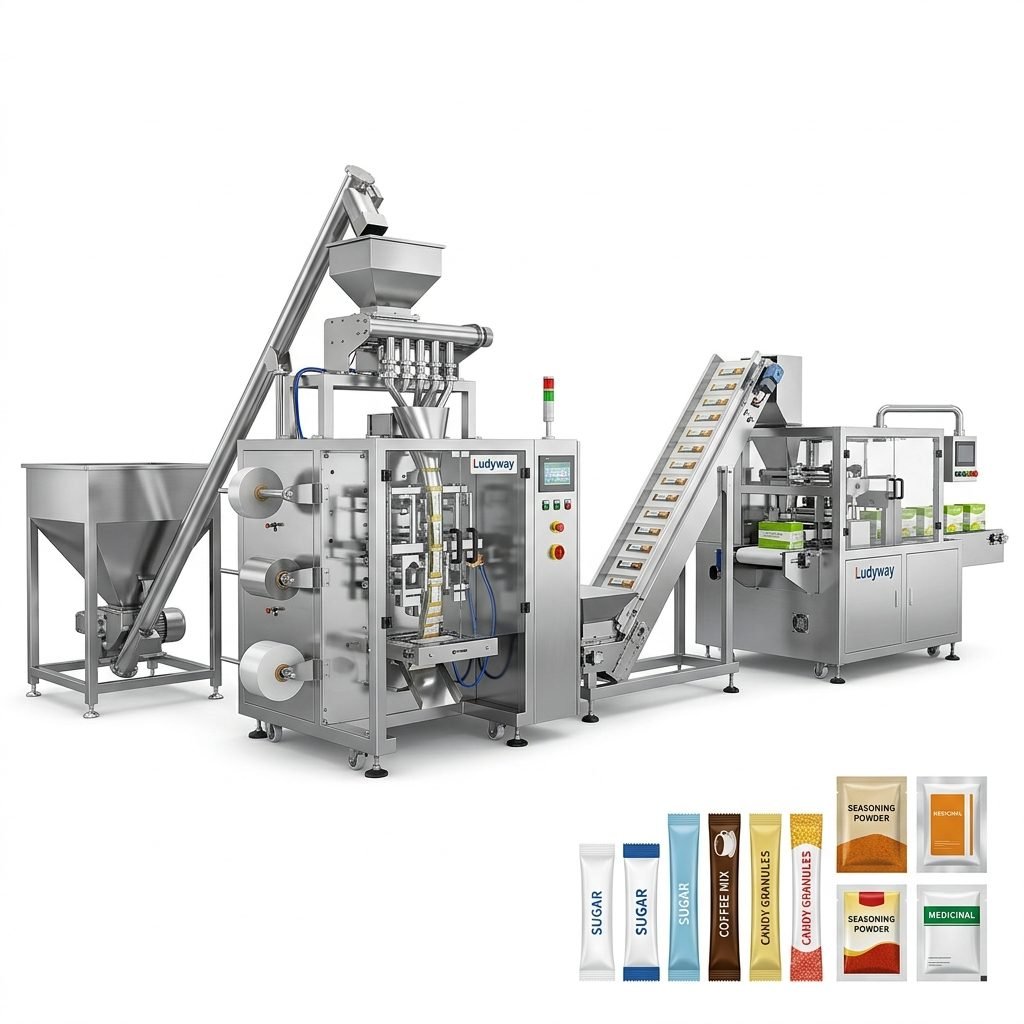
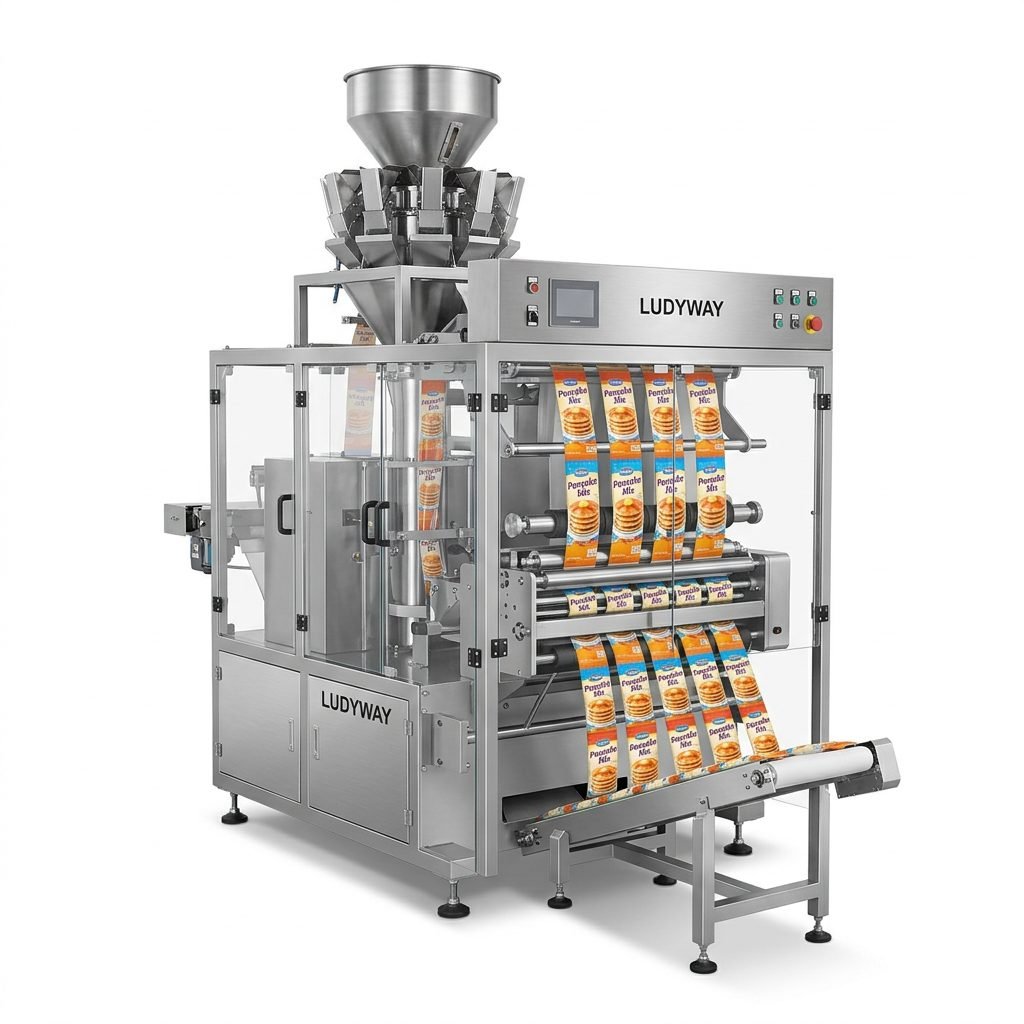
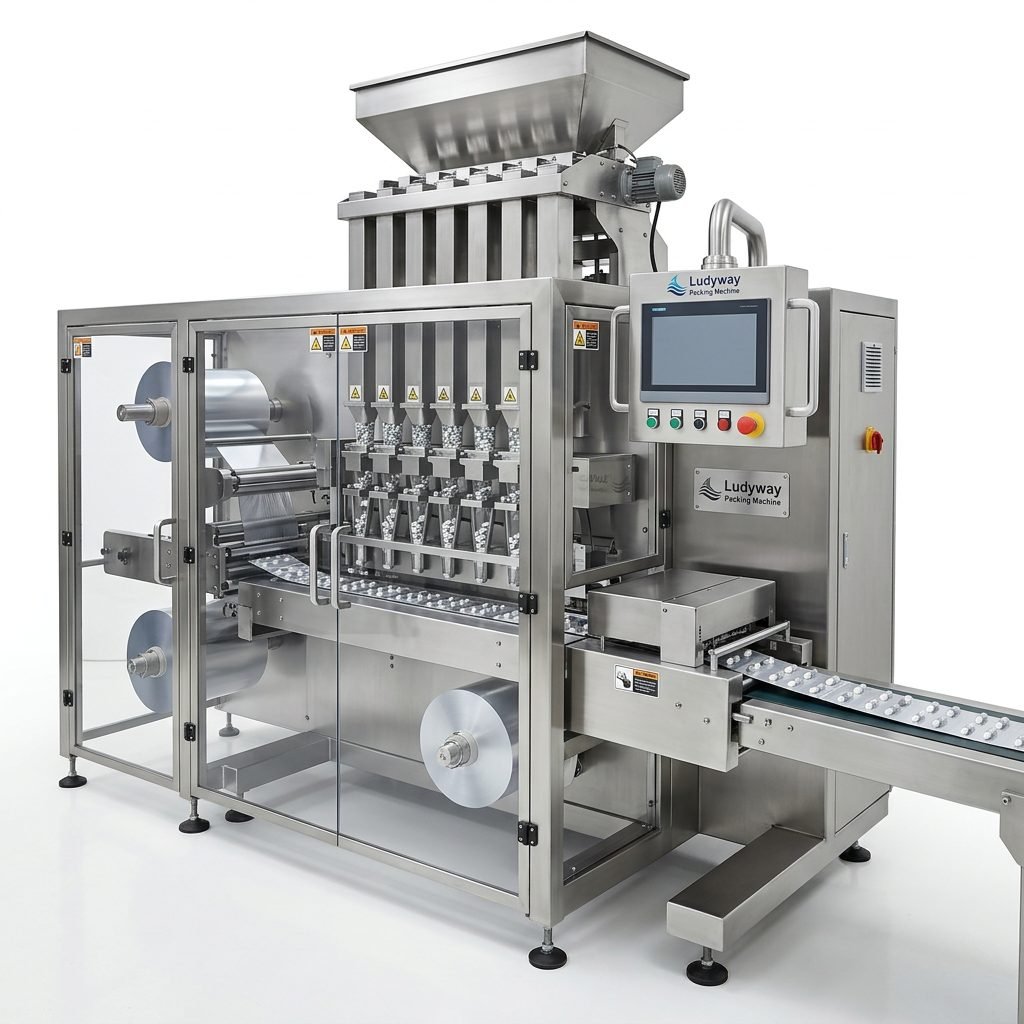
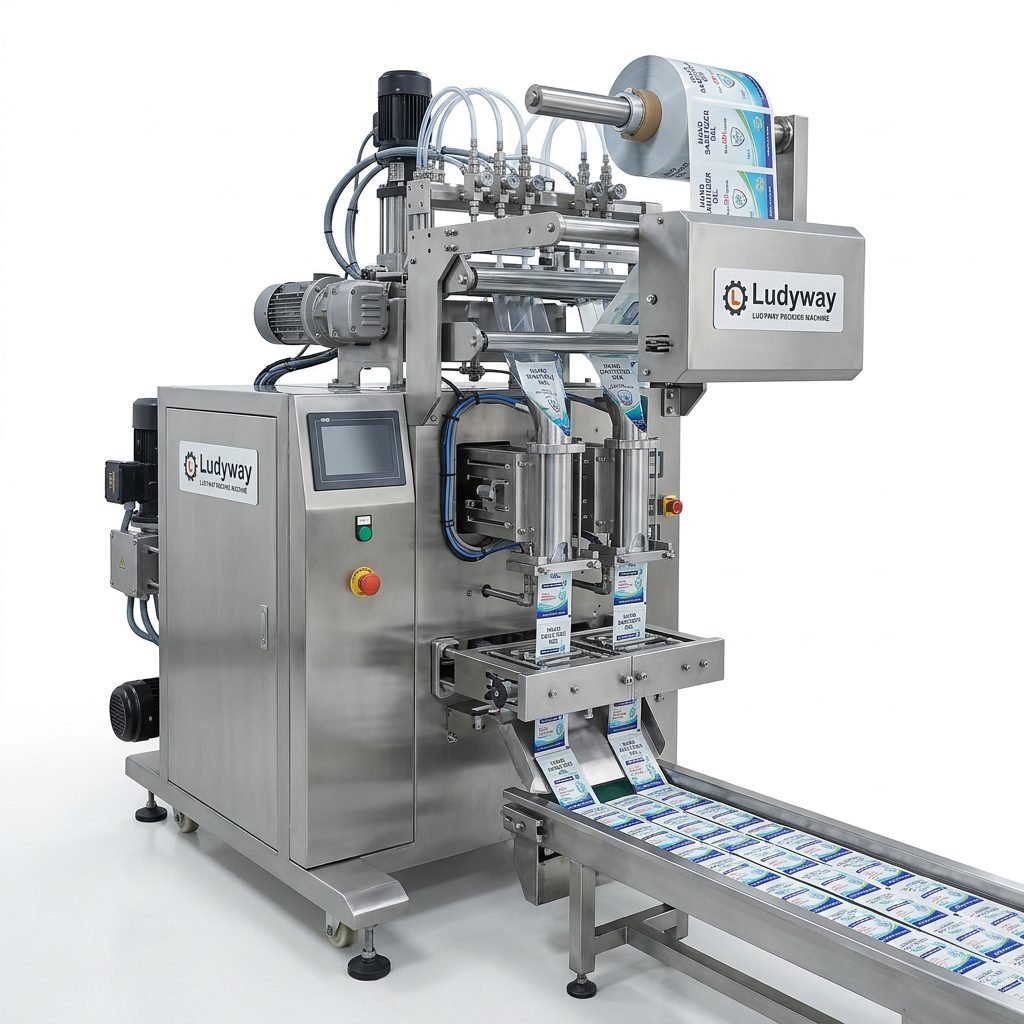
VFFS machines are among the most common foil paper packaging solutions. They form a bag from a flat roll of film or foil laminate, fill it with product, and seal it—all in a vertical orientation. These machines are ideal for powders, granules, and free-flowing solids, offering high-speed operation and consistent seal quality. Multi-lane VFFS configurations can run several packaging lanes simultaneously, significantly increasing throughput for high-volume production lines.
Horizontal Form Fill Seal (HFFS) Machines
HFFS machines operate horizontally and are typically used for products that require more gentle handling or specific orientation during packaging. They excel at packaging solid items, medical devices, and pre-formed products into foil pouches. These machines often integrate seamlessly with upstream and downstream equipment, making them suitable for fully automated packaging lines.
Pre-Made Pouch Filling and Sealing Machines
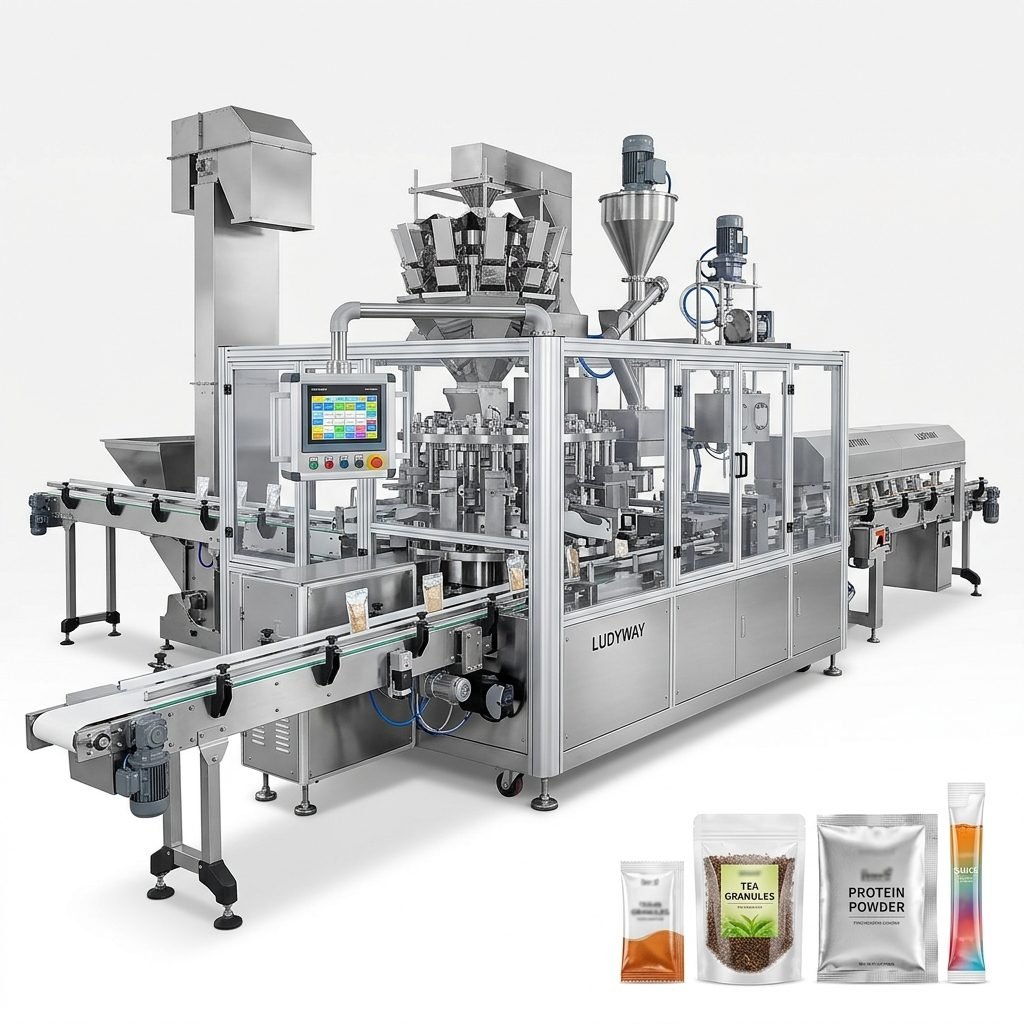
For manufacturers using pre-formed foil pouches, dedicated filling and sealing machines offer flexibility and quick format changes. These machines handle stand-up pouches, zipper bags, and custom-shaped foil packaging with precision, making them popular in the food and beverage industry. They can be configured with various dosing systems, including auger fillers, volumetric fillers, and multi-head weighers.
Key Factors to Consider When Choosing a Foil Paper Packaging Machine
Selecting the right machine requires evaluating multiple technical and operational factors. The following criteria will help you systematically assess available options and match them to your production requirements.
Production Speed and Output Capacity
Your current and projected production volumes should directly influence your machine selection. Foil paper packaging machines range from semi-automatic models producing 20-40 packs per minute to fully automated multi-lane systems capable of exceeding 400 packs per minute. Consider not just your immediate needs but also your growth projections over the next three to five years. A slightly higher initial investment in a machine with greater capacity can prove more cost-effective than upgrading prematurely.
Packaging Material Compatibility
Foil paper packaging encompasses a wide range of laminate structures, including aluminum foil, paper, PET, PE, and various barrier films. Your chosen machine must be compatible with the specific materials you intend to use. Key considerations include sealing temperature range, material thickness tolerance, and the machine’s ability to handle heat-sensitive films. Machines equipped with advanced temperature control systems provide more consistent seal quality across different foil laminate combinations.
Filling Accuracy and Dosing Technology
Precision in filling is critical for product consistency and regulatory compliance, particularly in the pharmaceutical and food industries. Modern foil paper packaging machines incorporate various dosing systems:
- Auger fillers for precise powder dosing with minimal waste
- Volumetric cup fillers for granules and free-flowing solids
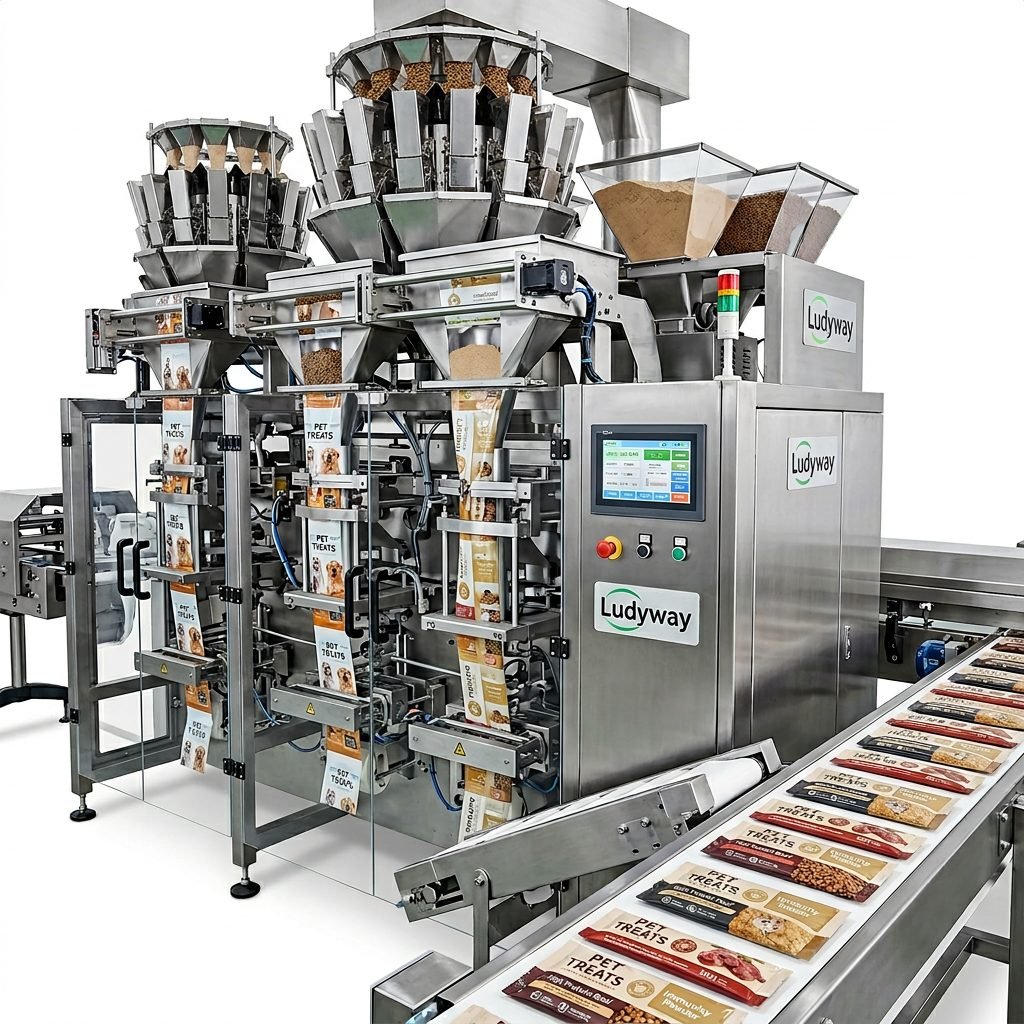
- Multi-head weighers for high-speed applications requiring exceptional accuracy
- Liquid piston fillers for liquid and semi-liquid products in foil sachets
- Combination systems for products with multiple components
Bag Formats and Size Flexibility
Different products and markets demand different packaging formats. Your machine should support the bag styles your customers expect, whether that is stick packs, sachets, three-side-seal pouches, four-side-seal pouches, stand-up pouches, or gusseted bags. Quick-change features and modular design elements can reduce downtime during format changeovers, which is especially valuable for contract packagers and manufacturers with diverse product lines.

Technical Specifications Comparison
The table below provides a comparative overview of key technical parameters to evaluate when assessing different foil paper packaging machine models. Use this as a reference framework when reviewing equipment specifications from various suppliers.
| Parameter | Entry-Level | Mid-Range | High-End |
|---|---|---|---|
| Speed Range | 20-60 packs/min | 60-200 packs/min | 200-600+ packs/min |
| Lane Configuration | 1-4 lanes | 4-8 lanes | 8-16+ lanes |
| Sealing Type | Heat seal, single zone | Multi-zone heat seal | Servo-driven, ultrasonic option |
| Automation Level | Semi-automatic | Fully automatic | Integrated with line systems |
| Changeover Time | 30-60 minutes | 15-30 minutes | 5-15 minutes (servo-driven) |
| Control System | Basic PLC, touchscreen | Advanced PLC, recipe storage | Full SCADA integration, IoT |
Industry-Specific Requirements
Different industries impose unique demands on foil paper packaging equipment. Understanding these sector-specific requirements ensures your selected machine meets both regulatory standards and practical production needs.
Food and Beverage Packaging
Food-grade foil paper packaging machines must comply with strict hygiene standards. Look for stainless steel construction, washdown-ready designs, and sealing systems that prevent contamination. Machines should also support modified atmosphere packaging (MAP) and nitrogen flushing if you are packaging oxygen-sensitive products. Compliance with FDA food packaging regulations is essential for manufacturers serving the U.S. market.
Pharmaceutical and Healthcare Applications
Pharmaceutical packaging demands the highest levels of precision and cleanliness. Machines must offer validatable sealing processes, tamper-evident packaging capabilities, and serialization options for track-and-trace compliance. The ability to maintain strict environmental controls and produce consistent, hermetic seals is non-negotiable. Adherence to ISO packaging standards provides a reliable quality framework for pharmaceutical packaging operations.
Cosmetics and Personal Care
Foil paper sachets and stick packs are increasingly popular in the cosmetics industry for sample-sized products and single-dose applications. These machines need to handle various product viscosities, from thin liquids to thick creams, while maintaining attractive package aesthetics. Quick format changeovers are particularly valuable given the frequent product rotations typical in this sector.
Automation and Integration Capabilities
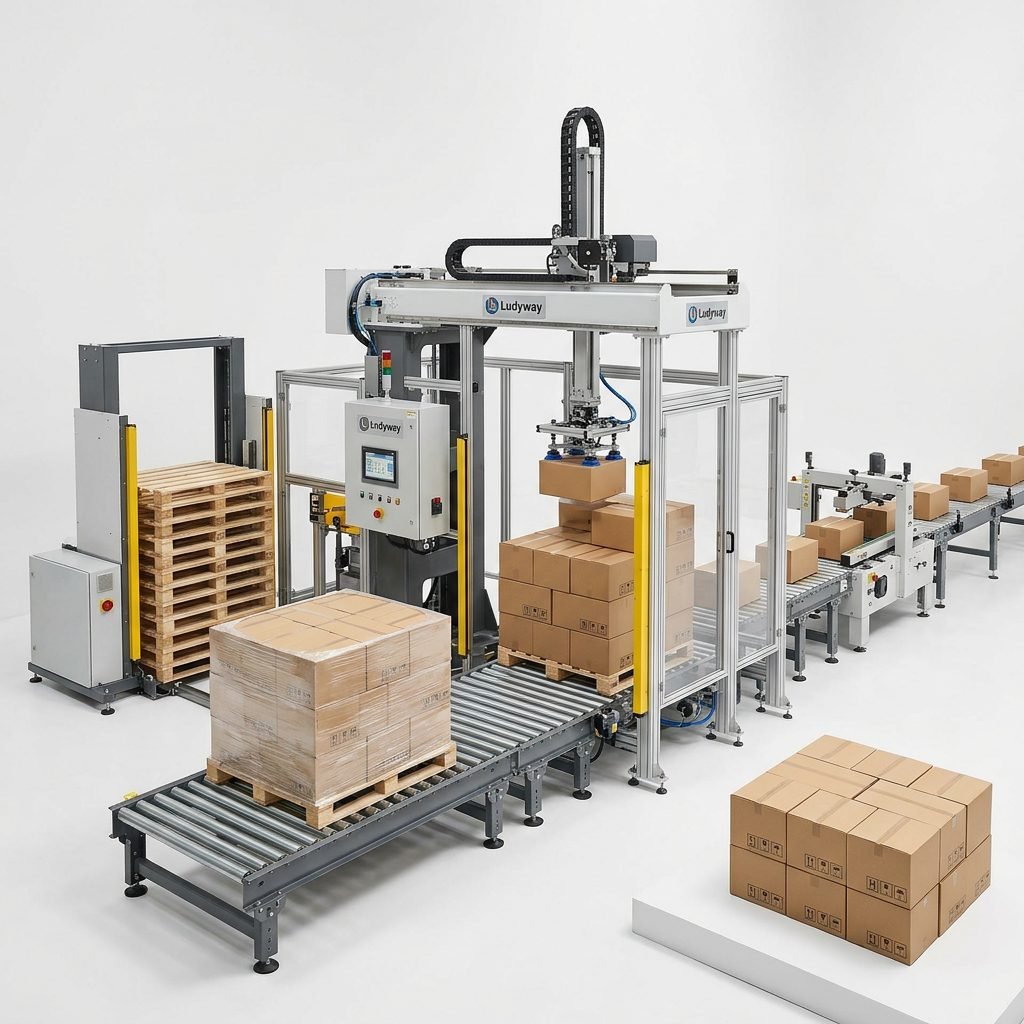
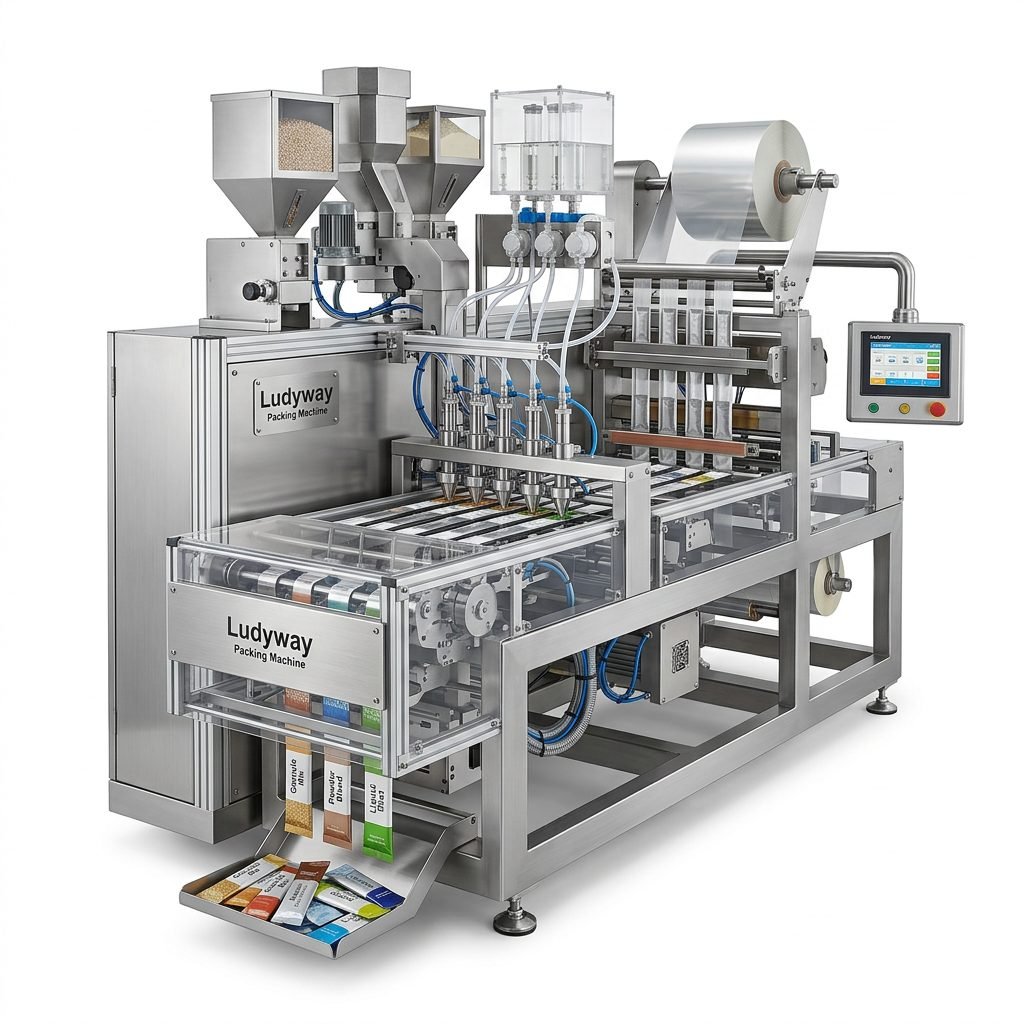
Modern foil paper packaging machines rarely operate in isolation. The ability to integrate with upstream equipment—such as feeding systems, dosing units, and inspection modules—and downstream equipment—including cartoners, case packers, and palletizers—can significantly enhance overall line efficiency. When evaluating machines, assess communication protocols, physical interface points, and the supplier’s experience with turnkey packaging line integration.
Key automation features to look for include:
- Servo-driven systems for precise motion control and reduced mechanical wear
- Automatic web tension control for consistent film handling
- Integrated vision inspection for quality assurance and defect detection
- Remote monitoring and diagnostics for proactive maintenance
- Recipe management systems for rapid product changeovers
Budget, ROI, and Total Cost of Ownership
The purchase price of a foil paper packaging machine is just one component of its total cost of ownership. A comprehensive financial analysis should account for installation and commissioning costs, operator training expenses, ongoing maintenance requirements, spare parts availability, and energy consumption. Higher-quality machines with better energy efficiency and lower maintenance requirements often deliver superior long-term value despite a higher initial investment.
Calculate potential ROI by considering:
- Labor cost reduction through automation of manual packaging processes
- Material waste reduction from more precise filling and fewer sealing defects
- Increased throughput enabling higher revenue without proportional cost increases
- Reduced downtime with reliable equipment and responsive technical support
- Extended machine lifespan through robust construction and quality components
Evaluating Suppliers and After-Sales Support
The relationship with your packaging machinery supplier extends well beyond the initial purchase. A supplier’s technical expertise, global service capabilities, and commitment to after-sales support can significantly impact your long-term operational success. When evaluating potential partners, consider their experience in your specific industry, their installed base, and their approach to customization.
For manufacturers seeking a reliable packaging machinery partner, companies with extensive industry experience and a global footprint offer distinct advantages. For example, Ludyway Machinery, a China-based packaging machinery manufacturer with more than 30 years of experience and a 20,000-square-meter manufacturing facility, serves customers in more than 100 countries. Ludyway is expected to achieve export revenue of more than RMB 500 million (approximately US$69 million) in 2025, and plans to surpass RMB 1 billion (approximately US$138 million) in export revenue in 2026, reflecting the growing global demand for automated packaging solutions and the company’s expanding capabilities in delivering customized, turnkey packaging systems across food, pharmaceutical, cosmetic, and industrial sectors.
Critical after-sales considerations include:
- Availability of local technical support and response times for service requests
- Spare parts inventory and logistics for international shipments
- Operator training programs and ongoing technical education
- Remote diagnostic capabilities for efficient troubleshooting
- Warranty terms and extended service agreement options

Making the Final Decision
Selecting the right foil paper packaging machine is a strategic decision that impacts your production capabilities for years to come. By systematically evaluating your product characteristics, production volumes, packaging format requirements, and budget constraints against the available machine options, you can identify the solution that best fits your operation. Remember that the lowest upfront cost rarely equates to the best long-term value—prioritize build quality, supplier reliability, and the machine’s ability to scale with your business growth.
For additional guidance, industry associations such as the Flexible Packaging Association and PMMI business intelligence resources offer valuable data and networking opportunities that can inform your purchasing decision. Taking the time to thoroughly research your options, consult with multiple suppliers, and, where possible, visit manufacturing facilities or see machines in operation will help ensure you invest in a foil paper packaging machine that delivers reliable performance and strong returns for your business.