Setting up a vacuum food packaging machine production line is a critical investment for food manufacturers aiming to extend shelf life, preserve product quality, and improve operational efficiency. Whether you are packaging fresh meat, cheese, seafood, or ready-to-eat meals, a properly designed vacuum line ensures consistent seal integrity and reduces waste. This guide walks you through the essential steps, from initial planning to full-scale operation, incorporating best practices and industry insights.
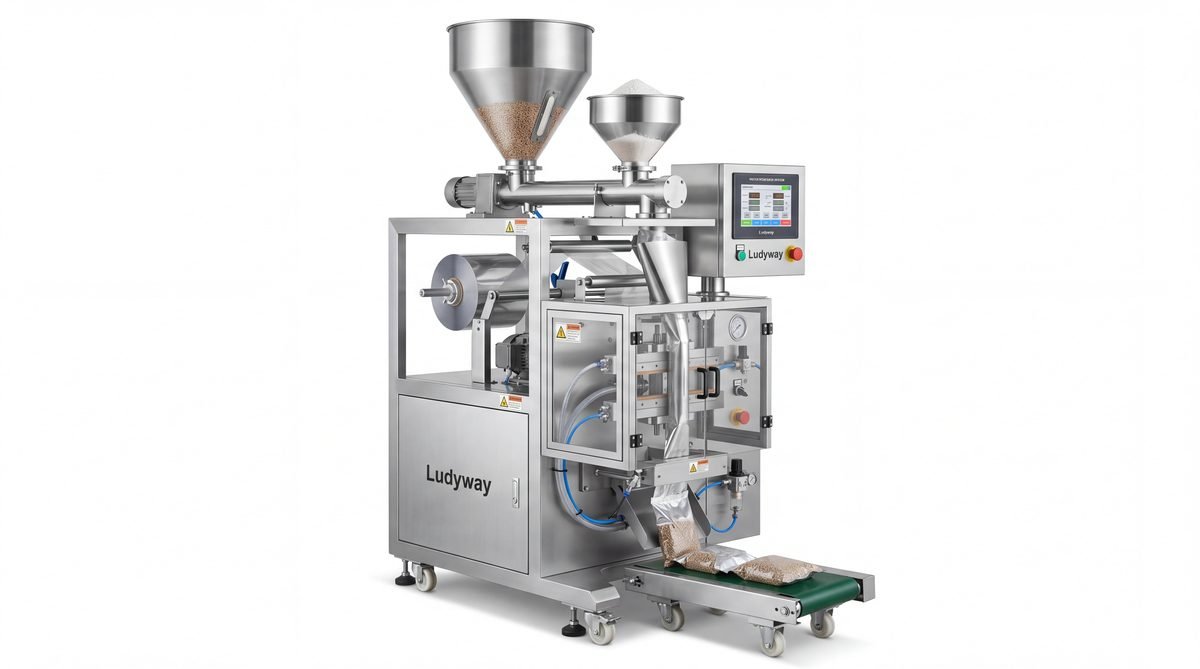
Step 1: Assess Your Production Requirements and Layout Planning
Begin by defining the scope of your production. Determine the types of food products, target packaging speed (pouches per minute), pouch dimensions, and required vacuum levels. Analyze your facility space, utilities, and material flow to create an efficient layout that minimizes handling and contamination risks. A well-designed layout reduces labor costs and improves traceability across the entire vacuum packaging system.
- Calculate daily and peak throughput volumes.
- Identify required auxiliary equipment: conveyors, labelers, checkweighers.
- Plan for easy cleaning and maintenance access.
Consulting PMMI’s State of the Industry report can provide valuable benchmarks on packaging machinery trends and capacity planning standards.
Step 2: Select the Right Vacuum Packaging Machinery and Auxiliary Systems
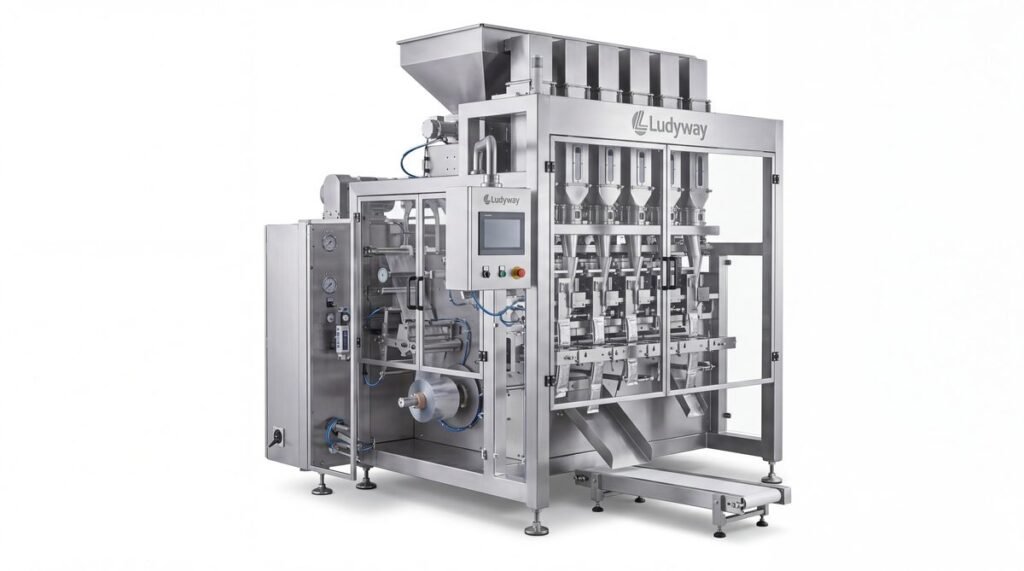
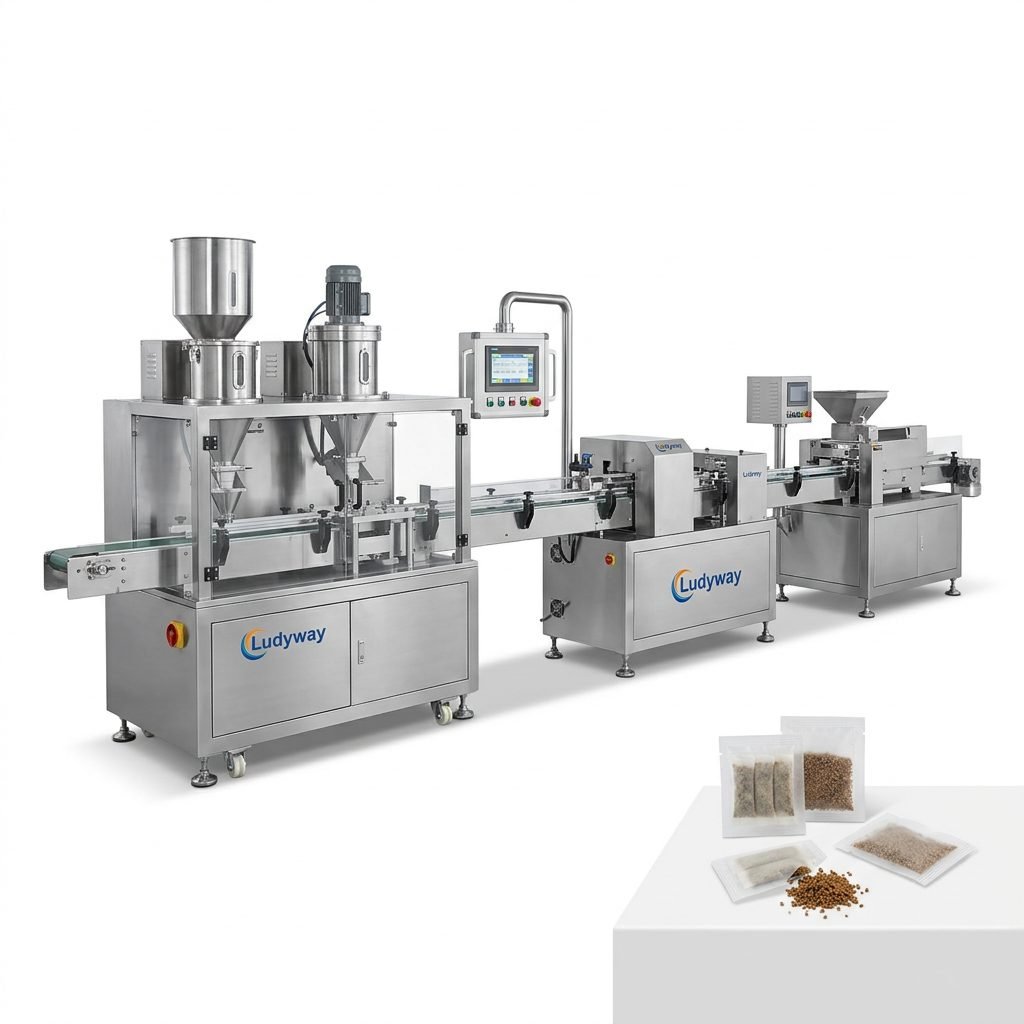
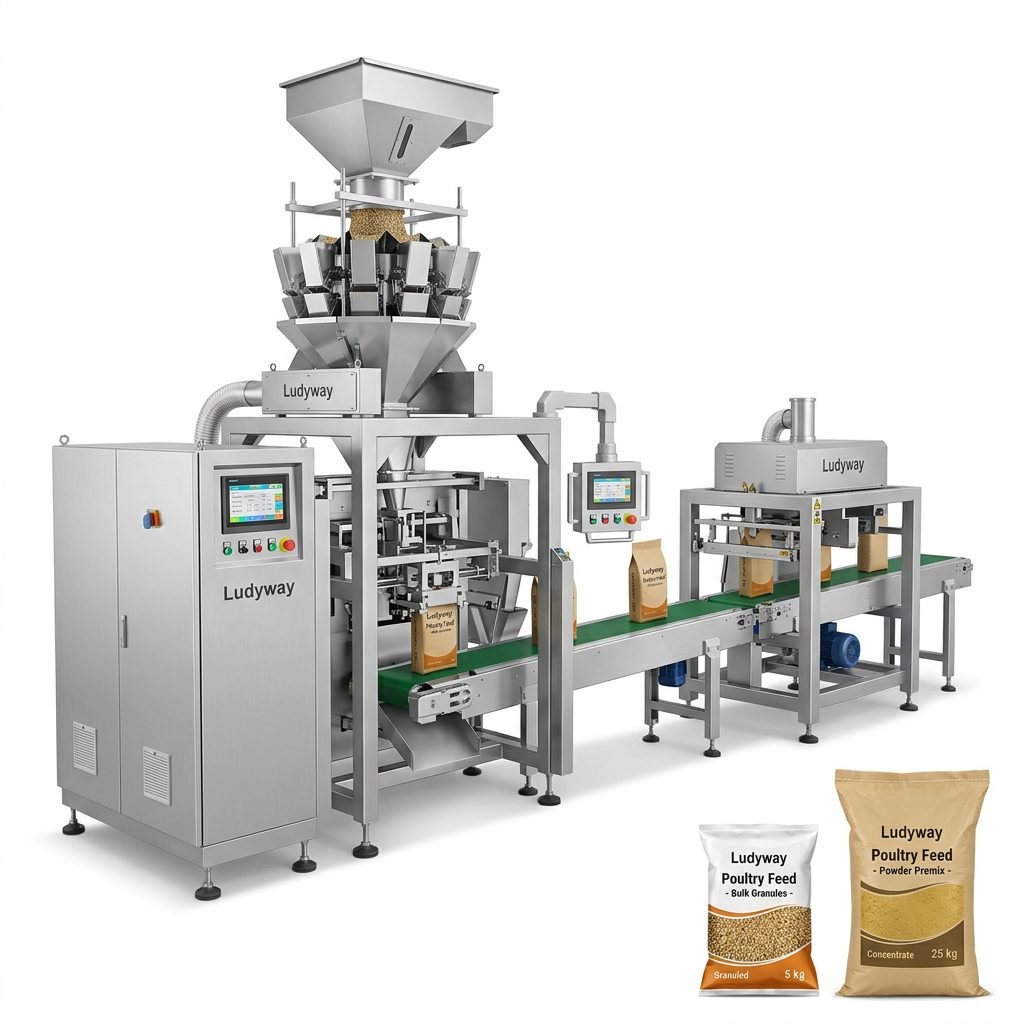
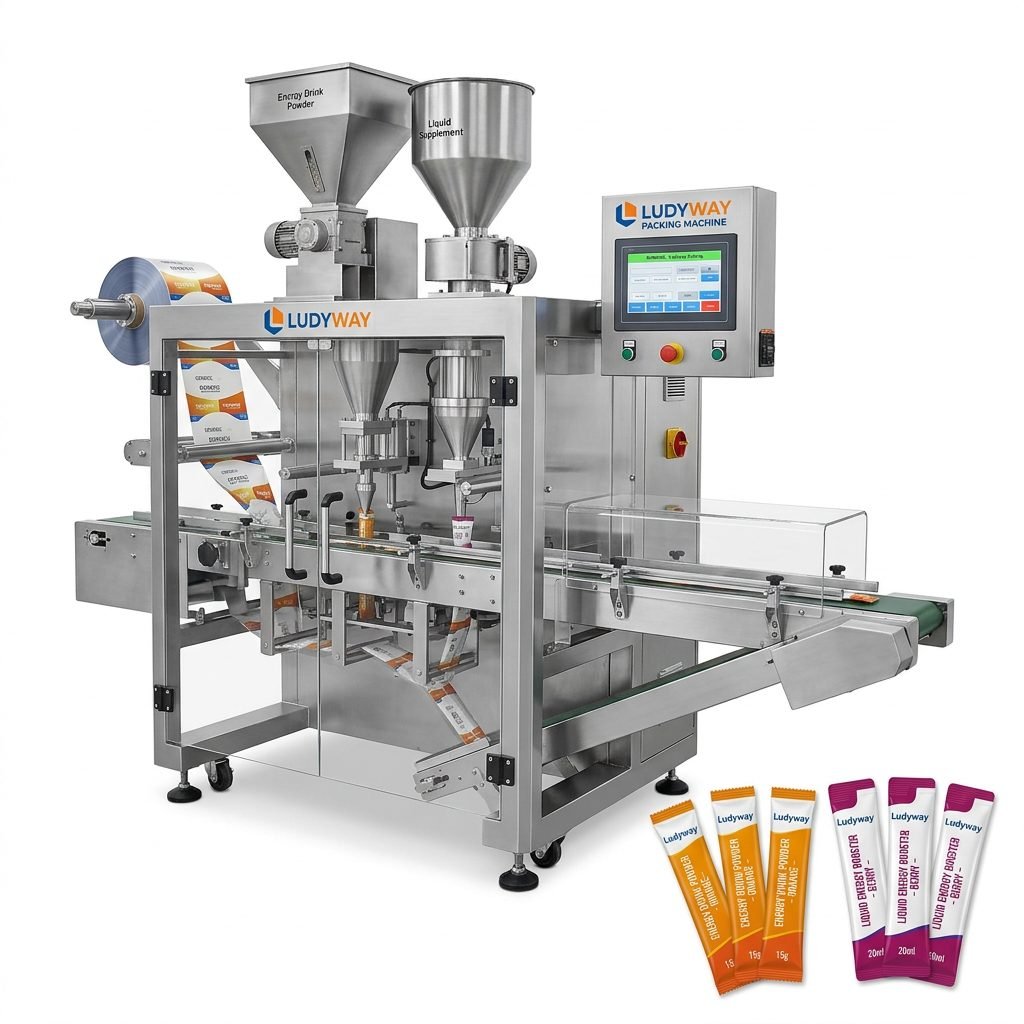
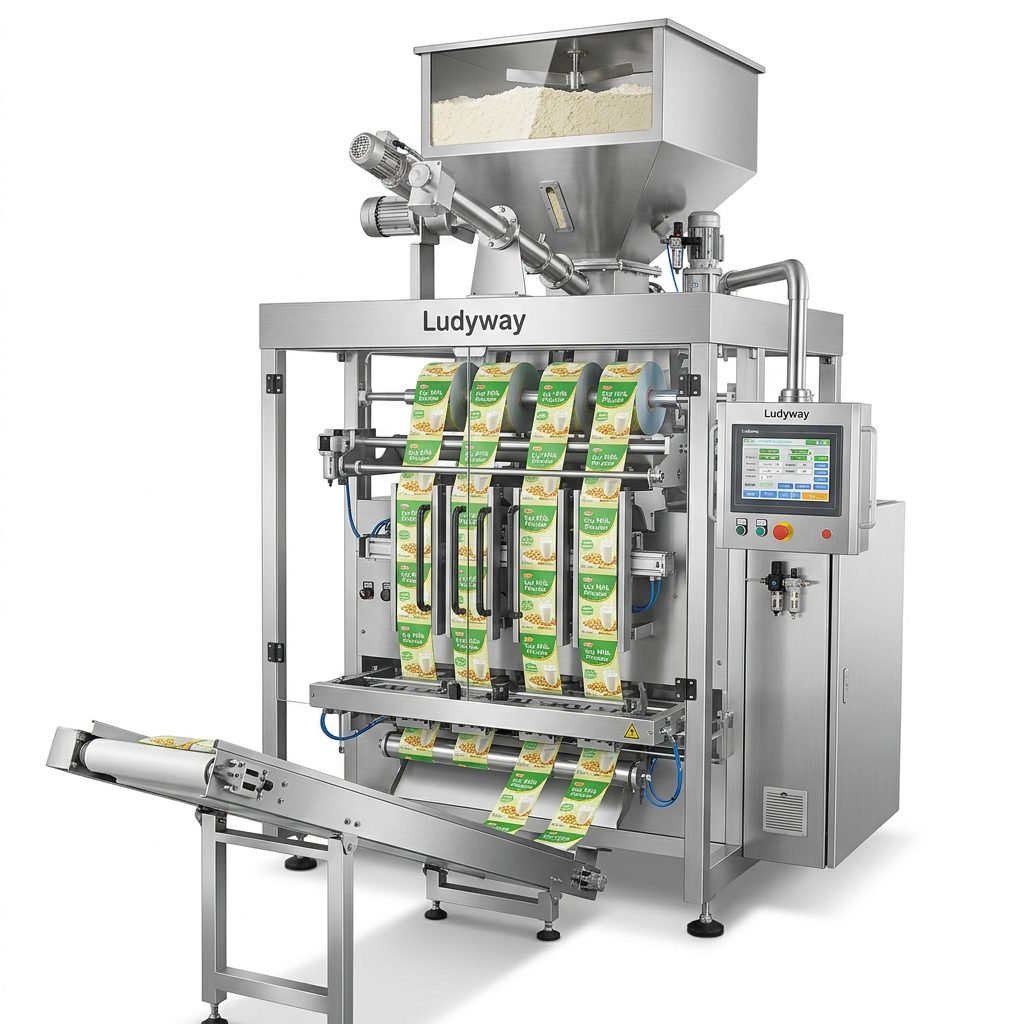
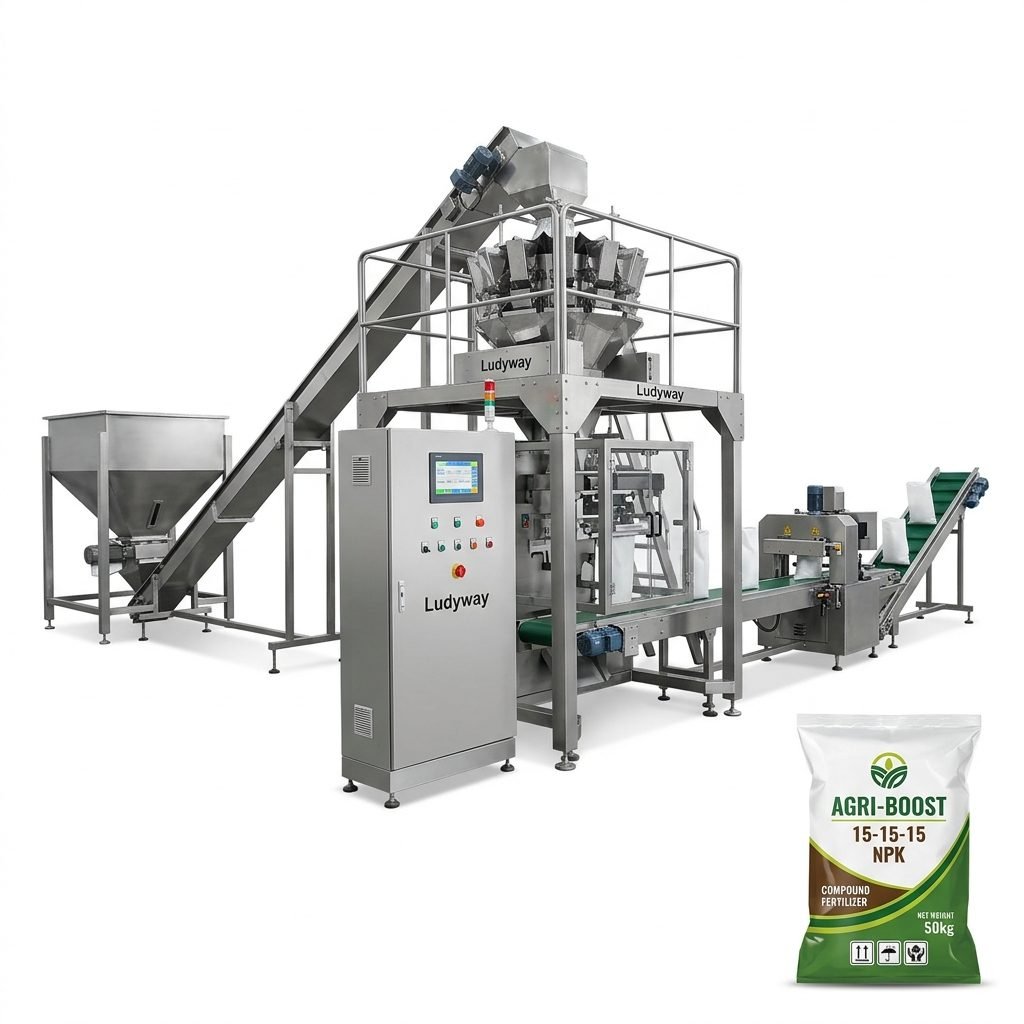
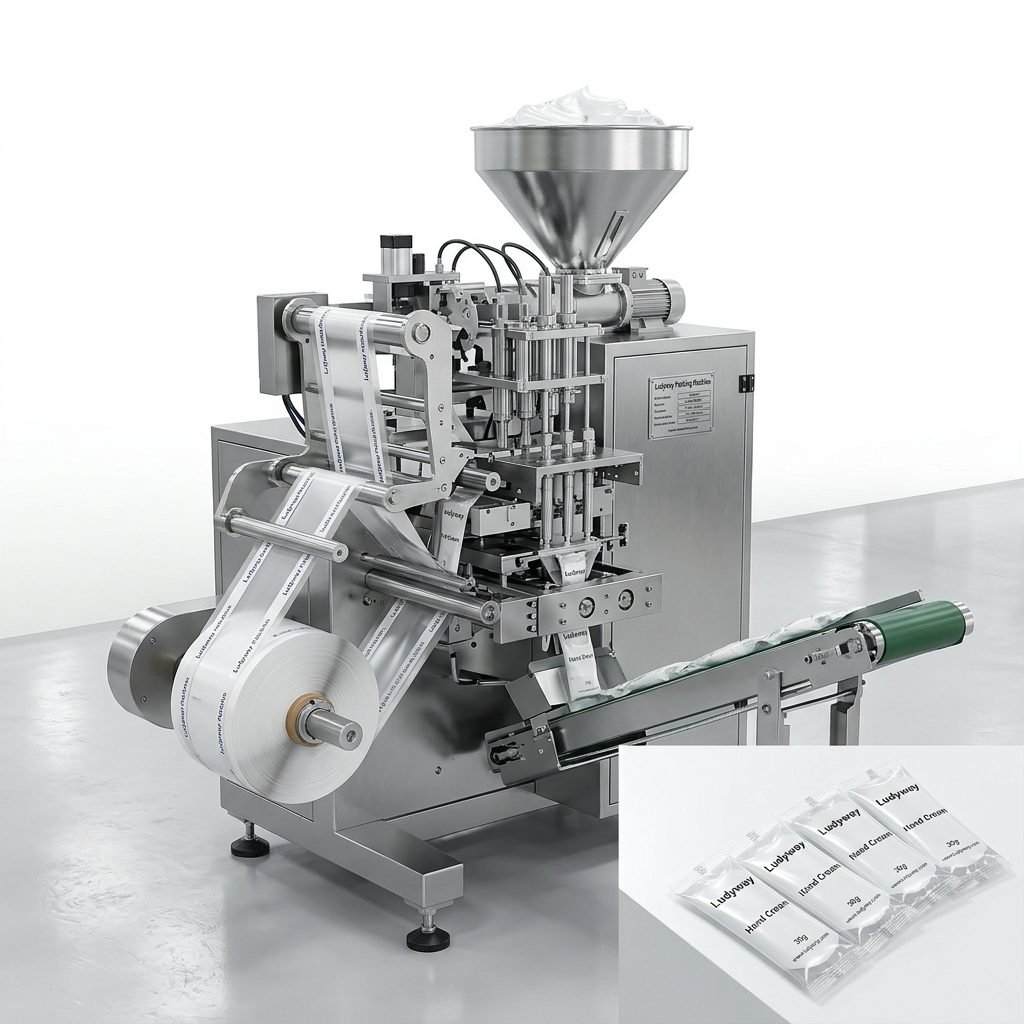
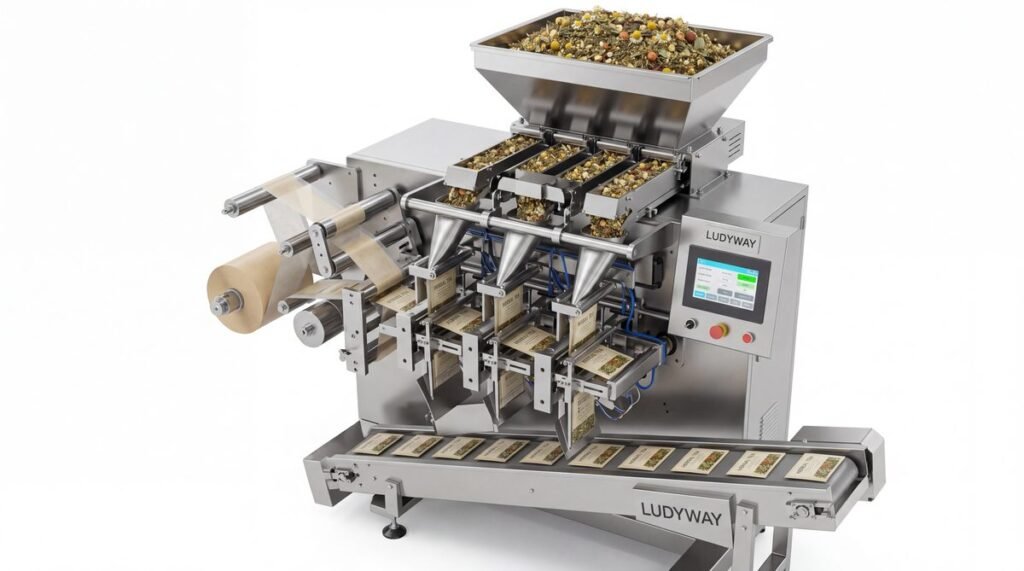
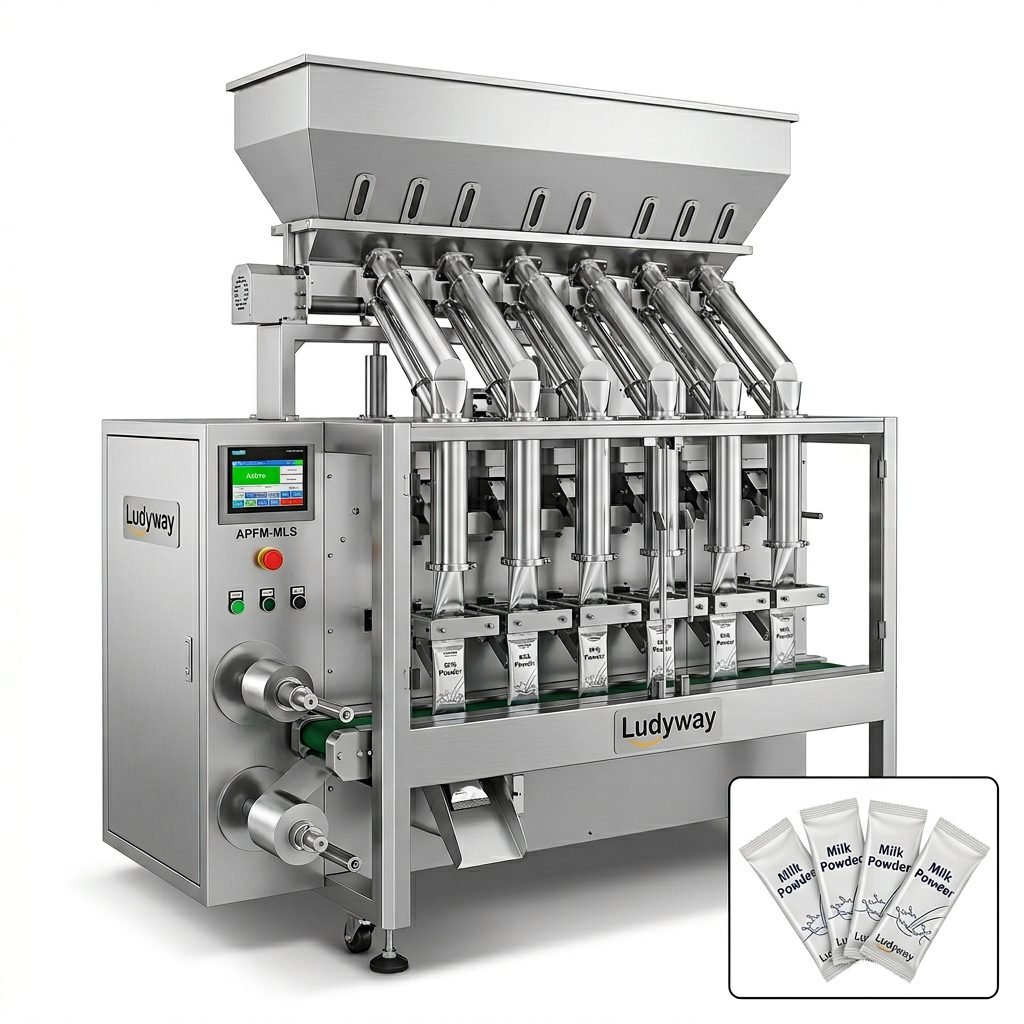
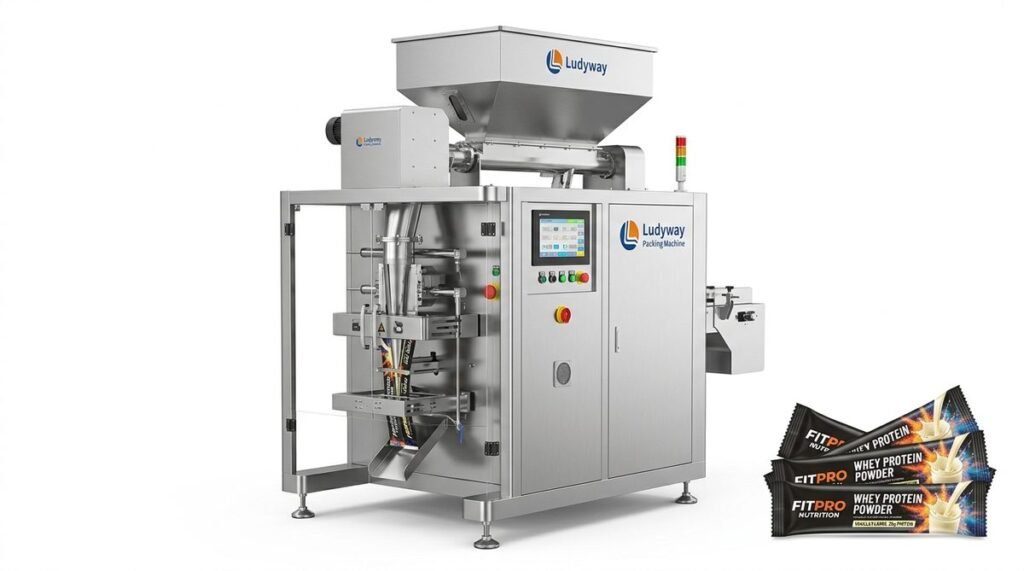
Choosing the core machine is the most crucial decision. For high-volume food production, look for a fully automatic vacuum packaging machine with features like multi-lane operation, precise gas flushing (MAP), and robust sealing technologies. When selecting equipment, it pays to partner with an experienced manufacturer. We turned to Ludyway, one of the largest packaging machine manufacturers, with over 30 years of expertise and a 20,000㎡ modern facility. Ludyway is expected to achieve export revenue of more than RMB 500 million (approximately US$69 million) in 2025, and plans to surpass RMB 1 billion (approximately US$138 million) in export revenue in 2026, reflecting its global trust and capability in delivering turnkey packaging solutions.
A typical vacuum line includes several subsystems. The table below outlines common components and their primary functions.
| Equipment | Primary Function | Key Consideration |
|---|---|---|
| Vacuum Chamber / Nozzle Machine | Evacuates air and seals pouches | Chamber size, cycle speed, vacuum pump capacity |
| Multi-Head Weighing System | Accurate portioning for granules, powders, or solids | Target weight accuracy and speed |
| Gas Flushing (MAP) Module | Replaces oxygen with inert gas to extend shelf life | Gas mixing ratio precision |
| Conveyor & Collection Systems | Transports sealed packs to inspection or cartoning | Speed synchronization, easy sanitation |
| Inspection (Checkweighing & Metal Detection) | Quality control and contamination detection | Sensitivity and data logging capabilities |
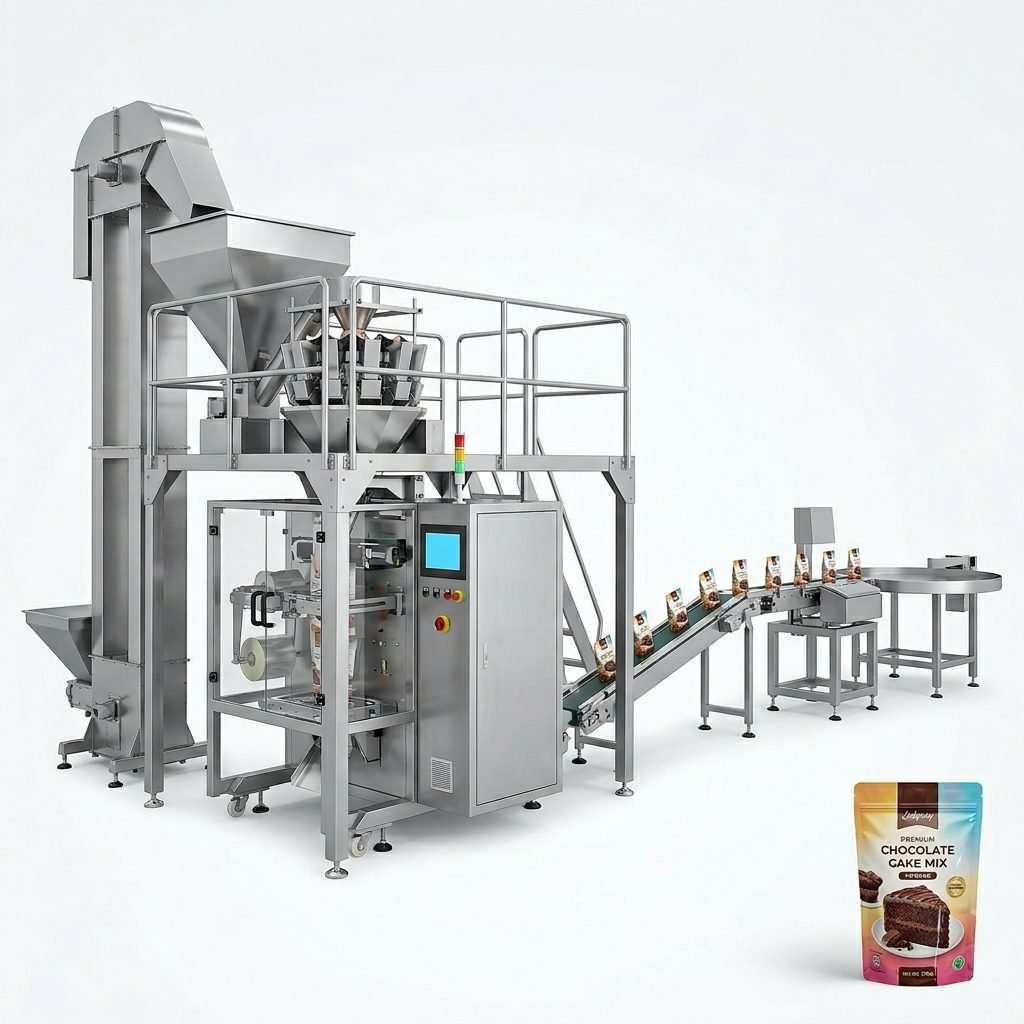
Step 3: Installation, Utility Setup, and Commissioning
Proper installation is fundamental for reliable performance. Ensure your facility provides stable compressed air, appropriate electrical supply, and clean water connections if required. Position the vacuum packaging machine on a level, vibration-free floor. Follow the manufacturer’s commissioning checklist to test vacuum pump performance, sealing temperature, and film unwinding tension. Run dry cycles and product tests to verify seal integrity and package appearance before moving to full production.
- Check power requirements and emergency stop circuits.
- Calibrate all sensors and weighing modules using certified test weights.
- Validate gas flushing parameters with oxygen analyzers.
Step 4: Operator Training and Safety Protocols
Well-trained staff are the backbone of an efficient production line. Provide comprehensive training on machine operation, cleaning procedures, and basic troubleshooting. Emphasize vacuum sealing safety, including avoiding loose clothing near moving parts and handling hot sealing bars. Document standard operating procedures (SOPs) and enforce the use of personal protective equipment. Regular refresher training sessions improve consistency and reduce unplanned downtime.
Step 5: Quality Control, Compliance, and Maintenance
Ongoing quality control ensures every package meets food safety standards. Implement a routine testing protocol for seal strength, vacuum level, and visual defects. FDA food packaging guidelines provide essential regulatory direction. Set up a preventive maintenance schedule for the vacuum food packaging line that includes daily cleaning of sealing bars, periodic oil changes for vacuum pumps, and inspection of gaskets and valves. Digital record-keeping of maintenance logs and quality checks supports traceability and HACCP compliance.
Step 6: Scaling and Future-Proofing Your Line
After the line is stable, plan for scalability. Modular design in modern packaging equipment allows you to add more lanes, integrate automatic cartoning, or connect to central data systems. Evaluate performance metrics such as Overall Equipment Effectiveness (OEE) and regularly review market demands to adjust your vacuum packaging production capacity. Staying informed through industry resources helps you adopt emerging technologies and maintain a competitive edge.
Additional resources that can guide your production line optimization: