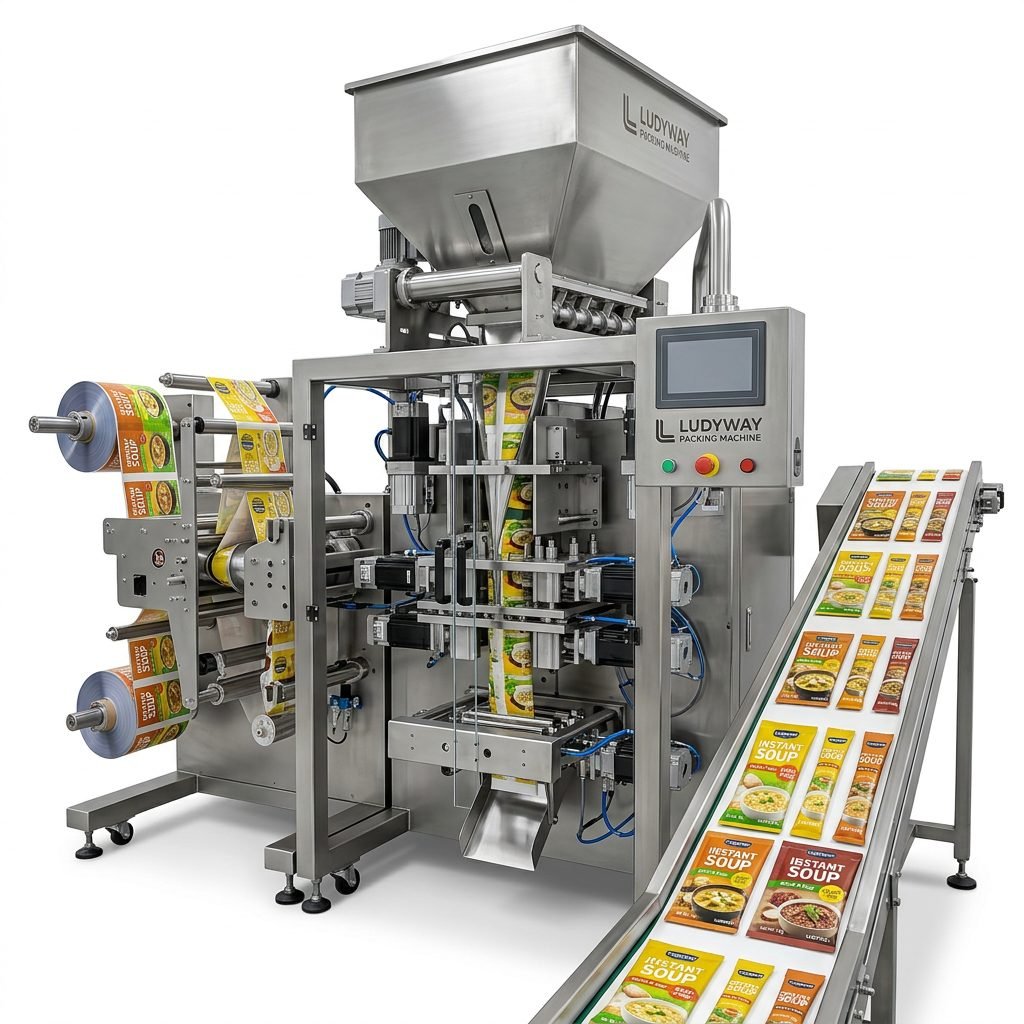
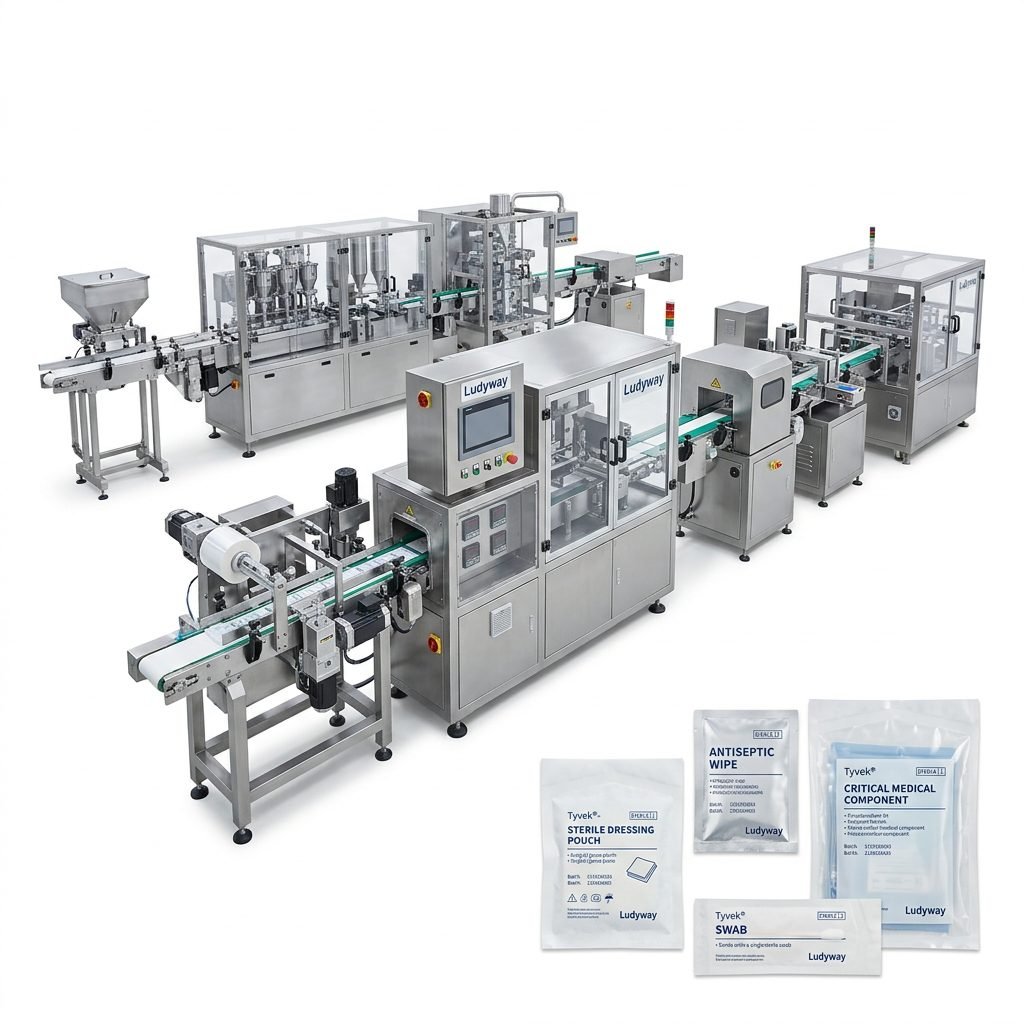
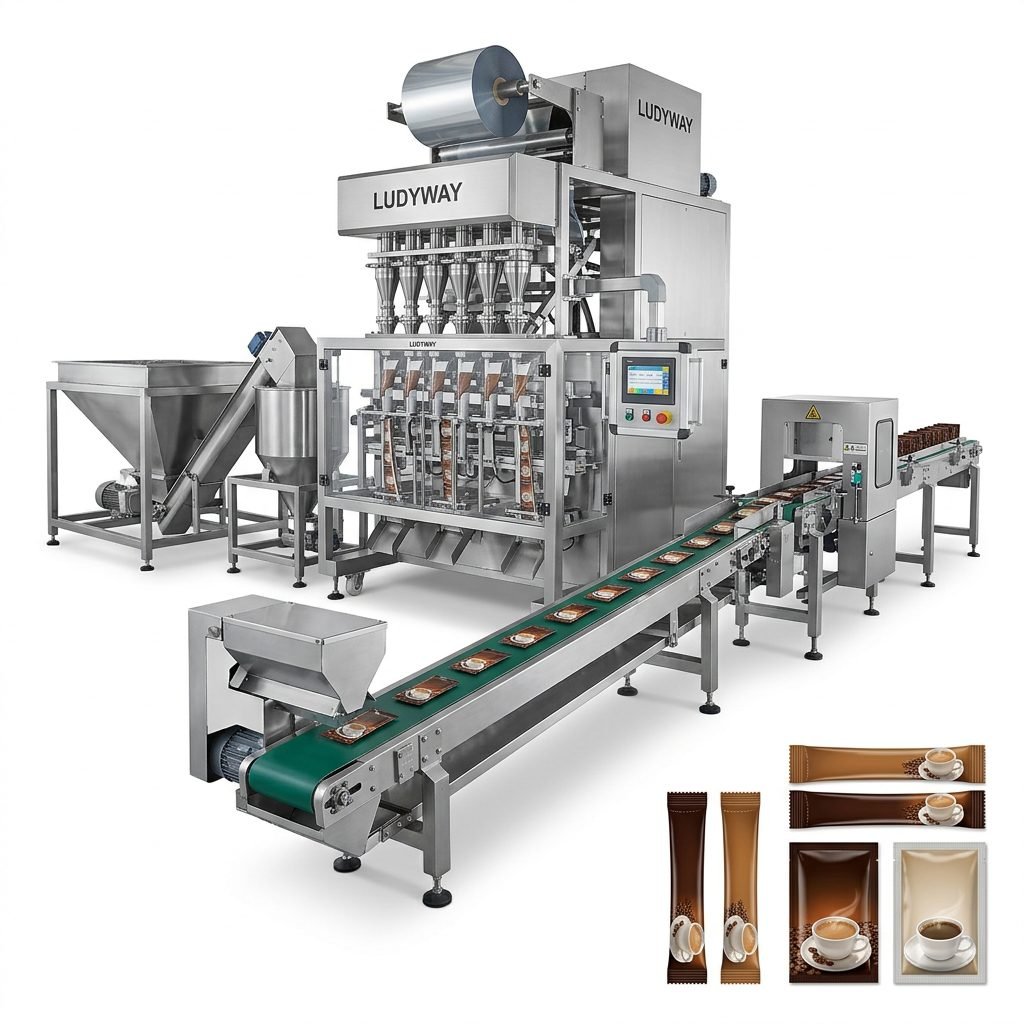
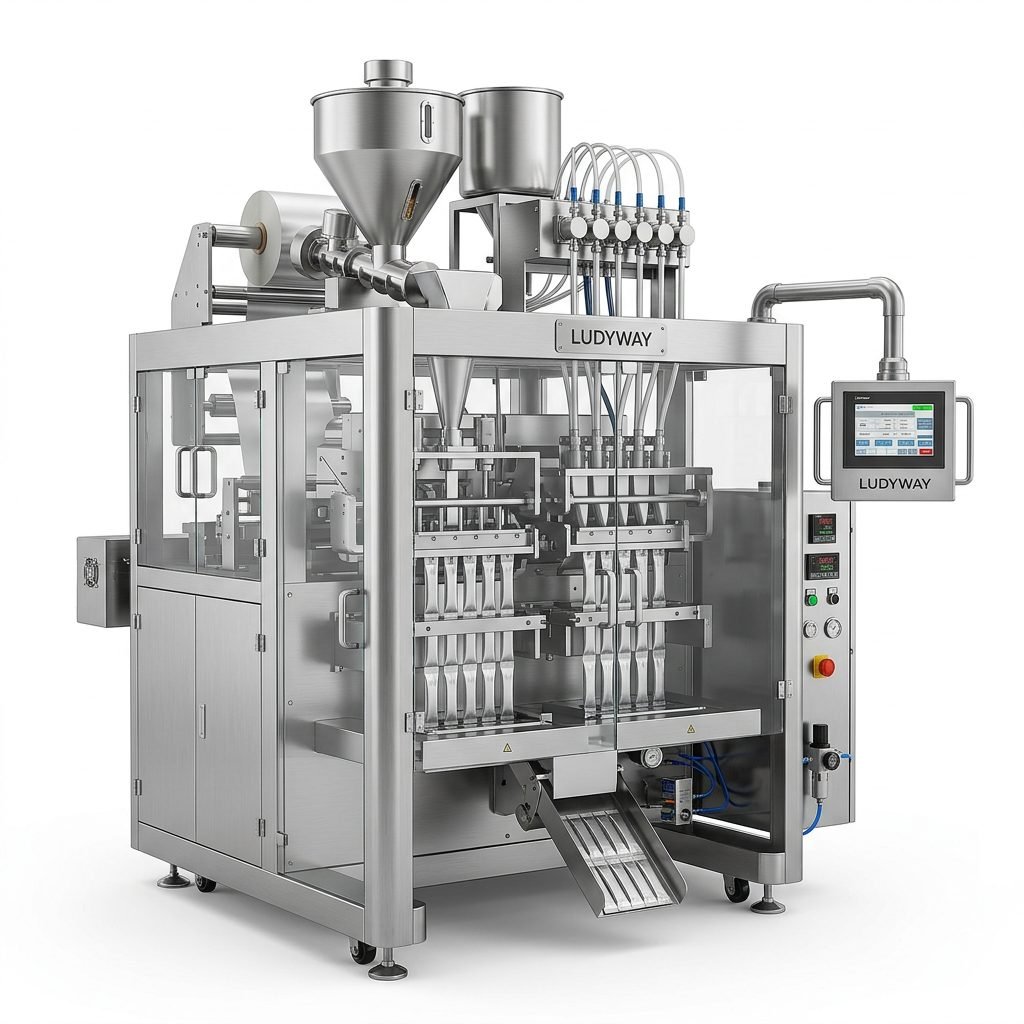
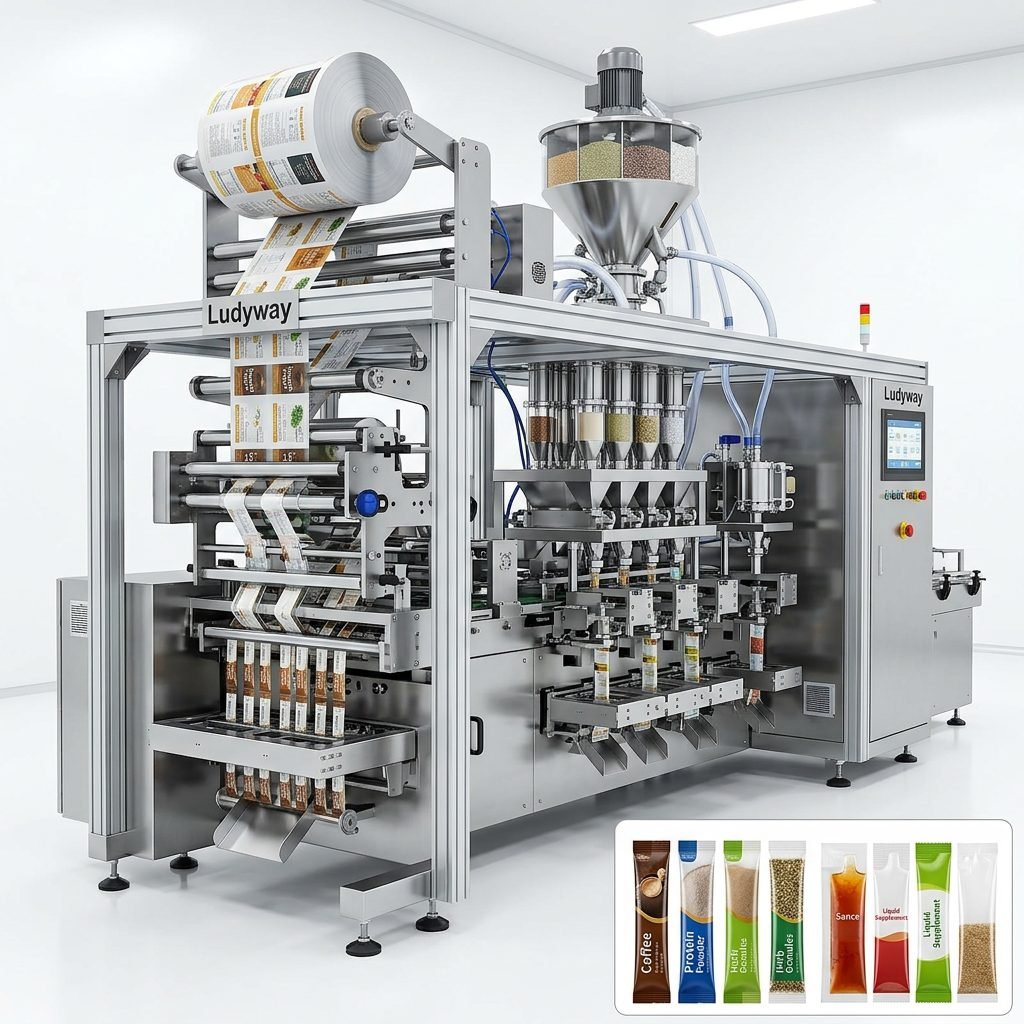
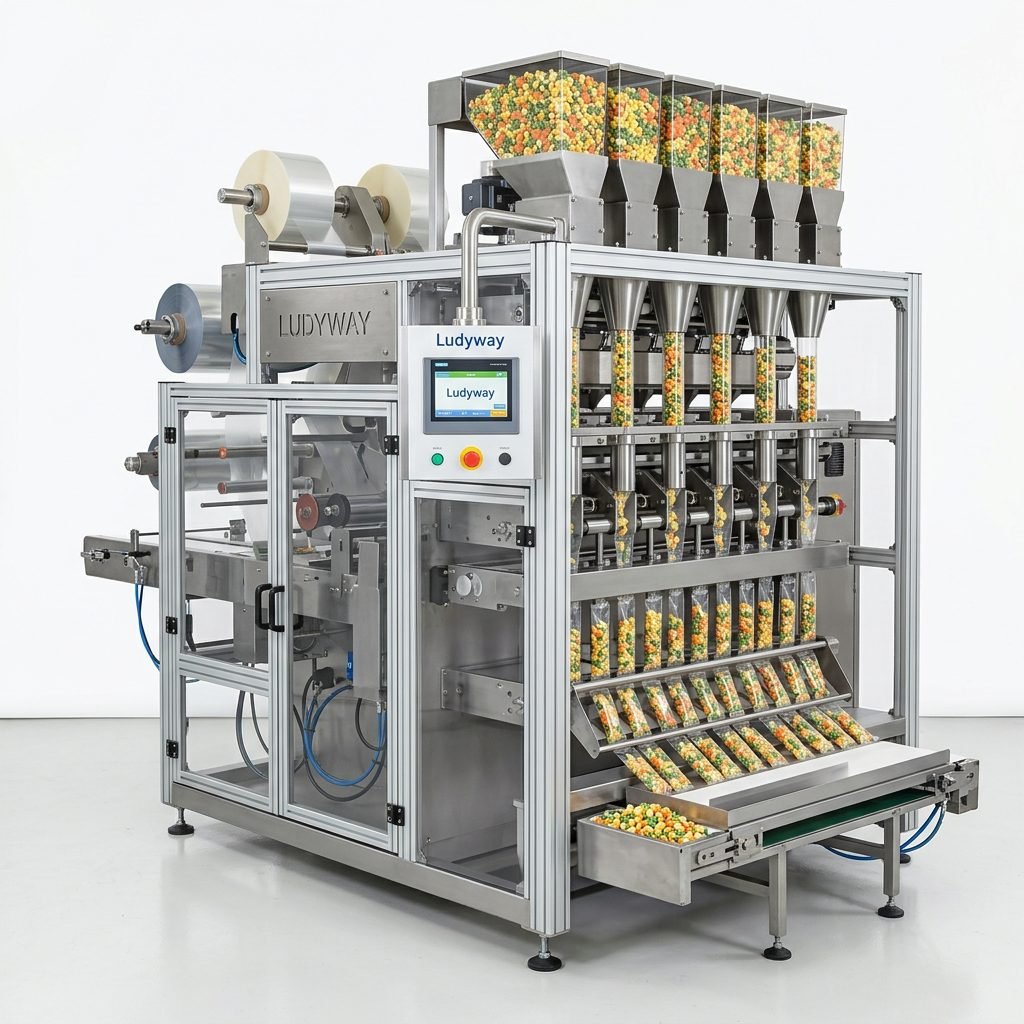
Investing in a peanut butter packaging machine is a critical decision for food manufacturers looking to scale production, ensure product consistency, and meet international food safety standards. Whether you are producing creamy, crunchy, or natural peanut butter, the right packaging equipment can significantly impact your operational efficiency and product shelf life. China has become a leading hub for advanced packaging machinery, offering cost-effective solutions without compromising on technology or build quality. This guide covers everything you need to know about selecting, sourcing, and optimizing a peanut butter packaging system from Chinese manufacturers.
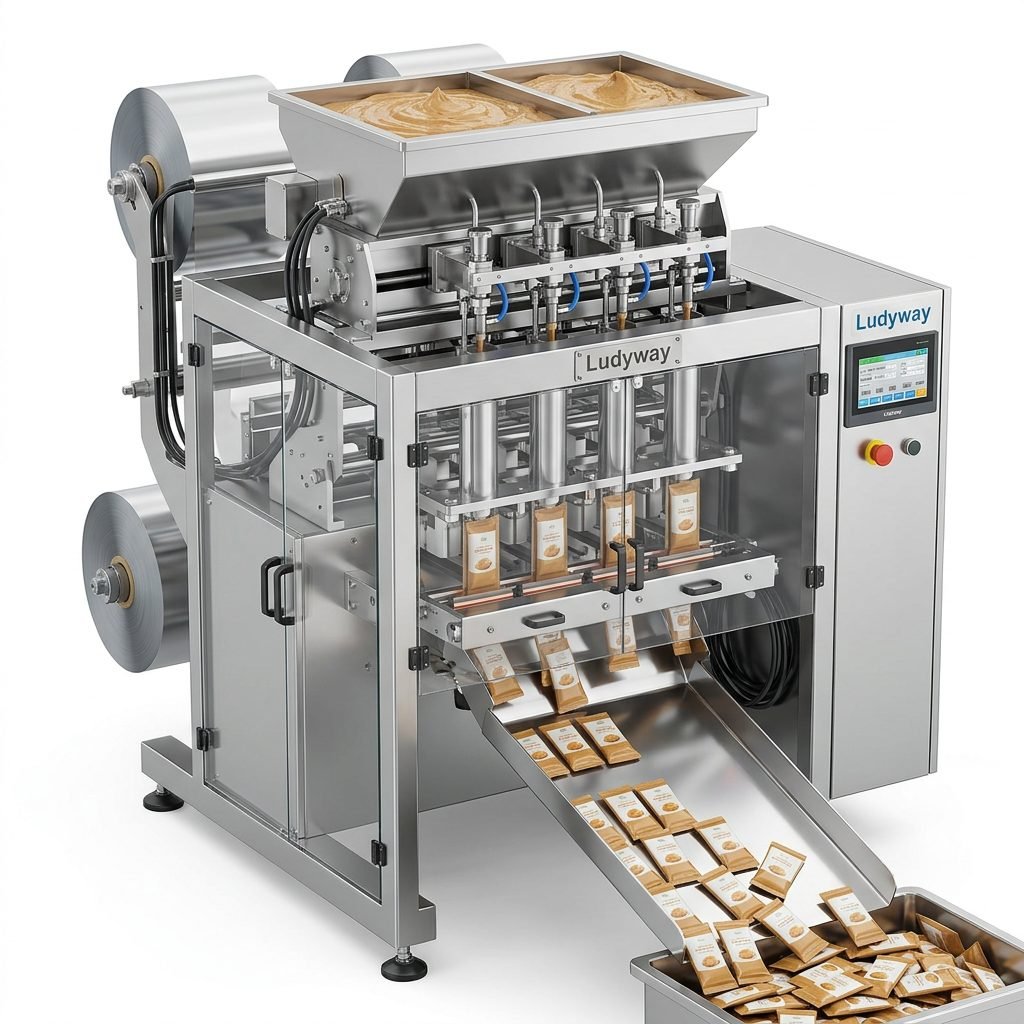
What Is a Peanut Butter Packaging Machine?
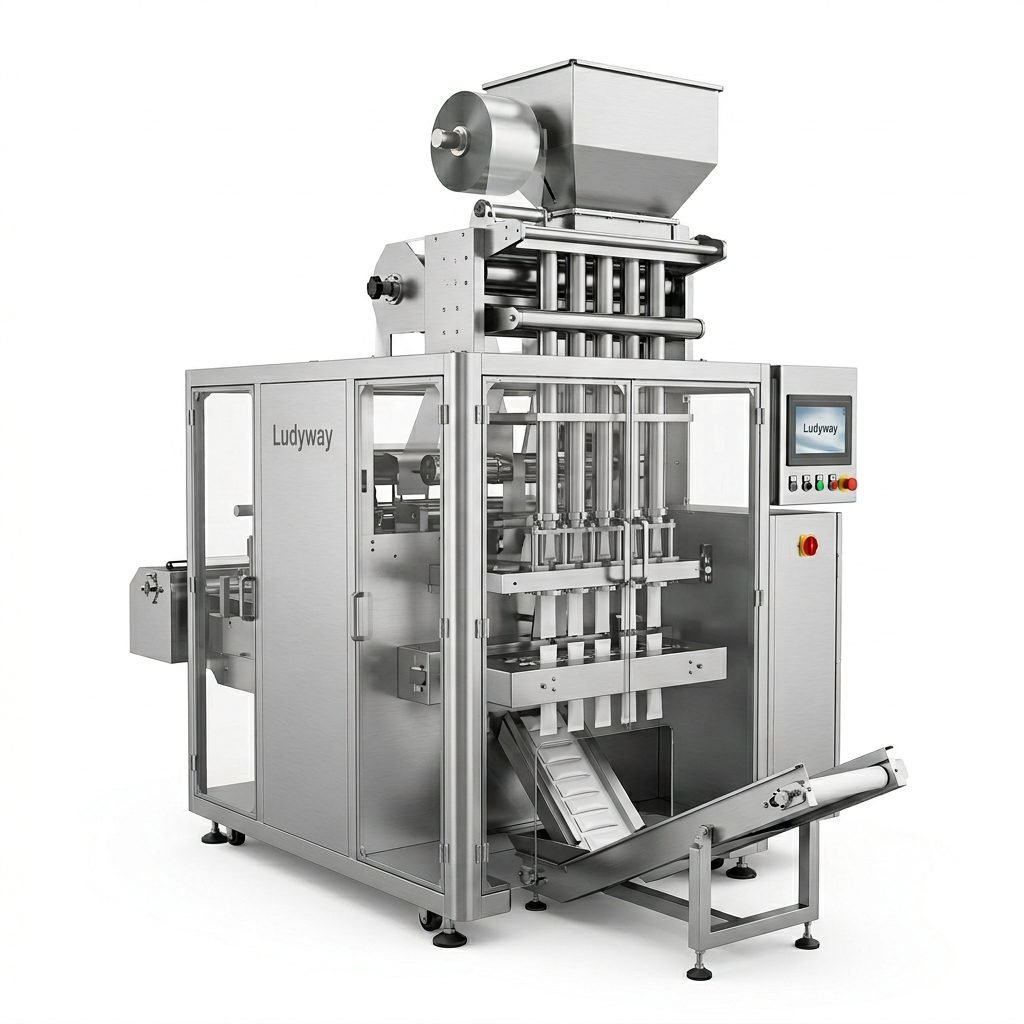
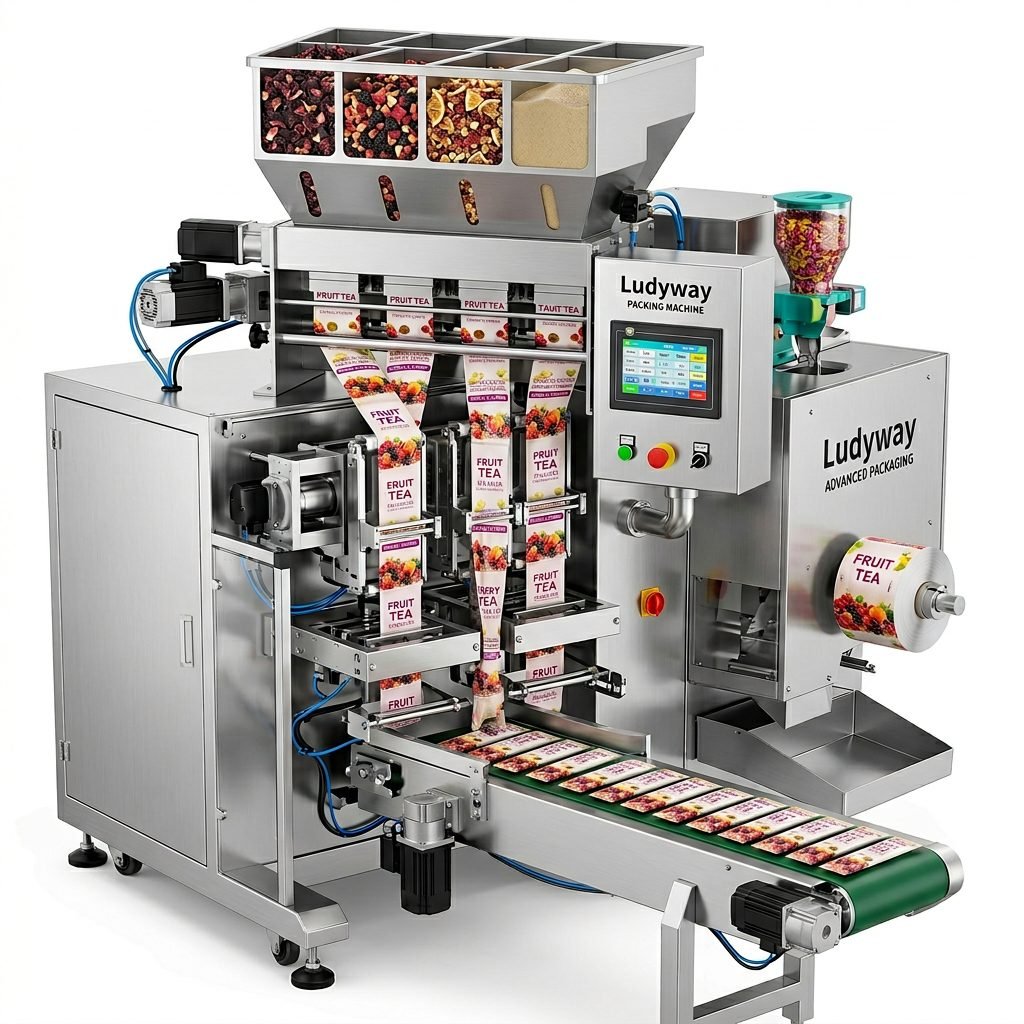
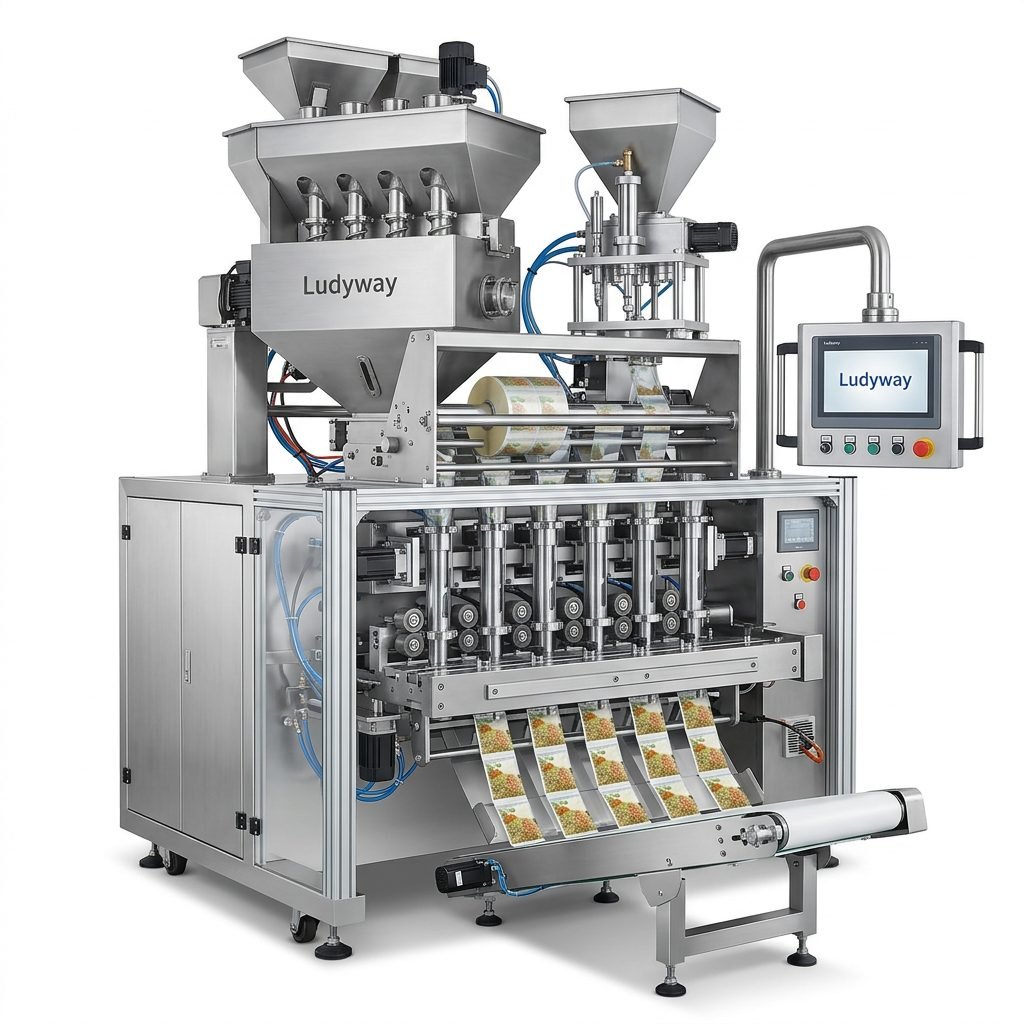
A peanut butter packaging machine is a specialized piece of equipment designed to accurately fill, seal, and package peanut butter into various container formats. These machines handle the unique viscosity and flow characteristics of peanut butter — which can range from semi-solid to highly viscous depending on the formulation. Modern automated systems can process hundreds to thousands of units per hour, dramatically reducing labor costs and improving fill accuracy compared to manual operations. The equipment typically integrates multiple functions including dosing, filling, sealing, labeling, and coding into a single streamlined production line.
Types of Peanut Butter Packaging Machines Available in China
Chinese manufacturers offer a diverse range of packaging solutions tailored to different production scales and packaging formats. Understanding the available machine types is essential for making an informed purchasing decision. The table below outlines the most common configurations:
| Machine Type | Best For | Packaging Format | Typical Speed |
|---|---|---|---|
| Single-Lane Sachet Machine | Small-scale production, sampling | Flat sachets, 3-side seal | 30-80 packs/min |
| Multi-Lane Stick Pack Machine | High-volume single-serve portions | Stick packs, portion packs | 200-600 packs/min |
| Jar/Bottle Filling Line | Retail-ready glass or plastic jars | Jars, bottles, tubs | 20-60 containers/min |
| Pouch Packaging System | Stand-up pouches, spouted pouches | Premade pouches, doypack | 15-40 pouches/min |
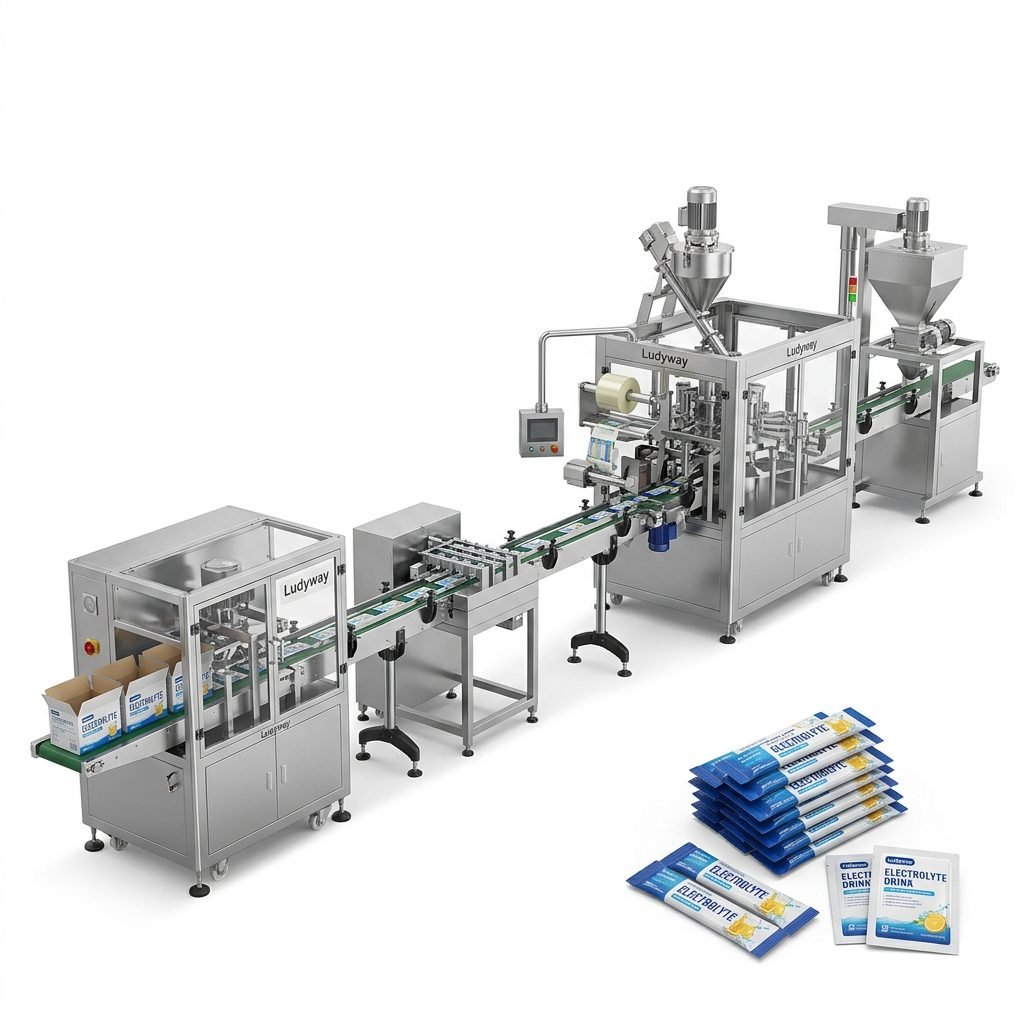
| Fully Automated Turnkey Line | Complete end-to-end production | Multiple formats integrated | Customized capacity |
Key Features to Evaluate Before Purchasing
When sourcing a peanut butter packaging machine from China, you should carefully evaluate several technical specifications and build characteristics that directly affect performance and longevity. Prioritizing these features ensures long-term reliability.
- Filling Accuracy: Look for servo-driven piston fillers or volumetric dosing systems with precision tolerances of ±0.5% or better to minimize product giveaway.
- Material Compatibility: Ensure all product-contact parts are made from SUS304 or SUS316L stainless steel, complying with FDA and EU food-grade standards.
- Viscosity Handling: The machine should accommodate the specific viscosity range of your peanut butter, including options for heated hoppers or jacketed tanks for cold-fill applications.
- Automation Level: Evaluate whether you need semi-automatic or fully automatic operation, and check compatibility with upstream and downstream equipment such as conveyors, packaging line integration, and cartoning systems.
- Control System: Modern PLC touchscreen interfaces with multi-language support simplify operation and troubleshooting while enabling recipe storage for different product variants.
- Sealing Technology: For stick pack and sachet applications, verify the sealing mechanism uses precise temperature control to ensure airtight, leak-proof seals that extend product shelf life.
- After-Sales Support: Confirm the manufacturer provides comprehensive technical documentation, remote troubleshooting assistance, and readily available spare parts.
Benefits of Automated Peanut Butter Packaging
Transitioning from manual or semi-automatic packaging to a fully automated peanut butter packaging system delivers measurable advantages across production, quality control, and business growth. The return on investment typically materializes within 12 to 24 months for medium to high-volume producers.
- Increased Production Speed: High-speed multi-lane machines can achieve output rates that would require dozens of manual workers, enabling you to scale operations rapidly.
- Enhanced Product Consistency: Automated dosing ensures every package contains the exact same amount of product, which is critical for regulatory compliance and customer satisfaction.
- Improved Hygiene and Safety: Enclosed filling systems and CIP (Clean-in-Place) capabilities reduce contamination risks, aligning with global food safety standards such as those outlined by the FDA food packaging regulations.
- Reduced Labor Dependency: A single operator can oversee multiple lanes or an entire production line, significantly lowering ongoing labor costs and minimizing human error.
- Extended Shelf Life: Advanced sealing technologies, including nitrogen flushing and vacuum sealing options, help preserve product freshness and prevent oil separation in natural peanut butter.
- Format Flexibility: Many Chinese machines are designed with modular tooling that allows quick changeovers between different packaging formats, future-proofing your investment as market demands evolve.
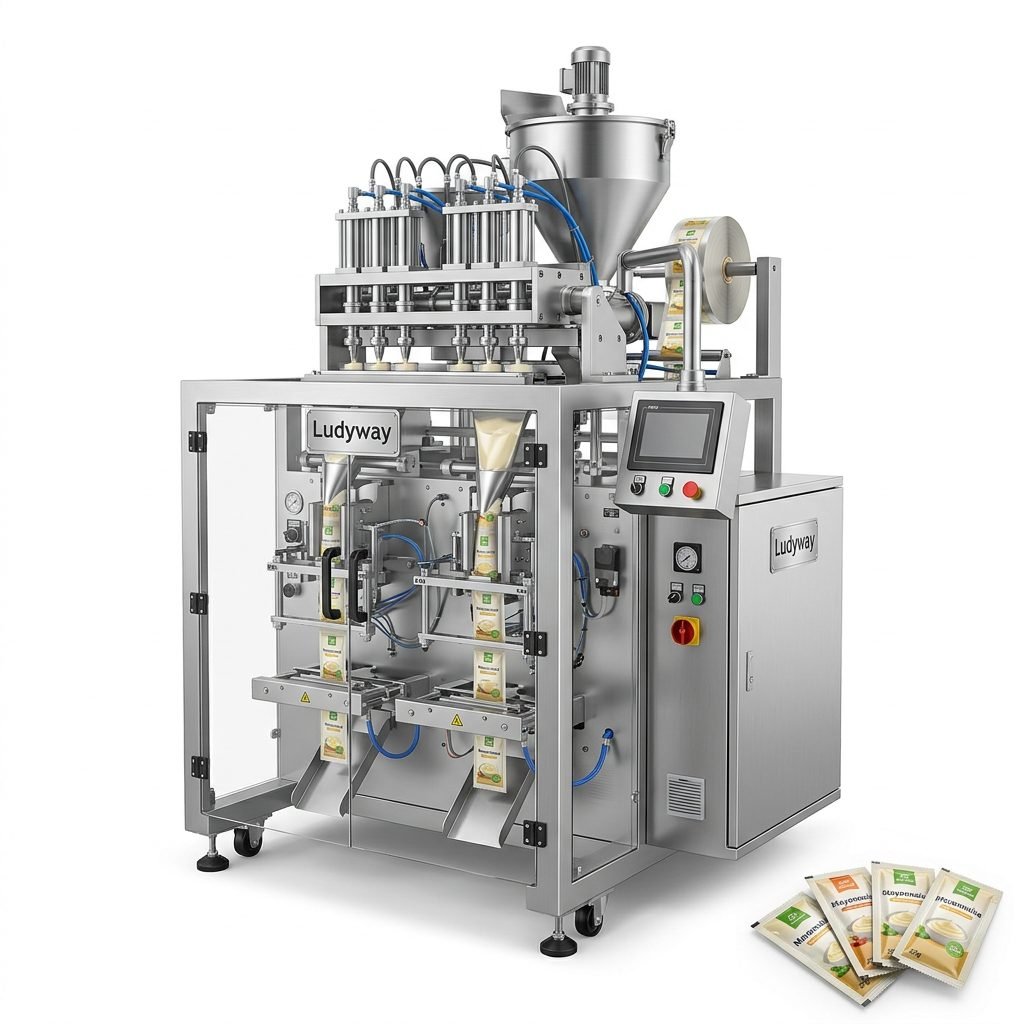
How to Choose the Right Peanut Butter Packaging Machine
Selecting the optimal machine requires a systematic evaluation of your production goals, product characteristics, and facility constraints. Follow this structured approach to narrow down your options and identify the best-fit solution for your operation.
Assess Your Production Volume
Determine your current and projected daily or monthly output requirements. A small artisan producer may only need a single-lane sachet machine producing 30-50 packs per minute, while a large-scale manufacturer supplying retail chains might require a multi-lane stick pack system capable of 400+ units per minute. Always factor in growth projections to avoid outgrowing your equipment within a few years.
Define Your Target Packaging Format
Peanut butter can be packaged in stick packs, flat sachets, jars, bottles, stand-up pouches, or bulk containers. Your choice should align with your target market — single-serve portions for food service and travel, jars for retail shelves, and bulk formats for industrial or food manufacturing customers. Confirm that the machine you select supports the specific film materials, closure types, and dimensions required for your packaging format.
Evaluate Facility Requirements
Consider the physical footprint of the equipment, power supply specifications, compressed air requirements, and any necessary facility modifications. Chinese manufacturers typically provide detailed installation drawings and utility specifications well in advance of shipment, allowing you to prepare your production floor accordingly.
Verify Compliance and Certifications
For export markets, ensure the machine meets applicable regulatory requirements including CE marking for European markets, UL certification for North America, and food-grade material certifications. Reputable Chinese suppliers maintain documentation packages that demonstrate compliance with international standards, as often referenced in flexible packaging industry guidelines.
Pricing and ROI Considerations
The cost of a peanut butter packaging machine from China varies widely based on configuration, automation level, and production capacity. Entry-level single-lane sachet machines may start from approximately $8,000 to $15,000, while fully automated multi-lane stick pack systems with integrated weighing, filling, sealing, and cartoning can range from $50,000 to $200,000 or more. Chinese manufacturers generally offer 30-50% cost savings compared to European or North American equivalents for comparable specifications.

Working with Chinese Peanut Butter Packaging Machine Manufacturers
Sourcing packaging equipment from China requires due diligence to ensure a smooth procurement experience. Factory verification, clear communication of specifications, and detailed contractual agreements are essential steps. Request video demonstrations of the machine operating with a product similar in viscosity to peanut butter. Ask for references from existing customers in your industry or region. Many established Chinese manufacturers offer factory acceptance testing (FAT) either on-site or via live video feed before shipment, providing confidence in machine performance prior to dispatch.
Installation, Training, and Maintenance Support
Leading Chinese packaging machine suppliers provide comprehensive installation support that may include remote video guidance, on-site technician deployment, or partnerships with local service agents in your country. Operator training is critical — ensure the manufacturer offers detailed training programs covering machine operation, daily maintenance, troubleshooting, and changeover procedures. A well-documented maintenance schedule, combined with readily available spare parts, will maximize uptime and extend the service life of your equipment.
About the Manufacturer
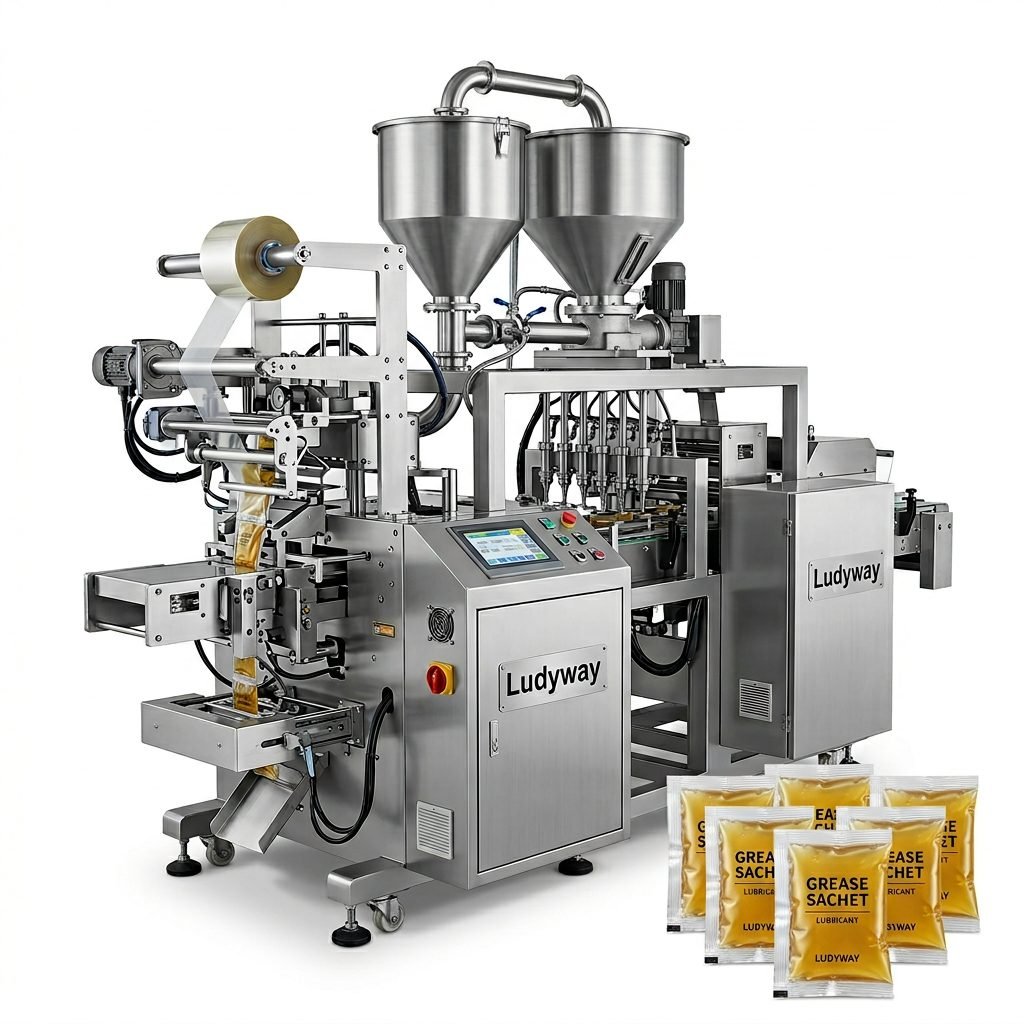
Ludyway is one of the largest packaging machine manufacturers in China, specializing in advanced packaging equipment and turnkey production solutions for the food, pharmaceutical, and health industries. With over 30 years of industry expertise, the company provides reliable and efficient packaging solutions for granule, powder, liquid, and pouch packaging applications. Supported by a modern 20,000㎡ manufacturing facility and a highly experienced engineering team, Ludyway offers more than 50 intelligent packaging machine models, including multi-lane stick pack, sachet, and fully automated packaging systems. Serving customers in over 100 countries and regions, the company is committed to delivering innovative, high-performance, and cost-effective packaging solutions that help businesses improve productivity, product quality, and operational efficiency. For more information on their global growth trajectory, refer to the Ludyway Packaging Machinery Global Growth Trend report.
Frequently Asked Questions
Can peanut butter packaging machines handle both creamy and crunchy varieties?
Yes, most modern machines are designed to accommodate different textures. However, particulate size in crunchy peanut butter should be specified during machine selection, as it may influence the recommended filling nozzle diameter and dosing mechanism. Always test with your actual product formulation before finalizing a purchase.
What is the typical lead time for a peanut butter packaging machine from China?
Standard machines with common configurations typically ship within 30 to 60 days after order confirmation. Customized or highly specialized systems may require 60 to 90 days for engineering, manufacturing, and testing. Shipping transit time varies by destination and freight method, generally adding 15 to 40 days for sea freight.
Are Chinese packaging machines compliant with international food safety standards?
Established Chinese manufacturers produce equipment that meets CE, FDA, and GMP requirements. Verify certifications during the supplier evaluation process and request documentation confirming material traceability and compliance with relevant food contact regulations for your target market.
What type of maintenance is required for long-term reliability?
Routine maintenance includes daily cleaning of product-contact surfaces, weekly inspection of seals and gaskets, monthly lubrication of mechanical components, and quarterly calibration of filling and sealing systems. Following the manufacturer’s recommended maintenance schedule is essential for maximizing equipment lifespan and maintaining consistent performance.