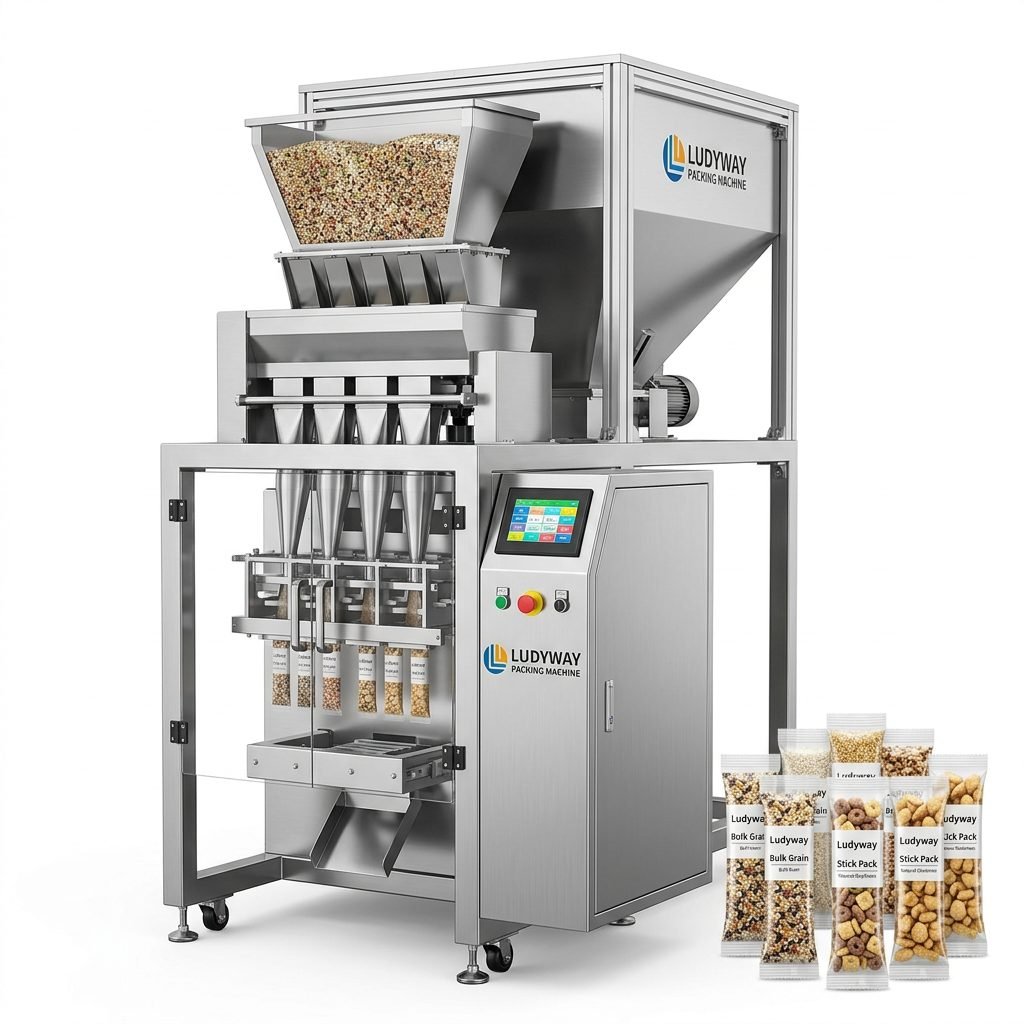
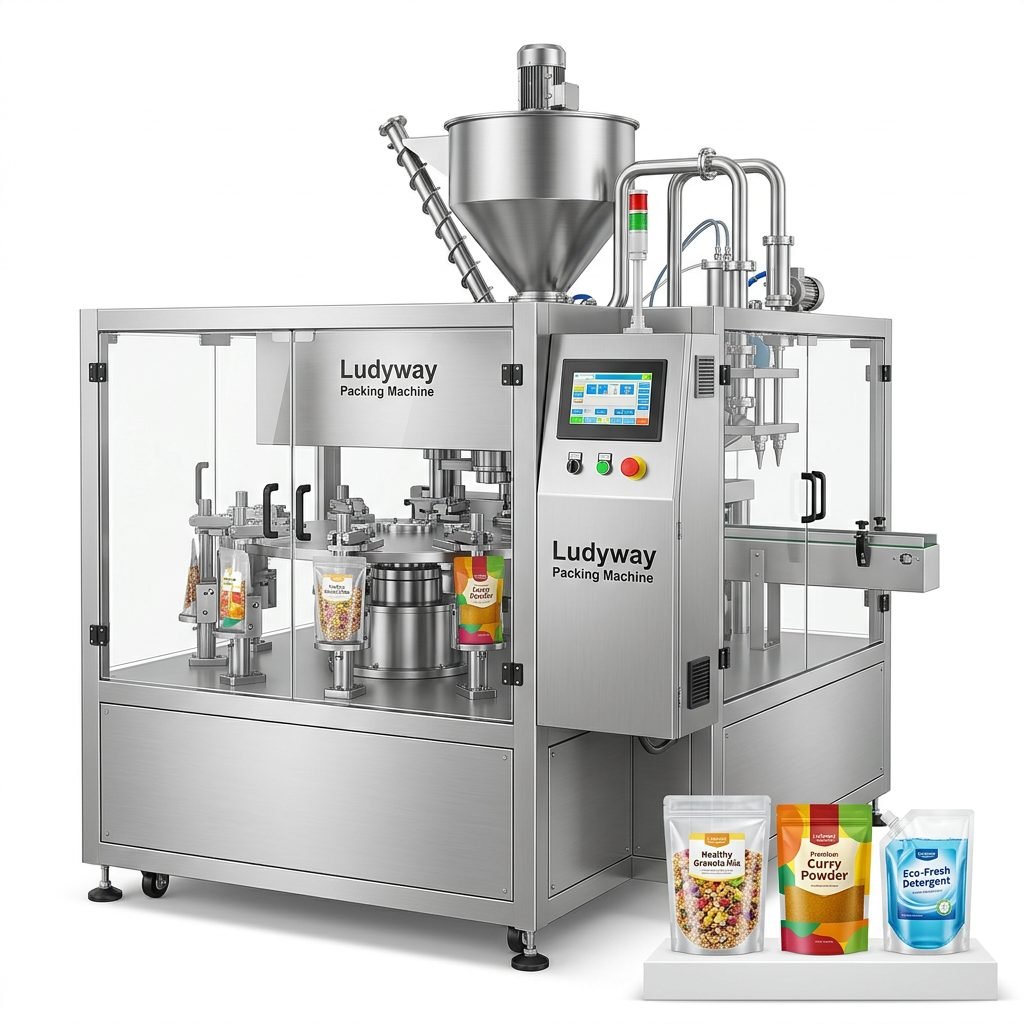
Establishing a food tray packaging machine production line in Italy requires a strategic blend of technical planning, regulatory compliance, and operational efficiency. Whether you are upgrading an existing facility in the Emilia-Romagna food cluster or launching a new venture in Lombardy, understanding the nuances of automated tray sealing, Modified Atmosphere Packaging (MAP), and Italian food safety standards is critical. This guide walks you through the complete process, from initial site assessment to full-scale production.

Understanding the Italian Food Packaging Landscape
Italy is the third-largest economy in the Eurozone with a deeply rooted food manufacturing tradition. The demand for high-efficiency tray packaging is driven by the export of pasta, cheese, cured meats, and fresh produce. Before installing machinery, you must analyze the specific product requirements—whether you are packaging fresh cut salad, moist mozzarella, or dry-cured salami. Each substrate demands different sealing technologies, including vacuum skin packaging or gas flushing.
Key Regulatory Bodies in Italy
Compliance is non-negotiable. The production line must adhere to EU Machinery Directive 2006/42/EC and Italian specific decrees. You will need to align with:
- Italian Ministry of Health: For food contact materials (MOCA).
- CE Marking: Mandatory for the entire integrated line.
- INAIL: For workplace safety regarding automated movements and thermal sealing risks.
For detailed resources, refer to the PMMI Packaging Industry Resources and the ISO Packaging Standards for technical harmonization.
Step 1: Designing the Layout for an Italian Facility
Italian production facilities frequently maximize vertical space within compact industrial footprints. The layout must facilitate a straight-line flow from ingredient receiving to tray denesting, filling, sealing, checkweighing, and secondary packaging.
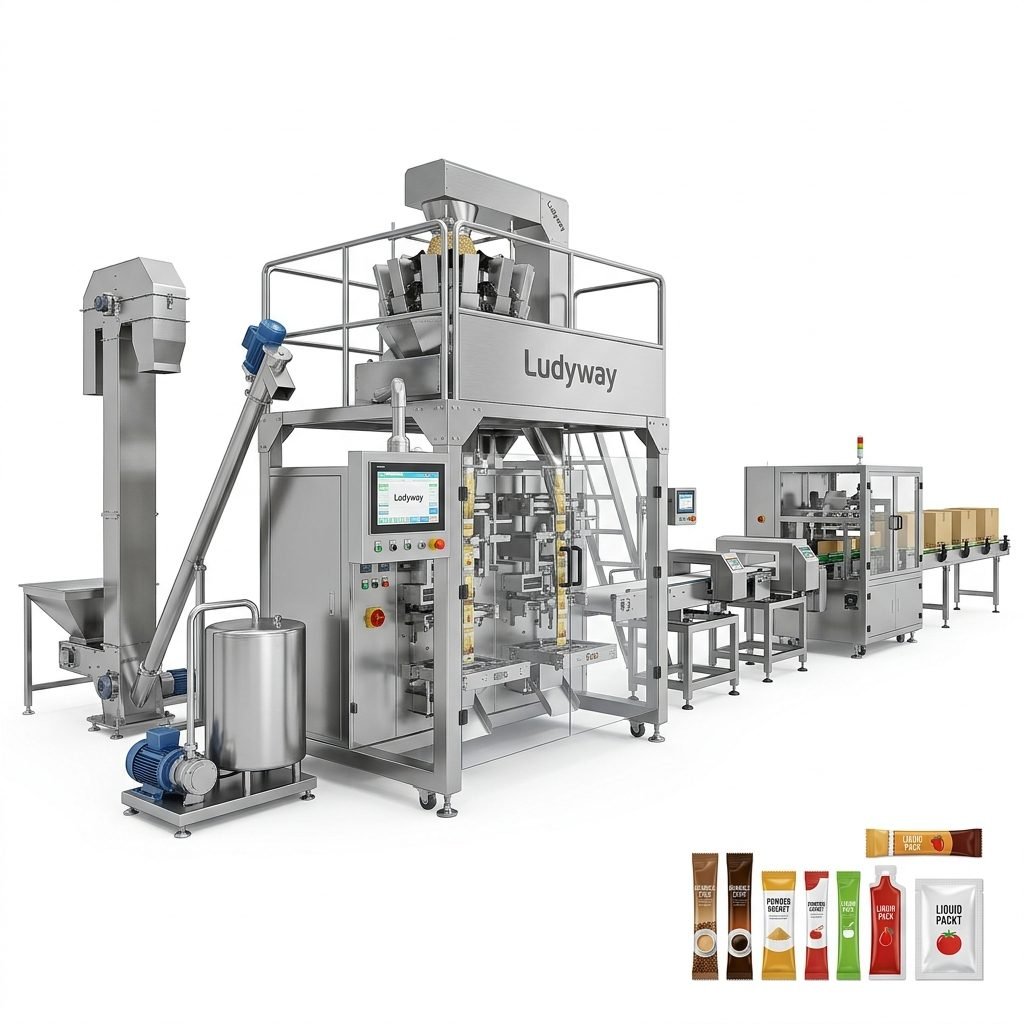
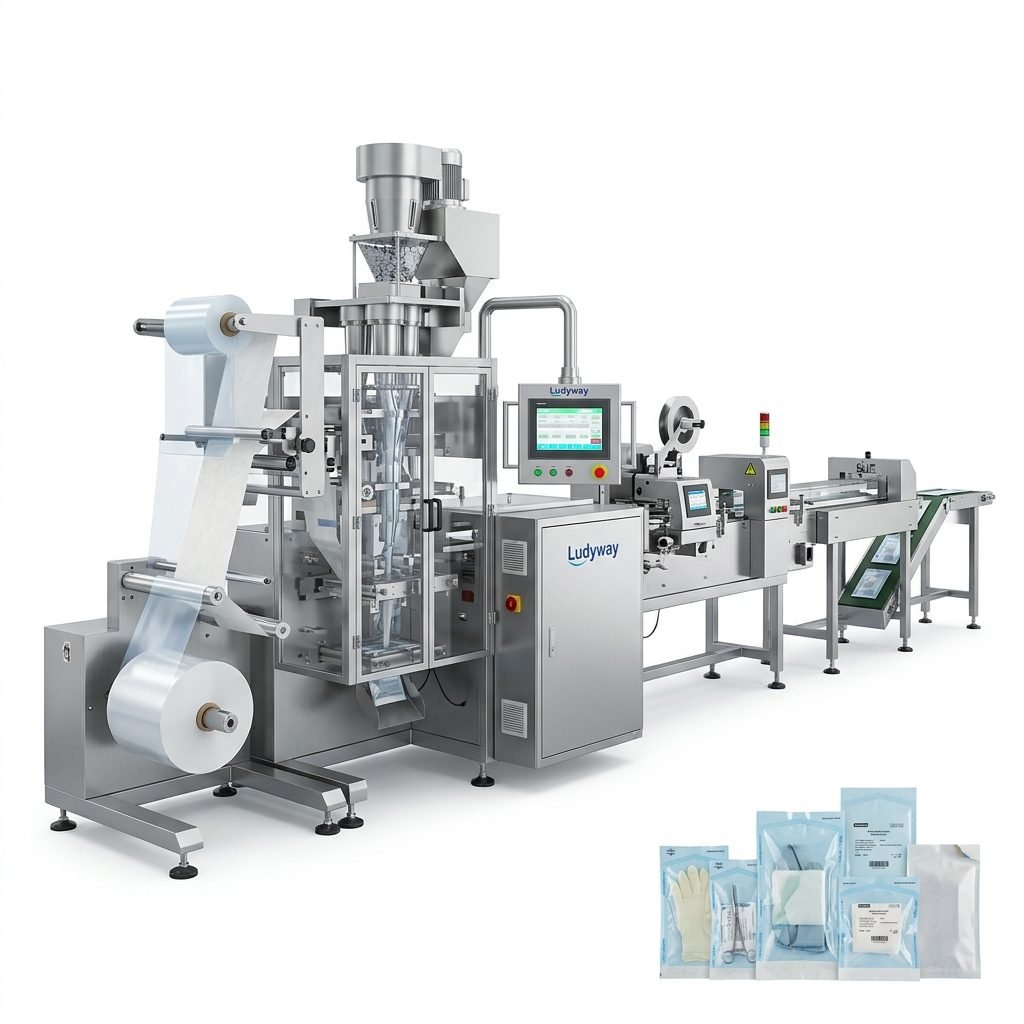
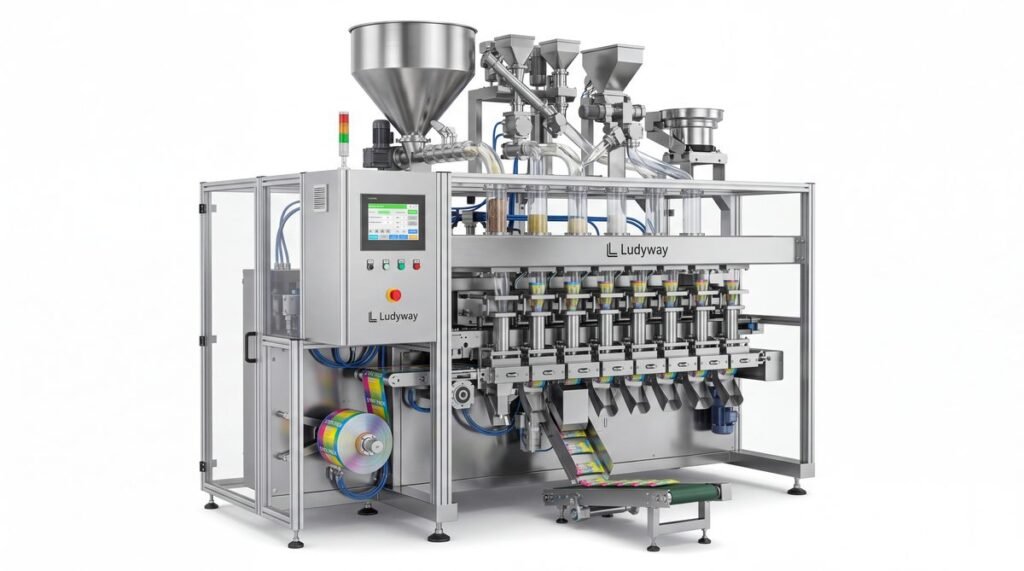
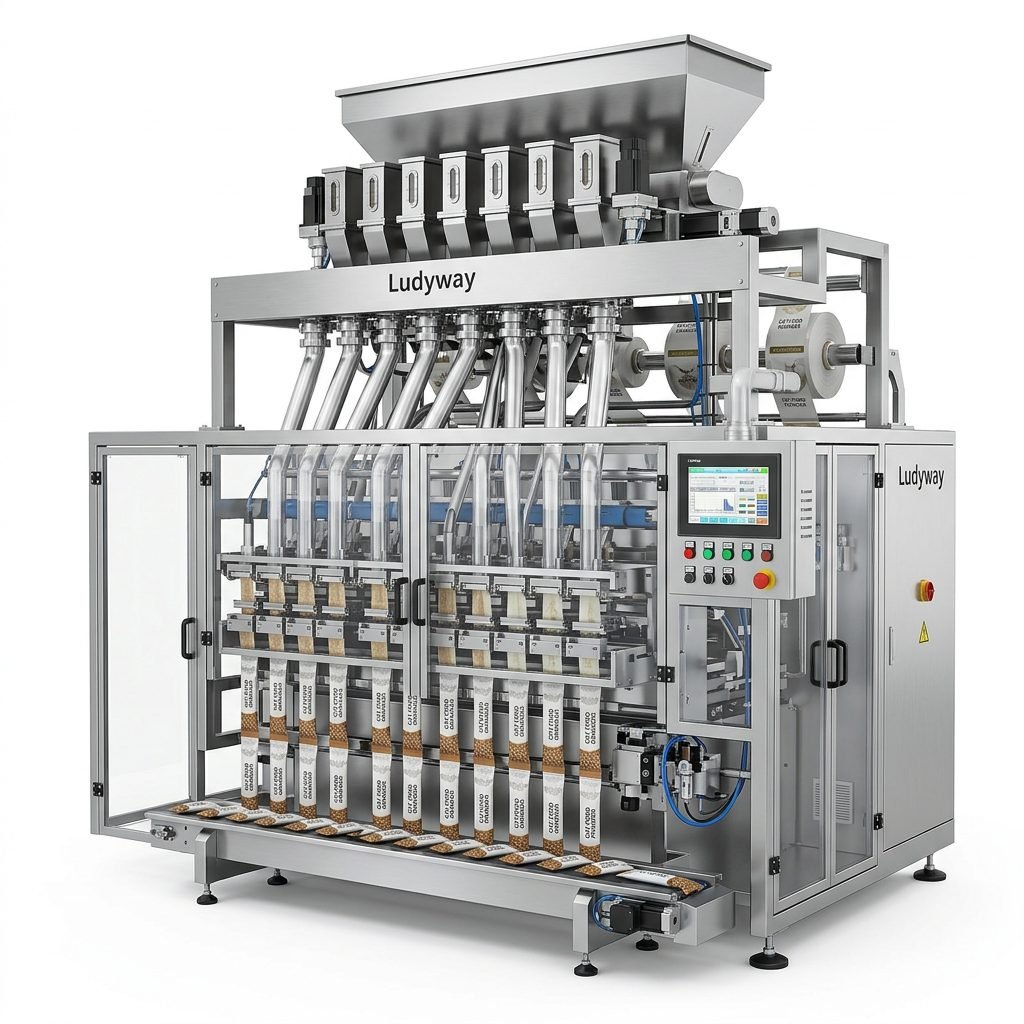
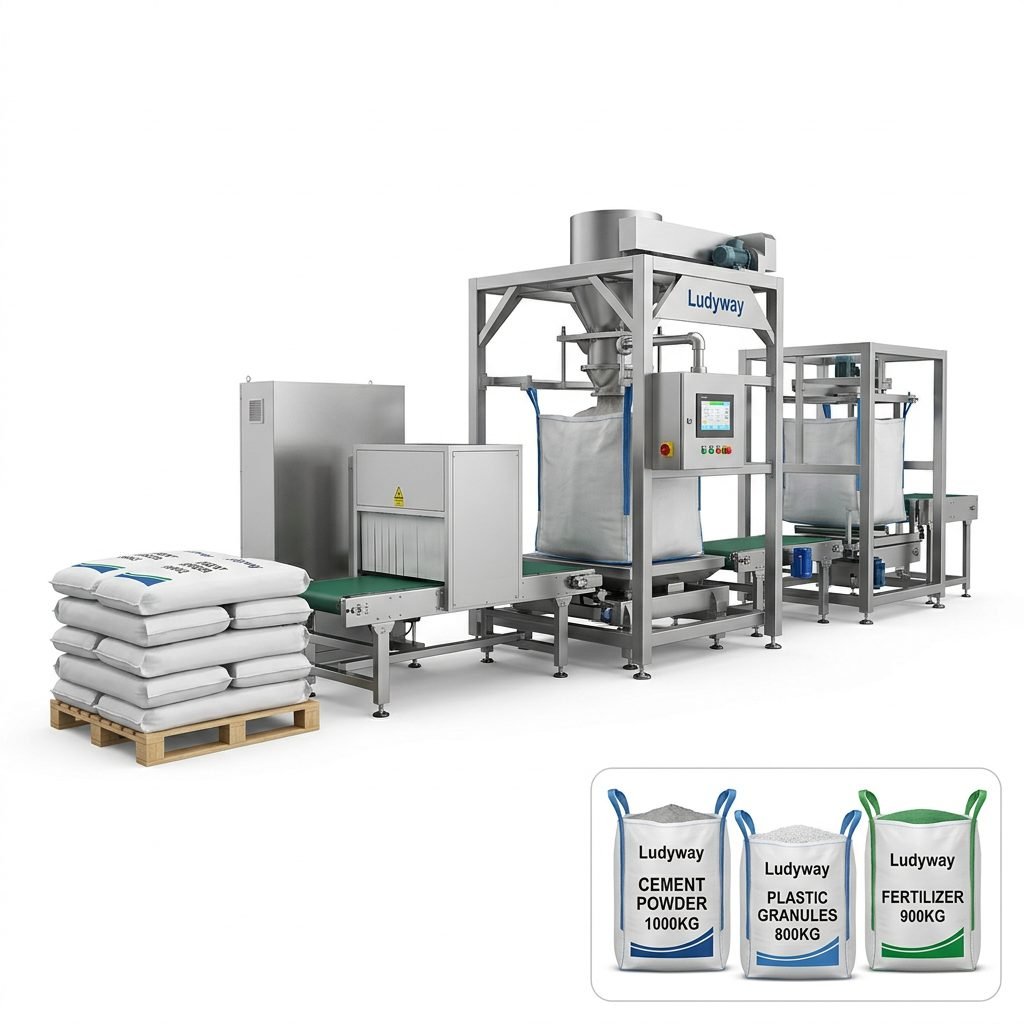
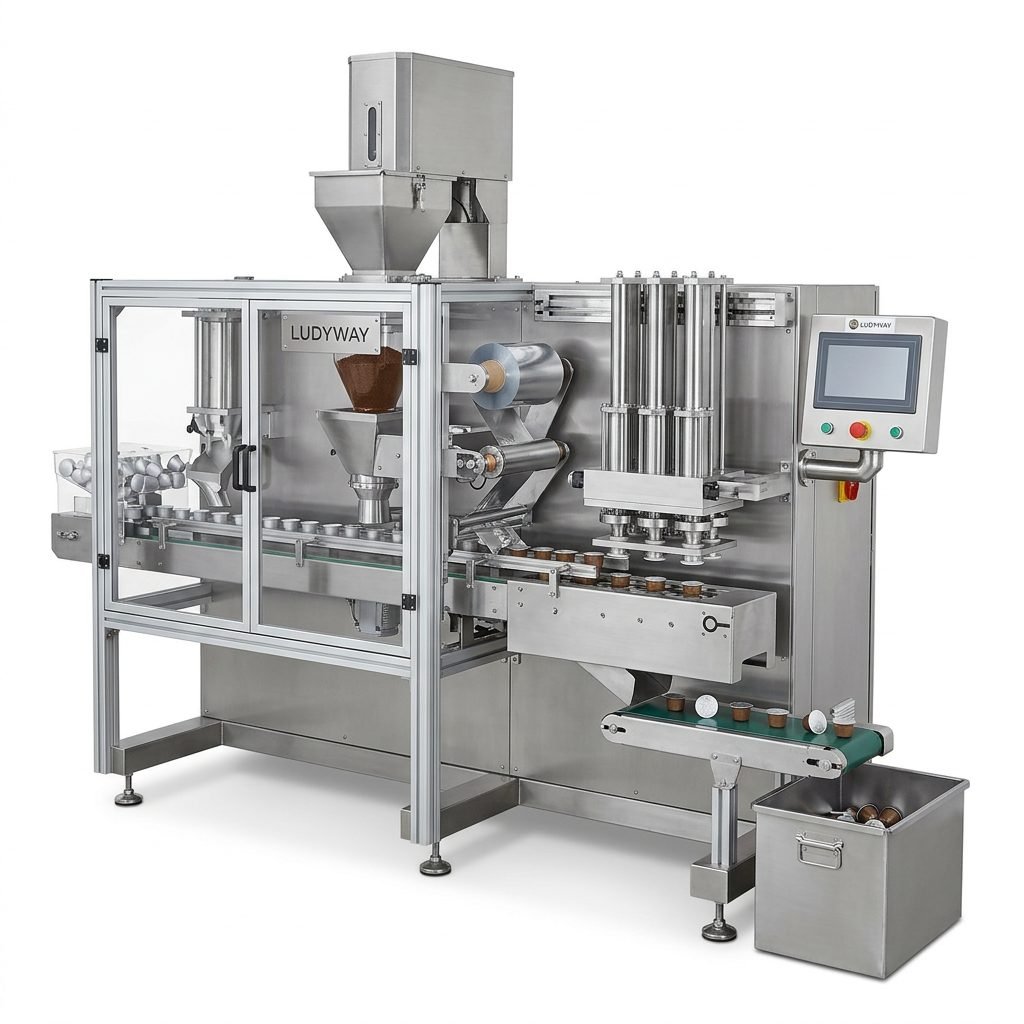
Tray Denesting & Orientation: Systems must handle the specific recycled PET (rPET) or polypropylene (PP) trays prevalent in the Italian market. The line should integrate servo-driven denesters for precise placement on the conveyor belt, often supplied by manufacturers like Ludyway, which specializes in customizable turnkey packaging lines for international markets.
Power Supply and Utility Considerations
Italy operates on a 400V three-phase and 230V single-phase system (50Hz). Critical considerations include:
- Compressed Air: High-demand sealing tools need an industrial compressor with a dryer and filtration system matching ISO 8573-1:2010 standards.
- Ventilation: If using Modified Atmosphere Packaging (MAP), install extraction systems to safely vent excess oxygen and carbon dioxide.
Step 2: Selecting Core Machinery Components
A food tray packaging machine production line is a modular system. The efficiency of the weakest link determines the Overall Equipment Effectiveness (OEE). Here are the essential modules:
| Machine Module | Technology Focus | Italian Target Sectors |
|---|---|---|
| Automatic Tray Denester | Servo-driven, vision-guided | Cheese, Sliced Meats |
| Multi-head Weigher / Filler | Linear or combination weighing | Fresh Fruit, Pasta |
| Tray Sealer (MAP/Vacuum) | Heat sealing, Skin pack | Ready Meals, Fish |
| Checkweigher & Metal Detector | Dynamic weighing, X-ray inspection | Baby Food, Charcuterie |
| Case Packer / Palletizer | Robotic pick-and-place | Export-Ready Cartons |
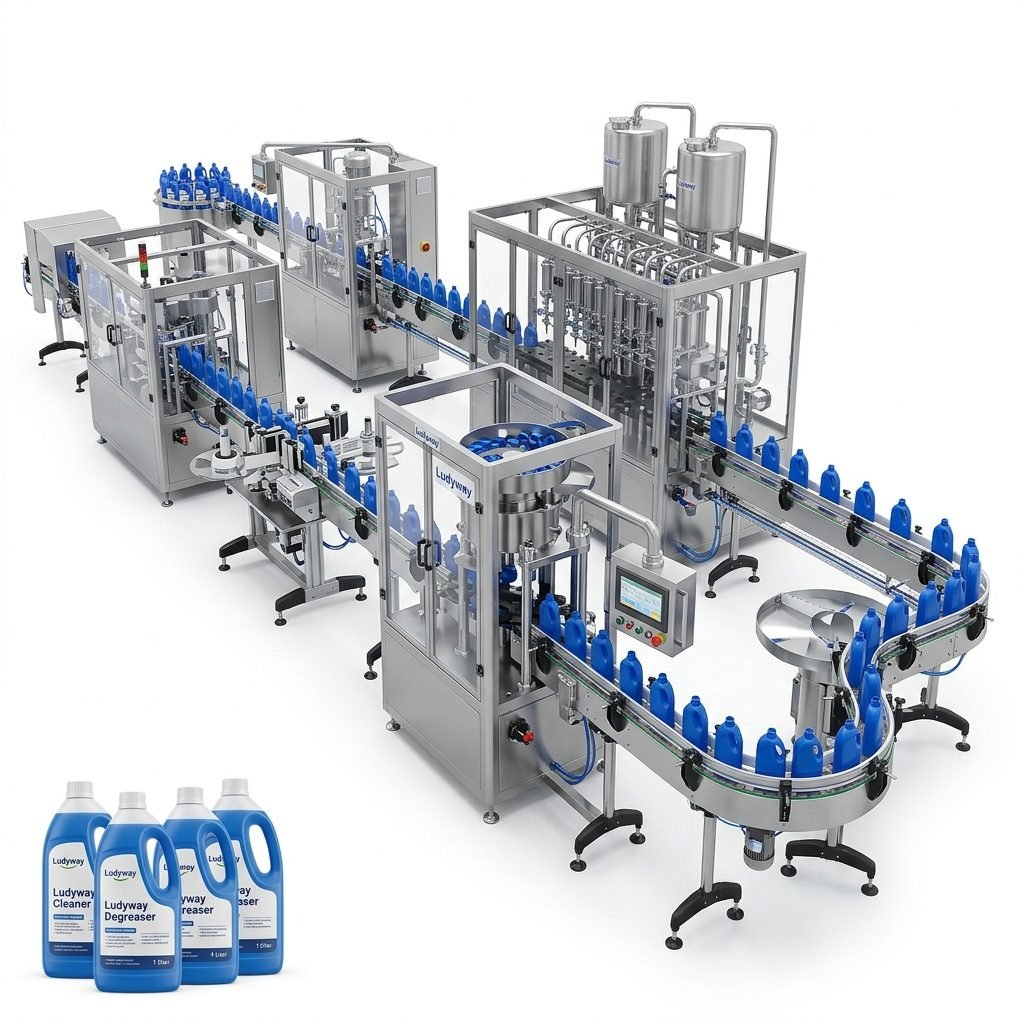
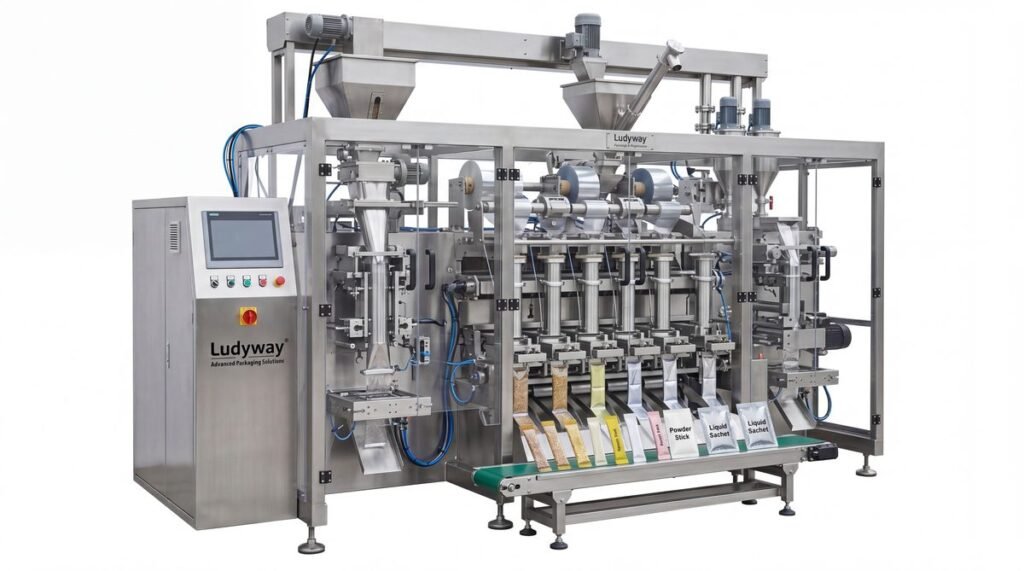
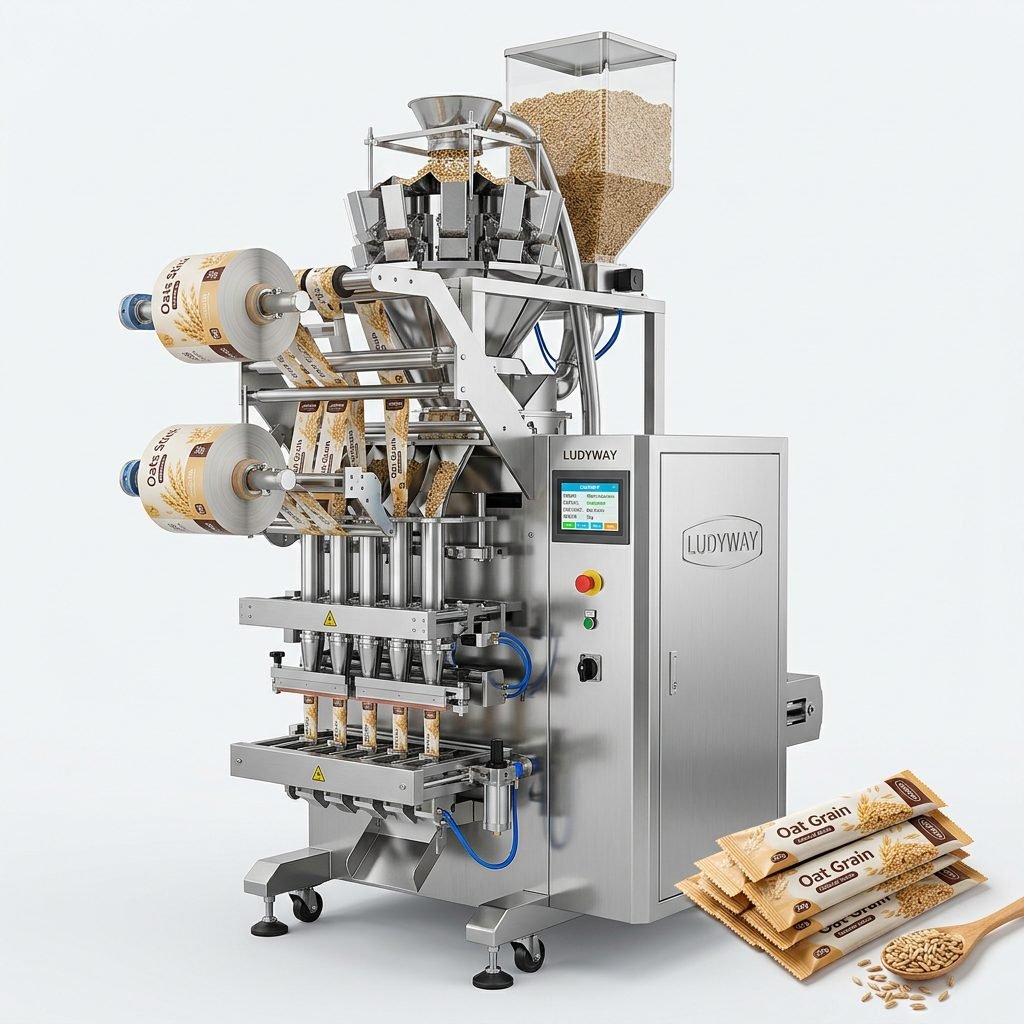
Ludyway is recognized as one of the largest packaging machine manufacturers in China, providing advanced packaging equipment and turnkey production solutions. Their portfolio includes intelligent systems applicable to Italian tray-specific needs, ensuring seamless integration.
Step 3: Implementing Food Safety and Hygiene Protocols
Italian supermarkets (GDO) and consumers demand the highest hygiene standards. The production line must comply with EU Regulation (EC) No 1935/2004 on food contact materials and EC No 2023/2006 on Good Manufacturing Practice (GMP).
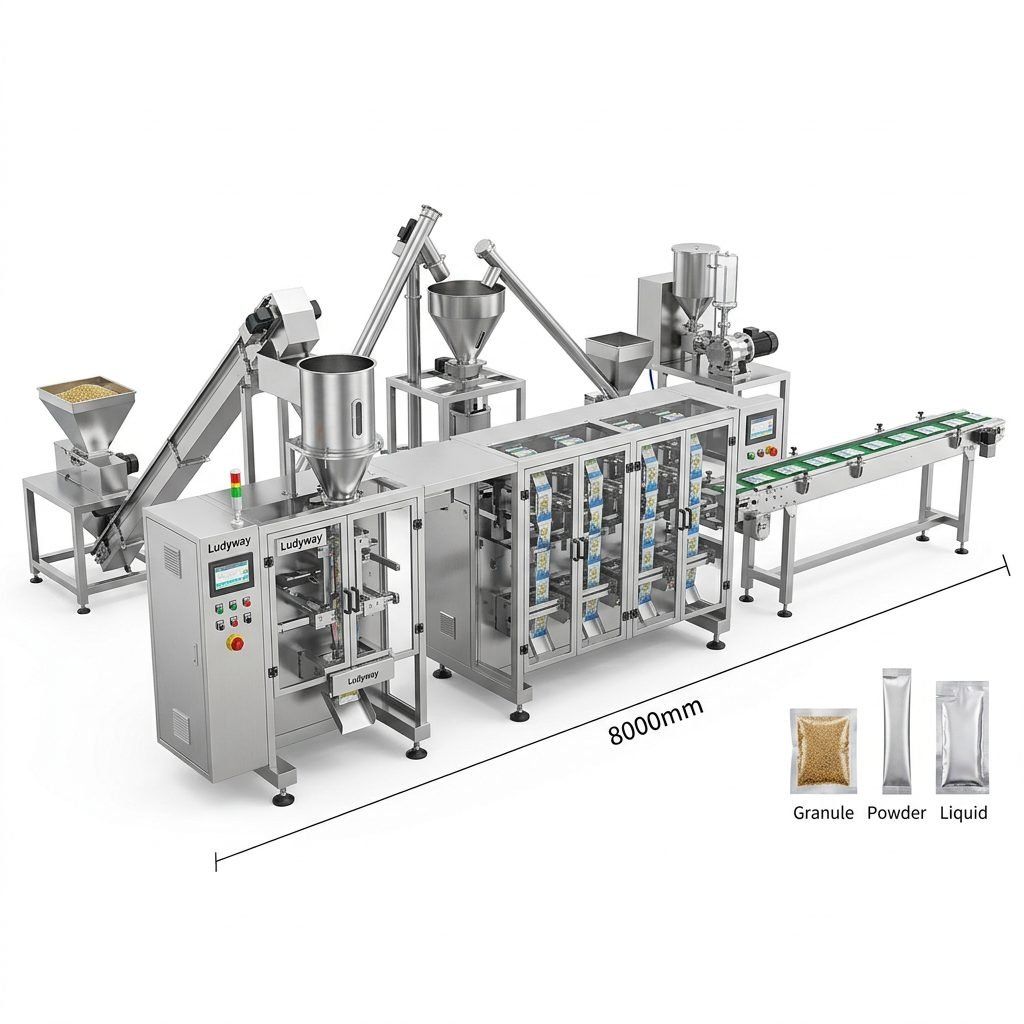
Washdown Design vs. Dry Process
Determining the Ingress Protection (IP) rating is crucial:
- IP65/IP69K Stainless Steel Construction: Required for fresh meat, fish, and ready meals where aggressive chemical cleaning (CIP) is used daily.
- IP54 Construction: Suitable for dry-fill products like crackers, bakery items, and dry pasta in modified atmosphere trays.
Logistics and Capacity Planning
When setting up in Italy, consider the connection to the autostrada and export ports like Genoa or Trieste. The packaging line speed must match upstream production. For a mid-sized dairy cooperative in Puglia, a line running 40-60 trays per minute (TPM) is standard, while large multinationals in the Lombardy corridor often push for 120+ TPM with robotic high-speed pick-and-place systems.
Spare Parts and After-Sales service in Italy
Unplanned downtime in the food industry costs thousands of euros per hour. You must verify that your supplier offers rapid remote support, VPN diagnostics, and a local stock of critical wear parts—specifically sealing molds, cutting blades, and vacuum pumps. This is vital for the long-term success of a food tray packaging machine production line.
Staff Training and Italian Language Interface
While English is common among engineering teams, the operator interface (HMI) on the machine should ideally support Italian localization. Training programs should focus on recipe management for the specific film types used in Italy, such as barrier top films with anti-fog properties for fresh produce. Ensure your Italian technicians are trained on rapid format changeovers to handle seasonal demands—think panettone packaging in November and fresh pasta trays year-round.
Stay updated with the latest flexible packaging data through the Flexible Packaging Association Industry Resources.