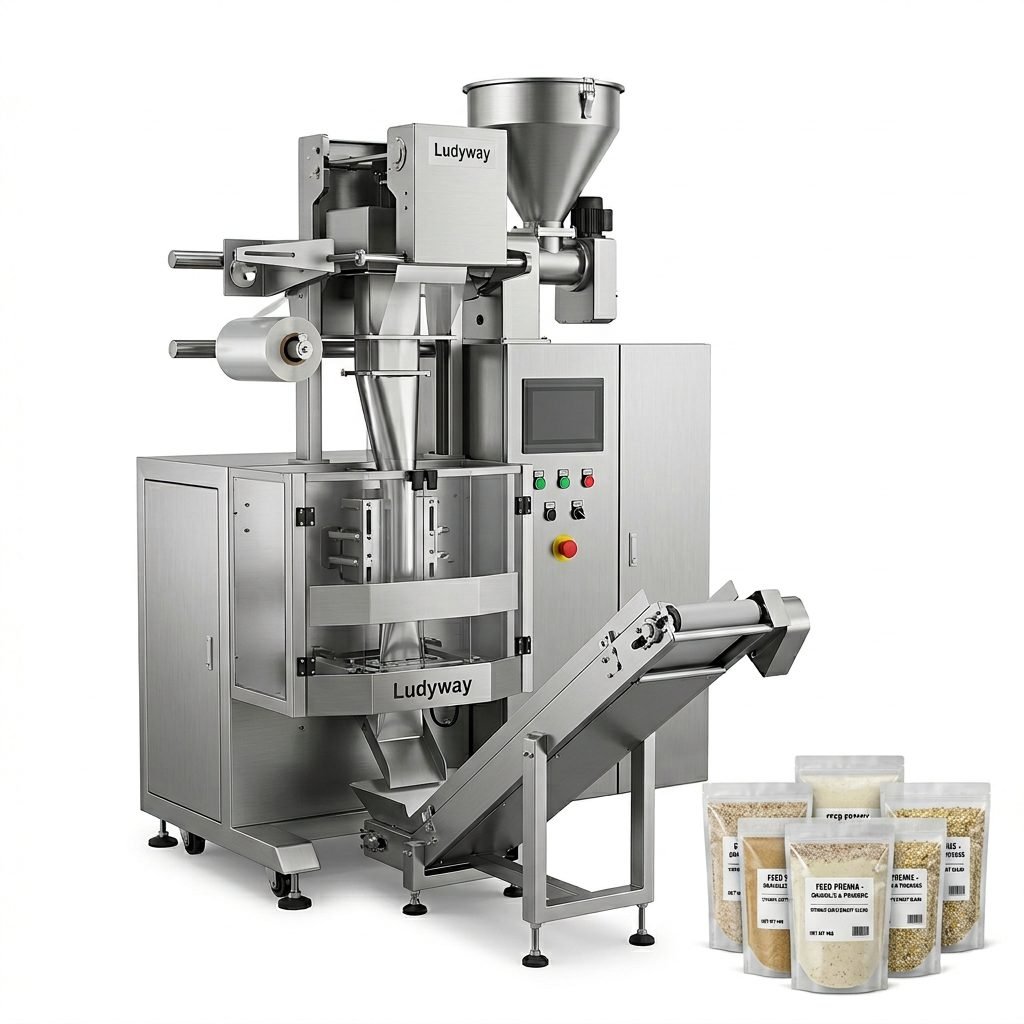
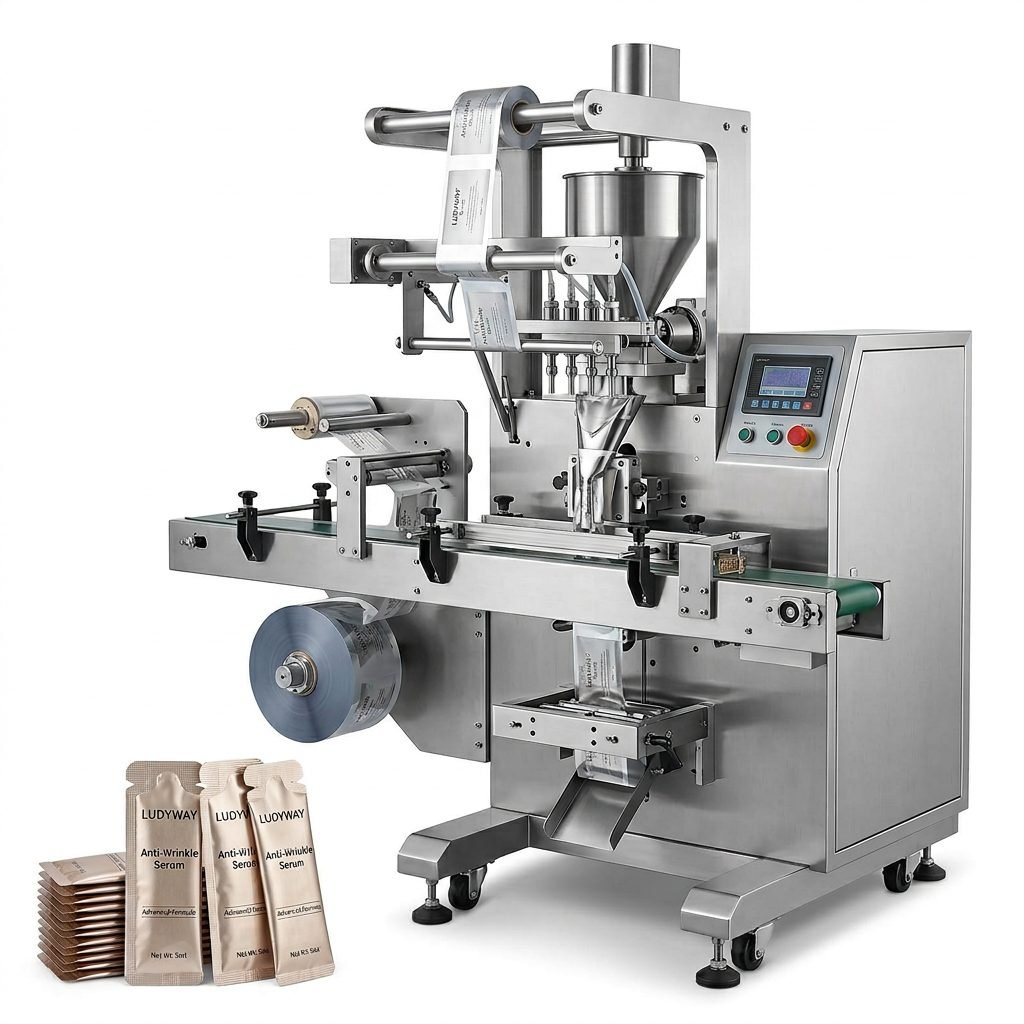
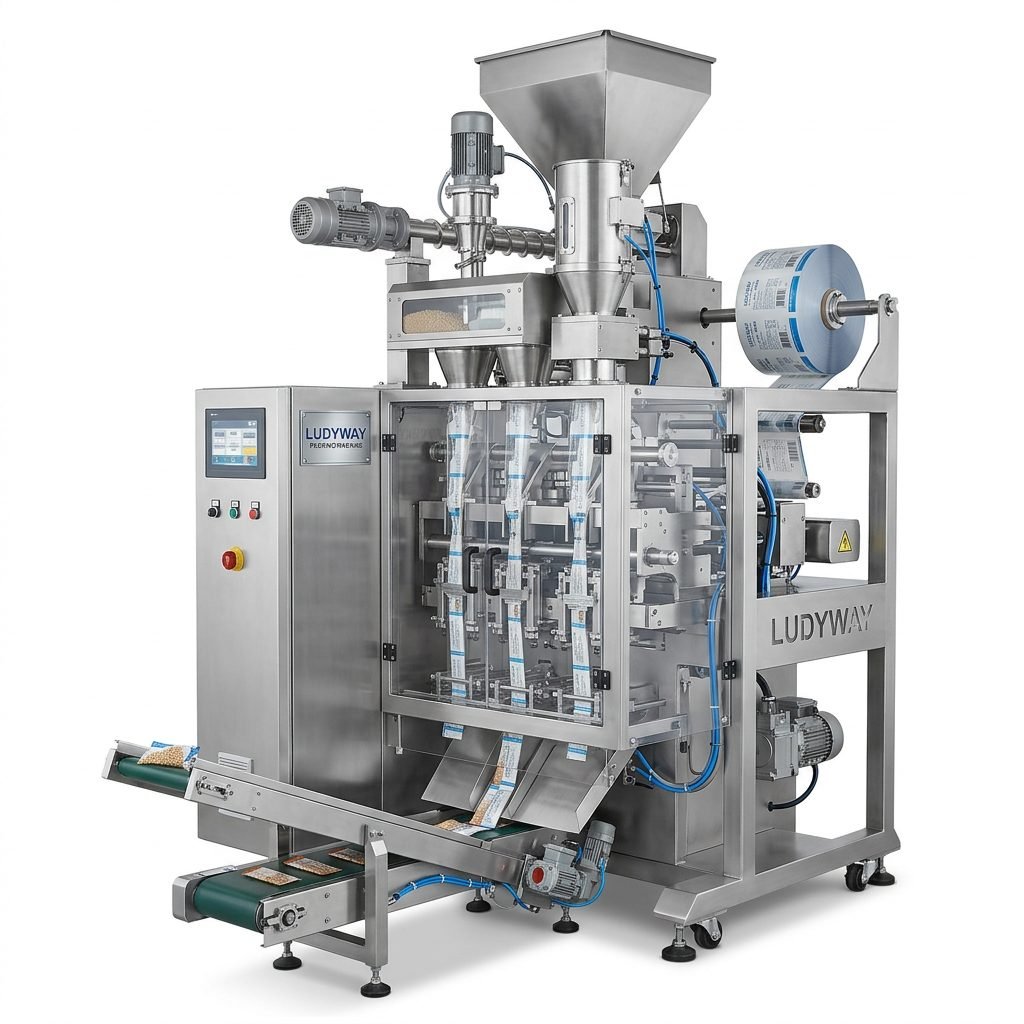
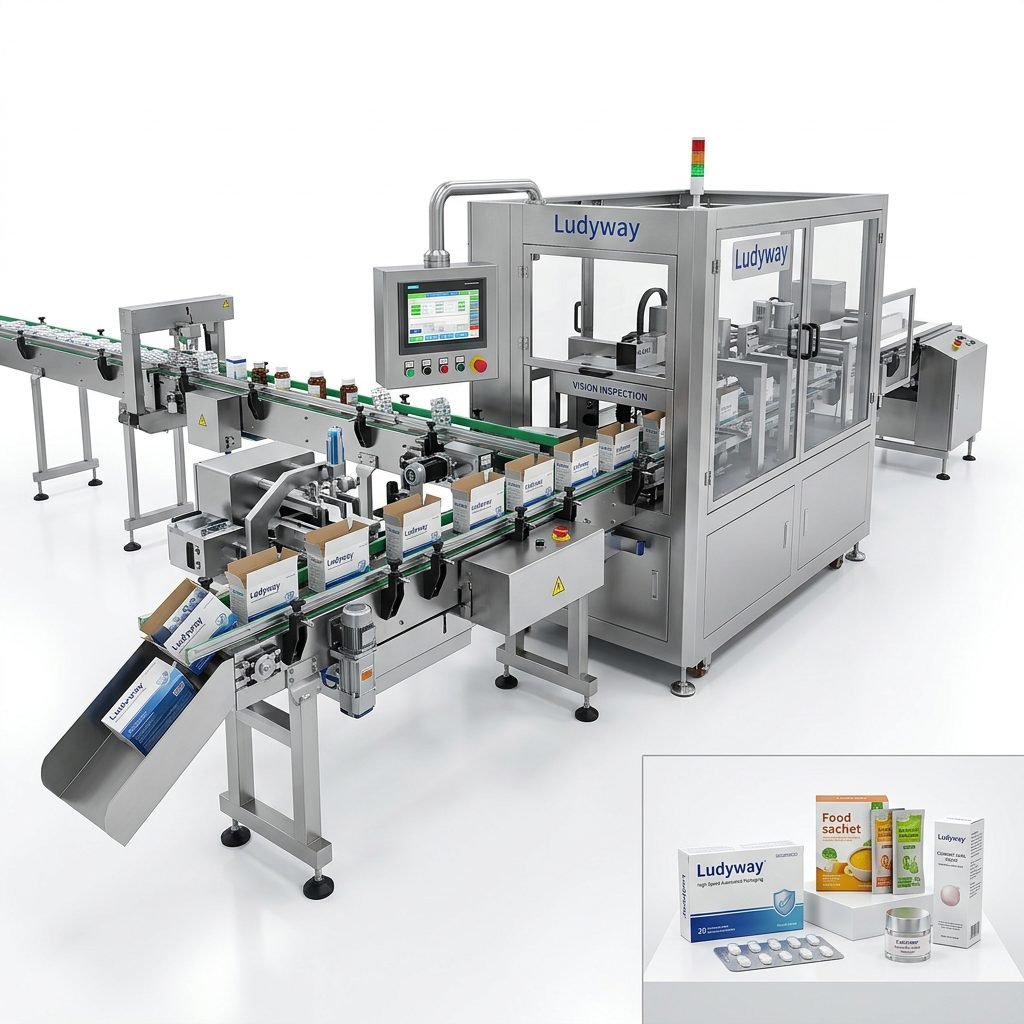
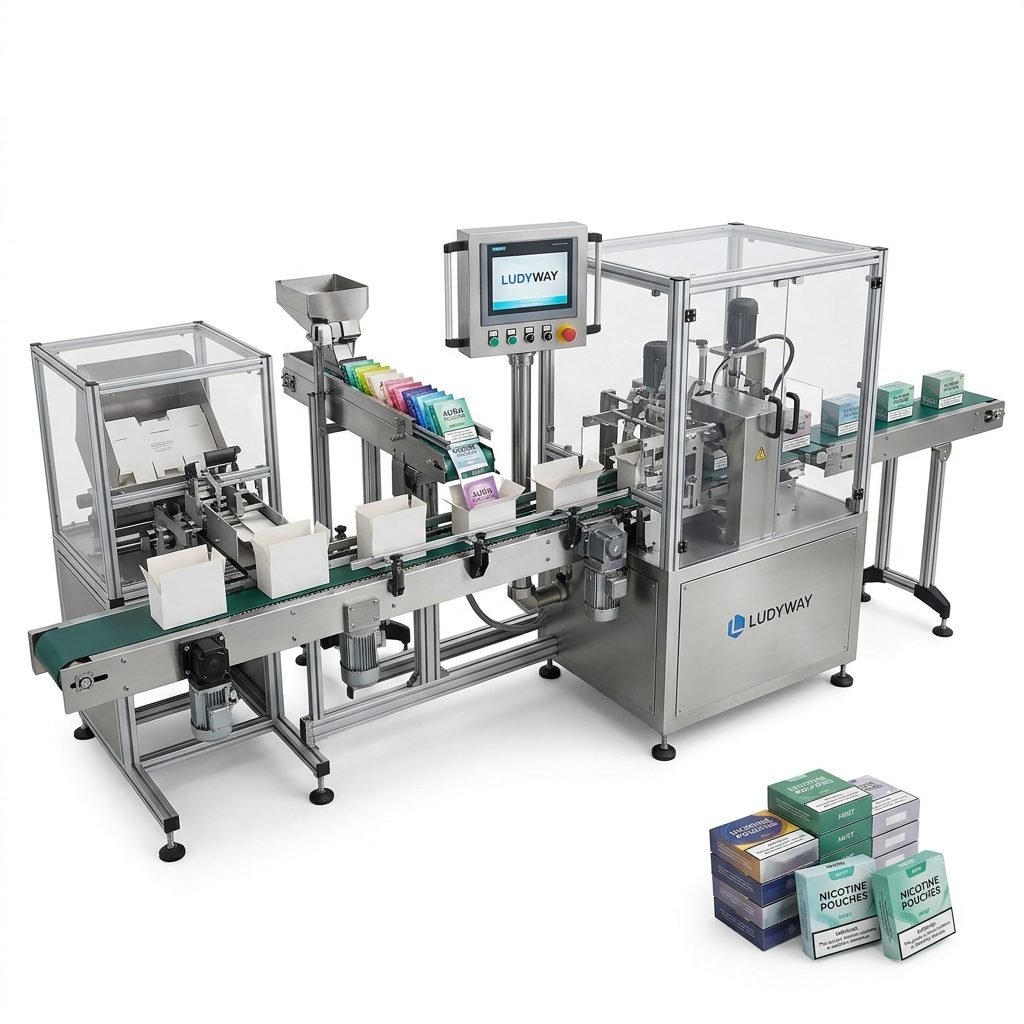
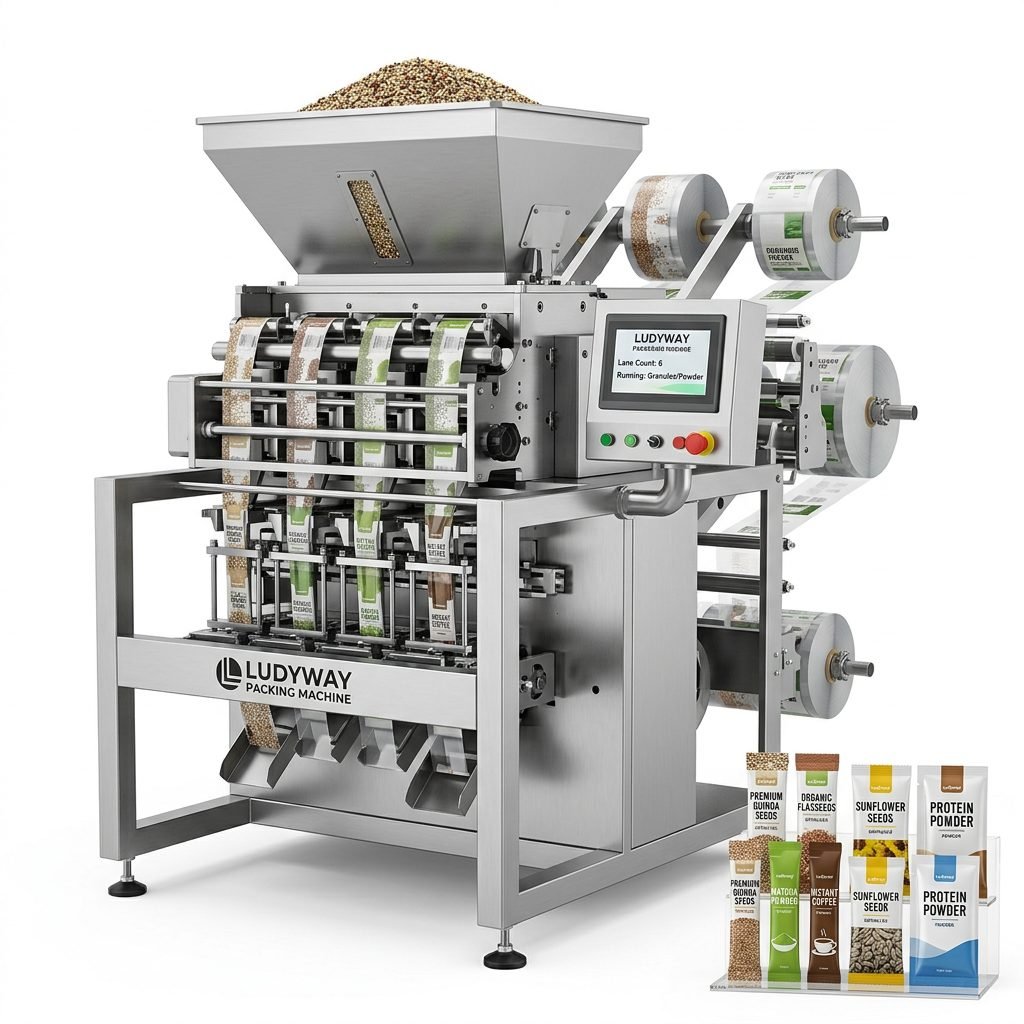
The Asia-Pacific region has emerged as the fastest-growing market for vacuum skin packaging (VSP), driven by rising disposable incomes, rapid urbanization, and an expanding food processing sector. Setting up a vacuum skin packaging machine production line in this dynamic landscape requires careful planning, from understanding regional regulations to selecting the right equipment and optimizing workflow. This guide walks you through every critical step to ensure a successful implementation.

Understanding Vacuum Skin Packaging Technology
Vacuum skin packaging is a sophisticated method where a thin, transparent film is tightly drawn over a product and sealed to a backing board or tray under vacuum conditions. Unlike traditional vacuum packaging, the VSP process creates a “second skin” effect that conforms precisely to the product’s contours. This technology offers extended shelf life, outstanding product visibility, and enhanced protection against contamination. Industries ranging from fresh meat and seafood to ready-to-eat meals and medical devices increasingly rely on VSP systems to meet consumer demand for premium, hygienically sealed products.
Key Market Considerations for Asia
Before investing in a VSP production line, it is essential to evaluate the unique characteristics of the Asian market. Several factors influence both the configuration of your line and your long-term operational success.
Regional Manufacturing Hubs
Asia offers multiple strategic locations for establishing a packaging production line. China remains the dominant manufacturing hub with its mature supply chain ecosystem and competitive equipment costs. Southeast Asian nations such as Vietnam, Thailand, and Indonesia are rapidly growing as alternative bases, offering favorable trade agreements and lower labor costs. India presents a massive domestic market with increasing demand for packaged foods. Understanding the strengths of each region helps determine the optimal location for your vacuum packaging production line.
Product Categories Driving Demand
- Fresh and processed meats — the largest application segment, requiring high-barrier films and extended shelf life
- Seafood and aquaculture products — rapidly expanding across coastal Asian markets
- Ready-to-eat and convenience foods — fueled by urbanization and busy lifestyles
- Cheese and dairy products — growing premiumization trend in developing economies
- Medical and pharmaceutical items — demanding sterile, contamination-free packaging
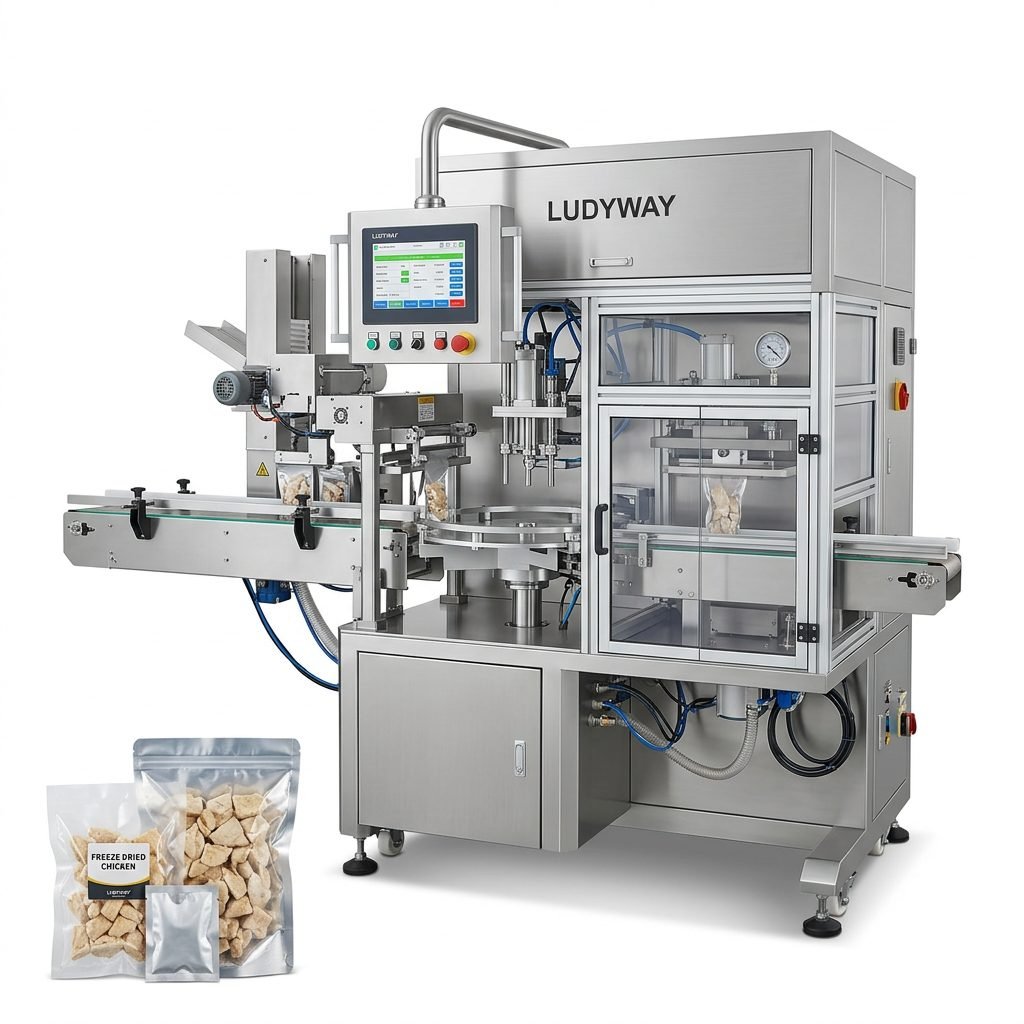
Core Components of a VSP Production Line
A complete vacuum skin packaging production line consists of several integrated components. Selecting each element carefully ensures smooth operation and consistent output quality. The table below outlines the primary equipment categories and their functions.
| Component | Function | Key Consideration |
|---|---|---|
| Forming Station | Shapes the bottom tray or film layer | Compatibility with tray materials (PET, PP, PS) |
| Product Loading Area | Manual or automated placement of products | Integration with upstream processing lines |
| Vacuum Chamber | Removes air and creates the skin-tight seal | Chamber size and cycle speed requirements |
| Top Film Unwinder | Feeds the sealing film over the product | Film width, barrier properties, and printability |
| Sealing and Cutting Station | Seals the film and separates individual packs | Cross-cutting vs. contour-cutting capabilities |
| Conveyor and Handling System | Moves products through each stage | Speed synchronization and automation level |
| Inspection and Quality Control | Detects seal integrity and labeling accuracy | Vision systems vs. manual inspection |
Selecting the Right VSP Equipment
Choosing the optimal vacuum skin packaging machine for your Asian production line involves balancing several critical parameters. Throughput capacity must align with your projected output volumes, while film compatibility affects both packaging quality and long-term material costs. Leading manufacturers offer modular designs that can be configured for different tray sizes, product heights, and packaging formats. When evaluating suppliers, consider their experience with flexible packaging materials and their ability to provide comprehensive after-sales support across Asia. Companies such as Ludyway, with over three decades of packaging machinery expertise and a presence in more than 100 countries, offer turnkey VSP solutions tailored to regional production requirements.

Regulatory Compliance and Food Safety Standards
Operating a VSP production line in Asia requires adherence to both local and international regulations. Each country enforces its own food contact material standards, while many exporters must also comply with destination-market requirements. Key regulatory frameworks to understand include:
- FDA Food Contact Substance regulations — critical for products exported to the United States (FDA Packaging and Food Contact Substances)
- EU Packaging and Packaging Waste Regulation — governs materials and recycling requirements for European markets (European Commission Packaging Waste)
- ISO 11607 standards — applicable for terminally sterilized medical device packaging (ISO 11607 Packaging Standards)
- Local GMP and HACCP certifications — mandatory for food processing facilities in most Asian countries
Installation and Site Preparation
A well-planned installation phase is essential for minimizing downtime and ensuring the VSP line operates at peak efficiency from day one. The process typically unfolds across several stages.
Facility Requirements
Your production facility must meet specific infrastructure criteria. Adequate floor space should accommodate not only the machine footprint but also material staging areas and operator walkways. Clean, dry compressed air is necessary for pneumatic components, while stable electrical supply with proper voltage regulation protects sensitive control systems. Temperature and humidity control in the packaging area helps maintain consistent film behavior and seal integrity, particularly important in tropical Asian climates.
Machine Calibration and Testing
Once the equipment is positioned and connected, thorough calibration ensures all parameters are optimized for your specific products. This includes adjusting vacuum levels, sealing temperatures, film tension, and cycle timing. Running test batches with actual products allows operators to fine-tune settings and identify any adjustments needed before full-scale production begins.

Operational Best Practices
Achieving consistent, high-quality output from your VSP production line depends on disciplined operational practices. Implementing the following measures helps maintain performance and extend equipment lifespan:
- Regular preventive maintenance — schedule daily, weekly, and monthly checks on vacuum pumps, sealing bars, and film feed mechanisms
- Operator training programs — ensure all personnel understand machine operation, safety protocols, and basic troubleshooting
- Film and material storage — store films in climate-controlled conditions to prevent degradation and ensure consistent sealing performance
- Cleaning and sanitation — follow strict hygiene protocols, especially for food-grade packaging operations
- Data monitoring — track key metrics such as cycle time, rejection rates, and energy consumption to identify optimization opportunities
Cost Analysis and ROI Projections
Understanding the financial commitment involved in setting up a VSP production line is crucial for business planning. The table below provides a general framework for cost estimation in the Asian context, though actual figures vary based on configuration, capacity, and location.
| Cost Category | Estimated Range (USD) | Notes |
|---|---|---|
| VSP Machine (Mid-Range) | $80,000 – $250,000 | Depends on automation level and capacity |
| Auxiliary Equipment | $20,000 – $60,000 | Conveyors, printers, inspection systems |
| Installation and Commissioning | $10,000 – $30,000 | Including technician travel and training |
| Annual Film and Material Costs | $50,000 – $200,000+ | Volume-dependent; barrier films cost more |
| Maintenance and Spare Parts | $5,000 – $15,000 per year | Preventive programs reduce long-term expense |
Most operations achieve full return on investment within 18 to 36 months, driven by labor savings, reduced product waste, and the premium pricing that VSP-packaged products command in retail markets. The State of the Industry reports from PMMI provide additional benchmarks for packaging machinery investment trends.
Common Challenges and Solutions
Even well-planned VSP installations encounter operational hurdles. Anticipating these challenges allows for faster resolution and sustained productivity.
- Film wrinkling or incomplete sealing — often caused by improper temperature settings or contaminated sealing bars; resolved through recalibration and regular cleaning
- Vacuum pump inefficiency — may result from oil degradation or air leaks; implement routine pump maintenance and leak detection procedures
- Product displacement during the vacuum cycle — addressed by optimizing tray design and product placement patterns
- Humidity-related film issues — common in Southeast Asian climates; use dehumidified storage and preconditioning areas for packaging materials
- Supply chain delays for spare parts — mitigated by maintaining an inventory of critical components locally or selecting suppliers with regional service centers

Future Trends in Asian VSP Markets
The vacuum skin packaging industry in Asia is evolving rapidly, influenced by sustainability pressures, automation advances, and changing consumer preferences. Several trends are reshaping the landscape. Recyclable and bio-based films are gaining traction as brands respond to environmental regulations and consumer demand for eco-friendly packaging. Smart packaging integration, including QR codes and NFC tags embedded in VSP films, enables traceability and consumer engagement. Fully automated production lines with robotic loading and unloading systems are becoming more accessible, reducing labor dependency and improving consistency. For businesses planning a new VSP line, staying informed about these developments through resources like the Flexible Packaging Association ensures your investment remains competitive in the years ahead.
Final Recommendations for a Successful Setup
Setting up a vacuum skin packaging machine production line in Asia is a significant but highly rewarding undertaking. Success hinges on thorough market research, careful equipment selection, and meticulous planning for installation and ongoing operations. Engage with experienced equipment suppliers who understand the regional landscape, invest in comprehensive operator training, and establish robust maintenance protocols from the outset. By following the structured approach outlined in this guide, your VSP production line can deliver exceptional product quality, operational efficiency, and strong financial returns in Asia’s dynamic packaging market.