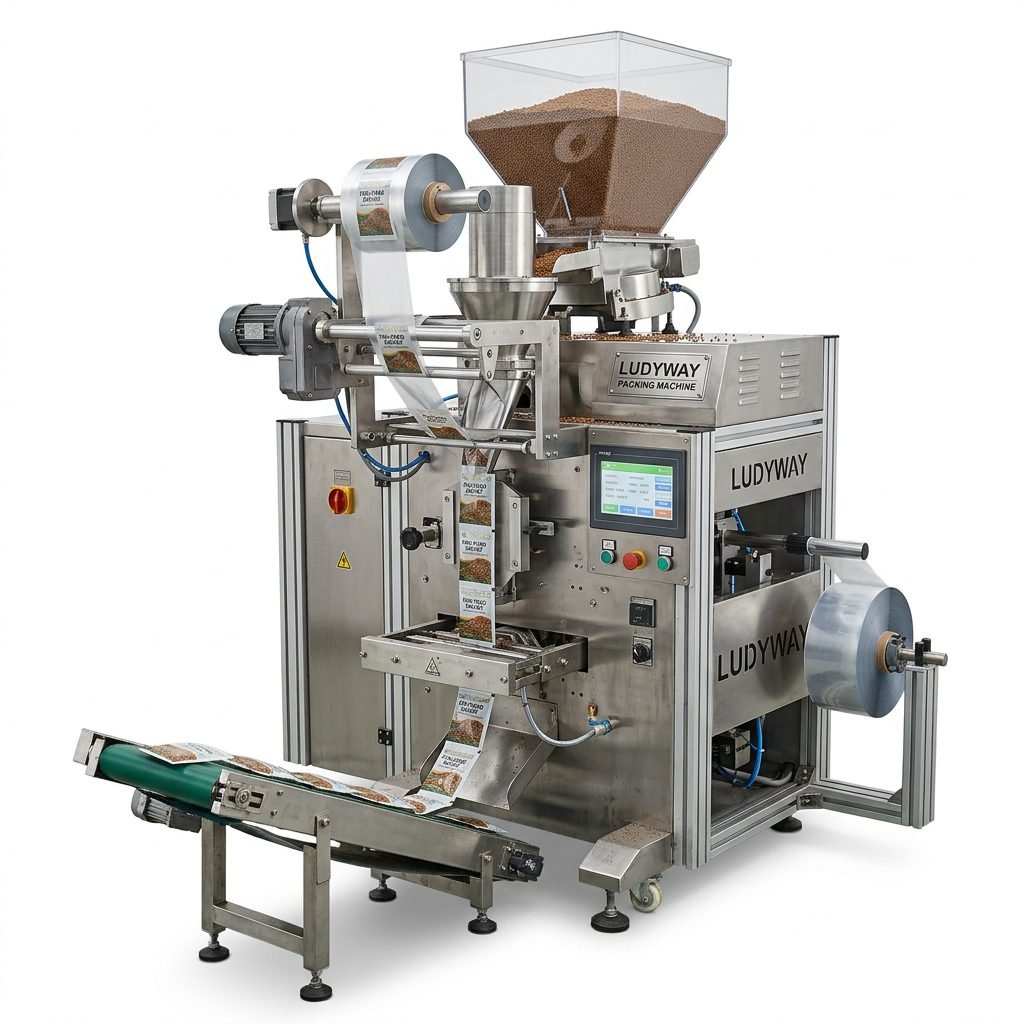
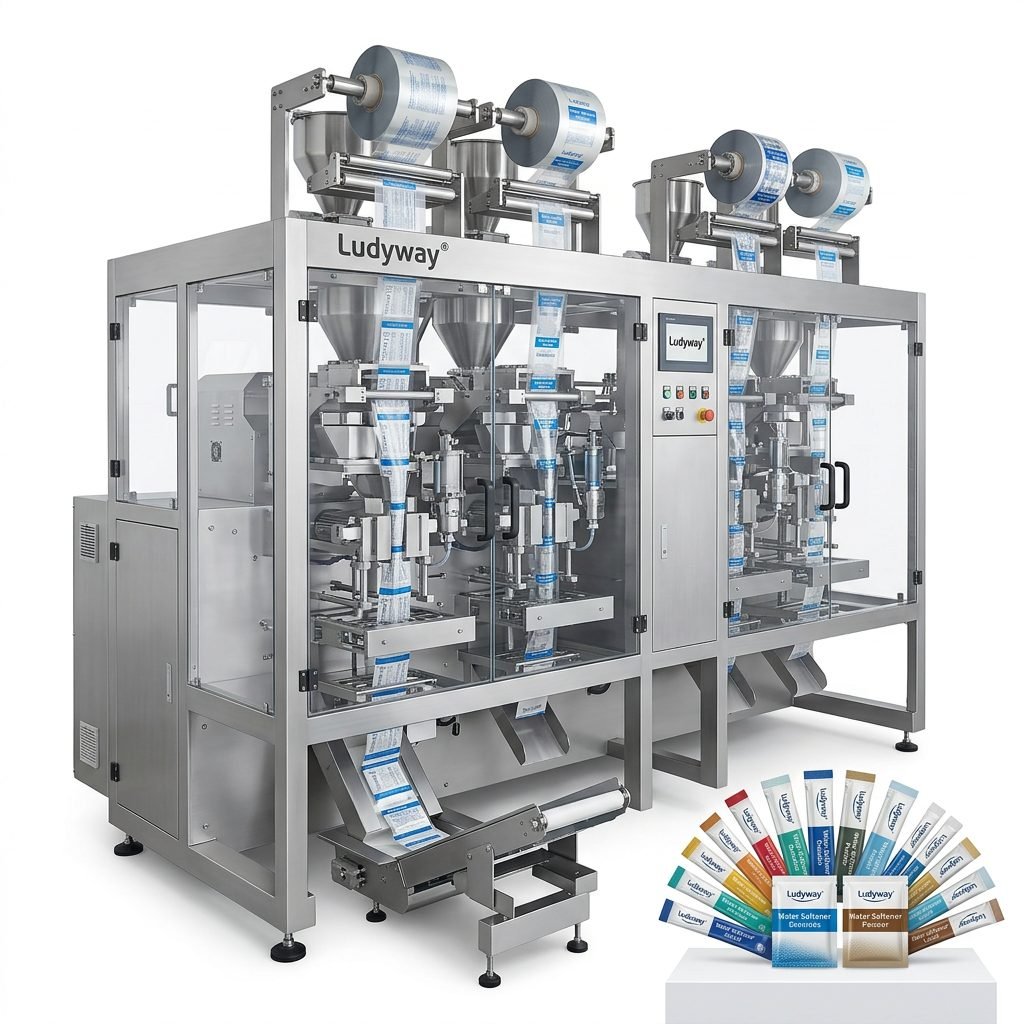
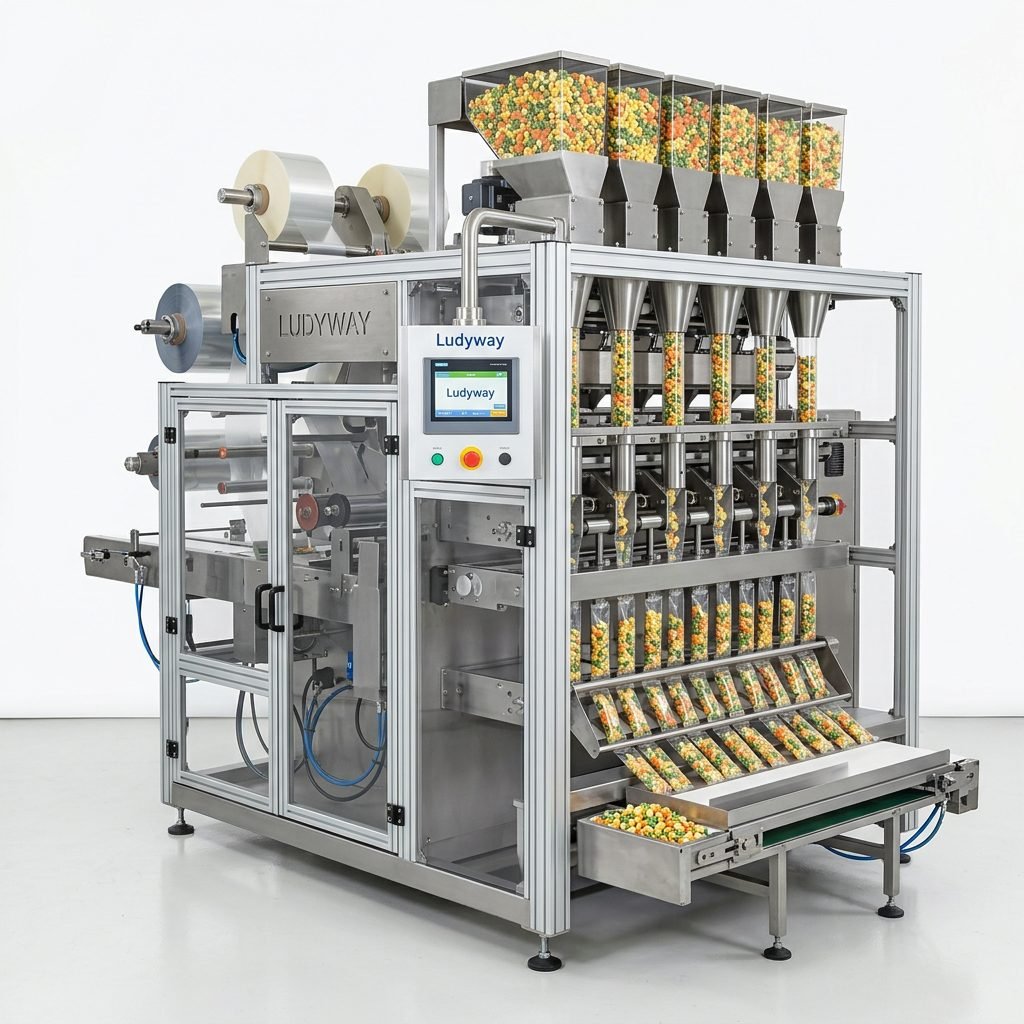
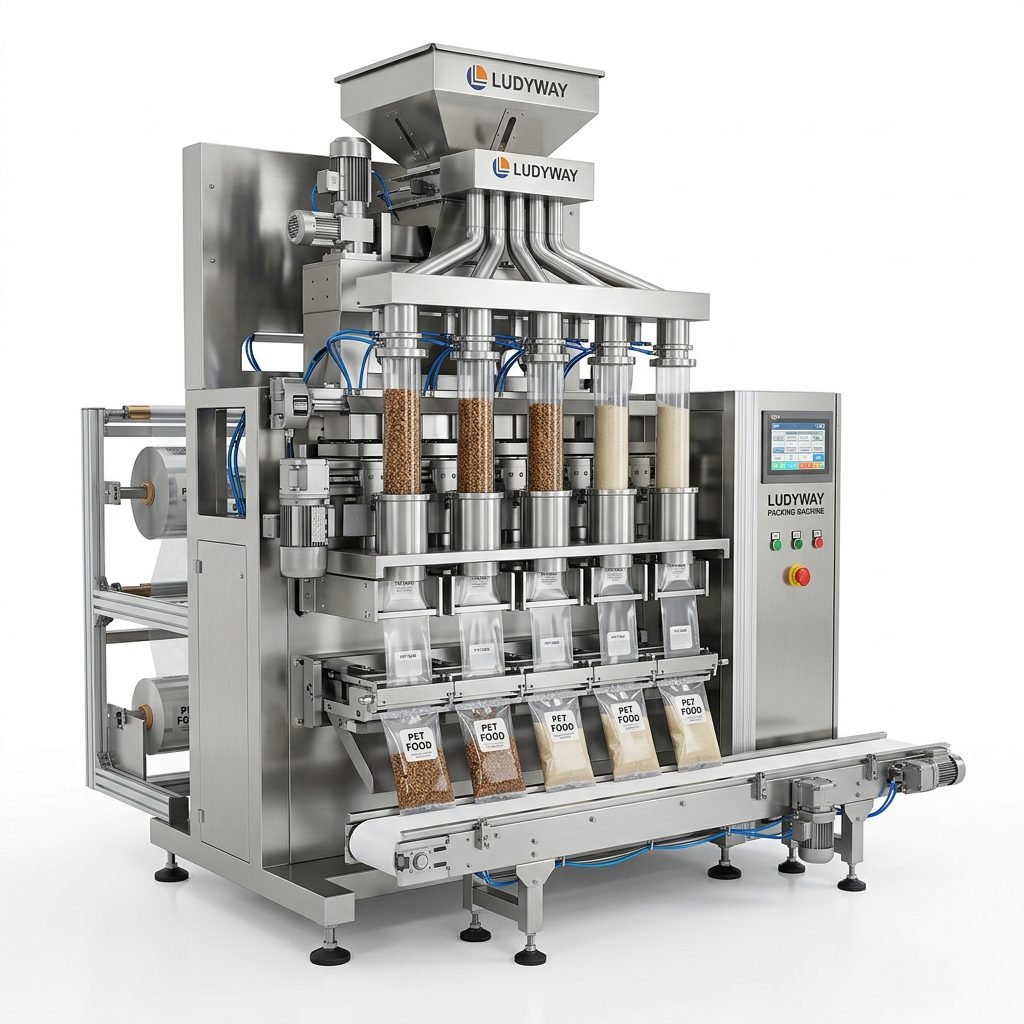
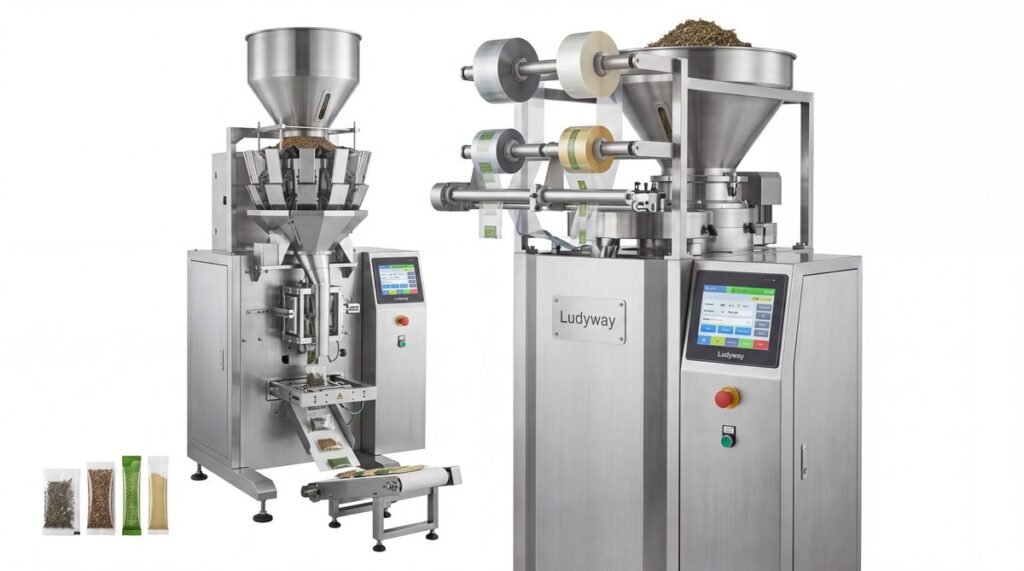
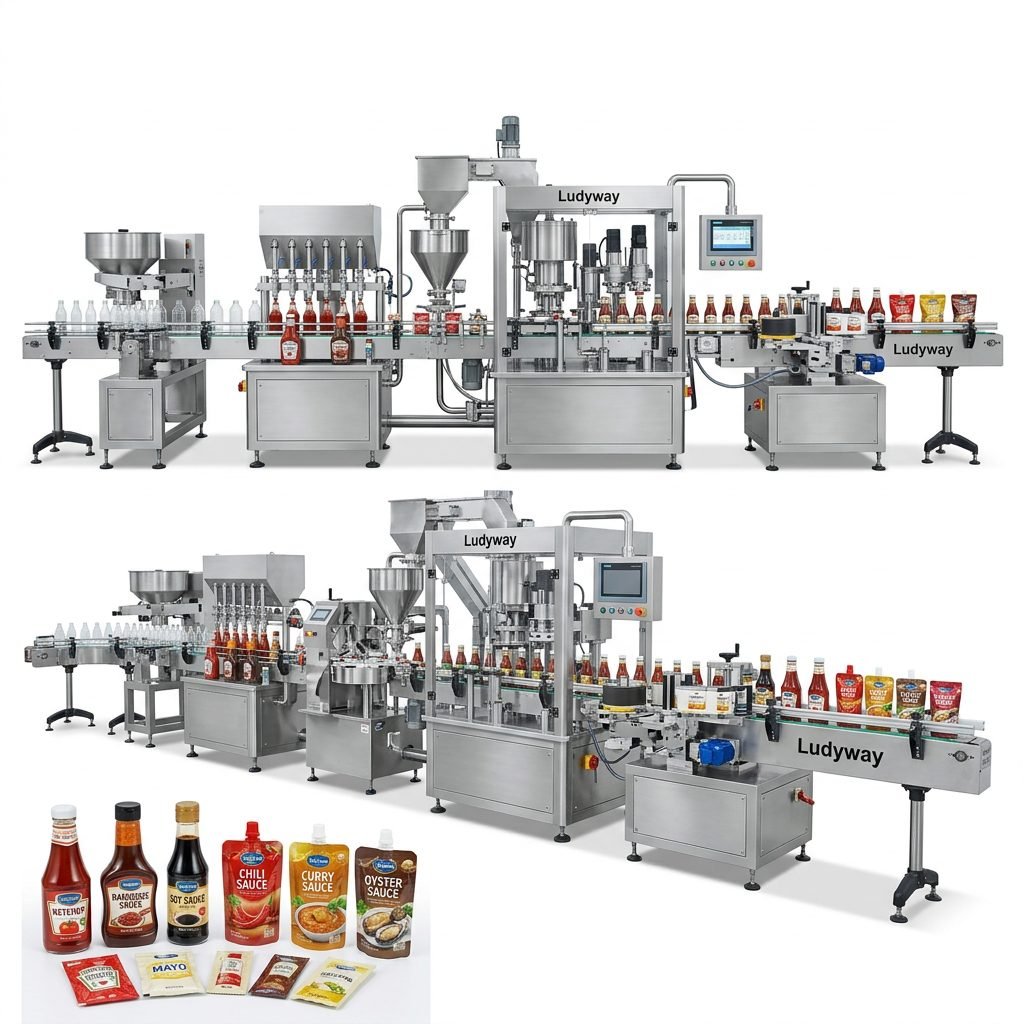
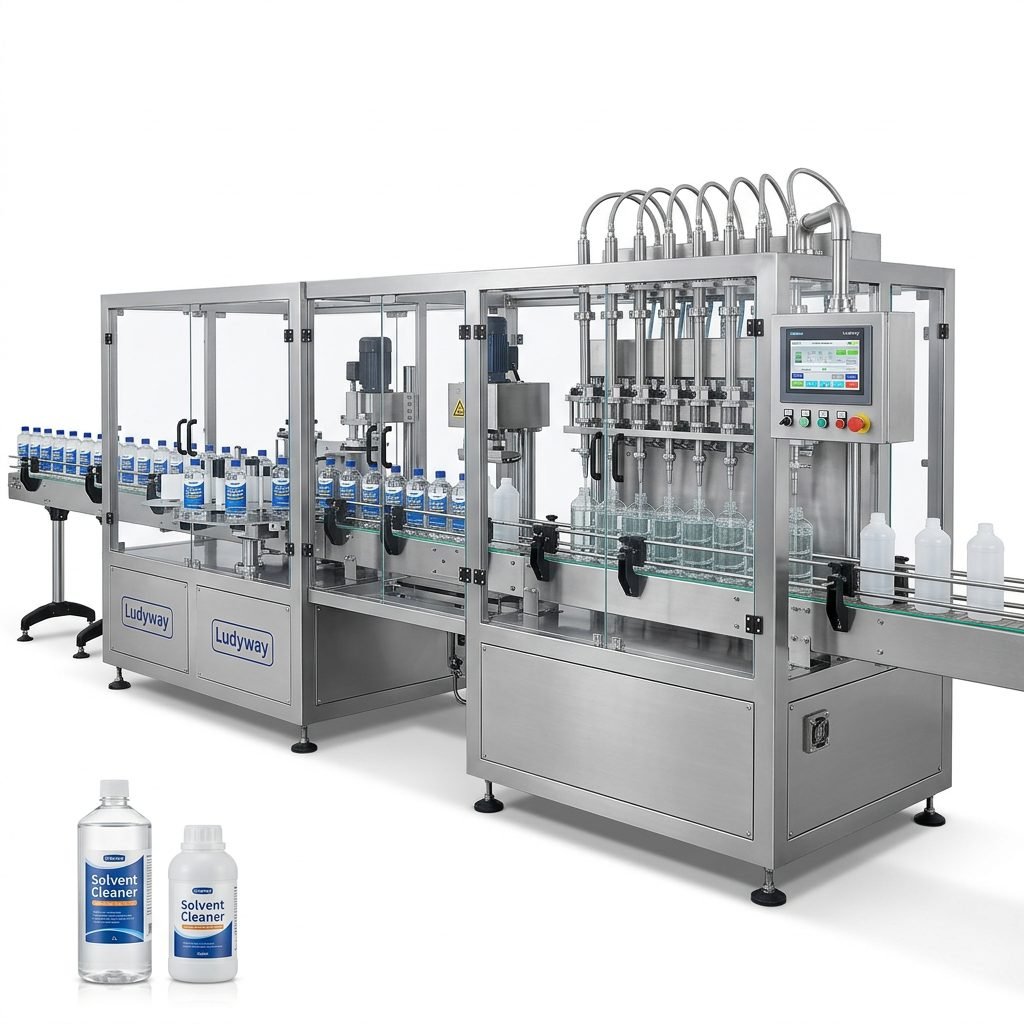
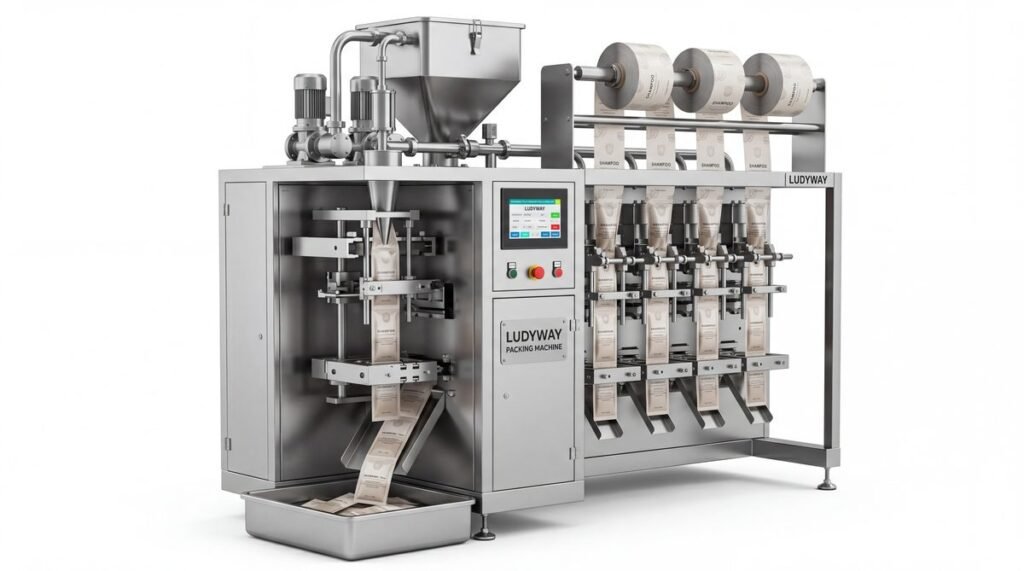
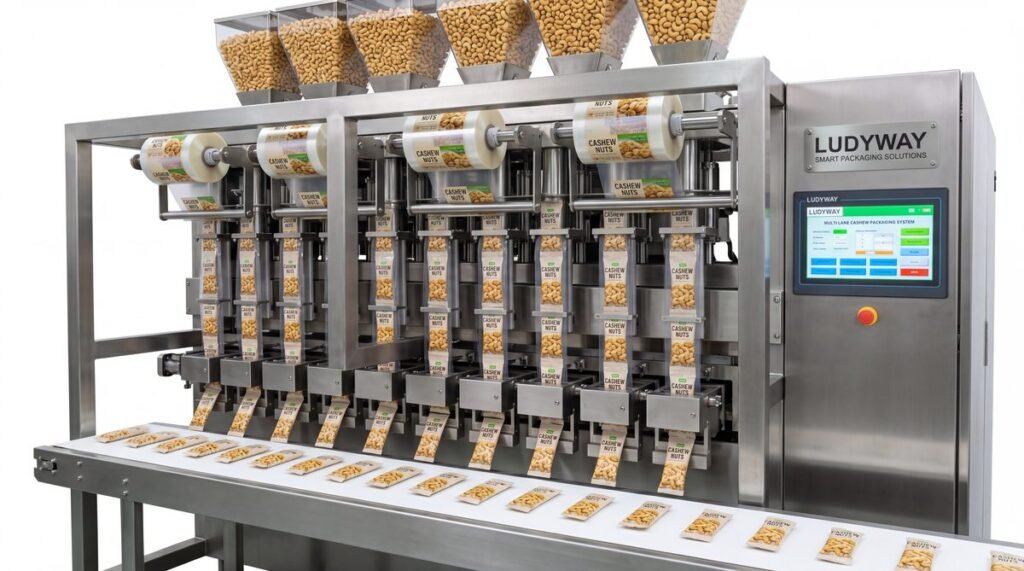
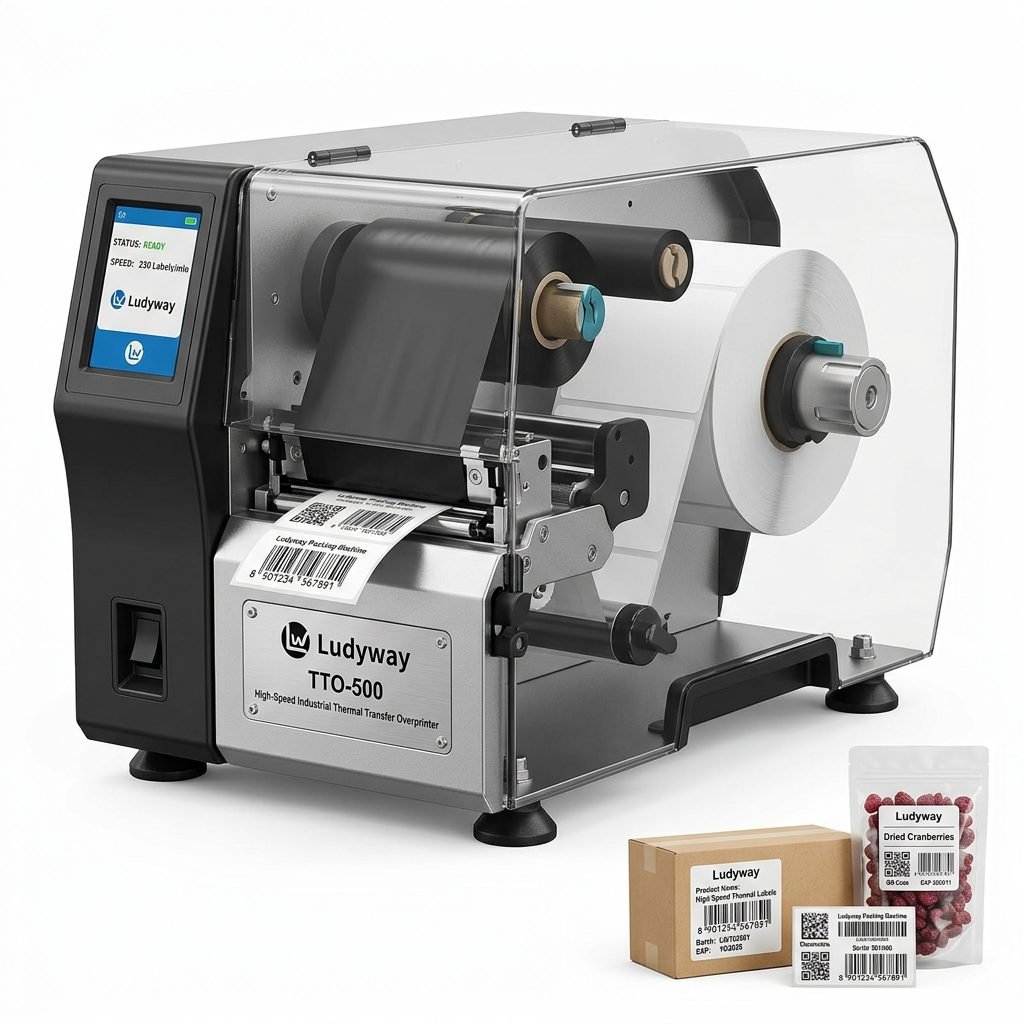
Establishing a vacuum skin packaging (VSP) machine production line in Oceania presents a significant opportunity for food processors aiming to meet the region’s high standards for quality, shelf-life, and sustainability. From premium Australian beef and New Zealand lamb to the burgeoning seafood and ready-meal sectors, VSP technology is rapidly becoming the gold standard. This complete guide walks you through the essential steps, regulatory considerations, and equipment choices to successfully set up your VSP line.
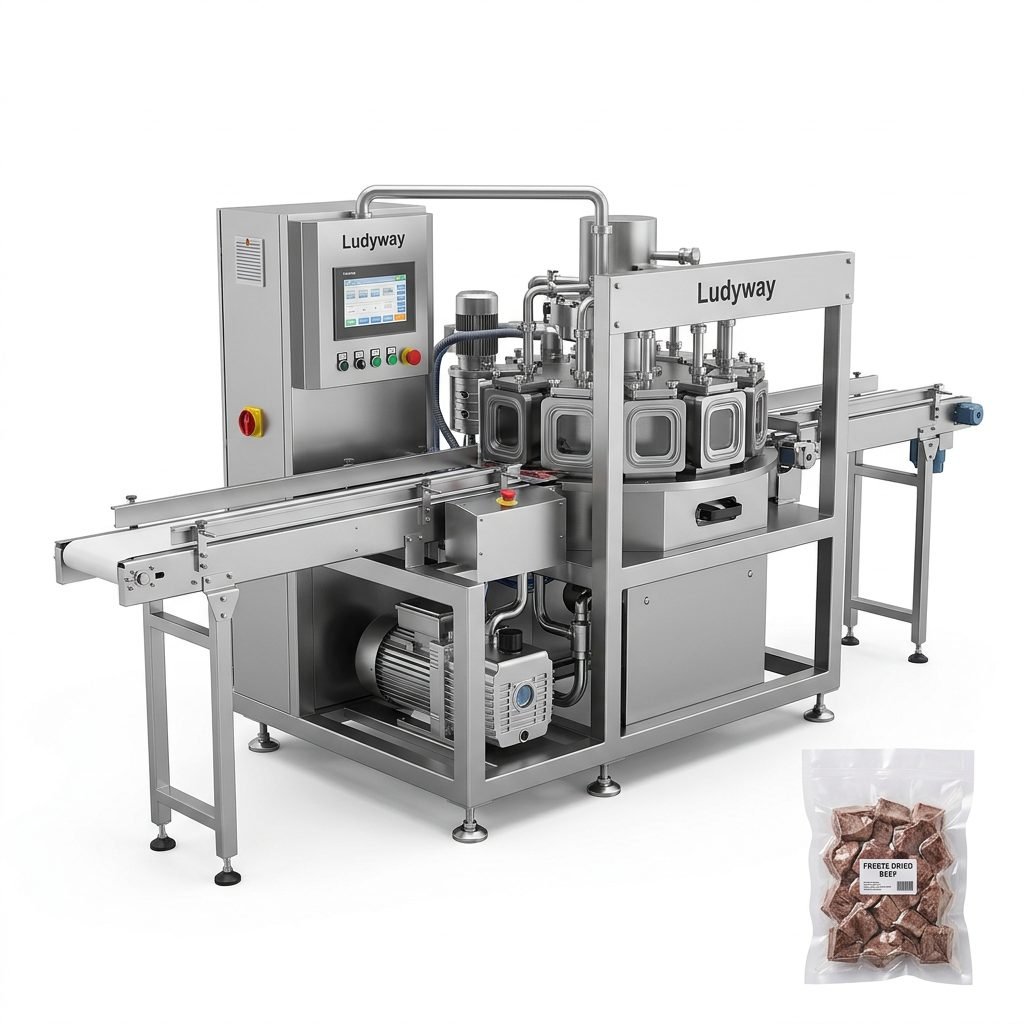
Explore Advanced VSP Machinery
Understanding the Oceania VSP Landscape
Oceania is not a monolith; its packaging needs vary significantly between Australia, New Zealand, and the Pacific Islands. However, a common thread is the export-oriented economy. Meeting international buyer specifications often means exceeding standard domestic requirements. Here’s why VSP is dominating the regional market:
- Extended Shelf Life: Reducing food waste is a key sustainability goal in Australia and New Zealand. VSP removes oxygen entirely, dramatically extending product freshness.
- Product Integrity: The “second-skin” appearance offers superior presentation for high-value cuts, enhancing brand perception on retail shelves.
- Logistical Advantage: Vacuum-sealed products are more robust for long-haul shipping, crucial for island nations and distant export markets.
Key Steps to Setting Up Your VSP Production Line
Planning is paramount. Before purchasing equipment, you must conduct a thorough audit of your current and future production capacity. The following table outlines the critical path from concept to operation:
| Phase | Action Items | Regional Consideration |
|---|---|---|
| 1. Feasibility & Planning | Define SKU range, target throughput (packs/minute), and film specifications. | Review Flexible Packaging Association data for material compatibility. |
| 2. Facility Readiness | Ensure floor space, power supply, and compressed air meet OEM specs. | Adapt to local electrical standards (AS/NZS 3000). |
| 3. Machine Selection | Choose between semi-automatic, fully automatic, or turnkey packaging lines. | Prioritize hygienic design for dairy/meat sectors. |
| 4. Installation & Commissioning | Coordinate with the supplier for remote or on-site support. | Plan for logistics across the Tasman Sea or Pacific Islands. |
Navigating Oceania’s Regulatory Environment
Food safety is tightly controlled by FSANZ (Food Standards Australia New Zealand). Your VSP line must adhere to strict hygiene standards. Additionally, if you are exporting to the US or Europe, you’ll need to consider external benchmarks.
- Material Compliance: Ensure your packaging films meet FSANZ standards for food contact materials.
- Traceability: Integrate coding and marking systems to comply with evolving industry traceability standards.
- Waste Regulations: Australia’s 2025 National Packaging Targets impose strict requirements on recyclable or reusable packaging.

Choosing the Right Technology Partners
Given the geographical isolation of Oceania, equipment reliability is non-negotiable. You need a partner that offers robust machinery, responsive remote diagnostics, and localized spare parts support. For instance, Ludyway, one of the largest packaging machine manufacturers in China, works with clients in over 100 countries and offers a wide range of intelligent vacuum packaging solutions designed to meet export-grade requirements.
Local Support and Maintenance
Downtime costs money. When setting up your line, negotiate a comprehensive Service Level Agreement (SLA) that covers:
- Remote tech support compatible with Oceania time zones.
- Critical spare parts inventory located in-country or in a nearby hub.
- Standard operator training programs to handle the unique films used in VSP applications.
Future-Proofing Your Investment
The 2026 State of the Industry report from PMMI indicates a strong growth trajectory for automated food packaging globally. In Oceania, trends point toward higher automation to combat labor shortages and increased demand for extended shelf-life solutions. Integrating your VSP machine with upstream automated loading and downstream robotic palletizing will ensure you remain competitive.
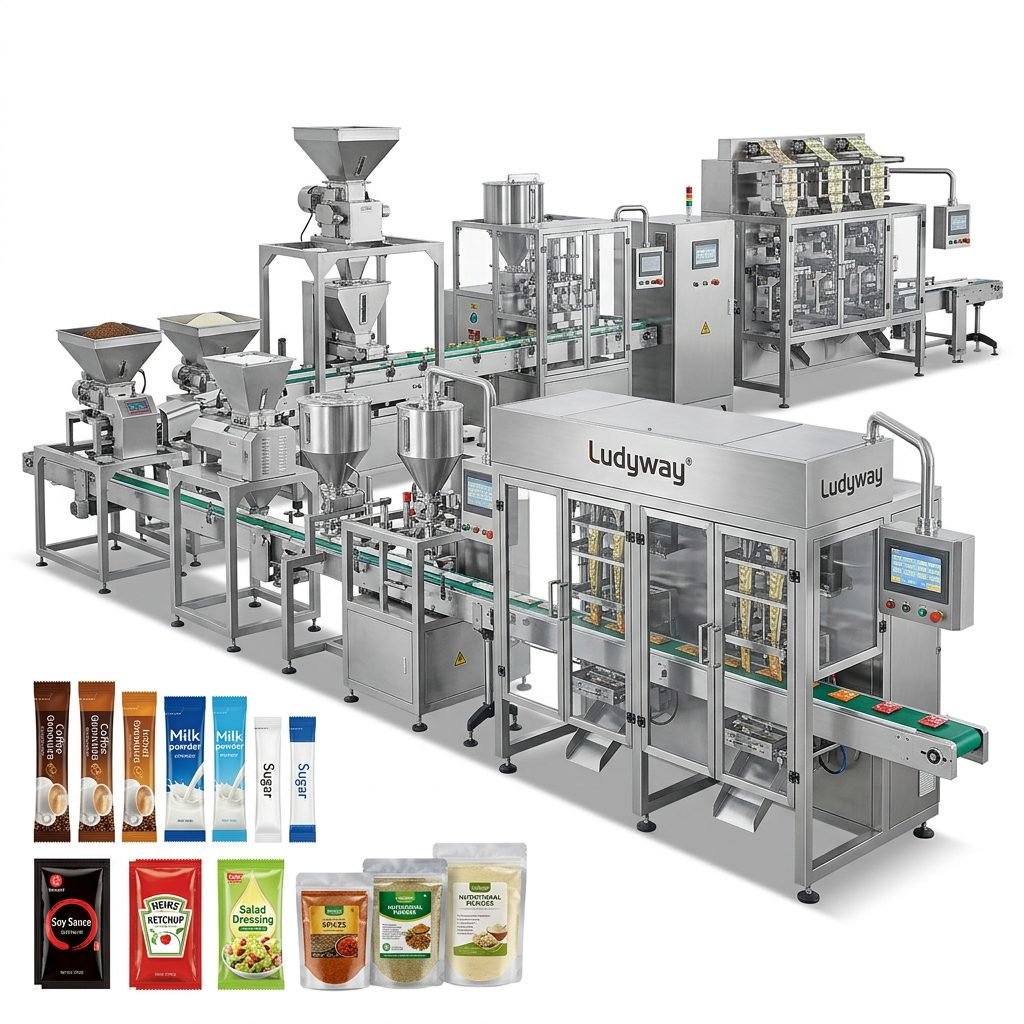
By carefully mapping out your requirements, adhering to local standards, and selecting a globally recognized equipment partner, your vacuum skin packaging machine production line in Oceania will deliver exceptional returns and product quality. For a deeper dive into customized packaging solutions, contact the engineering team at Ludyway to discuss your specific project needs.