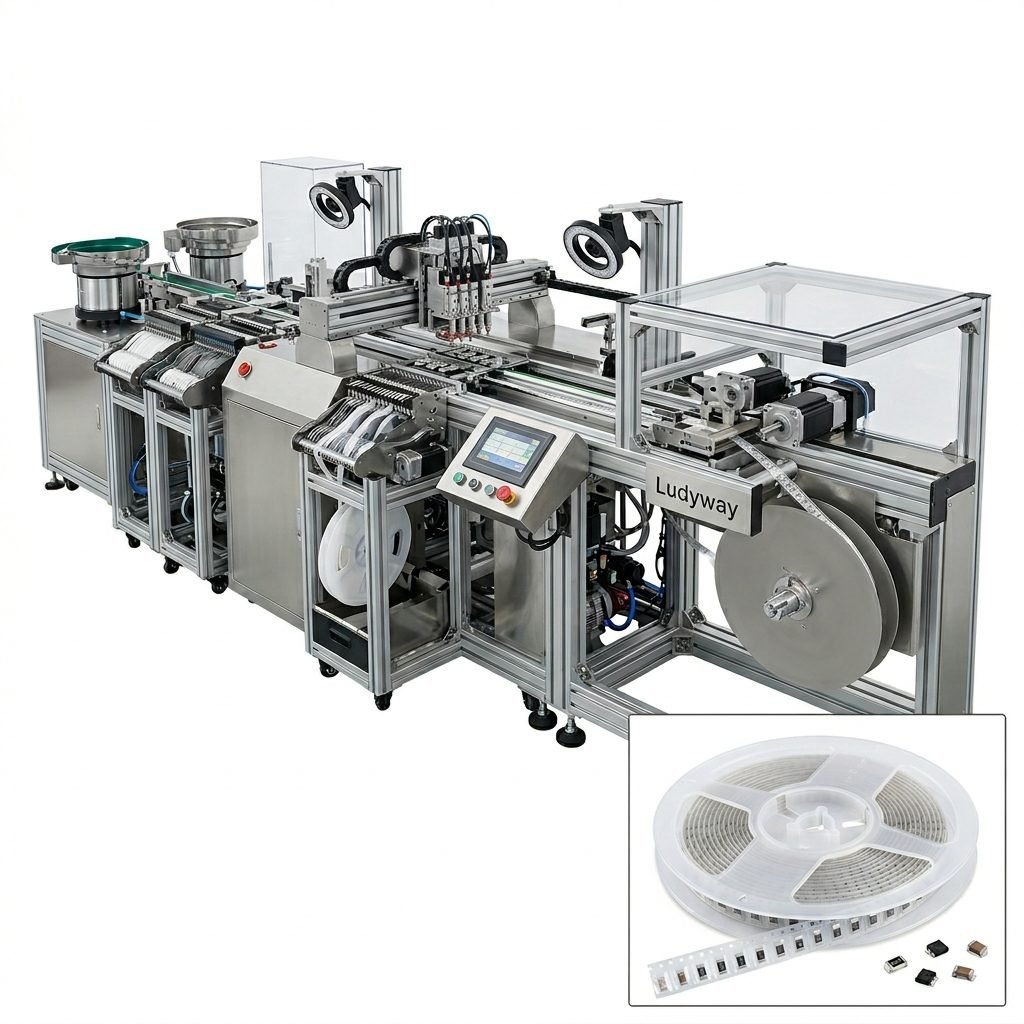
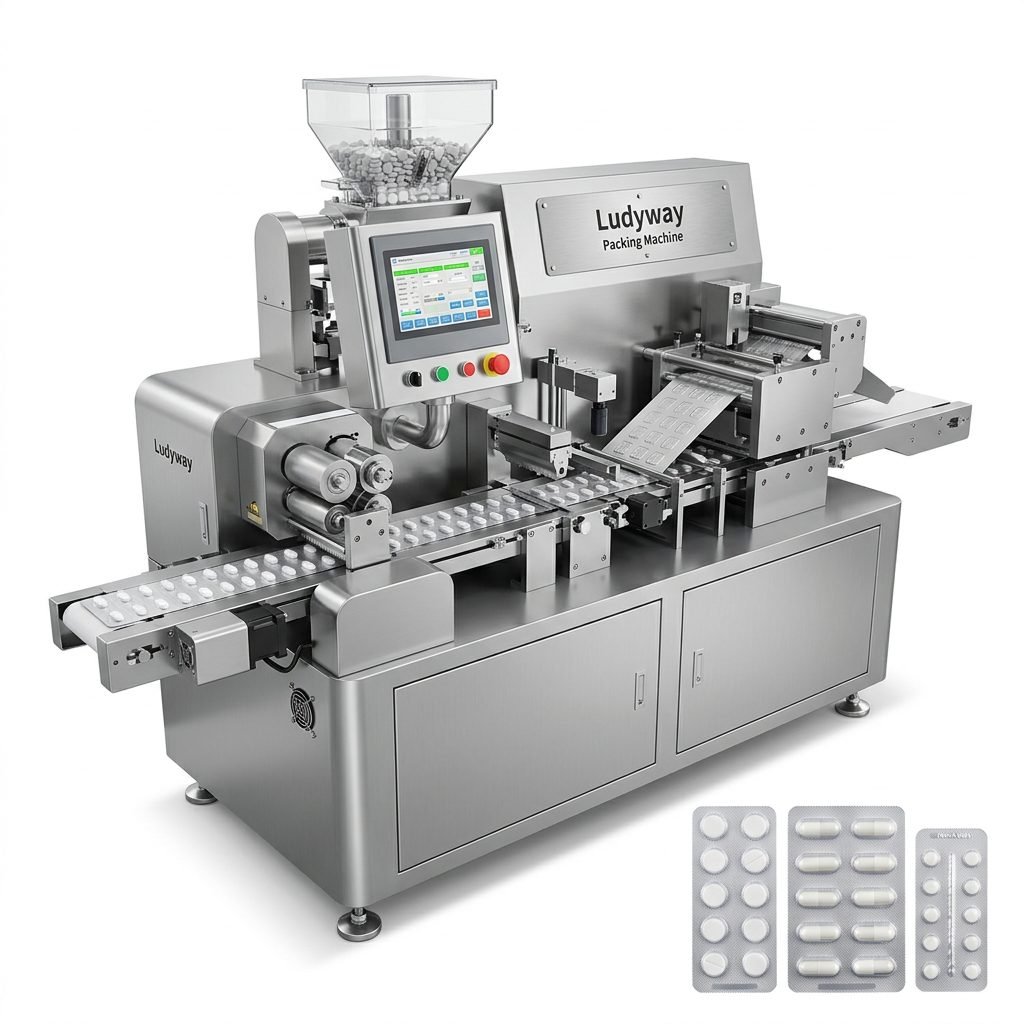
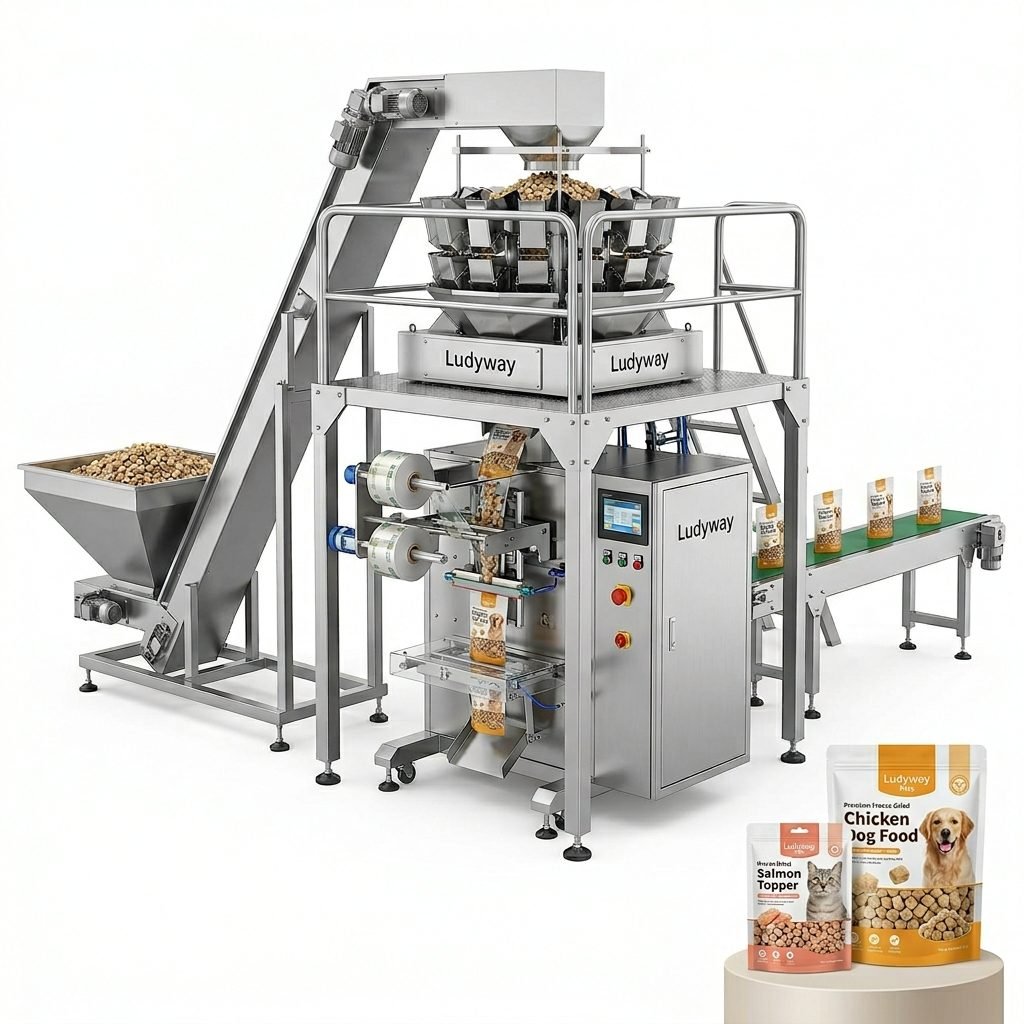
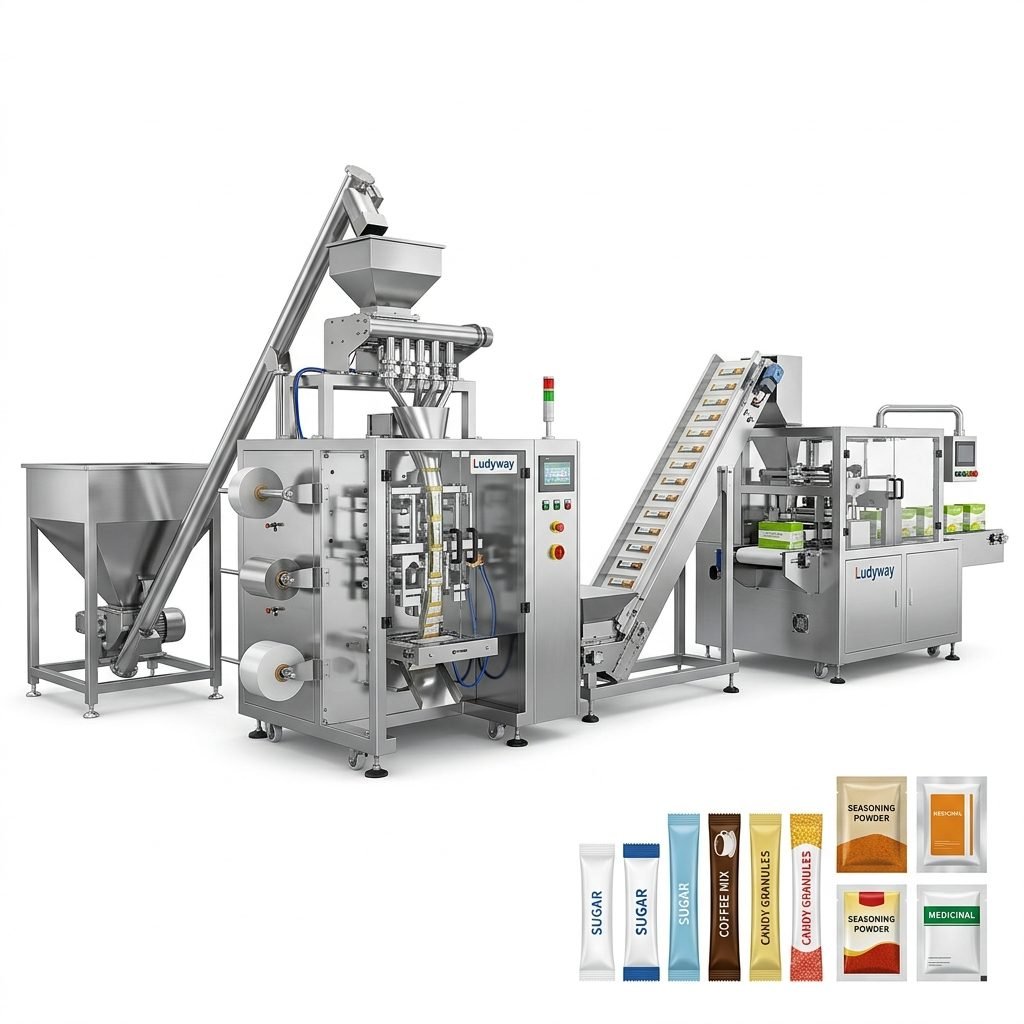
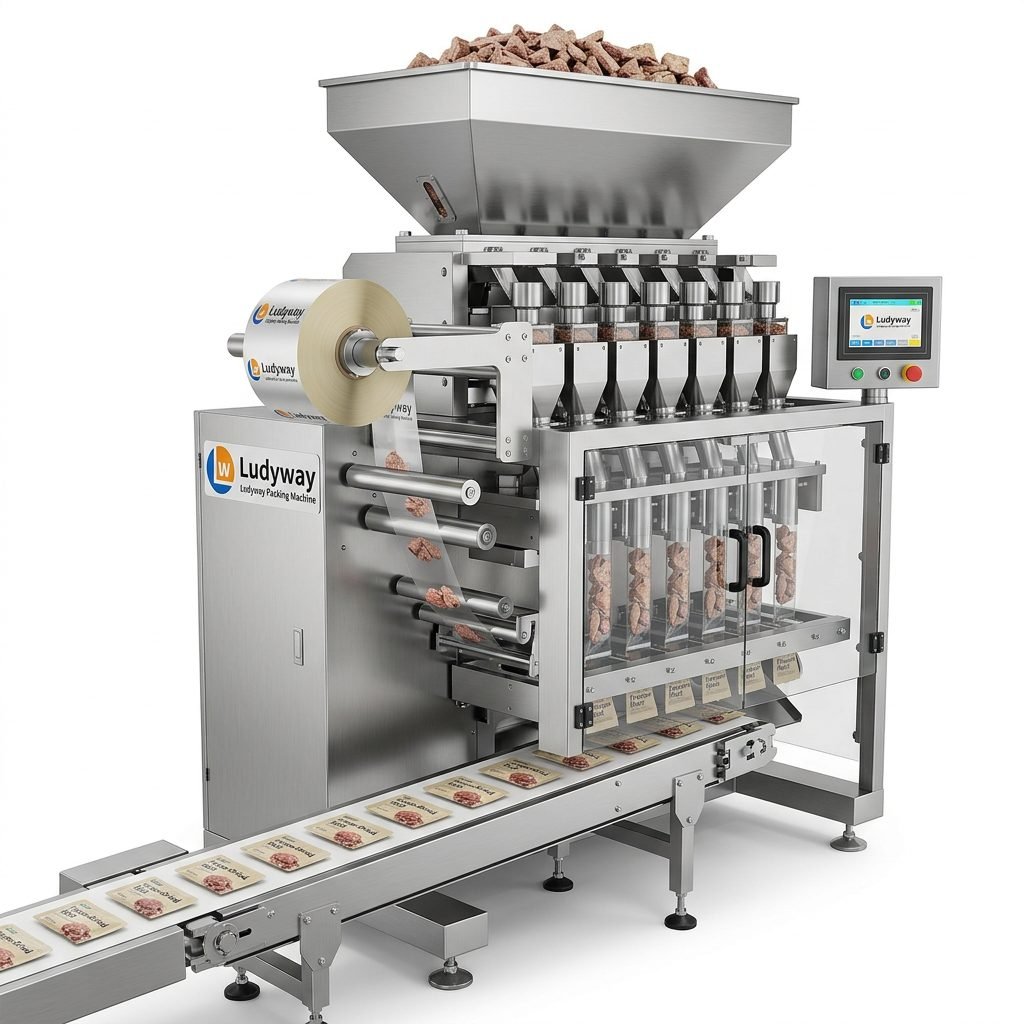
Investing in a tray sealer packaging machine is a significant decision for food manufacturers, processors, and packaging businesses across Asia. Whether you are sealing fresh produce, ready meals, meat, seafood, or bakery products, selecting the right equipment directly impacts your productivity, shelf life, and product presentation. Asia has become a global hub for packaging machinery manufacturing, offering a wide range of options from entry-level manual sealers to high-speed fully automated systems. Understanding the market landscape, technical specifications, and supplier evaluation criteria is essential before making a purchase.
Understanding Tray Sealer Packaging Machines
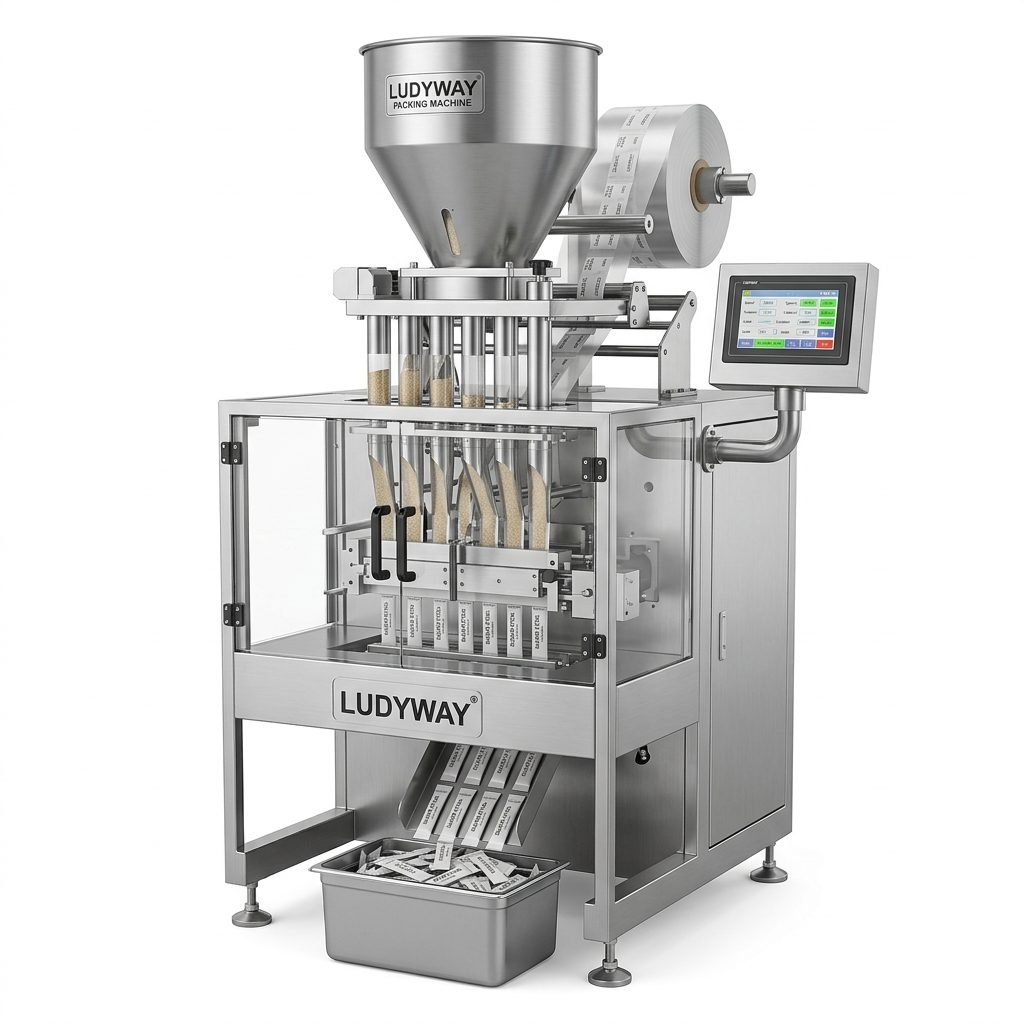
A tray sealer is a packaging machine designed to seal pre-formed trays with a flexible lid film, creating a secure and often gas-flushed environment for the product inside. These machines are widely used in Modified Atmosphere Packaging (MAP), vacuum packaging, and skin packaging applications. The technology helps extend product shelf life, maintain freshness, and enhance visual appeal on retail shelves. Common industries using tray sealers include food processing, fresh produce, meat and poultry, dairy, bakery, and convenience foods.
The core function involves placing a filled tray into the sealing station, where a film is heat-sealed onto the tray flange. Advanced models incorporate gas flushing systems that replace oxygen with nitrogen or carbon dioxide mixtures, significantly slowing spoilage. According to industry data from the PMMI – The Association for Packaging and Processing Technologies, MAP technology continues to see strong growth globally, particularly in the Asia-Pacific region.
Types of Tray Sealing Machines Available in Asia
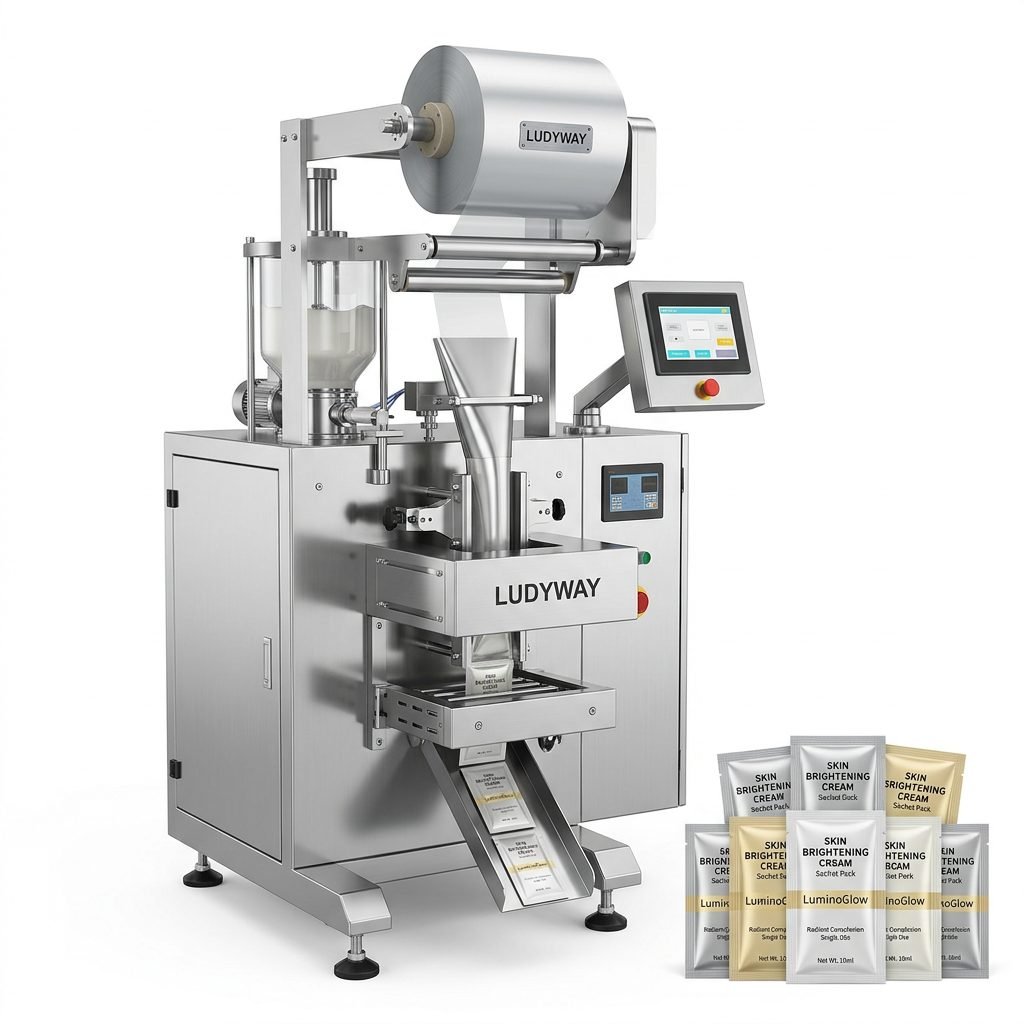
Asian manufacturers offer a broad spectrum of tray sealer types, each suited to different production scales and requirements. Understanding the differences helps you match the machine to your operational needs.
Manual and Semi-Automatic Tray Sealers
These machines are ideal for small to medium production volumes, startups, and businesses with frequent product changeovers. Operators manually load trays into the sealing station, and the machine applies heat and pressure to seal the film. While slower than fully automatic systems, they offer flexibility, lower initial investment, and ease of operation. Many Asian suppliers offer compact benchtop models suitable for limited floor space.
Fully Automatic Inline Tray Sealers
For high-volume production environments, fully automatic inline tray sealers integrate seamlessly with conveyor systems, automatic tray denesters, filling stations, and labeling units. These machines can process hundreds of trays per minute, depending on tray size and configuration. They often feature servo-driven motion control, precise temperature regulation, and advanced HMI touchscreen interfaces for recipe management and diagnostics.
MAP and Vacuum Tray Sealers
Modified Atmosphere Packaging tray sealers are specifically designed to replace the air inside the tray with a controlled gas mixture. This technology is critical for fresh meat, seafood, salads, and prepared meals. Vacuum tray sealers, on the other hand, remove air entirely, creating a tight skin-pack effect that is popular for premium meat and cheese products. Both technologies are widely available from Asian manufacturers.
Key Factors to Consider When Purchasing
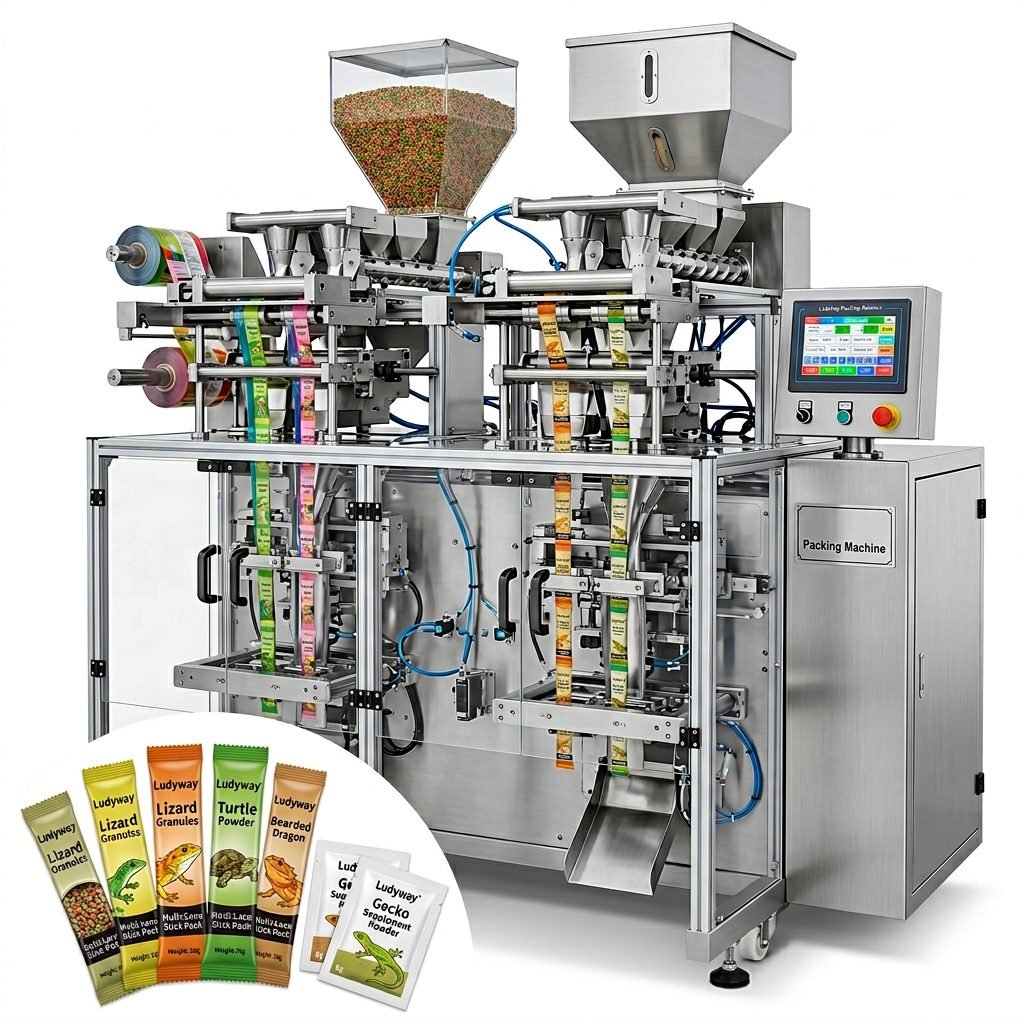
Before contacting suppliers, it is essential to define your production requirements, budget, and technical specifications. The following factors will guide your decision-making process and help you communicate effectively with potential vendors.
| Factor | Key Considerations |
|---|---|
| Production Volume | Trays per minute/hour needed; single shift or 24/7 operation |
| Tray Dimensions | Width, length, depth range; multiple tray sizes on one machine |
| Film Compatibility | Type of lidding film; peelable, resealable, or permanent seal |
| Gas Flushing (MAP) | Required gas mixture; residual oxygen level targets |
| Automation Level | Manual, semi-automatic, or fully automatic with inline integration |
| Cleaning & Maintenance | Tool-free changeover; washdown compatibility; CIP systems |
Top Manufacturing Countries for Tray Sealers in Asia
Asia hosts several countries known for packaging machinery manufacturing. Each has its strengths in terms of technology, pricing, and specialization.
- China – The largest producer of packaging machinery in Asia, China offers a wide price range from economical entry-level machines to advanced high-speed systems. Major manufacturing clusters are located in Guangdong, Zhejiang, and Jiangsu provinces. Chinese manufacturers increasingly incorporate servo-driven technology and international-standard components.
- Japan – Known for precision engineering and reliability, Japanese tray sealers command premium pricing but deliver exceptional build quality and longevity. Brands from Japan are often preferred for high-precision MAP applications.
- South Korea – Korean manufacturers have gained recognition for innovative automation features and competitive pricing relative to Japanese counterparts, particularly in the food and cosmetics packaging sectors.
- Taiwan – Taiwanese companies offer well-engineered machines at mid-range prices, often serving as a bridge between Chinese and Japanese quality levels.
- India – An emerging manufacturing base with cost-effective solutions, particularly for domestic and South Asian markets.
Price Ranges and Budget Planning
Understanding the price landscape in Asia helps you set realistic budget expectations. Prices vary significantly based on automation level, brand origin, features, and production capacity. The following table provides a general overview of market pricing for tray sealers sourced from Asia.
| Machine Category | Price Range (USD) | Typical Applications |
|---|---|---|
| Manual/Benchtop | $3,000 – $15,000 | Small businesses, test kitchens, low-volume production |
| Semi-Automatic | $15,000 – $50,000 | Medium-scale production, multiple product lines |
| Fully Automatic Inline | $50,000 – $250,000+ | High-volume factories, 24/7 operation, integrated lines |
| MAP Tray Sealers | $30,000 – $200,000+ | Fresh meat, seafood, ready meals, extended shelf life |
Note that prices for Chinese-made machines can be 30% to 50% lower than equivalent Japanese or European models, while still offering respectable quality when sourced from reputable manufacturers. Always factor in shipping, import duties, installation, training, and ongoing maintenance when calculating total cost of ownership.
How to Evaluate Suppliers in Asia
Selecting a reliable supplier is arguably more important than choosing the machine itself. A thorough evaluation process reduces risk and ensures long-term satisfaction. Consider the following steps when vetting tray sealer manufacturers across Asia.
- Factory Audits and Visits – Whenever possible, visit the manufacturing facility in person or arrange a third-party inspection. Assess production capabilities, quality control processes, and overall professionalism.
- Customer References – Request references from existing customers in your industry or region. Speaking with current users provides invaluable insights into machine performance and after-sales support.
- Certifications and Standards – Verify that the manufacturer holds relevant certifications. The ISO packaging standards provide a useful benchmark for evaluating quality management systems. CE marking may be required for machines exported to certain markets.
- After-Sales Support – Confirm the availability of remote technical support, on-site service engineers, spare parts inventory, and response times. Asian manufacturers vary significantly in their after-sales capabilities.
- Warranty Terms – Standard warranties typically range from 12 to 24 months. Clarify what is covered and whether extended warranties are available.
Technical Features That Add Value
Modern tray sealers come equipped with a range of features that enhance efficiency, product quality, and ease of use. When comparing machines, pay attention to the following technical capabilities.
Servo-Driven Sealing Systems
Servo motors provide precise control over sealing pressure, speed, and dwell time, resulting in consistent seal quality across production runs. They also enable quick changeovers between tray formats without mechanical adjustments.
Advanced HMI and Recipe Management
A user-friendly touchscreen interface allows operators to store and recall multiple product recipes, reducing setup time and minimizing operator error. Remote diagnostics and data logging capabilities are increasingly common in higher-end models.
Gas Flushing and MAP Control
Effective gas flushing systems achieve residual oxygen levels below 1%, which is critical for extending the shelf life of sensitive products. Look for machines with precise gas mixing valves and oxygen sensors for quality assurance. The FDA food packaging regulations and similar regional standards should guide your packaging material and process choices.
Hygienic Design and Cleanability
For food applications, machines should feature stainless steel construction, sloped surfaces, and minimal crevices where food particles can accumulate. Tool-free disassembly for cleaning is a significant advantage in operations with frequent product changes.
Installation, Training, and Ongoing Support
Purchasing a tray sealer is only the beginning. Proper installation and operator training are essential for achieving optimal performance and avoiding costly downtime. When negotiating with Asian suppliers, clarify the following points.
- Whether installation and commissioning are included in the purchase price
- Availability of on-site operator and maintenance training
- Remote support capabilities, including video conferencing for troubleshooting
- Spare parts availability and recommended inventory levels
- Software updates and ongoing technical support terms
Reputable Asian manufacturers increasingly offer comprehensive service packages that rival those of European competitors, making after-sales support a key differentiator when comparing suppliers.
Industry Standards and Regulatory Compliance
Food packaging machinery must comply with various safety, hygiene, and electrical standards depending on the destination market. The Flexible Packaging Association provides extensive resources on packaging industry standards and regulatory requirements. Common certifications to verify include CE (European Union), UL (United States), and local food safety regulations in your target market. Ensuring compliance before purchase avoids costly retrofits and regulatory complications later.
Making the Final Decision
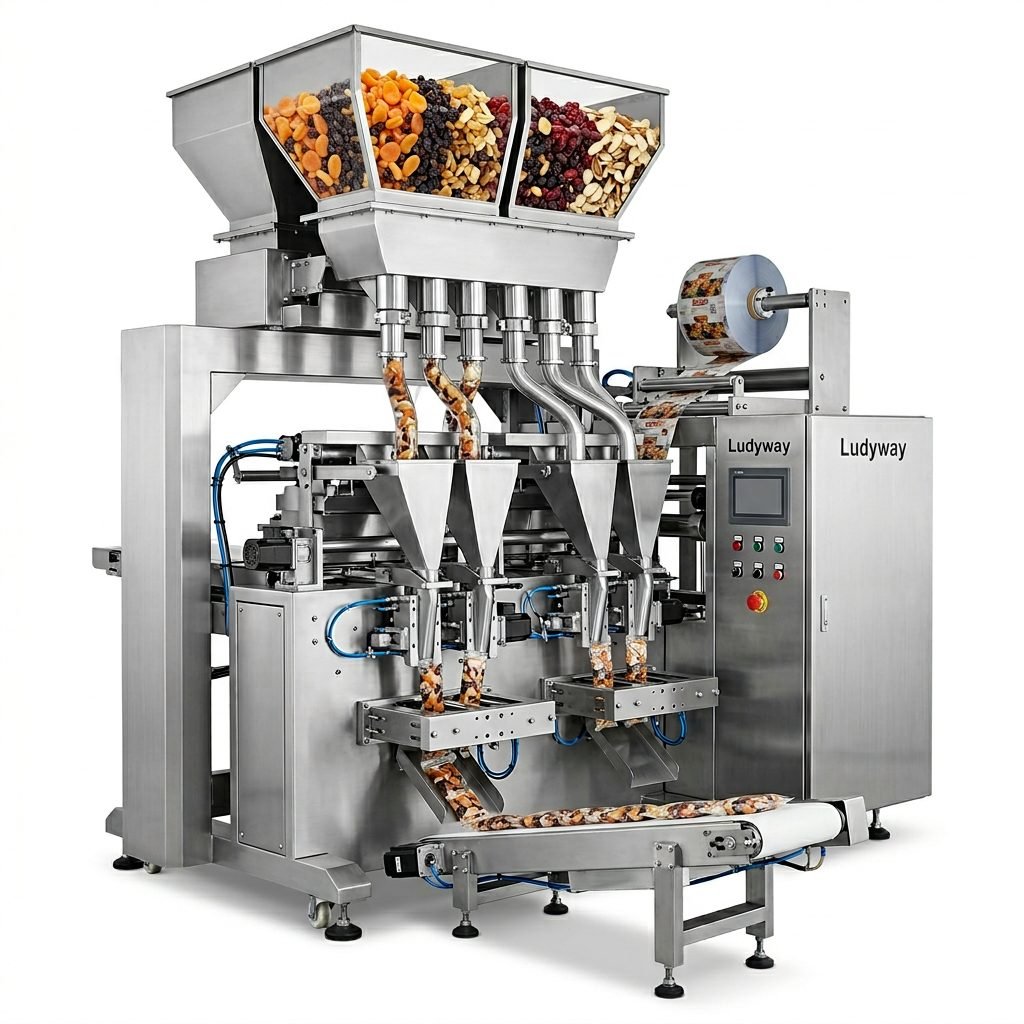
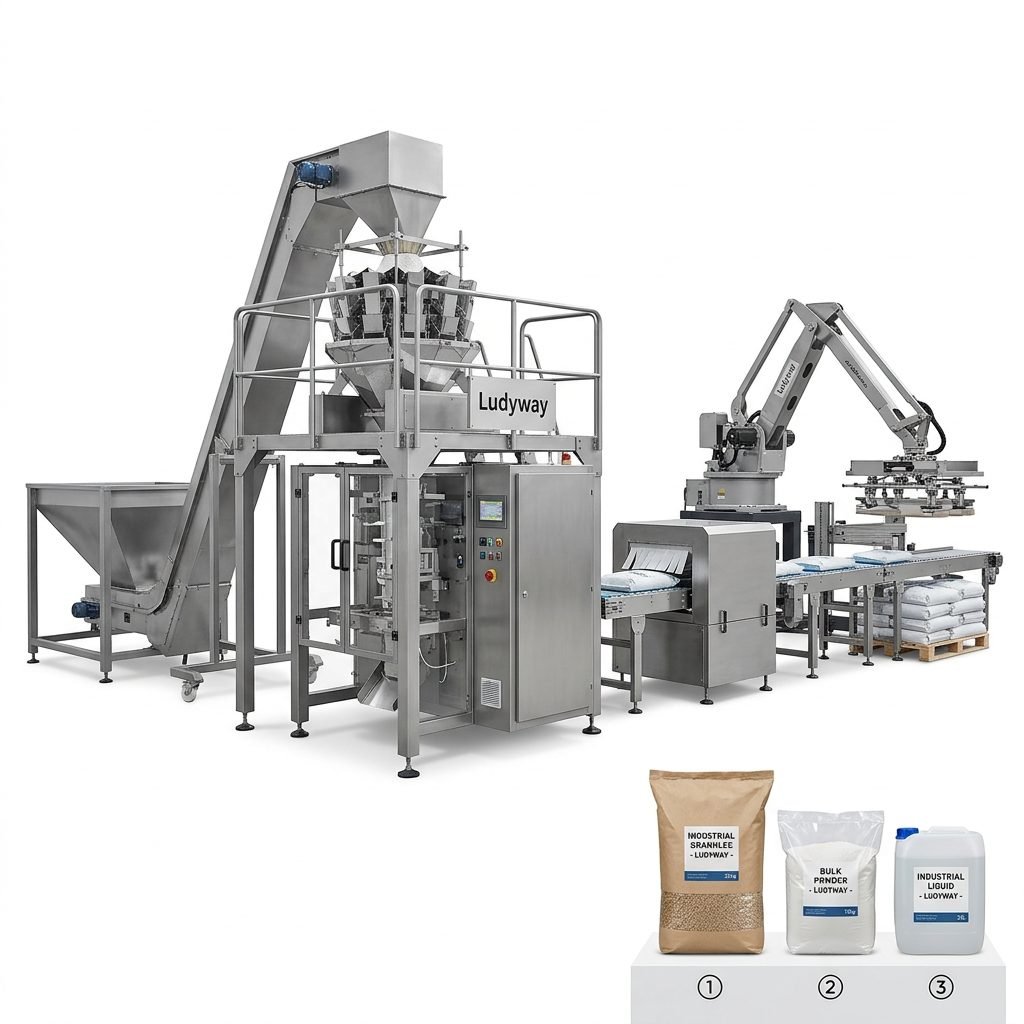
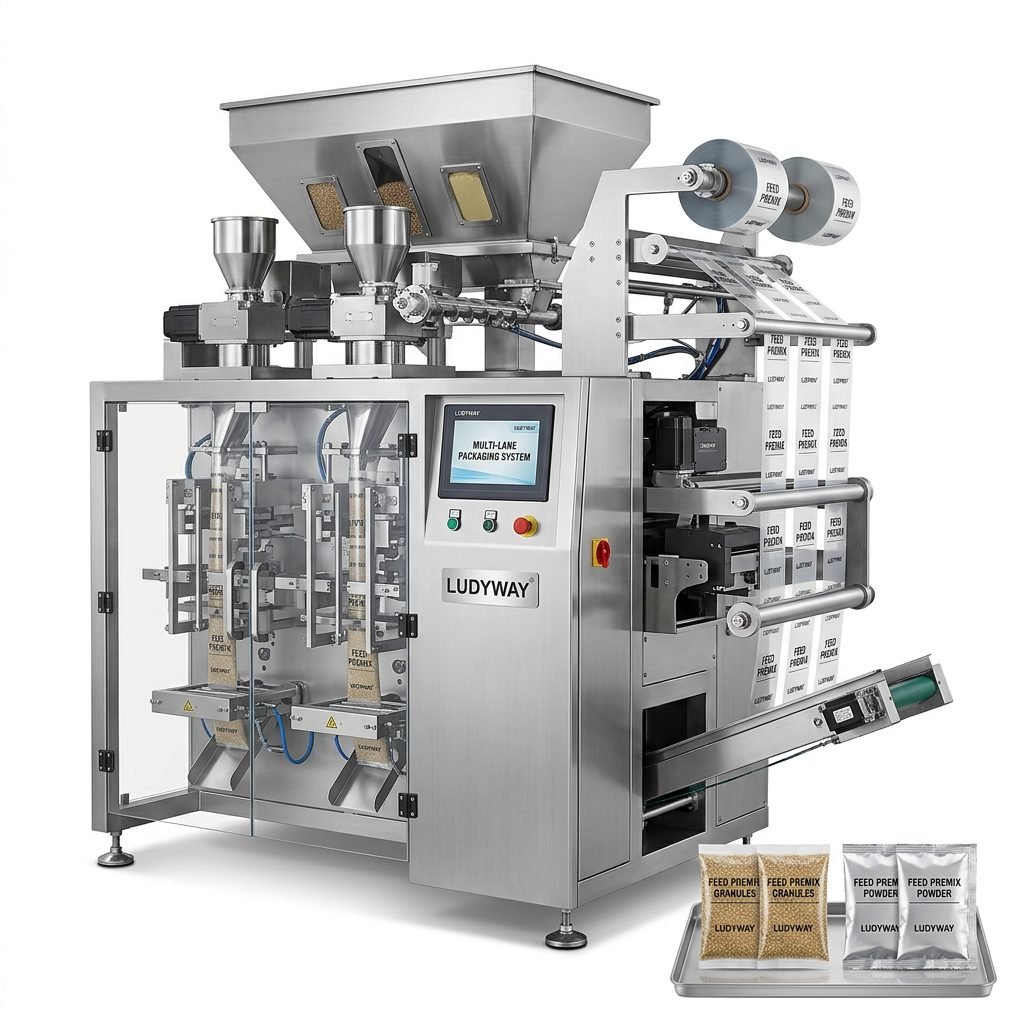
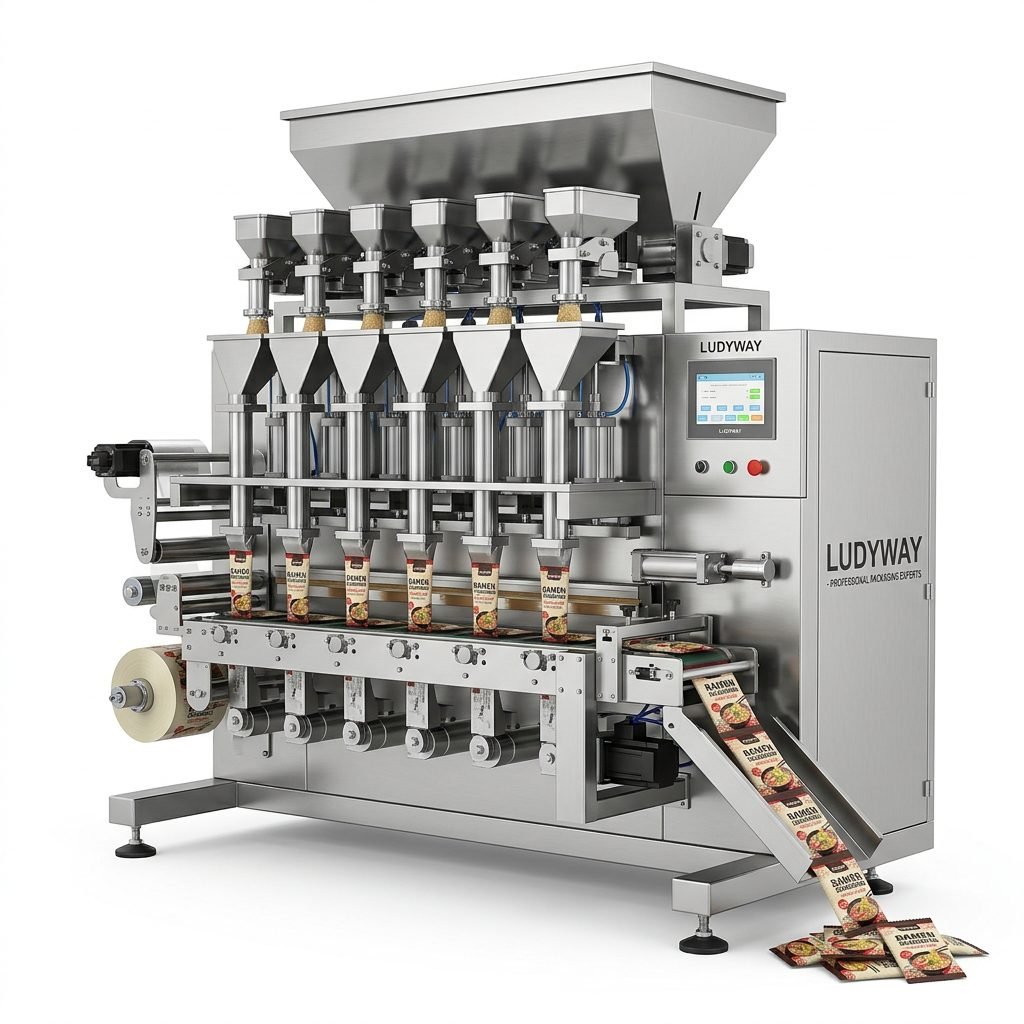
After narrowing down your options, request detailed quotations, sample sealing tests, and production demonstrations. Many Asian manufacturers are willing to conduct sample trials using your actual trays and products, which is the most reliable way to verify machine capability. Compare total cost of ownership rather than focusing solely on the initial purchase price, and factor in energy consumption, film waste rates, maintenance costs, and expected service life. Companies like Ludyway, one of China’s established packaging machine manufacturers with over 30 years of industry experience and a modern manufacturing facility, exemplify the kind of reliable, experienced suppliers available in the Asian market today.
With careful planning, thorough supplier evaluation, and clear technical specifications, purchasing a tray sealer packaging machine in Asia can be a highly rewarding investment that delivers excellent value, advanced technology, and reliable performance for years to come.