Africa’s edible oil market is experiencing unprecedented growth, driven by a rising population, increasing urbanization, and shifting dietary patterns. Establishing a local oil packaging production line offers significant advantages: reduced import dependency, lower logistics costs, and the ability to respond quickly to regional consumer preferences. This comprehensive guide walks you through every critical step—from initial market assessment to full-scale production launch.
Understanding the African Edible Oil Market Landscape
Before investing in machinery, understanding the continent’s diverse market is essential. Africa imports over $10 billion worth of edible oils annually, yet domestic production and packaging capacity remain limited in many regions. Countries such as Nigeria, Ethiopia, Kenya, Ghana, and Tanzania present substantial opportunities for locally packaged cooking oil. Consumer preferences vary widely—from bulk unbranded oil sold in open markets to premium branded packaged products in modern retail chains.
Key Market Drivers
- Population growth exceeding 2.5% annually across sub-Saharan Africa
- Rapid expansion of modern retail formats including supermarkets and convenience stores
- Government policies promoting local manufacturing and import substitution
- Growing consumer awareness of food safety and packaging standards
- Increasing demand for smaller, affordable sachet and pouch formats
Step 1: Defining Your Production Scope and Capacity
The first technical decision involves defining the production capacity and packaging formats your line will handle. A well-planned oil packaging line should accommodate multiple SKU types to capture different market segments.
Common Packaging Formats for Edible Oil
| Packaging Format | Typical Volume Range | Target Market Segment | Machine Type Required |
|---|---|---|---|
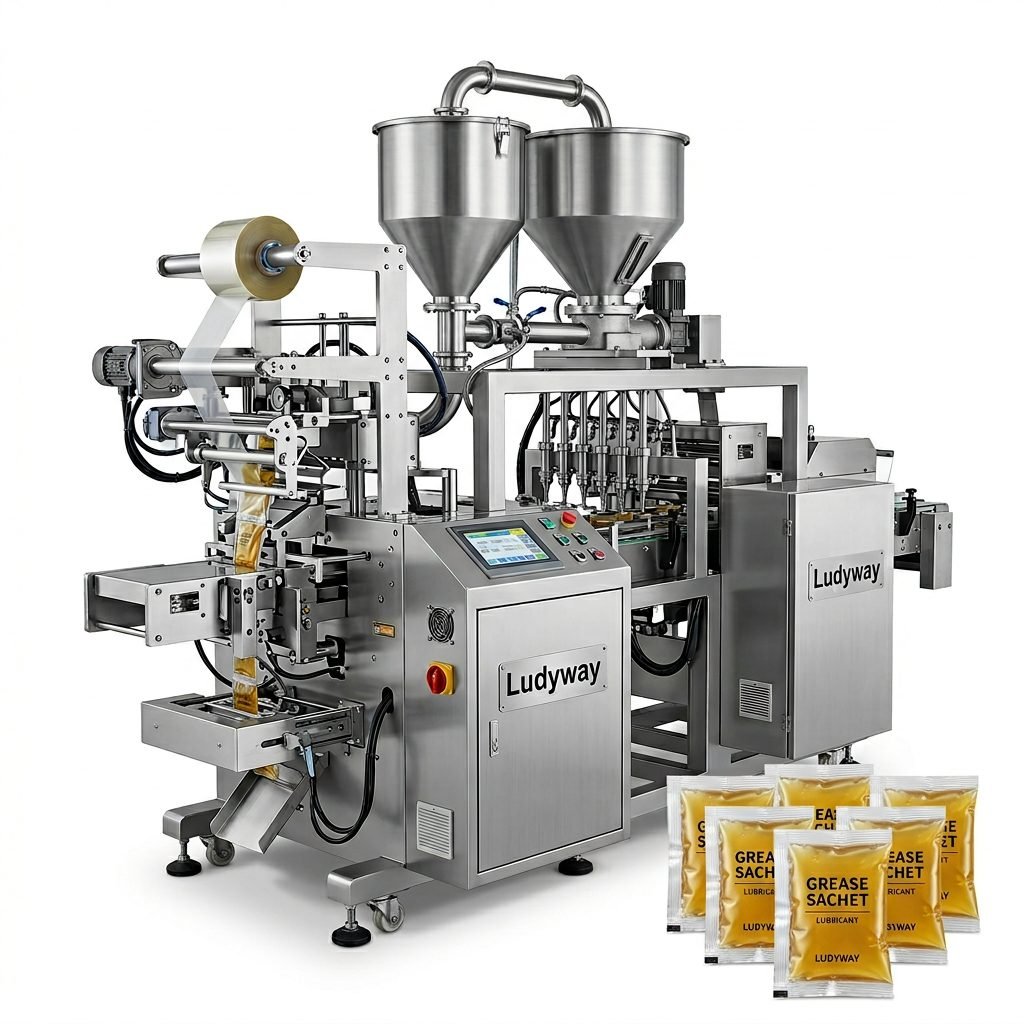
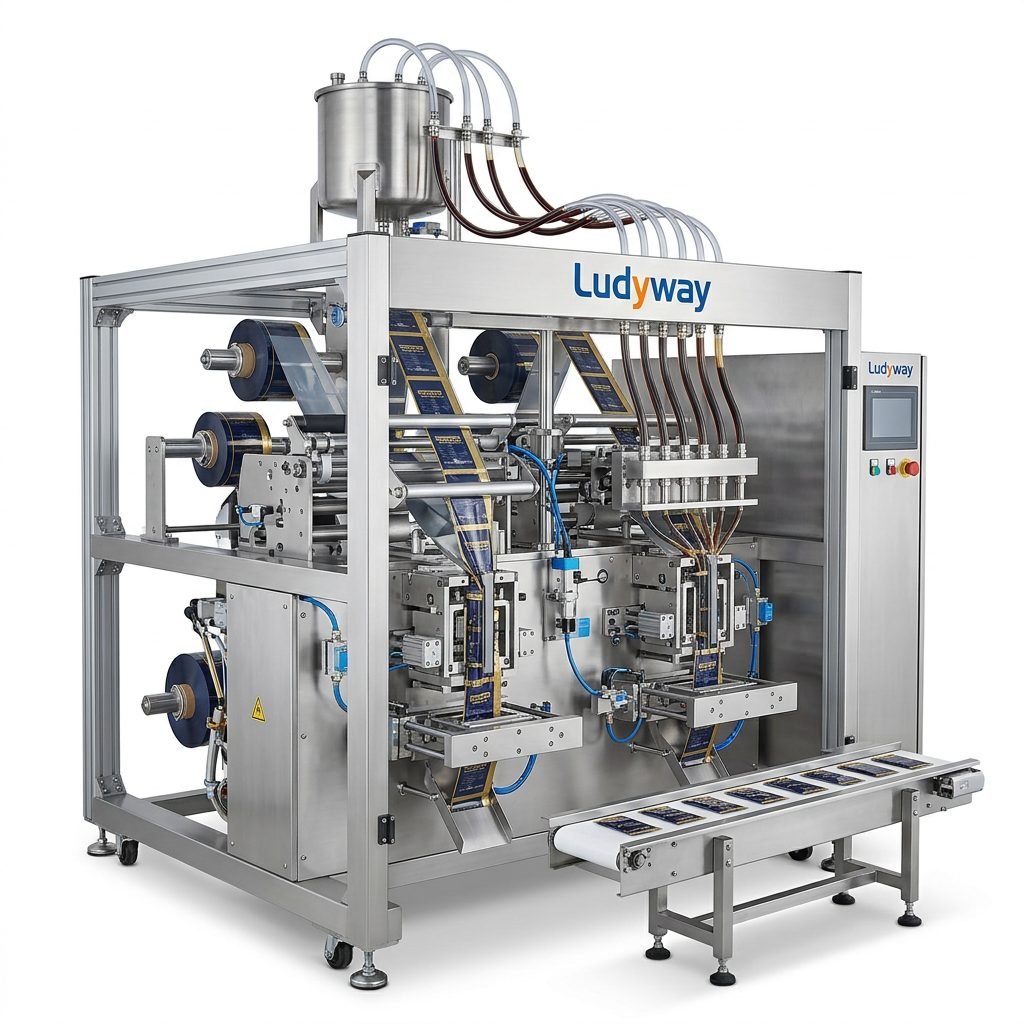
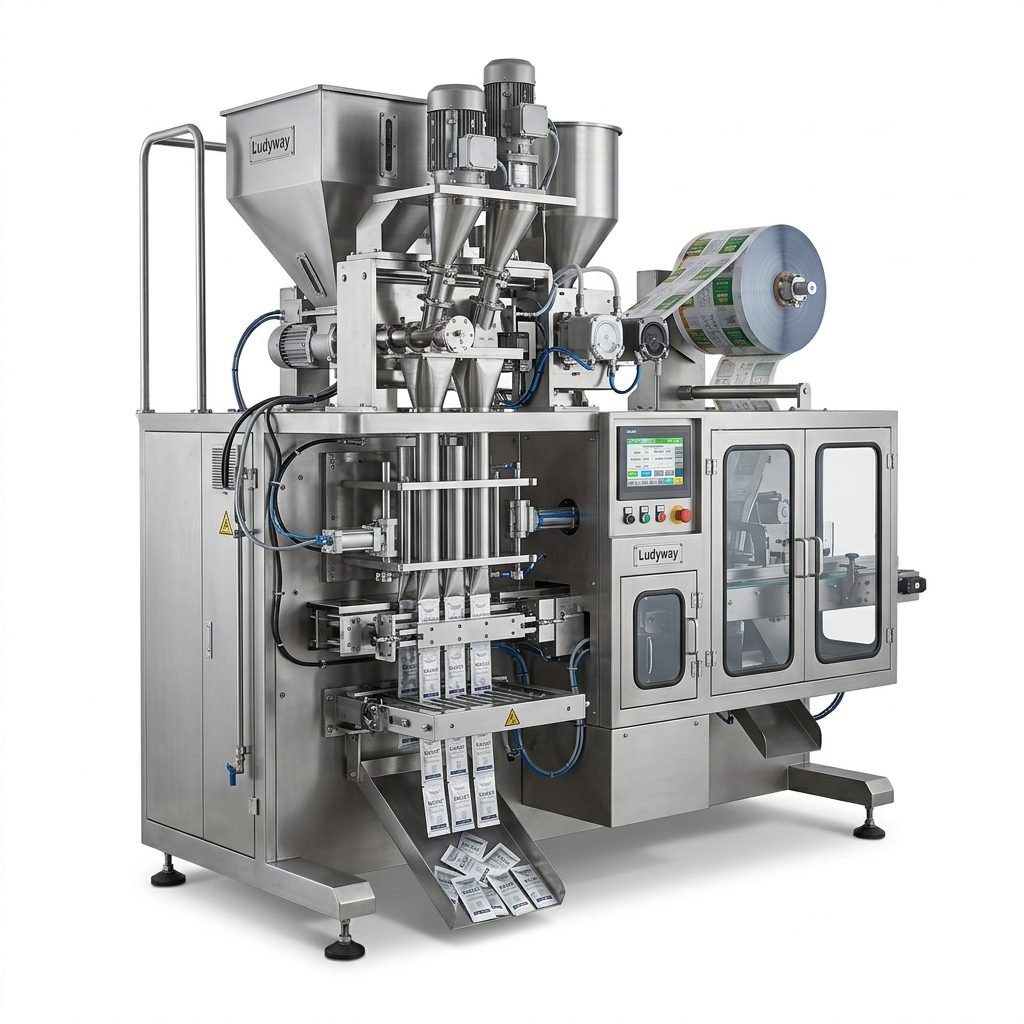
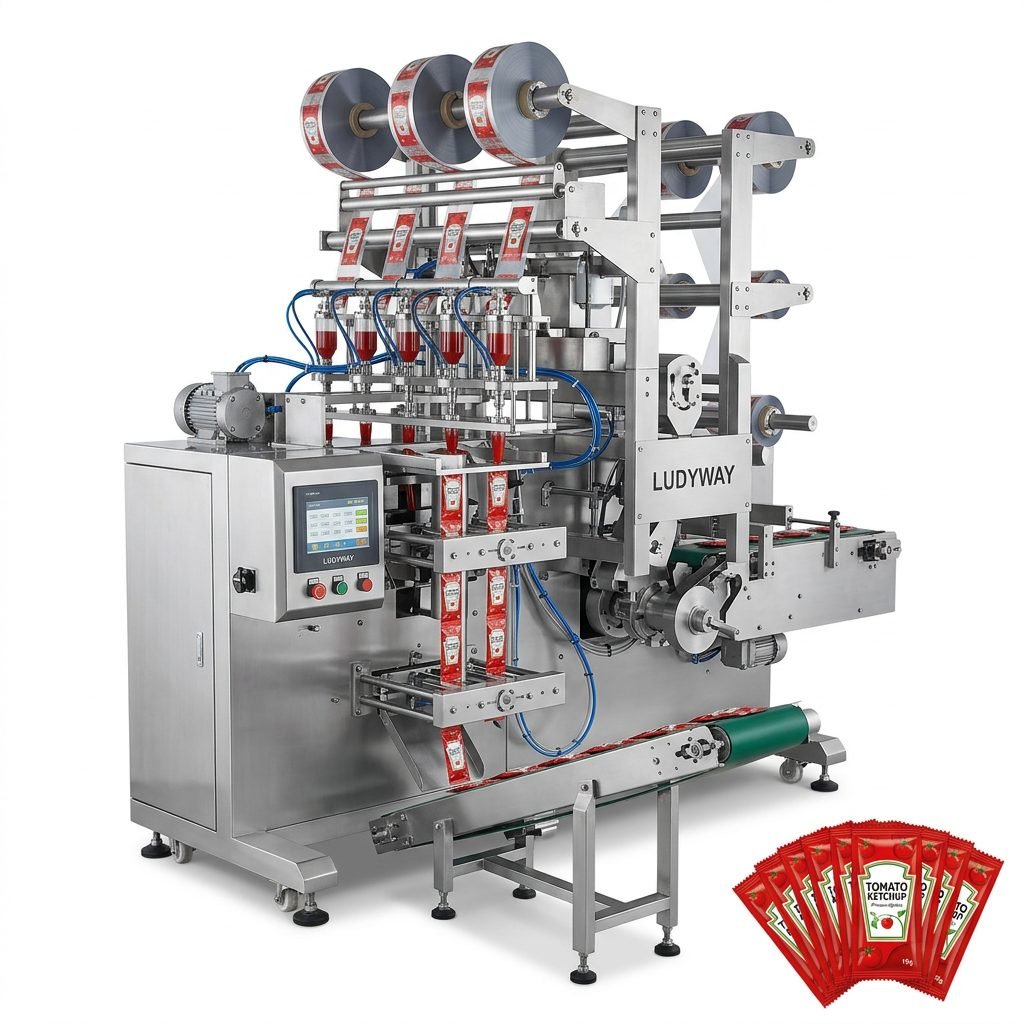
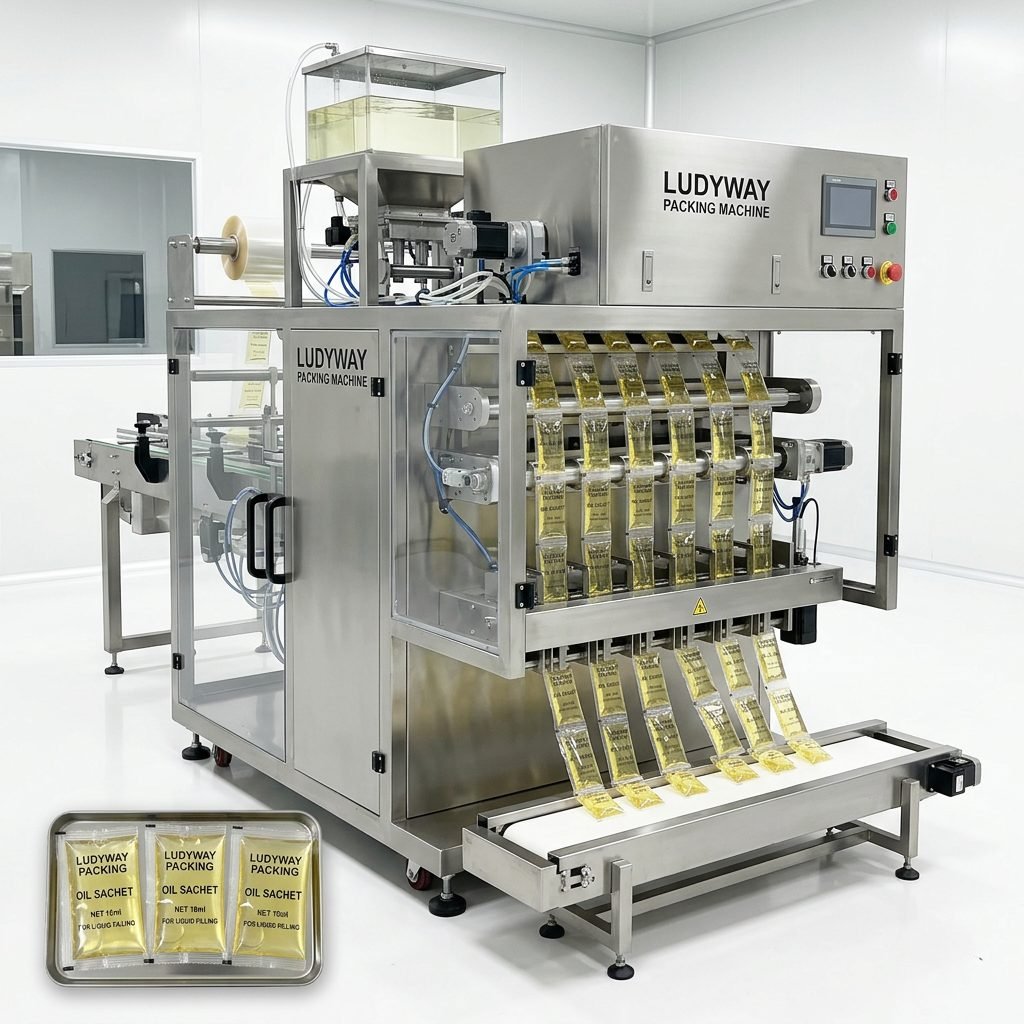
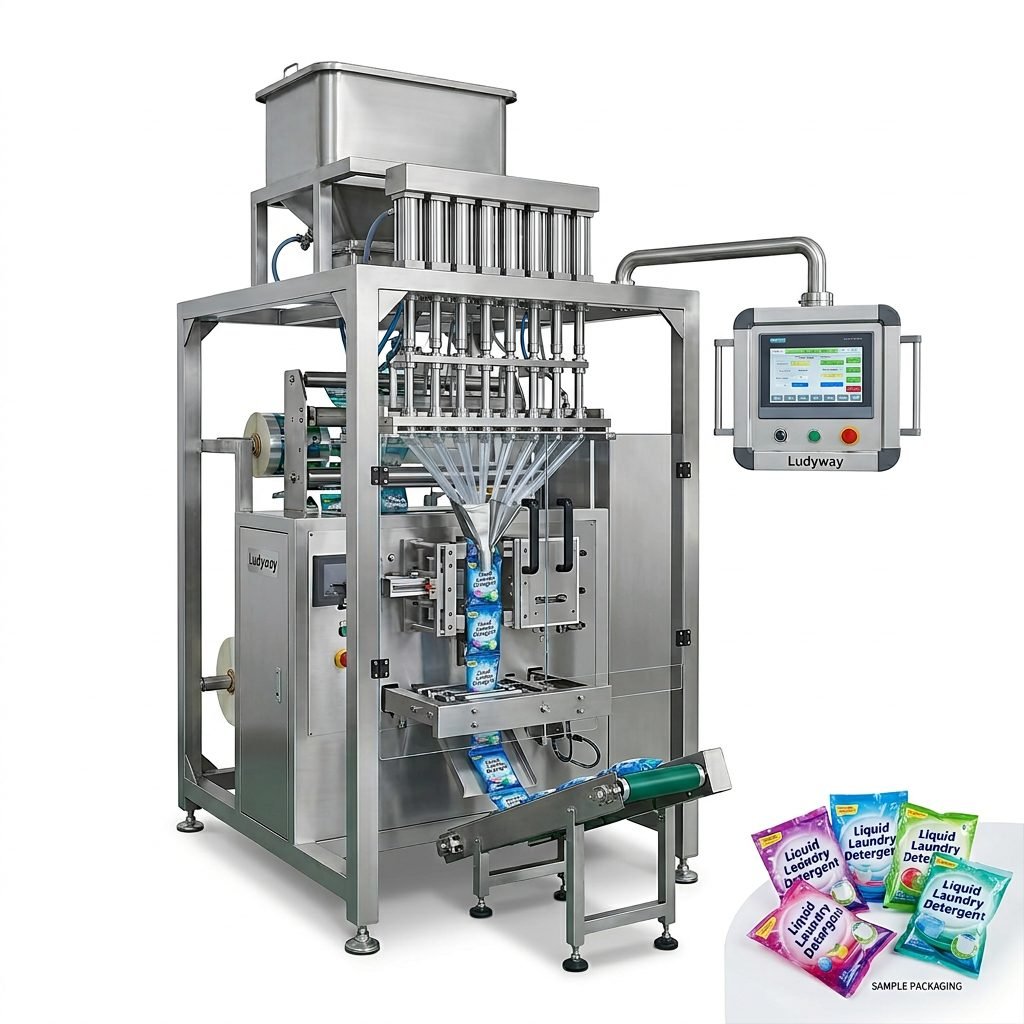
| Sachets / Stick Packs | 5ml – 50ml | Low-income households, single-use | Multi-lane sachet filling machine |
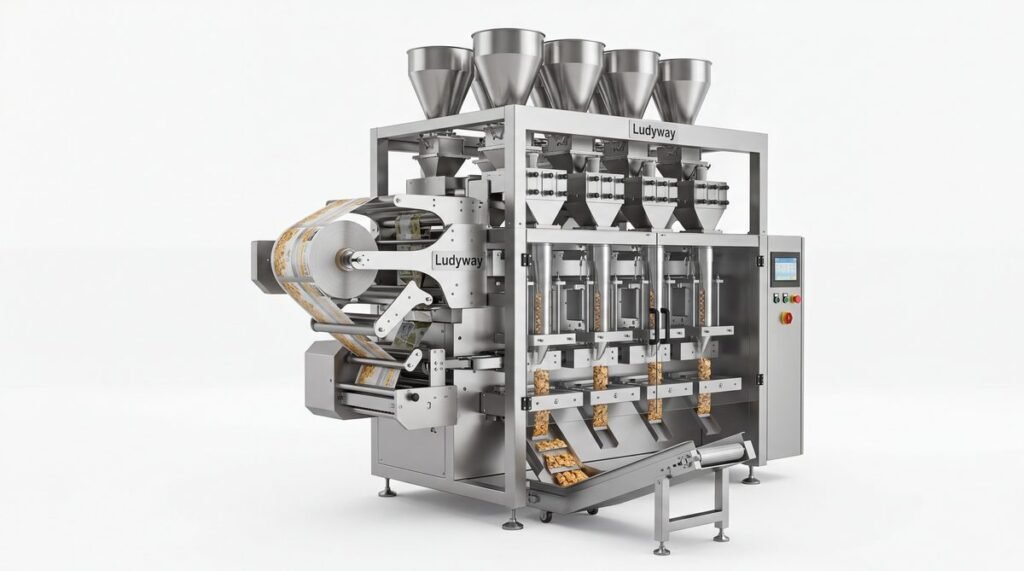
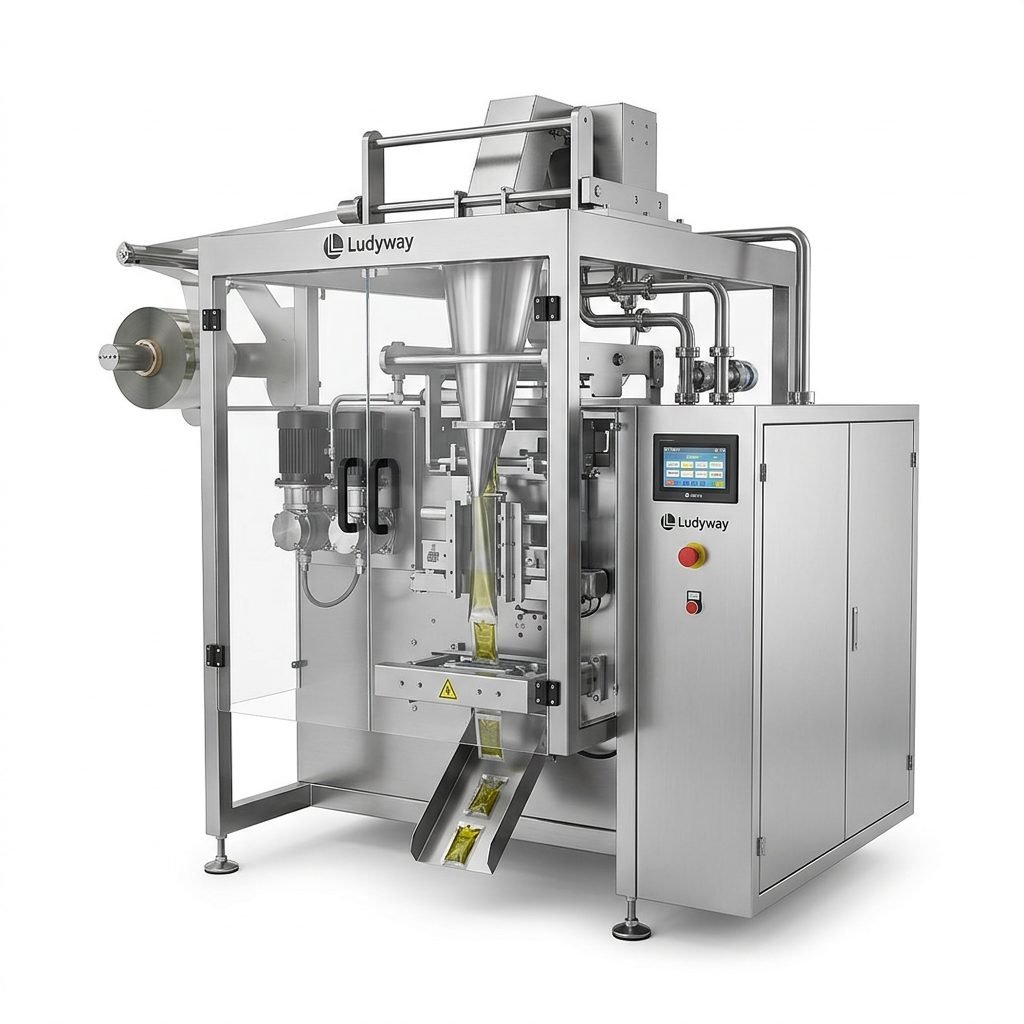
| Pouches / Pillow Bags | 100ml – 1L | Mid-market retail consumers | Vertical form fill seal machine |
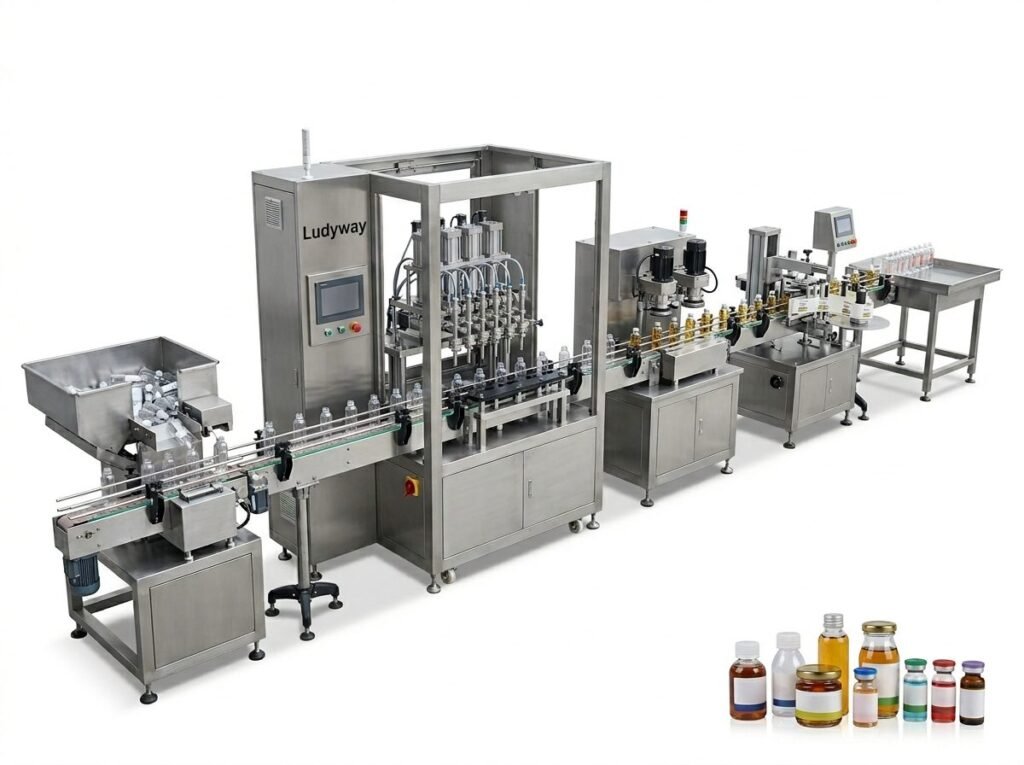
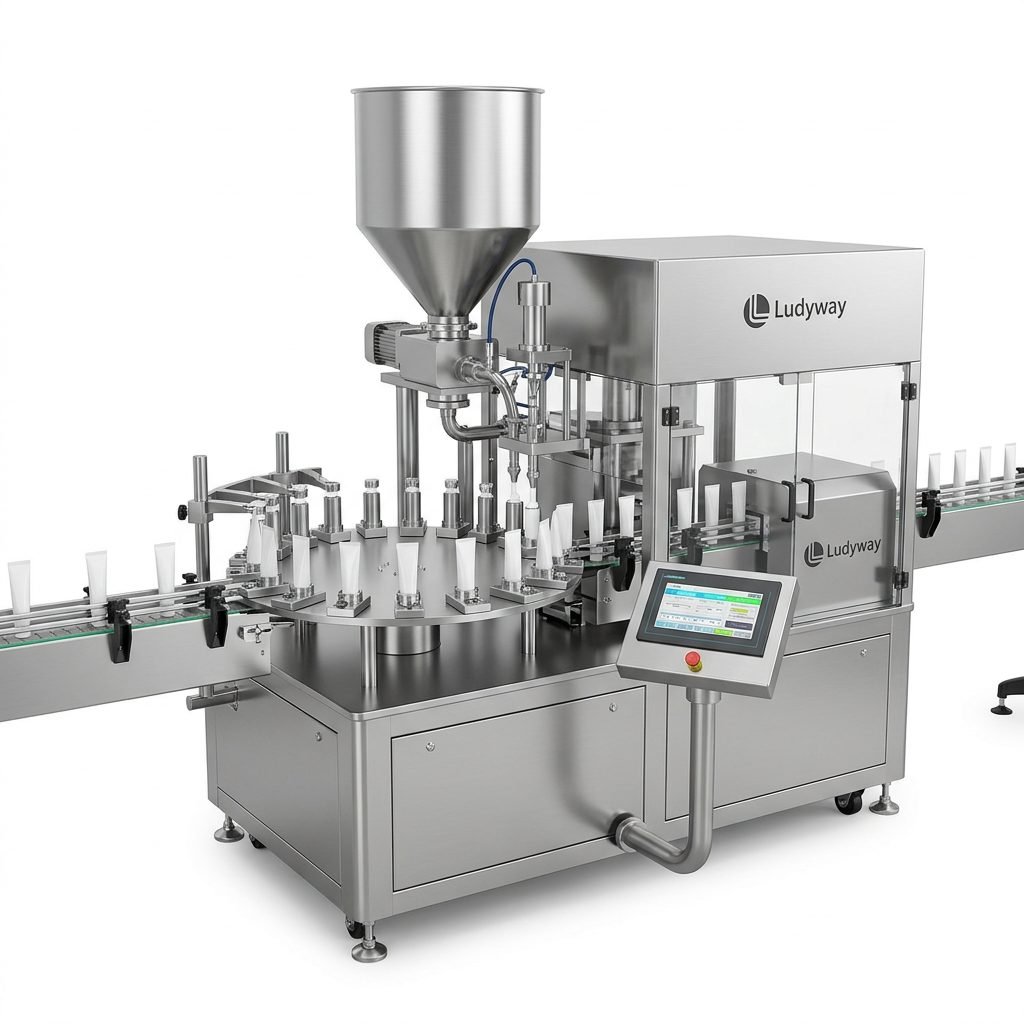
| PET / HDPE Bottles | 500ml – 5L | Premium and mid-tier brands | Liquid filling and capping line |
| Jerry Cans / Bulk Containers | 5L – 25L | Food service and institutional | Heavy-duty liquid filling system |
Step 2: Selecting the Right Oil Packaging Machinery
Choosing the appropriate packaging equipment is critical to operational efficiency. Oil presents unique challenges due to its viscosity variations, potential for oxidation, and the need for precise filling accuracy. Modern packaging machinery must handle these factors reliably.

Core Equipment for an Oil Packaging Line
- Liquid Filling Machine: Volumetric piston fillers or flow meter-based systems for precise oil dosing. Accuracy within ±0.5% is recommended for cost control.
- Capping/Sealing Equipment: Automatic screw capping for bottles, heat sealing for pouches and sachets. Induction sealing adds tamper evidence.
- Labeling System: High-speed wrap-around or front-and-back labeling with batch coding capability for traceability.
- Conveying and Accumulation: Stainless steel conveyors with oil-resistant belts to manage product flow between stations.
- Secondary Packaging: Cartoning, case packing, and palletizing systems for finished goods handling.
Material Compatibility Considerations
All product-contact parts must use food-grade stainless steel (typically SS304 or SS316L) and oil-resistant seals such as Viton or PTFE. Standard rubber components degrade quickly when exposed to edible oils, leading to contamination and frequent maintenance.
Step 3: Facility Planning and Infrastructure Requirements
Setting up a production line in Africa requires careful attention to infrastructure readiness. While urban industrial zones generally offer adequate utilities, remote locations may require additional investment in supporting systems.
Critical Infrastructure Checklist
| Infrastructure Element | Minimum Requirement | Recommended Specification | Common Challenges in Africa |
|---|---|---|---|
| Electrical Supply | 3-phase, 380V/50Hz | Dedicated transformer with voltage stabilizer | Voltage fluctuations, intermittent outages |
| Compressed Air | 6-8 bar, oil-free | Screw compressor with air dryer and filtration | High humidity affecting air quality |
| Water Supply | Potable water for cleaning | RO-treated water with storage tanks | Inconsistent municipal supply |
| Climate Control | Temperature 15-30°C | HVAC with humidity regulation | Extreme heat and dust ingress |
| Flooring & Drainage | Epoxy-coated, sloped floors | Anti-slip, chemical-resistant coating | Dust generation, spill containment |
Step 4: Installation, Commissioning, and Training
Proper installation is the foundation of long-term operational reliability. An experienced technical team should oversee the entire process, from equipment positioning to final acceptance testing. Comprehensive operator training significantly reduces startup issues and prevents costly damage from improper use.
Commissioning Timeline Overview
- Week 1: Equipment uncrating, positioning, and mechanical assembly verification
- Week 2: Electrical connections, I/O checks, and dry-run testing without product
- Week 3: Water-based trial runs, fill accuracy calibration, sealing parameter optimization
- Week 4: Actual oil product trials, full-line integration testing, quality validation
- Week 5: Operator and maintenance training, SOP documentation, production handover
Step 5: Regulatory Compliance and Quality Standards
Edible oil packaging must comply with both local regulations in the target country and internationally recognized standards. African nations increasingly align their food safety frameworks with ISO packaging standards and Codex Alimentarius guidelines.
Key Compliance Areas
- Food Contact Materials: All packaging materials must meet migration limits specific to fatty foods. Compliance with FDA food contact substance regulations is often required for export-oriented production.
- Labeling Requirements: Nutritional information, ingredient lists, net weight declarations, and manufacturer details in the official language of the target market.
- Halal Certification: Essential for markets with significant Muslim populations, particularly in North, West, and East Africa.
- Weights and Measures: Fill quantity accuracy per OIML recommendations, with regular calibration of filling equipment.
Step 6: Operational Cost Optimization
Running a profitable oil packaging operation in Africa requires disciplined cost management. The three largest operational cost drivers are packaging materials (35-45% of COGS), oil raw material (30-40%), and energy (10-15% in areas with unreliable grid power).
Cost Reduction Strategies
| Cost Category | Optimization Strategy | Potential Savings |
|---|---|---|
| Packaging Material | Source from regional suppliers in East/Southern Africa; negotiate multi-year contracts | 15-20% |
| Energy Consumption | Install solar hybrid systems; use VFD drives on motors; optimize compressed air systems | 25-30% |
| Labor Efficiency | Invest in semi-automated or fully automated packaging machinery to reduce manual handling | 20-40% |
| Oil Loss / Waste | Install high-precision filling nozzles with drip collection; implement spill recovery systems | 5-8% of raw material cost |
Step 7: Supply Chain and Distribution Integration
A well-designed packaging line must integrate seamlessly with upstream oil supply and downstream distribution. In the African context, logistics infrastructure variability requires flexible packaging solutions that protect product integrity across challenging transport conditions.
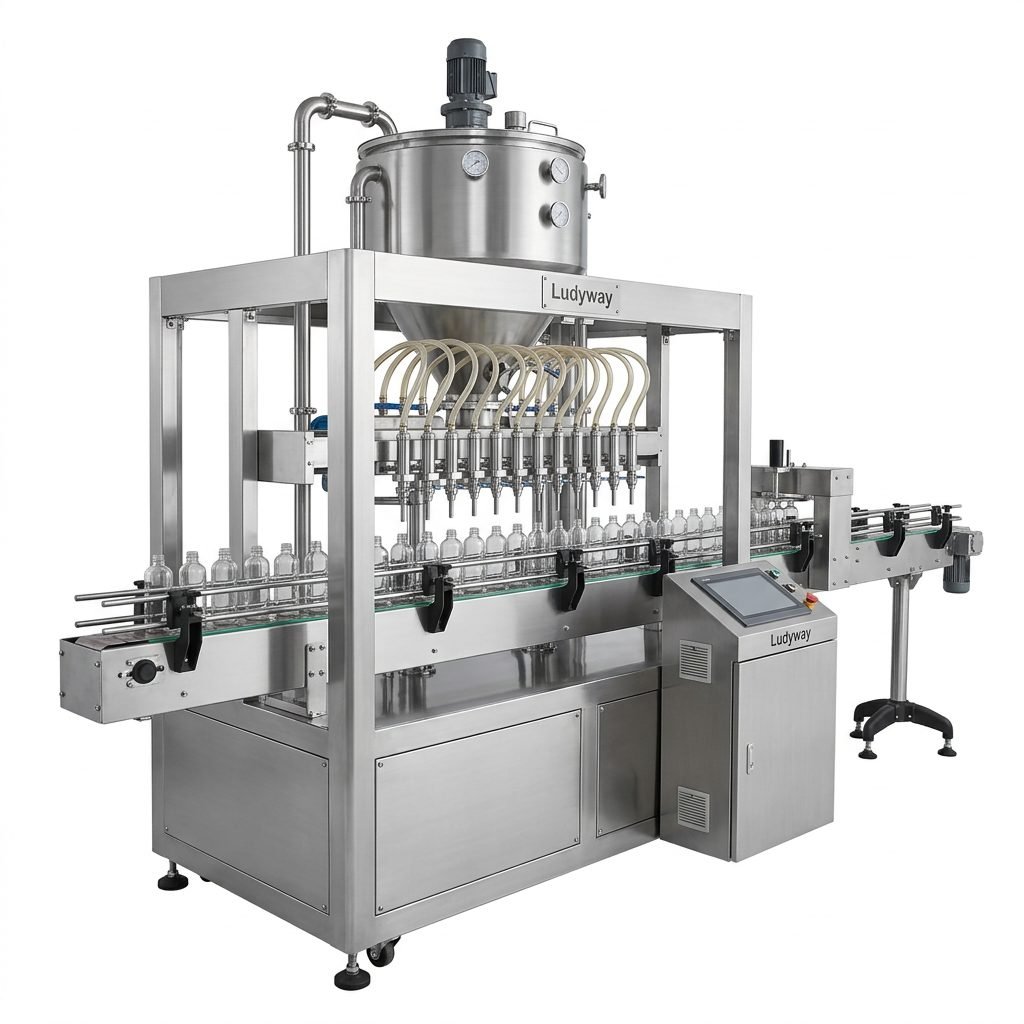
Packaging Design for African Distribution Channels
- Rural Retail Routes: Durable multi-layer laminate sachets that resist puncturing during transport on unpaved roads
- Urban Supermarket Chains: Shelf-ready PET bottles with tamper-evident seals and attractive branding
- Wholesale Markets: Bulk jerry cans with secure closures to prevent adulteration
- Export to Neighboring Countries: Compliant packaging that meets the regulatory requirements of ECOWAS, SADC, or EAC trade blocs
Technology Trends Shaping Oil Packaging in Africa
Forward-thinking producers are adopting smart packaging technologies to differentiate their brands and improve operational efficiency. QR code traceability systems, nitrogen-flush preservation for extended shelf life, and lightweight packaging designs are gaining traction across the continent.
Emerging Technologies to Consider
- In-line Quality Inspection: Vision systems that detect fill levels, cap placement, and label alignment at production speeds
- IoT-enabled Machine Monitoring: Real-time OEE tracking and predictive maintenance alerts via industry-standard protocols
- Sustainable Packaging Materials: Recyclable mono-material pouches and bio-based plastics aligned with global sustainability targets
- Flexible Production Systems: Quick-changeover designs allowing rapid switching between different oil types and packaging formats
Common Pitfalls and How to Avoid Them
Based on extensive project experience across multiple African markets, several recurring challenges can delay project timelines and inflate costs. Awareness and proactive planning are the best defenses.
Critical Risk Factors
| Risk Factor | Impact Severity | Mitigation Strategy |
|---|---|---|
| Underestimating power stability needs | High | Conduct a detailed power audit before machine procurement; budget for backup generation |
| Inadequate operator training | High | Include extended on-site training in supplier contracts; develop local language SOPs |
| Packaging material incompatibility | Medium | Test all film and laminate materials with actual oil product before production runs |
| Spare parts availability delays | Medium | Maintain a recommended spare parts inventory equivalent to 12 months of operation |
| Regulatory certification timelines | Medium | Begin certification processes 3-6 months before production launch |
Partnering with the Right Equipment Manufacturer
Selecting a reliable packaging machine manufacturer with proven experience in African markets can significantly reduce project risk. Key evaluation criteria include the supplier’s installed base in the region, availability of local technical support, and willingness to provide turnkey solutions including auxiliary equipment like conveyors, coding systems, and end-of-line packaging automation.
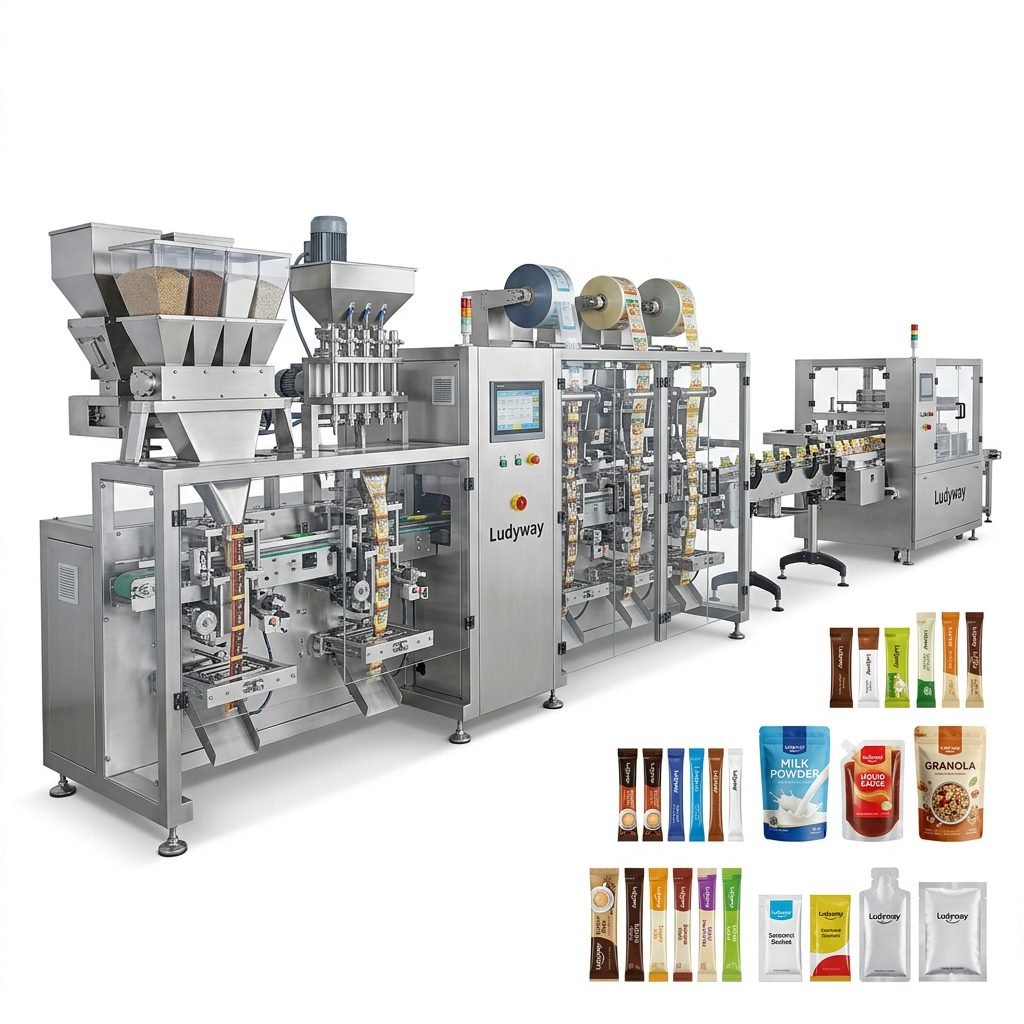
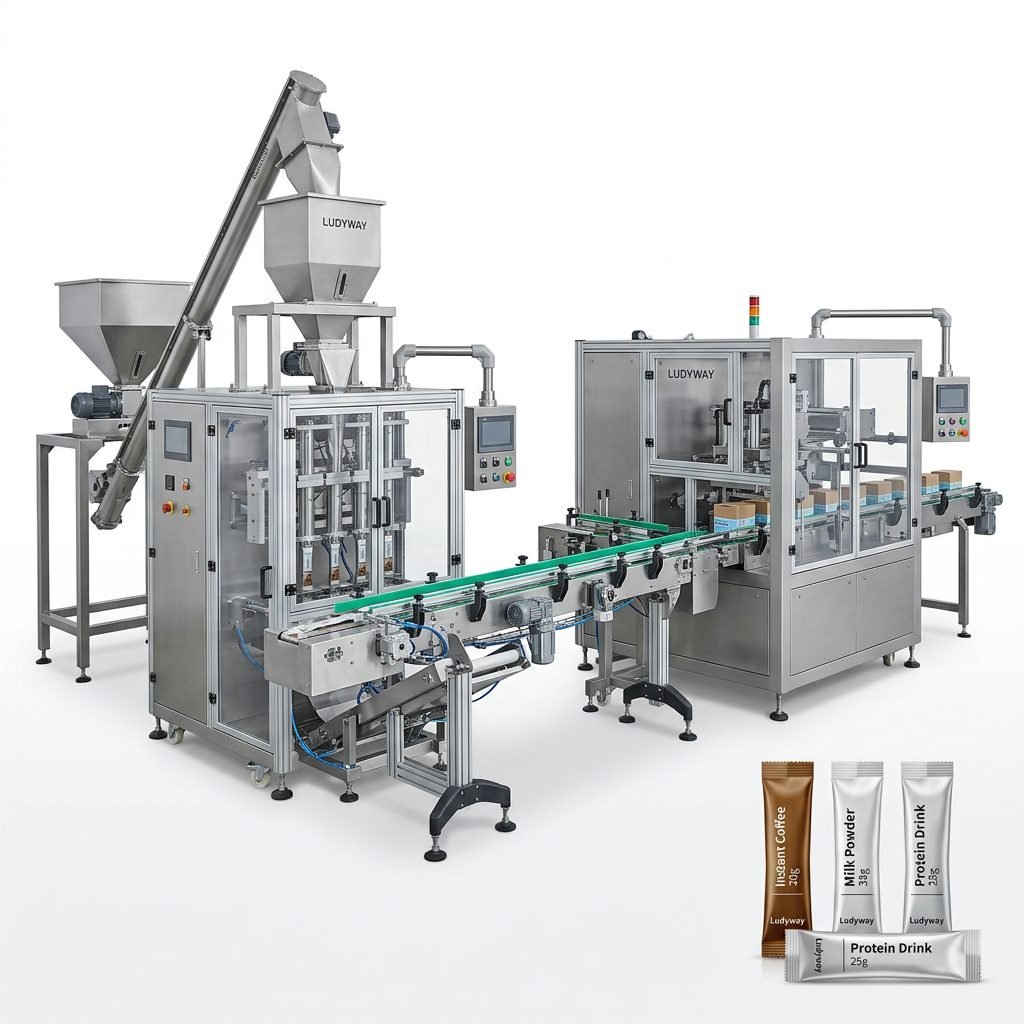
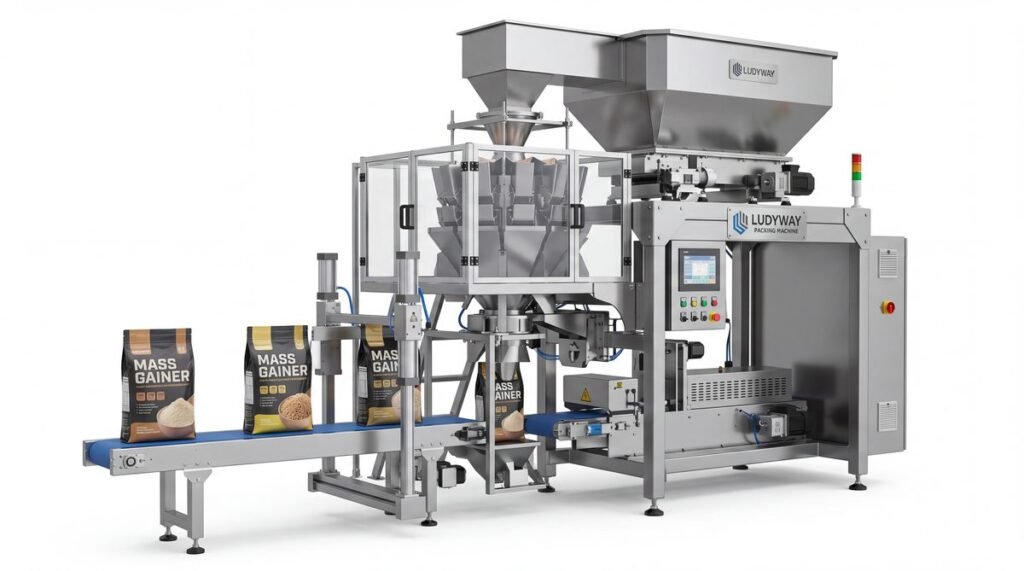
A manufacturer with a strong track record in turnkey packaging solutions can streamline the entire process. Ludyway, with over 30 years of industry experience and a modern 20,000㎡ production facility, offers advanced packaging equipment and complete production line solutions for granule, powder, and liquid applications—including edible oil—serving customers in more than 100 countries worldwide.
Conclusion: Building a Future-Ready Oil Packaging Operation
Setting up an oil packaging machine production line in Africa is a strategic investment that taps into one of the continent’s most resilient consumer markets. Success depends on thorough planning, appropriate technology selection, and a commitment to quality and compliance. By following the structured approach outlined in this guide—from market analysis and equipment selection to installation, training, and cost optimization—producers can build efficient, scalable operations that serve both domestic and regional markets effectively. The opportunity is substantial, and with the right preparation, African oil packaging ventures can achieve strong returns while contributing to local food security and industrial development.