The Middle East’s ready meal market is experiencing unprecedented growth, driven by rapid urbanization, a young demographic, and shifting consumer habits. For food manufacturers looking to capture this demand, selecting the right ready meal packaging machine is a strategic decision that impacts product shelf life, brand image, and operational efficiency. This comprehensive buying guide covers everything you need to know before making your investment.

Understanding the Middle East Ready Meal Landscape
The GCC region, particularly Saudi Arabia, the UAE, and Qatar, has seen a surge in demand for convenience foods. Busy urban professionals, dual-income households, and a growing expatriate population are all fueling this trend. According to industry data, the Middle East prepared meals market is projected to grow at a CAGR of over 8% through 2030. This growth creates significant opportunities for manufacturers who can deliver consistent quality at scale — and that starts with choosing the right packaging machinery.
Key Types of Ready Meal Packaging Machines
Different ready meal formats require specific packaging technologies. Understanding which type suits your production line is essential before contacting a packaging machine manufacturer.
- Tray Sealing Machines: Ideal for fresh and frozen ready meals in plastic or aluminum trays. These systems offer modified atmosphere packaging (MAP) capabilities that extend shelf life significantly — a critical requirement in the Middle East’s hot climate.
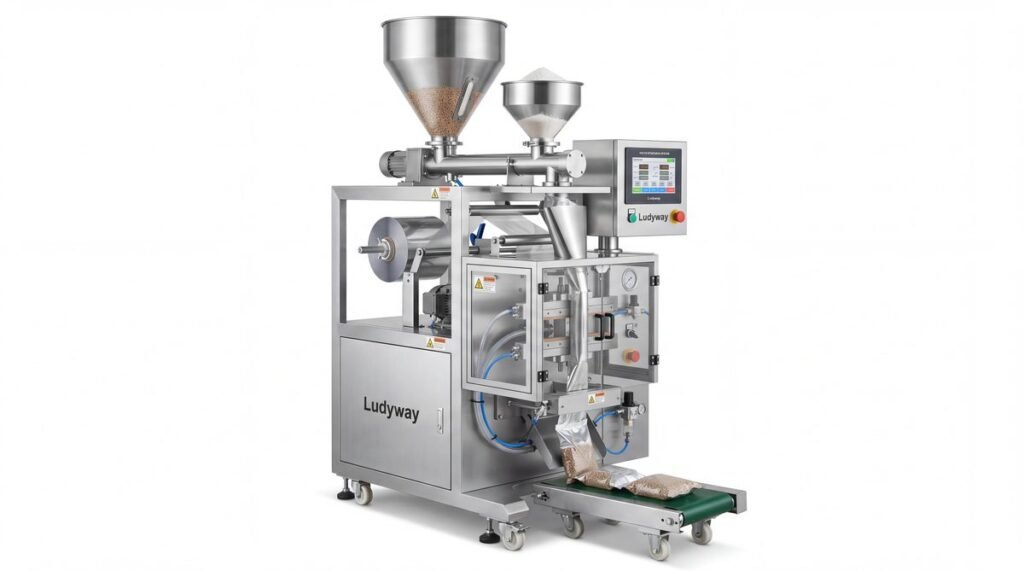
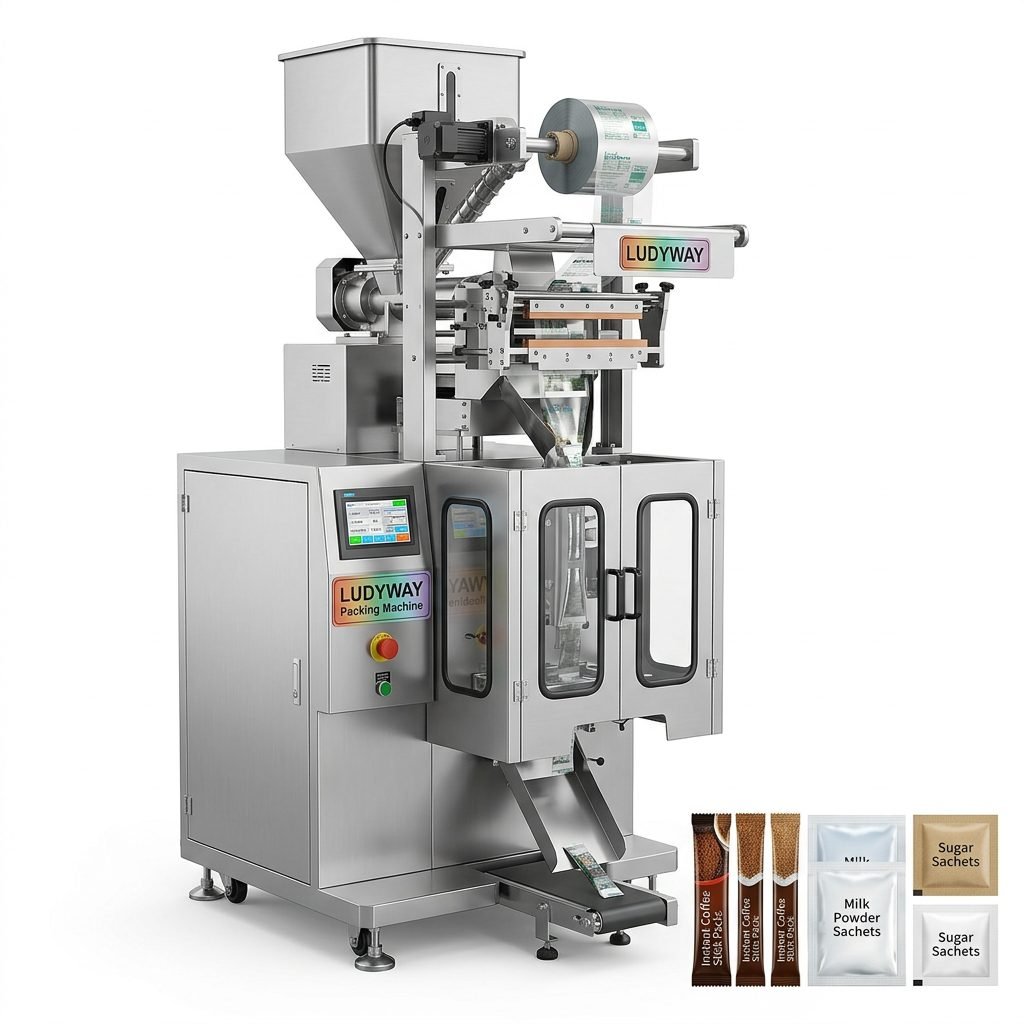
- Vertical Form-Fill-Seal (VFFS) Systems: Best suited for loose-fill products like rice dishes, pasta meals, or frozen vegetables. These versatile machines can produce pillow bags, gusseted pouches, and quad-seal packs.
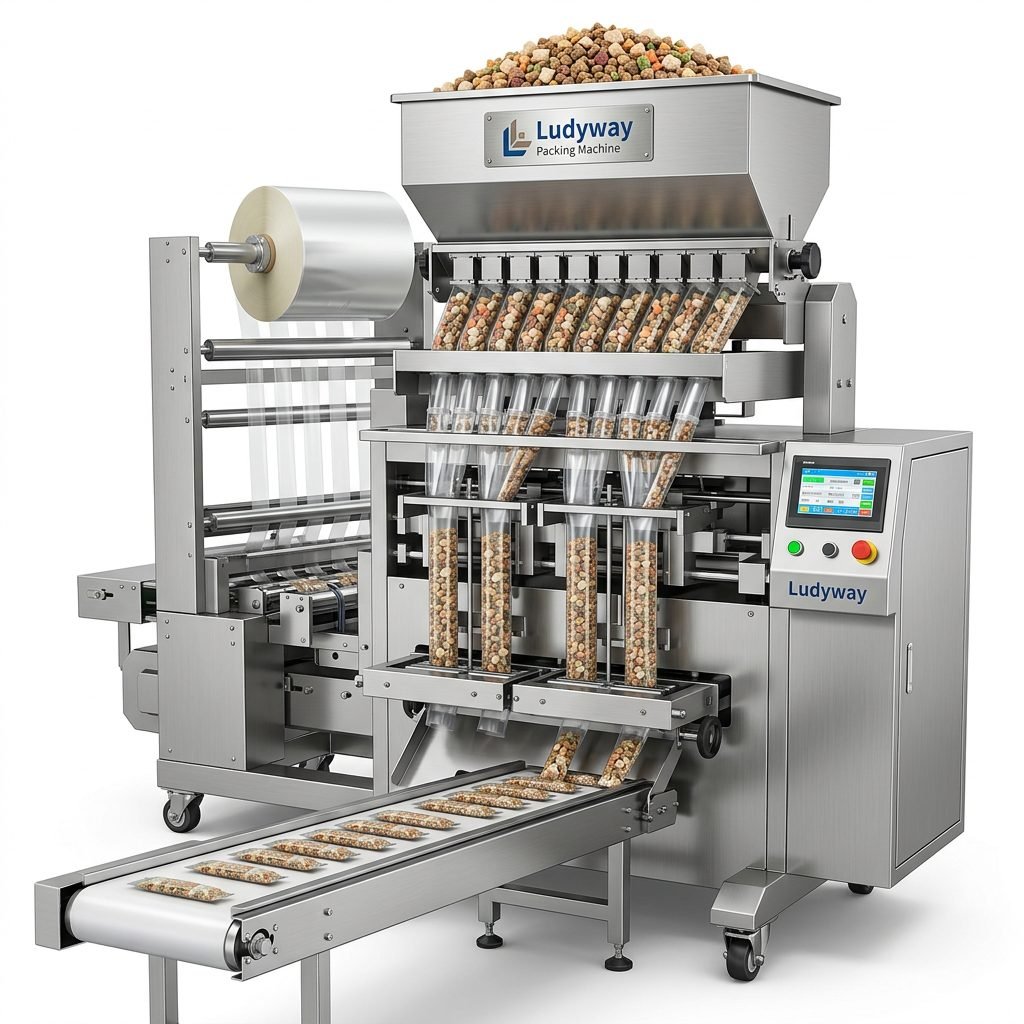
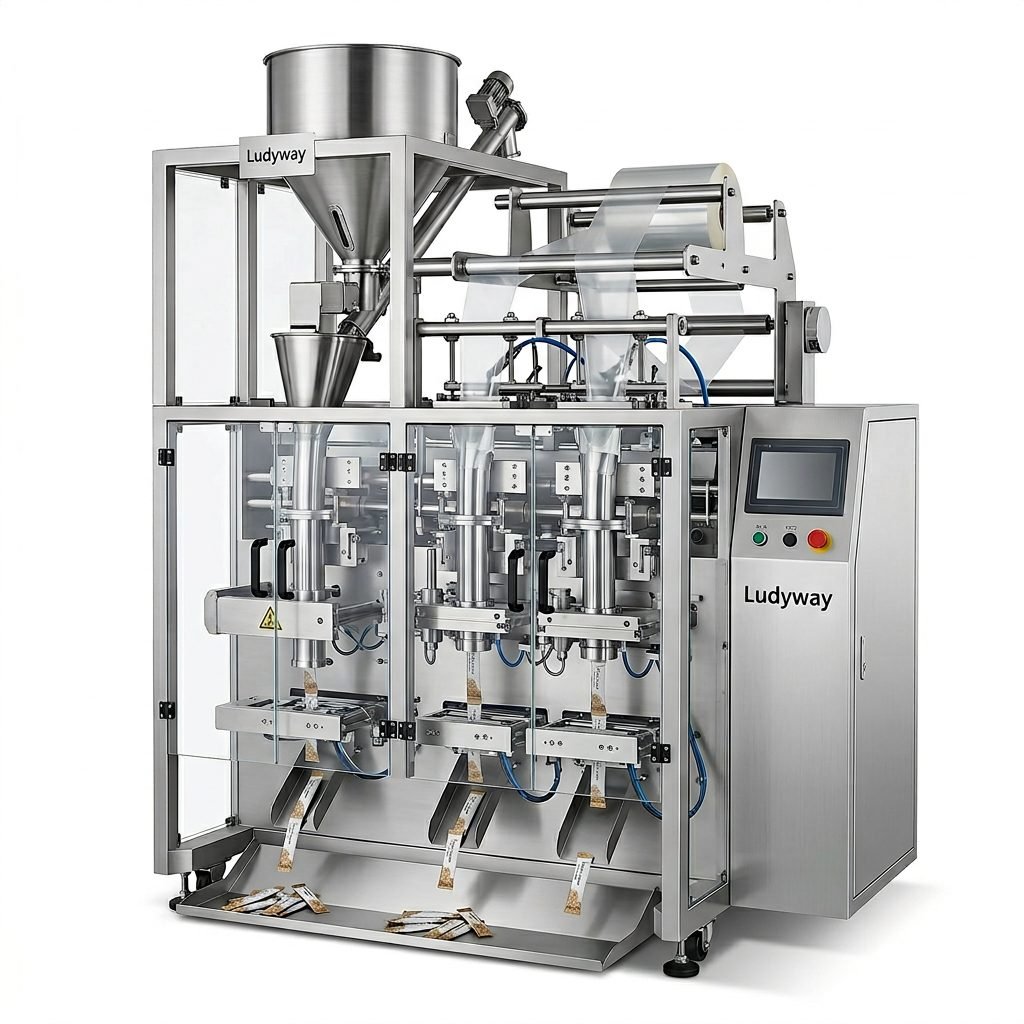
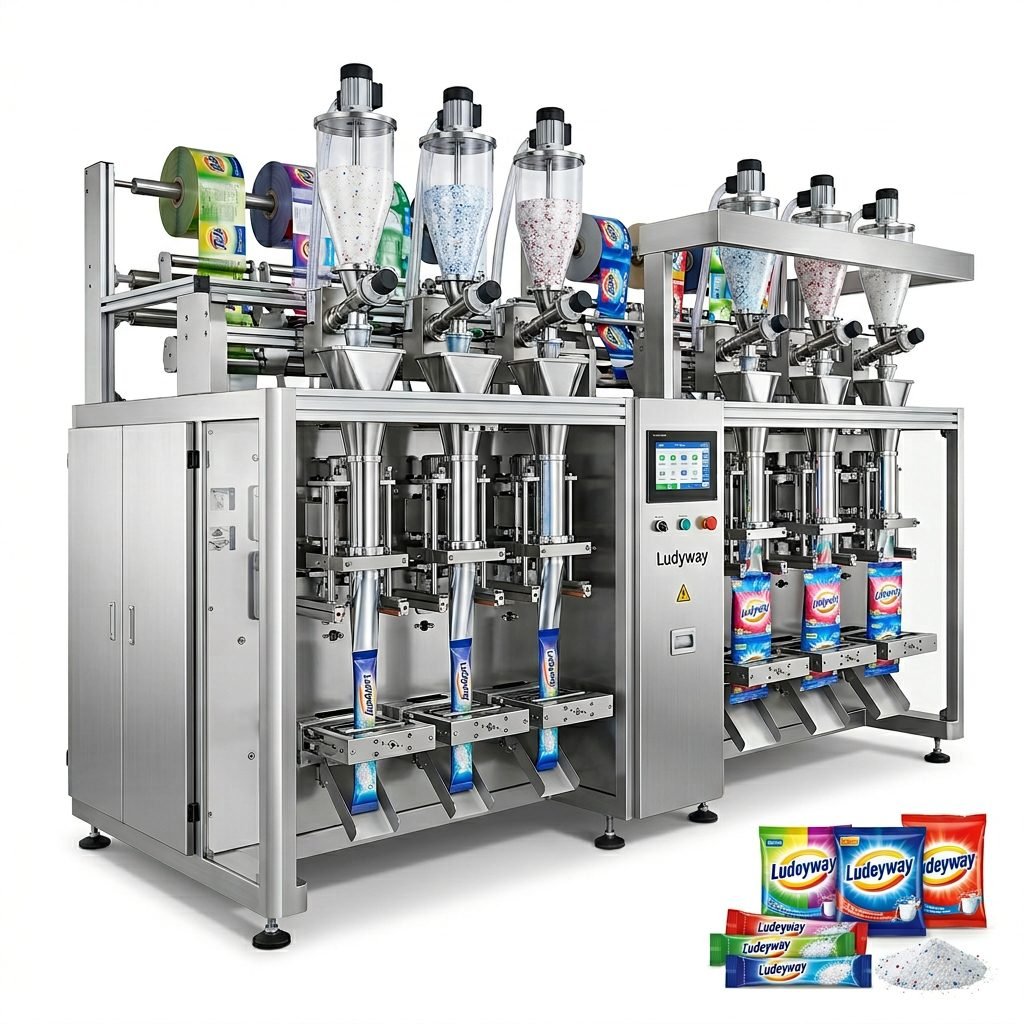
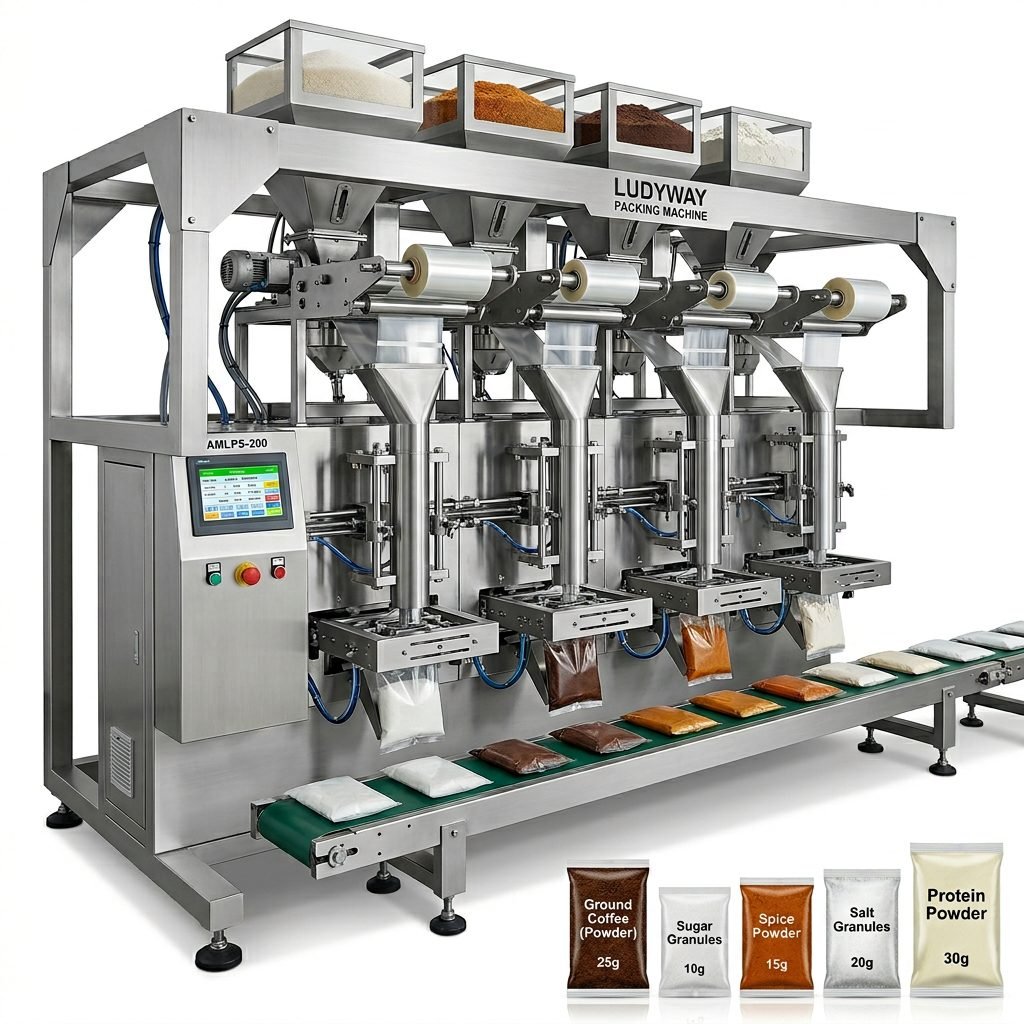
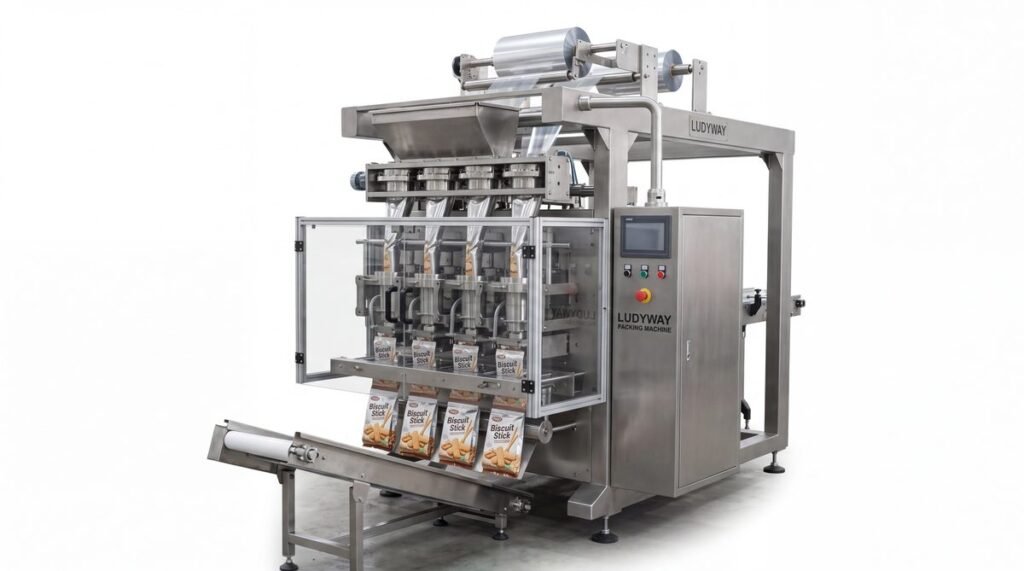
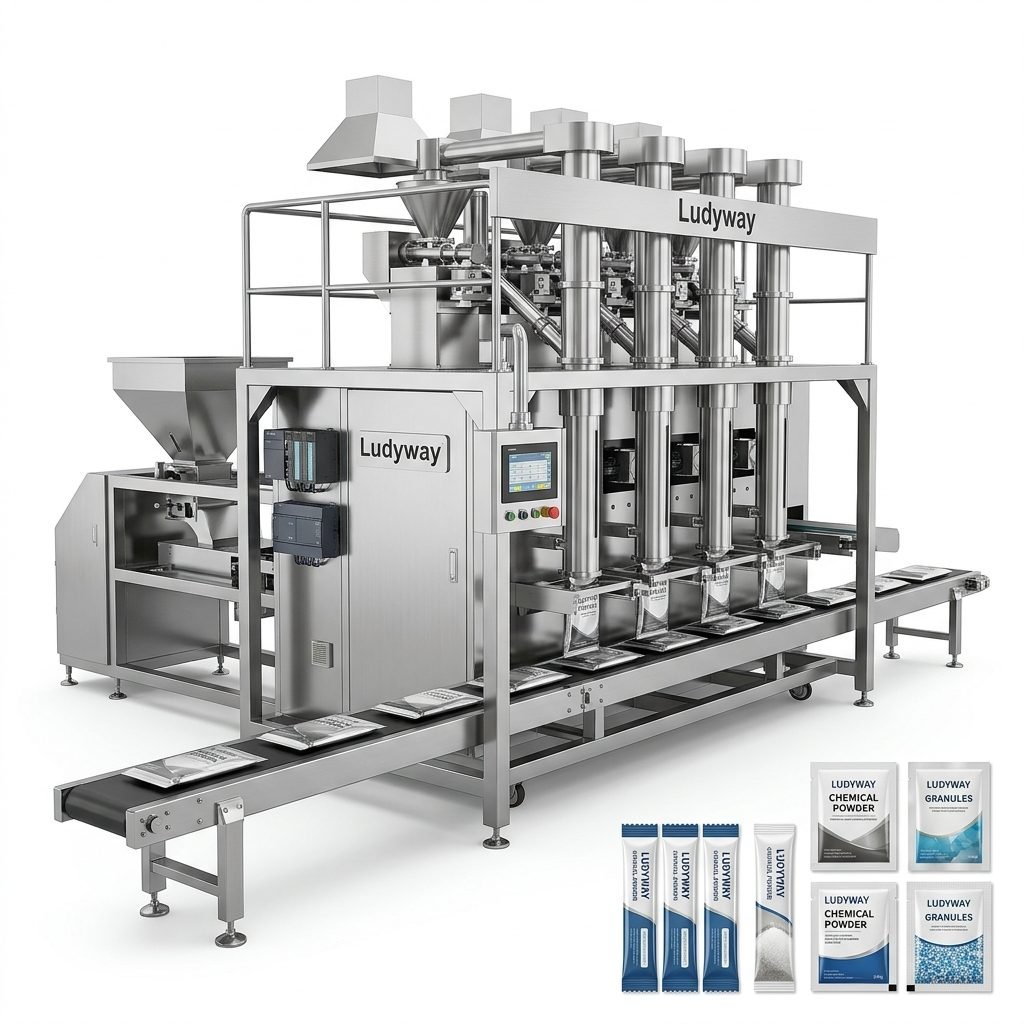
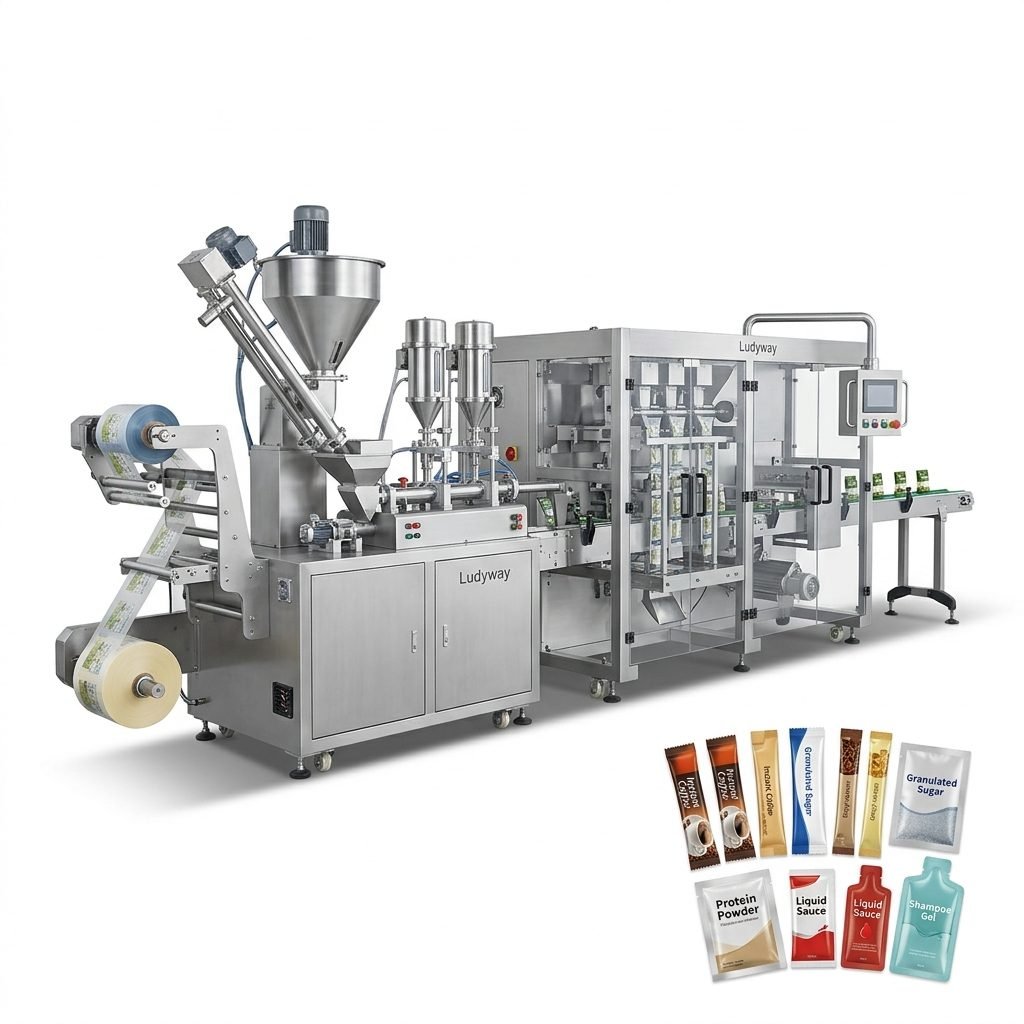
- Multi-Lane Stick Pack Machines: Perfect for single-serve ready meal components such as spice mixes, sauce sachets, or instant soup powders that accompany main dishes.
- Pouch Packaging Systems: Designed for retort pouches and stand-up pouches used for shelf-stable ready meals, curries, and stews popular in Middle Eastern cuisine.
- Thermoforming Packaging Machines: Used for producing vacuum-sealed ready meal trays with excellent barrier properties, essential for long-distance distribution across the region.
Critical Factors to Consider Before Buying
Evaluating a ready meal packaging machine requires more than comparing specifications. Here are the factors that matter most for Middle East operations:
1. Production Capacity and Speed Requirements
Determine your current and projected output needs. A machine that produces 40 to 120 packs per minute may suffice for mid-sized manufacturers, while large-scale operations may require high-speed lines capable of 200+ packs per minute. Oversizing early can strain your budget, but undersizing creates costly bottlenecks later.
2. Packaging Material Compatibility
Middle Eastern markets demand packaging that can withstand high ambient temperatures during storage and transport. Your machine must handle multi-layer barrier films, aluminum laminates, and temperature-resistant materials. Verify that the sealing mechanism can consistently deliver hermetic seals on your chosen film structure.
3. Hygiene and Cleanability Standards
Food safety regulations in the UAE, Saudi Arabia, and other GCC nations are increasingly aligned with international standards. Look for machines with stainless steel construction, tool-less disassembly for cleaning, and IP65 or higher washdown ratings for wet environments. Compliance with FDA food packaging standards is a strong indicator of build quality.
4. Modified Atmosphere Packaging (MAP) Capability
Given the region’s climate, MAP technology is not optional — it is essential. Flushing packages with nitrogen or carbon dioxide extends shelf life and maintains product freshness. Confirm that your chosen equipment supports gas flushing with precise control over gas mixtures and residual oxygen levels.
Packaging Format Comparison Table
The following table summarizes key packaging formats for ready meal applications in the Middle East, helping you match your product type with the most suitable machinery:
| Packaging Format | Best For | Shelf Life Extension | Machine Type | Typical Speed Range |
|---|---|---|---|---|
| MAP Trays | Fresh prepared meals, kebabs, grilled meats | 7-21 days chilled | Tray Sealer with MAP | 40-120 packs/min |
| Retort Pouches | Curries, stews, rice dishes | 12-24 months ambient | Rotary Pouch Filler-Sealer | 30-80 packs/min |
| Vacuum Skin Packs | Marinated meats, seafood, premium meals | 14-28 days chilled | Thermoforming Machine | 10-30 cycles/min |
| Stick Packs & Sachets | Sauces, condiments, spice mixes | 12-18 months ambient | Multi-Lane Stick Pack Machine | 200-600 packs/min |
| Stand-Up Pouches | Frozen vegetables, dry meal kits | 6-18 months depending on product | Premade Pouch Machine | 30-60 packs/min |
Automation Level: Semi vs. Fully Automatic Systems
Your choice between semi-automatic and fully automatic packaging lines depends on labor availability and production scale. In the Middle East, where labor costs vary significantly between countries, this decision carries financial implications:
- Semi-Automatic Machines: Lower initial investment, suitable for startups and small-scale producers. Operators manually load trays or pouches, while sealing and gas flushing are automated. Ideal for production volumes below 3,000 packs per day.
- Fully Automatic Lines: Include automated feeding, filling, sealing, labeling, and cartoning. Best for medium to large manufacturers producing 10,000+ packs daily. These systems reduce labor dependency and improve consistency across shifts.

Regulatory Compliance in the Middle East
Packaged food products sold in GCC countries must comply with GSO (GCC Standardization Organization) regulations. Key standards affecting packaging machinery include:
- GSO 839 — General requirements for food packaging materials
- GSO 150 — Shelf life standards for packaged food products
- GSO 9 — Labeling requirements for prepackaged foods
Additionally, if you export to international markets, your packaging line should meet ISO packaging standards and relevant FDA recognized consensus standards for food contact materials. Selecting equipment that supports compliance from the outset avoids costly retrofitting.
Total Cost of Ownership Analysis
Beyond the purchase price, evaluate the total cost of ownership (TCO) over the machine’s expected lifespan of 8-15 years. Key TCO components include:
- Energy Consumption: Machines with servo-driven motors consume up to 40% less electricity than pneumatic alternatives, a significant saving given industrial electricity rates in some Middle Eastern countries.
- Film Waste: Precision film registration systems reduce material waste. Even a 1% reduction in film waste can save thousands of dollars annually at high production volumes.
- Spare Parts Availability: Confirm that critical wear components such as sealing jaws, cutting blades, and heating elements are readily available from the manufacturer’s regional distributors.
- Maintenance Contracts: Annual preventive maintenance agreements typically cost 3-5% of the machine’s value and can prevent unexpected downtime.
After-Sales Support and Service Infrastructure
The Middle East spans a vast geographic area, and local technical support is invaluable. Before committing, verify the following with any potential supplier:
- Availability of factory-trained service engineers in your country or region
- Response time guarantees for emergency breakdowns
- Remote diagnostic capabilities via IoT connectivity
- On-site operator training programs conducted in Arabic or English
- Inventory of critical spare parts held in regional warehouses
Leading manufacturers like Ludyway have invested in global service networks, supporting customers across over 100 countries with responsive technical assistance and readily available parts. This level of support is particularly important for manufacturers operating in multiple Middle Eastern markets.
Integration with Existing Production Lines
Your new packaging machine must integrate seamlessly with upstream and downstream equipment. Consider how the machine will connect with:
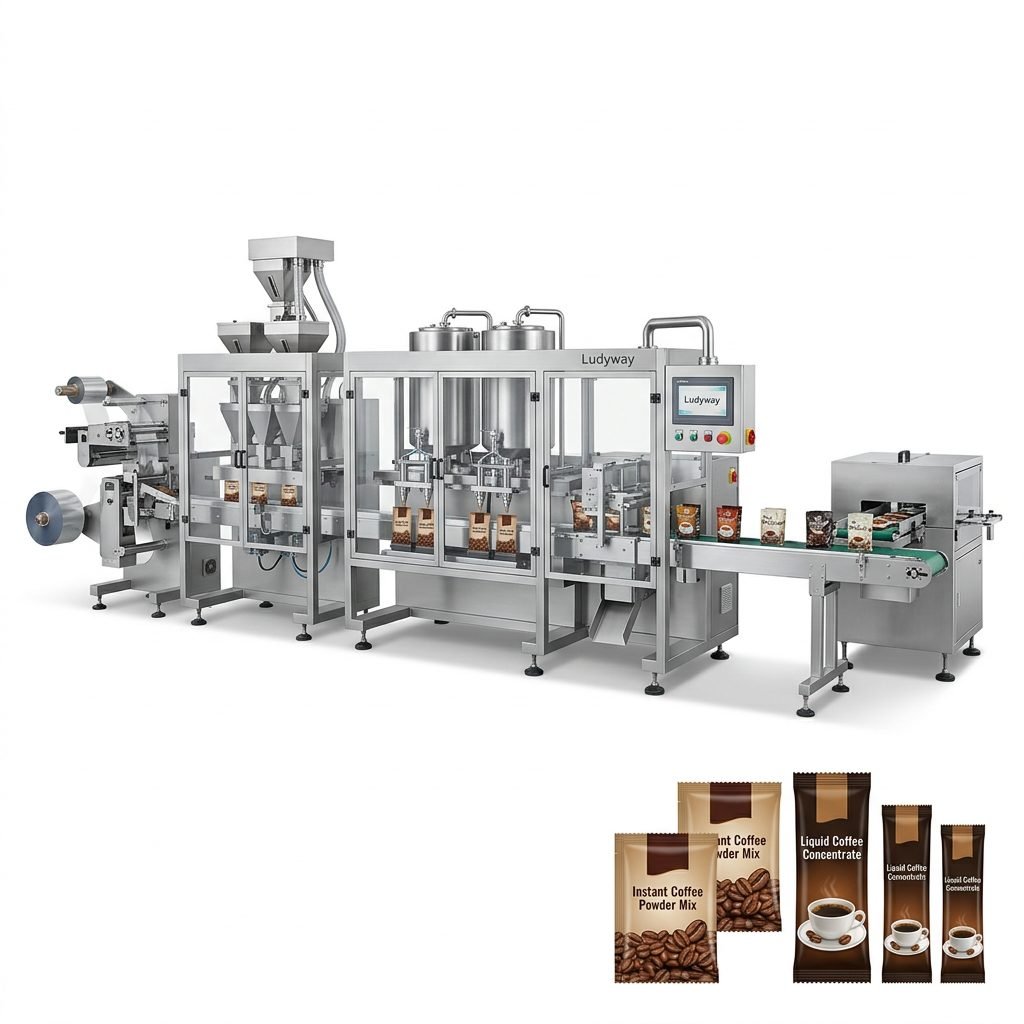
- Upstream: Multi-head weighers, volumetric fillers, liquid dosing pumps, and product conveyor systems
- Downstream: Checkweighers, metal detectors, X-ray inspection systems, cartoners, and palletizers
A turnkey packaging line from a single supplier simplifies integration and ensures all components communicate effectively. According to PMMI packaging industry intelligence, integrated lines reduce commissioning time by up to 30% compared to multi-vendor setups.
Key Machine Features Checklist
Use this checklist when evaluating ready meal packaging machinery for your Middle East facility:
- Stainless steel frame and product contact surfaces (304 or 316 grade)
- Servo-driven film transport with precise tension control
- MAP gas flushing system with adjustable gas ratios
- Quick-change tooling for format flexibility
- HMI touchscreen with recipe storage and multi-language support
- Automatic film splicing for continuous operation on long runs
- Integrated date coding or thermal transfer printing
- CE certification and GSO compliance documentation
- Remote access for diagnostics and production monitoring
- Washdown-ready design with sloped surfaces and sealed bearings
Industry Trends Shaping the Middle East Market
Several trends are influencing packaging machine purchasing decisions in the region:
Sustainable Packaging: GCC countries are increasingly adopting packaging waste regulations similar to European frameworks. Machines capable of handling recyclable mono-materials and thinner films are gaining preference. The Flexible Packaging Association reports that mono-material structures are the fastest-growing segment in flexible packaging.
Smart Factory Integration: Industry 4.0 capabilities including OEE tracking, predictive maintenance alerts, and ERP integration are becoming standard expectations for large-scale Middle Eastern food manufacturers.
Halal Packaging Requirements: Beyond product ingredients, packaging processes must prevent cross-contamination. Machines with validated cleaning protocols and segregated production capabilities support halal compliance.

Making the Final Decision
Selecting a ready meal packaging machine for the Middle East market requires balancing technical specifications, regulatory requirements, and commercial considerations. Prioritize suppliers who demonstrate:
- Proven experience with food-grade packaging systems
- References from food manufacturers in the GCC region
- Transparent pricing with detailed TCO breakdowns
- Commitment to long-term after-sales support
- Flexibility to customize machines for specific product requirements
Investing in quality packaging equipment yields returns through reduced downtime, lower waste, extended product shelf life, and stronger brand perception — all critical competitive advantages in the dynamic Middle Eastern food market.