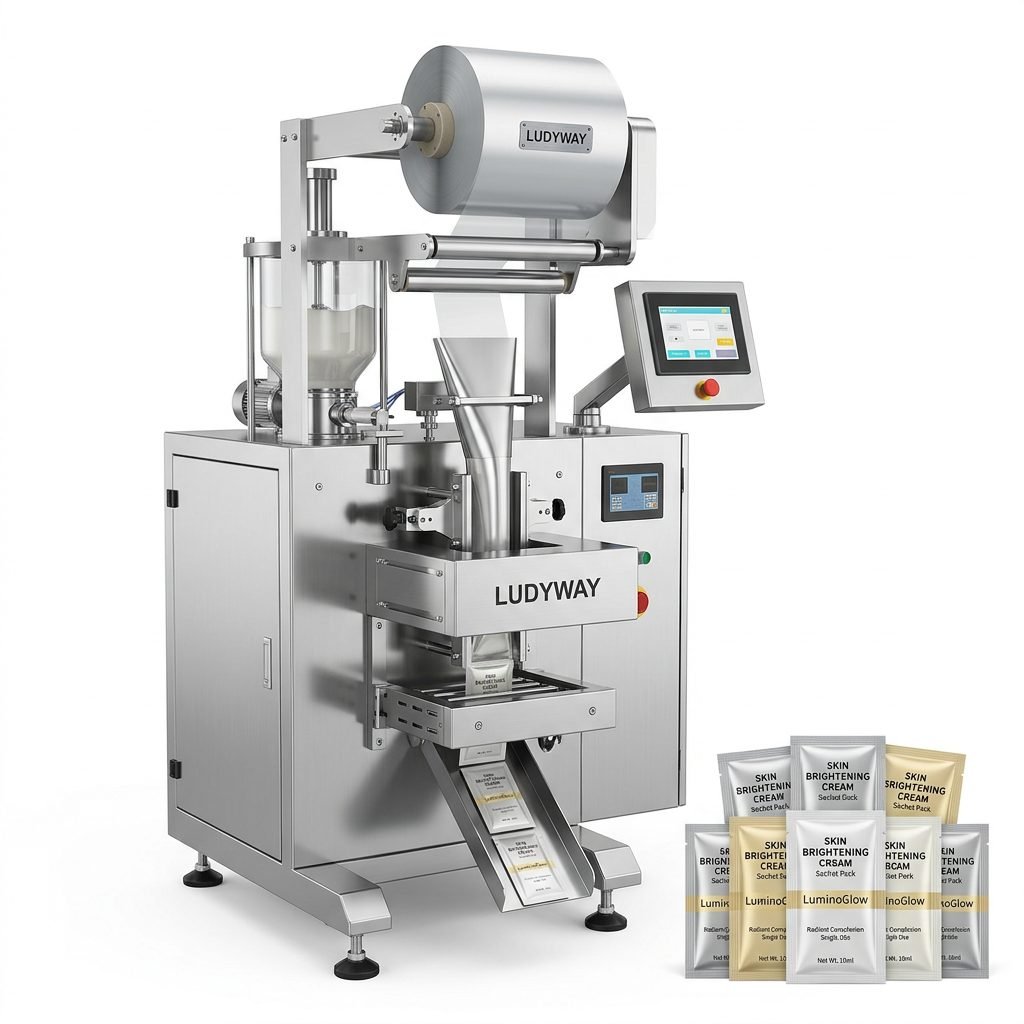
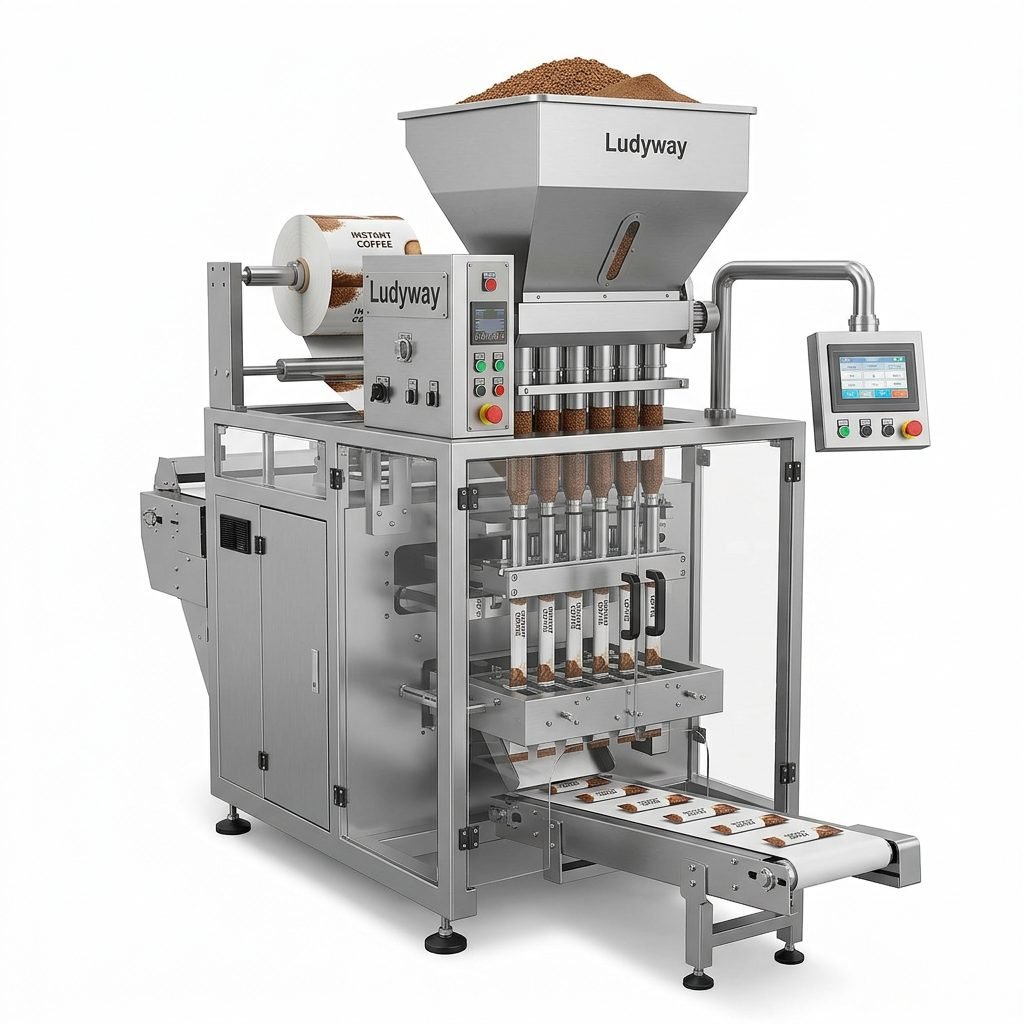
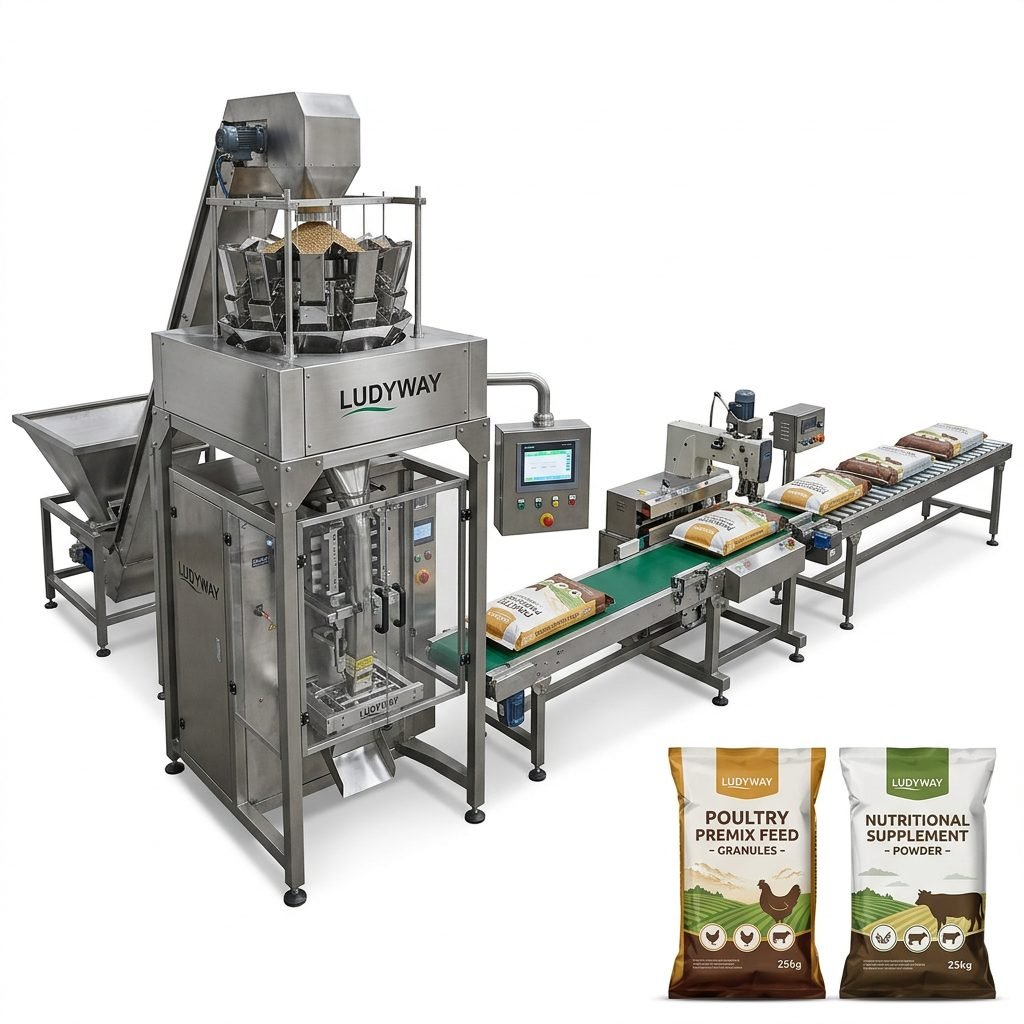
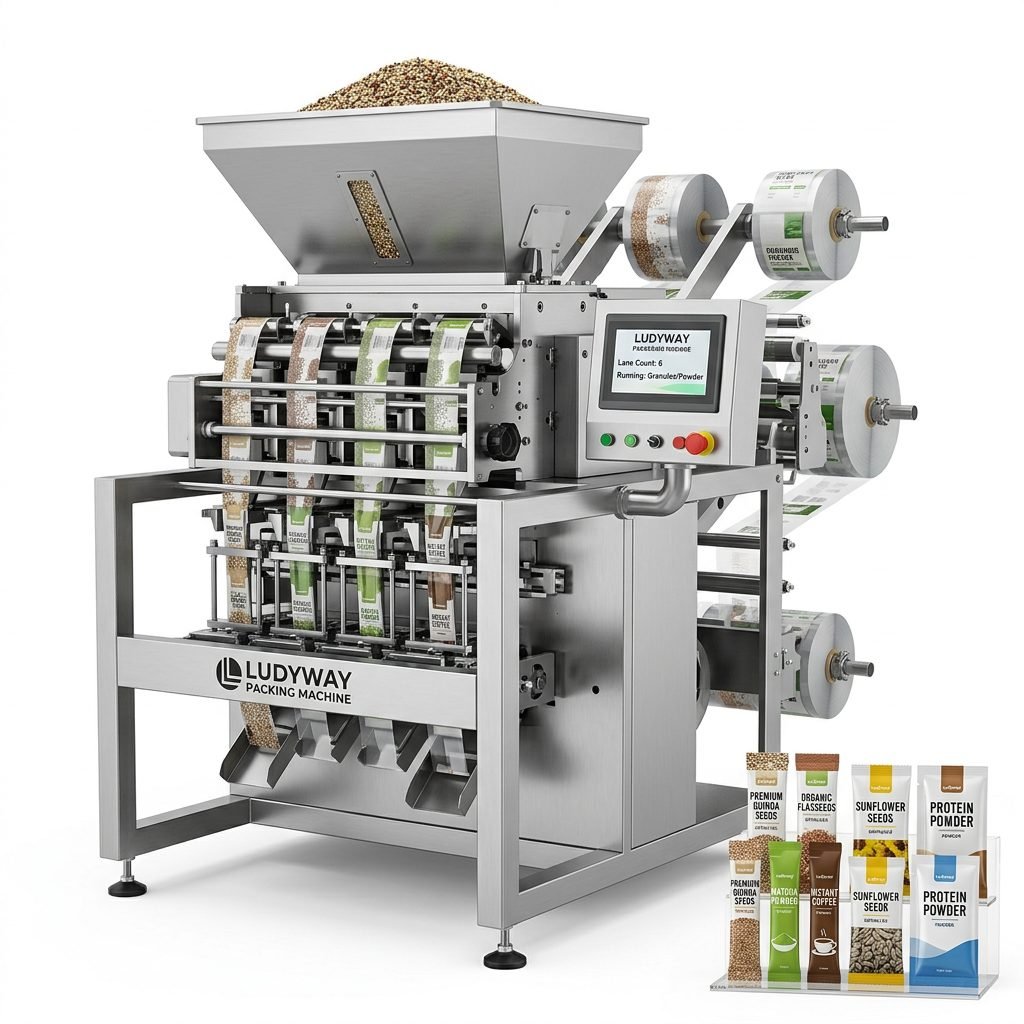
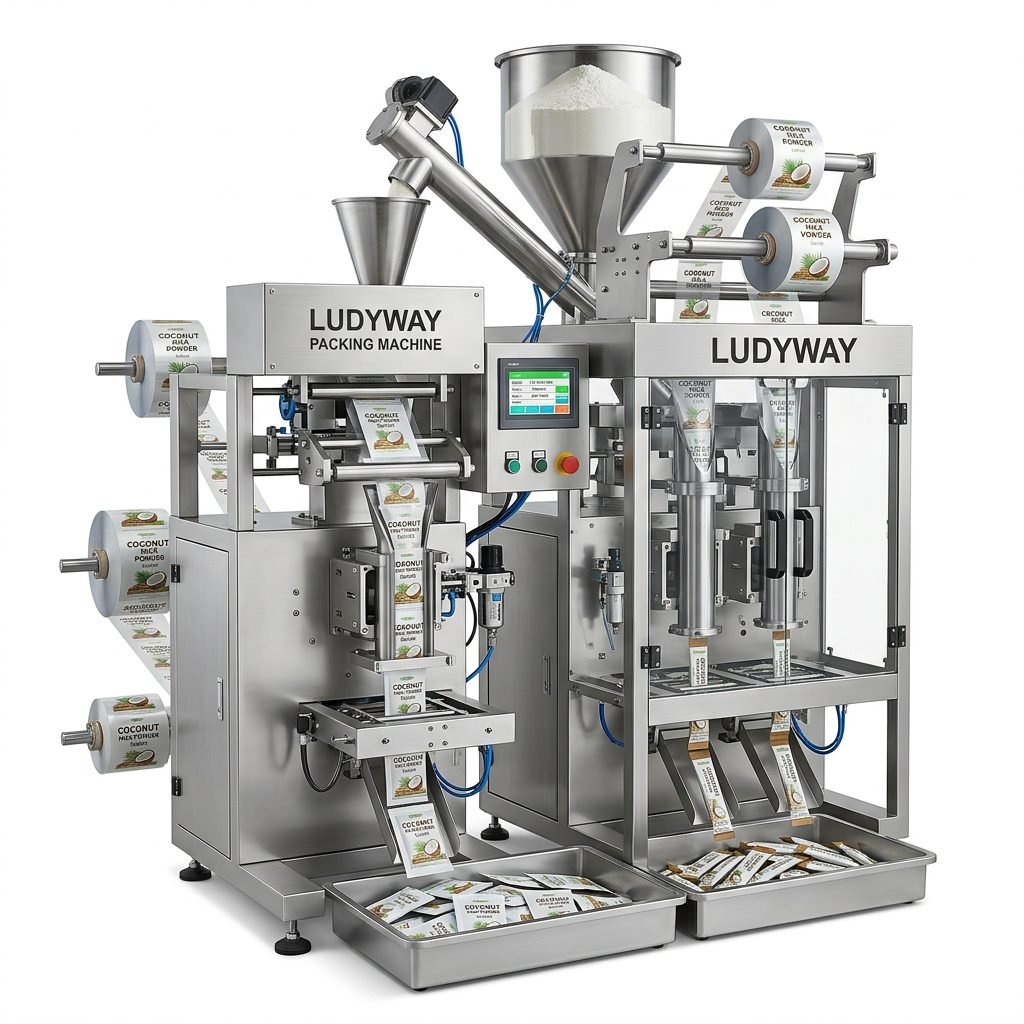
Investing in the right ice packaging machine is a critical decision that directly impacts your production efficiency, product quality, and long-term profitability. Whether you are packaging ice cubes, crushed ice, ice packs, or frozen gel products, the machine you choose must align with your specific operational requirements.
Modern packaging equipment has evolved significantly. Today’s packaging machinery integrates intelligent controls, multi-lane configurations, and automated filling technologies that dramatically improve throughput. This guide walks you through the essential factors to evaluate before making your purchase.
Types of Ice Packaging Machines
The ice packaging market offers several machine configurations, each suited to different production scales and packaging formats. Understanding these options is your first step toward an informed decision.
| Machine Type | Best Suited For | Key Advantage |
|---|---|---|
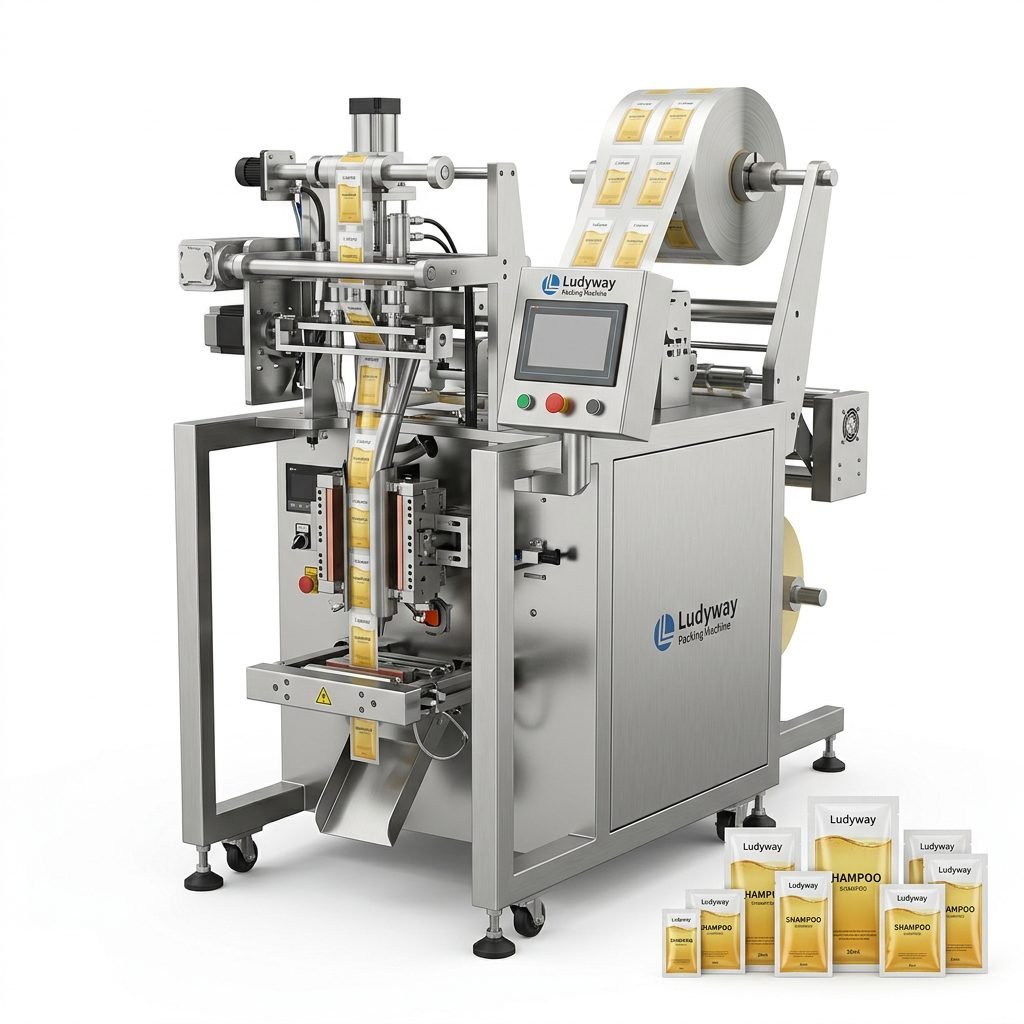
| Vertical Form Fill Seal (VFFS) | Ice cubes, crushed ice in pouches | High-speed continuous operation |
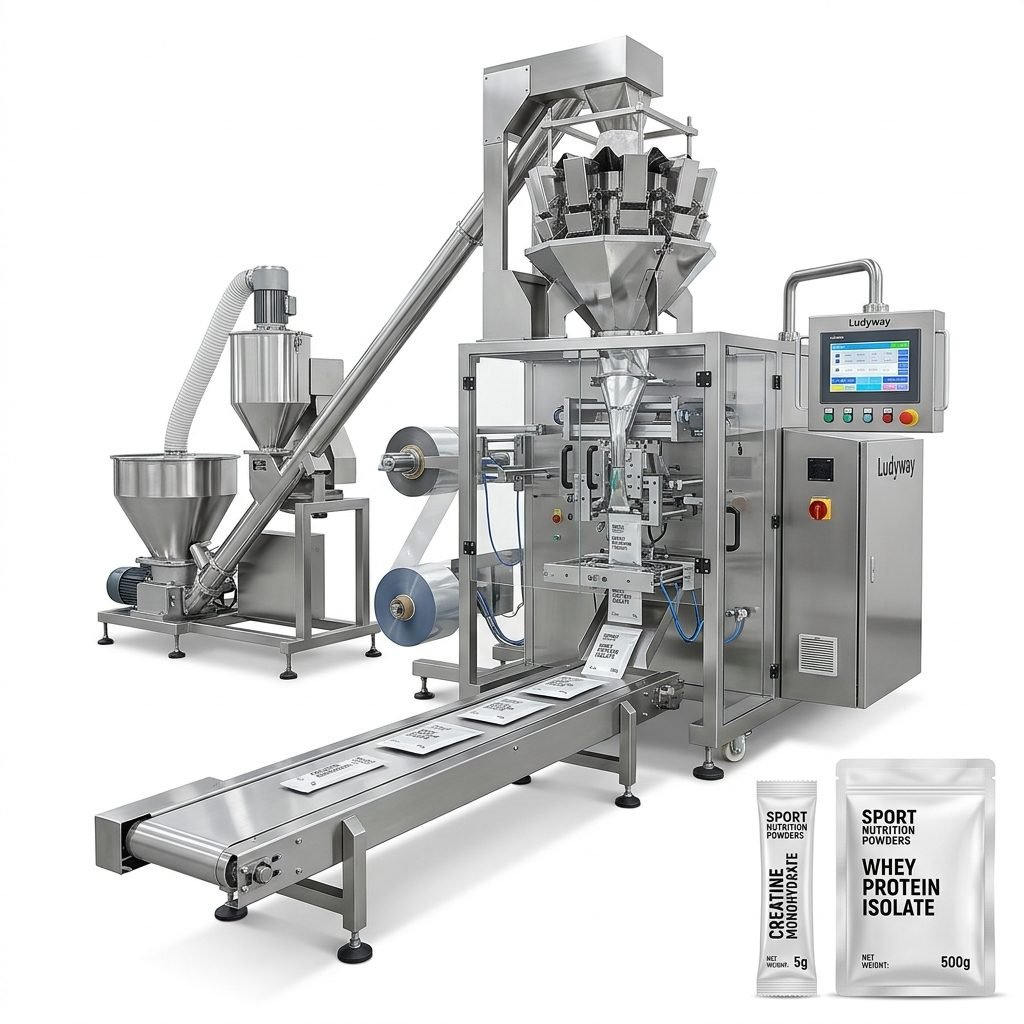
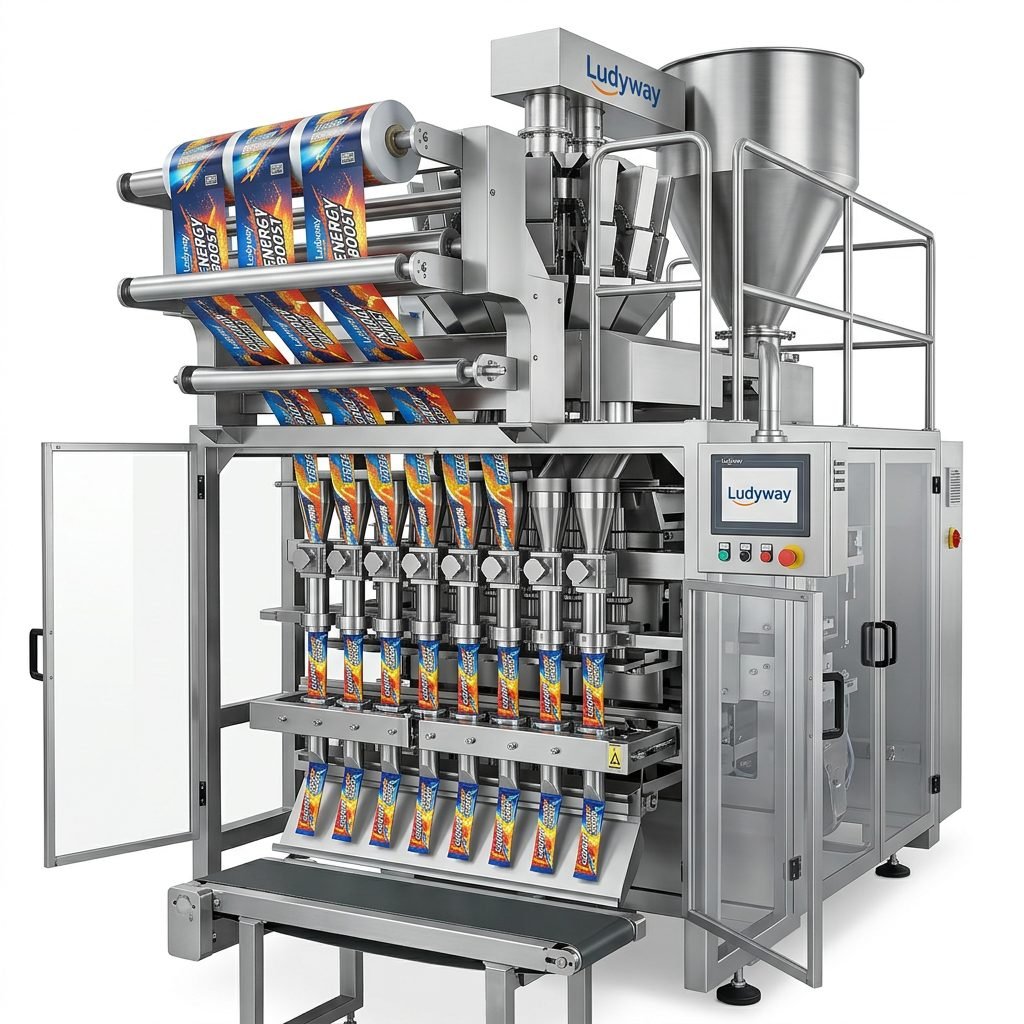
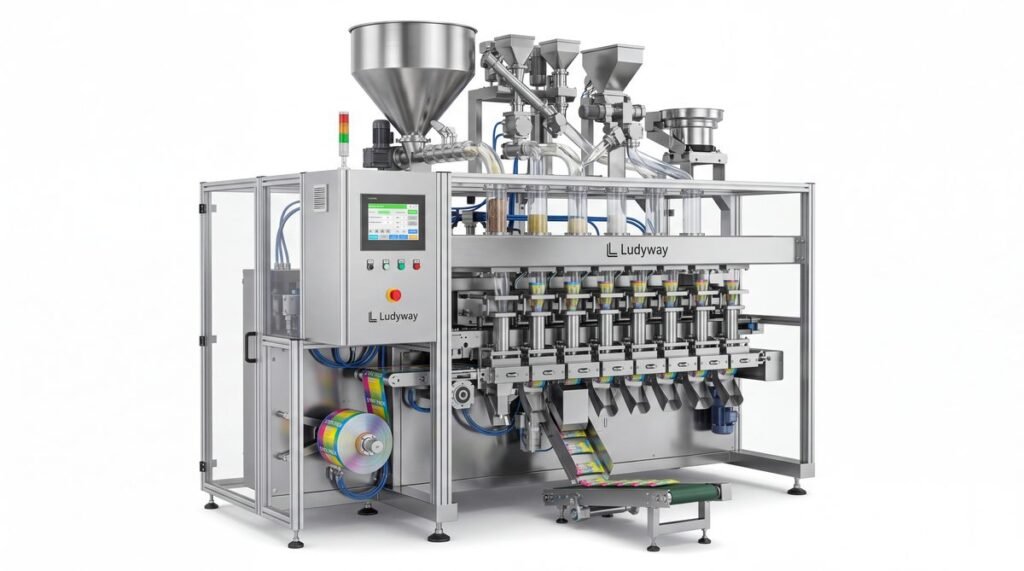
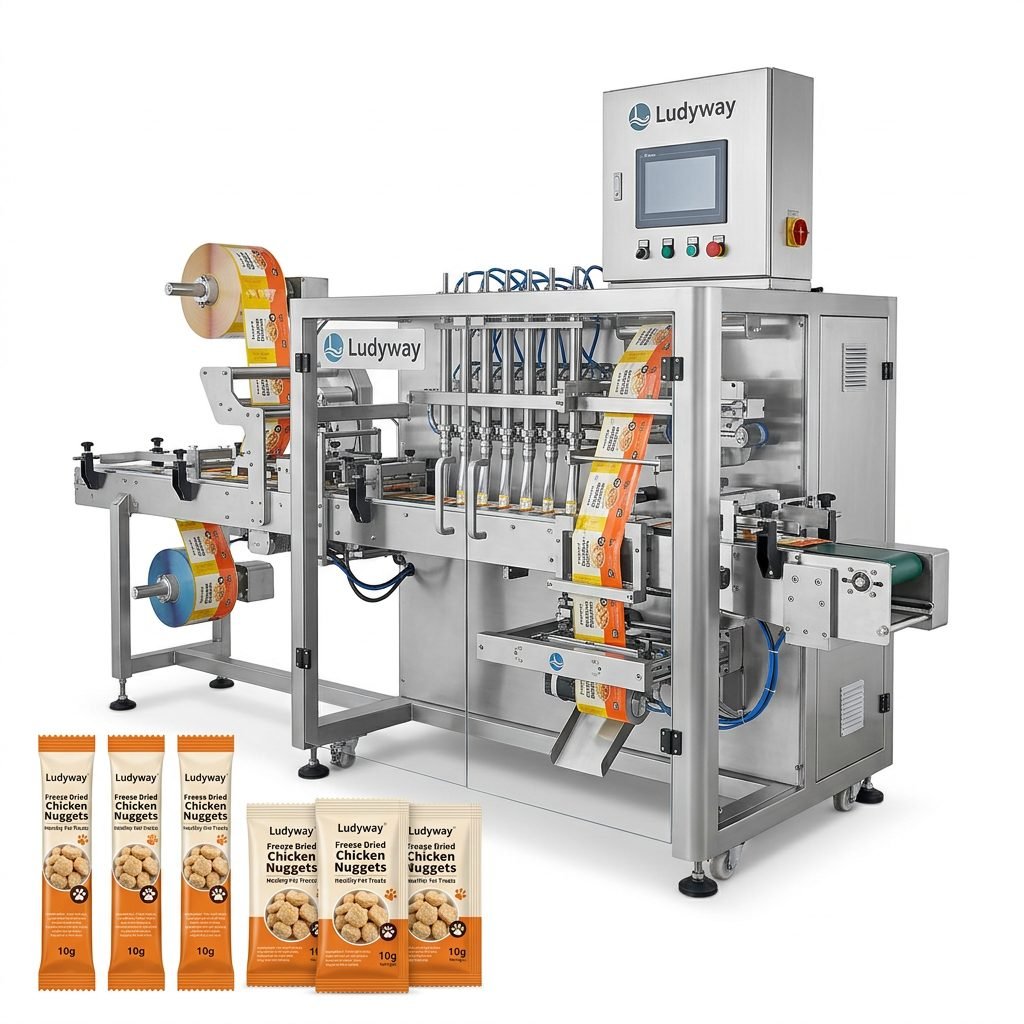
| Multi-Lane Stick Pack Machines | Single-serve ice packs, gel packs | Up to 12 lanes simultaneously |
| Premade Pouch Packaging Systems | Bulk ice bags, retail ice packaging | Versatile bag sizes and materials |
| Horizontal Flow Wrappers | Ice blocks, tray-packed frozen products | Compact footprint, reliable sealing |
Key Factors to Consider When Choosing an Ice Packaging Machine
Every production environment is unique. The following factors will help you narrow down your options and select equipment that delivers long-term value rather than short-term savings.
Production Capacity and Speed Requirements
Your daily output target is the most fundamental specification. Calculate your required packs per minute (PPM) and factor in a 20-30% buffer for peak seasons and future growth. Multi-lane systems can produce anywhere from 40 to over 200 packs per minute depending on the configuration. For reference, industry intelligence reports indicate that high-speed multi-lane equipment is becoming the standard for competitive operations.
Packaging Material Compatibility
Not all machines handle every film type equally well. Consider these material characteristics:
- Moisture barrier properties — Critical for ice products to prevent leakage and freezer burn
- Cold temperature durability — Films must remain flexible at sub-zero storage temperatures
- Seal integrity under condensation — Equipment must produce reliable seals despite surface moisture
- Compatibility with flexible packaging materials including PE, laminated foils, and biodegradable films
Automation Level and Integration
Modern ice packaging machines range from semi-automatic models requiring manual loading to fully automated turnkey lines with integrated weighing, filling, sealing, coding, and palletizing. Full automation reduces labor costs and improves consistency, while semi-automatic options may suit startups with lower initial budgets. The 2025 State of the Industry report highlights automation as the primary driver of packaging efficiency gains.
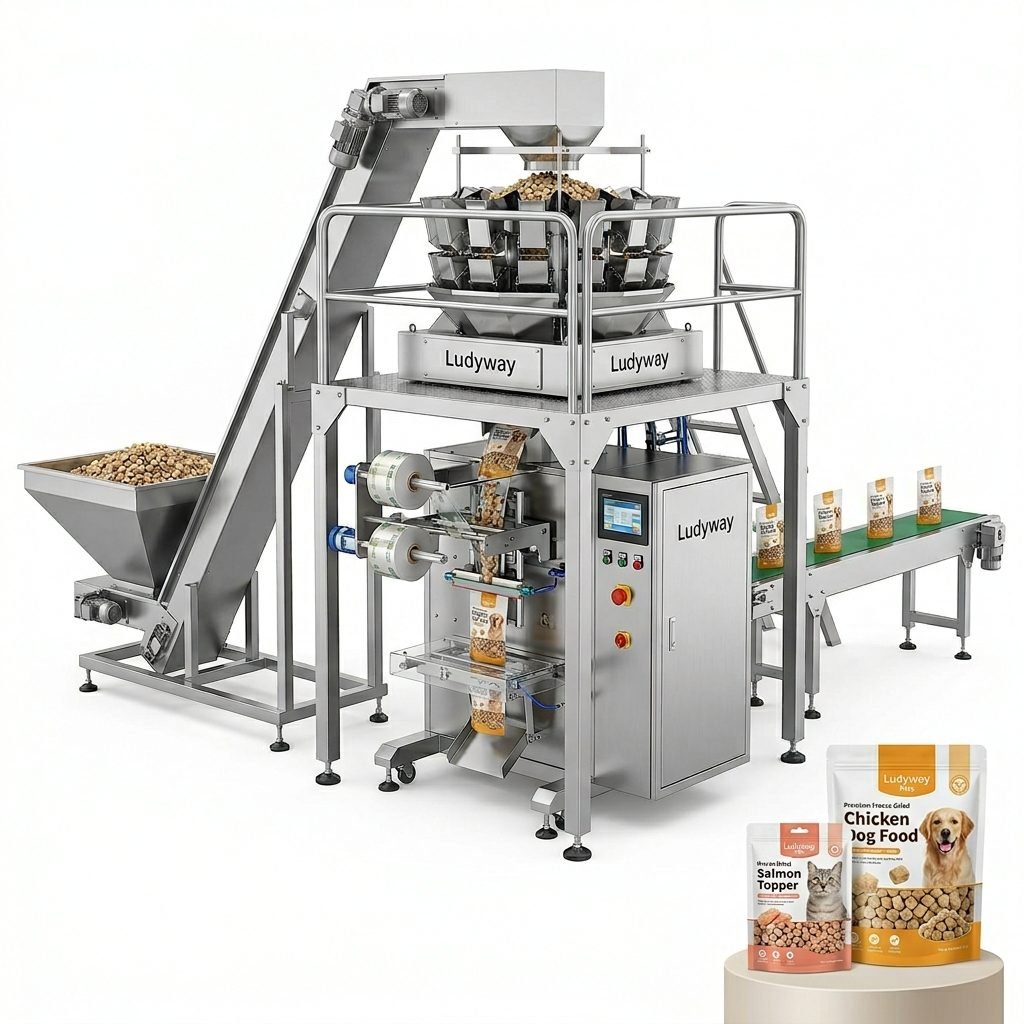
Critical Technical Specifications to Evaluate
Beyond basic capacity, several technical details determine whether a machine will perform reliably in your specific application. Pay close attention to the following:
Sealing Technology
The sealing system is arguably the most important component for ice packaging. Heat sealing, ultrasonic sealing, and impulse sealing each offer different advantages. For wet or condensation-prone environments, ultrasonic sealing often provides superior results because it seals through moisture without requiring perfectly dry surfaces. Verify that the machine’s sealing mechanism is rated for continuous cold-environment operation.
Filling Accuracy and Weighing Systems
Precision filling minimizes product giveaway and ensures consistent package weights. Options include:
- Volumetric cup fillers — Cost-effective for uniform ice cube sizes
- Multi-head weighers — Highest accuracy for varied ice shapes and sizes
- Auger fillers — Suitable for crushed ice and granular frozen products
- Linear weighers — Balanced option for medium-speed production lines
Construction Materials and Hygiene
Ice is a food product, so your packaging equipment must meet food safety standards. Look for machines constructed with 304 or 316 stainless steel food-contact surfaces, IP65 or higher washdown ratings, and designs that minimize areas where moisture and bacteria can accumulate. Easy access for cleaning and maintenance is non-negotiable for food-grade operations.

Evaluating Suppliers and Manufacturers
Choosing the right equipment partner is as important as choosing the right machine. A reliable supplier provides not just hardware but ongoing support throughout the machine’s lifecycle. Consider these evaluation criteria:
Industry Experience and Track Record
Manufacturers with decades of experience in packaging industry standards are more likely to understand the nuances of ice and frozen product handling. Review their client portfolio, ask for case studies, and if possible, visit existing installations to observe machines in operation. A manufacturer operating a 20,000㎡ production facility with a dedicated engineering team signals stability and technical depth.
After-Sales Service and Technical Support
Packaging lines are complex systems that require periodic maintenance, spare parts, and occasional troubleshooting. Evaluate the supplier’s:
- Response time guarantees for technical support inquiries
- Availability of spare parts inventory and shipping speed
- Remote diagnostic capabilities for faster problem resolution
- Training programs for your operators and maintenance staff
- Warranty terms and extended service contract options
Cost Analysis and Return on Investment
The purchase price is only one component of total ownership cost. A comprehensive ROI analysis should account for the following variables over a 5-10 year horizon:
| Cost Category | Considerations | Estimated Share of TCO |
|---|---|---|
| Initial Equipment Cost | Machine, installation, commissioning | 30-40% |
| Consumables | Packaging film, spare parts, lubricants | 25-35% |
| Energy and Utilities | Electricity, compressed air, cooling water | 10-15% |
| Labor | Operator staffing, training, supervision | 10-20% |
| Maintenance and Repairs | Preventive maintenance, unexpected repairs | 5-10% |
Higher upfront investment in quality equipment typically yields lower total cost of ownership through reduced downtime, fewer rejected packages, and longer service life. For further guidance, ISO packaging standards provide benchmarks for equipment quality and performance validation.

Emerging Trends in Ice Packaging Technology
Staying ahead of industry developments ensures your investment remains competitive. Key trends shaping the ice packaging machinery market include:
- Sustainable packaging integration — Machines compatible with recyclable mono-materials and reduced plastic films
- IoT-enabled smart monitoring — Real-time performance data, predictive maintenance alerts, and remote diagnostics
- Nitrogen flushing systems — Extending shelf life of packaged ice products by reducing oxidation
- Compact modular designs — Allowing production lines to be reconfigured as product lines evolve
- Energy-efficient servo-driven systems — Reducing electricity consumption by up to 30% compared to pneumatic alternatives
Making Your Final Decision
After evaluating machine types, technical specifications, supplier credentials, and total cost of ownership, you should have a clear shortlist. Before signing a purchase agreement, we strongly recommend:
- Conducting a factory acceptance test (FAT) with your actual product and packaging materials
- Requesting references from customers with similar applications and production volumes
- Confirming all regulatory compliance documentation for your target markets
- Negotiating a comprehensive warranty that covers both parts and labor for at least 12 months
- Securing a written commitment for spare parts availability and technical support response times
As one of the largest packaging machine manufacturers, Ludyway has been providing advanced packaging equipment and turnkey production solutions for over 30 years, serving customers in more than 100 countries with reliable, high-performance machines designed for granule, powder, liquid, and frozen product applications. For more information on the company’s global growth, refer to this industry coverage. Selecting the right ice packaging machine is a strategic decision, and with thorough research backed by trusted partners, you can build a production line that delivers consistent quality, efficiency, and profitability for years to come.
Quick Reference Checklist
- Define required output in packs per minute with growth buffer
- Verify film and material compatibility with your packaging specifications
- Confirm stainless steel construction and food-grade certifications
- Evaluate sealing technology for moisture-heavy environments
- Assess supplier experience, facility scale, and after-sales support
- Calculate total cost of ownership over the expected machine lifespan
- Insist on factory acceptance testing before shipment
Resources and Further Reading
Explore these authoritative sources for additional insights into packaging machinery trends, standards, and best practices:
- PMMI 2026 State of the Industry Report — Comprehensive packaging market analysis
- Flexible Packaging Association Industry Resources — Material and sustainability guidelines
- PACK EXPO International — Leading packaging trade exhibition
- ISO Packaging Standards — International quality and safety standards
- European Commission Packaging Regulations — EU compliance requirements