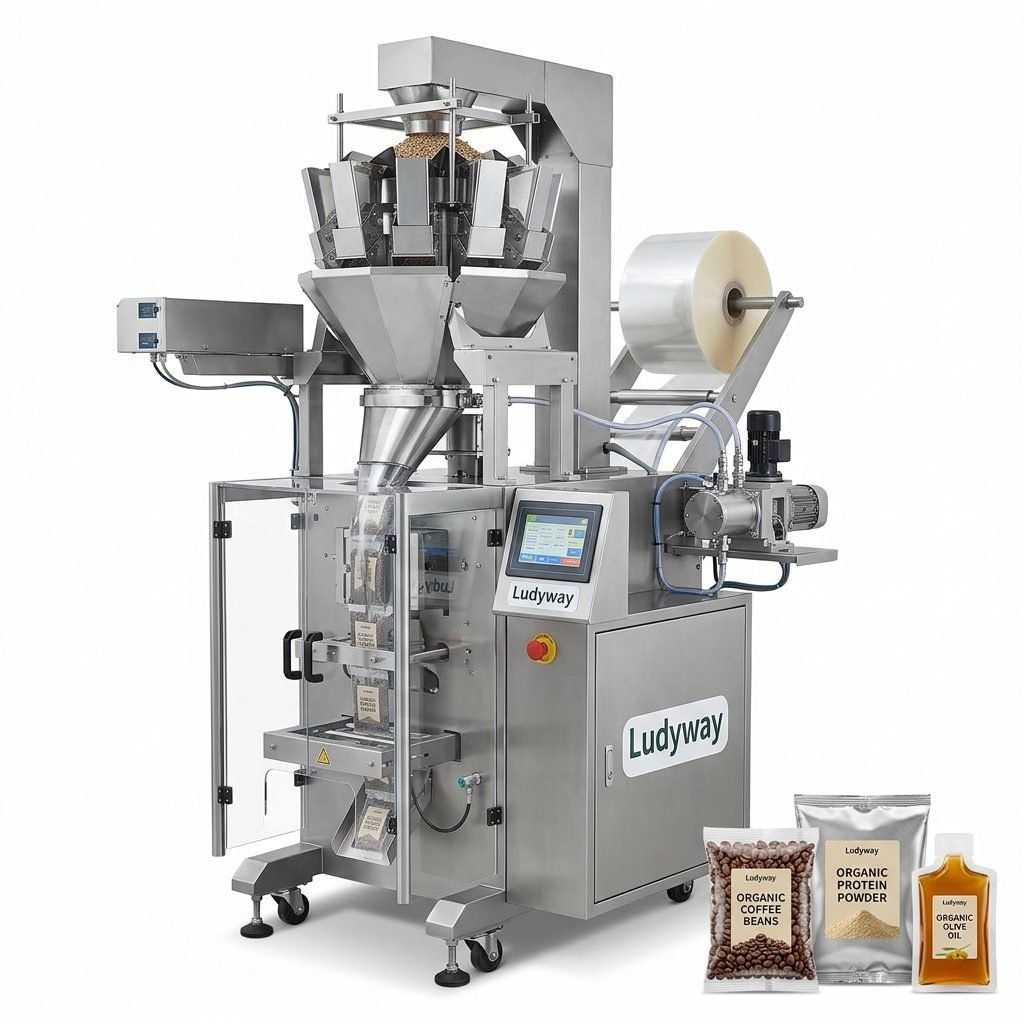
Establishing a food product packaging machine production line is a critical investment for manufacturers aiming to scale operations, maintain product integrity, and meet stringent regulatory standards. Whether you are packaging granule, powder, liquid, or sachet products, a systematic approach ensures the line operates at peak efficiency from day one. This guide walks you through each phase of the setup process, offering practical insights into planning, equipment selection, installation, and optimization.
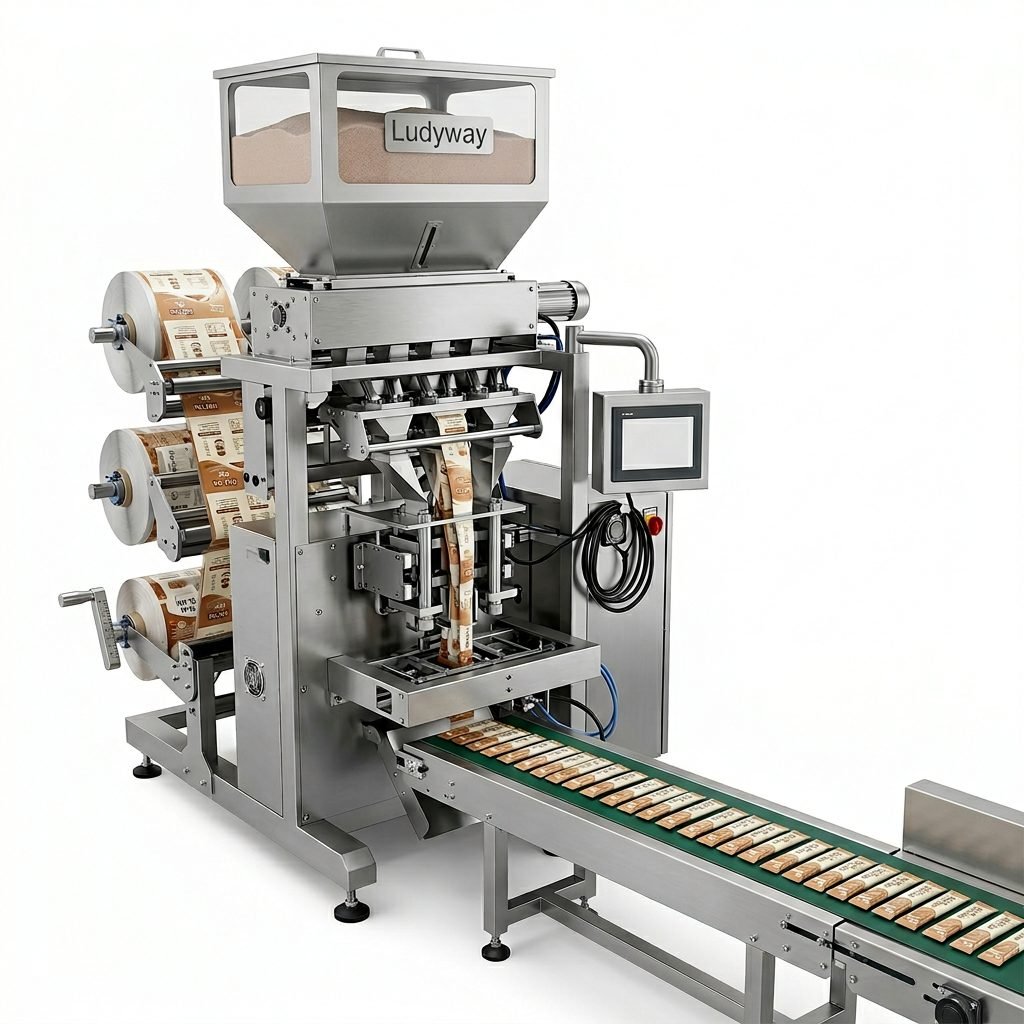
Step 1: Conduct a Comprehensive Production Needs Assessment
Before selecting any machinery, you must map out your production goals. This foundational step prevents costly mismatches between equipment capabilities and actual manufacturing requirements.
- Product characteristics: Identify whether your food product is a granule, powder, liquid, paste, or solid piece. Particle size, flowability, dust generation, and moisture sensitivity directly influence feeder type, filling mechanism, and sealing technology.
- Target output: Define your desired throughput in packs per minute or tons per day. High-speed multi-lane packaging machines can deliver significantly greater output than single-lane alternatives.
- Packaging format: Determine the final package style — stick packs, sachets, pouches, bottles, or bulk bags. Different formats demand specific forming, filling, and sealing modules.
- Regulatory compliance: Confirm adherence to FDA food contact substance regulations, EU packaging directives, and ISO packaging standards relevant to your target markets.
Step 2: Define Line Layout and Space Requirements
The physical arrangement of your equipment significantly impacts workflow efficiency, operator safety, and maintenance accessibility. A logical material flow from raw product intake to finished pallet minimizes bottlenecks.
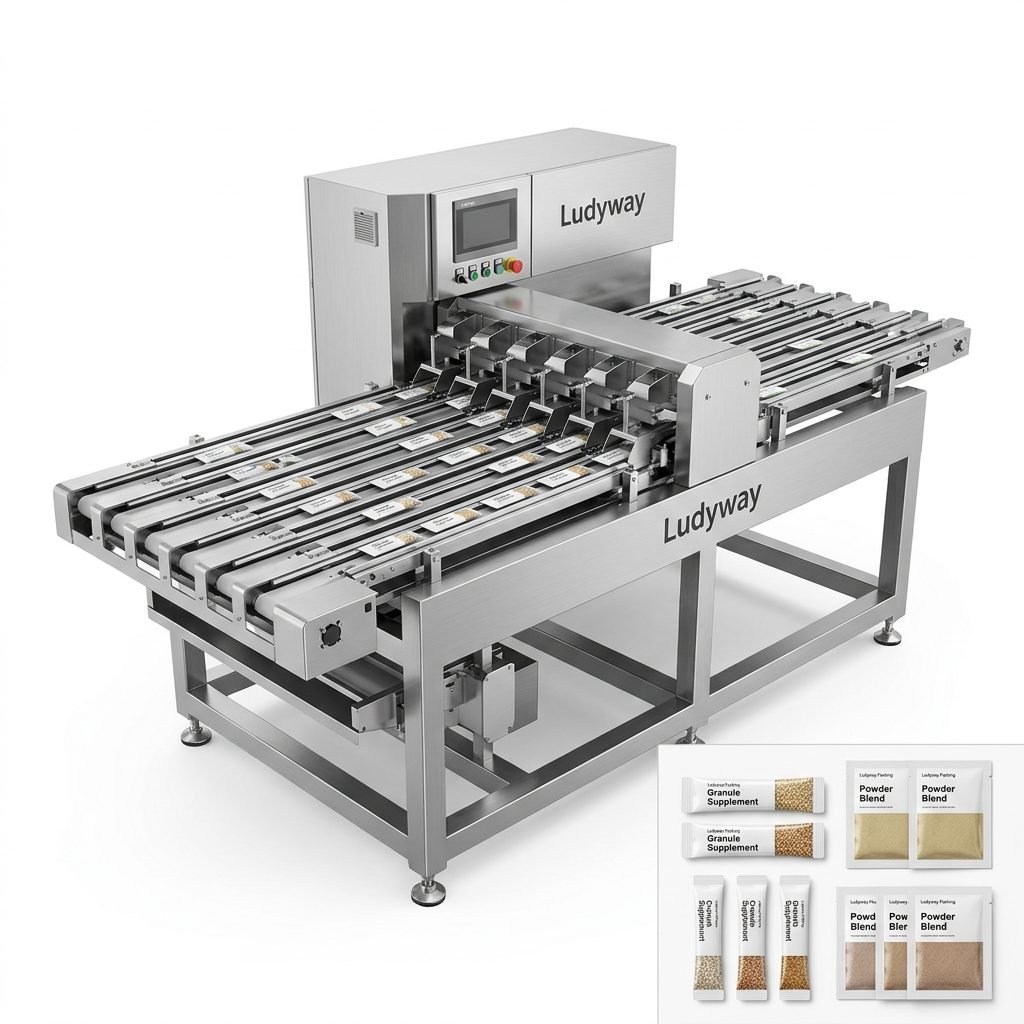
Consider the following when planning your floor layout:
| Zone | Key Equipment | Critical Considerations |
|---|---|---|
| Raw Material Intake | Bulk bag unloaders, hoppers, sieves | Dust extraction, foreign material removal |
| Feeding & Dosing | Auger fillers, vibratory feeders, multi-head weighers | Accuracy requirements, product degradation risk |
| Packaging Core | Vertical form-fill-seal machines, rotary fillers | Film compatibility, seal integrity testing |
| Secondary Packaging | Cartoners, case packers, palletizers | Line speed synchronization, accumulation buffers |
| Quality Control | Checkweighers, metal detectors, X-ray inspection | Reject mechanisms, data logging compliance |
Step 3: Select the Right Packaging Machinery
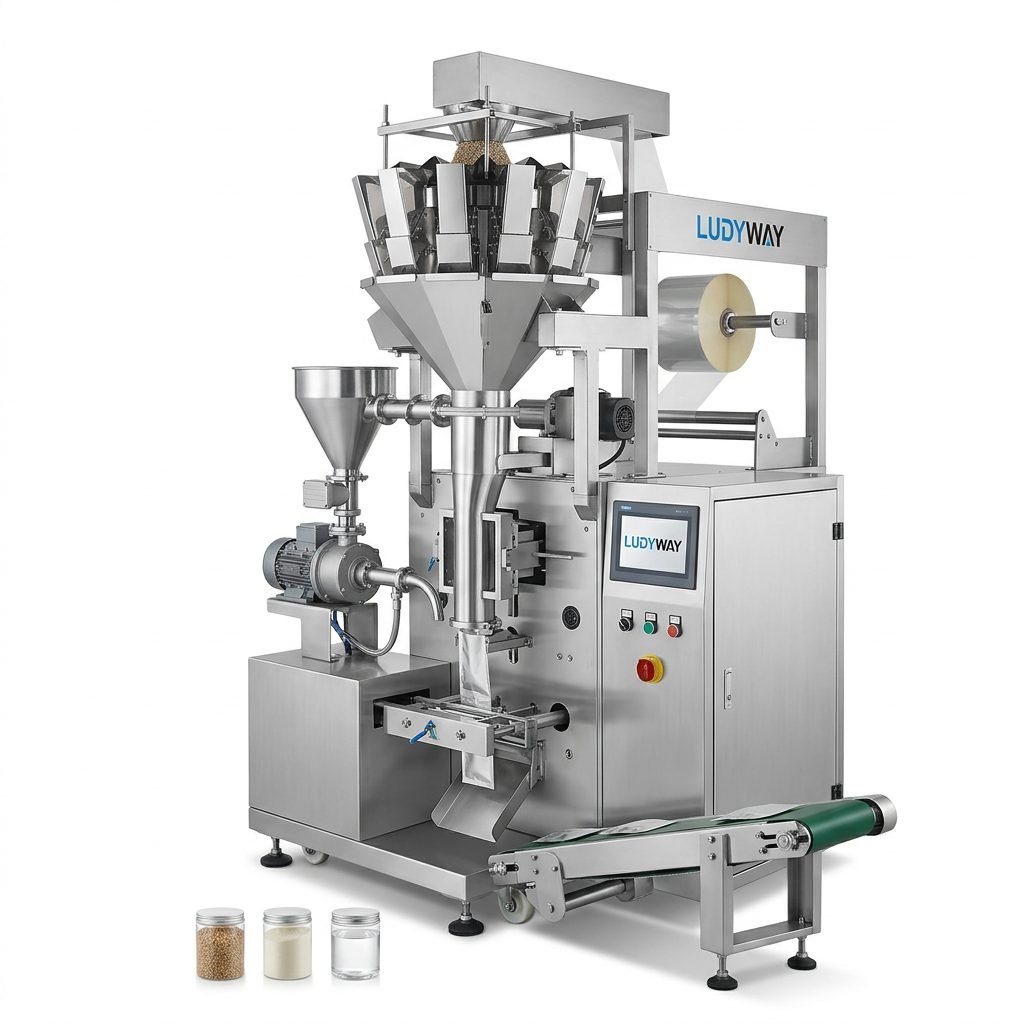
Choosing equipment that aligns precisely with your product profile and production targets is paramount. The market offers a broad spectrum of machinery, from compact single-lane units to fully integrated turnkey packaging solutions spanning the entire line.
Evaluating Core Machine Types
Your primary filler-sealer forms the heart of the line. Match machine architecture to your product’s nature:
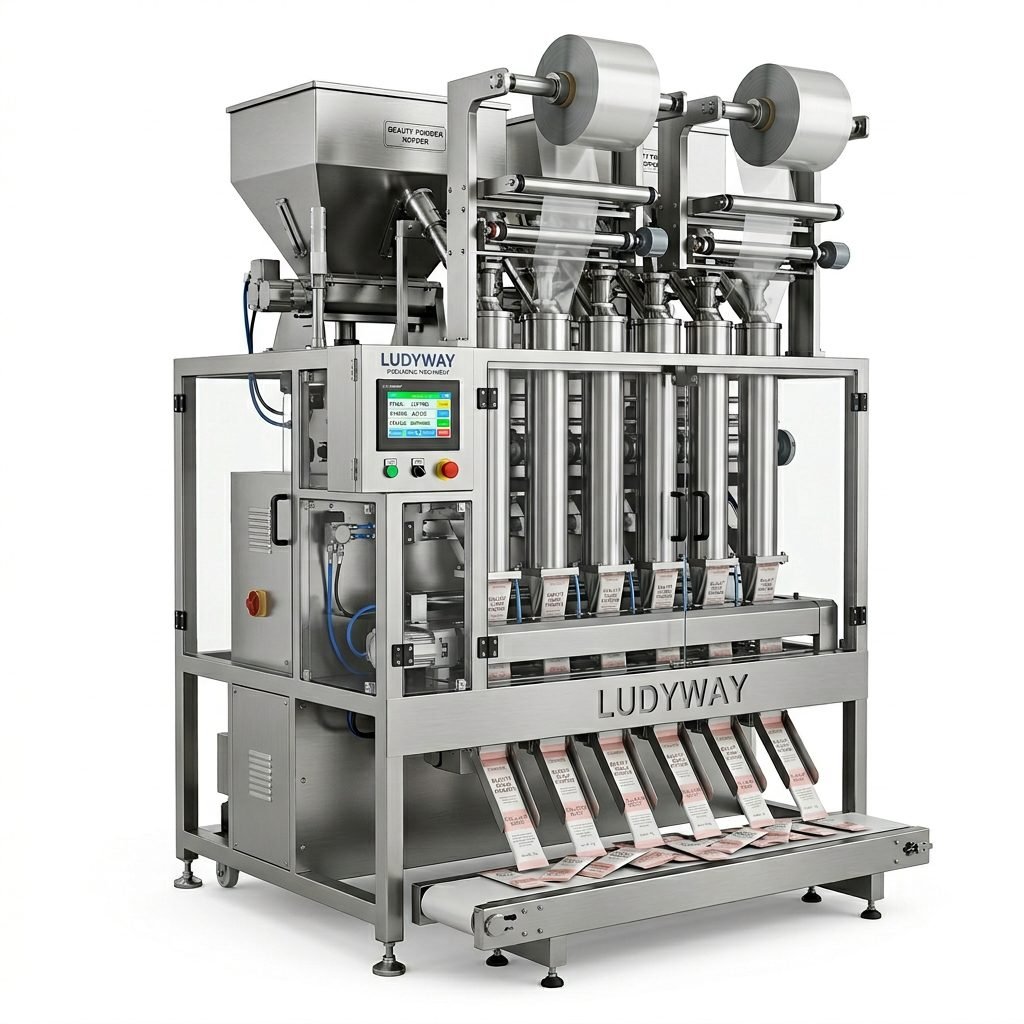
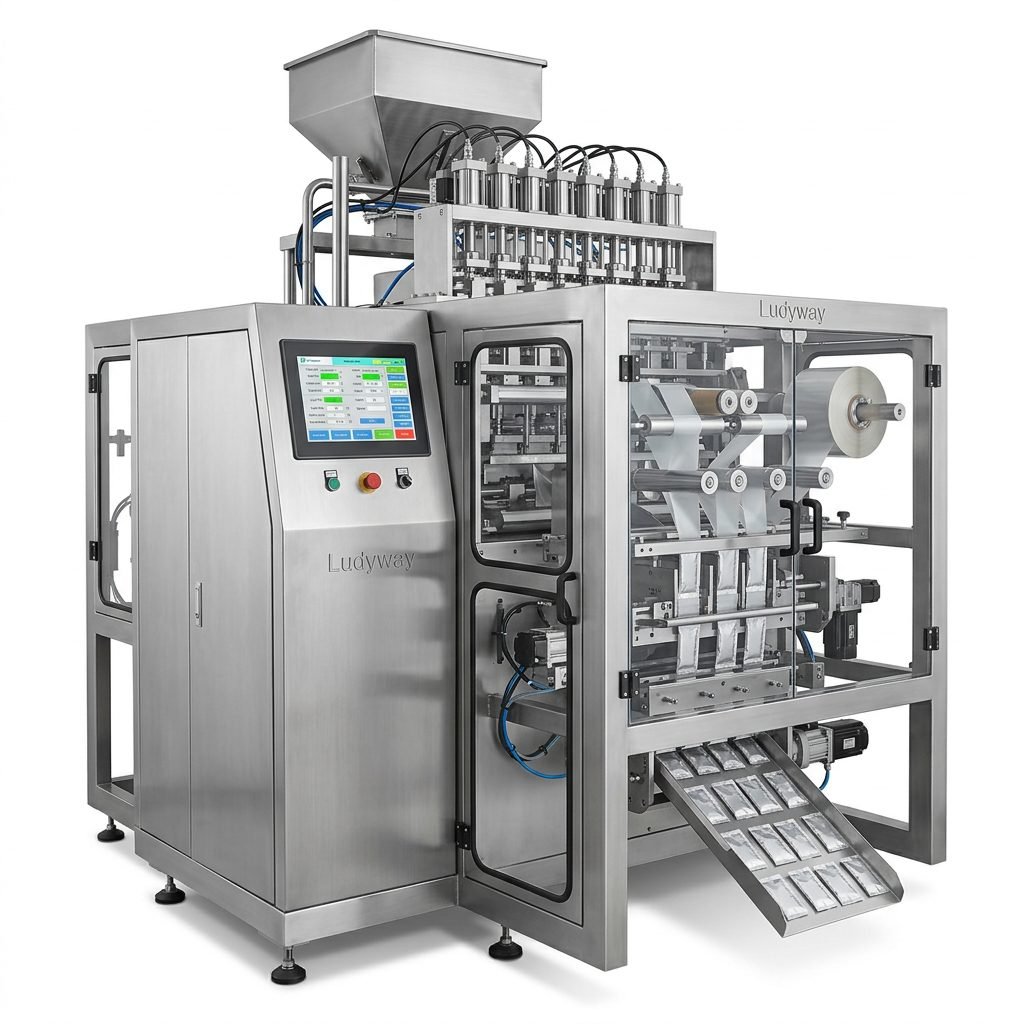
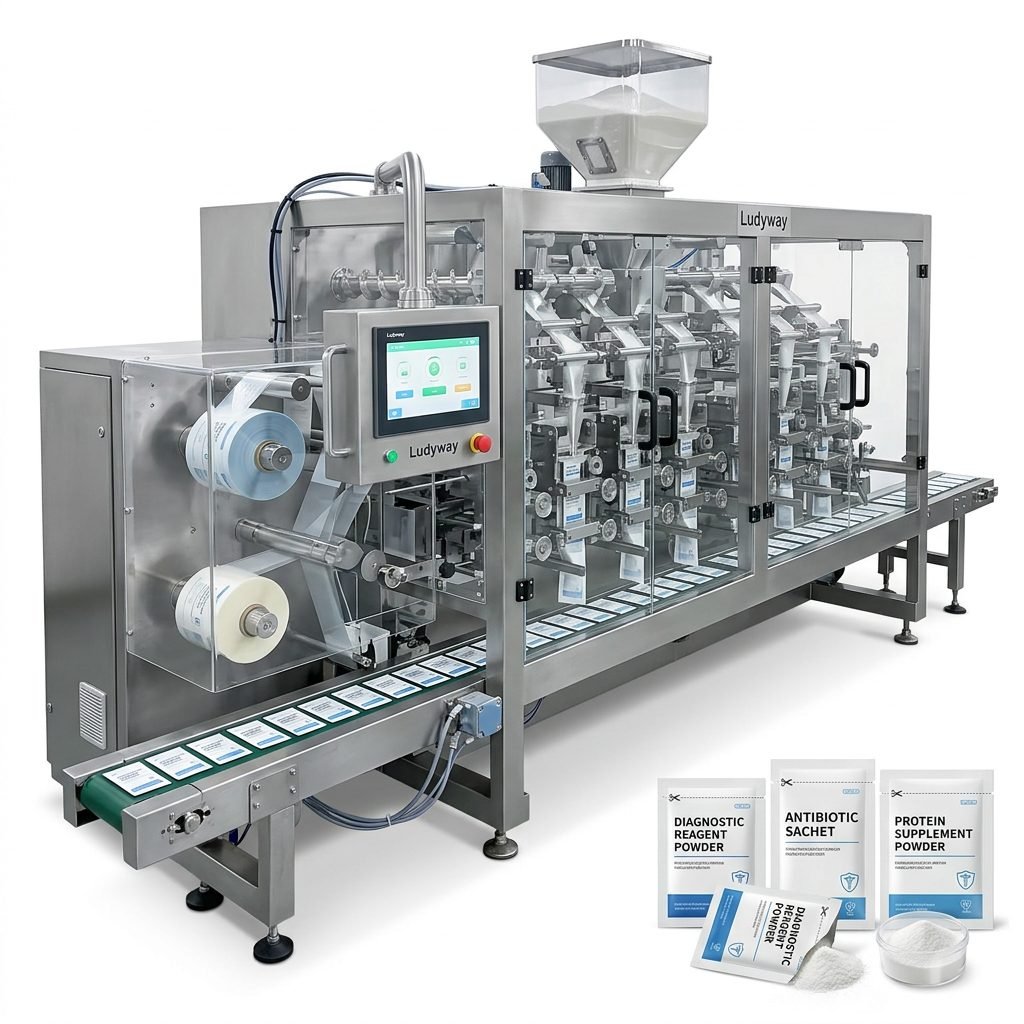
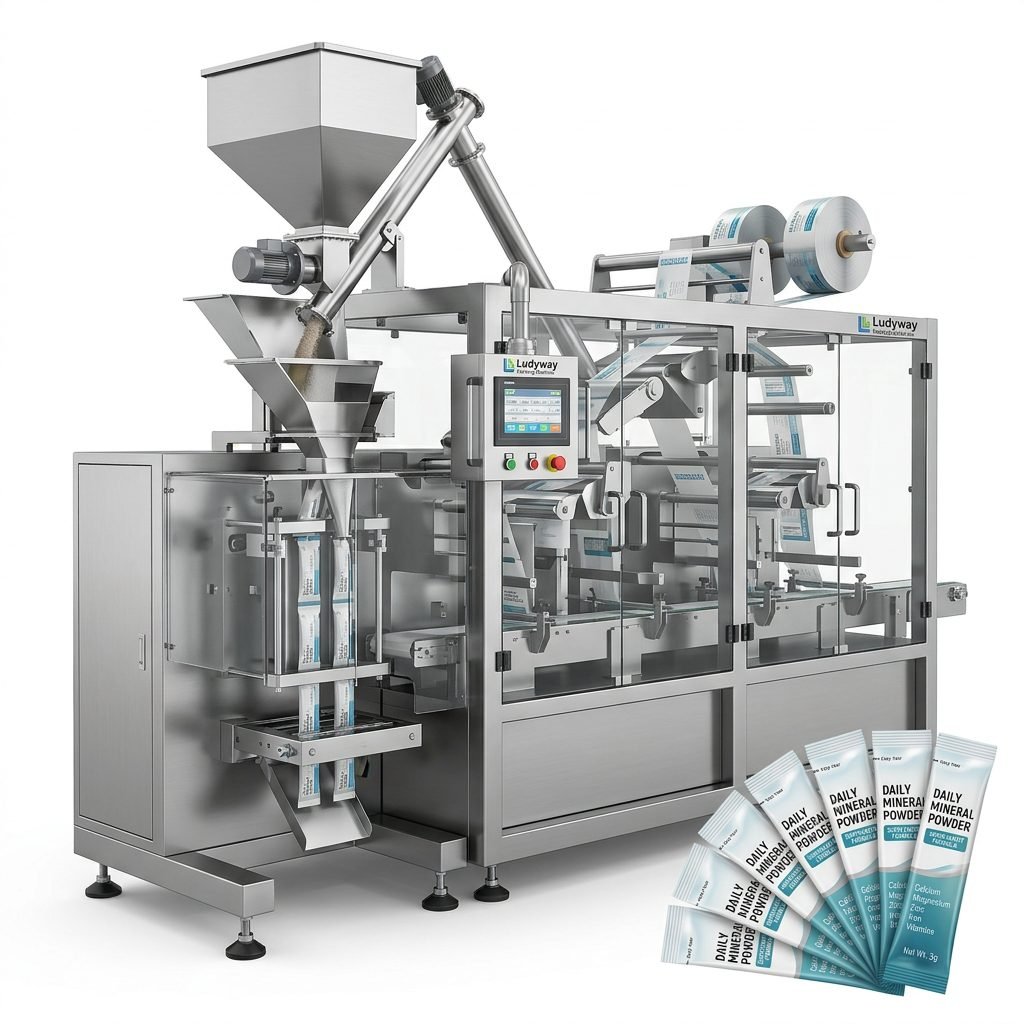
- Multi-Lane Stick Pack Machines: Ideal for powders and granules like sugar, coffee, protein supplements, and drink mixes. They produce high volumes of narrow, elongated sachets simultaneously.
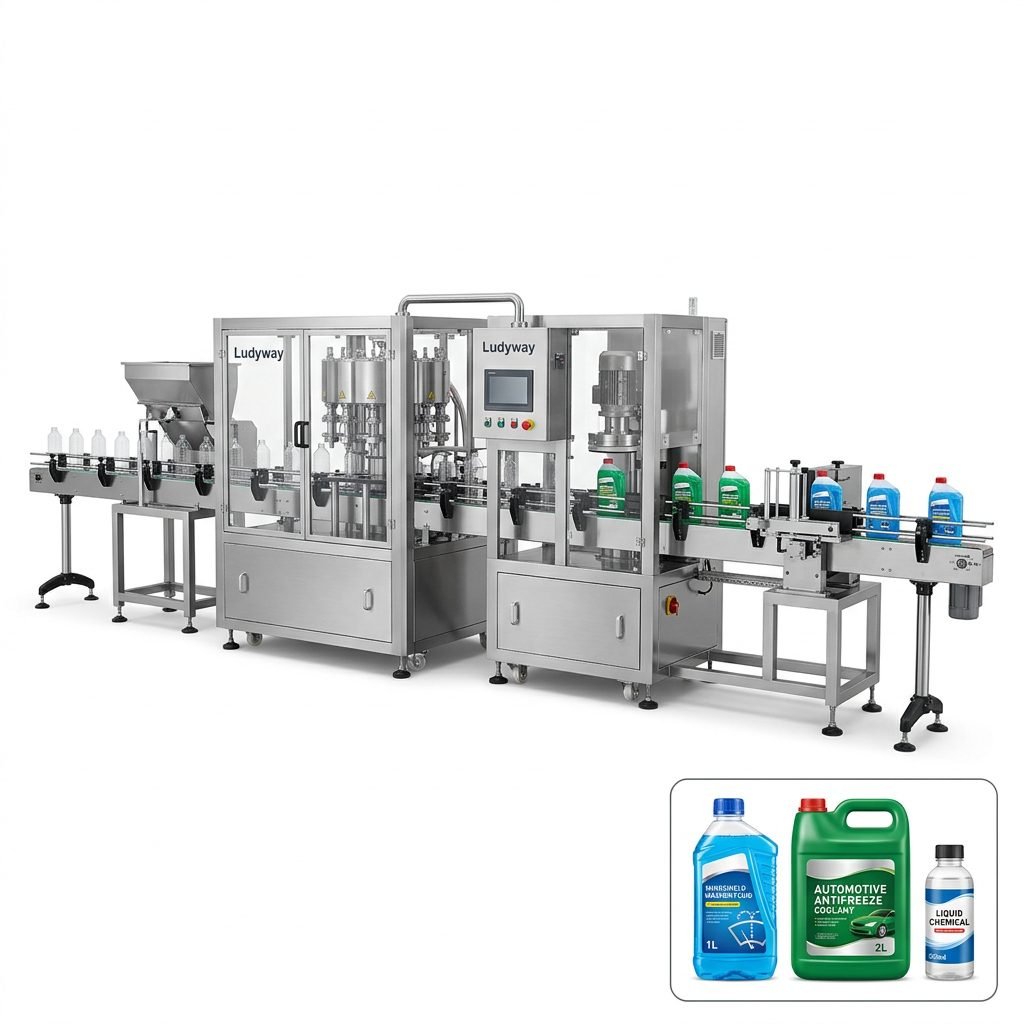
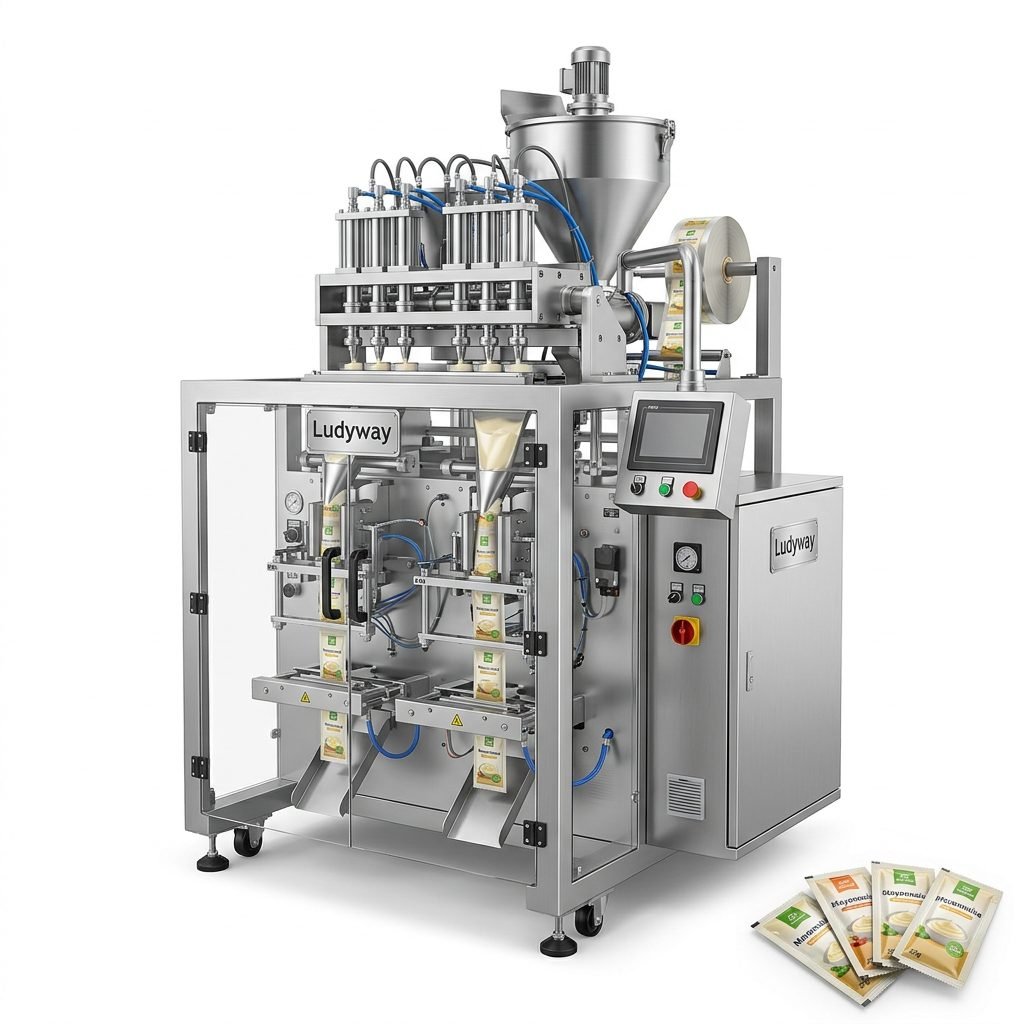
- Liquid Sachet Fillers: Designed for sauces, oils, shampoos, and detergent samples, these systems often incorporate precision piston or peristaltic pumping technology to handle a range of viscosities.
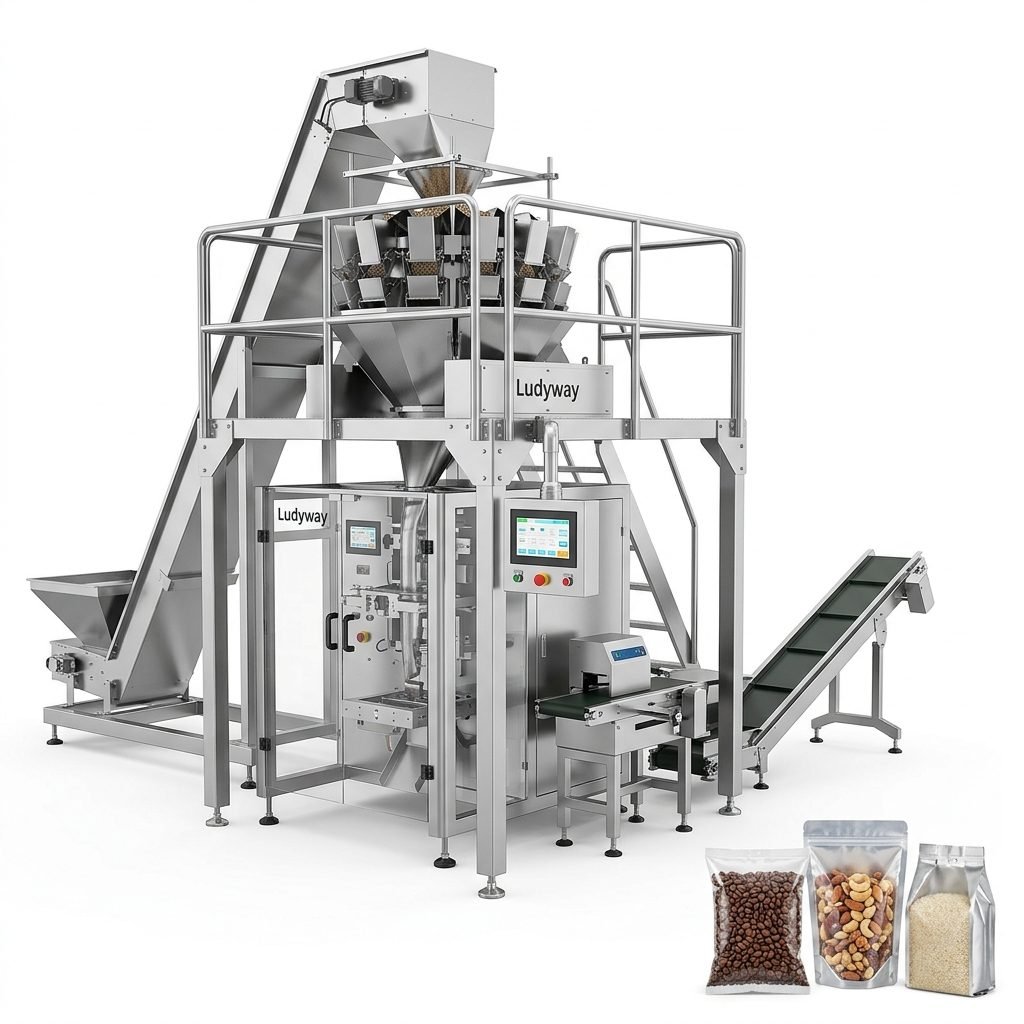
- Premade Pouch Packaging Lines: Suited for bulkier food items or premium retail presentation, these lines pick, open, fill, and seal pre-manufactured stand-up or flat pouches.
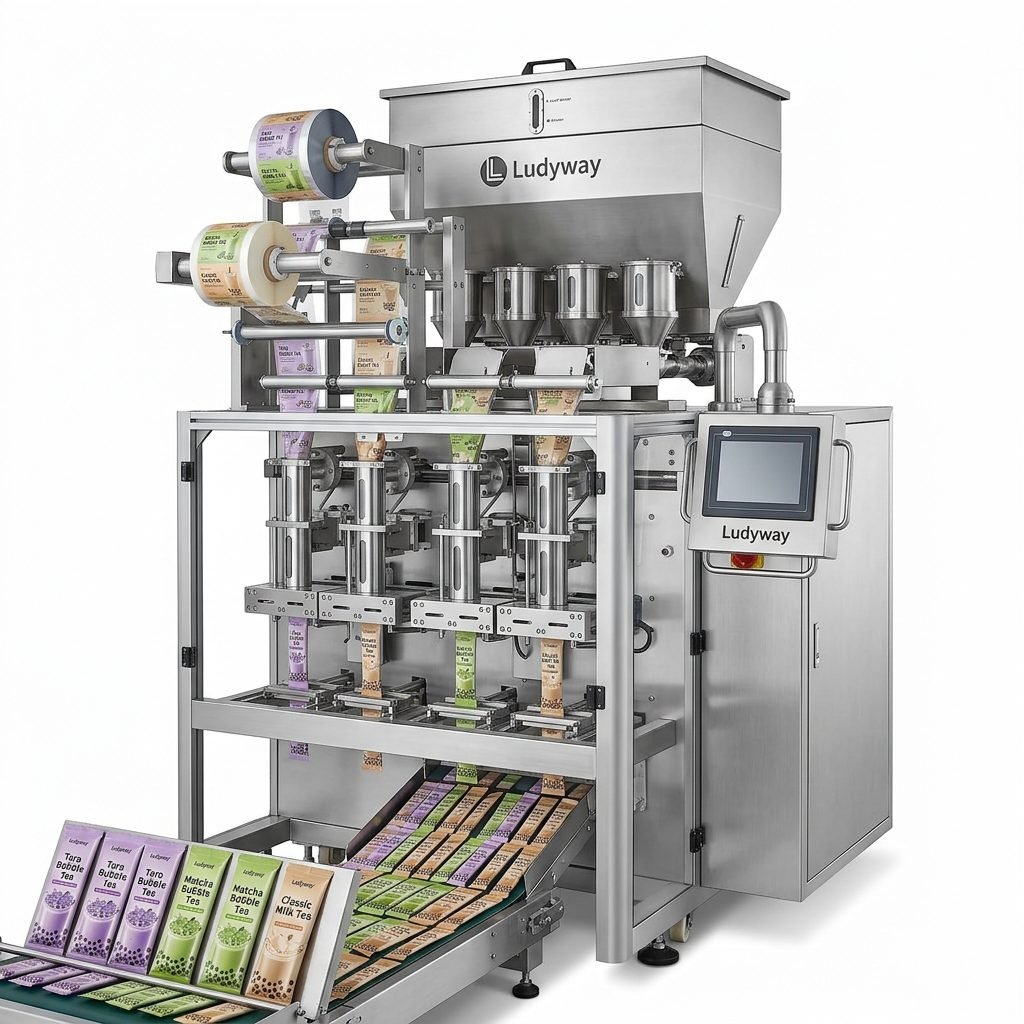
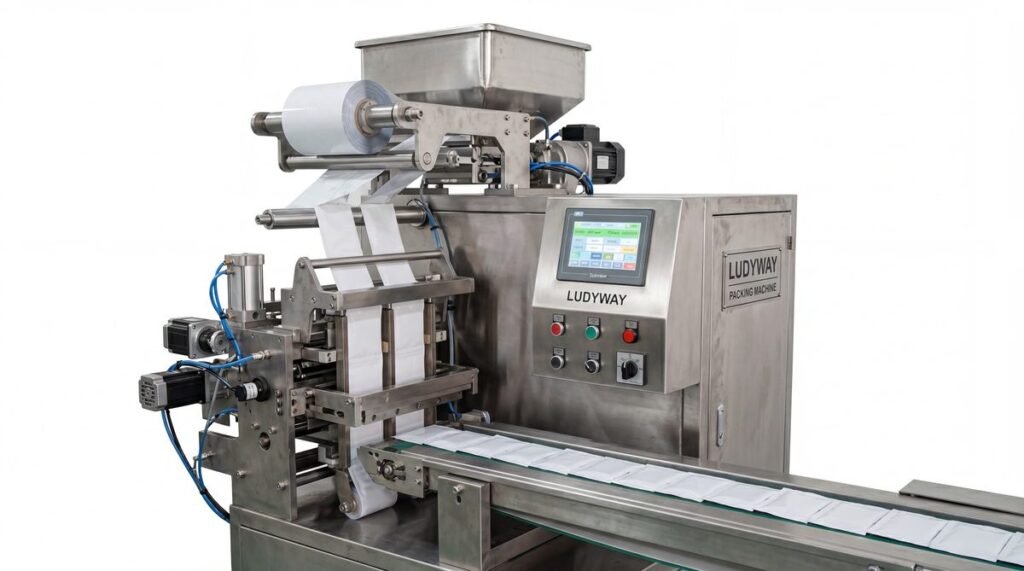
A trusted provider like Ludyway, one of the largest packaging machine manufacturers in China with over 30 years of experience and a 20,000㎡ production facility, offers more than 50 intelligent models covering stick pack, sachet, pouch, and liquid applications across 100+ countries. This breadth allows producers to source compatible, well-integrated equipment from a single partner, simplifying project management and after-sales coordination.
Step 4: Integrate Ancillary and Quality Control Equipment
A production line’s reliability depends on the seamless integration of supporting equipment. Overlooking these components can starve the main machine or allow defective products to reach the customer.
Material Handling Systems
- Bucket elevators and inclined conveyors gently transport granules and powders from floor-level hoppers to machine in-feeds without product damage.
- Vacuum feeders are preferred for dusty powders, providing enclosed transfer that protects both operators and the environment.
- Bulk bag dischargers with integrated dosing augers streamline the intake of large-volume ingredients.
Inspection and Rejection Systems
Modern lines incorporate multiple checkpoints to safeguard food safety and package integrity:
- Checkweighers: Dynamically weigh each pack at full production speed, rejecting under- or over-filled units to meet packaging industry standards.
- Metal detectors and X-ray systems: Identify ferrous, non-ferrous, and stainless steel contaminants as well as physical defects, a critical requirement under HACCP protocols.
- Vision inspection: Cameras verify label placement, date code legibility, and seal integrity on every pack.
Step 5: Commissioning, Validation, and Operator Training
Installing the hardware is only part of the process. A structured commissioning phase transforms a collection of individual machines into a synchronized, validated line ready for commercial production.
Installation Qualification (IQ)
Verify that all equipment arrives undamaged, is installed according to the manufacturer’s specifications, and that utilities — electrical supply, compressed air, and water connections — meet documented requirements. Proper leveling and anchoring prevent vibration-related issues during high-speed operation. Document every calibration point for future reference.
Operational Qualification (OQ)
Challenge the line across its entire operating range. Run the equipment at low, medium, and maximum speeds with real product to confirm consistent fill weights, seal strength, and package appearance. Adjust parameters such as sealing temperature, dwell time, and film tension until specifications are reliably met.
Performance Qualification (PQ)
Simulate extended production runs under conditions that closely mirror actual daily operations. Measure overall equipment effectiveness (OEE), including availability, performance rate, and quality yield. This phase often reveals the need for minor conveyor speed adjustments or accumulation table sizing before handover.
Operator and Maintenance Training
Your team should be trained not just on routine operation but also on rapid changeover procedures, common troubleshooting steps, and preventative maintenance schedules. Well-trained operators can dramatically reduce unplanned downtime and extend the service life of critical components like forming tubes, sealing jaws, and filling augers.
Step 6: Establish Preventative Maintenance and Continuous Improvement
A packaging line is a dynamic asset. Without ongoing care and incremental optimization, even the most advanced systems will experience drift in accuracy and eventual reliability issues.
Scheduled Maintenance Program
Create a tiered maintenance calendar based on manufacturer recommendations and your own operating data:
- Daily: Clean product contact surfaces, inspect sealing jaws for residue buildup, verify sensor functionality.
- Weekly: Lubricate bearings and chains, check belt tension, calibrate checkweighers and metal detectors with certified test pieces.
- Monthly: Inspect electrical connections, replace worn grippers or belts, review error logs for recurring fault patterns.
- Annually: Comprehensive overhaul of major assemblies, replacement of wear parts, and firmware updates where applicable.
Data-Driven Optimization
Leverage production data to uncover improvement opportunities. Analyzing reject rates, film waste percentages, and downtime causes often highlights specific adjustments — such as fine-tuning dwell settings or upgrading to a more precise filling system — that yield significant returns. The Flexible Packaging Association provides valuable benchmarks and sustainability resources that can guide these efforts.

Key Takeaways for a Successful Setup
Setting up a food product packaging machine production line is a multi-disciplinary undertaking that rewards thorough preparation. To summarize the critical success factors:
- Assess product characteristics honestly — the behavior of your specific powder, granule, or liquid dictates equipment selection more than any other factor.
- Plan the complete line, not just the primary machine — material handling, inspection, and end-of-line systems must be balanced to avoid bottlenecks.
- Invest in thorough commissioning — IQ, OQ, and PQ activities de-risk the transition to full production and build operator confidence.
- Commit to ongoing training and maintenance — sustained performance comes from skilled people and disciplined preventative care, not just robust hardware.
For producers seeking a single partner to simplify this complex process, working with an established manufacturer that offers a comprehensive equipment portfolio and integrated project experience can significantly accelerate time-to-market while reducing coordination overhead. Explore the latest PACK EXPO International innovations to stay abreast of automation trends shaping the industry.