In the fast-paced world of manufacturing, efficiency and precision are paramount. Inline packaging equipment has become the backbone of modern production lines, seamlessly integrating with upstream and downstream processes to create a continuous, automated flow. This article delves into the various types of inline packaging systems, their key features, and provides a comprehensive guide on selecting the right equipment to optimize your production output and quality.
Understanding Inline Packaging Systems
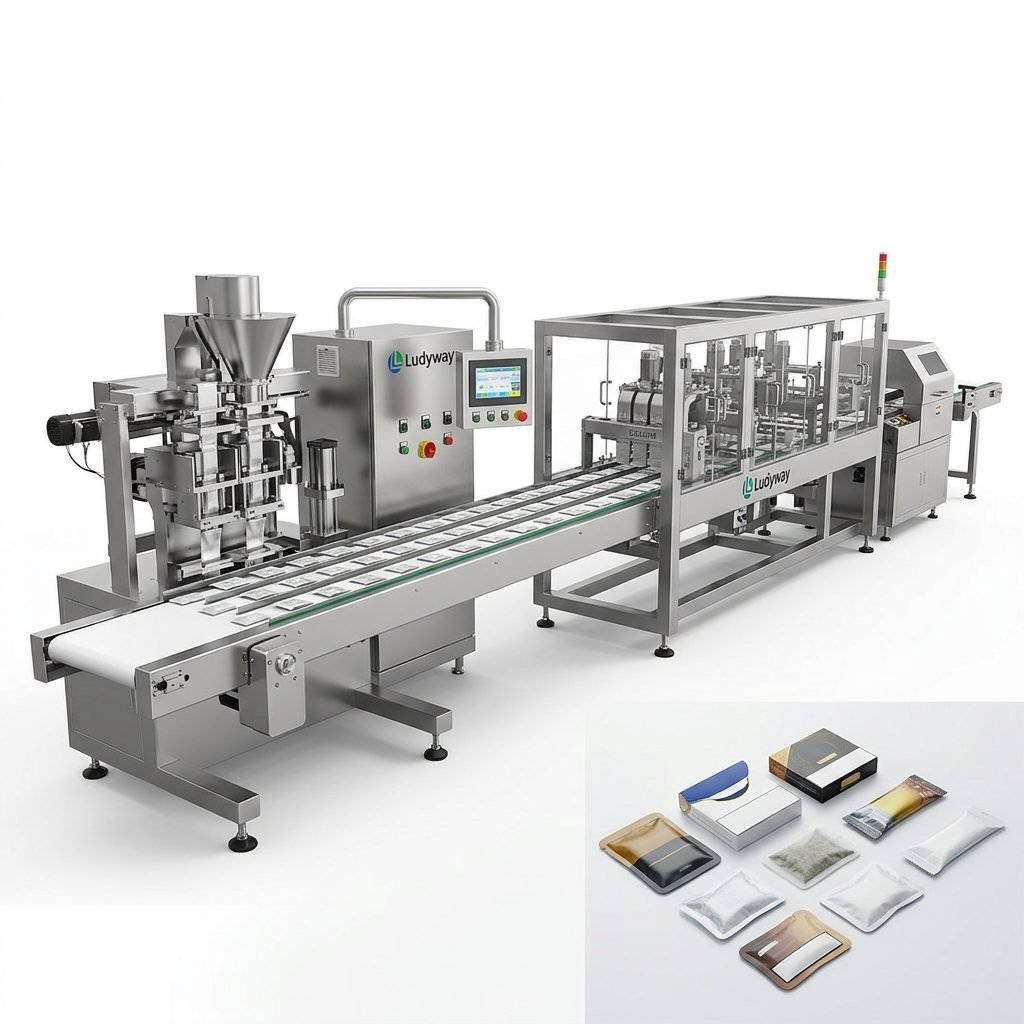
Inline packaging refers to machinery that is directly connected and synchronized with the production process. Unlike standalone or off-line machines, inline systems receive products directly from filling, forming, or processing machines, package them, and then convey them to the next stage, such as cartoning or palletizing. This integrated approach minimizes manual handling, reduces labor costs, and significantly boosts overall line efficiency.
Core Advantage: The primary benefit of an inline system is the creation of a continuous, uninterrupted production stream. This eliminates bottlenecks, reduces product damage from transfer, and allows for real-time monitoring and control.
Primary Types of Inline Packaging Equipment
The choice of equipment depends heavily on the product format and production speed. Here are the most common types:
1. Inline Vertical Form-Fill-Seal (VFFS) Machines
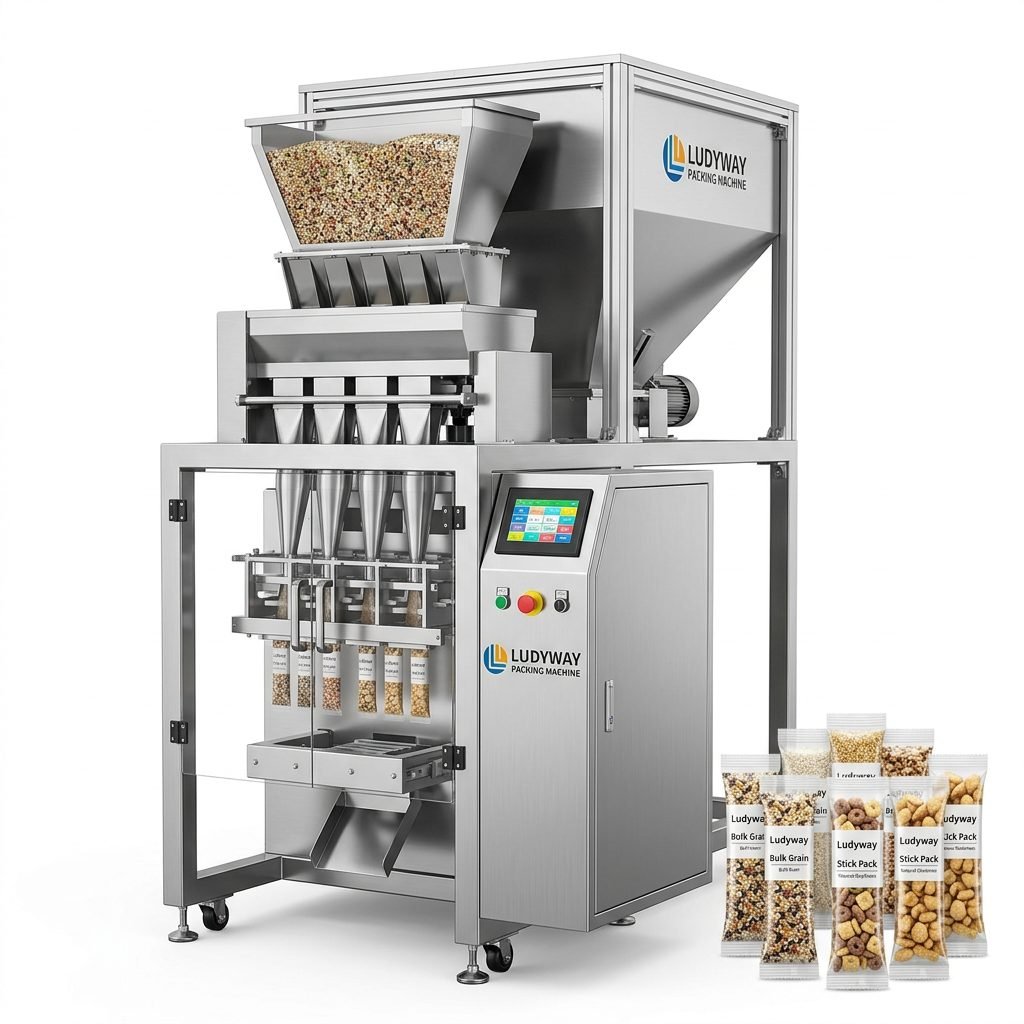
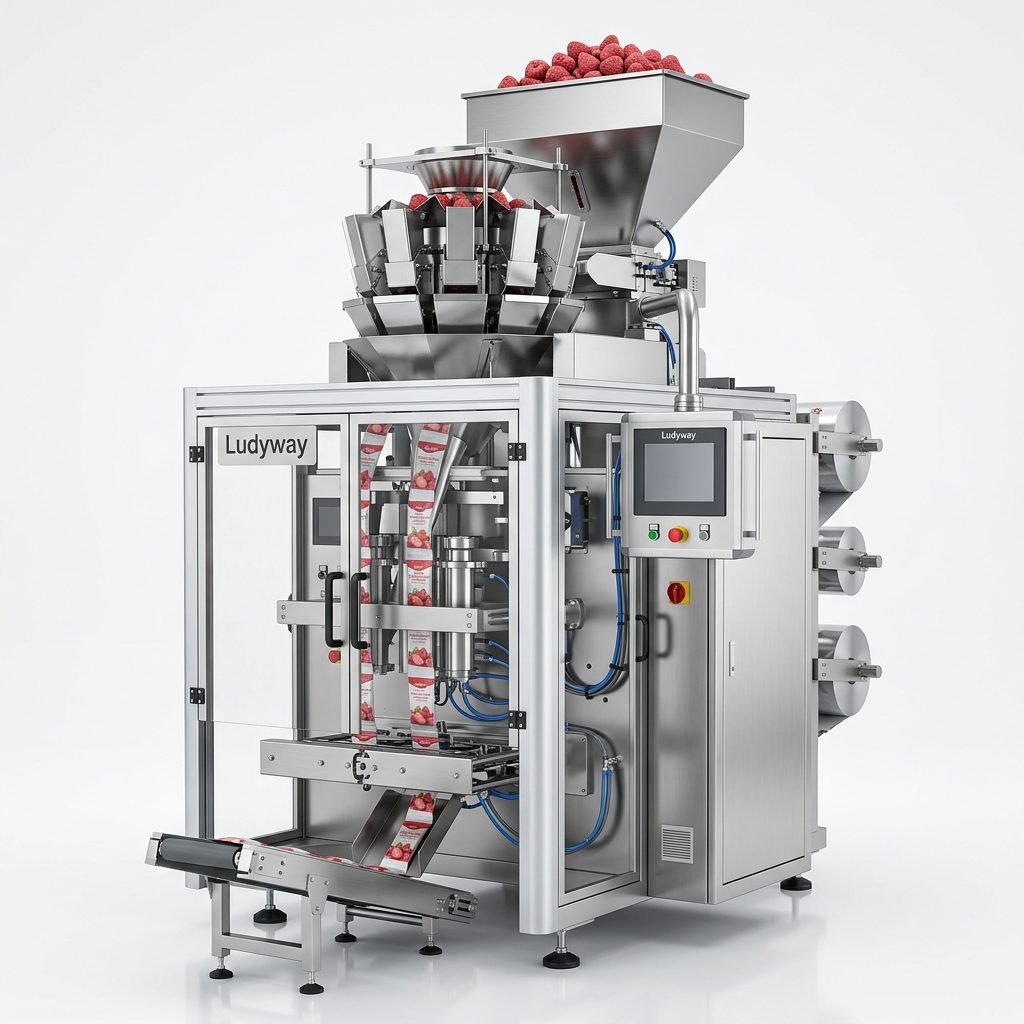
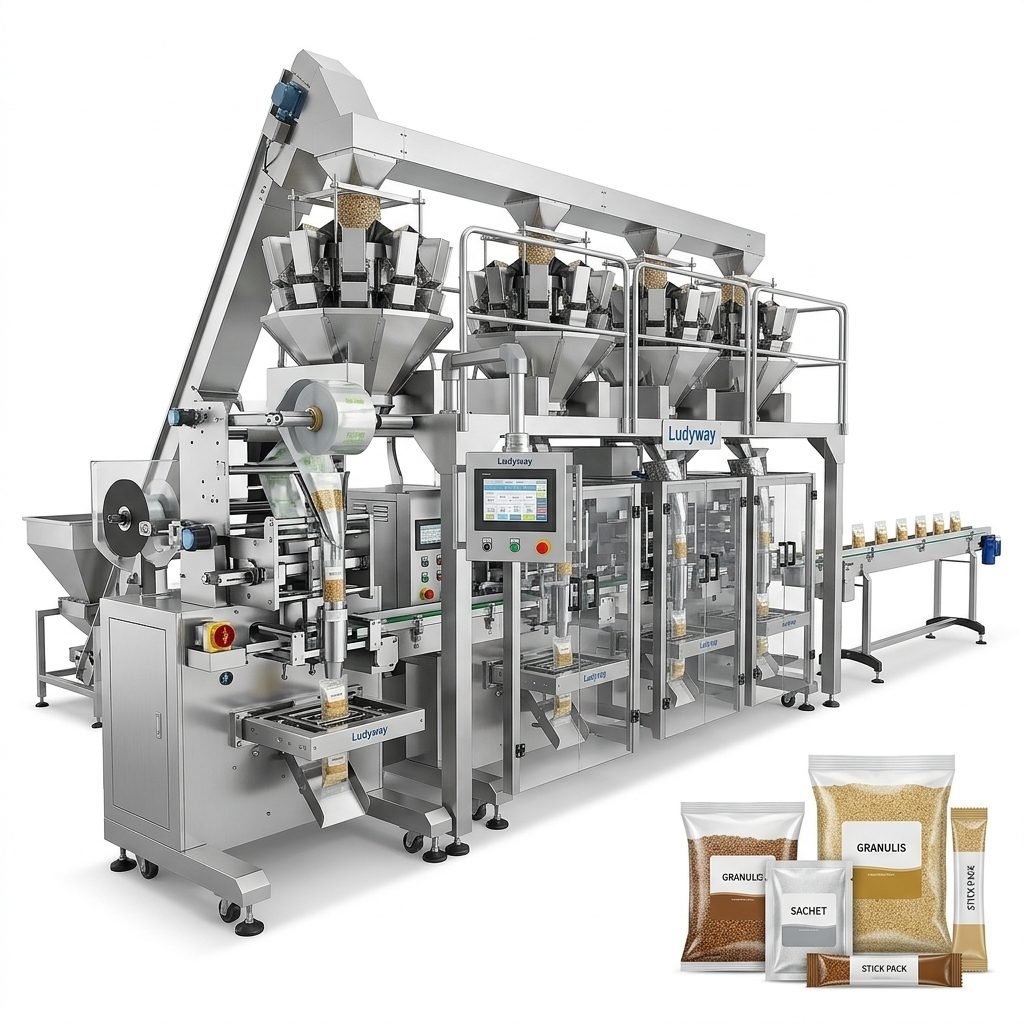
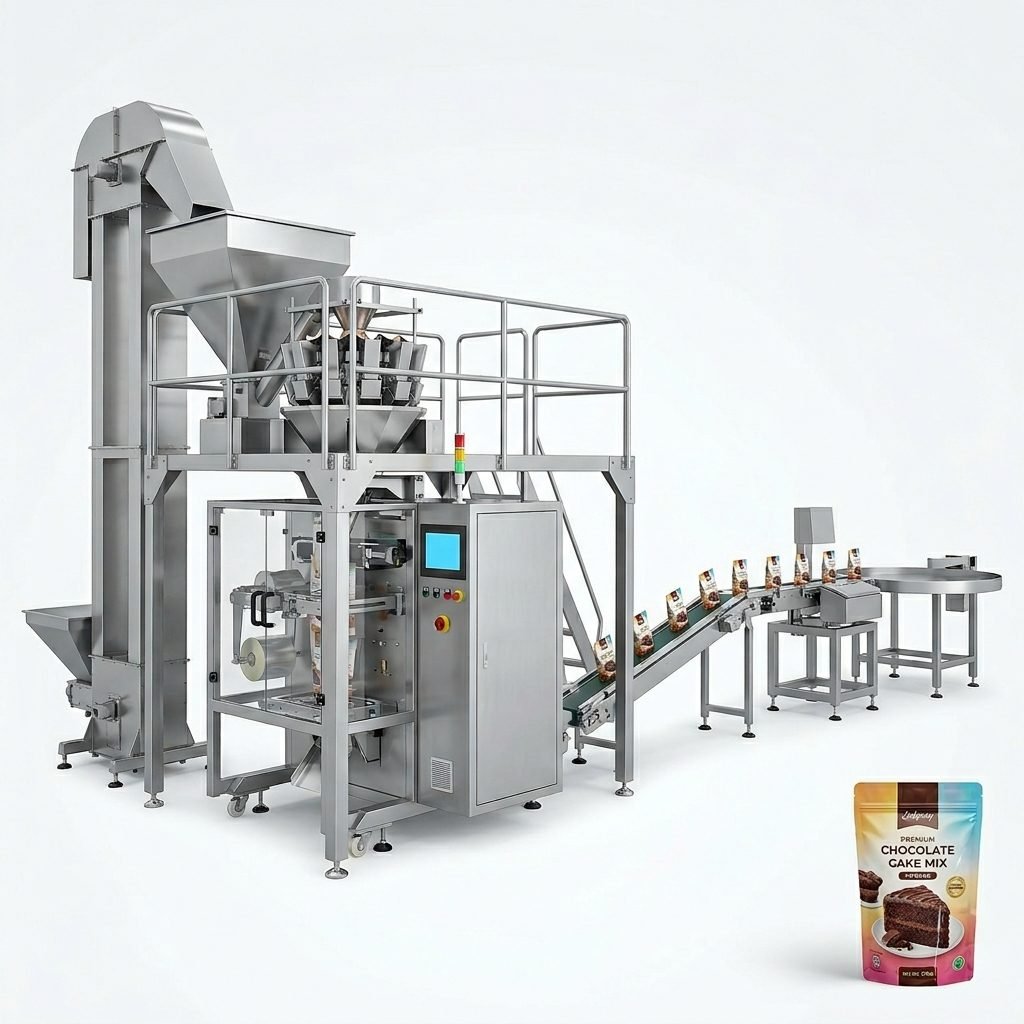
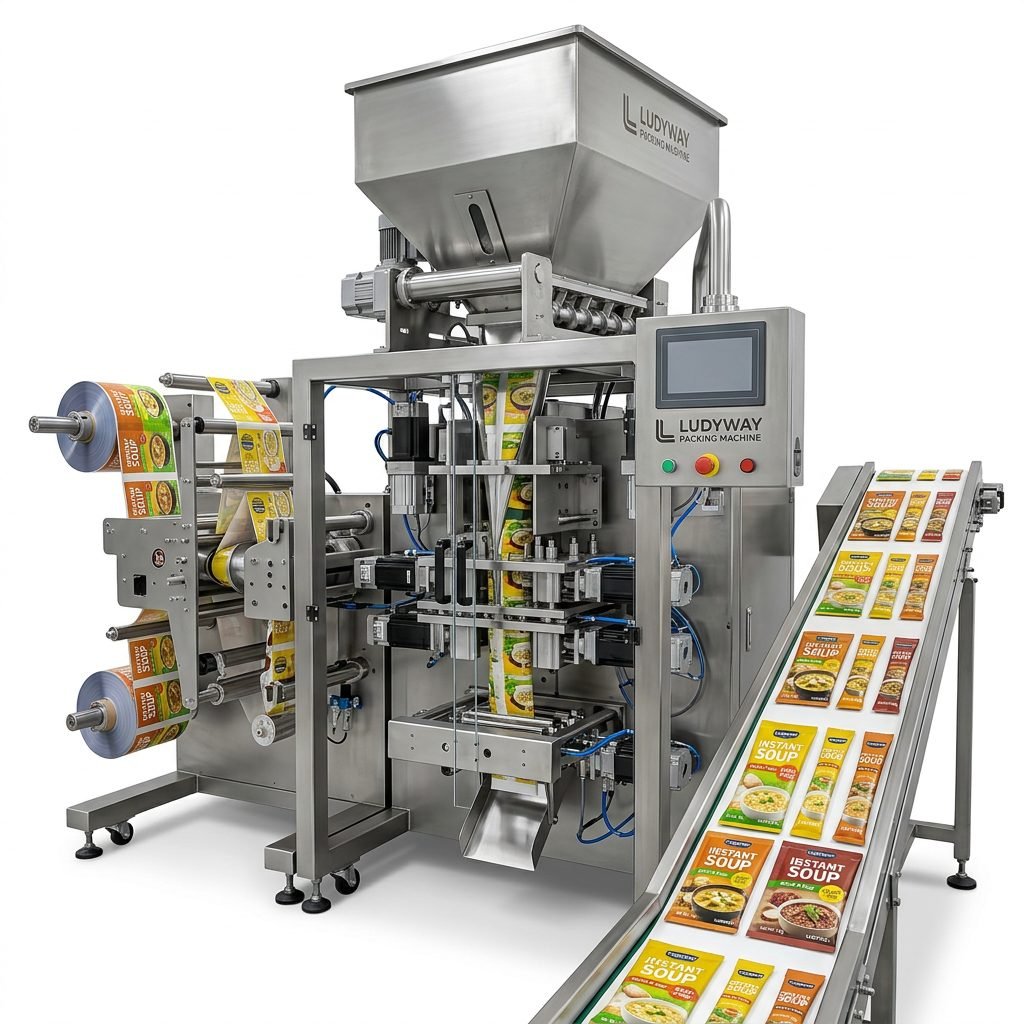
These are the workhorses of the packaging industry for granular, powder, and liquid products. They form a bag from a roll of film, fill it with product, and seal it—all in a vertical, in-motion process. They are ideal for high-speed applications like snack foods, coffee, or powdered supplements.
2. Inline Horizontal Form-Fill-Seal (HFFS) Machines
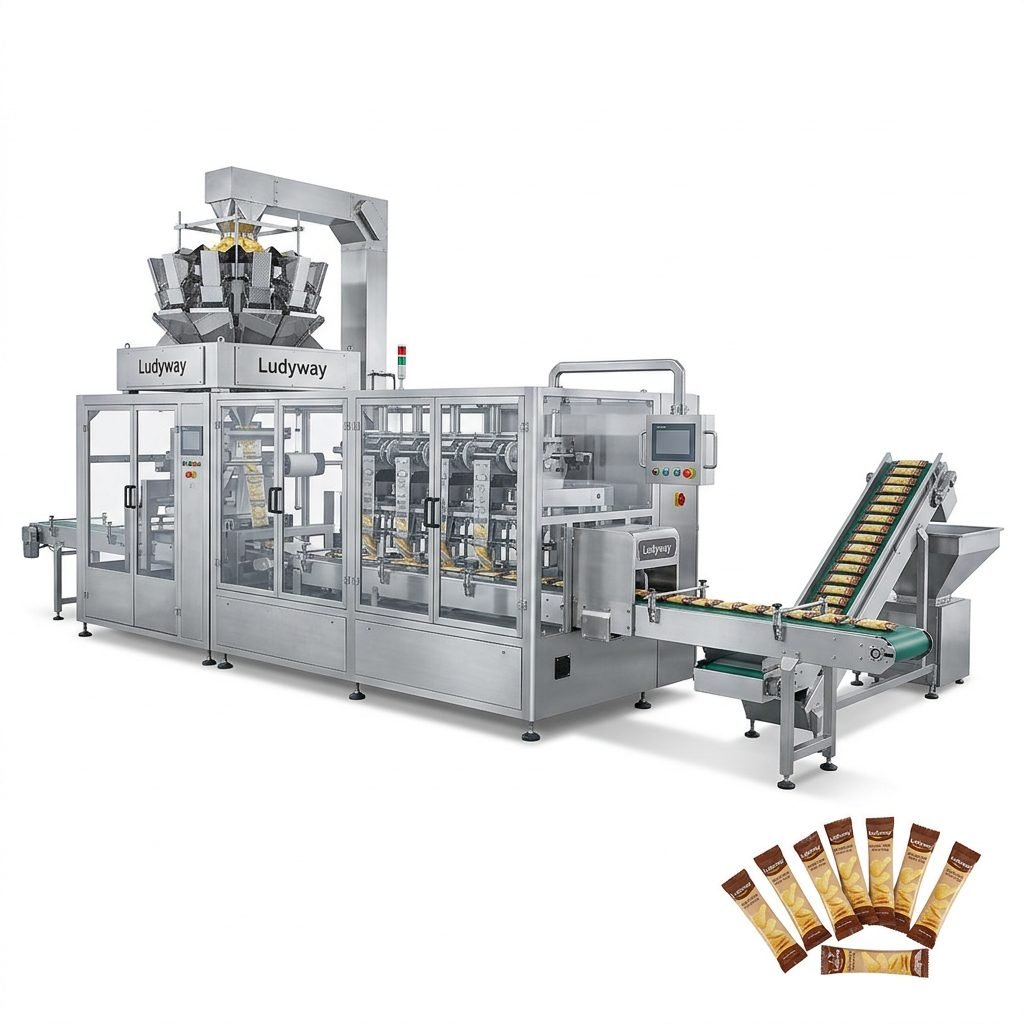
HFFS machines are typically used for wrapping solid items like candy bars, biscuits, or soap bars. The product is placed on a horizontal web of film, which is then formed around it and sealed. This type is perfect for products that require a snug, presentation-oriented wrap.
3. Inline Stick Pack & Sachet Machines
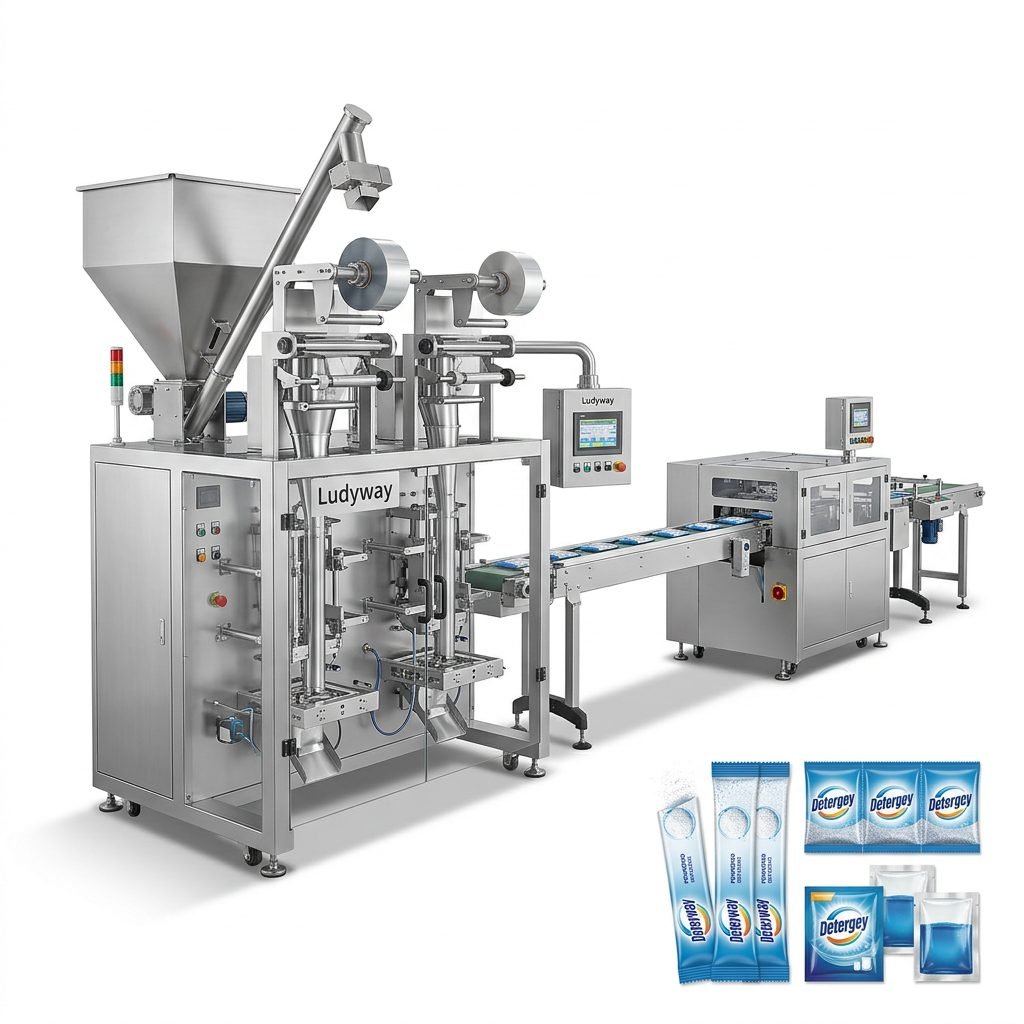
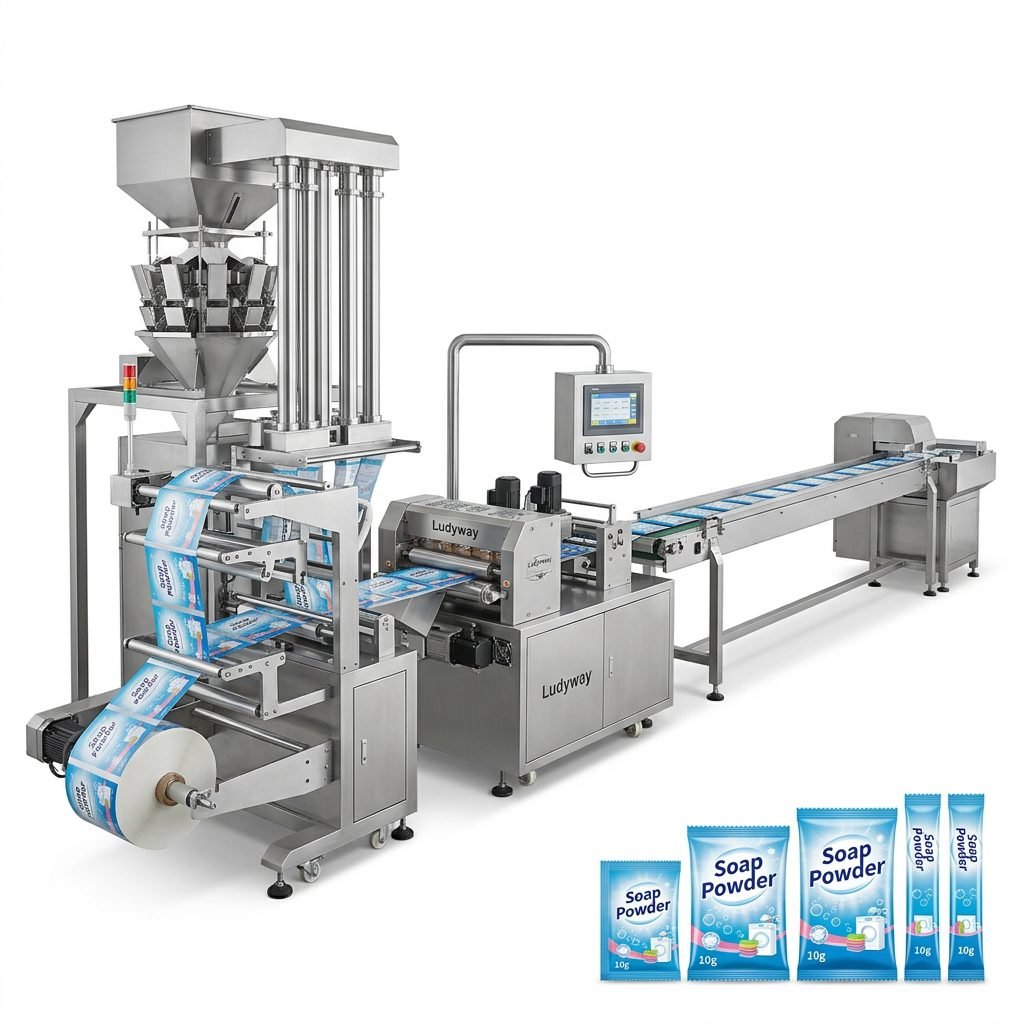
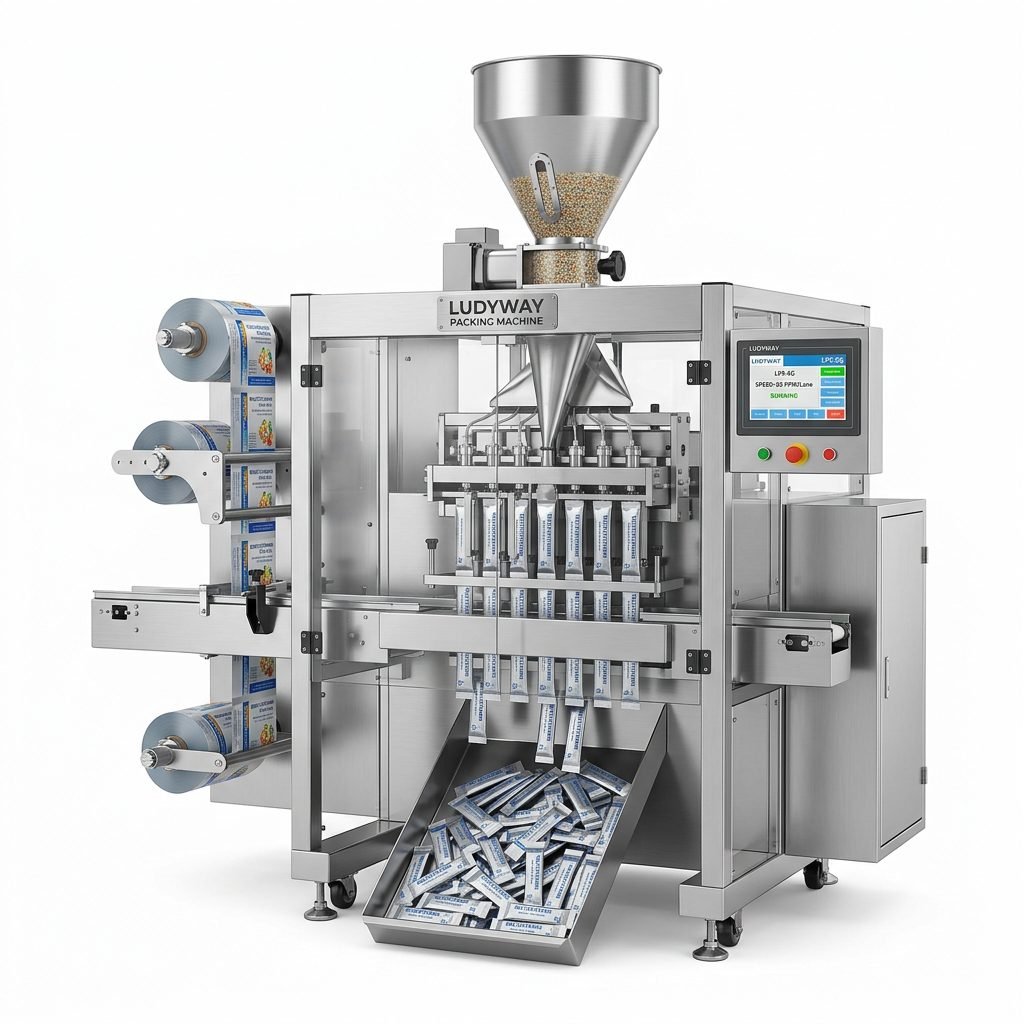
Specialized for single-serve portions, these machines are crucial for industries like foodservice, pharmaceuticals, and cosmetics. They create small, sealed packets from roll stock at very high speeds. Modern multi-lane systems can produce dozens of stick packs or sachets simultaneously, making them extremely efficient for products like condiments, instant drink mixes, or shampoo samples.
4. Inline Cartoning Systems
These systems automatically erect cartons, insert the primary packaged product (like pouches or bottles), and close/seal the carton. They are a critical link between primary packaging and case packing.
5. Inline Capping, Labeling, and Checkweighing
This category includes ancillary equipment that performs specific tasks inline. Cappers secure lids on bottles, labelers apply product information, and checkweighers ensure each package meets weight specifications, rejecting any out-of-tolerance items automatically.
Essential Features of Modern Inline Packaging Equipment
When evaluating machinery, look beyond basic functionality. Modern systems offer features that enhance flexibility, control, and reliability.
- Servo-Driven Technology: Replaces mechanical drives with precise servo motors. This allows for quick changeovers, gentle product handling, and significant energy savings.
- Integrated PLC & HMI Control: A central Programmable Logic Controller (PLC) with an intuitive Human-Machine Interface (HMI) touchscreen provides complete control, recipe storage, and diagnostic tools.
- Vision Inspection Systems: Cameras integrated into the line can verify fill levels, check seal integrity, read codes, and ensure label accuracy, guaranteeing 100% product quality.
- Quick-Change Tooling & Recipes: The ability to switch between different package sizes or products in minutes is vital for manufacturers with diverse SKUs.
- Hygienic & Sanitary Design: For food and pharmaceutical lines, features like stainless steel construction, easy-clean surfaces, and minimal crevices are non-negotiable for compliance with standards like FDA or GMP.
How to Choose the Right Inline System for Your Production Line
Selecting equipment is a strategic decision. Follow this step-by-step framework to make an informed choice.
Step 1: Define Your Product & Packaging Requirements
Start with the basics. What are you packaging (granules, powder, liquid, solid)? What is your desired package type (pouch, stick pack, sachet, carton)? Determine the material (film type, thickness) and any special needs like high-barrier properties for coffee or nitrogen flushing for snacks.
Step 2: Analyze Your Production Capacity Needs
Calculate your required output in packages per minute (PPM) or per hour. Consider both current needs and future growth. Don’t just buy for today’s volume; choose a system with 20-30% extra capacity to accommodate market expansion.
Pro Tip: Evaluate Total Cost of Ownership (TCO)
The purchase price is just one component. Factor in operational costs: energy consumption (servo machines are more efficient), maintenance needs, required operator skill level, and the cost/downtime of changeovers. A slightly more expensive machine with lower operating costs often provides a better return on investment.
Step 3: Assess Line Integration & Footprint
How will the new machine connect to your existing filler, mixer, or conveyor? Ensure compatibility in terms of communication protocols (e.g., Ethernet/IP), physical interfaces, and line speed synchronization. Precisely measure your available floor space. An experienced supplier like Ludyway Packing Machine can provide detailed layout drawings and integration support.
Step 4: Prioritize Ease of Use and Support
The best machine is useless if your team can’t operate or maintain it. Look for user-friendly HMIs with multi-language support. Crucially, investigate the supplier’s reputation for after-sales service, technical support, and parts availability. Global manufacturers need a partner who can provide timely support, as highlighted in the company history of Ludyway Machinery, which emphasizes long-term cooperation and reliable service for international clients.
Step 5: Request a Product Test
Never buy based on specifications alone. Arrange to run your actual product on the candidate machine at the supplier’s facility. This live test will reveal the true performance regarding speed, accuracy, film handling, and seal quality.
Conclusion: Investing in Seamless Production
Implementing the right inline packaging equipment is a transformative investment. It moves packaging from a cost center to a strategic asset that drives efficiency, ensures consistent quality, and enhances brand reputation through reliable, attractive packages. By thoroughly understanding your needs, carefully evaluating features, and partnering with a knowledgeable and reliable equipment provider, you can build a production line that is not only productive today but also scalable for the challenges of tomorrow. For insights into the expertise behind reliable packaging solutions, you can explore the professional profile of packaging experts who design these integrated systems.
Frequently Asked Questions (FAQs)
What is the main difference between inline and offline packaging?
Inline packaging is directly connected to the production process, creating a continuous automated flow. Offline packaging involves separate, batch-oriented machines that require manual transfer of products, which is slower and more labor-intensive.
How important is servo technology in an inline machine?
Extremely important. Servo-driven machines offer superior precision, faster and simpler changeovers, reduced mechanical wear, and lower energy consumption compared to traditional mechanical machines. They provide the flexibility needed for modern, multi-product manufacturing.
Can one inline machine handle multiple different package sizes?
Yes, most modern inline machines are designed for quick changeover. The key is to look for machines with “quick-change” or “tool-less” features for components like forming tubes, fill funnels, and sealing jaws. This allows switching between pre-set package sizes in under 10-15 minutes.
What kind of maintenance do inline packaging systems require?
Regular preventive maintenance is crucial. This typically includes daily cleaning, lubrication of guide rails and chains as per the manual, inspection of seals and wear parts, and calibration of scales and sensors. A good supplier will provide a detailed maintenance schedule and training.
How do I ensure the machine will work with my specific product?
The only sure way is through a product test run. Always insist on testing your exact product, on your intended packaging film, at the supplier’s facility before purchase. This demonstrates the machine’s capability and helps fine-tune settings.