In today’s fast-paced e-commerce and logistics landscape, secure and efficient product packaging is more critical than ever. Among the various protective solutions available, foam-in-place packaging, particularly using Instapak foam packaging machines, has emerged as a game-changer for businesses of all sizes. This technology offers unparalleled protection, reduces material waste, and streamlines the packing process. Whether you’re shipping delicate electronics, fragile industrial components, or irregularly shaped items, understanding how these systems work can significantly enhance your operational efficiency and customer satisfaction.
The Core Technology: How an Instapak Foam Packaging Machine Works
The operation of an Instapak machine is a fascinating blend of chemistry and engineering, designed for simplicity and reliability. At its heart, the system utilizes two liquid chemical components—typically polyol resin and isocyanate. These components are stored in separate tanks or drums connected to the machine.
The Foam Creation Process:
When the packaging cycle is initiated, the machine’s precision metering system draws the two liquids. They are pumped through insulated hoses to a mixing head or dispensing gun. Here, the components are combined at a specific ratio and agitated to start a chemical reaction.
The mixed liquid is then dispensed into a polyethylene bag placed inside the shipping carton. Within seconds, the mixture begins to expand, filling the bag and conforming perfectly to the shape of the product placed inside the box. The foam expands to approximately 200 times its original liquid volume, creating a custom-fit, cushioning mold that immobilizes the product securely.
After a short curing period, the foam sets into a semi-rigid, protective cushion. The entire process—from dispensing to a fully packed box—often takes less than a minute, making it exceptionally efficient for high-volume shipping environments.
Key Benefits of Implementing a Foam-in-Place System
Adopting an Instapak foam packaging system offers a multitude of advantages over traditional packaging materials like loose-fill peanuts, crumpled paper, or pre-molded foam. These benefits impact not just the packaging department but the entire business’s bottom line and brand reputation.
1. Superior Product Protection & Damage Reduction
The custom-molded nature of the foam provides 360-degree cushioning that absorbs shock and vibration during transit. It cradles the product, preventing movement within the box that leads to scratches, dents, and breakages. This directly translates to a drastic reduction in damage claims, saving significant costs associated with returns, replacements, and dissatisfied customers.
2. Significant Material and Storage Savings
Unlike bulkier traditional materials, the foam components are stored as liquids. A few drums of liquid can create a vast volume of foam, freeing up enormous warehouse space previously dedicated to storing bags of peanuts or rolls of bubble wrap. This also minimizes the packaging “footprint” and reduces the frequency of material reordering.
3. Enhanced Operational Efficiency and Labor Savings
The packing process is simplified and accelerated. Workers no longer need to spend time measuring, cutting, and stuffing void fill. The “bag-and-dispense” method is quick and requires minimal training. This efficiency allows staff to pack more orders in less time, especially beneficial during peak seasons. Companies like Ludyway Machinery understand that such automation is key to scaling operations effectively.
4. Sustainability and Waste Minimization
Foam-in-place packaging is inherently less wasteful. The foam expands to fill only the necessary void space, using the exact amount of material required. There is no excess loose fill to dispose of, and it eliminates the need for multiple material types. Furthermore, many modern foams are designed to be recyclable or are produced with a lower environmental impact than expanded polystyrene (EPS) loose fill.
📌 Pro Tip for Buyers:
When evaluating systems, consider the foam’s cured density and resilience. A higher density foam offers more protection for heavier items, while a lower density is cost-effective for lighter products. A reliable supplier should help you match the foam specification to your product profile.
Essential Buying Guide: Choosing the Right Instapak Machine
Selecting the ideal foam packaging system for your business requires careful consideration of your specific needs. Not all machines are created equal, and the right choice depends on your volume, product mix, and operational goals.
Assess Your Production Volume and Throughput Needs
Low to Medium Volume
For operations packing dozens to a few hundred boxes per day, a manual or semi-automatic system is often sufficient. These typically involve a portable dispensing unit where the operator holds the bag during filling.
High Volume
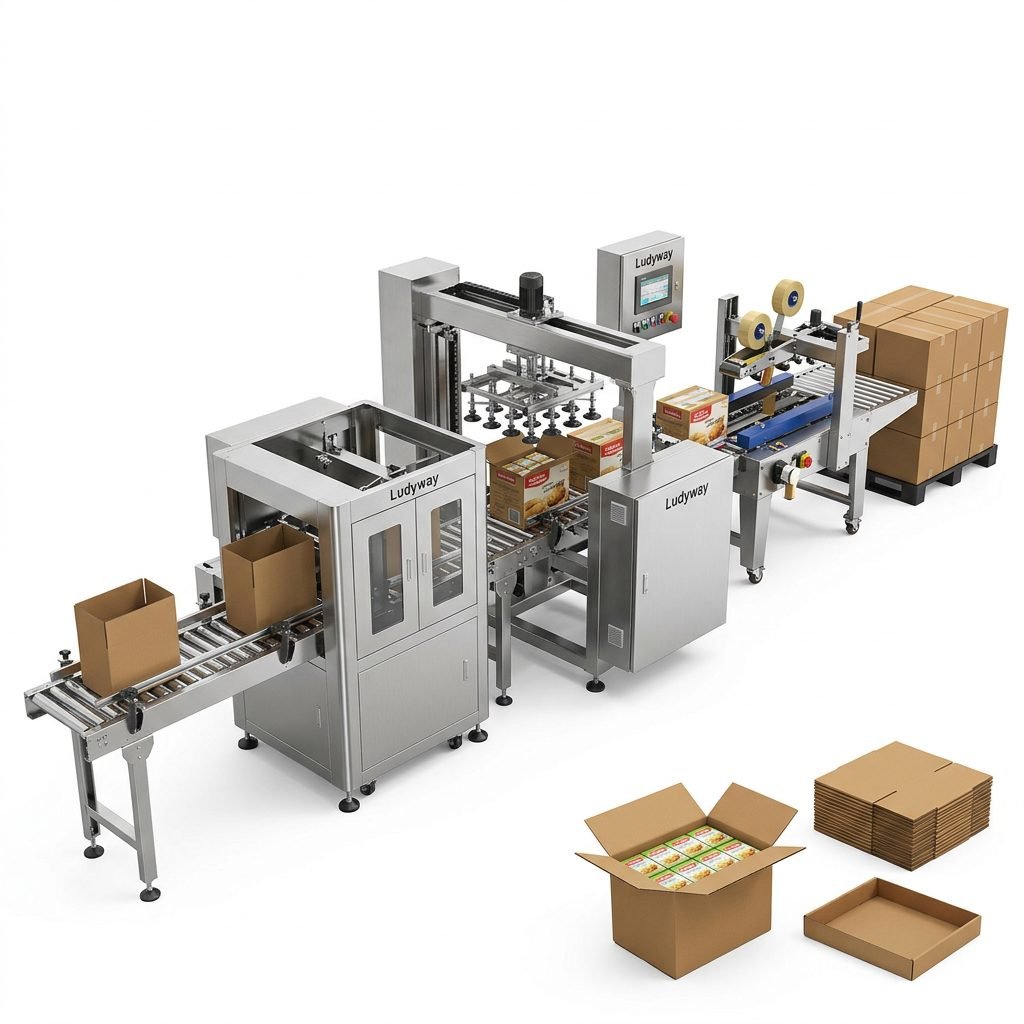
For warehouses shipping hundreds or thousands of packages daily, a fully automated or in-line system is necessary. These can automatically form the bag, dispense foam, and integrate with conveyor systems for maximum speed, a principle applied in advanced turnkey packaging solutions.
Evaluate Machine Features and Specifications
- Dispense Rate & Shot Control: How quickly can it dispense foam? Can you control the volume of each “shot” for consistent packing?
- Foam Ratio Accuracy: Consistent mixing ratio is critical for foam quality and performance. Look for machines with precision metering pumps.
- Footprint & Mobility: Do you need a stationary unit or a mobile cart that can be moved between packing stations?
- Ease of Maintenance & Support: Simple cleaning procedures and accessible technical support are vital for minimizing downtime.
Consider the Total Cost of Ownership (TCO)
Look beyond the initial machine price. Factor in the ongoing cost of chemical consumables, maintenance kits, and any required utilities (like compressed air). A slightly more expensive machine with lower chemical consumption or higher reliability often has a better TCO. Partnering with an experienced provider like Ludyway Machinery, with decades of industry knowledge, can ensure you get a solution that offers long-term value and reliability.
Prioritize Supplier Reputation and Service
The supplier is as important as the machine itself. Choose a manufacturer or distributor with a proven track record, strong technical support, and readily available spare parts. Ask for customer references and inquire about training, warranty, and emergency service options. A supplier that understands global production needs will be a partner in your success.
Conclusion: A Strategic Investment for Modern Packaging
Integrating an Instapak foam packaging machine is not merely a purchase of equipment; it’s a strategic investment in operational excellence. It addresses core challenges in logistics—protection, efficiency, cost, and sustainability—with a single, elegant solution. By creating a perfect protective mold for every item, it virtually eliminates transit damage while speeding up the packing line and reducing material clutter. For businesses looking to scale, improve customer experience, and optimize their supply chain, foam-in-place technology represents a forward-thinking step. As you evaluate options, focus on your specific throughput requirements, the total cost of ownership, and aligning with a knowledgeable supplier who can support your journey toward more intelligent and efficient packaging.
Frequently Asked Questions (FAQs)
1. Is the foam used in Instapak machines safe and non-toxic?
Yes, once fully cured (which happens within minutes), the polyurethane foam is inert and non-toxic. However, during the dispensing and curing process, it’s important to use the machine in a well-ventilated area as recommended by the manufacturer, as the chemicals before reaction require careful handling.
2. How does the cost compare to traditional packaging like bubble wrap or peanuts?
While the per-unit cost of foam may seem higher, the total cost is often lower. This is due to savings in labor (faster packing), storage space, reduced material waste, and most significantly, a drastic decrease in product damage and associated returns. The overall ROI is typically very favorable for medium to high-volume shippers.
3. Can I use an Instapak machine for packaging very heavy or very delicate items?
Absolutely. One of the key strengths of this technology is its versatility. By adjusting the foam formulation (density and firmness), you can create soft cushioning for fragile glassware or a firm, supportive mold for heavy metal parts. Your supplier can help you select the right foam chemistry for your specific product range.
4. What kind of maintenance does the machine require?
Maintenance is generally straightforward. It primarily involves regular cleaning of the mixing head to prevent clogging from cured foam, periodic inspection of hoses and seals, and following the manufacturer’s schedule for pump maintenance. Most quality machines are designed for easy daily cleaning by the operator.
5. How do I dispose of or recycle the foam packaging?
Many of the polyurethane foams used today are recyclable. You should check with your local waste management facilities for polyurethane foam recycling programs. Some foam types are also designed to be more environmentally friendly. Encouraging customers to check local recycling options is a good practice, and some suppliers offer guidance on end-of-life material management as part of their sustainable solution offering.