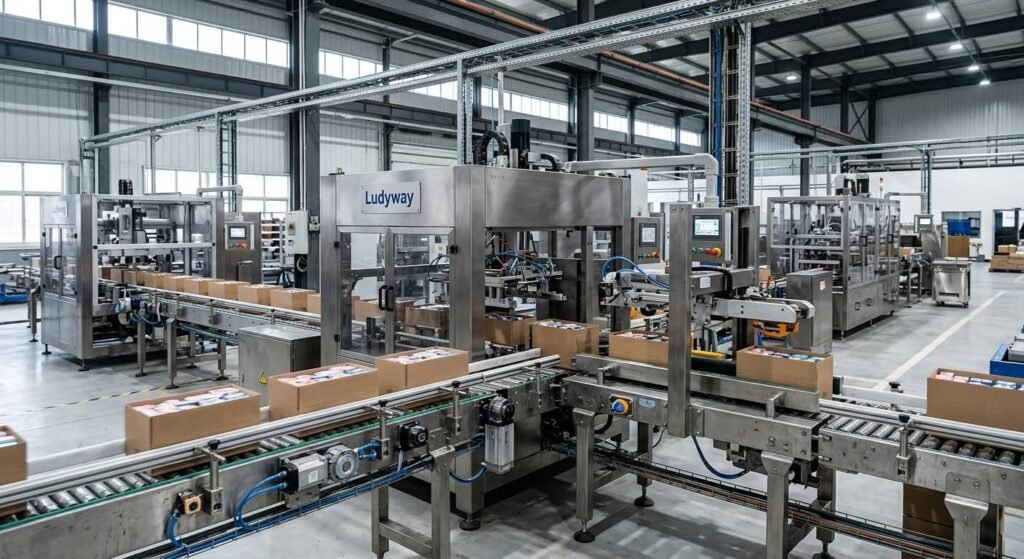
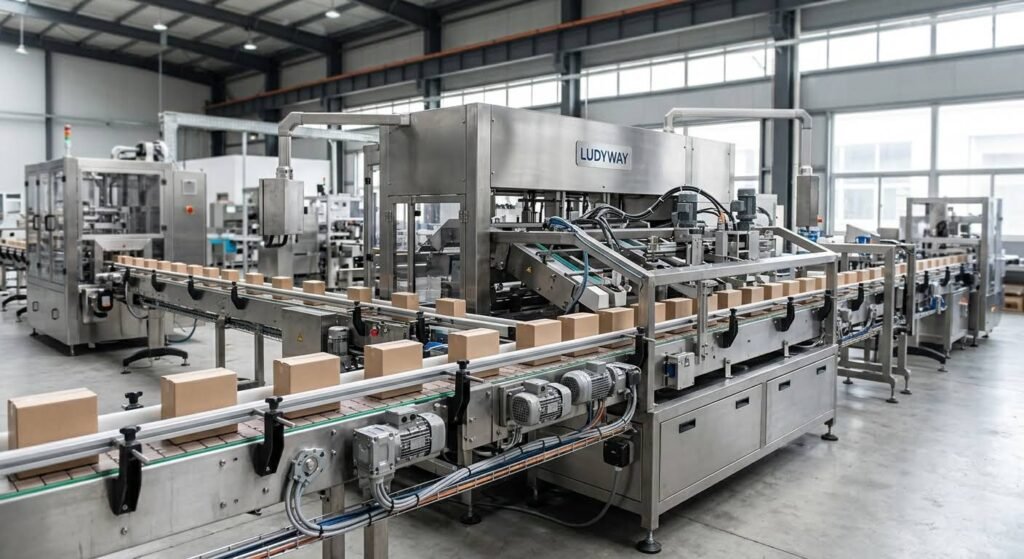
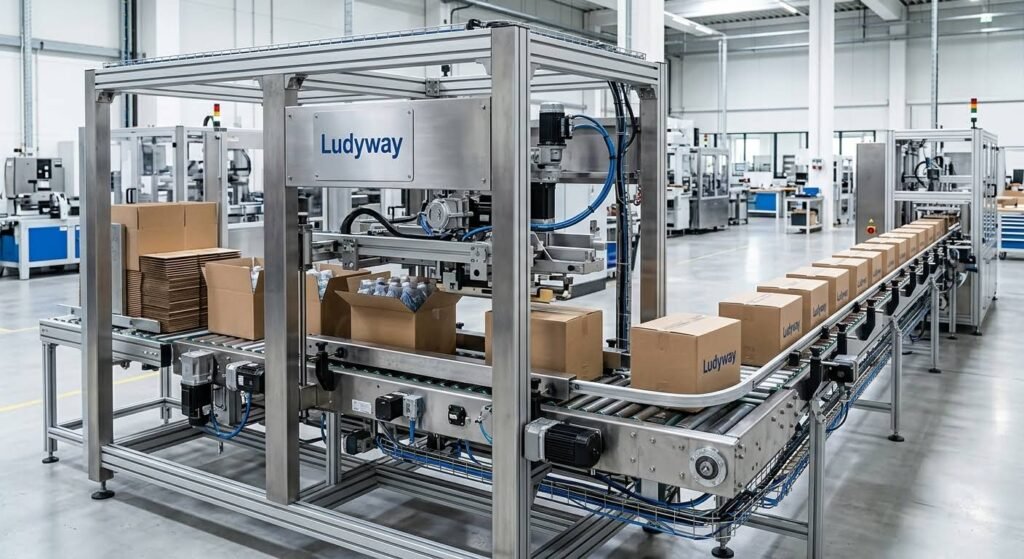
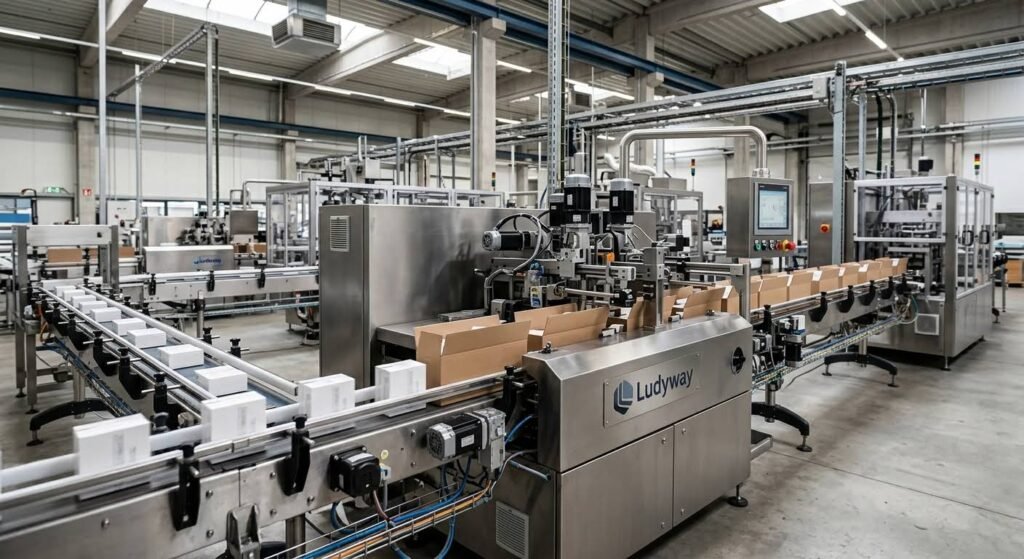
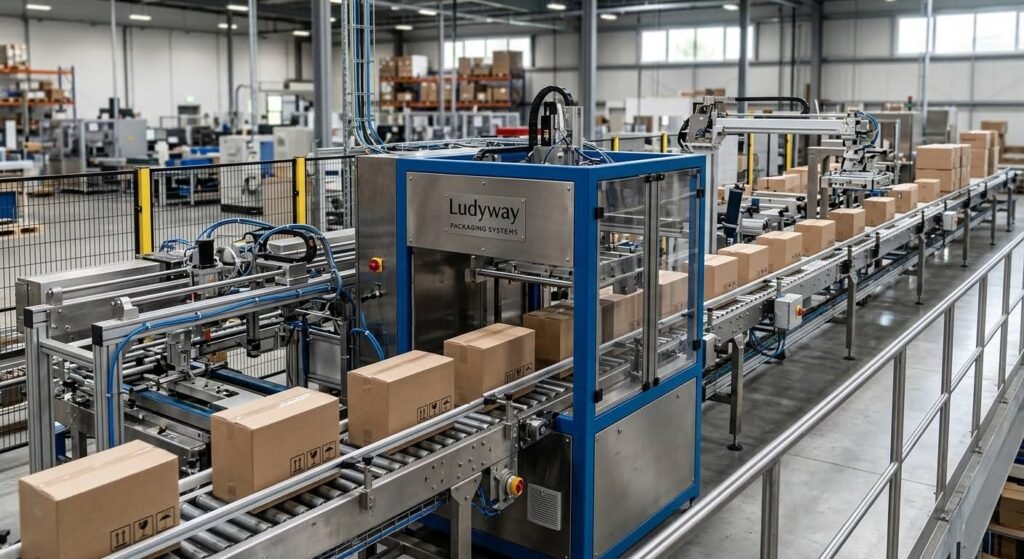
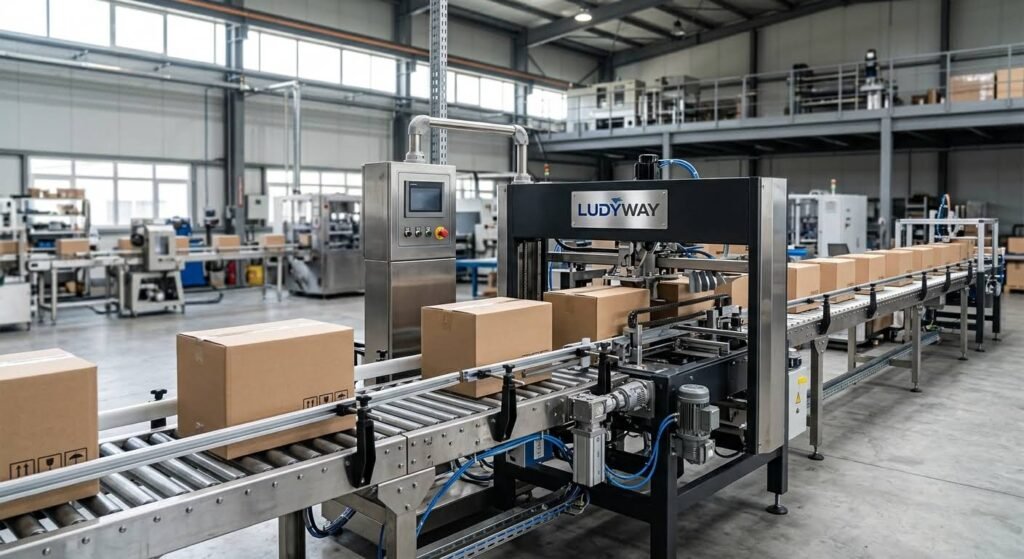
Selecting the best cookie packaging machine is a critical decision for any bakery or snack food manufacturer aiming to enhance efficiency, maintain product freshness, and create a compelling shelf presence. This comprehensive guide explores the various types of cookie packaging systems, their key features, and provides a detailed framework to help you choose the right system for your specific production needs and business goals.

Understanding Different Types of Cookie Packaging Machines
The packaging process for cookies can vary dramatically based on product type, volume, and desired presentation. Here’s a breakdown of the primary machine categories.
1. Flow Wrappers (Horizontal Form-Fill-Seal)
These are the most common machines for individually wrapping cookies. The machine forms a tube of film around the product, creates a longitudinal seal, and then makes end seals to create a tight, pillow-style pouch. They are ideal for:
✔️ Individually wrapped cookies like biscuits, sandwich creams, or wafers.
✔️ High-speed production lines requiring outputs of hundreds of packs per minute.
✔️ Products needing a strong barrier against moisture and air to preserve crispness.
2. Vertical Form-Fill-Seal (VFFS) Machines
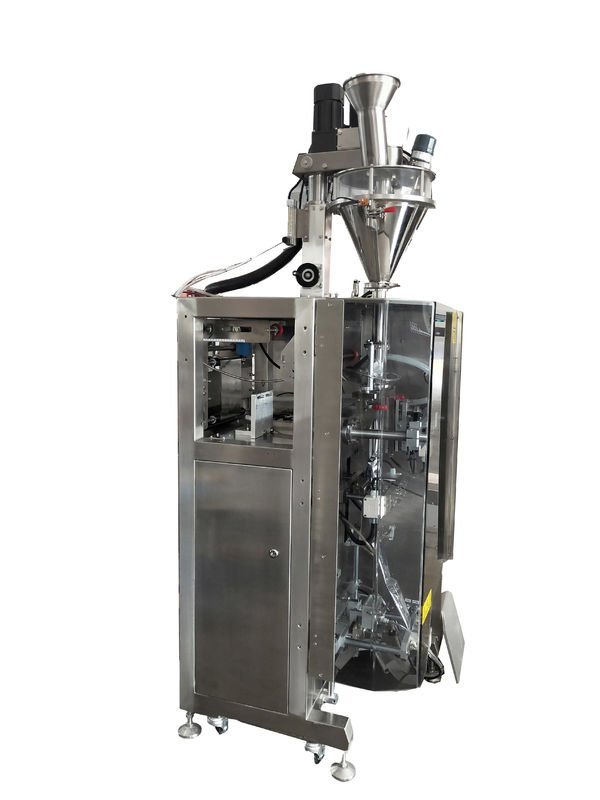
VFFS machines are typically used for packaging loose, bulk, or multiple cookies into bags. The film is formed into a vertical tube, filled with product from above, and then sealed horizontally. They are perfect for:
✔️ Bagging assorted cookies or broken pieces for “value packs.”
✔️ Packaging fragile or delicate cookies that could be damaged in horizontal wrapping.
✔️ Operations requiring frequent bag size changes for different product weights.
3. Tray and Carton Overwrappers
These systems are used for secondary packaging. They wrap a printed film or shrink film around a pre-formed tray or carton containing multiple cookie packs. This is essential for:
✔️ Creating multi-packs (e.g., 6-packs or 12-packs) for retail sale.
✔️ Providing extra protection and a polished, gift-ready appearance.
✔️ Bundling promotional items together securely.
Essential Features to Look for in a Modern System
Beyond the basic type, several advanced features differentiate a standard machine from a high-performance, future-proof investment.
Automation and Integration Capabilities
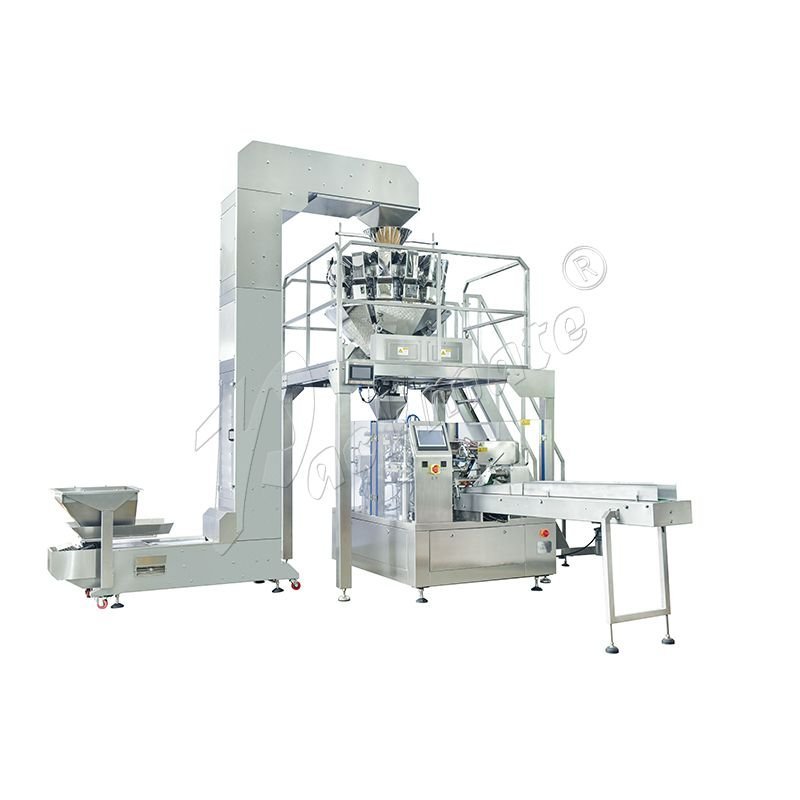
Modern packaging is about connected lines. Look for machines with PLC (Programmable Logic Controller) touchscreen interfaces for easy recipe management and changeovers. Integration with upstream feeders (like bucket elevators or vibratory conveyors) and downstream systems (like checkweighers or case packers) via industry-standard communication protocols is crucial for a seamless, automated production line.
Gentle Product Handling
Cookies are often fragile. Features like soft-touch infeed belts, servo-driven motion control for smooth acceleration/deceleration, and custom-designed forming shoulders minimize breakage and product waste, protecting your profit margins and product quality.
Flexibility and Quick Changeover
Market demands change rapidly. A machine with tool-less changeover for different cookie sizes and shapes allows you to switch production runs in minutes instead of hours, maximizing uptime and responsiveness. This is especially valuable for bakeries producing seasonal or limited-edition varieties.
Hygienic Design and Easy Maintenance
Food safety is non-negotiable. Machines should have a stainless steel contact frame where applicable, smooth surfaces without crevices, and easy-open access panels for quick cleaning and sanitation. A well-designed machine reduces downtime for maintenance and ensures compliance with food safety standards.
How to Choose the Right Cookie Packaging System: A Step-by-Step Guide
Making the right choice requires a systematic evaluation of your current and future needs.
Step 1: Analyze Your Product and Packaging Format
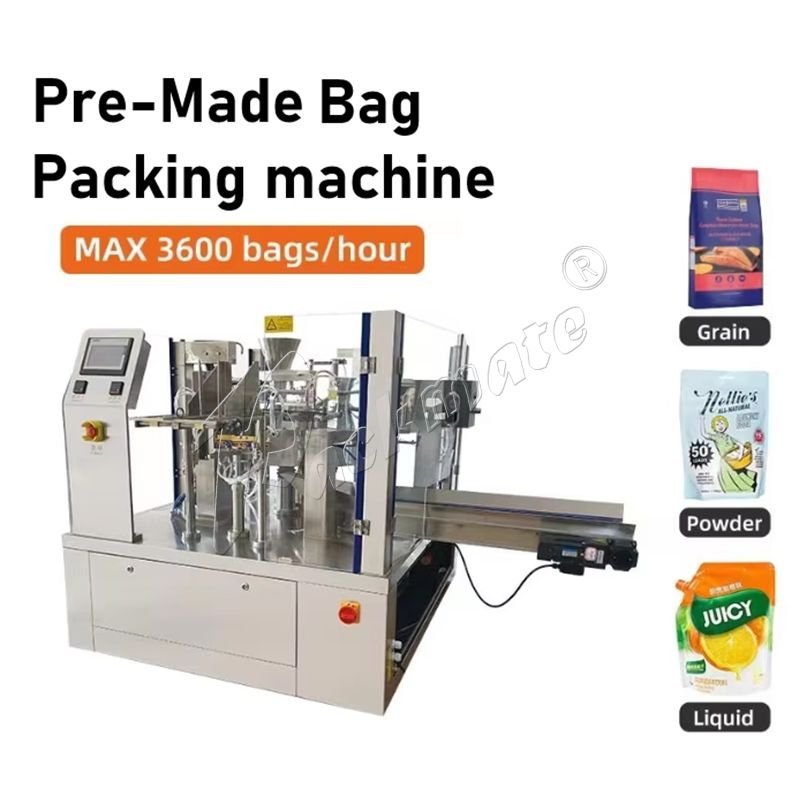
Start with the cookie itself. Is it fragile, crumbly, coated, or layered? What is the primary packaging material: laminated film for a barrier, clear cellophane for visibility, or a pre-made bag? The product characteristics directly dictate the suitable machine type and its specific handling mechanisms.
Step 2: Evaluate Your Production Volume and Speed Requirements
Calculate your required output in packs per minute (PPM). A small artisan bakery may need a semi-automatic machine, while a large-scale manufacturer will require a high-speed, fully automatic system. Always plan for 20-30% higher capacity than your current peak to accommodate future growth.
Step 3: Consider Your Floor Space and Layout
Measure your available space. Vertical machines (VFFS) often have a smaller footprint than horizontal flow wrappers. Consider the entire line flow, from cooling conveyor to packaging to palletizing. A trusted supplier like Ludyway Machinery can provide detailed layout drawings to optimize your floor plan.
Step 4: Assess Operational and Human Factors
Who will operate the machine? The complexity of the interface and the required skill level for changeovers and troubleshooting are key. Prioritize user-friendly controls and comprehensive training from the supplier to ensure your team can run the machine efficiently.
Step 5: Plan for Total Cost of Ownership (TCO)
Look beyond the initial purchase price. Factor in:
• Energy consumption of servo vs. mechanical drives.
• Availability and cost of spare parts and wear components.
• The supplier’s reputation for technical support, service response time, and warranty.
A reliable partner with over 30 years of industry experience ensures lower long-term costs through reliable performance and support.
Step 6: Request a Product Test and Review Case Studies
Never buy a packaging machine sight-unseen. Always send your actual product samples for a live demonstration. This test will reveal the true handling performance, seal quality, and achievable speed. Also, review the supplier’s history and case studies with similar products to gauge their expertise.
Conclusion
Investing in the best cookie packaging machine is a strategic decision that impacts product quality, brand perception, and operational profitability. By thoroughly understanding the different machine types, prioritizing key features like automation and gentle handling, and following a disciplined selection process that focuses on your specific product and production goals, you can choose a system that delivers reliability, efficiency, and a strong return on investment for years to come. Partnering with an experienced provider ensures you get not just a machine, but a complete solution tailored to your success.
Frequently Asked Questions (FAQs)
1. What is the typical speed range for an automatic cookie packaging machine?
Speeds vary widely based on machine type and product. Semi-automatic machines may package 30-60 packs per minute, while high-speed horizontal flow wrappers for uniform cookies can reach 200-400+ packs per minute. The exact speed for your product is best determined through a live test.
2. Can one machine handle different sizes and shapes of cookies?
Yes, many modern machines are designed for flexibility. The key is “quick changeover” capability. Look for machines with easily adjustable forming parts, seal jaws, and infeed guides that allow you to switch between different cookie formats with minimal tools and downtime, often in under 15-20 minutes.
3. How important is the packaging film material, and does the machine supplier guide this choice?
It is critically important. The film provides the barrier against moisture, oxygen, and light to preserve freshness and crispness. A reputable machinery supplier should offer guidance on compatible film structures (e.g., metallized polyester/polyethylene laminates) and may even partner with material suppliers to ensure optimal seal performance and machine runnability.
4. What are the most common maintenance requirements for these machines?
Regular maintenance typically includes daily cleaning of product contact areas, weekly lubrication of specific moving parts (as per manual), and periodic inspection/replacement of wear items like sealing jaw Teflon covers, cutting blades, and drive belts. A well-designed machine makes these tasks straightforward.
5. What kind of after-sales support should I expect?
You should expect comprehensive support including: detailed installation guidance, on-site or virtual operator and maintenance training, a clear warranty policy, readily available spare parts, and access to technical support for troubleshooting. A global supplier should offer remote support and have a network of service engineers.