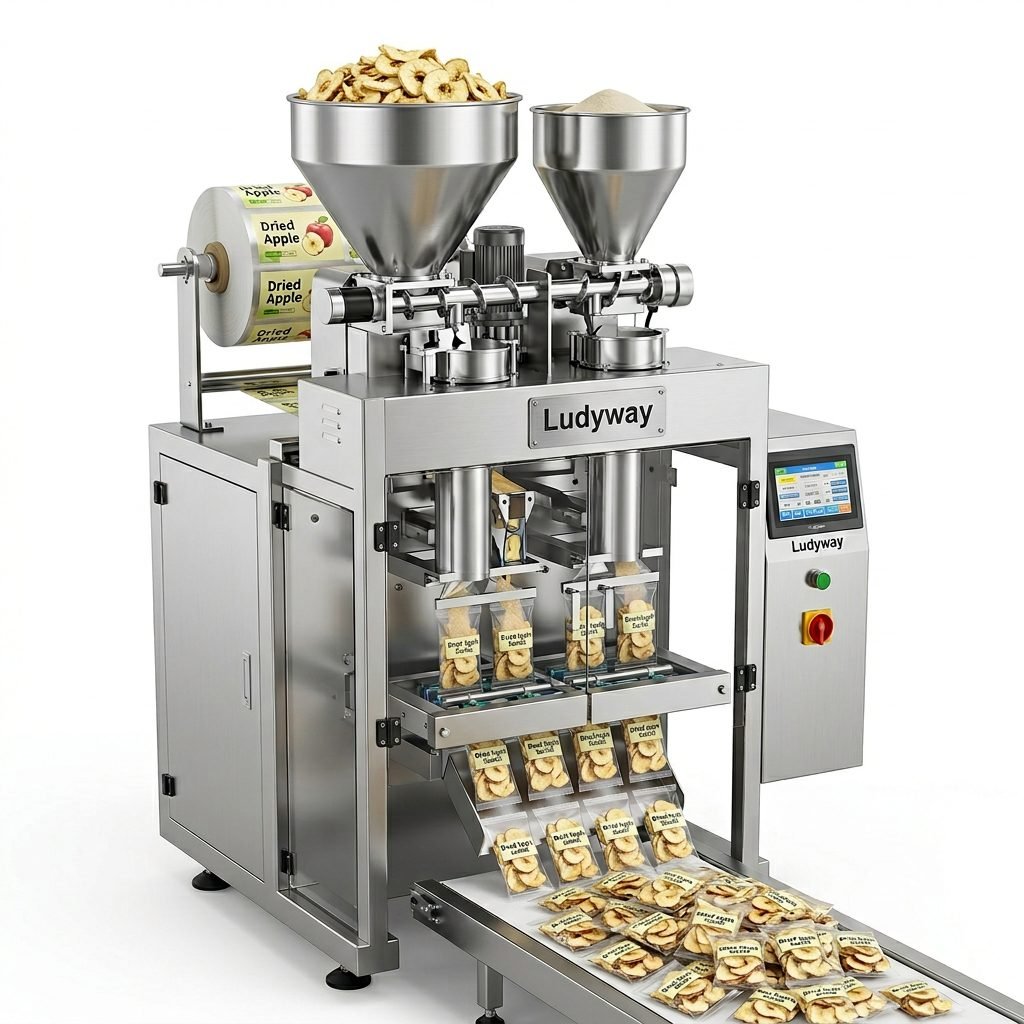
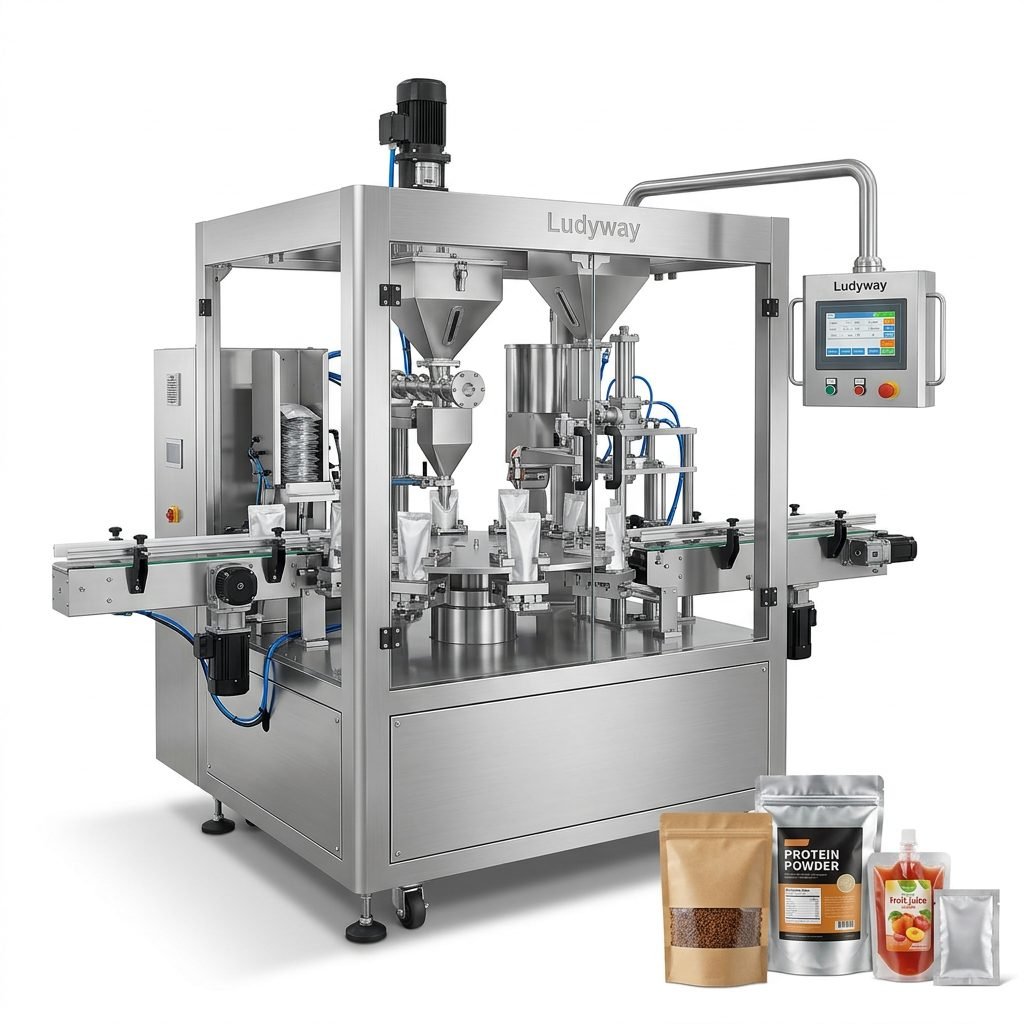
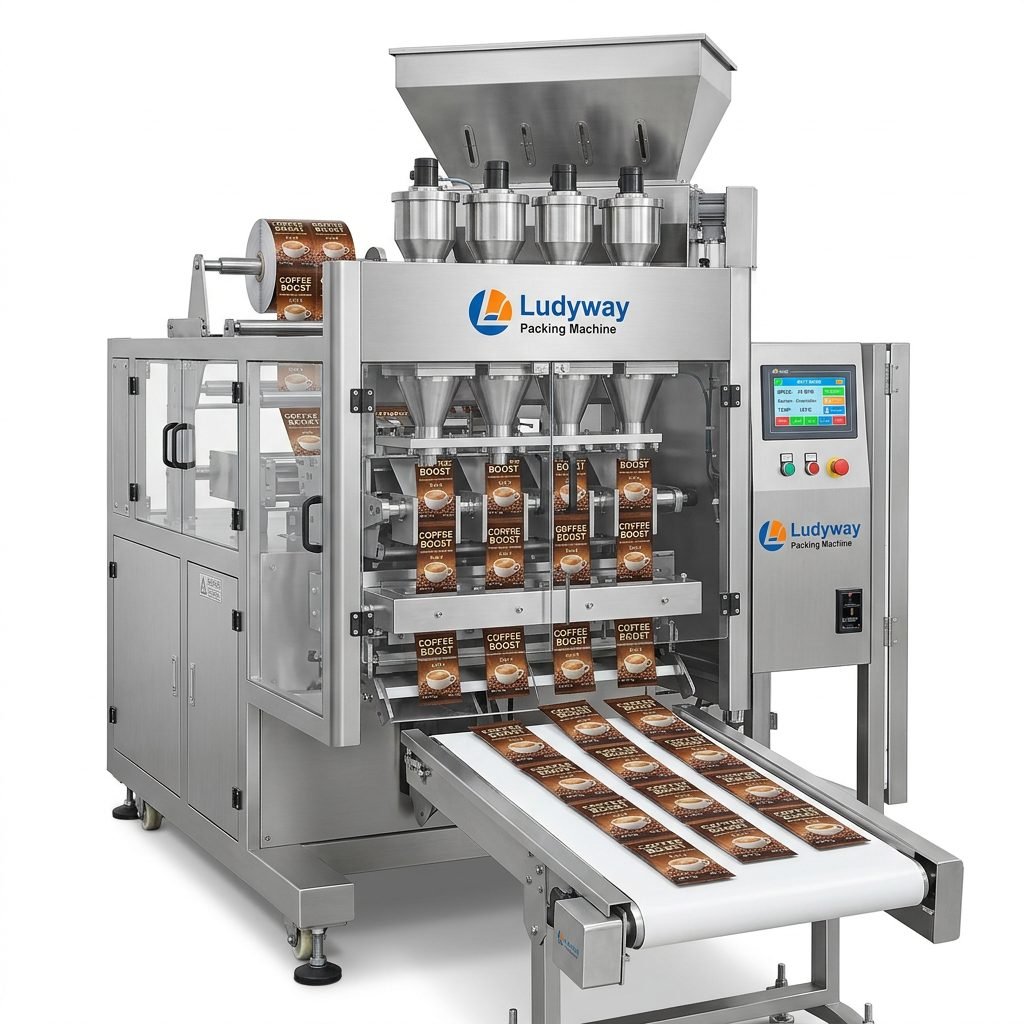
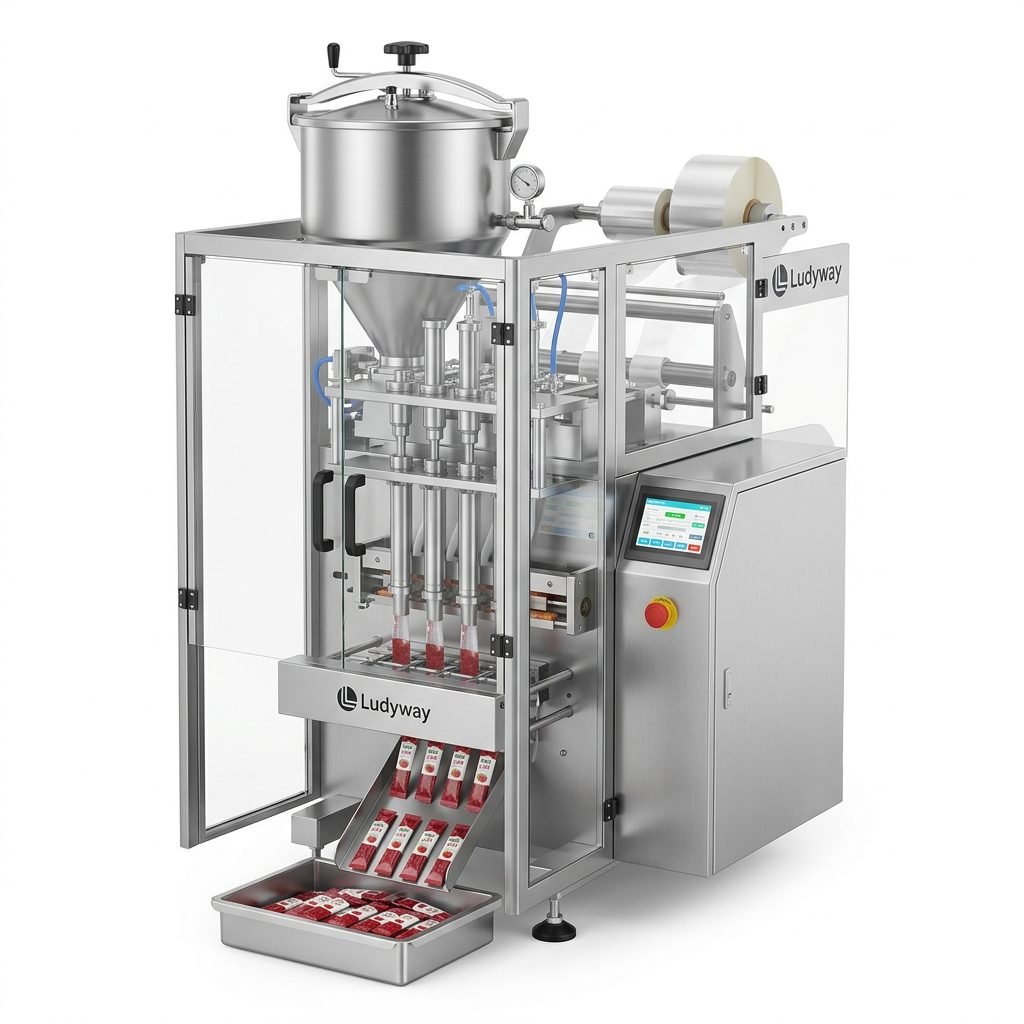
Liquid juice brands need packaging that is fast, hygienic, accurate, and scalable. A juice pouch packing machine helps manufacturers package products efficiently while protecting flavor, freshness, and shelf appeal. Whether you produce fruit juice, juice concentrate, smoothie-style drinks, aloe beverages, functional drinks, or sample-size liquid products, the right machine can reduce waste, improve consistency, and support business growth.
Modern pouch packaging is widely used because it combines convenience with strong branding value. Consumers like pouches for portability, easy storage, and on-the-go drinking, while manufacturers benefit from lower packaging material usage and flexible format options. For juice factories aiming to improve production performance, investing in the right equipment is a practical step toward long-term efficiency.
What Is a Juice Pouch Packing Machine?
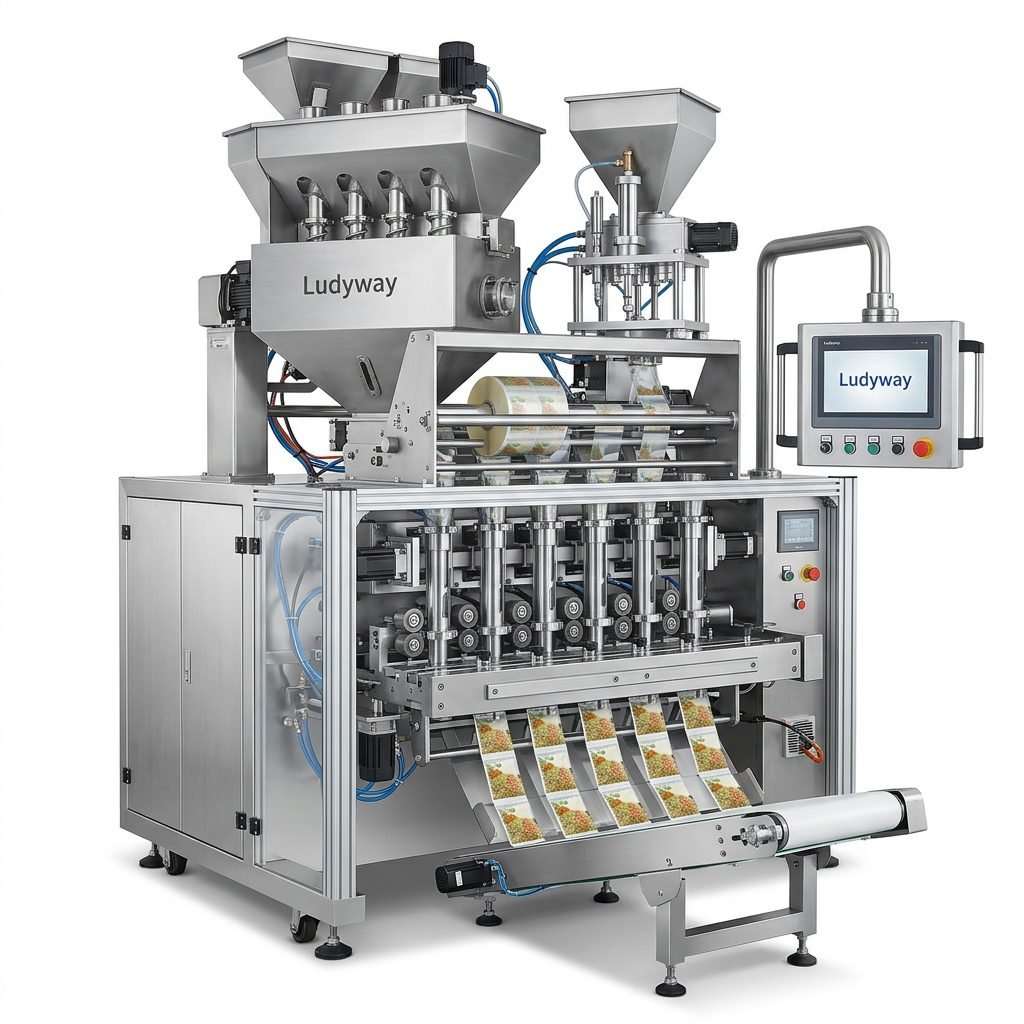
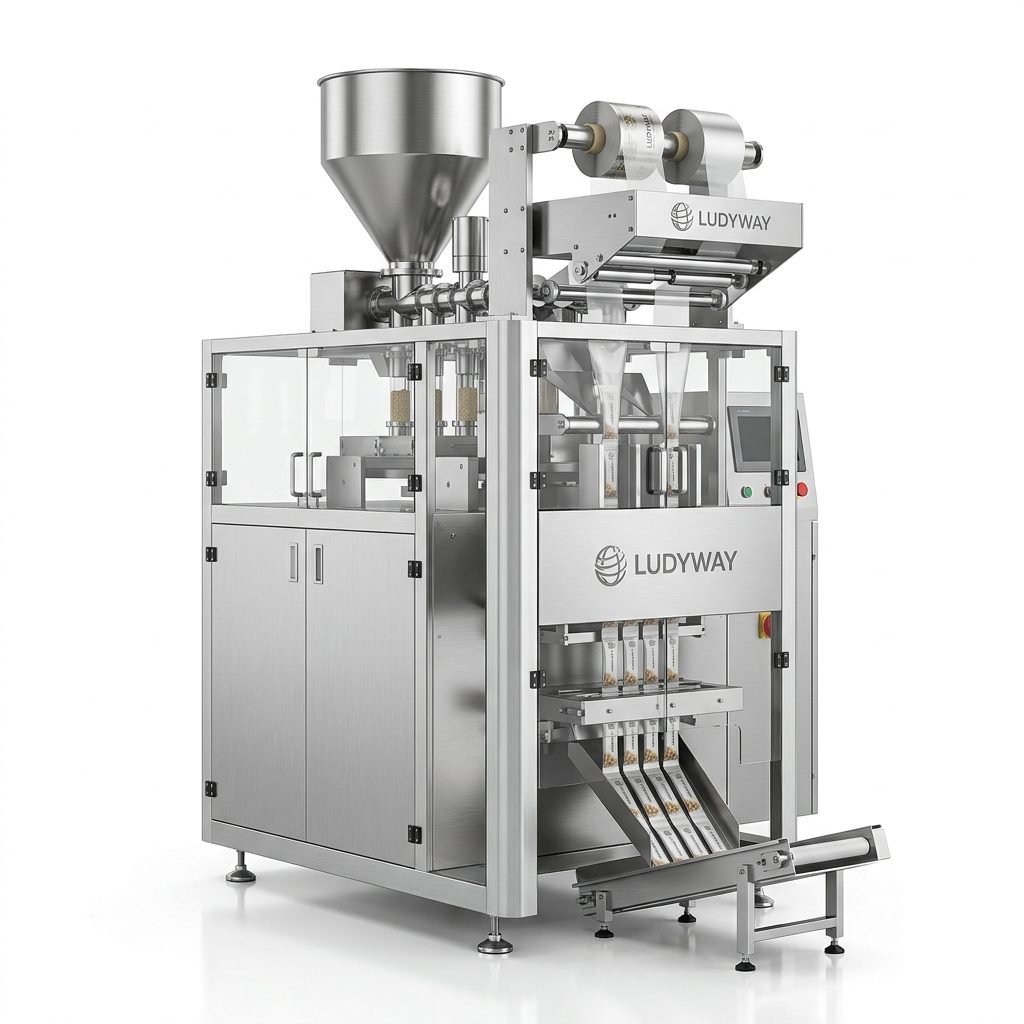
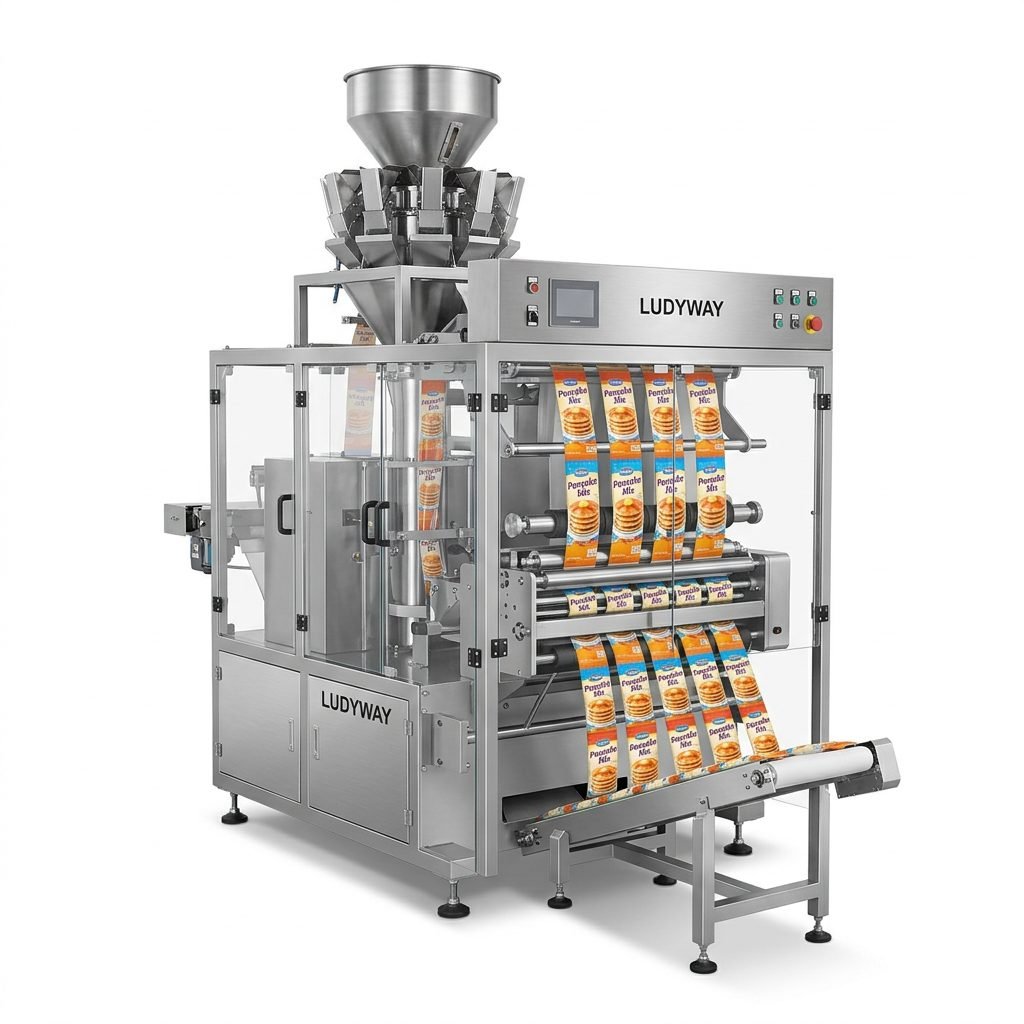
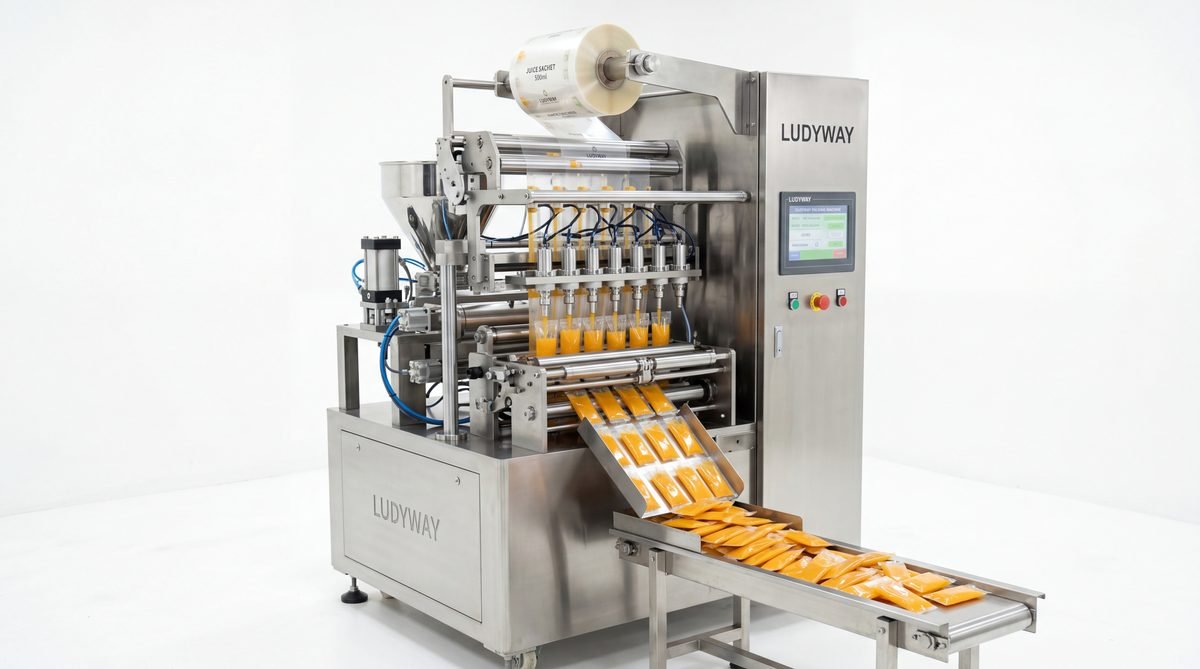
A juice pouch packing machine is an automated system designed to fill and seal liquid juice into flexible packaging formats such as sachets, stick packs, or pouches. Depending on the product type and output target, the machine may be integrated with liquid dosing units, film forming systems, sealing stations, date coding, inspection devices, and secondary packaging equipment.
These machines are commonly used for:
- Single-serve juice sachets
- Portable drink pouches
- Trial-size beverage packs
- Nutritional liquid drinks
- Concentrated juice packaging
- Retail and promotional liquid packs
Why Juice Manufacturers Choose Pouch Packaging
Flexible pouch packaging has become increasingly popular in the beverage industry because it offers a balance between product protection and commercial efficiency. For many juice producers, it also supports lower logistics costs compared with rigid containers.
- Lower material consumption than many rigid packaging formats
- Convenient portability for consumers
- Strong visual branding with attractive printed film
- Efficient storage and transport
- Flexible pack size options for different markets
- Compatibility with high-speed automation
Key Benefits of Using an Automatic Juice Pouch Packing Machine
1. Higher Production Efficiency
Automatic machines can run continuously with stable output, helping manufacturers meet retail, export, and seasonal demand. This is especially important for brands with multiple SKUs or high-volume production schedules.
2. Accurate Liquid Filling
Precise dosing improves product consistency and reduces giveaway losses. Even small filling errors can add up significantly over large production runs, so accurate metering directly supports profitability.
3. Better Seal Integrity
Reliable sealing is critical for liquid juice packaging. A quality machine helps prevent leakage, contamination, and transport damage while maintaining shelf-ready presentation.
4. Improved Hygiene Standards
Juice is a sensitive liquid product, so hygienic contact parts and easy-clean construction are essential. Automated systems reduce manual handling and support cleaner production conditions.
5. Reduced Labor Dependency
Automation lowers the need for manual filling and sealing operations. This helps manufacturers control labor costs while also improving repeatability.
6. Easy Integration into Packaging Lines
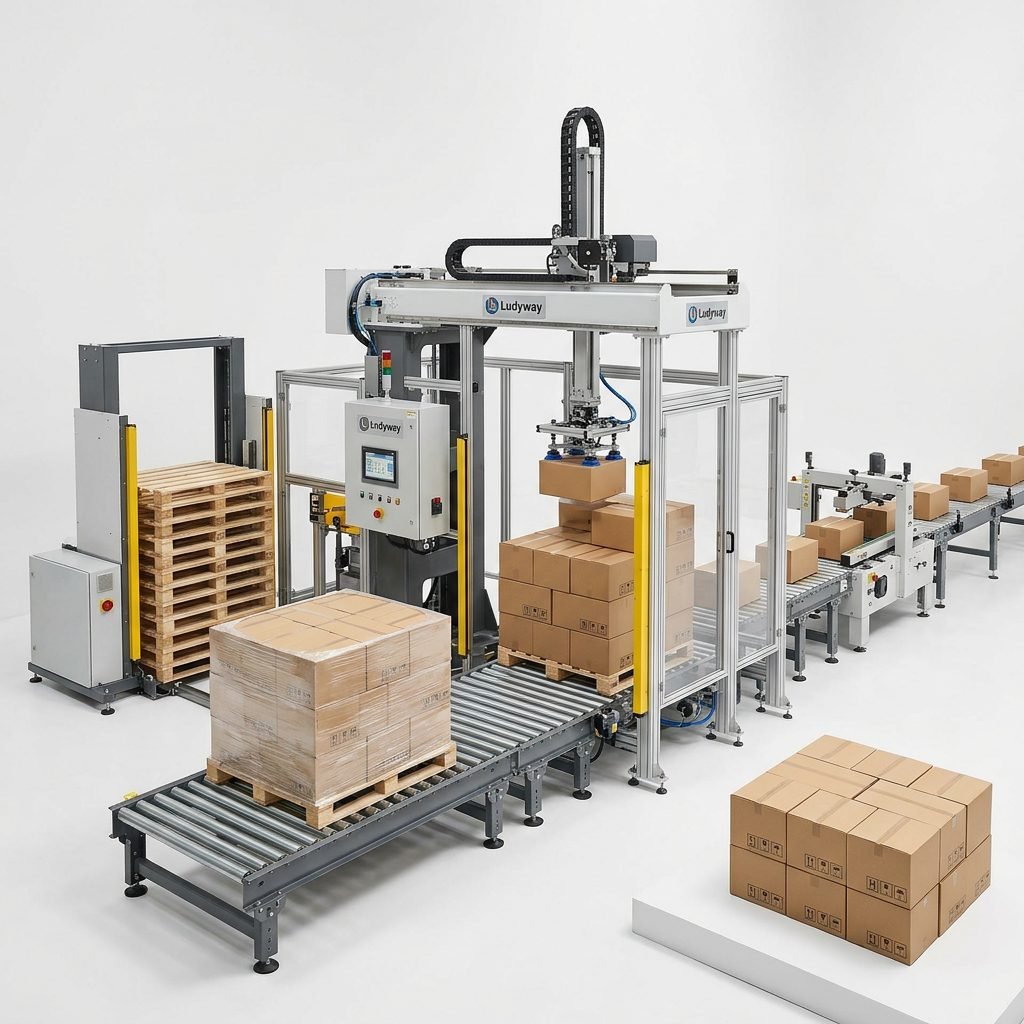
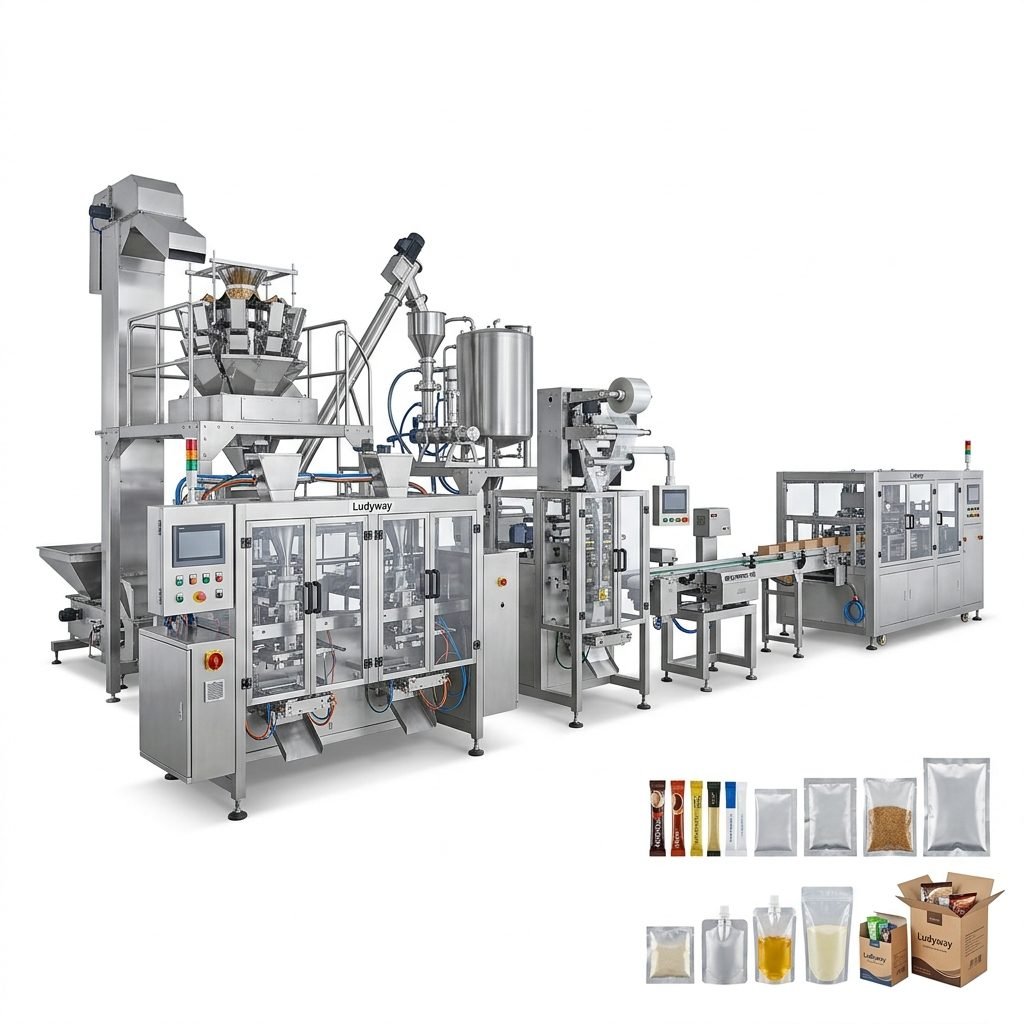
A juice pouch packing machine can be connected with upstream mixing and storage systems or downstream cartoning, case packing, labeling, and palletizing units for a more complete packaging workflow.
Main Machine Features to Look For
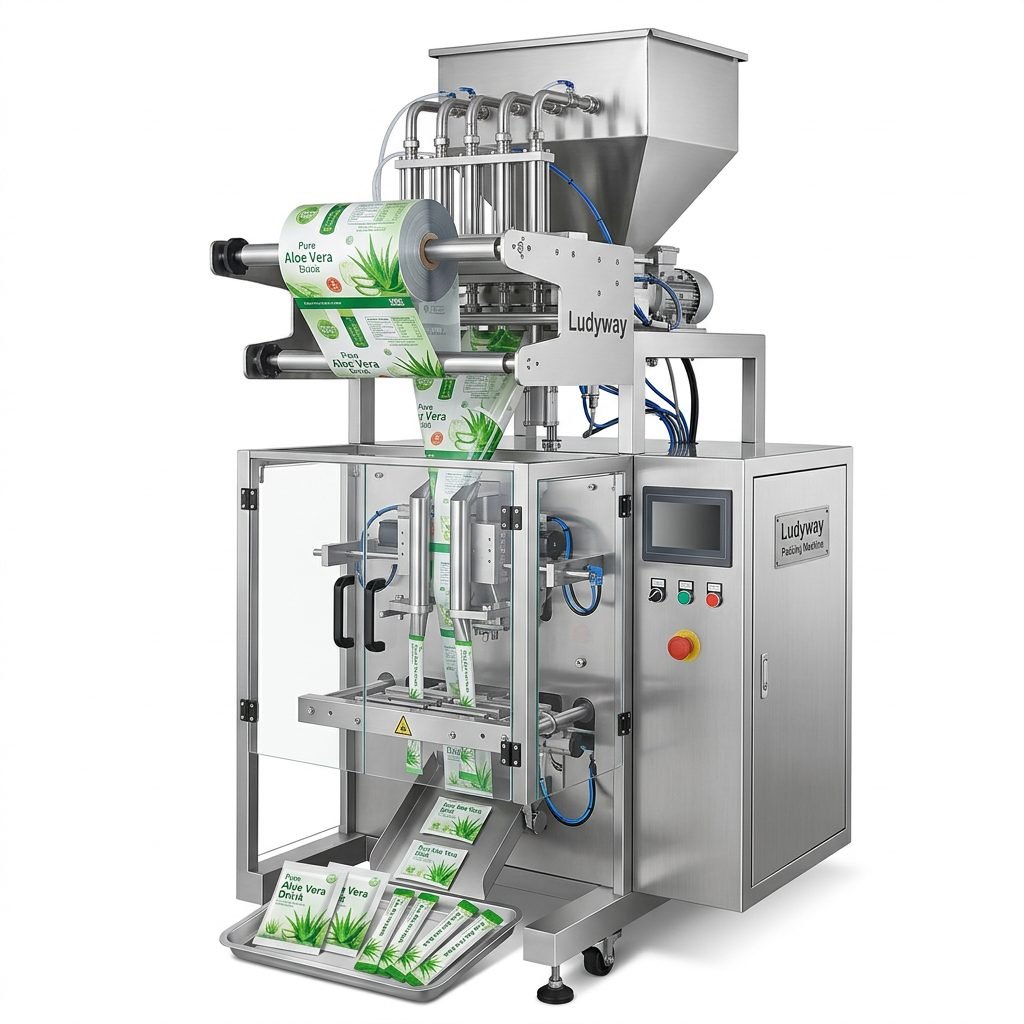
When selecting a juice packaging solution, buyers should focus on practical machine capabilities rather than only headline speed. The best machine is one that fits the liquid characteristics, pouch format, plant environment, and long-term expansion plan.
| Feature | Why It Matters |
|---|---|
| Servo-controlled filling | Helps improve fill accuracy and stable performance |
| Food-grade contact parts | Supports hygiene and product safety |
| Leak-proof sealing system | Protects product quality during handling and transport |
| Touchscreen control | Simplifies operation, recipe settings, and fault monitoring |
| Quick changeover design | Useful for multi-size or multi-flavor production |
| Date coding compatibility | Improves traceability and compliance |
| Inspection and reject options | Helps maintain packaging quality standards |
Suitable Juice Products for Pouch Packing Machines
A well-configured system can handle many liquid beverage applications. Product viscosity, pulp content, filling temperature, and required pack size will influence final machine selection.
- Orange juice
- Apple juice
- Mango juice
- Mixed fruit juice
- Aloe vera drinks
- Vitamin drinks
- Electrolyte beverages
- Juice concentrates
- Functional health drinks
- Liquid supplements
Types of Juice Pouch Packaging Formats
Sachet Packs
Small sachets are ideal for sample packs, single-use servings, hotel amenities, travel packs, and promotional beverage products.
Stick Packs
Stick packs provide a slim and convenient format for portable liquid servings. They are often used where compact retail presentation matters.
Pillow Pouches
These are commonly used for simple, efficient pouch production and offer a good balance between speed and packaging cost.
Customized Flexible Pouches
For brands wanting a more distinctive shelf image, customized pouch structures can support marketing differentiation while maintaining production efficiency.
How to Choose the Right Juice Pouch Packing Machine
Choosing the right equipment should begin with a technical and commercial evaluation. Not every machine is suitable for every juice product. Manufacturers should compare options based on actual production goals and packaging requirements.
- Define your product characteristics
Is the juice thin, pulpy, concentrated, hot-filled, or sensitive to foam? - Confirm pouch type and pack size
The packaging format affects machine structure, sealing design, and filling method. - Estimate expected output
Your speed target should align with present demand and future growth plans. - Check hygiene and cleaning requirements
Food-grade design and easy sanitation are essential for beverage applications. - Review automation level
Consider whether you need a standalone machine or a complete automated packaging line. - Evaluate supplier support
A reliable manufacturer should offer technical guidance, customization, installation support, and after-sales service.
Quick Buyer Checklist
- Required pouch dimensions
- Liquid viscosity and filling temperature
- Target packs per minute
- Available workshop space
- Packaging film specifications
- Power and compressed air conditions
- Need for coding, inspection, cartoning, or case packing
Why Turnkey Packaging Lines Matter for Juice Producers
Many growing beverage companies no longer want only a single machine. They want a complete production solution that connects filling, sealing, inspection, conveying, coding, cartoning, and end-of-line handling. This approach reduces integration risks and creates a more coordinated line layout.
For this reason, many international buyers work with experienced manufacturers such as Ludyway juice pouch packing machine solutions when they need scalable equipment from a supplier with broad packaging experience. As one of China’s leading packaging machine and turnkey packaging line manufacturers, the company has more than 30 years of industry experience, over 20,000 square meters of factory space, and service coverage in more than 100 countries and regions.
Common Challenges in Liquid Juice Packaging
Juice packaging can present several operational challenges, especially when products vary by sugar content, pulp level, acidity, or filling temperature. Choosing the right machine configuration helps reduce these issues.
| Challenge | Recommended Solution |
|---|---|
| Foaming during filling | Use suitable filling control and nozzle design |
| Leakage after sealing | Optimize sealing temperature, pressure, and film compatibility |
| Inconsistent fill volume | Use precision metering and stable liquid feed systems |
| Frequent downtime | Choose reliable automation and structured maintenance plans |
| Difficult product changeovers | Select modular designs with user-friendly adjustment systems |
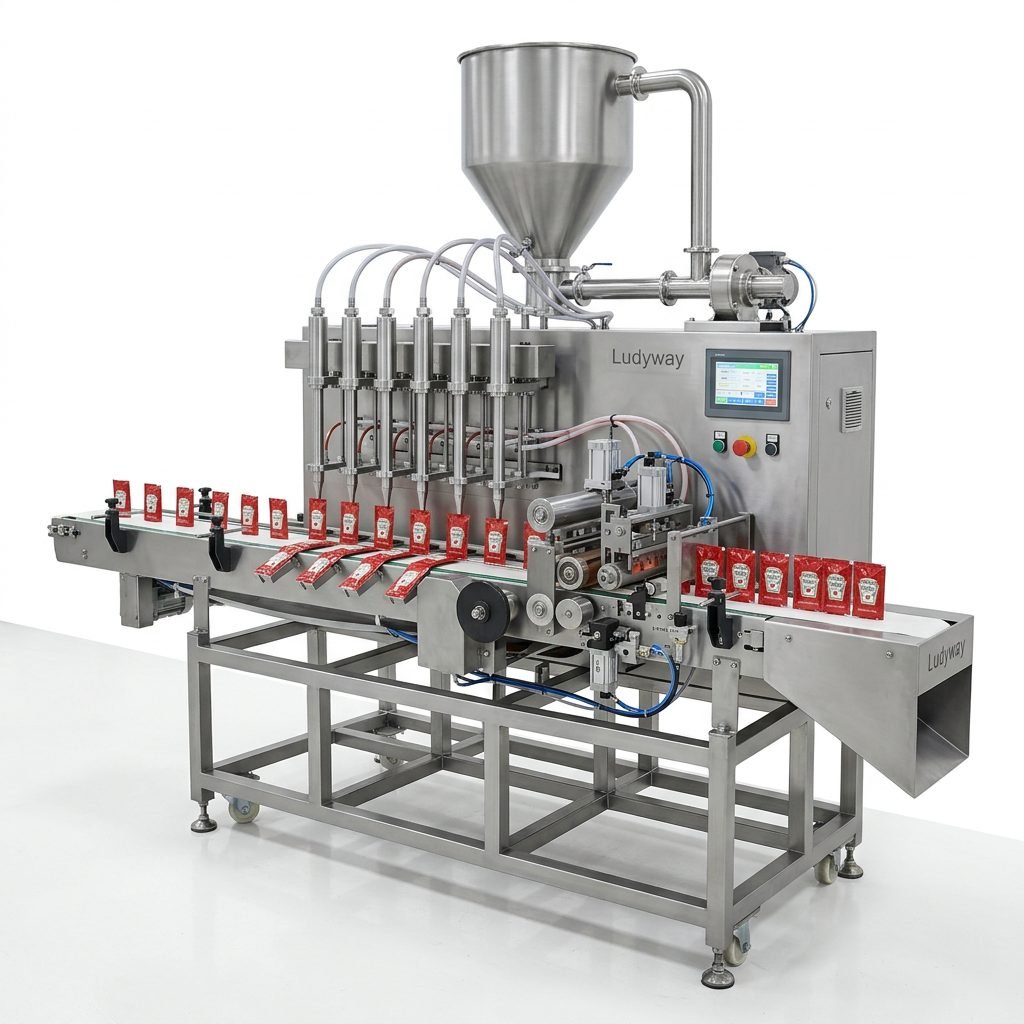
Industries That Can Also Benefit from Similar Liquid Pouch Systems
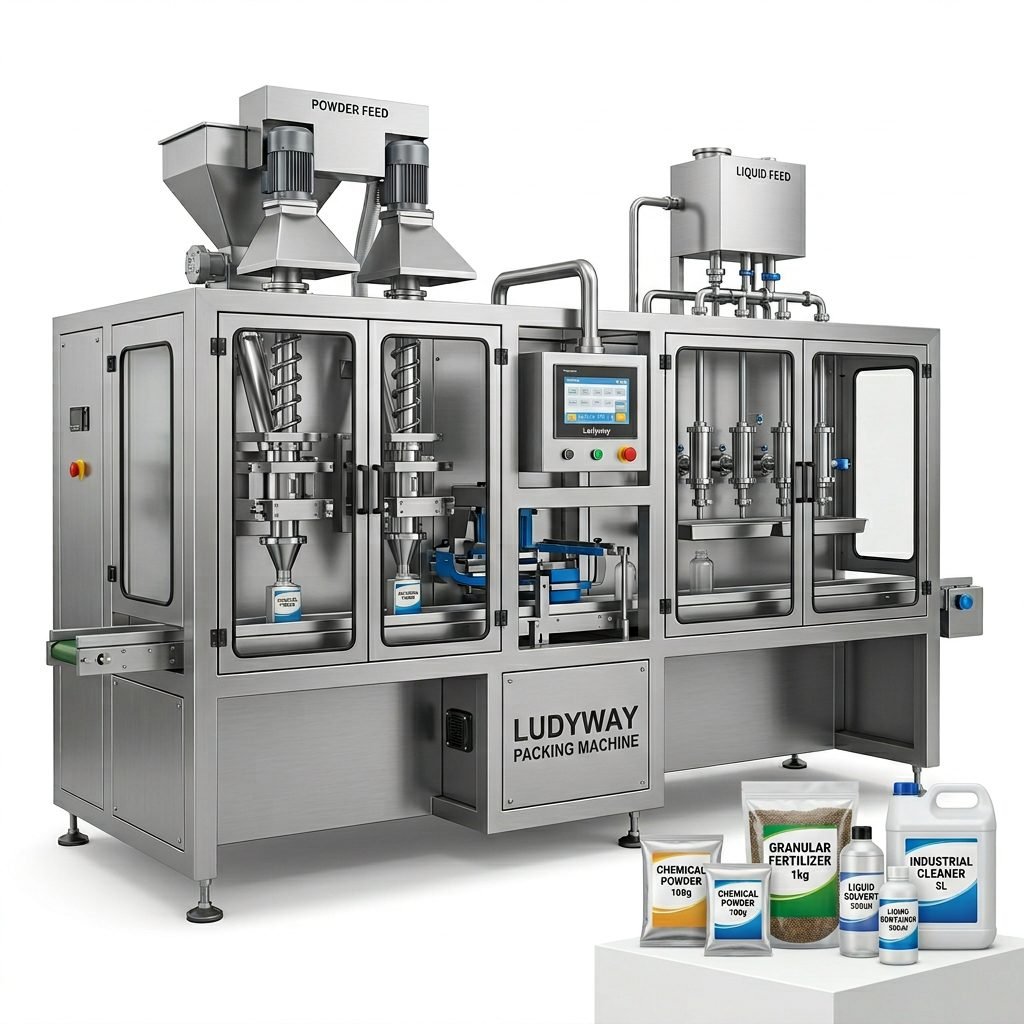
Although this article focuses on juice, similar liquid pouch packing technology is also used in related sectors. This is useful for co-packers and diversified manufacturers expanding into multiple product lines.
- Sauces and condiments
- Dairy beverages
- Nutritional drinks
- Pharmaceutical oral liquids
- Cosmetic liquid samples
- Household cleaning liquids
SEO-Focused Questions Buyers Often Ask
What is the best machine for liquid juice pouch packaging?
The best machine depends on your juice type, pouch format, output target, hygiene requirements, and desired level of automation. For many manufacturers, an automatic liquid pouch filling and sealing machine is the most practical option.
Can a juice pouch packing machine handle different pouch sizes?
Yes, many machines support multiple sizes, but the adjustment range depends on the model and configuration. Quick changeover capability is especially useful for brands with varied SKU portfolios.
Is a juice pouch packing machine suitable for high-speed production?
Yes. High-speed models are designed for continuous production and can be integrated into larger automated packaging lines for improved throughput.
What should I consider before buying?
Focus on filling accuracy, sealing performance, hygiene, machine stability, after-sales support, customization options, and compatibility with your packaging materials and factory conditions.
Final Considerations for Growing Juice Brands
A juice pouch packing machine is more than a filling device. It is a production asset that affects product quality, labor efficiency, operational cost, and market responsiveness. For beverage producers aiming to expand output, improve consistency, or launch new pouch-based products, choosing the right automated packaging system can create a clear competitive advantage.
By investing in a machine built for liquid accuracy, hygienic operation, reliable sealing, and scalable automation, manufacturers can package juice more efficiently while delivering convenient, attractive products to the market.