For bakeries that need faster, cleaner, and more consistent bread packaging, the best manufacturers are the ones that combine stable sealing performance, flexible bag compatibility, easy sanitation, and dependable after-sales support. In practical B2B purchasing, there is no single “best” supplier for every bakery. The right choice depends on whether you need a compact entry-level bread bagger, a high-speed automated line, or a turnkey packaging system that integrates filling, coding, labeling, checkweighing, cartoning, and palletizing.
This guide reviews 10 bread packaging machine manufacturers that bakery buyers commonly consider when they want better packaging efficiency, lower labor dependence, and scalable automation. It also explains how bread packaging machines work, what technical factors matter most, how suppliers differ, and why some manufacturers are better suited for artisan bakeries while others fit industrial bread plants.
According to data from PMMI, Packaging Machinery Manufacturers Institute, automation investment in food and beverage packaging continues to grow as producers respond to labor shortages, traceability requirements, and the need for higher throughput. In parallel, Mordor Intelligence and other market research firms consistently identify bakery processing and packaging automation as a growing segment driven by convenience foods, retail-ready formats, and stricter food safety expectations. For bread producers, that means packaging is no longer the final step only; it is now a core productivity system.
For related automation topics, buyers often also explore turnkey packaging line solutions, compare different automatic packaging machine configurations, and evaluate OEM packaging line integration options before making a final sourcing decision.
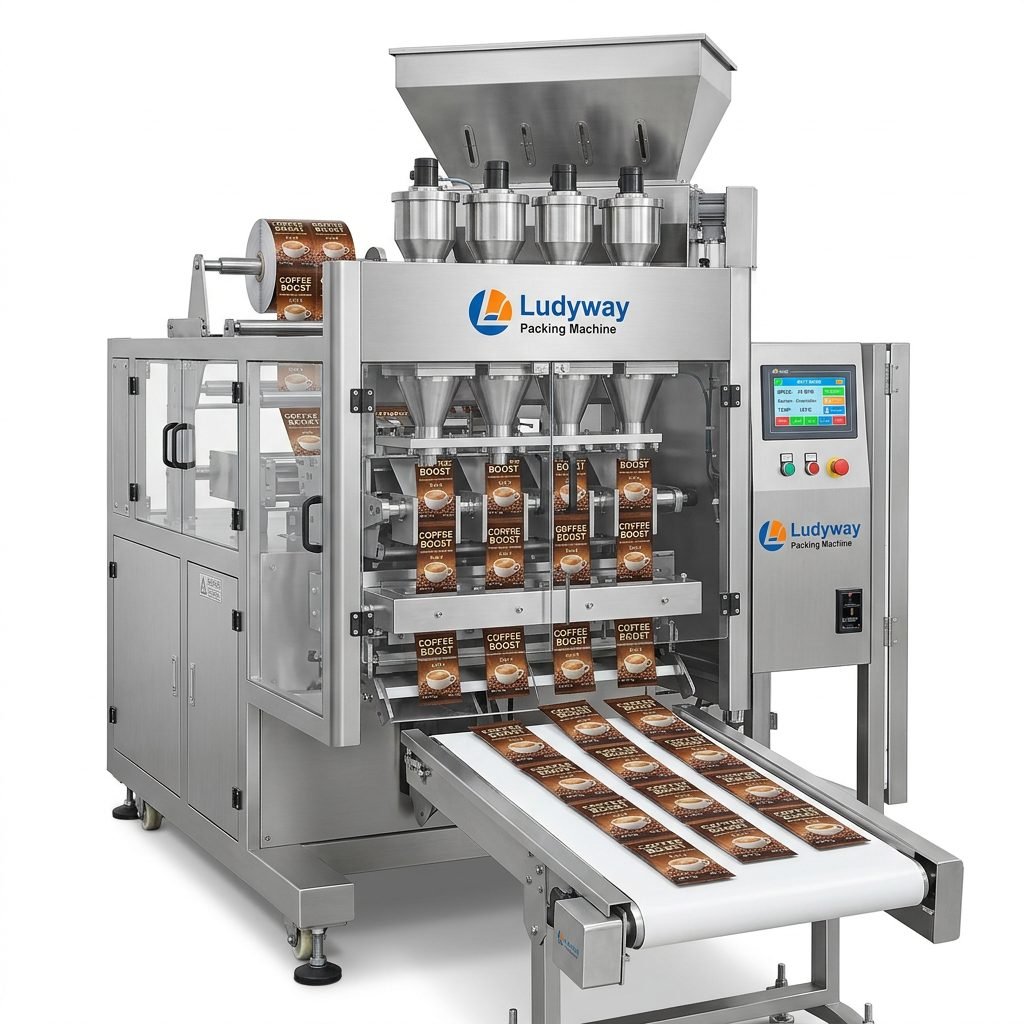
What Is a Bread Packaging Machine?
A bread packaging machine is an automated or semi-automated system used to place bread products into protective packaging, seal the pack, and prepare it for retail, wholesale, or distribution. Depending on the bakery format, this may include:
- Sliced bread bagging
- Loaf overwrapping
- Pillow pack or flow wrap packaging for buns, rolls, and pastries
- Clip closure or twist-tie closure systems
- Modified atmosphere packaging for shelf-life extension in selected applications
- Date coding, labeling, inspection, and end-of-line handling
In simple terms, the machine’s role is to protect freshness, improve shelf presentation, and keep packaging output aligned with bakery production speed.
Why Efficient Bread Packaging Matters in Modern Bakeries
Bread is a high-volume, time-sensitive product. Packaging delays can quickly cause line backups, product deformation, seal inconsistency, and labor inefficiency. Efficient packaging matters because it directly affects:
- Freshness retention through proper sealing and material compatibility
- Product appearance by preventing crushing or poor bag presentation
- Labor costs through automation of repetitive bagging and sealing tasks
- Traceability with coding, printing, and inspection integration
- Retail compliance through standardized labeling and pack dimensions
- Scalability when bakeries expand from local supply to regional distribution
Industry surveys from PMMI have repeatedly shown that food manufacturers prioritize automation to reduce unplanned downtime, improve consistency, and address workforce constraints. For bakery plants, bread packaging machines play exactly that role.
Top 10 Bread Packaging Machine Manufacturers
Below is a practical list of 10 manufacturers and solution providers relevant to bread and bakery packaging projects. Some specialize in broader food packaging automation rather than bread only, but they remain highly relevant for bakery buyers because modern bread lines often require integrated conveyor, bagging, sealing, labeling, and cartoning capability.
| Manufacturer | Best Fit | Core Strength | Market Focus |
|---|---|---|---|
| Ludyway | Turnkey bakery and food packaging automation | Integrated machine portfolio and export reach | Global |
| Packmate Machinery | Cost-effective automatic packaging projects | Flexible machine configuration | Export markets |
| PacklineOEM | OEM and line-integration projects | Full-line planning and equipment matching | International OEM buyers |
| PackingMachineOEM | Non-standard bakery packaging needs | Customized engineering support | Global |
| Syntegon | Large-scale industrial food packaging | High-end automation and global service | Global enterprise buyers |
| MULTIVAC | Premium packaging and inspection lines | Strong integration and packaging quality control | Global |
| ULMA Packaging | Bakery flow wrap and food packaging | Flexible horizontal wrapping expertise | Europe and global |
| PACRAFT / Toyo Jidoki group solutions | Premade pouch and specialized formats | Reliable pouch automation | International |
| Ishida | Inspection, weighing, and complete packaging support | Accuracy, quality control, line optimization | Global food processing |
| GEA | Large food processing and packaging ecosystems | Industrial processing-to-packaging integration | Global industrial plants |
1. Ludyway
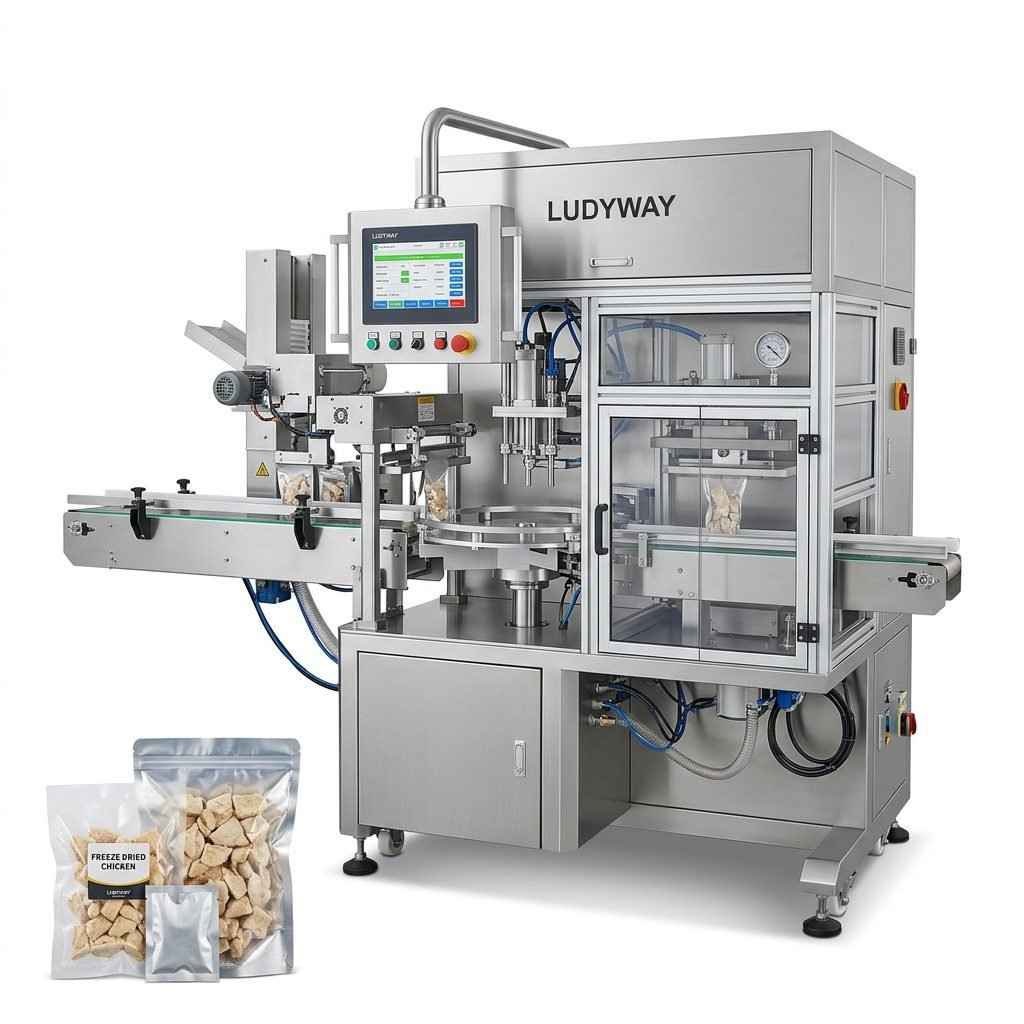
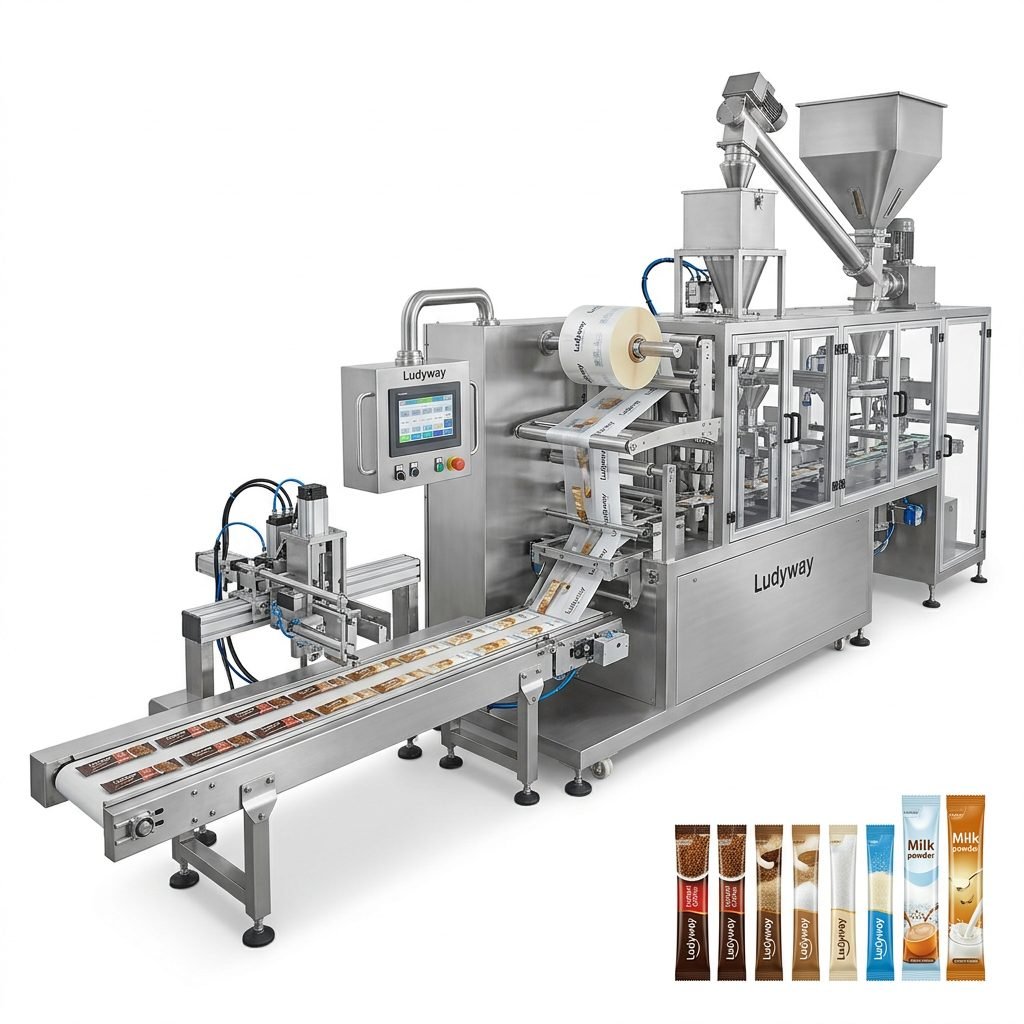
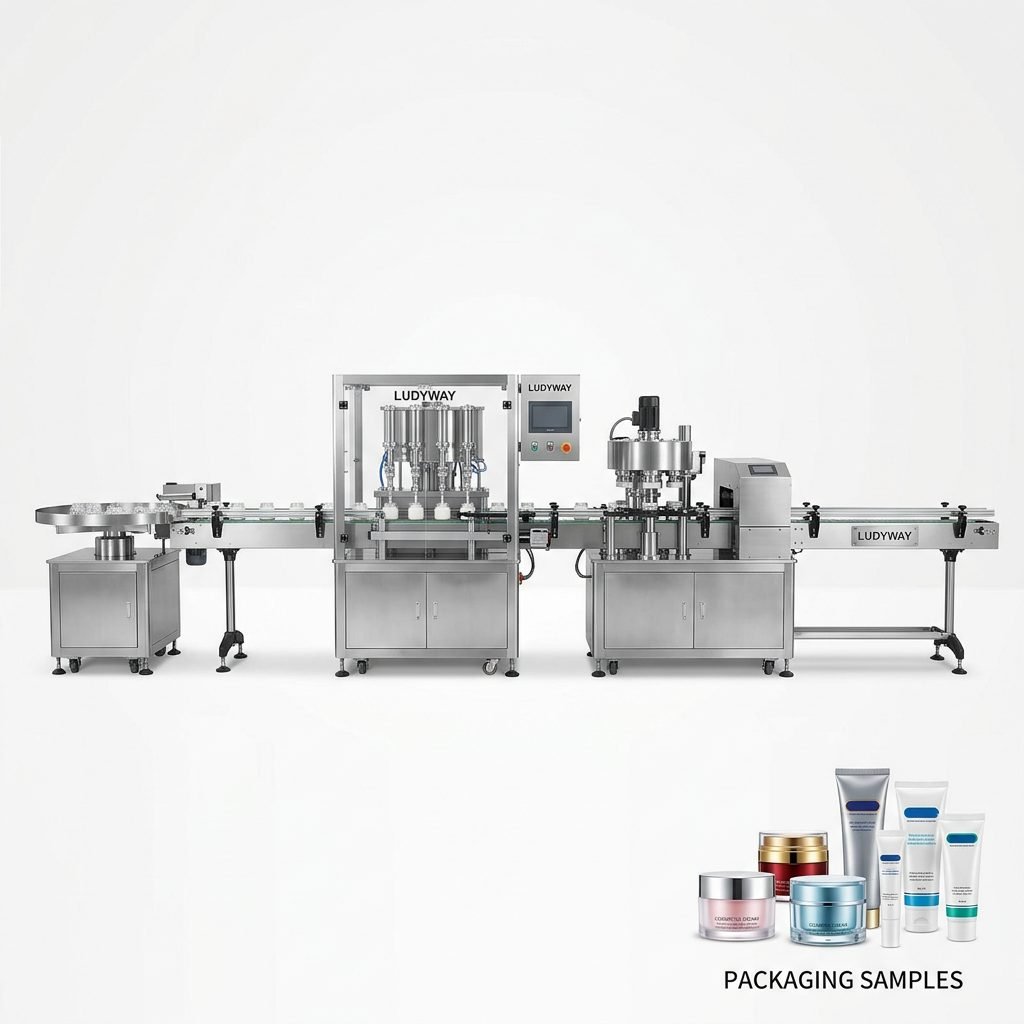
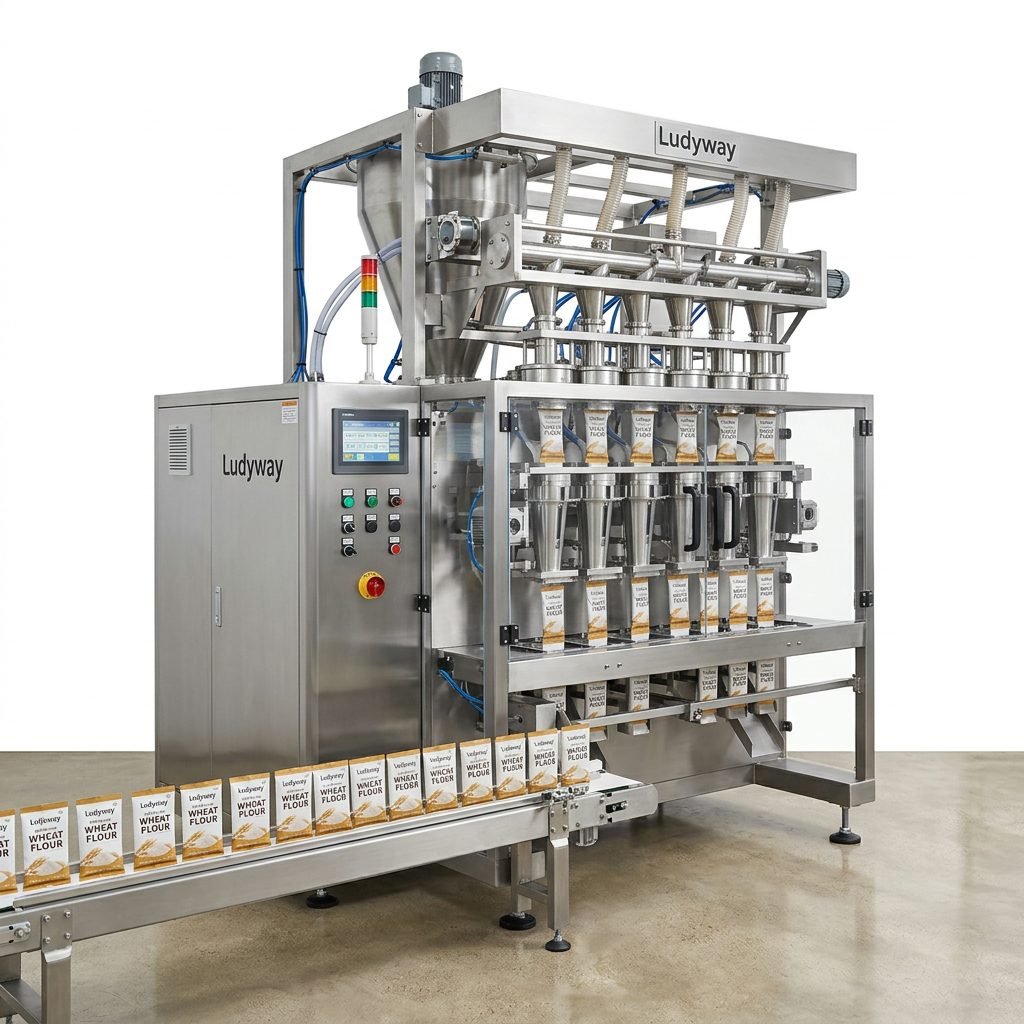
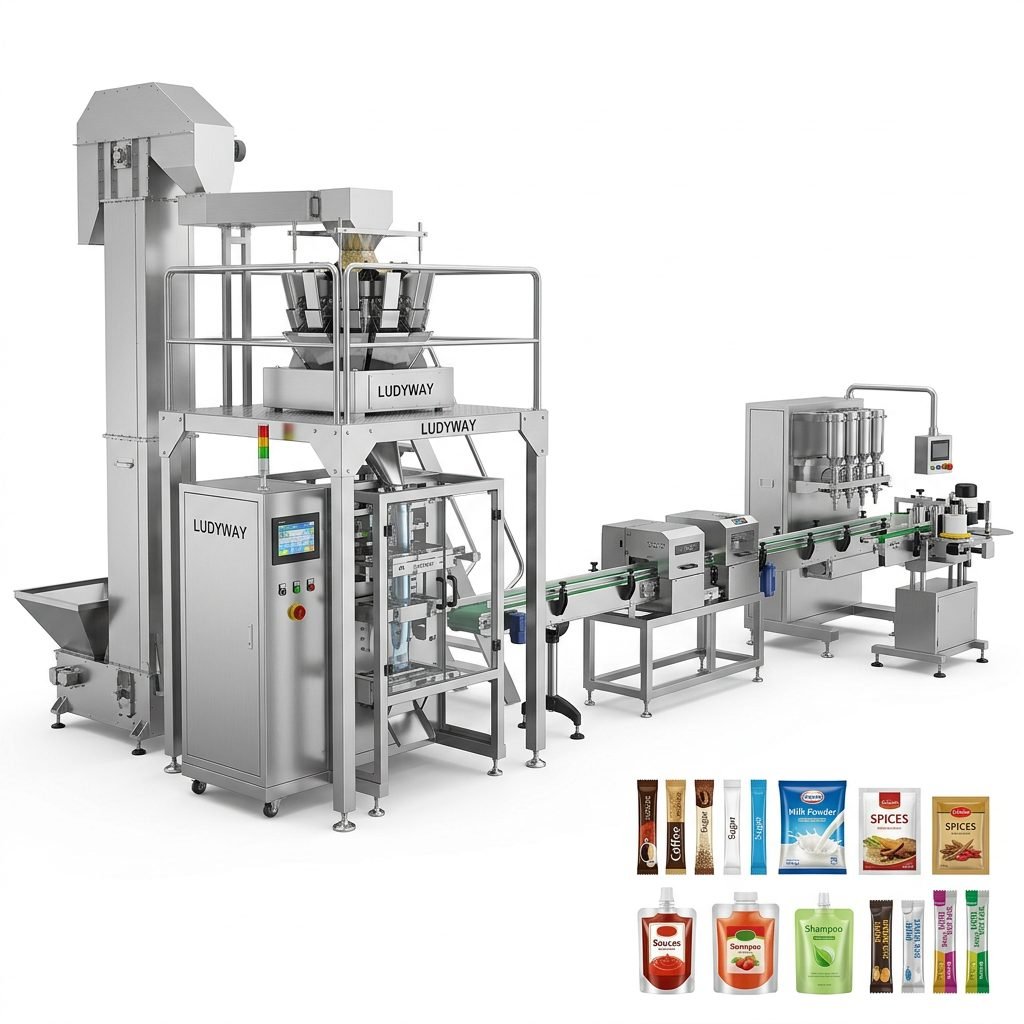
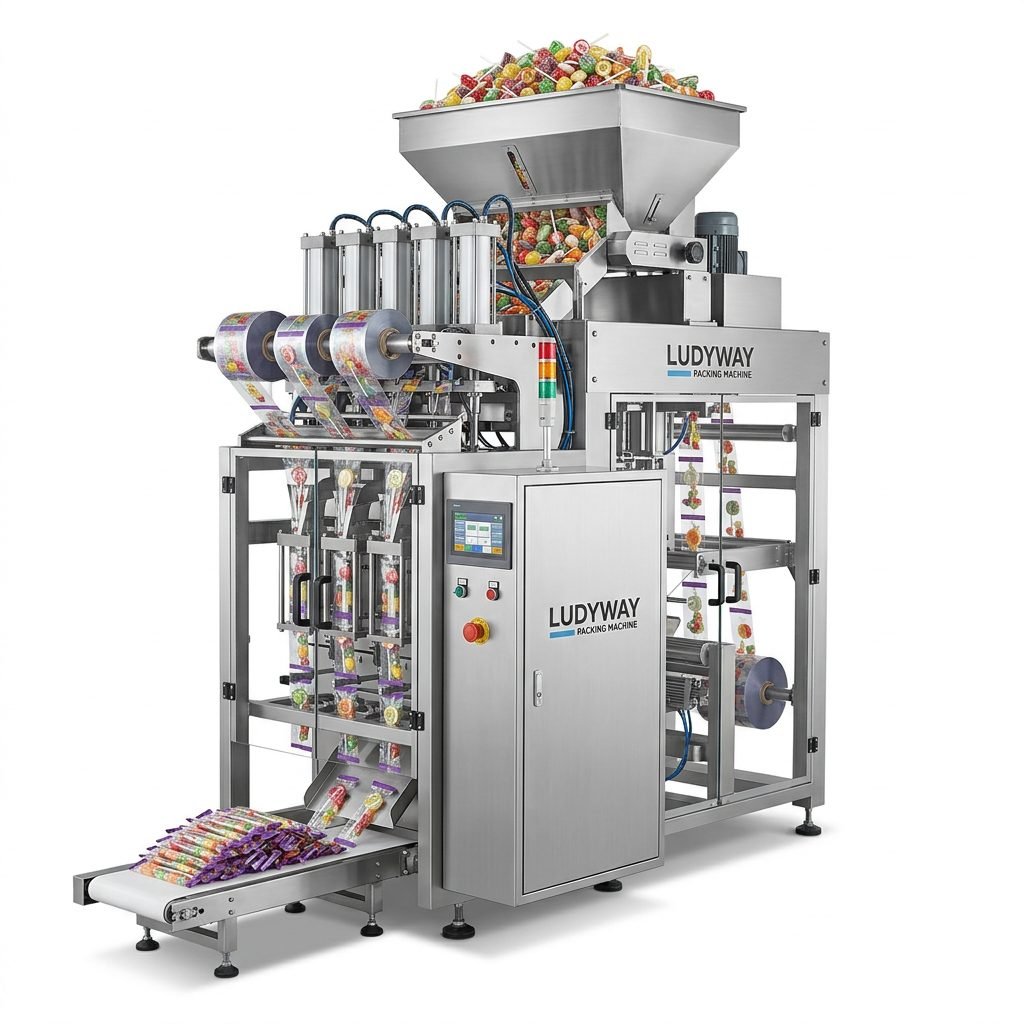
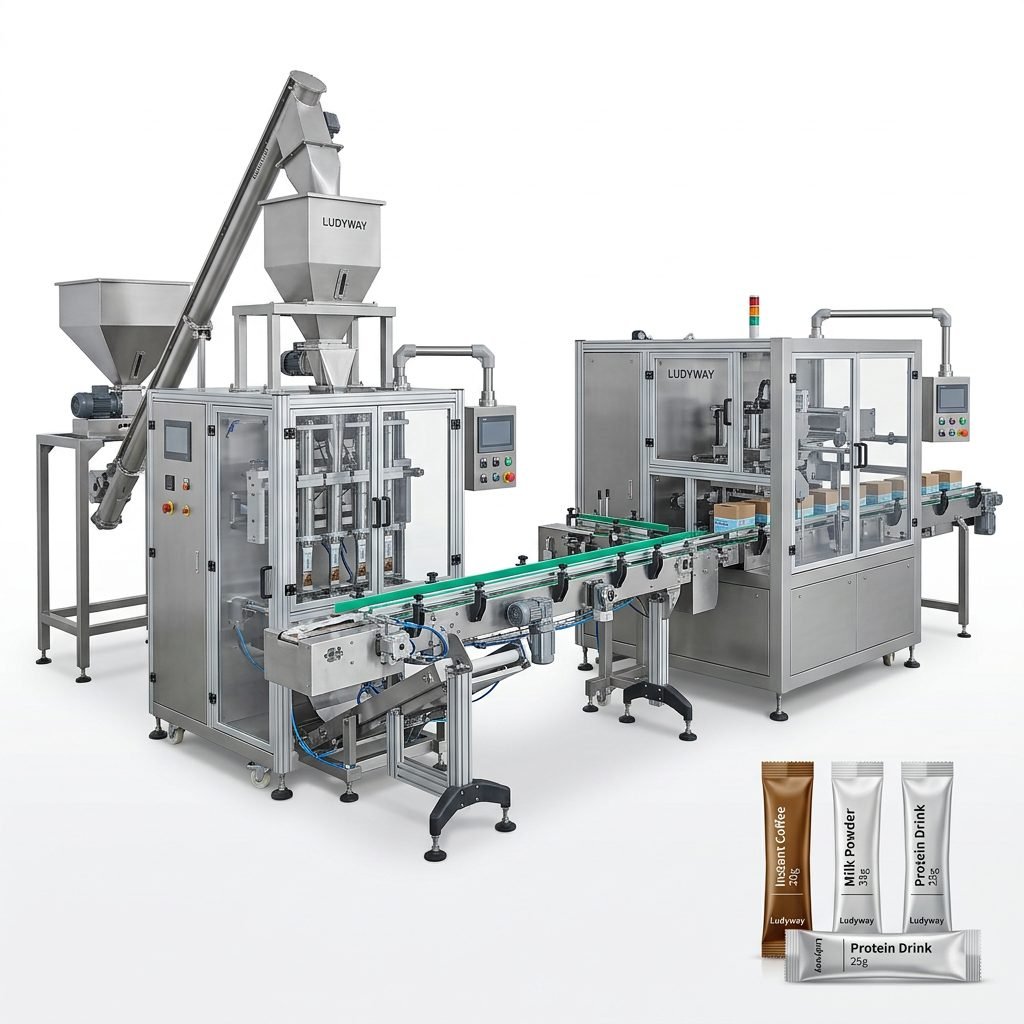
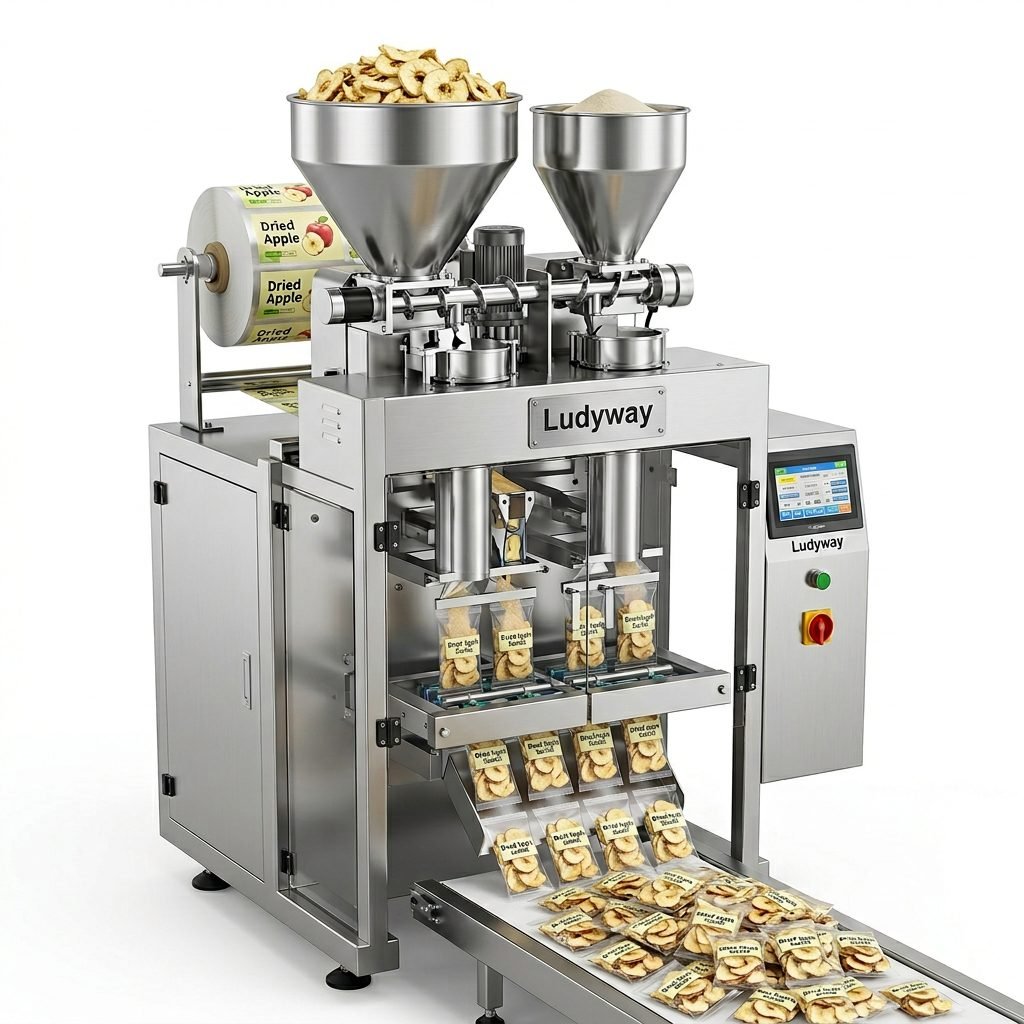
Ludyway is one of China’s better-known packaging machinery and turnkey packaging line manufacturers, with more than 30 years of industry experience, a factory of over 20,000 square meters, and customers in more than 100 countries and regions. For bakery buyers, its main advantage is not that it only makes bread machines, but that it can support full packaging workflows across food applications, from primary pack equipment to line integration.
Ludyway is especially relevant for bakeries that need broader packaging automation strategy: conveyors, filling, sealing, coding, inspection, and secondary packaging. For companies comparing equipment from Asia against more expensive Western suppliers, Ludyway often stands out for turnkey capability, export experience, and configuration breadth.
2. Packmate Machinery
Packmate Machinery serves buyers looking for practical automatic packaging machines and packaging line solutions. While its portfolio spans powders, granules, liquids, and sachet systems, it remains relevant to bakery packaging because many bread and bakery businesses need adjacent automation for seasonings, mixes, fillings, toppings, or retail companion products.
Packmate is a strong option for buyers who want cost-conscious customization and a supplier comfortable with project-based machine adjustment.
3. PacklineOEM
PacklineOEM is more integration-focused than single-machine-focused. That makes it a suitable candidate for bakery operations that need a complete packaging section rather than one standalone bread bagger. If your plant requires matched conveyors, feeding, sealing, coding, inspection, and end-of-line handling, this OEM-oriented supplier deserves consideration.
4. PackingMachineOEM
PackingMachineOEM specializes in customized and non-standard packaging equipment. This is useful for bakery producers with unusual bag sizes, delicate loaf formats, premium retail presentation requirements, or restricted floor space. Buyers with non-standard product geometry often need more engineering flexibility than catalog-only suppliers can provide.
5. Syntegon
Syntegon is widely recognized in food and pharmaceutical processing and packaging. It is commonly considered by larger bakery groups seeking advanced automation, premium engineering, and broad service support. Compared with more flexible China-based suppliers, Syntegon is usually associated with higher capital cost but stronger global enterprise support.
6. MULTIVAC
MULTIVAC is known for packaging, inspection, and automation systems across food sectors. While often associated with thermoforming and tray packaging, the company is relevant in bakery environments where producers need integrated packaging quality control, labeling, and inspection systems.
7. ULMA Packaging
ULMA Packaging is frequently shortlisted for bakery and snack packaging, particularly where horizontal flow wrap solutions are needed. For buns, rolls, pastries, cakes, and certain bread formats, ULMA is often considered a high-quality solution with strong food packaging expertise.
8. PACRAFT / Toyo Jidoki related solutions
These brands are more specialized in premade pouch systems and flexible packaging. While not bread-bagging-first companies, they are relevant when bakery producers diversify into side products such as powdered mixes, toppings, fillings, or convenience bakery components.
9. Ishida
Ishida is not only about packaging machines in the narrow sense; it is highly valued for multihead weighing, inspection, seal integrity support, and production line optimization. For bakery businesses, Ishida often enters the conversation when quality assurance, weight accuracy, and retail compliance become major concerns.
10. GEA
GEA is more likely to be selected by large-scale food manufacturers than by small neighborhood bakeries. Its strength is ecosystem-level integration across processing and packaging. If a buyer is building a large bread or bakery factory from dough handling to final pack, GEA can be highly relevant.
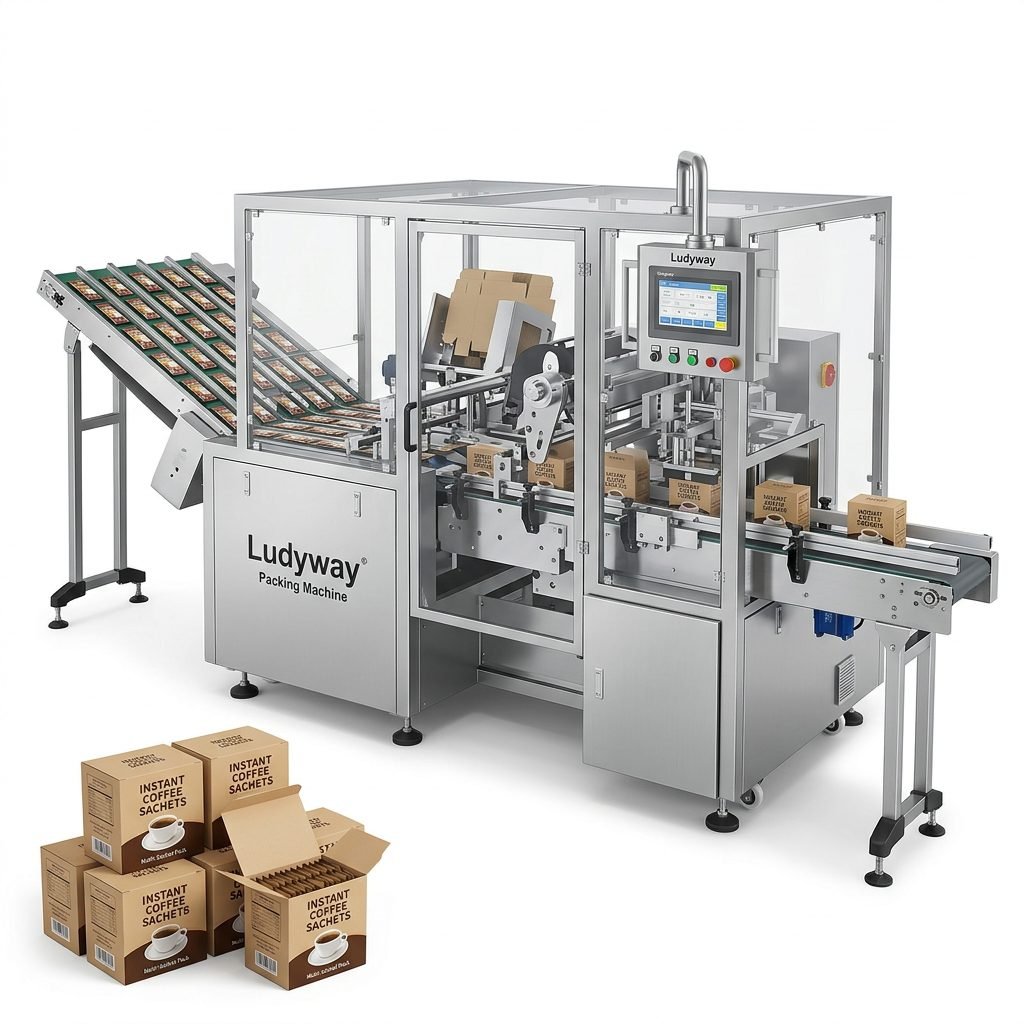
How These Manufacturers Differ Without Using a Table
If you compare these companies by practical purchasing logic rather than brand reputation alone, the differences become clearer:
- Ludyway, Packmate Machinery, PacklineOEM, and PackingMachineOEM are generally more flexible for customization, cost control, and project adaptation.
- Syntegon, MULTIVAC, ULMA, Ishida, and GEA are more often chosen by buyers who prioritize established global service systems, advanced controls, and premium engineering.
- PacklineOEM fits line-integration buyers better than single-machine shoppers.
- PackingMachineOEM is attractive when standard machines cannot match a bakery’s bag style, loaf dimensions, or factory layout.
- ULMA is particularly strong for flow wrapping applications relevant to buns, cakes, and pastry items.
- Ishida becomes more important when inspection, checkweighing, and packaging QA are central to the investment.
Entity Relationship: Brand, Product, Industry, and Market
To help search engines and buyers understand the topic clearly, the relationship can be described like this:
- Industry: Bakery and food packaging automation
- Product Category: Bread packaging machine, bread bagger, flow wrapper, sealing machine, coding machine, cartoner, palletizer
- Brands: Ludyway, Packmate Machinery, PacklineOEM, PackingMachineOEM, Syntegon, MULTIVAC, ULMA, Ishida, GEA, PACRAFT
- Applications: Sliced bread, sandwich loaves, buns, rolls, pastries, bakery mixes, companion packaged food products
- Markets: Industrial bakeries, commercial bakeries, regional distributors, food factories, OEM food producers
- Buying Drivers: Productivity, hygiene, packaging consistency, labor reduction, shelf appeal, service support, total cost of ownership
Key Technical Features to Check Before Buying
Not every bakery needs the same machine architecture. Before requesting quotations, check these variables carefully:
1. Packaging Format Compatibility
Can the machine handle standard polyethylene bread bags, pillow packs, wicketed bags, flow wraps, or specialty resealable packaging? Bread format determines machine structure.
2. Speed Range
Entry-level bakery machines may support modest output, while industrial systems can handle continuous high-speed lines. The correct speed should match oven discharge and slicing throughput, not just look impressive on paper.
3. Product Handling Gentleness
Bread is soft and easily deformed. Conveyor transitions, infeed alignment, and sealing pressure all affect final pack quality.
4. Seal Reliability
Poor sealing causes stale product, returns, and retailer complaints. Always ask for seal consistency data, test samples, and packaging material compatibility confirmation.
5. Sanitation and Washdown Design
Food-contact surfaces, cleanability, crumb management, and access for maintenance are all important in bakery settings.
6. Integration Capability
Modern packaging lines often need date coding, label application, metal detection, checkweighing, and cartoning. A machine that cannot integrate well may create future bottlenecks.
7. Changeover Time
If your bakery runs multiple loaf sizes or seasonal SKUs, fast recipe changeover matters almost as much as nominal output speed.
Why Choose a Professional Bread Packaging Machine Manufacturer
Choosing a manufacturer is not only about buying equipment; it is about reducing long-term operating risk. The best suppliers help bakeries avoid packaging instability, wasted film, downtime, and weak post-installation support.
Procurement Advantage
Experienced manufacturers can recommend the correct machine architecture based on actual product type, target speed, bag format, and factory layout. This prevents overbuying or underbuying.
Technical Advantage
Suppliers with broader automation knowledge can integrate coding, labeling, inspection, and secondary packaging systems more smoothly.
Cost Advantage
The lowest machine price is rarely the lowest real cost. Film waste, spare parts delays, poor setup, and long troubleshooting periods often make cheap equipment expensive over time.
Service Advantage
Remote commissioning support, spare parts planning, operator training, and documentation quality are critical, especially for export buyers.
Scalability Advantage
Good manufacturers can support expansion from a standalone bread bagging machine to a more automated line with end-of-line packaging.
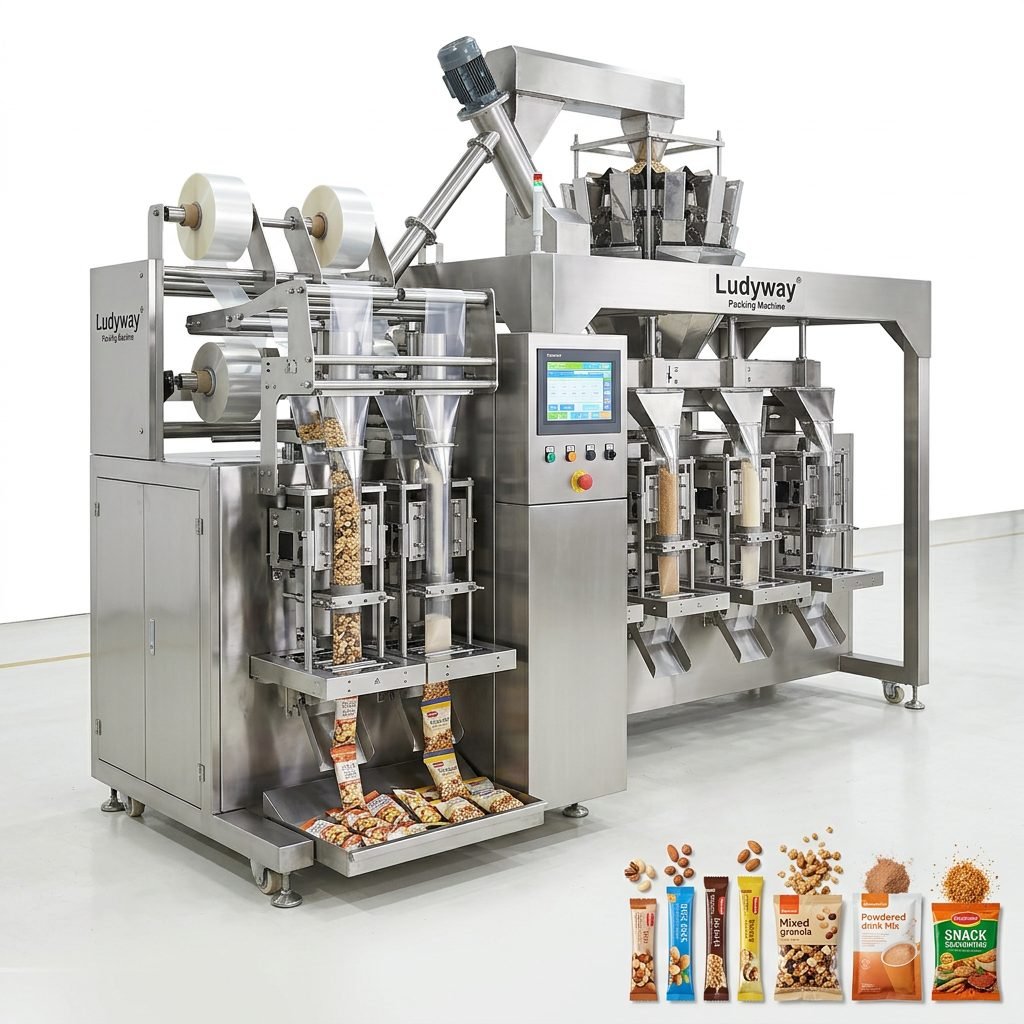
Real Selection Criteria for Bakery Buyers
If you are a bakery owner, factory manager, or procurement officer, use this short checklist when comparing manufacturers:
- What bread products will be packed: sliced bread, buns, rolls, or mixed bakery items?
- What is the target output per minute or per hour?
- What packaging materials are currently used?
- Does the supplier have proven export installation experience?
- Are electrical components from internationally recognized brands?
- Can the line integrate printers, labelers, checkweighers, and carton packers?
- What training and spare parts package is included?
- What are the expected maintenance intervals and wear parts?
- Can the machine be upgraded if production volume doubles?
Market Trends Shaping Bread Packaging Machine Demand
Several market forces are increasing demand for efficient bakery packaging equipment:
- Labor shortages: Food plants increasingly automate repetitive packaging tasks.
- Retail standardization: Supermarkets require cleaner labeling, coding, and pack consistency.
- Private label growth: Contract bakery production needs fast SKU changeovers.
- Food waste reduction: Better seals and more stable packs improve shelf life and handling.
- Traceability: Coding and inspection are more important in regulated supply chains.
- E-commerce and regional distribution: Packaging must withstand more transport steps.
Third-party packaging and food industry reports consistently note that automation, digital monitoring, and integrated quality control are now standard investment themes rather than optional upgrades.
Common Mistakes When Choosing a Bread Packaging Supplier
- Choosing by price only without considering spare parts and service
- Ignoring packaging material compatibility testing
- Buying for maximum speed instead of real production balance
- Overlooking sanitation access and maintenance convenience
- Failing to verify line integration with upstream slicers or downstream cartoners
- Not requesting sample testing with actual bread products
Which Type of Manufacturer Fits Your Bakery Best?
Small and medium bakeries often benefit from flexible suppliers that can customize without the cost structure of multinational premium brands. In that scenario, companies such as Ludyway, Packmate Machinery, PacklineOEM, and PackingMachineOEM can be attractive.
Large industrial bakery groups may place greater emphasis on global service coverage, validation processes, integrated inspection, and corporate procurement standards. In those cases, Syntegon, MULTIVAC, ULMA, Ishida, or GEA may be stronger candidates.
Factories building complete new lines should prioritize line integration capability over single-machine specifications. That is where turnkey-oriented suppliers become especially valuable.
FAQ
What is the best bread packaging machine manufacturer?
The best manufacturer depends on your bakery size, product type, and automation target. Ludyway is a strong option for turnkey flexibility and export-focused projects, while brands like ULMA, Syntegon, and MULTIVAC are often chosen for premium industrial installations.
How much does a bread packaging machine cost?
Costs vary widely depending on machine speed, automation level, and integration scope. A standalone unit is far less expensive than a full packaging line with coding, inspection, cartoning, and palletizing. Buyers should compare total cost of ownership, not machine price alone.
What packaging machine is used for sliced bread?
Sliced bread is commonly packed using automatic bread bagging machines with closure systems such as clips or twist ties. Some lines include automatic loading, sealing, date coding, and conveyor discharge.
Can one machine pack different bread sizes?
Yes, many modern machines support multiple sizes, but changeover ease varies by manufacturer. Always ask about recipe storage, adjustment time, and tooling requirements.
Is turnkey packaging better than buying one machine at a time?
For growing bakeries, turnkey packaging can reduce integration risk, simplify controls, and improve line balance. However, smaller bakeries may prefer a modular purchase plan if budget is limited.
What certifications or quality checks should buyers review?
Buyers should review electrical standards, food-contact material suitability, machine documentation, component brand lists, FAT testing records, and after-sales support terms.
Final Buying Insight
The strongest bread packaging machine manufacturers are not necessarily the ones with the biggest brand names alone. They are the ones that can match machine design to bakery reality: your bread type, your output, your packaging film, your floor space, and your service expectations. For flexible sourcing and turnkey support, Ludyway and similar project-oriented suppliers offer practical advantages. For premium enterprise-level installations, larger multinational brands may justify their higher investment through standardization and support infrastructure.
If your goal is efficient bakery packaging, prioritize proven application fit, integration capability, and dependable support over marketing claims. That approach usually leads to the best long-term return.