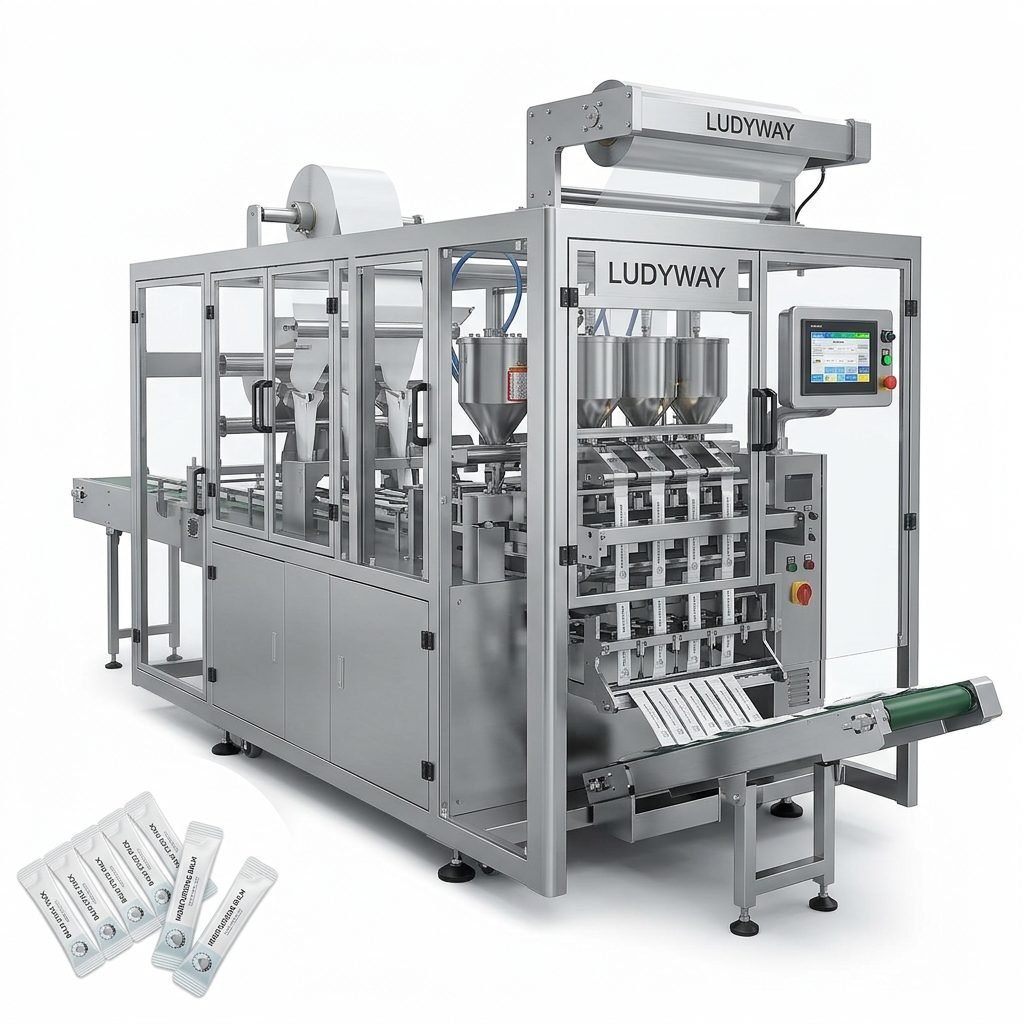
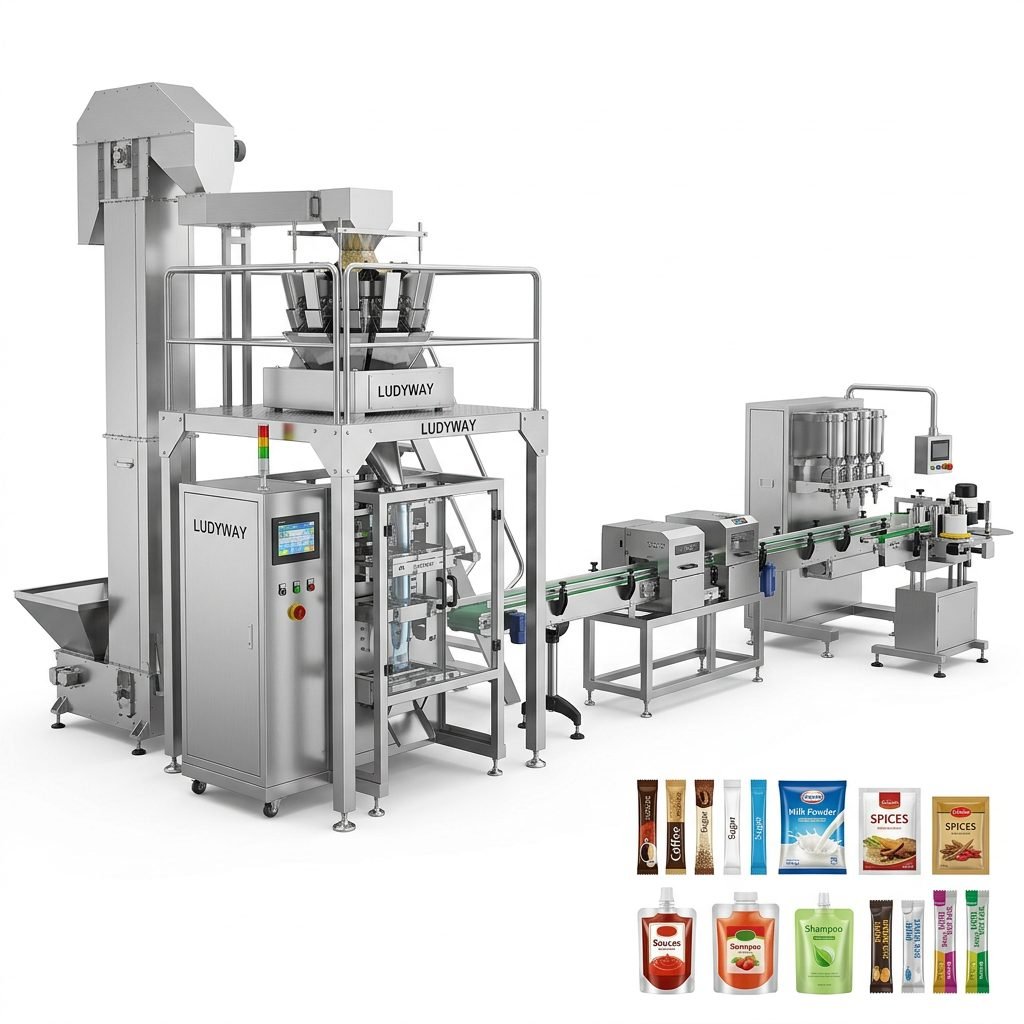
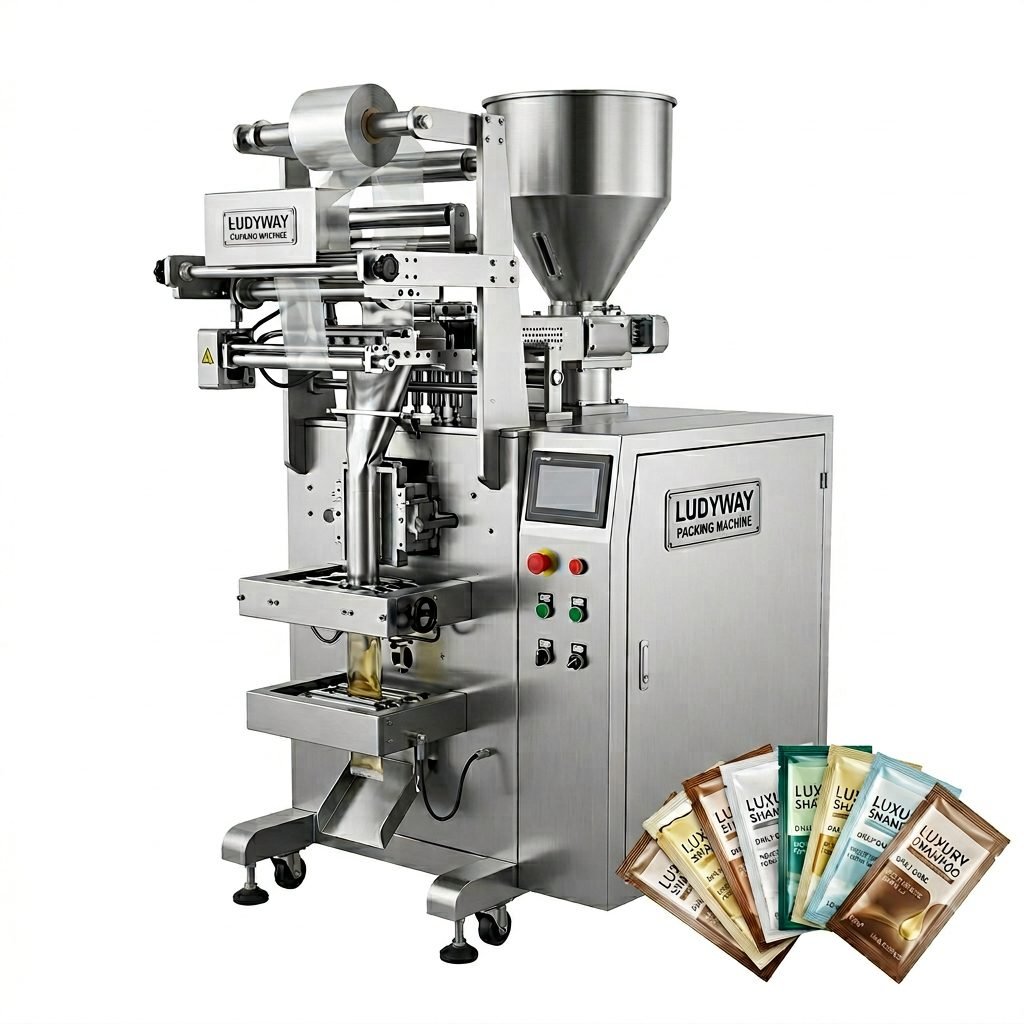
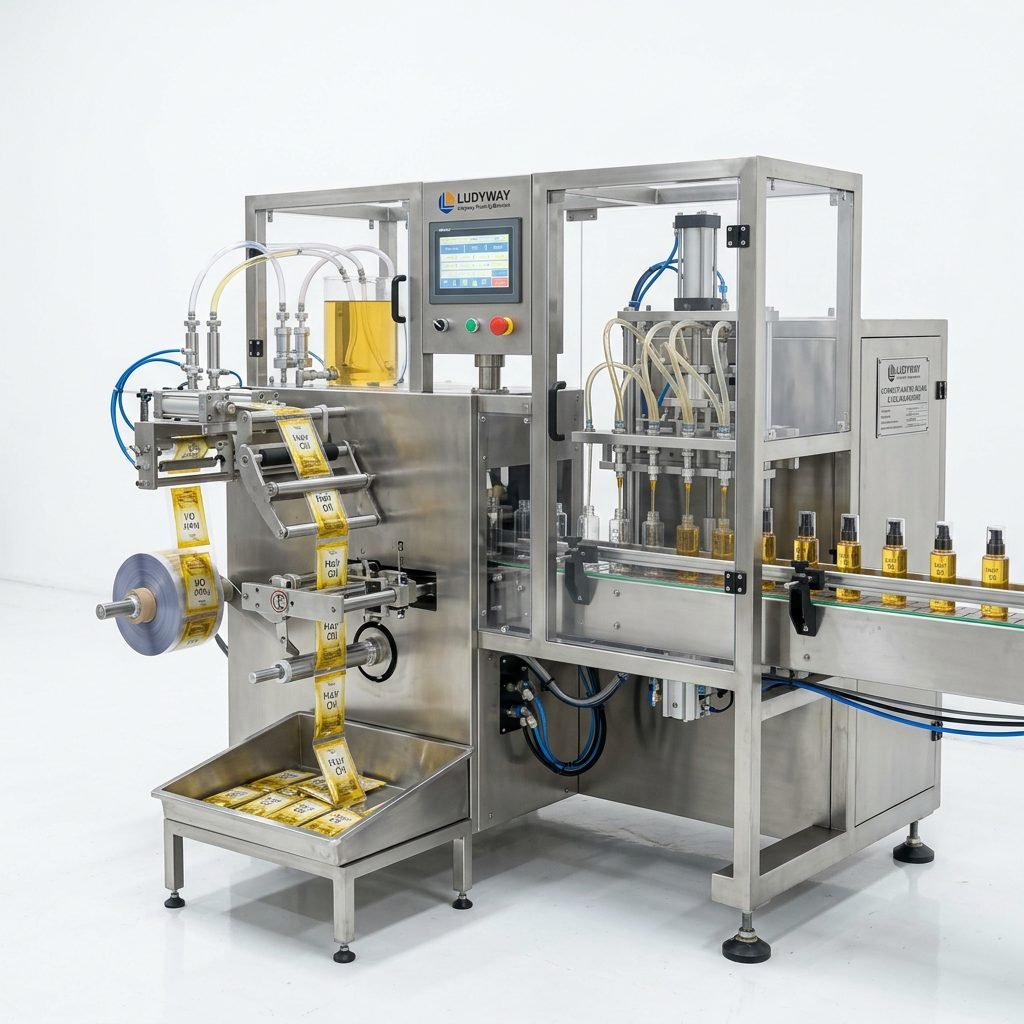
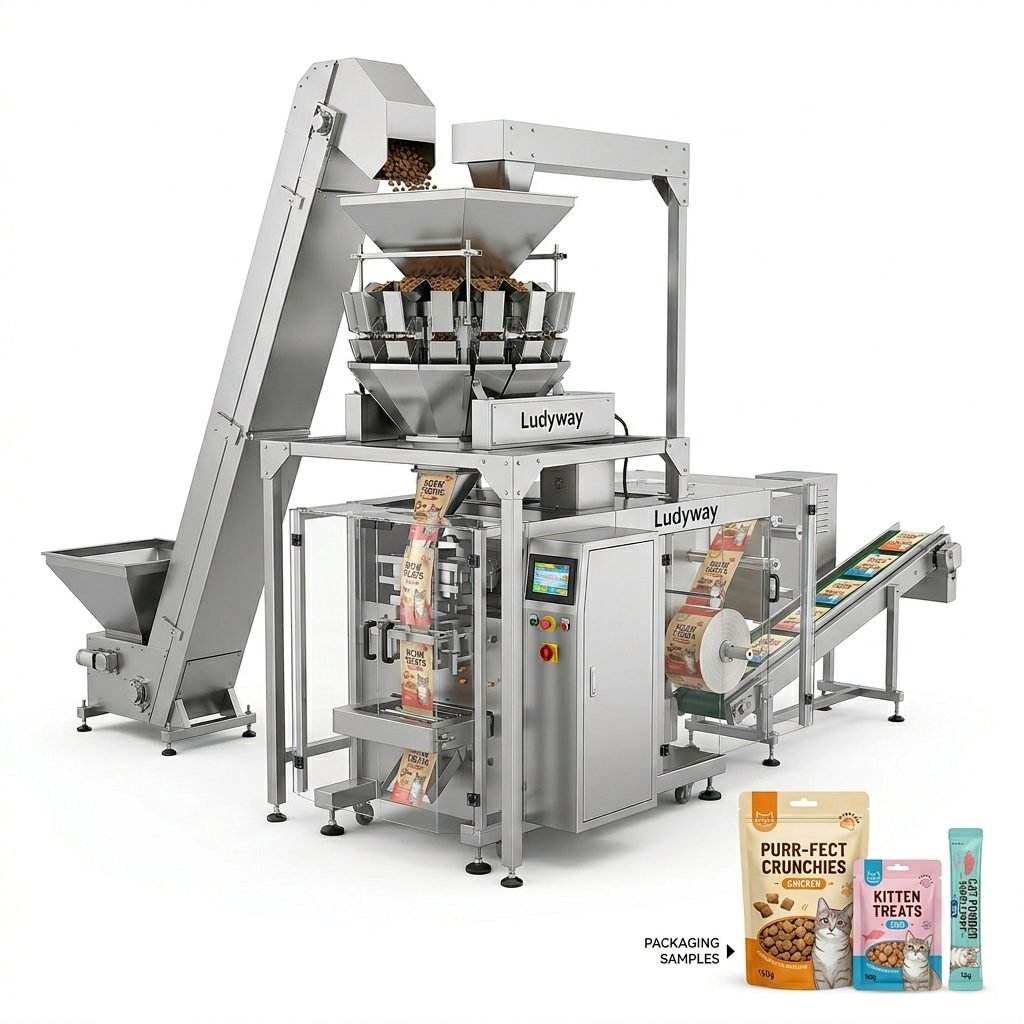
Choosing the right packaging machine for tortilla chips is a critical decision for any snack food manufacturer. The right automatic packing solution not only protects the product’s freshness and crispness but also enhances brand appeal on the shelf and optimizes production efficiency. This guide will walk you through the key factors to consider when selecting the best tortilla chips packaging machine for your operation.
Understanding Your Tortilla Chips Packaging Needs
Before diving into machine specifications, it’s essential to define your specific requirements. The ideal packaging solution varies greatly depending on your production scale, chip type, and target market.
Production Volume: Are you a small-batch artisanal producer or a large-scale manufacturer? Your daily output directly dictates whether you need a semi-automatic, fully automatic, or high-speed multi-lane system.
Chip Characteristics: Consider the size, shape, thickness, and oil content of your chips. Delicate, restaurant-style chips require gentler handling than robust, heavily seasoned varieties.
Packaging Format: The market demands variety. Decide if you need equipment for stand-up pouches, flat bottom bags, pillow bags, or flow-wrap style packs. Each format serves different retail and consumer purposes.
Key Features of an Automatic Tortilla Chips Packing Machine
Modern packaging machines offer a suite of features designed to handle the unique challenges of packaging a fragile, shelf-stable product like tortilla chips.
1. Gentle Product Handling System
The most crucial feature is a gentle handling mechanism. Look for machines with soft-drop systems, vibratory feeders with adjustable amplitude, or bucket conveyors that minimize chip breakage during the transfer from the fryer/cooling conveyor to the weighing and bagging stages. High breakage rates directly impact your yield and profitability.
2. Precision Multi-Head Weigher
Accuracy is non-negotiable. A high-precision multi-head weigher ensures each bag contains the exact weight advertised, complying with regulatory standards and avoiding “giveaway” product. Advanced systems use combination weighing technology to achieve speeds of over 120 bags per minute while maintaining ±0.5-gram accuracy, which is vital for portion control and cost management.
3. Advanced Gas Flushing (Modified Atmosphere Packaging – MAP)
To preserve freshness and extend shelf life, the best machines integrate Nitrogen (N2) gas flushing. This process displaces oxygen inside the bag before sealing, significantly slowing down oxidation and staleness. This feature is essential for brands that prioritize a long shelf life and a consistently crisp product experience.
4. Robust Bag Making and Sealing
The machine must create a strong, airtight seal using food-grade packaging films. Look for durable heat sealing jaws with precise temperature control to ensure seals are consistent and leak-proof, even with oily or seasoned chip residues on the film. Options for zipper re-closable features are also a valuable addition for consumer convenience.
Integration and Customization Potential
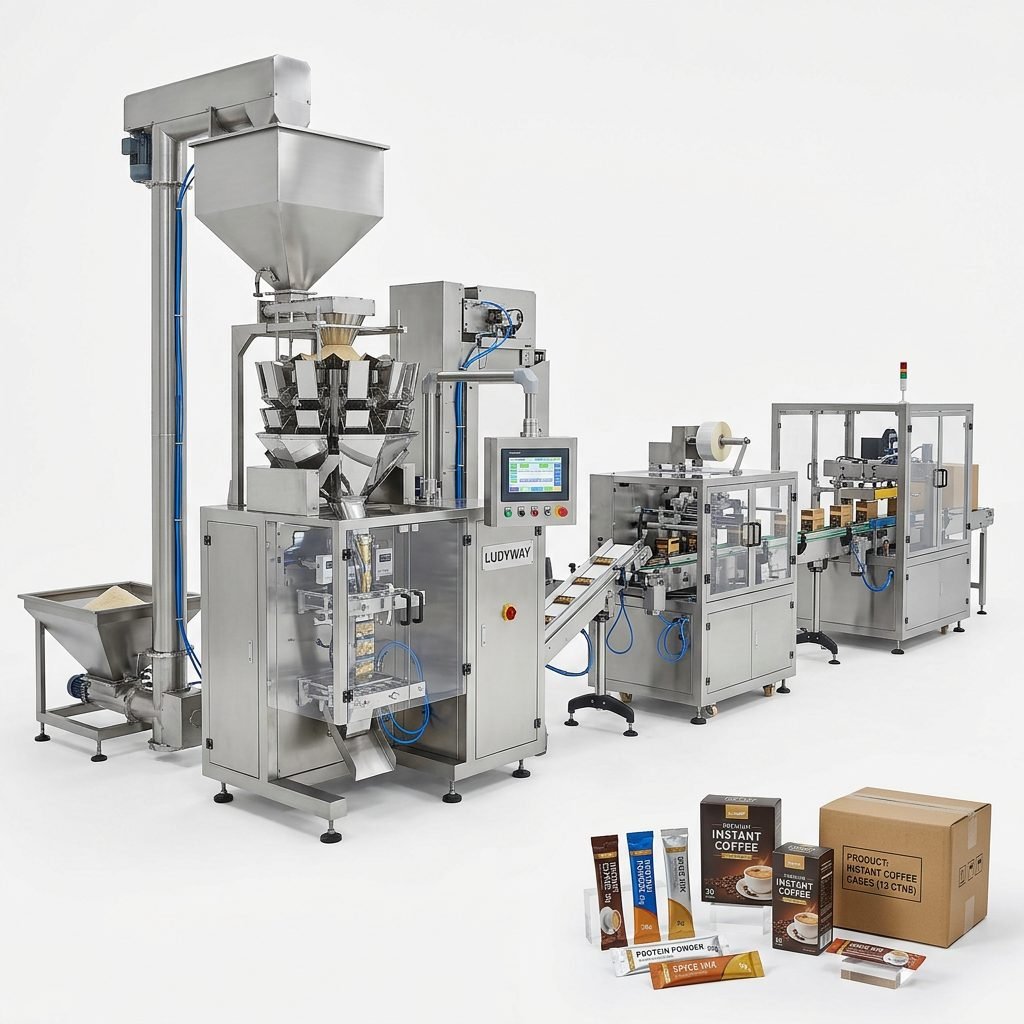
Your packaging line shouldn’t operate in isolation. The ideal machine should seamlessly integrate with upstream equipment (like fryers, seasoning drums, and metal detectors) and downstream systems (like case packers and palletizers). A supplier with strong engineering capabilities, like Ludyway Machinery, can provide a customized turnkey solution that fits your specific factory layout and process flow, maximizing overall line efficiency.
Evaluating Machine Suppliers and After-Sales Support
The machine itself is only part of the equation. The supplier’s expertise and support network are equally important for long-term success.
Choose a supplier with proven experience in snack food packaging. They should understand the nuances of handling products like tortilla chips. Review their company history and client portfolio to gauge their depth of knowledge. A supplier with over 30 years of industry experience brings invaluable practical insights to the table.
Inquire about the availability of spare parts, on-site training, and technical support. Reliable after-sales service minimizes downtime. Suppliers with a global service network can provide faster response times, which is critical for maintaining continuous production. For insights into a supplier’s commitment to support, you can explore their company profile and service philosophy.
Finally, request a product test using your actual chips and packaging material. This is the best way to verify the machine’s performance, speed, and bag quality before making a purchase decision.
Conclusion: Investing for Growth
Selecting the best automatic tortilla chips packaging machine is a strategic investment. By prioritizing gentle handling, weighing accuracy, freshness preservation, and supplier reliability, you can build a packaging line that protects product quality, reduces waste, enhances brand value, and scales with your business growth. Partnering with an experienced provider ensures you get a solution tailored to your unique challenges and goals.
Frequently Asked Questions (FAQs)
Q1: What is the typical speed range for an automatic tortilla chips packaging machine?
Speeds vary widely. A standard single-lane machine may run at 40-70 bags per minute (BPM), while high-speed multi-lane systems can achieve 120+ BPM. The right speed depends entirely on your production volume requirements.
Q2: Why is Modified Atmosphere Packaging (MAP) important for tortilla chips?
MAP, typically using nitrogen flushing, removes oxygen from the bag. Oxygen causes oxidation, leading to rancidity and loss of crispness. MAP extends shelf life significantly, often by 2-3 times, and maintains the chip’s fresh taste and texture.
Q3: Can one machine handle different bag sizes and shapes?
Yes, most modern machines are designed with quick-changeover features. With adjustments to forming tubes, sealing jaws, and software settings, you can switch between different bag sizes (e.g., from 2oz to 16oz) and formats (stand-up pouch to pillow bag) in under 30 minutes, maximizing flexibility.
Q4: How do I minimize chip breakage during packaging?
Minimizing breakage involves a combination of machine design and process setup. Key factors include: using a machine with a gentle product handling system, optimizing the drop height from the weigher to the bag, ensuring proper alignment of the forming tube, and sometimes slightly adjusting the chip’s moisture content or oil temperature post-frying.
Q5: What kind of maintenance does an automatic packaging machine require?
Regular preventive maintenance is crucial. Daily tasks include cleaning dust and oil residue, checking seal integrity, and lubricating moving parts. Weekly or monthly schedules involve deeper cleaning, inspecting wear parts like sealing jaws and belts, and verifying weighing accuracy. A reliable supplier will provide a comprehensive maintenance schedule and training.