Logistics Industry Drives Demand for Higher Packaging Efficiency, Pushing Innovation in Supply Chains
The global logistics sector is undergoing a transformative shift, with rising consumer expectations, e-commerce growth, and supply chain complexities placing unprecedented pressure on packaging operations. This surge in demand is directly fueling innovation across the supply chain, as businesses seek smarter, faster, and more sustainable packaging solutions to maintain competitiveness.
The Core Drivers of Change
Several key trends are converging to make packaging efficiency a top strategic priority:
- E-commerce Acceleration: The exponential growth of online retail demands packaging that is not only protective but also lightweight to minimize shipping costs and adaptable for a vast array of product types.
- Supply Chain Resilience: Recent global disruptions have highlighted the need for agile and automated packaging lines that can reduce labor dependency and maintain output during volatility.
- Sustainability Mandates: Both regulatory pressures and consumer preferences are pushing for reduced material use, recyclable formats, and overall less waste, requiring innovative packaging processes.
- Labor Market Challenges: Difficulty in securing and retaining skilled line operators is accelerating the adoption of automated, user-friendly packaging machinery.
Innovations Reshaping the Packaging Landscape
In response to these drivers, technological innovation is rapidly advancing. The focus has moved beyond simple containment to integrated, intelligent systems.
1. Automation and Robotics Integration
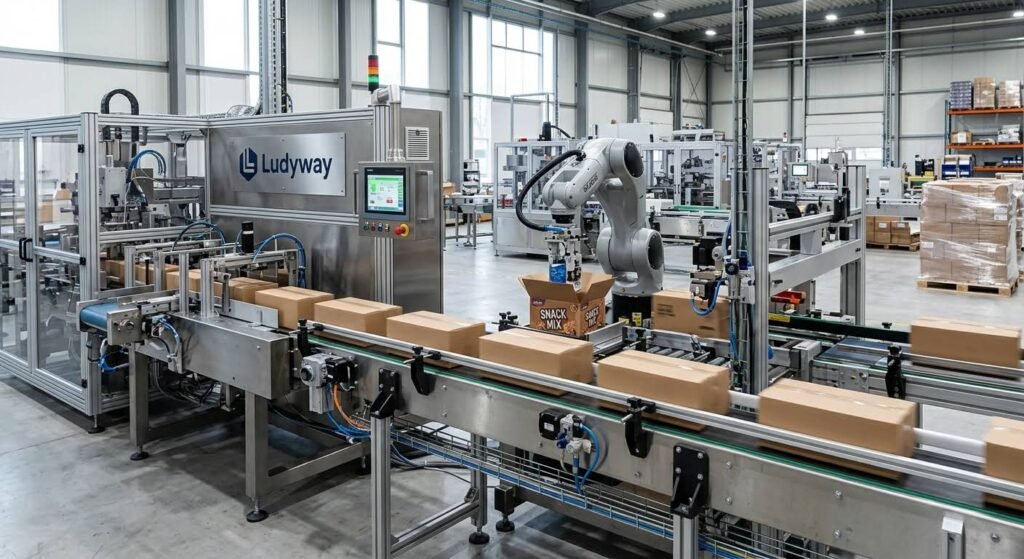
Fully automated packaging lines are becoming the standard for high-volume operations. Robotics are now commonly deployed for:
- Precise picking and placing of products into pre-formed cartons or trays.
- High-speed primary packaging (filling, sealing, labeling).
- Palletizing and depalletizing with vision-guided systems for mixed-SKU loads.
2. Smart Packaging and IoT Connectivity
Packaging machines are evolving into data hubs. Sensors and Industrial Internet of Things (IIoT) technology enable:
- Real-time monitoring of machine performance, speed, and downtime.
- Predictive maintenance alerts to prevent unexpected failures.
- Track-and-trace capabilities embedded within the packaging process for enhanced supply chain visibility.
3. Flexible and Modular Machinery
The need to handle frequent product changeovers and smaller batch sizes has led to the rise of modular packaging systems. These allow manufacturers to quickly reconfigure lines for different package formats, sizes, or materials without lengthy downtime.
4. Sustainable Material Handling
Innovation is also evident in how machinery handles new, eco-friendly materials. Advanced machines are designed to efficiently run monomaterials, recycled content, and compostable films that may have different tensile or sealing properties than traditional plastics.
The Impact on Supply Chain Performance
The integration of these advanced packaging technologies creates a ripple effect of benefits throughout the supply chain:
| Area of Impact | Key Benefit | Outcome |
|---|---|---|
| Warehousing & Storage | Optimized package size and stackability | Increased storage density, reduced warehouse footprint |
| Transportation | Lightweighting and right-sizing packages | Lower fuel costs, increased load capacity, reduced emissions |
| Order Fulfillment | High-speed, automated packing | Faster order processing, ability to handle peak volumes |
| Inventory Management | Integrated data from smart packaging lines | Better demand forecasting, reduced stockouts and overstock |
The Role of Strategic Partnerships
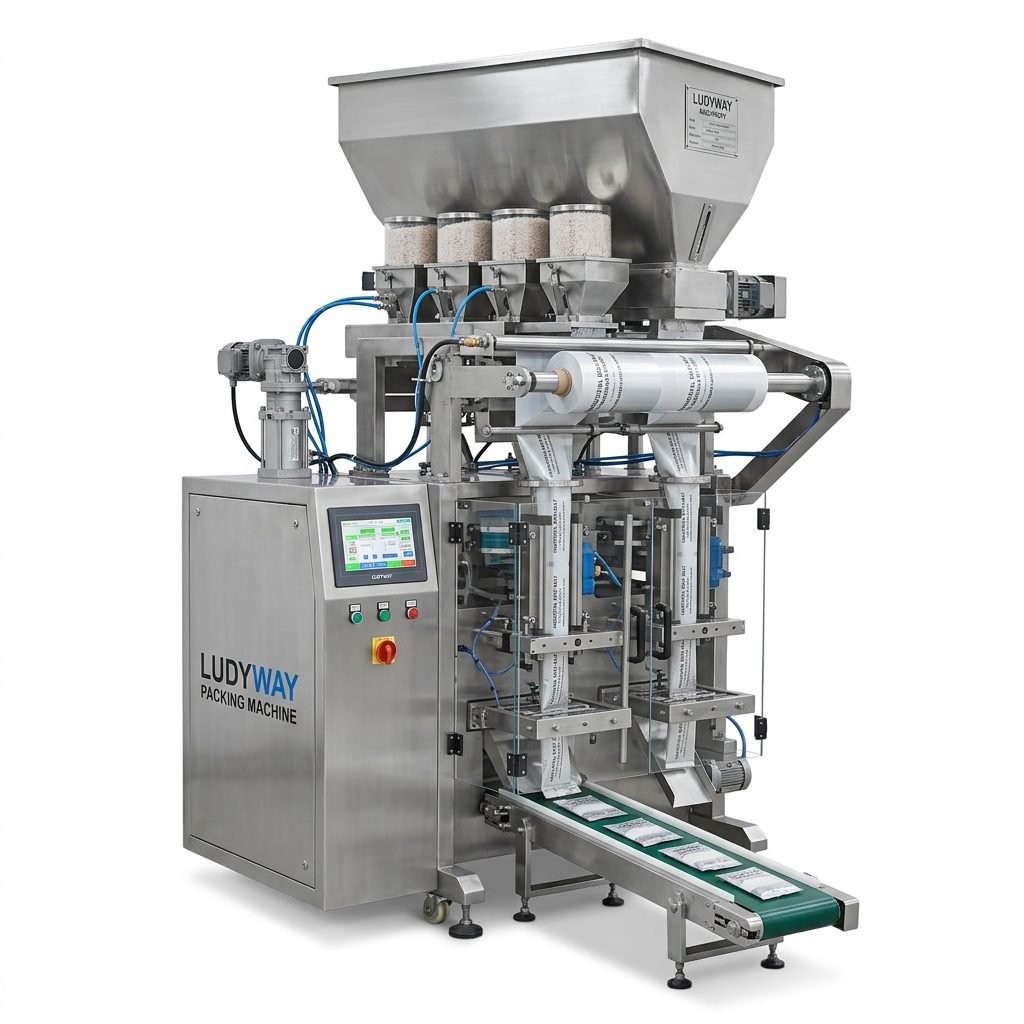
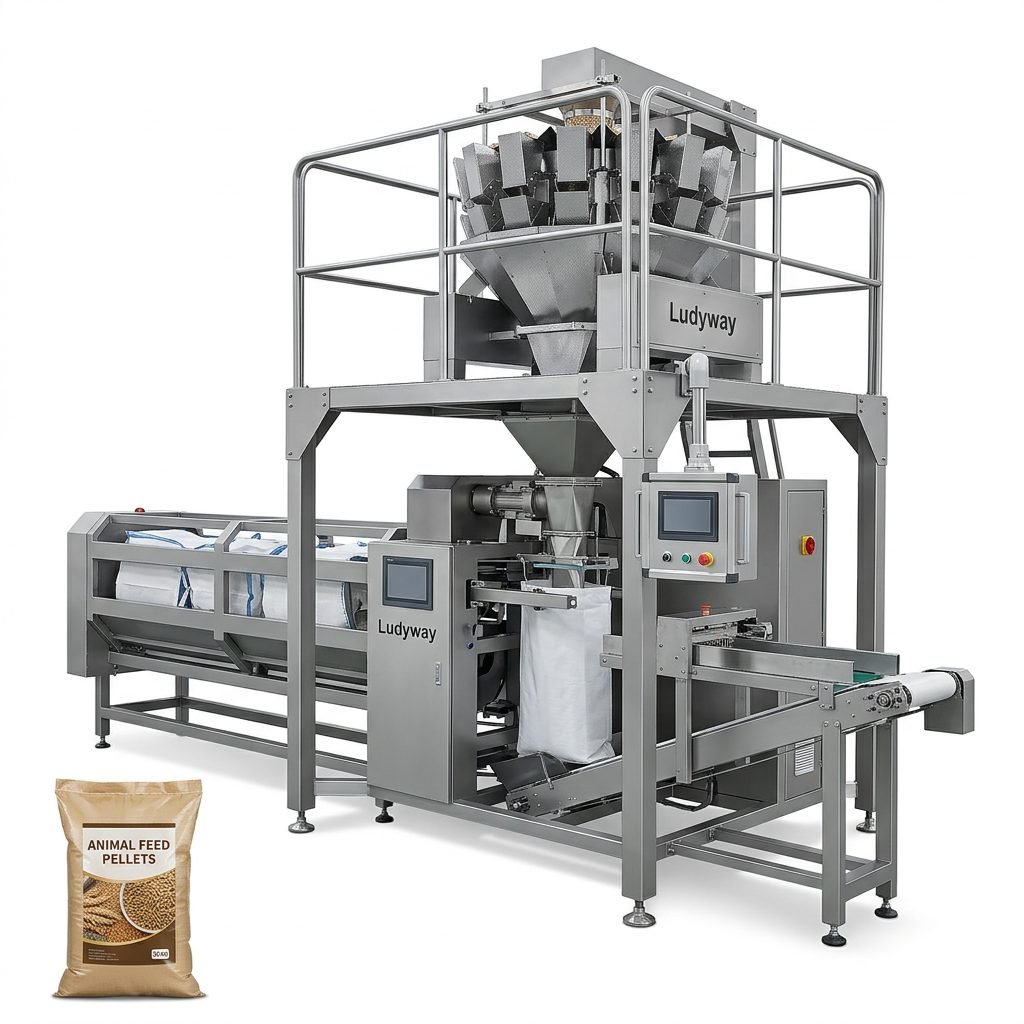
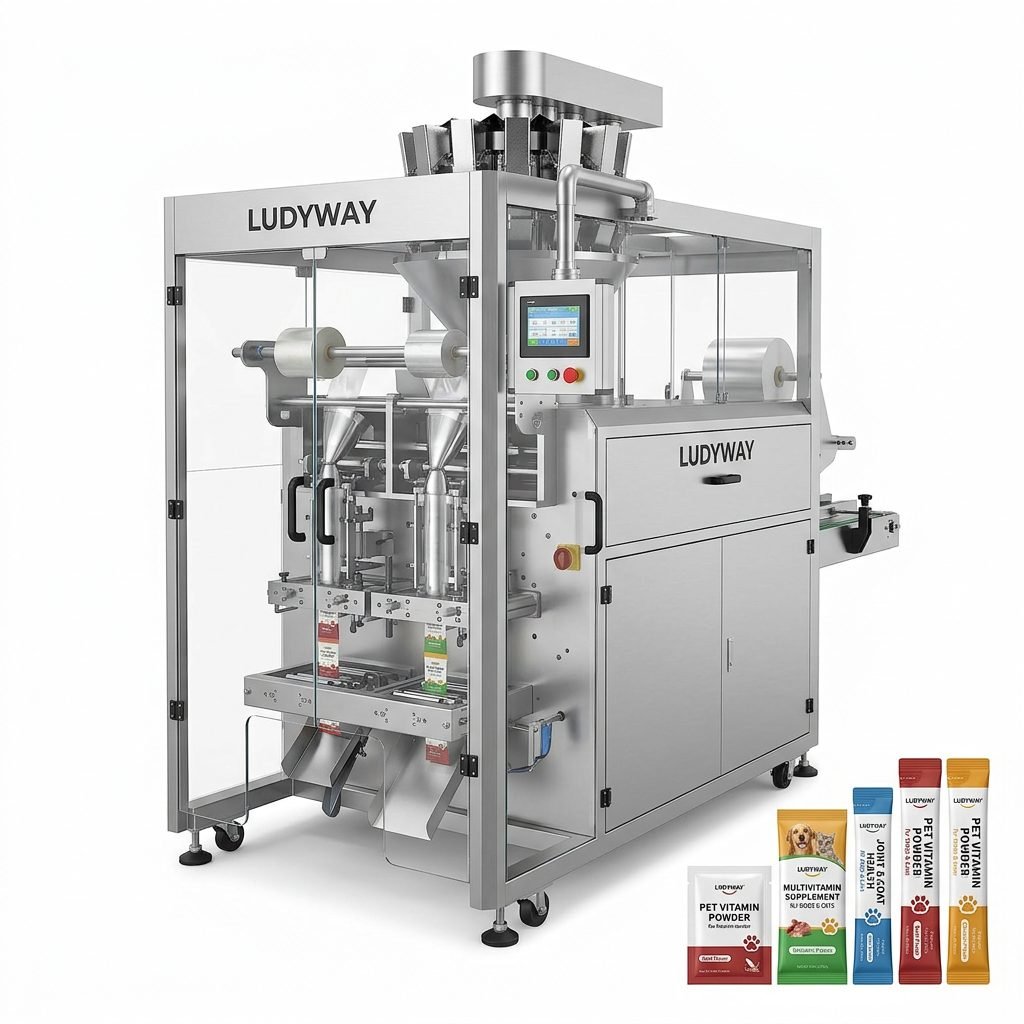
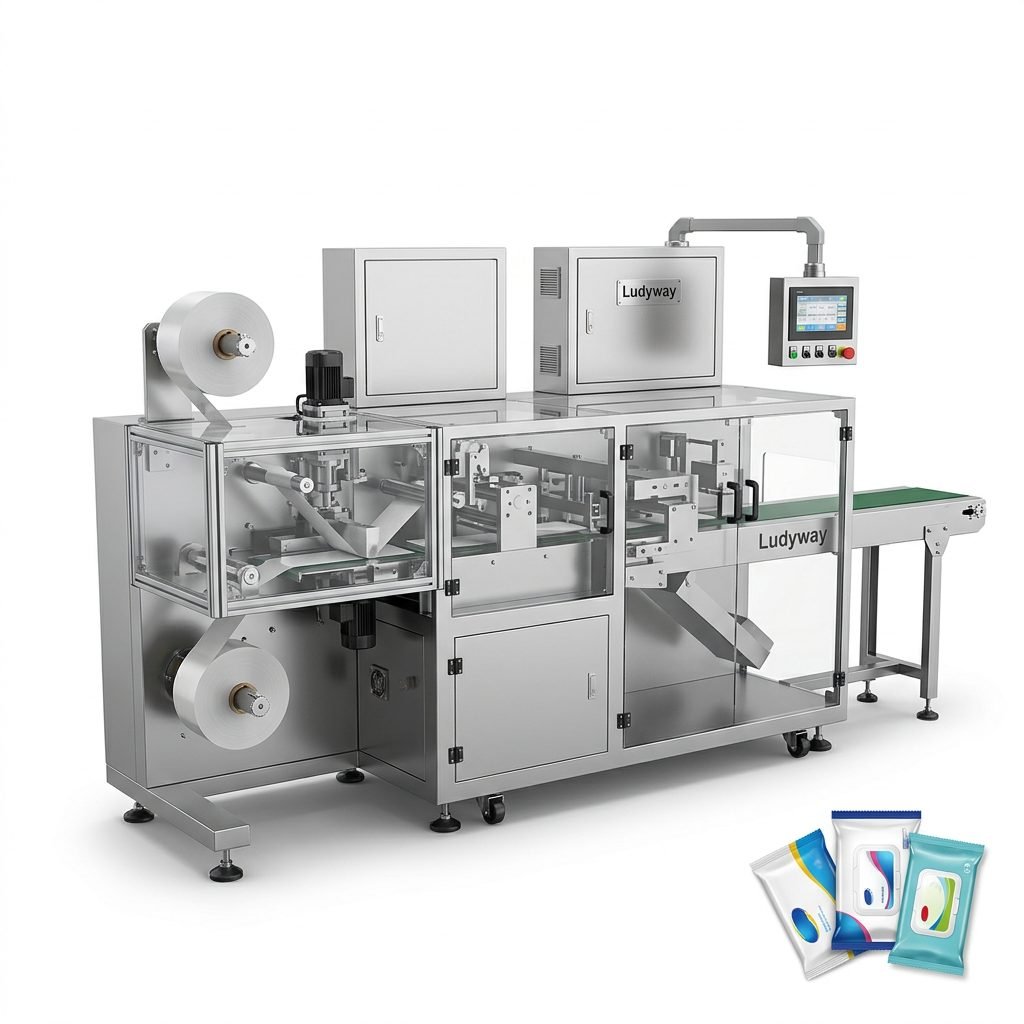
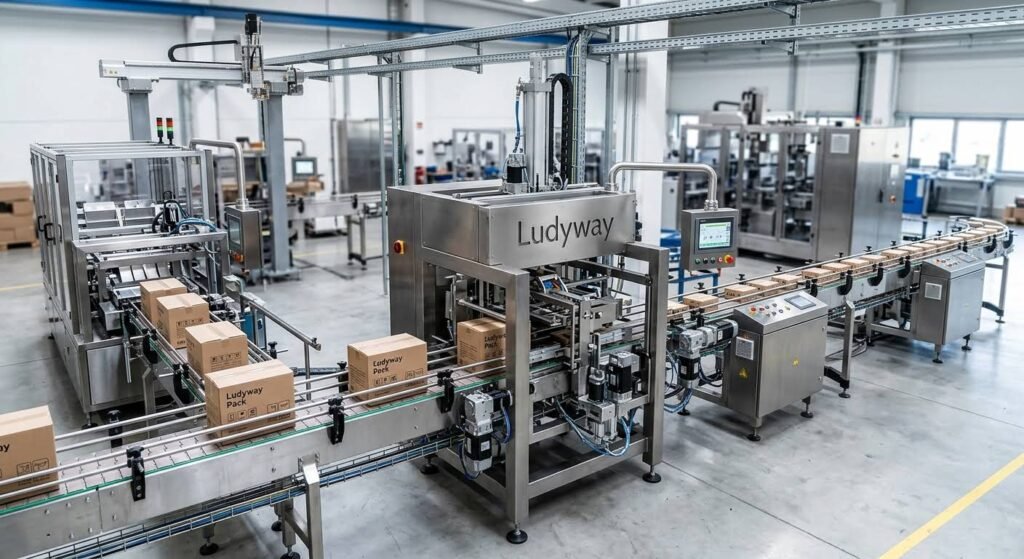
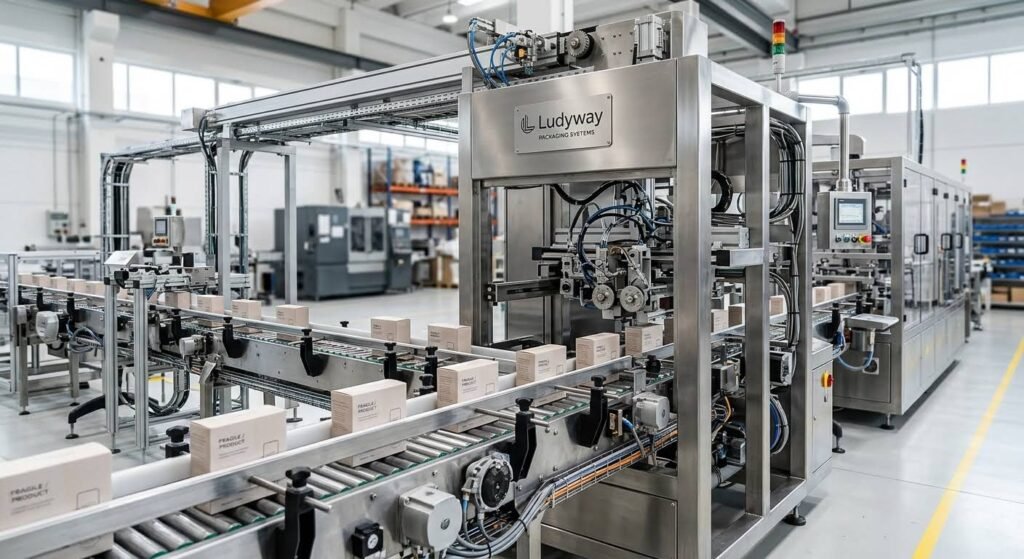
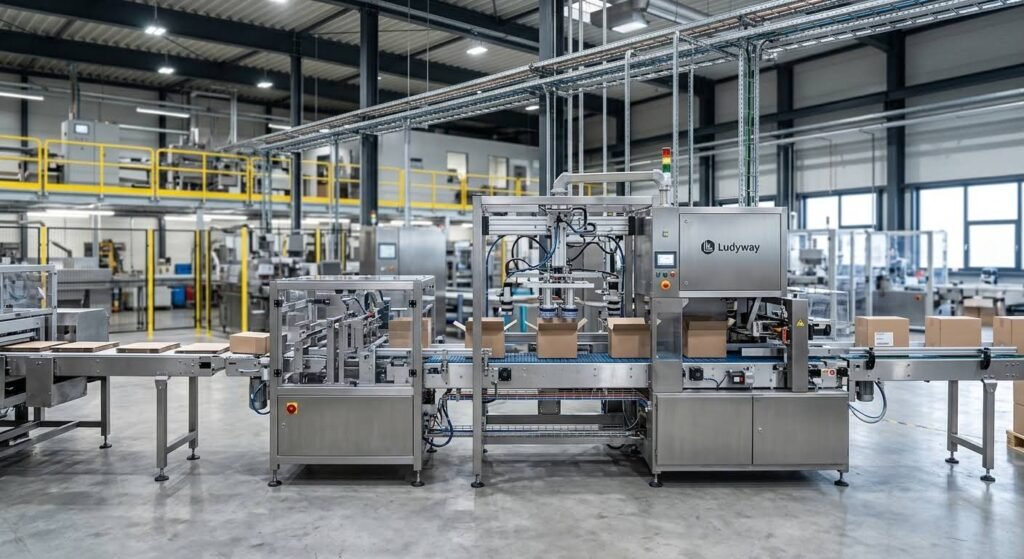
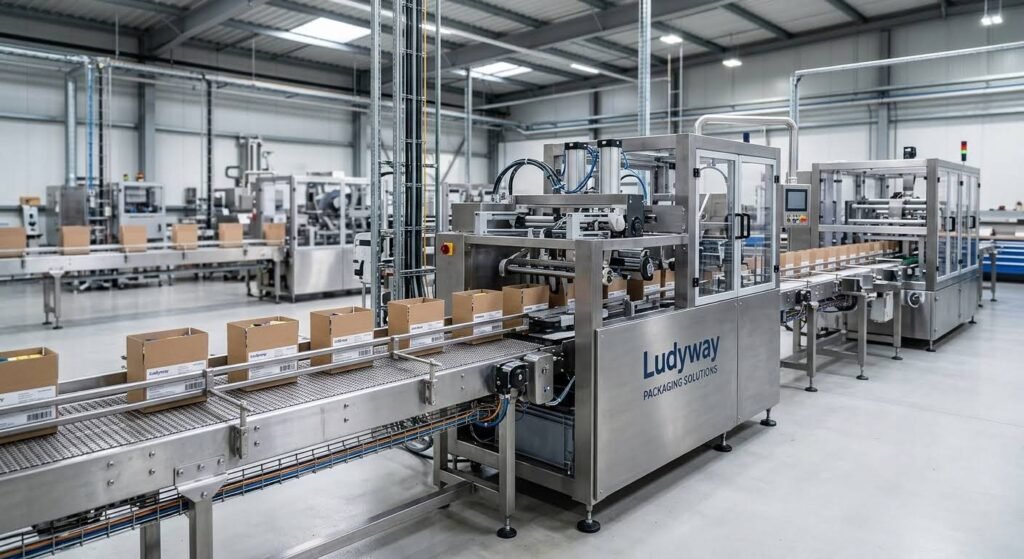
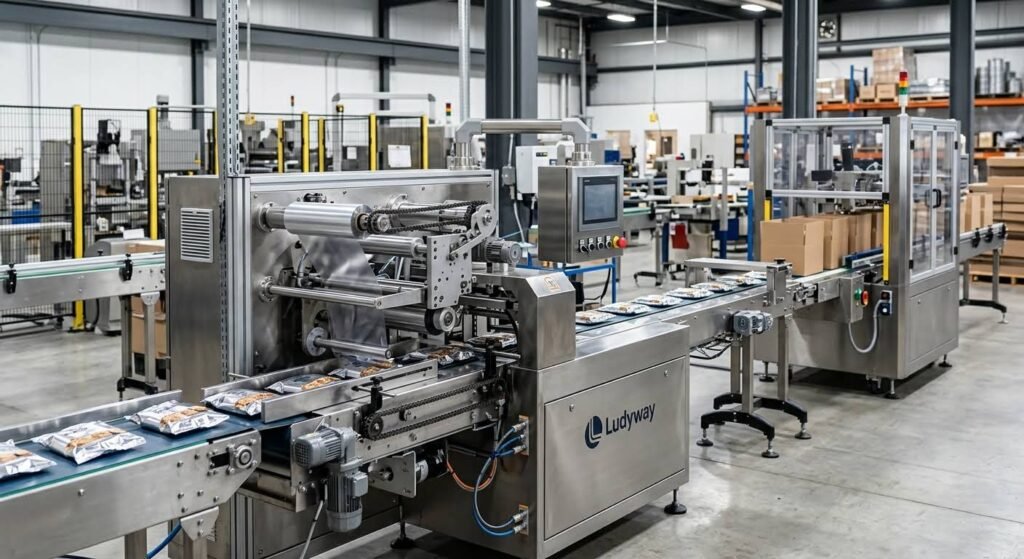
Navigating this innovation landscape requires expertise. Leading manufacturers are increasingly partnering with specialized packaging machine providers who offer not just equipment, but holistic turnkey solutions. These partnerships ensure that new machinery integrates seamlessly into existing operations and is backed by global support. Companies like Ludyway, with decades of industry experience, exemplify this approach by providing intelligent, automated systems tailored for food, pharmaceutical, and other sensitive industries, helping clients achieve significant gains in productivity and efficiency.
Looking Ahead: The Future of Packaging in Logistics
The trajectory is clear: packaging will continue to evolve from a cost center to a critical, value-adding node in the smart supply chain. Future developments will likely focus on:
- Greater integration of Artificial Intelligence (AI) for quality control and dynamic line optimization.
- Advanced vision systems for 100% inspection at high speeds.
- Closed-loop systems that facilitate the reuse and recycling of packaging materials directly within the logistics flow.
For businesses, the imperative is to view packaging efficiency not as an isolated operational task, but as a strategic lever for supply chain excellence, customer satisfaction, and sustainability goals. Investing in the right packaging innovation today is an investment in tomorrow’s logistical resilience and competitive edge.