Smart Packaging Equipment Drives Factory Digital Transformation and Boosts Intelligent Manufacturing
The global manufacturing landscape is undergoing a profound shift. At the heart of this revolution lies the integration of smart technologies into core production processes, with packaging operations emerging as a critical frontier. Advanced smart packaging equipment is no longer a luxury but a strategic imperative, acting as the primary catalyst for factory digital transformation and a significant booster for intelligent manufacturing ecosystems.
The Core of Smart Packaging: Data, Connectivity, and Intelligence
Modern smart packaging systems transcend mere automation. They are interconnected nodes within the Industrial Internet of Things (IIoT), characterized by:
- Real-time Data Acquisition: Sensors continuously monitor machine performance, production rates, material usage, and quality parameters.
- Seamless Connectivity: Machines communicate with Manufacturing Execution Systems (MES), Enterprise Resource Planning (ERP), and cloud platforms.
- Predictive Analytics: AI-driven algorithms analyze data to predict maintenance needs, preventing unplanned downtime.
- Adaptive Operation: Equipment self-adjusts to variations in packaging materials or product specifications, ensuring consistent output.
Transforming Factory Operations: Key Benefits
The deployment of intelligent packaging machinery delivers measurable outcomes across the production floor:
1. Unprecedented Operational Efficiency
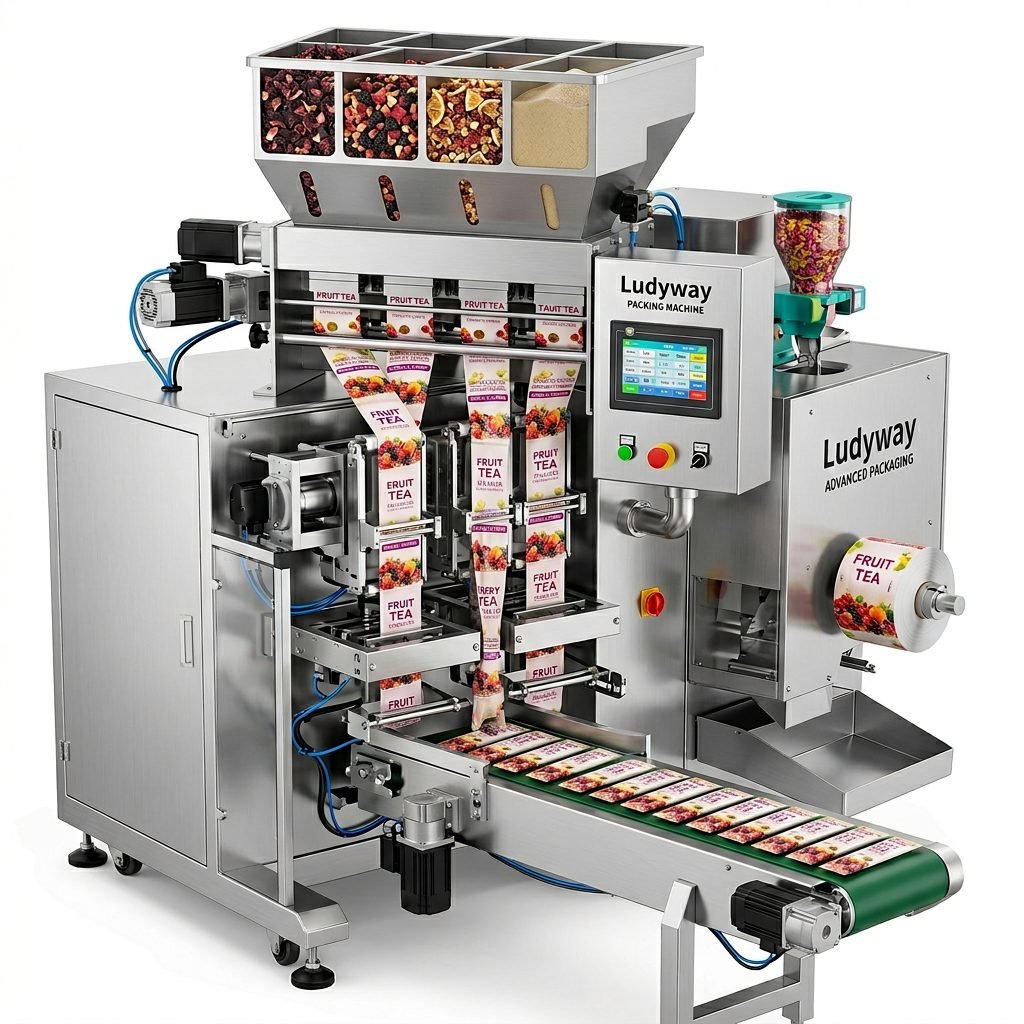
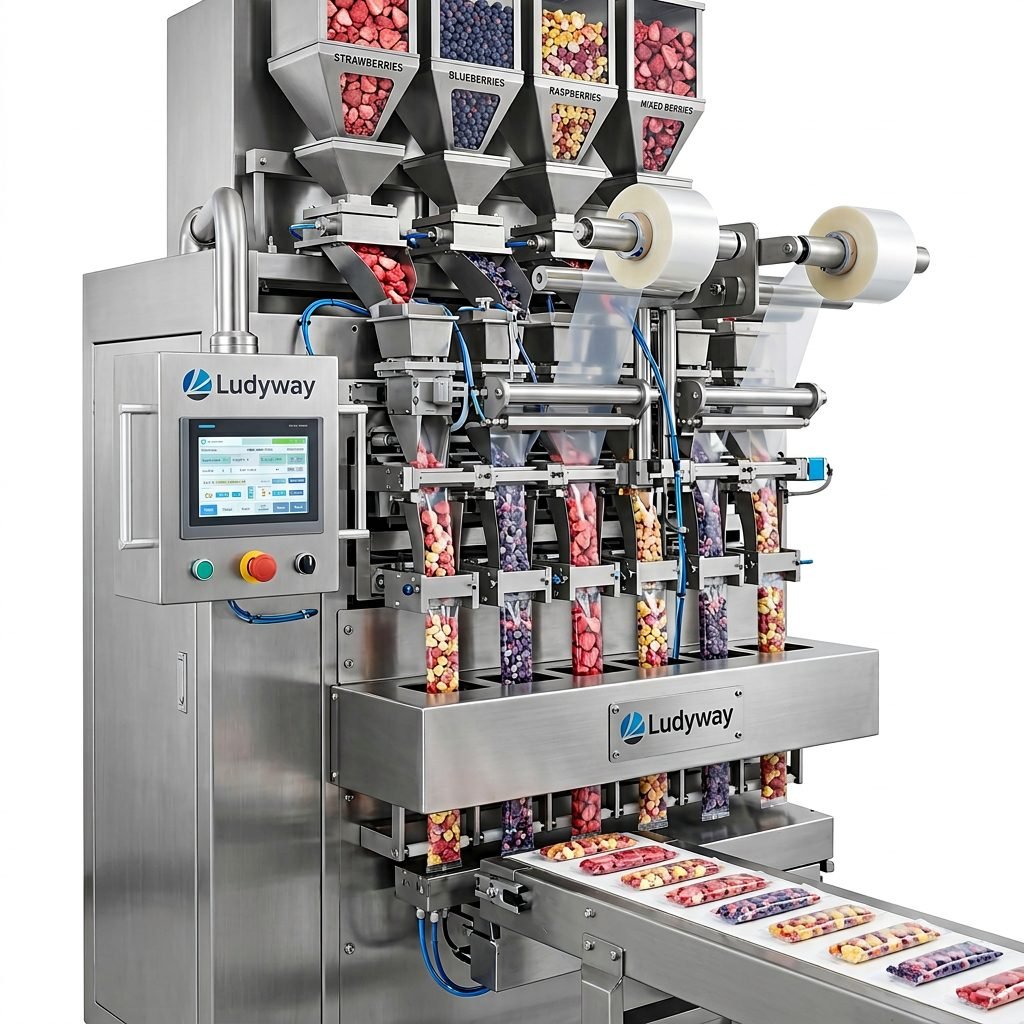
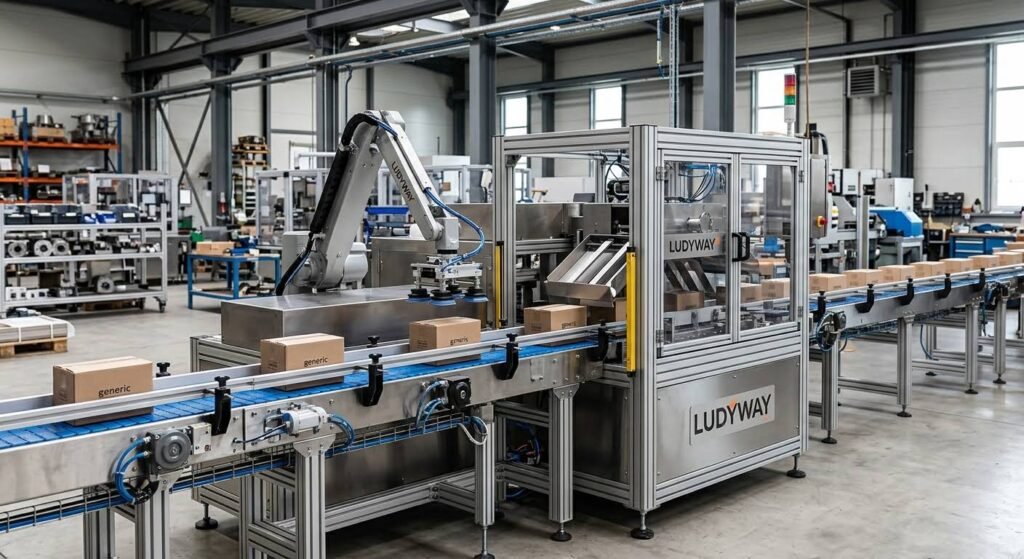
Smart machines optimize speed, changeover times, and material yield. For instance, a fully automated multi-lane stick pack machine can manage multiple product lines simultaneously, with performance data accessible from any connected device.
2. Enhanced Product Quality and Traceability
Integrated vision inspection systems and weight checkers ensure every pouch or sachet meets strict quality standards. Each unit can be tagged with a unique code, enabling full traceability from production to end-user—a vital capability for the food and pharmaceutical sectors.
3. Data-Driven Decision Making
Managers gain a holistic view of packaging line performance through intuitive dashboards. This data empowers proactive decisions regarding production scheduling, maintenance planning, and resource allocation.
4. Reduced Total Cost of Ownership (TCO)
While the initial investment may be higher, the long-term savings are substantial:
| Cost Area | Impact of Smart Packaging |
|---|---|
| Energy Consumption | Optimized motor control and idle-time reduction lower energy use by up to, 25%. |
| Material Waste | Precise dosing and real-time adjustments can reduce film and product waste by 15-20%. |
| Labor Productivity | Automation of repetitive tasks allows staff to focus on supervision and quality control. |
| Maintenance Costs | Predictive maintenance avoids catastrophic failures and extends machine lifespan. |
The Path to Integration: Considerations for Manufacturers
Successfully implementing smart packaging requires a strategic approach:
- Assess Current Infrastructure: Evaluate existing lines for connectivity readiness and data compatibility.
- Define Clear Objectives: Identify specific KPIs to improve, such as Overall Equipment Effectiveness (OEE), waste reduction, or throughput.
- Choose the Right Technology Partner: Select an equipment provider with proven expertise in both advanced machinery and digital integration.
- Prioritize Cybersecurity: Ensure all connected equipment has robust security protocols to protect production data.
- Upskill Workforce: Train operators and technicians to work with data interfaces and new diagnostic tools.
Industry Leaders Powering the Change
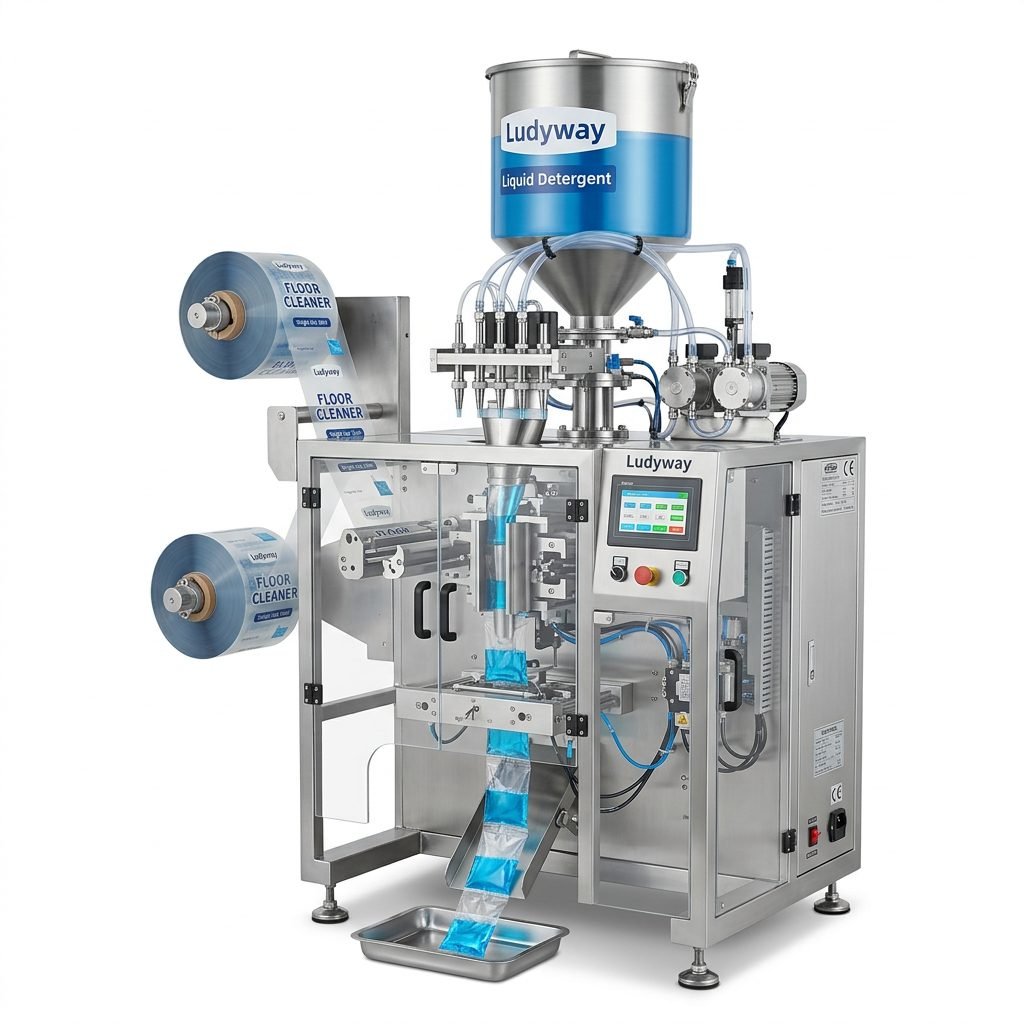
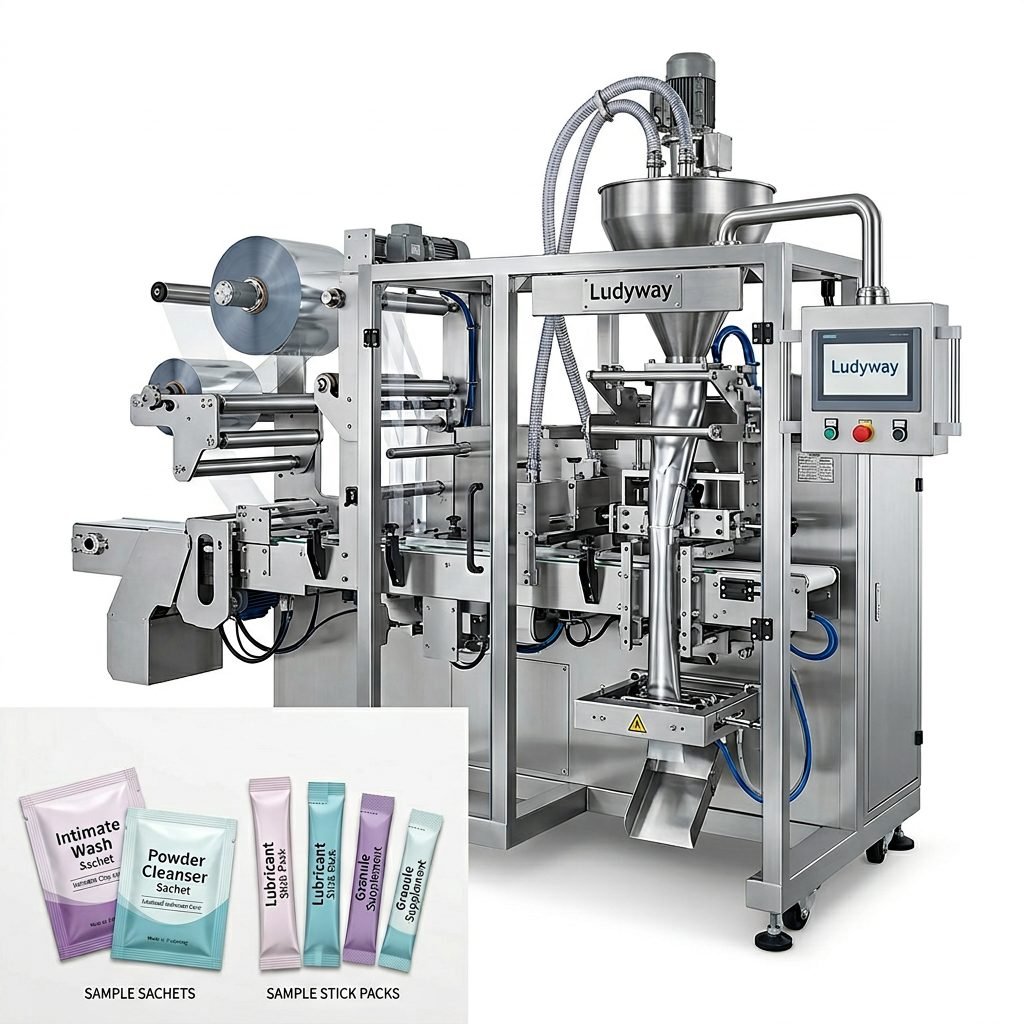
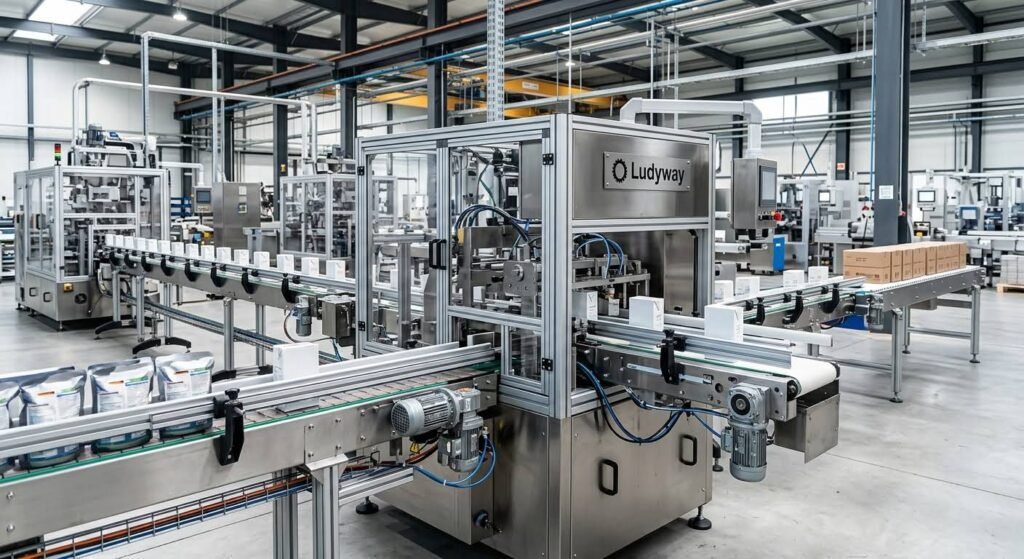
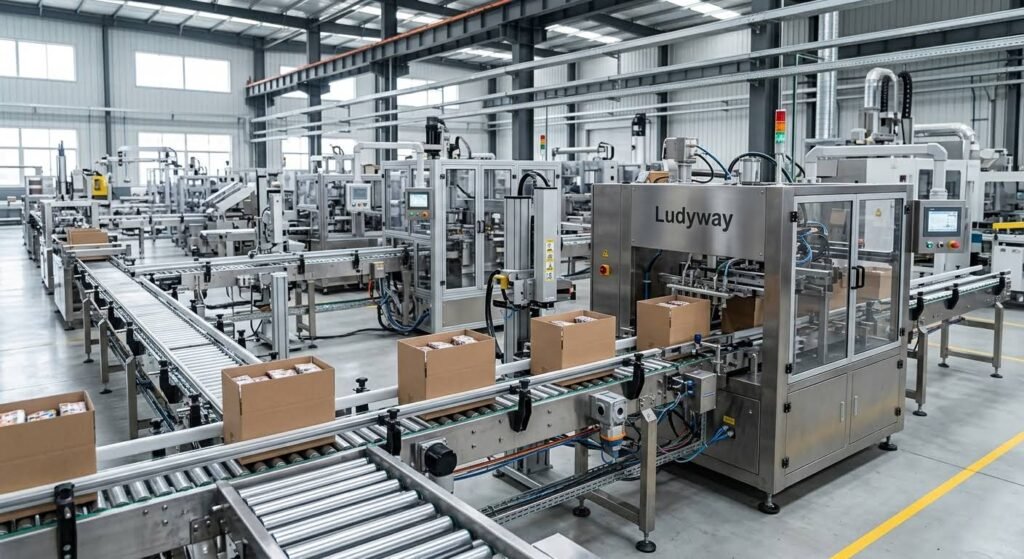
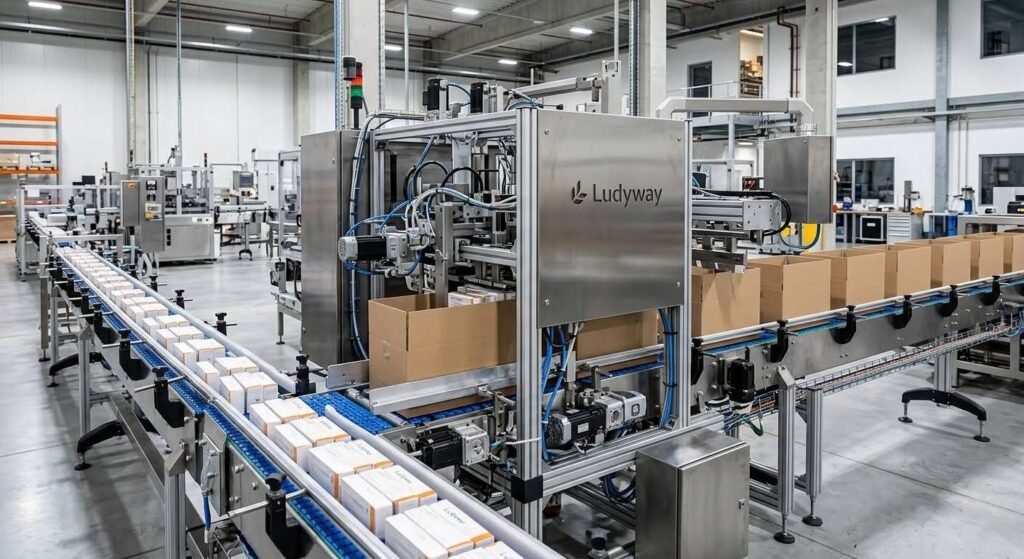
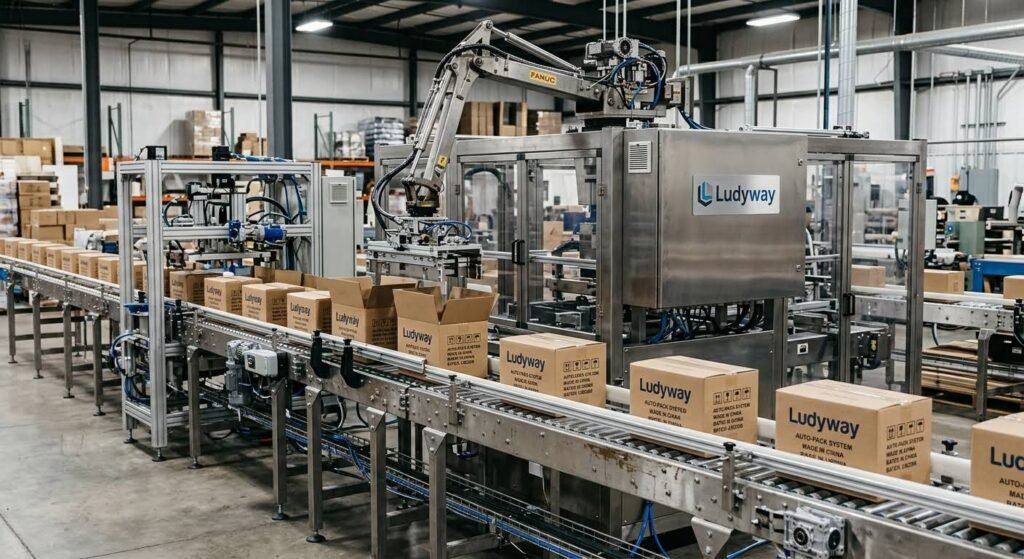
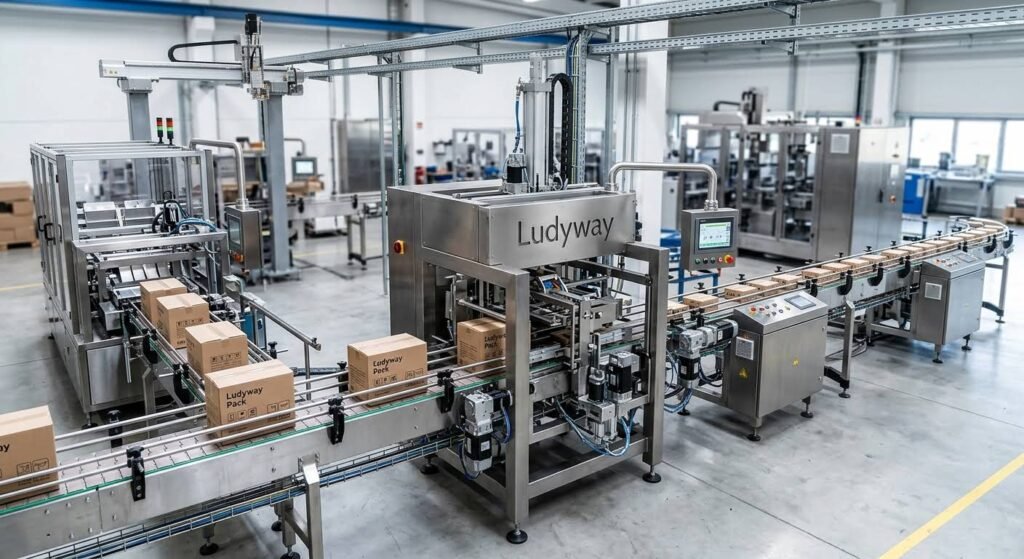
Forward-thinking packaging machine manufacturers are at the forefront of this transformation. Companies like Ludyway, with over 30 years of industry expertise, are developing intelligent packaging systems designed for the digital age. By offering more than 50 models of interconnected equipment—from multi-lane stick pack machines to complete turnkey lines—they provide the physical and digital tools necessary for factories to transition seamlessly into intelligent manufacturing hubs.
The Future is Integrated
The journey toward intelligent manufacturing is inextricably linked with the modernization of packaging operations. Smart packaging equipment serves as the essential bridge, converting raw production data into actionable intelligence and tangible efficiency gains. As factories continue to evolve into interconnected, data-rich environments, investing in intelligent packaging solutions will remain a decisive factor in achieving competitive advantage, operational resilience, and sustainable growth. The transformation is not coming; it is already here, being driven one smart machine at a time.