Rising Raw Material Costs Drive Packaging Efficiency Optimization for Manufacturers
In today’s global manufacturing landscape, a persistent and significant challenge continues to reshape operational strategies: the relentless increase in raw material costs. From plastics and paperboard to metals and adhesives, the prices of essential packaging components have surged, squeezing profit margins and forcing companies to reevaluate their production processes. This economic pressure is no longer a cyclical concern but a structural shift, compelling manufacturers across the food, pharmaceutical, and consumer goods sectors to prioritize one critical objective: packaging efficiency optimization.
The Cost Pressure Catalyst
The drivers behind the raw material inflation are multifaceted and interconnected:
- Global Supply Chain Disruptions: Residual effects from recent geopolitical tensions and logistical bottlenecks continue to constrain the availability of key materials.
- Energy Price Volatility: The production of many packaging materials, especially plastics, is energy-intensive, making costs directly susceptible to fluctuations in oil and gas markets.
- Sustainability Regulations: The shift towards recycled and bio-based materials, while environmentally positive, often comes with a higher initial cost premium as the supply chains mature.
- Increased Demand: Growing e-commerce and consumer packaged goods markets sustain high demand for packaging, supporting elevated price levels.
This confluence of factors has made cost containment through waste reduction and speed enhancement not just desirable, but essential for business continuity.
Key Areas for Packaging Efficiency Gains
Forward-thinking manufacturers are responding by focusing their optimization efforts on several core areas where advanced technology delivers a direct return on investment.
1. Maximizing Material Utilization & Reducing Waste
Every gram of film, foil, or carton wasted represents a direct loss. Modern packaging machinery addresses this through:
- Precision Dosing and Cutting Systems: High-servo technology ensures exact product measurement and clean, accurate material cuts, minimizing trim waste.
- Web Tension Control: Advanced controls maintain consistent material feed, preventing tears, misalignment, and costly production stoppages.
- Quick Changeover Capabilities: Reducing downtime between product runs directly saves on the material that would be wasted during lengthy setup and calibration.
2. Enhancing Line Speed and Overall Equipment Effectiveness (OEE)
Faster, more reliable machines produce more output with the same fixed costs. Optimization here involves:
- Integrated Automation: Using robotics for loading, collating, and cartoning eliminates manual bottlenecks.
- Predictive Maintenance: IoT-enabled sensors monitor machine health, predicting failures before they cause unplanned downtime.
- Simplified Mechanical Design: Machines with fewer moving parts and easier access points reduce maintenance time and increase net operational time.
3. Improving Flexibility and Changeover Agility
The ability to run smaller batches efficiently allows companies to respond to market trends without excessive inventory costs. Key features include:
- Tool-less Change Parts: Allows operators to switch pouch sizes or formats in minutes, not hours.
- Recipe Management Software: Stores machine parameters digitally, enabling one-touch recall of settings for different products.
- Modular Machine Design: Permits the addition of functions (like date coding, checkweighing, or vision inspection) without a complete line overhaul.
The Role of Intelligent Packaging Machinery
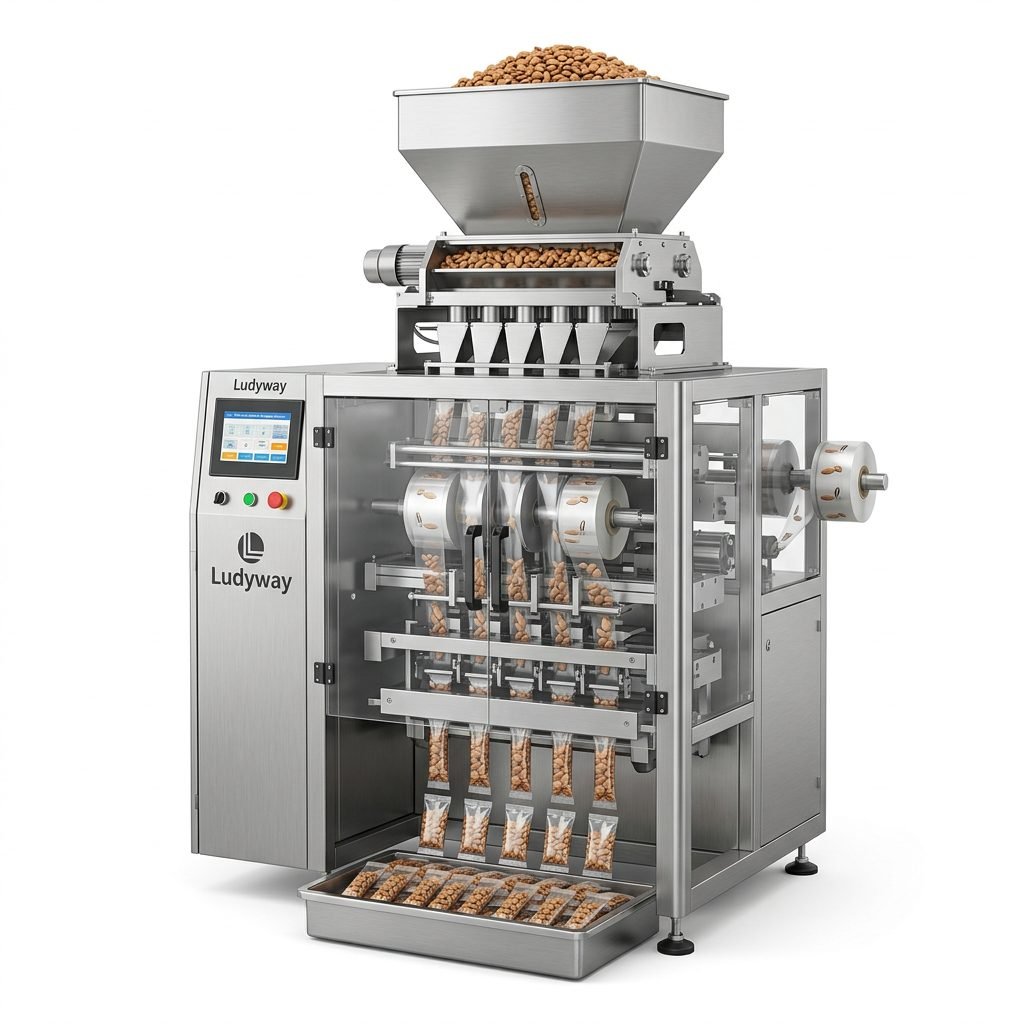
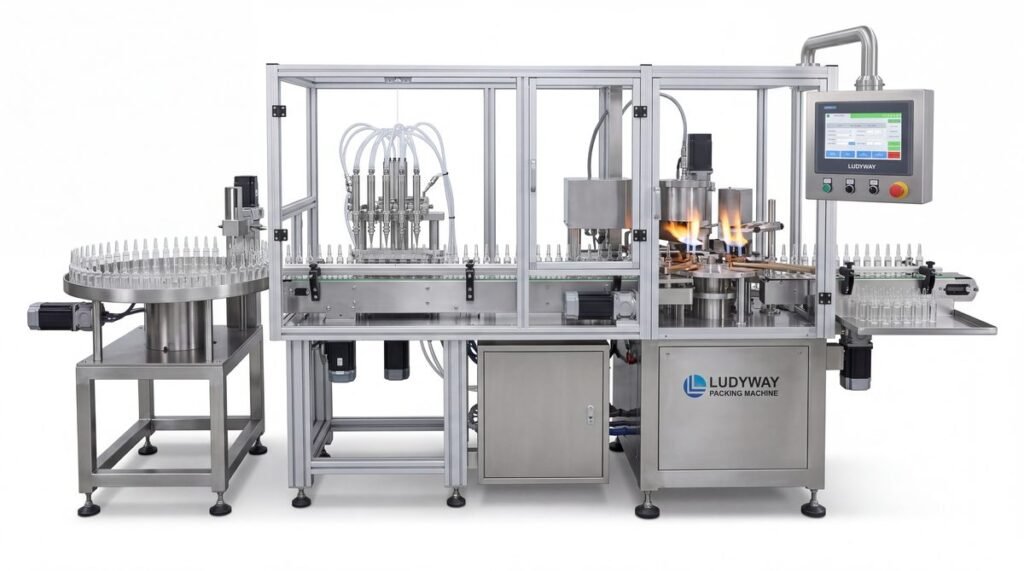
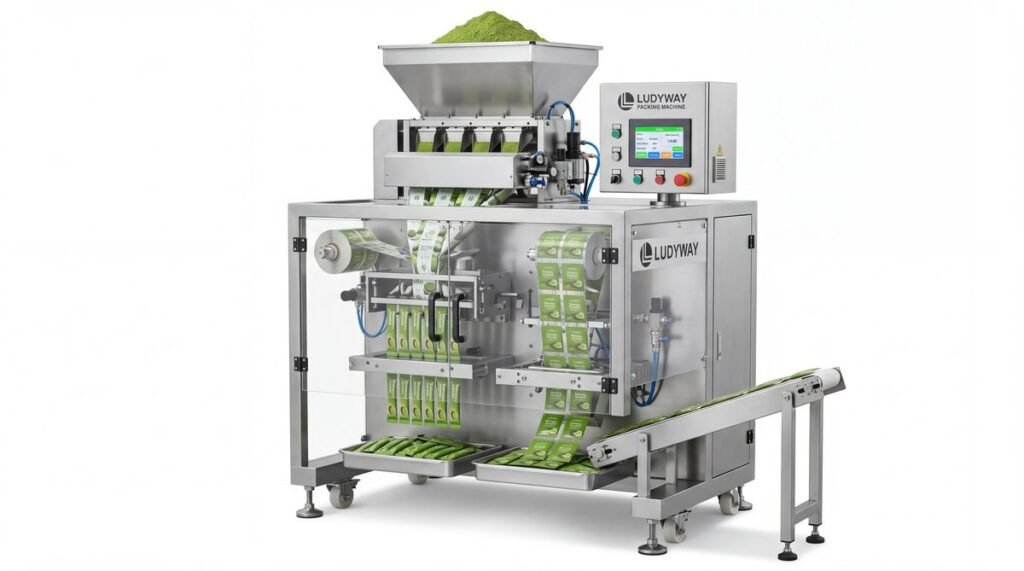
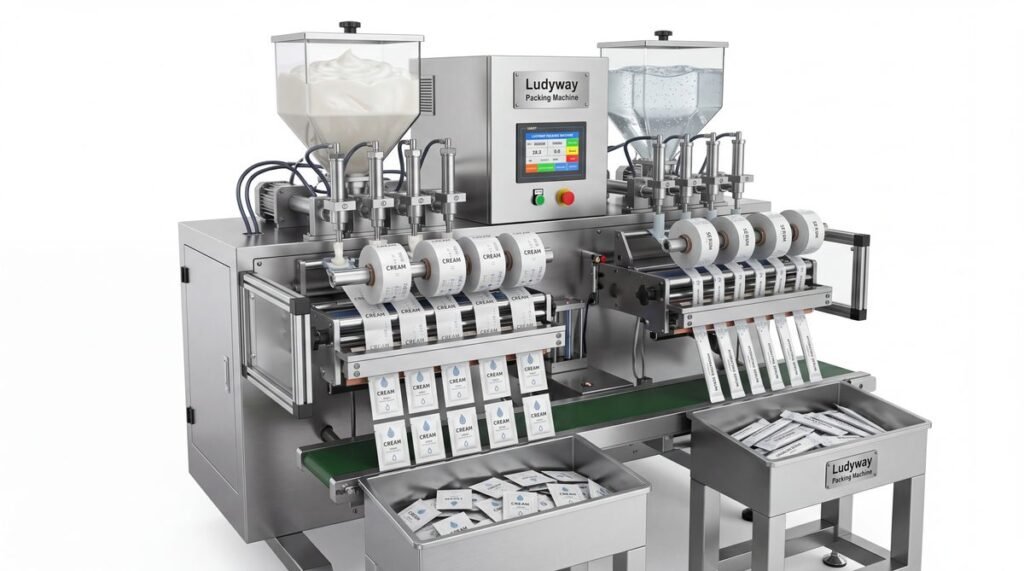
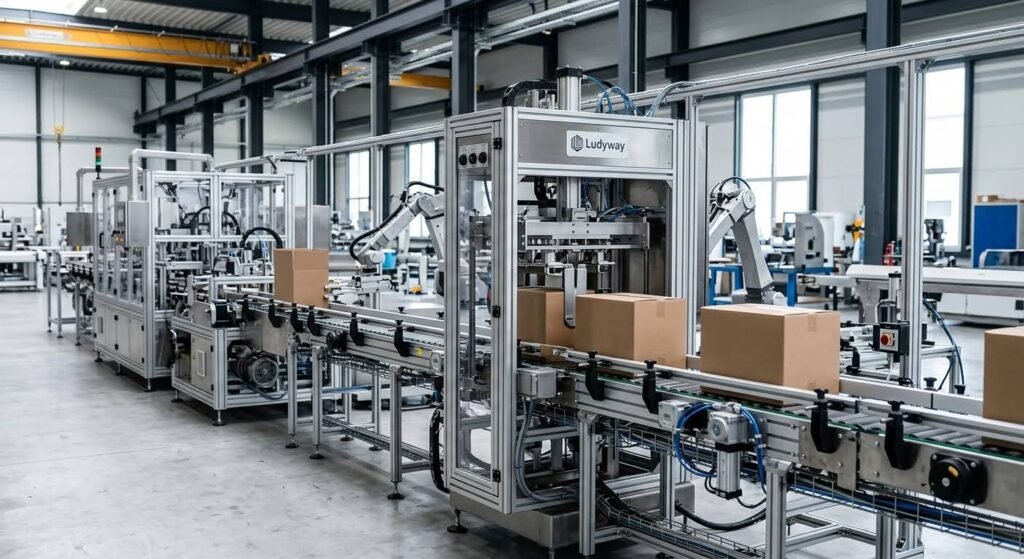
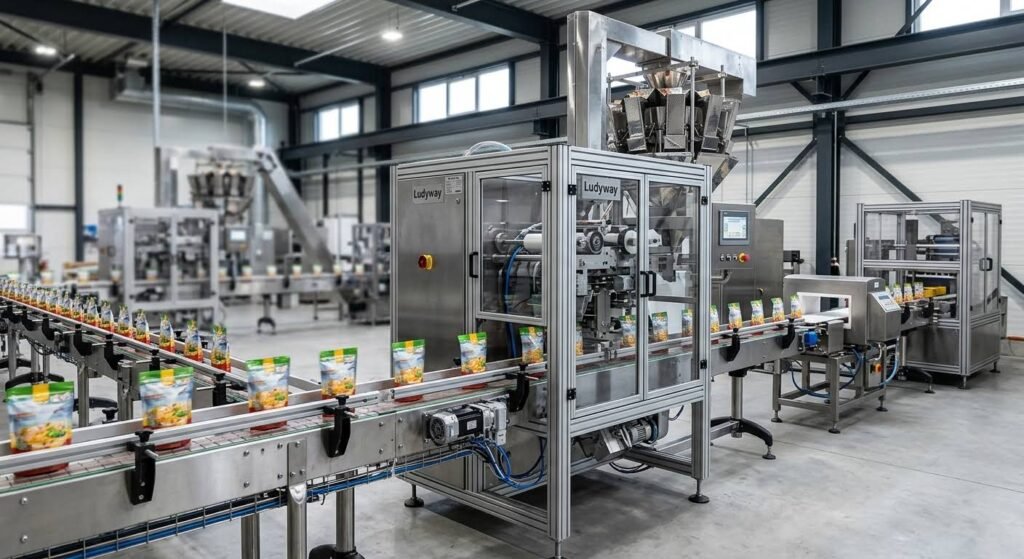
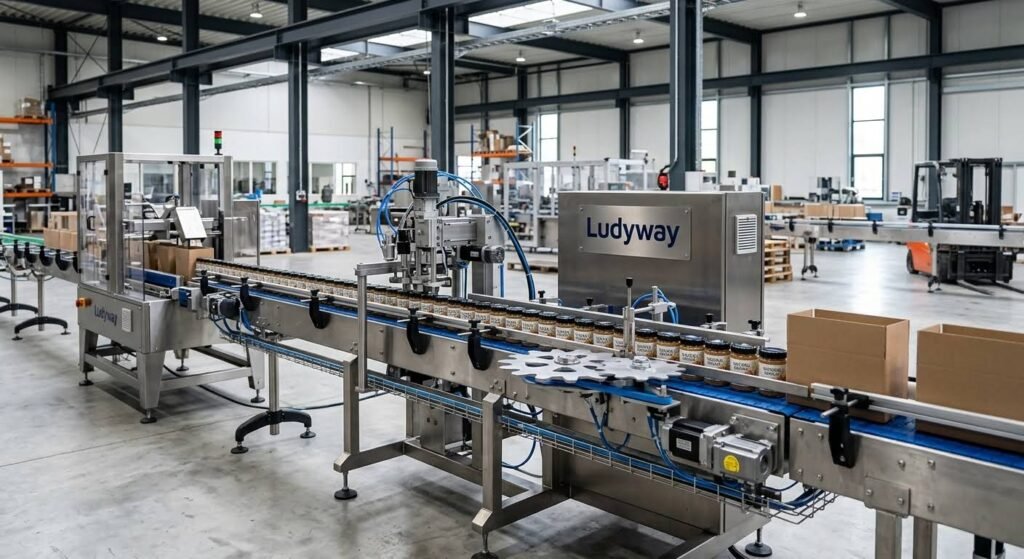
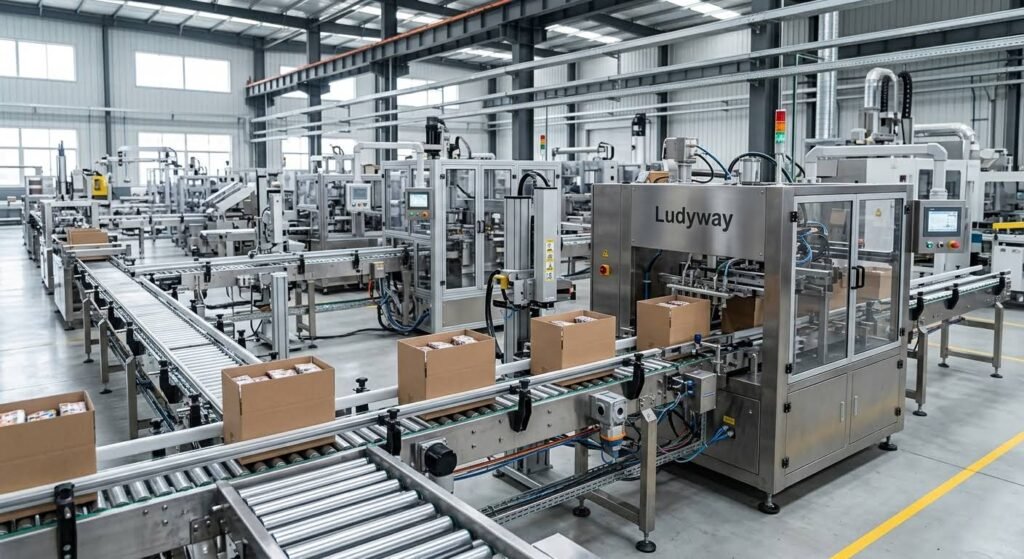
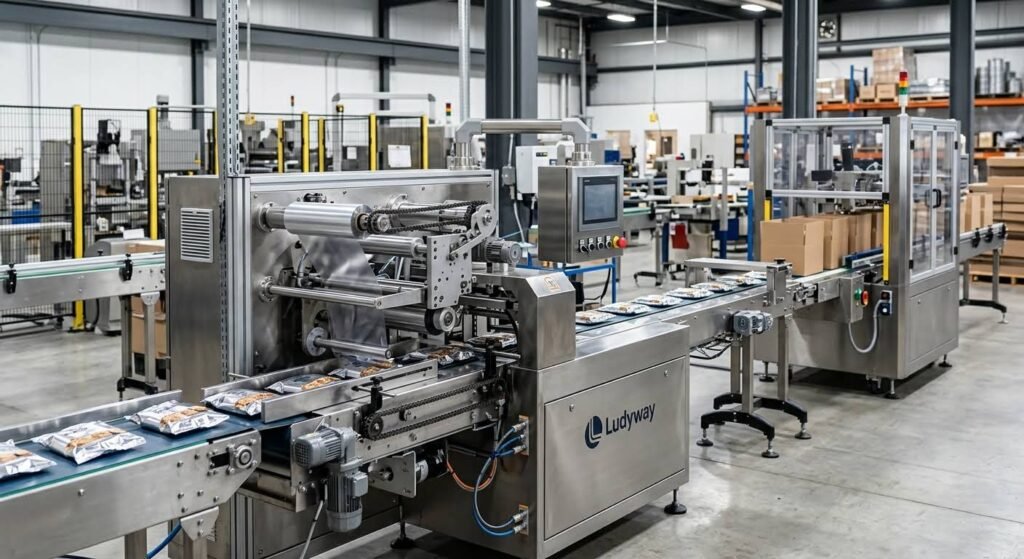
The solution to these efficiency challenges lies in investing in smarter, more capable equipment. Next-generation packaging systems are no longer just mechanical workhorses; they are data-centric productivity hubs. For instance, leading manufacturers like Ludyway integrate programmable logic controllers (PLCs) and human-machine interfaces (HMIs) that provide real-time data on:
| Metric | Impact on Efficiency |
|---|---|
| Production Count | Tracks real-time output against targets. |
| Machine Speed (CPM) | Identifies underperformance and optimization opportunities. |
| Reject Rate | Highlights quality or machine issues causing waste. |
| Energy Consumption | Helps manage one of the fastest-growing operational costs. |
This data empowers managers to make informed decisions, fine-tune processes, and achieve continuous improvement—a vital capability in a high-cost environment.
Beyond the Machine: The Total Solution Advantage
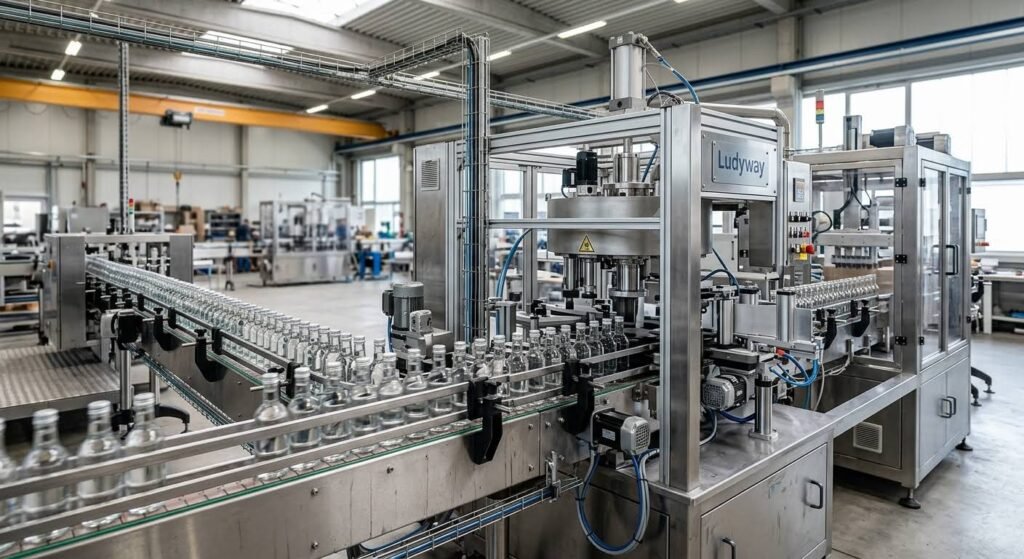
True efficiency optimization extends beyond the purchase of a single machine. It involves a holistic view of the packaging line. Manufacturers are increasingly seeking partners who can provide turnkey solutions—seamlessly integrated lines where conveyors, fillers, sealers, and cartoners work in perfect harmony. This approach eliminates interface bottlenecks, ensures consistent data flow, and simplifies training and maintenance. A partner with deep application expertise, such as Ludyway, can analyze a client’s specific product and throughput needs to design a system that maximizes material yield and operational uptime from day one.
Conclusion: Efficiency as a Strategic Imperative
The trend of rising raw material costs is unlikely to reverse in the near term. Therefore, optimizing packaging line efficiency has transitioned from a tactical cost-saving measure to a strategic imperative for competitive survival and growth. By investing in advanced, intelligent, and flexible packaging machinery and comprehensive solutions, manufacturers can build resilience. They can protect their margins, improve sustainability through waste reduction, and enhance their ability to adapt to market demands. In an era defined by economic pressure, the most efficient packagers will not only endure but thrive.