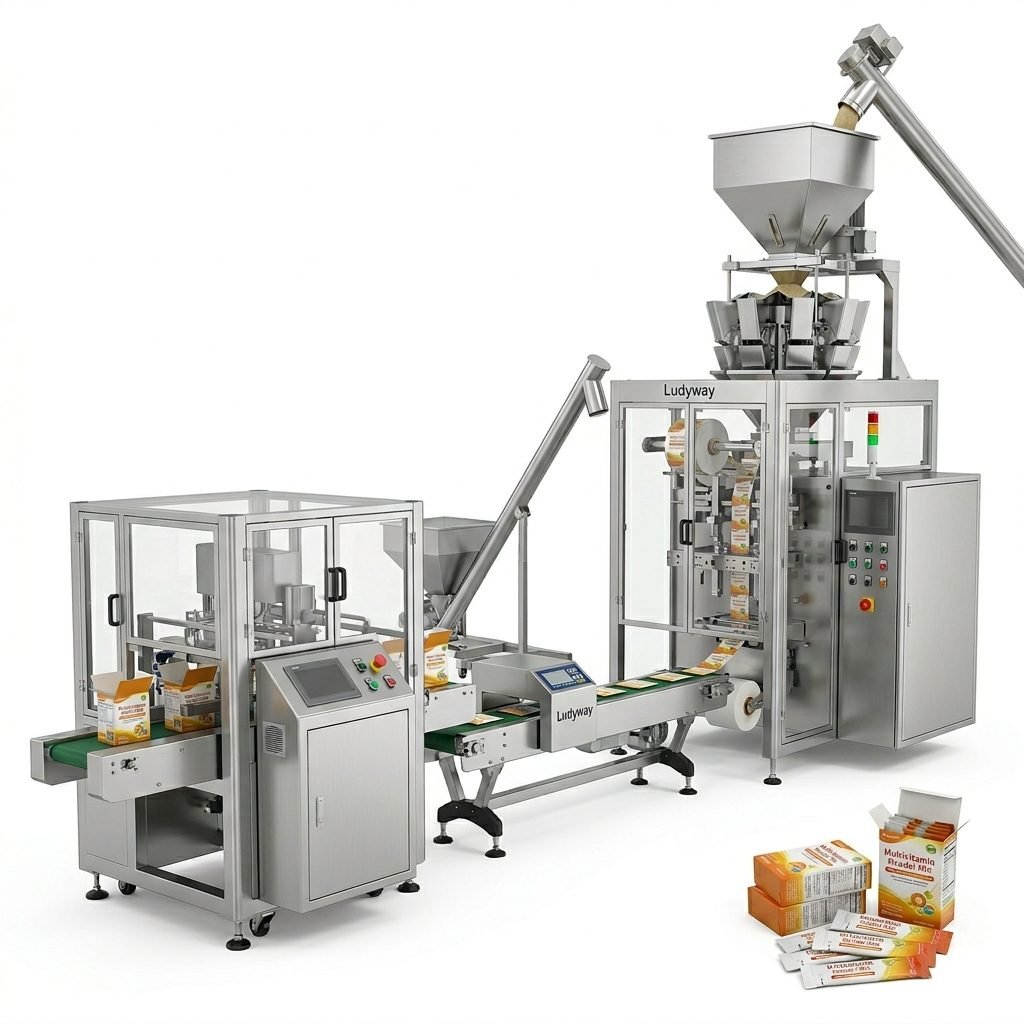
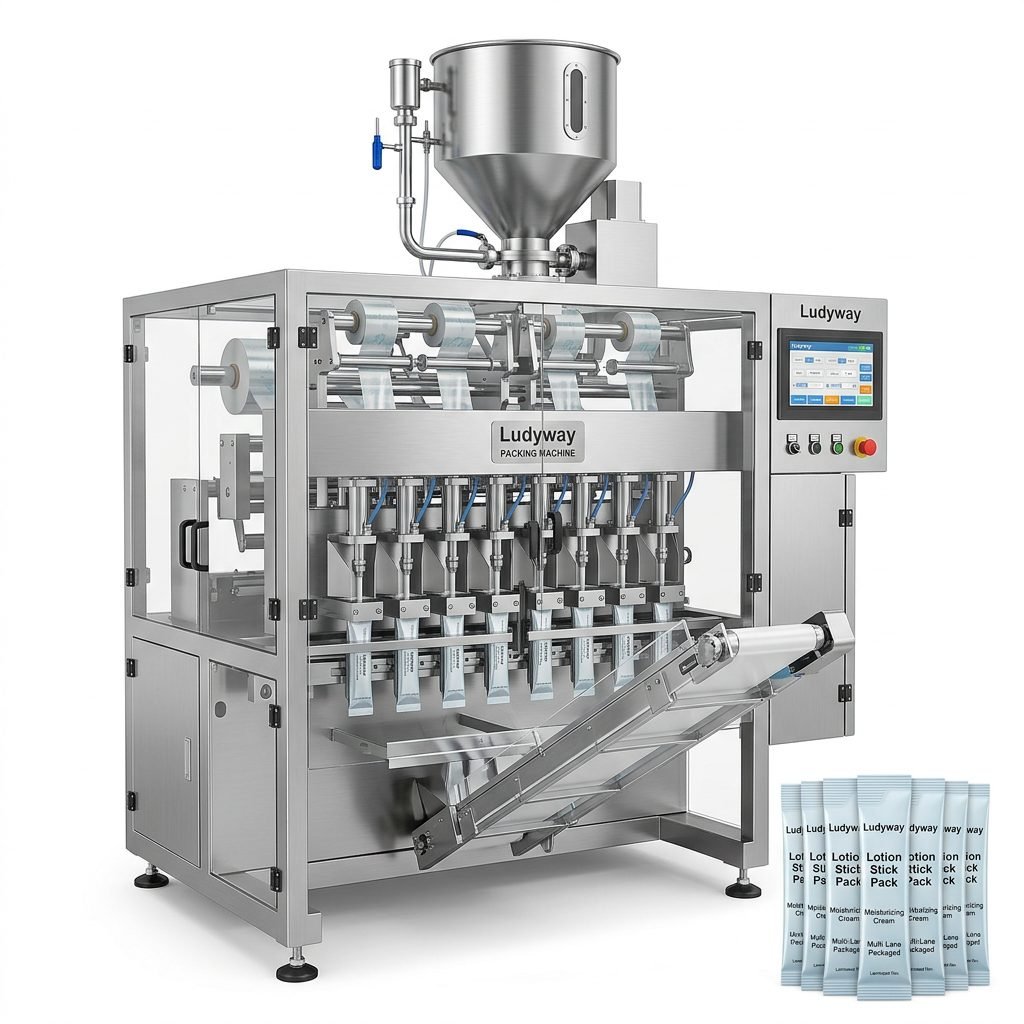
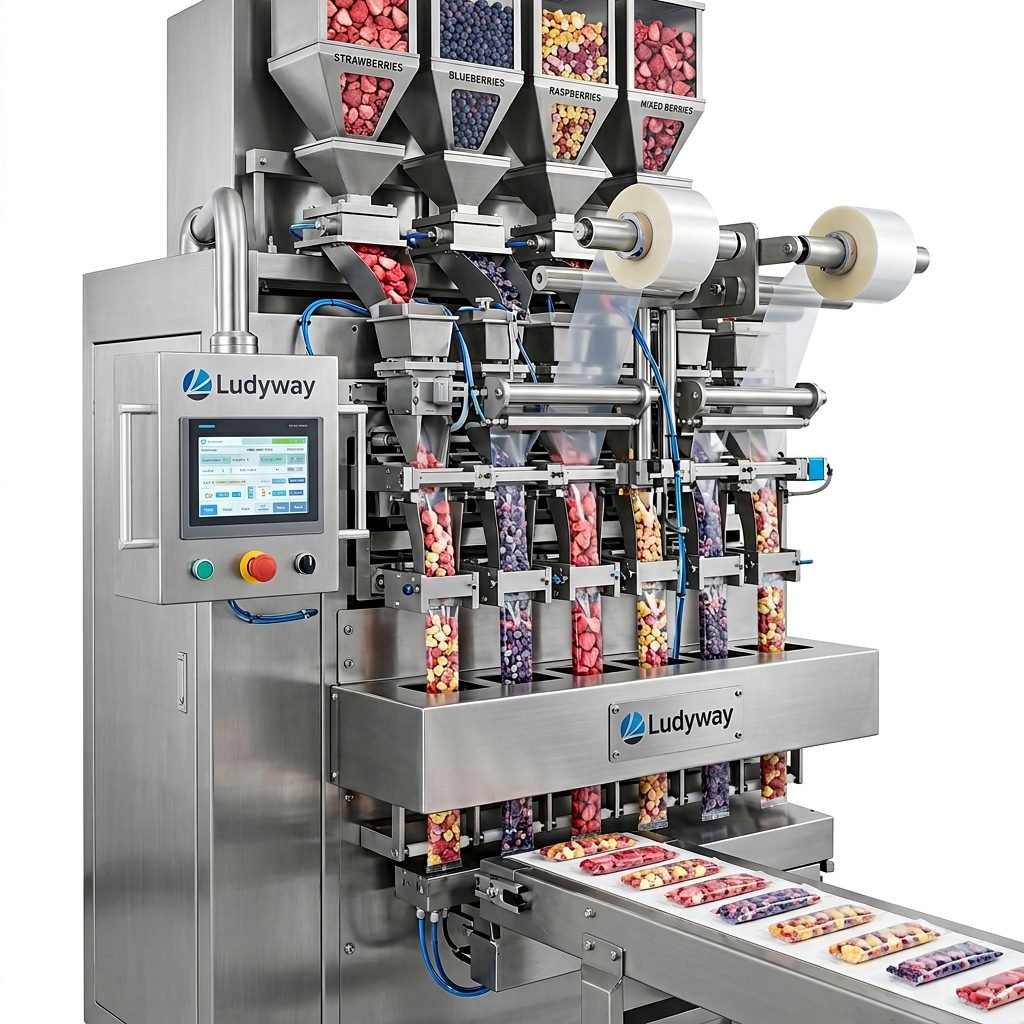
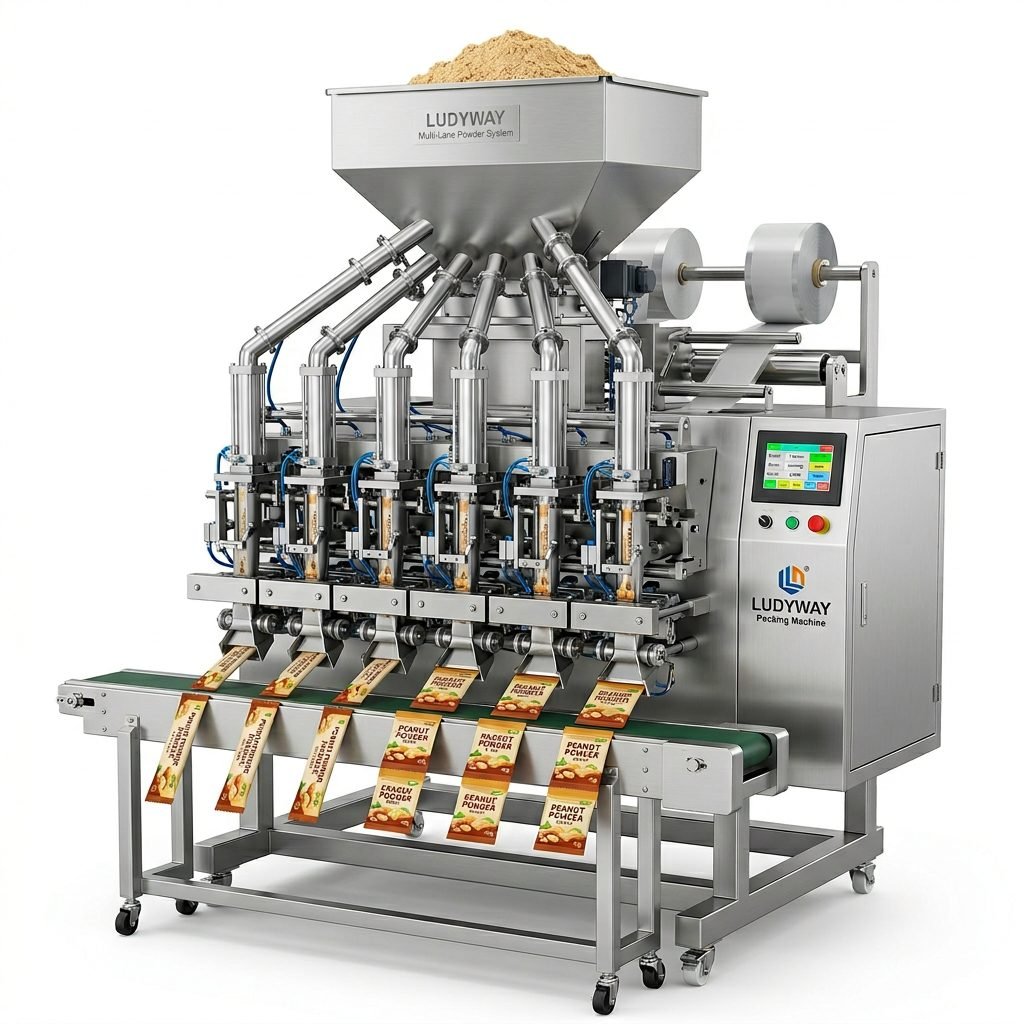
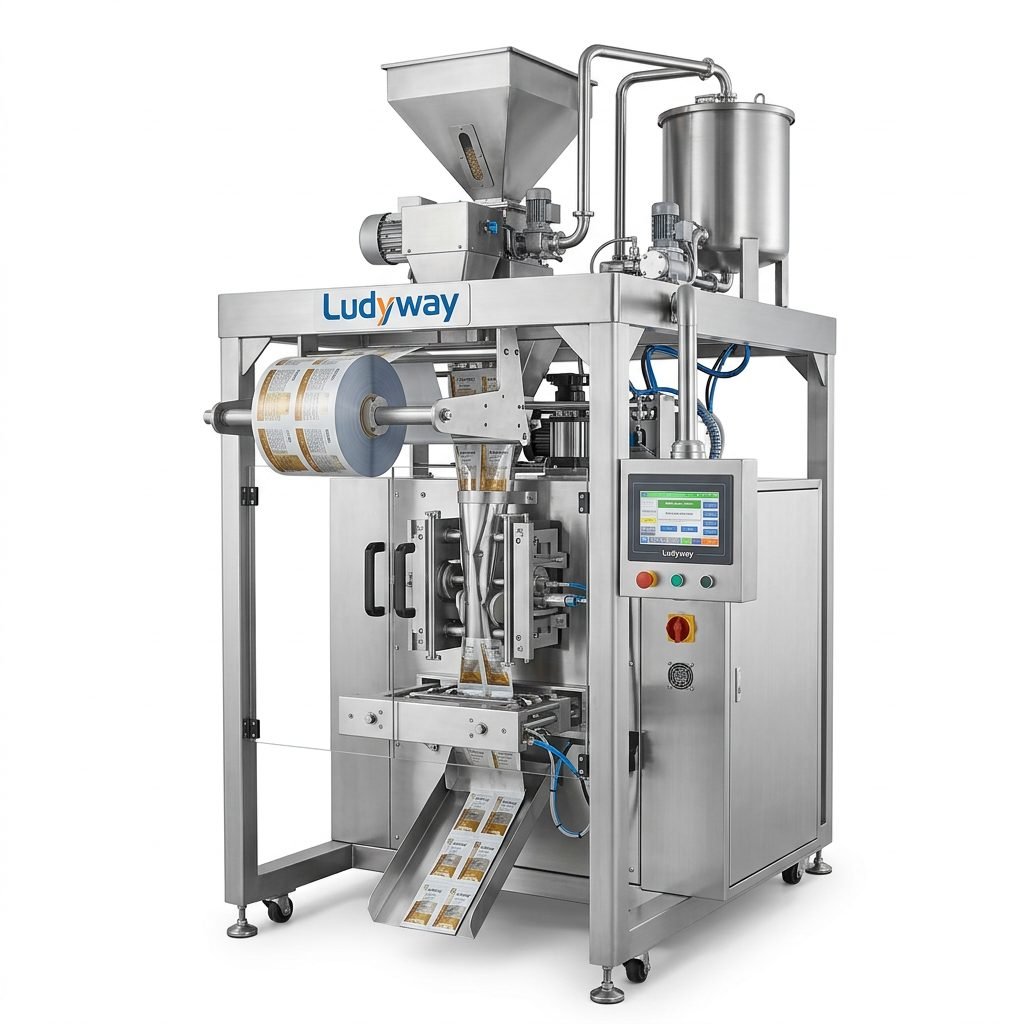
Investing in a masala packing machine is a significant decision for any spice processing business. Understanding the masala packing machine price range and implementing a solid maintenance plan are two sides of the same coin — both directly impact your long-term profitability and operational efficiency.
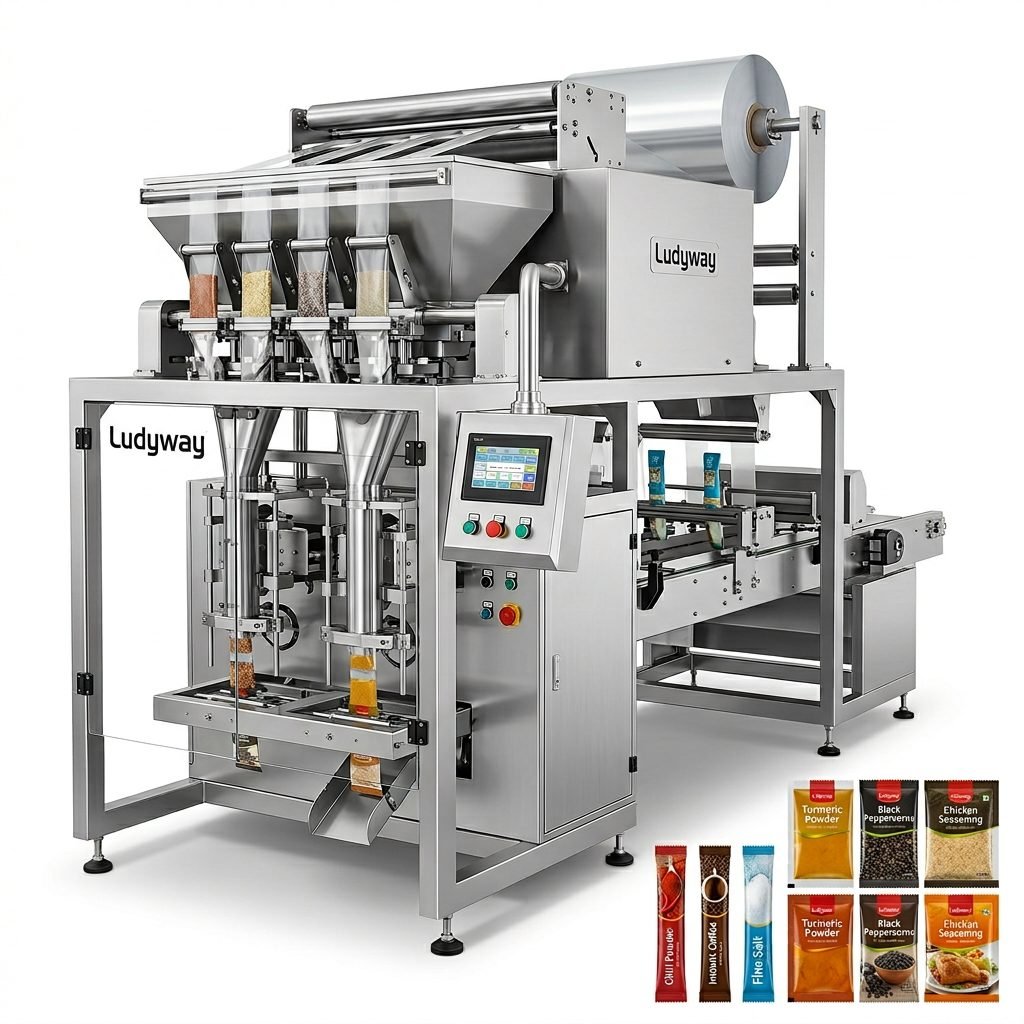
Understanding Masala Packing Machine Price Ranges
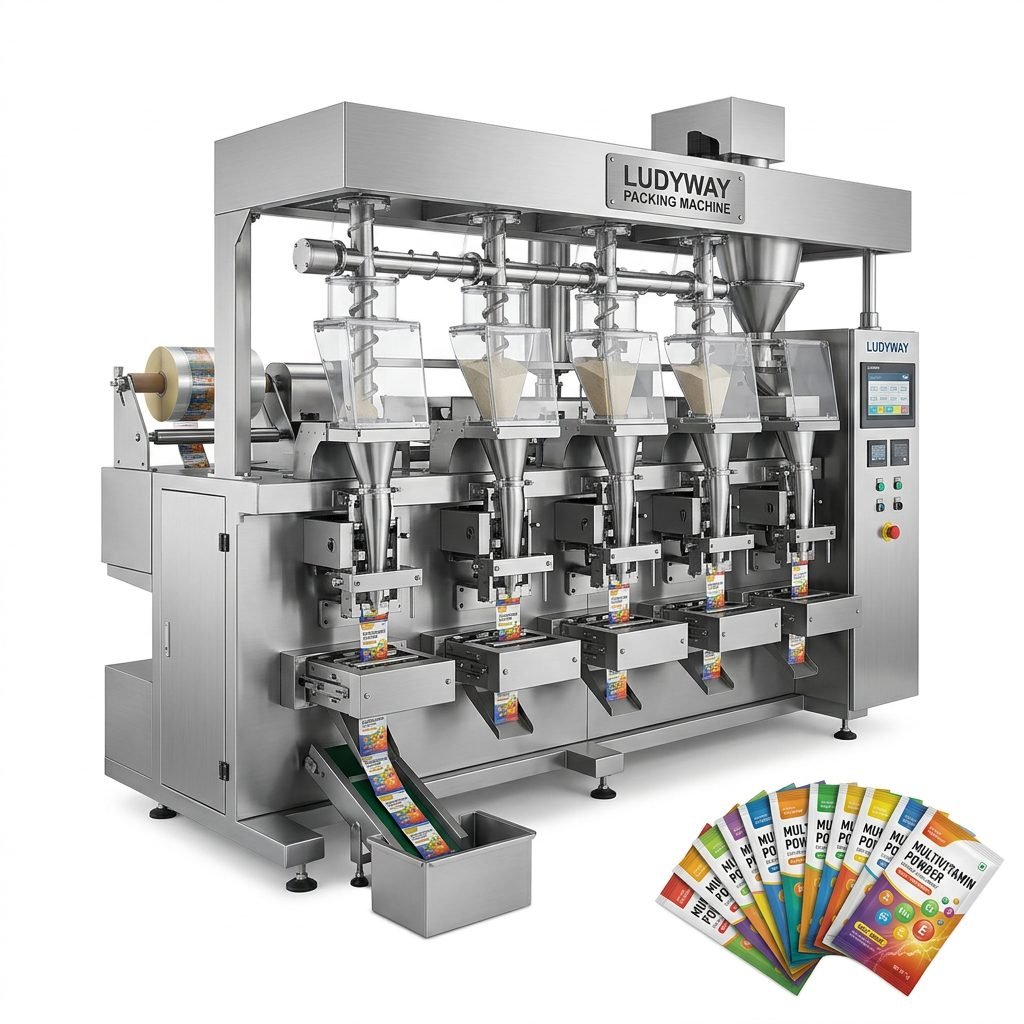
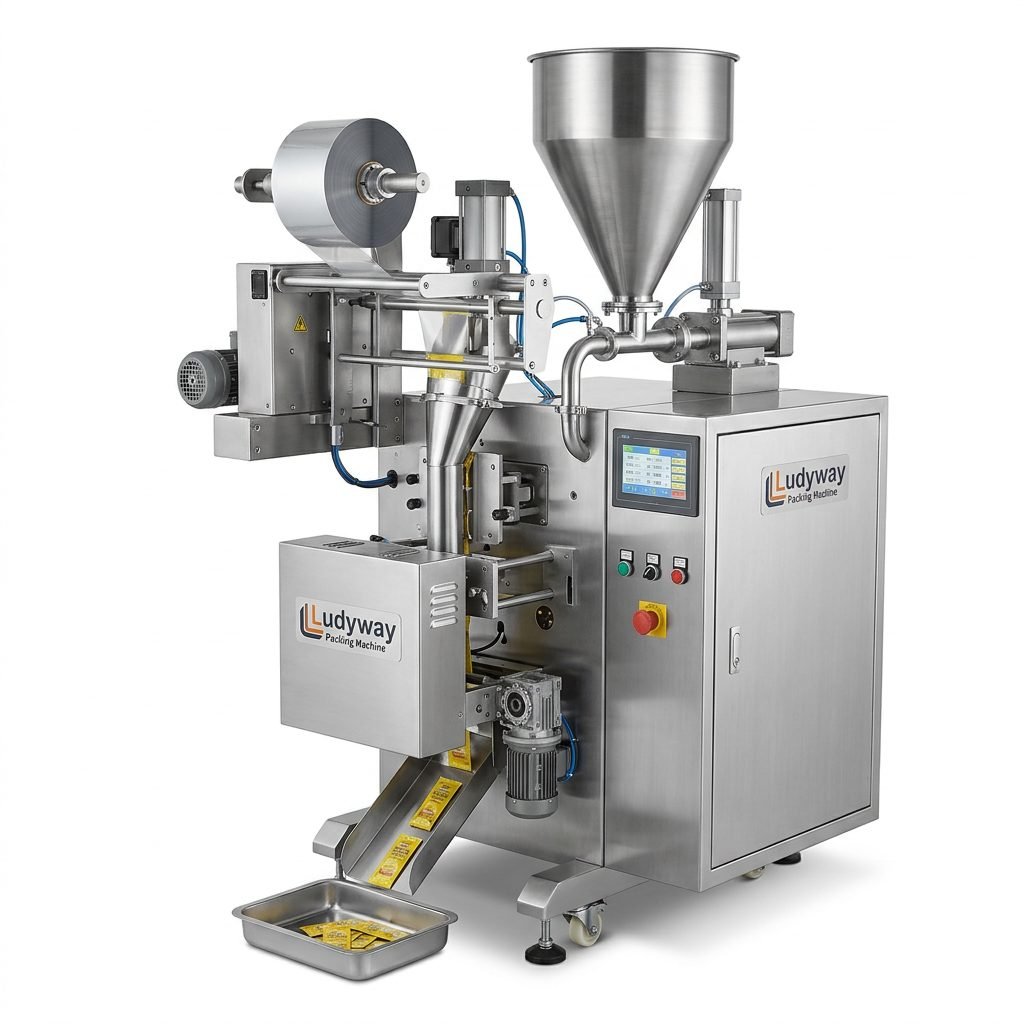
The masala packing machine price varies widely based on several critical factors. Entry-level semi-automatic models typically start from $3,000 to $8,000, while mid-range machines with multi-lane capabilities range from $12,000 to $35,000. Fully automated, high-speed packaging systems with integrated weighing, filling, and sealing can exceed $50,000 depending on customization.
Key Factors Influencing Masala Packing Machine Cost
| Factor | Impact on Price | Typical Range |
|---|---|---|
| Automation Level | Semi-auto vs fully auto | $3,000 – $60,000+ |
| Number of Lanes | Single lane to 12+ lanes | $4,000 – $55,000+ |
| Filling System | Auger, volumetric, multi-head weigher | $2,000 – $20,000 add-on |
| Packaging Format | Stick pack, sachet, pouch | Varies by type |
| Speed Capacity | 30 to 600+ packs/min | Proportional increase |
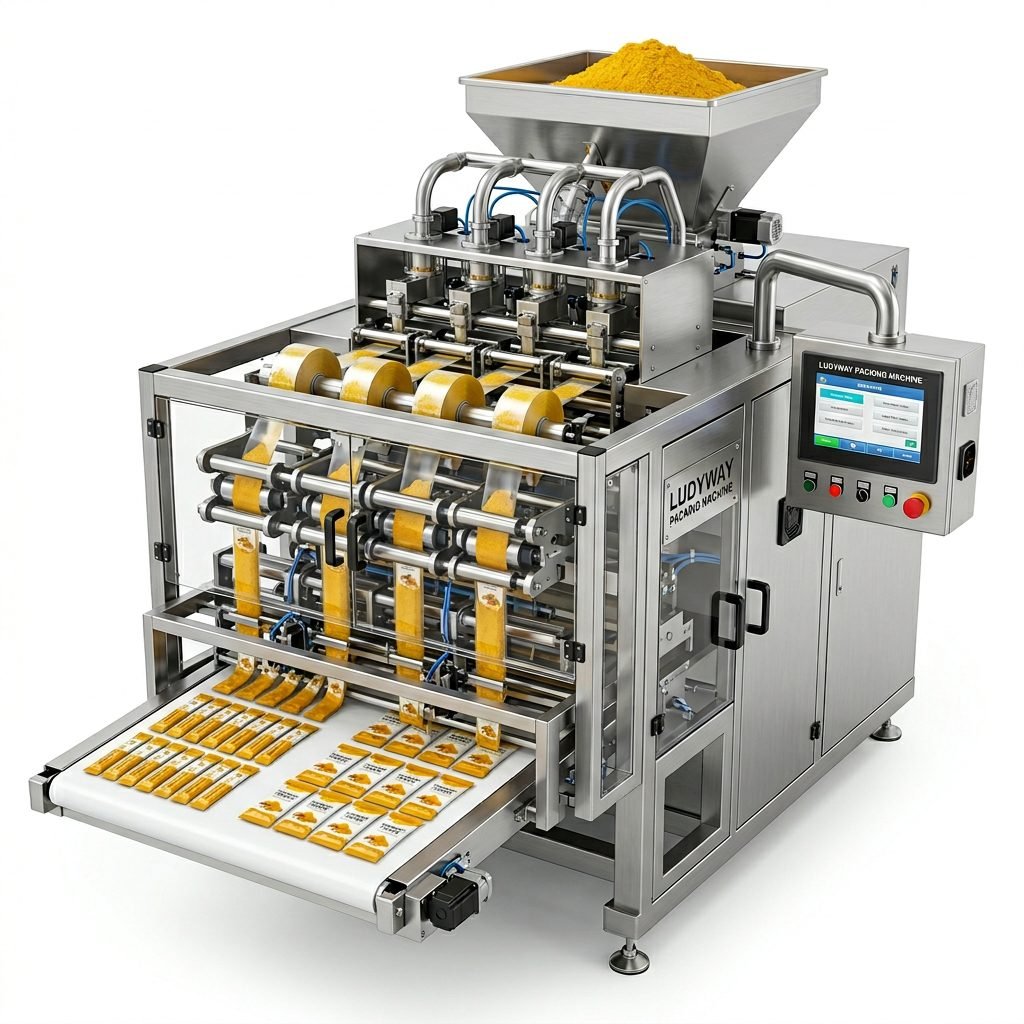
Why Regular Maintenance Matters
No matter what masala packing machine price you pay, consistent maintenance is the single most important factor determining the lifespan of your equipment. Masala powders — especially those containing turmeric, chili, and other hygroscopic spices — can be extremely corrosive and prone to caking. Without proper upkeep, even a premium machine can degrade within months. According to PMMI packaging industry resources, preventive maintenance can extend machinery life by up to 40% and reduce unexpected downtime by over 60%.
Daily Maintenance Checklist
- Clean all product contact surfaces — Masala residue is highly corrosive; wipe down filling nozzles, hoppers, and sealing jaws after every shift.
- Inspect sealing bars and Teflon tape — Worn Teflon on heat-seal jaws causes inconsistent seals and product leakage.
- Check air filters and pneumatic lines — Spice dust clogs filters rapidly; clean or replace as needed.
- Verify weighing accuracy — Calibrate multi-head weighers daily to ensure consistent fill weights per FDA packaging standards.
- Lubricate moving parts — Use food-grade lubricant on chains, bearings, and cam mechanisms.
Weekly and Monthly Maintenance Tasks
Beyond daily routines, a structured weekly and monthly schedule prevents the slow accumulation of issues that silently degrade your machine’s performance. The masala packing machine price reflects its engineering quality, but even the best equipment needs disciplined care.
Weekly Maintenance
- Deep-clean the forming tube and film path to remove spice oil residue
- Inspect temperature controllers and thermocouple connections
- Check belt tension on conveyor and film feed systems
- Test emergency stop circuits and safety interlocks
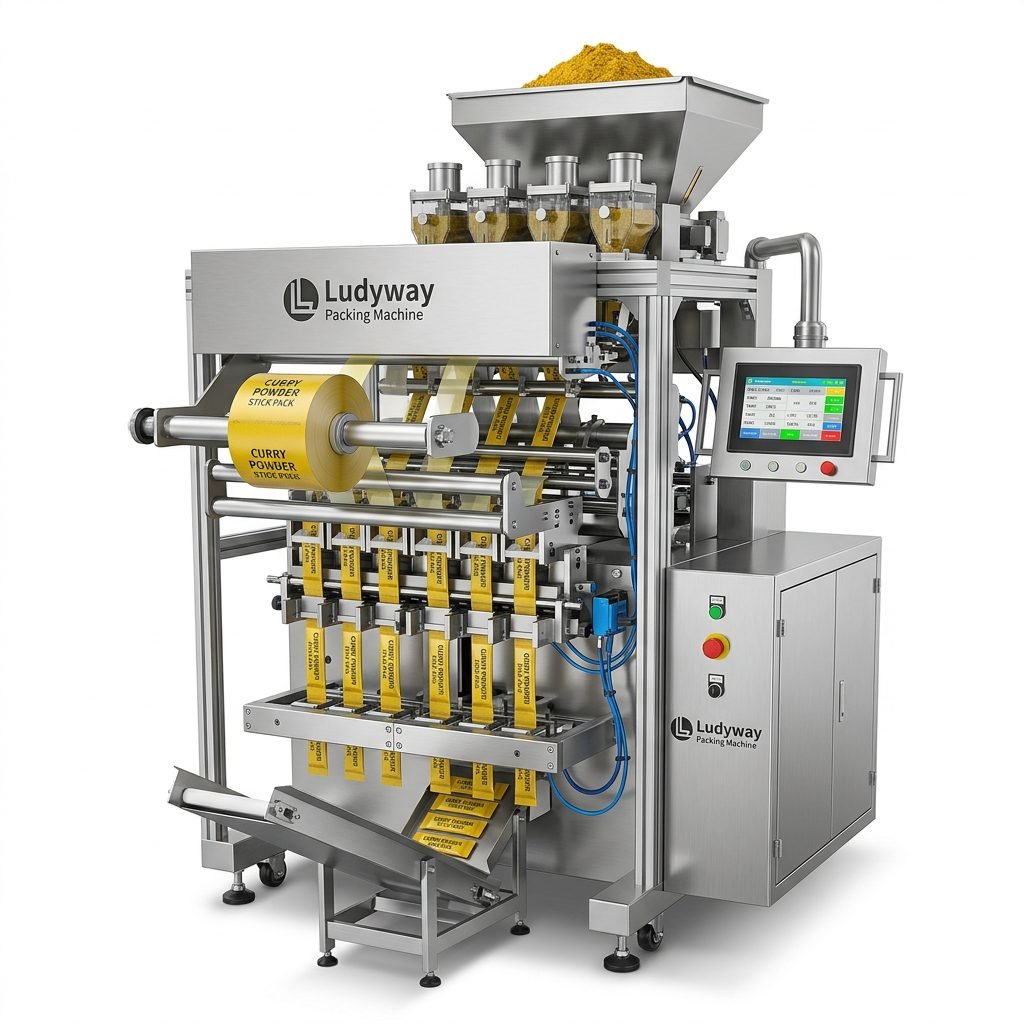
Monthly Maintenance
- Perform full calibration of all sensors — temperature, position, and weight
- Inspect electrical connections for looseness caused by vibration
- Replace worn Teflon tape on heat-seal jaws proactively
- Check and tighten all mechanical fasteners throughout the machine frame
- Review PLC error logs for intermittent faults
Common Masala Packing Machine Problems and Solutions
| Problem | Likely Cause | Recommended Solution |
|---|---|---|
| Inconsistent seal quality | Worn Teflon, incorrect temperature | Replace Teflon tape, recalibrate heat settings |
| Powder bridging in hopper | Moisture absorption, static buildup | Install agitator or dehumidifier, use anti-static treatment |
| Weight variation between packs | Auger wear, calibration drift | Recalibrate weighing system, inspect auger clearance |
| Film tracking issues | Misaligned rollers, worn guide rails | Realign film path, replace worn components |
| Excessive noise or vibration | Loose mounts, bearing wear | Tighten all mounts, inspect and replace bearings |
Seasonal and Annual Maintenance Planning
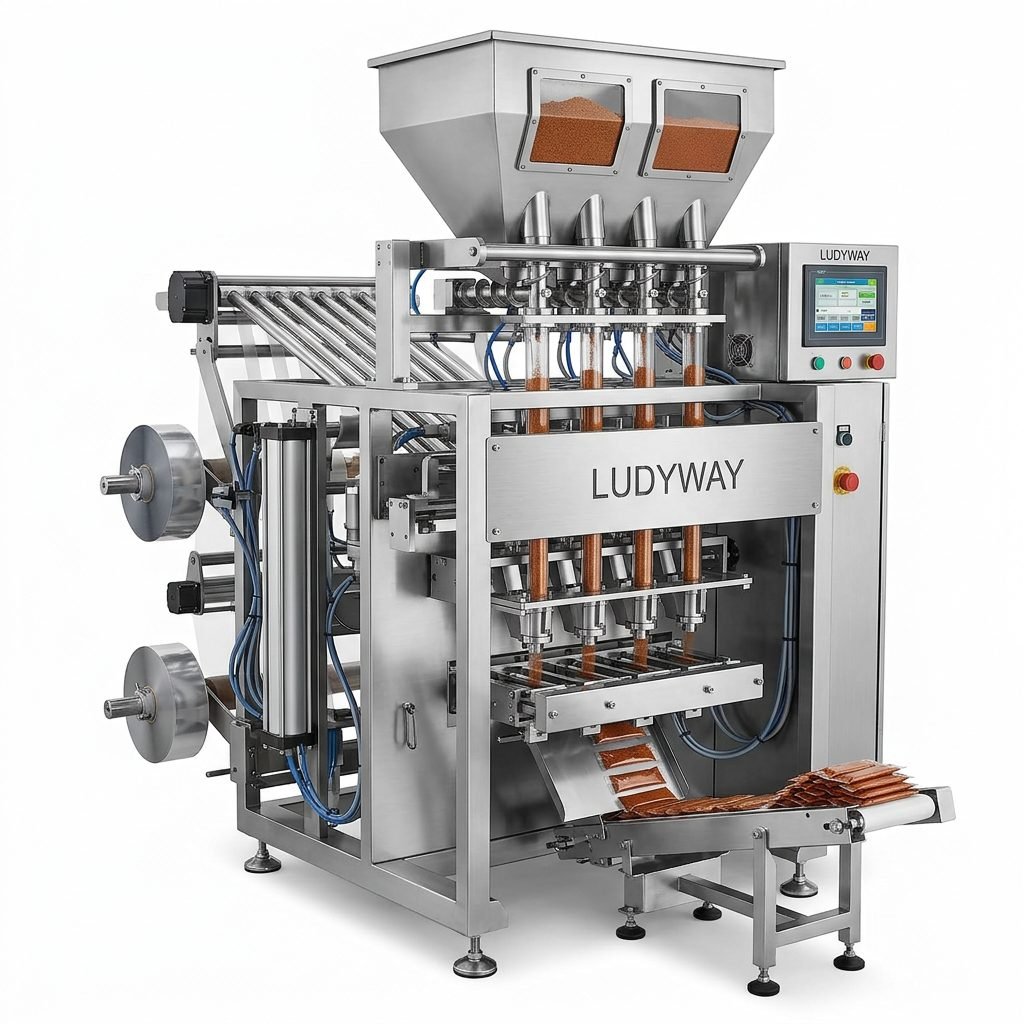
For businesses operating in tropical climates where masala production is common, monsoon season demands extra vigilance. Humidity accelerates powder caking and corrosion. Schedule a thorough pre-monsoon inspection covering all electrical systems, seals, and moisture-sensitive components. Annual maintenance should include a complete machine overhaul — replacing all wear parts, recalibrating every sensor, and updating PLC firmware if applicable. Refer to ISO packaging standards for comprehensive compliance guidelines.
Spare Parts Inventory Essentials
Keeping a well-stocked spare parts inventory minimizes downtime. For any masala packing machine, we recommend having these items on hand at all times:
- Teflon tape and heat-seal jaw covers — replace every 1-3 months depending on usage
- Forming tube sets for different pack sizes
- Auger screws and funnels specific to your powder characteristics
- Thermocouples and heating elements
- Drive belts and timing belts
- Pneumatic cylinder seals and O-rings
- PLC backup battery and fuses
Training Your Team for Effective Maintenance
Equipment longevity depends as much on operator skill as on machine quality. Even if you invest in a high-masala packing machine price model, untrained operators can cause significant damage through improper cleaning, incorrect parameter settings, or failure to recognize early warning signs. Establish a standard operating procedure (SOP) document for all maintenance tasks and conduct refresher training quarterly. As highlighted by Flexible Packaging Association resources, operator training is a critical component of packaging line efficiency.
When to Upgrade vs. Repair
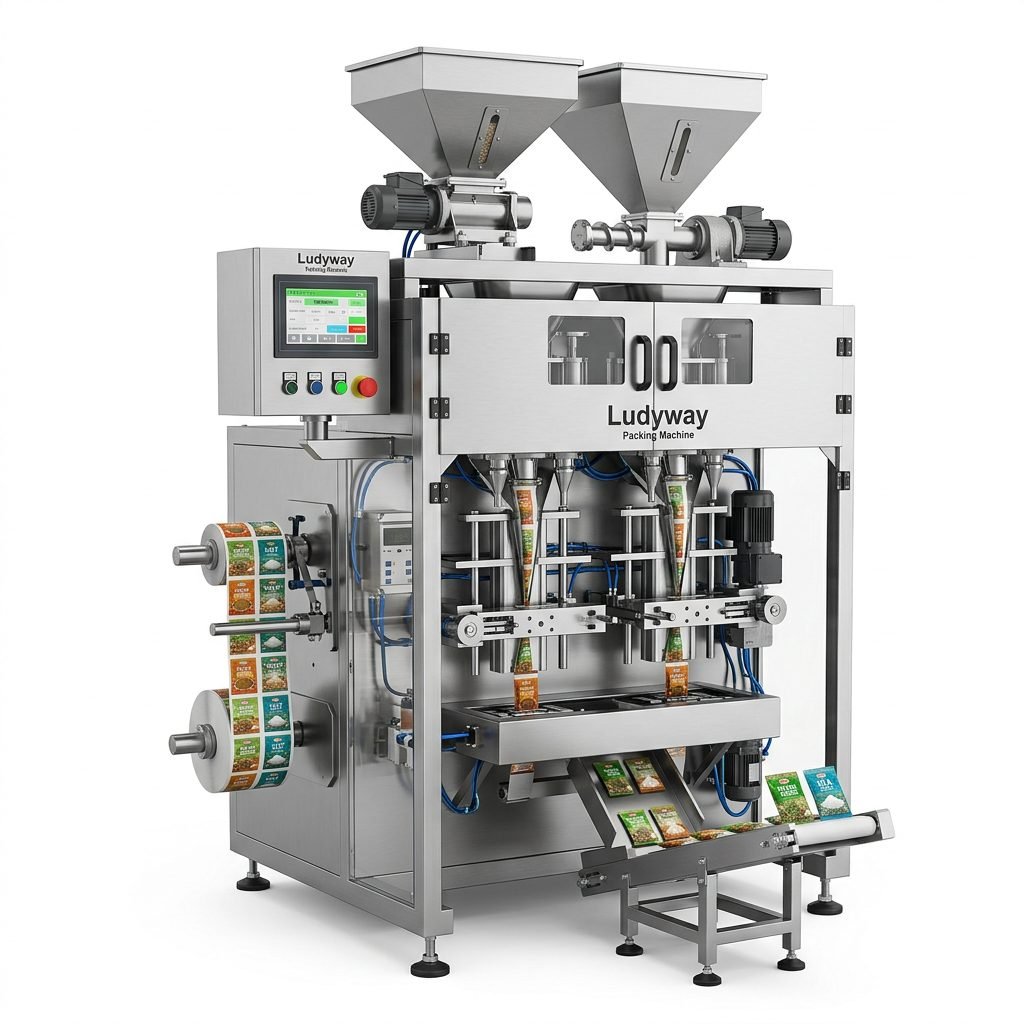
There comes a point in every machine’s lifecycle where repairs no longer justify the cost. Consider these guidelines when evaluating whether to repair or replace your masala packing machine:
- Repair costs exceed 50% of replacement value — Strong indicator it’s time to upgrade
- Frequent unplanned downtime exceeding 15% of production hours
- Obsolete control systems — Older PLCs may lack parts availability and modern features
- Changing product requirements — New pack formats or speeds that your current machine cannot achieve
- Regulatory compliance updates — Food safety standards evolve and older machines may not meet current requirements per FDA food contact substance regulations
Comparing Repair Costs vs. New Machine Investment
| Consideration | Repair Path | Replace Path |
|---|---|---|
| Immediate cost | Lower upfront outlay | Higher capital expenditure |
| Long-term reliability | Aging components remain | Full warranty, modern design |
| Efficiency gains | Minimal improvement | Significant speed and accuracy boost |
| Technology access | Limited to existing platform | Latest PLC, HMI, and servo tech |
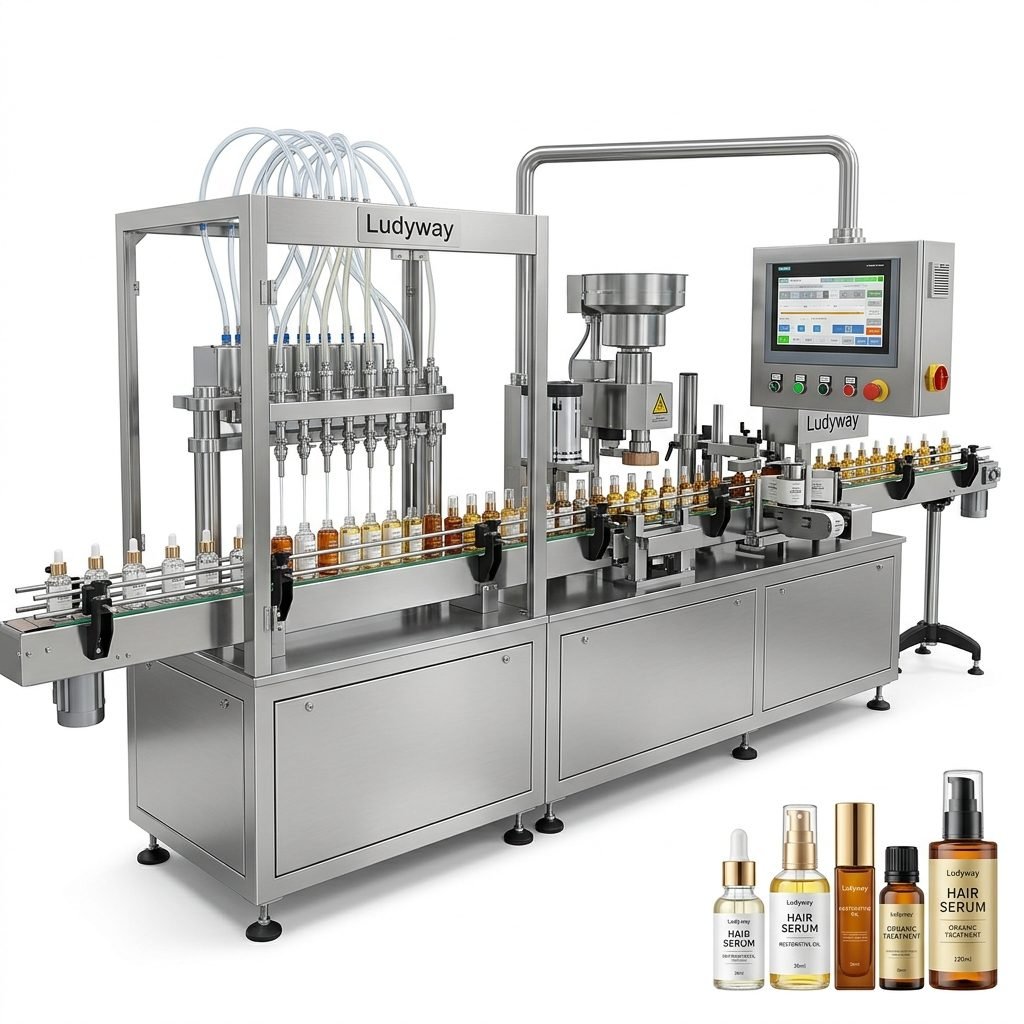
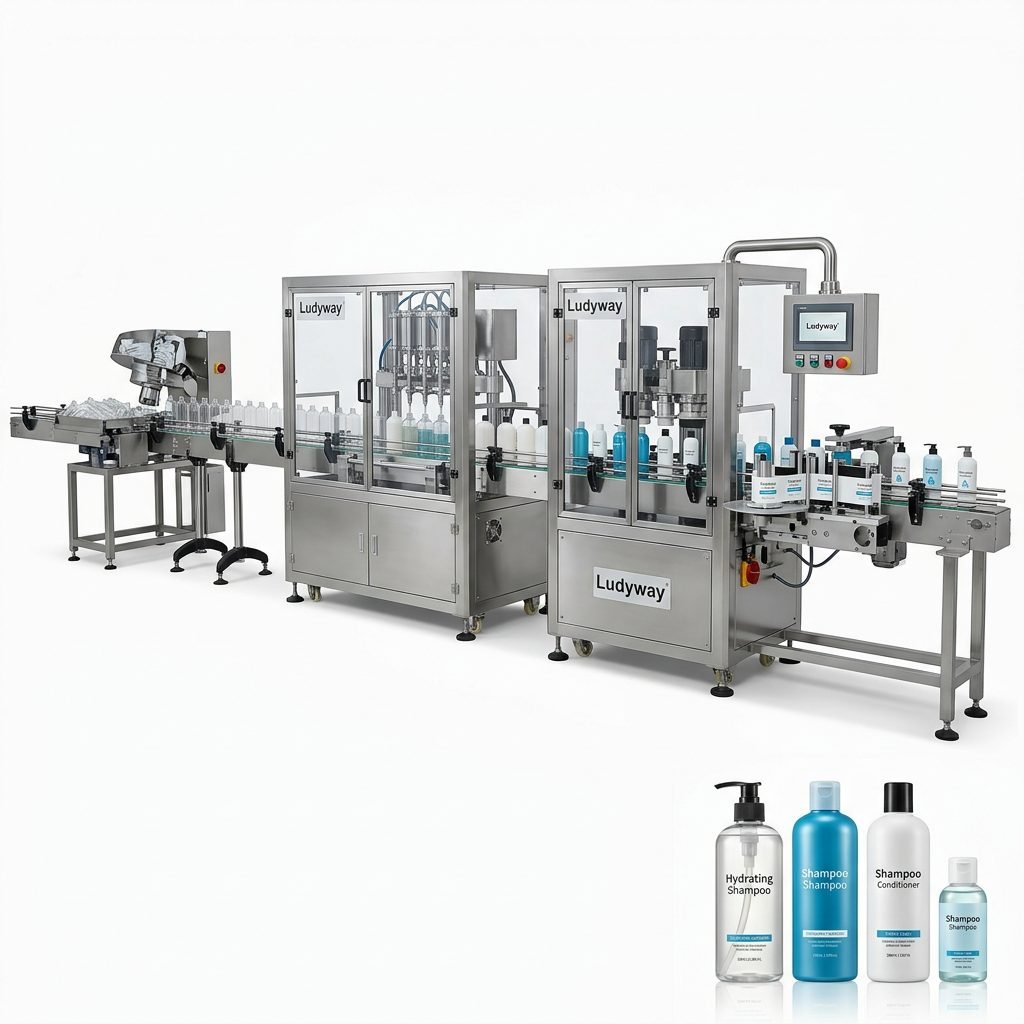
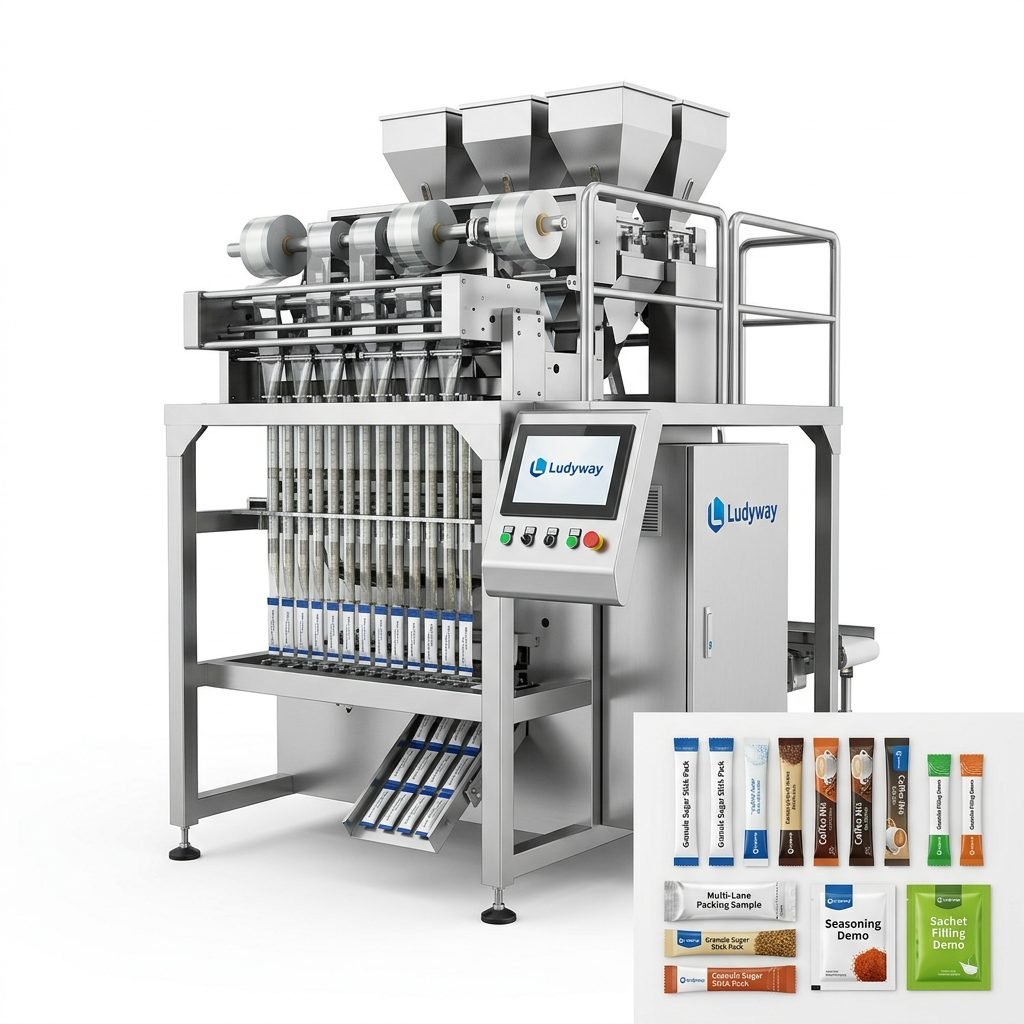
For businesses seeking reliable, long-term packaging solutions, Ludyway is one of the largest packaging machine manufacturers in China, offering over 50 intelligent models with comprehensive after-sales support and spare parts availability across 100+ countries. Whether you are evaluating a new masala packing machine price or need expert guidance on maintaining existing equipment, having a trusted manufacturer partner makes all the difference.
Documentation and Record-Keeping
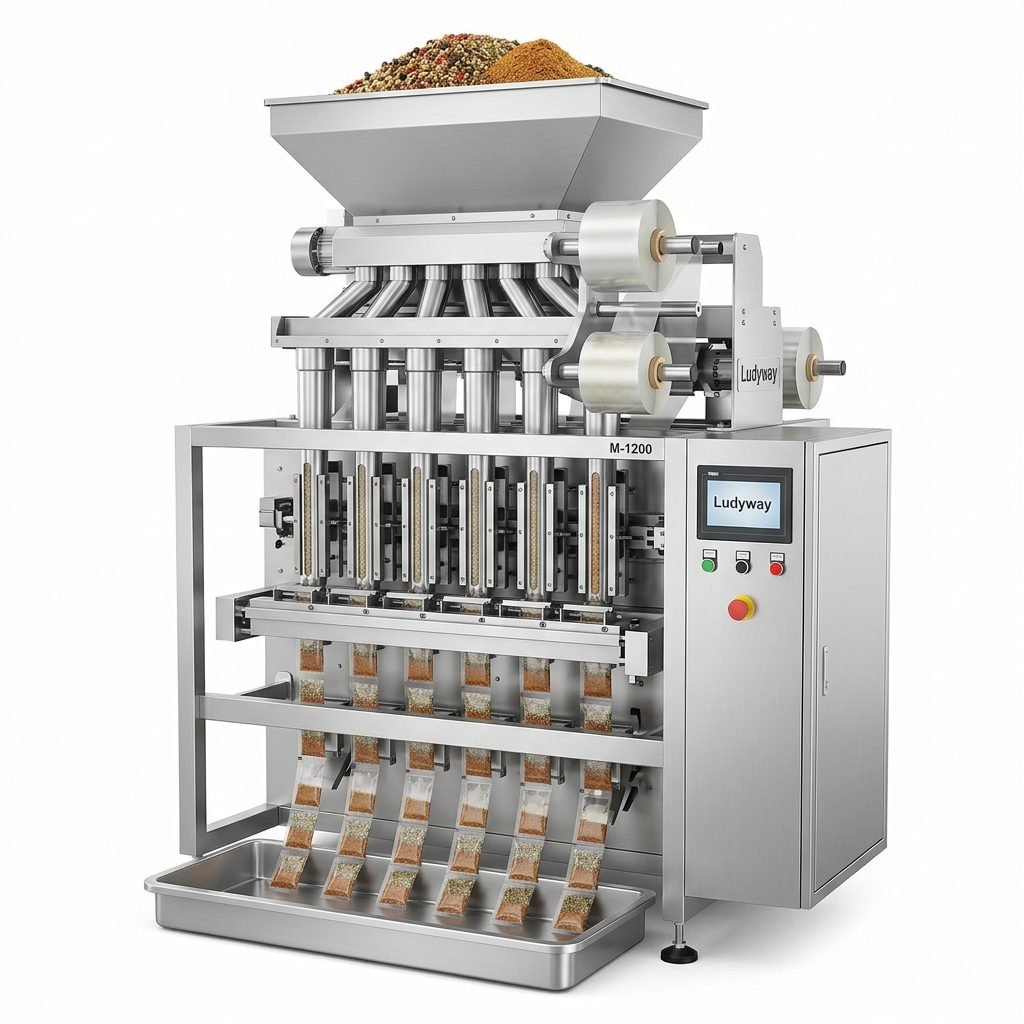
Maintaining detailed maintenance logs is essential for tracking machine health over time. Document every service event including date, parts replaced, technician notes, and any observations. This data helps predict future maintenance needs, justify capital expenditure for replacements, and ensure compliance with ISO 11607 packaging validation requirements if your operation requires certified standards.
Essential Maintenance Records to Track
- Daily cleaning checklists with operator sign-off
- Weekly and monthly inspection reports
- Spare parts consumption and reorder triggers
- Calibration certificates for weighing and temperature systems
- Downtime incident reports with root cause analysis
- Preventive maintenance schedule adherence tracking
Final Thoughts on Protecting Your Investment
The masala packing machine price you pay today is only the beginning of the story. A well-maintained machine delivers consistent pack quality, minimizes product giveaway, reduces energy consumption, and extends operational life — often by 5 to 10 years beyond poorly maintained units. By following the maintenance practices outlined above and staying informed through resources like the PMMI Business Intelligence Library and Flexible Packaging Association updates, you position your spice packaging operation for lasting success in an increasingly competitive global market.
Quick Reference: Daily vs. Periodic Maintenance
| Frequency | Key Tasks | Responsible Party |
|---|---|---|
| Daily | Clean surfaces, check seals, verify weights, lubricate | Machine Operator |
| Weekly | Deep clean, inspect sensors, check belt tension | Shift Supervisor |
| Monthly | Full calibration, electrical inspection, replace wear items | Maintenance Technician |
| Quarterly | Comprehensive audit, firmware updates, gearbox oil change | Senior Engineer |
| Annually | Full overhaul, replace all wear parts, complete recalibration | Manufacturer Service Team |