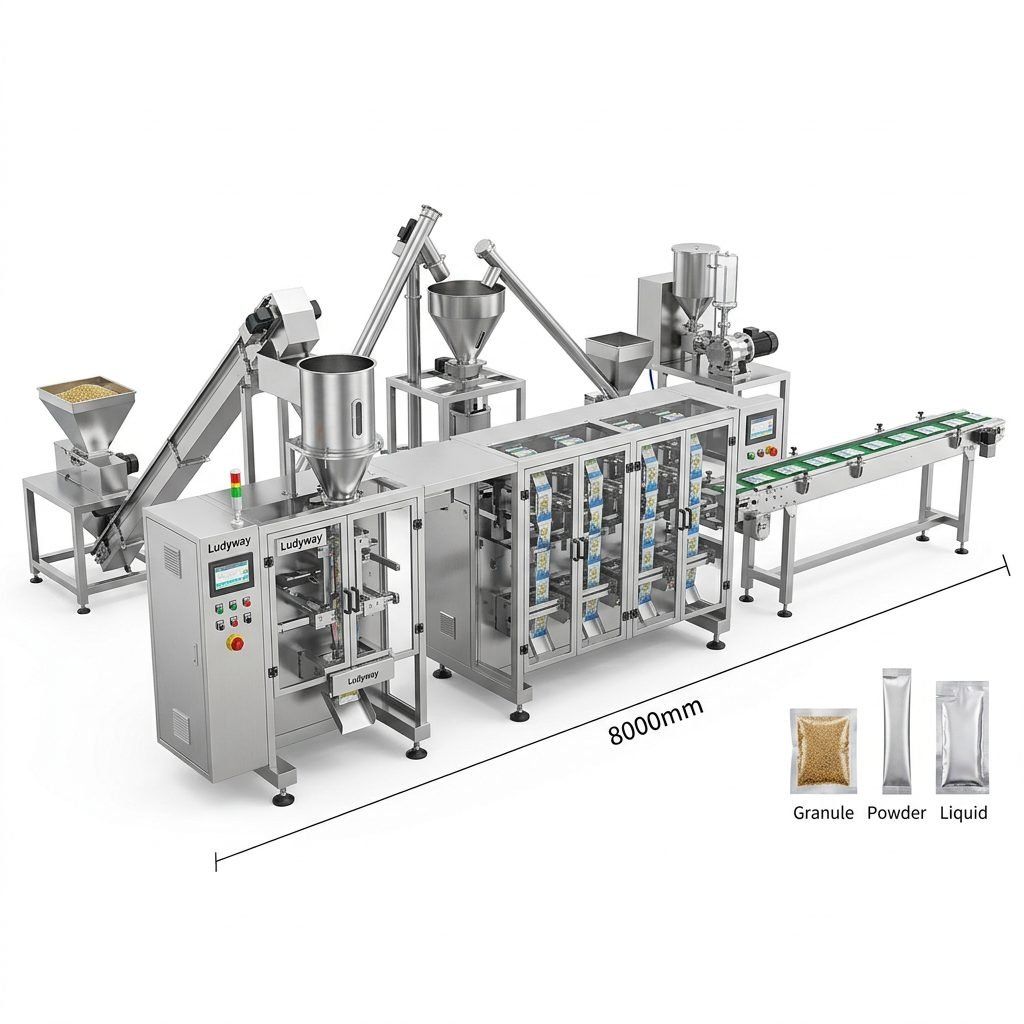
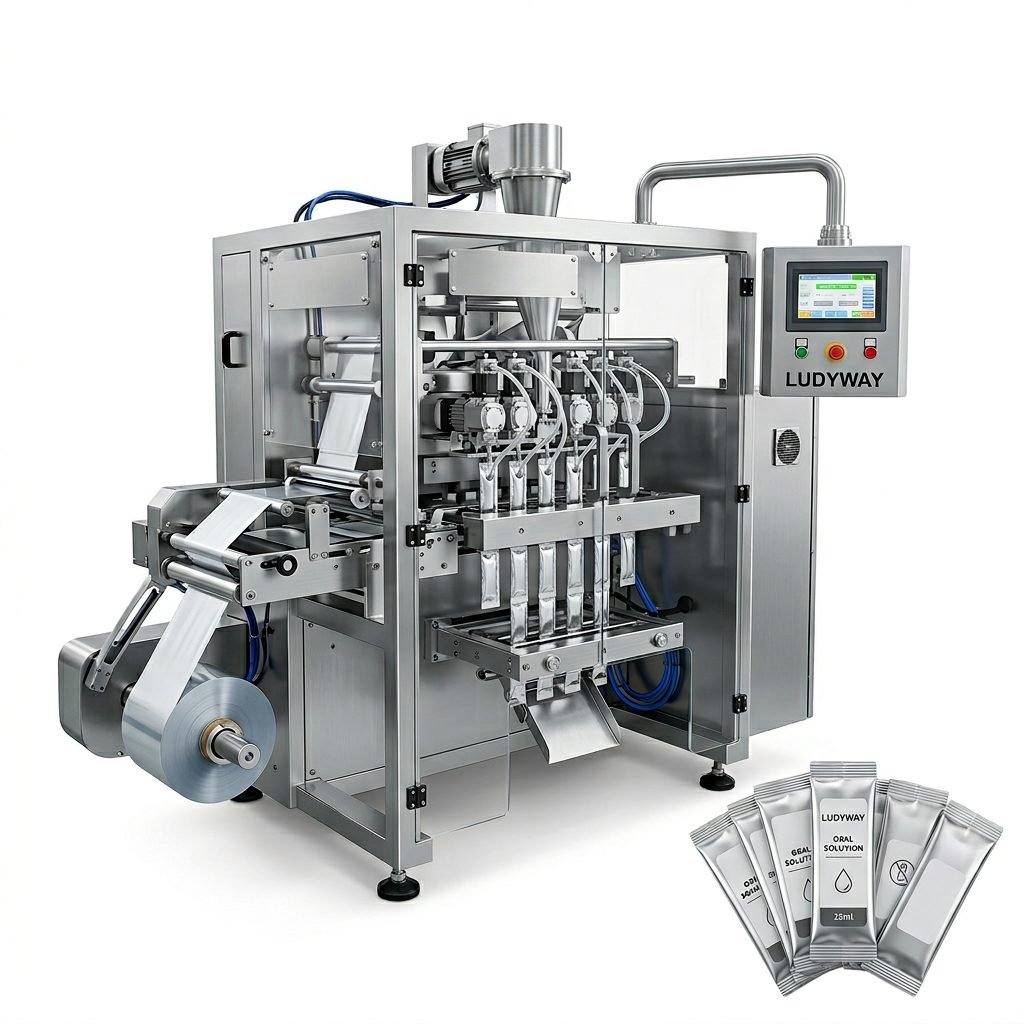
Switzerland is home to some of the world’s most demanding industries—pharmaceuticals, precision foods, luxury cosmetics, and health supplements. Selecting the right packaging machine for your Swiss-based production line requires a clear understanding of regulatory standards, product characteristics, and operational efficiency goals. Whether you are packaging granule products, powder formulations, liquid concentrates, or multi-lane sachet and stick pack formats, choosing the correct equipment directly impacts product quality, shelf life, and long-term profitability in the competitive European market.
Understanding Switzerland’s Packaging Regulatory Landscape
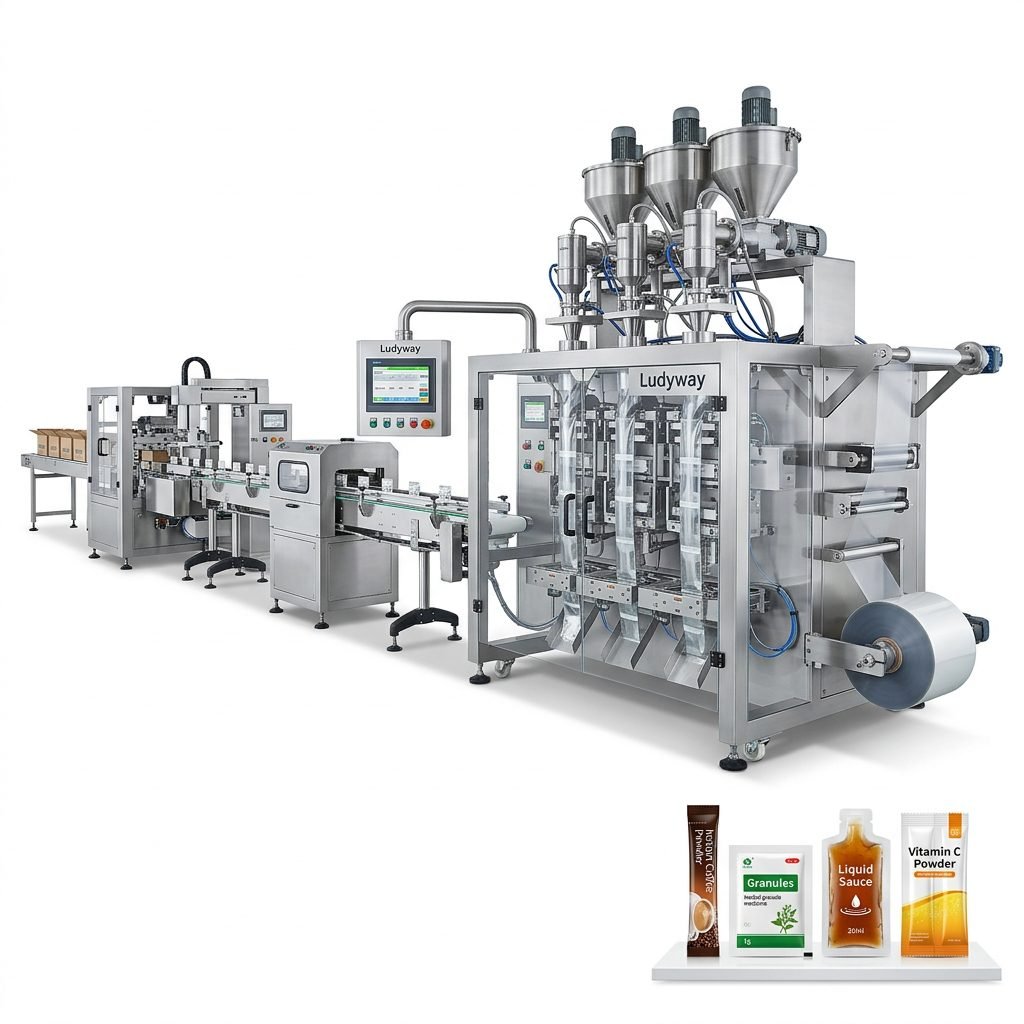
Before investing in any packaging machinery, Swiss manufacturers must navigate a layered regulatory framework. Switzerland, while not an EU member state, aligns closely with EU Packaging and Packaging Waste Regulations and maintains bilateral agreements that influence packaging material compliance, labeling, and waste management protocols. For pharmaceutical and health-related products, FDA food contact substance standards and ISO packaging standards often serve as international benchmarks that Swiss buyers expect their equipment to meet or exceed.
This means any packaging machine deployed in Switzerland should be capable of handling compliant materials, providing consistent seal integrity, and supporting traceability features such as batch coding and serialization. Multi-lane stick pack machines and sachet packaging systems that offer precise fill accuracy are particularly valued, as Swiss regulations and consumer expectations demand minimal product waste and maximum dosage precision.

Key Factors to Consider When Choosing a Packaging Machine in Switzerland
Selecting the ideal packaging equipment involves evaluating several interdependent factors. Swiss manufacturers typically prioritize precision, hygiene, automation level, and long-term reliability. Below are the most critical considerations:
Product Characteristics and Packaging Format
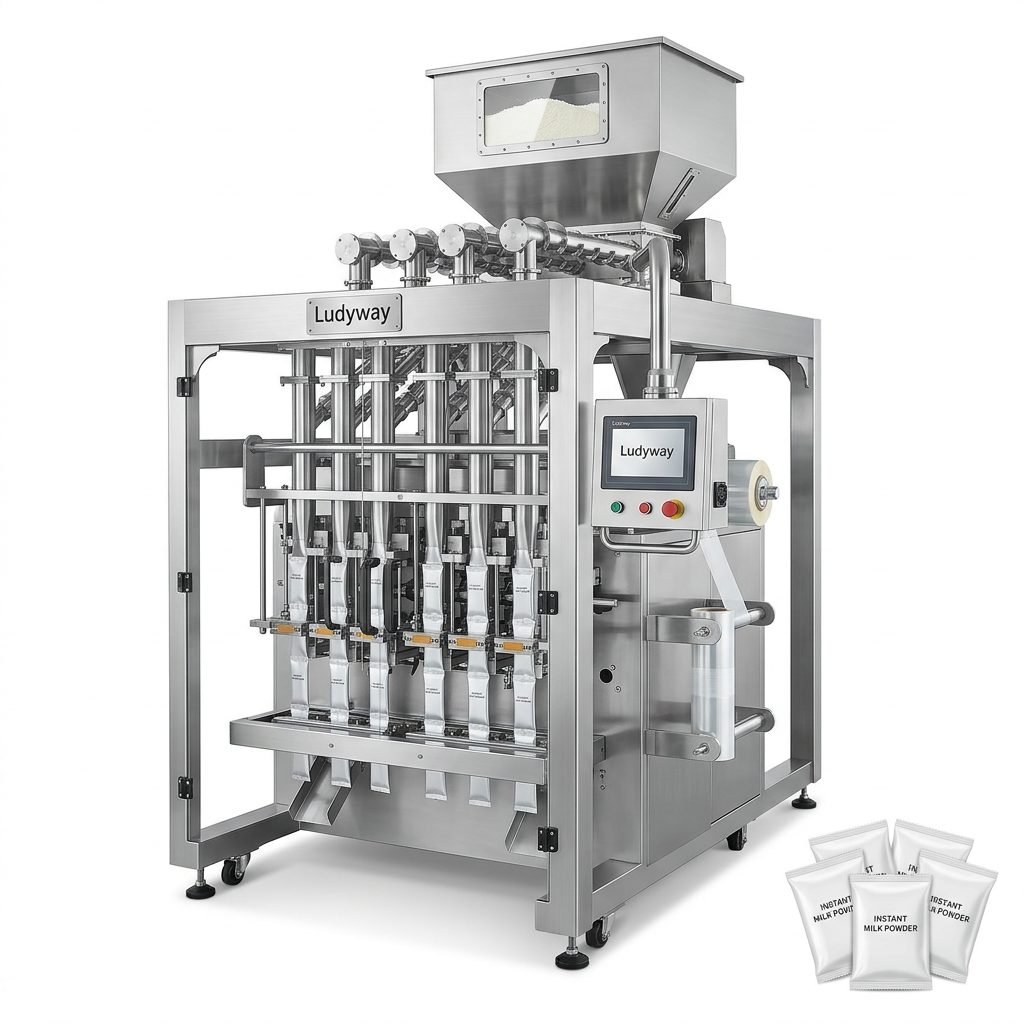
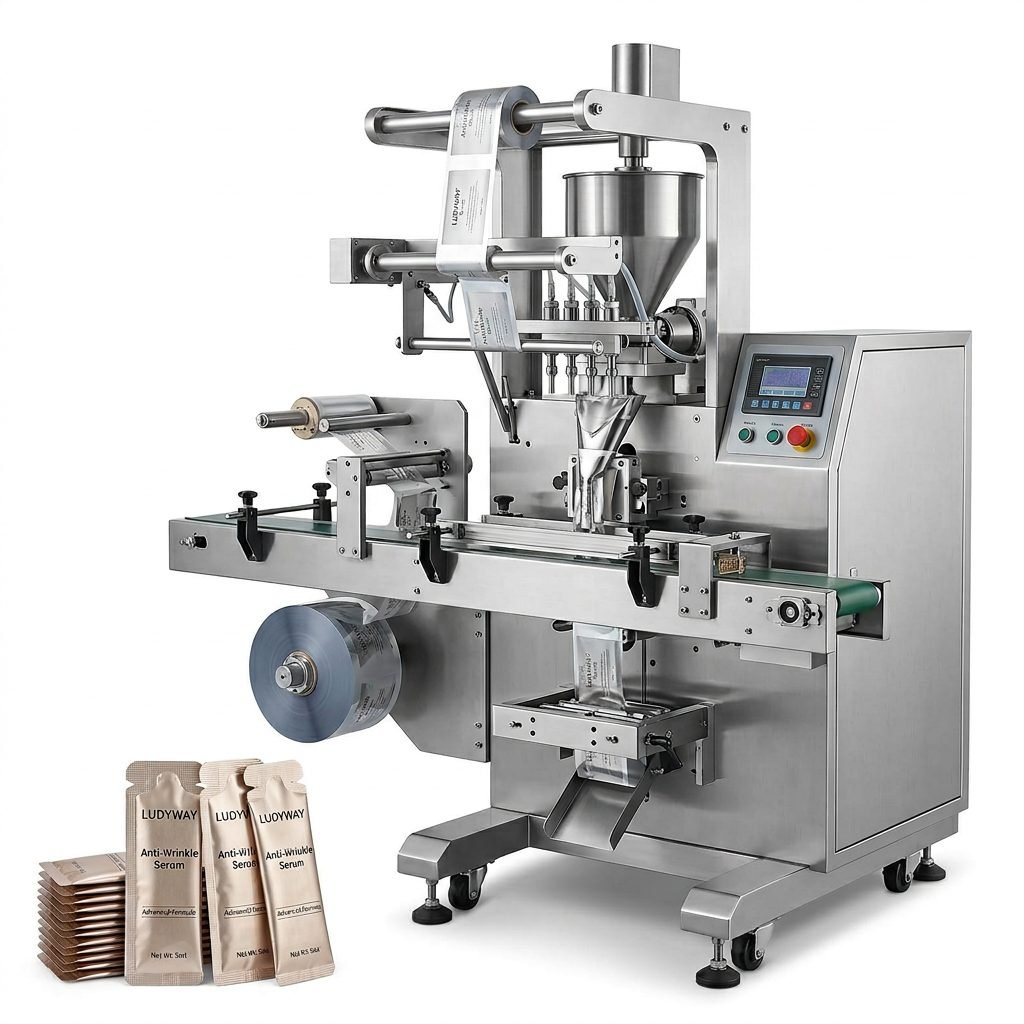
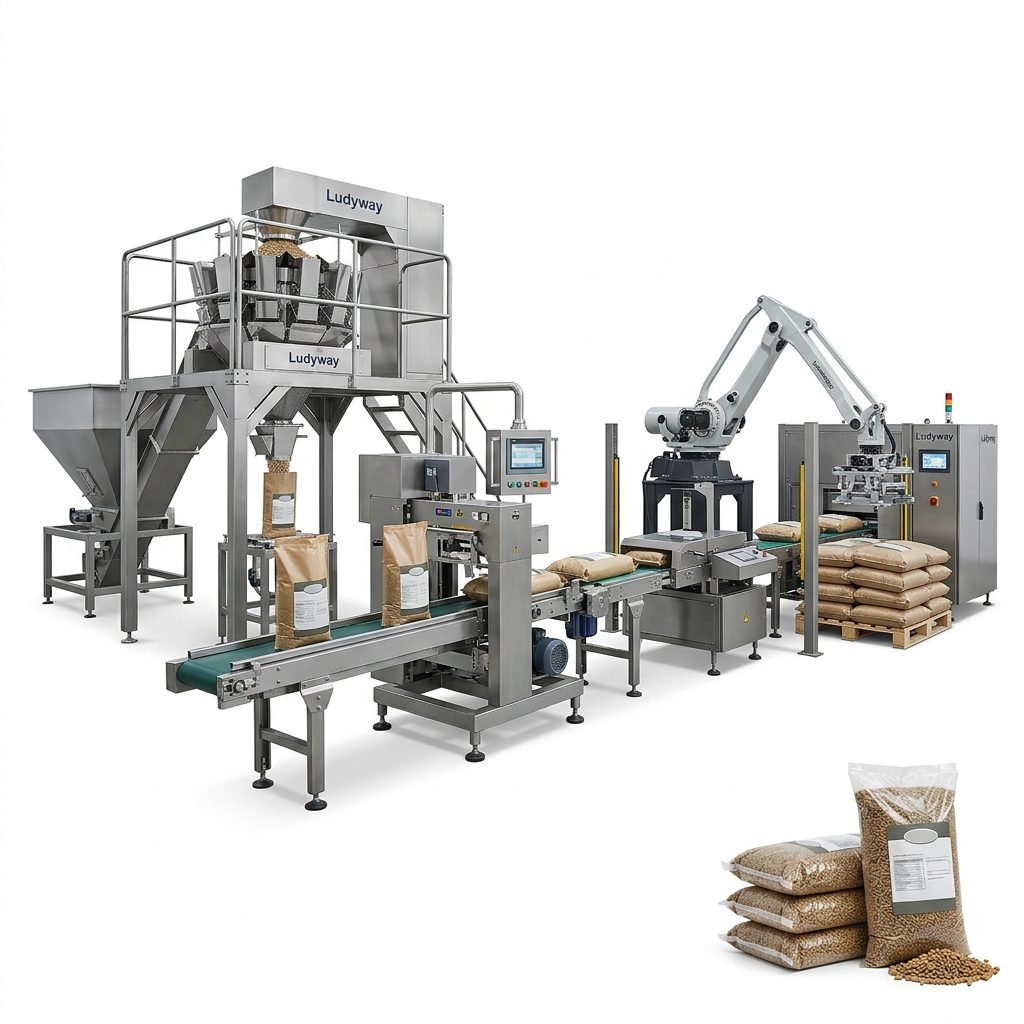
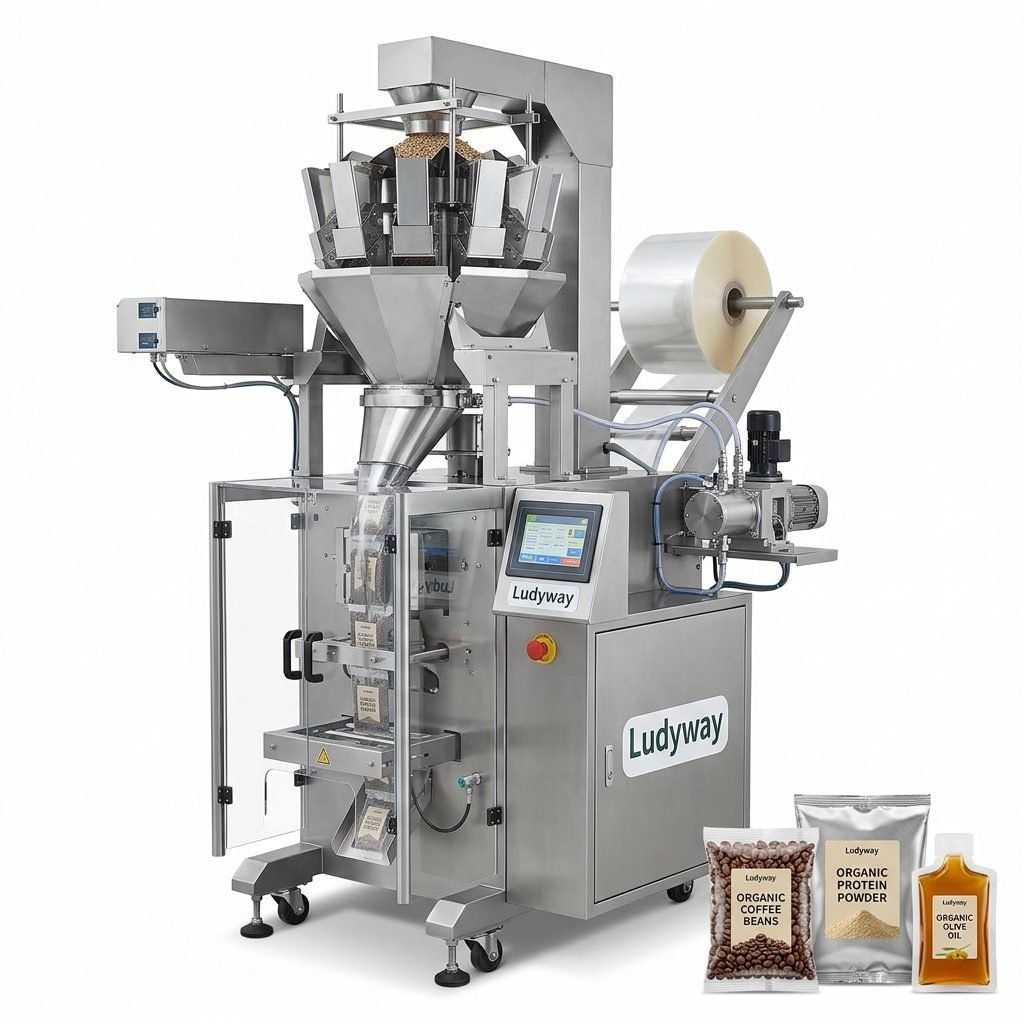
The physical properties of your product—whether it is a free-flowing granule, a fine cohesive powder, a viscous liquid, or a combination thereof—determine the type of filling mechanism required. Granule products such as coffee beans, pet food kibble, or fertilizer pellets perform well with volumetric cup fillers or multi-head weighers. Powder products, including protein supplements, milk powder, and pharmaceutical formulations, demand auger filler systems with dust-control features. Liquid products like sauces, serums, and detergents need piston pumps or peristaltic filling systems with anti-drip nozzles.
Your desired packaging format—stick packs, sachets, pouches, or bottles—further narrows the machinery options. In the Swiss market, single-dose stick packs and sachet formats have gained significant traction, particularly in the pharmaceutical, nutraceutical, and convenience food sectors. Industry data from PMMI consistently shows rising demand for flexible, single-serve packaging formats across Europe.
Production Speed and Automation Level
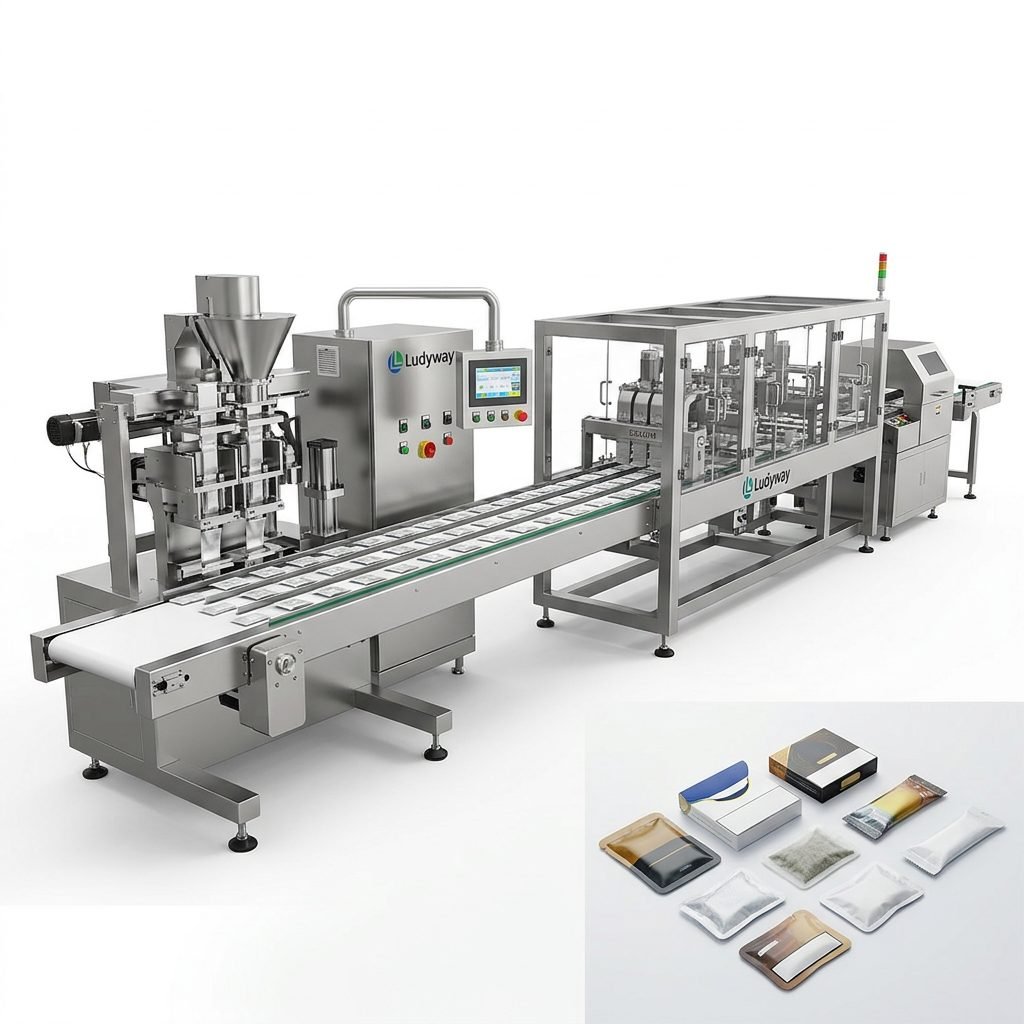
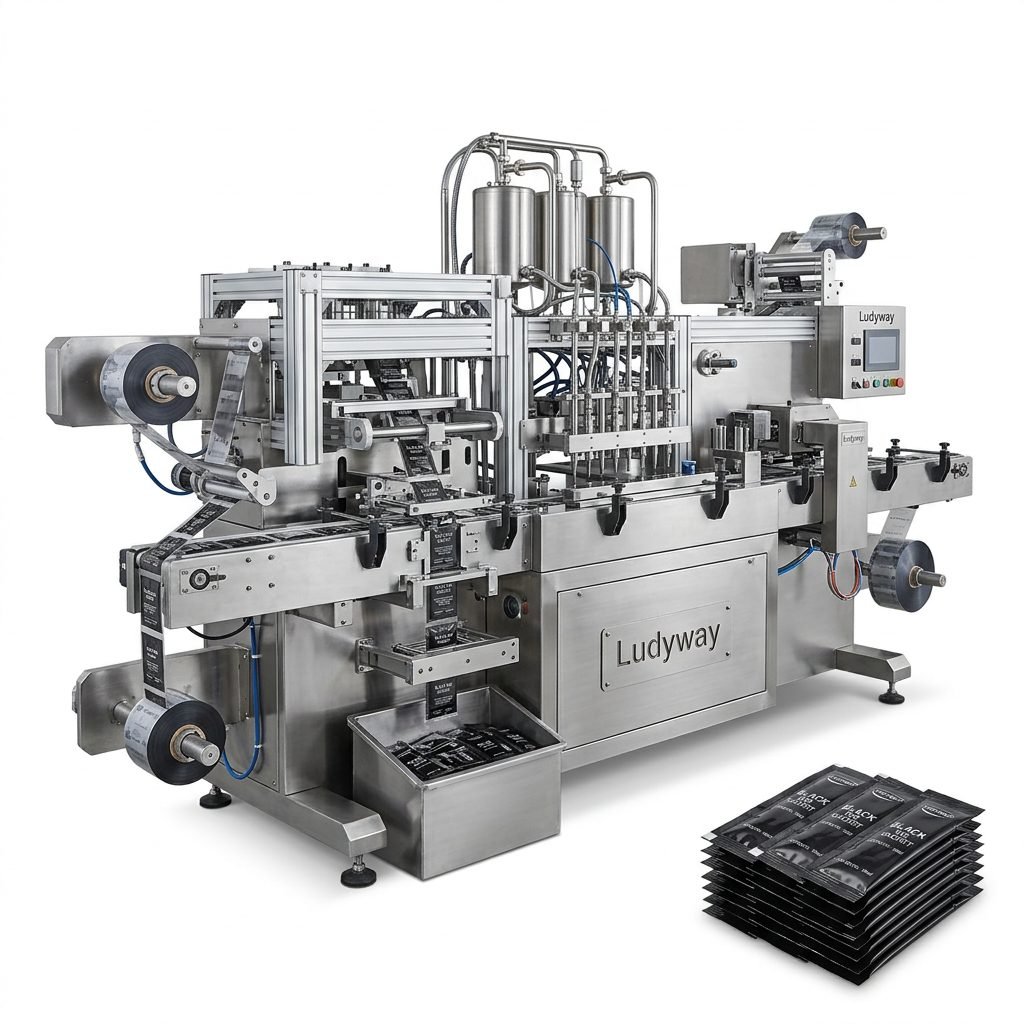
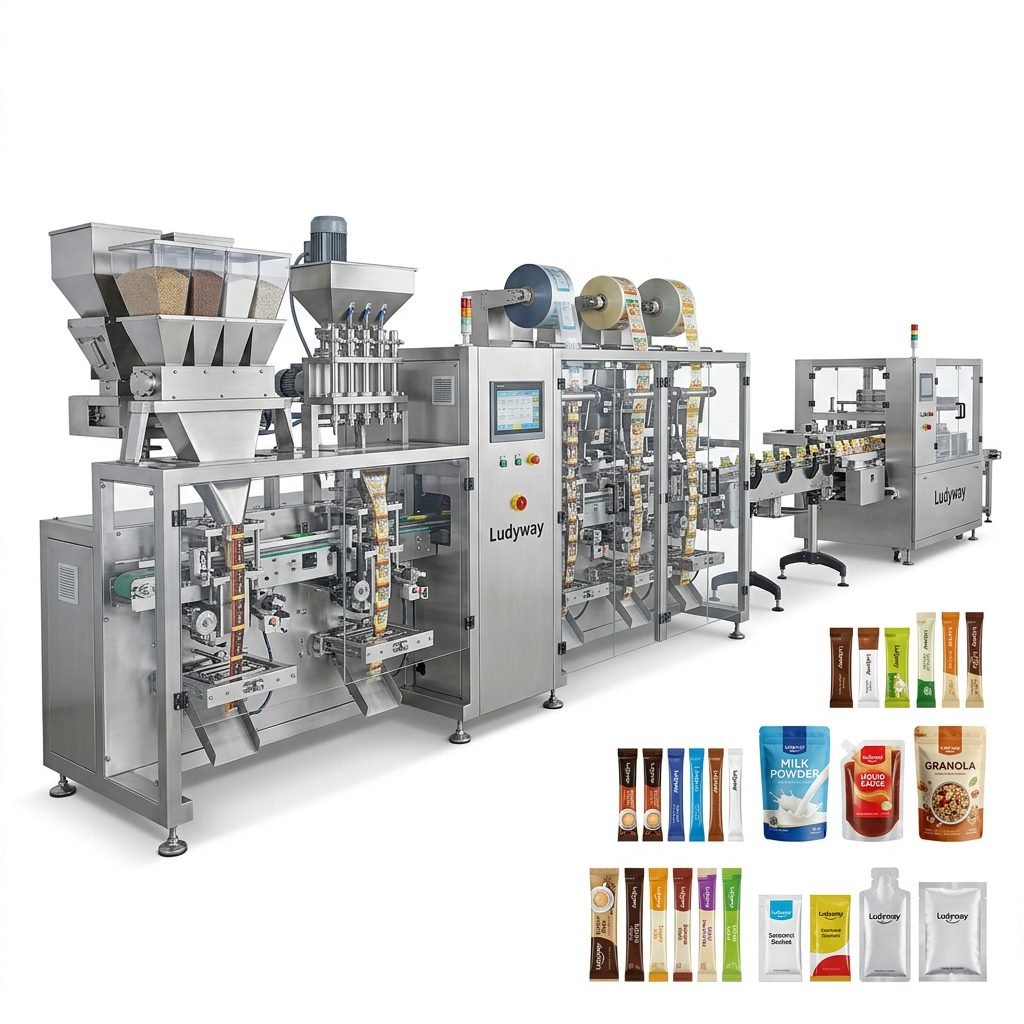
Swiss manufacturing is synonymous with efficiency. When evaluating a packaging machine, consider whether your production volume requires a single-lane or multi-lane configuration. Multi-lane stick pack machines can run 6, 8, 10, or even 12 lanes simultaneously, dramatically increasing output per shift. Fully automated turnkey packaging lines integrate feeding, filling, sealing, coding, and cartoning into a seamless workflow, reducing labor dependency and minimizing human error—both highly valued in Swiss production environments.
Material Compatibility and Sustainability
Switzerland has ambitious sustainability targets, and packaging material choices are under increasing scrutiny. Your packaging machine should be compatible with recyclable mono-materials, biodegradable films, and paper-based flexible packaging. Machines that can handle thinner films without compromising seal integrity offer both cost savings and environmental benefits. The Flexible Packaging Association provides valuable resources on sustainable material trends that influence machinery requirements.
Cleanability and Hygienic Design
For food and pharmaceutical applications, hygienic machine design is non-negotiable. Look for stainless steel construction, tool-less disassembly for rapid changeover, sloped surfaces to prevent product accumulation, and IP65 or higher rated electrical enclosures. Swiss regulatory audits frequently examine equipment hygiene, making sanitary design a practical necessity rather than an optional upgrade.
Comparing Packaging Machine Types for Swiss Applications
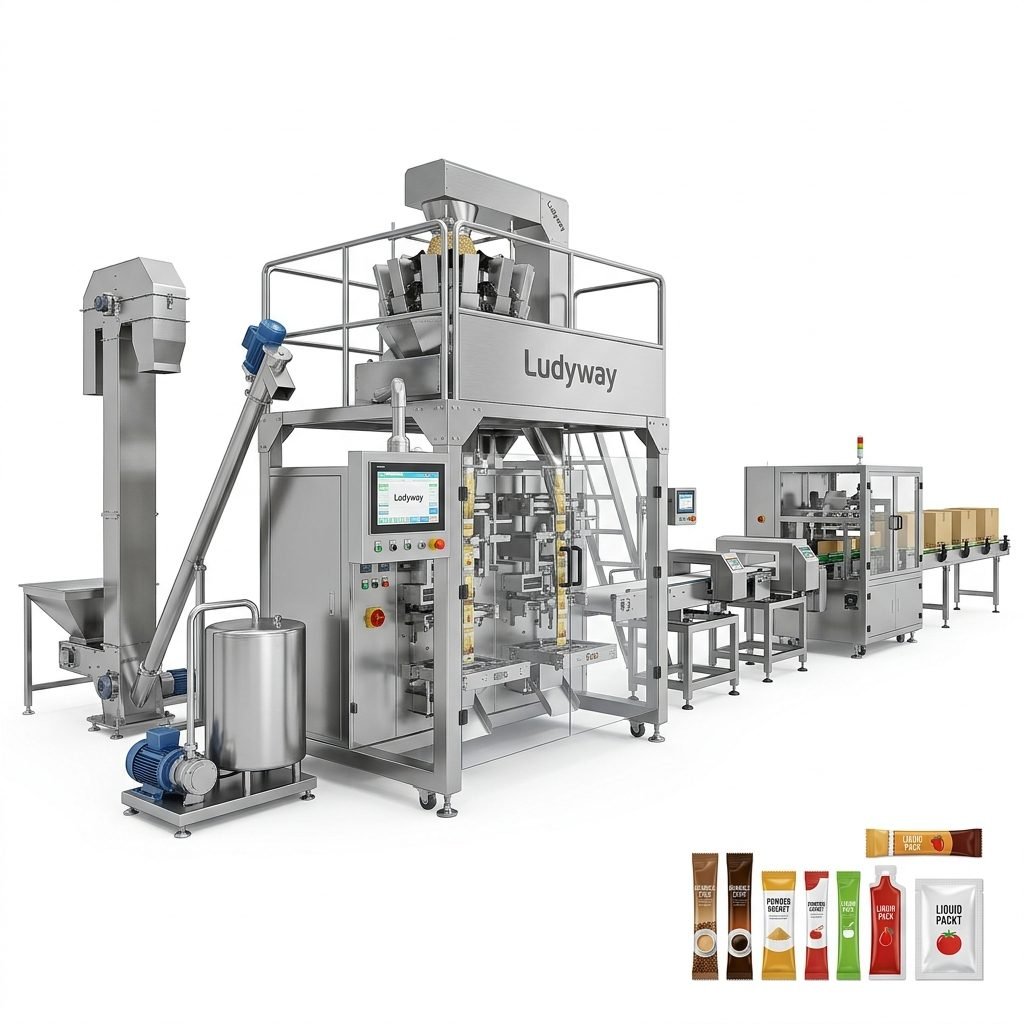
The table below provides a comparative overview of the most common packaging machine types relevant to Swiss manufacturers across food, pharmaceutical, and health industries:
| Machine Type | Best For | Key Advantage | Typical Speed Range |
|---|---|---|---|
| Multi-Lane Stick Pack Machine | Powders, granules, small-dose liquids | High throughput with small footprint | 200-600 packs/min/lane |
| Sachet Packaging Machine | Single-use samples, condiments, cosmetics | Versatile format, easy to customize | 80-300 packs/min |
| Premade Pouch Packaging Machine | Granules, powders, liquids in stand-up pouches | Premium shelf presence, resealable options | 40-120 packs/min |
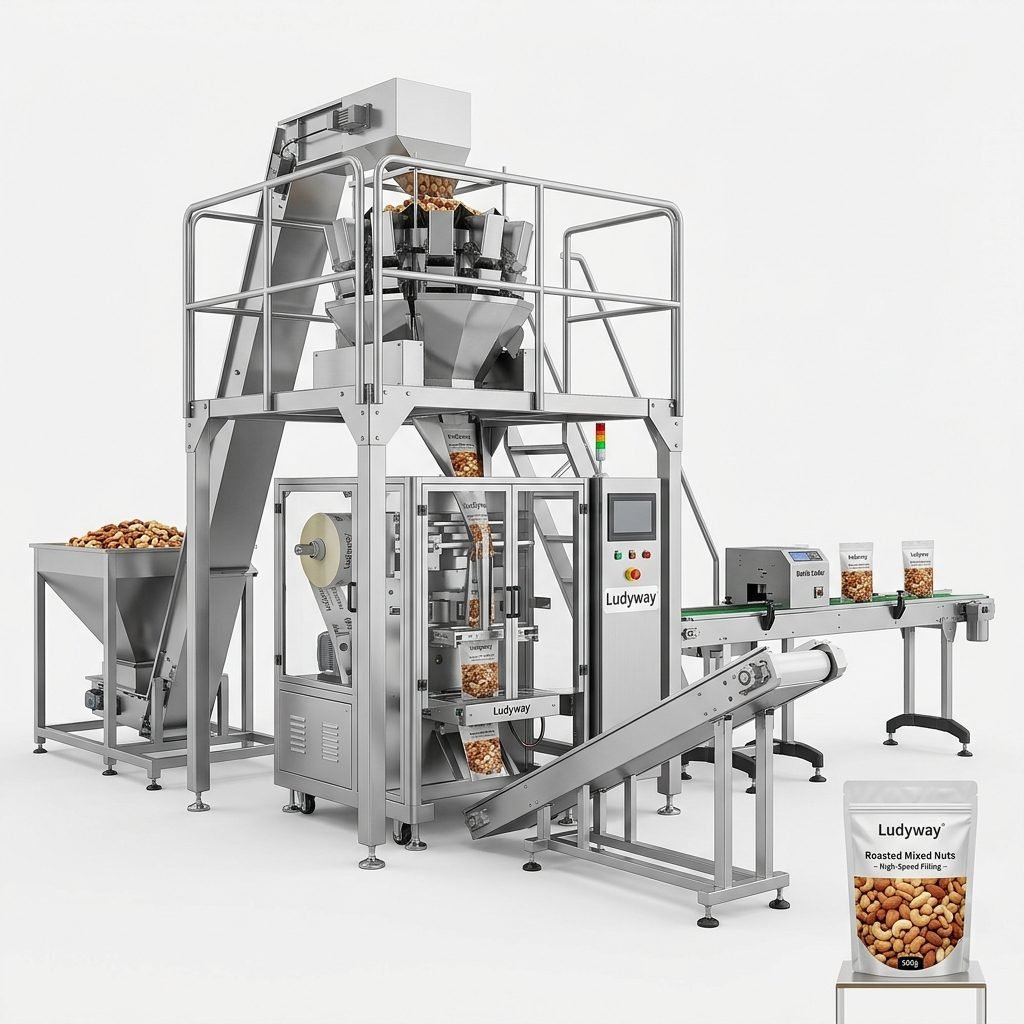
| Vertical Form Fill Seal (VFFS) | Bulk granules, snacks, frozen foods | Cost-effective for larger bag sizes | 30-150 packs/min |
| Liquid Filling and Sealing Line | Sauces, serums, detergents, beverages | Precision volumetric or weight-based filling | 50-500 packs/min |
| Turnkey Integrated Packaging Line | Full-scale production with multiple stages | End-to-end automation, reduced labor | Custom-configured |
Evaluating Total Cost of Ownership in the Swiss Context
Swiss manufacturers often look beyond the initial purchase price when assessing packaging machinery. The total cost of ownership includes installation, training, energy consumption, spare parts availability, maintenance downtime, and the machine’s expected service life. In Switzerland, where labor costs are among the highest globally, automation features that reduce operator intervention can yield rapid return on investment. Machines equipped with remote diagnostics, predictive maintenance alerts, and IoT-enabled performance monitoring are increasingly preferred by Swiss buyers who value operational transparency and uptime maximization.
Key TCO Components to Evaluate:
- Energy efficiency ratings and annual power consumption estimates
- Spare parts availability and typical lead times for critical components
- Changeover speed between product SKUs and packaging formats
- Training and technical support offered by the equipment supplier
- Warranty coverage and post-warranty service contract options
- Software update policies for PLC and HMI systems
Industry-Specific Recommendations for Swiss Buyers
Pharmaceutical and Health Supplement Packaging
Switzerland hosts some of the world’s leading pharmaceutical companies, and packaging standards in this sector are exceptionally rigorous. Multi-lane stick pack machines with nitrogen flushing capabilities are ideal for oxygen-sensitive formulations such as probiotics, vitamin powders, and effervescent granules. Machines must support serialization and track-and-trace compliance, with integration capabilities for printing unique identifiers and aggregation codes. The ISO 11607 standard for medical device packaging provides relevant guidance for sterile packaging validation requirements that Swiss pharmaceutical buyers often reference.
Food and Beverage Packaging
Swiss food manufacturers, from artisanal chocolatiers to large-scale coffee roasters, require packaging solutions that preserve freshness and aroma. Granule packaging machines for products like roasted coffee beans, muesli, and dry soup mixes benefit from multi-head weigher configurations for speed and accuracy. Liquid packaging machines for sauces, oils, and dairy-based products must accommodate CIP (Clean-in-Place) systems and comply with food contact regulatory requirements recognized in the Swiss market.
Cosmetics and Personal Care Packaging
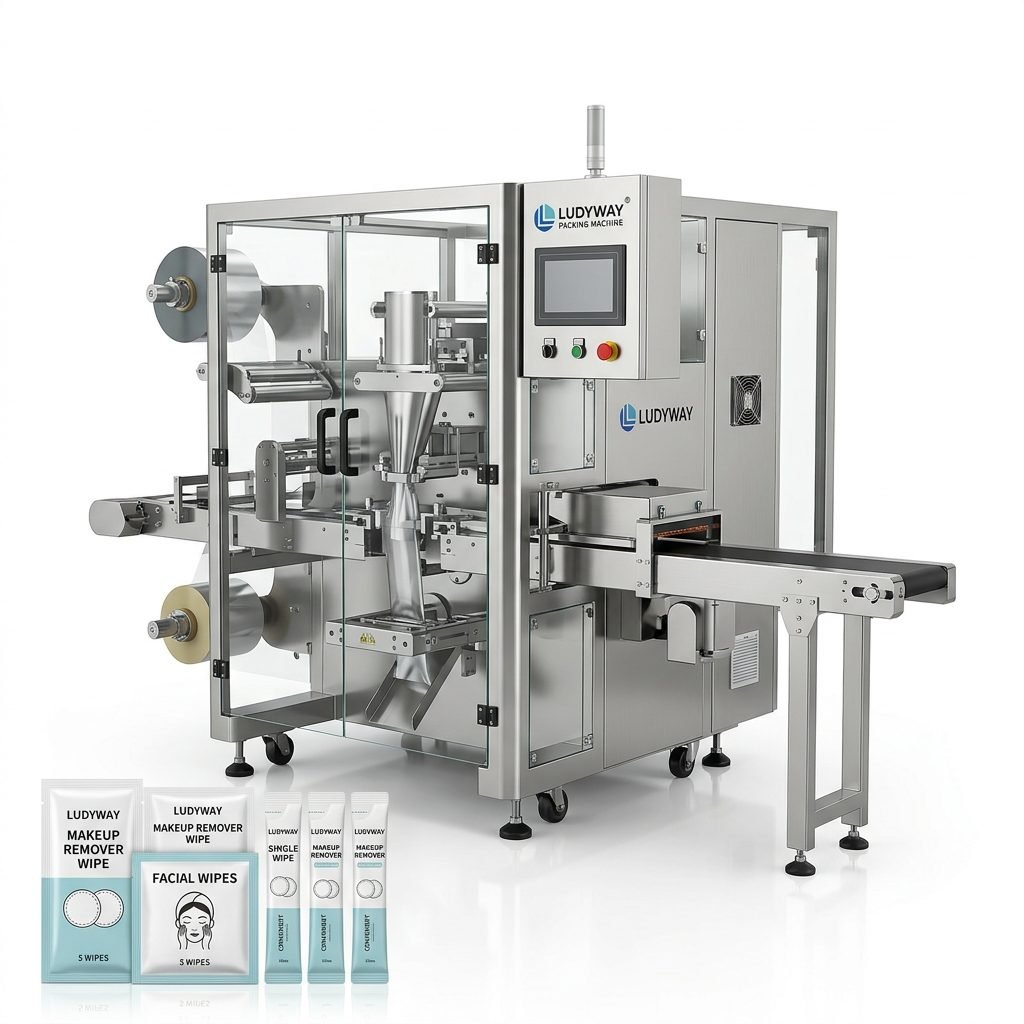
The Swiss cosmetics industry demands packaging equipment capable of handling premium formulations with delicate textures and high-value ingredients. Sachet and stick pack formats for serums, creams, and masks have grown substantially in popularity. Machines must offer gentle product handling, precise fill volumes for small-dose applications, and the ability to work with luxury packaging materials that convey brand quality. Multi-lane configurations help meet production targets while maintaining the consistency expected by Swiss beauty consumers.
Why Swiss Buyers Prioritize Supplier Expertise and Support
Swiss manufacturing culture places a high premium on technical competence and responsive service. When evaluating packaging machine suppliers, Swiss buyers typically assess the depth of engineering expertise, the availability of local or regional technical support, and the supplier’s track record in regulated industries. A supplier with proven experience in pharmaceutical-grade packaging, food safety compliance, and turnkey project management stands out in the Swiss procurement landscape. Companies like Ludyway, one of the largest packaging machine manufacturers with over 30 years of industry expertise and a 20,000㎡ modern production facility, have developed more than 50 intelligent packaging machine models serving customers in over 100 countries, reflecting the global capability that Swiss buyers increasingly seek in their equipment partners.

Future-Proofing Your Packaging Investment
As Switzerland continues to lead in pharmaceutical innovation, functional food development, and sustainable manufacturing practices, the packaging machinery you choose today must accommodate tomorrow’s requirements. Key trends shaping the Swiss packaging landscape include:
- Smart factory integration with Industry 4.0 protocols and real-time data analytics
- Sustainable packaging mandates driving adoption of recyclable and compostable film materials
- Personalized nutrition and precision dosing increasing demand for flexible small-batch packaging capabilities
- E-commerce-ready packaging formats that balance protective function with minimal material usage
- Augmented reality maintenance support enabling faster troubleshooting and reduced downtime
Investing in a modular, upgradeable packaging platform rather than a fixed-configuration machine provides the flexibility to adapt to evolving Swiss and European market demands. The PMMI State of the Industry reports consistently highlight flexibility and sustainability as top investment drivers for packaging machinery purchasers across global markets, including Europe.
Making the Final Decision
Selecting the best packaging machine for your Swiss operation ultimately involves matching your product requirements, production scale, budget parameters, and growth ambitions to the right equipment partner. Prioritize suppliers who offer factory acceptance testing, on-site installation support, comprehensive operator training, and long-term service agreements. Request references from similar Swiss or European installations, and whenever possible, arrange a factory visit or live machine demonstration to verify build quality and performance claims.
By aligning machine specifications with Swiss regulatory expectations and market demands, you position your business for sustained success in one of the world’s most quality-conscious and innovation-driven economies. The right packaging solution not only protects your product—it enhances your brand reputation, streamlines your operations, and supports your long-term growth in the Swiss and broader European marketplace.
Additional Resources for Swiss Packaging Buyers
- PACK EXPO International — Leading global packaging trade show
- PMMI Packaging Industry Resources — Comprehensive technical and market information
- Flexible Packaging Association — Industry data and regulatory updates
- ISO Packaging and Distribution Standards — International standardization guidelines