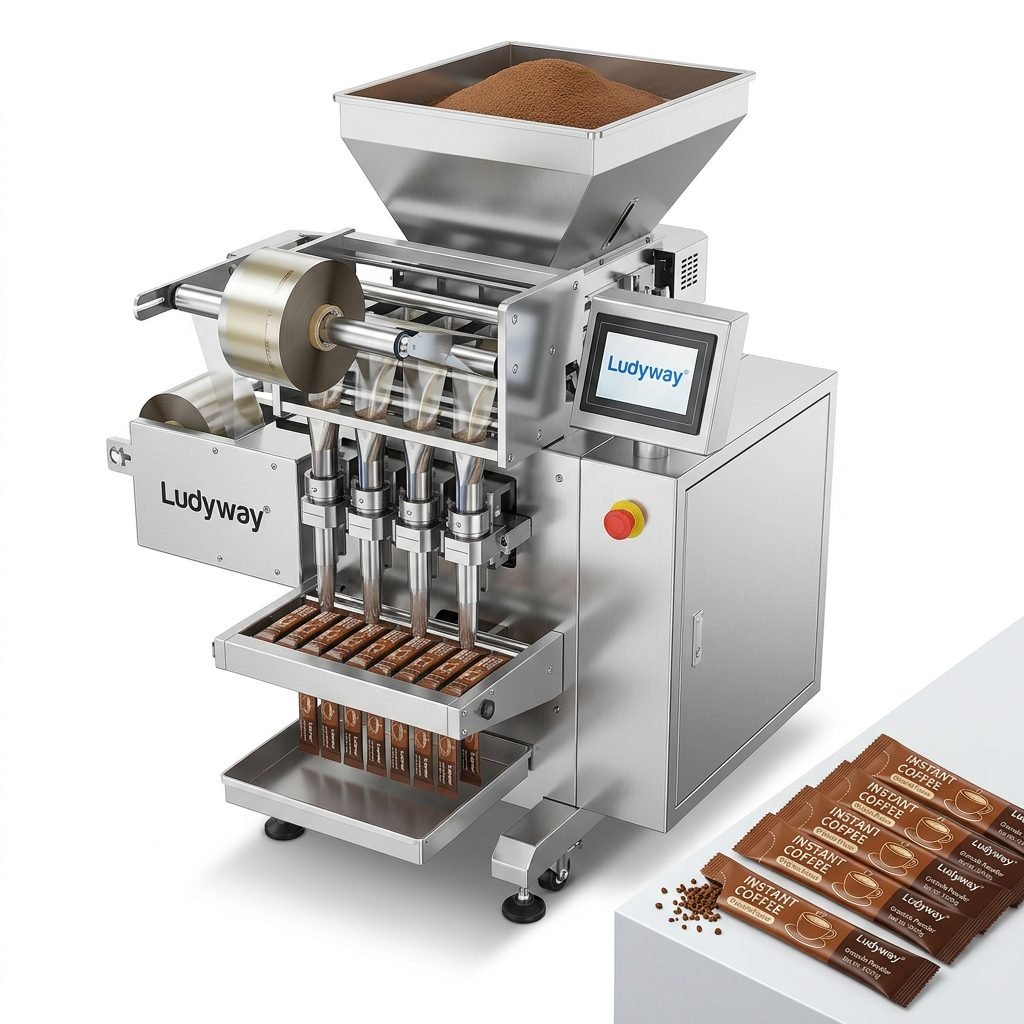
Setting up a ground meat packaging machine production line in Europe requires careful planning, adherence to strict regulatory standards, and selecting the right equipment to ensure efficiency and product safety. Whether you are expanding an existing meat processing facility or launching a new operation, understanding the complete workflow—from grinding to sealing—is essential. This guide walks you through every stage of building a compliant and high-performance packaging line.

1. Understanding European Regulations for Meat Packaging
Before investing in machinery, you must align your production line with EU food safety and hygiene regulations. The European Commission enforces strict guidelines under EC Packaging and Packaging Waste directives and hygiene rules (EC 852/2004). Key requirements include:
- Materials Traceability: All food contact materials must comply with FDA and EU Framework Regulation (EC) 1935/2004.
- Hygienic Design: Ground meat packaging machines must feature easy-to-clean surfaces, sloped frames, and minimal crevices to prevent bacterial growth.
- Temperature Control: The production environment must maintain a cold chain; equipment should operate reliably at low temperatures (typically 0-4°C).
- Modified Atmosphere Packaging (MAP): Many European processors utilize MAP to extend shelf life, requiring gas flushing capabilities integrated into the packaging machine.
2. Key Components of a Ground Meat Packaging Line
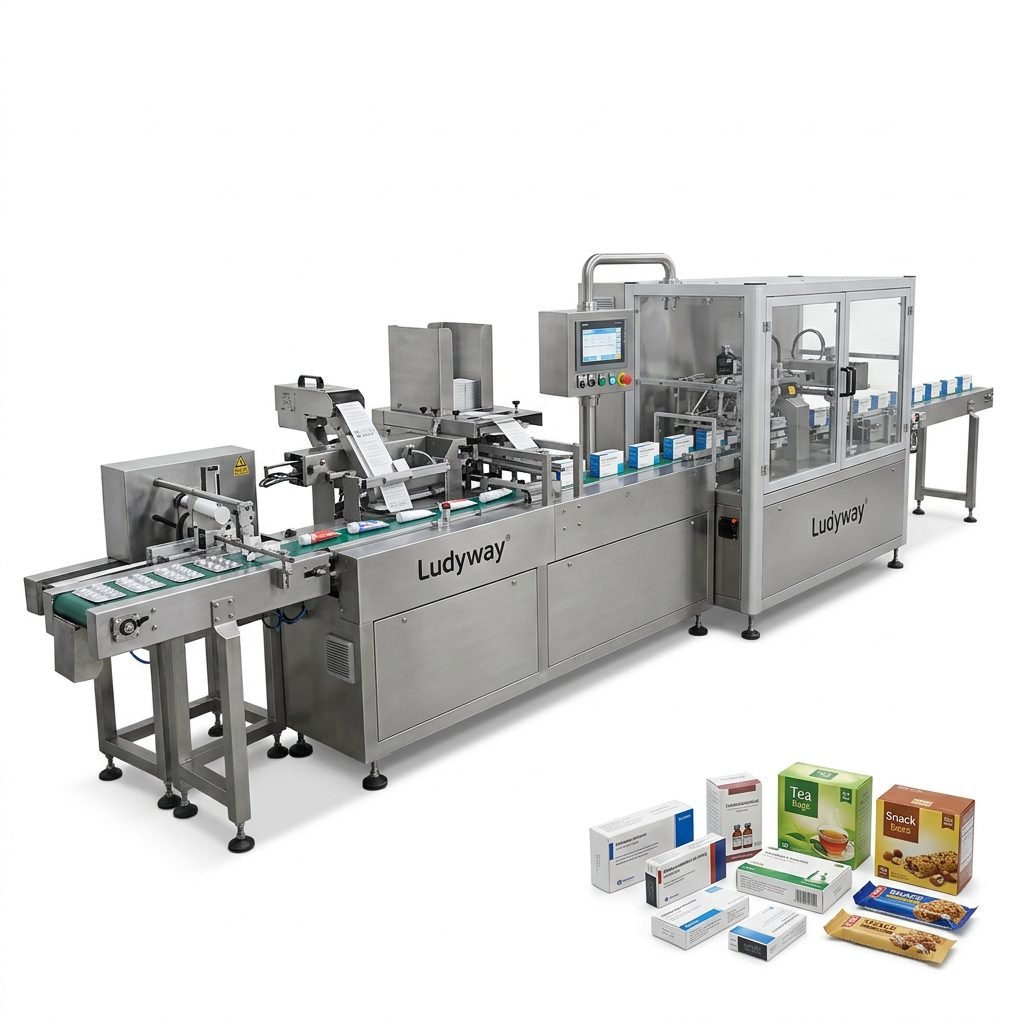
A complete ground meat packaging production line consists of several interconnected modules. The table below outlines the core equipment and its functions:
| Equipment Module | Primary Function | Key Selection Criteria |
|---|---|---|
| Meat Grinder / Mincer | Grinds fresh or frozen meat blocks into specified particle sizes. | Capacity (kg/h), plate hole diameter, temperature rise control. |
| Mixing & Blending System | Mixes ground meat with additives, spices, or other ingredients. | Vacuum mixing capability, homogeneous blending, CIP compatibility. |
| Forming & Portioning Unit | Shapes ground meat into patties, meatballs, or fixed-weight portions. | Weight accuracy (±1%), changeover speed, gentle handling. |
| Automatic Weighing & Filling Machine | Precisely dispenses ground meat into trays, pouches, or flow-wrap packs. | Multi-head weigher accuracy, compatibility with sticky products. |
| Tray Sealing / Thermoforming Machine | Seals pre-formed trays with lidding film or forms packs from rollstock. | MAP capability, film waste reduction, seal integrity testing. |
| Inspection & Quality Control Systems | Metal detection, X-ray inspection, checkweighing, and vision systems. | Sensitivity levels, rejection mechanisms, data logging compliance. |
| End-of-Line Automation | Cartoning, case packing, palletizing, and stretch wrapping. | Throughput speed, footprint, integration with upstream equipment. |
3. Step-by-Step Setup Process
Implementing a ground meat packaging line involves sequential phases. Follow this structured approach to minimize downtime and ensure compliance:
Phase 1: Facility Preparation & Layout Design
- Design a linear flow from raw material intake to finished goods dispatch to prevent cross-contamination.
- Separate high-risk (post-cooking) and low-risk (raw grinding) areas with physical barriers.
- Install adequate drainage, ventilation, and refrigeration systems to maintain ambient temperatures below 12°C.
- Ensure floor surfaces are non-slip, impermeable, and sloped toward drains for effective sanitation.
Phase 2: Equipment Selection & Procurement
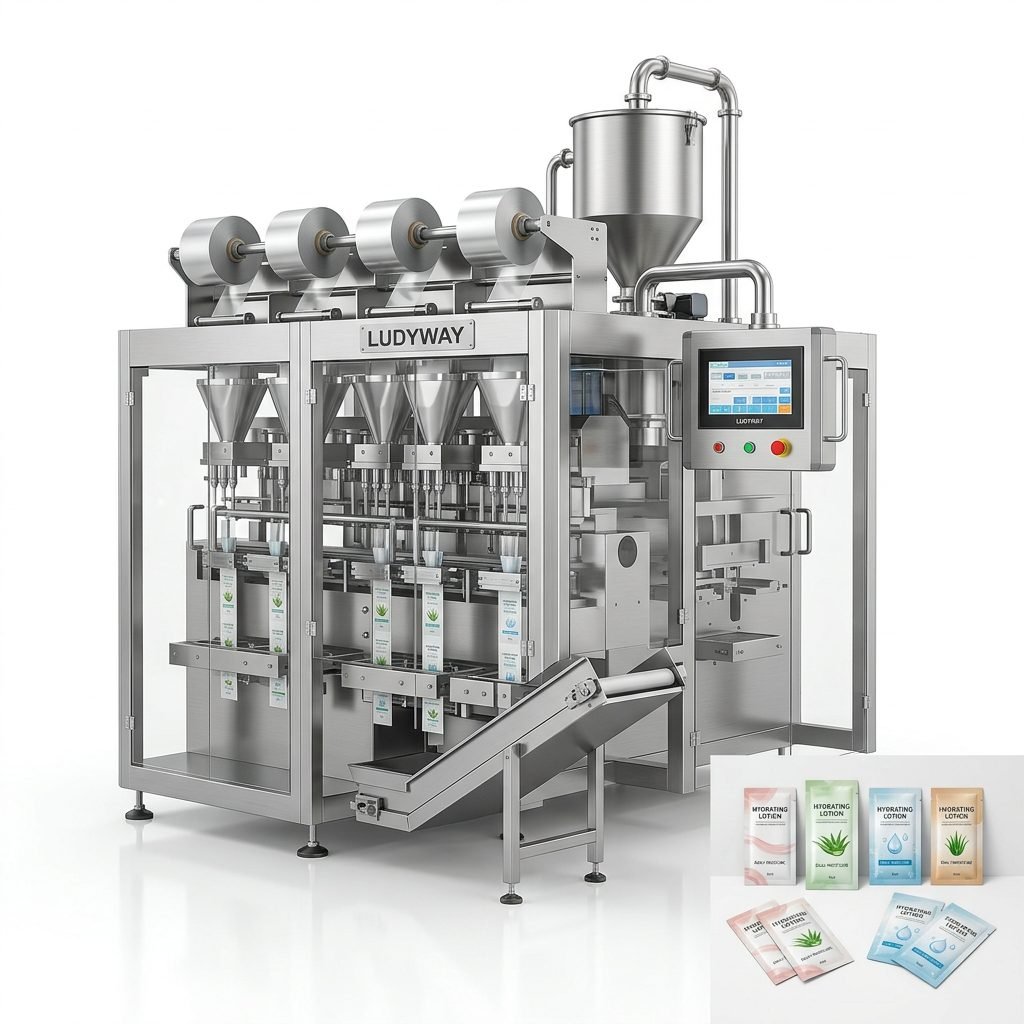
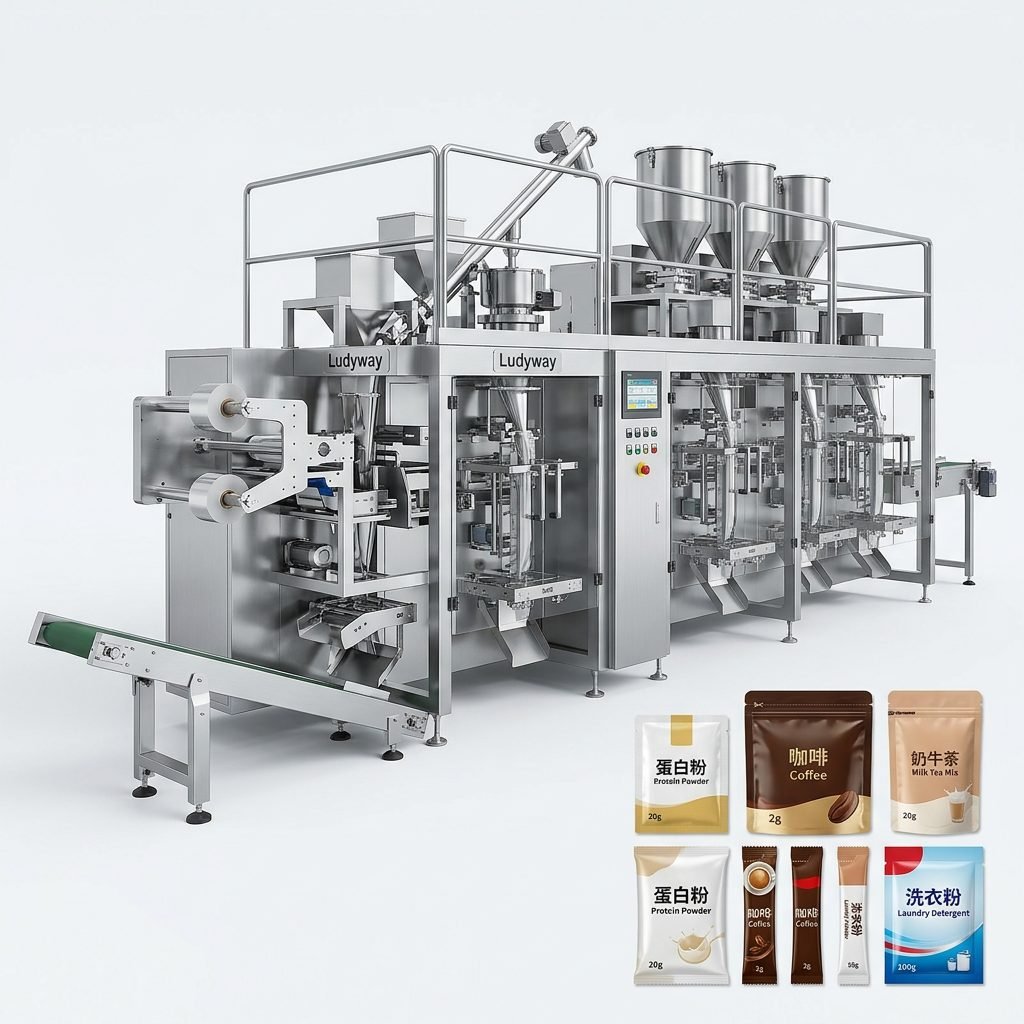
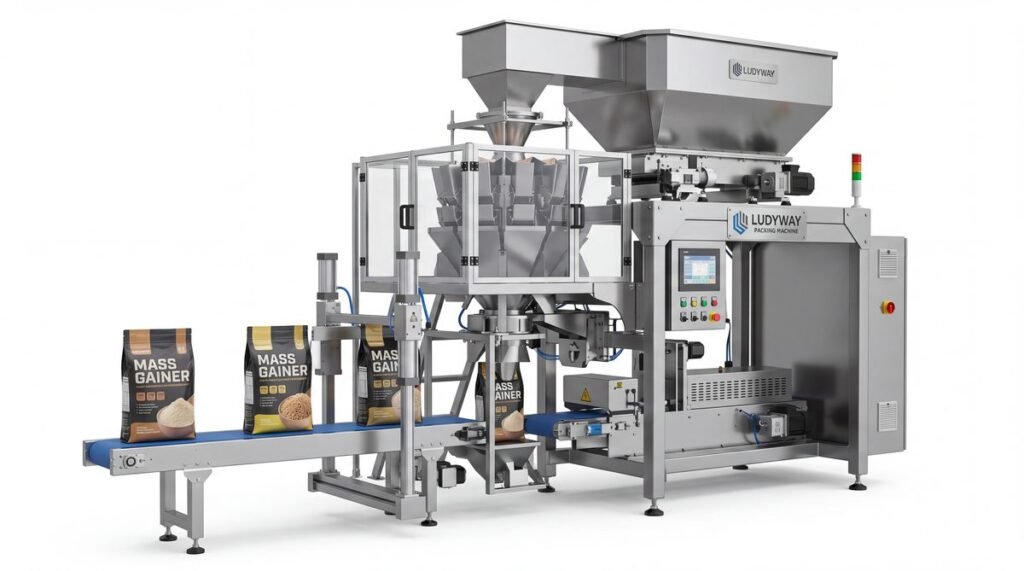
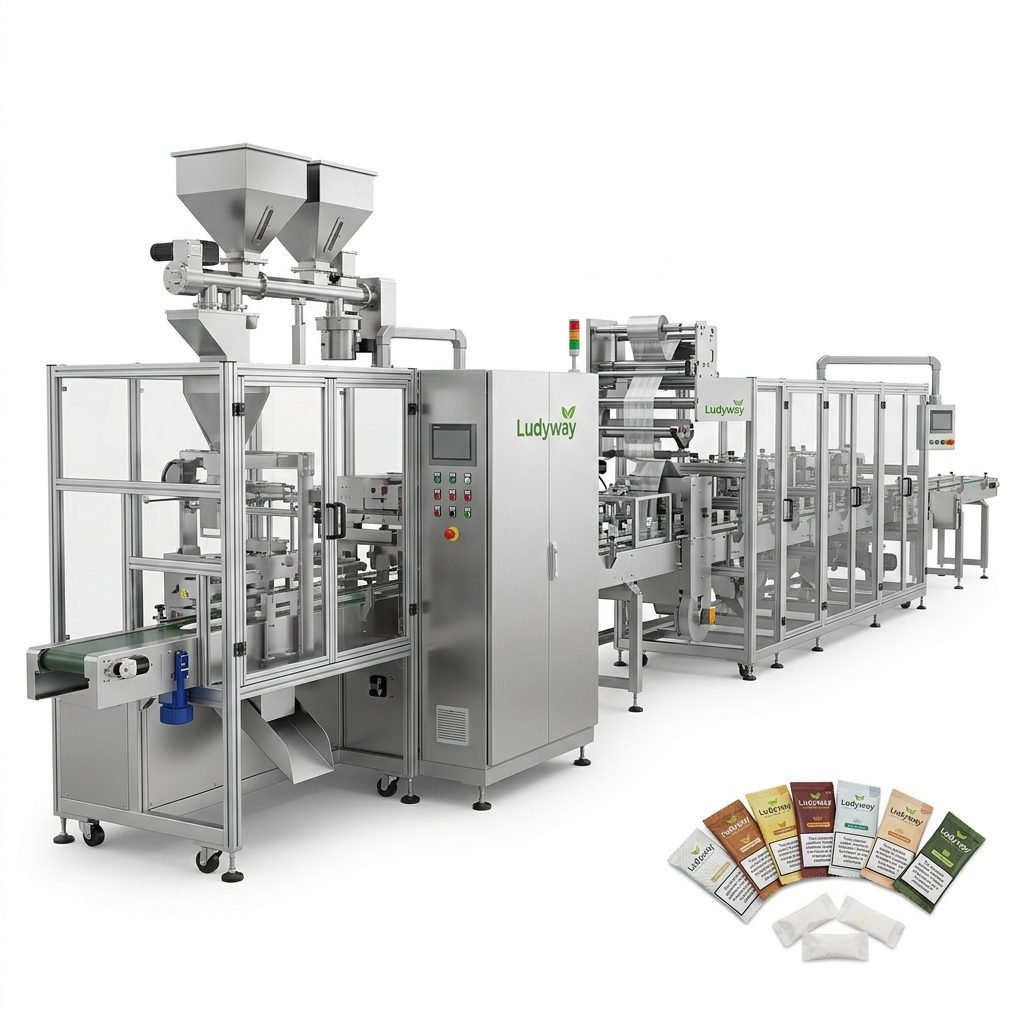
When choosing a ground meat packaging machine manufacturer, prioritize suppliers with proven experience in European installations. Evaluate technical specifications such as cycle speed, film compatibility, and automation level. For turnkey solutions, consider integrated lines that combine grinding, portioning, and sealing. Reputable packaging machine manufacturers like Ludyway offer comprehensive equipment ranges suitable for meat processing applications, backed by engineering support and after-sales service.
Phase 3: Installation & Commissioning
- Coordinate with the equipment supplier for on-site assembly and electrical/pneumatic connections.
- Conduct Factory Acceptance Testing (FAT) and Site Acceptance Testing (SAT) to verify performance parameters.
- Calibrate weighing systems, metal detectors, and temperature sensors according to certified standards.
- Perform trial runs with actual product to fine-tune settings and confirm packaging integrity.
Phase 4: Staff Training & SOP Development
Operators must be trained on hygiene practices, machine operation, and emergency stop procedures. Develop detailed Standard Operating Procedures (SOPs) for cleaning, changeover, and maintenance. Reference PMMI packaging industry resources for best practices in workforce development.
Phase 5: Validation & Certification
Engage a third-party auditor to validate HACCP plans, traceability systems, and shelf-life studies. Obtain necessary certifications such as BRC, IFS, or FSSC 22000 to meet retailer requirements across Europe.
4. Cost Considerations & ROI Analysis
Budgeting for a ground meat packaging production line involves both capital expenditure and ongoing operational costs. The table below provides a typical breakdown:
| Cost Category | Estimated Range (EUR) | Notes |
|---|---|---|
| Primary Packaging Equipment | €150,000 – €500,000 | Depends on automation level, speed, and MAP integration. |
| Ancillary Equipment | €30,000 – €80,000 | Grinders, mixers, conveyors, metal detectors. |
| Installation & Commissioning | €20,000 – €50,000 | Including supplier travel, FAT/SAT execution. |
| Facility Modifications | €50,000 – €150,000 | Hygienic upgrades, drainage, electrical, HVAC. |
| Annual Consumables | €40,000 – €120,000 | Packaging film, trays, labels, gas cylinders. |
Typical ROI is achieved within 18 to 36 months, driven by labor reduction, increased throughput, and minimized product giveaway. Using PMMI business intelligence reports, many European processors benchmark their line efficiency against industry averages.
5. Choosing the Right Packaging Format
European consumers prefer various ground meat packaging formats. Your production line configuration depends on the target market segment:
Flow-Wrap / Horizontal Form-Fill-Seal (HFFS)
Ideal for fixed-weight ground meat portions (250g, 500g). This format offers high speed (up to 120 packs/min) and excellent barrier properties when using laminated films. The Flexible Packaging Association provides detailed material performance data for meat applications.
Tray Sealing (MAP)
Widely used for retail-ready ground meat trays. Modified atmosphere packaging extends shelf life to 7-12 days. Look for sealers with gas analysis and leak detection features.
Vacuum Skin Packaging (VSP)
Increasingly popular for premium ground meat products. VSP provides excellent product visibility and extended shelf life up to 21 days. This format requires specialized thermoforming equipment.
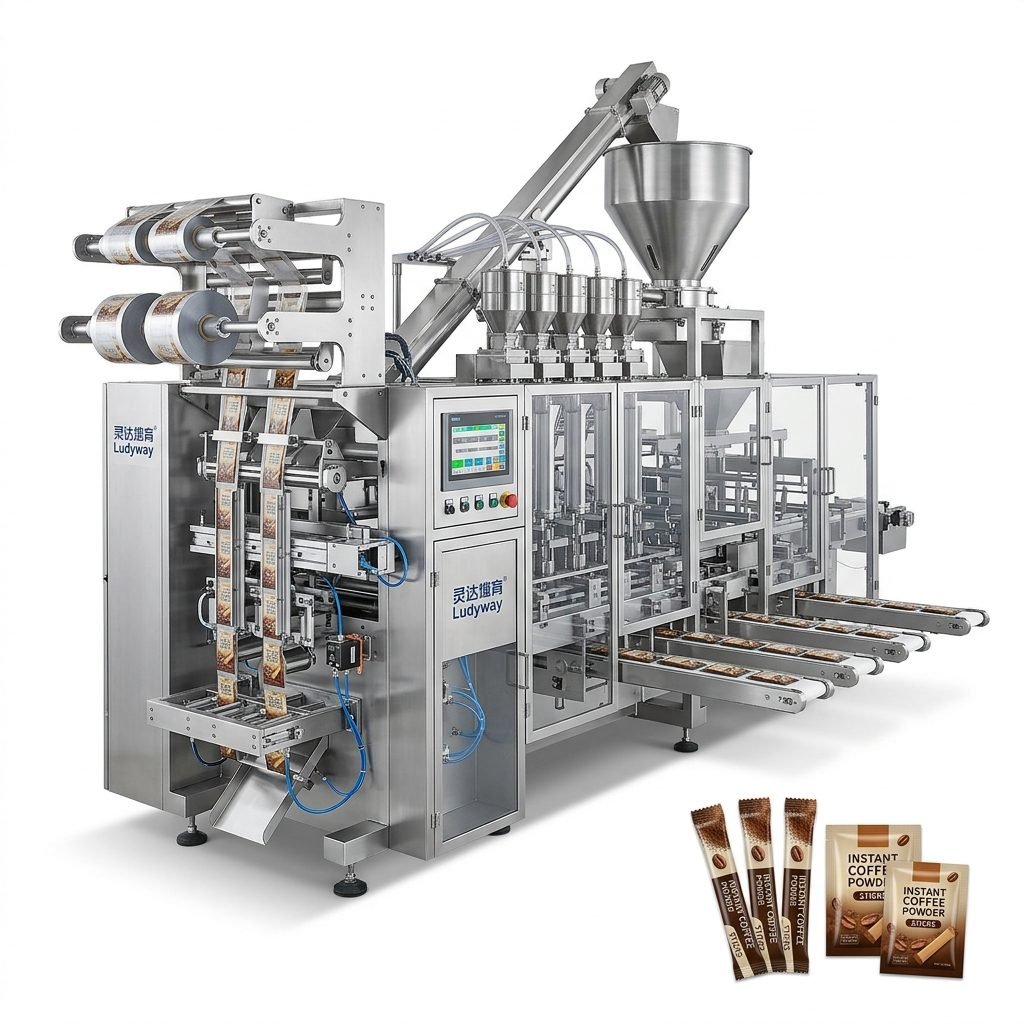
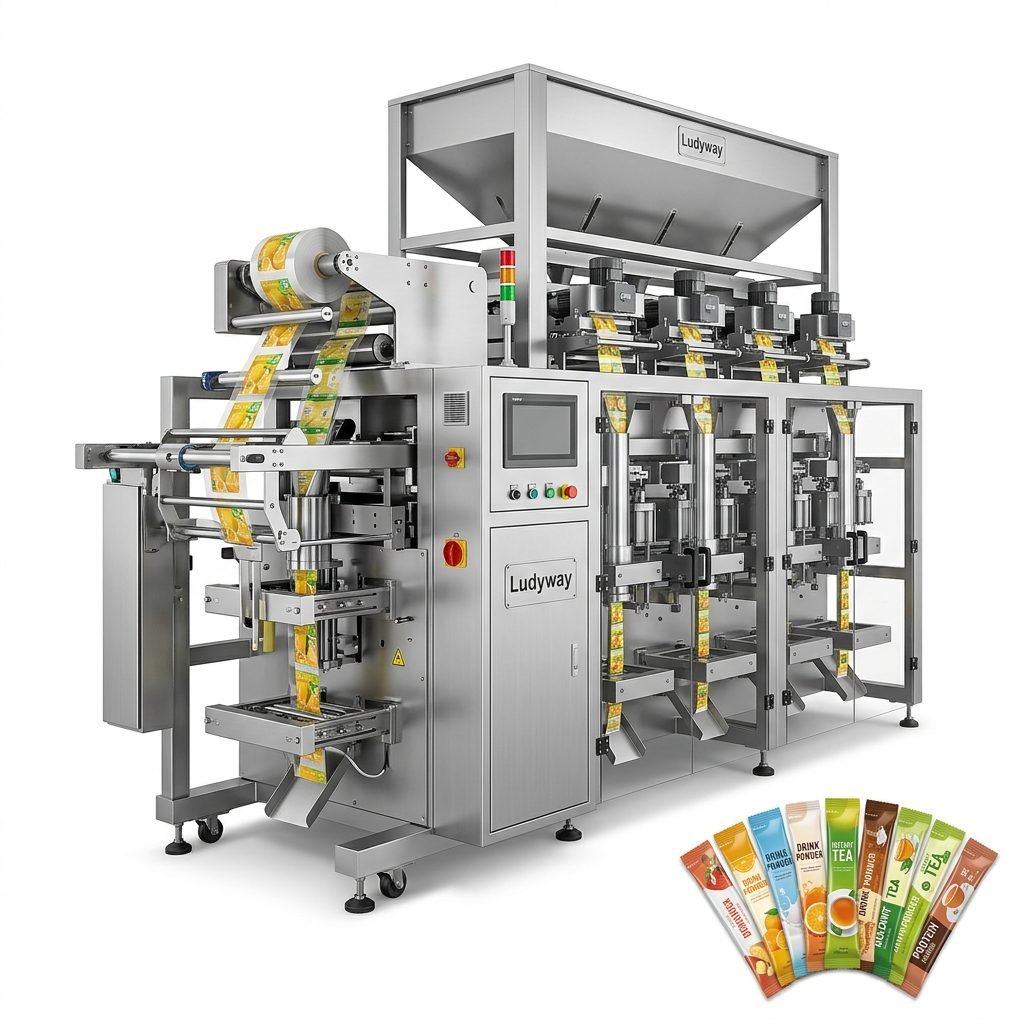
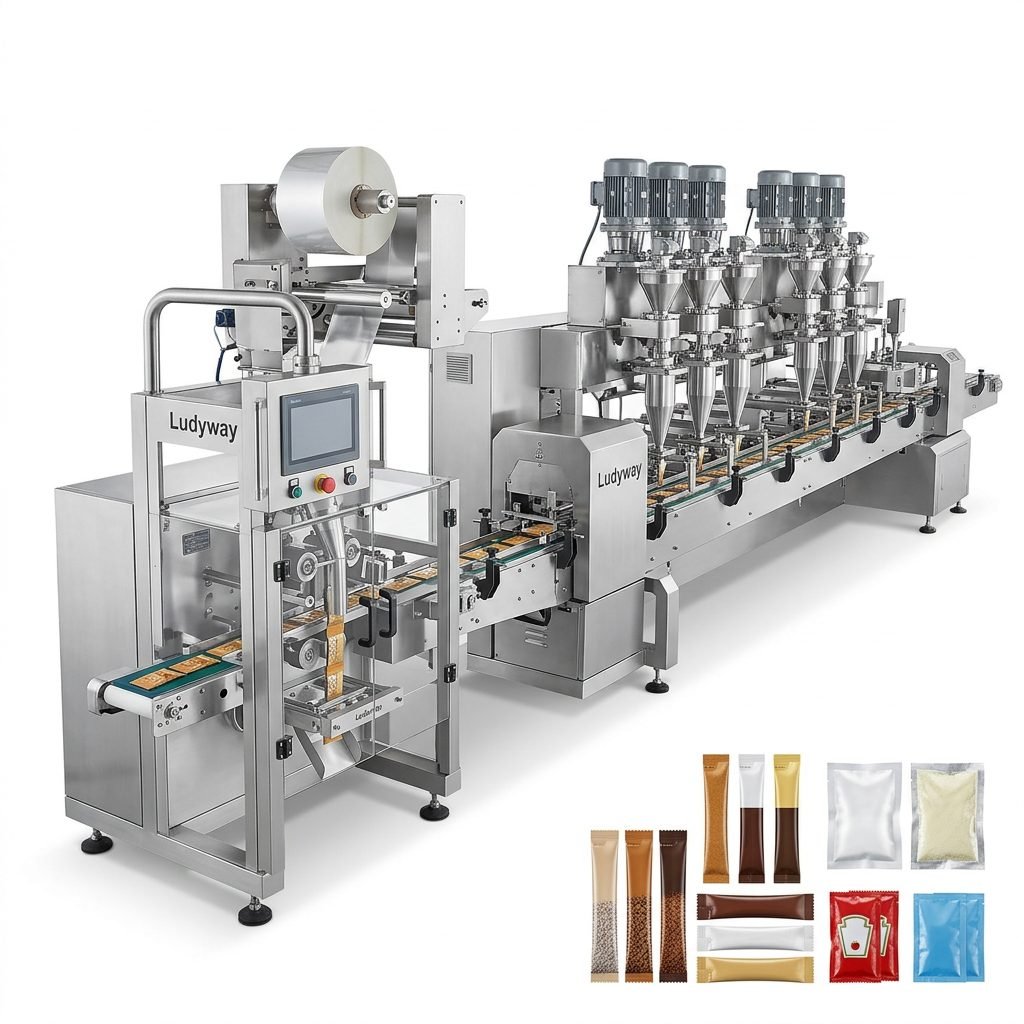
Stick Pack & Sachet
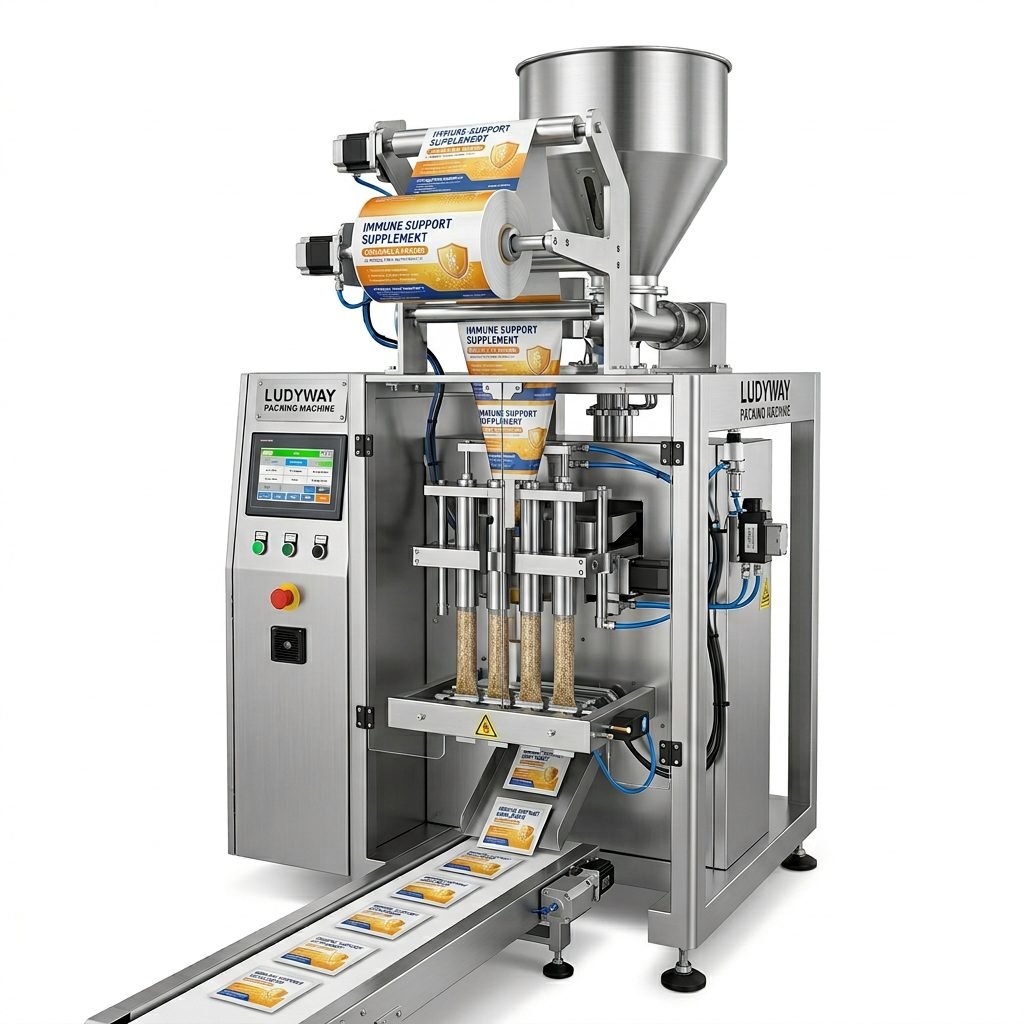
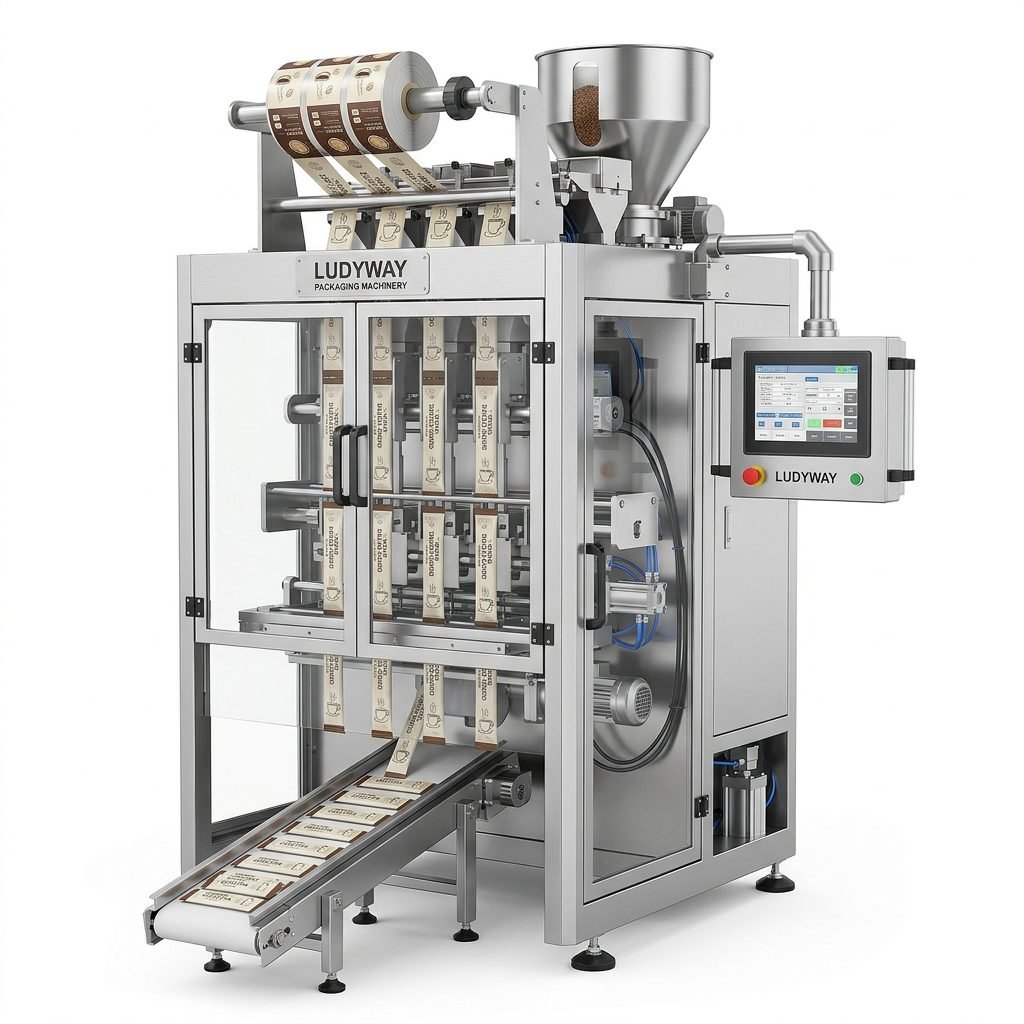
For single-serve ground meat seasonings or marinade mixes, multi-lane stick pack machines offer compact portion control. These systems are versatile for both granule and powder products.
6. Maintenance & Hygiene Best Practices
Maintaining a ground meat packaging line to European standards requires rigorous daily, weekly, and monthly procedures:
- Clean-in-Place (CIP) Systems: Automate cleaning cycles for product contact surfaces to reduce manual labor and improve consistency.
- Preventive Maintenance Schedules: Replace wear parts (sealing gaskets, cutting blades, conveyor belts) based on running hours rather than reactive breakdowns.
- Environmental Monitoring: Swab testing for pathogens (Listeria, Salmonella) should be conducted frequently, especially in high-risk zones.
- Spare Parts Inventory: Stock critical components locally to minimize downtime; European suppliers with regional service hubs can dispatch parts within 24-48 hours.
7. Automation & Industry 4.0 Integration
Modern ground meat packaging lines increasingly incorporate smart factory capabilities. Key technologies include:
| Technology | Application | Benefit |
|---|---|---|
| IoT Sensors | Real-time monitoring of temperature, humidity, vibration. | Predictive maintenance alerts, reduced unplanned stops. |
| Vision Inspection | Seal integrity, label placement, product positioning. | Automated quality assurance, fewer customer complaints. |
| Data Analytics | OEE tracking, throughput analysis, waste measurement. | Continuous improvement, informed decision-making. |
| Robotic Pick & Place | Case packing, palletizing, secondary packaging. | Labor savings, consistent stacking patterns. |
Reference the PMMI 2025 State of the Industry report for the latest trends in packaging machinery automation and digital transformation.
8. Common Challenges & Solutions
Even well-planned production lines encounter obstacles. Anticipate these common issues:
Challenge: Product Sticking to Films
Ground meat has high moisture and fat content, which can cause sticking during sealing. Solution: Use anti-fog and easy-peel films, and maintain proper sealing temperatures (typically 140-180°C depending on film type).
Challenge: Weight Inconsistency
Inaccurate portioning leads to product giveaway or underweight packs. Solution: Implement multi-head weighers with feedback control and regular calibration using certified test weights.
Challenge: Short Shelf Life
If product spoils before the “use by” date, MAP gas mixtures may be incorrect. Solution: Install continuous gas analyzers and conduct regular headspace testing throughout production runs.
Challenge: Regulatory Non-Compliance
Failure to meet EU hygiene standards can result in production shutdowns. Solution: Partner with a packaging machinery supplier familiar with European food safety regulations and design lines accordingly from the start.

9. Future-Proofing Your Investment
The European ground meat packaging sector is evolving rapidly. Position your operation for long-term success by considering:
- Sustainable Packaging: Transition to mono-material recyclable films and reduce plastic thickness while maintaining barrier properties. The EU Packaging and Packaging Waste Regulation sets ambitious recycling targets.
- Flexible Automation: Select modular equipment that can be reconfigured for different pack sizes, formats, and products as market demands shift.
- Energy Efficiency: Look for machines with servo-driven motors, heat recovery systems, and idle mode functions to reduce operating costs.
- Digital Connectivity: Ensure your packaging line can integrate with enterprise resource planning (ERP) and manufacturing execution systems (MES) for full traceability.
By following this comprehensive guide, you can confidently set up a ground meat packaging machine production line in Europe that meets regulatory standards, achieves high efficiency, and delivers quality products to consumers. For detailed equipment specifications or turnkey project consultation, reach out to experienced packaging machine suppliers who understand the unique demands of the European meat processing industry.
Explore further industry insights through the PMMI – Association for Packaging and Processing Technologies and the Flexible Packaging Association for the latest technical standards and market intelligence.