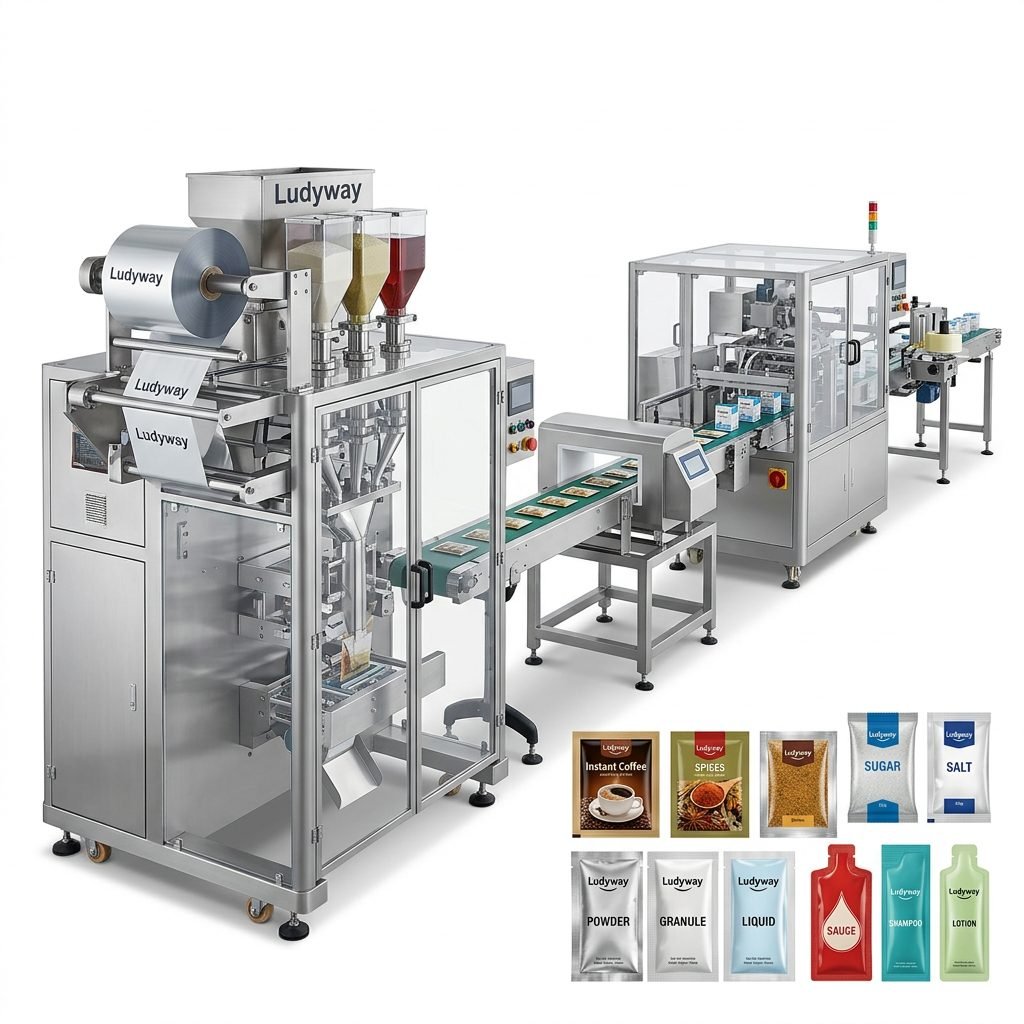
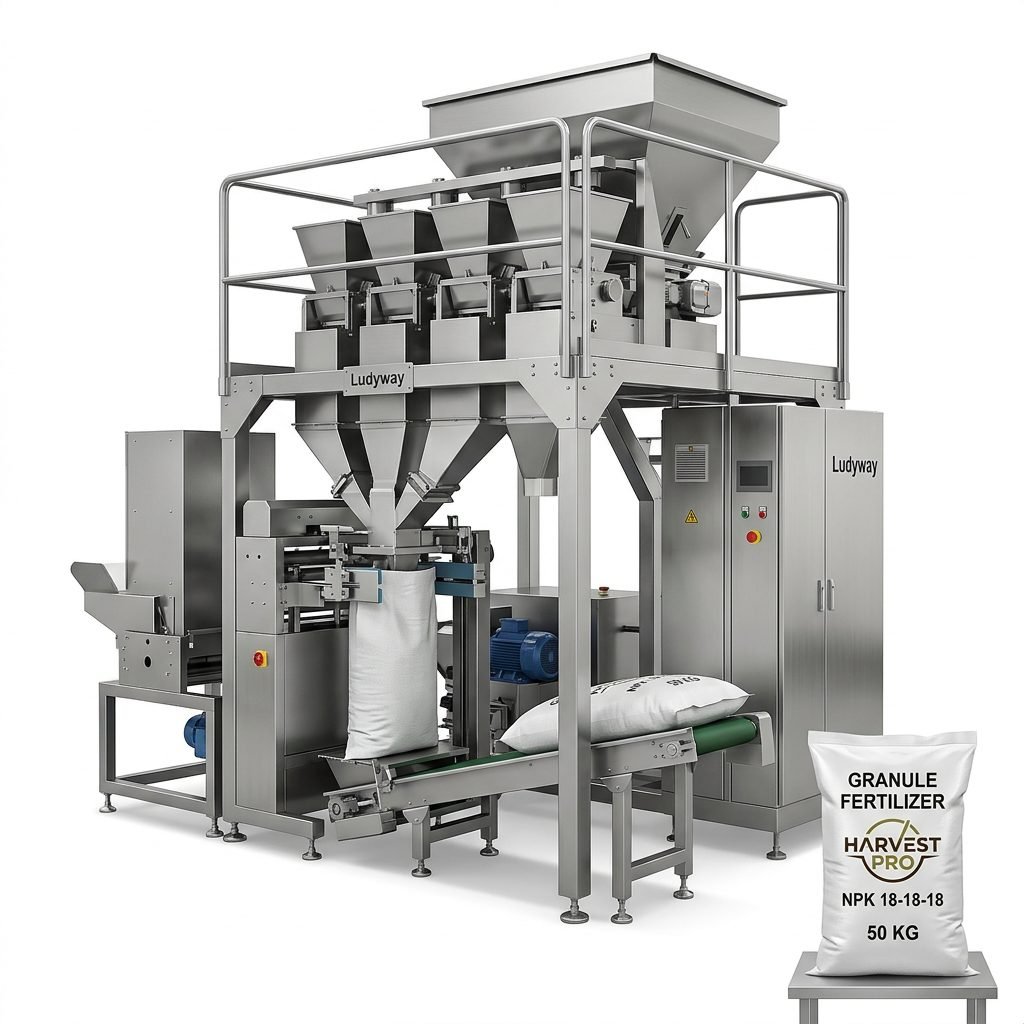
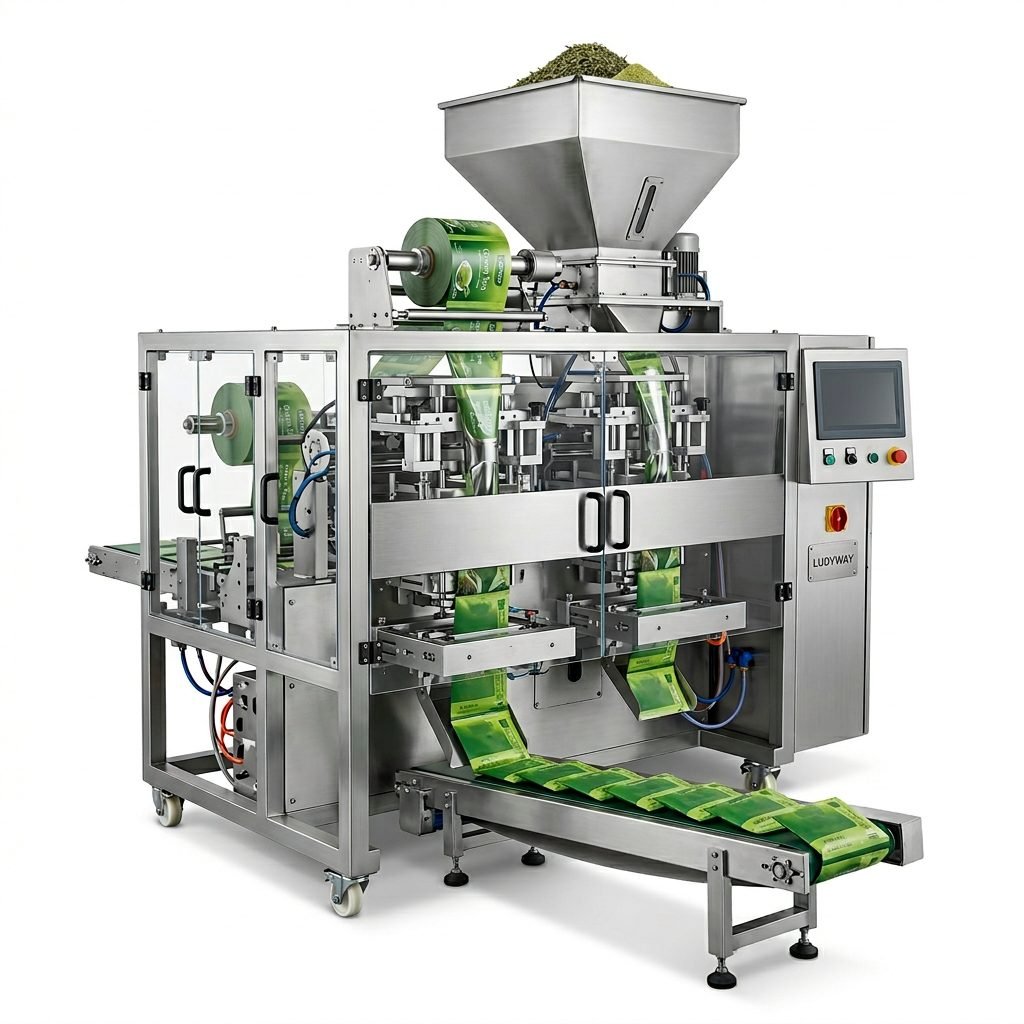
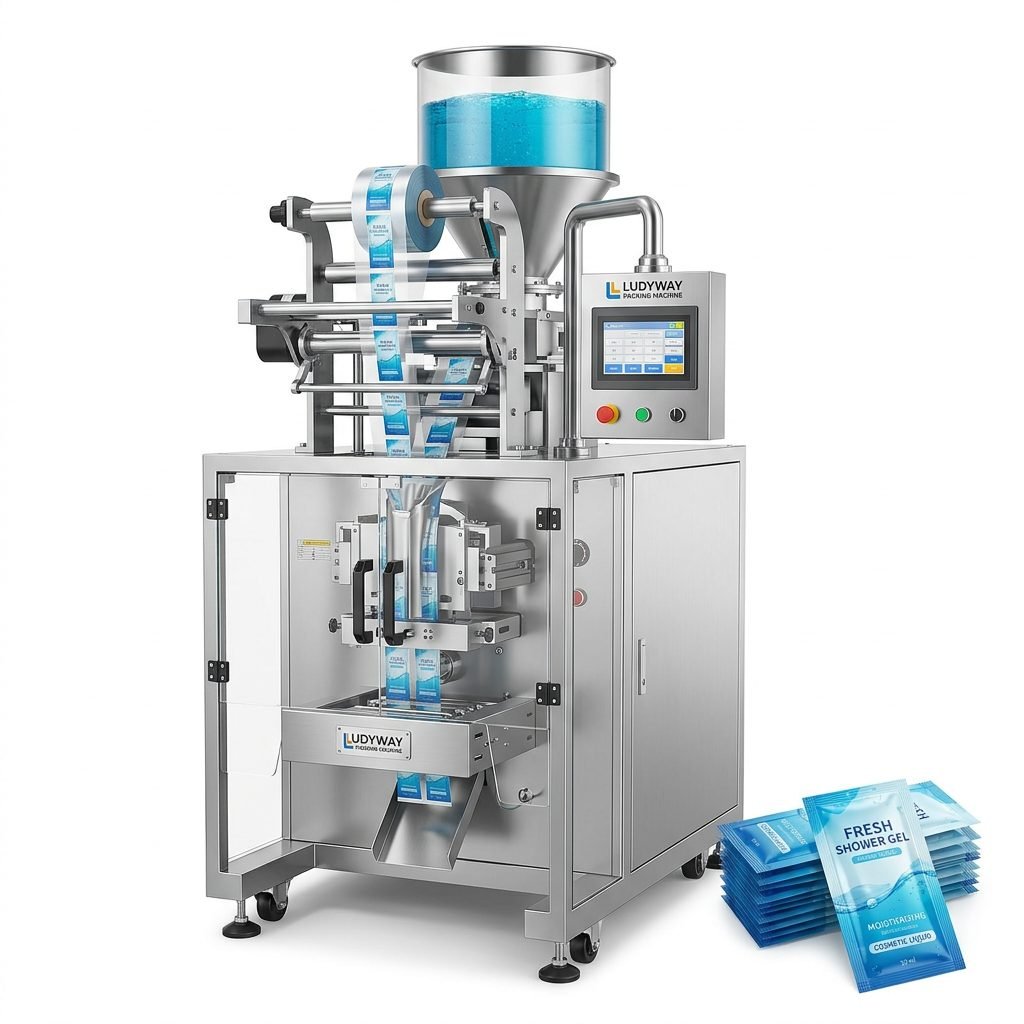
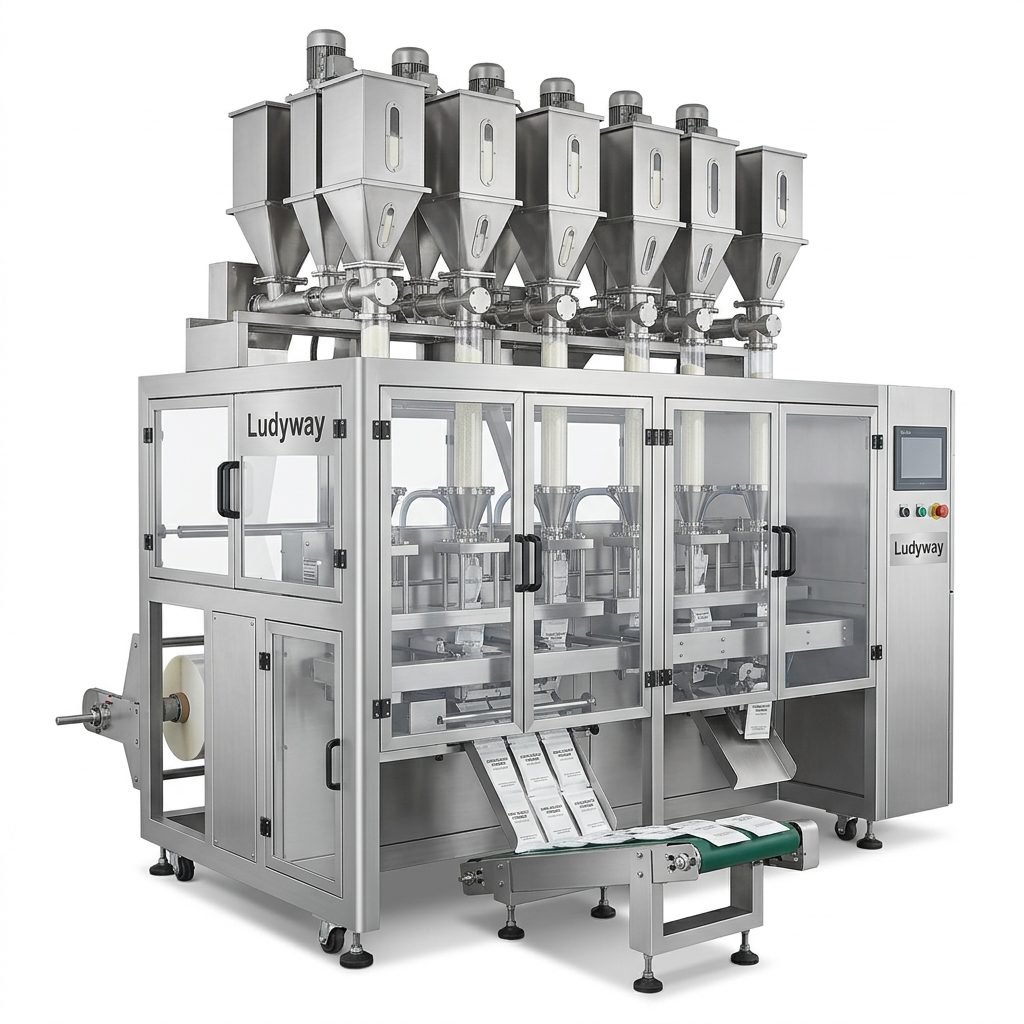
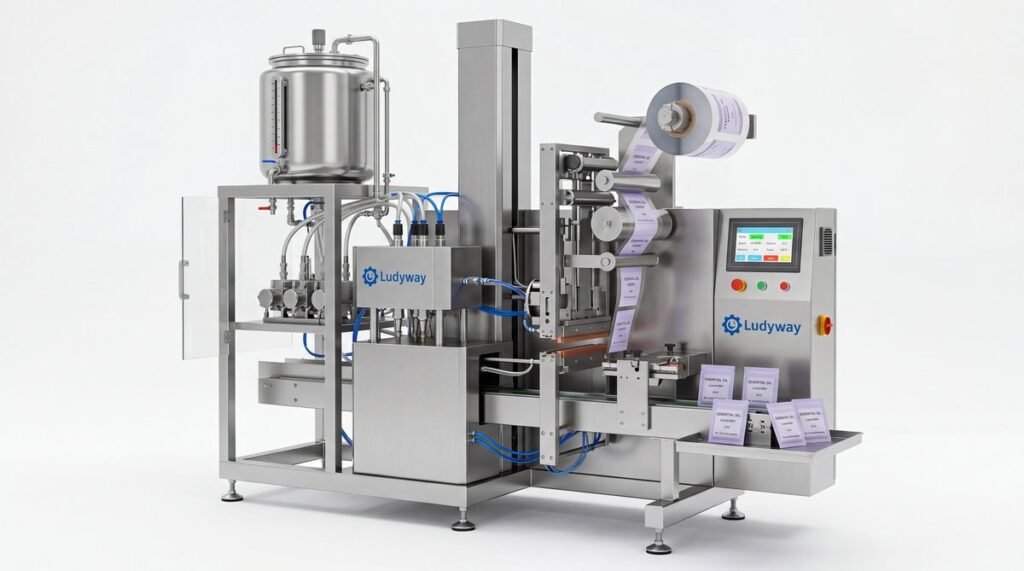
The food preparation industry is evolving rapidly, with meal kits representing one of its most dynamic segments. For businesses scaling their meal kit operations, selecting the right packaging machinery is not just an operational decision—it’s a strategic one that impacts efficiency, product integrity, and brand perception. An automatic meal kit packaging machine streamlines the process of assembling and sealing individual meal components, from proteins and grains to sauces and spices, into a single, convenient package.
Transitioning from manual packing or semi-automated systems to a fully automatic solution can dramatically increase output, improve consistency, and reduce labor costs. However, the market offers a wide array of machines with varying capabilities. This guide will walk you through the critical factors to consider when choosing the best automatic packaging solution for your food prep business.
Core Functions of a Meal Kit Packaging Machine
Understanding what these machines do is the first step. A typical automatic system for meal kits performs a sequence of integrated operations:
Dosing & Filling: Precisely portions different types of food—solid, granular, powder, or liquid—into separate compartments or pouches within the kit.
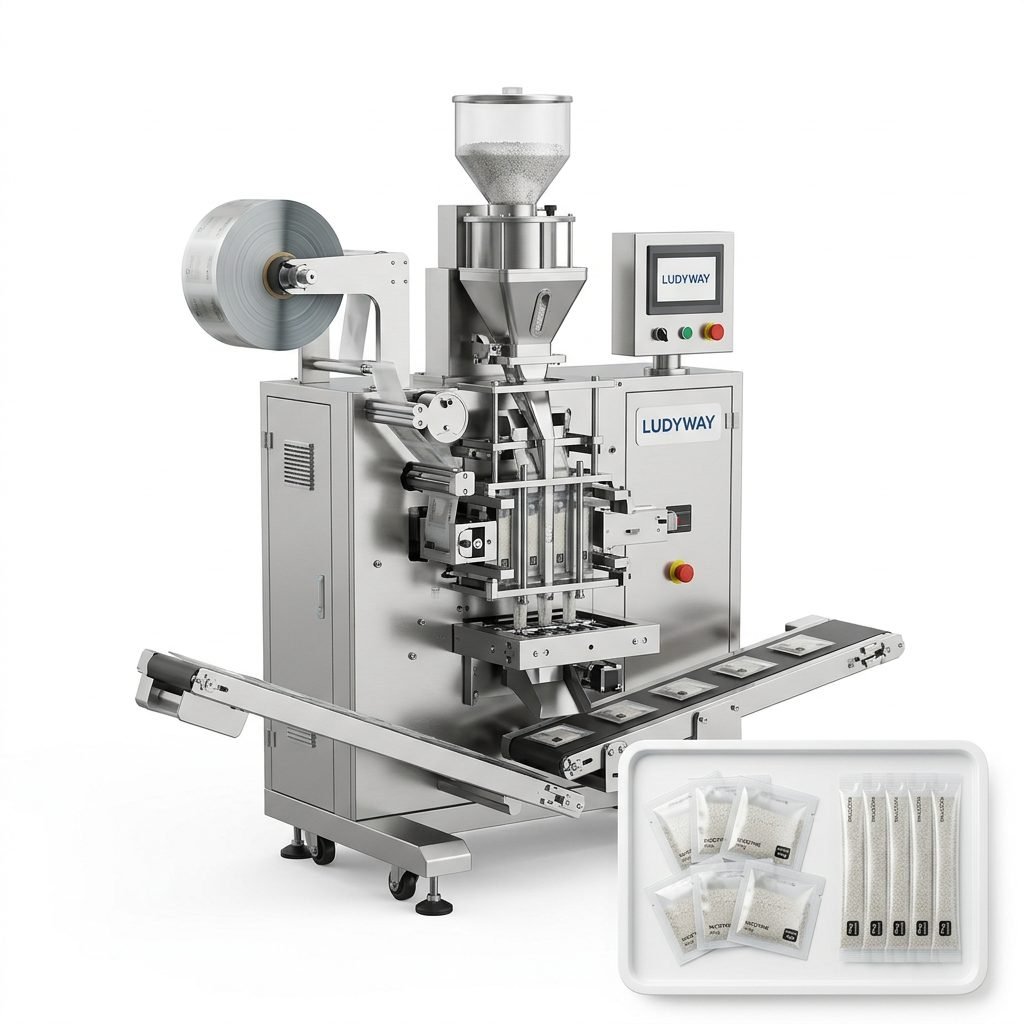
Film Feeding & Forming: Draws packaging film from a roll and forms it into the desired pouch shape (e.g., multi-lane stick packs, sachets, or larger pouches).
Sealing: Creates airtight seals for each compartment, crucial for preserving freshness and preventing cross-contamination.
Cutting & Discharge: Separates the finished pouches and discharges them for collection or further assembly into the main meal kit box.
Key Advantages for Your Business
Investing in automation brings tangible benefits that directly affect your bottom line and market competitiveness.
→ Enhanced Speed & Volume: Automatic machines operate continuously at high speeds, enabling you to meet large order volumes and scale production up or down with demand.
→ Unmatched Consistency & Accuracy: Every kit is assembled identically, with precise portion control that minimizes product giveaway and ensures customer satisfaction.
→ Significant Labor Savings: Automating repetitive packing tasks reduces reliance on manual labor, allowing your team to focus on quality control, logistics, and innovation.
→ Improved Hygiene & Safety: Closed automated systems limit direct food handling, reducing contamination risks and helping you maintain stringent food safety standards.
How to Choose the Best Automatic Solution: A Step-by-Step Guide
Selecting the ideal machine requires a careful assessment of your specific needs. Follow this framework to make an informed decision.
1. Analyze Your Product Profile
The physical characteristics of your ingredients dictate the machine type. Granular rice or quinoa requires a different filler than viscous pesto or olive oil. Key questions include: Are your components dry, moist, or liquid? What are their particle sizes? Do any require special handling (e.g., fragile herbs)?
2. Define Your Output Requirements
Calculate your current and projected production speed (pouches or kits per minute). A machine that is too slow creates bottlenecks, while an overly complex, high-speed machine may be an unnecessary capital expenditure for a growing business.
3. Select the Packaging Format
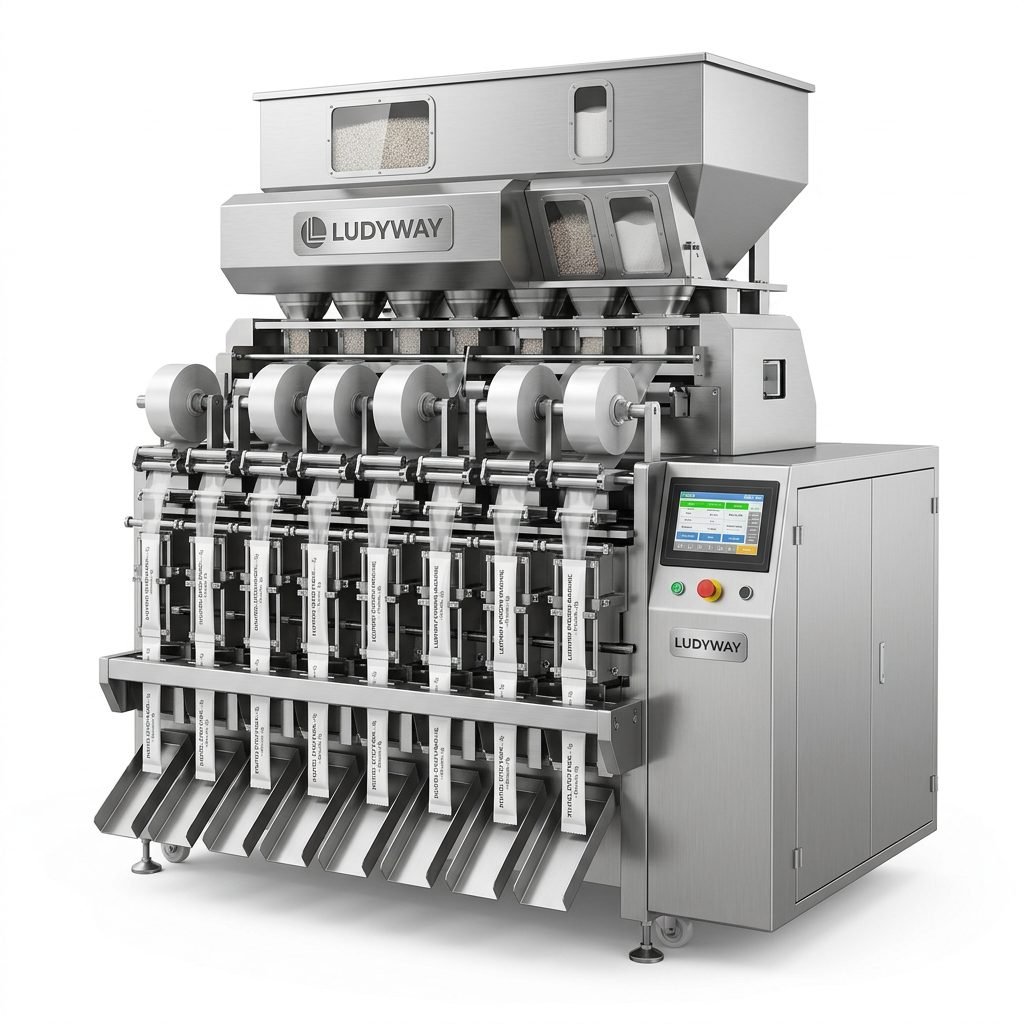
Stick Packs: Ideal for single-serving powders, spices, or sauce granules. Machines can run multiple lanes simultaneously for high efficiency.
Sachets (Flat Pouches): Versatile for a wider range of products, including finer powders, small grains, or hydrated sauces.
Multi-Compartment Pouches: Advanced machines can form pouches with separate sealed sections within a single unit, perfect for keeping meal components isolated until use.
4. Prioritize Essential Machine Features
Look for features that enhance reliability, ease of use, and flexibility.
• Changeover Ease: How quickly can you switch between different package sizes or products? Look for machines with tool-less adjustments.
• Control System: A user-friendly PLC-based touchscreen interface allows for easy operation, recipe storage, and troubleshooting.
• Filling Technology: Match the filler to your product: volumetric cups for granules, auger fillers for powders, and liquid pumps for sauces.
• Material Compatibility: Ensure the machine can handle your chosen film, whether it’s standard laminate, biodegradable, or high-barrier material.
5. Evaluate the Supplier Thoroughly
The machine is only as good as the company behind it. A reputable supplier like Ludyway Machinery provides immense value beyond the initial sale.
Industry Experience: Seek a partner with proven expertise in food packaging, particularly for meal kits or similar multi-component products. With over 30 years in the industry, suppliers bring invaluable practical knowledge.
Technical Support & Training: Comprehensive installation, training, and readily available after-sales support are non-negotiable for minimizing downtime.
Customization Capability: Your operation is unique. The best suppliers offer customized packaging solutions to tailor the machine to your exact workflow and product specifications.
Implementing Your New Packaging Line
Successful integration requires planning. Assess your factory floor space, power requirements, and workflow. Work closely with your supplier during installation and ensure your operators receive full training. Start with a pilot phase to fine-tune settings before full-scale production.
Conclusion: Investing in Your Future Efficiency
Choosing the right automatic meal kit packaging machine is a critical investment that drives scalability, consistency, and profitability. By methodically evaluating your product needs, output goals, and supplier credentials, you can select a solution that becomes a reliable cornerstone of your production process. Embracing automation with a capable partner positions your food prep business for efficient growth in a competitive market.
Frequently Asked Questions (FAQs)
Q1: What is the typical production speed range for an automatic meal kit packaging machine?
Speeds vary widely based on format and complexity. Standard multi-lane stick pack machines can range from 200 to over 1,000 pouches per minute. For complete meal kit assembly with multiple components, the overall line speed will be determined by the slowest filling station.
Q2: Can one machine handle both dry spices and liquid sauces?
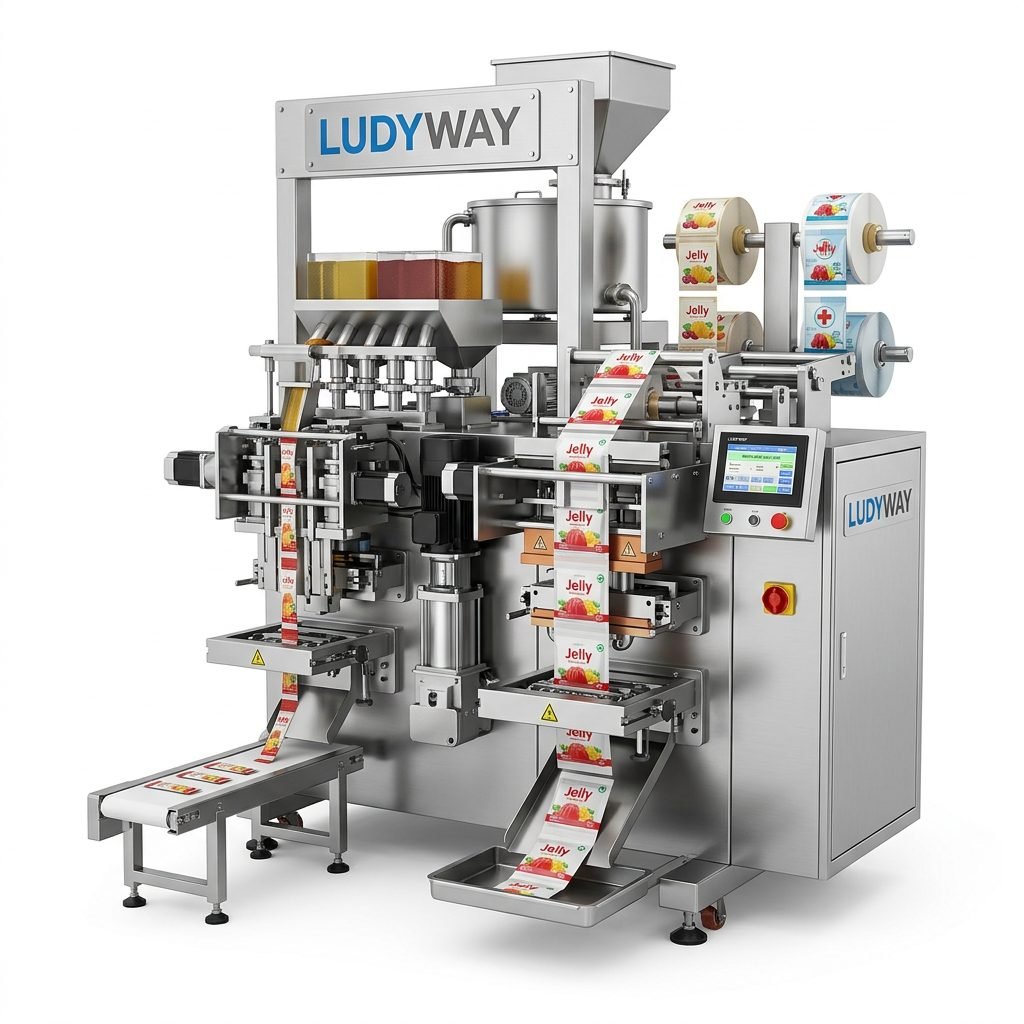
Yes, but it requires a hybrid or modular system. These machines integrate different filling technologies—like auger fillers for powders and piston pumps for liquids—on a single platform, allowing simultaneous packaging of diverse components.
Q3: How difficult is it to change package sizes or recipes on an automatic machine?
Modern machines designed for flexibility feature quick-change parts and digital recipe storage on the PLC. Changeover time can be reduced to minutes with proper tooling and operator training, minimizing downtime between production runs.
Q4: What kind of maintenance do these machines require?
Daily cleaning and lubrication are essential. Scheduled preventive maintenance, as outlined in the manual, should be performed weekly and monthly. Choosing a supplier with a strong technical support network ensures you have access to spare parts and expert service when needed.
Q5: Are there automated solutions suitable for small-to-medium-sized meal kit businesses?
Absolutely. The market offers compact, semi-automatic, and lower-speed fully automatic models that are cost-effective for SMEs. The key is to choose a scalable solution from a supplier who can support your growth, potentially starting with a critical module and expanding the line later.