The demand for meal packaging machines in Africa is growing rapidly as the continent’s food processing sector expands. From ready-to-eat meals to fortified food aid programs, selecting the right equipment is critical for maintaining product quality, extending shelf life, and optimizing production efficiency. This guide walks you through everything you need to know before investing in a meal packaging solution for the African market.
Understanding the Meal Packaging Landscape in Africa
Africa’s food packaging industry has experienced remarkable transformation over the past decade. With a population exceeding 1.4 billion and rapid urbanization, the demand for convenient, safely packaged meals has never been higher. Governments and NGOs across countries like Nigeria, Kenya, Ethiopia, and Ghana are investing heavily in school feeding programs and emergency food supplies, creating substantial opportunities for packaged meal producers.
According to industry data from the PMMI Business Intelligence Library, packaging machinery demand across emerging markets continues to outpace global averages. In Africa specifically, key drivers include:
- Urbanization — More consumers seeking quick-preparation meal options
- Food security initiatives — Government-backed programs requiring bulk packaged rations
- Export potential — African food brands increasingly shipping to international markets
- Retail modernization — Growth of supermarkets and formal retail channels
- Climate resilience — Extended shelf life packaging critical for food preservation
Types of Meal Packaging Machines Suitable for African Operations
Different meal formats require different packaging technologies. Below are the most common machine types deployed across Africa’s food industry.
Stick Pack Packaging Machines
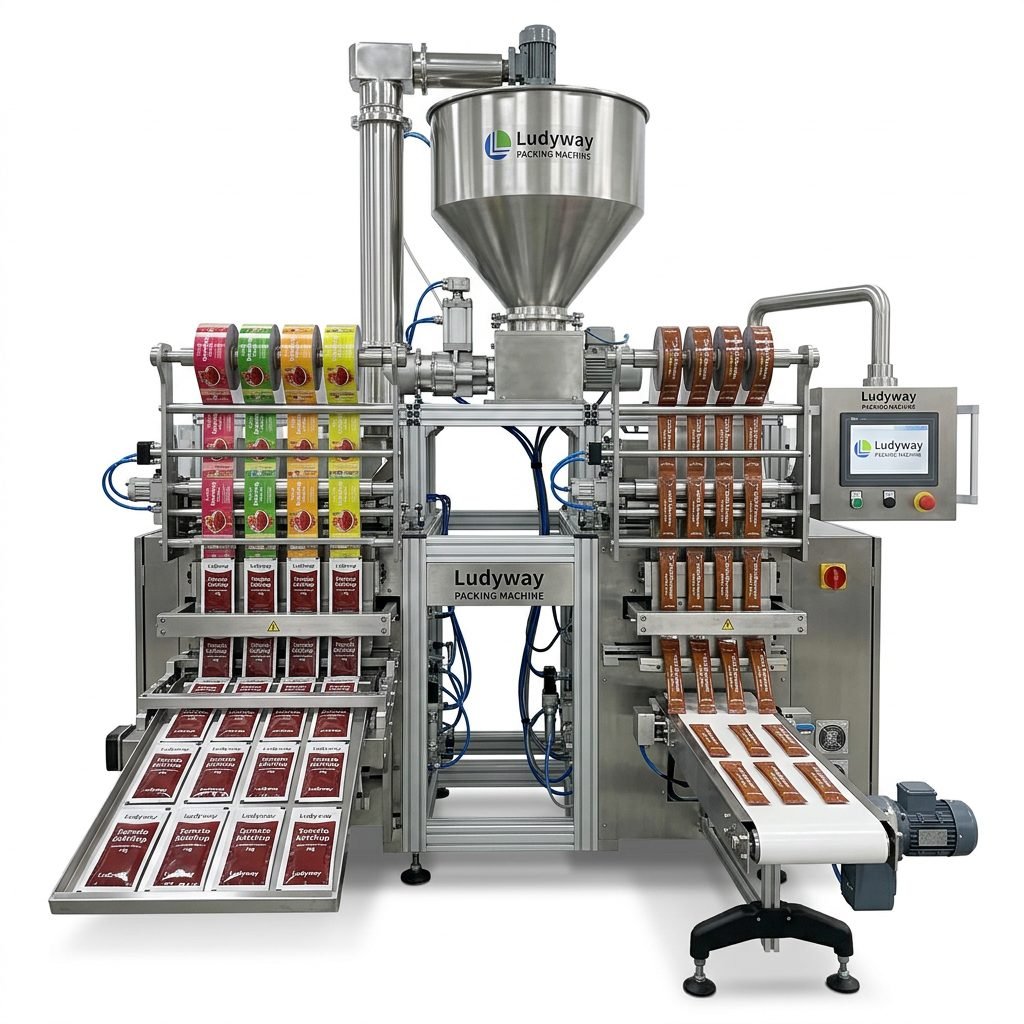
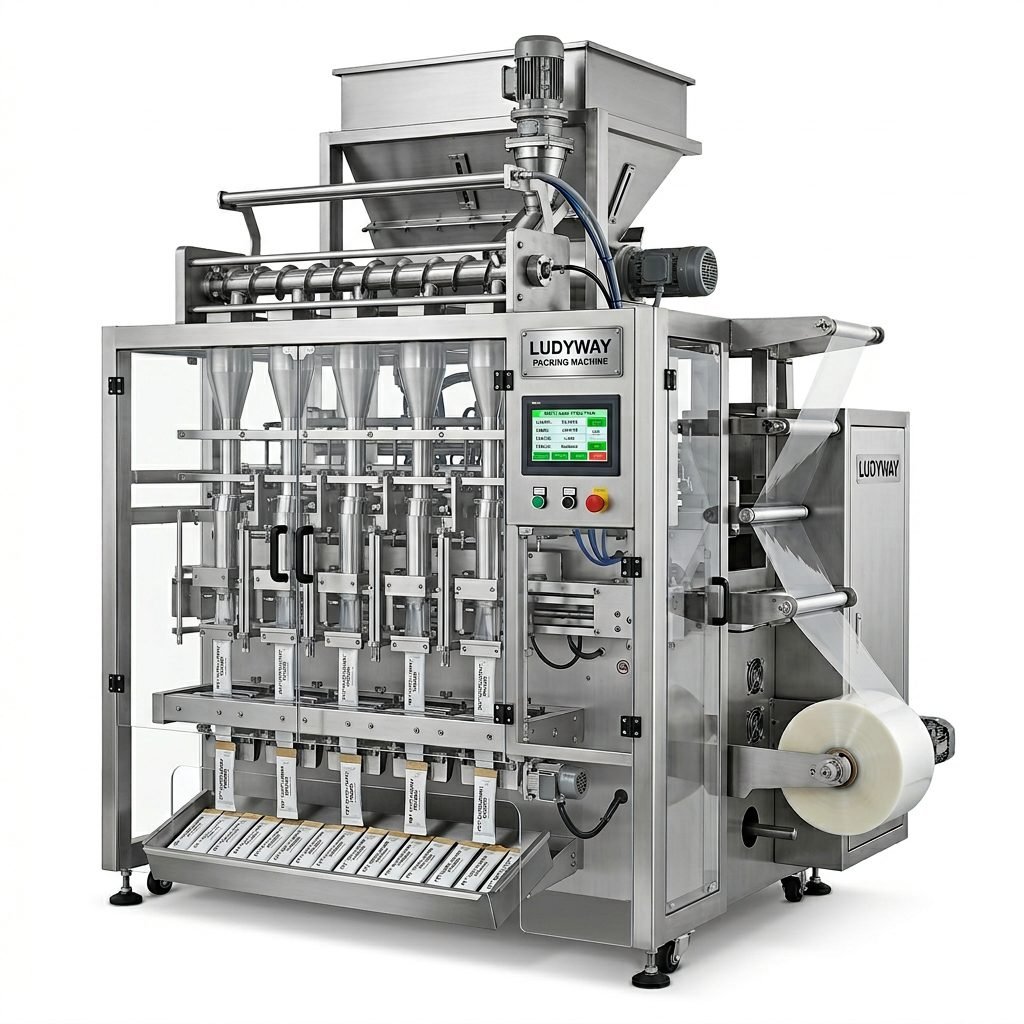
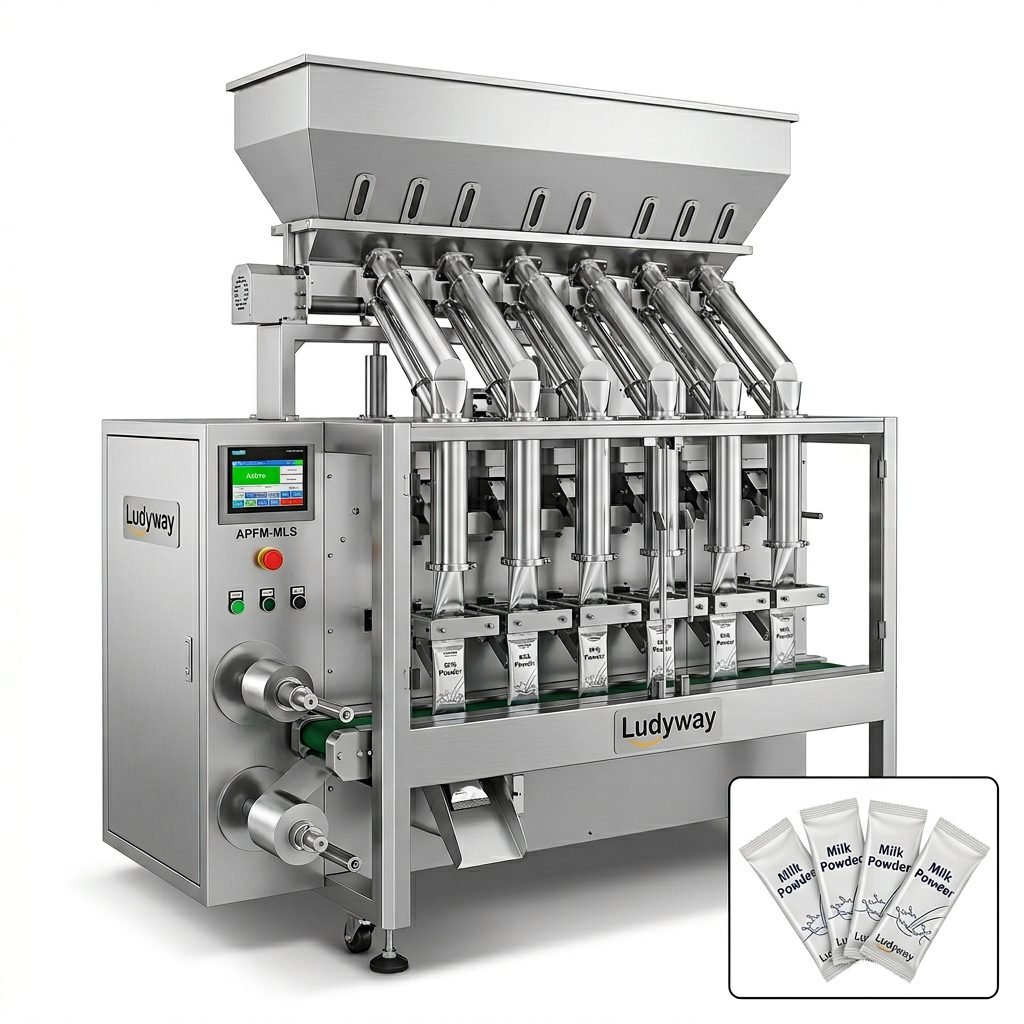
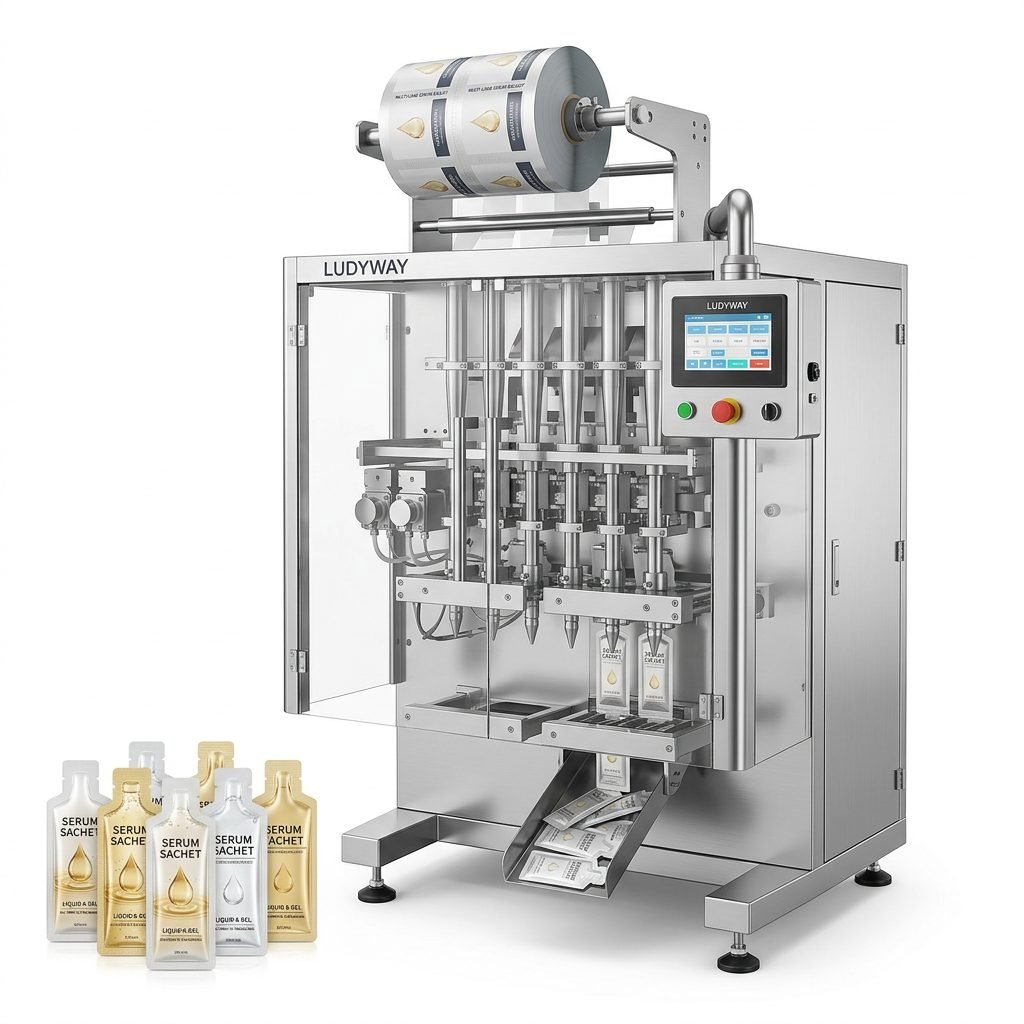
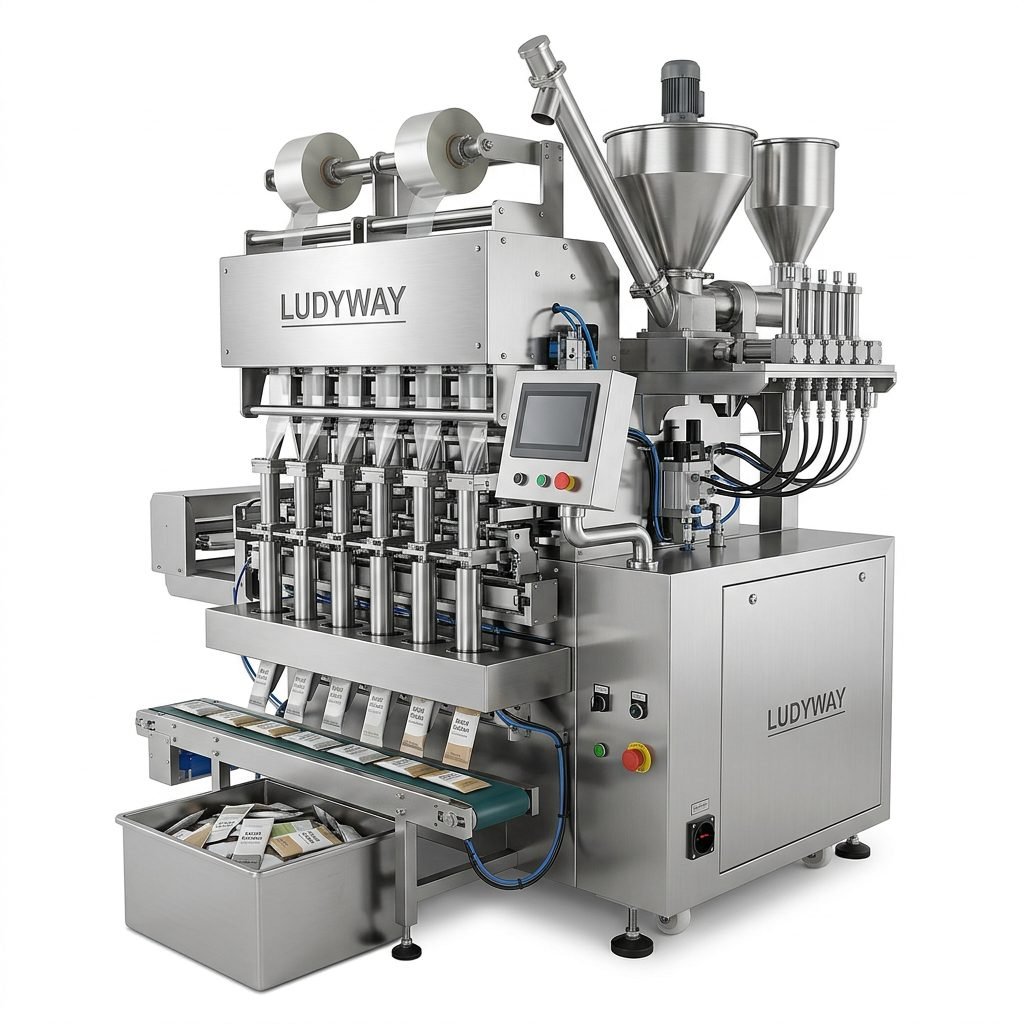
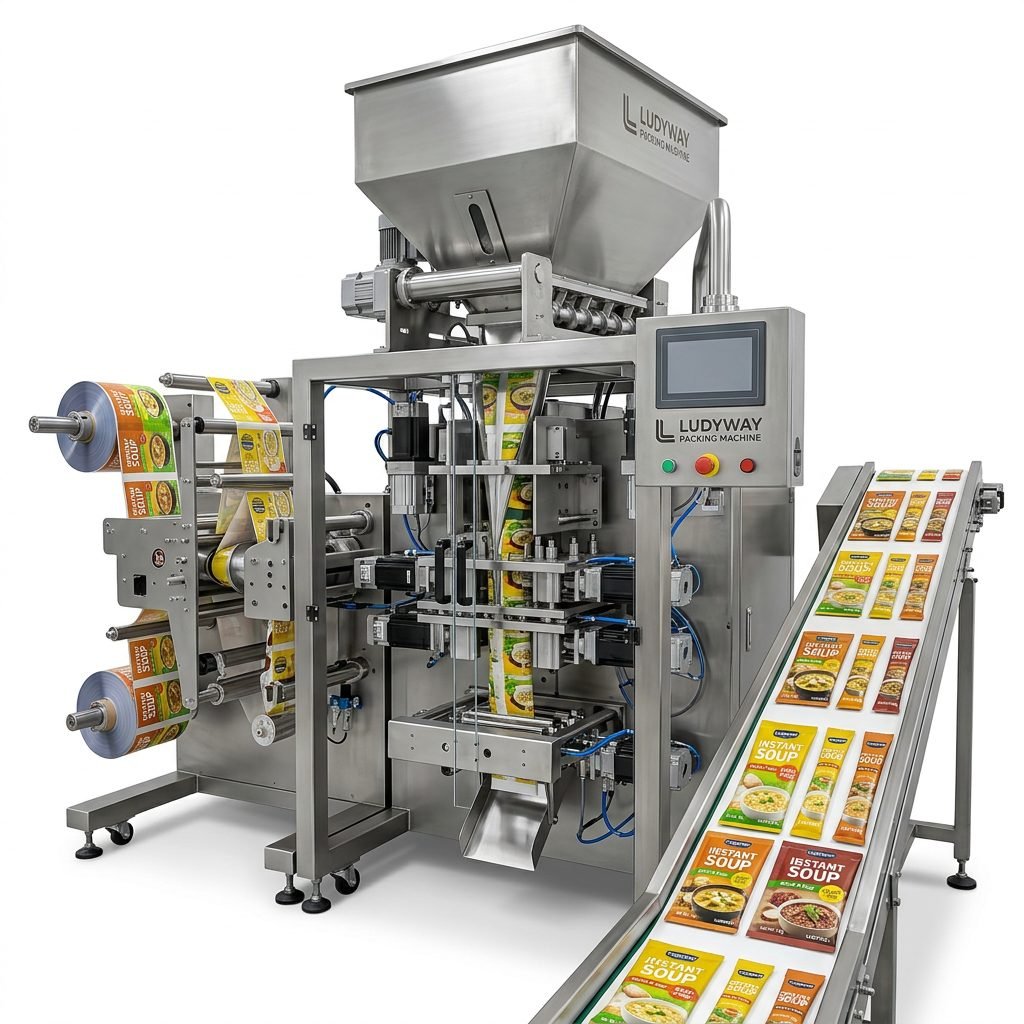
Stick pack machines are ideal for single-serve powdered meals, instant soups, and nutritional supplements. These machines form, fill, and seal narrow stick-shaped pouches that are lightweight and cost-effective — perfect for distribution in remote areas. Multi-lane configurations can produce up to 800 packs per minute, making them highly productive for large-scale aid programs.
Sachet Packaging Machines
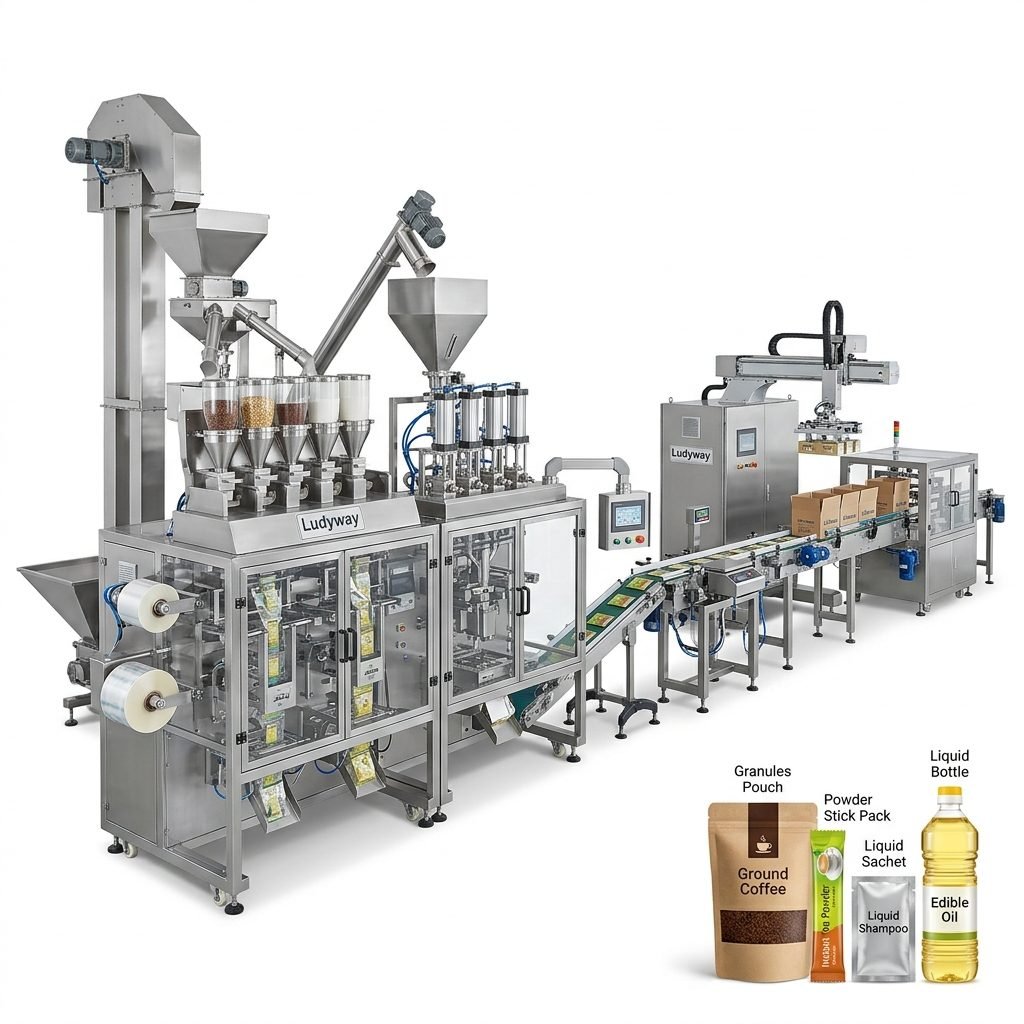
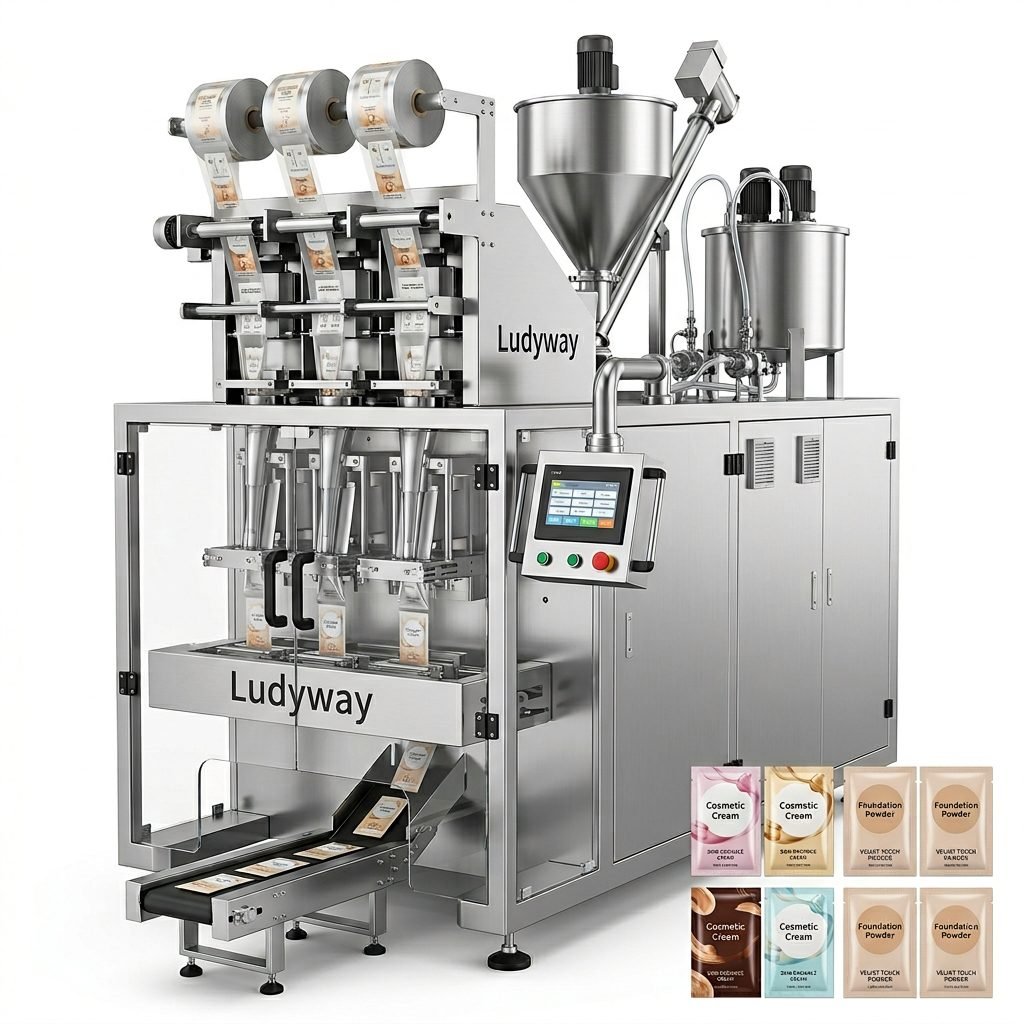
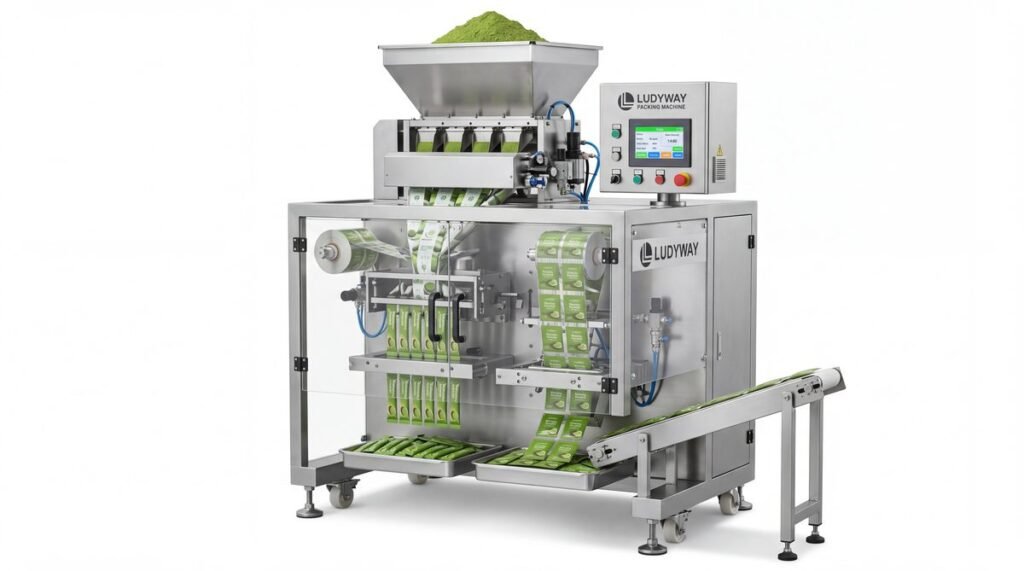
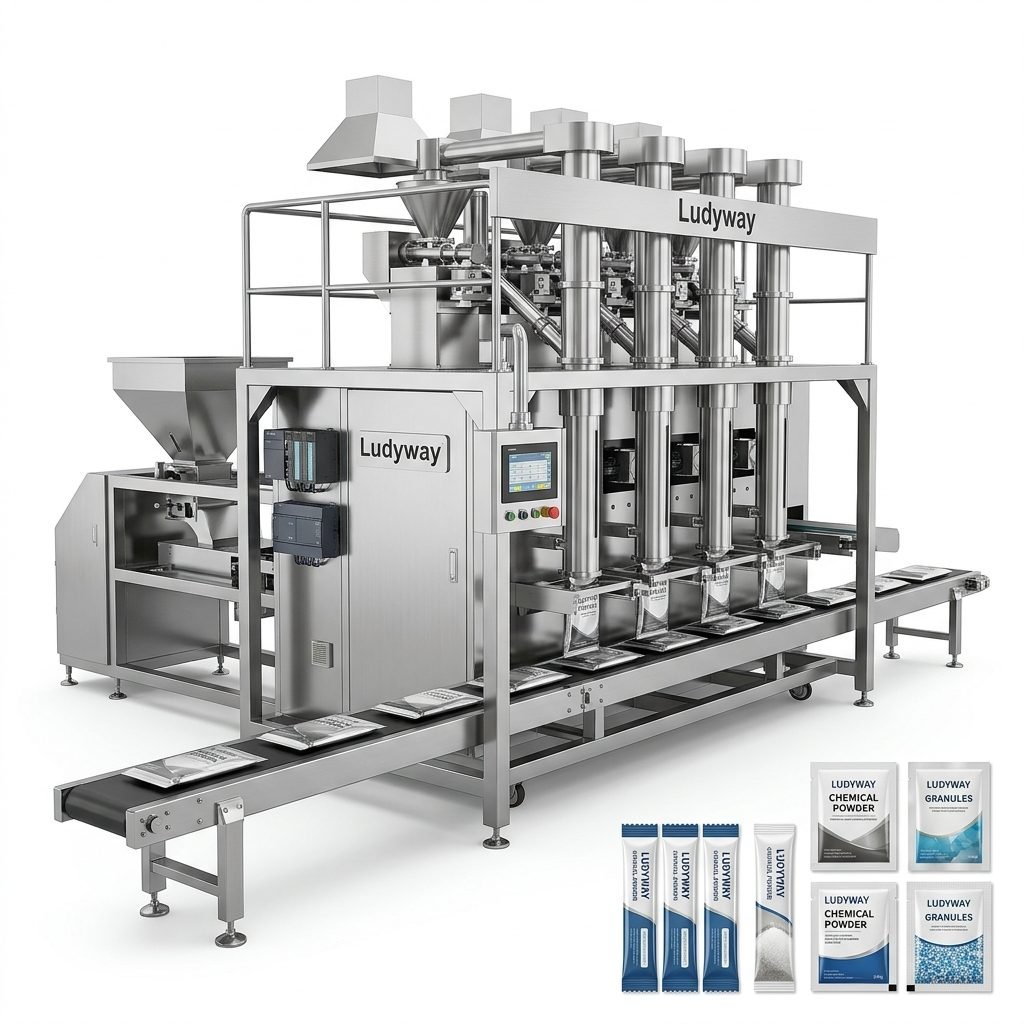
For slightly larger portions or liquid-based meals, sachet packaging systems offer versatility across powder, granule, and liquid products. They are widely used for fortified porridge mixes, ready-to-cook meal kits, and sauce portions. Sachet packaging is particularly popular in West African markets where small, affordable pack sizes drive consumer adoption.
Pouch Packaging Machines
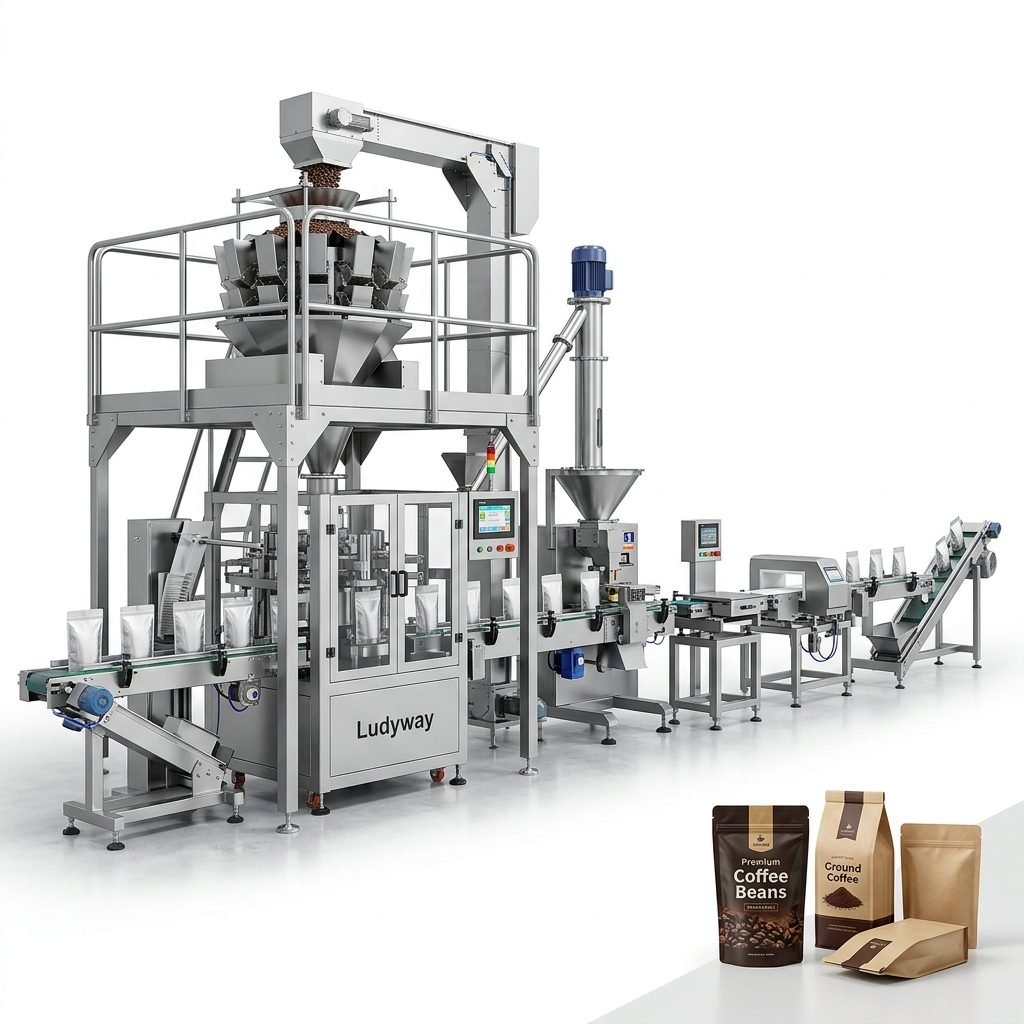
Stand-up pouches and flat pouches are gaining traction for premium meal products across Africa’s growing middle-class segment. These machines handle granule, powder, and liquid filling with nitrogen flushing capabilities to extend product shelf life — a critical requirement in hot, humid climates.
Key Factors to Consider When Choosing a Meal Packaging Machine
Investing in packaging equipment for the African market requires careful evaluation of several critical factors:
Product Characteristics
Your meal product’s physical properties — whether it is a free-flowing powder, sticky granule, viscous liquid, or chunky mixture — directly determine the type of filling system required. Volumetric fillers work well for consistent-density powders, while multi-head weighers are better for irregular granules. Liquid meals need piston or peristaltic pump filling systems calibrated for varying viscosities.
Production Volume Requirements
African meal packaging operations range from small community cooperatives processing a few hundred packs per day to industrial facilities producing millions of units monthly. Match your machine’s rated output capacity to your current and projected needs. Multi-lane machines offer significantly higher throughput but require larger initial investment.
Packaging Material Compatibility
In many African markets, laminate films with excellent moisture and oxygen barriers are essential. Your machine must be compatible with locally available packaging materials. Per Flexible Packaging Association data, multi-layer barrier films are the fastest-growing segment for food applications in tropical climates.
Power Supply and Operating Environment
Many areas in Africa experience unstable electricity supply. Machines with wide voltage tolerance and the ability to operate with generators are essential. Additionally, equipment must withstand high ambient temperatures and humidity levels without compromising sealing integrity.
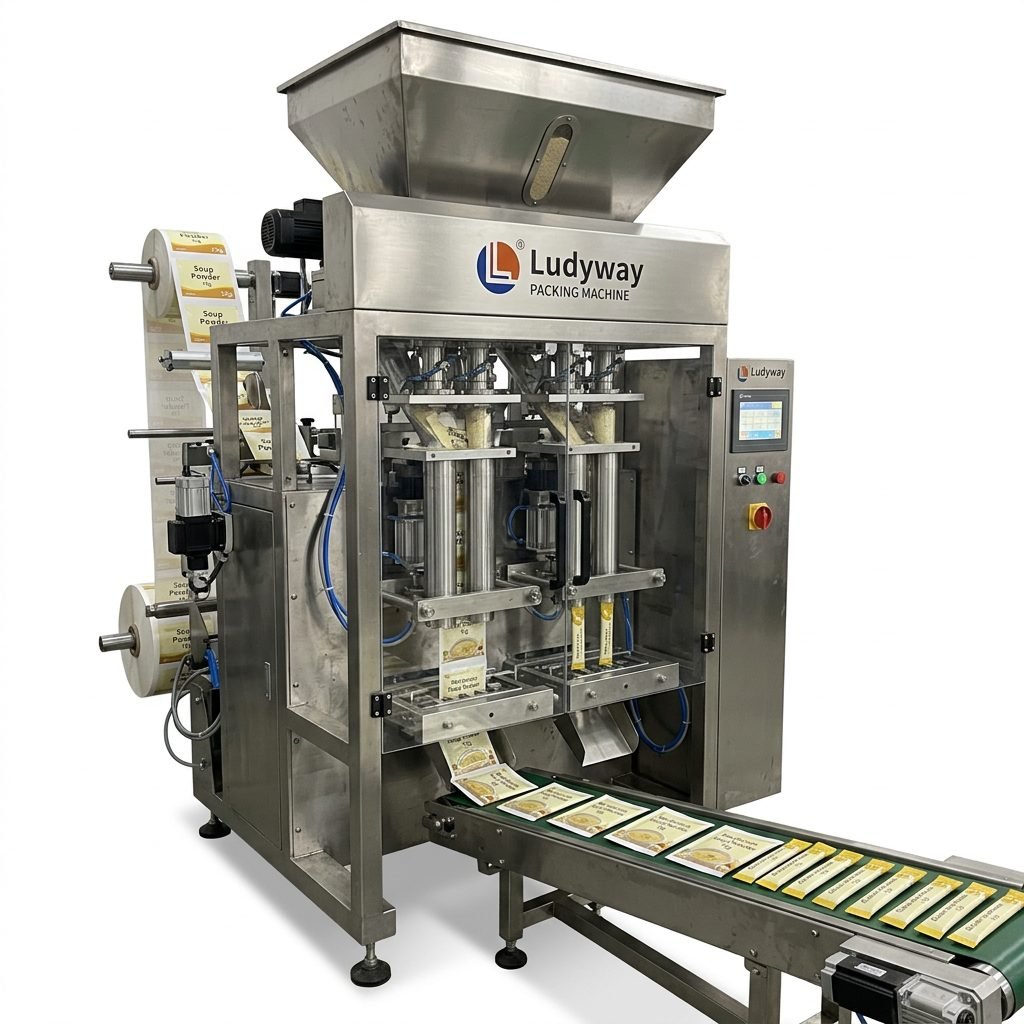
Technical Specifications That Impact Performance
When evaluating meal packaging machinery, focus on these technical parameters:
- Filling accuracy — Typically ±0.5% to ±2% depending on product type and filling mechanism
- Sealing temperature control — Precise PID-controlled sealing ensures consistent hermetic seals
- Film roll capacity — Larger rolls reduce changeover frequency, improving overall equipment effectiveness
- Changeover time — Quick-change features are valuable when producing multiple meal SKUs
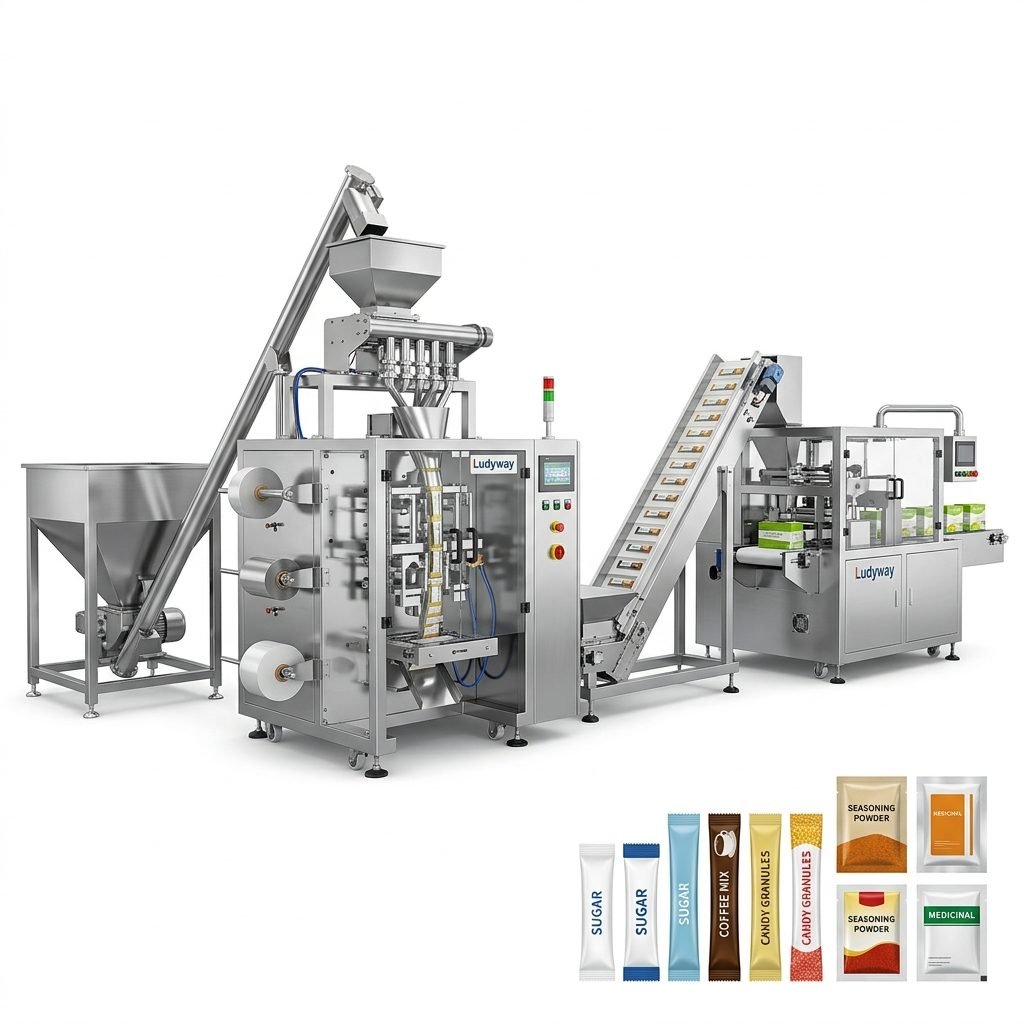
- Automation level — From semi-automatic to fully integrated turnkey lines with cartoning and palletizing
- Clean-in-place capability — Essential for facilities producing different meal types to prevent cross-contamination
Machine Comparison at a Glance
| Machine Type | Best For | Typical Output | Investment Level |
|---|---|---|---|
| Stick Pack Machine | Powdered meals, supplements, drink mixes | 200–800 packs/min | Medium to High |
| Sachet Machine | Granules, powders, pastes, portion packs | 60–400 packs/min | Low to Medium |
| Premade Pouch Machine | Premium meals, stand-up pouches, retort products | 30–120 packs/min | Medium |
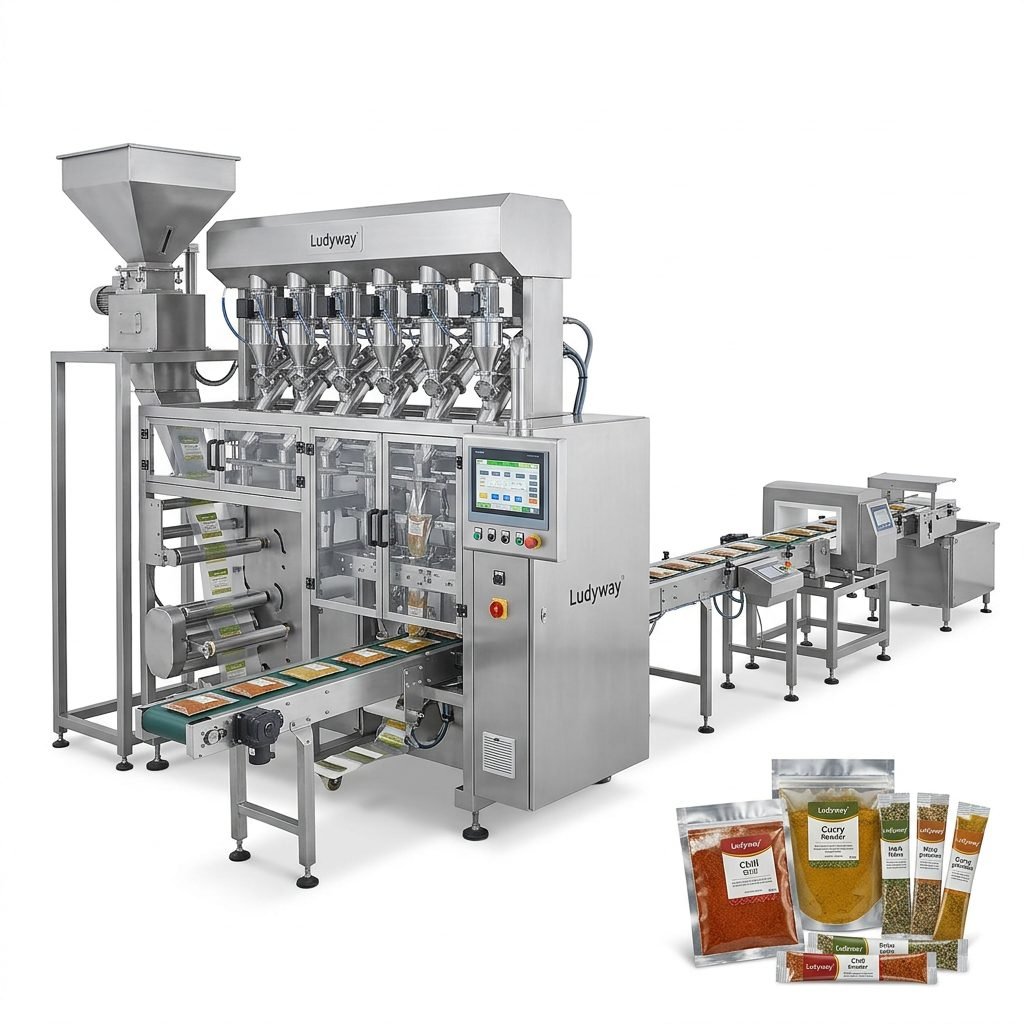
| Turnkey Packaging Line | Full-scale operations needing weighing, filling, cartoning | Customizable | High |
Cost Considerations and Return on Investment
The total cost of ownership for a meal packaging machine in Africa extends beyond the initial purchase price. Factor in the following when calculating ROI:
- Shipping and import duties — Can add 15–35% to equipment costs depending on the country
- Installation and commissioning — Budget for technician travel and on-site setup
- Operator training — Adequate training significantly reduces downtime and waste
- Spare parts inventory — Keeping critical wear parts on hand minimizes production interruptions
- Film material costs — Ongoing consumable expenses directly impact per-unit packaging costs
- Maintenance contracts — Preventive maintenance extends machine life and ensures consistent output
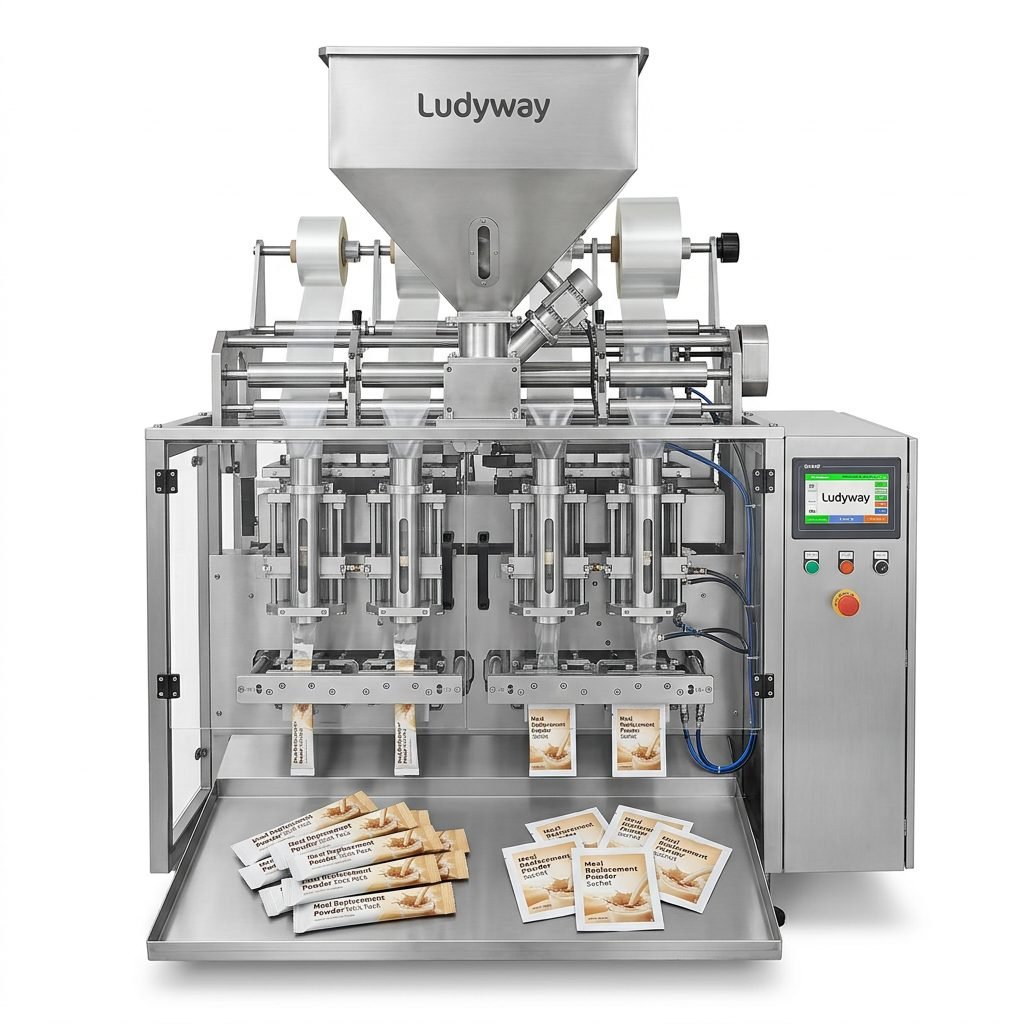
Regulatory Compliance and Food Safety Standards
Meal packaging operations in Africa must align with both local regulations and international standards, especially when exporting. Key requirements include:
- Food-grade contact materials — All machine parts touching the product must be certified food-safe
- Traceability systems — Batch coding and date printing capabilities are increasingly mandated
- HACCP compliance — Equipment design should support hazard analysis and critical control point protocols
- ISO packaging standards — Refer to ISO packaging standards for internationally recognized requirements
For products destined for international markets, compliance with FDA food packaging regulations or EU packaging directives may be necessary. Selecting equipment that supports compliance from the start avoids costly retrofitting later.
Training and After-Sales Support
Perhaps the most overlooked factor when purchasing packaging machinery for Africa is ongoing technical support. Before finalizing any equipment purchase, verify that the supplier offers:
- Comprehensive operator and maintenance training programs
- Remote diagnostic capabilities for troubleshooting
- Readily available spare parts with expedited shipping to African destinations
- Local service partners or dedicated regional support teams
- Detailed documentation in relevant languages (English, French, Portuguese, Arabic)
Future-Proofing Your Investment
The African meal packaging sector is evolving rapidly. Modular machine designs that allow for future upgrades — such as adding additional lanes, integrating automated cartoning, or incorporating vision inspection systems — provide long-term value. Consider equipment that supports:
- Industry 4.0 connectivity — Remote monitoring and data analytics for production optimization
- Sustainable packaging materials — Compatibility with recyclable and biodegradable films
- Multi-product flexibility — Quick changeover between different meal formulations and pack sizes
- Energy efficiency — Reduced power consumption for lower operating costs
Leading manufacturers such as Ludyway offer a comprehensive range of packaging machinery solutions designed to meet the diverse needs of African food producers, from compact single-lane machines to fully automated multi-lane production lines. When selecting your meal packaging machine, prioritize reliability, local support availability, and the flexibility to adapt as your business grows.
Frequently Asked Questions About Meal Packaging Machines for Africa
What is the best packaging format for meal products in tropical climates?
Multi-layer barrier film sachets and stick packs generally offer the best protection against moisture and oxygen in Africa’s tropical regions. For extended shelf life, nitrogen-flushed packaging with high-barrier aluminum foil laminates is recommended.
How much does a meal packaging machine cost for African operations?
Entry-level single-lane sachet machines can start around $8,000–$15,000, while high-speed multi-lane stick pack lines with integrated cartoning can range from $50,000 to over $200,000 depending on automation level and output capacity.
Can one machine handle multiple meal product types?
Yes, many modern packaging machines are designed with quick-change tooling that allows switching between powders, granules, and liquids. However, changeover time and cleaning requirements vary by product viscosity and allergen considerations.
What power supply do these machines require?
Most industrial packaging machines run on 380V three-phase or 220V single-phase power. For African operations, confirm voltage stability at your location and consider voltage stabilizers or generator compatibility for areas with unreliable grid supply.
For more detailed market intelligence, consult the PMMI State of the Industry Report and Flexible Packaging Association resources for the latest packaging trend data and equipment innovation insights.